

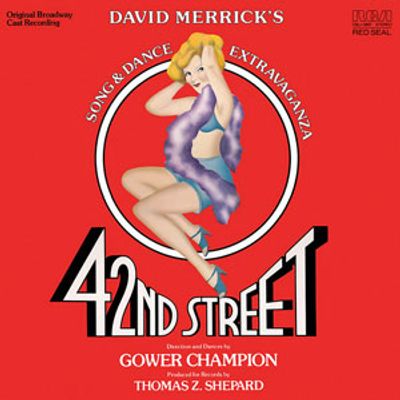
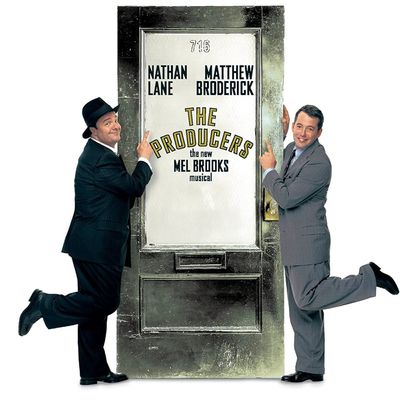
The Best of Times is Now as we bid adieu to Lee Roy Reams in the last of his three part interview. After 7 years in 42nd Street, Lee Roy begins a journey into the worlds of Disney, Mel Brooks, and, puts on his Sunday clothes to play the first male Dolly Levi!.. Read More
From the show: BEHIND THE CURTAIN: BROADWAY'S LIVING LEGENDS » Podcast
Featured Shows

About
The Best of Times is Now as we bid adieu to Lee Roy Reams in the last of his three part interview. After 7 years in 42nd Street, Lee Roy begins a journey into the worlds of Disney, Mel Brooks, and, puts on his Sunday clothes to play the first male Dolly Levi!
Transcript
This transcript was automatically generated and might contain errors.
[0:00] Robert W. Schneider: Hi, I'm Robert W. Schneider.
[0:01] Kevin David Thomas: And I'm Kevin David Thomas.
[0:02] Robert W. Schneider: And this is Behind the Curtain: Broadway's Living Legends.
[0:06] Kevin David Thomas: Don't forget to follow us on our Facebook page, Behind the Curtain: Broadway's Living Legends.
[0:10] Kevin David Thomas: And on Twitter at Broadway Curtain or Instagram at Broadway Curtain Podcast.
[0:15] Robert W. Schneider: Um, we are going to be airing right now part three, part of our interview with the fantastic...
[0:23] Robert W. Schneider: He was so good we had to have him three times.
[0:25] Robert W. Schneider: LEE ROY REAMS.
[0:26] Kevin David Thomas: It also helps that he gave us Martini after Martini.
[0:29] Robert W. Schneider: This is true.
[0:29] Kevin David Thomas: And that helped a lot with this podcast.
[0:32] Robert W. Schneider: So anyway, we're on stage after David made the announcement.
[0:36] Kevin David Thomas: No one knew what to do.
[0:37] Robert W. Schneider: Yeah.
[0:37] Robert W. Schneider: And Jerry Orbach, God bless him, turned and said, "Bring in the curtain."
[0:37] Kevin David Thomas: Bring in the curtain.
[0:42] Robert W. Schneider: So they brought the curtain in. And as the curtain hit the stage, I had a flashback to a conversation I had with Gower.
[0:50] Robert W. Schneider: Because we talked a lot. And he said, you know, during the 70s, Lee Roy, I thought my career was over.
[0:56] Robert W. Schneider: He said that no one wanted to see what I did anymore. And he said, during that period, I went to the discos, I did the drugs. I wanted to try to get with it.
[1:03] Robert W. Schneider: And he said, I just woke up one day and said, "Why am I doing this? This is not me. I'm an old-fashioned song and dance man."
[1:12] Robert W. Schneider: And he said, and when David asked me to do the show, I understood it. And even though my doctor said I shouldn't, he said, I did because I don't want to be remembered as a has-been.
[1:25] Robert W. Schneider: That's what went through my mind at that moment. It was like a light went off.
[1:30] Kevin David Thomas: So then, as we do, it's opening night.
[1:34] Robert W. Schneider: Yeah.
[1:34] Kevin David Thomas: We have an opening night.
[1:36] Kevin David Thomas: We've got, you know, people there. We're going to the Waldorf Astoria for a sit-down dinner on opening night.
[1:43] Robert W. Schneider: Are you ready for that?
[1:44] Kevin David Thomas: The reason being we only had one producer.
[1:46] Robert W. Schneider: Right.
[1:47] Kevin David Thomas: We had one producer.
[1:49] Robert W. Schneider: Wow.
[1:50] Kevin David Thomas: And, of course, there were, you know, celebrities and the company, and we had a sit-down dinner at the Waldorf Astoria with an orchestra.
[1:57] Robert W. Schneider: It was the classiest opening night ever in my life. It was perfection.
[2:02] Kevin David Thomas: So when we're all standing on stage, everybody were like robots. We all ran up to get dressed to go to the party.
[2:09] Robert W. Schneider: I walk in at the party. Who's the first person I see?
[2:12] Kevin David Thomas: Bob Fosse.
[2:14] Robert W. Schneider: Who comes up to me and says, I remember it as if it were today, that son of a bitch.
[2:21] Robert W. Schneider: He said, "That son of a bitch," he said, I filmed my own death, and he had to do me one better by doing it on fucking opening night.
[2:30] Kevin David Thomas: And we laughed so hard.
[2:32] Robert W. Schneider: And I said, Do you know, Bobby Gower, if he's up there, is laughing with us.
[2:38] Robert W. Schneider: I said, He would be so pleased that you said that. And, uh, so anyway, and we had our opening night party. It was incredible.
[2:45] Robert W. Schneider: I mean, we were all like zombies. We were trying to have a good time, but it was what it was.
[2:52] Kevin David Thomas: And of course, the press and everything were just going crazy. And it was interesting that the next day on the news, I was the person selected to go on channel four with Pia Lindstrom.
[3:03] Kevin David Thomas: Oh, wow.
[3:03] Robert W. Schneider: Talk about it.
[3:05] Robert W. Schneider: I don't and I I'll never understand that. I mean, there was Jerry and Tammy and all the people in the company and Wanda, and but I was the one asked to go on the show and talk about it.
[3:15] Kevin David Thomas: Yeah.
[3:15] Robert W. Schneider: And I have a copy of that.
[3:17] Kevin David Thomas: Oh wow.
[3:18] Robert W. Schneider: It was very interesting.
[3:19] Kevin David Thomas: Love to see that.
[3:19] Robert W. Schneider: Well, yeah, that you know, because I felt so close to Gower. And it was almost a joke that Gower didn't have to tell me what to do.
[3:28] Robert W. Schneider: I knew what he wanted. It was like we were just so tuned in that he would look at me and I knew exactly what he wanted me to do.
[3:36] Robert W. Schneider: And like in Dames, when he was putting it together, he said, Oh, Lee Roy, I don't have time to choreograph you. Just, you know when you have to sing, when you find a hole, come through it and hold your hat and do your cane and make some poses.
[3:48] Kevin David Thomas: That's brilliant.
[3:49] Robert W. Schneider: Which, and that, uh, but he didn't have to tell me, I knew. And you know, when we laughed when he did, uh, Lola by a Broadway, because he staged it with all of us.
[3:59] Robert W. Schneider: It was incredible how he did that, and it was perfect. And then he said, then we add the principles and he had us all sing that opening thing.
[4:05] Robert W. Schneider: Come on along, and you know, at that point, and we all like audition, me, Carol, the, the and of course everybody laughed because once I sang they knew I was gonna be it.
[4:14] Kevin David Thomas: So we did it, of course, and the thing about let's call it up. And again, Jerry went, you know, hit it.
[4:18] Robert W. Schneider: That's how that's, yeah, and that was done in rehearsal because Jerry couldn't hit the note. So he just pointed at me and I hit the note and I got a laugh and Jerry said, Leave it in.
[4:26] Kevin David Thomas: Brilliant.
[4:26] Robert W. Schneider: Amazing.
[4:27] Kevin David Thomas: Yeah.
[4:27] Robert W. Schneider: Then those things happened. But it became a joke because, and I know that had Gower lived, seriously, had he lived, that I would have at least, if not been in his next show, I would have been one of his assistants.
[4:41] Robert W. Schneider: Because it was just we, our minds were just in sync.
[4:46] Kevin David Thomas: Yeah.
[4:47] Robert W. Schneider: One of the most, uh, iconic images of 42nd Street is you in mid-air over a dime. And I'll tell you how that happened.
[4:53] Robert W. Schneider: It was at the photo shoot, and Gower went to the bathroom and I grabbed Martha Swope and I said, I've got a great idea for a shot.
[5:03] Robert W. Schneider: I'm gonna get on. I said, kids come out here, get around, get on the lines. And I said, I'm gonna go one, two, three, jump in the air, Martha, and catch me.
[5:11] Kevin David Thomas: She said, I got you.
[5:12] Robert W. Schneider: And Gower was peeing in the bathroom. So that's how we got that shot.
[5:16] Kevin David Thomas: Yeah.
[5:16] Robert W. Schneider: Yeah.
[5:16] Robert W. Schneider: I love that. I set that shot up.
[5:18] Kevin David Thomas: I love that.
[5:19] Robert W. Schneider: And it's one of the most iconic shots of the whole thing. And I thought when they told me as a surprise, David was gonna put me on Times Square in the middle there on that big billboard.
[5:29] Kevin David Thomas: Oh yeah, yeah, yeah.
[5:29] Robert W. Schneider: And I thought that's the shot they would use. Instead, they did one where there were three of us doing a step, which was not as good.
[5:35] Kevin David Thomas: But anyway.
[5:36] Robert W. Schneider: But David was wonderful to me. And what's interesting, I should talk about money now.
[5:41] Robert W. Schneider: Because this is David Merrick. David Merrick would set a pay scale, and that was it.
[5:47] Robert W. Schneider: When we opened the show, 1980, Jerry Orbach and Tammy Grimes made $3,500 a week.
[5:54] Kevin David Thomas: Wow.
[5:55] Robert W. Schneider: Wow. The next level was Carol Cook and Joe Bova made $1,500 a week. I made $1,250. Wanda made $750.
[6:05] Robert W. Schneider: And David had her under a two-year contract with a raise the second year.
[6:11] Kevin David Thomas: Wow.
[6:11] Robert W. Schneider: And when I found out that Carol Cook and Joe Bova made more money than I did, I had billing above them and worked harder in the show.
[6:19] Robert W. Schneider: I was fit to be tied and my agent said there's nothing we can do.
[6:21] Kevin David Thomas: Yeah, no, it's a good thing.
[6:23] Robert W. Schneider: And when the salary was off and I wanted more money. And they said, "Lee Roy, that's it. When David Merrick offers the money, that's it. Either you take it or leave it. You don't negotiate with David Merrick."
[6:34] Kevin David Thomas: Yeah, no.
[6:35] Robert W. Schneider: So, uh, I said, okay, I'll talk to David. And one day at the theater, I said, David, I need to talk to you about something.
[6:41] Robert W. Schneider: I find it hard to believe that I work harder in the show and have billing above Carol and Joe, and they're making more money than I do.
[6:49] Robert W. Schneider: He said, Well, we can arrange that. So would you like to sign on for a second year?
[6:55] Robert W. Schneider: I said, No, because I may not want to stay a second year. I said, But David, I signed the contract, I'll honor it. I love the show, it's gonna be very good for me.
[7:04] Robert W. Schneider: And you won't have a problem with me, but I should be paid more money. And the next week, the raise was in my check.
[7:10] Kevin David Thomas: Wow.
[7:10] Robert W. Schneider: And he passed by the dressing room and said, Don't pay your agent, they don't deserve it.
[7:14] Kevin David Thomas: Fascinating.
[7:23] Robert W. Schneider: But that was David Merrick. He had to be in charge.
[7:26] Kevin David Thomas: Yeah, no kidding.
[7:27] Robert W. Schneider: So, you know, he was quite something. And of course, when the thing with Karen Prunzik, you know, uh, she didn't leave the show when they took away her number and they took her out of Dames because David said she wasn't pretty enough to be wearing the clothes, and Gower would not fire her.
[7:43] Robert W. Schneider: But then when Wanda got the go into your dance thing, which they did, then, uh, they had to put Karen back into shovel, because Wanda didn't like doing the number.
[7:52] Robert W. Schneider: So Karen eventually got put back, and then one of the girls quit, and so Karen had to be put back into Dame.
[7:57] Robert W. Schneider: So eventually, and of course, once Gower is dead now, David is escorting Wanda around.
[8:02] Kevin David Thomas: But Wanda didn't want to be put in an uncompromising position, and she and Karen were buddies and were living together at that point.
[8:09] Robert W. Schneider: So Karen used, I mean, Wanda used to bring Karen along in the dates, and the first thing you know, Karen gets with David.
[8:16] Kevin David Thomas: The woman he deemed too ugly.
[8:17] Robert W. Schneider: That's right.
[8:18] Kevin David Thomas: That's right.
[8:19] Robert W. Schneider: And when we were out of when we were in New York, of course, we would see David's car come up. So I knew that that was Karen.
[8:25] Kevin David Thomas: It was, you know.
[8:27] Robert W. Schneider: And I told her when I said, say hello to David for me, didn't I, Karen? She said, What do you mean? What do you mean?
[8:30] Robert W. Schneider: I said, Oh, come on, Karen. We all know what's going on. So, and then of course, then she and Wanda had a little tiff because when Wanda missed shows, David did docker, and then Karen, of course, said, you know, well, Wanda's not always sick.
[8:43] Robert W. Schneider: So, because she, you know, had her and when Wanda did get sick, the girl who was the understudy, Nancy Sinclair, who was hired out of town by David Merrick, much to Gower's displeasure.
[8:56] Robert W. Schneider: But he couldn't do anything about it. And then when Wanda got sick, uh, Nancy Sinclair was in California at a child custody battle with her ex-husband.
[9:06] Robert W. Schneider: And there was no one to go on. And Karen Prunzik said, I'll go on. I know the part. And I went to David Merrick that night and I said, I'll tell you what, David, she does know it.
[9:15] Robert W. Schneider: But she's watched it. She's smart and she's a hell of a dancer. And I said, I'll go on stage with her tonight because I think she could do it.
[9:22] Kevin David Thomas: And David didn't let her do it.
[9:24] Robert W. Schneider: And they tried to get Nancy back the next day, but they couldn't. Then they put Karen on.
[9:28] Robert W. Schneider: And we had a rehearsal that afternoon, and Karen did go on and did the part for a couple performances. They got Nancy Sinclair back.
[9:35] Kevin David Thomas: Wow.
[9:35] Robert W. Schneider: And of course, you know, David was, you know, playing up the publicity on that.
[9:39] Kevin David Thomas: Oh, yeah.
[9:39] Robert W. Schneider: Oh, yeah. And Nancy was kind of like a June Haver looking girl, blonde and very pretty, and she was, you know, good in the part.
[9:48] Robert W. Schneider: And so that was going on. And then she went back to California because the child costs, and David didn't want her to go.
[9:55] Robert W. Schneider: And, uh, he was very upset. And wait a minute, I got the story wrong. She actually did that.
[10:00] Robert W. Schneider: And then when she went back, he put Karen on. I got that confused. That's really what the truth is. I got confused there.
[10:05] Robert W. Schneider: And, uh, so then David sued her, and she, uh, was taken out of Actors' Equity for six months, and, uh, he did that to Nancy Sinclair.
[10:17] Kevin David Thomas: Wow.
[10:17] Robert W. Schneider: Yeah, yeah, yeah, yeah.
[10:17] LEE ROY REAMS: Yeah, yeah, yeah. And then Wanda was put back, of course came back to school.
[10:21] Robert W. Schneider: That is crazy.
[10:21] LEE ROY REAMS: Yeah, and then, uh, Lisa Brown replaced Wanda.
[10:25] LEE ROY REAMS: But then when they did the, uh, uh, Chicago company, David hired Nancy Sinclair after having fired this guy, and she was out of, you know, actors' equity for six months, right?
[10:36] Robert W. Schneider: Right, right. You know, all of that.
[10:38] LEE ROY REAMS: She was taken to litigation.
[10:18] Kevin David Thomas: Holy Mary.
[10:40] Robert W. Schneider: So that's how the show goes on. Of course, by this time, David was married to Karen Prunzik.
[10:46] Robert W. Schneider: Because they had had their little thing, and then, then and Karen said, you know, David, I can't have an affair any longer because, uh, you know, so she went back to Pittsburgh and left the show, and then David brought her back and married her.
[10:57] Kevin David Thomas: Wow.
[10:57] Robert W. Schneider: And they'd gone to, uh, Hawaii on their honeymoon.
[11:01] Kevin David Thomas: Yeah.
[11:01] Robert W. Schneider: And Steve Bellon, who was in the show, his mother lived in, in, uh, and saw him there, and he introduced Karen as his wife, and she called Steve, and that's how we found out.
[11:10] Robert W. Schneider: And the irony behind the whole thing, the irony. I mean, Wanda Rich and Karen, these two young girls, their first Broadway show and being tied up with two legends in the theater.
[11:21] Kevin David Thomas: Wow.
[11:22] Robert W. Schneider: And it was wild. And then, uh, when they go to Cal to Chicago for the opening of the show, Karen goes there as Mrs. David Merrick and goes to rehearsal, and of course, they Karen goes to rehearse when they finally decide to let Karen do her old part for the opening, because what she really wanted to do was play the lead.
[11:39] Robert W. Schneider: But David didn't want her to. And so at the opening night party, of course, Nancy Sinclair is the toast of the town and big photographed, and Karen is there as Mrs. Merrick, and her name wasn't in the program by mistake because the other girl's name had been printed.
[11:54] Kevin David Thomas: Oh no.
[11:54] Robert W. Schneider: So Karen's father got into a big argument, and David Merrick went back and said, Fire her in the park and fire as my wife, and left.
[12:03] Kevin David Thomas: Wow.
[12:03] Robert W. Schneider: This was in Chicago, so Karen went back to Pittsburgh, and then now we know that David and Karen are separated.
[12:09] Robert W. Schneider: Now, this gets very confusing, but this is the way it goes. So then David, it's Valentine's Day.
[12:16] Kevin David Thomas: Happy Valentine's Day.
[12:18] Robert W. Schneider: I think it was Valentine's Day. Sometimes I get confused, but I think it was Valentine's Day, and David was gonna throw a party for us at Elaine's.
[12:25] Robert W. Schneider: And we went to Elaine's, and David didn't show up. He had his stroke that night.
[12:31] Kevin David Thomas: Oh.
[12:31] Robert W. Schneider: Uh-huh. He was in the hospital. So then, of course, Karen is called because she's still the legal wife.
[12:39] Robert W. Schneider: And David may die from the stroke.
[12:41] Kevin David Thomas: Oh my gosh.
[12:41] Robert W. Schneider: So she came back to New York. And of course, he can't speak and is going through all the stuff, you know.
[12:48] Robert W. Schneider: And, uh, so then David didn't die, but he can't speak. But then what happened one day, he got money from one of the nurses, got in a wheelchair, wheeled himself out of the hospital.
[13:01] Robert W. Schneider: And it was like near Chinatown, from what I was told, and went to a phone booth and called his lawyer and was going and the phone and the lawyer knew it was David because it understand him.
[13:11] Robert W. Schneider: And a cop came along and said, picked up the phone and said, This man's in a wheelchair, and I know who he is. He's David Merrick.
[13:17] Kevin David Thomas: Wow.
[13:17] Robert W. Schneider: They said, hold on. And then they got enough out of David that he didn't want to be with Karen. And they took him to Aton, his wife before Karen, to her apartment, and that's where he did his rehabilitation because he didn't want to be in the hospital.
[13:30] Robert W. Schneider: Then he started on the road back, but he never really, of course, fully recovered. What happened during that period, of course, we hadn't seen David, and on the weekends, sometimes I used to go over to Freddy's on the east side and do my club act.
[13:43] LEE ROY REAMS: Like a late show.
[13:44] Kevin David Thomas: Yeah.
[13:45] LEE ROY REAMS: On the weekends. And Aton, David's wife, because he's now separated from Karen, and uh the divorce is going to happen. A ton said, David keeps seeing your picture in the paper and pointing to it, and we think he wants to come and see you because he's been very bad with his therapy, and the doctor said it's a good sign that he wants to go out. So she said, We're gonna bring him to see your show, but don't have anybody photograph him because he's got a cane and he can't talk and all this. And I said, Well, make sure that doesn't happen. So I told him at the club, I said, Now when David Mary comes, you know, don't anybody take pictures and you know. So anyway, they said, He's here, he's here the night that he came.
So I went out to meet him, and of course he was and of course couldn't understand a word he's saying. And I'm pretending I do. I said, Thank you, David. Uh lovely to see you. And we start walking into the club, and he starts leaning forward and pushing Aton and me aside. And finally leans over, he found a penny on the floor, picked it up, put in his pocket, and I looked at Aitan and I said, I think David's feeling better. And so he sees the show, and then afterward, I come down to sit with him and tears are streaming down his face, and he's patting my hand. And uh I I shouldn't tell you, you may not have want to put this on either, but I'm just telling stories. So uh as I sat down, he took a program out of his pocket from the show.
And I said, Were you with the show tonight, David? And A ton said, Yes, we brought him in for a little bit. We didn't stay long, but he, you know, we brought him in for a little bit. And David opened up the program and clear as a bell, he had circled the names. And I'm telling you what he said, you can't put this in them. Wow. And when all of those contracts, when they ended, they weren't hired again. Wow. That came to fruition. Did the show almost eight years. And the only reason I left it was to do Lacage A Fall.
[15:35] Kevin David Thomas: How how long did you say you were?
[15:37] LEE ROY REAMS: Almost eight years, doing 42nd Street.
[15:39] Kevin David Thomas: My God. And you left him to do a collage?
[15:41] LEE ROY REAMS: Yeah, I left to do look to replace on Broadway. But what happened, um well when I had a another story to tell you along the way. Well, anyway, but that's how Lacage came into being. Because I had auditioned, and uh Arthur Lawrence said, I'm not saying when I'm I'm not saying if, I'm saying when you do the show because you are going to do it. And uh so then they uh offered me the bus and truck, which I didn't want to do. But then they offered me the last replacement on Broadway, and by that time I wanted to do it. Uh I needed a change. Very excited, so I handed him my notice, and David was very upset. But then he wanted uh to do then, of course, let's get into a Lacage. We'll do quickly that because you know of Jerry.
[16:21] Kevin David Thomas: Yeah, of course.
[16:23] LEE ROY REAMS: My buddy got reunited, yeah. Yeah, yeah, yeah. So and Jerry was so excited, so I go into rehearsal, and of course, one week into rehearsal they posted the notice.
[16:31] Kevin David Thomas: Oh shit.
[16:32] LEE ROY REAMS: So I never got on.
[16:33] Kevin David Thomas: Who were you gonna play out?
[16:34] LEE ROY REAMS: I was with the Broadway company. You know, it was the guy who was the understudy, and I can't think of his name, who had it in his contract because he understudies both roles, whichever role came available, he would do, so they had to take him, and I can't remember his name.
[16:47] Kevin David Thomas: That's brilliant, though.
[16:49] LEE ROY REAMS: Yeah, yeah. But anyway, but I was with the company, I was rehearsed, and they were gonna put me on the last week at the palace, and then we were gonna go to the Mark Hellinger.
[16:57] Kevin David Thomas: Right.
[16:58] LEE ROY REAMS: And but what because they were building the embassy hotel, that's why they closed the they were gonna close the show. And go to the Hellinger. Yeah, and we were gonna go to the Hellinger. And that was gonna be the big deal. I was gonna open up at the Hellinger. There was a big publicity. Beautiful thing. And I had actually posted my picture on the sides of buses.
[17:15] Kevin David Thomas: Yeah.
[17:16] LEE ROY REAMS: Yeah, I was there, I was advertised. But then what happened? The the Black Tuesday happened with the stock market, and then also the backers were starting to investigate because they weren't seeing enough profit. Because a lot of people were running their offices off of the gross. So they closed the show. Wow. So and of course the Mark Hallinger then was leased to a church, and I didn't know. Yeah, still is during that. It was gonna cost two hundred thousand dollars to move the show. The producers were going to pay half the Needlanders were going to pay the other half. Wow. But didn't come to happen. But I was with the Broadway company and was considered the last replacement. Yeah. Yeah. Officially. Yeah, yeah. Amazing. And of course I went on to do the show many, many times after that. Of course. I did it at Paper Mill. Did a little 10 week 10th anniversary tour I did, and I played subsequent productions on a lot of places. And I played with G Barry.
[18:06] Kevin David Thomas: Yeah.
[18:07] LEE ROY REAMS: Oh, did you really? Oh nice. Summer tour for uh, you know, we did uh where is it over there? Westbury and uh Valley Forge. Okay. We did a summer stock tour. And so, you know, I got to play up at uh and then David wanted to do a black version of um 42nd Street. So I was doing a Lacage down in Texas, and my agents called because I'm now with William Morris, and uh so they called and said, David wants a meeting with you. So I said, Well, where's my airline ticket? And they said on your day off. They said, Oh, you just get the ticket, they'll reimburse you. So I got the ticket. I flew up for a meeting with David. Now, this is when he's not speaking well, and you know, we're having a hard time trying to always understand him.
So uh at the meeting, you know, they have the logo now with a black woman and uh the gal who was with Fifth Dimensionists so as to play Dorothy Brock, and who's the wonderful guy who was with Diana Ross at Lady Sings the Blues. Billy D. Williams. That's it. He was gonna be Julia Marsh uh, Greg Burge was gonna do my part. And then we're gonna discover a new girl to play Peggy Sawyer. Yeah. Oh wow. And so everything was set. But I said at the meeting, I said, David, I understand that because of the London production, because David wasn't paying a lot of the original people of their royalties, because he wasn't making enough money in London. But he couldn't close the show because he had a contract with the London producers.
But he wasn't paying them, and they weren't gonna let him do the black version until he paid the royalties. And I said, David, I understand you don't have the rights because you haven't paid well he got very mad at the meeting, but I was just being honest, and of course they didn't. You were right. Yeah, you're right. They didn't, and he couldn't do that. And they told but what happened, they told him he'd have to close the show in New York for eight weeks and then reopen it to make it legal because you couldn't fire the actors and put in a new company. So he closed it and that's what he was gonna do. But then the creators you know wouldn't let him do it. Because then he wouldn't pay them. He wouldn't pay the royalties back to them. So that was it. Wow. So then he went up and got the black version of OK and did that instead of the state.
[20:05] Kevin David Thomas: Yes, that's right. I always forget about that.
[20:07] LEE ROY REAMS: So he thought, well, I'll show you, I'll do my own black show. So that's when he brought in OK. Oh my gosh. But it was supposed to be the black 42nd Street. And then when I flew back to Texas the next day, they never reimbursed me for my airphone.
[20:19] Kevin David Thomas: Of course they didn't.
[20:20] LEE ROY REAMS: Of course not. Yeah, I never didn't know. Of course not. Of course we had reimbursed. But anyway, uh listen, David was David. And uh during that period, you know, I would be invited to things for him, and I got to see him, and although he couldn't speak, uh but then he got to a point where he became, you know, dementia set in and he was operating in the and then the end came and that was it. Between 42nd Street and going into Lakage, there are these two Tony Award broadcasts that you're on, which we love.
[20:48] Kevin David Thomas: Yeah, 85 and 86, I think.
[20:50] LEE ROY REAMS: Yeah, yeah. That was uh because of Alexander Cohen, it was terrific. Any memory?
[20:55] Kevin David Thomas: I did a lot of shows for wonderful shows. And I also did uh another thing called um The Best of Everything for Alex Cohen. Were you one of the things?
[21:05] LEE ROY REAMS: With all the stars in it. Yes. And then uh we did another thing that was called Parade of Stars.
[21:11] Kevin David Thomas: Oh, yes.
[21:11] LEE ROY REAMS: Which was everyone who played the palace. Yes, oh yes, that's it. And I did uh uh Pat Rooney Jr. Oh my god. If you're Irish come into the parlor. So I did that. Which is on YouTube by the way. Yeah. And I and then we did Happy Birthday Hollywood for Alex Cohen, where you know they celebrated the first hundred years of Hollywood where all the stars were there.
[21:30] Kevin David Thomas: Yeah.
[21:31] LEE ROY REAMS: I can tell you a story, another dirty story you can't put on. Save it for the eleven o'clock. Because while we were there, I was in the room with all the stars from MGM, all the ladies. I mean everybody was there. Every star in the world. Lana Turner, Esther Williams, June Allison, Debbie Ran. Hi, everybody in the world. And I was in that room with all those ladies. And of course, because I was dear friends with Ruby Keeler and one of Ruby's best friends was Alice Faye. Uhhuh. And Dorothy Lemoore. So I'm sitting with them talking and I'm taking pictures of everybody with my camera. And Alice Fay with that deep voice said, Sweet eye, why don't you go over there and get uh Arlene Dahl, Esther Williams, and Lana Turner and uh take their pictures.
They have very s m something very much in common. And I said, Oh, what's that? She's a Fernando Lama says Which of course made me scream. Because two of them were married to him and Lana Turner had a big affair with him. So anyway, that was that night. And that's uh the night that uh is that that the one we did with uh yeah, with Ann Miller, Shaking the Blues Away. I think that's when we did it with her.
[22:36] Kevin David Thomas: Yes, yes.
[22:39] LEE ROY REAMS: And Ruby Keeler was terrific. She came backstage when I first met her and I told her the story about, you know, my singing. I only have eyes for you. And I said, I really pictured your face, Miss Keeler, and sang to you. She said, Well, I'm here tonight. Sing to me now. So I sang to her backstage and we became really close friends. So whenever I went to Palm Springs, I saw her. Whenever she came to New York, we always had date night. We always went out. And one night we went out, she told me she didn't have any tap shoes anymore. She had donated them all to charities because she'd had you know major stroke. And she, you know, the left side was sort of parallel. She walked with a cane. But she said, My my other side can work. I think it was her right side and was her left side. She said, I can still, you know. And so I called Capezio and had a pair of tap shoes made for her. Because I still had her on file.
[23:26] Kevin David Thomas: Oh, how sweet.
[23:26] LEE ROY REAMS: So the next time we went out on one of our dates, I said, I got a present for you. She said, Now don't spend your money on me. I don't need anything. You should be saving your money. I said, No, but you need this. And she saw this tape. Well, she cried and we hugged and kissed. She went back to Palm Springs. She called me on the phone, Rancho Mirage, but Palm Springs, I always say. But she went back and she had me singing in the background on the cast album. And she put the telephone down and was tapping with her shoes on. Yeah, and and her daughter, and uh but anyway that night when she saw the tap shoes, I said, Ruby, as long as I'm alive, you'll always have your tap shoes. And after she had died, her daughter, Kathy, told me that when we were cleaning out mom's closet, it was so sweet, she always kept your tap shoes right there in the middle. That's really special.
[24:08] LEE ROY REAMS: And uh she was a great lady and she had called me before she died and said how they wanted to operate because she had cancer. And then she said, I don't know what to do. She was very religious, very Catholic. And I said, Well, Ruby, at this point in your life, if they cut you open and you know, it's uh maybe you just need to talk to God and and she didn't do anything. She and then she died shortly thereafter. But she was a wonderful one with the most gorgeous aqua blue eyes. Like turquoise, aqua blue, that incredible color. She's one of the sweetest, dearest women. And I know that everybody who was in No No Nanette with her were just overwhelmed. She always had her dressing room door open. She was like the mother to all of them.
That's right. Everybody who knew Ruby Keeler loved her. Wow. She was an incredible woman. And she told me, you know, the the dish on uh Al Jolson because Al Jolson couldn't have children. And she wanted children. And he was very jealous and possessive. And she said, I could never go any place. He would always have me followed. And she said it was just too restricting. And she finally said, I can't live my life this way. And they adopted a child. The child unfortunately was challenged. So but she took care of him his whole life. He outlived her, by the way. And uh and then she, of course, had a second marriage and had, you know, and she, you know, had a happy life. And the kids, of course, had no idea about her being, you know, this big movie star.
Because she just totally played it all down until no no nanette brought her back. Certainly did. That's a great idea. And then of course the stroke, you know, yeah ended all of that. But she never let it stop her, and she would go on cruises. She loved a cruise, she loved to gamble on the boats. She had a terrific life. She never let any of that stop her. And Patricia Neal was another one.
[25:51] Kevin David Thomas: Yeah.
[25:51] LEE ROY REAMS: Who had the stroke and went on the cruises with us for the Theater Guild, because I did Theater Girl cruises for twenty years.
[25:57] Kevin David Thomas: Oh wow.
[25:57] LEE ROY REAMS: Yeah. And it was interesting how all that happened because all the stars that came along, my God. Uh and the first time I went on the cruise, it was due to Julia Prouse, actually. Juliet was on the cruise, and Peter Howard, who was the musical director, and I got a call from Marilyn Langner, who said, you know, I'm Marilyn Langer. I said, Well, I know who you are, Marilyn. She said, Well, we don't know you. Philip and I, and all of our friends tell us all the time, and all the stars say you should have Leroy Reams on these cruises. And she said, So Larry Curtis dead, so you could take his place. I swear to God, that's exactly the way it was sick. So Larry Kerr had to die before I got to go on a cruise.
Oh my God. So I uh go on the cruise, and uh we get out in the middle of the ocean, and uh so they read my resume and I performed and they liked me. And she said, I see here that you're a director too. I said, Yes, I can direct. She said, How would you like to go on our next cruise and be a star and a director? And that way we can free up a cabin that we can sell. So that I can have two positions on one cabin. And that's how I became the director. So for twenty years. When I was free, when I was working in I I couldn't do it, but when I was free, I always did the cruises for the Theater Guild and worked well. I mean, the Zoe called well, Rosemary Harris, Patricia Neal, Helen Hayes. Come on, Helen Hayes. Hello.
[27:19] LEE ROY REAMS: And good stories on Helen Hayes when we went out and Helen Hayes saw my show. And she asked if she could come to another show. And of course, they said, "Helen never does that." You should be so flattered that so we would talk, you know, and became friendly. And then on one of our cruises with Helen, she hadn't performed. And the reason she stopped performing a lot was because she had allergies to dust in the theaters. Yes. And so she couldn't, she was allergic to it, which is interesting of all people to be allergic in a theater. Yeah, exactly. Helen Hayes. But anyway, she had two stories on Helen when she said, "You know, I feel so guilty, I haven't done anything on the cruise." She said, "I'll do my Queen Victoria speech from Victoria Regina, you know."
She said, "But I can't remember it all, I'll write it down." So she wrote it down, and that night we had heavy seas, so they were all very nervous about her getting up. And we had everything set at the podium, and I had her handwritten speech there. And so I said, "Well, she wants to do it and I'll take care of her. I'll make sure she gets to the podium." And I said, "You know, Helen, you have to be very careful you don't fall tonight because the seas are rocky, and I'll escort you out and then I'll get you at the podium. You hold on, and we've got the light on and everything's there." She said, "Fine, dear." So I said, "Ladies and gentlemen, the first lady of the American theater, Helen Hayes," I went to get her, she just pushed me aside, walked out, made a bow to the center, the seas are rocking, walked over to the podium, put her hand on, did the speech without even looking at the paper.
So after the speech, of course, I said, "Helen, do you want this back?" She said, "No, darling, throw that away." I said, "Do you mind if I have it? And would you autograph it to me?" She said, "Oh, I don't want you to have that. That's in my handwriting." And I said, "No, no, Helen, I'll treasure it." She said, "As well, you should." And she said, "And because I respect you, I will autograph it to you." And I didn't want it to get creased, so I stuck it in one of my books. I can't find it. You don't know. I cannot find it. I got back and put everything away. I thought, "Oh, I'll remember that." I've forgotten where I put it. It's in a book somewhere. It's in a book someplace. Oh, my book that I had, you know, because I always we'd get tour books on all the places we went.
And I put it away and I can't find it anyway. And another thing was during this period, Helen said, "When we get back, because you know, there at the hospital she's associated with, that was the wing of the AIDS wing that they named after her." Mm-hmm. And she said, "When we get back on land, would you come down and go with me into the wards? 'Cause those guys would probably love to see you." And that's when, you know, it was all no one knew how you get it, and it was very scary. And I said, "If you go, Helen, I'll go." So I went down with her, and we walked into the wards, and I can tell you, you talking about pulling yourself together. You saw all of these beautiful young men in beds looking like cadavers.
Yeah. I mean, you couldn't believe it. It just took my breath away. And I sat on the beds and talked with them and, you know, camped up and, you know, all that stuff, because most of them are gay men. Yeah. And I'll never forget it. But Helen Hayes was there. This little lady, she was gallant. She just walked in and, you know, they named the wing after her. She was an incredible woman. I remember when we were on deck and the moon was huge, and I said, "Oh, Helen, look at that moon tonight." And I said, "And you look so beautiful," because, you know, she had never had any facial surgery, and she was this incredible looking woman with those blue eyes and, you know, that Irish temperament. And she said, "Oh, thank you."
She doesn't, but you know, if I ever had to do it over again, I would have had something done here. And she was pulling out her eyes, and we laughed so hard. She was an incredible woman. Oh my gosh. Anyway, and she told me a very funny story. She said one night that Maureen Stapleton, she was in Sardis with some lady friends from Pasadena, and she said, "We're having it." And Maureen was, you know, drinking and came over to the table and looked at Helen. I said, "Oh, Helen, God you Helen. I love you so much. If you were a man, I'd fuck you." She told me that story one night. I loved it so much. Classic. Always classic.
[31:38] LEE ROY REAMS: Oh, wait. So going back a little bit, Beauty and the Beast. Was it hard? I mean, you were so lucky because everything you've worked on, you've worked with these amazing, brilliant people where you got to originate so many roles. And then Beauty and the Beast, you're pretty much going in and you're replacing. What is that line? It's similar to I've replaced twice. And it was for Gary Beach both times, which is interesting because you would never think of Gary and me being similar, but obviously. Yeah. And Beauty and the Beast was obviously a big hit, and it was a paying job, and it was a brilliant show, and very well done. And so I thought it would be fun to do, but in replacing in two shows, given my choice, I would never replace again.
Because when you replace in a show, basically you come in, the original people are not there, you're not creating it. All they want you to do is just do what the person did before. And you're plugged in. And it's not a happy experience. It has nothing to do with the show. It's just that's the position you're in. And I know when I was watching the show, I was with the sound man one night in the audience, and a lady came by at intermission, and she said, she thought I was the sound man. And she said, "We are really enjoying the show." I said, "Thank you, dear." She said, "It's almost as good as the shows we have in Branson." I'll never forget it. Oh, I bet they are, honey. I bet they are.
[33:07] LEE ROY REAMS: Oh, Terrence Mann. Terrence Mann, God bless him. Terrific. So Terrence Mann, and I remember when they make the transition and he becomes the prince at the end, and the kid screamed, "That's Mommy, he's still ugly." Oh, those are my two moments from Beauty and the Beast. I laughed my ass off. And Terry Mann is terrific. That's good though. When he did Cats, I didn't know Terry. And the kids in the company, of course, when I was in the audience, they pointed me out, obviously. And he came over when they ran over their chairs and rubbed his face and got makeup all over me. So I mean it was really funny. He's a great guy. Talented. He is very talented. And you know, works very hard at really doing theater and he had his wife have that company and stuff there.
But anyway, that was during rehearsal, of course, you know, the stage manager saying, "Now on this line you flip the switch and the gas starts on this line, you press the button and it lights up and you put your hand down on this line," and it was all so technical and I, and then, but I'm not rehearsing with actors. Yeah. I'm in a room with a stage manager. So I was having a really hard time, and I finally said, "You know, I'm never gonna learn this because it's so hard without the people here." And I did have one day where some of the understudies came in, but the day I was put in the show, I had never rehearsed with Sarah Uriarty or Jeff McCarthy because they didn't come in because they were busy doing the show and they didn't want to come in.
So I was, you know, so I said, "Just put me on. The show's been running over a year, and you know, a lot of kids in the audience. I'll find my way, just put me on." And I was very good. I said, "I'll make mistakes, but at least I'll get up and learn how to push the lever and hit the button and light the thing." And of course, you know, thinking of that drives you crazy. And of course you can't work in it during rehearsal because of the fire laws. And they don't keep it in your dressing room. You have to go out, there has to be a stagehand with you, and it's very complicated. So I thought that night, I'm cool, I'll handle this. I've been on and it was at the Palace Theater again. I love the Palace.
I played that theater four times. Yeah. So I'm ready to go up and do my thing. And I thought I'm gonna make mistakes, but I'm cool. I'm not under any pressure. There are no critics out there. And as I'm going up the step one, the kids said, "Holy Roy, that's an exciting Barbara Streisand's in the audience tonight." So of course I'm coming down on the staircase and I look on there. There she is like the sixth row on the aisle, you couldn't miss her. I don't know what I did that night. I really don't. I know I came off once I said, "Leroy, you're on, you're on." I tried to go back on stage and they grabbed and they said, "No, your hands, I was still lit. I didn't turn off the fire." Oh, I was telling you.
Literally. And of course, that night I looked at myself in the mirror and I said, "Leroy, you're 52 years old and you have a fucking candle on your head." Who knew? Who knew at this point? So it was not one of my creative moments doing that show, but I eventually found my way. And of course, the director, who was not there at all. No. And when he came to see the show, said, "Well, I just have written down here, sexy, sexy, sexy, sexy, be more sexy." I said, "Isn't that interesting? Because your stage manager one day I did something said, 'Leroy, you can't do that. This is a Disney show.'" I said, "So you need to talk to your stage manager if you want to be sexy, sexy, sexy." I said, "So, you know, you need to get with your stage manager and teach him what you want to have happen because you've never been here."
You know, and eventually I found my way and I made some good friends. Of course, Jeff McCarthy was terrific, Sarah, I adored, Stacey Logan, or you know, Mark Cootish. Yes, we all became good friends. So I love the actors. And the show was meticulously kept. It was Disney. Oh my god. It was just you. And of course, Eisner came to see the show and was very unhappy that I didn't, that I wasn't Gary Beach. He didn't think that my French accent was, you know. So they had me go to someone at Juilliard. Oh so and I was very angry, but I went. And I went in and I read, and she said, "I don't know why you're here. You have a beautiful French accent." I said, "I know what they want me to do was sound like Maurice Chevalier."
Right and do all that, which I refused to do. It's my character. So she said, "Well, I don't know what to say." I said, "Just say what you said, write it down." And she wrote down, "The Leroy Reams has a legitimate beautiful French accent." I said, "Here, give this to Michael Eisner and tell him to shove it up his ass." That if he wants a French accent, that's what I do. If he wants someone to do a cheap Maurice Chevalier impression, then have them hire an actor who does that. Brilliant. So obviously I was only there for a year. And that was the end of my Disney experience. We all have had one of those.
[37:54] LEE ROY REAMS: And then off to what, the producers? Yeah. And the producers, it was the, you know, the national tour. And I wasn't quite prepared for the first day of rehearsal because I had just finished doing Peter Pan down at the Muni playing Captain Hook. And I can't do two things at once. I can't do a show at night and then memorize things in the day. Yeah. My mind is not, I can't, I'm not that good. So I decided not to face that until I went into rehearsal. So I wasn't prepared because when I got in, Lewis and J and Don Stevenson had already been already caught up. So a lot of people were off book, and Angie Schwore, of course, had done it. And so, you know, everybody, and I was the one that was reading the script.
Right. So I was at a disadvantage, and it was hard because again, the stage manager, Susan was there most of the time, but not really. It was the stage manager putting you in. So it put you at a stage blocking it. And I had my own way of, you know, yeah. I'll never forget Steve Swagbaum, who was the stage manager, said, "Now Leroy, when you make your entrance, you know, you're very insecure about how you look because, you know, Carmen made the dress and you love." I said, "I don't believe any of that shit. This is Roger Debris. He's rich. His family got him out of town because he's this big fairy, and he hires all these people that live with him that he pays for everything. They tell him he's gorgeous every day.
That's just his way of getting attention. And he comes on to all these men because he thinks he's gorgeous. And he sees Leo and he thinks Leo is gonna love him and he's vamping him and all of this because that's what he does. That's what makes it funny. That's why Leo responds the way that this man comes out dressed up as a woman. Yeah. And I said, "So that's not it at all. He just plays, you know, being petulant, you know, that's what he does." And I don't think that at all. So I had a really hard time. Oh yeah. And so, you know, eventually when they left me alone, I found it when we were out of town, as we all did. Yes. But every actor was having the same problem I was because they were wanting us to do what the person who did it before.
And they were very strict on everything. I know that we did a little thing in the Hitler number where everything was tanks were coming on, parachutes were coming in, and they were worried about me going, "World War Two." And looking for a war, "Here's World War Two." And they came up with night and the guy said, "Leroy, we can't really see you going, 'World War' with your fingers." I said, "Because it's very fast, I go, 'World War II.'" You couldn't tell what I, I said, "So I'll work on it that night, of course I went out and I said, 'If you're looking for a Jew, here's World War Two.'" Because I was thinking about my hand. So you know, I'm famous for doing shit like that. But anyway, we eventually found it. And of course then when I did the show with Marty Short and Jason Alexander and Marty is too creative to do anything the same way twice.
[41:02] LEE ROY REAMS: So he goes out every night ready to party. And I'm ready for that. I'm ready there to play with him. I can improvise and I liked him and so I could make my tits come out of my dress if I would pull in my stomach. And I can make it so and Marty would get bored in the scenes if he didn't have a lot to do. So whenever you get bored I just shoot him, you know my tits so I got a lot of notes on that. But I said well you know what it is that's funny because a man in a dress is funny. So if you see hairy legs, that's funny. If you see a hairy chest, that's funny. That he's a man in a woman's dress. That's what makes it so ridiculous. And Mel Brooks agreed by the way or by the way. But you know that's not the way it was done originally.
Totally go through all that crap. Well the night that I showed my tits and you know Marty loved it and I got the notes because there was always a person who took notes and gave you cards and that was Susan's way of doing it. So I took the cards everybody said, Okay, guys, you like to play. Here's the note I got. And they went up to the stage training and they said, This is our show, and he's funny, and we like what he does, and that's it. So no more notes. Wow. And they had a hard time in LA. Because Mark Jason got very strong. They said, This is not this is our show now. And if you don't like what we do, fire us. But we're gonna do our show. And that's not always the way when you replace it.
No, it's yeah, it's more about hitting the marks that the person behind you. That's right. And speaking of a man in a dress, you were the first man to play Dolly Levi. Is that correct? Yes. How did this come about? Well, after having I'll tell you working in Lacage and putting in all that stuff, I mean it sounded like great fun at the beginning, but then when you face the reality and all you put all that stuff, and I remember the first night when I was ready to go on, and I had on the tits and the corset and the tights and the pantyhose over that and the robe and all that shit on, plus all the makeup and stuff. I thought I feel like a center for the Green Bay Packers. I've got so much stuff on, and the high heels and all of that.
But you adjust to it, but it's a lot of stuff you gotta get into. And uh not that I want to dress up as a woman, it's not that at all. It's the part, yeah. It's playing a good part, and I love Hello Dolly. Oh, yeah and that character is so great. And Carol i i is a comic genius, and it will always be Carol Channing. She's the originator, but being so close to the show and loving it so much, I wanted the experience of playing that character. Yeah, and I can't play Cornelius anymore. So I really wanted the experience of doing that, and then open the door because I think actors, it's fun to see people play sexes. Yeah, you know, why not? The importance of being earnest and all that. Yes, that it's famous that, you know, and women should be able to dress up like men.
If a woman wants to play Professor Higgins, then let her do it. Totally. It's fun for the audience. And in Shakespeare's day, it was only men anyway. They played all the women's roles. So it's just opening the door and relaxing people and having the pleasure of doing it and having fun for the audience. That's why I wanted to do it. And uh so it you know it it was a great experience and uh it and Lewis Stadlin is one of my buddies. Yeah. And we had a blast playing the show every night doing those scenes together. Oh yeah. And the audience had a good time with us. And I never thought of I would never uh play it with a wink in my eye like hey I'm a man dressed up as a woman and doing I played the part.
I got dressed up and I was Dolly Levi and those speeches were so wonderful to do. I got tears in my eyes every night because the piece is so good and and I you know loved Jerry and it was a privilege to do his material and Mike Stewart who wrote a brilliant book. Totally and to be able to those were my buddies and my friends and I wanted to honor them and give the way the show was originally conceived and done with Gower's original direction. Yep. Did Jerry get to see it? No. No he didn't he didn't come up to see it. And he was okay I mean obviously he must have approved. Oh yeah yeah. Because he knew I was going to be honest. Yeah. I wasn't gonna you know play it as a as a takeoff or no you know did you direct it as well as it was easier.
Really? Yeah it was easier. Because I knew it so well. The only problem was during the tech because I couldn't be out to watch but Norb Juder came down to help out technically and Randy Slovachica choreographed. They were out front so they could watch things. I wish I could be both places, but I couldn't. Of course. I had to concentrate on what I was doing. Oh, do you hope to do it again sometime? Uh I would, but I don't know whether anyone would be brave enough to to you know do it again. Well, you can always replace Bet Midler next year. [laughs] So I would love to I would love to be her standby. Yeah, because I think it would take a man to stand by for Bet Midler. Oh my god. Yeah. I mean, uh listen, are you kidding?
I'd love it. As a matter of fact, we did the last uh tour that I, you know, directed, and when I played the Cornelius, I thought about being Carol's standby on that three month tour, but I didn't want to go to rehearsal. I wanted to s I that's true. And number two, you'll never go on because Carol's never out. So and then Monica Wimet, who was the uh played Ernestina was a lovely, lovely guy. And I thought, let her do it because she'll learn and she'll get a chance to play it someday, which she has. That's great. And I loved her. And then of course, by God, Carol got sick one, missed a whole weekend. And I thought about going on and I couldn't do it to Monica. So I let Monica go on. That was my chance to have done it.
Because what a great gimmick to walk out and say, ladies and gentlemen, Carol Channing never misses a show. Yeah. Unfortunately, she's sick, she does not have an understudy. I'm the director and I'm gonna have to do the show tonight. So if it would just you know, and then do it. I mean, it would have been a great gimmick, right? It would have been hysterical. But uh not to be. Oh man, well, that would work for uh Bet Midler too, by the way. Yeah, right. You know, just Jerry's acting sexual. Oh, yeah. Done, honey. Listen, they're all too when people do it, they want to do it their way, and that's the way it is. You can't tell anybody what to do. And they I hope that's a good one. If they want Dolly to come out in a purple dress, she'll come out in a purple dress.
I want mine to be red. But you know, that's the way people are. They want to change it. Now, if Jerry has anything that's uh say so in it, it will be. But you know, again, when they did the film, she was in gold. Oh yeah. We so just watched it the other day, actually. Confession. Yeah. Streisand is the greatest talent of my generation. Yeah. It's impossible for her to ever be bad. It's true. It just wasn't good casting. Yeah. No, it's it it's it's she she made it work for what she does, but it it's it wasn't the Hello Dolly I know. And also, with the exception of you know, a couple people, the rest of it wasn't that well cast either. Yeah, no. And you know they dubbed the gal playing Irene Malloy.
That's right. So why and I never heard of her before or since. So you know, Anne Margaret tested for it originally, you know. She would have been great. Yeah. Well, not my idea, but you know, there are certainly a lot of women capable of doing it. Of Irene Molloy, yeah. Yeah, yeah. And and Michael Crawford, yes, Cornelius was I don't know what that was. It's an awkward it is an awkward film. I don't know what this from start to finish. And then also a lot of Michael Kidd's choreography. I mean, people were rolling around on concrete sidewalks doing somersaults and rolling down hills in the grass. What does that mean? You're in you know, and you're in Victorian dress and you're rolling down the hill on the grass with the wheel.
Oh my gosh. Oh my gosh. And that thing, you know, the waiters gallop with all the acrobatics and the the gimmicks, and you go, Oh my god. It's a it's a showpiece, that's it is something. Before we go, I want to just ask you really quickly about you've got you uh of a show you do, one man show. Yeah. Probably a couple. Um uh do you have any plans in the future? Anywhere we can see it coming up? Uh well, if you want to come down to the Crest Theater and uh Delray Beach. Do you do you do mostly Jerry Herman in your no uh you I do some Jerry Herman, yeah, but I I talk about Julia Prouse, my beginnings, and great. Then I go and I do, you know, Dolly, and I uh do a little bit of 42nd Street. Uh I don't do all the shows.
Right. Uh, but I do, you know, the major things that are more identifiable for the audience. Well, I want to see it. Me too. I do I want to see it. Then a lot of the stories I've told you, you know, I I you know go into my act. I love that. Turn on the lights, I'll do it no matter where I am. Yeah, that's so big. Stand back. At eight o'clock, I do the show no matter where I am. Because it's true. And and because I did the Broadway for so long, around five o'clock, I still get that. Yep. A time to get ready to get ready to do the show. I still have that feeling. I never lose that. And I there was never a time seriously, and I mean this honestly, with all the shows I've done, there has never been a time where I go, I am so tired today.
How am I gonna get through this show? Oh my god, this is so boring. I'm doing the same thing. Because people said to me, How could you do 42nd Street? Eight shows a week for almost eight years. How could you do that? Well, because the audience is different every night, and also there's a pride about being a Broadway actor. And I've never ever not walked into a Broadway theater with that feeling of energy and excitement, and just can't wait to get on the stage. I cannot be anywhere in a high school, and I walk out on a stage, I have that feeling. Yep. It's uh being uh in in the amphitheaters of Europe, standing on a stage and looking out, it's that feeling. It's where I belong. Yeah, it's where I'm at home and where I'm most comfortable.
I can't explain it to you, but it's been that way my entire life. Yeah, you just that's that's what I do. Yeah. And and I I did one film with and you know, Fossey doing uh sweet charity. That was a trip. But that's all technical. Yeah. You have to it's all for the camera and you set up and it's also so time consuming that you have to stop in between and then get your energy up to do it. You're not in control where and the theater the card goes up and it's yours. And there's no stopping like nobody can cut you or say no and make you do it again. You're in control. That's why actors love the the live theater. Nothing better than that. The movies and television can't do that. I did a lot of television and a lot of television was live, but you basically are there performing for the camera.
It's a it's a whole different thing. It's a privilege and an honor to do in life what you do naturally and it pays you money. I think that's the secret of having a good life. Finding something you enjoy doing, having not a job but a career. And you still worked your butt off to get there. And I would you know, I'm I'm limited now because of my age and we have to grow into what we do, but you know, ever given the chance, I'm you know I'm ready to do whatever is required just to be a part of it. I love it. And also the the people, the creative people that you get to work with and watching all this talent and you know, it's like anything in life, it has its ups and its downs, but as far as I'm concerned, it's mostly been ups.
I like that. And to have also worked with people you dreamed about working with when you sat in your living room with your you know, your show albums, listening to the music and saying, Oh God, if only I could be on Broadway one day. And you know, my first Broadway show that I saw was Carnival, and I ended up working with Jerry Orbach. Oh see. Turned out to be a terrific guy. I dreams do come true. To have that in your life to been a kid in high school and watching Carol Channing throw out a bracelet, and then years later you're working with her, being, you know, uh one of Lauren Picall's best friends. I mean, you that's what you live for in your life. I I feel frustrated in the fact that what I did was sort of out of fashion because I should have been born in the MGM period.
Well, that's true. That would have been my period. I would have been at MGM singing and dancing in the movies. That would have been it, but I was born too late. Yeah. But at least during the time I did get a chance to do it. I mean, you go through the list of these people, my God. And I was there with them, Gower Champion, Mel Brooks. Yeah. That you're there working with those people. And it it's it's funny that you don't think of them as being real people because they're so iconic until you work with them, and then suddenly you have to realize they're real like the rest of us. But I've never lost that reverence or or the love of it, and uh the great respect for the people who do it, and I wish that there was some way I could continue.
And I don't think that I was ever used to my fullest potential during my career. Uh-huh. I got used to a degree. Uh-huh. And 42nd Street, obviously the singing and the dancing, but and the actor I got to do with Lakaj and Dolly and things like that, but never at the beginning or created and done. But at least I've had the experience of doing it. Oh, yeah. And but then you have to think that maybe it's not over till the fat lady sing. Maybe that thing that's going to use me to the fullest is yet to be done. So you just hope that it could come. Well, someday they're gonna ring the phone, and you're right for something that's going to finally take advantage of what you can give back. Join us next week where we interview Rogers and Hammerstein organizations, Ted Chapin.
© Broadway Podcast Network, All Rights Reserved