

From August 2021. LOOKOUT! It’s one of those special days in The Batter’s Box as Sierra Boggess joins us for Episode 95!.. Read More
From the show: Break A Bat! where Baseball Meets Broadway
Guests
Featured Shows


About
From August 2021.
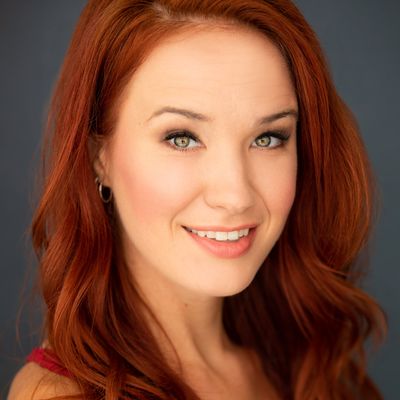
LOOKOUT! It’s one of those special days in The Batter’s Box as Sierra Boggess joins us for Episode 95! For nearly a decade and a half, Boggess has cemented a standing as one of the best players in the game here on Broadway through her brilliant ability to bring iconic characters to life on stage, powerful singing voice, and inspiring disposition that embodies the good stuff in show business. Whether it was originating the role of Ariel in the Broadway production of The Little Mermaid, her portrayal of Christine Daaé in both the Broadway and London 25th Anniversary productions of The Phantom Of The Opera, or her other memorable performances in School Of Rock, It Shoulda Been You, Master Class, Lés Miserables, and Love Never Dies, her accomplishments on Broadway and The West End are on par with any hitter who's dominated in both the American and National League.
Ironically, some of Boggess’ success on stage is rooted in her own athletic background, as she grew up as a competitive figure skater in her native Denver. Despite having to put the skates aside in her early teens, her passion for the sport has never wavered, and the values it taught her have truly helped shape her into the All-Star actress she is today. Over the past year, she's rediscovered those skills on the ice and this week, she takes host Al Malafronte through this incredible chapter of joy and the intense work she's put into it. She also discusses some of her eventual aspirations in the sport, which may just include competing on the professional level!
One of the ultimate testaments to a performer either on stage or at the stadium is their mental fortitude, and some of Boggess’ stories behind her success on Broadway fully back up that notion in this conversation. Her ability to set herself apart as a star player in order to achieve her dreams is on par with anyone we’ve ever spoken with. One might even view her as a master "hitter" when it comes to her technique, mindfulness, and ability to evaluate scouting reports before going into an audition room. On the subject of hitters, it’s fitting that Boggess views herself as a “DH” if she were to take on a position in baseball, and also has some great memories of her hometown Colorado Rockies!
If you're in New York, be sure to catch Sierra Boggess in her upcoming concert series at 54 Below from September 8-11, as she helps ring in Broadway's triumphant return this fall! Tickets are available here.
Connect with Sierra Boggess on her website, as well as Instagram: @officialsierraboggess
Connect with Break a Bat! on Instagram: @break_a_bat_podcast
Hosted by Al Malafronte
Produced by the Broadway Podcast Network
Edited by Matthew Hendershot
Transcript
This transcript was automatically generated and might contain errors.
[0:08] Al Malafronte: Hello and welcome to the Break a Bat podcast, where baseball meets Broadway, an attempt to show that my two favorite mediums don't have to live in such separate worlds and maybe even break some stigmas.
[0:20] Al Malafronte: We're happy to have you with us. Now let's play ball.
[0:26] Al Malafronte: Hello and welcome to Break a Bat, where baseball meets Broadway and sports meets show business. I'm your host, Al Malafronte, coming at you tonight with someone whose body of work truly ranks up there with anyone's on Broadway, not just as far as who's visited the batter's box, but in general on stage.
[0:51] Al Malafronte: And back when I was in high school, I was playing baseball. Unfortunately, as many of you know by now, we didn't have the option to do both sports and theater simultaneously. So the nights I'd go to see shows in the city were really what filled my artistic void and gave me as big a rush as hitting doubles off the left field fence. I didn't hit many home runs. And I'll never forget a cold night in April during the spring of my senior year, going in to see The Little Mermaid on Broadway, not long after it opened with my Disney loving family. And I remember not only loving the show, but just how amazed I was when I realized that the leading lady playing Ariel was in the heart of her Broadway debut.
I remember watching this smooth and vibrant performance that was a lot like Derek Jeter going the opposite way, and hearing the singing voice that was as powerful and dynamic as a Jason Giambi home run. When you're trying to bring an animated character to life on stage, it's not always easy to do, but I think that I and the rest of the Broadway community soon realized that this was just the start of things to come for Sierra Boggess. You know, you've probably seen her in Phantom on Broadway. She originated the role of Christine in Love Never Dies. She was in School of Rock. And I think as much as any performer we've had on, she really brings a part of herself to the role that is just so unique and her talent just shines through in literally every performance.
She takes nothing for granted. So I feel so lucky to sit down with her tonight. And I think now's as good a time as ever to welcome her to the batter's box as she's helping kick off Broadway's triumphant return with an all-new concert series at 54 Below, running from September 8th through the 11th. And with that being said, I ask you all to please turn your attention to home plate, just beyond the marquee. Now batting, Sierra Boggess. Sierra, welcome.
[2:31] Sierra Boggess: Thank you so much. What a cool intro.
[2:36] Sierra Boggess: You know, you're walking up to the batter's box here. You just had the All-Star Game in Colorado. I had to get you into the full-on baseball meets Broadway spirit with that.
[2:44] Sierra Boggess: Yeah, that's what's up. You did that well. You articulated that real nice. I feel like I'm both on the field and on stage at the same time. So here we go.
[2:54] Sierra Boggess: Oh, I absolutely love it. And you're back home in your native Colorado right now. How's everything going out there?
[3:00] Sierra Boggess: It's good. You know, it's because of what I do for a living. I don't ever get to just come back home and be one with nature again and see my family and have like huge chunks of time. So it's been one of the blessings of this time. You know, we have to sort of find the blessings in this time. And this has been one of them. And so I've been here and I've been hiking, and oof, I know that I have this competitive spirit because my dad's like, well, these are some 13,000-foot mountains. I'm like, nope, we're doing the 14ers. So I just can't even like enjoy just a regular hike anymore. I'm so ridiculous. So I love being home and relaxing and being here, but I also still have that thing inside me that just needs to do bizarre, like I don't know, things that stretch myself, I guess.
[3:56] Al Malafronte: Now, when you were growing up, I know you were a huge ice skater. Were you always into climbing those Rocky Mountains, or is that something that you just picked up these last year?
[4:06] Sierra Boggess: Yeah, we always, because growing up in Colorado and my parents are hippies, we were always out in nature. We were always camping and not glamping. We were camping, you know, we were hiking. We were always out in nature in some way. I wasn't doing these big 14ers. In fact, the only 14er I tried was Grays. And I got such bad altitude sickness when I was like nine years old. And I still remember it's one of my early memories of just not being able to make it and getting so—because that's a real thing. Anybody who's been to Colorado or played or performed here knows that it doesn't matter if you're born and raised here, you can still get altitude sickness. So it became a thing for me this year or last year when I came back home that I want to conquer that thing, you know, that I couldn't do and see how that goes.
But yeah, when I was growing up, I was figure skating from four years old till I think I had to stop around 11 or 12. And I was doing competitions and stuff. My sister was doing the same. And that was honestly my favorite thing. That's what I wanted to do for a living. That's what I wanted to do with my life. I didn't know what that looked like when I was so young, but it's the thing that I loved more than anything. So it's been fascinating also revisiting that during this time.
[5:33] Al Malafronte: I've seen your videos. They're absolutely amazing. And I hear that there might be some aspirations of doing it on the professional level.
[5:42] Sierra Boggess: I mean, look, I don't know what that looks like. You know, with anything, it's like what I get scared of about that because let me be clear. I started skating again for the first time in 25 years this past November. And that in itself just felt like a coming home. And I love it so much that I'm a little bit afraid that if I was to start figuring out what it looks like to do this professionally, would some of that love go away? You know what I mean? That happens, right? Like the thing we love, and then you know, we know too much or like what it takes. You know what I mean?
[6:27] Al Malafronte: Yes, I know exactly what you mean. It's like when you're doing it recreationally, it's different than when there's pressure. I mean, I know that you're naturally a competitive person. You have to be to excel on stage the way you have, but I know exactly what you mean. You have to try to find a way to ease into it, maybe do a couple of like the amateur tournaments or something like that, you know.
[6:53] Sierra Boggess: Yes. Well, that's what I found because so I started back skating in November, and I wasn't gonna bring a coach on. I wasn't gonna do what I had been doing, you know, years and years ago. And there did come a point though, as I was training myself, that there is a point that you get to where you need to bring on somebody who knows more than you and that can help you get to the next level because for me, it isn't fun to just do it only for fun. It's fun for me when I am setting myself little goals and pushing myself. And there did come—I sort of capped out around March time, and then I brought on a coach. And so when my coach and I started working together, he finally said to me too, after about three weeks, he's like, Do you want to start testing?
Because you take tests to—because it's a sport like anything, which we forget a lot that it is a sport, but it is, and there are rules and there are certain—you have to pass things in order to say that you can do this and this and this. So he said, I can tell that you have a competitive spirit, and it's not with anyone else at the rink. This is what I love about growing up is now as getting older is, oh, this isn't about that I need to beat these people, these kids or whatever. It's for myself. I want to push myself. So with testing, I'm against myself. When I start competing, which I think that I will, then you are competing against other people, but that's valuable because they can push you.
[8:43] Al Malafronte: Now, one of my favorite quotes of yours is when you said that you're always pushing yourself to be even better than you were five minutes ago. Having grown up the way you did and skating competitively, how much of an advantage was that for you embarking on a career on stage?
[9:04] Sierra Boggess: I didn't learn that thing about being better than you were five minutes ago until well later, until well in my 20s. So I did grow up thinking because I grew up competing, I had a very different mindset. I think it was helpful in the sense of I was not the best one at acting, singing, dancing. I was not the best one at all. When I went to college to get a degree in musical theater, I wasn't the best at all. What I think I have, what I know I have, and this comes from perhaps how I grew up, is I have a really good work ethic. So I always like to talk about that when I'm talking to like the new generation and teaching masterclass or something, that it really is about the work, and that crosses over.
Of course, that's a sports thing as well. That you don't have to be the best one or have the best look or any of this, but if you're working your ass off, like that's what's gonna—it's not even gonna set you apart. It's like, because I try not to specialize myself in that way. But it is going to help you be better than you were five minutes ago. So that is the value of that, I think.
[10:27] Al Malafronte: Now, skating on the level that you did, obviously you had your parents' support. Did you grow up in a house that loved both sports and the arts, or is that something that you kind of had to find on your own?
[10:38] Sierra Boggess: So I grew up, I'm the middle of two sisters. We are an incredibly musical family. My sisters, I always say, are way cooler than I am. They're so much smarter than I am. They're just, they're funnier. They got everything going for them. I'm just like the weird middle child that just is, you know, the extrovert. So if you want to meet cool people, you want to meet my sisters. They are both musicians. And so we were very musical. We were playing and singing together all the time. My parents, my mother was a teacher and my father worked in construction, but they are musical but not musicians. So it is always interesting that people find out that's like, no, my parents didn't grow up musical or be musicians or anything.
But my father has been an athlete since, you know, he came out the womb. So I always wanted to be like my father. I wanted to be tough and, you know, I wanted to like—I thought he was so cool because like, you know, he broke his arm when he was 12 or all these things I would hear about, and then his ankles and his legs. And so I thought when I broke my arm when I was eight, I was like, oh, cool, now I only have to break my leg, you know, to be like, you know. And he's always very funny too. He would always tell us and make jokes about, well, you know, second place is the first loser, you know, stuff like that. Which is the stuff that he knows from like he was—he's always been competitive and always grew up playing sports. He was champion wrestler of his high school and stuff like that. So I will say, as much as I wanted to be like him, I never—I didn't ever do any other sport except ice skating.
[12:32] Sierra Boggess: I wasn't on sports teams when I was in high school, and as most of us know, you can sort of you can either do uh, you know, theater or play sports. Um, and for me, I was I was in my drama program. So I never uh I never played any sports. Um, and also I did a show recently where I had to use every part of myself and my dancing, my singing, my acting and um lit like weight lifting, I had to lift a guy, like all this stuff. And and I can do all this stuff, but the one thing that I was so bad at is I had to throw um these fake apples at someone. And that was my time, and I couldn't hit him. And it was essential to the piece that I hit him. So even though I grew up, you know, playing catch and throwing the ball with my dad, I suck.
People ask me all the time because they're like, oh, you do all these things. Is there anything you can do? It's like, yes, I cannot actually throw freaking ball. Like it's I suck at that. I really do. And it's so embarrassing because it's just like it shouldn't be this hard. But it is, it's a thing, it's a skill. I don't have it.
[13:45] Al Malafronte: Well, you know what? You grew up as a Colorado Rockies fan, which are you know, that's a national league team. You may not know this, but in the American League, there's a position called a designated hitter. You obviously have the hand-eye coordination. Maybe you would be just a good a good DH. You don't have to play in the field to throw the ball, right?
[14:02] Sierra Boggess: That'll do because I definitely when I would play, like in school and stuff, not like on a team, but you know, with recess and they would form teams that you would do if you would play. And I loved going up to bats, but I never liked throwing the thing. And I didn't like being in the outfield. I wanted to be on base, you know, and like tag people and stuff. That was fun for me. But no, I didn't want to throw the ball. I wanted to try and hit the thing. Also, I never we thought I was ampedextrous for a while because when I play any type of sport, I throw left-handed and I bat left-handed, I bowl left-handed. Um, but I'm right-handed when I ride or anything else. So it's like, I think it's also just figuring out like where I go. That's the other thing.
[14:48] Al Malafronte: Oh, that's so interesting to hear. And um, one thing I'm really curious about with you is uh I know that you gave up figure skating as a kid primarily to pursue your career on the stage. Was there a big musical theater presence in Colorado where you grew up?
[15:06] Sierra Boggess: Um not really. I what made me want to do that, I had to stop skating because it's a really expensive sport. And um it especially when you're a kid, because you're just outgrowing your skates all the time. That's a couple hundred dollars every you know, five, six months or whatever. Um, so it really was that was very hard for me when I had to give it up because it's the thing I wanted to do. Then I sort of fell into acting. I don't really know why that was the natural transition. Um, but I think part of it was the competition aspect. I never was afraid of being in front of people. I really liked that people are watching me do my thing. Um, so I knew that I was I really liked that. But um yeah, I think the what I didn't see my first musical in Denver until the tour of Sunset Boulevard came through.
So that was when I was 16 years old. Um, but what made me want to do this was uh my high school drama teacher. Her name was Nancy Priest, is she's still alive. I always say was and it's because she retired. Um she had been there so long, but she's still here with us. She's incredible. Um, Nancy Priest. And uh yeah, she she was what made me want to do this just because her class was so awesome. And I loved the family aspect of doing theater. That's what I loved so much. Um that's the thing that made me want to do this. So it wasn't like I was watching live, a bunch of live theater really here. Um it was it was sort of that thing in that it's in it was my high school drama class. Really.
[16:50] Al Malafronte: Wow. Yeah. I mean, you ended up going to a great musical theater program because you went to Millikan as did our friend of the show and your fellow Ariel Joe Jody Benson.
[16:59] Sierra Boggess: Yes.
[17:00] Al Malafronte: So obviously you honed your skills pretty quickly. I think that's a real testament to you.
[17:05] Sierra Boggess: Oh, thanks. I think it's also because Millikan is I talk about this when I talk to people who want to figure out what school to go to. I Millikan's in the middle of nowhere. It's in Decatur, Illinois. Nothing happens in Decatur, Illinois except that college. So you only can work on your craft, as opposed to going to a school in New York or one of these big cities where you could easily get distracted around that age too and think you should be auditioning or you know, be farther along than you are. So I think that's that's a big part of why I I grew so much as an artist, is because that's what I I really did work hard for four years.
[17:45] Al Malafronte: And you came right to the big city from college. And I don't know if anyone's ever asked you about this, but this show has fascinated me for quite some time. Um, was your first big audition for good vibrations, the Beach Boys musical?
[18:00] Sierra Boggess: Yes, it certainly was, and you're right. Nobody asks about this. Um yes. What would you like to know, Al?
[18:09] Al Malafronte: Well, I first and foremost, you know, you talk about going to school at Milliken, which isn't necessarily a isn't necessarily a big city, like you said in uh in Illinois, but you know, you're coming to New York as a wide-eyed kid fresh out of college, and you hear about this musical. Uh, it's a bit of trying to think of the right word. I'm not, I don't think I'm gonna offend anyone in saying this, but it's one of the most maligned productions in Broadway history. But the Beach Boys music, you come from a musical family, you know it's epic. I love Brian Wilson as much as anyone. Um, can you take me through what was going through your head when you know this is your first big audition? You see the music of the Beach Boys. Are you excited? And like what was that whole process like and what went on? Because to my understanding, you were very close to booking it.
[18:54] Sierra Boggess: Mm-hmm. So what happens when you when you just graduate is you say yes to everything. You know, uh you're not picky and like you also don't know any better. You don't know to be discerning about, oh, this might not be good, or you know, anything like that. You just I certainly just felt like cool, Beach Boys musical is great. I'm auditioning. Like, like you just don't have that critical, or I certainly didn't have that. So you were one-eyed fresh out of college, right?
[19:23] Al Malafronte: That's yeah, and and your goal is to be able to eat, first of all, and pay your rent. So your your goal is to get to audition. And um, this this fabulous casting office, Terra Rubin casting. Um, they were really the ones that were casting all of these big musicals. And um, I had I had gone in for something else, and they called me in for this as well. And so yeah, I went in. I remember I had to audition in a bikini, which I think now wouldn't be allowed. Uh, but I did.
[20:00] Sierra Boggess: Um, so I auditioned in my bikini. Um, and I sang they wanted me to sing Little Deuce Coop, and so I sang Little Deuce Coop, and uh that's what I kept. Then I had about four callbacks for it. So like they kept bringing me in and bringing me in. And um I was waiting and I had the final callback for it. Uh, and it was so bizarre. You know, it's all these people just waiting around in our bikinis to go in. No, I don't know anyone, I'm brand new. And um, and then uh I was waiting to hear about that final callback. And another show that Tara Rubin's office was casting called Princesses. Um, it was it was casting, and they needed someone immediately. So Tara Rubin's office called me and said, Um, you're still in the mix for good vibrations, but would you come in for this? It's tomorrow. So I had to go to my this is back when you have to go to your agent to get the sides that are printed out and the music, that it's not nothing was email yet.
[21:03] Sierra Boggess: Um, and so I went and got that, and I taught myself the music and everything for this new show called Princesses, and I ended up booking that the next day. So I won't ever know if I was out of the mix or you know, if they I won't know, but um it worked out well, even though uh even though princesses never made it to Broadway, which it was supposed to as well. Um, but I from that experience of uh doing that show, I'm really glad that I did that, and that that good vibrations didn't end up being my Broadway debut, you know.
[21:39] Al Malafronte: I am so so thankful that's the case too, because I did go to see that show, and it definitely uh I mean I I could go on and on about that. But nonetheless, I'm very happy that you're not I'm very happy that you're not part of the memory of it.
[21:55] Sierra Boggess: And and what I was also going to say was uh what a blessing in disguise that it worked out the way it did, because not long after you end up getting Little Mermaid, and there was a an I I feel like I'm just gonna keep quoting your you know, your past your past insight here. But one thing that you've said in the past, it's a great baseball parallel. It's like your preparation going into a show is a form of spring training.
[22:17] Sierra Boggess: I absolutely love that be it physically or as far as mindfulness. Is it like instead of a hitter taking a hundred cuts in the cage, you're singing part of your world three, four, five times a day, so you know to inside and out and wish knows to hit either when you go into the audition room or when you go out there on the actual stage.
[22:35] Sierra Boggess: I mean, yes, the spring training metaphor, I feel like I actually borrowed that from like J Lo. I feel like J Low was it was like she was doing an interview talking about um getting ready for when she was gonna do the Super Bowl halftime show years ago, and they were asking her, you know, because you always get interviewed about like how fit you are and stuff, and she was saying, I'm not like this all the time. It's like our spring training when we know we have to do, and then you kick yourself into gear. And I remember being like, Oh yeah, that's what's up. That is what we do. Um, and so I I definitely feel that when I when I need to uh especially a show like Little Mermaid, I was definitely in my own form of spring training.
I was doing a lot of bikram yoga at the time um to prep myself. And uh then, you know, you have to, and and practicing that that music, yes, it is like um you you have to not be surprised that you're hitting the notes when you're hitting them. Like I I can only imagine for a batter that they would also they can't be surprised that they hit it. That's that's what rehearsals for is like, oh, I did it, you know, or practice, you did it, but then you do it and do it so that you um so that it becomes your normal, so that because there's so many other things that again, that parallel of what we do and baseball is the same because you have an audience, and you don't know what's gonna happen each time.
You don't know what the fans are gonna be doing, and you don't know what our audience we don't know what they're gonna be doing. So I don't want to be worrying if I'm gonna be able to hit this note or something. It's got to have it's got to be in, it's got to be within you at that point.
[24:24] Sierra Boggess: I've read uh I have this book, The Talent Code. And it applies to everything, and it talks about it's the the tagline is the talent code greatness isn't born, it's grown. Here's how. And I love it because um it talks about literally your brain and how to practice. So with sports, with theater, with anything, painting, anything.
[24:48] Sierra Boggess: Um, how we practice is essential. Because a lot of people, I think think that we just um you either have it or you don't. And I truly am a testament to that because I didn't have it, but how I worked, I guess I knew how to work smart. Um, and then you get this like, I don't know, it's all very technical, like these stuff called myelin or something in your brain that wraps around these like little waves every time that you do something. And that's how it can be habit forming and you can form good or bad habit. That's why it's so hard to break a habit and stuff like that. Which is again why in skating I brought a coach on because I didn't want to start developing bad habits as I'm teaching myself. I want to do, I want to get the information so that I can, you know, work from that place and not have to break bad habits, you know.
[25:38] Al Malafronte: I how I like to imagine it in some ways, I know it's a different sport, but I'm imagining like Mickey and Rocky together out there on the ice rink, like you know, kind of like in your ear, and you being willing to take that sort of coaching. Um, I know that a lot of times, you know, for someone who's accomplished as much as you, there's always gonna, you're always gonna have a lot of pride, obviously. So I think to be able to step back and recognize just how much better it is uh to be able to listen like that and you know, have that mindfulness is just it's tremendous to hear now going back to The Little Mermaid for a moment, everyone in the world wants the role of Ariel when they hear that it's coming to Broadway and they're auditioning for it. What'd you do to set yourself apart if you feel like you didn't have the most talent when you were going out for it?
[26:37] Sierra Boggess: Well, um, by the time I was auditioning and um and I was working professionally at the time, so I wasn't feeling like, oh, I don't got this. This was really before college. And um, by the time I graduated, I knew that I have something to offer. Um, but I was doing a show in Vegas at the time. We had just opened this new production of Phantom at the Venetian Hotel in Las Vegas. And I uh flew to New York for an audition for The Little Mermaid, and I sang "Part of Your World" and it was done. I didn't I didn't hear anything. Um and I didn't really think too hard about it. Uh and then I got this call that like months later, that um they wanted to see me for the final callback for Ariel. And I was like, final callback?
I haven't even done one callback, and I was really confused. Um, but I I flew back to New York and I before that I had about three days to prepare. And I was like, okay, so I'm being given a second chance. I don't know why. Um yet, and I'll tell you how that happened later. Um, but I I didn't know why yet. And I thought, okay, if I'm gonna pay $700 to get on a flight, a last minute flight to New York, I better up my game. So I uh researched like the movie as if I had never seen it before. I really just like started delving into this character that I have loved forever. Um I and so I did all this work, this work that uh for this part. And then um I had heard that the way they were doing the to make it look like we're underwater was to use Heelys with her, which are the shoes with the wheels on the heel.
And my friend in Vegas happened to have the same size shoes that I did, and she happened to have a size eight uh pair of Heelys. So we rolled up the carpet in my dressing room and I put them on and I fell immediately because I didn't know that you can't stand with your feet in parallel next to each other because you have wheels on the heel, so you're gonna go straight back. And I was like, okay, and this is what I always tell also when I teach is like make your mistakes before you go in the room as much as you can, um, so that you're practicing on your own, so that you have a better baseline for them when you're coming in. So to answer your question of what set me apart, I know it was that. I know that when I came in and they didn't have to hold my hand and take me across the floor to show me how to do this.
Um, and the other four girls that were in the callback had never put on a pair of Heelys. Now there's nothing wrong with that. That wasn't part of the description is please make sure that you, you know, have a pair of Heelys or anything like that. This was this was not, they didn't expect you to. But if you can find out everything that you possibly can, you will help yourself. It still wasn't a guarantee that I was gonna get it, but I know that um one of the casting directors for that Disney show still talks about that specific thing of when Sierra came in and you know, she could do that, she could do the Heelys and um and everything else. So I had what I had done was I had upped my game. So I thought that I had done well before, and I did.
I did a fine audition the first time. I did a fine audition the first time. It was fine, but that's they're not looking for fine when every, as you said, every single girl wants to play this part. So it's how you uh it's the work that you're willing to do to prepare for something that wait for it, you may not even get. That's the thing that's so crazy about this. You're gonna work your ass off, and there is no guarantee that you are going to get the outcome that you want, which is a metaphor for life.
[30:48] Al Malafronte: 100%. No, absolutely. And you know, especially in baseball, too. I mean, that's the thing. There's thousands and thousands of players that were drafted this week. They had the draft in Colorado. Uh, and there's only a handful of them that are gonna make it. Think about that. It's just it's it's it the nature of both businesses is so cutthroat. Any little competitive advantage that you can get, that's very, very smart to think that way. And that's what separates the greats, in my opinion. And you that I never knew that backstory. And I'm like sitting here with my jaw down because that's like so keen. That's like almost trying that's almost having vision in the batter's box where you can see just how many fingers or the slight alteration of one finger the pitcher is gonna use on that. Could be a changeup, could be a fastball, but you know it went to anticipate, and it just makes a world of difference. So you literally knocked it out of the park with that. I love that.
[31:40] Sierra Boggess: Thanks, Al. Now, I have to know, once you got the role, did you work with Jody at all?
[31:47] Sierra Boggess: No, that's not how that works. Um, she uh no, uh, but Jody came, Jodie Vincent came to the opening night of our show, which was really special, and that's the first time I met her. Um, and uh getting to just talk to her, and she is truly one of the nicest people that you'll ever meet. Um, and uh that was really, really uh awesome and powerful. And um, yeah, you just sort of realize this, like, I don't know, these this iconic situation that you're in all of a sudden stood next to the one whose voice you've been listening to since you were seven years old. So that was really, really special.
[32:31] Al Malafronte: Yeah, and you got Alan Mank in there. It's like an all it's just the ultimate all-star team.
[32:37] Sierra Boggess: Yep. Yeah, we that's that's who you work with. So so you get the show, and then there's a whole team of people that so you have a director and um your music director, the composer, everybody's in the room, you know. That's it's their version of that. And Jody spoke with me about when Alan and Howard Ashman, who's the original lyricist, and how they worked with her in the studio as she was recording that and stuff. Um, it's yeah, it's because "Part of Your World" became one of the most iconic Disney songs um of all time.
[33:12] Al Malafronte: Truly. Number one, yeah.
[33:14] Sierra Boggess: Yeah, if not number one, truly. Now, what comes easier to you? Because I've seen you do, you know, all the Lloyd Webber stuff with the Phantom catalog. Is it that is it that operatic sounding music? Do you have a or is it the School of Rock stuff? Like, do you have a particular style that you like to immerse yourself in when it comes to singing on stage?
[33:36] Sierra Boggess: I'm I am a natural soprano, so that comes easier to me. Um the other stuff, like belt, I had to learn how to belt. And so each everybody is born with one type of voice that's easier for them, and then you can learn the other. So, yes, the answer for me is the the more uh anything soprano comes easier to me than uh than something like School of Rock where I had to uh sing in a pop voice. Even though I grew up in the 90s and early 2000s, I was not really um I never learned how to sing pop. So that was that's something I learned later.
[34:20] Al Malafronte: Now you've sung some epic songs on stage. Do you have a favorite?
[34:27] Sierra Boggess: I really don't. That's and that probably doesn't surprise you, but it's very it's hard to say like what a what a favorite. I I really don't, I don't, I wouldn't even know how to begin answering that. Is there one how about you know, you talk about playing in front of an audience? What would make the crowd go most wild out of any of your performances on the musical front?
[34:52] Sierra Boggess: Um, I mean, people just because of the iconic nature of "Part of Your World," it makes them very happy when I sing that. Um, they look forward to any of the Phantom stuff. Uh "Wishing You're Somehow Here Again." People respond to the and people respond to "Love Never Dies," the title song from Love Never Dies. Um, yes, it I I guess I actually as I think about how to answer this, it really isn't what my favorite is. It's really what fascinates me of what the audience really wants to hear. Because I could be singing things, you know, in my in my cabaret show that I love to sing. Um, but that's not necessarily what they are waiting for.
[35:39] Al Malafronte: So for the folks at home who may be considering uh getting some tickets to your 54 Below shows, can you give us a little clue of what we can expect? Is it the Disney stuff, the Phantom stuff, originals?
[35:51] Sierra Boggess: So, because of the things that I'm known for, like Disney and and um Andrew Lloyd Webber, I I am it's very important to me that I do include those things in my show. So people will hear the songs that they are expecting to hear me sing. Um, and then other things within that that I also really love, um, that's that go along with uh stories and stuff that I want to tell. So I I always I never liked when I was younger, and I would hear someone who I loved, like, oh, they're known for these shows, and they would sing like a uh a cabaret of like I don't know, uh anything else. And I'm like, wait, I didn't get to hear them sing the thing. So that's why I always um I always sing the stuff that that people want to, or that I yeah, that I'm sure that people want to hear.
[36:46] Al Malafronte: Right. It would be like going to a Beach Boys show or a Brian Wilson show, and you don't hear "Good Vibrations" or "What's Going On."
[36:51] Sierra Boggess: Exactly. And it's like, oh no, we're gonna do something a little different tonight. And it's like, no, please don't. Please don't do something a little different.
[36:58] Al Malafronte: That's dope for you to get back on stage, Sierra. It's been so long. Obviously, the shutdown's been like a year and a half now. You have like everyone is waiting for Broadway to come back, and I feel like you're part of kicking it off.
[37:10] Sierra Boggess: Like, is that just like the ultimate thrill for you as a performer? I think um, yes, what I miss is the live aspect because we've, you know, we find ways, the artist spirit always finds ways to perform. So, what I'm over are the Zoom concerts. What I am over are the Zoom teachings, like all that kind of stuff. So I am very much looking forward to having an audience um and feeling that energy. I didn't get into film and TV for a reason. I like live performing, I like being on stage. I like the um that we aren't sure, you know, what this is gonna be that I miss.
[37:50] Al Malafronte: Well, for the folks at home, you're definitely gonna have to get tickets to Sierra's 54 Below Show. We'll put some links uh in the episode description. But uh I as much as anything, I think it's gonna be a real celebration of everything you've accomplished, Sierra, and you've accomplished a lot, but I do have to warn you, it might get a little tough here on Break A Bat.
[38:09] Sierra Boggess: Oh, here we go.
[38:10] Al Malafronte: With this final little segment. Are you familiar with a little something that we do called fastball derby?
[38:16] Sierra Boggess: Come on now. I can glean what that is.
[38:21] Al Malafronte: I want you to imagine um, you know, a Aroldis Chapman on the mound, you know, fastest throwing man ever. They call him the Cuban Missile. I'm not Cuban, and I'm certainly not the fastest throwing man ever. But imagine that I am, and you're in the batter's box, you've got to think quick. Um, I'm gonna ask you a question. You tell me what comes to mind. First thing that comes to your head, and obviously you're a great storyteller, so if you want to throw some of those in there too, I'm sure folks would love to hear them.
[38:47] Sierra Boggess: Okay. Let me stretch. Let me stretch. Let me stretch. Okay. Take those cuts in the cage.
[38:53] Al Malafronte: Oh, she's actually stretching.
[38:54] Sierra Boggess: Yeah, yep, she's ready.
[38:56] Al Malafronte: All right. All right, let's do it, folks. Better up. Favorite New York City meal.
[39:00] Sierra Boggess: Pizza on 80th in Amsterdam, New York style pizza.
[39:06] Al Malafronte: What foods do you dislike?
[39:09] Sierra Boggess: Well, I I'm vegetarian, so anything that's meat.
[39:14] Al Malafronte: Fact about Sierra Boggess that would surprise people the most.
[39:17] Sierra Boggess: I used to say ice skating, but that doesn't work anymore. Um, I can burp on cue.
[39:24] Al Malafronte: Do I dare? Do you want me to burp in into people's ears right now?
[39:30] Sierra Boggess: You kind of do. I mean, you can't just throw something like that out there and not back it up.
[39:33] Al Malafronte: And not back it up. You don't have to actually do that. We can we can actually cut this little part of it too. I think it's a little that does surprise the hell out of me, though.
[39:53] Sierra Boggess: Hey, good, I won then.
[39:54] Al Malafronte: Yes. Okay, how about this one? Greatest baseball game or sporting event you've ever been to.
[40:01] Sierra Boggess: Oh, that I mean, that would be the first time that I went to a Rockies game. A lot that was my first live sports. I love to watch sports live. I don't like to watch it on TV. I love to go to an actual game. And I don't remember who they were playing. Um, maybe the Phillies. Actually, it might have been the Philadelphia Phillies.
[40:19] Al Malafronte: Interesting. Now, was that when they were at Mile High Stadium, or was that a course?
[40:22] Sierra Boggess: Mile High Stadium.
[40:24] Al Malafronte: Oh, wow. So right when they came to town.
[40:26] Sierra Boggess: That's amazing. Yeah, yeah, yeah. I mean, years ago.
[40:30] Al Malafronte: Oh, sure. This must have been like 92, 93, I think. They came into the league.
[40:35] Sierra Boggess: So yeah. We'll work on your skills with that.
[40:39] Al Malafronte: I I'm trying to think if I could remember a guy. I feel like those are like the Dante Bichette teams and Larry Walker.
[40:47] Sierra Boggess: I just remember loving the Rockies because there was a guy named Ruben Sierra. And he played for the Yankees as well.
[40:54] Al Malafronte: Okay. Well, I all I knew was the Zephyrs were our team, and then they weren't. And then it's the Rockies, and there was a guy named Ruben Sierra. And I was like, well, that's gonna be my guy.
[41:05] Sierra Boggess: Yeah, of course. You could get his jersey, and then it's really a Sierra jersey.
[41:09] Al Malafronte: That's amazing. Oh, what a shame. I wish he his final year as a Yankee was in 05. So it was a little bit before you actually got to Broadway. But I'm sure if he's out there listening, he would be very happy to know that.
[41:23] Sierra Boggess: That's cool. Yeah. He was my guy. All right. So speaking of the Yankees, and you mentioned J Lo before, so don't let this try to impact your answer. But are you team Derek Jeter or team Alex Rodriguez?
[41:36] Sierra Boggess: I wouldn't know how to answer that. I really don't. I think this game is going to be tough.
[41:42] Al Malafronte: Well, it might be tougher for you because I'm not giving you any answers.
[41:46] Sierra Boggess: I'm I I'm like this. I'm talking to the people that are listening.
[41:52] Al Malafronte: Okay, so she's neutral on the uh Jeter and A-Rod uh debate. Okay. That's a that's actually a first for the show.
[41:58] Sierra Boggess: Hey, cool. Yeah. Okay. Here's a fun one. Actor or actress, you learn the most from?
[42:05] Sierra Boggess: Barbara Streisand.
[42:07] Al Malafronte: What'd you learn from her?
[42:09] Sierra Boggess: Um, she's ruthlessly herself. She's she is uh to me is brave and fearless, and no one sounds like her. She's not trying to sound like anyone. She's sounding like herself. That's essential, I think.
[42:27] Al Malafronte: Favorite holiday tradition.
[42:30] Sierra Boggess: Hmm. I'm not like a big you know, I love um I love I love uh uh New Year's Eve. I'm and what I love actually that my my own personal tradition is just to take stock of the year that has just been and what am I looking forward to in the year coming. So that for me is my holiday tradition.
[42:59] Al Malafronte: I like that because it means something to you. I like I like what it signifies.
[43:03] Sierra Boggess: That's great. Yeah, yeah. All right. I know we've talked about them a lot in this episode, but I have to know. America's band. Is it the Beach Boys or is it the Eagles?
[43:15] Sierra Boggess: For me, it's the Beach Boys. I love the Beach Boys. I had cassette tapes of the Beach Boys.
[43:22] Al Malafronte: Wow. You got a favorite Beach Boy song? I have to know.
[43:24] Sierra Boggess: God only knows what I'd be without you.
[43:28] Al Malafronte: Heck yeah. Yeah, amazing. Closes out love actually, as many as well.
[43:32] Sierra Boggess: Oh, yeah, that's right. Love that choice from the Pet Sounds album.
[43:36] Al Malafronte: Yeah. All right. Most embarrassing on stage moment.
[43:42] Sierra Boggess: Oh, there's so many. I mean, I I would say that it's the time that um I was singing, wishing you were somehow here again, and and you're on your stage by yourself. So if you fall, there is nothing you can do except just fall. And my cape, I have this very long cape that I wear, and it wrapped around myself, and I didn't know. And so I step forward and I fell to my knees, and I'm singing. I'm the only one. And so I'm crawling forth. And it's just like that's probably an embarrassing moment, right there. That's just like you have to turn this into something that you meant to do.
[44:20] Al Malafronte: Yeah, how do you even play that off?
[44:22] Sierra Boggess: That's just it's just it's just oh, it brought me to my knees. I'm so sad, you know.
[44:28] Al Malafronte: But there is that's when you want to be like, I know, y'all, I know this has happened. I know.
[44:37] Sierra Boggess: How about this proudest moment of your career?
[44:40] Sierra Boggess: Hmm. That's real, that's tough. That's tough just because I I don't reflect often on that. I'm like, well, when are you proud of yourself? I mean, I guess as I look back, I'm I'm proud of myself for surviving. I really am. I mean, there's I've been in such pressure-filled situations in my career, and I'm proud of surviving. That's the best way I can say it.
[45:14] Al Malafronte: And last one for fastball derby. What's the best piece of advice anyone ever gave you?
[45:19] Sierra Boggess: You are enough, you are so enough. It's unbelievable how enough you are. My teacher when I was 17 years old said that in a masterclass. She didn't say it to me, but she said it to somebody just sort of off the cuff to get them to stop adding too much to their performance. And it sort of I wrote it down, I thought it was so funny. And then later it became sort of my war cry while I was doing Little Mermaid, and I would get all these um letters from people that want to know, you know, all kinds, they want to reach out to Ariel. And I realized I can't give them, I can't be their therapist, but they just need to know that they are enough. So from this, from that, I have crafted this whole, you know, movement for myself and for people who follow it. That's to just keep reminding people that you are enough.
[46:12] Al Malafronte: I love the way you use your platform, Sierra. It's just it's so genuine. And one thing I feel like we have to mention to the audience is something that you started up that I just think is so cool and such a great way to use your platform. Can you tell the folks at home a little bit more about light lessons and where they can find more info on that?
[46:30] Sierra Boggess: Yeah, so you can find the info on my website, SierraBoggess.com. And um I've it's basically just 20 words or phrases in a bag that um they're called light lessons because um it's sort of is like I had I had meditated on the firefly before I made them, and just how I think fireflies are so really special because they're just a regular old bug, but then at night when darkness is all around, then they light up. And so I thought that's such a metaphor for us that when there's darkness all around, we have the light within us. And so these are uh little reminders, words or phrases that are reminders to help center myself. So you can use them in sports, you can use them in theater, you can use them in anything that's like before a game, before you go on stage, before a meeting, before a tough phone call. What is it that I need to focus on? Um, because we can get so scattered, and it helps us just have a place to come back to. Um, so yeah, so you can find out more about them on my website.
[47:35] Al Malafronte: Absolutely. And you know what? For all the folks at home, I mean, if you can't tell by like the tone of my voice throughout this whole episode, Sierra Boggess is the good stuff in show business. Every this is just like this was so much fun, Sierra.
[47:48] Sierra Boggess: It sure was. I loved it.
[47:50] Al Malafronte: Yes. Thank you. I am so glad to hear. And obviously, everyone can visit uh your website to get some information uh about not only light lessons, but also the 54 Below shows.
[48:01] Sierra Boggess: Yep, all tickets for anything, and um my social media and all that stuff is all on there.
[48:08] Al Malafronte: Excellent. Well, I highly encourage everyone to connect with Sierra and thank you so much again. This was thank you.
[48:16] Sierra Boggess: Thank you. I really enjoyed this. Those some awesome questions, and it was really fun to talk about these parallels. It's really, really nice.
[48:23] Al Malafronte: Well, you were certainly a great sport. It was my pleasure to have you. And uh to all the folks at home, thank you so much for listening to Break A Bat tonight. Uh, really enjoyed this one. Hopefully, you enjoyed it just as much as I did. Be sure to subscribe to Break A Bat, follow us wherever you get your podcasts. This is Al Malafronte signing off from the Batter’s Box. We'll see you next time.
[48:48] Al Malafronte: Thanks for listening to Break A Bat. This is produced by the fine folks at the Broadway Podcast Network. Visit and subscribe at BPN.fm slash break a bat. You can find me online at break underscore a underscore bat underscore podcasts. And you can also find the Broadway Podcast Network on Instagram at Broadway Podcast Network. It's been so great having you here with us today, and we'll see you next time.
© Broadway Podcast Network, All Rights Reserved