

What is the best song to sing for your audition? Seth Rudetsky helps to find the right song and 16 bar cut. He also gives great advice on performing the song, and his audition pet peeves. Resources mentioned in this episode. Seth’s Twitter and Instagram accounts... Read More
From the show: Breaking Broadway with Kerry Butler
Guests

Featured Shows
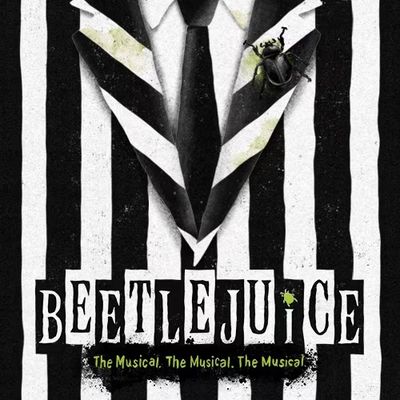
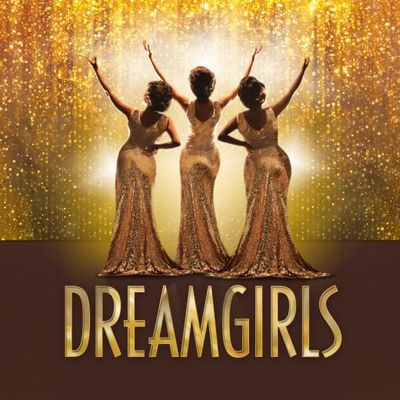
About
What is the best song to sing for your audition? Seth Rudetsky helps to find the right song and 16 bar cut. He also gives great advice on performing the song, and his audition pet peeves.
Resources mentioned in this episode
- Seth’s Twitter and Instagram accounts
- Seths Broadway cruises
- Sarah Lazarus
- Oberlin
- Faith Prince - Also Teaches
- The Town Hall - Seth’s Sirius XM show
- Volunteer singing - Hearts and Voices
- Jack Plotnick affirmations
- Michael Lavine
- YouTube Ed Sullivan
Produced by Dori Berinstein and Alan Seales
A proud member of the Broadway Podcast Network.
Transcript
This transcript was automatically generated and might contain errors.
[0:04] Seth Rudetsky: Once I played a penny who just couldn't stop the beat. Yes, we threw all their skits on her feet. Although it's recently to see a real cool mom.
[0:36] Kerry Butler: Now come with me, Emma.
[0:41] Kerry Butler: I am your host, Miss Kerry Butler. Together, you and I are breaking Broadway.
[0:54] Kerry Butler: Hello, welcome to Breaking Broadway. Our guest today is my dear old friend. I knew to say that. So ridiculous. He has done it all. He's worked on Broadway as an actor, off-Broadway in the orchestra pit, behind the scenes of Broadway as the writer and producer of Disaster. We met as kids because Seth and I performed in a cabaret where we sang and got paid in ice cream sundaes. And he was the genius who could sing and play the piano at the same time. There's also a boy named Lucky Williams who sang and played the drums. So I was upstage, but it's all good. Why don't you tell everybody about your journey in theater?
[1:39] Seth Rudetsky: Yeah, this is an interview. I'm gonna bring you now, Seth.
[1:42] Kerry Butler: That's rude.
[1:43] Seth Rudetsky: My journey in theater, it's, I will like when you started, was that the first thing you ever did?
[1:48] Kerry Butler: No, no, no, no, no, no.
[1:50] Seth Rudetsky: Um, so my parents were really into Broadway, so they would play records around the house, and that's how I knew a lot of Broadway shows. Cause you know, I always say it's like before headphones, before people were like isolating their music. So I grew up listening to the albums they listened to, which was like The Most Happy Fella, and just all these great old school shows. They took me to see Broadway shows when I was a kid, and there was a revival of Pajama Game in the 70s that I went to go see when I was a little boy, and I just became obsessed with it. And I think like I always say like the kind of song that I like the most is the most unique type of Broadway song that they don't have in the pop world, which is like a scene turned into a song.
And the opening of Pajama Game, they're in a factory, and like one group's going, hurry up, hurry up, other group's going, can't waste time. And I just thought it was so cool that there were like different groups of people singing. So that's what got me kind of obsessed with Broadway. And then I began taking piano lessons and I advanced really, really quickly.
[2:38] Kerry Butler: So I, I, were you when you started?
[2:41] Seth Rudetsky: Oh, I was five when I began playing piano, and like I advanced like, you know, just right away. So I knew that I had a really big skill set there. Um, and you know, and then I started doing shows in school, and like when I was in fourth grade, I got cast in the high school show because they needed a little kid, and that's when I was like, I still got it, you know. I thought that I was, you know, I thought that I had acting talent because of that. And then I just started auditioning for shows in New York a lot and not getting any of them, just like you, Kerry.
[3:12] Kerry Butler: But you got commercials.
[3:13] Seth Rudetsky: I didn't get commercials because I couldn't pass, as we say. I was old school Jew. Kerry was like, I'm the blondest, most Americanist.
[3:20] Kerry Butler: I wasn't blonde back then.
[3:21] Seth Rudetsky: Oh, you're right. Somehow her hair became naturally blonde when she got older.
[3:25] Kerry Butler: Uh, anywho.
[3:27] Seth Rudetsky: So my first like job job was there was a dinner theater called North Stage Dinner Theater. That was the biggest one in the country. And I auditioned and I got Oliver, and I was 12, I guess, and the leading lady was the woman who played in the movie, Shaney Wallace. So it was like a really big deal that, like, you know, I was performing like with a movie star. Like, it was amazing. And yet it was also like the horrible showbiz lessons. And this is like why kids don't go into show business. Because like I had a really good voice when I was young, and I got like this solo that wasn't supposed to go to a kid. I got the role of the milkmaid, which became the milk boy. Um, but I wasn't like fully in all the dance numbers, even though I was sort of like a better dancer than a lot of the boys, but I was like, I was overweight, not like massively, but like definitely overweight, like 20 pounds overweight.
[4:13] Kerry Butler: And I, I, the one dance number I was in, it was the day before the New York Times came, and we were doing like a brush-up rehearsal. And the director who had assisted the director for the film, his name was Tom Panko, he assisted Anna White, who also did, you know, like all, I think she did Mame. Anyway, she was really famous. So he was like blocking all the little boys, and he said, we were in a group of three, and he said, oh, he was sort of moving things around. He said, oh, set San over there for a second, and then he was working with the other two boys, and then after everyone's like, what happened? And I was like, nothing happened. I was like, he's just working with the other two boys.
They're like, no, you're not in it anymore. And I said, yes, I am. I said he was just literally going over the dance ups. And when over time and I said, I'm still in the number, right? He's like, oh no, no, no, you're not. And I cannot tell you, like, I was like sobbing, like no, I hid it from him, but like sobbing, crying, crying, crying. And it's that showbiz thing where it's like, of course, in my mind, I'm like, oh my god, I'm too fat. It may have been like it was all groups of twos, and I was only a group of three, and they like wanted to have just keep it consistent. But like when you're a kid, it's like the show. I mean, their mentality is like the show must go on, like they didn't need to give me a reason.
But I was devastated, and that's, you know, and that's why I think kids don't go into show business because it is traumatic. It's not like everything's fair, it's just like I was kicked out of the numbers. So I had the solo, but the whole time, the whole run of the show was this underlying feeling of like either I'm fat or I'm untalented, you know. You know, it's hard, it's really hard to be a kid of, you know, you know.
[5:29] Seth Rudetsky: So then I got the nightclub that you got that Carrie got, which was amazing. But at the same time, Carrie and I were both losers because like at the end of the show.
[5:40] Kerry Butler: Allison Smith.
[5:40] Seth Rudetsky: Yes, all the Annies, all the Peter Pan kids, all the Abita kids.
[5:44] Kerry Butler: Yeah, because there was like the time of little kids on Broadway. Now it's more teenagers, but then it was like Peter Pan, I Remember Mama, all these shows with little kids.
[5:51] Seth Rudetsky: So at the end of the end of this nightclub act that we were doing, you got to wear the t-shirt from the Broadway show you're in. But of course, Carrie and I were not on a Broadway show, so we were forced to just wear like a shirt that just was like I was never cast. I didn't really say I was never cast, but that was the subtext.
[6:04] Kerry Butler: Like Haynes.
[6:04] Seth Rudetsky: Yeah, maybe Haynes t-shirt. Size extra large hefty. But the point is, like, that was the same thing. It's like the same when you're a kid performing, it's like you're in this adult world of like achievement or not achievement. And in one sense, I liked it because I'm really competitive, so I sort of enjoyed the constant competition. But I remember also being there, Carrie, and like at one point Peter introduced me. Uh, he was the piano player, and I think he was like, Seth is 12 years old, and my grandma was in the audience. She's like, oh, he just turned 13. And I was like, shut up! I was furious. Because like you're so not allowed to age with a child.
[6:37] Kerry Butler: Oh my god, I was so angry.
[6:39] Seth Rudetsky: You know, it's a weird world where you don't want to grow up. And anyway, so that's my childhood, and then you know, I still did a lot of performing, but by the time I got to college, I had like a big falling out with my theater teacher who was a dick. And as a matter of fact, I wrote a whole, I part of my, I wrote the show called Rhapsody in Seth.
[6:54] Kerry Butler: Oh my gosh, it's amazing.
[6:56] Seth Rudetsky: Yes. I'm actually, if you get a chance to see it, it is really spectacular. And I think so. And the way Seth plays with the piano, it's like you don't even know that he's capable of this because the stuff you do, you know, for Broadway shows is not actually what you are capable of.
[7:10] Kerry Butler: That's interesting.
[7:11] Seth Rudetsky: Yeah, you don't really have to, it's not that hard to play on Broadway, it's much harder for classical.
[7:14] Kerry Butler: I mean, it's hard, but it's not doing this.
[7:17] Seth Rudetsky: Classical is harder.
[7:18] Kerry Butler: It's spectacular.
[7:19] Seth Rudetsky: Thanks, Carrie. I'm actually, it's funny, I haven't done it in so many years, but I'm doing it again. I think the next time I do it is back maybe after this airs, but I think it's October 14th, right near Oberlin where I went to college. I'm in Lorraine County doing it again. But anyway, my point is like I had to fall out with my theater teacher who was like so mean to me. And I don't know, just for whatever reason, it was a combination of like him being mean, and I didn't really know about musical theater majors. So the point is I wound up majoring in classical piano, which is so weird. I feel so Audra McDonald, like she majored in opera. I was like, I never was gonna be a classical piano. I was like, ever, ever, ever.
But I guess I couldn't believe I got into Oberlin. I was like, I got in. Like, I just couldn't believe it because it's a really hard conservatory. So I was really just, I couldn't believe it. And then I went to go visit, and it was so liberal. And like after being in high school, where like nobody was gay, like I was called Oberlin basically a gay bar with dorms. Like I couldn't believe like everybody was gay, like it was so open. So I anyway, I went, but my point is I wasn't really doing theater really anymore. I was doing classical piano and I was conducting, I was conducting like I would do different shows at Oberlin. But I have to say, being at Oberlin set up my whole life of how I've treated my career, which is like if you want to do it, do it yourself.
Like my sophomore year, I was like, I'm gonna play Rhapsody in Blue with a full orchestra. And I was like, sign up here. So I just had like people sign up, and I have like a 35 piece symphony, and I just played Rhapsody in Blue. And that's what I've done ever since.
[8:36] Kerry Butler: And you know, just skipping way ahead, but like in I heard I did a benefit with the gay and lesbian synagogue, which I do all the time. And I was um doing Dream Girls, and Lilius came. Lily's white was in tech rehearsal for the life. She came after Trade Tech Rehears, and she sang Effie. And I was like, you're so amazing. I was like, I have to do this on Broadway with you and the full orchestra. And I knew it wasn't gonna be revived, so I just basically contacted the actress file, and I was like, can we do a one-night benefit of Dream Girls with a full orchestra with Lilius White as Effie? And they're like, who else you got? And I was like, what about like Audra McDonald as Dina? And they were like, what about Heather Hellley?
The point is, but I just put it together because I wanted it to happen. And that's kind of what I set up at Oberlin, which is like anything I wanted to do. Not like I magically made it happen, but instead of waiting for it to happen, I just sort of worked really hard to make it happen.
[9:19] Seth Rudetsky: Anyway, so I graduated Oberlin, I became rehearsal pianist, and then we didn't really, I didn't really see Carrie till like my mid-20s when I started volunteering. I did this thing called Hearts and Voices.
[9:28] Kerry Butler: Amazing.
[9:29] Seth Rudetsky: Which is so Carrie was so much fun to hang out with there, where we would go and perform for um AIDS patients in hospitals. Because I've been volunteering at God's Love We Deliver, like where you make food for AIDS patients, and I was like, I'm so can't cook. I was like, why am I doing like not my skill set? So I was like, I should do something I can actually do well.
[9:44] Kerry Butler: So Hearts and Voices programming.
[9:46] Seth Rudetsky: Not at all. No, Matt McLanahan, cutie Q to Matt McClanahan, who I've still have a crush on, even though we're both married, refuses to date me. Um, Matt McLannahan started with Nancy Sundag, and I saw them, it was in Don't Tell Mama's Party. My God, it was probably 1992, so many years ago. And they said they were bringing singers to AIDS patients, and I was like, I totally want to play piano. And I wound up doing it almost every week for I'm gonna say like, yeah, maybe almost 20 years.
[10:09] Kerry Butler: Yeah, and Carrie and I did the one in Roosevelt Island.
[10:11] Seth Rudetsky: I did that for a really long time, and then I went to Carnel Cook. Um, but anyway, that's how Karen and I reconnected. We were like, don't we know each other from being kids? And she's like, that's weird because now I'm 20 years younger than you. I'm like, all right, I'll go along with that myth. It's all good.
[10:23] Kerry Butler: Um, and also that's another good example of you volunteering as a way to improve yourself because we're doing these concerts for these patients, and people get to work on their songs in front of the audience.
[10:38] Seth Rudetsky: Yeah, and well, it's two things. It's first, like they have no um not no boundaries, but they're just honest with their reactions. So like you really know if the song works or not.
[10:47] Kerry Butler: Right.
[10:48] Seth Rudetsky: And on top of that, it's a very pure way of performing because there's so much, there's such an agenda now when you perform of like, I want to get the job, or like I want to get this, I I'm sick of doing this Broadway show, whatever it is. But when you just sing for people that are sick, it's like, oh, like music can make people feel better. And so many people would come to the show to sing and leave and say, I was in such a bad mood when I got here, and I feel so much happier now. Like it just brings you back to like why you did music.
[11:11] Kerry Butler: It's like that song, um, uh the beautiful song from Title of Show that um Heidi Blickenstaff sang.
[11:17] Seth Rudetsky: I cannot believe because I want to say is back to before, and it's not that. Um, oh my god, wait, um, listening to Andrew McCartell sings, oh, uh away back to then. It's about going back to when you're a kid and like you just love performing and there's no annoying agenda, and that's what volunteering with music I think is so perfect for.
[11:32] Seth Rudetsky: By the way, why do I have vocal damage? I don't know why I'm talking down here.
[11:35] Seth Rudetsky: Um, then I just to finish the career, so then I, I was a pianist on Broadway for a lot of years, but I really missed doing comedy, so I started doing a lot of sketch comedy with my friend Jack Plotnik.
[11:45] Kerry Butler: So funny, who of course you know so well.
[11:47] Seth Rudetsky: So we're doing sketch comedy on the side, and then I would start, I got asked to write. I mean, I guess if you just want to, this is sort of like my inspirational story, which I think is up your alley.
[11:56] Seth Rudetsky: So I two things. I wanted to write for a television show, I always wanted to write for TV. And Jack was like, you have to move to LA to write for TV. And I was like, I don't want to live in LA, I want to do Broadway, and it's like you can't do Broadway and TV. And I was like, and cut. So I would written some comedy songs for the Easter Bonnet competition for Barbie Care's like, we've had to AIDS. Like a, you know, Greece would do a number every year, and I would always write it. And one year they say, can you write the opening number? Which was such a big deal. And I'd never written an opening number before. It just seemed like beyond what I could do, but at the same time, I was like, I want to try it, so I said yes.
[12:27] Seth Rudetsky: And that same week I was offered the show called Forever Plaid, which I love in Hawaii. So I always wanted to go to Hawaii, and I love Forever Plaid, and I also needed the money. So I was like, should I take this job, which is really good money in a place I really want to go to, or should I do this volunteer gig writing this opening number, which I don't even know if I can do. But I was like, I want to do the challenge of writing something I've never done before, and plus, of course, I love Robbie Cares Happy Five Days, and I want to help them out because they're an amazing organization. So I didn't take the job in Hawaii.
[12:52] Kerry Butler: Wow.
[12:52] Seth Rudetsky: Um, yeah, but I mean, it's not so amazing, but still think it is.
[12:56] Kerry Butler: Well, regardless.
[12:57] Seth Rudetsky: You needed money, probably.
[12:59] Kerry Butler: Yeah, no, I definitely because I was just a sub, and being a sub is really inconsistent. But um, but I I've never cared about money ever, ever, ever. I mean, that's never I've just never cared about money, hence I have no money. But the point is, you know, like I'm fine, I'm comfortable. But my point is, because I started writing those opening numbers, Rosie O'Donnell would always go see Easter Bonnet competition. And she called me and she said, can you write numbers like that for my TV show? And that's how I got the Rosie O'Donnell show.
[13:21] Kerry Butler: So two things A, I was in New York and I got a TV show, so Jack was an idiot, like I said, he was. Sorry.
[13:27] Seth Rudetsky: And because I did that thing for free, which I thought was really enjoyable, it led to this great longtime job. So, and that's the same thing with Sutton. You know, Sutton was literally offered Eponine in Les Mis on Broadway. Did you know that? She was literally offered Eponine on Broadway, and she's like, well, I've already played the role of Eponine, and she was offered flat out ensemble in Thoroughly Modern Millie out of town. And she told her agents, she's like, I want to take a course job. And they're like, like, you're offered a lead on Broadway, and she said it was more money than she'd ever made in her life. And she was like, I just want to, I want to do a new show. And then, of course, you know, Tony Award. But that I always believe in that. It's like you just gotta do what you enjoy, and then it leads to something better. Don't ever take a job for money because then you wind up resenting it.
[14:04] Kerry Butler: But that is, I mean, such a great story that you, you gave up a real job for a for volunteering and just helping people, and then you ended up getting this amazing job.
[14:15] Seth Rudetsky: It was a really good job.
[14:16] Kerry Butler: Yeah, that, yeah, but I think that's everybody's story. I think if you, it's always a thing about if you do what you love, it turns into something else.
[14:23] Seth Rudetsky: I mean, like my whole career now kind of is deconstructing and doing this show, deconstructing Broadway. And it's like that just was because I would be in my dorm room with my friend Ben, I'd be like, Oh my god, listen to how Barbara Streisand changes this. You know, like I would just do this for my friends all the time for fun, and then it turned into a job. I just feel like everything you created your own Broadway show.
[14:39] Seth Rudetsky: Well, that that's yeah, well, that is true. And that that's because every fucking audition I was being called in for as an actor was always a flamboyant fill in the blank, which is code word for gay, and it's just always like you walk on the scene, you're like, nice outfit, girl. And I'm like, first I'm like, I don't even know anyone in real life that's even like that. It's like I don't know what you're basing your gay characters on. And I was like, Can I be an actor? Like, can I do something besides that? So that was on my mind, plus the fact that I love, you know, disaster movies, and this is like, you know, way before jukebox musicals. Um, like in the, you know, it was the early 90s when I started writing Disaster.
Um yeah, because I just loved when I was a little boy with my brother, we'd make these tapes where we would ask a news question and the answer would come out in a song. And I remember he was like, I'm here with Seth Ackerman. I don't know what that was my last name. And he was like, What do you think of gold of my year? And we played, She's a Evil Woman. And we'd be like, That's hilarious. So I'd always done those kind of jokes of answering questions with songs. But my point is, like, I wrote this role of the professor in Disaster because I was like, I don't want to play a flamboyant fill in the blank. I'm like, I want to play someone completely emotionally shut down. Like, I can play more than that.
So that's why I wrote it. And Jack and I had always been writing sketches together, and we wrote it by the way, literally the same thing is for benefit. It was only make believe, only make believe it contacting me. And they said, Can you do a one-night benefit? And I was like, I'm always doing Deconstructing Broadway. This will force me to finish this show that I have in mind. So I wrote it as a benefit, and then it turned into a Robbie show, and then we cast Kerry Butler.
[16:00] Seth Rudetsky: And by casting, Lily texted her, will you do it? Yes, I will. That was the amazing process of casting Kerry of text. Totally, it was. Yes, it was.
[16:10] Kerry Butler: Um, I guess we should get on to our topic today.
[16:14] Seth Rudetsky: Which is what my tank top. All right, the radio people can't see it. My outfit is crazy, just let it be known. But I love your stories so much. I don't want to go to a topic because you're so inspirational. Uh, but our topic is um creating a songbook for I mean, this podcast is for people, you know, who don't even know about coming to Broadway really and want to know how to start.
[16:33] Seth Rudetsky: Uh-huh. Um, and you used to coach people on making their books. You don't do that anymore, do you?
[16:38] Seth Rudetsky: No, I do master classes now, but no, I don't coach. It's just take so much time. But um, I it's interesting. Almost not all, so many of the big stars that I interview, because that is almost like my life now is also interviewing people on the radio. They'll be like, I have uh audition song. I mean, these major stars are just like I have one song. I mean, Orfeh always says that she has a song If It's Over by Mariah Carey. She's like, I did it for every barber show I've ever been in. Other people are all they're like, I slow it down, I speed it up. Like they just have a song.
[17:10] Seth Rudetsky: So I have to say, you do have to have some songs, but I really do judge the creative team that for some reason has to hear this really it drives me these really specific songs. If you don't sing that, I'm not gonna know what you can do. Like for Disaster, it was like, sing a song from the 70s. I'm like, why? Like, first of all, I wrote Disaster. It's like I can hear someone sing Defying Gravity and know if they can sing something from Disaster. Like, it's not you can maybe you can say I this is what I would say. I'm sorry, let me be more specific. If you're a soprano, what I always say, okay, let me go back.
[17:43] Seth Rudetsky: 16 bars is the most important thing you have to have. You have to have a good 16 bars. So here are my rules for 16 bars. There has to be a beginning, a middle, and an end. So you can't take a great audition song and then plunk out 16 bars that makes no sense to somebody listening to you. So you can't just be like, that's why uh like that's what? Like, what are you talking about? Like it has to be like I understand who you are, like that it feels like a song. It can't feel like the last big belting notes. Yeah, it can't just be like the audience can't be confused. Like you have to, the audience, which is the people casting, you have to feel like I just saw our performance. So it has to have a beginning, a middle, and an end, it has to make sense.
[18:15] Seth Rudetsky: But by the way, last big belting notes. So many people do this too. They'd be like, I could sing Home every night, wait around for Mr. Right, um, take a little showers every day. Well, that's 16 bar. Literally, I'm like, you're an idiot. Like, you've gotta end the song. But by the way, you have to also end the song. So even if you end it, some people will be like, Defying Gravity, and you can hold me down. And like you, that may be the ending in your music, but people listening to you are feeling dissatisfied. So you have to think ahead, you have to be smart and go, like, what is an audience gonna take in from this performance? Why are they gonna feel disappointed at the end? Like, you've gotta end on a note. So, anyway, it's gotta have a beginning, middle, and an end. Plus, you've gotta show me all you can do within those 16 bars.
[18:55] Seth Rudetsky: So, if you are a soprano, and I always say this like in a fun up-tempo song, let's say you're belting, like at a high note, quote unquote, as a joke, but as a music director, I'd be like, oh my gosh, it's got an amazing high notes. Like, give me everything you can do within those 16 bars. Without sounding like a crazy person, but like literally just belt it and soprano within those 16. So that's I think the most important thing. But then in terms of your book, yes, have a quote unquote legit. If you're trying out for Oklahoma or whatever, you have to have like an old school song. And if you're trying out for, you know, anything from like Sondheim, Jason Robert Brown, Stephen Schwartz, you have to have that kind of Broadway pop sound, and then if you're really going, like, let's say, like, I guess like Spring Awakening, Hamilton-y, you have to have like a legitimate pop.
[19:35] Kerry Butler: Yeah.
[19:36] Seth Rudetsky: But like, I don't think you have to have a million effing songs. I have a million songs.
[19:41] Kerry Butler: Well, you just but you know why?
[19:42] Seth Rudetsky: Because sometimes you get these auditions the night before. And so if I have a huge book of songs that I can look through, and also I try, I mean, this isn't for 16 bars, but if I get an audition for something, I try and find the song that is specifically that character. So then I go in, I have a song that's just like the song the character is gonna sing.
[20:02] Kerry Butler: Well, you apply the character. That's why G Wiz was so good for you if they're a Hashbert edition. You're able, you're smart enough to apply the character to a song because other people, G Wiz could also be done as like a weird stalker song. I mean, you could do it in all different ways.
[20:13] Seth Rudetsky: Yeah, so that's what I like about it having not that many songs because you can alter the song.
[20:18] Kerry Butler: True, right?
[20:18] Seth Rudetsky: You know, if the song, especially if the song is general, like they all laughed at Christopher Columbus, like you can you can do that in all different styles. If it's more general, I think you can apply more character to it. But I get crazy when when casting people give these specific audition types of songs, I think it's such laziness on their part.
[20:35] Kerry Butler: But they do do it, they do do it, and so sometimes you have to have like a folk song, sometimes you have to have a rock song, sometimes you have to have, you know, like you mentioned the songs, yeah.
[20:45] Seth Rudetsky: And there's all that's the whole thing. That's when they say like a pop song. It's like, well, what's your version of pop? Because like there's 70s, I mean, yeah, it's I think if you have one pop song, it's kind of okay to use for even if it's like a 70s pop song. I think you can use that for yes, not for contemporary, but for any of if it's not a good one.
[21:02] Kerry Butler: Right, not for like hip hop, let's say.
[21:04] Seth Rudetsky: But you know, and that's the other thing too with pop songs, is like you want to try to get theatrical pop songs, you want to try to avoid the pop songs that have like, yeah, yeah, yeah. It's like, what are you acting on the word yeah? So like you want to try to get pop songs that have a story.
[21:16] Kerry Butler: Yeah, that have good lyrics.
[21:18] Seth Rudetsky: Um, you know, and you have, I guess you have to have a sign, but that's the other thing too. I can't stand those rules. Like, never bring Sondheim to an audition. It's like, why? Sondheim's Clowns is actually an easy song to play. What I would say is like show the song you want to sing to a piano player friend and just be like, is this song hard? So that's how you can get past never bring Jason Robert Brown and never bring Sondheim, because it's not true. There's some songs that are actually easy.
[21:37] Kerry Butler: So show it to your piano player friend and say, is this song hard?
[21:40] Seth Rudetsky: But then on top of that, we've all played another hundred people so many times at this point, it is a hard song, but we all know it. So have an option, you know, don't only have that as your Sondheim, but if you have a hard Sondheim song, just tell ask the pianist of the audition, like, do you know the song? And they may go, oh my god, I totally know this, or like, oh my god, I'd be on can't play this. But I don't believe in those rules of never sing. What I would just say is for young people, which drives me crazy, is stop saying the same song as everybody else.
[22:03] Seth Rudetsky: Like, I cannot believe the laziness level. Like when you were young, Kerry, what was the go-to song?
[22:07] Kerry Butler: On My Own, I guess.
[22:08] Seth Rudetsky: Oh, um, Out Here.
[22:11] Kerry Butler: Out Here on My Own.
[22:12] Seth Rudetsky: Yes, that was definitely that was like early 80s. And then on my what's weird is when I moved, when I was playing auditions when I was still in college in 86, for some reason everybody was singing um Wherever He Ain't, Look What Happened to Mabel. I guess it was post Jerry's Girls, and everyone just discovered it. So I'm I never heard those songs until I played those auditions.
[22:29] Seth Rudetsky: So songs go through cycles, but what I notice all the time is Run Away With Me, everyone does Gimme Gimme. It's like this kind of Gimme's a big one.
[22:37] Kerry Butler: Yeah, and I'm just like you can like a song and you like a person's career, but don't you want to stand out? Like, why do you want to be like everybody else?
[22:44] Seth Rudetsky: And especially now with YouTube, like you can when we were kids, Kerry, like, how did you even find a discount?
[22:50] Kerry Butler: I know.
[22:51] Seth Rudetsky: I went to people like you.
[22:52] Kerry Butler: Yeah, I guess you have to go to a coach.
[22:54] Seth Rudetsky: But you're gonna now, I mean, you can listen to Seth's radio show.
[22:57] Kerry Butler: Right, yeah, listen to songs.
[22:58] Seth Rudetsky: Listen to Sirius XM.
[23:05] Kerry Butler: Right, yeah.
[23:07] Seth Rudetsky: But just like listen to somebody you like.
[23:10] Seth Rudetsky: But what I would actually, I would actually just say like go to YouTube and put in like Broadway 1950s, Barbara 1960s. For some reason, all those songs are ignored by young people. And there's so many amazing songs you could be doing. I'm not saying pick the most obscure thing, but don't pick what everyone else is doing because you I personally will disrespect you. Like if I'm a music director, I will just go like you're lazy, and you're not not that you're not bright, but you're not thinking you're not a thinking actor. You want them to see you, and if you come in with a whole character behind this song and make up a story in your head, then it'll be like, oh, I want to work with this person because that's a thing too.
[23:47] Kerry Butler: But by the way, on a side note, it is true when you're trying out for specific characters like Carrie Sang, be a character. When you're just going to general auditions, really try to bring yourself into as much of the song as possible. So many people I know, especially men are like are like normal offstage, and then like when they start auditioning, like they put in this weird leading man persona. It's like bring your bring all the different aspects of yourself to your song because it's really fun behind the table to see all the unique different things of you.
[24:14] Seth Rudetsky: So if you yes, if you're trying out for Evita, feel free to act crazy. Like be like, you know, be a dictator, whatever. But if you're trying out for just like a summer stock, try to bring as many aspects of yourself to one song as you can instead of picking. That's why it's good to pick general songs like They All Laughed, or I Don't Know, I Could Have Danced All Night because there's so many fun moments you could find in it. But when you pick these very specific songs where you just have to act, like especially so many young people, they're so into singing sad songs. I'm like, nobody wants to see you sad. Like, pick another song.
[24:40] Seth Rudetsky: Like, they are all into this dramatic, I guess like they think being an actor is being really dramatic. And and that's the thing too. Please, God investigate the lyrics of the songs you're singing. Like, it's just so lazy. Like, they'll bring these songs, and I'll be like, this song A doesn't rhyme, B makes no sense. Um, and I won't say the show, but let me just say there's a certain show that people do all the time. And I'm like, the words don't rhyme and the lyrics make no sense. Like, oh, it makes me so angry. So I'll talk to you when I'm off mic.
[25:05] Kerry Butler: Um, okay. Now, what about when people are auditioning? Like, let's just give them basic tips, like where they do they look.
[25:14] Seth Rudetsky: Okay, yeah. This drives me crazy. So, a couple things. So you walk when you walk into the audition, for just be a normal the basic thing is be a normal person. And and I know like it's nerve-wracking, but just don't listen to the acting teachers that teach you these weird rules.
[25:29] Seth Rudetsky: Like, you can't. My name is Sethaskin. I was saying, it's like it's not the Miss Texas pageant. Like, be just literally walk into the room. First of all, so you walk to the room and they'll be like, oh, Sundays will be like, what are you gonna sing? Some of us they don't know what you what you want to sing because it's kind of fun to guess behind the table. So, like, you don't have to announce what you're gonna sing. If they particularly maybe say what you're gonna sing, feel free. But you don't have to be like, I'm gonna be singing. I remember someone was like, take me back to Manhattan by the great Cole Porter. Someone said that. I'm like, you're weird.
[25:54] Seth Rudetsky: Oh no. My acting director friend, my director friend literally said he was talking to this guy before an audition, and he's like, Oh, you know, looking at his photo, he's like, Oh, Tom, where are you from? And then he's like, Oh, Tom, you know, what was the last show you did? Then he's like, All right, time ready to sing. He's like, uh-huh. My name is Tom. And I was like, Oh my god, I was just talking to you. I didn't know your name is Tom.
[26:10] Seth Rudetsky: So anyway, the weird, prepared, it makes me crazy. So anyway, um, you walk in and they'll usually be like, Oh, you ready to sing? You're gonna do the monologue first, and then you go to the piano player and show piano player music. Please God have everything, everything written out perfectly. Because it is your if the piano player screws up, he has the job already, so it doesn't matter if he messes up, it matters to you.
[26:31] Seth Rudetsky: So do not have, which I get all the time, cross-outs, lines, oh, I don't really sing these lyrics, so just uh just ignore this. Like, well, I'm trying to follow the lyrics, so I want to know what effing lyrics you're singing. I don't want to have to do weird, read a treasure map of like lines, page turns, go back, circle, like make it the most possibly clear you can.
[26:50] Seth Rudetsky: So just make your music completely clear. And speaking of clear, I don't like the clear plastic binders that everybody loves because the lights hit it, and then I'm like, I can't see. So it's like if the just have it nice, but you don't have to have it in plastic binders, even if you're OCD, like Carrie.
[27:02] Kerry Butler: Um by the way, Carrie, your music is from 1981, and it's the yellowed parchment.
[27:07] Seth Rudetsky: Yes, it is! Really handwritten by Benjamin Franklin. Um, she go to the piano player, and then like, you know, you're allowed to by the way, ask for your first note. Like, I always like to kind of know my first note and you know the first chord just to kind of get it into your into yourself, you know, into your body.
[27:21] Seth Rudetsky: And then you just walk to the center, and the whole, for some reason, everyone is taught. Okay, but let me go back. When Carrie and I were kids, we auditioned on Broadway stages.
[27:27] Kerry Butler: Yes.
[27:28] Seth Rudetsky: But now, because of bizarre union rules, and I won't call out the union, but I'm sure that is why it's no longer possible to audition a Broadway stages, which is infuriating. You're asked to give a Broadway performance in a crazy small audition room. It is bizarre. But when we were kids, we were on Broadway stages, and you just so you were, by the way, looking over everybody's head because you were basically performing to the balcony, old school style.
[27:49] Seth Rudetsky: But now people do that same technique in an audition room. And it's like when you look, when you're that close and you're looking over people's head, it completely disassociates you from them. So you want to look on their eye level, but you don't want to be a freak ass and stare somebody down and be like, You're doing a scene with me. Because you're like, no, I'm actually not. So I learned this technique from Sarah Lazarus. I used to play our audition class. It's an amazing audition class. She still gives it Sarah Lazarus, Sarah Louise Lazarus, and Alex Rybek's the piano player.
[28:13] Seth Rudetsky: But basically, you're on the eye level of the people auditioning you, but not literally into their eyes. So what you're doing is first you think to yourself, am I singing a song to a single person or to a group? So if it's a single person, you put that person's eyes between the eyes of the director and choreographers. You're on their eye level and you play the song to that level. If it's a group song, meaning like cabaret, you know, what good is sitting alone in your room, you're talking to a whole group. You just put the whole audience's quote unquote's eyes on their eye level. But instead of playing completely above their head, to like to some magical deity that's not there, you're literally playing and you're connecting with the audience, but not literally staring into their eyes.
[28:45] Kerry Butler: So that's, I guess, my basic thing about where the hell you look during an audition.
[28:50] Seth Rudetsky: Love Seth.
[28:51] Kerry Butler: Yeah, because I think that's a big thing that we see when we, you know, sit watching.
[28:55] Seth Rudetsky: Behind the class, yeah, we had to sit behind, teach classes. Um also be it be aware of what Jack always calls bending at the waist acting. So many people when they're auditioning are like always leaning forward and like gesturing, and it's this weird bending at the waist. It's like, I want to express something. It's like you don't need to bend. I'm not saying you don't need to gesture, feel free to gesture if you want, but just like don't bend forward because when you bend forward, an audience bends backwards. And the other thing is don't do the weird shifty shifty walk around. If you're gonna move, feel free to move, but the shifty shifty. I was interviewing Marcia Lewis once who did Hello Dolly with Ethel Merman, and she goes, Ethel Merman taught me to plant it.
And it's true, it's like it's very powerful to be in one position, but it's unpowerful to be like, I'm just weirdly forward. Just like plant it or move for a reason and don't bend at the waist, love Seth.
[29:41] Kerry Butler: Yeah.
[29:42] Seth Rudetsky: How do you feel about taking songs out of context?
[29:45] Kerry Butler: Like if I were to sing a male song.
[29:48] Seth Rudetsky: Yes, I have feelings about that. So unfortunately, I don't think men can do it. There's extreme prejudice against men doing anything feminine. Because it's always like there's such anti-gay bias. And if you I remember in that whole Sean Hayes article happened in time, it's like no one's believing him as a straight leading man of promises promises. I was like, really? Everybody is. He's amazing in the show. But if there's any inclination of like, yeah, no, he's so gay on stage. There's such prejudice. If you go in and you're like, someday she'll come along, the girl I love, everyone's gonna be like, oh my god, I sing a Judy Garland song. So I think it's really difficult to do it if you're a guy.
You can do it. I mean, um, Jason Danielly um does um, oh my god, he does if she uh as long as she needs me. So yes, you can do it, but I'm just saying there's definitely a prejudice against doing female songs. However, you can find certain female songs that are so not feminine, like I always say guys should do um, don't talk of love. Uh if you're in love, show me. I think show me is a great, like aggressive song. So you can get away with it, but I don't 100% advise it. However, I a hundred percent say women should sing guy songs. Because it's a great way to take a song that everybody knows that's a great song and immediately put your own spin in it because you're a woman doing it. I think it's a great idea. I was just playing with Kelly O'Harris, she does he loves me, super fun. So I 100% approve of that.
[30:58] Seth Rudetsky: Second of all, I can't I actually want people to take songs out of context. It drives me crazy when people come in for general auditions. First of all, so many kids come to general auditions. Oh, I have a call salon a cloud. I'm like, why do you have a British accent? Like, what the hell are you doing? It's like on the record, she does. I'm like, right. Well, first of all, it's the British cast recording. So okay, so but not even that, like, there's a song like um Something's Meant to Be, Something's Are Meant to Be From Little Women. And in the show, you know, Sun Foster basically they're singing to her sister, it's like they're she knows her sister's dying, and it's like there's extreme pathos of like you're about to die.
But the actual lyrics are just like something's meant to be like we love each other. So you can actually completely sing that song positively. You don't have to add this whole devastating subtext to it unless you want to. But so many people were like, Well, in this show sheet, I'm like, I'm not interested about it in the show. Like, you need to own it, you need to make it your own song, especially young people. Like so many young people, I do this. This is my advice always for young people. They'll be sing these love songs. I'm like, okay, you don't know anything about being in love. So I'll always be like, Do you have like a kitty cat? And they'd be like, Yes, I love it. And I'm like, pretend you're singing to your cat, and then you you can conjure up all those feelings instead of like this song is about, you know, a woman with a married man. So you don't understand those feelings. Like, just feel the love you feel for your cat.
[32:06] Kerry Butler: That's a really good point.
[32:06] Seth Rudetsky: Yeah, so just like apply it to yourself. And you're a hundred percent allowed to take it out of context, unless you're trying out for the show. You can't be like, you know, I think Evita's really nice or whatever. It's like, well, that's like that's not the show. Like, you have to act the actual character in the show. But if it's your own song, you can do whatever the hell you want with it.
[32:21] Kerry Butler: Do you remember that story Faith Prince told us about the song when she was auditioning?
[32:26] Seth Rudetsky: For Guys and Owls.
[32:27] Kerry Butler: Yes.
[32:27] Seth Rudetsky: Yeah, for Guys and Owls. They were like, and by the way, same thing with Jennifer Hudson. So two basically similar stories. Faith Prince was editioning for Guys and Dolls, and they said, We want you to sing a song like Adelaide's Lament, but not Adelaide's Lament. So she really thought about the character, and she was like, She's been engaged to Nathan Detroit for like 15 years. She's in love with him, but he's extremely faulted. I mean, he's got big faults. So she sang something wonderful from King and I. He may not always say, but with an Adelaide spin, what you should have him say, but now and then he'll say something wonderful. So about being in love with Nathan, but there was that essence of Adelaide.
But instead of just playing pure comedy, she played the um the love that Adelaide had towards Nathan, but with an Adelaide spin. It was a brilliant audition choice. And then Jennifer Hudson, Jennifer Hudson, by the way, this is another one of those kind of don't take no for an answer, kind of same thing we're talking about. I was doing my hair concert, and Billy was over. Billy Porter was over, and I said, Who should sing easy to be hard? And he said, Oh, Jennifer Hudson from American Idol's really good. And I was like, She doesn't really sing that high. And he's like, No, she's really amazing. And then I found out later, by the way, American Idol was like, Yeah, you shouldn't sing high. Lily told Jennifer not to sing high.
And that's why I thought she didn't sing high. So they actually, and she has a crazy high voice, but I didn't realize that they told her not to. But anyway, I believed Billy, and then I tried to track her down, and I wrote to two different people. And the first person I wrote to was like, her American Idol tour ends the night before the hair concert. He's like, she could be on, won't be able to make it to New York. And the second person I wrote to was like, she's dying to do it to a fly in that morning. And that's the whole thing. It's like you've got to go to more, you have to try for something you want and don't trust other, don't trust people's answers for things. But my point is, I gave her that song, Easy to Be Hard in Um Hair.
And then Henry Krieger was at the after party, and she was like, I want to be Effie in Dream Girls movie. But anyway, like a couple months later, they had our audition for the movie, and they said, Sing and I'm telling you type song, but and I'm telling you, and she sang um easy to be hard. Because it's the same thing. So it's like you bring a song, like you're saying, you bring a song that has the essence of the character, but it's not necessarily the character song.
[34:20] Kerry Butler: Um, do you have any other pet peeves?
[34:23] Seth Rudetsky: You've already mentioned quite a few.
[34:24] Kerry Butler: I do a lot of pet peeves.
[34:25] Seth Rudetsky: I do, it drives me crazy. Um, people that don't read music drives me up the wall. The laziness, the laziness. So many people will I'll talk to them about Broadway, like, do you read music? Oh, well, I know if the notes go up or down. Oh my god, you have 2020 vision? Amazing. Like, who cares if you know if the notes go up or down? Read music. I don't understand why it's like a weird badge of honor to not read music. It's so it's a lazy, b, like if I'm casting a show and it's between two people, of course. I'm gonna cast the person who reads music because as Carrie knows, you have so many original Broadway shows, shows change all the time. So I don't want to be like, oh, I'm changing your note to an A flat.
Let me record it for you. I want it to be like, I'm changing your note to an A flat, and a normal person will go, like, oh, I'll just put on my music, and they'll know how it goes because they can read music. So please, God, read music. It also stop smoking. Why do I pass Amda all the time and all these idiots are smoking? Like, you know, it's gonna ruin your voice. And stop drinking. I don't understand young people that are like smoking and drinking when all it does is ruin your voice. Like, you can't be a serious artist and literally be destroying your your actual instrument. Yeah, God, it makes me angry. And then I guess just in terms of auditions, um, no, I mean, I I have more just pet peeves on the other side.
I just feel like directors, everyone they have to be a lot friendlier. I'm like, just know that everyone's really nervous and just like be a lot more welcoming. But I the advice that I think is really helpful for actors, two things I'll say. Um, Jack Plotnik has um amazing, it's an amazing website, Jackplotnik.com, and within it is something called affirmations for actors. It's so helpful because his theory is you know, a lot of people go to auditions and they're like, oh my god, I've got to end on that high note. I'm so nervous I'm not gonna hit it. And it's like, no, no, no, I can hit it. And then your negative voice is like, you may crack. You're like, no, no, no, I can hit it. It's like you may crack.
And you have this crazy argument with yourself. So his whole thing is to do this affirmation yourself. Like, I release and destroy my need to hit that high note. And then your negative voice is like, but wait, what? And then, like, literally, you can't argue with yourself. And I've done it, like when I did Torchong trilogy and Harvey Feurstein's mother came. I remember I was like, I released an instrument I need to be as funny as Harvey Feierstein. And I just kept saying it because I was like, Huh, I've got to live up to it. And like it really, it just frees you because instead of being like, I'm gonna go for it, you're just like, I released an instrument I need to do. Whatever it is to hit that note to be funny to get the job, it really releases you.
And the other thing I was gonna say is that it's really helpful when actors go in. You're making it easier for the director and correct for and casting person. They want to find someone. We're so in the mode of, oh my god, oh my god, I want this job so badly, instead of like, they also want to find somebody. So it's much nicer to go, like, I can really help this person out. Like when I was doing the legally blonde reality show, this woman named Autumn, oh my god, she was so good, Autumn Harbor. Yeah, and she would be amazing when I rehearse with her. And then whenever whenever we would do it for the judges, she would always kind of clank. And I was like, Why are you clanking in front of the judges?
And she said, She said, Well, she goes, I kind of equate auditions with people telling me that like basically I don't have the job, like I'm not gonna be allowed to sing, like taking away the joy of singing. And I was like, guess what? I said, your audition is the joy of singing. Like it's not the stepping stone, it's supposed to be, oh my god, I love the song, yeah. I get to sing the song today. And that's it. So it's like I get to sing the song. Not this song doesn't really count, but when I'm on a Broadway stage account, it's like that's why it's good to have audition songs you love. It's like I get to sing this, I get to be funny, and that's it. That's your joy. Like, get the joy from your audition song. And if you hate your audition song, change it. Yeah, when I audition for things, I think, oh, I can't wait to show them what I did with this song.
[37:47] Kerry Butler: See, it's fun, yeah.
[37:49] Seth Rudetsky: And then and even if it bombs, it's so funny. Yeah, I've I've had some, I've made some mistakes because I am daring.
[37:54] Kerry Butler: You've done some broad choices.
[37:56] Seth Rudetsky: Yeah, one time I I did um I I don't know who sings um you're gonna love me like nobody love me kind of that's just an old school song, everybody does. Well, so anyway, it was for uh jukebox musical, I think, and um I brought in a gun and uh it was like a water gun. I think that's really smart. Like I was, you know, stalker. A stalker. I don't think it's a bad choice at all. They looked at me like I was insane. No, that uh well, if it wasn't a comedy, I guess, what do you think? You know what I mean? It was a jukebox music, it could have been anything. So I totally appreciate that.
[38:31] Kerry Butler: Thank you, thank you. I feel redeemed.
[38:33] Seth Rudetsky: Yeah, no, that's a hilarious, hilarious choice. Brian Dr. James talks about when he was in a small edition room and he was singing out there, and he was so close to everybody, and he was like, could not believe how close he was singing so loud, so he kind of commented on it. And he was like, um, I will find my way out there. Too loud. And they were just like, Sistera. And I'm like, that is hilarious. That he was in the moment and commenting how crazy he sounds, and they were just like, we refuse to crack it. That's when I was just like, you guys lighten the F up behind the table. I hate everybody.
[39:04] Kerry Butler: Yes, go.
[39:05] Seth Rudetsky: Jackie Hoppins, thanks interview. I hate everybody. Love Jackie Hoffman. Do you have any other insider tips on where to find songs or anything like that?
[39:13] Kerry Butler: Um, well, first of all, I think Michael Lavine is a great coach. I think he's an excellent person to go to. Um, I l I just really feel like go. Just go to YouTube and like go to YouTube and just put in like Ed Sullivan show. Like, I discovered that song I had a ball. Like, I never heard of that song before. And now, like Karen Morrow, I'm obsessed with her and obsessed with that song because I watched her on Ed Sullivan. So just what I used to do when I was at Oberlin, I would get like stacks, I would go to the library and get stacks of albums of shows like I thought I would never like, like Best Little Horas in Texas. Like, I hate country music. And then I got it and I was like, wait a minute.
Like, there's an amazing Belt song called 24 Hours of Loving I'd never heard before. That's so amazing. Dolores Hall sings it. I became obsessed with the opening number. So I just feel like get now, you know, get obviously you don't get albums anymore. What the hell do you do? Go to Spotify. Yeah, just like just look like go to five shows you've never heard of and just listen to them like while you're cleaning, because you never know if you're gonna either hear a song you love or a singer you love. But just stop listening to Gimme Gimme. There are other songs that says Gimme Gimme.
[40:12] Seth Rudetsky: Uh lastly, what would you like to plug?
[40:15] Kerry Butler: I know this is it probably isn't gonna come out before your next concert.
[40:18] Seth Rudetsky: Um, I guess my cruise Carrie Butler did my very first Robert Cruise. Is amazing. Thank you, Carrie Botwell. Oh my gosh, it is so much fun. The people that go on this cruise get such special treatment because it's all Seth all the time, all the Broadway people, and it's a really intimate It is really intimate. Yeah, you get to hang out and we play games together. Yeah, Broadway Bingo. We also do the variety show at the end of the week where all the passengers, I work with the passengers all week. I rehearse them at the end of the week we all sing together kind of like classic songs. Like literally, you weren't on the Cheetah Rivera one, but like literally they got to do all that jazz with Cheetah Is Velma and then the Tanae Quint and West Side Story with Cheetah as Anita.
It was crazy. So then okay, I will plug all the ones coming up. And the actors have a really good time. And they go really great places. Oh my god, that's I know. Oh, you got to come, you were in Alaska, right? I love the Alaska one. I have coming up, I have the Caribbean in February. By the way, Jory Burst Bernstein. Bernstein. I can't. Dory and Squiggs. Let me just use the first names. They're sponsors with their lights of Broadway, those amazing cards. Oh. But anyway, we're going to the Caribbean in February, then we're going to Bermuda in July. Then we're going to the Greek and Adriatic Islands. Oh, actually, the month before that in June. Then I'm doing a transatlantic on the Queen Mary in October.
And it's tons of Broadway stars. So yeah, just look up Seth's Broadway vacations or just look me up. But come on a cruise, you'll you'll really love it. And people are like, people will write like, will you get to see Seth? I'm like, I literally spent 24 hours a day with you. It's like besides. Everyone. It's like uncomfortable. Yeah, we all hang out together. It's so much fun.
[41:45] Kerry Butler: Oh, thanks, Carrie. And your radio show.
[41:47] Seth Rudetsky: I'm on Sirius XM every day. And actually, when is this going to air?
[41:51] Kerry Butler: Maybe a few weeks.
[41:52] Seth Rudetsky: I could probably break this. I'm actually starting a new rival podcast. But it's fine. It's totally different. It's called Seth Resky's Back to School, and it's me and a full hour with a celebrity all about their high school years. Oh, that's a good idea. Which I'm obsessed with. Yeah, it's really fun. So that's that's gonna be soon on. We merged. Sirius XM merged with Pandora. So it's through Pandora, and I have amazing. My first one's with Tina Faye, which is hilarious. Yeah, yeah, you'd love it, Carrie. So you know, whatever. Look me up, set throdesky.com. There's lots of fun stuff and videos and deconstructions. And go see Beetlejuice. I loved it.
[42:23] Kerry Butler: Oh, thank you.
[42:25] Seth Rudetsky: Thank you for being here, Seth.
[42:27] Kerry Butler: Namaste.
[42:35] Kerry Butler: Thank you so much for listening to Breaking Broadway, produced by Broadway Podcast Network.
[42:40] Kerry Butler: Opening song by Erin Acurso and Joey Mazzarino.
[42:44] Kerry Butler: If you like this podcast and want to hear more, please like, leave a comment, or share with your friends.
[42:51] Kerry Butler: See you next time for more insider tips to making it on Broadway.
[42:55] Kerry Butler: Together, you and I are breaking Broadway.
© Broadway Podcast Network, All Rights Reserved