

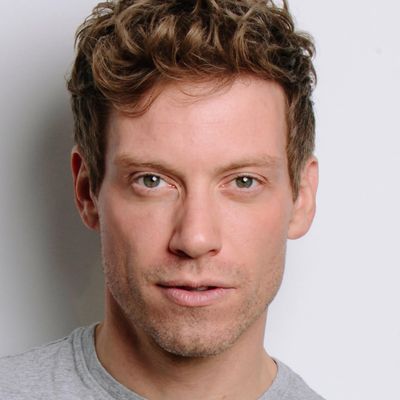
Best known for his role as Eric Beale on the CBS series NCIS: Los Angeles, Barrett Foa is an incredibly talented cross-over artist and actor who has performed in Hollywood and the theatre world. He made his Broadway debut in 2001 in the original cast of Mamma Mia, which launched his stage career... Read More
From the show: Broadway Gives Back
Guests
Featured Shows
About
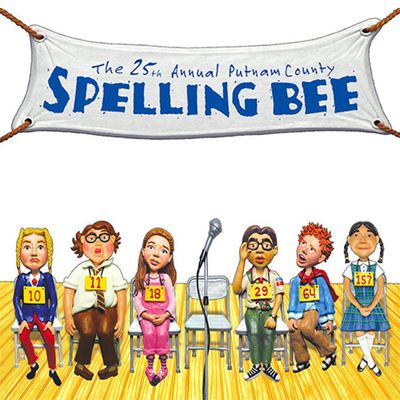
Best known for his role as Eric Beale on the CBS series NCIS: Los Angeles, Barrett Foa is an incredibly talented cross-over artist and actor who has performed in Hollywood and the theatre world. He made his Broadway debut in 2001 in the original cast of Mamma Mia, which launched his stage career. He then starred in shows like: Avenue Q, The 25th Annual Putnam County Spelling Bee, and Buyer and Cellar off-Broadway. Barrett is also the vice-chair of Every Day Action, an organization whose goal is to change the way Hollywood manages food waste. On the podcast, Barrett talks about ways in which we can help feed people with food insecurities.
Today’s podcast is part of our Earth Month series, called United Nations Global Goals, where we talk about tackling the world’s “to do” list to make our planet a better place. I’m joined by my passionate Co-Host for this series, Anika Larsen, who was a guest on this podcast last year and introduced me to the Global Goals. Anika is a Tony Award Nominee and advocate for sustainability and the environment. We decided to work together on this series and bring in guests to talk about the ways in which we all can make small changes for the greater good.
Learn more about about the worthy causes discussed in this episode and how you can donate and/or help:
Connect with Barrett:
- Instagram: @BarrettFoa
- Facebook: @BarrettFoa
Connect with The Broadway Gives Back Podcast:
- Facebook: @broadwaygivesbackpodcast
- Instagram: @broadwaygivesbackpodcast
- Twitter: @broadwaygives
Hosted & Executive Produced by Jan Svendsen.
A proud member of the Broadway Podcast Network.
Special thanks to Dori Berinstein, Alan Seales, and Kimberlee Garris from BPN; Julian Hills from The Bulldog Agency; and Eric Becker from Broderick Street Music.
Transcript
This transcript was automatically generated and might contain errors.
[0:05] Jan Svendsen: Welcome to the Broadway Gives Back Podcast.
[0:07] Jan Svendsen: I'm your host, Jan Svendsen.
[0:10] Jan Svendsen: This podcast spotlights Broadway actors, shows, and organizations in their pursuit of social impact and philanthropy.
[0:17] Jan Svendsen: Join us as some of the brightest lights on Broadway share their stories about their favorite charities and how they got involved and the people on the causes who benefited from these philanthropic efforts.
[0:33] Jan Svendsen: Today's podcast is part of our new series called The Global Goals, where we talk about tackling the world's to-do list to make our planet a better place.
[0:43] Jan Svendsen: I'm joined by my passionate co-host for this series, Anika Larsen, who was a guest on this podcast last year and introduced me to the Global Goals.
[0:51] Jan Svendsen: Anika is a brilliant actor and a Tony Award nominee, but most importantly, she's an activist and puts her time and energy into her social impact work.
[1:00] Jan Svendsen: We decided to work together on this series and bring in guests to talk about the ways in which we all can make small changes for the greater good.
[1:08] Anika Larsen: Yay!
[1:09] Anika Larsen: Thank you, Jan.
[1:10] Anika Larsen: I'm fired up to be here.
[1:11] Jan Svendsen: I'm so glad you're here.
[1:13] Jan Svendsen: And now to introduce our guest, best known for his role as Eric Beale on the CBS series NCIS Los Angeles.
[1:22] Jan Svendsen: Barrett Foa is an incredibly talented crossover artist and actor who has performed in Hollywood and on stage.
[1:29] Jan Svendsen: He made his Broadway debut in 2001 in the original cast of Mamma Mia, which launched his stage career, and then starred in shows like Avenue Q, the 25th Annual Putnam County Spelling Bee, and in Buyer and Seller off Broadway.
[1:44] Jan Svendsen: I am so excited to have Barrett with us today and so thrilled to be sharing the stage, pun intended, and the hosting duties with you, Anika.
[1:51] Jan Svendsen: Welcome to the Broadway Gives Back Podcast.
[1:54] Barrett Foa: Hi Jan.
[1:55] Barrett Foa: Hi Anika.
[1:56] Barrett Foa: It's so great to be here.
[1:58] Anika Larsen: Um, do you know Barrett and I also did Avenue Q, and my favorite Barrett story is that he, because were you like the first? You were one of the first people who were actors who were taught puppetry in order to replace puppeteers because they ran out of, there are only so many puppeteers who could do Avenue Q and they started running out.
[2:16] Anika Larsen: So Barrett was one of the very first who learned puppetry, right?
[2:20] Barrett Foa: That's right. There was a puppet camp, and I was the first camper.
[2:24] Barrett Foa: And we were locked in a room with a lot of puppets and a puppet expert, and they taught us how to do it. But it was a steep learning curve.
[2:35] Barrett Foa: You know, it's like learn this entire art form in two days. These other people have been doing it for 15 years. So good luck.
[2:43] Barrett Foa: And then I had two weeks' rehearsal. I joined the tour, I did the tour before I did the Broadway company, and I had two weeks to learn the show, which meant two weeks to learn words, music, staging, choreography, and an entirely new skill.
[2:56] Barrett Foa: And I remember I bumped into you and you were like, "Have you cried yet?" And I said, "It's puppetry. I was obsessed with the Muppets growing up. It's puppets, it's fun. I'm not gonna cry." You said, "Everybody cries." Cut to sure enough, at my put-in rehearsal, tears, tears, tears, tears. It's too much for a brain to incorporate all at one time.
[3:16] Anika Larsen: It's a lot.
[3:17] Barrett Foa: Yeah, it's a lot. But then you get into it and you just love it. You become one with the puppet, and it's gorgeous.
[3:25] Anika Larsen: Yeah. I want to go to puppet camp. That sounds good.
[3:28] Barrett Foa: Yeah, come on. Just have your mom label all your shirts so they don't get lost in the laundry together.
[3:34] Anika Larsen: The other, um, well, and Barrett, we were just talking, you and I met back on the Tony Awards when you were our CBS social media correspondent.
[3:44] Barrett Foa: Official social media correspondent.
[3:46] Barrett Foa: Yes, yes, and on stage, on stage, backstage host.
[3:51] Barrett Foa: Yes, yes, and knew every single person in the room. So it was so fun.
[3:56] Barrett Foa: Yeah, and then like in between when like, um, uh, Neil Patrick Harris or Hugh Jackman would say, "We'll be back to commercial," and then they cut to me backstage with all like the Annie kids running around, and I'd be like, "Only CBS, be right back, come on back." It was super fun.
[4:14] Anika Larsen: And when you say they, the director is my husband, director of Tony Awards.
[4:21] Barrett Foa: Congratulations, blushing bride.
[4:24] Anika Larsen: Do you know who married her, Barrett?
[4:26] Barrett Foa: Tell me.
[4:27] Anika Larsen: Nancy Pelosi.
[4:31] Barrett Foa: Never heard of her.
[4:33] Anika Larsen: Whoa. Right? Okay, connected.
[4:36] Anika Larsen: Um, yes, we've been engaged for a long time, but we actually made it official last week. So I'm a new bride, a blushing bride. Super new.
[4:44] Barrett Foa: Wow, congratulations.
[4:46] Anika Larsen: But anyway, this is not about me. This is about you.
[4:49] Anika Larsen: So what we thought we would do is we don't really need an icebreaker, but we thought we'd play a little icebreaker game with you, Barrett.
[4:55] Anika Larsen: Um, we thought we would ask you some questions. Some of them will be essay, some will be multiple choice, and some will be just, you know, yes or no.
[5:05] Anika Larsen: Um, so are you ready?
[5:08] Barrett Foa: Yeah.
[5:09] Anika Larsen: Okay. First question. What three words would you say describe yourself?
[5:16] Barrett Foa: Passionate.
[5:17] Barrett Foa: Yes. Um, uh, um, love, uh, uh, in love with community and friendships and surrounding myself with good people, not one word. Um, but an idea. It's a very long typhon. And um, and sensitive.
[5:42] Anika Larsen: I love that you closed your eyes while you were coming up with the words.
[5:45] Barrett Foa: It's true.
[5:47] Anika Larsen: Um, okay. If you could be part of any fictional TV Broadway or film family, which one would you choose and why?
[5:55] Barrett Foa: Oh my god, my first instinct. Oh, I'll always show my work. Maybe I, uh, my first instinct is, um, the Keatons. Um, yeah, I, well, I think I worked with, um, Meredith Baxter. I did a production of Angels in America with her, and um, and Elise Keaton was just sort of like my, uh, TV mom.
[6:20] Barrett Foa: And sorry, we're talking about, um, yes, sitcom back in the day. Yeah, and I just, they just seemed like such a cool family, and they're like, they were sort of like hippie parents, and I wanted like hippie parents like that.
[6:38] Barrett Foa: And um, I did not want to be Alex P. Keaton, but I probably had a little bit of a crush on Michael J. Fox because when it weirdly enough, when I first met Meredith Baxter, I had filed away that she was sort of my TV, my fantasy TV mom.
[6:56] Barrett Foa: But then when I met her, she looked like my actual mom, like the TV version of my actual mom, and I never put that together. And my mom had passed a few years before.
[7:07] Barrett Foa: And I basically looked at her and burst into tears. And in the play of Angels in America, her character sort of becomes a mom character prior to my character. So every night I got to just look into her eyes, think of my mom, and burst into tears quite naturally.
[7:24] Barrett Foa: Um, it was very beautiful, and I would love to be a part of the Keatons.
[7:30] Anika Larsen: Long answer.
[7:31] Anika Larsen: That was like a thousand times better of an answer than I ever expected.
[7:35] Barrett Foa: Yeah.
[7:36] Anika Larsen: That was amazing. Thank you.
[7:38] Anika Larsen: Let's segue into the lightning round, which where all you have to do is answer yes or no. How's that?
[7:42] Barrett Foa: Okay.
[7:43] Anika Larsen: I see multiple choice. I'll be good at this.
[7:45] Anika Larsen: Okay. Do you have a pet?
[7:47] Barrett Foa: Yes, she's right behind me if you want to see her.
[7:50] Anika Larsen: Oh, I do, I do. Yeah, let's pause for a moment so we can see.
[7:53] Barrett Foa: Yes.
[7:56] Anika Larsen: Is she a York? Is that a Yorkie?
[7:59] Barrett Foa: She is a ewok. She is, she's like a Maltese poodle shih tzu mix kitchen sink.
[8:08] Anika Larsen: She's adorable. What's her name?
[8:10] Barrett Foa: Her name is Scotch, which is named after my grandmother who passed away at the ripe young age of 101 and three quarters.
[8:20] Anika Larsen: Wow, good genes.
[8:21] Barrett Foa: Um, her favorite drink was Scotch, and she drank it every day up until the day she died peacefully in her sleep, of course.
[8:29] Barrett Foa: And um, this is Scotch after her. Her favorite drink. And my favorite drink.
[8:35] Anika Larsen: Well, Scotch was young. Um, she's 11.
[8:37] Barrett Foa: She's, oh well that's why she was younger. She's super bored. Tired girl.
[8:40] Anika Larsen: Okay. Um, back to the lightning round. Do you speak any other languages?
[8:46] Barrett Foa: Uh, conversational Spanish.
[8:49] Anika Larsen: Okay. That was a yes or no question, but that's okay.
[8:52] Barrett Foa: I'm not good.
[8:53] Anika Larsen: No.
[8:54] Barrett Foa: Yes.
[8:54] Barrett Foa: Sort of.
[8:56] Anika Larsen: Um, is your bed made?
[9:00] Barrett Foa: Yes.
[9:01] Anika Larsen: Yes. Would your 12-year-old self think that you are cool today?
[9:08] Barrett Foa: Yes or no.
[9:11] Barrett Foa: Yes.
[9:14] Anika Larsen: Have you ever gone skydiving?
[9:17] Barrett Foa: But no, no, no.
[9:19] Anika Larsen: No butts.
[9:20] Anika Larsen: No butts.
[9:21] Barrett Foa: No.
[9:21] Anika Larsen: All right. Okay. Have I done skydiving?
[9:24] Barrett Foa: Yes.
[9:24] Anika Larsen: Yes.
[9:25] Anika Larsen: Woo!
[9:26] Anika Larsen: Okay. Lightning round two. That's you, Anika. Go right.
[9:30] Anika Larsen: Sunrise or sunset?
[9:33] Barrett Foa: Sunset.
[9:35] Anika Larsen: Salty or sweet?
[9:37] Barrett Foa: Salty.
[9:38] Anika Larsen: And last one, summer or winter.
[9:41] Barrett Foa: Summer.
[9:43] Anika Larsen: Fair enough. You win. You got them all right.
[9:45] Anika Larsen: Ding ding ding.
[9:46] Barrett Foa: Yes.
[9:47] Barrett Foa: Awesome.
[9:48] Barrett Foa: Oh my God. I'm doing so well.
[9:49] Anika Larsen: What do I win?
[9:51] Jan Svendsen: Um, that we get to move on to the podcast and talk about the important stuff.
[9:57] Anika Larsen: Great. Like what?
[9:59] Jan Svendsen: Um, well, actually, before we get into the global goals, I just wanted to mention that you are truly a philanthropist and an activist, and that you do lots of different philanthropic efforts.
[10:10] Jan Svendsen: And we can talk about those at the end if we want.
[10:13] Jan Svendsen: So, with that said, I am going to throw to Anika to take us into the world of the United Nations global goals.
[10:20] Anika Larsen: And goal number two.
[10:23] Anika Larsen: Yes, I am so nerdy for the global goals. Anybody out there who doesn't know very quickly, they're like a framework for understanding how to take action to help. It's basically, they call themselves the world's to-do list.
[10:35] Anika Larsen: Um, and it's, there's 17 of them, and it's really smart people got together, and all of the UN nations signed off on it. And it's basically the idea that all of our problems are interdependent and intersectional, and that yes, it's not sustainable if we pollute our seas and our skies and our land, but it's also not sustainable if people don't have access to clean water or education, if there's not gender equality or equality because of income or race or religious beliefs, um, that all of our problems are intertwined, and so that actually in solving one, you're also solving all the others.
[11:09] Anika Larsen: So it's sort of a way to find what you're passionate about and helps you find your way into taking action to make a greener, fairer, and more prosperous world.
[11:19] Anika Larsen: So, global goal number two is zero hunger. And you, Barrett, are vice president of the board. Is that correct?
[11:26] Barrett Foa: That's right.
[11:27] Anika Larsen: Of Every Day Action, and you guys, it is a genius idea. Please explain to us what Every Day Action does.
[11:34] Barrett Foa: Okay. There's, uh, we were founded by two, uh, DGA, uh, ADs. So there's a lot of letters there, so let me break it down.
[11:43] Barrett Foa: The Directors Guild of America, assistant director. So they're on set with us every day. So they worked on NCIS LA, which I was a show that I was on for 12 years, and they were there, and we all see it. Everyone in the crew, everyone in the cast sees food from catering and crafty at the end of the day, at the end of the meal, get just scraped into a trash can. Just, and sometimes those meals are, there's like, you know, a few salads left over, and sometimes catering prepares for, you know, 300 extras that we need on that day. But you know, the sun shifts, the a cloud moves, someone's aunt dies, or whatever, something happens, and suddenly we are, we're dismissing those people, and we have food for 300.
[12:36] Barrett Foa: And that every day, it would just go into a dumpster. So and whenever our these founders, the our two founders, these ADs asked about that, they were like, you know, it's too complicated, can't do anything about it. You know, we try, it's it there's a lot, and they're so over. Because of the sort of the health of food food inspector, right? Like that you can't, yeah, that like it's the danger in giving food yeah, yes, but there is, but that is an old law and an old thought. But we none of us really knew that. We were just we just you know, you just take it for granted. Someone tells you something, and you're like, yeah, yeah, probably too complicated. I won't be the one to figure it out. But these ladies during the pandemic, we're like, we don't have bupkis to do.
Let's figure that out. Because that's annoying us, and we keep being told no, and I bet there's a way we can figure it out. So they did. They filed for their 501c3. They asked me, like I was one of their first calls. Do you want to be on our board? Yes, absolutely, I said. And um, and suddenly we are, you know, also we're run by ADs and women ADs who know what the F they are doing. They know how to get stuff done. So um, so so here we are, uh two and a half years later. We're you know, we just had our our first annual gala that went so well. And um, but basically, okay, but basically, let me let me just let me give you our our spiel. I'll I'll read it, I'll read some of it. So we're bridging the gap between Hollywood and the unhoused everyday action, safely, swiftly, and legally picks up the uneaten gourmet catered food for TV and film sets, as well as select grocery stores, and that is specifically in reference to a grocery chain called Whole Foods.
I don't know if you heard of it, but they give us a huge grant every year. And we're working closely with one of their uh stores here in uh in LA, and we pick up about like 6,000 meals, I think so far in the past like two months. Um food festivals, corporate events, commercials, anything that has excess food, you call us up, and we have drivers that will pick up that food and give it directly to our unhoused communities. So we have relationships with missions, shelters, um, orphanages, uh food pantries. There's these things all over uh LA called LA community fridges that are just refrigerators plugged in to a building on the outside of a building, and people know we we go fill up these bills, fill up these fridges five minutes later, they're empty.
[15:26] Barrett Foa: Wow. So sometimes when I'm putting because I do the food runs a lot too, when I'm putting these meals, again, these are gourmet meals, right? Sometimes it's like short ribs, like trout with I mean, it's it's all the gorgeous yumminess that they serve the actors. We put them in there, and and people are like, actually, can I have that before you even put it in the fridge? Um, and it's wonderful just giving we give as much as away as possible. You know, we don't we don't say one per person, it's just whoever needs it. And I'm getting very excited about it. Sorry. Um yeah, it's really exciting, but yeah, the cool thing is that we're just sort of suddenly catching on like wildfire, and we're suddenly becoming like the food industry standard where it's like, well, you don't use everyday action.
What are you doing with your food? You're putting it in a garbage can or you're composting it. No, put it, give it to someone who's gonna eat it. Um, sometimes we even go to the underpasses and just give out meals. I mean, it's so rewarding, it's so amazing, and people are so grateful. And it's not just it's of course on house people, but it's also just like people with food insecurity passing by coming home from school, some parents with kids, like, hey, can we grab a meal? Of course. Anyway, it's wonderful. Um can I ask a logistical question? Sorry. I so is it who makes a decision that this is gonna happen? Is it done through the crew, or is it like a show runner for a specific show, or is it a studio? Like, how does it happen? Sort of, you know, from the top down or whatever, or from the bottom up.
[17:00] Barrett Foa: We it really anyone can give us a call, and then eventually we'll probably talk to the line producer and we'll give them Marshville. We have a contract, we've worked with so many shows, so so many shows trust us. You know, at first it was like, I don't know who you are, what's going on? Are you gonna, you know, uh, and especially with COVID, people are like, we don't want more people on our set. But we were like there with you know PPP and uh also we're run by actors. Oh, the other fun thing is that our drivers are P are out of work PAs and background actors, so we're giving back to our own, and we're giving them a little cash income. Yeah. To giving them work in when they're in between gigs.
The beauty of the thing. So anyway, but but they know how to be on a set. And so they're not gonna like ask for a autograph from a star. You know, they're we're in and we're out. Um we're called like food superheroes. And um and it's cool. So we it's just there's so many good things that happen. It's such a win-win-win that we're like reducing landfills and all the environmental um all the uh the sustainability people on the the sets um uh and and the networks are over the moon about us. But I also did not answer your question. The question was about how it gets done. We eventually just talk to a line producer, we get them to sign a contract, and suddenly we're just there and you don't even know we're there. Because we talk to like sustainability interns and uh PAs and we just text with them and we're out of your hair. It's great.
[18:46] Anika Larsen: It's brilliant. The really I love the beauty of it is, and this is true for really most efforts, um, is that it you're not it's not just about goal number two, which is yes, of course, zero hunger. And hunger is the number one cause of death in the world. So just the good that you're doing in getting nutritious food to people. I know it's stunning. But the good you're doing in getting food to people who need it is so wonderful. But the fact that you're giving employment to people who need it, that's goal number eight, that's decent work. Um, and the fact that you're minimizing waste, that's number 12, that's responsible consumption and production. And I did not know about composting. I am super nerdy for composting now, but I read his article about in New York City.
400 million dollars is spent every year taking taking trash to places as far away as South Carolina to be in landfills. And a third of that is food waste that could be composted. And food waste when it goes in a landfill, it gives off methane, which is one of the worst greenhouse gases. So having it sitting in trash heaps isn't it's terrible for the planet. Having it in people's bellies is so much better for the planet. So much better. The number of wins in this in these efforts, it's just it's it's so inspiring. It's so heartening. Thank you so much for thank you. Thank you for keeping me honest with the goals. I love that we're like checking off four or five of the goals. This is awesome. We should we should use this in our you sure should.
And number 17 is partnerships for the goals, so that you guys are partnering with all of these different organizations with the people that you're giving the food to those organizations, and then with all of the sets and all the organizations. It's partnerships are the way we're gonna get any of this done is by working together.
[20:23] Barrett Foa: Okay, this is why I love Anika because she's so nerdy about this. It's like it's just it's so great. I'm just in awe.
[20:31] Anika Larsen: Well, thanks.
[20:32] Barrett Foa: Thanks. Two nerds, three nerds, nerding out. I love it.
[20:36] Anika Larsen: Yeah, yeah.
[20:37] Barrett Foa: Is there is there any way that pe like regular people um can get involved in this effort?
[20:44] Anika Larsen: Absolutely.
[20:45] Barrett Foa: Asking on behalf of people listening, maybe.
[20:47] Anika Larsen: Yes.
[20:48] Barrett Foa: Um, well, if you're in LA, we always need volunteer drivers.
[20:52] Anika Larsen: Um that's great.
[20:55] Barrett Foa: We we do a lot of uh we have a lot of volunteers, but we can't do volunteers alone. So that's why we we pay some people to really be our our regulars. You might not want to say it, but I will say it. You could donate money. You could certainly go to their website and donate money.
[21:08] Anika Larsen: Yeah.
[21:09] Barrett Foa: Yes. Yes. And by the way, we will put the we'll put the link to the website in the episode page.
[21:14] Anika Larsen: As well as the link to the global goals so that everybody will have context.
[21:19] Barrett Foa: Yes, please. Thank you. Yes. Um those donations go to uh those drivers those people who are you know we're trying to make we're trying to give them a somewhat a live of a living wage in in Los Angeles, which is a tall order. Um but it's better than you know sometimes background actors work you know two days a week or something and then if they can fill this in then they actually make a living in Los Angeles. But also we need more of those drivers and the more drivers we have then the more shows we can pick up from because right now we're at a point that we actually have to say no to shows because we have so many shows and we only have so many drivers um so which which kills us because every time there is a show uh they're like I'm like that's so much food that's going to waste um and just think about how many things shoot in Los Angeles um and we we do we work all the way from Santa Clarita down to uh San Pedro which means nothing to you if you don't live in LA but that's a big that's a lot of miles but we cover them all it's really unbelievable.
[22:29] Anika Larsen: Are there any are there any um plans to expand to other cities like New York or Atlanta other places where they shoot I know we get we get asked this all the time and we yes yes that is the ultimate goal is world domination or at the very least, you're modeling it for other people who might want to try and start.
[22:50] Barrett Foa: But yes, it would be nice. If you could scale this up if people gave you money, if you had enough, that it just feels like you guys are unstoppable. Like this is just only can only grow. Um, but then it's the growing pains of you know where you are right now and you're just growing too fast.
[23:04] Anika Larsen: Right, right.
[23:04] Barrett Foa: And also we just we don't know the intricacies of each city. But if you know your intricacies, if you're an AD, if you're an actor who wants to start this in Atlanta or New York City or Albuquerque or whatever, well, whatever the hot shooting city is these days. Um I say, uh, let's talk, let's chat. We will compare notes and give you everything we have. Because we want this, you know. This isn't, yeah. The other thing is we would we're also trying to get a um we got a f uh a van donated so we could um deliver more food. Um uh because right now it's just people's cars and there's only so much you can fit in your trunk.
[23:45] Anika Larsen: Right.
[23:45] Barrett Foa: Um so we have a van, but we really want a food truck so that we get the food, keep it hot, and then go right to Skid Row and dole it out. And then that way we don't have it, we don't have to have as much packaging because we're really concerned about about we've thought of it all. We don't have because packaging is a concern. And sometimes uh hot food, if the packaging is a little wh-whah, like the packaging sort of melts. You need high quality packaging, but we want compostable packaging.
[24:17] Anika Larsen: Right.
[24:18] Barrett Foa: There are there are there are issues, but we've navigated them all in a quick two and a half years. Oh, I'm so proud of us. Oh gosh, thank you for featuring us. This is so sweet. Get on board. Everyday action, your everyday action.com.
[24:32] Anika Larsen: Nope, your everydayaction.org.
[24:35] Barrett Foa: Of course.
[24:37] Anika Larsen: I have a question. So, so you know, within thinking about just food insecurity and no hunger, zero hunger, I'm gonna ask this question sort of more globally.
[24:47] Barrett Foa: Um, what can everyday people do?
[24:51] Anika Larsen: Um, you mentioned composting, which actually is something that's on my list, but I find it very hard to do.
[24:57] Barrett Foa: Um, but what are like what can listeners or fans of of yours or Barrett's do, like on a you know, on a smaller scale?
[25:06] Anika Larsen: Um, and yes, we're gonna assume that somebody's gonna donate this this food truck and we'll truck yes, please with with naming rights, you know.
[25:14] Barrett Foa: So um, and um, and maybe they'll have we'll have some volunteers and and uh and some donations, but in everybody in people's everyday lives, like what are things that people can do to support the goal, no goal number two of zero hunger. What I really want to say is it's not that scary to do something nice, but sometimes I feel like it you think it's scary. There's like a fear around doing something sort of bold like that, or it feels a little insurmountable. I'll for instance, I was vice president for a a while before I started doing the food runs. And you know, we didn't have enough volunteers one day, and they're like, Barrett, will you just will you do a food run? And I was like, what do I do?
I'm scared. There's unhoused people, and I don't know how to that that makes me nervous. And I just remember the first run, I was like sort of sweating, and like I didn't know what was gonna happened to me. And I was like, oh, it's not about me. This is about this food that I'm giving people, and everyone is very grateful and thankful for it. But you just sort of as you drive by an underpass with people that like you don't sometimes I don't um, or I used to sort of have that separation that helps you helps me feel safe. And I'm like, those people are not me, even though I care about them and I feel bad that that's their situation right now. And but making that link, making that connection, making that handoff of a meal into someone's hands and them saying thanks, uh, you're like, oh, humans.
And I think breaking down those barriers is uh is a is a really important and making those actual connections and that that to stop sort of um that safe separation that we have. Uh if we can bring bring people together on those on those human levels, I think that's gonna that's gonna be a big step for a lot of things, but to end hunger. That was a philosophical answer.
[27:35] Barrett Foa: It was um it was, and um, I'm gonna get um less philosophical and more pragmatic because you covered philosophical, and um you know, some of the huge targets for goal number two are really like they are global and they are they're stuff that we individuals can't do because they involve governments or multinational corporations, and so when it comes to stuff like that, I always say vote. Like just vote and vote for people who care about things like this, right? Vote for people who are going to create policy that that does stuff about this, and then um, and then also just on the globe, you know, you can always go to global goals.org and any of these goals, they give targets, but they also give what can you do.
And so some of the things that they recommend for this is it's really about thinking about your you where your food comes from. Um, and because it's about responsible agriculture too. And so it's try trying to bind local and in season, which is um, and often a lot of these things you have to it it you come from a place place of privilege to be able to do these things, like to buy local from local farmers at food at farmers markets is often more expensive. So not everybody can do it. But supporting local agriculture is really important. Not wasting food is really important. Composting is important. Um consuming less meat is important. It's um it's it's really damaging to the environment. And so everybody doesn't have to become a vegetarian, but if everybody ate less meat, that it would be significant, um, the impact that it would have on the world. Um yeah, so those are those are sort of everyday things that everyday action that takes.
[29:15] Barrett Foa: See what happened. I made that I made that switch to vegetarianism. And uh I I I will admit I do eat um fish on occasion, but I always thought I'd be a meter, meat eater. And then I started dating a guy, and he was the vegetarian and um I don't know about you, but I like to share my food when I go to go to a restaurant. I just want to I just want to bite of everything. And then I was like, well, if I get the meat thing, he's not gonna be able to eat that. And then we're not gonna be able to share, and it. And that's not a fun. So I just was like, okay, well, when I'm with you, I'll just order the veg thing. Which more and more, especially in LA and especially around the world, is just as delicious, if maybe not more delicious.
And then I'm like, I'm trying to do that. This transition is actually not that hard. And I'm sort of halfway there already, or three quarters of the way there, and then it was just taking that tiny little step, and I love it. I don't make me I never thought I'd be the person who didn't miss meat, but I do not miss it. I look at menus and I'm like, are you sure you don't want that chicken sandwich? What about that bacon? You used to love bacon. No, I'm fine. I don't know what it is. And I love the switch. It is I did not at first it was sort of for a boy, and then it was for me and for the world. And I and that and do you feel healthier? Do you find you feel like physically healthier now that you're a vegetarian?
[30:44] Barrett Foa: I do. I think I thought it was gonna like make me feel superpowers. I'm like, no, I like it. It's good. It's good. I'm not like a completely different person, but I just I sort of don't ever want to go back. And I always thought that I was like, you know what, maybe I'll dabble back in. No, not interested. Did you guys do that? Stories about that.
[31:03] Anika Larsen: I want to jump in just because sometimes that's very like becoming vegetarian or vegan. I have a vegan daughter, um, gluten-free, organic only vegan daughter. Um, so that's so limiting. So my husband and I, how do you like that? Um, I just practice that. Um, we decided that we are only gonna eat, we love meat. So we only eat meat now once a month. We go to Cafe Luxembourg on the upper west side, and we order our you know, our steak frit with our fries. And um that's the only time once a month we splurge, but the rest of the time we're eating, you know, healthier and and um and certainly more um plant-based. So I I just wanted to bring it up because sometimes it's just so mind-blowing. Like I'm not I can't become a vegetarian.
Like I know I can't say that out loud, I can't become a vegetarian. But to do like baby steps, I think is more manageable. And to know that once a month I'm gonna get that steak, you know. And I think if everybody just made smaller, you know, sort of baby steps, I think that helps.
[32:07] Barrett Foa: I agree. Yeah, no, sometimes people suggest for people who it's hard for is just be vegetarian one day a week, you know, like it's just but if everybody ate half the amount of meat that they used to eat, like the sign it would be a huge effect on the world. Right. Um, and um on greenhouse gases and yeah, I mean, it yes, it would just in so many ways it would be a really, a really huge effect. And I think people actually would realize that they didn't that they in the ways that they thought they'd miss it, they like Barrett didn't miss it.
[32:36] Anika Larsen: Yeah, I want to go back to something you said, Barrett, because I it really resonated with me. This idea of humanity and connection with the unhoused. Um and I'm gonna start crying, so bear with me. But I grew up here in LA, and um my mom was um, she just did her own thing, but like every Saturday afternoon we went to the supermarket and we bought a bunch of groceries and we got donations of things that they were gonna throw out anyway, and we would go and make sandwiches every Sunday morning, and we would deliver them to Venice Beach to the what we called then the bums, because they can't say that today, but um, and you know, um that connection and that conversation was really important. It wasn't just that we were delivering food, but we were connecting, so uh it was helping me, but it was also helping them have conversations that were meaningful conversations.
And so I took that with me. And um when I lived, we go back and forth between LA and New York. And when we're in New York, there's a there's a um uh organization called um Midnight Run, and it's very similar where they deliver food to um the unhoused. The point of it isn't just delivering the food, um, but it's also about the conversation and the connection. And you sit at you know, sort of these makeshift tables in parks and on street corners, and you literally break bread and have a meal. And I feel like that connection part of it is so important. And when you were talking about going under the underpass and kind of doing that that thing where you're kind of like not really looking, but kind of looking and feeling bad and feeling empathy, but not really connecting.
I I feel like that's such an important thing for people to sort of think about in their own lives. And it's hard, it's really hard and it's uncomfortable. But I feel like that's a really important piece to this whole this whole goal number two is that connecting the connecting piece.
[34:36] Barrett Foa: Yeah. And it's uncomfortable for a second. And then you you realize you're talking to another human.
[34:45] Anika Larsen: Exactly. And that person just has had a little twist of fate or a luck thing that is a little different than yours. You know, a way that they were born into whatever it is, and then this is where they are right now. And they could be in a house tomorrow. But this is just what's going on. And and the more you I know people, I know people who have like fallen into addiction and and you know, it's you you you all those um those down on the on your luck things. You just realize they're like, Oh, that's just it's all me. It's all me in like a multiverse, you know. I just happen to be in this yummy house with this yummy view, but you know, one click over in the in another multiverse is is is me under underpass. So let's be why don't I just be kind to myself by being kind to others.
[35:41] Barrett Foa: But for the grace of God, yeah, exactly. Is that going woo-woo on us? We're going real woo-woo now. But I like it. That's like that gets me in there though. That gets me in there because sometimes there's only so many like steps you can take. But sometimes you gotta break down the why and the and the the feeling part of it. Like, what's the heart thing that's that's blocking you? And then just the I love the sitting down and breaking bread with someone who's basically just you. Hey, tell me your story. Tell me your story. Wanna eat something? Let's have a Sammy.
[36:12] Anika Larsen: Yeah. What the first time we did it, I had my my daughter with me, and she was young at the time. She was like eight or something, and we would do this like sort of on the first Saturday night of every month. And she was really into it. And she became friends with some of these unhoused um neighbors and um in the city. And um, oh my god, she'd go running over and they'd hug each other, and I was like, Oh God, don't hug, please. And then one day we were actually in the theater district and we were going to see a show. It was like a you know, Thursday Friday night or something, and we're walking, and all of a sudden she saw somebody literally climb out from like under a staircase from their box that they were, you know, sheltered in. And they're like, Anna, hey, how you doing? There was like this big reunion on the street, but it was so beautiful.
[37:03] Barrett Foa: Yeah, and also can we talk about your mom doing that with you and then you doing that with your daughter? I love that. I love that progression, that category. Um, what was your mom? How did your mom get to do that?
[37:19] Barrett Foa: Like what angel was she? She was an angel. She did a lot, but you know, she was a Holocaust survivor. And um, so I feel like that informed a lot of her philanthropic work and she was not um, you know, we didn't have a lot of money. I mean, we were fine, but it wasn't like we could write big checks. So my mom taught us to, you know, just give of ourselves and be a volunteer on a drive where we're gonna drop off some food or um make some sandwiches or you know help somebody whose sight has failed them and help them to the bank one day or whatever, small things.
[38:00] Anika Larsen: So I kind of grew up with the little things, and I feel like those little things are well for me, they're just more manageable and they're more high touch. And I like that feedback, I like that connection. That's why I think I connected to when you talked about connecting. Yeah, and it helps you keep going instead of like, oh well, I wrote a check. I probably don't have to think about that anymore. Or it doesn't have that same heart connection that keeps you sort of that keeps you sustainable. Right. Yeah, if you will. Yes, yes. But do you know what I mean? Like it keeps you instead of like, um, I checked a goal today and it's fine. I'm done with that. I don't have to do that anymore because I won that thing, you know?
[38:43] Barrett Foa: Yeah, well, it's sort of sustainability is love. It really is an act of love. Whichever tack you're taking, it really is. And there's, I don't know, there's that silly Friends episode, but it's not silly because it's true where Joey is or somebody has challenged Phoebe because they've told her out that altruism feels good. So it's for you. And they're like trying to get her to do something for others that didn't feel good to her and she just couldn't, and it was maddening. But that it is that whatever chemicals are going off in your brain when you're doing good are this very similar to the ones when you're falling in love. Um so um yeah, it feels good to do good. And you know, Anika, you are so inspiring, you know on the you also have sort of the left brain, right brain thing going on with all of this, because you know, you can recite those 17 global goals and you really understand it and you're looking at the big picture, and I so admire the fact that you can um, you know, do this in a very sort of intellectual and strategic way.
[39:41] Anika Larsen: Thank you. I do have on the other side of my computer screen the global goals printed out because I don't, I mean, um fake it till you make it, right? Because I'm I am so new to this and don't in any way profess to be an expert at this, but um I think it's I I I am obsessed lately with the Arthur Ashe quote, um, start where you are, use what you have, do what you can. Um, and Every Day Action is a perfect example of that. But um it really is um, I feel like theater people, Broadway, um, we are storytellers. And how can I in my local community, which is Broadway, use Broadway to amplify that and use my ability to be a storyteller to try and fire people up, because I'm not gonna be one of the innovators or the actual, you know, sort of policy problem solvers.
So what do I as a theater person? How do I, how do I, what is the best way for me to start where I am, use what I have and do what I can? So I have a script. I always have a script, so I come prepared. But um, but yeah, I'm not it, I'm not a genius about this. I'm just, I'm just, I just, it's too important to ignore all of this. Um, and it's just it requires everybody, as I another thing I like to say is doing the next right thing. It's a lyric from Frozen 2, but just do the next right thing, whatever that is for you. Um, and it's different for everybody. And what's manageable in our lives is different for everybody. Um, so I'm currently unemployed. I have time for this, this vlog and these podcasts. Um, so um, but not everybody has time. People are often just trying to get through the friction of their day. Um, and so those of us who can must, I think.
[41:14] Barrett Foa: So um, yeah, no, I don't, yeah. It's so inspirational to see that, Anika. Like I seen, I saw you sort of make the decision and make the switch, and you're like, I'm not on Instagram, but now I am on Instagram.
[41:29] Anika Larsen: So reluctantly.
[41:30] Barrett Foa: It's for a cause that is important to me. It's not just me being like, hey, come see me in Almost Famous, which is great, also. But we have enough of that. We have a lot of that. Let's do something to change the world. And I really see you taking those steps and it's dirty.
[41:47] Anika Larsen: Well, this isn't about me. This is not patting on the back.
[41:50] Barrett Foa: Well, no, no, no. But you know what? It's a conversation. But I will say that if anyone has to take two steps. Yeah, if anyone hasn't listened to the podcast that we recorded back in December, they should go back and listen to that. Um, because Anika does talk about her story. Um, but I, you know, segue, I did want to ask you, Barrett, like you not everybody, as we just talked about, does take action. So when did you grow up with you know a model of your parents or your community or your church or anyone, like how did you become sort of an activist and a philanthropist?
[42:28] Barrett Foa: Um I grew up on the Upper East Side of Manhattan, and uh my parents were very involved with local democratic grassroots politics. And I sort of didn't know what that meant because I mean they were also going to like fundraisers, and they're just they're sort of they like to be social and support causes and you know they're sort of all that, but they were never um they were never like uh touting it. They were never what's the word I'm looking for? They were never like patting themselves on the back or like look how amazing we are or how giving we are. They're just like this is what we do. And I remember, you know, the Lexington Democratic Club or like all these small tiny uh local oh and my dad ran for state senate twice.
Oh and uh so so you know they they could because he was like, what's going on with this neighborhood? Like we we need to figure something out, and we have a 26-year incumbent and things aren't changing. Well, let me maybe I can be the change. And so I think that was inspirational. I think the fact that they weren't shouting it from the rooftops and they just were like sort of naturally doing that was inspirational. And only later, after my mom passed, the Lexington Democratic Club gave uh gave her a an award posthumously, and then and then were give give gave this award called the Linda Foa something award. And uh my my dad wasn't in town and my brother wasn't in town, and I had to fly back to New York to present this.
And so I I walked into this room of this place that I've been hearing about since I was 10 years old. This like the Lexington Democratic Club, these these small grassroots places, and I realized I was like, this is not a glamour event. This is just people caring about really local things and doing things on the grassroots level for not for no glory for no glory. And my parents were pretty um are pretty um they're fancy people. They have like they like to like show up and show out and were always like sort of the best dressed in the room. And I just always assumed that what they were doing was like this fancy thing, and then I got into that room to present this award, and I was like, these are just some ordinary people doing good work.
And I was like, oh, my parents were ordinary people this whole time. I thought they were sort of doing it for themselves. I don't know if I made that, if I if I brought it all around. But I I think I think what I'm saying is you I don't know what I'm saying.
[45:30] Anika Larsen: It was sort of in your DNA, and your parents obviously did have a huge impact and influence on how you then saw the city. It was only until later that I really sort of was like, oh Barrett, you gotta step it up. I also there's um, you know, I went to Interlochen Arts Camp, um, and I have a scholarship that I started there called the Barrett Foa Musical Theater Scholarship in Theater Arts or something like that. Because it's because it was it was such an important place to me. It gave me that passion that I talked about uh at the lightning round, um, that passion for the arts, arts capital A, you know. Um so I I do like to give back, I like to teach, I like to, you know, it's it's important and it's it's I I think my my parents did teach me that. What advice would you give listeners on how they can tap into their social impact or their you know purpose-driven work?
[46:33] Barrett Foa: I think that a you're powerful. You're more you're more powerful than you think you are, and b, don't take no for an answer. Our founders, Hillary Cohen and Sam Lou, they didn't, they didn't take no for an answer. They're like, we're gonna solve this problem. And then not only that, we're gonna make it flourish. Um so that's that's an inspirational thing. I don't I don't have that as much. I'm not like I'll show you, I'll tear down the establishment. And because not everyone is, thank God these two ladies were. Um, but I'll I'll hop on board to your mission that I love. So if something's there and I can like hang on, I I'll be your worker bee. You know, I'll I'll help you as best as I can with my connections.
So it's just it's like see where you fit in. Are you the leader and the you know the the maverick, or are you like, hey, plug me in. I I'm yours to use. Like these two hands, just tell me where they go. Um so I think identify that and then and then just like take your divining rod and be like, where's my where do I need to go? Is it is it hunger? Is it the environment? Is it politics? And you know, get that heart space in there and you're gonna go towards it, and then you're gonna find something. But be active about it.
[47:58] Anika Larsen: Yeah. That's great. All right. It's time for last words. Both of you. Any last words on this talk?
[48:08] Anika Larsen: Um, my last words are Barrett's going to be on my vlog. So if you liked him here, and how could you not check out my vlog, Broadway Vlog to Save the Planet, where we will talk about actually familiar stuff. We're gonna talk about Every Day Action and Global Goal Number Two.
[48:24] Barrett Foa: Fun. I can't wait. Thank you, Jan. And thank you, Anika. Um, and thank you for highlighting Every Day Action. Um please donate. Please volunteer if you're in LA. Um yeah, we need funds. We are growing and growing and growing, and we can't grow anymore unless we grow some more. You get that? So help us grow. Um, thank you. YourEverydayAction.org.
[48:51] Anika Larsen: That's great. Thank you. And I can what was the quote again from Frozen?
[48:56] Barrett Foa: Do the next right thing.
[48:59] Anika Larsen: You can't do the sometimes you can't solve the massive problem, but all you can do is take the next right step for you in your life, and then the next one, and then the next one. I think that's the perfect ending. Can you sing it one more time and then we'll say thank you?
[49:11] Barrett Foa: I hope, Bobby and Kristen Lopez, I hope I'm it's been so long since I actually originally heard the song that I might be making up a new melody. But do the next right thing.
[49:23] Jan Svendsen: Thanks for listening to this episode of the Broadway Gives Back Podcast. If you like what you hear, please subscribe and rate Broadway Gives Back wherever you stream your podcasts. You can also follow me on Facebook at Jan Friedlander Weiss and on Instagram at Jan for Good. Broadway Gives Back is part of the Broadway Podcast Network, produced by Dori Berinstein, Alan Seales, Kimberlee Garris, along with your team of amazing collaborators and wonderful humans. To learn more about this podcast and other Broadway podcasts, visit BPN.fm slash Broadway Gives Back.
© Broadway Podcast Network, All Rights Reserved