

Hey! It's a Play! Okay? Last up (for now): Play along as Aaron J Albano (Newsies, Hamilton) and Nikisha Williams (Hamilton, The Color Purple) join Bryan, Kevin, and Kimberly via video chat to break down the movie adaptation of Neil Simon's 'Biloxi Blues'... Read More
From the show: Broadwaysted!
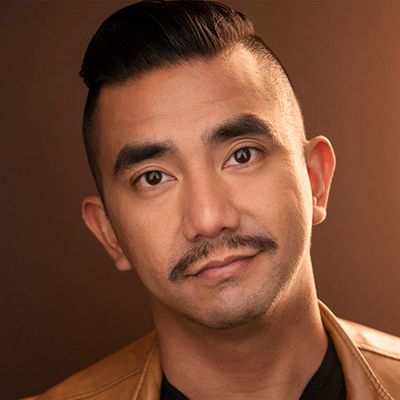
Guests
Featured Shows
About
Hey! It's a Play! Okay? Last up (for now):
Play along as Aaron J Albano (Newsies, Hamilton) and Nikisha Williams (Hamilton, The Color Purple) join Bryan, Kevin, and Kimberly via video chat to break down the movie adaptation of Neil Simon's 'Biloxi Blues'. Come for the bad puns and moonshine but stay for the musical talk and Fall beer.
Extended cut and full video is on Patreon. Become a supporter on our Patreon: https://bit.ly/2Q2zELG
Transcript
This transcript was automatically generated and might contain errors.
[0:21] Bryan Plovsky: Hello, and welcome to the official Broadwaysted podcast where we're drunk on theater. I'm your host, Bryan Plovsky. And no, this isn't an episode of Blues Clues or Blue Valentine. Count your first first. One fish, two fish, red fish, blue fish, and hop into the deep blue sea or just into the blue or the blue lagoon under blue skies and blue crush it. Don't get a black and blue in the big blue. Your blue velvet jeans blueprints are for the Blues Brothers. But if your moody blues cause Bluebeard to eat blueberries, then you're a true red, white, and blue because blue is the warmest color. It's my blue heaven. Go blue. Joining us today are the usual blue jasmins in the light of the blue moon, including Kevin, Bear in the Big Blue House, Jager.
[1:05] Kevin Jager: Oh my god, I love that because when I was younger, I wanted that job. Like when I was in high school, I was like, that would be my dream job would be to play Bear on Bear in the Big Blue House.
[1:14] Bryan Plovsky: Well, you wore the appropriate tank top today.
[1:17] Kevin Jager: I did it just for you. I felt the energy.
[1:21] Bryan Plovsky: Very soon I know. Great soul. Uh Kimberly, our blue bloods game master and unofficial babysitter for the hour.
[1:31] Kimberly Cooper: Did just get a royalty check, so thank you.
[1:33] Bryan Plovsky: Hey, welcome. And with us today are members of the Goof Troop in Basic Training, our two hammies. Let's give a big Broadwaysted welcome to Friends of the Show.
[1:40] Aaron J Albano: Friends of the show.
[1:45] Bryan Plovsky: Aaron, can you say it for yourself?
[1:47] Aaron J Albano: I don't know.
[1:47] Bryan Plovsky: Yes, you can.
[1:48] Aaron J Albano: Aaron J Albano and Nikisha Williams.
[1:51] Nikisha Williams: I'm blue to daba d daba die.
[1:57] Bryan Plovsky: Absolutely. Okay. Well, welcome to this week's movie episode. Um, before we get into Biloxi Blues, that Tony winning musical movie, just a movie, not a musical. Um, there were some yeah, I watched the wrong thing. No. Um, before we get into the Tony winning movie, um, let's uh discuss what are you drinking. What are you drinking, Bryan?
[2:23] Bryan Plovsky: Uh I'm drinking uh pumpkin ale from uh Brooklyn Brewery, Nikisha.
[2:31] Nikisha Williams: Uh yes. Uh I still have that. Well, I bought another bottle of the apple and ginger vodka. So I am drinking that with the cranberry again because it's so good. So also in the fall spirit.
[2:44] Bryan Plovsky: Yes. Nice. Kevin, uh meat. What are you drinking?
[2:51] Kevin Jager: Moonshine.
[2:52] Bryan Plovsky: Yeah.
[2:52] Kevin Jager: Punch punch.
[2:54] Bryan Plovsky: Oof with a raspberry lime seltzer. It's very refreshing.
[3:01] Kevin Jager: I am drinking uh the most recent cucock, which I think is the last one. It's the very last one. I am drinking it as well. Um it's called Curtain Call, and it is Evan Williams straight Kentucky Bourbon, uh oloroso sherry, house plum shrub, honey syrup, lemon juice, sarsaparilla, and ginger, a rosemary garnish, and a round of applause. Um so I poured out this drink after shaking it, and I mean it's four cocktails, but we're doing an episode, so I just poured it all into one glass.
[3:35] Bryan Plovsky: Absolutely. And I literally was like, oh no, my thing is contaminated because there's a stick in my drink. And then I was like, Oh, right. Remember bars and fancy drinks where they put like sprigs of things. So I was like, ah, no, then it's not a random stick. That is part of the tree. He's like, What is this Christmas tree that's in my drink? It smells amazing. It tastes amazing. It's really good. So, Aaron, you have the same, right?
[4:09] Aaron J Albano: I have the same exact, yes.
[4:12] Bryan Plovsky: Beautiful. And I presented it like a YouTuber. I love it. It took a minute. Um, well, thank you everyone for joining us today to talk about this play movie. Um, this movie play. Um, okay. Hey, okay. This is our last uh play within this theme. Um, Tony winners that were adapted into movies. Um this is a 1988 movie uh directed by the great late, we'll raise one for him, Mike Nichols. Um Cheers, um, and starring Matthew Drink to him. Um uh adapted by Neil Simon's from his own play, and then starring Matthew Broderick. Now, for those of you who do not know, some fun facts here, Biloxi Blues is the second play, second movie, however you look at it, in uh a trilogy called the Eugene Trilogy. The first one is um um Brighton Beach Memoirs, then it's Biloxi Blues, uh and then it is um Broadway Bound. So these are three different plays that take away.
[5:24] Kevin Jager: Oh I always thought Lost in Yonkers was in there.
[5:28] Bryan Plovsky: No, not in this, not of specifically of Eugene and kind of Eugene's. The first one focuses more on his family. He's a supporting character in that. I mean, they're all told from his point of view, but in terms of like the action. This one, uh he's clearly the lead. And then he and his brother, along with other ones as adults, uh are in Broadway Bound. These are all they say they're autobiographical of Neil Simon's's kind of life and growing up, um, which we kind of get at the end of uh the movie, um, where it breaks the fourth wall a little bit. Um, but um just so you know, um, on Broadway, Matthew Broderick won his first Tony for playing Eugene um in Brighton Beach Memoirs. Um, and then he played Eugene in Biloxi Blues on Broadway.
Um he did not he this is the only movie that he plays Eugene because all three of them were adapted into movies. Um the first one um was a movie, the second one, as we watched was a movie, and the third one was a made-for-tv movie in like '92 or something that.
[6:30] Kevin Jager: Um was he in the play?
[6:32] Bryan Plovsky: He was in the first, no, he was not.
[6:35] Kevin Jager: Oh.
[6:35] Bryan Plovsky: He was just in the first two plays in this movie. Um, but if we're talking and uh if we're talking about um Matthew Broderick and Broderick in general, um, this movie was one of his first. Um he had already done um WarGames and Ferris Bueller's Day Off, so he was already kind of like getting up there in terms of popularity. Um, so then this was one of those that kind of followed it. Then he did um Torch Song Trilogy. Um he was in the film. I believe he's also in the production on Broadway as well, as a different character. Um, and then you know, then he got Glory, which was kind of his real this by him doing this, it kind of led him to do a little bit more serious things, um like Glory and stuff like that.
So that's just a little bit of background. Um, I forgot he did Glory. The act this this play was from '84, but the movie is '88. Um, but uh let's go around uh that fun facts and just give us a I want two sentences. What's your relationship to the play movie was and um overall thoughts? Kevin, why don't you start? Because I know you have a story a little bit about this.
[7:46] Kevin Jager: Oh, um, I was so I know this play pretty well because it was my first ever professional gig. Um it was at a small literally work small non-equity theater. Um, and I got brought in to play Joseph Wykowski. Um, because they'd actually cast the show and were in rehearsals, and their Wykowski left because he had like a disagreement with the director and like it wasn't working out. And so, like the artistic director knew me and knew I had graduated college, and so I was free. And so she reached out to me and was like, Hey, we're doing this show in two weeks. Do you want to come in and rehearse and take on this part? I was like, Okay. So I came in without like anything really knowing it and did the show.
[8:32] Bryan Plovsky: That's fierce. Wykowski's which one?
[8:35] Kevin Jager: The like the bully one, like the bad guy.
[8:38] Bryan Plovsky: Okay, okay, yeah.
[8:40] Kevin Jager: He eats the foil of the candy bar.
[8:43] Bryan Plovsky: Uh, yes.
[8:45] Kevin Jager: Yes. Um, I would and it worked out that I was the biggest dude on stage. Um it was my first professional gig. It was also so it was my first professional gig, and I had literally just come out of the closet like a month or two before this. So I was like, okay, I'm in a show with all guys professionally as an actor. Finally, I'll meet like some out gay men and kind of get to like see how they do it and how this works. And I'll play lol. And so yeah, so I got to rehearsals, and I was the only gay man in this entire play that is like seven dudes and like two girls. And so it backfired because the dude two girls became obsessed with me. And then the six straight dudes all like talked to me very like they were nice and everything, but it was very much freaking.
[9:35] Bryan Plovsky: Oh man.
[9:36] Kevin Jager: So like I've never known like a gay person before. So like what is it like just like feeling gay?
[9:44] Bryan Plovsky: Oh, it was a crazy experience. Um yeah, it was really really ridiculous. Uh you played the wrong character.
[9:56] Kevin Jager: I know, right? Seriously. I was like, wait, I call you gay on, and then they all thought that was so funny. They're like, how funny is it that the one gay dude is the one who like hates gay dudes in the show? Like, it's crazy, right? It's hilarious. Oh, acting so funny. It was a lot. Um, but overall thoughts of this movie is uh, I think it's I think it works really well. It's a great adaptation to using a movie. Um it was interesting to me because a lot of the scenes in this movie are not from the play, but they like bring up the same themes or issues that the different scenes brought. And it's because there's only six people, like there's like the seven main dudes, including like the guy plus the two girls.
So, like, you don't have a big ensemble so you can't do a lot of like like the water scenes not in there and like there's a bunch of like outdoor like very physical scenes that don't exist in the play that the water scene which one like when they like are stuck at the river and they have to like send somebody into the water to like oh yes it's this yes like that doesn't exist in the show like obviously because you can't show that on stage um so there are a lot of like moments in the in the movie that don't aren't from the play but like I thought it was very well adapted and everything made sense and it's a really good uh I'm interested to hear what everyone else thought.
[11:20] Bryan Plovsky: Can I ask a question about that?
[11:23] Kevin Jager: If it so these additional scenes were they is the play shorter or did those scenes replace other scenes in the play so those scenes kind of replace a few other scenes like okay but it's more like like you don't miss a whole lot it's more like the like Daisy character there are like three or four scenes with her instead of just like the one main one that we see.
[11:50] Bryan Plovsky: Oh so there's more to that uh the the whore scene with him in the prostitute is a lot longer with a lot more like word play and stuff.
[12:00] Kevin Jager: Oh okay. Um and the only other like there's just like but like the scenes that you could you could probably tell like we talked about last week when the scenes from the play like clicked in because like the Betty like everyone put down five dollars and we'll choose who has the best dream or like whatever, like that clearly is a big scene in the play um them uh like fighting at night and like him like there were a lot of scenes popped in there. I was like, Oh, I remember this exact scene, and like all these are like uh it's a really good adaptation. Sorry, that was a really long time.
[12:36] Bryan Plovsky: No, that's okay. Aaron, um, what are your what's your relationship? What'd you think?
[12:40] Aaron J Albano: Um, I didn't I didn't know anything about Biloxi Blues.
[12:43] Aaron J Albano: I didn't know anything about any of the, I'm a bad play reader. Um, so I didn't really know a lot about them. I wanted to, I mean, I wanted to watch the most recent revival. Wait, I just realized these are not that recent. This happened, like the revivals of Brighton Beach Memoirs and Broadway Bound were like a long time ago, but they feel really recent. And I wanted to watch them, but not enough to actually go watch them. Like it was one of those like I want to watch it, but not taking any steps to actually do it. The revival was 2009. Great, cool, cool, cool, cool. Um, so yeah, so a really recent revival. Um, I knew that there it was like a part of a trilogy. I didn't remember the order. Um, and so I also, and I didn't know that the movie existed.
Um, so all in all, I didn't know anything about it. Um, I liked it, I thought it was great. It's was interesting to watch because I think in terms of all the other movies that we've been watching in this series, those tackle really heavy things sort of right out the gate. And so when this movie sort of started, because the tone was so drastically different, it took me a second to get into it. And then, and I think I like finally was like in, like checked in completely right around like the prostitute scene. And then from then on, I was like super invested. Sure. But it took a minute. And I think it wasn't even because of the play, it was because my sort of um gauge was off. But I liked it. I thought it was great. It was crazy to see Christopher Walken in a role that was quote unquote normal instead of the campier stuff that he's in nowadays.
[14:48] Kevin Jager: Oh, you mean every other movie that we've watched on this podcast?
[14:51] Aaron J Albano: Literally, yeah.
[14:53] Kevin Jager: But everybody shows up. I'm like, of course we watched another Christopher Walken movie.
[14:57] Aaron J Albano: Yeah. And so watching this movie where I'm like, wait, he's like a normal dude. It was very interesting to see.
[15:09] Kimberly Cooper: Um, I think I saw Brighton Beach Memoirs as like a child in either like a community theater or like at Walnut Street in Philly. And I remember it being excruciating. I was like 12.
[15:18] Aaron J Albano: Sure.
[15:25] Kimberly Cooper: And I was just like, they keep talking, it's a play. Um, but I was like, well, where's the up tempo? Um, so that's my only connection to this entire trilogy. I don't think I've seen any of the movies. Um, I think that impulse in my head um made me really, I just kept procrastinating watching the movie. So I watched it this afternoon, and I'm the opposite of Aaron. I was officially checked out of this film at the prostitute scene. And I'm fine. Those are my thoughts.
[16:11] Nikisha Williams: I had never heard of this play in my life. Um, I didn't even when you said what it was, I was like, Biloxi, Mississippi. Like what movie that is interesting is gonna be about Biloxi, Mississippi, to be honest. Um but no shade. I went to school in Mississippi, so uh I enjoyed it though. I had to read like descriptions of it to see exactly what it was about and what the tone of it to make sense of the tone. So when I found out that it was like um an autobiography, basically, it was just like, oh, okay, I get it. Um he's just talking about a moment in time in his life. Uh so I enjoyed it from there once I figured out what the actual tone was. And I'm a fan of Matthew Broderick. I will say this is gonna be really awful, but uh a younger Matthew Broderick, I get confused with Michael J. Fox because to me they just give off the same energy.
[17:14] Aaron J Albano: Yeah.
[17:15] Nikisha Williams: Yeah, I could buy that. Sure. Absolutely. So when I was thinking like, what else has he been in that I've seen like at this young of an age? But in Ferris Bueller came to my mind, but I was like, no, that was Michael J. Fox. That wasn't Matthew Broderick. I was like, no, you're completely wrong. Please shut your mind off right now. Um, but I enjoyed it for what it was. I thought that it translated very well as a play. I wouldn't have even thought that it was a play by how it was presented. Um, because like in the other movies that we've watched, you can tell, like Kevin was saying, which scenes come from the play by how it's set up. But because this transitioned so well between the different spaces, I mean, and I didn't know this play like I didn't know the last play, but I figured up on like play-esque things in the last movie we watched. But this one, it was more like, oh, okay, I can, I'm just navigating this like a regular movie. So I thought that it really translated really well. So I enjoyed it for what it was.
[18:20] Bryan Plovsky: Yeah. Um, I know this movie, I know this play, I know the trilogy. Uh, you know, as a young Jewish man, like these are the monologues you go for. Um, but yeah, I know these all pretty well. I know Brighton Beach Memoirs a lot better than I know Biloxi Blues. I don't know this as well as Kevin knows the play. Um, but um, I had seen this movie, I'd seen all the movies a long time ago for the exact reason of like I read the play, but like I have to do more resource. Let me watch the movie and do what Matthew Broderick does. Um but uh um, but yeah, I like it. Uh I mean I like it early acting. Yeah, totally. And like cool. Um, but yeah, I like it a lot. And uh let's talk about um we all started to kind of talk about it already, but I want to talk about it as an adaptation because Mike Nichols clearly has some sort of a magic touch that a lot of directors do not have.
[19:14] Aaron J Albano: Um, uh and and we talked a little bit about it where, yeah, some scenes are gonna feel play-like because it's just the six characters talking, it's a little wittier than a movie might be. Um, but uh let's talk about the actual um a little bit more in depth about the um about the adaptation of it um and kind of your thoughts on watching it through as an adaptation or as just a movie. Um, uh anyone want to kind of yeah, kind of also I'll I'll I don't know if I'm starting but uh just a thought on that is it was a like because I did think that too I thought it was a great adaptation in terms of it not feeling like a play and I couldn't decide if they had just done a good job adapting the play or if this generation of movie lent itself to play feeling more because the first thing that I thought was I was like oh this feels like a league of their own like uh like where it's just like a day in the life or like like this community of people just sort of talking and because we hadn't reached the point of sort of modern cinema yet where there's more like pyrotechnics and visuals and computers and la la la la la like just thinking right now like this was the age of like Schindler's List and Shawshank Redemption and like also a couple years later.
[20:39] Bryan Plovsky: Yeah but like this is they all sort of feel very familiar very similar to this in terms of like people just talking on screen and this is the movie. And so I feel like that like that this sort of style of movie making lends itself well to an adaptation of a play. I also think that correct me if I'm wrong, Bryan, but Mike Nichols's entire career was based on movies that were like the average person in like the average scenario kind of a thing.
[21:13] Aaron J Albano: Like he was very much made these kind of like character plays.
[21:19] Bryan Plovsky: So I feel like the director knew what he was doing, along with Neil Simon's is one of the smartest playwrights of all time. Just because he understands how to craft a story and a tone. Um, and I think he knew how to take because the play primarily takes place inside their barracks before and after all these events that they've gone out for. And like the only real exception to that is like the when you they go to the whore the the prostitute's house, or when like Eugene goes and meets the girl, like the the that he starts dating Daisy, like the rest of it is just like all in the barracks for the most part. It does start on the train the way that it started. Um but like the majority is in the barracks. So I think that Neil Simon's is smart to realize that with a film he could open up so much more of what he's showing of their experience instead of just creating like a tense and like nervous tone in the play through like light humor.
[22:25] Aaron J Albano: Um, so I think though just the way they decided to open up, because a lot of times when you open up plays that are built on like a growing tension between people in a small space, it like can ruin that.
[22:38] Bryan Plovsky: Yeah, like the other ones we've watched where they just like threw in like Gweneth Paltrow on a bike, and you're like, I don't know, I need to be stuck in a house, like I don't need to see her on a bike.
[22:47] Aaron J Albano: But like this, I think they expertly open it up so they're still like stuck in the mud. So like even when they're out, they're out in these like very like confined spaces.
[22:59] Bryan Plovsky: So you can still feel the bubbling tension between the characters.
[23:03] Kevin Jager: So two things, two things there. The first thing I'll say is I think that that's actually a very good point. Uh something I didn't even think of, like proof the house really is a character. And um and the boys in the band, that the apartment really is a character.
[23:21] Aaron J Albano: Um, whereas in this one, Biloxi is the character, and the barracks isn't so much the character.
[23:26] Kevin Jager: So it doesn't feel off-theme to be outside of the barracks as long as they're still in the hot weather with each other.
[23:33] Aaron J Albano: Um, so I feel like the change in location doesn't interrupt the thematic elements of it, whereas the other ones it did feel like that because it's written into the script and therefore the screenplay.
[23:44] Bryan Plovsky: Um, that's a super good point. Um, and then just to be, I just wanted to read down some of Mike Nichols' credits. I think that will give us a little bit more context. In terms of theater direction, he directed Barefoot in the Park, The Odd Couple, The Apple Tree, The Little Foxes, Plaza Suite, Uncle Vanya, um uh scrolling down to um Death and the Maiden, the Seagull. He directed Spamalot, um, Death of a Salesman, Betrayal, and then film-wise, Who's Afraid of Virginia Woolf, The Graduate, which you want an Oscar for Teach Me Catch 22, scrolling down, Silkwood, Heartburn, Biloxi Blues, and Working Girl were the same year.
[24:22] Aaron J Albano: Postcards from the Edge regarding Henry, the birdcage, primary colors, um, closer, and then his last film was Charlie Wilson's War.
[24:31] Bryan Plovsky: So, yes, he does a lot of those intimate, even if it's not based on a play, those intimate, character-driven, conversational um pieces that they just don't make those type of movies anymore.
[24:41] Kevin Jager: And we talked, I forget what movie we talked about. This one right now, you're either making a big blockbuster movie or like an independent like Richard Linklater movie or something like that.
[24:52] Bryan Plovsky: There's no in but and these were those in-between movies.
[24:55] Kevin Jager: So well, and I also feel like like the trope of like a narrator throughout the piece, yeah, is sort of old school as well.
[25:04] Aaron J Albano: Like that convention play.
[25:06] Bryan Plovsky: He just comes like a usually like a spotlight falls on Eugene and he just walks forward, and everyone is like resetting to a different like the next scene while he's talking.
[25:17] Aaron J Albano: It's a lot of like transition monologues as it goes to the next location or like the next day.
[25:23] Bryan Plovsky: So like the epilogue at the end, he's just like standing and pointing at his friends.
[25:27] Nikisha Williams: No, like we're all like on the epilogue, like you're on the train going home, and then he stands up and everyone's frozen on the train. So he like walks between people and points out who is who and what happens.
[25:38] Aaron J Albano: In a tableau, yeah.
[25:42] Nikisha Williams: We did it in a tableau.
[25:44] Bryan Plovsky: Oh, for sure.
[25:44] Kimberly Cooper: Um Nikisha or oh, sorry. No, I was gonna ask either one of you to talk about adaptation if you wanted to.
[25:52] Aaron J Albano: Well, I just wanted to say that I got a weird tone accidentally because something was wrong with my internet the first two times I tried to start this movie, and one there was no audio the first time I watched, and I was like, this is weird to just like appear on a train with no audio. Then the subtitles started showing up, and I was like, oh, something's wrong. And I like reset it and came back. And then the audio was just like this low, slow motion version of that song. But again, I could see the subtitles, and I was like, I wonder why he chose like a spooky version of the song. It's so weird. And then I could tell they were starting to talk, and it was also low and wonky, and I was like, I have to start again. But at first, I was just like, I didn't know this was a scary movie.
[26:42] Nikisha Williams: On a haunted train.
[26:44] Aaron J Albano: So this Halloween wire what I was thinking about when the movie began. Um I think it was a I mean, I don't know the play, so I would assume it's a good adaptation. I assumed that all of the stuff in the barracks was like the main source of the play.
[27:03] Nikisha Williams: Yeah.
[27:04] Aaron J Albano: Because there were a few times where I was just like, Oh, it's so funny that like just the six of them in this barracks, and then they would all stand up and be like, where are these other 20 guys come from? Like, why have we never met them? And every time it happened, I was like taken aback. I was like, when the lights turn on, there are more beds. I was confused.
[27:25] Nikisha Williams: Uh yeah. Um I'm just sitting here like in listening to y'all talk about it. I'm wondering for myself if the reason why it played off so well as a movie is a testament to the writing of the play or the director. And I want to say it probably is like equal half and half. Um but just thinking back because like Boys in the Band, when when was that play written?
[28:04] Bryan Plovsky: Or when did it first they're late?
[28:07] Nikisha Williams: Yeah. And then when did this one 84 okay? Okay. Yeah.
[28:12] Aaron J Albano: So it's just interesting. And I guess it's just uh Neil Simon's's type of writing that just lends itself to being able to be transformed into a movie-like thing. Like my brain is thinking, like, was he thinking in advance of this being um translated to film as he was writing it as a play, or was he just writing it as a play, and then the director just had such a good sense of it that it made it he made it work into a movie?
[28:44] Bryan Plovsky: Sure.
[28:44] Nikisha Williams: I don't know.
[28:45] Aaron J Albano: Yeah. I think I think Neil Simon's's like mastery as the playwright is that he writes things that are so defined and so grounded in reality. So I think that like his dialogue is not flowery, it's not overly anything, it's just very like smart, witty, and real. Because sometimes when you listen to a play, you can hear the playwright talking or like the amazing word choice they came up with that they're so proud of with this monologue. Yeah, he doesn't do that. He like creates these characters so well that their normal speech pattern just hits so hard because we all know that guy or that girl, or we are that guy or girl. So I think that that kind of writing translates to movies because movies are so much more reality-based in the audience experience that like I think that that I'm this is just my opinion, I may be wrong, but I think that his writing style is just so real and perfect and heightened in just the right way, the way life is actually heightened, that his stuff seamlessly floats into movies, and then I think Mike Nichols having a theater life and a movie life was able to be like, great, let's shape this the right way for this medium.
[30:02] Nikisha Williams: Also, there aren't any silly line, there aren't any play lines where it's like, I didn't find it, I wrote it. Like there weren't any of those moments that like immediately pull you from that.
[30:15] Aaron J Albano: Nothing as overt as that. There are some because it's just gonna be that way, but um, there they're definitely oh well. I looked it up, and there is this a comedy, yes, and that I did not find it funny. Because I said waiting for a joke. So here's and I was like, oh, the real time play is gonna be a laugh riot, and then it was not.
[30:40] Nikisha Williams: So my next question, that's that's a good transition. Okay, like how do you think this the movie holds up in a contempt like today? Was it still funny? Did it work? Does it feel out of touch? Like, how does it hold up as a as a as a movie? And are and how are you looking at it? Are you looking at it as a a movie and play written in the 80s? Are you looking at it as the 80s looking back on the 1940s? Are you thinking of it of just the 40s? Like, how do you see it and why or why doesn't it hold up? And like Kimberly said, like, does it feel like a comedy? Does it feel like they called it a comedy because it's not a tragedy? That type of thing.
[31:18] Aaron J Albano: Yeah. Yeah. Yeah. And it's like those golden globe movies that they just shoehorn in the comedy section because no one dies.
[31:27] Bryan Plovsky: Well, like well, we can talk about get out and how they shoot that as a comedy, but that's a different on a different day. But uh-huh. Uh no, just to to speak to that uh it's listed in the description as a comedy drama. Um for me, what I found funny was Matthew Broderick's just dry humor in general and his like awkwardness that you that I have seen and other things that he has done. So looking at that in this movie, that was the comedy for me, just how like naive and and dry that he can be at times.
[32:11] Nikisha Williams: Um, I don't think there was any like we're gonna set up the punch line, like type comedy. It was just like navigating reward experiences and like just Matthew Broadwick's awkwardness throughout it, or Eugene's awkwardness throughout it and how he would respond. I think that for me was the comedy aspect of it, but nothing like here is a joke that I am setting up, and here it is, you know.
[32:38] Aaron J Albano: Yeah, and maybe I just felt awkward for him.
[32:42] Nikisha Williams: I mean, like, yeah, like I mean, in the in the I would say like in the perfect, in the I don't know if it's the original form, but like in the textbook definition form of situational comedy, that's what this felt like more than like, yeah, like it was it like I found the like Matthew Broderick in the prostitutes house hilarious because like at the end of it, he's like, I did it. Like oh, I found that so uncomfortable. I thought I don't know if that's just like me watching it now, and then he like goes off and is like I lost my virginity and fell in love. And I was like, that's a disgusting thing. Soldiers are disgusting, so correct, yeah.
[33:21] Aaron J Albano: Couldn't get I couldn't get the fact that I did not care for any of them as human beings, yeah.
[33:26] Nikisha Williams: It's like out of the way, maybe.
[33:31] Aaron J Albano: No, I get that. I mean, they're not like all chose to go. What is happening?
[33:36] Nikisha Williams: And I know it, like, I don't know. Also, I was confused from the beginning because I thought it wasn't the 40s. And then it became clear later that it was. So I didn't know what time period we were in for a long time. Because he said people stop, like his opening voiceover. Is that from the future?
[33:54] Aaron J Albano: I think so. Because he said people have stopped talking about the second war.
[33:59] Nikisha Williams: Yes. Oh, they're going to Vietnam.
[34:04] Aaron J Albano: Because the opening, like the the prologue and the epilogue is Eugene, like now talking about it. And then he gets back like he finally sits down on the train, and then he's in the memory for like the whole time. And so then at the end, he gets off the train, explains what happened to these people, and then like the train goes on without him in like time kind of thing.
[34:27] Nikisha Williams: I was still confused by the creepy music I heard in the beginning.
[34:32] Aaron J Albano: I think. Well, I think, and I think I like it was also one of those things where like very early on, I was like, Oh, this is a hodgepodge group of people that we're going to have to learn how to live with, and that's the point of the movie, point of the play. And then we see we find their humanity throughout the course of the movie, despite their like garbage characteristics.
[34:57] Nikisha Williams: I would also even argue that we never really see all of their humanity. We are we are told about their humanity because his line at the end is like, those were my best times, not because they were the best times, but because I was young. And I thought that that thematic element frames a lot of his loving portrayal of these characters, even though they come off as kind of as as anti-Semitic, homophobic monster people, including himself. Because he even says when he reads it, he's like, I hate the fact that I I think this way because I don't feel this way, but like there's that, there's that there's the there's and this is obviously Neil Simon's kind of like retroacting, apologizing for like things that he probably said or did. Because like there's this feeling of like he always felt like he was one step ahead of things, meaning like he didn't care what how people had sex with, he didn't care about all those things, but society made him, yeah, exactly.
[35:56] Nikisha Williams: So I thought that yeah. I I hate to be that guy, I feel like I'm that annoying kid that's like, well, in the real play, but like um I think it's interesting to note that like a lot of what cut cut in order to make room for those like more like uh out in the world scenes that they added, like the things like that, was a lot of the comedy. Like, like the thing that point jumps out to me is like when he says, like, Wakowski will eat anything. He has a steel line stomach, his favorite thing to eat is candy bars with the rapper still on. There are tons of lines like that throughout the stage play that didn't make it to the screen. Um, I maybe because they feel too much like punchline setup, punchline setup, or like that kind of like um like schmarmy, like Seinfeld y kind of humor, the way that it plays out. So I think it might have gotten cut for some of that stuff.
[36:53] Aaron J Albano: Um, I also think that like it was interesting the direction of some of the big moments that are like big at least in the production I did were very big moments, were played very small. Um which I thought was really weird. Like for example, the scene where Wakowski is uh like yelling at Epstein and says all these terrible things, and then like the money thing happens, and then we find out that like Epstein was basically saving the platoon by giving up the money even though he didn't do anything. And Wikowski and him had that moment where Wikowski says to him, I'm not gonna, I'm not gonna make any more uh anti-Semitic jokes about you because you're a shit heel no matter what you are. Like in the script, it's written to be played that he's like being genuine and then realizes he has to like keep up his like persona around everybody else.
So it's like I'm not gonna do that to you anymore. Cause you're an asshole no matter what, like one of those moments. So like there were a couple moments like that, and I thought they downplayed a little too much in this movie. I also I'm just gonna throw this out here and we can talk about it after whatever we do next.
[38:07] Kevin Jager: But I think that Christopher Walken is so terribly miscast and so actually bad in this movie as a performance that like if that's one of your points, we'll get there.
[38:22] Aaron J Albano: But like I'd be so insane.
[38:24] Kevin Jager: So it is actually, but I think we need to take a trip to Tuesday when we get out of Kevin's Quarter.
[38:37] Bryan Plovsky: Before we play our game, I am gonna ask you about Christopher Walken and that final scene and what you thought about all of it.
[38:44] Kevin Jager: Um, just to kind of get your brains moving, but we're now in Kevin's corner, so I'm so sorry for barging in.
[38:49] Nikisha Williams: No, no, that I have to talk about that because it drove me nuts.
[38:53] Kevin Jager: But right now, y'all, we're in the army now, we're in the army now, we're in the doo doo did okay.
[38:59] Kevin Jager: So, this part of Kevin's corner, I am gonna be asking a question to the group, and we'll go in a circle, and you have to pick one of the members of this group that like go with this question.
[39:11] Kevin Jager: So they're all questions based on the movie. Um, you'll get it once we go along, but you have to give a person from this group as your answer.
[39:19] Bryan Plovsky: Okay.
[39:20] Kevin Jager: Should we know what the circle is since all of our screens are different?
[39:24] Bryan Plovsky: I'll just tell you when to talk.
[39:25] Kevin Jager: Okay, great.
[39:27] Kevin Jager: All right. Um, who out of this group could do the most push-ups?
[39:33] Aaron J Albano: Uh Bryan.
[39:34] Nikisha Williams: Aaron.
[39:35] Kevin Jager: Uh Nikisha.
[39:37] Aaron J Albano: Aaron.
[39:39] Kimberly Cooper: Kimberly.
[39:40] Aaron J Albano: Aaron.
[39:42] Kevin Jager: Aaron.
[39:43] Bryan Plovsky: Oh, and I say Aaron too.
[39:46] Kevin Jager: So it looks like Aaron wins that one.
[39:48] Kevin Jager: But Kevin's been today your um year mark after my one year anniversary with Bill for the stage.
[39:55] Aaron J Albano: Dude, two other punch ups.
[39:57] Kevin Jager: I haven't been doing them.
[39:58] Aaron J Albano: Right.
[39:58] Kevin Jager: Count them off.
[39:59] Bryan Plovsky: 200.
[40:01] Kevin Jager: All right, who out of this group would piss off the sergeant first?
[40:10] Nikisha Williams: Uh Kimberly.
[40:12] Kevin Jager: Kevin.
[40:13] Bryan Plovsky: Brian.
[40:14] Kevin Jager: Kevin.
[40:16] Nikisha Williams: I would say Aaron or Kevin.
[40:19] Kevin Jager: So Nikisha says Aaron.
[40:21] Aaron J Albano: Aaron.
[40:22] Nikisha Williams: I would say Brian.
[40:23] Kevin Jager: See, I say Brian as well.
[40:26] Kevin Jager: Interesting.
[40:27] Kevin Jager: It's the Brian Kevin tie.
[40:30] Kevin Jager: Which goes to Brian, because it's my corner.
[40:33] Kevin Jager: Um would you choose to send in to find out if the water is too deep?
[40:42] Nikisha Williams: Kevin.
[40:43] Aaron J Albano: Kevin.
[40:44] Kimberly Cooper: Kevin.
[40:45] Kevin Jager: Yeah, definitely.
[40:47] Kevin Jager: Tallest yards.
[40:47] Nikisha Williams: The tallest.
[40:48] Kevin Jager: The rest of us are drowned.
[40:50] Bryan Plovsky: I picked Kimberly because I feel like that would be funny.
[40:53] Kevin Jager: Um, okay.
[40:54] Kevin Jager: Just deep here.
[41:00] Kevin Jager: Which one of us would have the address for a prostitute's place?
[41:06] Bryan Plovsky: Brian.
[41:08] Kevin Jager: Wait, is that you voting for me?
[41:09] Nikisha Williams: Or is he?
[41:10] Kevin Jager: I'm asking you.
[41:13] Aaron J Albano: Kevin.
[41:14] Kevin Jager: Correct.
[41:15] Aaron J Albano: Aaron?
[41:16] Kevin Jager: Kevin.
[41:17] Nikisha Williams: I was gonna say Kevin or Brian, but we'll just go with Kevin.
[41:22] Kevin Jager: Okay.
[41:23] Kimberly Cooper: Kevin.
[41:24] Kevin Jager: And my answer is also Kevin, I'll be honest.
[41:31] Kevin Jager: Who would dream of singing at Radio City?
[41:35] Nikisha Williams: Nikisha.
[41:36] Kevin Jager: That's my answer is Nikisha.
[41:38] Aaron J Albano: Nikisha.
[41:39] Kevin Jager: I'll go with that.
[41:41] Kevin Jager: Okay.
[41:48] Kevin Jager: Who would dream of making it with seven heiresses and getting a million dollar tip from each of them?
[41:56] Nikisha Williams: Kevin.
[41:59] Kevin Jager: Yeah, is there is heiresses gender neutral or is it heiresses?
[42:03] Nikisha Williams: It can be both.
[42:04] Kevin Jager: Heirs or heiresses.
[42:07] Nikisha Williams: Oh, okay, Kevin.
[42:11] Kevin Jager: Kevin, you're doing this to yourself.
[42:13] Kevin Jager: I think this is how this was gonna go.
[42:19] Nikisha Williams: Well, I'm gonna say Nikisha.
[42:22] Nikisha Williams: I mean, give me the money.
[42:24] Nikisha Williams: Show me the money.
[42:26] Nikisha Williams: We all need some coin right now, so exactly.
[42:29] Kevin Jager: Who would the nuns kick out at the dance first?
[42:32] Bryan Plovsky: Ryan.
[42:36] Aaron J Albano: Uh probably me.
[42:39] Kimberly Cooper: Probably me.
[42:40] Kevin Jager: Hi you.
[42:41] Kimberly Cooper: What's your guess?
[42:43] Kevin Jager: I don't know.
[42:43] Kevin Jager: Now it's just funny to always say you.
[42:47] Kevin Jager: Yeah, it's probably Kevin.
[42:49] Nikisha Williams: Kevin.
[42:49] Kevin Jager: Wait, but this was back when you would have been at a dance with nuns?
[42:53] Bryan Plovsky: Like how they were dancing with nuns, like at the how they were dancing.
[42:56] Kevin Jager: Yeah, so you were you were younger and probably not gay yet, correct?
[43:00] Bryan Plovsky: Well, I mean, that's relative, but publicly.
[43:04] Kevin Jager: Right.
[43:05] Kevin Jager: Okay.
[43:06] Kevin Jager: Then in that case, Kimberly.
[43:10] Nikisha Williams: Wait, I was gonna change my answer to me too.
[43:12] Kevin Jager: Yeah, do it, because I say Kimberly, so Kimberly wins this one.
[43:17] Kimberly Cooper: I do not leave room for the Holy Ghost.
[43:19] Kevin Jager: Who would leave their locker unlocked with their wallet inside?
[43:27] Bryan Plovsky: Oh yeah, yeah.
[43:29] Kevin Jager: Oh, that's a tough one.
[43:31] Kevin Jager: It's hard.
[43:32] Bryan Plovsky: Mine is Kimberly.
[43:35] Kevin Jager: Yeah.
[43:36] Kimberly Cooper: Yeah, probably Kimberly.
[43:39] Kevin Jager: In a time when I had a locker, yes.
[43:42] Kevin Jager: So I'd say Kimberly's so responsible.
[43:48] Kevin Jager: Yeah, I'd say Kimberly also.
[43:50] Kevin Jager: Okay, I'll give it to Kimberly.
[43:52] Kevin Jager: Yeah.
[43:52] Kevin Jager: Left my phone on a bar once, got stolen right out from under me.
[43:56] Kevin Jager: Who would pay up the $62 to save the platoon from losing privileges even though they weren't guilty?
[44:02] Nikisha Williams: Nikisha.
[44:03] Aaron J Albano: Aaron.
[44:05] Kevin Jager: I'd say Aaron.
[44:09] Nikisha Williams: I'll give it to Aaron.
[44:10] Kevin Jager: Yeah, I'll say, I'll say Nikisha.
[44:14] Nikisha Williams: Trustworthy.
[44:18] Kevin Jager: I was like, again, we all need coins, so I don't know why you're voting for me.
[44:22] Kevin Jager: Who would be the hopeless romantic who would fall in love with a local?
[44:26] Kevin Jager: Kevin.
[44:27] Bryan Plovsky: Brian.
[44:28] Kevin Jager: What?
[44:29] Bryan Plovsky: Kevin.
[44:29] Kevin Jager: Oh, Brian.
[44:30] Kevin Jager: No, Brian.
[44:31] Kevin Jager: Brian 100%.
[44:36] Kevin Jager: And then everyone, everyone, this is instructions.
[44:39] Kevin Jager: Take a drink of your drink.
[44:41] Bryan Plovsky: It's empty.
[44:42] Kevin Jager: Oh.
[44:45] Kevin Jager: Now we're gonna go in a circle.
[44:47] Kevin Jager: We'll start with Bryan.
[44:49] Bryan Plovsky: What is one sentence you would write about me in your journal?
[44:54] Kevin Jager: Oh god.
[44:57] Bryan Plovsky: Kevin will Kevin will make me say something and then end Kevin's corner immediately.
[45:15] Aaron J Albano: I'm like, should we all turn off our videos so you can feel like you're in privacy?
[45:20] Kevin Jager: Yeah, exactly.
[45:22] Kevin Jager: Kevin is a great friend.
[45:25] Bryan Plovsky: And I think he's gay.
[45:27] Kevin Jager: Perfect.
[45:29] Aaron J Albano: Uh A run.
[45:33] Kevin Jager: Also about Kevin?
[45:34] Aaron J Albano: Yes.
[45:35] Kevin Jager: Oh, we're all talking about Kevin.
[45:37] Aaron J Albano: Great.
[45:37] Kevin Jager: We're in my corner.
[45:38] Bryan Plovsky: Hello.
[45:41] Kevin Jager: Yes.
[45:42] Kevin Jager: There's a tree in my drink.
[45:44] Kevin Jager: Um oh is this hard to think about what to say about me? I'll write a sentence for you.
[45:42] Kimberly Cooper: All right, Kimberly, Kevin is the only person I think of when I think of Taco Bell.
[45:42] Kevin Jager: Yes, I'm proud of that.
[45:42] Kimberly Cooper: I wished I knew Kevin sooner when I first moved to New York.
[45:42] Kevin Jager: Yes, I love that too.
[45:42] Aaron J Albano: All right, Aaron, don't disappoint.
[45:42] Aaron J Albano: Okay, this is in my journal and I might get kicked off of this podcast.
[45:42] Aaron J Albano: No, I love the amount that Kevin loves being gay but I also think that it is both a blessing and a curse for him.
[45:42] Kevin Jager: Oh, that's like next.
[45:42] Aaron J Albano: What's gonna be great is not yet not him being gay but the amount that he loves being gay.
[45:42] Kevin Jager: Next week our Patreon episode will be me and Aaron in an in-depth therapy session to run through all of our votes.
[45:42] Kevin Jager: We're saying the most push-ups would be done by Aaron, the person that would piss off the sergeant first is Brian, the everybody drink every time they hear their name, say drink when you hear your name.
[45:42] Kevin Jager: The person who would choose to find out if the water was deep enough is Kevin.
[47:22] Kevin Jager: Who would have the address for a prostitute's place is your favorite in mine.
[47:29] Kevin Jager: Who would dream of singing at Radio City is Nikisha?
[47:35] Kevin Jager: Who would dream of making it with seven heirs or heiresses to get a million dollar tip from each one is Kevin?
[47:46] Nikisha Williams: Yes.
[47:48] Kevin Jager: Who would the nuns kick out of the dance?
[47:49] Kimberly Cooper: Kimberly.
[47:51] Kevin Jager: Yay, drink.
[47:52] Bryan Plovsky: Oh yeah.
[47:52] Kevin Jager: And who would leave their locker unlocked with their wallet inside?
[47:55] Kimberly Cooper: Kimberly keep drinking.
[47:56] Kevin Jager: It's a waterfall.
[47:59] Kevin Jager: Who would pay $62 to save their platoon because they have a good heart?
[48:03] Nikisha Williams: That would be Aaron.
[48:04] Kevin Jager: Oh.
[48:05] Nikisha Williams: And who would be the hopeless romantic who would fall in love with a local?
[48:09] Bryan Plovsky: That's Brian.
[48:13] Kevin Jager: And then the person who wrote the best Kevin's Corner journal who gets to drink is all of you.
[48:22] Bryan Plovsky: I was like, I don't know.
[48:24] Kevin Jager: Cheers.
[48:25] Nikisha Williams: Taco Bell sounds amazing right now.
[48:27] Kevin Jager: Just saying.
[48:27] Bryan Plovsky: I texted Kevin about it last night and then I ordered it for dinner.
[48:30] Nikisha Williams: What?
[48:30] Kevin Jager: Taco Bell.
[48:31] Nikisha Williams: I might get it tonight just because you just talked about it.
[48:35] Kevin Jager: It's a great way to celebrate my one-year anniversary built for the city.
[48:39] Nikisha Williams: Yes.
[48:41] Kevin Jager: Don't tell Joe.
[48:43] Nikisha Williams: Don't tell Joe.
[48:44] Kevin Jager: It's like one of the healthier fast food options.
[48:46] Nikisha Williams: You can be gluten free.
[48:48] Kevin Jager: No, lies.
[48:49] Nikisha Williams: Well, for me, because you can get everything gluten.
[48:52] Kevin Jager: Well, not- I'm like, I call shenanigans on that one.
[48:55] Nikisha Williams: Are you saying that the extra avocado ranch sauce that I get on top of everything is healthy?
[49:01] Kevin Jager: Oh, I like sauces.
[49:02] Kevin Jager: So no, I don't add anything.
[49:04] Kevin Jager: I also get like I get like the taco supreme, but you add nacho cheese sauce to it.
[49:09] Nikisha Williams: Absolutely.
[49:10] Kevin Jager: Oh.
[49:11] Kevin Jager: Anything that is cheese stuff related is A-OK in my book.
[49:16] Nikisha Williams: I agree a thousand percent.
[49:17] Kevin Jager: All right, so can we talk now about how Christopher Walken is terrible in this movie?
[49:21] Aaron J Albano: Wait, before we get there though, I realized as you guys were singing, shouldn't this be Fridays in the Corner with Kevin?
[49:31] Kevin Jager: You're right.
[49:32] Kevin Jager: This is Friday Kevin.
[49:40] Aaron J Albano: Oh, it's like a good channel movie.
[49:42] Kevin Jager: It's like a busy channel movie movie.
[49:46] Bryan Plovsky: I think it was actually Saved by the Bell.
[49:49] Kevin Jager: That was the two to Saved by the Bell.
[49:51] Kevin Jager: Standing at the edge of tomorrow.
[49:53] Bryan Plovsky: Well, no, that was the theme to Saved by the College Years.
[49:57] Kevin Jager: Oh my god.
[50:00] Kevin Jager: From now on, Friday is Kevin's corner of the college years.
[50:04] Kevin Jager: Friday's in the corner.
[50:05] Kevin Jager: Fridays in the corner with Kevin.
[50:10] Kevin Jager: No, and then we all have to go today, today.
[50:12] Kevin Jager: Today, today today, today, today, today.
[50:16] Kevin Jager: All right, Kevin, go off on Christopher Walken.
[50:19] Kevin Jager: Okay.
[50:20] Kevin Jager: This movie is a great adaptation.
[50:22] Kevin Jager: The one thing that super fails is the character of Sergeant Toomey.
[50:26] Kevin Jager: Because the way I like to think about Biloxi Blues is it is like Full Metal Jacket light.
[50:32] Aaron J Albano: Um, that means can you describe that?
[50:34] Kevin Jager: I don't know.
[50:35] Kevin Jager: It's like a movie called Full Metal Jacket that is basically about Vietnam, and there is this like crazy drill sergeant who like basically terrorizes these people until one of, spoiler, until one of his, like the main character in the movie basically kills him in the bathroom, like shoots him in the head.
[50:52] Aaron J Albano: Um I correct in the head, yes.
[50:55] Nikisha Williams: Yeah, it's a Kubrick movie.
[50:56] Aaron J Albano: Spoilers!
[50:57] Kevin Jager: Didn't have a full metal helmet.
[50:59] Nikisha Williams: This movie, the whole character of Sergeant Toomey is that not only is he like unhinged and like constantly jumping between being nice and being terrifying, but he relishes in the control, which is why when he loses the control because he's being sent to an army hospital, he breaks so badly.
[51:20] Bryan Plovsky: And that entire scene when he's alone with you, you're pretty sure he's going to kill him.
[51:27] Nikisha Williams: Like the tension is so high because the character's almost at this point, to me is almost being played like the Joker, where it's like one second he's just being funny, and one second he's like shoving the gun in your mouth and like shoving you down.
[51:41] Aaron J Albano: And like any other production I've heard of of this show has played that scene so much scarier because he's like, and that's the whole thing is the whole show. You've been learning about how like these boys are just normal people, but they're being forced to like they're trying to break them to lose themselves in order to be a cog in the army, and they break them, and then there's no war to fight.
[52:07] Nikisha Williams: So, like that's part of like what you're watching, is then breaking these guys down for them to not have anything to do, so now they have to go back to normal life, having been broken by the army.
[52:18] Bryan Plovsky: And so it feels like you didn't get like to me, is the epitome of the broken man because he like lives that life so much and lives for that control, and then when he loses it, he loses all sense of his reality.
[52:35] Nikisha Williams: And Christopher Walken did not play that at all.
[52:38] Bryan Plovsky: Can I ask a question then? Because I having not known anything about this play, I was like, I guess he's fine, but I that scene was going to be my other example of how this is a comedy.
[52:52] Nikisha Williams: And so if knowing that that was like played utterly wrong, and that is kind of a vital aspect of this story. Why do you think this is a good adaptation of the play?
[53:06] Aaron J Albano: I think that like everything else that the play is trying to say is said appropriately and well. I think it brings that's like the main thesis of the play.
[53:17] Nikisha Williams: But I my the that character's like shortcomings in this movie really really bother me.
[53:23] Aaron J Albano: Yeah.
[53:24] Nikisha Williams: But like that is like the undercurrent of the play for me. But like I knew that we were gonna lose a piece of that when it goes to a movie.
[53:33] Aaron J Albano: Like, I accept that like the thesis of a play will never work as the thesis of a movie.
[53:38] Nikisha Williams: Okay, like it really could have though. But that is such a beautiful that is one of my favorite parts of this play is that like five-minute scene where you're not sure if that like and even being backstage, it's it's cheesy and stupid, but like being backstage like every night, like you there's almost that thought that like he's just gonna decide to kill him tonight.
[53:58] Bryan Plovsky: Like it's just yeah, well, and like you cast a Jack Nicholson and you're done, like perfect, but like and so like there's and there's like toward the end of that scene, like when he when you finally know he's not going to kill him, is when he like at a point he actually breaks down sobbing.
[54:15] Nikisha Williams: I'm pretty sure in the script it's that he's crying because he's like lost the control, and that's when, like, and so like they the reason that Eugene had has Epstein punish him through the army control, yeah, he's like save his brain from like fracturing because he can't live in like the real world.
[54:39] Aaron J Albano: So he punishes him by the army standards to like not just give Eugene his like win that he was hoping for in that moment, but to also like show compassion to Sergeant Toomey.
[54:52] Nikisha Williams: Oh that's why he didn't that's what makes that line so much more poignant when he says a new guy came who is normal and balanced and great, and we all missed that guy so much. Like that's that's why, like in the last moment he shows him mercy by allowing him to be punished by the army standards.
[55:09] Aaron J Albano: Okay, I changed my answer. This the adaptation is garbage.
[55:14] Nikisha Williams: This is if that's the if that's the point of this play, then this movie to do it.
[55:20] Aaron J Albano: I will preface that this is my interpretation of having read and been in the play. Like this But I buy it, I might be I might be wrong, and maybe like Neil because Neil Stein was involved in this movie, he didn't care about that being in it.
[55:32] Nikisha Williams: Like, no, no take backs, no take backs, no take back.
[55:36] Aaron J Albano: But I'm just saying, but that's my personal opinion, like that's what I think this story's about, and that's why that scene is so poignant, because he's happy to be punished. Like he even is telling him, like, yell at me, like because that's what he needs to feel grounded again, is that life he gave his whole world to.
[55:52] Nikisha Williams: So whether or not I buy it, whether or not whether or not that that is what they meant for it to happen and all of that, like for me, the scene, like when I was watching it, the scene just didn't work. I didn't understand what was happening, I didn't understand the tension, it didn't feel tense, but also like I didn't know what like was supposed to happen, or like I don't know, to feel tension, you have to have to like there has to be more than like will he kill him or won't he kill him because like I never felt I the character that um the character of Toomie in this played by Christopher Walken never felt like he was capable of killing any of them at all, right?
[56:33] Bryan Plovsky: So that was never a realistic outcome, and if that's what happened, then like the play becomes about something totally different. All of a sudden the play becomes about like Toomy going mad when like he's kind of not in it a ton, you know.
[56:45] Nikisha Williams: Like that's not the point of it. So I I was not a big that was not great.
[56:51] Aaron J Albano: Yeah, they also like they mentioned that he was eccentric, and I remember thinking he is, and then at the end when they come in, he's like, he's raging drunk, and I was like, he is yeah, yeah, yeah.
[57:03] Nikisha Williams: And so I think there's just like clearly it is usually played more broadly, maybe, and maybe that's just like for the stage. But Christopher Walken, especially at this time, was a stage actor, and so it's weird to me.
[57:16] Bryan Plovsky: Well, and it's also just like a different kind of is eccentricity, yeah.
[57:21] Nikisha Williams: Like when he was they were like, He's eccentric. I'm like, Yeah, because it's Christopher Walken. But I also felt this is the most normal I'd ever seen him in a movie.
[57:30] Aaron J Albano: Correct.
[57:32] Nikisha Williams: And I was like, no, because he's not even being Christopher Walken.
[57:35] Aaron J Albano: Correct. That's why I was like, I get like it's cool to see him in a normal as a normal person.
[57:40] Nikisha Williams: Yeah, oh, I completely missed that. That that was the point of I enjoy that a lot.
[57:47] Aaron J Albano: And the other thing is like I feel like a lot of the play is like Eugene's character is trying to like he wants to become the perfect, whatever they're telling him to be. So he's like, so he's like, Great. So I have to do this in the army. I have to be a man, so I have to go have sex. Like he's checking off all I have to go fall in love, because that's what soldiers do. He's checking off all the boxes, but then at the end, he's the one who steps out of the craziness and like sees what's happening and fixes it by like giving that man his crazy back.
[58:21] Nikisha Williams: Like well, and now it also makes the most sense why Epstein is the thorn in everybody's side, is because he's the most fully realized person.
[58:32] Aaron J Albano: Correct.
[58:33] Nikisha Williams: That is not going to succumb to this transformation.
[58:39] Aaron J Albano: It's brilliant that Epstein never even you never actually find out if Epstein is gay or not.
[58:45] Nikisha Williams: Correct. And I think it's great if the director that I worked with for that character, he literally told the actor, that's up to you. But make a decision and play it. But like I don't want you to tell anybody, like let them play off of what you decide. But like that's why he's such a great character because he had, and when he says to like, what's this when he says, guy, like until you can be yourself and face all this, you'll never be a writer. Like that character was so important to him because he's so unwilling to break in the army.
[59:17] Aaron J Albano: This whole thing is about like breaking mentalities and not breaking and what he learned from people who did or didn't break.
[59:25] Nikisha Williams: Oh, this play just got way better, and this movie just got way worse.
[59:30] Bryan Plovsky: On Broadway, the actor who played Eugene won the Tony that year for Best Featured Actor in a Play.
[59:37] Aaron J Albano: You mean Epstein?
[59:38] Nikisha Williams: Epstein.
[59:39] Bryan Plovsky: Epstein, I'm sorry.
[59:40] Nikisha Williams: Oh, like whether it's Matthew Broderick.
[59:42] Aaron J Albano: Right.
[59:42] Nikisha Williams: Epstein is a lot more small.
[59:44] Aaron J Albano: Well, Broderick won for Brighton Beach.
[59:46] Nikisha Williams: Oh, he didn't win for Biloxi.
[59:48] Aaron J Albano: No.
[59:49] Nikisha Williams: Okay. But this one best play.
[59:52] Aaron J Albano: And it doesn't make sense for this to have won best play without all those themes and feelings involved.
[59:59] Kevin Jager: Yeah.
[1:00:00] Aaron J Albano: Did the movie win anything?
[1:00:02] Nikisha Williams: No.
[1:00:02] Aaron J Albano: Okay, good.
[1:00:03] Nikisha Williams: No, no.
[1:00:04] Aaron J Albano: Yeah, I changed my answer. I think this movie's garbage.
[1:00:09] Nikisha Williams: I completely like the case has been made of where this movie went wrong.
[1:00:14] Aaron J Albano: And now I've been convinced.
[1:00:16] Nikisha Williams: They just soft, they just softened it.
[1:00:18] Aaron J Albano: Everything they just made it softer and easier to digest for a movie.
[1:00:21] Nikisha Williams: No! If by softened, you mean you completely missed the point of this play?
[1:00:26] Aaron J Albano: And then they softened it.
[1:00:28] Nikisha Williams: They gutted it a bit.
[1:00:30] Aaron J Albano: They're without any purpose, and I think that's why I found it boring.
[1:00:34] Nikisha Williams: They did another story.
[1:00:37] Aaron J Albano: Like MRA.
[1:00:40] Nikisha Williams: Yeah, like Neil's ghost can come and like come for me, but like I was also just really quick. I know I keep saying a lot, but I really was also very upset about the way that the character when he gets caught as being the other gay character who has been the upright virtuous character in all the other scenes.
[1:00:58] Aaron J Albano: Um that's another moment where that I'm pretty sure it's in the script, or maybe it was just how he did it, but like that character breaks down when he's caught because he knows the ramifications of what that means.
[1:01:09] Nikisha Williams: How was that scene done in the play?
[1:01:10] Aaron J Albano: Since there's no other people, they're in the they're in the it's they're in the barracks, and they line everybody up in the bed, and they say just hear about you just know that that happened. Like it's literally you're in bed, and the next scene is he comes in and says, Two men were caught fornicating, one jumped out the window, and came my barric, so it's one of you, and they're trying to figure out who, and then he leaves, and then Epstein and Wakowski have this giant fight, and it like that like breaks down more of how like America felt about homosexuals at the time, and Epstein is fighting for homosexuals, but not revealing if he is or not.
[1:01:51] Nikisha Williams: Like it's his whole like dichotomy scene, and then they come back and say they know who it is, and every in the audience, everybody on stage thinks it's Epstein, and then they take the most virtuous, nice guy out of everybody, and that like shakes the room.
[1:02:07] Aaron J Albano: Well, because that that was the one moment of like continuity that like bothered me about the movie, where like because it was a whole like the dude a Hennessy jumped out of the window and ran back to his barracks and jumped into bed. I'm like, literally, this room of 20 people would know who like just ran in, like into the into the bed, like after everybody's already asleep.
[1:02:32] Nikisha Williams: And that's why I think it works better in a play when there's like seven people on stage because you're like they were all out and doing stuff, so like maybe they didn't notice that like one of them, like it was way easier to imagine.
[1:02:44] Aaron J Albano: But also, I to be totally honest. I was kind of I was just kind of sick and bored of just like how so many plays just end up about how straight men handle homosexuality.
[1:02:57] Nikisha Williams: Like, I was just kind of like, okay, this is where this play is going for this plot line. Like, so you know, I was just like, especially after watching the boys in the band, where it was it was more interesting, or I don't know. This just felt like okay, this is the yeah, this is the trope.
[1:03:11] Aaron J Albano: And I understand that when Neil Simon's did it when he wrote it in the 80s, or whatever it was, like I'm sure it had a different effect, and blah blah blah, and the and it's looking back from the 40s, blah blah blah. But like watching this today, I was like, I don't need this plot line, I don't need you know what I mean.
[1:03:25] Nikisha Williams: If it's the whole play, yeah, exactly. If that's what the play is about, but then it just becomes like a secondary, I don't know.
[1:03:30] Aaron J Albano: Yeah, it becomes like okay.
[1:03:32] Nikisha Williams: Yeah, but also in the movie, did they take out that fight with Epstein and Wikowski?
[1:03:36] Aaron J Albano: Sounds like it.
[1:03:37] Nikisha Williams: I didn't recall it.
[1:03:38] Aaron J Albano: I did not see it in this movie.
[1:03:40] Nikisha Williams: And I thought the same thing, like I thought they were gonna go through a whole accusatory thing with Epstein because they had just had that journal talk, and then they didn't, and I was just like so it was like a second of like, it's you, isn't it?
[1:03:55] Aaron J Albano: No, like no.
[1:04:01] Nikisha Williams: Yes, yeah.
[1:04:02] Aaron J Albano: So there's like an audience brain can like go, oh this is you.
[1:04:07] Nikisha Williams: Yeah, but they didn't let the characters flesh that out.
[1:04:10] Aaron J Albano: Yeah, yeah.
[1:04:11] Nikisha Williams: And um last thing I'll I keep talking so much.
[1:04:14] Aaron J Albano: I'm sorry, I just love this play.
[1:04:15] Nikisha Williams: Um but when I did this show like a great play that I didn't watch.
[1:04:19] Aaron J Albano: I know.
[1:04:19] Nikisha Williams: Is there a lot of people?
[1:04:20] Aaron J Albano: I remember the fight between Epstein and Wikowski scene.
[1:04:24] Nikisha Williams: It's an epic scene, it was so great.
[1:04:25] Aaron J Albano: I love doing it.
[1:04:27] Nikisha Williams: I did it, I loved it.
[1:04:28] Aaron J Albano: And um, there was one performance that I did where I had like I had I was sick, I don't know what it was.
[1:04:39] Nikisha Williams: Did you lose taste and smell?
[1:04:41] Aaron J Albano: Oh my god, pre-COVID this pre-COVID day.
[1:04:44] Nikisha Williams: I just had a fever, but we didn't have like we didn't have understudies.
[1:04:47] Aaron J Albano: This is like small team told me that non-equity theater, and so I went on with a I was running a hundred and three fever.
[1:04:56] Kevin Jager: Kevin, and I went on to perform the show because I wasn't gonna miss a performance, and the show couldn't go on because we didn't have an understudy.
[1:05:05] Aaron J Albano: So I did the performance, and it was right in the middle of the Epstein and Wokowski fight that my fever broke.
[1:05:14] Nikisha Williams: And in the play, the majority of the play, I'm either wearing just white boxer shorts or white boxer shorts and like a like a uh tank top.
[1:05:25] Aaron J Albano: What is it called?
[1:05:26] Nikisha Williams: I don't want to say wife beater because it's a tank top you're wearing right now.
[1:05:31] Aaron J Albano: Right, like a white tank top and like white boxer shorts, and I had elected that day to wear like tidy whiteies under my boxers.
[1:05:41] Nikisha Williams: Thank god, because my fever broke, and it was like a white, a wet t-shirt contest for half of that scene.
[1:05:48] Aaron J Albano: Like my shirt was stuck to me.
[1:05:50] Nikisha Williams: The boxers were completely stuck to me, and I did the whole performance.
[1:06:01] Aaron J Albano: And the Tony voters were there that night.
[1:06:04] Kevin Jager: Kevin, on what on what planet wouldn't we vote for you on everything in Kevin's corner?
[1:06:15] Aaron J Albano: Well, on that note, let's play a game.
[1:06:17] Kimberly Cooper: Um, as you know, um, if you are uh patron, with the game with Cam William.
[1:06:26] Aaron J Albano: You're gonna see a game for Anne.
[1:06:28] Kimberly Cooper: It's a game, it's a game.
[1:06:31] Aaron J Albano: Yes, so uh so here we are.
[1:06:35] Kimberly Cooper: We're gonna do a game for all of you on Patreon.
[1:06:37] Aaron J Albano: If not, we're gonna skip right to um our final thoughts.
[1:06:41] Kimberly Cooper: Um, and uh and um Anne Rankings and Rotten Tomatoes.
[1:06:45] Aaron J Albano: So let's do some Rotten Tomatoes.
[1:06:47] Kimberly Cooper: I want your MVP again.
[1:06:48] Aaron J Albano: You can't get to pulling in Kevin's role.
[1:06:52] Kimberly Cooper: If someone names an MVP, you cannot repeat that MVP.
[1:06:56] Aaron J Albano: Okay, uh, and then give me your what you think the Rotten Tomato score is.
[1:06:59] Kimberly Cooper: So um uh Kevin, we'll start with you.
[1:07:02] Kevin Jager: Great.
[1:07:02] Kevin Jager: Um I think my MVP for this movie is the actor who played Epstein.
[1:07:09] Kevin Jager: Um, I think he did a really great job of conveying that character, and my guess for the Rotten Tomatoes is 87.
[1:07:16] Kimberly Cooper: Okay, uh Nikisha.
[1:07:19] Nikisha Williams: Uh would say Wikowski.
[1:07:26] Nikisha Williams: I thought he was good at his job.
[1:07:27] Nikisha Williams: He fulfilled his purpose in the in the movie.
[1:07:31] Nikisha Williams: Um 89.
[1:07:37] Kimberly Cooper: Okay.
[1:07:38] Kimberly Cooper: Umberly.
[1:07:41] Aaron J Albano: Um Daisy's dress at the dance.
[1:07:43] Kimberly Cooper: Yes, nice.
[1:07:45] Aaron J Albano: And 75.
[1:07:50] Kimberly Cooper: Okay, and Aaron.
[1:07:52] Aaron J Albano: I'm gonna give you the basic answer.
[1:07:54] Aaron J Albano: Matthew Broderick.
[1:07:55] Aaron J Albano: It's it's my fa I thought he was great, and it's my favorite thing I've ever seen him in.
[1:08:00] Nikisha Williams: Um really?
[1:08:03] Aaron J Albano: Yeah, yeah.
[1:08:04] Aaron J Albano: I liked him more in this than the other things.
[1:08:08] Nikisha Williams: I will support Aaron because I actually, fun fact, I hate Matthew Broderick.
[1:08:13] Nikisha Williams: I hate most things in.
[1:08:15] Nikisha Williams: He drives me nuts.
[1:08:17] Nikisha Williams: And I like I watch Ferris Bueller's Day Off, and all I want is for him to get caught and putting like prison, like not just detention, but like actual prison.
[1:08:26] Nikisha Williams: Like I hate Ferris Bueller.
[1:08:28] Aaron J Albano: And so, like the fact that I actually really liked him in this movie is like a huge testament to how good he is.
[1:08:34] Nikisha Williams: I mean, it's like it's the fact that like he's it's the first time that I've watched him be the everyman and like be relatable as the every man.
[1:08:43] Aaron J Albano: Yes, definitely.
[1:08:45] Nikisha Williams: Uh and I would say this was released when 88.
[1:08:55] Aaron J Albano: Yes.
[1:08:57] Kevin Jager: Uh I would say I'm gonna say 82.
[1:09:04] Kimberly Cooper: Okay.
[1:09:06] Kimberly Cooper: Um my MVP is uh I don't um I don't know.
[1:09:16] Kimberly Cooper: I was gonna say, bro, I don't really have one to side.
[1:09:18] Kimberly Cooper: I don't think uh anyone outside of the ones that you said, maybe Mike Nichols, but like that last scene is direct, it just doesn't make sense.
[1:09:25] Aaron J Albano: So um so I don't know.
[1:09:28] Kimberly Cooper: Uh maybe you know what I'll give it to Neil Simon's for adapting it, doing a good job adapting it.
[1:09:34] Aaron J Albano: I don't know if it was someone who was executed well, but the adaptation seemed pretty good.
[1:09:38] Kevin Jager: Okay.
[1:09:38] Kevin Jager: Um, so uh let's go into this.
[1:09:42] Kimberly Cooper: Uh this writer is your MVP.
[1:09:45] Aaron J Albano: What an Oscar snob.
[1:09:48] Kevin Jager: So what he worked on the movie.
[1:09:54] Nikisha Williams: Are you anti-Writers Guild?
[1:09:55] Kevin Jager: Is that what I'm hearing from you?
[1:09:57] Nikisha Williams: No, it's so like it's so filmy.
[1:10:01] Kevin Jager: That was bougie of Brian.
[1:10:02] Kevin Jager: That was very bougie.
[1:10:03] Nikisha Williams: It was very bougie.
[1:10:05] Kimberly Cooper: But are we doing are we on to our next thing, Brian?
[1:10:07] Aaron J Albano: No, we have to.
[1:10:08] Kimberly Cooper: What's the answer?
[1:10:09] Kevin Jager: Uh the answer, Kimberly wins.
[1:10:11] Kevin Jager: It is 78.
[1:10:13] Kevin Jager: It has a 78%.
[1:10:14] Nikisha Williams: She said um 75.
[1:10:16] Kevin Jager: There is no consensus for it.
[1:10:18] Aaron J Albano: Okay.
[1:10:19] Kevin Jager: Um, and the user rating was lower.
[1:10:21] Kevin Jager: The audience score was a 62% from 10,000.
[1:10:24] Nikisha Williams: Um, for those.
[1:10:26] Kevin Jager: Um, and so let's uh Kevin, can you describe to us how we do our and rankings?
[1:10:31] Kevin Jager: Yeah, all right.
[1:10:32] Kevin Jager: So, y'all, we're going down blocks in Mississippi, so I gotta uh explain this a ranking team.
[1:10:36] Kevin Jager: So we got an A ranking system.
[1:10:37] Kevin Jager: So the way it works is we got a one, two, and a three, and the ones are like this movie is like dope.
[1:10:43] Kevin Jager: This movie is great.
[1:10:44] Kevin Jager: I love this movie, and then like a two is like that.
[1:10:49] Kevin Jager: I might not have drank some burr when I watched it, but like it was pretty good.
[1:10:53] Kevin Jager: And then, like, a three is like nope, not gonna watch that movie again, but like, thanks for playing, y'all.
[1:11:00] Kevin Jager: And then, like, each score gets a plus or a minus.
[1:11:03] Kevin Jager: So, like a plus is like, woo, that cowboy is rotting, and like a minus is like, oh, I don't know, because like that had denim on denim on denim on denim.
[1:11:14] Kevin Jager: So, like that was too much denim.
[1:11:15] Kevin Jager: So, like the minus is down, so like one, two, or three with plus or minus, that's our and ranking.
[1:11:22] Kimberly Cooper: I am so so sorry, everybody.
[1:11:35] Kimberly Cooper: My stomach hurts so bad.
[1:11:36] Nikisha Williams: Oh my god.
[1:11:38] Nikisha Williams: Wow, Keisha, was that like was that right back?
[1:11:40] Nikisha Williams: Were you right back in college?
[1:11:42] Nikisha Williams: You know, it it was the epitome of college.
[1:11:48] Aaron J Albano: Do not lie, because I went to college in Chalassie, Florida, and I know if you went Mississippi, we met people like that.
[1:11:54] Nikisha Williams: Like, oh, hands down, that was 90% of a class.
[1:11:58] Nikisha Williams: That was all the people we met.
[1:12:01] Aaron J Albano: Yes.
[1:12:01] Kimberly Cooper: Well, I'm gonna share my screen.
[1:12:04] Kimberly Cooper: The name change got me dead.
[1:12:06] Nikisha Williams: Yes.
[1:12:07] Kimberly Cooper: Wait, wait, wait.
[1:12:08] Aaron J Albano: No.
[1:12:11] Kimberly Cooper: All right.
[1:12:12] Kimberly Cooper: What are your scores?
[1:12:13] Kimberly Cooper: What are your what are your scores?
[1:12:14] Kimberly Cooper: What are your end rankings?
[1:12:15] Nikisha Williams: Uh this was gonna be way higher before um Kevin informed me what the actual play was supposed to be about.
[1:12:24] Nikisha Williams: I might give it a two a solid two.
[1:12:27] Kimberly Cooper: Okay, Nikisha's with a two.
[1:12:31] Aaron J Albano: I mean, now that I know how much it has it it missed the mark.
[1:12:40] Aaron J Albano: Two minus or three plus, to be honest.
[1:12:43] Aaron J Albano: Yeah, but I mean let's go two minus.
[1:12:45] Aaron J Albano: Let's go two minus because the people were really good in it.
[1:12:50] Kevin Jager: Um Kevin, you were about to speak.
[1:12:52] Kevin Jager: I'm gonna give it a I agree with Nikisha.
[1:12:54] Kevin Jager: I'll give it a solid two.
[1:12:56] Kevin Jager: It had good things, it had bad things, but overall it's a solid piece of theater that got adapted for the play.
[1:13:02] Kimberly Cooper: I'm gonna I'm gonna say a two as well.
[1:13:06] Kimberly Cooper: I would like to give it a three, however, because I understand the play is probably better.
[1:13:14] Kimberly Cooper: A three plus for wishful thinking.
[1:13:18] Aaron J Albano: Sure.
[1:13:19] Aaron J Albano: So I would say with these rankings, the average is about a two.
[1:13:24] Kevin Jager: All right.
[1:13:26] Kevin Jager: Okay, it is now ranked with two, and as we all know, in our two tier, it joins Mary Poppins Returns, Aladdin, the live action, Sweeney Todd, The Road to El Dorado, The Prince of Egypt, The Muppets, Descendants Three, Mamma Mia, Here we go again.
[1:13:41] Nikisha Williams: The fighting Temptations and Biloxi Blues.
[1:13:45] Kimberly Cooper: Cool.
[1:13:46] Kimberly Cooper: Okay.
[1:13:48] Kimberly Cooper: If there was like a two minus, like in between the two and the two minus, I would put it right there.
[1:13:55] Aaron J Albano: If you heard our delightful Mississippian, that is not how this works.
[1:14:02] Kevin Jager: I'm sorry.
[1:14:03] Kevin Jager: I went temporarily deaf during that whole scene.
[1:14:08] Kimberly Cooper: Yeah.
[1:14:09] Kimberly Cooper: Um, so thank you all for joining us.
[1:14:11] Kimberly Cooper: Um, next week we're going to be watching what the Constitution means to me.
[1:14:15] Aaron J Albano: Um, that'll be on Amazon starting.
[1:14:17] Kimberly Cooper: What it means to Brian Ploske?
[1:14:19] Aaron J Albano: Yeah, you have to watch the thing, and then we have to talk about what it meant to me.
[1:14:23] Kimberly Cooper: Very similar to Kevin's corner this week.
[1:14:25] Kevin Jager: Um yeah, what can it do with K.
[1:14:31] Nikisha Williams: No, you're still singing Tuesday.
[1:14:33] Kevin Jager: Oh Friday's in the corner with Kevin.
[1:14:38] Kimberly Cooper: Um, so uh, yes, thank you all for joining us.
[1:14:43] Kimberly Cooper: Um, we're gonna do that next week.
[1:14:44] Kimberly Cooper: Um, you can follow us at Broadway side on all social media.
[1:14:47] Kimberly Cooper: You can join us on our Patreon.
[1:14:50] Kevin Jager: Um, for those of you who are there, hi.
[1:14:52] Nikisha Williams: Hi.
[1:14:54] Kimberly Cooper: For those of you who are not, feel free to join.
[1:14:56] Kimberly Cooper: And um, you can see our beautiful faces, and you can see us getting rid of our cameras when Kevin makes a fool.
[1:15:03] Kevin Jager: Uh but uh yeah, uh, thank you for joining us.
[1:15:08] Kimberly Cooper: Um uh we end every episode with a quote, and this time I took it straight from this play.
[1:15:12] Kimberly Cooper: I thought it was one of the better things from this show was I learned a very important lesson that night.
[1:15:18] Kimberly Cooper: People believe whatever they read.
[1:15:19] Kimberly Cooper: Something magic happens once it's put down on paper.
[1:15:22] Kimberly Cooper: They figure no one would have gone through the trouble if it wasn't the truth.
[1:15:25] Kimberly Cooper: Responsibility was my new watchman.
[1:15:27] Nikisha Williams: I like that quote a lot.
[1:15:29] Nikisha Williams: Yeah, it's huge.
[1:15:30] Aaron J Albano: It's so important.
[1:15:31] Kimberly Cooper: Yeah.
[1:15:32] Kimberly Cooper: Um, but uh thank you all for joining us.
[1:15:35] Kimberly Cooper: Um again, you can find us on uh things like Stitcher, Spotify, and I uh Apple Podcasts.
[1:15:41] Kevin Jager: Um you can rate and review us there.
[1:15:44] Kimberly Cooper: Five stars, please.
[1:15:47] Kevin Jager: Thank you.
[1:15:48] Kimberly Cooper: Um, but as always, we raise a glass and we say cheers.
© Broadway Podcast Network, All Rights Reserved