

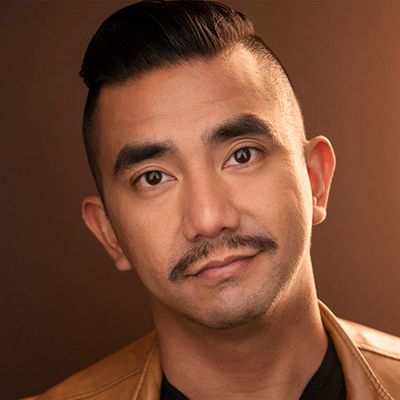
A great conversation initiated by an interesting movie about the things we love. Play along as Aaron J Albano (@aaronjalbano - Newsies, Hamilton) and Nikisha Williams (@williamsnikisha - Hamilton, The Color Purple) join Bryan and Kimberly to break down the new movie 'Ensemble'... Read More
From the show: Broadwaysted!
Guests
Featured Shows
About
A great conversation initiated by an interesting movie about the things we love.
Play along as Aaron J Albano (@aaronjalbano - Newsies, Hamilton) and Nikisha Williams (@williamsnikisha - Hamilton, The Color Purple) join Bryan and Kimberly to break down the new movie 'Ensemble'. Come for the bad puns and wine but stay for the musical talk and tequila.
Check out Ensemble HERE.
Become a supporter on our Patreon: https://bit.ly/2Q2zELG
Transcript
This transcript was automatically generated and might contain errors.
[0:20] Bryan Plovsky: Hello, and welcome to the official Broadwaysted podcast where we're drunk on theater. I'm your host, Bryan Plovsky, and Evita, Newsies, Suzan, Easter Parade, Man of La Mancha, Brigadoon, Lil Abner, Escape to Margaritaville.
[0:35] Kimberly: Ensemble.
[0:38] Bryan Plovsky: Yes. Now joining us today are the usual ensembles, including, well, Kevin, not here right now, Jaeger.
[0:49] Kimberly: Kimberly.
[0:51] Bryan Plovsky: Kimberly, um our uh put on your Sunday clothes game mask on another visual babysitter for the hour.
[0:58] Kimberly: Sure, that's me.
[1:00] Bryan Plovsky: And with us today are a hammy and uh uh ex-Hammy. We didn't come up with anything yet.
[1:06] Kimberly: Yeah.
[1:09] Bryan Plovsky: Uh vote for what you want her name to be now, I guess.
[1:12] Kimberly: That seems like a bad idea.
[1:13] Bryan Plovsky: Let's give a big Broadwaysted welcome to friends of the show, Aaron J Albano, Nikisha Williams.
[1:19] Guests: Woohoo.
[1:25] Aaron J Albano: It's like we never left.
[1:26] Nikisha Williams: It's like we never left.
[1:29] Bryan Plovsky: Um cool. So today we are talking about the new film Ensemble. Um, but before we get into that, what are you drinking?
[1:35] Kimberly: What are you drinking?
[1:43] Nikisha Williams: So, because I am an ex-Hammy now, I got a lot of farewell bottles, and I am drinking one of them, which is a Jack Daniels honey on ice.
[1:58] Bryan Plovsky: Love it. Um Aaron, what are you drinking?
[2:05] Aaron J Albano: I am still working on my favorite Pinot Noir.
[2:09] Bryan Plovsky: You gotta love Aaron and his consistency with his um red wine. Although my um aerator is over on the counter, so I'll maybe aerate before we leave.
[2:21] Kimberly: Beautiful. Uh and Kimberly, what are you drinking?
[2:24] Kimberly: I believe it's also Pinot Noir, and I found out the name. It's called Uppercut.
[2:29] Bryan Plovsky: Cool. It's my favorite.
[2:31] Kimberly: My favorite move.
[2:32] Bryan Plovsky: Oh, yeah.
[2:33] Kimberly: Oh.
[2:34] Bryan Plovsky: Absolutely.
[2:35] Kimberly: Boxing, a good old uppercut.
[2:38] Bryan Plovsky: Um, oh, I was thinking of never mind. Um, and I'm uh uh I'm just finishing my tequila, so this will be fun.
[2:47] Nikisha Williams: Yeah, that looks cool.
[2:49] Bryan Plovsky: Beautiful. Um so um, you know what? I'm gonna let Aaron talk a little bit about the movie that we're watching, uh, that we watched and and where you can find it and what and why we're talking about it.
[3:01] Aaron J Albano: Oh no, on the spot. Okay, hi everybody. Um well, we watched this film called Ensemble. It is on Broadway on Demand right now. So you can go and uh rent it if you haven't already. It's for $9.99 for a two day uh 48 hour rental. Um it is well worth it. It is less less the price. No, it is less money than the price of um a movie ticket in the theater.
[3:26] Bryan Plovsky: Uh so you can uh grab it there. Um, it is a film that uh myself, uh, friend of the show, Telly Leong, friend of the show Mo Brady, and Joey Manda, um, produced over the pandemic. Um, directed by friend of the show, Peter Pierre Moray. Have you guys had him yet?
[3:42] Kimberly: We have not.
[3:43] Aaron J Albano: No, we you will soon.
[3:45] Bryan Plovsky: Well, I'll make that happen.
[3:46] Aaron J Albano: Okay, great. Um, directed by Pierre Pierre Moray. We uh we uh we had 13 of today's current Broadway dancers uh gather at the year anniversary of the Broadway shutdown. So that would have been around in March of 2021. Uh that was this was before um vaccines were available. That was before Broadway had a return date. All of these things were sort of in the air, and we had no sort of idea what was going on with our industry. We decided to um hold a dance class and then a conversation with all of us six feet apart um in open jar studios and to just sort of talk about the business. We uh had cameras in there so we could capture it, and we talked for about five to six hours, and this film was sort of the culmination of that um conversation. It is a uh less than an hour, it is 50 minutes. Um, and you should watch it if you can. Um, and that is the most concise I've ever talked about this film. Thank you, Pinot Noir.
[4:47] Kimberly: Yay. Amazing. Um, yeah, so we all watched it, you should all watch it. Uh, and so let's kind of go around the horn. Uh high level thoughts. Um, your, you know, if you have any or all relationships with it, what those are like. So um, I guess I'll skip Aaron because he's obviously very proud of what he did, and we're very proud of him. Um, yeah. Uh so uh Kimberly, let's start with you.
[5:13] Kimberly: I mean, I have watched this film. I've now talked to Aaron about it at length on the Broadway Baby podcast. Um, happy to revisit some of those conversations now, like a few weeks removed from my first viewing. Um, I enjoyed it a lot. I mean, we talked about it at the time. I think it brings up a lot of interesting conversations. As you're watching it, it's like a very timely moment to think about if these conversations were happening again now, one year even past when it was recorded. Just sort of to remember everyone's mindset from the desolate times, as it were. From the great sadness. And just coming back to it a year later. Just I don't know, getting back into that mindset is interesting. And I think very important. And we're all very proud of you, Pachab.
[6:07] Aaron J Albano: Thank you.
[6:08] Kimberly: And now I've had like as much wine as you had while you were recording it. And I'm just like, and now there was definitely a shot where I think I have like two bottles of wine next to me. I zoomed in and sent you that picture. I was just like, oh, Broadwaysted. Because there was like two bottles of red wine open right next to you.
[6:25] Aaron J Albano: Oh, there's a lot of things.
[6:26] Kimberly: And I was like, I know you weren't sharing. I know a lot of documentation.
[6:29] Aaron J Albano: Well, because we also, it was COVID time. So we had to buy individual bottles for everybody. And because I bought the bottles, I was I knew like in one of the breaks, I was like, anybody want more? Because I'm gonna go get more.
[6:40] Kimberly: So great. Um, yeah, I think I had, and I think uh, I think the Guzman brothers brought some white claws. So we all and and some people brought like yeah, it was a good night. And we encourage people to bring well, whatever would make them comfortable. So I think there's definitely a peak moment where I had like two bottles of wine and a white claw, and I'm holding a water bottle. I think that was how you can tell when it was the end of the night.
[7:07] Aaron J Albano: Yeah.
[7:11] Nikisha Williams: Yeah. So I just remember being with Aaron or just in conversations with him as this was developing as he was doing this. And it's just so awesome to see the final product because I've also seen some of the earlier iterations of this movie. And I think that what he what his team has landed on is something that is so beautifully made. And like Kimberly said, brings up a lot of amazing conversations. And uh the first official screening that Aaron put on with the cast, it was wonderful to see other people's reaction to what was happening. And also just for me to see the final cut of it. But I watched it again right before we uh did this podcast. And I still felt all of the same emotions as I did the first time watching it.
And I think that just speaks to the piece itself because it's just so moving and inspiring to as someone who considers herself still very green in the industry to really hear conversations of people who have been in it for years slash decades and their opinions of things and how things are run. And now me experiencing some of those things that they're having, the conversation that they are having conversations about. And it's it's awesome to see how they've kind of navigated through it. And uh yeah, I think it's beautifully made. I love the cinematography of it. I love the uh things that people present about it and the honesty that is there because I don't think we get that the opportunity to be honest a lot of the times because we're always thinking about our jobs, and it's nice to with everything being shut down, and we didn't have you know really any jobs, so it's kind of free reign to say what you feel.
I think it's something that we need to continue to have conversations about because it's things that are important for our industry to thrive and not just kind of crumble under a rock. Uh so yeah, it was wonderful. It's great.
[9:32] Bryan Plovsky: Yeah, I think this movie is really fascinating because I think first off, we there is not enough content out there about ensembles in general. Um, it's always about the stars, it's always about who replaced who, it's always about why you're gonna buy tickets for this. There's no ensemble Tony. Tony's are kind of except for in the performances, the ensembles are pretty much um totally uh forgotten, ignored, interchangeable. They're not people, they're a mass that back up the Hugh Jackman, you know, all that stuff. Uh again, me seeing Hugh Jackman is just to uh illuminate like stars on Broadway, not not to say that he is anything other than but a generous kind person. Um, but like um not that I know him, but I assume that to be the case based on how close personal friend Hugh Jackman.
[10:29] Nikisha Williams: Yeah, oh my god.
[10:31] Bryan Plovsky: Friendship.
[10:32] Nikisha Williams: Yeah, yeah.
[10:33] Bryan Plovsky: Honestly, the last thing we talked about is probably like, so what was it like playing Wolverine?
[10:38] Aaron J Albano: Exactly.
[10:40] Bryan Plovsky: I really like The Prestige. Did you have fun making that movie? Um anyway. Um, so I think it's Kate and Leopold, thank you. Oh, we'll only talk about Kate and Leopold. Like, did you know how uh elevators worked before making that film?
[10:56] Nikisha Williams: Yeah, no, it can't really nail that.
[10:58] Bryan Plovsky: We would only talk about Kate and Leopold. Absolutely. I mean, I I will I love whether it's Mo's uh what Mo is uh doing, obviously this is included in that, but like what you and Mo did when you were on the podcast with him for a while, like I love that ensemble stuff because it really puts a light on the things that make Broadway really work. And and and um, and I thought what was interesting about this was to hear about the business from the ensemble side. I feel like that's something we don't get ever, even if we get ensemble people, like and all the documentaries, yeah. Sure. I was gonna say multiple ensemble members talking to each other, like even on ensemble lists, like you hear them getting interviewed, or if someone's on our podcast, it's mostly an ensemble member.
Like, we can talk to them about their experience, but we don't we can't necessarily relate to that experience. And so having a group of people who all have gone through something not a lot of people are a part of for an extended amount of time was just an interesting perspective to have across the board uh in a conversation.
[12:05] Nikisha Williams: Totally.
[12:05] Bryan Plovsky: And and I also this seemed to sound weird in a way, but like this is also a period piece.
[12:12] Nikisha Williams: And not weird at all, absolutely.
[12:15] Bryan Plovsky: Like when I think of, you know, I I think of A Chorus Line, obviously, uh, in terms of like that is very much a period piece. You know, exactly like it's done as a period piece, like things are very different from the way that people audition, but the emotion is still there, you can still connect directly those characters. Like that, I think this movie is gonna age really well because you made sure it was about this specific time. Obviously, that's the point of it. I get that. It wasn't an accident. Um, but I think that like what Kimberly said, like thinking about this a year out, maybe maybe having a follow-up, or like just that kind of thing is fascinating because this is an ongoing conversation that the pandemic really brought out, at least on Broadway, Twitter and Broadway social media, um, and be and and elevating it to a level of a movie.
And I like Nikisha saw some of the earlier cuts of this movie. And like I thought the editing in this final cut was very pithy. You got right to the point of things. Um, I'd love to see like any extended version or or deleted scenes you do, because I just thought that like, God, there's so much for you all to say, and it's so important. Like, I can only imagine the time you've been editing all of this down. Um, but um, yeah, this is this is just really it's it's kind of nice. I don't know, like I guess what I'm trying to say is like this is a really great puzzle piece to put into your Broadway knowledge puzzle. Like it's filling in some things that you as a fan or you as someone in the industry might not know or think about the way that Aaron does, or um uh Cameron does, or like the people, you know, like I'm just thinking people we've had on the show who we you know can't necessarily relate to directly, but we we hear them um and we try to amplify those voices uh through Broadwaysted.
So um putting all those voices together, like Kimberly said, in a visual medium, um, where you can see how I you could see how tired people are. You it's amazing. You could see they you they have the people in this movie Aaron included like haven't worked in x amount of time and the energy and the excitement they have by dancing in the studio with another person for the first time is palpable but when they're when people are talking and sitting down they're transported back to how tired they are like of the industry and all that and I think that even even though the energy is up and it's I would say this is a very positive film like you could see the the the weariness of of the ensemble members and and and you can't I think yeah I think observation I've never I've never really even thought about that there's also like a lot of like excitement but also just like energy and the rapport of people who have never worked together who have had similar experiences like talking about like just the same sort of day to day day to day that is like across the board and like how often are ensemble members from many different shows and many different jobs talking about their jobs in a way that's like oh so you two right?
[14:13] Nikisha Williams: Yeah, and I think there's something to be said and and this is a conversation I love even outside of this movie but I this movie like highlights it big time is like it's show business your dream from a little kid is to be on Broadway.
[15:38] Aaron J Albano: You get there and like internally that's good enough but also you are an artist that's providing a service to better a story or better that, like, what are you worth to it? Are you really gonna turn down work because of money and whatnot? Because this is your dream. This is still your dream. You're living your dream. Like that juxtaposition between show and business is a fascinating conversation that mid-pandemic talking about is even more layered and fantastical.
[16:10] Nikisha Williams: Yeah. And I love when one person and I'm blanking on her name, she was in Moulin Rouge and she just had the baby.
[16:19] Aaron J Albano: Corey Pennon.
[16:23] Nikisha Williams: Yes. I love that she basically said that Broadway is the highest level of our profession. So the fact that we don't have anywhere else to go, like this is the pinnacle. Why is that not matching the pay sometimes too?
[16:44] Aaron J Albano: Yeah. And so it's interesting to have that conversation of this is the highest level for us to go. So there's nowhere else to go. So you kind of stay in whatever the chaos can be that is the business, because this is all that we have, you know. So what can we do to kind of make this better? Because this is it, you know, there is no other. And I love the conversation about the business aspect of it of how shows were only running for a couple of months at a time, not year-long things, which I never really realized because again, coming into this fairly new, all I knew were shows like Wicked, who had been open since 2004. And so you just think that, oh, you know, musicals, the success is in the long run, you know, even though back then that wasn't necessarily the case. Things are winning Tony Awards, but it's just how the business was, you know, it just the turnover was greater than what it is now.
[17:45] Nikisha Williams: So I thought that was a great conversation of because the business has changed and things are open longer. What does that mean for the ensemble and our bodies and the fact that we're still doing the same eight-show week, but you're doing it years, years at a time. And then going to the actual business thing, what I've recently been learning just about producing in general is that producers are not making their money until after a year of a show running. And even then they're just breaking even. And so that's when you have to have all of these tours, all of these out-of-the-country productions that are opening up. And then that's when you're seeing the money. And so now to think that because how you have to have a show open for that long, what does that mean for the actors' bodies and their longevity? Because the things, the higher-ups have changed the game so that they can profit, but to the expense of the performer.
[18:47] Aaron J Albano: Yeah. I mean, it's just interesting how again, because I mean, Bryan, like you said, like it's like there are definitely like Chorus Line-esque aspects to our film. There's no denying that we definitely gonna happen.
[19:03] Nikisha Williams: Yeah, yeah, yeah. Of course. You get people in a room, like that image is gonna exist. But what's interesting is that like the industry has evolved in a way that the perception of the artist has not. And that's sort of where, like, I mean, James Lane talks about it in the film. Like once upon a time, we were referred to as the kids, and we still are, except that we're not kids. And I think that comes with the existence of the long-running show, the existence of like I don't remember if you guys remember this, but I think a few years ago, there was like an article released about how a woman was in Chicago for long enough that she was her she had a child and raised the child while and then put that child into college all while she was doing Chicago.
[20:00] Aaron J Albano: Wow. And that sort of longevity doesn't exist. And then like and I heard that story, and all that jazz. Get out of here. Um and that that wasn't something that you could even fathom at the time. Like any other industry, that is not a rarity.
[20:23] Nikisha Williams: Well, but then also a job your kid's entire life is like not a rarity. And I think when everyone took a step back and was on corporate millennial TikTok, was like, wait a minute, when do you get raises? When what? And that that's probably showing you start a new startup, you're in a startup every time, like you're just like, and so like you get a year in and they finally capitalized and they've like returned their investment, and that's when like any other job you'd be like, and a raise, yeah, right.
[20:55] Aaron J Albano: And Broadway is just like, we just made money. But that's also what's so interesting because also I've been doing a lot of press for this as well. And yeah, what's been cool about it is that, like, with various press, and of course, because I'm one of the producers, I've been listening to all the press, whether I'm in it or not. And like some of our ensemblists just the conversation just continued. And I, and if you're listening to this and want to hear more about the conversation, just go look at more of the podcasts across Broadway Podcast Network that we've all done. But like Sasha Hutchings makes a very good point, who's also a brilliant voice in the room in general, like in any room that she is, but especially in the ensemble room, where she where when we filmed the episode.
But we did an episode of the Hamill cast where she brings up also how in that vein, Kimberly, where she in any other industry, if you've been in the industry long enough, you have a starting salary that reflects the rest of your experience. That is not something that happens here.
[22:00] Aaron J Albano: If you are auditioning for the ensemble, whether you're like a Broadway debut or like a year in or 10 years in, you're starting at the same salary, which doesn't really make sense because in a workforce mentality, like, no, you're not hiring me for the position that I'm doing. You're hiring me for the experience that I bring to the position that you want to hire me for. But instead, like, yeah, and that was the that's such a fascinating, because that's not how our industry is built, and that's not how, and it I go back and forth on what because it's it sort of on paper makes sense where you're like, oh no, you're paying for the ensemble track. But when you're hiring, especially, like we said, at the highest level of this industry, you're hiring the most experienced ensemble.
You're hiring, especially if these shows aren't running as long, you're hiring the most experienced swings and understudies that can learn it for you in the two-week rehearsal period that can like go on at a moment's notice. Like you're hiring everyone's resume.
[23:10] Nikisha Williams: Yeah. And yeah, and you're hiring them at what the 22-year-old Broadway debut is making. It doesn't exist except for when you're considering them to begin with. Like yeah, you kind of have to get lucky that the show has the ensemble moving sets and like to make more money.
[23:30] Aaron J Albano: Right, the extra pay. And you have to get lucky, like that, like the type of show you're doing, like this swing or this understudy, this ensemble member can understudy somebody else in the show. Also, like if you have more experience.
[23:49] Nikisha Williams: Exactly.
[23:50] Aaron J Albano: Totally. And there's also the element of like, I guess you have to be a dance captain. I guess you have to like do all these extra things that maybe you get because of seniority or whatever the case may be, but it's a very different scenario than because you're like you said, you're still starting the foundation, but you kind of have to like get one get lucky and two, like build your own like experience. Adding more workload to yourself in order to make more of a livable wage as you age through the industry.
[24:26] Nikisha Williams: Yeah, without just like being compensated for your good work throughout the years. But then you're also putting in that extra time. So, like if somebody from a corporate environment is like the director of sales and they work their way to that, they're gonna be doing the same amount of work. I mean, give or take, going to another company and starting from that, you know, they're not adding more time to it taking the salary that they had earned from their previous job, right? And like, and if they take more time to do stuff, that's on them to prove themselves, they're not being paid extra for that time.
[25:03] Aaron J Albano: And like realistically, like the closest we've seen come to anything like bonuses or like commissions is what some of the shows are doing now and giving the original cast a percent of gross because they're part of the creative team essentially. So I mean that's the closest. But that you don't even hear about that anymore unless it's a super uber famous show that's like actually doing well. I mean, and and that's also like an aspect where whether this is actually put forth by the show itself, or if it's just the culture around the show and the culture of our industry, but like oftentimes you'll come into like one of the government shows, like a Wicked or like a Lion King or like a Hamilton or whatever, and you'll enter at minimum or close to minimum, and that's but you're okay with that because you know the show's gonna run, and so you'll like that, and and that's sort of the sacrifice that you make because you're like, oh no, but I know that I'll have this job for an extended period of time, and that's also like an security is a huge part of that, but then it also messes you up in terms of like okay, well, then I am able to like take the less than what I'm quote unquote worth based on the fact that I know that I'll have this job for a while, but it's and again, whether we're interesting because if you're going on like the film and TV side of things, you never make less than you made the last time.
[26:36] Nikisha Williams: Like, as far as like a featured role on something, like you have your quote, that's what you made for the last movie you made, you will make more on the next one. You will make like for everything, you'll make more on the next TV show because that's what you made the last time. There's not that same level of like, well, on my last contract, I made this, so I will make that. Like, it's not yeah, I don't know. It's just I think what our film does really, really well, and yell at me if I'm wrong, yeah. Because you guys are the viewers and I am the creator, intimately attached, yeah. Yeah, I'm like I'm biased and star. But like I do think it allows us, and I think Chorus Line did this as well, but I think because this is more modern and it shows today's or closer to today's industry than that did before.
But it's like we enter more into the psychology of today's industry and the psychology behind the actors that populate it, and then within that you see the uniqueness and the nuances of that, but also what I think it presents very well is that it's not as unique as the public thinks it is, it's also very corporate America in a very in very specific ways, but also very like universal ways.
[28:05] Nikisha Williams: That's like I remember when I was speaking to one of my friends who is not of our world at all, is a very severe muggle, and I was asking him, this is one of the first few. And I think I've told all of you about this, but like the first few non-theater people that I showed just to get feedback. And he and I asked him, I was like, Do you need to know what equity is? Do you need to know what a vacation swing is? Do you need to know? He was like, No, you made a film about corporate America, it's just through the lens of theater. Like I get a lot of, I understand all of it. Like, and I'll just like move it.
[28:40] Aaron J Albano: Yeah. And I think people have never really put the two together. Because we're especially as far as like the actors go on Broadway. I think a lot of people have thought of like stage management and producers and like all of the office jobs, sure, as corporate America, but like there's there's a steady workforce of corporate dancers. Like, as far as people are concerned, you're not working, you're playing for a living.
[29:09] Nikisha Williams: Yes, that's exactly what I was gonna say. It's that aspect of it's Broadway. We don't really say kind of show business and think about business. It's just this is Broadway. And people already think of the job as something that they don't they think about the finances in a negative way because they already are like, it's so uncertain, you don't know what your next job is gonna be. And so people don't really think about climbing the corporate ladder of it in that respect because it's already thought of as something that is not stable as far as finances. And so it is interesting, it's just the bright lights of Broadway.
[29:47] Aaron J Albano: And I love how you know they said in the movie, and we say this all the time that it's just uh Broadway, it's just a couple of streets, you know. But it's it's the people that make it up, and a lot of the times the business is not thinking about the people as much as it should be. Again, sorry, the muggles, like they don't associate what we do with what they do because we're their vacation. Like when we go away from their job and they come see us, like they don't like when whenever I talk to friends or family, and I'm sure you all do the same. When you talk to your about, oh, do you get Christmas off? No, because we're your Christmas, exactly. No, because we're your holiday, like, so we don't get it off because you need to get it off. And so, and I think that it's that disconnect until unless and I think that's what like hopefully our film sort of bridges or starts to bridge is that no, we're we're a workforce in a capitalist society, just like you are.
[30:54] Nikisha Williams: Exactly. And I think another thing to throw in there is like they don't think about they while they're not thinking about that, they're not thinking about like are these people making a flat fee for ensemble work, you know what I mean? Like stuff like that, but also because of how corporate structures work. I would say that a I'm making an assumption, I would say a huge percentage of people assume that everyone in the ensemble wants to be Hugh Jackman, wants to like it. Well, how many times have we all heard somebody say that the extras in that musical were really good?
[31:31] Aaron J Albano: Totally.
[31:32] Nikisha Williams: I've never heard it in that phrase. That is, but that's amazing. Literally, somebody told me that the extras and Aladdin were really good.
[31:39] Aaron J Albano: Wow.
[31:39] Nikisha Williams: And I was just like, Oh, we don't call them that.
[31:43] Aaron J Albano: Oh, no, no.
[31:46] Nikisha Williams: I mean, and and we do have those people for sure. And they all exist. And all of all of the things they've never been into to what it is. And they know show business as movies, and like that's all they get. Because even the the hoofers, if you will, that they know, they only know them because they became stars.
[32:08] Aaron J Albano: Yeah.
[32:09] Nikisha Williams: Like so, you know what I mean? Like, oh, you know, she really broke her back to become, you know, Gwen Verdon, or she really broke her back to become like Ariana DeBoes. Like, like, like that's that's a different trajectory that that specific person wanted or accidentally fell into, versus somebody who's like, this is the work I do, this is the work I love. I love being this part in this kind of an ecosystem, and there's nothing wrong with that. But I think I think people don't understand what type of ambition you can have if you're not like going up the ladder of what they assume to be a ladder, if that makes sense.
[32:52] Aaron J Albano: And I think this movie really puts that into focus a lot more than anyone have thought of before in the past. I think it goes back to what Nikisha called out that Corey said of like Broadway is the pinnacle of the industry, the lead in the show is not the pinnacle of the industry.
[33:08] Nikisha Williams: Sure.
[33:09] Aaron J Albano: Like they've made it like everyone in that show has made it to the top.
[33:13] Nikisha Williams: They're to the top tier.
[33:15] Aaron J Albano: The top tier.
[33:17] Nikisha Williams: Yeah. And it's just wild to to think that, like you said, Brian, the masses think that we're in the ensemble because we are quote unquote good enough to be, or we're covers because we're not good enough, which is the conversation that's been happening during the pandemic in general. And the whole let's appreciate our swings and covers. And you know, after however many years this has been a thing. And it's just nice to have this film to kind of really bring out the humans that are actually behind this, because you know, you can get lost in that social media campaign of following the thing. But this film is really kind of individualizing this thing or putting a face to what the issues are in our industry and saying, look at us who have done all of these wonderful, amazing things in the top tier of our industry, and yet this is how we are treated.
[34:23] Aaron J Albano: This is what people say about us, this is how we are talked about, this is what people think that we are the bottom wheel of this whole machine. When we are the whole machine, we are the ones that are sustaining this, you know. The people that the Hugh Jackmans of the world or whoever that come in are the big names, they're not doing this year-round. They come in for a specific moment in time for whatever reasons, you know, and don't under can't understand the full concept of this is the our only means of living. This is not just a side thing that we're doing in between. And this is no shade to anyone in general, it's just the reality of it that sometimes the the stars that come in, this is a side gig in between whatever else that they're doing.
[35:13] Nikisha Williams: Yeah.
[35:14] Aaron J Albano: And for the ensemble, this is we're making this our livelihood because we by a small you know chance can have this as our living, you know, even though the money is small, we can still do this enough to make somewhat of a living, you know, not the way the economy is going right now. But you know, and that's why we need to have more focus on this. And that's why this movie is great, so that you can kind of put things in perspective to know that we this is our living. So let's try to match what is happening in the world and the economy right now, and not have just now equity conversations about rises in in pay, you know.
[35:59] Nikisha Williams: And I also wonder if it's because I just thought of this right now, but it like because there is like um is it resentment is too strong, but I think there's a I think a big factor of the disconnect is the fact that when we do get to do this for our lives, when we do get to do this for our livelihoods, there is an element of you got to accomplish your dream of doing what you love for your life. Not, and I understand that not everybody gets to do that, and a grand majority of people do not get to do that. But that is not, and again, correct me if I'm wrong, because I live here, like that is not a good reason to then take advantage of the workforce and the work ethic because we would be in our a field that that brings us joy and brings us passion and brings us love.
[37:05] Aaron J Albano: Like that'll be love.
[37:07] Nikisha Williams: I also think that like the people who are thinking that who are like sitting, you know, once twice a year in a Broadway theater, they've paid an exorbitant amount of money to like have their vacation on Christmas to see Hamilton, like they're thinking nowhere in their mind they're like, everyone's living their dreams, and in their minds, they're like, and I paid so much money, surely they're all doing fine.
[37:32] Aaron J Albano: Yeah, right.
[37:33] Nikisha Williams: So, like the conversation of like, not so much, yeah.
[37:37] Aaron J Albano: Right, probably a lot of people, yeah.
[37:37] Nikisha Williams: Yeah, yeah, yeah.
[37:42] Aaron J Albano: Yeah, yeah.
[37:43] Nikisha Williams: And like yeah, I'm just also thinking now, just like the concept of, and this I think is more a generational thing, as much as it is a Broadway thing, of being a jack of all trades, a multi-hyphened of like doing many things, having a side hustle, having this, like needing to do multiple things to live, is not just a Broadway thing, like a lot of people are like, I work a corporate job and I drive DoorDash, or like all like it's very much uh conversation right now among people our age and younger. Um you shouldn't have to if you're at the highest level of a certain thing, you should be able to just be on Broadway, and kind of something we didn't even talk about at all that you do talk about in the movie is just like that creative fire, like it's not just about going in doing your job, like it is, but it's also like the creativity is on a whole different level in terms of like how if you book Phantom of the Opera and you've been in Phantom for like X amount of time or years or whatever it is, like sure you're singing, sure you're dancing, but like you also have to supplement not just the money, but the emotional, like creative juices that you have deep inside of your bones, which is why you even did this in the first place.
[39:06] Aaron J Albano: Like that's a whole nother layer to this existential conversation.
[39:13] Nikisha Williams: Right. Cause there's no other, I'm trying to think of other jobs where everything would be exactly the same every day.
[39:22] Aaron J Albano: A factory.
[39:24] Nikisha Williams: A factory, yes.
[39:26] Aaron J Albano: Like, you're right.
[39:27] Nikisha Williams: Yes, but like not even.
[39:29] Aaron J Albano: But not, but the majority of the workforce, you're not doing the exact same thing every day. There are other variables to consider.
[39:39] Nikisha Williams: I would even go a step further than that, Nikisha. I would say I can't think of another um career or job where not only are you doing the same thing every day, but you're telling like the same emotional story every day.
[39:56] Aaron J Albano: So like not only are you doing the literal same thing, like in a factory, like you know, you know, putting chocolates in my thingy Lucy, but also happy and then sad, and then happy and then sad, yeah.
[40:07] Nikisha Williams: Like you're actually going through these emotions, but also telling a story that like that the narrative can do a lot of things to you that you're telling the same story over and over again, unless it's like Brechty and built in, like Hades Town or something like that.
[40:23] Aaron J Albano: I keep thinking about what my dad said about Hades Town, right?
[40:26] Nikisha Williams: Oh, I got goosebumps.
[40:27] Aaron J Albano: I thought about it too.
[40:27] Nikisha Williams: So I had dinner with you early last week, and Kimberly's dad was like it's the it's the most astute. I'll let her say it, but I wanted I just want to say it's the most astute um uh kind of like uh breakdown of what Hades Town is, and and I'm gonna I'm gonna give it to her.
[40:48] Aaron J Albano: My dad was just like, well, the beauty of it is you don't know if you're seeing the 10th time they told this story or the 10,000th time they've told this story, but each time they just get a little bit closer to fixing it.
[41:00] Nikisha Williams: Nice, and I was just like, Goosebumps have you?
[41:04] Aaron J Albano: And then he was like, Can you can you pass the brisket?
[41:09] Nikisha Williams: That's heavy, man.
[41:10] Aaron J Albano: It was really good.
[41:11] Nikisha Williams: Yeah, that was great.
[41:13] Aaron J Albano: Like, did not know this, but like it's so true that like on any Broadway theater, you don't know what number time any single person in the cast is on.
[41:23] Nikisha Williams: Yeah, that's why that show's great, but also that's not the fact that that show's great does not is not a good reason to like pay your people less.
[41:31] Aaron J Albano: No, right.
[41:33] Nikisha Williams: In fact, yeah, like because like because yeah, because oftentimes it can be like, well, you're in a great show, so like you should be grateful for which we are.
[41:42] Aaron J Albano: That's I mean, that's beside the point.
[41:44] Nikisha Williams: But like it's rewarding is a perfect example, yeah.
[41:47] Aaron J Albano: Your job can be like emotionally rewarding, and also uh let you take a cab home every once in a while.
[41:56] Nikisha Williams: Right.
[41:57] Aaron J Albano: Yeah, and trying to fill that kind of creative void is important too because you are kind of doing the same thing.
[42:06] Nikisha Williams: And I do like the conversation that comes about with can I be the person that's in this show but working on another show, choreographing another show? Is there a world where I can exist in all of those things and not be tied down to one specific contract?
[42:20] Aaron J Albano: And I think that's also something that I never really thought of.
[42:23] Nikisha Williams: And that was interesting to think that you can kind of be involved in other things, and that's okay.
[42:29] Aaron J Albano: It's not that you're just contractually obligated to one specific thing, which I think is something that does need to kind of change.
[42:38] Nikisha Williams: Because after being in a show for if you're lucky enough to be in a show for five, six, seven years, the same show, you know, I'm sure there will be other things that you would want to do to fulfill yourself creatively.
[42:52] Aaron J Albano: So why not be able to also be contracted to do something else that you can kind of play off both of those things and have your quote unquote nine to five doing this show, but also doing something else?
[43:04] Kimberly: Well, here's a question. Um, what did you learn from this movie? As somebody who's been in ensembles and and is in the industry, like what did you learn from this movie?
[43:17] Guests: Everything.
[43:19] Aaron J Albano: Honestly. I mean, because like I said earlier, as someone I am very green and very new to a lot of things. And so there are just some perspectives and opinions of things and realities of things that was nice to just hear out of other people's mouths because I've never had uh I have I've not made my Broadway debut as of yet, maybe hopefully soon one day. But watching these people who have been doing this specifically for years, it was nice to get an idea of kind of how they got there and where they're trying to go and things that they would like to change about the industry.
[44:00] Aaron J Albano: And I love the conversation that was brought up of Aaron specifically talking about being so baked into the system that he doesn't know if he is the type is the person that will lead the charge. Of course, someone that wants to help in the charge, but it wasn't it was nice watching it with some other people who in Hamilton who that's their first show ever to kind of have that light bulb in their head of, oh, I can be that person that's advocating for this, and I can try and be that person that leads the chars to uh change things because we are still new to this, and we can be a voice uh that can open up so many other uh doors for people.
[44:42] Nikisha Williams: And it was nice to see how much this is needed, the conversations, because we don't talk about this enough. We don't talk about money enough. We don't talk about the industry and the business enough. Everything is just so secretive, and like Corey said, everything is so kind of Illuminati-esque that you don't ask questions, you just go in and you do your job and you go home and then wonder, you know why everything is so chaotic. Um so yeah, I learned a lot uh from this, mostly just how the business works, how people are operating in the business and what things need to change. And I I agree with the things that need to be changed.
[45:30] Aaron J Albano: Um I mean, as a producer, a lot, quite a bit, quite a, quite quite a bit. As an ensemblist and in the room with everybody. Um it was, I mean, we're sort of related to Nikisha, and it just it's fascinating. It's it's the I didn't realize how valuable having the multi-generation multi-generations in the room was until I mean I knew it would be. Like I we obviously like prioritized that and was like, we need lots of different people and different like the old guard, the new guard, blah, blah, blah, blah. But like it was the aspect of watching the room really listen to each other, and sort of like taking in everybody's experience and sort of placing it next to my own. And again, it's it's it's that weird sort of like if I may be so bold, like I feel like the those of us who've been around know we've been around, know that the people in the room know we've been around.
Like it's been very like I love all of those people, but like also at the same time, like the mutual respect amongst the room was there while still acknowledging that like our experiences are different, and like we can all learn from each other. And there's no one way to do this. There's no like look at me, I mastered this. There's no like and again, it's that it's that aspect of I there are aspects of of that sentiment where I do still feel like I'm baked in the business, and that's why I need friends that I trust that are younger than I am to be like, no, that's not the way this has to go.
[47:24] Nikisha Williams: Yeah, like I mean, like a perfect example. And I remember us thinking about this. Uh, I think Mo and I had this conversation where we were like talking about like who is in the room, who who do we and I think he brought this up, and I and it's been haunting me to this day, because how do we change this sort of narrative as well in the industry? Because as ensemblist, and this is like in inside of the culture as well, we place value on the number of Broadway shows we do. Regardless of whether you've been in Wicked for 10 years, whether you've been in Lion King for 20 years, but like there's fascinating. Why does the time like why does the time in one show not like still only like like somehow diminish whether you like it somehow somehow is looked at as less than than someone who's been in five shows in five years, like you're saying, so you're saying just to just to clarify, you're saying that someone who's been in wicked for 10 years versus somebody who has done 15 shows in 10 years, the 15 show person is looked on higher than the person who did Wicked for 10 years, um with consistent work and all of that.
[48:47] Aaron J Albano: Correct. And that's something that happens, and all of us also for so long in college, when you're right out of college, your credits are important because they get you the next job, yes, yeah. And and that's something that's the industry based on the next job, and it's and and it's something that we still feel like we still struggle. Like the legacy rope is a thing that we have, and that is looked at with high praise as someone who has won it. Like it's no like and that's just one of the many like internal start something where like five years into a run, I go and give it like the person who's been there the longest, an apron, like yeah, but it's a it's a fascinating way of looking at our industry where it's just like how are we val like how are we valuing the people who've been here and it's placed up against the tried and true, quote unquote, like metrics of how we've judged this in the past, and as a as a person who has been raised on the ways we judge this in the past, like having more like people challenge that and ideas challenge that and think and ways of thinking that challenge that has been super valuable to me in just the past like two years since the shutdown.
[50:14] Nikisha Williams: Yeah, like a mindset shift and an empathy shift that I think is very important. And I think that was like my main takeaway from your movie too, is that like it's just like the way you feel empathy for people has like shape shifted a little bit. Um after watching that, because I'm just like, oh, and it's I have no coherent thoughts at the moment, but that's how I was thinking.
[50:39] Aaron J Albano: Yeah, because now I'm gonna go to musicals and just feel bad for the ensemble. No, I'm kidding, I'm kidding, I'm kidding.
[50:45] Bryan Plovsky: What about you? How did like how does the how did this this shift your your perspective, or what did you learn from this?
[50:53] Nikisha Williams: Um, I learned a lot. Um we honestly, on Broadways did on a lot of these things, we talk about this stuff as like numbers and like theories and stuff like that. Like, should there be an ensemble, Tony? Like, um, like, should there be a this should like the oh, that's crazy that they get paid. Like, they, they, they. It was so nice to watch the empathetic side of people talk about this and the people who are in it.
[51:27] Nikisha Williams: Aaron already said, my favorite part of this was actually your line, which just to repeat it because I love it so much. Like, I'm in the bubble, I'm in the world, like I have a hard time. Like, I can am I the right person separating? Like, we I mean, the the amount of movies and things that I watch now that are just like, well, this person lives in this bubble and they can't see it, or the election. Like, if you're living in your social media bubble or you're this bubble, you can't see outside of that. I thought this was fascinating, especially because of the generations and and watching the people who are experienced this talk about it versus us who are as much as like we are on the outside, we are not on Broadway, we are not making these paychecks, we are not going through this on the day to day, watch those people talk about it in a more thoughtful and and sympathetic, empathetic way, just like was a really powerful in general.
[52:18] Aaron J Albano: And I think that the frustration matched what I think the movie does exceptionally well is the frustration of everybody in this movie paired with the just like creative release that everyone gets when they're dancing, is really powerful. Um, and I thought that like that in that dance space in that studio, you have the same people doing two different things with two very different feelings um and and and uh tone throughout all of it.
[52:34] Nikisha Williams: And I thought that was fascinating because what we see is that first one. They're dancers, a dancer dances, what I did for love, all of that. Because let's face it, a course line does not talk about money at all. Like very little, like it's just about getting the job. To me, this is like, oh, like, yeah, course line is a dancer dances, and we have feel for these people because this is their dream. And honestly, I think a chorus line, now that I after watching it, I think a course line really skewed our perspective of things as much as wonderful as it is. Like it doesn't get it, it doesn't get into the business side. It's still about the show side. Like a little bit of that, like what I did for those better than just the ensemble. She's better, like it still pushes that narrative of like she's trying to move on this.
[53:42] Bryan Plovsky: Um, but uh yeah, that that's kind of what I took from it. And um, and uh I really enjoyed that aspect of it because I I mean I just love watching people talk about stuff that isn't really talked about that much, and not in a controversial way, but like you know, like I just did just like a hey, like we're just gonna watch them talk about it. And I think it's edited to bring out the the the best parts of it, if that makes sense.
[54:05] Nikisha Williams: Um but uh yeah, I I really I think you guys did an incredibly, you know, whom whomever worked on this and deserves the credit deserves that credit a hundred percent of the because they just it's just really great.
[54:18] Bryan Plovsky: And um, I'm really happy that you could uh make producing your side hustle. No, I'm kidding. Um I I'm uh i i'm really proud of you that you put this out there um and i really hope everyone gives it a chance um because it's definitely worth it um we really enjoyed it um and so now instead of kevin's corner we're gonna do Nikisha's nook no I'm kidding I'm kidding unless you want to make one up on the spot go for it oh my gosh no I am not gonna I know what my bags are you tell me what to do I do it okay that's good but we can add that to the other podcast though Brian Nikisha's no that is good yeah yeah we can do a Nikisha's nook that's great I love that yeah um Nikisha's nefarious nook uh yes listen to talking horror uh with Jamie Nikisha we talk about horror um and uh yeah um but uh yeah thank you thank you for joining us this was an awesome conversation Aaron can you remind us again where we can find ensemble absolutely it is uh on the the film ensemble it is on Broadway on demand um it is uh available for uh ten dollars uh with a service fee of two um uh for a 48 hour rental there's also an additional um uh post-conversation called ensemble in conversation where you get to uh meet some of the uh creative team here are some uh it's hosted by Laura Haywood um who's I think was it Broadway girl in my girl yeah girl and I see um she uh she interviews some of the some of the cast, some of the creative team.
[56:03] Aaron J Albano: Um it and it just continues the conversation. It's ensemble and conversation, also on Broadway on Demand. Um, and you can find it there. And if you want to follow it on uh any social medias, it is uh we are on Instagram at uh at Onsemble Film Official. I believe we are also on TikTok as well as YouTube and Facebook.
[56:23] Nikisha Williams: Yes, okay. Fantastic. Um, definitely check it out. Listen, I know that Aaron is our very good friend. I know that we've had a lot of people on the show that are before they were in this, after being in this, but like this is really important stuff. It really fills in some things, and and even though Aaron is our friend, like we would suggest this outside of us being directly related to it because this is what we've been doing for six years, putting these voices out there, trying to make people understand.
[56:51] Bryan Plovsky: I mean, not as much as like a Mo, but like putting those voices out there. And you know, there's a reason that we don't just like book like specific podcast, and Broadway is not just the the Jackman.
[57:09] Nikisha Williams: The U D the only example I have.
[57:13] Bryan Plovsky: The only example we will use is you Jackman.
[57:16] Nikisha Williams: Yeah, so my point is check it out.
[57:18] Nikisha Williams: Yes. If you are new to the business, if you are a student entering this business, if you are thinking of entering this business, a must watch.
[57:24] Bryan Plovsky: Yes. Um, so yeah, thank you so much, the two of you. You know, our quote today is what I did for bucks, what I did for Bucks.
[57:36] Nikisha Williams: Um, but uh on that note, uh go see uh go see the Philip Tour of Hamilton.
[57:42] Bryan Plovsky: Uh see those ensemble members.
[57:44] Nikisha Williams: Uh anytime that Nikisha is in something, you will know first here because we will be promoting the hell out of it.
[57:52] Bryan Plovsky: Um just like you know, for right now, talking horror, and there's some really cool things that you can see her in in the future.
[57:58] Nikisha Williams: Um, so um we're super pumped for for how talented she is and that career, and then Aaron's uh, you know, well, Erin's been in a hundred Broadway shows, and that's important than one person in Chicago for putting to do comments.
[58:15] Bryan Plovsky: Like this, the you know, if we're talking tiers, top tiers, like CEO, CFO level of Broadway, basically.
[58:22] Nikisha Williams: He's the most famous friend I have.
[58:24] Bryan Plovsky: Just letting you know.
[58:27] Nikisha Williams: Um, but in all seriousness, check it out.
[58:29] Bryan Plovsky: Um, you again you can follow us at Broadwaisted uh on all social media.
[58:34] Nikisha Williams: Um you can find us as we're a podcast, so you can find us on podcasts um on Stitcher, Spotify, and Apple Podcasts.
[58:40] Bryan Plovsky: Rate and review us there.
[58:41] Nikisha Williams: Five stars, please.
[58:43] Bryan Plovsky: Five stars, please.
[58:46] Nikisha Williams: Are you afraid of the darking over there?
[58:48] Bryan Plovsky: Submitted for the approval of the Broadways and Society.
[58:53] Bryan Plovsky: I bring to you the ghost of ensembles.
[58:57] Nikisha Williams: Oh well, actually, you can only know what I'm talking about if you're on Patreon watching this video.
[59:04] Bryan Plovsky: So there's a plug for Patreon.
[59:06] Nikisha Williams: Um, but again, thank you both so much.
[59:08] Bryan Plovsky: We always enjoy you here.
[59:09] Nikisha Williams: We love your voices, and uh, we really thank you for joining us.
[59:12] Bryan Plovsky: So we raise a glass and we say.
© Broadway Podcast Network, All Rights Reserved