

Liz Flemming / @littlelizzybiz. In 2016, Liz Flemming had the idea to do the production of You're A Good Man, Charlie Brown on a playground. She wanted to create a piece that used all disabled and BIPOC actors, and she set out with a dream that then became the company Out Of The Box Theatrics... Read More
From the show: Built For The Stage Podcast
Featured Shows
About
Liz Flemming / @littlelizzybiz
In 2016, Liz Flemming had the idea to do the production of You're A Good Man, Charlie Brown on a playground. She wanted to create a piece that used all disabled and BIPOC actors, and she set out with a dream that then became the company Out Of The Box Theatrics. Liz and OOTB focuses on creating theatre site specific locations that are in marginalized communities, creating space for inclusivity and equality at a professional level.
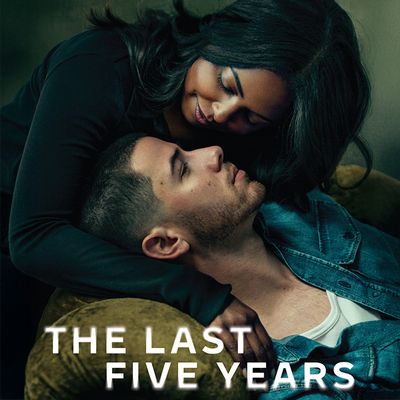
This spring, Out Of The Box Theatrics produced a virtual production of The Last FIve Years, which they filmed in an actual NYC apartment. Liz shares with us the journey of bringing a production like this to life and how different it was to film a piece in a site specific location and the joy of still creating theatre even in such a challenging time our industy has seen in the last year.
www.builtforthestage.com - Schedule your one week trial today!
Transcript
This transcript was automatically generated and might contain errors.
[0:00] Liz Flemming: I say that anything that is scary is sometimes worth the risk, you know. I think that it's hard to live on the edge like that, but I think it's essential to growth. And if you fall on your face, you really can get back up again and do it all over again. I mean, there have been plenty of shows we've done and we've not made any money, and we've had like 12 people in the audience, and I don't consider those defeats either. I think you know, anything that motivates you and that impacts your inner mission is worth every risk.
[0:56] Joe Rosko: Hey, what's going on? Welcome to Built for the Stage Podcast. This is Joe Rosko. If you're tuning in on any podcast platform, thank you so much. Please rate, subscribe, leave a comment. If you're watching us on YouTube, you can already see our guest, Liz Flemming, that I'll be introducing in just a second here. But thank you so much for tuning in via YouTube. You can subscribe, leave a comment on questions you might have after the episode or things you might want to see in the future. If you haven't tried a Built for the Stage free trial yet, head on over to builtforthestage.com and we can get you on your way with seven days of working one-on-one with your own Broadway fitness coach. Follow us on the gram at builtforthestage.
Okay, always have exciting guests on here. I'm really, really excited to talk to Liz. Liz is the founder of Out of the Box Theatrics who just recently put on the streaming of The Last Five Years that has been airing via their website that you can access. We're gonna put their website in the description of this episode. So if you want to see The Last Five Years, you have until May 9th. And if you stick around and listen to this episode, you're gonna also find out a way that you can enter yourself to win a free ticket. So welcome to the show, Liz Flemming.
[2:22] Liz Flemming: Hi, Liz.
[2:23] Joe Rosko: Hi, how are you?
[2:24] Liz Flemming: Thanks for having me here.
[2:25] Joe Rosko: My pleasure. Thanks for being on Built for the Stage Podcast. And thank you so much for the gift of The Last Five Years. I got to see it three times. I was telling Naja, yes, I know, right? I saw it with a friend, and then it had been a couple of weeks, and I was like, I just wanted to see it again. So I bought the ticket that you can have access for, I think it was 48 hours. So I watched it, and then in the midst of watching it, my wife came out from having her online college classes that she's taking. She's like, Oh, what are you watching? And I told her, she's like, Oh, I'd love to watch that too. So then the next night I watched it again for the third time. So wow, thanks. It was enjoyable each time. But before we get into The Last Five Years, let's just rewind to 2016 and talk about the beginning of Out of the Box Theatrics. How did that all come about?
[3:20] Liz Flemming: Yeah, so honestly, I'll be totally honest. I’m an actor first, so I didn't think that I'd be starting an actual production company. I actually was planning to just do one production that I was gonna do You're a Good Man, Charlie Brown on a playground. And it really stemmed from I'm a visually impaired actor. I'm a disabled actor. And I was finding that the industry was incredibly, it wasn't really accessible for people like myself and not super inclusive for the BIPOC community and, you know, differently abled actors. So I took some time off from being on the road. I was doing a lot of regional theater and decided that I wanted to sort of create something for myself that was inclusive. And I had this idea to do You're a Good Man, Charlie Brown on a playground with all disabled actors and BIPOC actors, and I really didn't have a clue how to do it, I'll be totally honest.
And I had big ideas. I was like, I'm gonna do this on full equity contracts and I'm gonna do it in three months. And I learned pretty quick that I needed to take a step back and really organize myself and figure out exactly how to do that. So I met with my now associate Ethan Paulini, who was a coach that was recommended to me, and he had done a commercial run of a production and I thought, wow, you know, he probably understands how to start this process of work and producing your own work and what that entails and how do you work with the actors union and how do you raise money and how do you do all those things? And I remember sitting on his couch with my big ideas, and I told him when I was gonna do it, and he was like, wait a minute, wait a minute.
He's like, this is a great idea, but you have to, this is gonna take you like a year, which it did. He helped me come up with some fundraising ideas and told me to contact the actors union to start the union process. And it took me about a year, but we raised about $8,000. And back then, the very first production that we did was $8,000, and we produced it on a playground. And after the first production, I had no idea that it was gonna have the effect that it had on people. So I thought, you know, I think I gotta keep going. So I'm gonna continue to produce work and I'm gonna produce it in these site-specific locations that are also inclusive to marginalized communities.
[6:08] Joe Rosko: So I love that about you. I think that everyone listening, there's something to be taken from that where you're just willing to jump, whether you knew exactly what you're jumping into or not, you just started. And I think the biggest roadblocks for people is just getting started and pulling the trigger on, oh, I'm not sure what I'm doing exactly, or all of these self-doubts is what hold us back from just getting going. So I love hearing that story that you were just willing, and then your associate now. We need those people as well. We need those people to be like, okay, amazing, but let's get all our ducks in a row here. I'm super intrigued about the playground production of You're a Good Man, Charlie Brown. How did you pull that off doing that on a playground?
[7:04] Liz Flemming: It was hard. I mean, it was hard because I didn't have any idea what that entailed. I learned a lot from it. So obviously with the actors union, there's a lot involved with that. They have to do site visits. So they came to visit, I think it was Frederick Douglass playground, and I had to show them where the bathrooms were, and I had a school that was willing to allow us to utilize their dressing room spaces that was nearby. So there was that, there was the purchasing of permits, so you have to purchase a permit. I think the biggest thing I learned was about sound during that production. I didn't realize what that meant, having to actually project on a playground. So I learned a great deal from that.
But yeah, it was a process mostly with the union, I would say, but also just making sure that it was safe for everybody, making sure that those of us that had visual impairments, which there were a few of us, actually were able to see where they were going and felt that it was accessible to them. So that was a big part of it. But yeah, it was fun, it was a challenge. And we also had a few productions rained out, so we had to use 353 Studios, which I don't know if you've seen those studios, but they're these little, it's like on 51st Street, I think, and they're these little studios. So we had two performances rained out, so that was a learning curve as well. But I mean, growing pains, right?
[8:44] Joe Rosko: Exactly, exactly.
[8:45] Liz Flemming: Yeah.
[8:45] Joe Rosko: So speaking of growing pains and just diving into things that maybe you weren't familiar with, The Last Five Years production was filmed. It wasn't a live production. Was this your first undertaking of something that was going to be strictly filmed or had you done a project like this in the past?
[9:05] Liz Flemming: Nothing like this that was live. Over the pandemic, you know, we had to adapt like most companies did. So we produced a great deal of content that was mostly, you know, Zoom theater. We tried to find a way to make it unique, but it was mostly people in boxes. And this was the first one that we decided to do live in a site-specific space. And that was, you know, I don't know much about filming anything, to be honest. I mean, theater is really my wheelhouse. So through the help of an incredible team, I think we got there. But it was a journey for sure.
[9:49] Joe Rosko: For sure. Great. Well, that's, you know, that's why we're here. I'd love for you to kind of walk us through some of that journey with your team and, you know, maybe let's go to the start of you all had this idea and you wanted to give it a go. What were the first steps of trying to figure this all out?
[10:10] Liz Flemming: Yeah, I can't take credit for it. It was Niconasia, you know, they chose us, and I feel really fortunate that they chose us and trusted us with this project. But Niconasia, it was a passion project for them.
[10:27] Liz Flemming: And I have always liked The Last Five Years. I did think that it was, and had been oddly enough, talking about it probably three or four weeks before they reached out, because I was like, it's kind of the perfect pandemic show because it's only two people, and I'd love to do it with two people of color, and I had thought about it, but I hadn't really like fully acted on it yet. And then they sent the proposal, and it sort of felt like, oh, I have to do this. Initially, we weren't gonna do it in a site-specific space. That happened later. We were gonna co-produce it with Home Dell Theater Company, who still ended up co-producing it with us, but we were gonna do it at their space in New Jersey because we thought it would be safer.
As the production evolved, and as Nick and Asia and all of us started speaking over Zoom about the production, which was probably, I would say maybe seven or eight months prior to it actually happening, it became very clear that this was going to be a creative collaboration, and we needed to find like-minded artists that were going to collaborate in a similar way. So they reached out to Jason Michael Webb, who we didn't think would say yes, and he said yes, and it evolved into learning that the idea of doing this in a proscenium stage wouldn't really work because there's something about this story being told through this perspective in the confines of an apartment and how, you know, being almost like a fly on the wall in the world.
So it evolved probably like three months later, actually, into the process. And I had already submitted a proposal to equity for the other space. So now we had to submit for an apartment, which they were like, what do you mean? But I would say that it was probably the best decision that could have been made, and again, I can't take credit for it. It really came from the artists. It came from a team of individuals that really cared so much about the piece and telling the story from the perspective of two black artists and really taking a stance with that. And I really couldn't have even tried to do any of this without their help, you know. I mean, I because I didn't really know what a hard drive was, to be totally honest with you.
We were just very lucky to find a team that was willing to just kind of go for it. And I mean, I honestly, it's amazing. Four days they filmed this in four days, and wow, and yeah, and everybody was just delightful the whole time. So I yeah, it just kind of evolved from the creatives involved in the project.
[13:30] Joe Rosko: So yeah, honestly. I don't know if this was your lane or not, but I'm thinking about logistics that you're talking about with Charlie Brown and now logistics of The Last Five Years. Yeah, I know that probably people out there question like, oh, why do I, why are there tickets and how do you sell out of a recorded show? And sure, I'm sure it has to do with rights of the show and how it's not a typical just quote unquote movie. Could you speak on that a little bit just to maybe educate, if you will, our listeners as to why the setup is the way that it is?
[14:09] Liz Flemming: Yeah, it is, and I understand the confusion around it, but with the union regulations and with the rights involved with The Last Five Years through MTI, they limit us on how many tickets that we can sell. And you know, just to put it in perspective, we're a non-for-profit. So, you know, we used pretty much all the money we had in the bank to make this happen. So when we go over certain capacity, we're charged for that. And it can become a real financial burden on a company that, you know, is in the middle of a pandemic. So for that purpose, that's why we have to cut it off. But I get it, it is confusing. I wish we could sell as many tickets as we wanted to. We had no idea it was gonna have the response that it did, which has been thrilling, really, really.
[15:00] Joe Rosko: Um on my end, I totally got that with MTI. I put that together quickly, but others out there that, you know, aren't familiar with the business in that sense, I could probably assume that questions like that would arise. But that was my next thing. My next thing was gonna be could you imagine that you would have had that many sold-out showings? I mean, I have to be honest, so you know, just to be really transparent, you know, OATB, we were, I was happy to take a risk on the project. And I, you know, we put in everything that we had, which I was gonna be grateful to do either way, but I thought we would maybe make not even half of what we put out back. And I had no idea that we would have the response that we did.
And I'm so unbelievably thankful for that because it means that we can keep going. So, you know, we can keep producing work like this, which based on people's reaction and buying tickets, I think is so desperately needed. I think shows like this more are needed often. So yeah, I mean, I don't know, thank you. I mean, thank you to everybody who's been buying, and thank you to like, you know, everyone that's rooted for it and posted about it and shared about it. I mean, we're just unbelievably overwhelmed and grateful.
[16:36] Joe Rosko: Yeah, I'd like to zoom in on the point in which you had to make that decision to go all in, if you will, and take this risk because, you know, on the podcast, we try to parallel things to either fitness or just tough journeys in life in general with a career in theater. And so oftentimes we do face these decisions of like, you know, am I going to step over this line and actually go for it and take the leap? Or am I going to, you know, retreat? Can you zoom in a little bit more on that moment of you making this decision, maybe who else you spoke to, your colleagues, and just what that all was like to make that courageous decision?
[17:22] Liz Flemming: Yeah, you know, Out of the Box is used to operating on virtually no budget and not having money and always having to fundraise and all of that. But I think for this project, the mission was too important for us not to take the risk. And, you know, we had to make decisions that were hard. You know, there were producing partners that we were gonna work with and didn't have the same mission in mind. And we chose not to work with those people because we wanted to make sure that the show had the impact that we wanted it to, and that people were moved in the same way that the creatives were moved and that we were moved. So I say that anything that is scary is sometimes worth the risk, you know. I think that it's hard to live on the edge like that, but I think it's essential to growth.
And if you fall on your face, you really can get back up again and do it all over again. I mean, there have been plenty of shows we've done and we've not made any money, and we've had like 12 people in the audience, and I don't consider those defeats either. I think, you know, anything that motivates you and that impacts your inner mission is worth every risk. So for us, it was an easy choice, you know, it was a very, very easy choice. Sorry, I don't know how that happened. It was a very easy choice, but yeah, so yeah, I mean, I just I'm just really unbelievably grateful that it worked out, but I would have been equally fine if it didn't, to be honest.
[19:12] Joe Rosko: Yeah. Love that. Okay. Everyone rewind 90 seconds and just listen to that again. Okay. So thank you, Liz, for sharing that. That was super inspiring and just yeah, what we needed to hear. Um, so now that this has happened, my last question for you is will do you think you will go into endeavors like this in the future of filmed productions, if you will?
[19:38] Liz Flemming: Um yes, I think we would do it again, absolutely. I mean, ultimately, we want to do live theater, you know. I think there's nothing quite like it. Um that being said, I think if it had the right, if it was something like this again, absolutely. If it were, if I knew it would have the effect on people emotionally and all of that, absolutely. But ultimately I want The Last Five Years to be on the stage, and I want this team to be able to do it on the stage, and I think that's the most incredible experience, especially to do it in a way that's so intimate like this.
[20:19] Liz Flemming: Thanks again for being on the episode today.
[20:22] Joe Rosko: Thank you.
[20:23] Liz Flemming: Thanks for having me.
[20:24] Joe Rosko: Thanks, everybody.
[20:25] Joe Rosko: All right, everyone. Thanks again. This is Joe Rosko with Built for the Stage. Thanks to our producing team, the Broadway Podcast Network. You can check them out at BPN.fm. All right, later.
© Broadway Podcast Network, All Rights Reserved