

Colin Barkell / @colinbarkell. Colin Barkell saw the VHS of River Dance at a young age and the rest is history. His love for Irish dancing led to him touring the country. While on tour he learned to play guitar which birthed the start of his career in music... Read More
From the show: Built For The Stage Podcast
Featured Shows
About
Colin Barkell / @colinbarkell
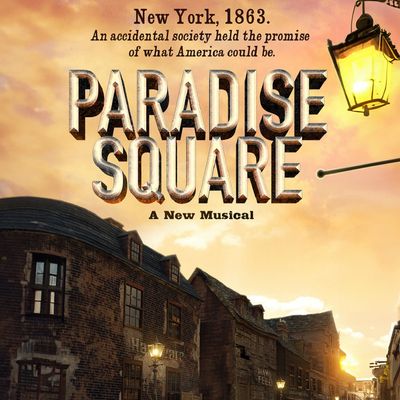
Colin Barkell saw the VHS of River Dance at a young age and the rest is history. His love for Irish dancing led to him touring the country. While on tour he learned to play guitar which birthed the start of his career in music. Due to his abilities in both Irish dancing and music, he found himself making his Broadway debut in Paradise Square. Listen for more on this week's episode!
Try a Free Trial of BFTS and work 1 on 1 with Coach Joe! https://builtforthestage.com/free-trial
Transcript
This transcript was automatically generated and might contain errors.
[0:14] Joe Rosko: Hey, what's going on? Welcome to Built for the Stage Podcast. This is Joe Rosko, founder and host of Built for the Stage, Broadway's number one fitness platform. If you want to try a free trial, go to the website, BuiltForTheStage.com. We'll be on our way to seven days of a free trial working one-on-one together on an online fitness app. Special thanks to BPN. You can check them out at BroadwayPodcastNetwork.fm or BPN.fm. Alright, let's get into our special guest today. Always a special guest. Excited to finally get to chat with this actor, dancer, musician, a jack of all trades, if you will. I recently saw him in PARADISE SQUARE, and he had a couple of just showstopping dance pieces when I saw the show and I was like, holy shit.
Who is that up there? So before I intro our guest, DM me at Built for the Stage Irish Dance for a chance to win some Built for the Stage swag. Our guest today is an Irish dance beast, savage, if you will, just tearing up the stage up there. Please welcome to Built for the Stage Podcast, Colin Barkell.
[1:31] Colin Barkell: Hey Joe, it is good to see you.
[1:33] Joe Rosko: Good to see you again, good to hear from you. How are you doing?
[1:36] Colin Barkell: I'm doing great here on Long Island right now. Where are you calling in from?
[1:42] Joe Rosko: I'm actually at the recording studio down here in Nashville, Tennessee.
[1:47] Colin Barkell: It's called the Bomb Shelter. I'm here visiting friends, I'm playing a few gigs and recording some new music. We're keeping it moving, man.
[1:57] Joe Rosko: Awesome. Let's jump right into that because I've seen some of your videos that's not musical theater based. Y'all are just like rocking up there. Tell me about your music background, what projects you have going on right now. Tell us the works. Can't wait.
[2:13] Colin Barkell: Man, we've been going for a while before I was in PARADISE SQUARE. Before I moved up to New York, I was living here in Nashville and I was just traveling around with my friends and we were playing some rock and roll and we were going back and forth between Nashville and Memphis and just really sinking our teeth into the gig scene here. Then I went up there to do the show, and now I'm jumping right back in picking up where we left off for the time being, and we're gonna record some new music. It's gonna be straight rock and roll, and it's at an incredible studio. Yeah, I got started with it. I got started with music when I was touring in an Irish dance show. I just had time to learn how to play guitar, and while I was on tour, that's what I did.
I played guitar and I sang. I got better at both, and then eventually started writing music, and then that combination eventually was noticed thankfully by a show that needed a singing Irish dancer. So here I am, and that's how I got into PARADISE SQUARE as well. So it worked out really well.
[3:28] Joe Rosko: How did Irish dancing start?
[3:31] Colin Barkell: I saw River Dance when I was a kid, and I just knew that's what I wanted to do. It was one of those, it was just one of those like aha moments where I was just mesmerized by this, I don't know, at the time it was a phenomenon. It was like that early 90s VHS where Michael Flatley was wearing the puffy sleeves and everything like that. And it was just I just knew that I wanted to get better at it. And being six foot six, I was always tall, and so there was a crazy learning curve I had to get past. I had to really want to practice and get better at it to actually have something to show or perform, you know. But it was what I always did growing up with sports, with cross-country, with track. There was always Irish dance along with everything else. And I'm just glad I stuck with it.
[4:34] Colin Barkell: Yeah, so I actually watched the VHS a lot in middle school during our arts classes. They would show that, I don't know, maybe on an open period sometimes when we didn't have some type of assignment. But I always viewed it like, wow, super impressive, but I don't know of myself or anyone that I knew that was like, I want to do that. Was that the case for you too, where you were pretty unique, not all your friends were around you saying, "Oh, I also want to do Irish dancing?" Like, who did you go to that question? And then also like who did you go to next? Like, did you go to your family to say, "Hey, I want to try this thing?" Or like how did that happen?
[5:15] Colin Barkell: Yeah, it was solely, it was like all my idea. No one in my family done it. We always thought we were Irish, or to an extent, you know, but we don't even have any real Irish blood in us. But I saw it and I was just like, I want to do this. I want the shoes to make the noise. And yeah, none of my friends wanted to do it. When I was little, my friends didn't care where I grew up. But then once I moved, I was in DC and I started taking it more seriously. The dance teacher there, Bill Maple and Marnie O'Callahan Maple, they were taught by one of the OG Irish dance teachers out of Galway, Ireland. So they got really, really good training. So they were able to help me. And it was during that time, and it was when I still wasn't good and I was going through the growth spurt and I was awkward and I didn't have anything to show off that, you know, damn near everybody made fun of it.
Like even coaches and stuff like that. But it was just, I don't know, I just felt compelled to do it. The way you'd feel compelled to like the way any dancer that feels inspiration has to jump on it, you know. It's like when you get that spark and you get that feeling of like, I need to do something with this that I'm feeling, like with this spurt of creativity, you gotta jump into it. You gotta lean into it, and that's what it was for me. But with Irish dance instead of other kinds of dance.
[7:00] Joe Rosko: How did you as a kid, let's zoom in on the people that teased you about it, or even your coaches as a young person, it's kind of hard. It's kind of hard to withstand that and also stick to the passion. Like sometimes, unfortunately, kids are talked down from doing what they want to do because of whatever the teasing or being different. How did you work through that?
[7:24] Colin Barkell: You know, that's a good question. For whatever reason, I just didn't care. It just, I was just really fortunate that it didn't bother me. And I think it was, I don't know, I think it was the fact that we had like a connection in the sports we were doing, so that they could see me in the context of let's say running or wrestling or something like that, and then there happened to be jabs, but it just didn't, I just wasn't phased in the way like, and my parents talk about it too. They're like, "It's pretty cool that you kept with it this whole time because of those things," and I really couldn't tell you why I kept going. But I'm so glad I did, you know? Like I remember I was pledging a fraternity when I was a freshman, and then I got to the point where a dance competition was coming up, and I had to like, you know, like the older ones, like the seniors, they like pick a pledge to be their big brother, and I had to like pull them aside and like, "Look man, I don't think I could be a part of this fraternity because I got dreams of being an Irish dancer, a professional Irish dancer," and like to his credit, he was just like, "Yeah, that's so weird. How could I, like it's so off the wall? You obviously feel something about it, so like go for it." But it just trumped everything growing up. It was just a thing I knew I had to do.
[9:03] Joe Rosko: Yeah, yeah. Alright, cool. You had resiliency, you had maybe a support system from your family. So you ended up going to college and you ran track and field, yeah?
[9:16] Colin Barkell: Yeah, yeah. It was cross country in high school, and then I did high jump in college for a little while. But that was another situation where, yeah, it was high jump in college, and it got to that point where I'd have to go one way or the other. And part of it was to be a really good high jumper, you had to actively turn your feet in. Like you had to change those muscles so that your feet were more turned inwards, so when you're jumping off, you had the right angle with your body and everything like that to get over the bar. And I started thinking about the dance career because like everything is like out here, so I had to deal with that for a little bit, and then it got to the point where competitions were coming around again, and I had to focus more on dance, and then yeah, that was another situation where I just had to tell the coach, "Look, man, this is where my priorities are.
I don't think I could take this as seriously as you want me to anymore because I'm gonna be competing," and then you know, from there, it was off to the races, moved to Ireland for a little bit, went to the world championships a few times, national championships, and like things started to snowball. Just because it was always there. And the things I took away from track was the importance of cross-training, you know, and different ways of cross-training, and just the like how much importance anaerobic workouts are like, anything like squats and all that, and you get so much protection since you're so prone to injuries and dancing, you get so much protection around those areas, and I really learned how to take care of my body in a way that was growing the necessary muscles to keep them going the right way. So that was important. I'm glad I got that. And then yeah, off I went.
[11:26] Joe Rosko: Yeah, awesome. I really love just like this theme right now of a lot of people think about when they're chasing their goals, what they have to do, but on the opposite side of that, there's a lot of what you no longer can do, like what you have to sacrifice, what you have to put aside. Like you could have easily said, "Oh, I just want to do cross-country and track in high school and not have anyone tease me." You could have easily went to college and said, "Oh, I want to have fun in this fraternity, let me just keep doing this and maybe just kind of do the Irish dance thing, but not really." You could have stuck with the high jumping, but you made that decision of like, "Hey, this isn't the greatest for me with my pursuit of Irish dance."
Like you prioritized it, you made sacrifices, and I think that's overlooked by a lot of people that their balance is important, moderation is important, but when it comes to excellence, there is an unfortunate side of it where, "Hey, you're either all in or you're not."
[12:33] Colin Barkell: Yeah. You gotta be willing to be one dimensional. You just have to be willing to be one dimensional. And like my dad, he always told, like he always said when I like hit crossroads, he would just say, "If you know what's important, then every other decision should be easy."
[12:49] Colin Barkell: And it's true, like if you know what's truly important, then you can really separate what needs to be done and what doesn't. Um, and just to like, and that's something I I would tell any dancer, and I have told in the past, if I'm like helping with workshops or anything like that, it's like if you're passionate about this, don't be as don't be scared to become one dimensional. Like, don't be scared to lean all the way in, like you said, to one thing and get really, really, really good at it. Because like you've you you find hopefully you find what you love or something you'd like to pursue in your teens, and you work at it in your 20s, and you reap the benefits in your late 20s and 30s, like I'm 31.
Um, and it's just it's just that that process, you have to go through that pain, and you it's when it's the last thing you want to do, it typically means you're getting better at it if it's the only thing you're doing. Now, would was Broadway or like musical theater ever in your your foresight, or did it just kind of happen with this opportunity with PARADISE SQUARE because of the Irish dance, and also I see that you've done a bunch of million dollar quartet gigs and a and uh assuming that's your your vocals and your awesome guitar playing as well, but through picking up guitar through Irish dance, was theater just a happenstance that they came along because of those things, or were you ever interested in that just on its own?
[14:26] Colin Barkell: Yeah, I um I knew I wanted to perform. Um I absolutely knew I wanted to perform. Uh but you know, I grew up competing in Irish dance and I majored in geography in college. Um, but then the million quartet thing started happening, and that was a lot of fun, and it was like a soft introduction for me into the musical theater world because it was a show, but I was singing Johnny Cash songs. And then from there, uh like I did what was it? Uh I I did a few things. I did um a little off Broadway run and that, and it just started happening, you know. And then when PARADISE SQUARE came around, I had two buddies that I had danced with in the past um that were choreographing uh Garrett Coleman and Jason Aramis.
They're the hammer step guys, and I'd worked with them years before, and they're great. And uh it it it really just worked out to where they were looking for as an Irish dancer that could sing, and it was like I I completely embraced the opportunity, you know. It was I was very aware of how grateful like I needed to be in this situation because it was it was uh yeah, it was it was amazing. It was it was it was absolutely amazing. Like even though it wasn't when I was in college, I wasn't like when I graduated, I'm hoping to go to Broadway. It was I I I was just so incredibly grateful for it when it happened. You know, it was unbelievable.
[16:02] Joe Rosko: Yeah. So when you're in the room with other, I I'd say like more uh, if you will, standard musical theater performers, were was there um in this uh gig or other gigs where you're kind of giving them this other side of a performance world and they're giving you another side of a performance world, and there's kind of a maybe an organic ebb and flow of sharing different sides of the table, if you will.
[16:29] Colin Barkell: Well, I I I don't know how much they they learned from me, but I gotta tell you, it is it is a real skill uh to be able to stand on stage without anything in your hands or anything and sing and look comfortable. Like, I took away so much from watching uh the people in this show and shows in the past watching them be so comfortable just within their own body on stage singing these songs because I'm so used to like you know, having just an object, and it it was a real experience, uh it was a real opportunity to watch legitimately some of the best uh do what they do, and um yeah, it was definitely stuff I could take forward with me.
[17:21] Joe Rosko: Yeah, you're used to having that guitar in your hand.
[17:24] Colin Barkell: That's right.
[17:25] Joe Rosko: Tell me, tell me about when you were on tour and you're learning guitar, was this uh YouTube tutorial tutorials? Where did you have a friend on the tour that played guitar and they were teaching you? How did how did you end up learning?
[17:39] Colin Barkell: It was well, the the songs from the 50s are they're so simple. Um they're just three chords, and uh they made do with them. So like you could see you could watch an old Johnny Cash video or an old Elvis video, and uh you can pick up those three chords and you can play almost every song they knew from the time, you know. And then I uh so that was just that was just because I wanted to learn, and you know, the the monotony of traveling, and you get into that, and uh you just need something to do. Um so that's pretty much where I picked up guitar. There was uh there was a friend when I was in Europe um that helped me along as well to get more intricate, but you know, that bass line was uh just something I wanted to learn.
[18:31] Joe Rosko: Yeah. What's your favorite? I won't say Johnny Cash song. What's your one of your favorite songs to play, like a cover um that you just love rocking out to?
[18:41] Colin Barkell: Man, uh it's there's a song. There's there's a bunch, but there's this uh there's a song called uh Spoonful. It's by Howlin Wolf. It's uh he was on Sun Records and then Chess Records. Um just an old blues guy, and uh it's been it's been a lot of fun to play, especially when we were down in Memphis, and then I don't know, uh Big River by Johnny Cash is a lot of fun. Uh Heartbreak Hotel is a lot of fun. Uh, but then like we we started playing Toxic by Brittany Spears in the same vein as these rock and roll things, and it worked out really well too, and that was that was freaking awesome. So, yeah.
[19:21] Joe Rosko: Alright, so my last like serious question: you're a jack of all trades, it seems like I saw you also tumble Irish dance, guitar player, singer uh you're into fitness how do you manage your time like how do you how do you keep it all how do you keep it all straight you know how do you keep it all in in in the box well you might you might be able to attest to this uh get the working out done first was that would you like would you agree with that yeah it's hard to miss your workout when you get it done before the world gets in your way yeah yeah yeah and it seems to make like when you get that linear thing out of the way where you just have to show up and like this is what I gotta do I gotta do it from here to here I gotta do like it makes every creative thing later in the day it seems to make it make more sense you know if you just if you just work out first thing then for me I work out I'll eat and and then I'll do something creative or like I'll go teach or I'll I'll write or I'll um I don't know try something new but like the the artistic stuff typically happens in the afternoon um and then you know work at night that's that's typically how it goes I try and keep it like one thing one thing one thing and it's just a matter of how much you fill in each part nice all right thanks for your time so far let's do a hot seat something fun and then we'll let you go.
[20:51] Joe Rosko: So the hot seat just do a little rapid fire real chill just like getting to know you a little bit better but in a maybe a silly way. So an easy question that you don't even have to think uh think about. We didn't get to this. Where were you born? Where are you from?
[21:04] Colin Barkell: Long Beach, California?
[21:08] Joe Rosko: Okay, Long Beach, California. Nice. Have you ever been to Muscle Beach uh over in California?
[21:13] Colin Barkell: No, I haven't.
[21:15] Joe Rosko: If you're gonna chase.
[21:17] Colin Barkell: Oh, you haven't been?
[21:19] Joe Rosko: No.
[21:21] Colin Barkell: You gotta go.
[21:22] Joe Rosko: So uh second question. If you're gonna chase the sweet, what uh what's your favorite like sweet dessert? Like me, I'm gonna pound as many donuts as I can. What's yours?
[21:33] Colin Barkell: Probably uh Reese's puff cereal. Just like more than one bowl of Reese's puff cereal.
[21:40] Joe Rosko: Oh, I'm about it. I'm all I'm with that.
[21:42] Joe Rosko: Alright, favorite uh right now, favorite movie or TV show, whichever one you wanna you want to say.
[21:51] Colin Barkell: Oh man, I'd say right now the movie that's stuck with me the most is Black Phone because it's it just messes you up.
[21:59] Joe Rosko: Uh what platform? Where where is it?
[22:04] Colin Barkell: Oh shoot. It well, it was just in theaters. Uh I don't know where it would be on what on what platform, but it's um it's about a kid who's kidnapped and he's trying to get out, and it's you kind of take on the role of the kid where you're just like don't open that door, and then yeah, it's it's really good.
[22:24] Joe Rosko: Gotcha. Any pets growing up?
[22:27] Colin Barkell: Pets growing up, yeah. We have dogs, dogs all the time. Uh a lot of dogs, and then uh my girlfriend, uh Kayla, she has uh a hairless cat, and he is the man.
[22:40] Joe Rosko: What's what's the personality of a hairless cat? Like, are they are they warm at all?
[22:46] Colin Barkell: This guy, he is so cuddly, he's like very personable, uh, very emotional. Uh, but when but when he's an asshole, man, he could he could really give it to you.
[22:59] Joe Rosko: Any like huge claw marks at all? Ever like paw at you a little bit?
[23:04] Colin Barkell: Not on me. Not on me, but um uh yeah, he'll uh he'll he'll let people know when he's done.
[23:13] Joe Rosko: Got you, got you. Yeah, not to you though. You y'all are best friends, your best buddies.
[23:17] Colin Barkell: That's right.
[23:18] Joe Rosko: Uh in the musical theater world, is there a show that you would love to be a part of ever?
[23:25] Colin Barkell: Yeah, Hades Town would be fun. That'd be a hell of a time.
[23:29] Joe Rosko: Yeah.
[23:29] Colin Barkell: Uh for sure. And then and then uh I don't know. I heard there's uh there might be another Johnny Cash musical coming around, so that'd be sweet as well.
[23:37] Joe Rosko: Alright, there we go. There we go.
[23:39] Joe Rosko: Um last question. If not as like a backup plan, but just like a fun game to play here. If you weren't on the stage performing or Irish dancing, or playing in your band, what would you be doing?
[23:54] Colin Barkell: Man, uh well, I'd probably be competing in something. It would just, I don't know, just like the the avenue to compete would probably take over one way or another. So if it wasn't, you know, through uh through dancing, it probably would have been through track longer, or probably would have been through cross-country longer, just something where it's uh you wake up and do something to get better at one thing day after day in the hope of being one of the best at it. That's what I think.
[24:21] Joe Rosko: Awesome. Alright, you're off the hot seat. Thanks, Colin.
[24:25] Colin Barkell: Alright, appreciate your time uh on being on this episode. Everyone that's listening, if you want to follow Colin on Instagram, it's his name. Super simple at Colin Barkell. I'll have that in the description of this episode, as well as his website, Colin Barkell.com. You can check that out in the description of this episode as well. Colin, thanks so much. I appreciate your time. You are, man, you're an inspiration. Jack of all trades, really inspired by all that you do. And it definitely didn't happen by luck. You put in the work and congratulations for all the hard work you put in.
[24:58] Colin Barkell: Thank you so much, sir. Joe. I appreciate you. This was a lot of fun.
[25:02] Joe Rosko: Yeah, thank you.
[25:03] Joe Rosko: BillforThestage.com, check us out. I'm Joe Roscoe. Don't forget DM me at BillforThage Irish Dancing. If you want a chance for winning some Bill for the Stage swag. Don't forget to follow Colin on the gram at Colin Barkell. Until next time, actors are athletes. Train like one. Later.
[25:21] Colin Barkell: Yes, sir.
© Broadway Podcast Network, All Rights Reserved