

In the previous episode you learned bumpy road to Broadway for Nick & Nora, one of Broadway's biggest flops. And in this bonus interview episode, you'll hear from Mark Hoebee, the swing and dance captain for the show who actually worked with the creatives as actors were fired and the show kept changing up until opening night... Read More
From the show: Closing Night
Guests
About
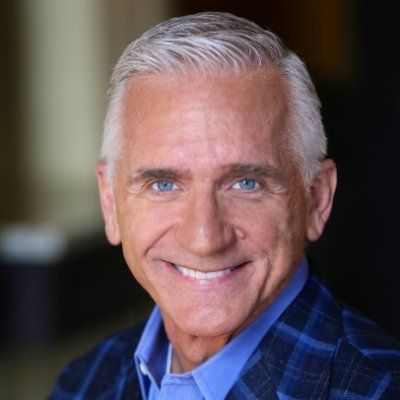
In the previous episode you learned bumpy road to Broadway for Nick & Nora, one of Broadway's biggest flops. And in this bonus interview episode, you'll hear from Mark Hoebee, the swing and dance captain for the show who actually worked with the creatives as actors were fired and the show kept changing up until opening night. He gives behind the scenes insights into the rehearsal process and some of the challenges this show faced just getting onstage.
You can also get an extra conversation with the show's lyricist on Why I’ll Never Make It. As one of Nick & Nora's creators, Richard Maltby, Jr gives even more backstory to how this musical failed and couldn't overcome all its obstacles. You can find that episode here.
Follow Closing Night on Instagram and listen on your favorite podcast app.
Closing Night is a production of WINMI Media with Patrick Oliver Jones as host and executive producer. Dan Delgado is the editor and co-producer, not only for this podcast but also for his own movie podcast called The Industry. Blake Stadnik composed the theme music, and Maria Clara Ribeiro is co-producer.
Transcript
This transcript was automatically generated and might contain errors.
[0:00] Patrick Oliver Jones: Welcome to Closing Night, a theater history podcast celebrating famous and forgotten Broadway shows that close too soon.
[0:08] Patrick Oliver Jones: I'm your host, Patrick Oliver Jones, and in the previous episode, we explored the infamous Broadway flop that was Nick and Nora.
[0:17] Patrick Oliver Jones: Well, throughout this season, I'm taking you further behind the scenes by sharing my conversations with these artists and creatives.
[0:23] Patrick Oliver Jones: You can hear from Richard Maltby Jr. on my other podcast, Why I'll Never Make It. Look for a link to that in the show notes.
[0:31] Patrick Oliver Jones: But here on Closing Night, you'll get my full Nick and Nora interview with Mark Hoebee.
[0:37] Mark Hoebee: Hi, I'm Mark Hoebee. I'm actually originally from Freehold, New Jersey, one of the original Jersey Boys. I'm currently the producing artistic director at Paper Mill Playhouse, but earlier in my career, I was a dancer, performer on Broadway, and I performed in both Victor/Victoria and Nick and Nora, and held the same position on both. I was the swing and the dance captain.
[0:59] Mark Hoebee: With his perspective as a producer now, you'll be hearing from Mark again when Closing Night explores Victor/Victoria at the end of this season. But for now, he gives us more insight into the failings and missteps of Nick and Nora and why it never reached its full potential.
[1:22] Patrick Oliver Jones: Well, thanks so much for doing this, Mark. Ah, I see you have your show posters up behind you.
[1:24] Mark Hoebee: Oh.
[1:27] Patrick Oliver Jones: One very infamous one.
[1:29] Mark Hoebee: Right, exactly.
[1:32] Patrick Oliver Jones: Yeah, we'll be talking about it today.
[1:34] Mark Hoebee: Yeah, it's on this wall and on the wall of shame at Joe Allen's. And every time I go there, I request to sit under it because I've done a bunch of Broadway shows, national tours, Lincoln Center stuff. And it's the only show poster that has my name on it.
[1:52] Patrick Oliver Jones: Oh, really?
[1:53] Mark Hoebee: Oh, okay.
[1:54] Patrick Oliver Jones: Yeah, it's in mouse type.
[1:56] Mark Hoebee: Well, of course, yeah, it's all in the bottom. Because the entire company, it was not a big cast.
[2:01] Patrick Oliver Jones: Yeah.
[2:01] Mark Hoebee: For a musical, that was a small cast. And I'm curious, did you or the cast have to watch or go through the Thin Man movies as part of your prep for this show?
[2:11] Mark Hoebee: You know, um, I think everybody watched the Thin Man movies as we were headed into the production of it because, you know, that's the source of material. And they're so rich. Those films are so pithy and witty and funny and just really classy, um, fun afternoon, you know, movie to watch. So I think we did that. We never did it as a group, and I actually joined the production late, just before the Broadway show went into rehearsal. They had done workshops and readings, but I wasn't involved in that at all. When they were auditioning for the Broadway production, I went in to an EPA and got cast as the swing and dance captain.
[2:56] Mark Hoebee: Oh, nice, nice.
[2:57] Patrick Oliver Jones: And so did your dance captain duty start from day one with Tina Paul?
[3:03] Mark Hoebee: Yes. And actually, um, it was Tina Paul. Um, Louis Perez was working with her at the time. And I really think that part of the reason I got into that show and in the position I did was because I had worked with Louie previously as a swing on Jerome Robbins' Broadway. So I covered 20, 23 men in that show, and he knew I had the ability to document and, you know, jump in at a moment's notice. And also interestingly, I had worked with Richard Maltby before, who was the lyricist, and he had directed a production of Baby in Chicago that I choreographed. So I was walking into an EPA. I was never expecting to be cast in this production, but they needed a dance captain and a swing. And so I earned that role.
So yes, and there was a lot of dance in the show because the concept was that the characters of Nick and Nora were dancing sort of through their lives, and they would solve these murders, you know, as they went. So there was a good deal of choreography, a lot of it based in ballroom, um, which was a challenge. And, um, yes, in fact, they started early rehearsals with Joanna Gleason and Barry Bostwick that I did not attend. So on the first day of rehearsal, I was already feeling behind having to catch up.
[4:22] Patrick Oliver Jones: Well, yeah, yeah, because you weren't with the previous workshops and everything. But they decided not to do an out-of-town. So, I mean, this was going to go right to Broadway. As a producer now, what do you think of that choice?
[4:35] Mark Hoebee: I think that was a bad choice. Certainly. I think that the, okay, there's always a challenge when you're putting up a brand new musical, right? If you've never seen it before an audience, you don't know how they're gonna react. But they were very confident in this material, but the script kept evolving and getting rewritten, kind of in some major ways. The workshop script and the script that we went into rehearsal with was very funny, but would not be considered at all PC in the current time. Definitely not current time now, but even current time then it was pushing the boundaries of some stereotypes. And although that was funny, there was some reaction that some things needed to be corrected and cleaned up.
In fact, um, the original actress who played the Spanish maid was Josie DeGuzman, and she and Arthur were at odds about how the character was to be played, and he wanted it a kind of Charo Carmen Miranda, and she refused to do that. So she wound up getting fired. She was fired when we were in previews, which was interesting for me as the dance captain because I used to get the show started, then run across the street to the Longacre and rehearse her understudy and the understudy's replacement, and then go back to the show because we couldn't fire her until there was a new person ready to go. But that was one issue. But the other major issue was that the very first preview, here's another mistake, was an actor's fund benefit performance.
So it was the first preview, all full of industry people. And at the end of the show, um, it turns out that Christine Baranski was Faith Princess, had murdered Faith Prince. And the reason she did it was because she was hiding a secret that she was having an affair with her Asian houseboy who was Tom Cesmo. And she stepped out onto stage, and when they asked you, you know, why did you do it and why would you do it for him? She sang this song called He Sees Me. And that first performance, it was like the producers. It was supposed to be a very serious moment, and the audience started to laugh and laughed and laughed and laughed. And you I remember seeing the cast on stage just horrified because it was not supposed to be funny.
And so, and that was the ending of the show. So you can imagine after your first preview, realizing the whole end of the show needs to be rewritten and rethought and re-figured out, and so there was a lot of tumult.
[7:13] Patrick Oliver Jones: Wow.
[7:13] Mark Hoebee: Yes, yeah.
[7:14] Patrick Oliver Jones: And you said that that was its very first public performance.
[7:18] Mark Hoebee: It's very first preview.
[7:19] Patrick Oliver Jones: Was that very first preview, sold out, actor's fund performance, bad idea.
[7:24] Mark Hoebee: Yeah.
[7:24] Patrick Oliver Jones: Yeah.
[7:25] Mark Hoebee: Wow.
[7:25] Patrick Oliver Jones: So was this laughter a kind of like, oh, we didn't mean it to be funny, but it turns out to be funny, or were they laughing at the song?
[7:34] Mark Hoebee: Yeah, they were laughing at it. It wasn't like we were with you.
[7:38] Patrick Oliver Jones: Oh, okay.
[7:39] Mark Hoebee: It was like, what is this travesty on stage? How it was kind of like, yeah, how that this is ridiculous.
[7:45] Patrick Oliver Jones: Oh, um, so it was not a good laughter, it was kind of a horrific laughter. And then you can imagine what it's like for the cast because you can't write a new song and rewrite that section of the show. It takes a while. So every night the company had to go on stage and do that, knowing that the audience was gonna be, you know, sort of giggly, jaw dropping, yeah, yeah, yeah. And it was never quite as bad as that first audience because those were all theater insiders, but everybody knew, okay, this has got to change. And then there was an opening number, not no first number for Christine Baranski, um, was rewritten several times and could, again, the first one was kind of this tongue-in-cheek, um, really acerbic number.
I thought it was great, but then they kept rewriting it, rewriting it, and rewriting it. Um, and then there was another flaw in the production, which was I think um Barry Bostwick was a lovely man. I can't say enough good things about him, sweetheart, hard worker, so talented, but not a dancer. They wanted the couple to dance, and it was not a natural thing for him, and it was very difficult for him to learn ballroom dance and act and sing at the same time. And Joanna and him together and the cast, you know, Deborah Monk, and they were all great in the acting bit. But anytime it got to a musical sequence, a dance transition, anything, you could just see Barry seize up.
[9:16] Mark Hoebee: And it just wasn't what Barry did. And they were asking him to do something that was not in his wheelhouse. You had mentioned being written and directed by Arthur Lawrence. What was it like working with him and Richard? What was that? Because there were the tensions between the two of them. Did that spill over to the cast as well? And Charles Strauss, too. Right. Charles Strauss was the composer. At one point, Charles Strauss went MIA when we were in previews. Like for two weeks, nobody saw him. Nobody knew where he was. Um, he was supposed to be writing new music. We would, uh, no one knew where he was. Um, and Arthur was actually lovely to the company. He was very nurturing, loving, he loved this show, he loved this cast, he was really, really great in rehearsals.
Um, you know, I'd heard some stories about him. I was young at the time, so I couldn't even bear to say anything. But you know, uh, I was surprised at how good he was, and how he tried to help, you know, um Barry and all of that. Um, but when things started to fall apart, his other mean side came out, and then there was tension there, you know, Richard and Charles, and he did not all get along. Um, and then there were these tidbits, insider quips and stories that were showing up on page six, and um we had this horrible meeting once where he called the company into the green room at the Marquee Theater, and we were all sitting there. We didn't know what it was, and the evil Arthur came out. And with Joanna Gleason and Barry and you know, Dev Monk Faith Prince, all of them in the front row.
I was in the back. Him screaming at the company about there's a Judas among us, and one of you is going to the press and telling, you know, inside family secrets, and it's broadcast all and like ripped into the company, and that's where he lost them. Because I remember Joanna and Barry stood up and said, We won't be talked to like this. And they walked out. And um from then there was kind of no saving the show.
[11:24] Patrick Oliver Jones: Well, what point was that in rehearsals or previews?
[11:27] Mark Hoebee: No, we were in previews.
[11:29] Patrick Oliver Jones: Previews, okay.
[11:31] Mark Hoebee: I think we were in previews for like 10 weeks. Yeah, it was 71. It at least IBDB says 71 previews. So yeah. Okay, so that's like 10 weeks. Yeah, it was yeah, it was during the preview period because and it was during tech period too. Actually, it started earlier where like these little things kept showing up on um uh in on page six. We were like, who knows that? And it turned out it was not anybody in the cast. I'm not gonna say who it is, but it was no one in the cast. Uh, you know, everybody was working really, really hard. So but yeah, there's so many people coming in and out, you know, PAs here and this person there, and that designer there. Yeah, it can always be anybody.
[12:08] Patrick Oliver Jones: Yeah, very true. So with those 71 previews, you said the show changed a lot. By the time it did open, do you think the best version was there?
[12:19] Mark Hoebee: No. I actually personally think that they should have leaned into the other direction.
[12:24] Patrick Oliver Jones: Made it more campy or something?
[12:26] Mark Hoebee: Yes, yes. That was, you know, there were two flaws. Um, you know, there uh that that rewriting to try to smooth over the non-PC side of it, um, which just made it not funny. And I'm not saying that it should be funny at anyone's expense, but what they did was they instead of writing a different sense of humor, they just took out the humor. Um, and then uh the other thing that was a real problem was in the Thin Man movies, you never um doubted Nick and Nora Charles' relationship. They were a loving couple and you know, sought these things together, and you know, she was always the brains behind it, but made him look good. You know, I mean they had this great working relationship and love relationship.
And there was a uh a more modern twist written in where they were having marital troubles. And so not only were they trying to solve this murder, but they were also trying to repair their relationship. And I can't even remember what it was, but it introduced an element to the story that was incongruous with what everybody knew about the Thin Man and just confused the whole um situation. So it became uh, you know, uh humorless, um, you know, not enjoyable reinterpretation of what used to be these bubbly, fun little, you know, we're gonna dance and drink champagne and solve murder. So, and I think certainly in trying to rewrite the script, they were trying to make things better, more palatable and uh more respectful for the characters, you know.
Um, but it they didn't have enough time to fix it. That's where I think going out of town, you know, you would have done a stop somewhere regionally and found all these problems, and then taken a break and said, Hey, we need to really reload at what what this show is, what's working, how we tell the story. So it's funny, but doesn't offend anybody, it doesn't disparage anybody. Maybe the marital problems come in, maybe they don't, but let's look at it, and we have to fix the ending, obviously. Um, but you know, we I don't remember whose quote it is that you never get done rehearsing your show, you just run out of time and you open. That was absolutely the story with this because they were just bleeding money and they were like, we gotta get this thing open.
And so it opened, and that was uh I'll never forget that. It my parents came. It was my first the first show that I was actually in the original cast on opening night. I was in Victor/Victoria too, but that's another story I'll tell you later, right? I wasn't at the opening night. Um, but uh, and we had the opening night party at Sardi's, and in those days, the New York Times was like right across the street, and they it came out on like 10:15 or something. And by 10:45, my parents and me were like one of the only people still, one of the only people still sitting in Sardi's. Everybody else had read the review and was gone. And we closed that weekend. It was just like seven as soon as the review came out, you knew or the cast knew it was done.
I knew before that, actually, because the other swing was a woman named Cindy Tolley, and we were very close, and we were in our opening night outfits and we um had done the legacy robe ceremony backstage, and then we ran out to the front of the Marquee Theater, and you go through those glass doors down the steps into the back. We didn't have seats, we were just standing in the back. And as we walked down those stairs, Liz McCann was lying, it's kind of lounging back on the steps. And I think she had either read the reviews or gotten tipped off talking about how we were sunk. And we overheard that walking into the opening night performance, and I was like, oh, but yeah, that's what happened. So I knew even before the curtain went up that I should start looking for another job.
[16:30] Patrick Oliver Jones: Right, that you were done. Now, did you ever go on and perform?
[16:33] Mark Hoebee: Yes.
[16:34] Patrick Oliver Jones: Oh, I did. I went on in previews because I can't remember what. I went out for uh I don't know if it was illness or one of the smaller roles I was on for a couple of shows.
[16:45] Mark Hoebee: Yeah.
[16:45] Patrick Oliver Jones: Okay. So you at least got to do the show.
[16:48] Mark Hoebee: Oh, I have listen, it was an amazing learning experience to sit out front and watch a show. Um, uh, you know, for better or for worse, change, be rewritten, watch the audience reaction, you know, and you're working with Arthur Lawrence and Richard Maltby and Charles Strauss, and you know, and that cast, Tibber Monk, you know, Faith Prince, Barry, Joanna, amazing people. So it was uh I was honored to be there, and it was an incredible learning experience. And I I wouldn't give it up at all. And like I said, you know, the posters right here on the wall behind me, a paper mill, and it it hangs in infamy at Joe Allen's on the wall with all the rest of the considered flops. And anytime I take anybody to Joe Allen's, I request that table, and I say, Look, I made it.
[17:41] Patrick Oliver Jones: Oh, all right. Thank you so much for doing this. This is I mean, you gave some great insights, so I really appreciate it.
[17:46] Mark Hoebee: Yeah, thank you.
[17:52] Patrick Oliver Jones: Thank you for listening to this bonus interview episode with Mark Hoebee. And be sure to check out my conversation with the Nick and Nora lyricist Richard Maltby on Why I’ll Never Make It. As always, thank you to my co-producer Dan Delgado, as well as Maria Clara Ribeiro. Join us next time as we explore another Andrew Lloyd Webber musical, his very short-lived The Woman in White, as we follow its journey to closing night.
© Broadway Podcast Network, All Rights Reserved