

June 19th is host donnie l. betts birthday. Born and raised in east Texas he reached out to others that were born on this day and are not from Texas and asked their thoughts on this day - retired Judge Vallera Johnson and marketing rep Danielle Brooks... Read More
From the show: Destination Freedom Black Radio Days
Guests
About
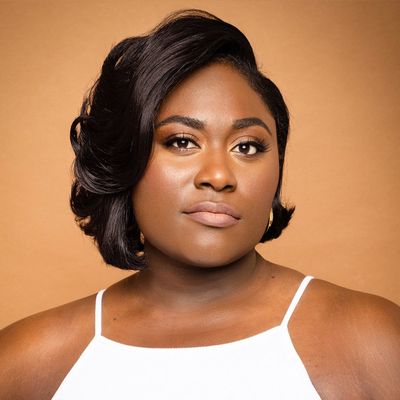
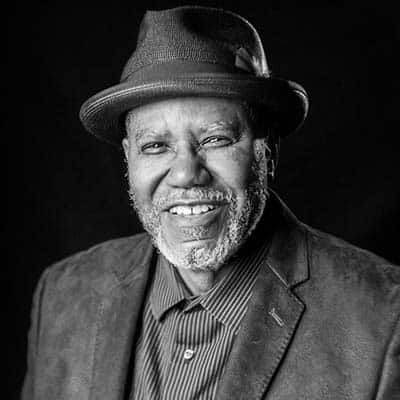
June 19th is host donnie l. betts birthday. Born and raised in east Texas he reached out to others that were born on this day and are not from Texas and asked their thoughts on this day - retired Judge Vallera Johnson and marketing rep Danielle Brooks.
Juneteenth is a federal holiday in the United States commemorating the emancipation of enslaved African Americans. Deriving its name from combining "June" and "nineteenth", it is celebrated on the anniversary of the order, issued by Major General Gordon Granger on June 19, 1865, proclaiming freedom for slaves in Texas. It is much more than just these two sentences. It means Freedom Day to many Black Americans. No more auction blocks. Working for free. However, Freedom is not free, there is a lot more work to be done in America and the world.
Listen in to our conversation.
donnie l. betts
Transcript
This transcript was automatically generated and might contain errors.
[0:00] Danielle Betts: This is Danielle Betts and welcome to our special edition of Destination Freedom Black Radio Days The Eclectic, produced and hosted by Danielle Beck's of No Credits Productions.
[0:09] Danielle Betts: Interviews with difference makers, artists, authors, bold thinkers, people we love who get stuff done.
[0:19] Danielle Betts: June 19th is called Juneteenth.
[0:21] Danielle Betts: Freedom Day, we call it in Texas.
[0:23] Danielle Betts: It also happened to be my birthday and many others around the country.
[0:28] Danielle Betts: It is now a federal holiday.
[0:30] Danielle Betts: Oh, how did we get here?
[0:32] Danielle Betts: Well, many years ago, June 19, 1865, Major General Gordon Granger came to Galveston, Texas.
[0:40] Danielle Betts: He announced the end of legalized slavery in the state of Texas.
[0:50] Danielle Betts: They won their last battle in May of that year.
[0:53] Danielle Betts: But they were not happy about that.
[0:54] Danielle Betts: They started to ride and desert the bases left and right because they just couldn't stand the fact that they had lost the war.
[1:03] Danielle Betts: But they had.
[1:04] Danielle Betts: So that day was declared Freedom Day.
[1:07] Danielle Betts: Then on, uh people were encouraged to find their own lot, get in where they fit in, we might say today.
[1:14] Danielle Betts: Now, they also were told that they could continue to work for those folks there in Texas.
[1:20] Danielle Betts: Why would they even do that?
[1:22] Danielle Betts: Anyway, I always wanted to talk to other people about how they felt about this day.
[1:26] Danielle Betts: So this edition of The Eclective, we're going to do just that.
[1:30] Danielle Betts: We speak to two individuals as well as myself about Juneteenth, June 19th, what that means to black people in America.
[1:37] Danielle Betts: So we speak with Vallera Johnson, who is a retired administrative law judge, originally from San Diego, California, but now living in Portland, Oregon.
[1:46] Danielle Betts: She founded the Women of Color and Law in San Diego.
[1:49] Danielle Betts: Valerie is the sister of Yvonne Joana Levett, one of my good friends from graduate school.
[1:56] Danielle Betts: I'm so happy to speak with her.
[1:58] Danielle Betts: We also speak with Danielle Brooks, who is with the marketing department of the Denver Public Library about her birthday, June 19th.
[2:06] Danielle Betts: Now, when I was born, I was born at home in Texas, and they were having a party.
[2:09] Danielle Betts: They said, You stopped the party.
[2:11] Danielle Betts: I said, No, the party started when I was born.
[2:15] Danielle Betts: So welcome to this special edition of The Eclectic from Destination Freedom Black Radio Days.
[2:19] Donnie Betts: I'm your host, Donnie Betts, and here we go, Juneteenth.
[2:31] Donnie Betts: And I've been wanted to do a broadcast about my birthday, which in some places in the United States has a federal holiday now is known as Juneteenth.
[2:41] Donnie Betts: When I was growing up in Texas, we called it Freedom Day.
[2:45] Donnie Betts: But I always wanted to talk to other Juneteenth babies to see if they were first aware of the holiday, what their significance was for their birthday.
[2:54] Donnie Betts: You know, it depends on part of the country I think you grew up in, how much you knew about the holiday.
[3:00] Donnie Betts: So one of the people I who has volunteered to join me is a good friend's sister of mine, Ms. Yvonne Jonah Levett.
[3:07] Donnie Betts: So Miss Valera Johson is joining me.
[3:19] Donnie Betts: Now the way I always start my interviews are the same way.
[3:23] Donnie Betts: So tell me your full name, your mama's name, your mama's mama's name, and where you spent your childhood.
[3:31] Valera Johson: Oh my gosh. My full name is Vallera Kotura Joyner Johnson.
[3:39] Valera Johson: Um, my mother's name is Charlie Alberta Williams Joyner.
[3:46] Valera Johson: And my mama's mama's name is Alberta Williams.
[3:54] Valera Johson: My childhood was spread out.
[3:57] Valera Johson: I was born in Nashville, Tennessee in 1950.
[4:12] Valera Johson: My dad did a uh fellowship in uh infectious diseases.
[4:19] Valera Johson: So we moved to Colorado for two years.
[4:22] Valera Johson: And then we moved to California.
[4:25] Valera Johson: Um so I attended Catholic school through the 11th grade.
[4:37] Donnie Betts: Tell me about that experience.
[4:40] Valera Johson: Um it was definitely an interesting experience.
[4:46] Valera Johson: Um because I grew up in Nashville, I was there and did not understand what was going on at the time.
[4:57] Valera Johson: But I was there doing the feed freedom rides.
[4:59] Donnie Betts: Yes.
[5:00] Valera Johson: Okay.
[5:00] Valera Johson: And I was there doing the sit-ins.
[5:04] Valera Johson: And I remember specifically going to a counter um and asking for soda, and I bought a soda.
[5:13] Valera Johson: I don't I just remember how syrupy it was.
[5:16] Valera Johson: I didn't have any desire to sit down and didn't think about sitting down.
[5:22] Valera Johson: Um I do remember, and it's it's so interesting that um my mother um was born in Covington, Georgia, and of course we uh would go and visit her mother from time to time.
[5:38] Valera Johson: And she had two sisters that lived in Atlanta.
[5:41] Valera Johson: So we would um, I don't remember what time we would leave on the trip, but we would go from Nashville to Atlanta and we would spend the night in Atlanta, and then we would drive down to Covington.
[5:55] Valera Johson: And it was only a few years ago that I learned how close Covington was to Atlanta.
[6:03] Valera Johson: And um one of the reasons that we did that was because of the potential um racial issues that we could face if we were driving at night.
[6:21] Donnie Betts: Gotcha.
[6:23] Valera Johson: Daylight, you're a little bit safer, nighttime.
[6:25] Valera Johson: You had nighttime riders.
[6:28] Donnie Betts: Yeah.
[6:29] Valera Johson: Wow.
[6:30] Valera Johson: Interesting times.
[6:31] Donnie Betts: James Lawson was teaching people uh in Nashville at the time that you were you were growing up, you know, and how to sit in.
[6:38] Valera Johson: It's amazing.
[6:39] Valera Johson: Amazing.
[6:40] Valera Johson: Yeah, it is.
[6:41] Valera Johson: And and I as I hear more and more from people who participated um in the civil rights movement, um, it's just been an eye-opener for me to hear them talk about recently.
[6:59] Valera Johson: I heard something, I'm sure it was on um uh NPR, and uh some of the children, uh people who were children at the time who participated in the Montgomery uh boycotts um and uh civil rights movement were children at the time, and they talked about how it worked and things like that, and the reason they participated was so that their parents uh because their parents could not, because of potential for losing jobs and things like that.
[7:34] Valera Johson: So it's really interesting to hear.
[7:38] Donnie Betts: Yeah, that was one of the strategies that uh that they use.
[7:41] Valera Johson: Um James Bevels was known for that for that strategy using children.
[7:45] Donnie Betts: Uh yeah, yeah.
[7:48] Valera Johson: And they were hoping to um, and it was so interesting uh to hear somebody who was there talk about the fact that you know they um made sure that they had people that would not uh become violent as a consequence of the way they were treated.
[8:08] Valera Johson: And she said that um if you would you thought that might happen to you, they had other jobs you could participate in.
[8:16] Valera Johson: But their hope was that people would see how they were treated on television um there in the community that she was in.
[8:28] Donnie Betts: Wow.
[8:29] Donnie Betts: Now growing in the various, growing up in the various places that you that you were, uh communities that you were involved in, there's a lot of moving around.
[8:39] Donnie Betts: That's why I asked you what was that experience like.
[8:42] Donnie Betts: So let's talk about your connection to Juneteenth.
[8:46] Donnie Betts: In fact, that is your birthday.
[8:50] Valera Johson: Yes, it is.
[8:53] Donnie Betts: You were speaking, we were sharing a little bit off mic that this was not something that you were totally aware of growing up, that this Juneteenth had a special significance for people of color, black people in particular.
[9:08] Donnie Betts: Tell me about when you first um first became aware of the meaning of Juneteenth.
[9:14] Valera Johson: As I said, we used to call it Freedom Day, and they call it Freedom Day when it first uh first was established.
[9:21] Valera Johson: You know, it's so interesting.
[9:23] Valera Johson: I don't remember distinctly when I first became aware of it.
[9:28] Valera Johson: Um, but I was definitely an adult, if um not much older, you know, um because uh yeah, I I don't remember knowing anything about Juneteenth.
[9:45] Valera Johson: I didn't learn anything about that in any school that I went to or anything like that.
[9:52] Valera Johson: Um I did um I'm in I just retired as an administrative law judge, and I uh worked a lot with young lawyers and uh judges in the community, and I remember the Black Bar Association in San Diego began to celebrate Juneteenth, and we began to have those celebrations.
[10:14] Valera Johson: And I remember one of the uh young lawyers uh talked to me about what all that was about.
[10:21] Valera Johson: But I didn't I didn't have any uh history in school.
[10:26] Valera Johson: My parents didn't tell me anything about it, um, didn't learn anything at church.
[10:32] Valera Johson: Uh I was Catholic.
[10:34] Valera Johson: Um, so I didn't learn anything about it until I was probably cl I'm sure, close to being a senior.
[10:41] Valera Johson: When I say senior, I mean a senior citizen.
[10:44] Donnie Betts: Gotcha.
[10:44] Donnie Betts: Gotcha.
[10:46] Donnie Betts: And so we were speaking with Vallera Johnson about her birthday and Juneteenth.
[10:53] Donnie Betts: And when she became aware of this significance to certain people.
[10:58] Donnie Betts: And like I said at the top of the show, it depends on where you grew up, what your background were, your environment was. Well, you may not have known about Juneteenth, and it's true no fault of your own. But let's talk about that. No fault of your own. And being a judge, being in a legal system for so many years like you were. Educational system, I think, this is just my opinion. It's failing a lot of people. It's failing a lot of our children, especially when it comes to teaching this type of history. And now you have people want to go back and not teach the real history.
[11:36] Valera Johson: Oh, absolutely. Absolutely. I agree. Absolutely, I agree, because it's ridiculous to think how old I was and not be aware of the significance of the day. One of the things that I mentioned to you while we were off the microphone was that the George Floyd incident and the trial and everything around it really brought so much to my fore to the forefront of my mind and caused me to have a thirst for my history. And it's just been wonderful. It's just been wonderful. And you know, when I think about how I grew up, I thought, you know, everything was great. I was around all these white people. They were nice to me. I don't know if I would say they were nice to me. I know after George Floyd, I reassessed my entire existence where I was.
My children did the same thing. All my children have five children, they're all adults. They did the same thing, just reassess their existence. And there's such a desperate need for us to appreciate who we are. And I don't truly think we can appreciate who we are without knowing our history. So we can't, the one thing I do, I work a lot with young lawyers and attorney, I'm sorry, law students, young lawyers, and I uh encourage people to apply for appointment to the bench and whoever they want to be. And there's such a dire um consequence of not being able to appreciate who they are.
[13:47] Valera Johson: Um one of the it I I went to Howard's Law School, and one of the advantages of going there was being around people that look like me. And I specifically uh went to Howard for that reason, so I could be around people like me. But we, as black people have got to understand the rich history we have um and how we got to where we are and there's so many things that happened when we were growing up uh when I was growing up that people were so embarrassed about um and when I think back on it the strength of these people that got us to where we are today is just amazing. When you say in in embarrassed what can you specify um yes um you know there were different sorts of things I have to think it through but um you know maybe the way somebody dressed or I think about my grandmother um my father's mother in particular um you know um I just I was just embarrassed by her um and I did not really appreciate the accomplishments of people like my father who had um done a worked on a um a master's degree in microbiology at uh the University of Chicago and did not get the degree and I'm sure it was racist uh or racially related um it's hard for me to think about the fact that I didn't spend the time talking to my dad or mother asking all the questions that we should have.
[15:53] Valera Johson: My son did. I have a son who's a journalist, and he spent a lot of time asking those questions. But there's so many questions that should have been asked of all those people. That's why I love stories. That's why I love speaking with um elders and people who have done those amazing things. Um University of Chicago at that time was notorious for their racist behavior and taking over this parts of the city of Chicago for their own good. Uh takes so uh I'm sure it was related to a racially related when it came to your dad. Um who I had the great pleasure of meeting. Um and so and he did go on to um get his medical degree, and it was hard for him, very, very hard for him. Uh, because he had his own mental health issues, and um, but um he also did a fellowship in infectious diseases, and it's amazing. Um, you know, that had he been alive when COVID started, he probably would have been one of the people they would have looked to.
[17:01] Valera Johson: Yes, yes. Amazing. Well, you know, you just keep pushing on, and then um, you know, like I said, with your son and other younger people asking those hard questions, you know. Uh, he used to set you down and talk to you and get the all of your life experience because I know you have a lot to share. A lot to share with your children, you know. Um that's one of the things that I've been able to do too before some of my siblings passed over. They would just sit down and just talk to them. So, just talk to me. Tell me about your life. What was it like? You know, because we grew up in a rural area, very small, you know. Um, so it's totally different from other folks that I that I know who may have grown up in an urban area, you know. So everybody's experienced different and unique, but it's their experience, so it's very it has value.
[17:50] Donnie Betts: Let's talk a little bit now that you know about the significance of Juneteenth. How do you celebrate it now? If you celebrate it. I mean, I know you celebrate your birthday.
[18:00] Valera Johson: So I yeah, yeah, yeah, yeah. I usually celebrate Juneteenth now. Yeah, I usually just try to get to Juneteenth events um in the city. You know, I haven't uh I go down, I um as I mentioned to you, I moved to Portland, Oregon, and but I'm from San Diego, and so I'm more familiar with the activities in San Diego, and uh the Black Bar Association down there often affiliates with other um organizations uh in the community and has events and I try to attend those. Um yeah, just to be around my folks.
[18:43] Valera Johson: So now what are you gonna share with your your you have grandchildren yet?
[18:47] Valera Johson: I do. I have eight. The oldest one is uh 14 and the youngest one is uh 16 months.
[18:55] Donnie Betts: Okay, all right. So now it's time for you to start sharing Juneteenth with them.
[19:00] Valera Johson: It is absolutely it is, and and I'm glad you said that. Um yeah, we have um family emails um or joint joint family email, and um maybe I'll try to send something out this year.
[19:20] Donnie Betts: Beautiful. We know that um so that uh the kids, many of the kids, as you might imagine, have phones, but their parents can also share with them because almost all of them read. So it is been a real pleasure speaking with you, and I can't wait till we speak again.
[19:34] Valera Johson: And I can't wait to hear what you did for this past this coming up Juneteenth.
[19:48] Donnie Betts: I'm looking forward to hearing what you're gonna do as well. We will talk to you soon, and thanks again for being part of uh this Juneteenth celebration on Destination Freedom Black Radio Days, The Eclectic.
[20:01] Valera Johson: Thank you.
[20:06] Donnie Betts: Danielle, welcome to the program.
[20:09] Danielle Brooks: Thanks.
[20:09] Danielle Brooks: Thank you, Donnie. I'm happy to be here.
[20:12] Donnie Betts: First, let's let's start like I do all my uh podcasts and all my guests. I said, tell me your full name, your mama's name, your mama's mama's name, and where you spent your childhood.
[20:25] Danielle Brooks: My name is Danielle C. Brooks. Uh, my mother's name is Diana Burrell. Her mother's name is Berlene Burrell, and we all thrived here in Denver, Colorado. My mother was born here, as was I, and um happy to be here still.
[20:44] Donnie Betts: Fantastic, fantastic. So let's talk about June 19th, Juneteenth, when you were born, yes.
[20:53] Danielle Brooks: Were you born in Aurora or Denver?
[20:55] Danielle Brooks: I was technically born in Denver, St. Joseph's, like a lot of folks born here.
[21:00] Donnie Betts: Yeah, that's true. St. Joe's, yeah, yeah.
[21:04] Danielle Brooks: And um, when you were growing up, did your family talk to you about June 19th?
[21:10] Danielle Brooks: Your birthday?
[21:12] Danielle Brooks: Yes, absolutely. Um, growing up, I was raised by my single mother who made sure I understood what Juneteenth was and what it meant. And I was involved throughout my childhood in performing arts and festivals and things like that, that she would make sure she involved me in the community as well, so that I would see that there were positive things happening in the black community in Denver.
[21:38] Danielle Brooks: And at that time in the in the early 90s, mid-90s, there were tons of festivals. Um, there was a festival in Montbello, there was a festival in Denver. So we would festival hop for Juneteenth just to make sure that we got around to everything and really celebrated fully um what it meant to be free.
[22:06] Danielle Brooks: A lot of people think of Juneteenth now as just that, just one big party, which sometimes it can be. Now, you said your mother made sure that you knew the significance of it though. What exactly goes can you share with us those conversations that you and your mom had about the significance of Juneteenth, aka Freedom Day?
[22:25] Danielle Brooks: Yes, absolutely. So my mother would always remind me that there was an irony about my birth. So when I was born, I had a large birthmark in the center of my forehead, shaped like the continent of Africa. And yes, and she would always say how ironic it was that I had this large Africa-shaped birthmark, and I was born on the day that enslaved Africans in Galveston learned of their freedom. And I, you know, as a child didn't fully understand what that meant. I can admit that as an adult, I still didn't fully grasp what freedom meant, what enslavement meant. And she would make sure I watched movies about chattel slavery and, you know, Roots like most folks grew up watching, and just really tried to expose me to the ugliness of the transatlantic slave trade, but also the beauty that our people found in overcoming it.
And she also raised me in the church. So I spent a lot of my time in faith and spiritual environments where there is a constant thread and theme of overcoming and persevering and enduring. And that was just a repeated theme throughout my life, and I have her to thank for that.
[23:59] Donnie Betts: That was fantastic. I love your mama.
[24:03] Danielle Brooks: I do too.
[24:07] Donnie Betts: Right. Now she did. Also, as you're coming up, what about in school when you went to tell me the schools you went to?
[24:14] Danielle Brooks: Yeah, so I growing up in Aurora, I went to Cart Elementary, East Middle School, Hinckley High School, Gateway High Schools, and nothing was ever really mentioned about Juneteenth. It was something I was always telling people about, and it was exciting because, you know, Black History Month, everyone knows what that is, and to some extent, and they celebrate it and understand and revere that. But when it came to, you know, Juneteenth, because it always happened in the summer when school was out, I think they just kind of got away with it, you know. And I remember when I was maybe in the seventh grade in middle school, I had an English teacher who was willing to let me sing, Lift Every Voice to the class because I had just pestered her so much.
And she entertained my madness and allowed me to speak out and be expressive about my identity. And in Aurora, our schools and still to this day are some of the most diverse in the country. But at that time, my Blackness was not fully embraced other than pop culture. And it was a really honor, I felt honored to sing. I'm not a singer, by the way. So that wasn't a whole other story, but you know, as a poet, it meant a lot to me to share and express that song and what it means to our community with my classmates, and I really believe still that that's something that should be talked about, not just during Black history, but every time we talk about Independence Day, you know, as the United States acknowledges it in July, we skip right over Juneteenth and never talk about that.
[26:14] Donnie Betts: Right. And connecting those dots is so important. Beautiful. Thank you so much for sharing that. I appreciate it. How do you still discuss and talk about Juneteenth, Freedom Day?
[26:29] Danielle Brooks: Well, people that you encounter either at your job or at your church or in your day-to-day conversation with anyone, anyone else outside of, you know, someone who'd be in academia or someone like that.
[26:43] Danielle Brooks: Yeah, absolutely. I think, you know, it's easy around, you know, foundational Black Americans because many of us descended from enslaved Africans. So we generally have an understanding, if not have a reference for what Freedom Day and Juneteenth means. So I really find enjoyment in introducing it to people who haven't heard much about it. Even especially in my position, currently working at Denver Public Library in the marketing department. And since I've been there, we've had some sort of activity guide or booklet every Juneteenth. Myself and a number of other Black librarians have teamed up to make this our initiative. And even this year it has grown. I've been there almost three years, and over the last couple of years, our engagement with Juneteenth across the system has increased.
It used to just be at the quote unquote Black branches, you know, Pauline Robinson and Ford Warren. But now, this year we have more locations participating. It's not required for all of them, but that makes it even more beautiful because those who are participating really see the value and understand the importance in the community. So whether they're offering coloring books and activity guides or actual programming that discusses topics that are relevant to the community and uplifting and a celebration, because that's the other thing that's important to me for folks to remember we oftentimes spend so much time thinking about how bad slavery was and that's not something we should ever forget, but we also need to understand and celebrate that that final moment of freedom had so much beauty wrapped around it and in it and through it that to ignore it is a disservice to our ancestors because those who saw that day never thought they would, and that's just something that we'll never, we're privileged enough to never really experience for ourselves, but to just simply try and empathize with that emotion, I cannot imagine to have something you've been praying for for generations just one day happen overnight basically feeling like it fell into your lap, you had no idea it was coming and there it is, and that's a beautiful thing to be celebrated.
[29:09] Donnie Betts: That is a beautiful thing to celebrate and couldn't be put better than the way you just articulated it. I appreciate you doing that.
[29:25] Danielle Brooks: Actually, they were told that they could keep working, you know, for now for money. But of course, the owners were not going to pay anybody anything worth anything. You know, so throw that whole down and you'll find your own way some kind of way. You know, make a way out of nowhere which has always been a philosophy that people of color have done here in this country and making a way out of no way.
[29:49] Donnie Betts: Absolutely. What would you tell this next generation coming up? Not only about Juneteenth and Freedom Day, but how can they really seek freedom? Because, you know, as they say, freedom is not free.
[30:04] Danielle Brooks: Absolutely. I think it's just that, you know, freedom isn't free, and we cannot take it for granted. I think it's easy in our modern United States experience for a lot of us who've been here and are English speaking and likely educated by the public school system. Everything just seems like it is what it is, and it wasn't always that way. It isn't someone had to, our ancestors had to pave the way for us to be able to have access to the things that we have today. And it began, really truly began for foundational Blacks at the Freedom Day at Juneteenth, because from then on, everything was a progressive acceleration toward freedom, and we're not done, right? So there so long as we're still facing injustices and inequities and disparities in our medical systems, there's still more freedom to be gained, and we can't let off of the gas, right?
Like our generation after generation of our ancestors have gotten us this far. And just imagine if we keep that momentum where we can be in another generation or two, where truly everyone is indeed free.
[31:26] Donnie Betts: Beautiful. Couldn't have said it better myself. That's why you're saying that.
[31:34] Donnie Betts: Talking about Juneteenth, her birthday, my birthday, my twins.
[31:40] Danielle Brooks: Yes.
[31:41] Donnie Betts: Yes. I'm just so excited that we could have you on to talk about this freedom talk about Freedom Day, Juneteenth. Again, thank you so much, Danielle.
[31:49] Danielle Brooks: Yes, thank you.
[31:57] Donnie Betts: You're listening to The Eclectic, the series is mixed by Maurice Smith, aka Reese. Please subscribe to our podcast at Spotify, Radio Public, iTunes, Stitchers, or wherever you get your podcast. Follow us on Facebook at No Credits Productions LLC dot com, Instagram, on Twitter at Donnie Betts, or at The Eclectic the Podcast. I'm Donnie Betts. Talk to you soon.
© Broadway Podcast Network, All Rights Reserved