

This week, Eric Ulloa takes you through a form of activism that was also the very spark that began the birth of America... Protesting. Throughout American history, civilians have always been able to take to the streets to protest, thanks to a collection of rights given to them by our Founding Fathers... Read More
From the show: Do You Hear the People Sing?
Guests
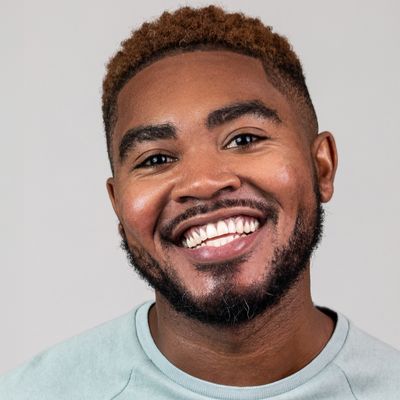

About
This week, Eric Ulloa takes you through a form of activism that was also the very spark that began the birth of America... Protesting.
Throughout American history, civilians have always been able to take to the streets to protest, thanks to a collection of rights given to them by our Founding Fathers. Eric discusses the rights you do have, the rights you do not have, safety tips and more, so that you can effectively and responsibly raise your voice.
In response to the ongoing and necessary look into the systemic racism that continues to be America's original sin, the theatre community have been asked to look deep into themselves and the racism that plagues every sector of our industry. The "Dear White American Theatre" letter sent off shock waves when it was released to the public with over 300 signatures of POC theatre celebrities and industry professionals attached to it.
This week's guests, Actor/Activist Jose Llana and Stage Manager/Activist Cody Renard Richard, explain why they signed this document and what real change can look like as we work towards a theatrical community that is equal, just and with real opportunity for all people.
Please visit www.weseeyouwat.com for more information.
Transcript
This transcript was automatically generated and might contain errors.
[0:17] Eric Ulloa: On May 25th, 2020, a country locked away inside their homes from a deadly virus watched a 400-year-old sickness kill a man right before their very eyes.
[0:26] Eric Ulloa: The murder of George Floyd at the hands of police officers shone an all-too familiar light on police brutality and the systemic racism that beats at the very core of American.
[0:35] Eric Ulloa: And without missing a beat, American from all walks of life slapped on a mask and did the most American thing possible.
[0:42] Eric Ulloa: Protesting.
[0:43] Eric Ulloa: From the very birth of our nation, protesting was the spark that lit the flame within those oppressed colonies.
[0:49] Eric Ulloa: From the mountaintop to the sidewalks outside of Stonewall, fighting back against brutality and oppression is not only within our DNA, but exactly how activism can lead to legislation.
[1:00] Eric Ulloa: So lace up those marching boots, because today we're hitting the streets and making some noise.
[1:13] Eric Ulloa: A few months back, I had a thought.
[1:16] Eric Ulloa: Well, more than a thought.
[1:58] Eric Ulloa: Oh, and if you're here to re-elect Donald Trump, you're in the wrong fucking place.
[2:07] Eric Ulloa: So today we're talking about one of my favorite parts of activism: protesting.
[2:12] Eric Ulloa: But we're gonna get into why I say my favorite a little later.
[2:15] Eric Ulloa: Now, I know what you're saying, I know already what you're thinking, I can hear you screaming it at me.
[2:19] Eric Ulloa: How does this apply to you in the 2020 election?
[2:23] Eric Ulloa: Well, here's why.
[2:24] Eric Ulloa: In a year where so many injustices are occurring, the good noise and the good trouble made from protesting will help us as we continue to refine not only Biden's platform, but what we as Democrats stand for and demand from our leaders going into the election.
[2:39] Eric Ulloa: And now I want you to do it responsibly, and I want you to do it safely.
[2:42] Eric Ulloa: So I put together a sort of how-to guide.
[2:46] Eric Ulloa: Because there are good protests, and then there are idiots like this.
[2:50] Eric Ulloa: We're here to stand up for our God-given rights under the Constitution of the United States of American.
[2:56] Eric Ulloa: Sorry, Darren, you can wait a little bit longer for your haircut.
[2:59] Eric Ulloa: So, all the way back to the 1600s, colonial American started to realize the oppressive nature of the British and the governors they left in charge of these colonies.
[3:08] Eric Ulloa: Now, these tensions resulted in numerous protests, riots and in many instances, death.
[3:14] Eric Ulloa: The rage continued to grow as the king taxed these colonies without any kind of representation in return, and riots such as the Stamp Act Riot and the Boston Tea Party finally turned the dial to where our leaders decided to legislate.
[3:27] Eric Ulloa: They would leave England and we would become our own independent country.
[3:31] Eric Ulloa: Now, legally, these founding fathers have given you the right to protest.
[3:36] Eric Ulloa: And it's it's sort of what I call a hybrid between the right to freedom of assembly, the right to freedom of association, and the right to freedom of speech.
[3:46] Eric Ulloa: Now, I have a document from the ACLU that provides a clear and concise guide as to your rights when protesting and what to do if you feel your rights have been violated.
[3:55] Eric Ulloa: So let's start off with your rights.
[3:57] Eric Ulloa: Now, your rights are strongest in what are known as traditional public forums, such as streets, sidewalks, and parks.
[4:04] Eric Ulloa: You also likely have the right to speak out on other public property, like plazas in front of government buildings, as long as you are not blocking access to government building or interfering with other purposes the property was designed for.
[4:16] Eric Ulloa: Now, private property owners can set rules for speech on their property.
[4:20] Eric Ulloa: The government may not restrict your speech if it is taking place on your own property or within the consent of the property owner.
[4:27] Eric Ulloa: Counter-protesters also have free speech rights.
[4:30] Eric Ulloa: Police must treat protesters and counter protesters equally.
[4:34] Eric Ulloa: Police are permitted to keep antagonistic groups separated, but should allow them to be within sight and sound of one another.
[4:40] Eric Ulloa: So, yes, those Trump people can come there and give you shit, and there's nothing we can do about it.
[4:45] Eric Ulloa: We just gotta sit there and hear it and hopefully make a little bit louder noise than they do.
[4:50] Eric Ulloa: Now, when you are lawfully present in any public space, you have the right to photograph anything in plain view, including federal buildings and the police.
[4:59] Eric Ulloa: On private property, the owner may set rules related to photography or video.
[5:03] Eric Ulloa: And on this one, I want to jump in and tell you that it is important.
[5:06] Eric Ulloa: Keep those phones handy because it is important to document these moments.
[5:10] Eric Ulloa: Not only do I find that when I put out video of being in the protest and showing people that maybe live outside of the city in the suburbs, these peaceful protests, it completely evaporates this Fox News crap narrative that the protests are violent or leftists or nuts or Antifa or whatever crap used, whatever crap word they use.
[5:31] Eric Ulloa: It shows them the truth of what we're trying to do.
[5:33] Eric Ulloa: Make change by making some noise.
[5:36] Eric Ulloa: So please keep those phones out.
[5:37] Eric Ulloa: Also, if something were to happen with the police, it is important to have your phones out to document what happens for your rights.
[5:44] Eric Ulloa: Now, you don't need a permit to march in the streets or on sidewalks, as long as marchers don't obstruct car or pedestrian traffic.
[5:51] Eric Ulloa: If you don't have a permit, police officers can ask you to move to the side of a street or sidewalk to let others pass for safety reasons.
[5:58] Eric Ulloa: So there are rules there.
[5:59] Eric Ulloa: If we are in and blocking traffic and it has not been established, they can't ask you to move and you do have to move.
[6:05] Eric Ulloa: Now, what do you do if your rights have been violated?
[6:09] Eric Ulloa: Uh when you can, write down everything you remember, including the officer's badge and patrol car numbers and the agency they work for.
[6:16] Eric Ulloa: You have to ask them, they have to give it to you.
[6:19] Eric Ulloa: You have to go to their car and get it from them.
[6:20] Eric Ulloa: Write it down.
[6:21] Eric Ulloa: It's important, it's important, it's important, especially during this time.
[6:24] Eric Ulloa: Uh get the contact information for any witnesses, anybody around who saw it, get their number.
[6:29] Eric Ulloa: If they have videos they took, get those videos too.
[6:31] Eric Ulloa: Uh take photographs of, God forbid any injuries you sustained.
[6:35] Eric Ulloa: Please take photos of those injuries.
[6:36] Eric Ulloa: It's important to document them.
[6:38] Eric Ulloa: Uh, once you have all this information, you can file a written complaint with the agency's internal affairs division or a civilian complaint board.
[6:45] Eric Ulloa: Make sure you follow through on all this in a timely manner.
[6:47] Eric Ulloa: Don't sit back and talk about it later on.
[6:49] Eric Ulloa: Do it now in the moment when it's happening.
[6:51] Eric Ulloa: Now, let's talk about some safety items.
[6:54] Eric Ulloa: As most of the worries I hear from people about protesting are about their physical safety during a protest.
[6:58] Eric Ulloa: And I want to start off with saying this.
[7:01] Eric Ulloa: In the recent Black Lives Matter protests, I probably went to about 12 to 14 of them.
[7:07] Eric Ulloa: Maybe during one, maybe during one, did I feel a tiny bit of aggression from the police coming towards us in a way where I thought, oh, there may be an altercation.
[7:15] Eric Ulloa: Most of them were peaceful.
[7:17] Eric Ulloa: Everyone in the group was peaceful.
[7:19] Eric Ulloa: So know that you're this is going to rarely happen, but you want to be ready in case because if it does happen, you want to be prepared.
[7:26] Eric Ulloa: So the first thing is look, bring water.
[7:29] Eric Ulloa: It is hot.
[7:30] Eric Ulloa: They are long.
[7:31] Eric Ulloa: Most times protesters alongside you have coolers full of water.
[7:34] Eric Ulloa: I know during these protests, my God, they've had snacks.
[7:37] Eric Ulloa: Somebody pulled up of the car with pizza.
[7:38] Eric Ulloa: I mean, they are prepared.
[7:40] Eric Ulloa: They are burning sage on the side of the protests.
[7:43] Eric Ulloa: So not only are we being blessed, we are being fed and kept.
[7:45] Eric Ulloa: But bring water.
[7:46] Eric Ulloa: It's important to bring water.
[7:47] Eric Ulloa: I can't tell you, I have many a times fallen victim to lack of hydration.
[7:52] Eric Ulloa: Bring sunscreen.
[7:53] Eric Ulloa: It's summer, it's hot.
[7:55] Eric Ulloa: You don't want to get burned.
[7:56] Eric Ulloa: I regretted uh not putting some on for the Queer Liberation Marches Pride.
[8:00] Eric Ulloa: Bring sunscreen.
[8:02] Eric Ulloa: Travel in a group, guys.
[8:03] Eric Ulloa: You want to travel in a group.
[8:04] Eric Ulloa: Uh, if you want to get people together, power in numbers always.
[8:07] Eric Ulloa: You can always check in with one another.
[8:09] Eric Ulloa: It also is good for your safety to travel in a group.
[8:11] Eric Ulloa: You don't want to be alone.
[8:12] Eric Ulloa: God forbid something happened.
[8:13] Eric Ulloa: You want to have somebody that can help you get out of the situation or can be witness to what happens.
[8:17] Eric Ulloa: Um, the next one, in case something happens, keep some goggles handy.
[8:22] Eric Ulloa: At the height of the Black Lives Matter movement, there was a lot of tension going on between police and activists.
[8:27] Eric Ulloa: I mean, it's still sadly going on, but there was a lot of tear gassing going on, a lot of that.
[8:32] Eric Ulloa: I know for myself, I work contacts.
[8:34] Eric Ulloa: Tear gas and contacts don't work out too well together.
[8:37] Eric Ulloa: So I carried a pair of goggles always either tied to my belt or over my hat, something where I could quickly slip it on in case tear gas was used or pepper spray was used so that I would can safely get out and not affect my vision.
[8:50] Eric Ulloa: Uh, you want to write the number of an emergency contact or in a public defender on your arm.
[8:55] Eric Ulloa: So if you have the number of your mother, your loved one, your sister, your husband, your wife, your boyfriend girlfriend, whoever, put it on your arm, write it under your arm, and then find a number of a public defender on your arm just in case something should happen and you have to call somebody.
[9:08] Eric Ulloa: You want to make sure that the number is available because you have one call in a moment, and you want to make sure you have that right there and ready to go.
[9:24] Eric Ulloa: You don't know.
[9:24] Eric Ulloa: God forbid something happens and you get charged and you go to jail for the for the moment or for the night or whatever, you'd never know.
[9:30] Eric Ulloa: You want to have that with you.
[9:31] Eric Ulloa: You don't want to be caught in that circumstance.
[9:34] Eric Ulloa: Now, I know you're probably wondering how do I find out where these protests are?
[9:38] Eric Ulloa: Well, folks, you can Google most any protests across the entire country.
[9:41] Eric Ulloa: And what I'm gonna give you now is New York specific.
[9:43] Eric Ulloa: So recently, due to the George Floyd murder, we have an Instagram handle that is specifically for protests now going forward in NYC.
[9:51] Eric Ulloa: You go to Instagram and look for the handle Justice for George, NYC.
[9:51] Eric Ulloa: Justice for George, NYC.
[9:58] Eric Ulloa: And every morning they post all of the protests that are coming up that day.
[10:02] Eric Ulloa: Check it out and get to those streets.
[10:05] Eric Ulloa: Now, again, I say all of these things, I'm just telling you to keep you safe, keep you ready in case anything should happen.
[10:11] Eric Ulloa: But 99.9% of these, in my experience, have always been very peaceful.
[10:16] Eric Ulloa: Now, I want to tell you about uh why I find protesting to be my favorite form of activism.
[10:26] Eric Ulloa: Uh, and it wasn't always like that.
[10:28] Eric Ulloa: Uh, in fact, my very first protests were for marriage equality, and I thought it was the most awkward thing possible.
[10:35] Eric Ulloa: I thought the idea of shouting out things and making noise in public was literally one against the very core of my nature to be embarrassed in public and I could not get myself there.
[10:47] Eric Ulloa: And you know you start doing it a couple times and then you see the communal nature around you and slowly it releases.
[10:54] Eric Ulloa: This past couple of months has really opened my eyes to what I call my deepest experiences on a spiritual level of what it means to be an American.
[11:10] Eric Ulloa: The story in particular goes to a vigil that began at St. John's and then everyone collected there and a minister gave a vigil for those who have died at the hands of violence against black American.
[11:26] Eric Ulloa: We then took the vigil on the road and we went there and we marched on foot, calling out the chants, saying their names over and over and over again.
[11:36] Eric Ulloa: And along the way we would stop at monuments and statues erected to black leaders.
[11:42] Eric Ulloa: We stopped at a statue of Frederick Douglass and the minister prayed over Frederick Douglass, thanked him for what he did for the cause and thanked him for what we were going to do in the future to keep going further.
[11:54] Eric Ulloa: We stopped at Harriet Tubman the exact same thing same blessings, same going forward.
[11:59] Eric Ulloa: Along the way, we started getting deeper into Harlem.
[12:02] Eric Ulloa: And what was incredible and has been incredible about the Black Lives Matter movement is that when you go to these marches, for the first time you are seeing a majority of white American who have had enough, who have had enough and are finally doing the work that we have been asked to do for centuries to stand alongside and stand up for minorities and black American who have been oppressed for years.
[12:25] Eric Ulloa: And that's what was all around me, all around me, white American chanting, white American screaming for the rights that they deserve.
[12:33] Eric Ulloa: And we marched up Harlem, and you would see elderly black ladies in their windows staring out with their fist in the air, coming out with tears coming out of their eyes, saying, Thank you, thank you, thank you.
[12:45] Eric Ulloa: And that, in that moment, I gotta tell you guys, that that's American.
[12:49] Eric Ulloa: That is American.
[12:50] Eric Ulloa: That is that is more patriotic to find that communal spirit than waving a flag, then reciting an allegiance.
[13:01] Eric Ulloa: To me, that is us going back to the roots of how we started, standing up to the powers that be and saying, this is not okay.
[13:01] Eric Ulloa: This is not okay, and we're gonna make noise until it changes, and we're not gonna stop.
[13:15] Eric Ulloa: This is why I love this so much.
[13:17] Eric Ulloa: This is why I recommend to so many of you, if you feel comfortable, if you feel safe, and feel safe, trust me, get out there, make some noise.
[13:26] Eric Ulloa: It'll wake you up in a way you will never believe.
[13:33] Eric Ulloa: On a sweltering summer in 1776, 56 delegates signed a document so inflammatory at the time that the price of affixing one's signature to it could be death due to treason.
[13:44] Eric Ulloa: That declaration lists a set of charges against the ruling monarch, and by the end declares that they shall be a new free country, and American was born.
[13:53] Eric Ulloa: The very history of our country is one made up of documents where brave activists go against the ruling class or consensus and challenge it to change.
[14:01] Eric Ulloa: At the height of the ongoing and very much necessary Black Lives Matter movement, an inflammatory document arrived at the doorstep of the American theater. Borrowing inspiration from August Wilson's The Ground on Which I Stand, the Dear White American Theatre document gave a list of charges against white theater makers on their neglect and disrespect for people of color in the theater community. This document was signed by over 300 industry professionals from all sectors of our community. And today we have two representatives here to discuss this incredibly important and necessary moment of transition we are in. Please welcome actor activist Jose Llana and stage manager activist Cody Renard Richard. Welcome, guys.
[14:39] Jose Llana: Hi.
[14:40] Cody Renard Richard: Hello.
[14:40] Eric Ulloa: Thanks for joining me today.
[14:42] Jose Llana: Hi.
[14:42] Cody Renard Richard: So glad to be here.
[14:43] Eric Ulloa: I've been so excited about this panel we have because I think we are at such an important moment right now. And I think documents like this really just, as also, you know, in a Latino, like knowing that our communities have a moment to speak and to say, hey guys, things aren't going as well as you think. So let's take it back a second and let you know what's going on for real. So now, Cody, in this document, the list of charges begins with, "We have watched you unchallenge your white privilege, inviting us to traffic in the very racism and patriarchy that festers in our bodies while we protest against it on your stages." We see you. I mean, extremely powerful words to open up with. And the shocking part is so many, not maybe anybody in communities of color, is that these actions come from liberal theater people, the people that claim to have been evolved past this, you know?
[15:37] Cody Renard Richard: Right.
[15:38] Eric Ulloa: Cody, you shared a list of personal stories of racism and racist phrases said right to your face that are essential to this conversation. And I know when I read them, I was blown away, disgusted, horrified, shocked. Can you tell us about some of these stories and your experiences among this?
[16:00] Cody Renard Richard: Yeah, I mean, the stories that I shared, I think people feel comfortable saying these things because they aren't aware that that is problematic. They aren't aware that it's insensitive and, you know, racist. And for years, we've allowed it to happen because we don't necessarily hold people accountable or call people out or say something in the moment. So the trend continues. So kind of what I spoke about were a lot of microaggressions and not all but a lot of them were, and it was just instances of people making jokes or inadvertently saying insensitive things and not realizing what it actually meant. And that's the thing, right? These microaggressions, these jokes that we, you know, a lot of times among cast members, crew members and everything that we, that people for so long have thought were okay, right? They're not realizing that they're not okay. They're absolutely not okay. Somebody walks away with pain from these at somebody else's expense.
[16:31] Eric Ulloa: Yeah. How do we start to change some of this dialogue? How do we start to, you know, the dialogue of these microaggressions, these moments that happen at the call board or backstage and things like that?
[16:31] Cody Renard Richard: Well, the first step is awareness. The first step is people actually knowing that they should think about what they say. I know that's such a small thing to say, but a lot of people don't think before they speak. They speak freely from past experiences, the way they were brought up by what they see on TV, and they think it's okay to continue this type of behavior. And no one else steps in to stop it because that's just not the norm. So we have to make that the norm. If people continue to react this way or speak freely and say racial slurs or racial comments or microaggressions, not only should the person who is directed towards say something if they're comfortable, but people around it, if they hear it, they have to intervene. And I think that's extremely important.
[18:19] Cody Renard Richard: I think what's powerful right now and what is so important about this movement that's happening right now is the country is talking about how systemic racism and white supremacy has always been kind of like how things started in this country. And even when slavery ended, the policing system was a continuation of slavery in terms of keeping people down. I think we as theater artists kind of have this umbrella statement that we're all liberal and we're all anti-Trump, which is usually true, but at the same time, we have to acknowledge that there is kind of like this white, that people of color are just guests at the party. And I think I've been made to—I can only speak to my personal experience that as an Asian American performer, whenever I'm in a cast where it's all white people and me, it's the tokenism at where I'm being told, "You should be lucky that you have a job," or "Aren't you glad The King and I exists?" or "Aren't you glad Miss Saigon exists in the world so that your people can have a job?"
You know? And I think it's statements like that, and it's the microaggressions within the audition rooms and microaggressions in the casting offices that we—now that we have people who are the playwrights, who are the directors, the artistic directors, who are the producers, we're finally acknowledging that we as storytellers have to acknowledge that there is a bias towards telling white stories, and that every time there is something other than the white story being told, it's an exception to the rule. And I think that's what hopefully this is trying to push the envelope for and say that more inclusive voices have to be included in the conversation.
[20:06] Eric Ulloa: Well, right. And speaking on tokenism, even if these comments aren't being said, when you're the only person in the room, you already feel like an outsider.
[20:15] Cody Renard Richard: Right.
[20:15] Eric Ulloa: So as you said, we have to start using more inclusive voices and just inclusivity across the board. Do you find—I mean, I'm still shocked that both of you, Jose, the story about saying, "Aren't you glad that The King and I?" I mean, oh my God. You're literally—if you saw a visual of my mouth right now, it's like Sebastian and The Little Mermaid when he sees her legs.
[20:38] Jose Llana: Right.
[20:38] Eric Ulloa: I mean, the irony being that the two most employing shows in musical theater for Asian Americans were started by casting white men as the male lead of both shows. You know, it's the irony there. But you know, Asian Americans and on Broadway, musical theater actors, we like wait for every 10 or 15 years when either Miss Saigon or The King and I comes back, and then we can get a big group of us together in one room, you know? So it's exciting now that there are actual storytellers who want to tell a diverse story and that we're part of that inclusion, and that's why it was so powerful for me to be invited in to the first—and I only say the first because there are now, you know, tens of thousands of signatures on this—but to be included among people that I look up to so much and want to, you know, think that to me that to know that that's the future of theater, the 300 names, the initial first 300 names, is exciting to me. And that I've made a promise to myself to make it a point to know those 300 names well and to make sure that I try to connect with as many of them as I can for the rest of my career.
[21:48] Eric Ulloa: Absolutely. Jose, you mentioned something that I think is—you gave me a perfect segue there, so thank you.
[21:54] Jose Llana: You're welcome.
[21:55] Eric Ulloa: So in Asian Americans, you know, as we all know in the theater, you guys are remarkably underrepresented in the entertainment world. I mean, remarkably. And in Wilson's The Ground on Which I Stand, he states, "I am what is known as a raceman. That is simply that I believe that race matters, that is the largest, most identifiable, and most important part of our personality. It is the largest category of identification because it's the one that most influences your perception of yourself, and it is the one to which others and the world of men most respond." Now, for you, what are examples where you think the theater got this right or is getting this right? Where they are giving audiences true Asian American authenticity, and with that also, what are steps we should be taking to allow for larger Asian American authenticity and representation?
[22:43] Jose Llana: You know, the hard thing is just to begin with. I mean, I've been on countless panels talking about Asian American representation in theater. The hard—the one thing that's hard to begin with is that Asian Americans is a wide range of different races, of different countries and different cultures, you know, kind of lumped into one, which is all that initially—that's difficult. You know, it's like, you know, Korean culture and Japanese culture and Filipino culture are very old and different things, you know, and but in American we're kind of lumped into one thing. I think there's this model minority myth that is perpetuated in this country that I was raised in as an immigrant where it basically said just keep your head down and you will succeed and don't make a stir, which is unfortunately how we're treated a lot in theater where, you know, I've had even just now, I mean, I did The King and I tour in the UK.
There was a person in power who basically said to one of the ensemble women, "You complain too much. You should just be thankful to be here." And I knew it—I mean, everyone heard it, and everyone—she may not have technically implied that it was that race was involved, but she was in a room with 35 Asian people and she was this white woman, you know, and she said it like that, and all the hairs in the back of our neck stood up. And so I think to better—we—what's nice is that I've said this for the past 25 years of working is that the more people of color, the more Asian people are being put in positions of power, which is why it's so important that as new artistic directors get minted and get welcomed into regional theaters, the more people of color who are in those positions of power, the more playwrights, the more costume designers, set designers who are in that creative circle, the better because that will dictate their story. They will want to see their stories being told on stage. And they will be the ones hiring, you know.
[24:39] Cody Renard Richard: I think I had a really hard conversation with my husband the other day, you know, and we were talking about this. My husband is a white male, and we've had many—in our 15 years together, we've had a lot of uncomfortable conversations about his white privilege and how I benefit from being married to that white privilege now. But I looked at my resume and I look at my—the career I'm very proud of, and I have to go, oh damn it, every director that I'm proud to be associated with is a white male. You know, what have I done to help, you know, other people of color? And so now I'm trying to do that for myself, and I'm trying to really be more educated about the next time I have a concert, maybe I will make sure that more of the people that I hire to be a part of that concert are people of color to give them an opportunity to just flex their muscles in our industry. And I think that's the key. That's always been the key. Like to surround yourself with people that you think need more opportunities.
[25:47] Eric Ulloa: Yes.
[25:47] Cody Renard Richard: Especially when you've worked it to a point where you have more opportunity yourself. Like I've been working for a long time, and now I'm at a level where I can actually include people in my circle who need the experience to get to a better place.
[26:00] Eric Ulloa: You are 100% right. I know that this past summer when I was doing Passing Through at Goodspeed, I on purpose, Marco Santana was brought in as a choreographer. We worked together on On Your Feet, and I said, I want Marcos here. I need—I want a fellow Hispanic voice with me. I want to elevate someone from my culture to this place with me to work alongside me because it's important. It's important to not, if we're telling a story of American, to have a team that looks like American, you know? It can't just be white gay men.
[26:27] Cody Renard Richard: Okay.
[26:28] Eric Ulloa: You know, that's not diversity so much anymore. Cody, with that, you know, you're on the other side of the table in many ways. You're a stage manager. So what I have seen a lot of, and I have a lot of friends that are now during this time really taking a deep delve into the world of the people on the other side, the designers, the crew, stage management, direct, all that. And they're realizing casting directors, that there are no people of color that are filling out these that are in these positions throughout the Broadway community. How do we fix that? How do we get that going?
[27:06] Cody Renard Richard: I mean, it's interesting because it's clearly not new, and it's been a part of my world forever. And the way people have been trying to fix it is basically hiring interns and basically hiring PAs and entry-level positions, and then when their term is over, they don't get bumped up. They don't get—you know, they usually don't move on with the next step of the process. So we're not really creating more jobs for people of color. We're letting them in the door, but we're not letting them eat at the table. So that's an issue. And the other thing too is that, yes, I'm here, I agree that we need to start hiring more people of color across the board in these leadership positions, but the companies that we're working for are still owned by white people. So, like, the power still is in the hands of a white company, a white producer, a white whatever, you know.
[28:06] Cody Renard Richard: And not to say that that's that you know they should give up their company, but also think that, you know, we have to start building our own stuff as well while we fight to be included in these existing organizations.
[28:18] Jose Llana: But you're right. I mean, uh the step is to these people that you're hiring as interns actually cultivate a lane for them, actually open doors for them to move up and move on, or bring in people that you don't know, you know, bring in someone who might not have you know all of the experience and teach them. And if they can't figure it out, then move on. You know what I mean? But you have to try and try a lot of trying. I hear a lot of times people are like, well, there just aren't any X, Y, and Z. I'm like, no, there are, you're just not doing the work to find them.
[28:48] Cody Renard Richard: Exactly. A couple of years ago when I when I start when I was trying to make the transition from assisting to PSMing, I put up a blanket Facebook status just asking like, where are the stage managers of color in New York City? I would love to get coffee with you. And through that one message, I received like almost 80 names. And so for me to, and I didn't, and I've only known I only knew like maybe 10 stage managers of color, and I've been living in New York for almost 10 years. So to get those many people, I'm like, people are just aren't doing the work. And this is just stage managers. I'm sure there are company managers and designers and casting directors and people who are interested in so many other things, but no one is actually doing the work. We're saying we want to include people, but we're not putting in the time to find them and cultivate these new people, you know.
[29:41] Jose Llana: And that's the truth of it too. I mean, really that they we do these performative actions. I feel like artistic directors a lot of times, and even now I'm hoping that they're listening with open ears because the wrong thing to do is like, well, we're having a diverse season next year of diverse classics. That's not enough. You know, I want to see bring in diversity in your, you said your directors, your stage managers, offer positions of power that can shape theater further. You know, it's not about doing a diverse play. That's not enough. It's not about blind casting, you know, or color, you know, color conscious casting a production. That's not enough anymore.
[30:17] Cody Renard Richard: Yeah, and the opportunities exist. There are open positions that happen all the time. Like there are also commercial producers that make room for people to be their executive producer of their show. And like so, there are their space to cultivate a new talent. They're just not looking outside of their box.
[30:37] Eric Ulloa: So I want to ask you both, and we'll go Jose, Cody, just in order so we both all don't talk over each other. Um Jose, why did you sign this document?
[30:47] Jose Llana: I signed this document because I felt like now is the time for me to acknowledge all the things that I have been felt like I've been muted about for the beginning of most of my career. I think we as actors are always put in that position of, oh, I don't want to ruffle feathers because I want to be hired by the next by the by a person who I might insult by speaking out too much. And I think I'm finally old enough to hopefully, I mean, I still do care about that, but it's more important for me to be a part of a voice so that people maybe after us have it a little easier than us. And the bottom line is I keep going back to the fact that we're storytellers, and I think I love theater so much, and I love the art form and the physical sharing of stories.
I just want to see more stories that are that include stories about myself and my brothers and sisters of color. I feel like there has been this every I don't want it to be, I don't want stories about people, black people, Latin people, and Asian people to be just, oh look, that was that's that was one out of 10 shows this season. Isn't that fun that they got to work? There are so many people in this country who are just waiting to fall in love with theater, and a lot of that is for them to see their own stories on stage or to see them see something and then find out that it was an Asian American writer or a black director or a Latin choreographer. And that's what inspires the next generation of theater makers is seeing, oh, they they're doing theater because they choose to and they're passionate about it.
I've been very, very fortunate in my career. But I'm realizing so much of my career I have kind of taken a lot of microaggressions and like the false truism that you know Asian people don't see Broadway shows. That's why all these new shows try to come and they close. You know, Asian people don't buy tickets at Broadway shows. That's bullshit. And I think people buy shows, buy tickets to see shows because they want to see themselves on stage, they want to see their stories, they see a story that's interesting. And I think too much of theater, what the American theater thinks of itself doesn't have enough inclusivity, and I don't want to change that.
[33:14] Cody Renard Richard: Um, much of the same reasons as Jose, actually. Um for me, I think it's our responsibility. Um, and I also think it's my responsibility to do better. We have to do better for the next generation. And I'm not gonna say we've failed for what we've been doing, but I do think that it's time to step up and do better. And when I read what was sent to me before I signed and the early stages, a lot of the things I was reading, I've talked to my friends and colleagues about throughout the years, and just seeing it on paper, I'm like, people don't necessarily understand, and B aren't aware of what's happening. So I thought it was very important to stand in solidarity and to actually be on the right side of this. And yeah, so that was the main reasons why I signed. I just it's just time for us to make change for the next generation.
[34:24] Eric Ulloa: So what do you say to white theater makers who, Jose, as you said, whose feathers were ruffled by this? What do you say to them?
[34:31] Jose Llana: I say go outside of your bubble. I think I've spent the last month and in particular exploring names and Instagram accounts and Twitter accounts and websites of black, Latino, and Asian artists who I maybe have only heard in passing but didn't know too much about. There is a wealth of talent in the world, particularly of VIPOC people. And I think to just widen your circle. You know, spend a couple of hours going online and there are websites of talented designers and writers and artists out there to just widen it and maybe the next time next major decision you have in your theater company, include more in that and promise that you will widen the representation in your in the people who make choices in your theater.
[35:28] Cody Renard Richard: I will say if there are theater companies and people in power positions that feathers were ruffled by reading this document or seeing this document, then I think I would tell them that they should sit with themselves and wonder and ask themselves why and then work through that because that's the issue. If reading these statements and reading this kind of open letter, if that made you feel if that ruffled you, then that's the point probably. But I think work through that and see what you want to do, you know, and hopefully it would be taking steps to affect change and to include more people that don't necessarily look like you or think like you. But if that's not the case, then you know, then you gotta sit with that. But I do think you have to figure out why it ruffled you, you know.
[36:25] Jose Llana: Yeah.
[36:28] Eric Ulloa: What do you say to those who didn't sign it?
[36:32] Jose Llana: Um, I mean that to ask yourself the question of why is it it was it if it was a if you didn't sign it out of complacency, then I ask you, who do you think is gonna make the theater that you love but yourself? And if you didn't sign it out of being against it, I don't know that now is the time for us to come together and celebrate the diversity that we have in this as theater makers in this country. And if we don't stand together to do something about it now, it's only gonna, I mean, it's funny, like we have to acknowledge too that we've all been sitting at home for three months wanting to work and desperate to work. And we're given the chance to sit with it with our thoughts and understand what is it that we all want to come back to, you know, and do you want what we come back to to be exactly how it was before? And if your answer is yes, then you either live in a world of privilege or in a world of delusion.
[37:39] Cody Renard Richard: Yeah, you know, we're taught very early on that the theater is a safe place and that the theater is your family, and then that there's this beautiful community within the theater. And I do agree with all three of those things, right? But right now, at this moment of time, your family's hurting. Your community is broken, and the theater is not a safe place all the time. So by not signing this, you're not standing with your family, you know. And if there are things you don't agree with, then reach out to someone and ask them and start these conversations. But for people who haven't signed it, I think that they should, like I said, they should start having these conversations with people because this is not meant to be negative.
This is not calling people out, this is not making people feel like they've failed so much as to say we have to move forward making better decisions. And I think that, you know, some people look at this as a negative thing. And also there are so many other things going on in the world right now, and there are so many battles to fight. And that doesn't mean that you can't do it all. You know what I mean? You can't, you can, you know, take on what you can take on, but I would encourage people to reach out to people and if they have questions about it, you know, engage in those questions and then reconsider why they haven't signed.
[39:10] Eric Ulloa: I mean, but both of you, that is just perfectly stated. And I love that who, you know, who do you think is gonna make the theater you want to see? You know, that really is that's gonna resonate with me well beyond this. Um, Jose and Cody, I can't thank you enough for your brave activism that you've been showing during all of this and your voices that you're putting out there. It's incredible to stand back and watch that. And thank you so much for coming on here today and diving even deeper with us. I this is gonna help a lot of people to be able to go further with that document and really put it to heart. So thank you so much.
[39:41] Eric Ulloa: Thank you for watching.
[39:49] Eric Ulloa: All right, as promised weekly, we are gonna go over some registration deadlines, folks, for New York State. Here we go. New York State voter registration deadline. It must be postmarked by October 9th. It must be received by October 14th. If you plan on requesting an absentee ballot, the last day to have a postmark request is October 27th. The last day to do it in person is November 2nd. The last day to postmark the absentee ballot and send it in is November 2nd. And the last day to drop it off in person is November 3rd, election day.
[40:21] Eric Ulloa: Now, this week on, well, shit happened. Uh, I want to do something a little perhaps less political and a little more personal. I'd be remiss in not saying this, but as of this recording date of this episode, 132,000 American have lost their lives from the deadly mixture of the coronavirus and the incompetence of the Trump administration. And most recently among them, Broadway star Nick Cordero. I don't have any stories of length about time with Nick, but I do have a few days of a reading where I sat beside him each day. And that was enough. Kindness like his radiates just that powerfully. Kindness that the world has lost. So please send your love and strength to his wife Amanda and son Elvis. And please take care of one another and put on that damn mask. This virus does not understand partisanship. It just kills.
[41:29] Eric Ulloa: Also, please consider making a donation to Fairfight at www.fairfight.com. We know when they can't win fairly, they always try to cheat. And Stacey Abrams and Fairfight are working hard to ensure that doesn't happen. Do you hear the people sing is the production of the Fabulous Invalid, LLC, and the Broadway Podcast Network. Our theme music is by Brad Ryback. Our photography is by Michael Kushner, and our graphic design is by Aviva Sakalao Shahar.
© Broadway Podcast Network, All Rights Reserved