

We're All At the Same Table. STOP SAYING "THE OTHER SIDE OF THE TABLE". This is one for the quote board. Kate Lumpkin is FULL of amazing one-liners, life advice, and helpful tips to stop you from going crazy... Read More
From the show: Guys Who Like Musicals
Guests
About
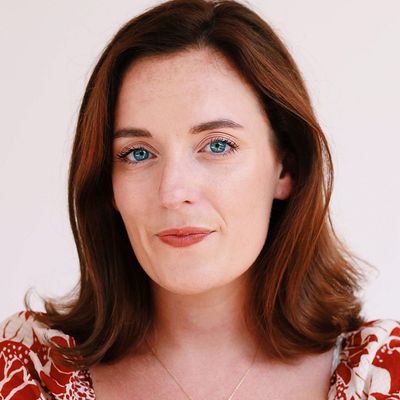
We're All At the Same Table. STOP SAYING "THE OTHER SIDE OF THE TABLE". This is one for the quote board. Kate Lumpkin is FULL of amazing one-liners, life advice, and helpful tips to stop you from going crazy. We talked about stalking old women at the Korean Town YMCA, finding actors on the subway, and the good of social media... Yes... Dan was thrilled. We loved this conversation with our friend Kate and, frankly, we never wanted it to end. Kate most recently worked on the Bandstand National Tour, off-Broadway shows including We Are The Tigers, Medusa, and The Bad Years. She's SO smart. She's hilarious. She's a badass. Listen in.
Transcript
This transcript was automatically generated and might contain errors.
[0:17] Dan Tracy: Welcome to Guys Who Like Musicals.
[0:19] Joe Carroll: Welcome to Guys Who Like Musicals.
[0:21] Dan Tracy: I'm Dan Tracy.
[0:22] Joe Carroll: I'm Joe Carroll.
[0:23] Dan Tracy: And this week we are talking to casting director Kate Lumpkin.
[0:26] Joe Carroll: Talking to Kate Lumpkin.
[0:28] Dan Tracy: She, if you were to give Kate a like an animal.
[0:35] Joe Carroll: Sure.
[0:36] Dan Tracy: That she would be.
[0:37] Joe Carroll: Yeah.
[0:38] Dan Tracy: I think that she'd have to be like a caffeinated golden retriever.
[0:45] Joe Carroll: Fair.
[0:46] Dan Tracy: Maybe also I would even say a spaniel.
[0:48] Joe Carroll: To me, it's like a caffeinated owl.
[0:51] Dan Tracy: I know where you're coming from because she's like, she's just has the most wonderful, like boisterous energy.
[0:57] Joe Carroll: Seriously.
[0:58] Dan Tracy: And she just like is so energetic and lights everything up.
[1:00] Joe Carroll: But like the wisdom.
[1:02] Dan Tracy: The wisdom of an owl.
[1:03] Joe Carroll: The wisdom.
[1:04] Dan Tracy: Excellent.
[1:04] Joe Carroll: Excellent.
[1:05] Dan Tracy: You know?
[1:05] Joe Carroll: Yes.
[1:06] Dan Tracy: Like, yep.
[1:07] Joe Carroll: She, if you guys don't follow her on social media, it's a must.
[1:10] Dan Tracy: Yeah.
[1:11] Joe Carroll: Like, get and do it.
[1:12] Dan Tracy: I'll make sure I tag her in the post on our Instagram.
[1:15] Joe Carroll: Which also, if you do follow us on Instagram, or if you listen to this and don't follow us on Instagram, take a second to go follow at Guys Who Like Musicals.
[1:23] Dan Tracy: Send us a DM and let us know where you're listening from.
[1:25] Joe Carroll: I know that there's like 50 of you who are listening in like Australia.
[1:29] Dan Tracy: Whoa.
[1:29] Joe Carroll: And I want to know who you are.
[1:31] Dan Tracy: And like maybe we'll send you a t-shirt.
[1:32] Joe Carroll: Can't promise anything, but I want to know who you are.
[1:35] Dan Tracy: Dan's not sending anything to anyone.
[1:37] Joe Carroll: Yes, he is.
[1:38] Dan Tracy: But please send us a message because like it's cool that we still want to know who you are.
[1:38] Joe Carroll: We still want to know who you are.
[1:43] Dan Tracy: Feel free to shoot us a text to our numbers on our Instagram.
[1:45] Joe Carroll: Yeah, which is so great.
[1:46] Dan Tracy: Um, but Kate, yeah, so so uh we wanted to have her on here for many reasons, but um this was a classic one where we sort of like let the mics roll.
[1:55] Joe Carroll: Yeah.
[1:56] Dan Tracy: And she's full of one-liners, full of great quotes, full of things to just like live your life by.
[2:03] Joe Carroll: Yeah.
[2:03] Dan Tracy: Um, she's a casting director extraordinaire, and I I really wanted to talk to her because she started her own business.
[2:07] Joe Carroll: She is a small business owner.
[2:09] Dan Tracy: She she has assisted for other companies and worked for other people, but but right now she is her own casting director, and she does a lot of shows um around New York and tours, but most recently she did the Bandstand National Tour, which is very cool to talk to her about the non-Union Bandstand National Tour, um, stuff around New York.
[2:24] Joe Carroll: This is like super abridged.
[2:27] Dan Tracy: Um, but uh she did uh in New York, uh Oscar at the Crown, Cleopatra, We Are the Tigers, which you and I both did some uh content for, yeah, which was cool, some video stuff for.
[2:37] Joe Carroll: We are here after glow, the bad years, which we've talked about on this show before.
[2:41] Dan Tracy: Uh Emma, uh, which is a a new musical, and then she like I said, did the bandstand tour.
[2:47] Joe Carroll: She did the tour of We Are Here, um, all sorts of stuff, uh, endlings at ART, she mentions.
[2:53] Dan Tracy: Um, so I could go on and on and on.
[2:55] Joe Carroll: She also worked at at Fox for a second.
[2:57] Dan Tracy: Um, she did like a season or two at Fox casting pilots.
[3:00] Joe Carroll: Jessica Daniels and Michael Cassara.
[3:02] Dan Tracy: She started at Michael Cassara's office, and actually in the show, she mentions that there are people who she cast who are now on Broadway.
[3:10] Joe Carroll: I am not to toot my own horn, but my first job in New York was her first ever casting job solo.
[3:17] Dan Tracy: That bad years workshop.
[3:19] Joe Carroll: Yeah, yeah, yeah.
[3:20] Dan Tracy: Uh that I did in 2014.
[3:23] Joe Carroll: There you go.
[3:24] Dan Tracy: Now you're on Broadway.
[3:25] Joe Carroll: Yeah, and a bunch of people who were in that, like Anthony Seguria was in that too, who's in Frozen.
[3:29] Dan Tracy: Oh my god.
[3:30] Joe Carroll: And she cast us both.
[3:31] Dan Tracy: That's wild.
[3:31] Joe Carroll: Yeah.
[3:32] Dan Tracy: We're putting this together right in front of you.
[3:34] Joe Carroll: And that is how I met Ross through that show.
[3:37] Dan Tracy: That's so that's crazy.
[3:38] Joe Carroll: Yeah.
[3:38] Dan Tracy: That's amazing.
[3:39] Joe Carroll: Yeah.
[3:39] Dan Tracy: God, the bad years is like is like the Ohio of musical theater.
[3:42] Joe Carroll: Like I always say like Ohio is the center of the universe.
[3:45] Dan Tracy: Well.
[3:45] Joe Carroll: I mean, it kind of is.
[3:47] Dan Tracy: My wife and I are both from Dayton, Ohio.
[3:48] Joe Carroll: It's not really center of your universe.
[3:50] Dan Tracy: Okay.
[3:50] Joe Carroll: Well, well, the bad years is the center of your universe.
[3:52] Dan Tracy: I think the Boston Red Sox are the center of the universe.
[3:55] Joe Carroll: So let's get away from sports immediately and talk to Kate.
[3:59] Dan Tracy: Just I I there was a million things that I loved.
[3:59] Joe Carroll: A million things.
[4:03] Dan Tracy: And like if we if I get a chance to listen to this again, I'm gonna just make a 200-page deck of all of the one-liners and just like start sharing them.
[4:11] Joe Carroll: Because we're gonna be some absolute genius.
[4:13] Dan Tracy: I really want to get this transcribed and then just like get the the quotes out because and my my favorite one of the whole day was when she talks about um the other side of the table.
[4:23] Joe Carroll: I've I've totally struck that from my vocabulary.
[4:25] Dan Tracy: I will never say that uh if you're a writer or director or producer or casting director, that you're on the other side of the table.
[4:31] Joe Carroll: We're all at the table.
[4:32] Dan Tracy: And Kate says it better than I am, but I just listened in for that one.
[4:35] Joe Carroll: That was great.
[4:36] Dan Tracy: My favorite.
[4:37] Joe Carroll: Cool.
[4:37] Dan Tracy: All right, let's do it.
[4:38] Joe Carroll: Should we just launch in?
[4:40] Dan Tracy: Let's launch in.
[4:41] Joe Carroll: Kate Lumpkin.
[4:49] Dan Tracy: I want to talk about I want to go just immediately back to why are we just wearing what we just were?
[4:53] Joe Carroll: Are you recording?
[4:54] Dan Tracy: Yeah.
[4:54] Joe Carroll: Cool.
[4:55] Dan Tracy: So the so Kate's here, and we just were talking about something that I want to go back to.
[4:58] Joe Carroll: So well, we were talking about my white bands.
[5:00] Dan Tracy: So Dan, you had a callback.
[5:02] Joe Carroll: No, I had an I had an appointment for a new musical uh that is doing an out of town with a fancy director and fancy music director that I've both I've worked with.
[5:14] Dan Tracy: Well, who who I've worked with before, who are definitely just people, and I know them as people.
[5:18] Joe Carroll: So like it wasn't a scary room, which was nice because I know them, but they're also, I was like, oh, I've worked with them before.
[5:24] Dan Tracy: I could book this.
[5:26] Joe Carroll: Right.
[5:27] Dan Tracy: And also you were set up to play.
[5:29] Joe Carroll: I was set up to play the and yes, I was hoping to succeed because I I felt like connected.
[5:34] Dan Tracy: And then they told the feedback was just that I was not of the world.
[5:38] Joe Carroll: And Joe and I were having a very sad spiral actor spiral.
[5:44] Dan Tracy: It wasn't so sad.
[5:45] Joe Carroll: And then our casting director, Guru Kate Lumpkin, sat down and was like, okay, first of all.
[5:45] Kate Lumpkin: Okay, first of all, you just said like three things that make me worried. First is I was set up for success, which means we define success as booking the job, and that's not fair to anybody at all. The second thing, the second thing you said that makes me nervous is I knew people in the room, so I felt like I really could book this job. We have to work on defining that fine line between professional and personal, and it's so hard. But that thing of like, I know somebody in the room, so like I'm definitely gonna get it, is impossible. That's an impossible place to be for everyone at that table. Um, and then the third thing that I always say is, hey, you're not getting paid to do my job, so stop trying to do my job. And I mean that with the most love and respect because like I honor that I'm also not getting paid to be on a Broadway stage and like belting F's, you know what I mean?
[6:33] Joe Carroll: Right.
[6:34] Kate Lumpkin: Um, but the number of people who sit and like overanalyze every single moment of an audition and try to figure out like what the coded um like text from your agent means. Like, you can't, you can't figure it out, you can't decode it, you can't demystify it. It just kind of is what it is, and I get paid to do a very specific thing, and like you're not getting that cute very little paycheck. So, like, stop trying to take my dollars because you won't. You can't, you can't.
[7:00] Dan Tracy: So then what do we focus on? What do we do?
[7:01] Kate Lumpkin: Oh, I wish you could see their faces, friends listening. I wish you could see these sweet faces. What do we do? I mean, here's the thing. What do I do? Right? Like, at the end of the day, I my job is not just to assess talent and to try to find it and curate it. I'm supposed to also like get to know people as humans and people to talk about people as humans and create a safe space for humans that I love. And I I have no say. Like at the end of the day, I don't make any decisions. I wish I did. I don't get final say in any casting, right? So all of these humans that I love parade in one by one into a room with hopes and dreams and like set up for success. And then they leave, and I have no say in which one of those humans gets to feel like a success at the end of the day.
So I this I I'm the first person to say I think the audition process is just impossible and not um the healthiest thing in the world. And I think there are lots of changes that we need to make to make it better.
[8:01] Dan Tracy: Um, but what can you do?
[8:02] Kate Lumpkin: Uh not to find success by booking. And I know that's impossible because it's also like how you make money and how you feel a sense of worth, right? But I think what you just said, which I love is what I meant, what I was stuck in my brain was like, Dan, you went in for some people you worked with before. And that was like, oh, you know, I I'm set up for success. Like I I like these people. I know that we work well together. I want to do a good job for them. And then those things like being out of the world are totally out of your control, you know.
[8:30] Joe Carroll: But I think that that's that's the hard part where you go in and you're like, you're like, I'm auditioning for Kate. I want to not suck today, you know.
[8:37] Dan Tracy: I'm uh you know, I want to do a good job.
[8:39] Kate Lumpkin: And then sometimes it's like, I'm not, I'm sure you did a good job yesterday.
[8:42] Dan Tracy: And that's the thing that I was doing with you.
[8:44] Kate Lumpkin: I know you did a good job.
[8:46] Dan Tracy: Like we worked on it in your apartment.
[8:47] Kate Lumpkin: It was really.
[8:48] Dan Tracy: And that's what Kate's saying, too.
[8:49] Kate Lumpkin: It's like getting the callback is doesn't mean that you did a good job.
[8:52] Dan Tracy: At all.
[8:53] Kate Lumpkin: Like I have uh because that's not the work. That's like an economy. I try to set up a safe space to do dangerous work and by like talking about people's specifics in the room, you don't do that, right?
[9:05] Dan Tracy: Right.
[9:06] Kate Lumpkin: Um, but what I will say is I have seen people who have come in, people who I know and love and respect, who have done 15 Broadway shows who come in and they bomb.
[9:13] Dan Tracy: Like they have a bad day.
[9:15] Kate Lumpkin: And that doesn't affect the way that I look at them. It doesn't affect the way that I like think about them as a person. Because there are days when I go in to my room and I bomb.
[9:23] Dan Tracy: Like I bomb.
[9:25] Kate Lumpkin: And I can. If I bring in people person after person after person who does not resonate with the director, and we've seen 80 people, and at the end of the day, not one person is right.
[9:33] Dan Tracy: Like I have bombed.
[9:34] Kate Lumpkin: I have not succeeded, quote unquote, at my job.
[9:37] Dan Tracy: Um, and that happens, and it sucks.
[9:39] Kate Lumpkin: Like it really sucks.
[9:41] Dan Tracy: And I feel like a failure, and I feel like what a waste of money and time and all of those actors' time, and this director flew in from London and they're here for one day, and I fucked it up.
[9:50] Kate Lumpkin: Like it's it's shitty.
[9:53] Dan Tracy: Totally totally.
[9:54] Kate Lumpkin: But we all bomb.
[9:54] Dan Tracy: That's the other thing to remember is like everybody in that room has a task that they're trying to achieve, and they can suck at it and they have bad days.
[10:01] Joe Carroll: Yeah, yeah, yeah.
[10:02] Kate Lumpkin: And we talk about this on here, and that's something that I love.
[10:05] Dan Tracy: And and some teacher said to me one time that, like, you know, auditions are terrible, like they're just terrible for everybody.
[10:11] Kate Lumpkin: But if we can all just share in the miseries, share in the experience together and try to like get this this task done, which is to like create a show.
[10:20] Joe Carroll: Right, you know, everybody's got the pressure, everybody.
[10:23] Kate Lumpkin: But like, I feel like as actors, sometimes you can get so narrow minded and selfish because we're all like narcissists that like you know, you you forget about the experience sometimes of this is the other thing that I always say is like, yo, love us.
[10:38] Dan Tracy: Creatives are awesome.
[10:39] Kate Lumpkin: We are the thing that makes the world happen.
[10:42] Dan Tracy: But we also forget that like every single job has to do a version of an audition.
[10:46] Kate Lumpkin: And they're all personal.
[10:47] Dan Tracy: We're all like, oh no, audition is so different because it's like my personhood and it's my sense of self.
[10:52] Kate Lumpkin: And like it is.
[10:53] Dan Tracy: But tell a doctor with a scalpel in their hand the first time they do a surgery that it's not their personhood, that it's not their sense of self attached to that.
[11:00] Kate Lumpkin: Like it sure is.
[11:02] Dan Tracy: Like, it sure is.
[11:03] Kate Lumpkin: And every politician has to do the same thing.
[11:05] Dan Tracy: Every teacher has to stand up in front of a group of crazy four-year-olds and like try to educate, right?
[11:10] Kate Lumpkin: That's personal.
[11:10] Dan Tracy: It's a part of their personhood.
[11:12] Kate Lumpkin: Um, and they all have to go through a process of like getting to the job.
[11:17] Dan Tracy: And I I hear so many people being like, auditions are the worst.
[11:20] Kate Lumpkin: I'm like, you're right, they suck.
[11:21] Dan Tracy: It's awful.
[11:22] Kate Lumpkin: But so does residency in med school.
[11:24] Dan Tracy: So like there's so many things that people have to go through that we don't even think about because we're so wrapped up in our own creativity and um sense of identity through um positive affirmation, which is something I think we're taught as children when we're actors and artists.
[11:41] Kate Lumpkin: Like, unless you get the like, unless someone is clapping for you, it didn't hit.
[11:46] Dan Tracy: And that's just not true.
[11:47] Kate Lumpkin: I think the number one thing I love about my job is I see every version of what the show could be.
[11:52] Dan Tracy: Every single version that nobody else will get to see.
[11:55] Kate Lumpkin: I think meaning the people who come in, like a hundred people come in and they're all bringing in their own.
[12:00] Dan Tracy: And they're all amazing, like they're all doing really cool stuff.
[12:03] Kate Lumpkin: And I get to see the version of the show where Tootlepop stars in it versus Noodlepop.
[12:08] Dan Tracy: And both are amazing and so different.
[12:10] Kate Lumpkin: And I am the only person in the history of that show who gets to see every version of what it could be, which is dope.
[12:18] Dan Tracy: You got to something really interesting just then that I want to circle back to, which is that um I was talking to my uncle last night after playing Dr. Pometer, and he's like on Broadway, which was so exciting and amazing.
[12:30] Kate Lumpkin: And my uncle is like a computer programmer, like you know, CTO or something.
[12:37] Dan Tracy: That's terrible that I don't really know what his title is.
[12:39] Kate Lumpkin: But he has this huge job at a uh uh communications company.
[12:43] Dan Tracy: Sounds like he's smart doing coding.
[12:46] Kate Lumpkin: This is his first Broadway show.
[12:48] Dan Tracy: Really first Broadway show I'd never seen a Bravo show.
[12:50] Kate Lumpkin: And afterwards, he was like, So uh, you know, this must be really cool to have all these people applaud you and stuff, and have all these people here supporting you and doing this.
[13:01] Dan Tracy: Yeah, yeah, right?
[13:03] Kate Lumpkin: But I think it is a trigger.
[13:04] Dan Tracy: The applause, if you don't get it, you think you've done something wrong.
[13:08] Kate Lumpkin: Totally.
[13:09] Dan Tracy: And that's the problem, right?
[13:10] Kate Lumpkin: Right.
[13:10] Dan Tracy: Totally.
[13:11] Kate Lumpkin: Because I hear you, I think you're totally right.
[13:13] Dan Tracy: They are two separate things.
[13:14] Kate Lumpkin: When someone says you fundamentally changed the way I look at art, that is way more meaningful than like, woohoo, you sang a cerebral song.
[13:21] Kate Lumpkin: Like, yeah, right. But if you don't get the woo-hoo, you sang the cerebrella song, you're like, well, I fucked up. And that is... But did you? No, right? No, but we are taught, we are trained as artists, as performing artists, especially, that like if you don't get that, then it was wrong. And so that's why I think auditions are so hard. Because you don't get that at all. Even a good job. Even I am fascinated by the fact that when we say thank you, which I'm thanking you for your time and for your gift, thank you, has turned into like the devil's words. If you get thank you, then you failed. Well, I'm not saying fuck you. I'm saying thank you. But we've completely morphed this, this like thanks and praise into like, oh god, they hated me.
What? No, I didn't say like get out, right? Like I said, thank you. You know what's interesting about that? I do love that we're kind of jumping around, which I love, but that's sorry, that's my brain. That's my... I mean ours too, and like it's early and coffee's working and everything's great. But I love that that uh thank you very much. I did this, this, there, there's this part of um that TED talk created this thing called Failure Lab, which is this whole talk basically series about how failure has inspired you or whatever. And I was asked to do one at my high school, and I talked about that phrase, thank you very much. Because so often, like when we say thank you, we do say thank you very much.
But we, I know I have been in front of casting directors who have gone, thank you very much. And like thank you very much is that was trash, get the hell out. Like the... and and I... Oh, that hurts my heart. Oh, but dude, I... but so, but like I know that it's there a world where it's not yes trash, get out. You know what? Maybe, but like as a person who works in subtext the way that we do, when somebody's like not looking at you, giving you all the signs that thank you very much means get out of my office, like that, and you're like, oh my god. So it is funny because that stigma, I don't think you're doing it, but I don't think everybody are. There are people on your side of the table who are not as kind to the performer.
Two things that I want to say off of that is one, can we stop using other side of the table, please for the sake of everyone? Yeah. I curse a lot. I'm so sick. That's okay. Like, fuck that noise. I'm so sorry. Like the thing about a table is it's usually round, or there are people sitting at the ends of it. It is not a wall. And in a society that's like all about talking about walls right now, like everyone that term, words fucking matter. Yeah, yeah. Other side of the table implies that there is more power on that side, that there is a barrier between us. Like, can we just say, like, can we all join each other at the table if we have to have a fucking table? Because I'm so sick of this idea.
I didn't do anything to earn being in a position of power over an actor. I didn't. I don't know what that means. Um, and I get it. Everyone is different. There are lots of people in my job who do my job for different reasons, just like actors. There are people who do it for the art, there are people who do it to get famous. Like everybody has a different thing. But this notion of like, oh my God, I have no idea what they're thinking on the other side of the table. Bitch, we're all in a room together. Like the wall, the table doesn't extend to the wall. You actually can, if you wanted to physically move towards our side of the table. There's no barrier there. It's a mental block. And the words we use matter so much.
Thank you. You're right. There are other CDs who use thank you as a get the hell out of my room. That's because we've now taken two words that are supposed to mean like praise and gratitude, and we've turned them into a phrase that's a really easy catch-all of like fuck you very much. Thank you, get out of my room. Right. And so there are some people who use it that way. When we say on the other side of the table, you are creating a wall. Totally. In your brain, subconsciously, you are doing that. And CDs are doing it and reinforcing it too. And teachers in colleges are doing it too. And there are entire programs that are called like on the other side of the table. Right? Like, why are we reinforcing this narrative of separation?
It creates anxiety where there doesn't need to be anxiety. Right. I love that. Because ultimately never gonna use that term again. Sorry, I'm not like yelling at you. It's yellow. I'm an anthropologist, so like I think about words a lot. Yes. Great transition. Excellent transition. You yes, right? Because in college you were a musical theater major. I was. And then you were not a musical theater major and you studied anthropology. Yes. At Indiana University. Yes. Google much. No, I remember from when I sat down to film your interview with uh with Robert at the Broadway Collective. So I've I've got your whole... he's gotten a couple shout-outs this week. Of course, she's everywhere. We're gonna take that interview and just like plug it in.
You know, no, this one's better. This is better. I can curse in this one. Yay! I can be me. Um, yeah, I did study specifically sexual anthropology and folklore at Indiana University. And you thought you wanted to be a performer, but you changed your mind. I think that's a very drastic statement. I don't think being a performer ever goes away. I perform all the time. I'm a storyteller, I do interviews, I'm a writer, I read my work aloud. Like I'm never gonna be like, I'll never perform again. I think the dr... the aspiration of like I must be Carolee Carmelo on Broadway in the revival of Parade, I will play Lucy, like the specificity of what a performer looked like to me has changed. But when people are like, I I'm done, hard done.
I'm like, how? It's a part of the fabric of your being. Like I even think about the way I talk all the time. You can't... you can't pull that away. Um, I don't necessarily need to be on a Broadway stage every night. That piece of my dream um is not exactly... listen though, if someone was like, hey Kate, you want to do how the constitution means to me, I would say yes in a heartbeat. Right? Because that's storytelling in a professional way, that I'm very interested in for sure. Um, let's get those, let's put that to the universe. I'm so ready. Ready? Are you listening, Heidi? I'm here. Anybody? Is anybody there? Does anybody care? Um, but yeah, I mean I think my dream, the specificity of my dream changed in that I realized I was putting a lot of um definitions on a life that I didn't need to have.
And so um I'm fascinated by folklore and storytelling and cultural identity through uh narrative. And so I was like, I should study that. And so I did. And I was really interested in identity, sexual identity, gender identity, performative identity, how we craft our view of the world based on what we wear and who we sleep with and how who we want to kiss and how we talk about these things. Um, which was kind of a miracle that I studied that and am now a casting director at like this moment in time where identity is such a huge part of the conversation in casting. Um, it's been kind of cool and like a totally um random bout of fate uh that is awesome. So yeah. How did you know that you wanted to transition from... was there ever a moment where you were gonna go down the path of pursuing anthropology more seriously?
Did you always know that you wanted to stay in the business and you wanted to study this because you're a good idea? I get that. I just don't know how to quit it. Like I tried, I worked at National Geographic. Um, right out of when I graduated from Indiana, I went and started working in development in Nat Geo. And I was just like, I'm bored. Like I miss... I miss people who understand that when I say the festival, like there's something that follows the festival, right? What festival? Yeah. The King's Festival. Right. Like I miss people... but what that is is exactly what I studied, right? Yeah. I missed my community. I missed what I had been raised in. I've been doing this professionally since I was six years old.
Like, I don't know how to communicate outside of this. And I keep thinking, like, what the hell else can I do? Like, should I go into politics? Should I do um, should I just be a writer of like self-help guru novels? Should I um... I want to be Oprah? Like, or do I want to go volunteer in Greece in a refugee camp? Like, what do I want to do? And every time I have an idea, someone's like, but don't you want to cast this show and be at Pearl Studios for nine hours a day with no windows? And I'm like, yeah. I don't know how to quit it. So there was a moment where I tried. There have been lots of moments where I've tried. And then I just miss New York and I miss people who get it and who get me.
And um, so then I had to figure out what casting was. No one just like reached out and was like, this would be a good life for you. In fact, even though I had done it so like I'd been in front of casting directors my whole life, I never realized like what the job was. I just thought they were like scary assholes who said like next and then thank you. Um, what... what is the job? I want to figure out how you discover... wait. Can we do that's what a casting director is first, and then we can talk about how she got there? I'm really excited. Great. Sorry. This is great. Just because I think there are people... this, I know that there are people listening to this who have no idea what a casting director is.
Yeah. So I don't know that there's like an official definition anywhere. Like Miriam Webster defines casting director as... But I think for me, what I have created in the the job that I do, which is why I don't work for anybody else. I don't work for a big firm. Um, I work for me. I actually got an offer to work at another uh office this year, and I realized like I can't because I define what I do. That was one of my later questions. Yeah. I was gonna ask you if that... So we just do keep going. I'm sorry. This is great. I'm having a very nice time. Great. Yeah, I don't care. It's a really nice clan bake. Okay. Um, so I see this is why I had to be here. Joe also loves when you bring up lyrical rappers, drop the records.
Well, that's just me in the nutshell. Yeah, fantastic. Um, so uh, I think a casting director, the good ones, are people who have a very specific taste and eye for what they enjoy and what they think is uh interesting in terms of human beings. And they are able to connect with other creatives who think the way they do. And they become a bridge between the actor artists and the creative team artists. They are a friend, they are a mentor, they are also a director. They can get you to the place where you need to go in order to make a connection with the actual director of the show. I think of myself as a um, a cultural anthropologist. I get to know people. I get to know, I mean, my favorite phrase, especially when I'm casting tours, is like, are they good on the bus?
Right. So it's not just can they hit all the notes? It's like, are they gonna work in this community of artists? Are they gonna be able to listen to this director and understand how this director is? Because every director is a different beast in their own way. So I have to know like, does Dan actually work with this human? Is that actually gonna be a fit or are they just gonna fight the whole time? That's not a cute look for anybody, right? So my job is to get to know artists as a whole, both on the creative team and the people coming into the rehearsal space, and to be able to connect. So I think a casting director has to be able to get out, meet people, and get to know people really quick.
I like to say that I smell bullshit faster than anybody else on the planet. Like my job is to within eight seconds know your shit and see through it. So, like, don't lie to me. I will fucking know. Right. I watch people lie in front of me all the time. Which is why I know instantly when it's not a lie. Like when it fits, when it, you know, if it fits, I sits, right? Like, yeah. I am a professional lie detector with a heart. That's what I think I am. Oh, nice. Now that is an amazing answer that I just want to take a second to simplify a little bit more and say that for those of you who really have no idea what we're talking about, a production, a show, a TV show, a play, a musical, a reading, which is a show that is like in development to become a play or musical, hires a casting director.
They should hire a casting director. Sometimes they don't to find the actors to come audition for the show. So Kate's answer was totally brilliant and described all of that, but very more simply that that is kind of the job. Right. Yeah, that's very simple job to be able to do that. The producer reaches out to me and says, here's a script. Are you interested in hiring artists for this? And then I work with the creative team to figure out the vision, and then I'm the person who brings everybody into the space. Technically, that's what I do. Technically speaking, technically my job is to make lists, bring artists in, schedule everybody's appointments, run the room, and then when we get to the rubric at the end of the day, help figure out what the puzzle looks like when it all comes together.
Yeah. And you, but you did say something earlier that I would challenge a little bit that you said you don't really have say. I don't at the end of the day. And like I just... we've never bought into that. I never... I've never bought into that. No, let's break it down then. Tell me why you don't believe it. Just because I know that like and maybe it's like the... maybe I... I don't know what it is, but I just know that like there are casting directors that that have m... the only reason that I have a career is because of people like Adam Caldwell and Rachel Hoffman.
[26:31] Joe Carroll: People who trust like who so like I feel like I'm nothing without you, which is great.
[26:37] Dan Tracy: Anybody?
[26:39] Joe Carroll: Where is that revival?
[26:40] Dan Tracy: Come on, Roundabout City of Angels 2020, please.
[26:42] Joe Carroll: For the love of God, such a good show, too.
[26:44] Dan Tracy: Kids go listen to City of Angels, okay?
[26:46] Joe Carroll: That's a real musical.
[26:47] Dan Tracy: The attendance.
[26:48] Joe Carroll: You're not a fool.
[26:49] Dan Tracy: It's okay.
[26:49] Joe Carroll: You're not a fool, but just go listen to City of Angels.
[26:52] Dan Tracy: It's very important.
[26:52] Joe Carroll: Kate thinks you're a fool, but I don't.
[26:54] Dan Tracy: I mean we try to not alienate our listeners because sometimes we're like, if you don't know who Carolee Carmello is, go f yourself.
[26:59] Joe Carroll: Right.
[27:00] Dan Tracy: Anyway, okay, but that's like actually, but actually, um, but that's what that that's the right. Okay, so here's my response to that.
[27:05] Kate Lumpkin: I'm with you.
[27:06] Dan Tracy: I have say in terms of who comes in the door.
[27:09] Kate Lumpkin: Yeah.
[27:10] Dan Tracy: Right.
[27:10] Kate Lumpkin: So I also have say in terms of the fact that when we get to that rubric at the end of the day, I can fight for someone.
[27:17] Kate Lumpkin: I've done it before where someone literally I knew bit it in the room and they ran out and I look at someone and I say, can I just go grab her and have her do it again?
[27:24] Dan Tracy: And they're like, you sure?
[27:25] Kate Lumpkin: And I'm like, yes. I promise you if I go get her from the hall and have her do it again, it will kill.
[27:30] Kate Lumpkin: I did that once and she booked the job, right? So like those are the things that I have control of.
[27:33] Kate Lumpkin: What I say when I make no decisions is that at the end of the day, when it comes to who we pick, when we're down to three choices for the person.
[27:40] Dan Tracy: Right, right.
[27:41] Kate Lumpkin: I can fight for someone, I can say like, trust me, please trust me.
[27:46] Kate Lumpkin: But it comes down to the producer and the director, not me.
[27:49] Dan Tracy: Right.
[27:50] Kate Lumpkin: So yes, I mean, Rachel, right? Like these people have fought for you and brought you into the room and they will say, like, trust me, trust me, trust me, trust me.
[27:57] Kate Lumpkin: And I've been with creative teams who do trust me and who listen to me and say, Kate, you're so super right.
[28:04] Kate Lumpkin: Thank God we brought her back.
[28:05] Dan Tracy: Right.
[28:05] Kate Lumpkin: And I've also been in the room with creative teams who are like, no, it's a pass.
[28:09] Joe Carroll: Right.
[28:09] Kate Lumpkin: And my opinion doesn't mean anything.
[28:11] Kate Lumpkin: Right. They think I am someone who literally is there to make lists and shuttle people in and out of the room.
[28:16] Joe Carroll: So I think it also really depends on the team.
[28:18] Kate Lumpkin: Totally.
[28:18] Kate Lumpkin: It depends on the level of trust.
[28:19] Kate Lumpkin: If there are teams I've worked with for five years, they're like, yo, yo, yo, Kate knows, like, listen to her.
[28:24] Kate Lumpkin: If it's someone I've never worked with before and they are a specific type of person, um, I don't matter.
[28:30] Kate Lumpkin: I mean I'm wall dressing in that space.
[28:32] Kate Lumpkin: And I never know what kind of room I'm gonna walk into.
[28:34] Kate Lumpkin: So I do, I do know there are people who I gave them their first job and they are on Broadway and there was a big and I fought for them for that first job and I found them in a bar singing and was like you should come in for this thing and now they're on Broadway.
[28:50] Kate Lumpkin: And I know I was a piece of that narrative and like that's exciting to me.
[28:53] Kate Lumpkin: But they had to do the work in the space, not me, first of all.
[28:57] Kate Lumpkin: So I don't take credit, quote unquote, for anybody's like career because I can fight for you all you want, but if you don't go in there and do the job, then like I look the fool.
[29:06] Joe Carroll: Right.
[29:07] Kate Lumpkin: Yeah, but at the end of the day really it does come down to, and I hate to say this, it comes down to the money.
[29:12] Kate Lumpkin: Who's paying for the show?
[29:13] Joe Carroll: They make the decision.
[29:14] Kate Lumpkin: Yeah.
[29:14] Kate Lumpkin: Not me.
[29:15] Kate Lumpkin: But I will fight for you.
[29:16] Joe Carroll: Yeah.
[29:16] Kate Lumpkin: Yeah, and that but that's I just want to make that super clear.
[29:19] Kate Lumpkin: Because like but also like you you're so good with words, which is also like if you want to go into politics like that would be fantastic.
[29:25] Joe Carroll: We need more people like you, but like you just like I didn't say what you said earlier.
[29:30] Kate Lumpkin: You said exactly what you wanted to say and I'm saying something different but you said it right.
[29:34] Joe Carroll: Like no there's no right.
[29:36] Kate Lumpkin: No but you know what I mean I don't know if that makes sense.
[29:38] Kate Lumpkin: She said like earlier you said I don't make any decisions.
[29:41] Joe Carroll: Sure.
[29:42] Kate Lumpkin: What I said was you don't have any like say or pull or something, we can listen back to it.
[29:46] Kate Lumpkin: But you're like, no, like I said what I meant to say, and Joe, you're an idiot.
[29:50] Joe Carroll: No, but I but you I just love you, you you see you do you fight for people.
[29:55] Kate Lumpkin: You do have that pull and that like, you know, you can make somebody's career and you have.
[29:55] Kate Lumpkin: And I think there are really amazing casting directors who really do that.
[30:02] Joe Carroll: Rachel is one of them, right?
[30:03] Kate Lumpkin: Like, talk about someone who's crafting a generation of actors, right?
[30:06] Kate Lumpkin: Like she sees people and she sees whole people, and she can figure out through line really quickly and can help navigate people's careers.
[30:14] Dan Tracy: Absolutely, and she will fight for you.
[30:16] Kate Lumpkin: But I've never been in her room, so I I don't, you know, I don't know what the end of her sessions look like.
[30:20] Kate Lumpkin: But I'm assuming that it's probably the same as most cast directors, where like she doesn't get to put the stamp on someone and be like, I've made the decision.
[30:27] Kate Lumpkin: Like you will be the thing, right?
[30:29] Joe Carroll: Maybe six years into the process, someone's like, Rachel, we trust you.
[30:32] Kate Lumpkin: But like round one, uh, yeah, yeah.
[30:35] Joe Carroll: I think yeah, that that that brings up a good point too, because I know that the track that I'm currently in in Waitress, I was the only one who auditioned for it.
[30:42] Kate Lumpkin: So I Pat Goodwin, if you're listening still to our show.
[30:46] Joe Carroll: Which he does sometimes.
[30:48] Kate Lumpkin: Like I, you know, I will be forever grateful to him for that, but that's not that was a process too, to get to that point.
[30:56] Kate Lumpkin: Like they all know who I was and and all of that too.
[30:59] Joe Carroll: So that's an interesting thing to remember.
[31:02] Dan Tracy: And one uh do you have a trans do you have a transition?
[31:04] Joe Carroll: Which also makes it less scary.
[31:05] Kate Lumpkin: You have a transition?
[31:06] Joe Carroll: Go ahead.
[31:06] Kate Lumpkin: I have just have a question that that I I wonder, it's kind of cheesy, but like, do you have like a casting uh sort of like a number one, like a moment, you know, one of those stories.
[31:17] Kate Lumpkin: You said you found somebody in a bar or whatever, you know, like like a real, you know, like fought for somebody, pulled somebody in, made somebody's I mean, you make people's day all the time by giving it away.
[31:31] Kate Lumpkin: Yeah.
[31:31] Kate Lumpkin: I know you're casting the Kennedy Center now, which is so awesome.
[31:35] Kate Lumpkin: Well, um, I do the NSO stuff for the Kennedy Center, which is very cool.
[31:39] Kate Lumpkin: So Laura Standick does all of the stuff for um Broadway Center Stage, and I do the stuff for the National Symphony Orchestra, all of the big concerts that they do, which is incredible.
[31:47] Kate Lumpkin: But I just want to make sure I give her a shout-out for the work she's doing so I don't take credit for anything that's not mine.
[31:52] Kate Lumpkin: Um because people have a tendency to do that.
[31:54] Kate Lumpkin: Uh uh and I'm not one of them.
[31:57] Kate Lumpkin: Um yeah, I mean, I think the the coolest thing about what I've been doing is that like I if anybody googles me, you'll see very quickly I have not done a Broadway show, right?
[32:09] Kate Lumpkin: Like I am not doing Broadway Center stage.
[32:11] Kate Lumpkin: That's not my stuff.
[32:13] Kate Lumpkin: So a lot of what I work on is brand new musicals with new creative teams.
[32:18] Kate Lumpkin: Um I like specialize in finding multi-hyphenate actors.
[32:21] Kate Lumpkin: So, you know, I've done shows where like I have to find 70-year-old Korean women who are willing to scuba dive on stage.
[32:28] Kate Lumpkin: Um so like I went to the Korean Town YMCA and like stalked women in the pool, right?
[32:33] Kate Lumpkin: Like that kind of thing.
[32:34] Kate Lumpkin: I um had to, you know, I did the Bandstand national tour where we're looking for uh the most premier jazz musicians in the country who can also read text and sing six part harmony and do any blank choreography, right?
[32:46] Kate Lumpkin: You know, like easy finds, sure.
[32:47] Joe Carroll: Non-unions.
[32:49] Kate Lumpkin: Right, right.
[32:49] Kate Lumpkin: Dope.
[32:50] Kate Lumpkin: Right.
[32:50] Kate Lumpkin: Um, so you know, people don't come to me to like cast Beauty and the Beast at Tootlepot Magoodle in Ohio.
[32:58] Kate Lumpkin: Like that's not what I do.
[32:59] Kate Lumpkin: I do very difficult, challenging, multi-hyphenate finds.
[33:02] Kate Lumpkin: And I've created a niche for that, and I love it.
[33:05] Kate Lumpkin: Um the coolest thing about that too is a lot of the people that I'm looking for are not people who've done eight Broadway shows.
[33:12] Kate Lumpkin: I'm not kind of doing a recycling, quote unquote, of like talent, which I think we see a lot of on Broadway, if I'm being really honest, is a recycling of talent.
[33:20] Kate Lumpkin: Not because those people aren't deserving, they super are, but we don't get to see a whole lot of new talent come in unless it's a show like West Side Story, which just has 32 Broadway debuts in it.
[33:30] Joe Carroll: Right.
[33:30] Kate Lumpkin: Totally.
[33:30] Kate Lumpkin: Crazy.
[33:31] Kate Lumpkin: Totally things like that.
[33:33] Kate Lumpkin: So I think the biggest win for me is because a lot of the shows I do, it's these people's first kind of bigger shows or more produced shows.
[33:41] Kate Lumpkin: It's what happens after they work with me and to see like where they go from there.
[33:46] Kate Lumpkin: So, like, for example, I think one of the coolest processes for me was Bandstand because it was so hard.
[33:53] Kate Lumpkin: Like Gina was on the show.
[33:55] Kate Lumpkin: Um, and like so, like the whole Bandstand creative team is here.
[33:58] Kate Lumpkin: Um, it was impossible.
[34:01] Kate Lumpkin: It uh when they called me and said, you know, I I did my several rounds of interviews to get that job, and when they told me I got it, I like hung up on the Zoom call and called my husband.
[34:09] Kate Lumpkin: It was like, shit, shit, shit.
[34:11] Kate Lumpkin: Now we have to do it.
[34:12] Kate Lumpkin: Like, how are we gonna find these people?
[34:14] Kate Lumpkin: And he was like, you got it, you got it.
[34:15] Kate Lumpkin: Thank God.
[34:16] Kate Lumpkin: Shout out to my husband.
[34:17] Kate Lumpkin: Um, but I think the coolest stuff was finding people on Instagram who were playing the upright bass in the basement with their dad.
[34:25] Joe Carroll: Talk about it.
[34:26] Kate Lumpkin: Right.
[34:27] Kate Lumpkin: And talk about it.
[34:28] Joe Carroll: You want me to like go into stuff?
[34:29] Kate Lumpkin: No, I just think that this is just one of my soapboxes right now.
[34:34] Kate Lumpkin: And Joe just gave me side eye for not even looking at me because this is the good of social media.
[34:38] Joe Carroll: Exactly.
[34:39] Kate Lumpkin: Yeah, but this is the good of social media because I'm not giving you side eye, Mr. TikTok star over here.
[34:43] Joe Carroll: Oh my god.
[34:45] Kate Lumpkin: I have like 150,000 views on my TikTok.
[34:47] Joe Carroll: No, he does.
[34:48] Kate Lumpkin: I know, he's like a viral sensation on TikTok.
[34:50] Joe Carroll: Don't get him started.
[34:51] Kate Lumpkin: We're gonna talk about the good of social media.
[34:52] Joe Carroll: Well, here's the good of social media.
[34:54] Kate Lumpkin: When it's a show, like most of the shows that I work on, right?
[34:57] Kate Lumpkin: Which are like underground pop EDM musicals done in a bar in Brooklyn.
[35:01] Kate Lumpkin: That's like queer nightlife, right?
[35:02] Kate Lumpkin: Like, that's the shit I do.
[35:04] Joe Carroll: Right.
[35:04] Kate Lumpkin: It's not shit.
[35:05] Kate Lumpkin: That is the stuff I do that is brilliant.
[35:07] Kate Lumpkin: Um I am looking for people who are like thwackers who have aerial experience and can play the kazoo upside down and rap.
[35:16] Kate Lumpkin: Okay, those people are not coming into the traditional, they didn't go to Michigan.
[35:21] Joe Carroll: Love you both, go blue.
[35:23] Kate Lumpkin: But they didn't, because that's not what Michigan traditionally has been looking for in the past.
[35:27] Kate Lumpkin: Um, and they probably don't have a BFA and they don't even know how to look for auditions.
[35:32] Kate Lumpkin: So a huge part of what I do is searching on social.
[35:34] Kate Lumpkin: Um, and so I've become really good at it.
[35:36] Kate Lumpkin: So when I'm doing something like Bandstand and I'm looking for a very, very specific talent set, I spend hours, two hours a day looking on hashtags on Instagram, like hashtag upright bass, hashtag bass musician, hashtag jazz nyc.
[35:52] Kate Lumpkin: And I'm just looking at these people and trying to stalk them to find how to contact them and then explain to them what a musical is.
[35:59] Kate Lumpkin: And like, you know, and wow that that would I think one of the proudest moments of my life was going to the dress rehearsal at Open Jar.
[36:08] Kate Lumpkin: Shout out Open Jar, beautiful space.
[36:10] Kate Lumpkin: Um want to get them to sponsor this.
[36:11] Kate Lumpkin: Oh my god.
[36:12] Kate Lumpkin: Open Jar Studios welcomes you to Guys Who Like Musicals podcast.
[36:17] Joe Carroll: Read by a woman.
[36:19] Kate Lumpkin: Um, and I sat there and I watched, you know, they built Bandstand in 13 days, the national tour.
[36:25] Joe Carroll: Wow.
[36:25] Kate Lumpkin: And I sat there and watched these people, a lot of whom it's their first major thing.
[36:29] Kate Lumpkin: And it they did welcome home, and I was sobbing.
[36:33] Kate Lumpkin: I was just sobbing.
[36:34] Kate Lumpkin: To find those people was an impossible task.
[36:37] Kate Lumpkin: And I fucking did it.
[36:38] Joe Carroll: Yeah.
[36:39] Kate Lumpkin: Um, especially when it it had been created on Broadway by someone else.
[36:43] Kate Lumpkin: So there's an expectation, but then there's also this idea of like, I want to put my stamp on it.
[36:48] Kate Lumpkin: Like, I want this to be a Lumpkin cast.
[36:51] Kate Lumpkin: Um, that was really proud, especially because I found a lot of them through social, through writing, you know, personalized emails to the heads of every jazz department of major schools in the country, begging them to let their students out for a year so they could do this tour.
[37:05] Kate Lumpkin: Um, a lot of stuff.
[37:08] Kate Lumpkin: So that I was really proud of that.
[37:09] Kate Lumpkin: I was also really proud of endlings at the ART, finding um scuba divers.
[37:13] Joe Carroll: That's crazy.
[37:14] Kate Lumpkin: Uh that's I also saw the uh so cool.
[37:18] Kate Lumpkin: Uh this is a note for Joe if we need to cut this, but I saw um that Medusa reading.
[37:27] Joe Carroll: Yeah.
[37:28] Kate Lumpkin: Those people.
[37:29] Kate Lumpkin: It was a really good cast.
[37:30] Kate Lumpkin: I was really proud of that group.
[37:31] Kate Lumpkin: That show is really good.
[37:33] Kate Lumpkin: And I gotta say, I'm gonna shout out specifically Alexia.
[37:38] Kate Lumpkin: Alexia Cielo is she's amazing.
[37:41] Kate Lumpkin: I I met her for the first time at her showcase at Naifa.
[37:46] Kate Lumpkin: There were like six of us there, and she's saying, I'm here, and I was like, yo, I'm here.
[37:50] Joe Carroll: Who are you?
[37:51] Kate Lumpkin: Like, that's the girl who played Medusa.
[37:53] Kate Lumpkin: Yeah, and she's basically Cynthia Erivo.
[37:55] Kate Lumpkin: She was in We Are the Tigers, which I cast off Broadway.
[37:57] Joe Carroll: Oh, I didn't see her in that.
[37:58] Kate Lumpkin: She was in Cleopatra, which I cast off Broadway.
[38:01] Kate Lumpkin: So this is what you're talking about, right?
[38:02] Kate Lumpkin: Like, I bring her in for everything.
[38:04] Kate Lumpkin: And then I talked to the creative team and I was like, yo, we have all these other big names.
[38:08] Kate Lumpkin: Why don't we take a chance on someone who's gonna do the work?
[38:13] Kate Lumpkin: Like who's gonna be incredible?
[38:15] Kate Lumpkin: We don't need to go down this list of other people who are already booking other things.
[38:18] Kate Lumpkin: Like we have Kate Schindle and Theo Stockman, and like we have a massive cast.
[38:23] Kate Lumpkin: Heidi Blankenstein.
[38:23] Joe Carroll: Heidi Blinkenstein, like it was a gorgeous cast.
[38:25] Kate Lumpkin: I was like, but yo, we don't have our Medusa.
[38:28] Kate Lumpkin: Like, let's give it to someone who's gonna do it.
[38:31] Kate Lumpkin: And Alexia slayed.
[38:33] Joe Carroll: Slayed, she was incredible.
[38:33] Kate Lumpkin: So I'm glad you saw that.
[38:34] Joe Carroll: It was awesome.
[38:35] Kate Lumpkin: Yeah, and that was so good.
[38:35] Kate Lumpkin: I hope that that gets to continue to happen.
[38:37] Kate Lumpkin: It was really cool.
[38:39] Kate Lumpkin: Um, there's something that I just want to highlight about the good of social media, in that I think I spent too many years of my life trying to be like everyone else.
[38:52] Kate Lumpkin: And what you just said to me is that if I spent more time figuring out what was unique about me and showcasing those things that were unique about me, that those qualities have a lot of value to people.
[39:07] Kate Lumpkin: And I want to encourage people to pay attention to those things in their life.
[39:10] Joe Carroll: So this is a great transition because I I talk about this, I don't think I've talked about it like in a podcasty situation yet.
[39:16] Kate Lumpkin: Um, but there was a moment in time when there was a Howard Johnson's on 47th Street, and people would like go in and get a sandwich, and someone walk in and be like, hey kid, you look great.
[39:27] Kate Lumpkin: You want to be on Broadway?
[39:28] Kate Lumpkin: Come audition, like walk across the street and let's do it.
[39:31] Kate Lumpkin: And like Jerry Orbach is like eating a sandwich, and someone's like, come on, Howard Johnson's like, let's go.
[39:37] Joe Carroll: That doesn't happen anymore.
[39:38] Kate Lumpkin: Right.
[39:39] Kate Lumpkin: Instagram is our digital Howard Johnson's.
[39:42] Joe Carroll: Boom.
[39:42] Kate Lumpkin: All right.
[39:43] Kate Lumpkin: So like we we talk this big talk about like, oh god, people, it used to be so much easier.
[39:48] Kate Lumpkin: People would just like be discovered, and you'd be walking down the street and someone would be like, "You're very handsome. Do you sing?" Right. And like all of a sudden it's a thing. You laugh, but like that was the 40s, right? Like that was what it was. I did see a guy in the subway yesterday who was a construction worker who looked like a Viking. And I was just thinking about that show Vikings, and I was like, if I was a casting director working on the show Vikings, I would go up to this man and be like, "Do you have any acting experience?" Because you have a long beard and long border. I found someone on the D-train. I was looking for a child in a mariachi band, and I found them on the D train.
Which is why always have a business card. Always have a business card on you. It's antiquated, but like have it. Awesome. Um, but I think that we are, there are a couple ways to look at social media, and it's gross. Like it is gross. At the end of the day, I spend way too much time tootling around on Instagram, and I'm like, "Oh, I could have written six plays by now." Like I get it. But it is a hub where you can showcase who you are. And that is something that for a solid 30 years didn't really exist, which is why I think everything looked the same. It's why everything on Broadway looked the same. It's why we didn't have any different narratives. It's why we didn't have different bodies, different um backgrounds.
None of that existed because you had to have a certain amount of money to get a certain education, to be seen by certain people who also had money and a certain education, and or you know, you had to be a part of an elite circle of people who had a certain amount of money, looked a certain way, and had a certain type of education in order to be seen. We don't have that anymore. It's a gift. And so what it is encouraging everybody, no matter what you look like, no matter how much money you have, no matter what your background is, who are you? Get to the synthesis of what makes you special and then share it. Because that's the job now. We have access to everybody around the world. In the palm of my hands, I can look at them sitting on the subway.
What makes you different? It's not just that you can kick your face, it's not that you can sing, it's not that you have like you've navigated your vibrato perfectly. Like, cool, cool, cool, cool. But what is the thing that makes you different? What is the worldview that you have that nobody else does? Then share it. Like that's the gag now. It's not about, you know, going in and doing the eight-bar thing. Like, put it on the internet. Talk about it all the time. Wear the clothes that you want to wear. Challenge the system so that the system fucking changes. If you just give in to the narrative that has been placed before you for 30 years, nothing will change. Right. And what we need to understand is that the power that we have on these devices, we all have smartphones in this room with I wish I had a flip phone.
With yeah, right. 5K cameras and the access to all of those apps literally gives you the power that four studios had in the 1960s. You are able to be seen anywhere in the world by anyone. But you have to put yourself out there. Right. And the number of people who I talk to who are like, "Oh, but it's not perfect." And I'm like, "Perfection is a societal construct. It doesn't exist." Absolutely. You have a beautiful phone, sing in the bathroom to a karaoke track off Spotify. I don't care. Absolutely. I just don't care. Like, I show your gifts. Share case sharecase. Sharecase who you are. Showcase who you are. Share your gifts. And like, honestly, I say this with the most love and respect, and it's something I work on all the time.
But get over yourself. Get out of your own way and get over yourself. I think it's get over what other people think about you. But that's on you. That's on you. I challenge that because what happens is you are perceiving what you think they're gonna think about you often before you even start. Right. Right? It's different if they're commenting and they're like, "You suck, blah, blah, blah." And then it's like, "No, no, no. Okay." But like I find, and I can only speak for myself, there are so many times where I want to start something, or I like, you know, you if you don't know me, I write like Facebook statuses and I write things that are the things that I need to hear. I call them public reminders to myself.
And there's so many times that I write them and I'm like, "Don't hit send, don't hit send, don't hit posts, like don't do it. Someone's gonna say that you're fake, or someone's gonna say that you suck, or someone's gonna screenshot this and send it to their friend and roll their eyes and be like, 'Kate's at it again.'" And you know what? They probably fucking do. That's the reality. I guarantee you, 60% of the people out there think I am the fakest human on the planet. But the real talk is I'm not. That's how I see the world. Right. That's what it is. And so I just posted anyways. Because I let what people thought of me for so long get in the way. It's why I'm not an actor anymore. You asked earlier what was the moment.
Yeah. I had a breakdown in the equity building. Straight up, I got so in my own head, I had a full on panic attack, ran out into Times Square, called my husband, and was like, "I can't do this anymore." He was my boyfriend at the time. Marry those people. Um I was like, "I can't do this anymore. I walk into a space and I think I know what they're gonna think about me before I even open my mouth. I can't live like this anymore." And he was like, "Then don't." Right. Right. And it was like the key open the door. So what was the moment? It was a full panic attack in the equity building before the renovation. Right. She remember that? Like she'll shield. Um, you're old. That's a good one. Oh no, no, no, no, no, no. Kate Lumpkin's old too, it's fine.
Um, but like No, but you're doing something that's very important and the what the because uh one of the reasons I actually wanted to have you on the show is because I think like you you've figured out how to you said earlier, um every time you wanna go like be a guru for people, you get asked to do casting. Well, no, you do all those things. You continue to do all those things, and you keep doing all those things. And it's important what you're doing, and you keep sharing it, and that's that's that's the world we live in now. Like part of Kate Lumpkin casting's brand is the what you say and what you do in just a simple podcast like this, you know. You're shaking your head at me because you're oh, I mean, yeah.
I yeah. I you know, it's that thing where a lot of the time I think I'm just like screaming into the void. Yeah. And I I suck at taking compliments. So, like, thank you. I hear what you say, and I am taking it in, and I'm very shitty at it. Um, but also I don't know what I want to do forever. So when I hear things like that, there's like a pressure that I feel as well of like, "Okay, well, you gotta do this thing because you're helping people and you're changing things, and that's what you set out to do, and that's what you want to do, and that's what you keep doing." And then there are these moments where I'm like, "I just want to go right. I miss being in the room and being really creative in the space.
I am a writer and I love it. I miss saying words out loud and telling stories again. Like, I don't sit at the table and watch you do your job and think like, 'Oh, I could do it better,' because I can't. Like, straight up, I can't, and I know that, and I don't want to, but I do miss the like tangible creative aspects of being in a room. And I don't want to stop myself from doing that. I I've done that now for five years. I stopped myself from allowing myself to be a writer or to be rolling around on the floor. Um, you know, I've stopped it because like you have to choose a lane, pick a lane, stick in your lane, you know. You can't be someone who tells people what they're allowed to do and then also do it.
Like that's not allowed. Siloed things. Fuck that. I want to break down the silos. And so, like, I've started writing some projects, and I'm working with a creative team and writing a new musical right now. I'm working on a play that I'm writing, and like I'm gonna do it. And I have to release this pressure of like, "No, you're doing something for other people." You can do things for other people, and you have to do things for you too. Exactly. Or it will be stale and there's no pressure. And I also know that like what I've done so far isn't gonna be disqualified if I decided to walk away tomorrow and be a politician. Like it doesn't disqualify that work, but it's not a good thing. No, it's all part of it.
That's what was going through my head when you were looking at me. I was like, um, good. No, I I also I was trying to say that like if you keep being Kate Lumpkin and sharing Kate Lumpkin's story the way that you know to share it now. Yeah. That's what the world needs. The world doesn't need Kate Lumpkin to be a casting director. The world needs more Kate Lumpkin. Yo, thank you. Oh, that's a good that that was good. That was good, yeah. But like you can stay if you want to stay a casting director and like give us jobs, it's totally fine. Okay, but um Joe's Joe's pretty much. What are you working on right now, Kate? Like, like what are you doing next week? Yeah, yeah, yeah, yeah. But like I'm done at Frozen on February 16th.
So, like, no. But like, are you actually I'm like, you are? You actually just answered my question without I didn't even know that. I didn't know if that's a weekend. Well, the my question that I always ask our guests at the end is what's your unreachable? What's what's your unreachable star? What's the next thing? What's the thing at the end of the horizon that you're chasing now? And you just answered it, which I love. Like you're it's it's all of this. It's all of that. It's breaking down walls, breaking breaking. It's just writing, it's creating, it's it's just you know, it's fantastic. That was really you know what though, it's so interesting that that's your question. So I I did a I was interviewed for um an article, and they were like, when will you have you reached your peak?
Will you know when you've reached the peak of your mountain? What the hell kind of question is that? It's uh here's the thing, it's an interesting question. Yeah, it's an interesting question, and I am always interested to read how people answer it. And I think I was I love my family, but they are all very ambitious people. They are highly successful, highly motivated, wildly ambitious people. Gina talked about the same thing in her interview. She talked like that. We are very similar people. Um, and uh so I and I I think it's really important for me to say this because I think there are a lot of people out there like me where like I don't take stock of what I've done. If I achieve it, I'm like bigger, better, best, baby.
Like, let's go, let's keep going. What's next? I won't be satisfied till I'm Oprah. Like, here we go, here we go, here we go. Um, and I never like step back and be like, "No, yo, you did that. Like, you did that thing. Good for you." Um, and so what's like my unreachable star? Like, what's my Don Quixote moment? My impossible dream. Um I I answered the other question by saying, like, I'm trying to enjoy the overlooks as I get to my peak because I've just been climbing and climbing and climbing. Um, that I haven't even like looked off the side of the mountain. And when I I lived in Africa for a while, I I climbed um most of Killy. I did not peak it. Um, but the best part was just like stopping and looking at the expanse of nature and being like, "Yo, this has been here forever.
I am here for a blip." So I think like my impossible dream is to actually take stock of the people in my life and like enjoy time with my friends and look at the art that we're making and be like, "Wow, this is changing someone's life." And to um be like a healthy whole human being. And I'm not very good at that, if I'm being really honest. I'm really trying to work on it, but I am not a healthy whole human being. And so I'm like really trying. Um just allowing myself the freedom to define success not by money, not by fame, not by likes, but by like what fulfills me. Yeah. Say it again. Say it again. And that's that is an impossible dream in 2020. Say it again. But that is an impossible dream in 2020 because we live in a society that tells us you are nothing if you don't have a blue check mark and thousands of likes, and you look a certain way and you're doing a certain thing.
And that is a narrative that is reinforced to us 24 hours a day. From the second we wake up and look at our phones, which we all do, to the second we go to sleep with a blue screen in front of our face. It is the narrative. And so that is the work for me at least to realize like I am more than my Instagram. I am more than what clothes I wear, I am more than what show someone asks me I'm working on at a party. I am more than what I teach. I am more than the wife that I am. Like all of those things are a part of me, but like what is the gooey bit in the center, and how do I stay in touch with that? And I suck at it. I'm really trying. Um, but it is work. That's my impossible dream. Like, get to the gooey center.
Hell yeah. That's great. We've taken up so much of your good. I can leave. No, that's I mean, this has been 50 minutes of freaking gems. I'm gonna have to make a whole deck of this interview. We need to. This is gonna be a 700 page deck. We're gonna write it down. We're just gonna, we're gonna transcribe it word for word. And then we're just gonna repost like just like one-liners on Instagram for the next year. Like, no, we'll we'll transcribe it first and give it to you so you can publish it in your book. Yeah, in your book. Yeah, you own the content. We don't own it. Right, right. That was amazing. Thank you so much for having me.
© Broadway Podcast Network, All Rights Reserved