

Dan and Joe share host duties this week with Podcast host and BPN co-founder Alan Seales of The Theater Podcast. Alan wears about as many hats as a milliner and his show is one of the OG Broadway podcasts... Read More
From the show: Guys Who Like Musicals
Guests
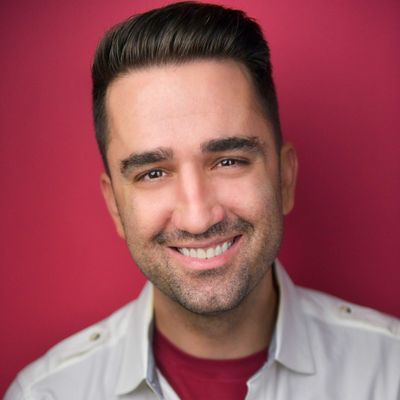
About
Dan and Joe share host duties this week with Podcast host and BPN co-founder Alan Seales of The Theater Podcast. Alan wears about as many hats as a milliner and his show is one of the OG Broadway podcasts. (He's had some epic guests go take a listen!) We talk about the creation of GWLM, the birth of Dan and Joe's love, the current state of Podcasting, and our hope for the future. Don't miss your chance to have the tables turned as we answer some questions for a change.
Transcript
This transcript was automatically generated and might contain errors.
[0:00] Dan Tracy: Welcome to Guys Who Like Musicals.
[0:02] Joe Carroll: I make musicals.
[0:04] Dan Tracy: Shit.
[0:05] Joe Carroll: Wait.
[0:06] Dan Tracy: Wait, wait.
[0:07] Joe Carroll: Is that that's not is that's what happened?
[0:09] Dan Tracy: That's what's happening, Dan?
[0:11] Joe Carroll: What's going on?
[0:12] Dan Tracy: Kind of.
[0:14] Joe Carroll: This is three guys who liked musicals today.
[0:17] Dan Tracy: This is the Guys Who Like Musicals double feature, kind of, right?
[0:20] Joe Carroll: Yeah.
[0:20] Dan Tracy: The trifecta.
[0:23] Joe Carroll: I have no idea how we're supposed to start this.
[0:26] Dan Tracy: So I guess we started.
[0:27] Joe Carroll: Yeah, that's what's begun.
[0:29] Dan Tracy: We started it the way we usually start.
[0:32] Joe Carroll: Which is, you know, I we didn't tell you at all.
[0:36] Dan Tracy: We didn't ask you what you wanted to do.
[0:40] Joe Carroll: I appreciate that.
[0:41] Dan Tracy: I appreciate that.
[0:42] Joe Carroll: Shit from the hip.
[0:43] Dan Tracy: Shit from the hip.
[0:44] Joe Carroll: That's what it should be.
[0:45] Dan Tracy: Yeah, so for those listening, welcome to a very special strange and weird crossover episode.
[0:51] Joe Carroll: So an actor is saying his lines, and then out of nowhere, he just starts singing.
[0:59] Dan Tracy: Box Exivity.
[1:07] Joe Carroll: Don't cry for me.
[1:22] Dan Tracy: Do we put ourselves on that level?
[1:24] Joe Carroll: We've got right.
[1:25] Dan Tracy: Rick and Morty are about to make their appearance.
[1:28] Joe Carroll: Yeah, it's like it's like the universe of the of SVU and Chicago Med Fire.
[1:34] Dan Tracy: Yeah, PD.
[1:35] Joe Carroll: It's a big wolf crossover special.
[1:39] Dan Tracy: Yeah, yeah.
[1:40] Joe Carroll: Or oh, ooh, better yet, the um, what's the one up in uh that our Carlos is on?
[1:44] Dan Tracy: Um, the Flash.
[1:45] Joe Carroll: It's the Flash flash and arrow, you know, and Supergirl.
[1:51] Dan Tracy: Yeah.
[1:51] Joe Carroll: It's the Dave Rappaport universe.
[1:53] Dan Tracy: But also, while we're doing this, is he frozen?
[1:56] Joe Carroll: Yeah, yeah.
[1:56] Dan Tracy: Alan's videos frozen.
[1:58] Joe Carroll: You'd think that after a year of this nonsense that like it would get easier, but like we still don't know how to use any of these platforms that we're using to make a living.
[2:09] Dan Tracy: So I'm sorry, we I mean, you're uh you're the one that just had a mic issue for 20 minutes before we started this.
[2:16] Joe Carroll: For the first time.
[2:17] Dan Tracy: That's true.
[2:18] Joe Carroll: That's true.
[2:19] Dan Tracy: You can you this must be a good day for you.
[2:21] Joe Carroll: Joe wins this one, everyone.
[2:22] Dan Tracy: I know, exactly.
[2:23] Joe Carroll: That is part of our show, Alan.
[2:24] Dan Tracy: Um, that that we continue, you know, Dan and I, you know, treat each we we rib each other constantly.
[2:31] Joe Carroll: So we love each other very much, but it might sound like we hate each other.
[2:34] Alan Seales: Well, how do you how did you guys meet?
[2:36] Dan Tracy: Tell me that story because you don't have any Broadway credits the same, right?
[2:40] Alan Seales: No, yeah, no.
[2:41] Dan Tracy: We met in college.
[2:42] Alan Seales: Not not yet.
[2:43] Joe Carroll: Um we uh we met in college.
[2:45] Alan Seales: Um Dan was a year below me at University of Michigan.
[2:49] Joe Carroll: Um, and uh honestly, we were we were friends, we were friendly, but it wasn't I feel like we didn't really become tight until like my senior year, almost going out of my senior year, where like we became we were like we really sort of hit on at least how I remember it, it was golf.
[3:10] Alan Seales: Golf was one.
[3:11] Joe Carroll: We used to play golf, we were kind of friends, kind of.
[3:13] Alan Seales: But it was the you know, kind of friends, also like you know how musical theater programs are.
[3:20] Joe Carroll: We were always doing the same track, we were they were like in the same pigeonhole that we were supposed to be the same person, which is hilarious now looking back because we couldn't be more different.
[3:28] Alan Seales: And then it was driving to the Muni for auditions for the Munis.
[3:36] Joe Carroll: Yes, my junior year, and we were in the car, Alan, and we were talking about the future of content and entertainment.
[3:44] Alan Seales: And I was pitching Joe on how I believed that there was not going to be any cable uh networks anymore.
[3:51] Joe Carroll: Everything was going to be streaming.
[3:53] Alan Seales: Netflix is the future.
[3:54] Joe Carroll: And I pitched him on this idea that I have for a not for profit, which I won't get into here.
[3:58] Alan Seales: But and he was like, and that was the first time that we basically, that was like our essentially our first writing session.
[4:04] Joe Carroll: Yeah.
[4:04] Alan Seales: It was like us kind of coming together as like one mind and being like, oh, okay, we actually have a lot of the same ideas about the world.
[4:12] Joe Carroll: And then from then on, we were like really close friends.
[4:14] Alan Seales: That was spring of his senior year.
[4:16] Joe Carroll: That's really yeah, that's exactly it.
[4:19] Alan Seales: I remember that it was a long drive.
[4:23] Joe Carroll: Alex was asleep in the backseat.
[4:25] Alan Seales: And we are up in the front seat, and basically the whole idea stemmed.
[4:28] Joe Carroll: We don't need to go into it too much, but it was a we basically were we were both obsessed with Joe Papp and the the his legacy in the theater.
[4:35] Alan Seales: And so we were talking about like why we couldn't do something like what Joe Papp did for theater, but do it for television and film.
[4:43] Joe Carroll: And so we're trying that gave away my idea, Joe.
[4:46] Alan Seales: No, Alan, that is my million dollar idea that he has just given away on the internet.
[4:53] Joe Carroll: What have we learned in our writing, Dan?
[4:55] Alan Seales: What do what we what we know in our writing is that no one can make the idea the way you can make the idea.
[5:03] Joe Carroll: We need to pitch all of our ideas constantly.
[5:06] Alan Seales: And then Alan can sit here and be like, hey guys, I don't get it.
[5:08] Joe Carroll: And then we can say, listen, here's okay.
[5:11] Alan Seales: No one's gonna steal our idea.
[5:14] Joe Carroll: Is that fine?
[5:15] Alan Seales: It's a it's it's your personal touch that makes it work.
[5:19] Joe Carroll: Otherwise, otherwise it's just not gonna happen.
[5:21] Alan Seales: And okay, so so driving, Alex is in the backseat, everything's fine.
[5:27] Joe Carroll: You come back and you start writing, and and so uh coming to New York and everything, uh what did did you did you guys keep in touch?
[5:35] Alan Seales: I mean, obviously you did, but were you close, or was that the point after college when you're like, you know, Joe, you came to the city and you're like, I'm a BMOC now, I'm the big man, you know, hire me.
[5:44] Joe Carroll: And uh I mean, when did the paths start to to reconverge?
[5:48] Alan Seales: Or did they ever diverge?
[5:50] Joe Carroll: I don't think they ever diverged.
[5:52] Alan Seales: They never really didn't after that because we we kept in pretty constant touch.
[5:56] Joe Carroll: And I will say that Dan was the person who I have always had an had a had a block as far as a uh a creator of things.
[6:05] Alan Seales: Um I I like to be an interpreter.
[6:07] Joe Carroll: I like for somebody to give me a script or give me a song, and I'm gonna go do my thing.
[6:11] Alan Seales: That's where I'm the most comfortable.
[6:13] Joe Carroll: When I have to make my own things, I am uncomfortable, I don't like it.
[6:17] Alan Seales: It's incredibly vulnerable.
[6:18] Joe Carroll: And Dan has always been the guy who's like, let's do it, let's write the thing, let's make the thing, let's do let's make the podcast, let's write the the script, let's do the thing.
[6:27] Alan Seales: And I am also here being like, you know, okay.
[6:32] Joe Carroll: So what's cool about looking back on it is like that that was that never stopped.
[6:38] Alan Seales: Dan would always he he'd call with ideas.
[6:40] Joe Carroll: Hey, what if we did this?
[6:41] Alan Seales: What if we did that?
[6:41] Joe Carroll: What if we, you know, and that has been a constant in our life for the last you know, nine years, nine to ten years since of of just yeah, we never really disconnected.
[6:52] Alan Seales: Yeah.
[6:52] Joe Carroll: I think uh Joe went and worked on his first Broadway show right out of school, and then he came back and we had lunch in it's some restaurant on Main Street, Joe.
[7:07] Alan Seales: Not Main Street, it was like the street off of state.
[7:10] Joe Carroll: Uh it was like the the one that you went East and north and south.
[7:14] Alan Seales: Maybe, yeah, yeah.
[7:15] Joe Carroll: It was a some restaurant in Liberty, and you told me that you booked Romeo and Juliet from an EPA and you bought my lunch.
[7:21] Alan Seales: And I was like, this guy's great.
[7:23] Joe Carroll: He bought my lunch.
[7:25] Alan Seales: So basically, I have been working as a video freelancer.
[7:29] Joe Carroll: I'm kind of building out my video production business as we speak.
[7:32] Alan Seales: And Joe is actually helping me with that.
[7:34] Joe Carroll: So now we have like nine businesses together, which is hilarious.
[7:37] Alan Seales: And uh and funny, which is why we're always making fun of each other on the show, because we can't stand each other most of the time.
[7:42] Joe Carroll: But I had all of this gear because I was shooting all these videos for people.
[7:46] Alan Seales: So I had a similar cardioid microphone to the one you're using, Alan.
[7:50] Joe Carroll: And I had a pencil microphone that I was using to do uh my like boom micing for video work.
[7:57] Alan Seales: And I had these two things sitting around, and I had actually had an idea for a podcast in 2016.
[8:03] Joe Carroll: I interviewed Jim J. Bullock in my hotel room on my voice memos on my phone about his career because he was a very successful sitcom actor in the 80s and he was in Kinky Boots with me.
[8:15] Alan Seales: And I was like, you know, I don't really know.
[8:16] Joe Carroll: I like didn't even know what podcasting was at that time.
[8:18] Alan Seales: I don't know why I did that.
[8:20] Joe Carroll: But I think back on that now, and I'm like, I should pull that out of the woodwork and see if that would make a good episode or somehow.
[8:27] Alan Seales: But the idea for the podcast was mine, but you came up with a name.
[8:31] Joe Carroll: Is that what we'd we've decided?
[8:33] Alan Seales: Yeah, that's what that's what we've settled on.
[8:35] Joe Carroll: Um was that you came to me and you were like, I want to start a podcast.
[8:43] Alan Seales: I have the I have the gear.
[8:44] Joe Carroll: It was like a chicken or the egg conversation.
[8:46] Alan Seales: It was like, you know, I have the stuff.
[8:48] Joe Carroll: So if I have the stuff, let's let's do something.
[8:51] Alan Seales: And we were coming up with, you know, what could we what could we do?
[8:54] Joe Carroll: What can we do?
[8:56] Alan Seales: And I was like, Dan, we're just a couple of guys who like musicals.
[8:58] Joe Carroll: What if we just talked about musicals and called it Guys Who Like Musicals?
[9:02] Alan Seales: And Dan was like, I think you wanted it to be something more important.
[9:02] Joe Carroll: You wanted it to sound like, you know, the backstage experience, the you know, the Broadway behind.
[9:14] Alan Seales: We had a list of we had a list of words.
[9:17] Joe Carroll: It was like Broadway talk, podcast.
[9:20] Alan Seales: Yeah.
[9:21] Joe Carroll: Uh you know, it was trying to put all those things together, and Guys Who Like Musicals was just too good.
[9:26] Alan Seales: It was like told you exactly what it was.
[9:28] Joe Carroll: Yeah, which I think is the best title.
[9:30] Alan Seales: Yeah.
[9:30] Joe Carroll: So that's how I was born.
[9:32] Alan Seales: It my mine's even more generic and lame.
[9:36] Joe Carroll: If no, like not it's exactly what you want.
[9:39] Alan Seales: Exactly what it is.
[9:40] Joe Carroll: If you want a theater podcast, you go to Alan Seales' Theater Podcast.
[9:45] Alan Seales: Like just honestly, like, that's did you have to like fight people for that domain?
[9:49] Joe Carroll: You know, that's like one of those things.
[9:51] Alan Seales: It's like, I can't believe this didn't exist already.
[9:53] Joe Carroll: No, no, and that's why I chose it because I was looking, I was like, curtain call pocket.
[9:58] Alan Seales: No, that exists.
[9:59] Joe Carroll: All right, backstage, whatever.
[10:00] Alan Seales: No, that's taken.
[10:02] Joe Carroll: Um, uh uh spotlight, you know, I was looking for all these theater-y related sort of things, and then I was just like, okay, The Theater Podcast.
[10:10] Alan Seales: And I registered both theater T-R-E and T-E-R.
[10:15] Joe Carroll: They were both available.
[10:18] Alan Seales: And and I was like, I guess that's my name, guess that's my name now.
[10:22] Joe Carroll: But it's great now, yeah.
[10:24] Alan Seales: That so that's what I'm that's what I'm sticking with.
[10:27] Joe Carroll: And and I'm finding myself sort of uh at a at a an existential crisis that that I don't know if you found yourself in, being that you are Guys Who Like Musicals, but you're also, I suspect, guys who like TV shows and guys who like movies and other things, right?
[10:42] Alan Seales: So now I'm getting into interviewing people who are more than just Broadway people, and from a press perspective, right?
[10:51] Joe Carroll: It's like, how do you have a TV star on The Theater Podcast?
[10:56] Alan Seales: So I'm I you know, I'm like, do I change the name?
[10:59] Joe Carroll: But it's branding, but it's years of work, and I'm just I you know, I lose sleep over this sometimes.
[11:04] Alan Seales: How did you start yours?
[11:06] Joe Carroll: Like, because I I would love just because this is the Riverdale crossover episode.
[11:10] Alan Seales: Um, you interviewed me for your for for The Theater Podcast back uh when I was doing Frozen.
[11:15] Joe Carroll: We met back doing a Google talk for Bandstand.
[11:20] Alan Seales: How did all this start for you?
[11:22] Joe Carroll: Oh gosh.
[11:23] Alan Seales: Well, how far back do you want me to start in my origin story?
[11:26] Joe Carroll: I got a computer science degree.
[11:28] Alan Seales: Your parents went on a date.
[11:31] Joe Carroll: And I I assume so.
[11:34] Alan Seales: My mother, when I was when I was in high school, my mother whips out a photo of me or a photo of her, and she's like, You're about a day old in the or a day old inside inside me in this picture.
[11:45] Joe Carroll: And I was like, Oh, mom, mom.
[11:51] Alan Seales: That means the day before this because that's why you make fun.
[11:57] Joe Carroll: It's I was conceived on a road trip in Washington State.
[12:02] Alan Seales: Um believable.
[12:03] Joe Carroll: Yeah, that's about as far back.
[12:04] Alan Seales: That's as much as I want to know.
[12:05] Joe Carroll: Uh so anyway, yeah.
[12:08] Alan Seales: So uh I'll I'll leave out some unimportant stuff.
[12:11] Joe Carroll: Yeah, so I grew up um unimportant, well, my blood type is right.
[12:18] Alan Seales: So I grew up in in North Carolina, was always doing chorus, singing, acting, dancing as much as I could, but I always had this other half of my brain that was that just couldn't stop taking apart things and building and the electronics engineering side.
[12:33] Joe Carroll: So my parents gave me some advice that I listened to, which was you can act with a computer science degree, which you can't do computer science with an acting degree.
[12:42] Alan Seales: And so basically I wow.
[12:46] Joe Carroll: That's good.
[12:47] Alan Seales: That's a good one.
[12:50] Joe Carroll: That hurts.
[12:51] Alan Seales: Yeah.
[12:52] Joe Carroll: I'm like, ow.
[12:55] Alan Seales: You're right.
[12:55] Joe Carroll: Yes.
[12:57] Alan Seales: Like, like for 99% of your listeners, that sounds really oh, how wise your parents were wise.
[13:03] Joe Carroll: And for the two guys you're talking to, they want to go jump off a bridge.
[13:07] Alan Seales: It just hurts.
[13:08] Joe Carroll: But it's funny, it's funny, you brought up Google Talks, right?
[13:11] Alan Seales: So, so okay, uh, let me skip over some stuff.
[13:13] Joe Carroll: So I computer science degree, and then with my computer science degree, I got out of college and became a professional actor with said computer science degree, and then moved to New York in 2007 during the writer's strike, fell back.
[13:25] Alan Seales: I did my fallback, went back on computers, and then that's when I actually moved to New York was during that time.
[13:31] Joe Carroll: And uh, and I was doing regional theater until then, and have never auditioned a day in my life in New York.
[13:36] Alan Seales: And I've been here coming up on 13 years, I think, just hit 13 years.
[13:41] Joe Carroll: So, and then in my computer career, um, worked for Thompson Reuters for a while, did some post-production work at a studio in their I was running their IT department, and then found my way now at Google as an engineer, and then the talks at Google program, which is like internal TED Talks for for Google.
[14:01] Alan Seales: Um, I ended up I found myself running that program on a global scale, and one of the things I wanted to do was bring in Broadway casts because no one was doing that, and one of the literally the first one I brought in was Cinderella with Santino and Laura Osnes.
[14:18] Joe Carroll: And uh, and then from there it was just this snowball effect, and and ended up bringing in Bandstand, which Joe was in, and that's when we met, and that was years and years years ago.
[14:29] Alan Seales: So through all of this, my I found the love of bringing information to the world and educating the world and and peeling back the layers of people that and exposing things not in a bad way, but just stuff you didn't know about individuals, like getting that out there was so appealing and so satisfying to me.
[14:47] Alan Seales: And it became a bit of a catharsis in a therapeutic sort of way for me to like share problems with people that you know you don't normally think of them as humans.
[14:58] Joe Carroll: Everybody poops, but you don't talk about pooping, so why not talk about pooping?
[15:02] Alan Seales: Right. Not literally, but metaphorically, yeah, the metaphor.
[15:06] Joe Carroll: So you could have picked anything, but like, you know, that's that's a pretty popular children's book, I think, right?
[15:14] Alan Seales: So um so in glow in growing the talks program, the more I grew, the more I led, the the less day-to-day I was involved with, which meant the less moderation, less planning of events, and I sort of started to miss the whole face to face like this and having long form conversations, and so I was just I couldn't sleep one night, and I was it was like it was literally like three in the morning, I couldn't sleep. I was like, you know what, I'm gonna try this podcast thing.
[15:44] Alan Seales: It was a couple years ago, and I couldn't find any podcasts. I was just searching for Broadway in Apple Podcasts, and I couldn't find anything that was actively releasing, anything that was new content. So I said, All right, I guess, and this is literally all within a span of like 15 minutes. I was like, okay, well, maybe, oh, I know people now through through all of this. Maybe I'll uh I'll start my own.
[16:06] Alan Seales: And so that's when I start when I go daddy on my phone. I was looking for domain names, thinking of names, and that's what I found. The theaterpodcast.com was available. And I was like, I guess that's the name of my podcast now. And then I just texted a bunch of people that I knew, and Andy and Orfe were literally my first interviews, and Wes Taylor and some others that I had met um in the years of being in New York and being, you know, in this industry, and and away it went.
[16:32] Alan Seales: So that was gosh, Ariana DeBose was my first published interview. Andy and Orfe were my first actual interviews timeline-wise. And yeah, it's just been uh a roller coaster ride ever since. So it's and through that is how I met through through uh is how I met Dory Berenstein, which is how the Broadway Podcast Network all came about.
[16:53] Joe Carroll: Right. Right, yeah. Which you guys put together in 2018.
[17:00] Alan Seales: We so I interviewed her. I interviewed her for my podcast December 2019. By January 20, no, no, no, sorry, December 2018. By January 2019, we were already up and running on off on our business plan. Uh started secretly, uh, not secretly, just you know, you you don't announce things yet. We were building the network and building the website by early summer, October 2018, it launched. That was our official big launch.
[17:27] Alan Seales: Um, we had a big old party at Sarty's, and then uh yeah, so that was that was October 2019. Everything's going super great, getting stuff, and then the global pandemic hits, and here we are.
[17:37] Joe Carroll: And here we are, and here we are.
[17:44] Alan Seales: Broadway shuts down. We were tracking it live. Tracking it. Crazy, right?
[17:50] Joe Carroll: That is that is crazy. And you know what? I haven't actually gone back and listened to the people that we were talking to, Dan, around you know, February and March of this year. Because I know that one of the things, and we talked about this on our show, is that we we felt so handicapped as so many people did to create content. We were like, we don't want to go to our friends because our show, I mean, these are all friends and colleagues. Like we're we're not, we don't want to say, like, hey, do you want to come on our show and talk about why you love music musicals when there's no musicals in sight?
[18:25] Alan Seales: You know, right. So that was that was a really that was a learning thing over the summer for sure. But to get to track it and to get to track like how people are dealing with it and where they are, and I mean, I remember when we talked to Robin Herter, Dan, before she was nominated for a Tony, there was still this feeling of like, you know, they were just their bodies were recovering from doing Moulin Rouge eight times a week. And they were still, and so she was like, you know, their time, you know, time with my son, and my butt, you know, I'm able to heal because my body is in is is is being destroyed.
[19:02] Joe Carroll: And and that was you know, I forget exactly when we did that. I think it was June. I think that was May. We may have released it in June, but we did the interview in May.
[19:10] Alan Seales: Yeah, we did it, yeah. And you're still thinking the end of summer, yeah.
[19:13] Joe Carroll: At that point, you know. I mean, I wasn't, but did Dan wasn't Dan wasn't. I have been king pessimism. I've been the the minute I found out this was happening, I was like, okay, it's gonna be a year and a half. I might as well find another career.
[19:26] Alan Seales: Um I remember when it was supposed to be two weeks.
[19:29] Joe Carroll: Right. Yeah, it was supposed to be two weeks. I saw I saw the last preview of six on March 11th. They were supposed to open March 12th.
[19:38] Alan Seales: On the 12th, right.
[19:39] Joe Carroll: Yeah, March 12th is when Broadway shut down. Five o'clock on the 12th is when it was announced. So three hours before their opening night.
[19:48] Alan Seales: Uh crazy.
[19:49] Joe Carroll: That's crazy. Yeah, insane. And then yeah, Joe, like you were you've been in Frozen. Frozen decided just to close up in the middle of all this.
[19:57] Alan Seales: Yeah, which was wild.
[19:59] Joe Carroll: I I felt we're gonna have talked about this a bit, but like Frozen was one of the best jobs I've ever had because everybody on that show was just a total pro. They it was a lot of people who, you know, who had done a bunch of shows and they had families and lives and stuff. And so we just had a great working relationship. Everybody worked hard and everybody went home. It was just like a one of the best, you know, jobs that I've ever had.
[20:24] Joe Carroll: And then I I was not asked to resign. Patty and Casey were not asked to resign. They were going to change over the cast, which long running shows do sometimes. And when they let us know, that was painful in the moment because it was like, you know, hey, maybe I, you know, I maybe I would want to stay in Frozen for another year, you know, or whatever. But it was like, no, you know, okay. So this conversation was happening.
[20:48] Alan Seales: So March 12th, Broadway shuts down. So when is the contract renewal discussion happening?
[20:53] Joe Carroll: Well, so this was before it was. This is way before. So this was back probably in November October of the previous year. So they they came to us and they said, Hey, we're gonna start looking for some people. Thank you so much for your time, but we're not gonna renew your contract uh end of February was when our contracts were up. And we were, you know, so we were like, oh, you know, that was sad, but like we had a great time, and Patty and Casey were obviously very emotional because they had created the whole thing. But then we're we're leaving, and we know that we're leaving at the end of February. And when you're leaving a Broadway show and you know that it's closing, you just start you go into hibernation squirrels with the nuts mode, and you're just saving as much money as possible because you have no idea when your next job is gonna come.
[21:32] Joe Carroll: So we just like battened down the hatches. My wife Alex was in come from away. She left come from away in November, and we were just like, okay, we're gonna try to save, like, you know, we might not have a job for six months. So all of a sudden, Mar Broadway shuts down, and the new cast had done two weeks of performances, two and a half, two and a half weeks of performances, and everything shuts down. I we were in such a grateful position because we had been preparing for some type of we weren't preparing for a year and a half of no income, but right we we we were preparing for six months, you know.
[22:06] Alan Seales: So we got through we're we're okay, we're keeping our heads above water, but it was like that was a that was a wild, a wild gift in all of this. When you just look at like the little gifts where you're like, I can't believe that this in the midst of all of this horror, anything positive that has come from this, just the fact that like Alex and I had a couple of months to prepare was like should not have happened, you know what I mean? And so many people in our community don't have that.
[22:30] Joe Carroll: So yeah, I felt the same way that I'd done two years at Waitress, like leading up to this. And like I had some friends who had just made their Broadway debut in Frozen.
[22:41] Alan Seales: Right.
[22:41] Joe Carroll: And hadn't saved any money.
[22:43] Alan Seales: Right.
[22:44] Joe Carroll: Right. Hadn't gotten it. Like I had all this health insurance left over. So many people didn't have that. And here we all are now a year later. That's the part that really is upsetting.
[22:54] Alan Seales: Well, what did you pivot to? You said you started a new a new career. Are you doing more of like full-time video production?
[23:00] Joe Carroll: Um well it it's a lot of things. Uh Joe and I first kind of like dug back into our writing. We started writing together in uh 2016. Uh Joe was on a hiatus between shows one of the only periods of his career where he didn't have kind of lots of jobs lined up and and we were trying to figure out and I was used to that. I've always had you know a year and a half between big jobs so I'd gotten used to kind of finding my own path and and we fell into this writing project. We had no idea what we were doing but we ended up kind of putting something interesting together. It was a TV show about um a couple of kids at the University of Colorado Boulder who start a brewery in their basement and in the pilot this whole like thing happens this undercover police break into their house and and they use it as a marketing opportunity to build their brand and it's like a Silicone Valley for the every man is kind of the idea and it's about like kind of the the beer industry and stuff.
[24:03] Alan Seales: And and that was our first project we wrote together and we ended up pitching it to Comedy Central in 2016. And then we didn't do anything else. We didn't write again for four years and then a global pandemic hit. We had built a podcast at that point and done some video projects here and there together but nothing really substantial and then we jumped back into it in in 2020 and started working on uh another television show, which we've talked about now a couple times on the podcast, but is still in its development phases, and hopefully we will actually make at some point.
[24:39] Joe Carroll: Oh, yeah. It's gonna happen.
[24:40] Alan Seales: But then also Dan has become a full-time listen, we do full-time part-time. It's like that's that's we actually do a t-shirt that says full-time part-time because it is me.
[24:51] Joe Carroll: Yes.
[24:52] Alan Seales: Dan has probably a solid eight, eight, eight, eight to ten jobs that are like I think I think eight is I think eight is steep, but it's definitely five. Definitely five what could be full-time jobs. Just and I I've come up with this phrase where it's just like we're cobbling together in existence. Like we're just cob It's like, you wait, you want to give me a thousand bucks to do a concert? Great. You want to give me a couple thousand bucks to do this thing? Cool. Can we make a podcast? Yes. We're like, and then eventually at the end of the year, we are above the poverty line. And starting to starting to actually pay our bills, which is really nice.
[25:34] Joe Carroll: I mean, you get it, Alan, because like you have this full-time job, and then you have your side hustle. You're still working with Google, right?
[25:39] Alan Seales: Mm-hmm.
[25:40] Joe Carroll: Yeah. So you get like kind of the multiple hustles, and now you have BPN. It's just kind of like that's how the business world works. You have kind of like different entities that are all getting pushed together. But my newest one is just um is real estate. So I'm kind of building a real estate business. I got my real estate license. I'm really interested in like uh getting into the investment property space, kind of like a way to funnel any money I could make as an actor into something, maybe doing like a network of Airbnbs or something like that. Not necessarily in like being a real estate agent, but it does fit into all of the other things that I can do, like video and marketing and that stuff.
[26:14] Joe Carroll: So you know, uh you know Ryan's do you know Ryan Sir Hunt from Million Dollar Listing New York? That guy?
[26:20] Alan Seales: Yeah.
[26:20] Joe Carroll: He's a failed actor, self-proflaimed failed act. He moved to New York to act and be a hand model, both of which didn't work out, lied his way into million dollar listing, and now is making milli multi-million dollar deals. Uh I I did an event with him the other day. He actually told a story of on his wedding day was a major deal fell through. So he was like before his his wedding on his phone. Yep. Trying to say salvage a deal that wouldn't hold together. And that, be careful of that, because that is not the life I want. And I hope I do not wish that on you.
[26:58] Alan Seales: No, but you know, it's I I think about this a lot because uh work life balance is a thing that is like really important to a lot of people, and and but not me. I don't care.
[27:09] Joe Carroll: No, I mean that's well, yeah, that's that's where I'm headed. That's where I'm headed.
[27:13] Alan Seales: Because listen, like I I actually, if my days like when I have my free time, I'm doing other business stuff. Like, I don't know how to not like I'm budgeting future projects while I'm watching TV and I'm texting Joe, like bugging him because he wants to have a work life balance, but I just don't know how to do that. So like I don't want to be texting on my wedding day, but there is there is such a thing as like I I mean, you know, if it works, it works. Like happiness is your own happiness, and if it it if you know, you manage your own schedules, I guess. I don't know. That's kind of weird.
[27:51] Joe Carroll: I mean I don't I don't have a good work-life balance. I don't are you kidding me? Like you and I are texting at seven o'clock in the morning, and then we work, and then uh you're I'm like coaching until 11, and I've canceled every single vacation I've ever planned because I get an audition or a job. Like, I don't what do you mean work-life balance?
[28:12] Alan Seales: But I also think it's so arbitrary. Like, why do why should somebody tell us what our work life balance should be? You know, it's like whatever you want to do.
[28:19] Joe Carroll: It has to be, and that that's the thing. You you have to have it be whatever you want it to be. And like, yeah, you know, you know, Alan, you have you have do you have two two kids?
[28:27] Alan Seales: One one?
[28:28] Joe Carroll: Yeah, two, a four and a six-year-old.
[28:30] Alan Seales: Yeah.
[28:30] Joe Carroll: Yeah. Two boys. And and and I'm married, and Dan's in a long-term serious relationship too. Like you the you we prioritize those people above anything. They are they are like my my wife is ever is my is my uh whole world. Uh you know, so if she comes to me and is like, you gotta stop texting Dan at seven o'clock in the morning, then that's how I know that our the work life balance is out of whack, you know.
[28:55] Alan Seales: That it's gone too far, exactly.
[28:57] Joe Carroll: It's gone too far. You know, uh we have had those conversations. Um, but uh I don't know. How do you that I don't know that now that we got on work life balance, but Alan, how do you deal with with I mean where you have two kids in a pandemic and you have 14 businesses going?
[29:12] Alan Seales: What the what the hell? Um uh therapy, if I'm being honest. So before before uh a couple years ago, I just started seeing a therapist a couple years ago. Um, and that has helped me realize my motivation for overworking because Dan, Dan, I'm a lot like you in that I'll be on my I'll be watching TV with somebody I care about, and I'm like, okay, well, I hold on.
[29:39] Alan Seales: I'm thinking about this other thing. Uh, I gotta I gotta get this email out or whatever the case is. So I'm always trying to now consciously be in the moment, be present with who I'm with, right? But that goes speaks to the larger picture of like why I'm overworking. So to answer your question, Joe, um it's it's really just setting boundaries. And actually, Google is really good about this. They they give us uh extra days off that weren't corporate holidays before the pandemic, but they're like every couple Friday, every other third Friday, I think we just get it off. And it's like just they're not calling it a day off, just go do whatever you want. And yeah, I I got over um, I mean, Google sort of sets the bar for for company culture in the first place in the tech world, which other companies now are starting starting to follow in line with, and you know, like Dan, you've been uh Joe, you've been there.
It's like there's nap pods all over the place and couches and free food and and places to hang out. So you're not expected to be there and work the entire time you're there because that leads to burnout and that leads to uh uh being unmotivated. And so I had to get over the fact that um I felt guilty. It like I'm working at home, and uh literally like I'm one floor above my bedroom, and the bathroom's right there, and and like I can sit right here where I am for 14, 16 hours a day. Yeah, and I don't realize what time it is. Jumping from you know, Googling the Day and BPN and doing these podcasts and whatever and everything else that's going on, and watching the kids and getting them ready for school.
So actually, it's nice for me to have one thing to have the multiple things to jump to because jumping from one thing to the next gives me respite from whatever I was doing previously. And especially with the with the kids, like Monday comes around. I've been with the kids all weekend and they're inside these past couple weeks because of the freaking snow. And so we can't go anywhere, and the pandemic's everything's closed. The museums are closed, everything and so like Monday comes around, I'm like, get your asses out out of the door, get on the bus, get to school. I just want to go up to my room and I want to go to my room and be quiet for a little bit. Yeah. And yeah now I get on Clubhouse.
I just listen on Clubhouse. There's a lot of there's a lot of crap on Clubhouse, but there's some there's a couple gems in there. So I'll get in there and just listen. I like trying new stuff. I just got in on Clubhouse today. It'll it'll be another eight months before Joe gets on Clubhouse. So so we'll we'll address that when the time comes but very active there's a very active podcasting community uh and and as somebody with an established podcast you're already ahead of other people on there because there's a lot of people on there that are just like how do I start a podcast? I don't know how to use my at home equipment. Uh how do I monetize I don't have a podcast yes I'm gonna make millions tomorrow like Joe Rogan right like no we're not allowed to say his name on our podcast. They might have to bleep that out Rojoin. Oh gosh. That is too funny. Um Alan what are the what are the future plans for BPN? What are you guys looking at down the down the barrel?
[32:56] Alan Seales: Oh goodness goodness well um gosh I'm trying to think of when this is gonna air what I can talk about. Yeah we right now we're finding a lot of success with um with original programming the as the curtain rises completely homegrown original soap opera it's a radio play soap opera is is one of our best ones now, uh most downloaded. And it's all next next to guys like music. Of course, the like guys Like Music was number one. Great, great, great. Right, right, of course. Number one. Yes, yes. And yeah, we're finding a lot of a lot of people love this stuff. And um, even from a production standpoint, uh Homecoming on I believe it was Wonder. I forget if it's Wonder here or Earwolf. One of the other networks made this podcast, this original radio play called Homecoming.
That then I believe it was Android. It was Gimbal. Yeah. Wasn't it? It was a gimbal gimbal. Gimlet. Gimlet. Yes. Gimlet, yes. Yeah, that's sold to Spotify. Exactly. Right. Exactly. So Gimlet. Um somebody came to them and they turned it into uh a series on Hulu, I believe. Or no, Amazon. Amazon Prime. So that whole thing, so we're we're eyeing the creation of more original content that's that can push the boundaries and be later converted into either a stage production when the air comes back, or just straight up, you know, like Netflix now, right? Like Dory, the co-founder, she's she's got a relationship with Netflix through through the prom and Ryan Murphy. So like that those conversations are starting.
And it's it's an exciting time cool for podcasting in general, because I don't know if it if anybody, and this might be the most boring thing in the world for those listening right now, but the there were 17,000 podcasts launched a week in 2020. A week 17,000. So pandemic people be bored. People be bored. The average 30-day download for a single episode in 2020 was uh was around a hundred and thirty. Full stop. Not a thousand, not 100, a hundred and thirty. So we're better than that, Joe. That's all the time we have, buddy. That's that's 50th percentile. But the but the like the wealth gap, the top one percent are responsible for like 99% of all the podcast downloads, right? Like Joe Rogan and Jack Shepherd are daily and yeah.
So now it's it's this thing, and I'm sure your experience is experiencing this too, is how do you break outside your own echo chamber? How do you get new listeners that are not the same ones you're preaching to on your social media channels day after day? And as a network, that's a challenge. I find it yeah, good. I didn't mean to cut you off. As an as a network, you you find that your house is a continuous push the boundaries.
[35:58] Alan Seales: Yeah, as a network, that's a challenge too, because you know, we're we're sort of like we were talking about a while ago with your guys who like musicals, and I am the theater podcast, and we are the Broadway podcast network, but we're so much more than that. And so, you know, there there's there's more there's more to it. We've got um video content that we're about to launch, we've got some uh some new technology like some uh iOS app technology that we're about to launch, and all of this is is gonna be launched be out soon, so I'm okay talking about it. But uh, and we've got original, more original content talking about, but but we're always trying to think about like how do we reach that person who has never who didn't know about us before.
Like, how do we get to that person who was like me three years ago up at 3 a.m. and searching for content that they can't find? And what kind of content are they looking for? How do we bring that to them? So I I would love if anybody from uh from Roku's listening, I want to make a Roku app so we could have a Roku channel for BPN content. Right now we haven't launched it, but it's been it's been out there for a couple for about a week. I quietly just rolled it out. If you go to our YouTube channel, um there's BPN radio that's 24-7 episodes playing right now of our content. So it's a 24-7 live stream right now. Um we're gonna we'll throw some guys who likes musicals episodes into the mix. Um that way, uh obviously people who can stumble through the live streams will find that stuff.
They can listen to it in real time because YouTube amazingly being a visual platform, people still go there for audio only content. Right. Crazy. I mean, I go I go to YouTube for everything. I'm a huge fan.
[37:43] Alan Seales: Yeah, that's that's that's an interesting you you bring up an interesting point there. I'm really curious to see how because there's only a certain amount of people who listen to podcasts too, like the actual when you think about there's so many that were started every week, but there's still only a certain percentage of the population that actually listens to podcasts, like the potential market share of podcasting is much larger than than it is right now. Um, and future generations like may or may not actually be engaged in it. Like I described it to one of our clients as just on demand radio. They were like, I don't know what podcasting is, and I was like, well, it's just a radio show on demand.
You can just watch it whenever you want, listen whenever you want. Yeah, but I think it's interesting to try and figure out how you can break down barriers of of you know who listens to podcasts, who listens to theater podcasts, and at the same time, kind of keep up with taste. Because I know personally, I listen to a certain podcast for six to eight months, and then I'm kind of like, okay. That did its purpose. Yeah, yeah. Yeah. Yeah. I I my I'm saying I say a lot to people, I say people come to a new podcast, they come for the guests, they stay for the host. So you want to get the guest, you want to get your guests to promote you. Right. And then they, and then so that's why, like, hopefully, what we're doing right now with this episode, our listeners who didn't know about each other are going to start subscribing to both of us, and then everybody's that much happier.
And because we each we can talk to the same person. We've each talked to Patti Murin, and we've had completely different conversations. Everybody who talks to the same guest can have a different conversation. And I think there's there's a lot more to be told from different podcasters. Uh, it's just a number of time in the day. But to your point about saturation, oh god, I I forget these stats, but it's like the what the world owns so the majority of podcasts, like 60% of podcasts globally are consumed via Apple devices, and and the next closest single consumer is Spotify at around eight percent. And then then, and then below that, I believe is Stitcher at like one or two. So there's a big discrepancy.
Apple's still got the lion's share of the way people listen. And the reason behind that is because from the beginning, near the beginning, Apple always had iTunes built into their phones. So you got an iPhone, you had immediately a way to listen to a podcast. Whereas Android devices, the majority of the world, the more of the world has Android devices than they do iPhone devices. But because Google has yet to put a default podcast player into Android, you still have to take that extra step of understanding what you're doing and downloading Google Podcasts or Castbox or whatever other player, Spotify, whatever other player you're gonna use. So that's why Apple has that leg up. And I I think it's they're they're it's in their very best interest to maintain that leg up.
And I don't think they're doing a good job of it, if I'm being honest, to because Spotify is chipping away at them every month. There's a little bit more. And I don't know, Spotify is gonna get back their investment, especially with like Joe Rogan investment, whatever that exclusivity deal was. I forget what it is. But uh the bit the business side of this is huge because the market share for people who A don't have iPhones yet, um, B, those who have iPhones, only 10% of those iPhone users have ever used their phone to listen to an i to a podcast. So there's the remaining 90%, however many hundreds of millions of people holding their podcast player in their hand who have never listened to a podcast.
And then there's the Android users on top of that that have never downloaded a podcast app. So the the potential for growth is tremendous right now. Right. And and so we're kind of at the precipice of this massive uh shift in on-demand radio content and radio play. So right now, 2020, because of the pandemic, this is what I was gonna say, is people had time to take a step back and say, like, what am I doing with my time right now? I just lost my job, or I don't have to go to work, or I'm working from home, whatever. So people, 17,000 people a week started a new podcast. So I think at a few months, maybe a year, the majority of those are gonna be dead because they're not gonna be the overnight sensations they expected to be.
And then all of a sudden, we're gonna be back to uh, you know, there'll be some good ones that come out of it, I'm sure. But um the the I think that the number of people, um new people that listen to a podcast for the first time every day is rising at the same rate, whereas we saw we've seen this massive spike of content that's just gonna fall off again. So I don't know if you've seen your numbers flatline or maybe even decline in the last few months because more people are trying out other podcasts, but as those go away and don't remain, people are gonna come back to the old tried and true stuff.
[42:47] Alan Seales: I have gotten the sense that you and I are sympatho in the way that you talk about people who are quitters and people who want to be successful fast. It seems like you have that spine in you that just wants to keep pushing. Like, what's that about? Have you always been like that? Like, how do you push yourself to kind of keep staying motivated even if you don't see results or or how do you focus on results?
[43:08] Alan Seales: I think it's it's a willful ignorance for failure. Um I I have I just refuse to to think that I can fail. Or when I do, I'm like, oh well, now I'll do it again and I'll do it better. Because the root of all of this is I need to be liked and I need to be appreciated. And I feel internally, and I know this isn't true, my rational brain is like, you're an idiot, you know, this isn't like this. But my my the same thing that needs be that makes me need to be on stage and get applause from standing on stage in front of thousands of people, uh says, if you do good things, people are gonna like you more. And so I feel like a failure means that people won't like me, therefore I won't allow myself to fail.
So even if I do not meet a goal, I will go back, learn from what I did wrong, and then go do it again. So that's that's the whole that's that's my my internal struggle. It's it's the you know, the angel and the demon, right? And the demon is always like, you know, you're not good enough. You're hanging out with these Broadway people, you got this podcast that people listen to, you got these jobs, you're working at one of the greatest tech companies in the world.
[44:19] Joe Carroll: You're really a complete failure, though.
[44:22] Alan Seales: Like that's that's my struggle pretty much daily.
[44:25] Joe Carroll: Same.
[44:26] Alan Seales: Yeah, um, same.
[44:28] Joe Carroll: It's interesting because what what you do do is that you take responsibility when something doesn't work.
[44:34] Alan Seales: You also take responsibility in a way that may not be totally healthy to an extent.
[44:40] Joe Carroll: I think it's like the masochistic like actor thing. Like even though you still like you were you you now transition to podcasting and to to working in you know for for in tech, it's like no, we all still put our hand back on the fire over and over and over again. You know, we don't even if we fail, we rationalize ourselves away from so it's not failure, no, it's like I didn't get that job, but like that I didn't want that job anyway, and now we're moving, you know, uh through through life. But I don't know, I think that that is that creates an opportunity, like you said, to just learn and move forward as opposed to get paralyzed by fear of failing.
[45:19] Alan Seales: You know, because you said one you said earlier that the what's his nuts from from million dollar listing is a failed actor, and I don't think there's any I don't think there's such a thing. I I I adamantly believe that that there is no such thing as a failed actor. Because if you go out and you do one show, then you're, you know, you go out and do one thing, you're an actor, and you and you've succeeded in a way. If I quit tomorrow, I'm not gonna be a failed actor. If I had quit back, you know, but you know, back right after I graduated. If I if I never went to musical theater college, if I didn't, you know, there's I just don't I don't know.
[45:53] Joe Carroll: I agree with you, Joe. I think it I think that that line of thinking comes from a different generation, and that's a generational difference between like people being defined as their careers. And I don't think I think personally, obviously, I think that's bullshit. I have eight careers. There is no such thing as a failed actor. You're an actor now, you may be an actor later, but you're you know, you're just doing different things. Someday you might be an actor again. Acting's not going anywhere.
[46:19] Alan Seales: And you know, yeah, right. We don't have to define ourselves in this. I had this high school, this teacher. I had this teacher in high school who he was the physics teacher, and he was in his in his life up to being the physics teacher, he had been a lawyer, and he had been a commercial airline pilot, and now he was a he was the the physics teacher. And I was like, but you're a lawyer. And he was like, No, I have a law degree. I was a lawyer, and I have my pilot's license. Wait, so you're a pilot? No, I wasn't, I was a I am a pilot, but I'm not, right? You know what I mean? And like right, we don't think that's crazy because we're all singer, dancer, actor, blah, blah, blah. But you have like 14,000 hats you have to wear to just like get health insurance. But like for normal people, it's like I I think that that, Dan, you're so right. This being defined by your career thing, I think is not, you know, I think we're breaking away from that.
[47:12] Dan Tracy: Yeah, I think I think we're we're totally in the world now where everyone my thing for actors right now, it's like my best advice, and the things I'm starting to make videos about on my YouTube channel now is like you need to find your side hustle. And if you can find a side hustle that's not in a restaurant, you're gonna be better off because you probably can find a way to be a little bit more fulfilled than just serving and waiting tables, which is is a definitely a respectable life and a respectable future, but it doesn't work for everyone, and it it isn't the only option, you know.
[47:43] Joe Carroll: You can definitely go to the water.
[47:44] Dan Tracy: Yeah, we come out of school thinking a lot of times like that's the that's the option.
[47:48] Joe Carroll: Yeah, yeah.
[47:50] Dan Tracy: Yeah, it's it's a lot of I mean restaurant restaurant is uh such late hours most of the time that you can't get up, you just don't have the energy, or when you do, you're just dead, dead for those 6 a.m. EPAs.
[48:01] Joe Carroll: Yeah Dan and I worked together another one of the jobs. I mean, we we catered together between jobs, and there were two well, there was one night. First, I've working in restaurants. I've I've worked in a million restaurants and catered my whole life. My mom had a catering company for a long time. And like I've had such respect for that work across the board. The two most fun nights that I ever had catering were with Dan. One, we we were bartenders and lots of fun. No, we had a bartending we were bartending at an Alexander Wang uh fashion event. It was a party, and we were just there to like sling it was like an arena show. There were like like Kendall Jenner was there. We were slinging drinks at the main bar.
[48:47] Dan Tracy: I always tried to get the main bar.
[48:49] Joe Carroll: Go ahead, Joe.
[48:50] Dan Tracy: No, but it was one of the best nights ever. And and and all and then the other time we were bartending, or like Dan was bartending and I was do I was like cleaning the toilets for uh it was a it was a dinner, it was a dinner for Tom Hanks and Yeah, it was dinner for Tom Hanks, and uh uh Leon Bridges. Leon Bridges performed. And it was the Wall Street Journal uh like awards dinner. And and we should have gotten fired, but we stood there. Do you remember, Dan? We're standing behind this bar. We're not supposed to be there. We're supposed to be working somewhere else. And Leon Bridge is up there playing River by himself with his guitar. And I was like, I don't care if I get fired. I'm gonna watch this man sing this song.
This is one of my favorite artists, and he's up there, he's this close to me. And the captain was coming around, like, what are you guys doing here? And it was like, uh, we're we're we're getting glasses for this this bar. And the the captain was like, You're not supposed to be doing that. It was like, no, we're actually. And I said, I said, don't worry, John. He's with me. He's with me. We'll be fine. We'll we'll be right with you.
[50:00] Joe Carroll: Oh my god.
[50:02] Dan Tracy: Yeah, what are you catering? We should have gotten a few. I had a lot of catering stories. Um my god. Yeah, I catered.
[50:07] Joe Carroll: Actually, it's funny now. I served uh my biggest catering of Did you work the Ralph Lauren birthday party, Joe?
[50:15] Joe Carroll: No.
[50:16] Dan Tracy: I don't think so.
[50:16] Joe Carroll: No.
[50:17] Dan Tracy: I think you were I think you were in I think you were out of town maybe doing that show you did uh the Alabama.
[50:26] Joe Carroll: Because of Wendix, yeah.
[50:28] Dan Tracy: Because of Wendixie, the that uh uh Duncan Sheik wrote.
[50:31] Joe Carroll: Yeah.
[50:31] Dan Tracy: Yeah.
[50:32] Joe Carroll: Um I served Ralph Lauren's birthday party at the main table. It was Jessica Chastain, Anna Wentur, Ralph Lauren and his wife, and Army Hammer.
[50:44] Dan Tracy: Oh my goodness.
[50:46] Joe Carroll: Oh God. And I said, Do you want the vegan option? And he said, absolutely not. So um that no, that was a joke. That was a joke not to make light of that. But Jessica Chastain was vegan and she's really nice. I feel like uh yeah, catering was a was an interesting way to make money, but also not not making it.
[51:07] Dan Tracy: Wait, am I allowed to laugh that hard at that joke?
[51:10] Joe Carroll: I don't think so.
[51:11] Dan Tracy: We might have to quit that.
[51:13] Joe Carroll: Dan and I are guys who like musicals, and we've always been guys who like musicals. The point of this show, I think for us in the long run is that there's a lot of guys and men and women who don't do musicals, who don't have anything to do with musicals, who like them. And growing up, we were the guys who played on the hockey team who also liked musicals, and that was weird. And but when we told the the people that like, oh, we also like this is a part of us that is that is real, they they would say, Oh, that's kind of cool. Like, I I saw Le Miz one time. That is the only qualifier that like gets you in the club of someone who likes musicals.
[51:52] Alan Seales: So my hope is like in my perfect world, someday I would love to talk to Barack Obama about why he chose to bring Hamilton to the White House, why he loves musical theater, like that sort of thing. There are millions of people in the world who sort of like or super like musicals that don't happen to be in it. What's fun about us about our show right now, I find is like we're still talking to our friends, we're talking to our colleagues, we're talking to people we've worked with, or people that are one degree of separation separation away from us. But that's my hope is that the show becomes guys who like musicals, and then they're like, why is Hillary Clinton on the show? And it's like, well, yeah, because I don't know, we're big and fancy enough that like you know we call well and Hillary Clinton's perfect because she loves musicals.
[52:36] Joe Carroll: Yes, and like she came to see Frozen and couldn't have been nicer, but like, you know, that sort of shit. That's the stuff that I that I see us, you know.
[52:45] Alan Seales: I I want to go to a place and I I agree with you that I think that that that there's a lot to explore there. And I want to get into this is the nerd side of Mia into the psychology behind why people like musicals. Like some like a neurologist, like like talk to talk to like that kind of understanding. I don't know. Like I this is this is actually something where I've wanted to do some more research. If anybody listening has any suggestions, write me at feedback at the theaterpodcast.com. Um let me know. Because I I want to talk to some people who are into the science behind uh behind why we are so addicted to music and performing because there's a vibration to it, right? But what is the science behind that?
What's what's going on chemically in our heads? Why do we why do why are some people uh relate to Hamilton and some people relate to Cinderella and some people can't get enough of wicked or you know, I I wanna there have been no studies that I am aware of as to why people chemically are addicted to these shows.
[53:46] Joe Carroll: Like what is the dopamine response to sitting in the third row watching an opening night performance of blah blah blah.
[53:52] Alan Seales: Right, right.
[53:53] Joe Carroll: Yeah.
[53:53] Alan Seales: It sounds like a really good documentary.
[53:55] Joe Carroll: It really does.
[53:57] Alan Seales: And and so our brains cannot Dan, you want another job?
[54:01] Dan Tracy: Yeah.
[54:03] Alan Seales: Like he seems like he's like, wait a minute, we have the Yeah, we'll talk later. Does anybody know a behavioral psychologist?
[54:10] Joe Carroll: Yeah.
[54:11] Alan Seales: Seriously.
[54:12] Joe Carroll: Seriously.
[54:13] Alan Seales: I'll I love that because the logical is a lot of stuff. I had a conversation with my dad about I I my dad loves country music and has always loved country music, and he loves show tunes. And one time we like put the pieces together, he's like talking to me, you know, he's like fully embraced my musical theater nerdiness, and he's like fully paying for the tuition for musical theater college. And he's like, Well, you know, I love this theater tune song and this. And he's always liked country music. And I think that there is something in theater where like there's that crossover just to have a beginning, middle, and end. I started here, something happened, something else happened, and now I'm changed.
You know, in that story that true story that like exists in Arlo Guthrie and you know, all those grand old Opry people, you know, and like there the music of that era, I think was so story-driven. Um, that I think there's a real crossover there that people don't even realize. But yeah, I I would love to I want to hear that interview with your behavioral psychologist about me too, why people like musicals.
[55:15] Dan Tracy: Yeah, yeah.
[55:16] Alan Seales: And when when COVID hit, uh actually going back to something we were talking about earlier, with the like numbers overall because of lack of commuting, podcasting as an industry, the numbers went down, and we were very aware of that. But BPN actually saw double digit growth during that initial shutdown.
[55:36] Joe Carroll: Because not a big deal.
[55:38] Alan Seales: Well, people people wanted it relates to what we were just talking about in BD. We were people wanted the arts. People immediately were feeling those chemical withdrawals of not being able to go see shows and not being able to connect with these performers. And so they were turning to the first thing they could get their hands on, which is their in their, you know, they're there on demanding. Literally in their hands, yeah, for sure.
[56:01] Joe Carroll: Yeah, literally in their hands, their podcast with their favorite actors and actresses and creatives and whoever the case may be.
[56:08] Alan Seales: So that's since leveled off as as things have sort of normalized here in this weird, strange time we now find ourselves in. But it was really, really interesting to us. And that's that's sort of where I got the idea for all of this to go down the behavioral science route and the chemical route of just, you know, we know we care. People sometimes people feel it in their bones. Like, I just have to be on stage. I have to act, I have to sing. But that comes from something. We are just organic beings that are are a bunch of molecules bouncing around inside you know our physical body. And what is it about that that makes us have to be on stage?
[56:50] Joe Carroll: Yeah.
[56:51] Alan Seales: Yeah, the have to be on stage one, I think is a is a more a question about just like insurmountable egos, but there is definitely there is definitely a question. I mean, I have had a chemical response to musicals in the form of head-to-toe chills when I've really connect or feel in in like impacted by a musical since I was in the fifth grade. Like since I can remember, I've I when I really connect to what's happening in a musical, I get goosebumps from literally head all the way down my back. So there's got to be something chemically there.
[57:27] Joe Carroll: So I'm hooked.
[57:28] Alan Seales: I think that's an awesome idea. I I'm I'm in. Let me know if we can help. I I think there's something. I say I think there's something to like just the the spectrum of addic addiction and like addictive personalities as far as performing is concerned, because it is it is an absolute drug.
[57:51] Joe Carroll: Yeah, you know.
[57:52] Alan Seales: Yeah, for sure. And I think I think that, you know, I was listening to to the, I mean, so I we Dan and I both love smartless, uh, and that podcast that came out this year, and they were talking to Brendan Shanahan, the former the hockey player. Brendan Shanahan talking about like how athletes have that. Athletes have this singular focus and they they get their their uh their rush and their you know their drive from this one singular thing that when that thing is taken away, a lot of them can fall into destructive tendencies because they don't have it anymore. And so I think that that happens with artists and actors too. It's like when you know how to perform, you know how to sing, you know how to play your instrument or paint or whatever.
And then if that's taken away, what do you fill that gap with? You know, what do you fill the space with? And hopefully it's something good for a lot of people, it's not. You know, I don't know. Maybe that that goes back to the failed actor thing because you're feeling the depression, you're feeling anxiety, however, you internally manifest that, and you feel like a failure, whether you are or not, from the outside, you still feel like you're you're not getting what you want, so you feel like you failed.
[58:58] Joe Carroll: Right.
[58:59] Alan Seales: Right. There you there you go.
[59:02] Alan Seales: Yeah, yeah, yeah. Getting some science about this. I want to know, uh, Alan, what's your do you have a favorite interview that you've done? Favorite person you've talked to?
[59:10] Alan Seales: Oh goodness. Um well, Joe Carroll, episode 21, of course. Nice. Uh this one. This one. Yeah. Um, I actually I like it lots for different reasons. Um, Patty, Patti Murin was is one of my favorites because that was the first time. Um that was the first time I talked with somebody about like as openly as she talks about anxiety, her own anxiety and like having panic attacks on stage and stuff. That was the first time that I allowed myself to go somewhere uh along as deep as my guest was going. Um because I have OCPD, which is obsessive compulsive personality disorder, not OCD, completely different thing. So basically it's can't see the forest through the trees, and I'll I can get high so hyper focused on some detail on a detail sometime that I just don't see the big picture, and like I'll find myself hours later like, wait, why did I just spend all that time on that?
That's not a big deal. And so that's part of the therapy and whatnot. But so that was the first the first time I had ever publicly talked about that was with Patty, because she made me feel comfortable enough to do it. And so that still sticks out as one of my favorites. Um Isabella Rossellini, just because it's Isabella Rossellini, that was super super cool. Um, right as COVID hit, uh, I started the Corin Queen takeover. So I interviewed all the the six queens. That was super super cool. Because they're just like that's a show where so empowering, they're all friends, they all like each other, and you can tell by watching it. Did you did either of you get to see it? No. Like you can watch when you watch them on stage, they're there to support each other.
And the story is a support, is a female empowerment story where they're all supporting each other. And you can tell when they're together and when they talk about each other, that this genuine love for one another. And it it was just really cool to see all that come out.
[1:01:07] Joe Carroll: Um that's awesome. Yeah, so and then outside of that, back in December, I interviewed Matthew McConaughey for Google, and that that was a lot of fun. All right. All right, all right. All right. What about you guys?
[1:01:22] Alan Seales: He had a really good smartless episode, Joe. Did you listen?
[1:01:24] Joe Carroll: No, it was Dak Shepard.
[1:01:25] Alan Seales: It was Dax Shepard. He was on Armchair Expert.
[1:01:28] Joe Carroll: Yeah.
[1:01:28] Alan Seales: And that guy is a freaking character. Um, I love it.
[1:01:31] Joe Carroll: Dax is my Dax is my real quick. Dax is my my people like, who's your ultimate guest? Who would you love to have? Dax is my number one guest I would love to interview.
[1:01:40] Alan Seales: Yeah. Totally.
[1:01:41] Joe Carroll: That'd be cool. He's like an awesome thing.
[1:01:43] Alan Seales: Yeah. Who is your favorite interview that you've done? And who is your most who is your most coolest person you'd like to interview? Favorite, favorite so far and dream interview.
[1:01:54] Joe Carroll: Got it. Got it. Um I think the day, I mean, for me, the day we got to interview Gavin Creel was cool for us because Gavin was kind of this uh guiding light for the two of us. Uh especially for me. I mean, I've been listening to him like regularly since 2005. And to have him then on my podcast in my living room was a crazy day, and we acted like a bunch of idiots. And it kind of felt like it gave the show some legitimacy. That was that was over just over a year ago. And now, like, you know, now we're I'm like teaching him how to self-tape. The whole world is just upside down. And and I can kind of like thank the show for just kind of giving me an uh an outlet for that. And and that's you know, that has I thank Gavin for coming on, and Shoshana Bean came on really early, and like all of that kind of friends doing friends favors was was really helpful for us.
But there have been some really great ones, some surprising uh guests that you know you really like end up having conversation that you didn't expect. Like we just we just released Nick Blemeyer, and Nick has been a mentor to us as a writer, and and he's just like a very deep person, so I always like the deep conversations. That's usually like where I gravitate.
[1:03:13] Alan Seales: Um I think for me top of list. I don't know, Joe, who is your favorite guest. And I'm gonna think about who my Yeah, I my favorite.
[1:03:25] Joe Carroll: I would I would totally agree, and we've talked about that before that like the Gavin episode was completely surreal. It made us feel legit. He is the warmest human being on the planet and made we we still feel like imposters on a daily hourly basis. And he just made us he he made us feel like equals and and really I think empowered us to can to keep going to this point because now we're like okay, cool. If we can talk to Gavin Creel, we could talk to anybody. Um and but my favorite honestly, I had two. One was Robin Herter, because she's such a deep she became such a dear friend to me after my general yeah, after my experience uh working on Moulin Rouge uh off uh in Boston and um uh in the workshop, we just became like absolute buddy homies, and and I I love her.
And so that was really fun to just connect with her because I hadn't seen her in a long time, and she was so funny. And I think she had like two, she had like two Long Island iced teas while we were talking to her.
[1:04:29] Alan Seales: She sure did.
[1:04:29] Joe Carroll: And I'm gonna make another one. I'm gonna make another one. This is really fun. Let's just keep talking.
[1:04:34] Alan Seales: So that was great. Um, and I like the I like the goofy. I really go I I like the I love getting deep with people, but I really love when we can laugh and have a good time. Um, I and so I love those episodes. And then my I when Dan and I uh um argued about the music man.
[1:04:50] Alan Seales: Oh, oh that's a good one.
[1:04:52] Joe Carroll: We had that episode, we did a segment for uh uh previously we did a segment where we just broke down our favorite shows and we were talking about like the shows that made us want to do this and what we love about them, and we talked to Matt Doyle about company, and we talked to Menton Whitley about Into the Woods, and we just had an episode where Dan was like the music man is the greatest musical of all time. Fight me on the show. So the we the week prior, we'd done uh we had Will Burton on the show for the second time when we talked about the Hello Dolly movie because we we found the same thing. We were like, we want to kind of talk talk about stuff on the show that that doesn't focus on the pandemic.
So let's just talk about movie musicals. Great. So we started like a movie musical segment. We talked about Hello Dolly with Will Burton, and I do not like the hello dolly. And Joe and Will think it is the best shit that has ever happened on the planet. And so sure enough, the next week we went to my favorite musical, which was the music man, and I was like, be careful. That's how I started the episode. Be careful about what you said. Because we're about to fight, and we just had like an absolute battle royale because Joe thinks parts of the music man is stupid, and I think he's stupid. So that was a that was a that's a good call, Joe. That was a great episode. It was so fun. We may have to do like a musical theater smack down live show.
I think that's gotta be in the cards for us at some point. Is like having that's that's where like them to fight about what their favorite musical is head to head, I think would be a funny, like well, and almost like a burn book.
[1:06:22] Alan Seales: Yeah.
[1:06:23] Joe Carroll: Yeah, like to throw out like you know, the you know, the issue on the table is you know, whatever, but you know, yeah, lay Miz. And then somebody on the pro side, somebody on the con side, and just fight about it. And I think it could be really funny. So we want to do that. Um, I think that dream guests for me, like I this is this is gonna sound stupid. I already said Barack Obama and I said Hillary Clinton. That the mountain, that's about the top of the mountain. But I want to talk to people like that. Anyone who I I think that people who have spent their life in public service for one particular party are the are just I I'm so I'm so in awe of what they do. And so I just would love to like actually get to interview somebody who is like that.
Because like I yes, so that's that's that's that's what I would love. And then somebody and the same, like to get to interview Patrick Mahomes to get to interview Sidney Crosby, to get to interview, you know, Tiger Woods or something, like people, I don't know. I just like people who have absolutely nothing to do with what we do, who happen to be like, oh yeah, like I kind of watched you know the Into the Woods movie a bunch when I was a kid. Okay, cool, Sydney Crosby. Great talking with you. Like that, I don't know. That's that's me.
[1:07:44] Alan Seales: So you know, what do you think? That's AOC, she's local, yes, AOC for sure. I'm sure she likes musicals.
[1:07:51] Joe Carroll: I yeah. I think like for depth, Jim Carrey.
[1:07:58] Alan Seales: Oh, okay.
[1:07:58] Joe Carroll: And for musical theater royalty, Hugh Jackman.
[1:08:02] Alan Seales: Oh my god. The original guy who likes musicals.
[1:08:06] Joe Carroll: Hugh, Hugh should be doable. When they when they need to do press for for music man, there you go.
[1:08:13] Alan Seales: Whenever Broadway comes back, you can be like, we're not gonna mention Scott Rudin. But you, Hugh, you like musicals and the music man. Uh I, Dan, that is such a good idea.
[1:08:27] Joe Carroll: Yep.
[1:08:28] Alan Seales: And also he's best friends with Max Clayton, and we're best friends with Max Clayton. So the week slip. We are one degree of separate separation away from the president of musical theater.
[1:08:38] Joe Carroll: That's right.
[1:08:38] Alan Seales: I along those lines, I'd like to have NPH. Neil Patrick Harris would be a lot fun. I think.
[1:08:43] Joe Carroll: Absolutely. Absolutely.
[1:08:46] Alan Seales: Yeah. Neil Patrick Harris. Of course, Lynn. If Lynn wanted to be on mine, I'd be like, all right, let me pencil you in. He's too busy working for Disney now. He, you know, he's he's tied up. He's got an overall. He's got he's got too much to do. But it would be cool to have him. He's he's also a genius. I really I've really loved that show on Netflix that breaks down the song.
[1:09:03] Joe Carroll: Yes.
[1:09:04] Alan Seales: That he did. Um I don't know if you saw that, but if anybody hasn't seen that yet, I don't know what it's called, but it's a documentary show that breaks down uh songs by artists, and they did one on Lynn, and it's Lynn and uh Tommy. Uh no. It's Lynn and um Alex Lackmore. It's really good. There's three questions I normally ask people to end my interviews. I want to ask you one of the three, because it should be a short answer. If you could see any musical any, sorry, any show for the rest of your life, but you can see it as many times as you want. What would you see?
[1:09:34] Dan Tracy: Sunday in the park with George.
[1:09:36] Joe Carroll: Passing Strange.
[1:09:38] Alan Seales: I think I don't I don't remember what you said, Joe. I should go back and listen to it. See if you give the same answer now as you did in episode 21.
[1:09:44] Joe Carroll: I I I'm I'm pretty sure that I would have said Passing Strange.
[1:09:48] Alan Seales: Yeah, yeah. Okay. Well, cool. Probably.
[1:09:51] Dan Tracy: Yeah. Dan, Dan, why why Sunday?
[1:09:54] Dan Tracy: I think that Sunday is about the the condition of an artist. Not the human condition, but the artist condition. What it means to be a creative person and to be so dedicated to it's actually thematically very similar to Hamilton. There there are like ties to this idea of being obsessed with your art and having it like not get in the way of or being obsessed with the thing that you do and having it get in the way of how the rest of the world functions for you. And that show kind of confirmed for me at a time when I wasn't sure whether or not I wanted to keep pursuing this professionally. That show kind of turned turned it around for me, and I could listen to it forever, see it forever. That that that tie in to Hamilton, that was awesome.
The connection between I'd never put that together. I'd of course, of course, Hamilton is inspired by Sunday in the park with George. That was great. I think it has to be. I don't think I would absolutely have the second, but it totally is a hundred percent. Yeah, you're so right. And then, yeah, for me, it's uh Passing Strange was the show that and the the mood that the spikely filming that that took me from questioning whether or not I wanted to do this for the rest of my life when I was a junior in college. I saw that show and I was like, that is what I want to make. It is also a show about the artist experience and art getting in the way of relationships and how you know only love is real. Anyway, we did a whole episode on it, so I think most people know how I feel about that show. What about you, Alan?
[1:11:23] Alan Seales: I I'm I think I'm gonna have to go with, and this is pretty cliche. I think I'm gonna have to go with Rent. Yep. Because it was what turned it was so new and so different for me that I was into musicals before that. Like I listened to Chicago and Phantom Soundtrack, and I grew up watching Singing in the Rain, Music Man and West Side Story, VHS tapes. But then Rent is when I the first time I ever got obsessed with something. Because again, that was something that spoke to me, and I still don't quite know why. And that's the chemical thing that I would love to know. So whenever I I think back on Rent with a nostalgia of, you know, especially now as a parent, looking back at my kids and seeing the things they enjoy.
I look back at the nostalgia that uh of uh of a time when things were just good and things were just easy, and I didn't have to worry about adulting, you know. You could just you could sing about what it's like to not pay your rent, but not even know what you were talking about.
[1:12:24] Joe Carroll: Exactly.
[1:12:25] Alan Seales: Exactly. That's amazing. Alan, thank you, thank you, thank you for for our for everything for including us in BPN. We you are you are the OG theater podcast. We are following in your footsteps. We love you for our listeners. Check out his for the listeners of the theater podcast. Come check out ours, please.
[1:12:47] Joe Carroll: Yes, yes, please check out Guys Who Like Musicals. There will be links in the show notes of the feeds. I've loved this conversation. This has been this has been so different for me, and I really appreciate it. And thank you both for taking the time to do this.
[1:13:03] Alan Seales: Thank you for listening to Guys Who Like Musicals. We are now part of the Broadway Podcast Network. Woo! We are hosted by Dan Tracy. That's you and Joe Carroll. That's me. We're produced by Ryan Kincaid, and Matthew Mucha is the social content manager. You can find us on Instagram at Guys Who Like Musicals, on Twitter at Musical Guys, or the old fashioned way at www.guyswholikemusicals.com. If you'd like a chance to be featured on the Ask the Guys segment of our show, please call 203 900 7990 and leave a message with your question. As always, thanks for listening.
© Broadway Podcast Network, All Rights Reserved