

Is everyone watching Hamilton? This was the interview that really put Guys Who Like Musicals on the map this past year... and Joe was NOWHERE to be seen. Shoshana Bean puts her heart into her voice... Read More
From the show: Guys Who Like Musicals
Guests
Featured Shows
About
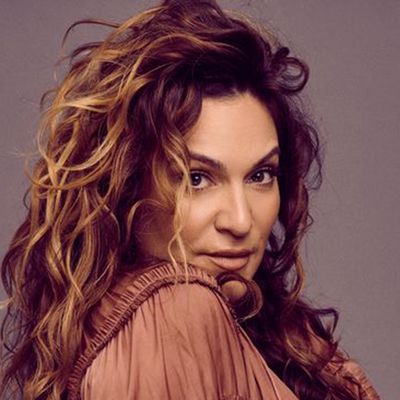
Is everyone watching Hamilton? This was the interview that really put Guys Who Like Musicals on the map this past year... and Joe was NOWHERE to be seen. Shoshana Bean puts her heart into her voice. This was the interview that really made us feel like we could talk with people at the absolute top of their game. We started this show as a couple guys who like talking to people about musicals, and this interview was a awakening for us that an interview show about Broadway could be so much more. She had just finished up her run as Jenna in Waitress when Dan talked with her and she speaks so openly about the highs and lows of her career. Shoshana loves the theater, but her story is long and complicated and beautiful and heart wrenching. We are so thrilled that Shoshana came back to Broadway .... She talks about how Waitress healed many of the wounds of replacing in Wicked. You'll always remember your first Elphaba. She talks about coming to terms of the impact that playing Elphaba and so many other remarkable stories. There were so many gems in this interview and we wanted to bring you our favorite moments. We can't wait for the follow up episode where we talk about artist self care. She is such a generous and a remarkable talent... and we're so grateful she talked to us. Well... Dan. She talked to Dan.
Transcript
This transcript was automatically generated and might contain errors.
[0:19] Joe Carroll: Welcome to Guys Who Like Musicals.
[0:28] Joe Carroll: No Dan this week. Uh, we're continuing the celebration of our one-year anniversary, and it's just me, Joe, this week, because Dan is driving across the country. Uh, he decided to move to Colorado. Uh, don't ask me how I feel about it. Um, but uh not great is the answer. Um totally kidding. Uh this is uh just an um this is just a blip in the road. Um it's gonna be fine. We're gonna get through it. Um, but uh this week it's just me talking to you uh for a second. We're continuing our celebration of our uh one-year anniversary, and this week uh we're bringing you our interview with Shoshana Bean. Really, it's just Dan's interview with Shoshana Bean. I was nowhere to be found. Um at one point, Dan says to her that, you know, Shoshana, you put your heart in your voice, and we really think that that's all encompassing of this interview.
This was the interview that I feel like really made us as Guys Who Like Musicals uh feel like we could, you know, talk to people at the absolute top of their game, uh, that we could have a show about Broadway that was more than just talking about our favorite musicals, even though we love doing that. She's so vulnerable. She talks so so openly about her highs and lows in the theater and the long complicated journey that she has with the theater, which is remarkable, and we love her, and we're so grateful. So without further ado, here are highlights from our interview with Shoshana Bean.
[1:50] Shoshana Bean: In bed. Um, and I was FaceTiming with Gavin Creel because I wasn't gonna be able to come see the show. Him and Sarah in it. Um and uh he was in his dressing room and we were FaceTiming and just out of nowhere, and these are those moments where I'm like some little angel tapped you on the shoulder, and he was like, Why haven't you ever, why haven't you ever played Jenna? And because I hadn't seen the show or heard any music, I think I've coached little girls singing "She Used to Be Mine," and I've coached little girls singing "When He Sees Me." Yeah. Um, but other than that, I knew nothing about the show. But I just knew the women who had played the role. Right. Uh, we are nothing alike. Um, and I just thought, why would I ever be a Jenna?
To me, she seems like she's this type of a woman and this type of a character. I remember the movie from a hundred years ago. Um, and I just my instinct was to say to Gavin, why would I ever play Jenna? But because I have um in you know the past couple of years spent a lot of time with my friend Cynthia Erivo, who has no boundaries or limits as far as like what she how she views herself or what she believes she's capable of. You can't tell her there are limits or boundaries for who she can play and how she can be seen, which is astounding to me because I grew up, you know, at a conservatory where it was very important to them that you knew where you belonged and where you fit and how you were pigeonholed and what how you were gonna be defined.
And so I never allowed myself to when I first got here, I was like, I'll audition for everything because I can do anything. And very quickly, it, you know, just by the jobs I got, it became very clear how I was seen or how people wanted, you know, where they saw me. And um, obviously I've been gone a long time and I haven't really thought of myself as any type of a character. It's just on a project-to-project basis of like that sounds fun, or that would light me up. Obviously, Funny Girl in Beaches, like it's kind of a no-brainer. Right. Um, but being around Cynthia has just made me less of a no-sayer.
[3:53] Shoshana Bean: Right. And more of a yes-sayer. So Gavin said that, and I was like, literally took everything within me not to say what was on the tip of my tongue. And I was like, I don't know why I haven't played Jenna. And he was like, you should talk to your people about that. And I said, if I I don't have representation. I'm um I have a if I had people. If I had people, I would call. However, my best friend is a manager, and so she handles deals that come my way. Awesome. But rarely do I call her and say, Oh, can you find out about this or whatever? I said, if I call Michelle and I say, Can you inquire about me playing Jenna? She's gonna laugh in my face. And he said, I'm gonna talk to Sarah about it. So he hit me back later and he's like, I talked to Sarah.
She kind of said what I thought she would say. She said, I feel like wouldn't she be more of a Becky? And Gavin was like, no, you're missing it. I think you're missing what I'm seeing. And that was the last conversation we had about it. And not even, I guess it was three weeks later, Michelle was trying to get a hold of me, and I thought it was about another deal. So I wasn't really, I wasn't in a hurry to get back to her. And she texted me and she's like, you need to call me. I have to talk to you about something. And so I called her and she's like, I have an offer here for Jenna in Waitress. And I'm like, you must mean a work session or something. Sure. She's like, no, and it's next week. Like we have to do this right now because they want you to come in in a matter of days. Like they want you to start rehearsal. Like, I think I got the call on a Wednesday, and I was in rehearsal by the next Thursday.
[5:25] Joe Carroll: And it's wild to me now knowing you and learning who you are, that the Shoshana Bean has feelings like that.
[5:33] Shoshana Bean: Oh my god. Because like I obviously have feelings like that, and I'm sure people listening have feelings like that where you're like, well, I don't know if blank, right? But it's wild that that's something that you are still going through.
[5:45] Shoshana Bean: Well, I think life just, you know, I think when I first got to New York, you couldn't tell me anything. And then, you know, a rejection here or there, or a heartbreak here or there, or a bad review here or there, or uh, you know, you hear someone's opinion here or there, and it's just like death by paper cuts. And I woke up somewhere near my when I was about to turn 40, and I was like, what happened to you? Like, I still have a fire of determination and creativity that I always am on to the next thing and on to something. But like I realized that I had sort of crafted this brave, courageous persona, but like had really made a safe lane for myself. And Waitress was Songs for a New World started it last year where I was like, oh god, I've been very safe, and now I'm back in this like world where people can compare you to other people.
And that was exactly, you know, more of the fear that came up when Waitress started as I was like, God, so many women, wonderful women have played this role. This is just gonna beg comparisons. This is just gonna beg opinions about, you know. So it just it's been, you know, I don't even know if I'm I'm staying on on task for what the question was, but the the answer is everyone deals with that, even the people who lead with you know, even um, you know, even Cynthia deals with moments of that, you know. Um it's just human, you know.
[7:08] Shoshana Bean: And if you don't, you must be a sociopath. Do you know what I mean?
[7:11] Joe Carroll: Yeah, what like if you had like the pure ego where you never doubted yourself, like we'd be concerned about you.
[7:17] Shoshana Bean: Yeah. And no one or you're doing things that you're safe with. If you're not scared and feeling like you might be fooling the world, you're not in an uncomfortable zone, which means you're not doing something that's outside of your wheelhouse or something, you know, it's something you've done before.
[7:30] Joe Carroll: Right.
[7:30] Shoshana Bean: It's not a challenge. So I have started to lean in in my old age. Um lean into the things that are scary. And like I said, turning 40 started that. I was like, you if you're lucky, you're halfway through your life. If you're lucky, you have 40 more years. What are you gonna do?
[7:46] Joe Carroll: Right.
[7:47] Shoshana Bean: You're creating your own lane in doing that. You know, you're finding opportunities for yourself and you're doing what makes you happy, right?
[7:54] Joe Carroll: So, like, what do you think looking ahead now?
[7:57] Shoshana Bean: I think that you just nailed it. I learned to just do what makes me happy instead of doing things for a result, or like if I do this, then I'll be able to do like everything has just become about like what lights my heart on fire, what is exciting? What makes me hype to get out of bed every morning? And when this came across the table, that sounded exciting um and terrifying. But what's next is I feel like I have done everything I've wanted to do. I just want it to keep expanding. So, yes, I would love to do an original cast. Um, but knowing that that commitment is it's huge. So wanting it to be like something that just like I would, you know, bleed myself dry for, because that's kind of what it is. I have to do a story you have to tell.
[8:41] Joe Carroll: Yeah.
[8:41] Shoshana Bean: OBC for sure, more albums for sure, on a grander scale for sure. Um, I'm entering into a project where I will um executive music produce, you know, things like that. I'm very excited about that. I love soup to nuts projects. I love starting as a seed and then creating something and having a finished project that is as a Virgo that is like so fulfilling for me. So I'm excited about that. There was a time where I, the last place I wanted to be was behind the scenes. Uh, because I love performing so much. But I also just am so satisfied by the project of like making music, um, being in the studio, like editing and mixing. I just I love it so much.
[9:22] Shoshana Bean: Um, they say one book I read was uh um that Jensen Cheryl book, You're a Badass. And she says, like, the place where you belong is the place where you can be and lose track of time. What is the thing that you do that you can look up and be like, I've been doing this for eight hours? Where did the day go?
[9:38] Joe Carroll: Yeah.
[9:38] Shoshana Bean: And I was like, that's on stage, or that's in the studio for me.
[9:43] Joe Carroll: Right.
[9:44] Shoshana Bean: Um, not in I don't the rehearsal room is a hard room for me. I'm so ADD.
[9:49] Joe Carroll: But um, see.
[9:51] Shoshana Bean: Uh but yeah, that's I I would say that I have touched or been close to everything that I want to do in life. I just would love to continue to expand it to be on a bigger and broader scale.
[10:04] Joe Carroll: So, in that vein of like what passes the time, and how did you fall in love with theater in the first place? How did this become the thing that you decided to do? Like, what's 10-year-old Shoshana Bean like?
[10:16] Shoshana Bean: You know, what's funny is I forgot, I'm gonna cry. I forgot how much I loved it until I was back on stage with you guys.
[10:21] Joe Carroll: Isn't that always the thing?
[10:22] Shoshana Bean: I was walking, even just coming every day that I would be there, for some reason the floor, that tile floor, the painted tile floor and that blue sky makes me so emotional because the first day I walked in, and Sarah was waiting in the MD office and my script, and it's Waitress, Shoshana Bean, and we walk out on stage to start singing through the material, and I just so vividly remembered the floor and the sky. I'd never seen the show, so I had no visual image. And I just I was like, I'm home. Like it's where I I've been raised in the theater. So for me to be gone from it for so long or deny that it's such a huge part of me is like inauthentic. And coming back is like, you know what I mean? Like this is home.
[11:01] Joe Carroll: Yeah.
[11:02] Shoshana Bean: And so I think I was, it's just always been in me. And my mom was a dancer, so her first instinct of what to do with me and all my energy and you know inclination to draw attention toward myself was to put me in dance class.
[11:17] Joe Carroll: You had so many other like you were into soul music and you like grew up kind of loving lots of you weren't just obsessed with musical theater.
[11:25] Shoshana Bean: Right. I don't know where that came or why. I think it's because at that time, aside from singing in my living room for my parents, like that was the only access to performing was theater. There weren't R&B competitions for there wasn't American Idol, there wasn't majoring in pop music, there wasn't all the things that there are today for kids who want to. I really just wanted to be Whitney Houston. I just wanted to be a pop star.
[11:47] Joe Carroll: Right.
[11:48] Shoshana Bean: Um, but theater became the access through which I could perform and express myself in the way that I saw these people on MTV doing it, right?
[11:57] Joe Carroll: Um, so that's why.
[11:59] Shoshana Bean: And in doing so, I learned the value of the relationships you create. And, you know, I went and saw The Prom the other day and I cried through the whole thing. Like I'm a musical theater nerd.
[12:09] Joe Carroll: Right.
[12:09] Shoshana Bean: Like at heart. Um, so yeah, I think it was just the access. And and and because of that, and it also, like, I had a theatrical experience that changed the course of my life, which was when I was nine years old, my parents divorced, and my mom and I moved from Olympia, Washington to Portland, Oregon, which was, and I'm an only child, so this is like devastating.
[12:29] Joe Carroll: Sure.
[12:30] Shoshana Bean: And right when we got there, thank God she did. She put me in an acting class. Um, because I think she knew that that would be my constant or like the thing that would keep me happy and active. So, because it was summer, so there was no school. So I took this acting class, and like on one of the first days, the acting teacher said, There's this new performing arts center being built in Portland, Oregon, and the musical that's going to open this new gorgeous state-of-the-art performing arts center is this show called Sunday in the Park with George. And they're bringing in the leads from New York. It's a very big deal. And there's one kid in the show, I think Shoshana should audition. I did, I got the part, and in that show, Dot was played by Pam Myers, who was one of the first graduates of CCM. And I just, first of all, I had the run of the joint because I'm the only kid, so there wasn't a Wrangler.
[13:18] Joe Carroll: Right.
[13:18] Shoshana Bean: There wasn't rules. I would sneak into the house and watch the entire show, second act, because Louise isn't in the second act from the sound booth.
[13:24] Shoshana Bean: Like I could do whatever I wanted. I was an absolute terror. And it's such a playground. Like being a kid in the theater is the most fun thing because all of a sudden you have all this access to these adults and they're giving you attention. You're special. I shared a dressing room with all the adult women saying horrible things. I could walk. Everybody's cursing and you're like, don't tell your mother. So I met Pam, who just I was enamored by her and that role in the show. And uh the woman who played the nurse, um, ended up being my voice teacher, who then when I'm about to, you know, graduate high school, well, not I know when do you apply for colleges? Junior year or when do you apply? It's beginning of senior year.
Okay. Yeah. At that point, she's like, Shawnee, you know, you can major in musical theater. You can't, you can go to school for who needs to go to school for theater. Like I'm already doing it. Right. And she's like, you know, Pam Myers went to this school in Cincinnati. Um, and of course, Pam Myers was like the magic words to me, because I was she was just like an idol to me. So I checked it out, and that so to me, that was a that was a course changer. Like it just solidified. It gave me the voice teacher that groomed me and also said to me, you know, you can go on and keep doing this. Right. Because to me, I was gonna go to University of Oregon, go ducks, and uh major in business and take over my dad's industrial supply company.
Like it wasn't an it didn't compute that I could like do this for a living. Right. Nor did I think I needed an education to do it. The young ego. Um so yeah, I think theater changed saved my life. I don't know what kind of kid I would have been if I didn't have something that I loved and was mildly good at. Right. I I don't know what happens to those people. I just I can't imagine not having something, yeah, like that.
[15:11] Shoshana Bean: Yeah, we're really fortunate to know what we love and what we're passionate about, and like being given the opportunity to pursue that for sure. Totally. Um, do you still think that uh an education is necessary to do this? Do you I don't. I think that's a good idea. What do you think about your experience in college? Yeah. I'm glad I did it. Um I'm absolutely glad I did it, and I needed it. Um, it was a difficult experience for me. Um, I think some educators are um loving and supportive and often and sometimes use tough love, and that breeds wonderful talent. And I think some educators love to rule by fear and cruelty. Um, and I don't know if that's what I needed necessarily to be well taught, but it it is what I got, and it's what I don't regret going to CCM.
I think that they prepared me for something far more difficult than the real world was, which I think is fantastic. It's like when you study for the SATs. I remember studying for the SATs, and I'm like, this is I'm never gonna be. And then the test, I'm like, this is the test? Oh, please. That's how I felt about college. It's CCM. I'm like, oh God, you know, you gotta be prepared in moments notice and have 10 songs ready. And then, you know, everything was so overprepared, and I got to New York, and I'm like, oh, we're good, we're ready, we're okay. Um, so I'm grateful for that education. Um, but no, when kids ask me, do I have to go to college to do musical theater? No, because you and I both know we're working with all kinds.
We're working with some kids who went straight from high school to work at Disney or the cruise lines, or some kids that came straight here and just started pounding the pavement and taking classes. Um, I think that no two people have the same path. I think it's even more difficult to go to college these days. It was expensive when I went, but it's like even it's almost virtually impossible for a lower to middle class income family to afford to send their kids to college, more so the middle class because they can't get financial aid. Right. Um yeah, I do I absolutely do not think it's necessary. What I think is necessary is tenacity and ridiculous amounts of hard work and commitment and resilience.
[17:15] Shoshana Bean: Yeah. And I think you can learn that in college, you can learn that in the real world, you can learn that on the job. Thank you for listening to our show. As always, you can check us out on Instagram at Codic Musicals or on Twitter at the Musical Guy. And we just started a Patreon page, which is the password for to support our show. If you love our show, check it out. There's tons of cool opportunities for listeners on there. So check it out. Love you. What stuck with me, unfortunately, through that whole run was just this like story and belief and feeling that I was not first choice, that I was just a replacement. And I think it was self-preservation. I really think it was such a massive gift and role and moment in theater that I just couldn't really own it and take it all in.
So I just kind of was like, I'm just a replacement. I'm just gonna barf up whatever I saw happening on the stage and just sort of like try to recreate that. I'm not gonna really take the time to get to know this character and like justify the things I'm doing. Adina did these arms, I'm doing those arms. And yeah, and also just like kept some sort of a distance between me and the role, thinking like, well, I was second choice. So you know right, right. And it was like six months in that Joe Mantello came to the show, and he wanted to work with Megan and I and whoever I forget, or David Ayers was my fireo, and you know, whoever else was in the cast at the time, and he was kind of like, what are you doing?
I don't understand like the things you're doing with your arms, or like, why are you? And I I wanted to say, like, I'm just doing what Adina did, but obviously Adina had done the work to create this character, and everything was because of something internal, and I just didn't A, I didn't really have direction going in. We had, you know, an associate director there, but I just I didn't know. And so at that point, I think I was like, you're gonna have to take a little ownership of this kid. Like, you're gonna have to make this your own, more than just the music. You know what I mean? Like make the character and this and this human your own.
[19:21] Shoshana Bean: So uh coming back and doing Waitress has healed a lot of like old wounds for me, um, in regards to replacing. And even just the other day, I tweeted this thing, which has gotten more likes than followers that I have, so I don't know. I tweeted because I caught an elevator the other day, and this girl said, You're Elphaba. And I said, No, I'm not Elphaba. And she was like, Yes, yes, you are. And I said, Not for many years. And she said, But you're my Elphaba. And there's like this thing where I've just like disconnected from the whole experience because I'm like, it's just become this massive thing. 9,000 girls have played Elphaba. Like I was, you know, 13, 14 years ago. Like, I'm not, that's not me anymore.
And everyone associates with these videos they've seen online or they were at the theater or whatever. And I just thought, like, you don't get to decide that. Like for those people, you, and to feel like I have to finally own like the impact that was made, or what that like, if I saw my first Fantine or my first Eponine, or when I did, when I got to meet um the girl who played my sister, who played Nessa Rose on the road, um, Didi Magno Hall, she was my Kim in Saigon. And when we had our first rehearsal together and she started singing, I fell apart because I'm like, you're my Kim. Like, and she'll probably be like, Yeah, now I'm playing your sister in a wheelchair. But I'm like, you're my Kim.
Like the experience that people have of you being their first, they're that. Like, I just, yeah, this whole coming back has like really taught me not to downplay it or like minimize it just because it's too much for me to hold or carry. Like it's right that I won't allow myself to like take that on or in. Like, am I making any sense?
[21:03] Joe Carroll: No, you're making complete sense. It's it's like we're afraid of getting hurt, you know? But like the only thing that you have is the work that you do, but then you like downplay the work and you don't necessarily want to give your all to the work because then you're making yourself vulnerable to these like this opportunity. Critics? Yeah, right. And and it's so funny because like literally what you're doing is putting yourself in front of people for a living. Yes. And that's the that is the paradox of being a performer. Look at me, don't look at me. Look at me, don't look at me. Right. And you like thrive off the attention, but it's also the scariest thing that you could ever get. And like, you know, there's part of you that wants you, you want Adina's life, but you don't want all the other hard shit that has come with how she got there and all that.
[21:56] Shoshana Bean: Yeah, but no one tells you about that stuff. And even Adina didn't tell me about that stuff. She never said to me, kiddo, when you lock out that stage door every night, like it's gonna be hard. It's even more energy, and people want even more from you, even though you just bled on stage for three hours. Right. They want more. So your job doesn't end until you get in the car and you shut the door and you're on your way home. Like, no one tells you that. Right. And the stage door is a whole other experience. And the fan mail and the people who you know, there were so many things of like, you know, people will do a lot of things and use a lot of they just everyone wants something. Do you know what I mean?
And no one prepares you for that. Right. And if you're a generous person, you can get blood dry. There's just a lot of things that I wish um that the elders in our community would share. F everything from vocal damage to vocal surgeries to to, you know, dealing with the stage door, to dealing with their own health, to dealing with producers. Like, there's so so many things that we just don't talk about.
[22:53] Shoshana Bean: Yeah, because we don't, we're ashamed, or we don't want to be the one to start the conversation. But once someone's brave enough to open their mouth, 10 other people in the vicinity are like, me too. Right. So I just, you know, I I think it's in it's an important conversation to have and to start. And I try, as I believe, an elder, just by age alone in this community, is like, you know, to try and have those conversations about self-care, mental and physical. Um because it's not that you're ungrateful and it's not that you don't appreciate the opportunity. Yeah, and then people are like, well, this is your job. You're here, and it's like, well, no, I don't think that it's your job to uh to deal with the mental health of the people who you're interacting with at the stage door, and that's a lot of what our business is is like unprotected um access to these performers, and and it's there, there's a lot that's asked of you.
[23:47] Shoshana Bean: Yeah, but I think if you go in knowing that and you understand what kind of energy it takes, and that the job doesn't end when you take your costume off, you know, um and if and if you and there are nights like you know, and I I don't apologize for it, like there are nights where I just don't have it to give at the stage door, and so I won't do it. Like you have to know your own limits and what you're capable of and what it takes and how to protect yourself. I mean, there's just so many things. This is a whole other episode of the podcast where we talk about like the self-care of an artist and the things that no one teaches you in college, and the things that unfortunately, you know, if I'm passing down a role to someone, like there are probably a million things I would have liked to have said to Allison, like watch out for this, watch out for this.
But I wasn't asked. And I don't want to assume that she needs my help or guidance or is gonna have the same experience. I wouldn't want to say look out for this, when it may not even be a roadblock for her. Um, so it's just hard to navigate, like, unless someone reaches out to you and says, yo, yeah, what do I need to look out for? What do I, or you know, how did you navigate this? Um, I just think it's important for those of us who know to share with those who don't and protect them.
[24:56] Shoshana Bean: So, what are some of the things that you're doing? We were speaking before we started rolling about just like a general vocal fatigue moment of your life, but like what are you doing? Cause you sang the shit out of Jenna in a way that's it's not just like, oh wow, like she did a lot of interesting melody changes. It was like, no, you were like, what I learned most from you was like how to put your heart into your voice. And that was something that like you did every single night, and it wasn't about sounding perfect. It was about like what you were experiencing, right? And but because of all of that, you're having these like, I'm sure you have physical restraints that you've learned how to manage. And like, are there any any advice you have? Like, what are your I'm there? I'm sure there aren't any secrets. It's not like you can take a pill and everything's fine.
[25:45] Shoshana Bean: No, I do not take pills. There's so many secrets. Um, and again, that's a whole other episode. But for me, um, God, I learned so much doing this role because I came in having been sick for like three months, couldn't shake this cold. It just kept morphing and changing and moving, and I tried everything. And so when I got this and I came in, I'm like, I don't know how I can't even stay healthy for like it's been three months. How am I gonna do this? And um, oh God, how where do I even begin about this? I met someone who taught me about like the mind-body connection and how to manage and your nervous system essentially. Um that your body is constantly asking you, basically asking your brain, are we in fight or flight? Are we in rest and recover? Are we in danger? Are we safe? Are we, you know, and talking about the evolution of a body has not, it's not caught up with modern technology. So the danger of what is that, a buffalo?
[26:46] Shoshana Bean: A wild boy, like, you know, a wild buffalo picture on the wall. It's beautiful. But I'm trying to think of a wild animal coming towards you, which is what would have happened in the caveman days, and that's danger. And so your body does a number of things to protect you. But we experience those same things which are when we walk into an audition room. When you walk into an audition, when you walk on stage, your body is responding to danger, fear. Right. Um, it doesn't know the difference between almost being hit by a bus or, yeah, um, doing your opening, doing your first rehearsal with the cast of Waitress. You know what I mean? Sure. So all these experiences, whether it's my voice, you know, being difficult, or whether it's a sinus infection, or whether I have a pain in my back, or whether I have a migraine, like any of those things are manifestations of your body trying to protect you from something.
Oh, we're in danger. It's scary for you to go on stage on Broadway again. Cool. So the safer thing is for me to be in bed at home. Great. So here's a cold. Right. Great. Your voice isn't gonna work. I tell kids all the time, I'm like, you ever notice how you have a big show coming up or like a big audition and you get sick or you lose your voice? Like there's a reason. There's this fear and anxiety that informs your nervous system that things are not okay. So I learned that and I was able to be like, oh, my body's actually working for me, not against me. So anytime something happens, I'm like, all right, what's really going on underneath that I'm not maybe conscious of? Um, what am I afraid of?
What am I angry about? What's going on that my body is either trying to get my attention about something emotional or trying to protect me from? So that was the first big thing that made this experience like so powerful and made me capable of more shit. You guys think it's so cool that I would fly out and do a concert and come back and do a show. I wouldn't have been able to do that prior to this and that knowledge. All different styles and have been in every possible performance situation from the best to the absolute worst, and have just had to figure it out. And what I have figured out is no matter what the situation or the music or whatever, I am a communicator, I'm a vessel, I'm a communicator through music.
And the only way to do that is to allow complete access to my heart through my voice. So that you say that is like the highest compliment because that's the intention. Is like, how can I just share my heart with you? And my access is through this instrument. And however it sounds and however it goes is fine because I know that it's in its purest form. If it sounds vocally perfect, fantastic. If it sounds like shit today, I'm still like you're still sharing your heart, which is the only thing that is asked of you.
[29:16] Shoshana Bean: Yes, but unfortunately, not actually being asked. That's my requirement of myself. But it's not what is actually being asked of performers these days, I don't think. But you know, when we all I listen to podcasts all the time, which is probably no surprise. But every single film actor who you love is talking about the fact that when they learned how to open their heart in an audition room, everything changed. Yeah. And like I have been so caught up in trying to sound a certain way or trying to sound like Jeremy or sound like Gavin or sound like Aaron. And you know, it's about what Shoshana Bean does today. It's about what you do today, not necessarily like which is different every day. Which is different every day, and allowing that to kind of happen is way more interesting and way more fulfilling as somebody watching that than singing exactly the same thing and sounding like the record every time.
[30:18] Shoshana Bean: Well, there's yes, yes, I'm in 100% agreement. The gift is this score, the Waitress score gave me that permission. Like she used to be mine. I just, there's no way I'm gonna be. I mean, of course I'm concerned about how I sound. Of course, I berate myself when I come off stage and I'm like, uh, but ultimately that it wasn't at the expense of like, oh, I'm gonna hold back here because I don't know how it's gonna sound. I mean, you know, it's just that song. Everything else, like I hated, you know, sounding bad on what baking can do or things like that. You never did. Are you kidding? But you know what I mean? Like, I just think it's this business, and I think it's hard for people not the good, the good news is I can't ever try to sound like I just don't sound like anybody else.
But if you have the ability to emulate a Jeremy or a Gavin or an Aaron, I hate that people feel like that's what they need to do to get hired or to be seen or to be appreciated. Right. Um, but I'm pretty sure that Gavin and Jeremy and Aaron weren't trying to sound like anybody else. And so all I my call to action and my plea for every performer out there is to just be who you are because that's what we need. That's what we don't have. That's like why you're here. And you said in another interview, like you're not preparing for the industry that is here now. Correct. You're preparing for the like if you're in school, or even if you know, you're here sitting in this couch, you're preparing for what is to come.
Yeah. And you're you can't see it. You're the vehicle for what is to come. Yeah. Right? Because what you do in an OBC is gonna be very different from what someone else does in an OBC. And that will then be the thing that some other 12-year-old is. When I was coming in, there weren't a lot of pop musicals. Right. And now it's like all there is. Only. Yeah. And ultimately the thing that they were trying to beat out of me in college was my pop sensibility. And every show I've done is because of my pop sensibility. So I just think it's so important for people to just, you know, take inspiration from other people for sure. I learn, you know, from other performers all the time. But emulate them or try to try to, you know, replicate what they're doing.
No, you're robbing yourself of like and the world of like the experience of you. You know what I mean? Yeah. Um, but yeah, I think that that is so true, and I'm so glad to hear that about the heart opening. It's the most terrifying and the most important thing for so many reasons.
[32:54] Shoshana Bean: And I also think once I learned to stop making this work about me and make it about other people, from the other people I'm on stage with to the people in the audience. It's not about how good I'm doing or what kind of a response I get or how much I'm getting paid, or you know, it's not about that. It's about what I'm here to give, how I can be of service. And once I shifted that, amen. Everything changed for me. Even in a situation where I'm sitting across the table from someone who intimidates me a little bit, or I'm a little nervous around, I just get out of myself and be like, what am I here to give this person today? And that immediately in an audition room. Same thing. What you said. Walk into a room and change like F the part.
Like whose heart can you crack open today? Whose life can you change today by singing a song? You don't know. You're there, their grandma could have rocked them to sleep singing that song. Like you, you know what I mean? You just never know who you can be for somebody. And whenever I'm in some type of zone where I'm insecure or doubting or nervous or whatever it is, I just have to get out of making it about me and make it about the other person or a bigger purpose. Does that make sense?
[34:02] Shoshana Bean: Absolutely. Yeah. In real life, for me, it has served me to just completely get out of my own thing and just be about how can I be here for you. Right. How can I add value? Yeah. Yeah. And that's I that's that's totally totally spot on. Okay. Speaking of value, how you can add value for people. You have some shows coming up at 54 Below, right? Speaking of speaking of value, you can add a segue. Um, yes, I have a couple shows at 54 Below at the end of August into the beginning of September. Um, yeah. That's exciting. And you're gonna sing theater songs, right? I'm going to sing all theater songs in a for the first time. Did you grow, did you listen to theater songs when you were a kid? Was there like the golden age American songbook in your house vibe?
Or were you listening to soul music and just being a performer? Um, I think the actual like purchasing of soundtracks was on an on a on a like case by case, per like per need basis, like whatever show is gonna be coming up. Like, I don't think I ever went and like shopped the soundtracks at Tower Records, um, the way that I did the R&B section. Right. But once I was in college and we had to, you know, source material. I would go to the library and check out like 20 soundtracks and just devour them and go back and check out 20 more, whatever the limit was. Right. Um, yeah, but it's interesting because even in trying to choose the repertoire for these shows, I'm like it's so much. And then when you like really go to the heart of like what you're trying to say or the story, you know, I don't know.
We'll see. It's gonna be interesting. But I'll be singing boys' songs too, because there's boys' roles I want to play. Yeah, one uh all those stupid shows were written by men. So I find that not that they're stupid, but that it was just a different time, and uh they weren't writing the juicy material for women because they couldn't connect to it. And now it's so much better that women are writing women's stories because then the women playing them can actually connect to them. Yeah. Although two of my favorite writers for women are men. Who's that? Jason Robert Brown. He writes for women like nobody I've ever, like nobody. The way, yeah. I just I don't understand his ability. And uh Steven Schwartz.
Yeah, fair. Yeah. Those two. Um, but yeah, it'll be exciting. Taking requests. Oh. Um yes, I'll be singing choose to be mine. Oh, good, good. We've done this a lot, but what's your what's your advice for young actresses today?
[36:43] Shoshana Bean: Oh, I think the best things that we've said today that I can reiterate and that I think are the cornerstone is like vulnerability, as scary as it is, is the is the direct access and from the jump from the room to like to the stage is an honesty, a vulnerability, a truth in storytelling. I feel like people forget as soon as they open their mouths to sing, they forget to tell the story. Right. It's all about listening to themselves and how they sound, and they forget that they're still communicating. Right. Um, but I think that comes along with sort of like cracking your heart open and being vulnerable and pouring yourself into the material. And then the other thing is like the access to doing that is is a is a knowing and a confidence that like who you are is enough and who you are is like perfect.
Um and I don't know how to fast track people to that. I think life just it's just life. Everyone has a different some people get there real quick, and some people take a very long time to realize that their their worth and and what is what is different and special about them. And uh, and to you know, to take constructive criticism and to constantly work on bettering yourself and your craft and your skill, but to know that like, you know, even if you never did any of that, you are enough.
[38:05] Joe Carroll: Right.
[38:07] Shoshana Bean: Damn. Got that, Dan? Write it down. Damn, you are more than enough. No, I don't know. Oh God, you know, that's this business, man. It'll do that to you if you don't like you. That's no, it's just uh, yeah, it's it's the ebbs and flows are crazy. The highs are high and the lows are low. It's really wild. And it's hard when you're in a show for a while. That's the other it it can be like a silent slow killer. You forget that you're capable of other things. You forget who you are because you're doing the same. Right. You know. That's the thing that like acting class gives me that I that yeah, you know what I mean.
[38:44] Joe Carroll: You're still in class.
[38:45] Shoshana Bean: Yeah, just for you.
[38:46] Joe Carroll: Oh well, I'm trying.
[38:48] Shoshana Bean: You're doing.
[38:50] Joe Carroll: Trying.
[38:50] Shoshana Bean: You're doing. But that's important. Like, that's you know, for the podcast where we talk about doing eight shows a week, um, that's that's part of it is like finding your creativity elsewhere. Because as much as you think you're being an artist by doing eight shows a week, you're not, because you're doing the same thing. You know, I mean, you find access to new things inside of the show, but like you gotta, you gotta like hold like turn the soil over. Yeah. And by taking class and doing all these other f amazing creative things that you do and that you do.
[39:20] Shoshana Bean: Yeah. Okay, I love you. Thank you so much for coming on.
[39:25] Joe Carroll: Of course.
[39:25] Shoshana Bean: Until next time. I'll be back next time for talking about eight shows a week and vocal health. And yeah, we'll do a mental health with Shoshana Bean.
[39:32] Joe Carroll: Oh god. They'll be like from who isn't she certifiable.
© Broadway Podcast Network, All Rights Reserved