

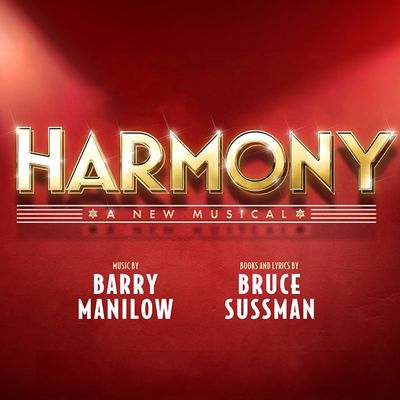
In this episode, we discuss the new musical HARMONY, delving into its overall concept, standout actors' performances, Warren Carlyle's direction, and the music and lyrics by Barry Manilow and Bruce Sussman... Read More
From the show: Half Hour with Jeff & Richie (Post-Show Broadway Discussions and Interviews)
Featured Shows
About
In this episode, we discuss the new musical HARMONY, delving into its overall concept, standout actors' performances, Warren Carlyle's direction, and the music and lyrics by Barry Manilow and Bruce Sussman. We share our thoughts on what we liked about the show and explore potential changes that could enhance the experience. Additionally, we take a closer look at the marketing of the production and wrap up with our final reflections. Join us as we break down HARMONY and don't forget to subscribe to our channel for all things theatre.
If you liked this episode, don't forget to subscribe to this podcast and leave us a review.
Share your thoughts with us on this episode below:
On Instagram: @halfhourpodcast
On TikTok: @halfhourpodcast
On our website: www.twoworldsentertainmentllc.com
Transcript
This transcript was automatically generated and might contain errors.
[0:00] Jeff Malone: Welcome to another episode of Half Hour with Jeff and Richie, the podcast where we deeply dive into the shows we see.
[0:06] Richie Grasso: This week we are discussing the new Broadway musical Harmony.
[0:09] Jeff Malone: Want to know our thoughts on the story of the comedian harmonists? Then join us for the next 30 minutes.
[0:15] Jeff Malone: I'm Jeff, a music industry producer and manager.
[0:18] Richie Grasso: And I'm Richie, a theater director and producer.
[0:20] Jeff Malone: Let's explore Harmony on Broadway.
[0:25] Richie Grasso: Half hour.
[0:30] Jeff Malone: Welcome to today's show, everyone. Before we get started, we always like to let our listeners know that there will be spoilers in our discussion about the show in this episode.
[0:38] Richie Grasso: So if you still want to go see it first, that's okay. Make sure you go check it out and then come back and listen to our episode.
[0:43] Jeff Malone: We just wanted to warn y'all that there will be some spoilers here. So that being said, today we're here to discuss the historical and thought-provoking new musical Harmony.
[0:52] Richie Grasso: So here's a little bit on Harmony. Uh, Harmony. This is a show that is a blend of music, storytelling, and history, charting the rise and fall of the comedian harmonists, composed of three Jews and three Gentiles who achieved international fame during the rise of the Nazis in Germany.
[1:07] Jeff Malone: With a compelling narrative brought to life by veteran collaborators Barry Manilow and Bruce Sussman, Harmony is a fascinating exploration of memory, resilience, and the power of music to unite even in the most testing times.
[1:20] Richie Grasso: Harmony is playing at the Ethel Barry Moore Theater on Broadway in New York City and revisits a forgotten chapter of history, shedding light on its timeless relevance today.
[1:28] Jeff Malone: It also has direction and choreography by Warren Carlyle's. And I wanted to just bring a little bit of the show's history into our conversation before we start talking about this production that we just saw.
[1:39] Richie Grasso: This show started in 1997, and it goes all the way back to a pro it started in San Diego in 1997. It went to Atlanta in 2013, it went to LA in 2014, it went off Broadway in 2022, and now here we are on Broadway in 2023.
[1:58] Jeff Malone: So this show has been around for a long time, going through a lot of extensive changes and rewrites or production element changes to get to where it is today. So we're not seeing something extremely new per se.
[2:11] Richie Grasso: And I think that's really important for our conversation because I think there's something to be said about new sometimes. We see shows that are so new, and then sometimes we see things that have gone through a lot of changes.
[2:23] Jeff Malone: So while this is new to Broadway, it has been around since the 90s. I know that Barry Manilow has been working on this for a long time. So I just wanted to kind of put that out there. Uh, a little bit of the history of the show.
[2:35] Richie Grasso: It's such a timeline.
[2:37] Jeff Malone: Yeah, for sure. It's like when you think about it and you're like, wow, 1997, the year of The Lion King.
[2:43] Richie Grasso: Yeah.
[2:44] Jeff Malone: And look at that. And The Lion King has been on Broadway this whole time that they've been creating Harmony and doing all these different versions of it.
[2:52] Richie Grasso: Yeah.
[2:53] Jeff Malone: Crazy.
[2:54] Richie Grasso: Yeah.
[2:54] Jeff Malone: So let's dive a little bit into some of our overall thoughts on this, Jeff, with the plot and just our thoughts in general on this piece. What did you think?
[3:00] Richie Grasso: I feel like my initial like one, two, three on this show is kind of simple. It's a kind of, after seeing it, it's a biopic jukebox type musical here.
[3:15] Jeff Malone: And I felt that this show had a lot of great moments, but it wasn't that cohesive. And the whole time I, while watching this, I said, okay, they're touching on this and they're touching on that, and here we are. But they don't know what they want it to be.
[3:34] Richie Grasso: You know, is this a biopic musical on the comedian harmonists? Is this a piece on, you know, Nazi Germany and the Holocaust? You know, is it a revolution piece? I just felt like they were trying to touch on too many things, and as a viewer, it didn't really let me sit there and say, hmm, okay, I totally get what they're trying to do here.
[3:58] Jeff Malone: It almost was kind of to me, I agree with a lot of what you're saying. To me, there seems to be a little bit of a missing concept.
[4:06] Richie Grasso: Yes.
[4:07] Jeff Malone: And I think that you're telling the story, but then there's a narrator, like so the different stereotype theater moments, right? We're doing the black box with projection to show a million different locales. That's one concept. You have the dark tragedy, okay. You have the comedy elements, the show within a show. You have the typical, like, I'm the narrator, I'm gonna tell my story.
[4:34] Richie Grasso: And because there's so many, it's like almost like just give do one less. You know what I mean? And I feel like I, I don't mean to compare this to other Jewish stories like Fiddler on the Roof or like Cabaret, but those two were wildly successful musicals of their time, still are multiple revivals every few years on Broadway and internationally.
[4:56] Jeff Malone: And I think when you look at something like Cabaret, you look at it and you say, oh, the concept is we're at a cabaret at the Kit Kat Club, and there is a love story, and there is tragedy and there is stuff going on, but then when we're in the song, the song is either making fun of or highlighting something that's going on in the world, but then we're reminded that it's in the style of a cabaret.
[5:23] Richie Grasso: Yeah.
[5:23] Jeff Malone: With Fiddler on the Roof, Tevye addresses the audience. He is the narrator. So he says, oh, my daughter's gonna marry, and now she wants to, what am I gonna do? And the comedy comes from just the actual telling of the audience in real time.
[5:40] Richie Grasso: In real time, like Tevye steps away from his wife or his child to talk to the audience about can you believe what I'm going through with my family? And that's where the comedy is.
[5:48] Jeff Malone: Here it was like I would, so we'll talk about Chip Zion a little bit, who's I think actually the best part of the show, or one of the best parts of the show, because he's pretty fascinating in what he's doing here. But it's like I was a member of the comedian harmonists. Let me tell my story and then let me play all these different bit roles, like the MC in Cabaret does.
[6:08] Richie Grasso: See, like there was just so much of that. It was almost like I feel like the creators were like, let's take so many things that have worked in the past and kind of make it work here, and I just don't think a lot of it's stuck, unfortunately.
[6:20] Jeff Malone: And I totally agree with that. It's, I'm gonna bring it out early in this podcast episode here, but when we get into the checklist musicals, this is falling into that boat, unfortunately for me.
[6:35] Richie Grasso: It, and you brought it up here. It's like, okay, ready, let's get out. Basic one-on-one musical theater here and narrator check, projections check, choreo numbers check, you know, funny moments check, and it's just like I don't know that that clear concept of this was just missing, and it kind of brings up, you know, how successful do you think they were in retelling the comedian harmonists story here in Harmony?
[7:07] Jeff Malone: Well, it's interesting because it is such an important story, and when I was watching this, I was like, oh, this is actually really fascinating to me, right? That these guys got together the way they did. They went to New York. They think they maybe should have stayed in New York. They didn't. The whole group fell apart because of the horrible things that were happening in the world at the time.
[7:27] Richie Grasso: And they say that this group was supposed to get big. They were big. They were in a lot of movies, they were releasing records. People loved them. And it's amazing to think, oh, what could have happened? What could this group have been? And I think that is an amazing story.
[7:44] Jeff Malone: Unfortunately, I think of the way it was told, and I was just more interested in like Julie Banco's character, Sierra Boggess' character, Chip Zion's character, even Josephine Baker's moment. I was kind of just more interested in all of them than the actual six guys. And that was really kind of sad.
[8:03] Richie Grasso: Okay. Interesting point here. I feel like we're gonna skip to something that I want to get into more of like what could have been better in this show. But I already feel like like a major conversation here, and you just brought this up by bringing up the Josephine Baker part here.
[8:19] Jeff Malone: There's a moment in the show when it opens act two, and we're having a what if, like, what could have been of the comedian harmonists. Well, we don't know at the time that it's a what if. We think that they actually got together and danced with Josephine Baker at the Ziegfeld Follies.
[8:36] Richie Grasso: I think.
[8:38] Jeff Malone: And I thought that, yes, I didn't mean to cut you off. Continue.
[8:42] Richie Grasso: How interesting would this play musical have been if more of the show was that?
[8:48] Jeff Malone: Yes, because I was like, wow, the comedian harmonists and Josephine Baker danced together at a number, like that's cool. And then when Chip runs out and says, no, no, and he stops the song, he says, this didn't happen. This never got to happen. I remember in the first three to five minutes of act two, I'm like, oh my gosh, oh my gosh, this is really, really well done.
[9:13] Richie Grasso: That was a really cool way to tell that. But why did that happen in act two? That should have happened as the opening to act one.
[9:24] Jeff Malone: Yeah.
[9:24] Richie Grasso: If the whole show started out with that number, and like he came out as the narrator and said, no, no, this never happened. I'm gonna tell you what happened. Then we would have been like, we would have been like, there's theater.
[9:38] Jeff Malone: Okay, that's theater.
[9:40] Richie Grasso: Okay. But instead it was like they got the piano and they're like, whoa, Carnegie all singing, and I'm like, oh, okay. I just, I just feel like while I do think those six men sang incredibly well for two and a half hours, and that is really difficult to sing all that harmony while you're dancing and all that, and I get it.
[9:57] Jeff Malone: I totally, the vocal arrangements, and I believe you said this in our on the serial view, the orchestration and the vocal arrangements are top-notch. And Barry Manilow's name is on all that. He did a lot of these orchestra vocal arrangements and arranging, and so like if he spent a ton of time getting those harmonies correct, no pun intended, right? Then good for him because I thought it sounded really well.
[10:16] Richie Grasso: I don't think the score is very good, unfortunately. I don't remember one song. I think a lot of the music was very forgettable. And for someone who's been working on a show for almost 20 years, um, I just, oh actually over 20 years, I feel like the score could have been a little more polished.
[10:35] Richie Grasso: But I did like the harmonies.
[10:43] Jeff Malone: Welcome back, and this show had such a long development process. Like, I'm so curious to know, like, in 1997, what was the show like, and how far did it actually come? Because when I look at this show, I say, hmm, I don't know how far it came. Did they face very specific challenges from where they started? Also, a key moment in this show is when Chip is sitting at the end and he's listening to a tape recorder or he's recording himself talking about this piece. I feel like that needed to be highlighted more. Was this something that inspired the show in general? Did someone find this tape recording of his story and say, oh, this could be a musical? It just doesn't feel that clear and decided. And you know, if there was a living comedian harmonist in the 80s, I think there was one that lived long. I wonder if the... Yeah, because you would have sworn Chip Zion was a comedian harmonist, right? Just the way he was acting and telling that story, you would have sworn he was one of the originals.
[11:52] Richie Grasso: Totally. But let's talk a little bit about some design concept things here as we move into some creative design. I will say this was off-Broadway, it was in regional, so I still feel like it didn't do the jump to Broadway because I felt like it was in a black box theater. I almost wish, and I know Beowulf Warren did this set. We usually love Beowulf sets, and I nine out of ten times usually love it. I didn't really enjoy this set because I felt like I was in a glossy black box. I say glossy because I feel like the walls were like glass, shimmery, but then there were projections behind illuminating different locales. But then sometimes they didn't even know where we were, and like a costume rack came on or a desk came on, and like, where are we?
It didn't even make sense. I understand we're going to show multiple locations with projections, but the black box just darkened everything and made everything feel so closed off and not clear. I think that's our theme here, right, Jeff? So many things were not clear in the plot, in the design.
[12:55] Jeff Malone: Well, even the set didn't have a concept. You look at it and you say, I don't know what they were going for here. You know, when you compare it to something like "Abbery," you know you're in the club. We're getting those moments in the club. Where was the main point that this show was taking place? It didn't have a clear goal here. And if you're trying to just tell... We always talk about this, right? Why do we try to tell someone's whole life story in two and a half hours? Why was it our job or this creative team's job to sit and tell the whole story of the comedian harmonists? Why couldn't we actually talk about maybe mostly their demise with some flashbacks to how they started, not let's start at the very beginning and then go all the way through? I just don't know if that concept really worked for this, especially since we've seen memory shows so many times. Let's go take a trip down memory lane. I don't know if the memory lane needed to happen for this show.
[14:06] Richie Grasso: Right. Because one, a lot of people don't know who they are. So I'll go back to what we were talking about earlier. There was such an opportunity to kind of showcase and say, because of Nazi Germany, this didn't happen. What could it have been? What maybe could they have been in society? That to me is so creative and so inspiring that they should have said, hmm, if we continued, hey, if they stayed in New York, if they did something like that, what could have been of them? Would they have fought for their country? You know, like if they stayed in another country, would they have said, this is what they're doing to the people in Germany? This is what they're doing to the Jews? Hello. Could they have been advocates for people around with their platform that they were creating?
[15:03] Jeff Malone: I totally hear you. And to talk about another aspect of design, I do want to say the costume design was by Linda Cho and Ricky Lurie, and I really did like these costumes. I thought they were so period. I love period piece costumes. I thought they were really great. There was a lot of costumes in this show, and I actually really did like this. I did want to say that. But I also want to talk about when you're talking about the plot here, there's a program note that I picked up after seeing the show that I wanted to read to you, this short paragraph. The program note about the comedian harmonists. So I'm reading what's in the playbill, okay? Then the quote here in the playbill: "The comedian harmonists were indeed the toast of Europe from the late 1920s through the early war years.
The events of their career are dramatized here largely as they occurred. Some license has been taken with regards to chronology and locale. The characters of historical merit, politicians, performers, men of science, and letters all indeed factored in the story. The uncanny meeting on the train, dramatized in our second act, happened." So it's interesting that they're trying to say some things may have taken some license, but that train thing did happen. And I think that was interesting too.
[16:18] Richie Grasso: To me, I think we're sitting here, we're saying, did all this happen? Did some of this happen? Did this happen in the right order? Because they're saying some things might be dramatized and slightly out of order. So I don't know. What are we trying to do? Are we trying to tell everything exactly as is? Are we trying to dramatize this? It sounds like they tried to do a little bit of both. So I don't know if you're going to dramatize it, then really dramatize it and make something up. Don't give me a false musical that of what you thought happened, because then that doesn't make sense to me.
[16:52] Jeff Malone: Yeah, this is not it. This shouldn't be a what we think happened, because we're talking about the time period that did exist. I'm talking about, you know, if we're here to showcase either the memory or the art of what these men were creating and what it could have been. I think that there's so much more of what could have been of all of the Jews that were killed in the Holocaust. There were so many, and they all were doing something. And I think that entertainment is a very interesting thing because we don't really hear a lot about the entertainment side of what people... Who was killed? Who was taken? It was very interesting, you know. And another interesting part of this is like usually you would think, oh, the entertainer gets a pass, and for a while they were getting a pass.
You know, it's the same thing, like in America, when people went to war, and then you would see, like, oh, did celebrities get the pass? And then you see, like, oh no, Elvis was in the war. You know, like you didn't get a pass just because you were a celebrity. That's just a job. And it does kind of lead into a little bit about Julie Banco's character and how she was never really seen again. And I want to do kind of go into some cast here. So what are your thoughts on the performance of this cast, Jeff, especially the portrayal of the characters by these actors, and in particular Chip Zion and his role as the narrator and the guy?
[18:17] Jeff Malone: Well, I think you said it earlier. I think he steals the show. He's so good. He's such a seasoned actor in this. And I do think he embraces that. Probably the last 15 minutes are also like the most important part of the show where you're having all the feels, you're having all of these things, because it's a what if moment for him too. It's a what if he stopped? What if he did stop whoever was on the train? Who was on the train, by the way? I'm trying to remember. I could be wrong, and if someone wants to comment and correct us on what we're saying. Why did I think that Adolf Hitler was on the train? I think that, right? I think they were saying, oh, it's Hitler, because the girls are like in Nazi stand and they're all like, yeah, they were for the Fear.
They were saying the Fuhrer, and that's how I believe who they refer to as Adolf Hitler. So I think they were on the... And if they're saying that really happened in real life, then oh, of course, tell that on the stage. What an increasing crazy moment that must have been, right, for all of them. But I liked the thoughts on it. Like he's saying in his head, like, go and stop him, take the gun, kill him, do this. And like maybe we needed more of that instead of him coming out dressed up as like some silly thing, like he would just throw a wig on and be silly. Maybe we needed more of the narrator to play a dramatic role here and let the drama sit with the narrator more. I don't know, you know.
[19:48] Richie Grasso: Well, that's what I would love to know about his involvement in that. Being that he is like one of the only, he was one of the only living and longest living members of the group. So much of that was focused on him, and you know, and then he moved to America with Mary, and they lived in California. So it's like, okay, great, but were a lot of his demons inside of him for the fact that he didn't stand up enough for the group and for his fellow group members? You know, when he's in New York City and they're talking, and he's like, let me stop them. Mary's saying we need to stay here in New York, like, why am I not doing it? And I did feel like we could have had more drama there to give it the theater moment.
[20:40] Jeff Malone: We'll be right back.
[20:45] Richie Grasso: Let's jump back into things. Saying, like, oh, he kind of was a pushover and like didn't stop things. And speaking of Mary, I mean, I know we had Julie Banco and Syrah Bogas in this, and I think Julie Banco's role was small, but she was great at what she was doing.
[21:04] Jeff Malone: I wish I saw her more on the stage, actually.
[21:06] Richie Grasso: Yeah, Sierra Boggess to me is very good at what she does.
[21:12] Jeff Malone: She's an amazing singer.
[21:14] Richie Grasso: I've seen her in multiple things.
[21:16] Jeff Malone: I think she's just great.
[21:18] Richie Grasso: I loved her costume.
[21:19] Jeff Malone: I loved her everything.
[21:20] Richie Grasso: I thought she was a great character in the show, and I really enjoyed her in this a lot.
[21:24] Jeff Malone: And then when we talk about these comedian harmonists, I know they tried to each get their own individual moment and song, and who was the nervous one, who was the funny one, who was the serious one.
[21:34] Richie Grasso: I get that. To me, I just wish we went to darker, deeper places with some of those guys.
[21:41] Jeff Malone: I wish we kind of got to know them a little bit more.
[21:43] Richie Grasso: There was just this like, oh, money all the time. It was that.
[21:46] Jeff Malone: And so I was like, you know, I don't know. I just feel like I got to know Chip, Julie, and Sierra and his character better, like I said earlier, than the six guys, unfortunately.
[21:47] Richie Grasso: You know?
[21:59] Jeff Malone: Yeah, but then even like Julie and Sierra's character, they kind of were just it didn't feel closed.
[22:06] Richie Grasso: The story with them didn't feel like it closed in any way.
[22:10] Jeff Malone: And I think that has a purpose. I think when we look at some of these pieces that are Holocaust pieces, there is no closing because there never was one.
[22:21] Richie Grasso: And it leaves it up in the air for you to say, oh, okay, maybe she was murdered, and you know, what are we supposed to do there?
[22:29] Jeff Malone: But you know, I do want to go into a little bit here now, quickly the direction and music here because I think these are two of the main points.
[22:37] Richie Grasso: Um what do you think about the overall direction and music in this show?
[22:42] Jeff Malone: I thought, you know, I always say sometimes I see shows, and I think the way we move from scene to scene is a big part of the direction.
[22:50] Richie Grasso: How many times have we seen a play? And they're like, why are we blackout waiting?
[22:53] Jeff Malone: Yeah, lights up. You know, I don't understand that anymore in modern day direction.
[22:57] Richie Grasso: But for this, there was a lot of movement from scene to scene.
[23:01] Jeff Malone: So I while I didn't like the literal set, I actually didn't think Warren's direction and choreography was half bad.
[23:08] Richie Grasso: I thought there were some nice moments and some staging.
[23:11] Jeff Malone: Although some of the duets were very stiff, and there wasn't any use of the stage fully.
[23:18] Richie Grasso: And then, like when the orchestra was like way in the back and we barely saw them, I was like, put the orchestra in the pit because how many times did the harmonists look down into the pit to say, now it's like why maybe there was no literal pit in that theater, but then that goes into like, well, then why are we doing the show in this theater?
[23:33] Jeff Malone: I don't know. There's like all different questions I have.
[23:35] Richie Grasso: But I didn't mind the direction, I just thought it was a little basic, but I did like the scene changes and transitions the most, and it gives clear that the direction went.
[23:45] Jeff Malone: Well, highlight what he did well.
[23:47] Richie Grasso: You can highlight that Warren did the scene changes really well.
[23:50] Jeff Malone: We see terrible scene changes all the time on Broadway.
[23:53] Richie Grasso: So yeah, I do think it flowed really nicely.
[23:57] Jeff Malone: I guess I will say with the show, like I was never bored.
[23:57] Richie Grasso: No, like true.
[23:57] Jeff Malone: I was never bored watching the show.
[24:04] Richie Grasso: I'm being more critiquing this piece on like it could have been better, but it was never bored.
[24:09] Jeff Malone: Like this show definitely sits in the middle of the road for me.
[24:12] Richie Grasso: Like it's not the worst thing I've ever seen.
[24:14] Jeff Malone: It's not the greatest thing I've ever seen.
[24:15] Richie Grasso: Like, I wasn't I'm not leaving there saying, Wow, that was amazing.
[24:18] Jeff Malone: Like the lady in front of me who I heard saying, Oh my god, this was amazing.
[24:21] Richie Grasso: Tell all of your friends.
[24:23] Jeff Malone: And like I don't feel the same, but thanks for your opinion.
[24:27] Richie Grasso: And it and I do think that comes down unfortunately to the music.
[24:31] Jeff Malone: I think it's not memorable enough.
[24:34] Richie Grasso: And you can't say harmony 52,000 times in a show that's called Harmony and beat it over the head.
[24:40] Jeff Malone: Like meh, you know, it just didn't feel like that is catchy for the wrong reason when you hear harmony, harmony.
[24:52] Richie Grasso: That um that also makes me think that they didn't write good enough music.
[24:56] Jeff Malone: And it seems like they did write really good music.
[24:59] Richie Grasso: So the music for the show should have been written really well.
[25:04] Jeff Malone: And I just feel like the music, when you think of some iconic golden age pieces, if I named a musical theater piece from 1940 to maybe it was a recent, you know, and I named a famous musical, you could probably instantly sing a song from it right now.
[25:19] Richie Grasso: And so I if someone said, What's a song from Harmony?
[25:21] Jeff Malone: I would just say harmony over and over again.
[25:24] Richie Grasso: I hate to say that. It's the only thing that's sticking in my brain.
[25:27] Jeff Malone: Um and then and then it goes back to the we talk over all the importance of this story, and I think to myself, could this have been a play?
[25:27] Richie Grasso: Could this have been a play with a couple of the actual comedian harmonist songs scattered throughout, maybe instead of an original score?
[25:45] Jeff Malone: And then it's so interesting because someone said, Oh, you're going to see that Barry Manilow show.
[25:49] Richie Grasso: And I was like, Yeah, and they were like, Oh, is it about Barry's life?
[25:53] Jeff Malone: And I was like, No, no, no, no, no.
[25:55] Richie Grasso: Like, I think the marketing on this was all off because everyone for 25 years has just been saying the Barry Manilow show, the Barry Manilow.
[26:02] Jeff Malone: It's not about Barry Manilow, it's not about his life.
[26:04] Richie Grasso: Barry Manilow just tried to pull an Elton John and write in her score to a show.
[26:08] Jeff Malone: And no one's really understanding that.
[26:12] Richie Grasso: Totally, 100.
[26:14] Jeff Malone: And I would love to talk about the marketing here.
[26:16] Richie Grasso: Um this is a big deal, I think, in Broadway and Broadway's marketing because it needs a real overhaul, I think, soon with the marketing companies that they're using.
[26:28] Jeff Malone: I don't understand how you can look at Harmony number one and say, I want to see it based on the title of show and how they're advertising it.
[26:38] Richie Grasso: Because one, I don't think harmony tells me everything.
[26:41] Jeff Malone: And part of me thinks the show should have been called Six, but that's playing up the road.
[26:46] Richie Grasso: So like it's called stands out.
[26:49] Jeff Malone: Six stands out in so many great ways because it's the six wives of this.
[26:54] Richie Grasso: Like, for this, this is Harmony, but it doesn't have a slogan.
[26:58] Jeff Malone: Six, you know what it is, but Harmony is like, okay, the story of the comedian harmonists, no one knows who they are either.
[27:05] Richie Grasso: That's not even on the playbill.
[27:06] Jeff Malone: It doesn't even say Harmony this, it just says Harmony a new musical.
[27:10] Richie Grasso: So I'm just not understanding like Harmony a new musical.
[27:13] Jeff Malone: I understand there's literal harmony, and then it's also about different types of people creating harmonic relationships, living together during tough times.
[27:21] Richie Grasso: I get it. I understand the world we're in today and how it's very polarizing the horrible things happening in the world today.
[27:27] Jeff Malone: I get it, but it's not doing the and then like the poster is like red and yellow with all these images of the show, but it's still not telling me.
[27:37] Richie Grasso: Right.
[27:37] Jeff Malone: I'm looking, I'm looking at the playbill right now because this is still the same kind of marketing that we're seeing everywhere.
[27:44] Richie Grasso: And I look at it and I say, I don't know what this show is about.
[27:47] Jeff Malone: And I saw the show.
[27:48] Richie Grasso: That's what I look at this.
[27:50] Jeff Malone: I look at this playbill, and it's like I don't know.
[27:55] Richie Grasso: Like, should it have been called Memory?
[27:57] Jeff Malone: I don't know.
[27:59] Richie Grasso: Or I don't, you know, when you think of some there are like Cabaret, did we need to be told this is about the cabaret in the 19th?
[28:06] Jeff Malone: Like, no, no, you don't need to.
[28:08] Richie Grasso: And but every show's different.
[28:11] Jeff Malone: But this is where if we like talk about the shows and we say, okay, yeah, a strong word usually works for a show like this.
[28:19] Richie Grasso: And this is where a time where I think it's not working in a way, because they picked the wrong word.
[28:24] Jeff Malone: Yes, they had Harmony, but it just seems like it seems like they said, Oh, it worked for Carol King.
[28:32] Richie Grasso: Let's call the show Beautiful.
[28:34] Jeff Malone: And this one, let's call it Harmony.
[28:36] Richie Grasso: So, but I mean the show has been in the works for how long?
[28:40] Jeff Malone: So I'm sure they've had the name Harmony for the longest time, unless they didn't.
[28:45] Richie Grasso: Who knows?
[28:46] Jeff Malone: But I do want to go back to the importance of the story, and I do think it is important.
[28:53] Richie Grasso: With what we actually put into the material, is even more important.
[28:57] Jeff Malone: And the concept here, I think had a great opportunity by saying there were so many people from that time that could have done great things in the world and put out great art into the world, and I think deep down that's what this story is trying to tell.
[29:16] Richie Grasso: Here is these men had the creative parts to them, they were on the road to successfully be successful worldwide, and they were stopped.
[29:29] Jeff Malone: And what could it have been for them?
[29:31] Richie Grasso: And what could it have been for all of the people in Germany at that time?
[29:35] Jeff Malone: And I just feel like that felt a little flat.
[29:38] Richie Grasso: That fell a little flat for me.
[29:40] Jeff Malone: Agreed, it's an important story, and I did learn a lot, and I think we should keep telling that story.
[29:45] Richie Grasso: It just seemed clunky in the way it was kind of assembled and put together, and I just think there could have been some changes, maybe some more edits, so yeah, for sure.
[29:53] Jeff Malone: Yeah, so oh my gosh.
[29:56] Richie Grasso: Just wrapping up. Final thoughts on Harmony, Jeff.
[29:59] Jeff Malone: Let's see. Final thoughts.
[30:02] Richie Grasso: Final thoughts on who the show is for.
[30:03] Jeff Malone: Final thoughts. I like I said, middle of the road show for me.
[30:06] Richie Grasso: I do think if you want to learn something from the past about these men, definitely go check it out.
[30:13] Jeff Malone: You know, it had some great moments.
[30:15] Richie Grasso: You'll probably leave wondering and pondering some things.
[30:18] Jeff Malone: But hey, why not? It's a fun night out to check out a new musical, which I always like to see.
[30:24] Richie Grasso: I agree.
[30:25] Jeff Malone: I think that this is I didn't love it.
[30:27] Richie Grasso: I didn't hate it.
[30:27] Jeff Malone: It's very middle of the road for me.
[30:29] Richie Grasso: When I say what it's for, I think theater is for everyone.
[30:32] Jeff Malone: I think everyone should see this.
[30:33] Richie Grasso: If you're um I also I do think it's for the New York theater person, though, too, to go see a new show that is historically based, but it is for the tourists too.
[30:43] Jeff Malone: I think it's for everyone.
[30:44] Richie Grasso: Uh, like I said, I wish the marketing was a little clearer on this.
[30:47] Jeff Malone: Hopefully, it does well and it keeps um moving forward up to Tony Awards.
[30:52] Richie Grasso: We'll see.
[30:52] Jeff Malone: But uh just like I said, yeah, like as you said, kind of just middle of the road for me.
[30:56] Richie Grasso: On the fence, I'll say on the fence.
[30:58] Jeff Malone: Yeah.
[30:59] Richie Grasso: That this does wrap up our discussion on our episode today.
[31:01] Jeff Malone: We hope you enjoyed our deep dive into Harmony on Broadway.
[31:04] Richie Grasso: Don't forget, we want to hear from you.
[31:05] Jeff Malone: Continue the conversation with us on Instagram and TikTok at Half Hour Podcast.
[31:09] Richie Grasso: Let us know your thoughts on Harmony and any other Broadway or off-Broadway show you would like us to discuss.
[31:15] Jeff Malone: And if you enjoyed our show, please leave us a review.
[31:17] Richie Grasso: Your feedback helps us bring more Broadway to you.
[31:19] Jeff Malone: And remember, you can listen to past episodes and stay tuned for future ones as well.
[31:23] Richie Grasso: Until next time, I'm Jeff.
[31:25] Jeff Malone: And I'm Richie saying ta-ta.
[31:27] Richie Grasso: Bye.
© Broadway Podcast Network, All Rights Reserved