

We finally take a look at musicals on screen- the good, the bad, the Hamilfilm, and NOT the Mamma Mia. Also, Nik incorrectly attributed a certain film to a certain director last episode, 10 points if you can figure it out who it is... Read More
From the show: Little Justice: Movies & Mayhem
Guests

Featured Shows

About
We finally take a look at musicals on screen- the good, the bad, the Hamilfilm, and NOT the Mamma Mia. Also, Nik incorrectly attributed a certain film to a certain director last episode, 10 points if you can figure it out who it is.
- Follow on Apple Podcasts, Spotify, or wherever you stream your podcasts!
- Subscribe to the Little Justice: Movies & Mayhem YouTube Channel!
- Like us on FACEBOOK & follow us on TWITTER & INSTAGRAM
Part of the Broadway Podcast Network.
Transcript
This transcript was automatically generated and might contain errors.
[0:00] Alex Smolowe: Hey Nik.
[0:00] Nik Walker: Hey Alex.
[0:01] Alex Smolowe: Hey man, can I ask you a question?
[0:03] Nik Walker: Yes, please do.
[0:04] Alex Smolowe: What's the longest you ever gone without working out?
[0:08] Nik Walker: How old am I?
[0:09] Alex Smolowe: You are thirty-two, I believe.
[0:12] Nik Walker: Thirty-two, yeah, thirty-two years old.
[0:15] Alex Smolowe: So a couple months, probably.
[0:17] Nik Walker: Great, great, great, great, great, great, great.
[0:19] Alex Smolowe: It's one of those things that I never integrated into my lifestyle.
[0:24] Nik Walker: I was not very athletic growing up, as anybody can attest.
[0:27] Alex Smolowe: There's video records.
[0:28] Nik Walker: Uh, Eminem loves watching the videos of me trying to play soccer when I was like six, because I would stand in the soccer goal, and the game would be going on, right? There, you know, lots of kids running around trying to score whatever, and I'd be practicing my karate moves.
[0:42] Alex Smolowe: Good stance, throwing punches, throwing kicks, and then the ball would just come by into the goal.
[0:47] Nik Walker: There's one video of the kid on my team, or kid on the other team, whoever, who like came up and like pushed me, like play. Like, please play, and I just I refused to.
[0:54] Alex Smolowe: I mean, that's better than me. You know what I did on the soccer team?
[0:56] Nik Walker: What did you do?
[0:59] Alex Smolowe: I mean, I threw the ball at the kids' heads.
[1:01] Nik Walker: Did you? Were you the violent kid?
[1:05] Alex Smolowe: The angry, violent kid.
[1:07] Nik Walker: Yeah, it's cause it was their fault.
[1:11] Alex Smolowe: Oh, were you like the, did you feel out of place?
[1:15] Nik Walker: It's because they're gross. It's cause they were white.
[1:15] Alex Smolowe: It's cause they were white.
[1:20] Nik Walker: And as I sat there wondering, what could he mean with his racially charged comments? It occurred to me.
[1:27] Nik Walker: Cue the theme song.
[1:29] Nik Walker: Little Justice.
[1:32] Nik Walker: Little Justice.
[1:35] Nik Walker: Little Justice.
[1:37] Nik Walker: There's something in there.
[1:39] Nik Walker: Back to the racial stuff. I can do something with that.
[1:42] Nik Walker: It's back. No, but ladies and gentlemen, welcome, welcome, welcome to Little Justice. That story, by the way, is true. I was kicked off my soccer team because I did throw the ball at a kid. I got angry. I had a lot of anger issues that I took out on the soccer team. On the basketball team, I also didn't—you can't touch the soccer ball with your hands unless you're the goalie.
[2:00] Alex Smolowe: I remember this.
[2:00] Nik Walker: So did you, you still regardless, you picked it up and you chucked it at someone once?
[2:05] Alex Smolowe: I would just get frustrated. I would just get really mad. Like, and I couldn't play. Like I also wasn't good at sports. So, like, you know, and sports is a learned skill. I did not want to put my time into that learned skill.
[2:15] Nik Walker: You know, that said, as the years went on, you know, I tried my hand at working out. I do work out pretty regularly now. I feel like it's hard because I feel like I have some sort of body dysmorphia. Like, do you know what I mean? Like here's the thing when you look at yourself in the mirror, you're probably a lot better looking than you give yourself credit for.
[2:33] Alex Smolowe: Mm-hmm.
[2:34] Nik Walker: But because of the images that we see, you know, on a daily basis, and you know, the fact that we're all slaves to those images, you know, oftentimes we find ourselves crapping on ourselves unnecessarily, and that is most of my life. For instance, the last time I worked out was Saturday. I'm mad at myself that I haven't worked out since Saturday, but it's been a super busy week. It's been, you know, Sunday, Monday, Tuesday, Wednesday, where we are today. It's super busy, and I was gonna work out today, but you've been exercising your work ethic.
[3:03] Alex Smolowe: My work ethic and my scheduling powers.
[3:05] Nik Walker: So you just need to work on changing your perspective, I think.
[3:09] Alex Smolowe: I do. No, no, no. That's absolutely, I'm the kind of guy who gives himself shit about having a nightcap, if you know what I mean. Like if I haven't worked out, I'm like, oh, I can't do that. It's like, you know what? Just have the nightcap.
[3:21] Nik Walker: But I don't want to do that. I feel like that's too much. That's going overboard. Meanwhile, I'm also pouring ounces of syrup into my oatmeal.
[3:31] Alex Smolowe: Do you know what I mean? Like, so it's all very fucked up. It doesn't, none of it makes sense.
[3:35] Nik Walker: You eat oatmeal and you tell me about how you're eating oatmeal as a way of like, I'm eating oatmeal, like this is healthy, I'm being good, but you're pouring ounces of syrup into it at the same time.
[3:44] Alex Smolowe: Yeah, yeah, yeah, yeah, yeah, yeah, yeah, yeah, yeah, yeah, yeah, yeah, yeah, yeah, yeah.
[3:48] Nik Walker: This is like the story. I'm just gonna blow up your spot right now. This is about this like the story you told me yesterday.
[3:53] Alex Smolowe: Yeah.
[3:53] Nik Walker: So I posted a picture of you. We have a live cast tonight.
[3:56] Alex Smolowe: Oh, yeah, yeah.
[3:57] Nik Walker: We're gonna talk about that on the live cast too. Continue.
[3:59] Alex Smolowe: We'll talk about it.
[4:00] Nik Walker: But so I had to make a poster image, so I looked for the most embarrassing photo of you I could find and there's a brief phase in your life somewhere between senior year of college, yeah, somewhere in there where you just kind of ballooned a little bit. You became a little chub monster.
[4:14] Alex Smolowe: A little bit.
[4:16] Nik Walker: And I was like, ah, that's pretty funny. The reason that you gave me for that is that you had begun to adopt that you needed to exercise but didn't know how.
[4:29] Alex Smolowe: Accurate.
[4:32] Nik Walker: I just started jumping.
[4:38] Alex Smolowe: Yeah.
[4:39] Nik Walker: And yeah, you, yeah.
[4:41] Alex Smolowe: And I didn't, it's ridiculous.
[4:43] Nik Walker: It's ridiculous. I mean, and again, I'm the kind of person I don't like to ask. Like I hate to, I hate to ask.
[4:48] Alex Smolowe: Oh, yeah.
[4:49] Nik Walker: I like to know. Like, so I'm just gonna assume that if I hear something, I'm not gonna vet it for myself. You know what I mean? And that was definitely that phase where I did not vet it for myself and thusly just added on some pounds. But, you know, I survived, here we are, we're back, and we got a really good theme today. I'm really excited about this theme.
[5:09] Alex Smolowe: Um, yeah.
[5:12] Nik Walker: Well, so every now and then, we're a movie podcast.
[5:15] Alex Smolowe: We are moving foremost, but you come from theater, we're on the Broadway Podcast Network.
[5:20] Nik Walker: So every now and then we do dip into this territory.
[5:20] Alex Smolowe: We do.
[5:23] Nik Walker: And I think that it gives you a moment to shine. 'Cause I'm obviously I'm smarter than you, I'm more well-versed than you.
[5:29] Alex Smolowe: Um, points than you ever looking.
[5:35] Nik Walker: The list goes on and on. But when we hit theater, I'm a little out in the cold here.
[5:40] Alex Smolowe: So yeah, set it up. I'm riding in your wake on this one.
[5:45] Nik Walker: I love that. I love that you're riding my wake. I think that that's a great wake to ride in. So we wanted to do stage to screen adaptations, and we realized that that's kind of not necessarily a one-part episode. So, you know, because you have plays that have been adapted into movies, and then you also have musicals. And the movie musical is its own thing in itself. And I think the best way to phrase this, I'm gonna put, I'm gonna say rather than the best, kinda because we don't we rarely do the best on here. I definitely want to say our favorites. Our favorite music movie musicals, or our favorite stage to screen adaptations. Part one, we will deal with the musical. Part two, we will deal with the play. And I think that that is the way to go.
[6:31] Nik Walker: But it really is an interesting thing when you are, especially when you're adapting a musical, because musicals, you know, I was just having this conversation with a buddy of mine who I wish could have been on this as a guest on this episode. And we'll have to bring him back. We'll have to do like a part two of movie musicals and bring him back because he is a genius at this in his own right. His name is Aaron Albano, and he is just one of the sweetest people I know. Also somebody with Broadway credits up my, you know, my arm. He has been in the game for years and years and years. Currently plays Samuel Seabury in Hamilton on tour, and but Aaron is a kind of an aficionado of a lot of movie musicals.
And you know, we were talking about this today, like it really musicals truly are a craft unto themselves. And I have for a long time, I'll admit like not ignored the craft, but just like just not considered the craft of a musical. And you know, like and even as someone who has written a musical, you know, is writing one right now like they really are a specific genre and you have to know the rules in order to break the rules and you have to really kind of, you know, find your way in.
[7:46] Nik Walker: Let me ask you a question. So in your perspective, and obviously this is gonna be different for everybody, is a musical 'cause a musical carries its emotional weight in its music, right? Like the story is told through song and sometimes like the lyrics don't even need to make sense for you to understand what's going on. Would you say that a musical, a stage musical is closer to its storytelling is closer to a play or closer to like an opera?
[8:12] Alex Smolowe: In terms of a movie musical you mean or a—
[8:12] Nik Walker: No, no, a stage musical.
[8:16] Alex Smolowe: It depends entirely on the musical. I think there are so many musicals that borrow heavily from opera and operetta. Like one of the things that I love, you know, if you ever listen to South Pacific, which is low key one of my favorite musicals, the entire, you know, there's no real, you know, so many musicals say you gotta have an opening number. Well, South Pacific breaks that entirely. South Pacific songs, I think the brilliance of it is that they, you know, and it comes, I mean, South Pacific was based on a play, I believe, Tales of the South Pacific, but it comes from—I'm gonna, you know, I'm gonna fact check that to make sure I'm not an idiot, because I could be an idiot right now. But I'm pretty sure it's Tales of the South Pacific.
But the beauty of the opening of South Pacific is that it literally is a scene. And they wrote the scene first and then out of that came the songs. Like the song has come very much plot driven. And that's, I mean, that's honestly with a lot of Rogers and Hammerstein, like the songs are incredibly plot driven. And you're not just—they're not just numbers for numbers' sakes. They are right numbers that develop organically and that is a very operatic thing, right? Opera where the entire piece is sung through where you have recit and you have, you know, song in—an opera and opera enthusiast could definitely tell you more about this than I could, but what I will say is that, you know, the songs are the story.
And oftentimes in especially in modern musicals—and this is a trope that I hate—there is nothing that I hate more than this when a song is in there because it's time for that song rather than a song that develops naturally out of the mood and the scene and the need of the piece.
[9:57] Alex Smolowe: You know, there's kind of this trope right now, there was this trope in the 90s when you had all these kind of pop chamber musicals like Ragtime and others like that where like end of act one was your gospel number. Right.
[10:09] Nik Walker: Every end of act one was your gospel number and that was like the big thing and it's like, I mean if it works sure, but also why? Why do you need that? Like why is that the thing? Or like, you know, if you have an actor in your show or an actress in your show who is kind of a name but they're in a featured role, give them a number at the top of act two.
[10:30] Alex Smolowe: Yeah.
[10:31] Nik Walker: Do you know what I mean? Like why? I mean, I think in the last few decades, art across the board has broken away from needing as much of a framework in its creation. You know, back if you look at like classical music, for instance, right? Classical music was developed and enjoyed and criticized based on what classical music should be, right? There's rules to an aria, there's rules to a canon, you know, the music should be doing something within a very specific framework, even to like blues, things where you follow a certain set of rules for it, and I'm sure opera and musical is like if you dug into it, like especially back in the day, like yeah, like that's just what you did because that's what the form called for.
[11:19] Alex Smolowe: And I think over time things have—people have felt a little braver in branching out and, you know, trying to find some new ground. Maybe I'm wrong about that.
[11:29] Nik Walker: Well, and too, no, and to your point, to be fair, I think one of the things that I, you know, I'm just remembering, and by the way, Tales of from the South Pacific is a book. It was adapted from a book, not a play. But I was in South Pacific in high school.
[11:41] Alex Smolowe: Were you?
[11:42] Nik Walker: Who'd you play?
[11:45] Alex Smolowe: I love that. I love that. I was in South Pacific in elementary school.
[11:49] Nik Walker: You know?
[11:50] Alex Smolowe: You beat me.
[11:51] Nik Walker: I was in Little Mermaid in elementary school.
[11:53] Alex Smolowe: Of course you were. I played a sailor again. I don't know what it was.
[11:56] Nik Walker: Listen, people look at you and they say, you belong on a boat far out, far away from people.
[12:02] Alex Smolowe: Um, but I think that, you know, if you look, if you trace back the musical to its cab—not cabaret, to its variety show roots, do you know what I mean? Then yeah, of course, you have songs in there that are just to showcase the performer. I personally, I don't—if I'm seeing a musical and it's not story-driven, I'm already out. I'm like, I don't care about this.
[12:24] Nik Walker: Um, because there's ways to do it where it can still be a variety show-esque, but also give you story. And I think that that is the challenge, but I think that that is a good challenge. You know, so it really does come down to, you know, your preference and what you love, but all this to say the movie musical is a hard bat to swing. So we're not just talking about movie musical, we're talking about a movie musical based on a stage musical, right? Somebody who's taken the story from the stage and transplanted it onto film.
[12:55] Alex Smolowe: Which is a harder bat to swing.
[12:57] Nik Walker: And you think it's a harder bat to swing?
[12:59] Alex Smolowe: I do. I think because I think that if you have a musical that you are—a movie that you are writing as a musical, then that form does not have to be adapted. You're taking something that was one thing and—or you're taking something that did not exist before and you are putting it into this form. So you can follow the rules of movie-dom. With a stage musical, you have to account for the fact that at the basic level, stage is auditory. We hear before we see. So the stage version is written to be heard, right? It is written to be heard first. Movies are written to be seen. And thus, you know, with a stage musical, like for instance, I kind of gave you a little red herring here because I texted Alex last night and I told him you're gonna hate me for what I'm watching. And I was gonna choose this until you guessed what it was, and I said, Nope, actually I'm not gonna go with this one.
[13:53] Alex Smolowe: Oh, I was gonna do just—I thought maybe I shouldn't say I was like, well, no one has to know that I—I was gonna do it just to piss you off. It was gonna be Cats.
[14:01] Nik Walker: Um, I had never seen Cats and I wanted to watch Cats, and I was like, ooh, let me just see. And here's the thing, like Andy Blankenbueller, who is probably the best one of the best choreographers of our time, choreographed this movie. You know, he is also the choreographer of Hamilton. I'm a huge, huge fan of his work. And I will say, his—and I was gonna—I'm sending him an email today. Like his work in this movie is incredible. I really do, and as someone who doesn't know dance, I'm sure that there are—I'm sure that there are people who are, you know, very much in the Cats world who, you know, are looking at this movement and being like, well, that's not what we did on stage.
[14:42] Nik Walker: What I will say for the story that I saw being told or being attempted to be told, I loved what he did movement-wise. I thought it was just very inventive and fun. Because I don't know how it works, is Cats. I assume Lion King is another show that's like this. Is it because it's such an institution, does the blocking ever really change? Or when you go see Cats on stage, is it almost the exact same Cats that you would have seen five minutes? There was the original Cats that was in the West End, and then it sh uh and then uh and that Judy Dench was actually going to be in until she tore her Achilles. Classic Dame, classic classic Dame Judy, and then she uh bounces from that and Elaine Page comes in.
I believe I believe that it's I think she was supposed to play Grisabella and who sings "Memory," and then Elaine Page comes in and takes it the world by storm, and then it transferred to Broadway, and that choreography was set, and that was the like the once it was on Broadway, that was the choreography that you saw for the next 10-15 years. Then with the revival that happened three or four years ago, Andy came in and it was kind of half the original choreo and then half Andy's stuff. And Andy's stuff, if you've ever seen Hamilton or if you've ever seen In the Heights, it's very like again, I'm not a dancer, but I can only describe what I feel when I watch it. It's very like uh like it's like watching somebody's brain on fire.
Like it's very um jerk jerky is like such a crude way of describing it, but like he definitely steals from hip hop a lot. Like he's definitely in a great way. He's definitely like a lot of like you know, very like jerky into a smooth movement um that like makes you feel what like it's but it actually to me worked really well on supposedly feline bodies. I was like, oh yeah, that's that's fun. You know, uh and this movie I think was completely anti. And somebody correct me if I'm wrong. It was interesting to watch because I'm not even gonna say whether it was good or bad. What I will say is like it just showed me, yeah, translating first of all, translating that musical onto screen is the most ridiculous job you could ever have.
Um because the musical itself is so abstract. And the fr I within the first 10 minutes of it, I was like, oh, this should have been animated. Um, like, not to knock on anything that was dumb, but it was just like this would be so cool, like, and not even like a CGI Pixar animation. I'm talking like old school Fantasia. Like because it's just so fantastical. And they went the opposite direction. They shouldn't uh they went the exact opposite. They tried it was like that that Tom Hooper thing where he tries to make it real, and it's like this is not real. Like, this is it and and it shouldn't be. Like, that's the thing when you see it in in a stage, you're like, you kind of buy the conceit because it's so theatrical, right? That you're able to be like, yeah, these are not cats. Like, we're not trying to believe that these are cats, these are human beings doing amazing movement.
[17:30] Alex Smolowe: Well, so speaking of Tom Hooper and musicals, the other thing that I thought maybe you would choose, and I guess you didn't because I also addressed it, was Les Mis.
[17:39] Nik Walker: Yep. The Les Mis movie with Russell Crowe and and Hugh Jackman, uh, which a bit of little justice trivia here. The very first time we ever tried to do this show back way, way back in the world. God, I hope ever hears it. We were like, oh, we'll review movies as they come out and whatever. Uh the very first one we did was Les Mis. Uh I think we we found a copy online somewhere and it it had stayed up and we got rid of it quickly because it's so Yeah. It was it was negative.
[18:05] Alex Smolowe: But same director doing uh a movie musical that's meant to be people, and so bringing bringing and it's historical and it's kind of moody, and so bringing that to film, do you think that that worked better?
[18:21] Nik Walker: I mean, it did, it was a t it was kind of a terrible film, but it still worked better, I think, than Cats probably.
[18:26] Alex Smolowe: It worked better, but I think I think the thing, you know, thinking back to that movie, and I had granted I haven't seen this movie in years, but thinking back to that movie, I think the thing that like really just took me out of it was like it was almost like he couldn't decide. There were so many there was stylized sets and there was realistic sets, and there was like there was just it was very much the same with Cats. It was like decide what your world is. I'm very confused on what your world is, and that's taking me out of it.
[18:53] Nik Walker: And also here's the other thing I want to say about Tom Hooper specifically. The pre-record in a musical, okay, when you the idea of you know, the actors singing live on set versus the pre-record. Here's what I want to say about that. I am a trained singer. I've been singing for ten plus years professionally, getting paid to do it. Singing is hard. Singing is really hard for those of us who sing eight shows a week, let alone people who can sing really well, but are singing while running around, doing sword fights, doing all this. It takes a lot of stamina. And it is really unfair to put actors in a situation. Like I watch Russell Crowe in Les Mis, and here's the thing I still think Russell Crowe is an amazing actor.
I think he has like a Humphrey Bogart like pulled in, like just gruffness that that works on camera, and that he is just so wonderful. And he can sing. He was in a band for 12 years. But when you're putting him in a situation where you're having him sing music that is like not easy music to sing, yeah, and you're having him do it amidst a like a all the moving parts of a film set, that's very hard.
[20:14] Alex Smolowe: Well, so do you do you think it was a mistake for Tom Hooper? Because they recorded that music on set, right? And usually they record it in a sound booth with the actors, and then you kind of pantomime it. Um but for Les Mis, if I remember correctly, they wanted to record them singing in person. Um do you think that that was a failed experiment with Russell Crowe? Like, would it have been different in a
[20:31] Nik Walker: I don't think it was a failed experiment? I think that the lesson learned is if you if you have a Hugh Jackman who has who has the the muscles to do that, absolutely, go for it. Boom, you're in. But with a but there is nothing wrong with a pre-record. There's absolutely in fact a pre-record frees up the actor because then they're not worried about the tech like watching him, I just I was like, I was like, it's just seemed like he went to so many vocal coaches and they all gave him so many different things, and it's like, dude, at the end of the day, what we're you know, what we're missing is your performance, and that's what we want to see. And and so I'm like, yeah, I I just don't think you should hold any actor to that.
I think it's like if an actor feels more comfortable recording in the booth, let him record in the booth. If they feel more comfortable singing on set, let them sing on set. Do you know what I mean? But like understand that it's a very individual thing. And especially for a movie musical, you need to meet these actors where they're at.
[21:24] Nik Walker: And the other and that that speaks to another part of it, which is like with a stage-to-screen adaptation of a musical, there are elements to which you really have to you really have to think about just like the fact that it's a not like, you know, uh Lindsay Ellis, who does uh a bunch of amazing kind of analysis videos, did a great video on movie musicals, I believe, and she talked about when Susan Stroman adapted The Producers, and Susan Stroman basically just put a camera in front of her stage play and filmed it. And it was I mean, I love that movie. It's like I love the original movie, I love that movie. I think they're both hysterical, but there is a disservice done to the story because yeah, it is just a staged musical. Right. And you can tell pretty immediately that that's what's going on.
[22:10] Alex Smolowe: But that's what's happening, as opposed to something where you really think it through. And, you know, I think I think this wasn't the movie I chose, but I think the the example that showed how to do this the best, and I it's no denying it, was was Rob Marshall's Chicago. That was that was the time when we said, Oh, actually we can do this, and it can be an all one succinct world, and we can make it like a true prestige picture and make sense and be wonderful, but like justify the Broadway of it all.
[22:40] Nik Walker: And right. And and that it worked for that specific story because that specific story was about a disillusionment and and and you know, believing your own hype and what fame does to your brain, and so you put the musical numbers inside her brain, and all of a sudden it's this really wonderfully artsy film about Chicago, which is like if you've ever seen the show, Chicago's not that deep like the movie is much deeper than the musical he found a way to add on to the story and that's what when I when I was choosing my choice for the best musical movie or the best stage to stage to screen adaptation musical that was my thing was like what is a musical that I feel has takes takes the baton from the stage version and runs with it.
[23:20] Alex Smolowe: So before we get into choices just because I know our listeners are probably gonna want to hear your opinion on it specifically because you spent so much time with the show. It's technically a stage to screen thing but it's screen on stage uh what what was your reaction to uh the Hamilton film are you ready for this?
[23:38] Nik Walker: Yeah have not watched it have not watched it so you did this show twice a day for two or three years yeah yeah is it just because you couldn't handle it I'm not ready to watch it yet like it's very it's it's this really weird thing with Hamilton specifically where it is still very very close like it's it's still like a very raw part of all the relationship or something.
[24:02] Alex Smolowe: Yeah and it's like I just I just I can't go back and it's I know that sounds strange to say but you have to understand how much how much I put into this freaking m play and and and I haven't seen that cast perform it in five years and you know that was the cast that when I was coming in I saw you know so it I I'm very excited to watch it at some point it will not be during this quarantine.
[24:24] Nik Walker: Did you uh did you watch it?
[24:26] Alex Smolowe: Uh we didn't get all the way through but not because we weren't enjoying it.
[24:31] Nik Walker: Yeah I I think it was I'd seen it a couple times. Uh, thanks to you, I was able to secure myself tickets.
[24:36] Alex Smolowe: Yeah, you know um it it didn't do anything new, right?
[24:42] Nik Walker: I think it was it was a good opportunity for everybody to be able to see it, because obviously it's a very tightly guarded show in terms of you know, if you can't see it in person, you can't see it. So I think to to finally expose people to it. I think it was a little the timing's a little unfortunate of its release because I think that that the messaging of it doesn't quite stand up to what we're going through right now uh in the country. Not not that it doesn't address things, but I think that if it was written now, it would amplify certain things that as it stands, it just doesn't.
[25:13] Alex Smolowe: So it it felt a little bit incomplete.
[25:16] Nik Walker: That's been a and that's been a conversation, you know. It's so we actually talked about this with Lynn, like on um on the other my other show that shall not be named on the show. Uh no, but we talked about like, yeah, you once you put a piece of art out there, especially like a movie or uh stage play or musical, like that thing, it doesn't, you know, TV shows grow with the times. You know, these things are what they are, and they speak to the moment that they're made in, and there is only so much you can do. That said, you know, I think I think it is interesting till I think it would be interesting to watch it in these circumstances and be like, hmm, how does how does this incredibly Obama era piece stand up to what we're facing now? You know, and I I don't know.
[25:51] Alex Smolowe: I don't know.
[25:53] Nik Walker: So well, uh eventually you'll have to watch it and we'll have to talk about we can have maybe maybe we should do like a live like we should we should watch it together and talk about it and just record it.
[26:03] Alex Smolowe: I actually think that would be let us know if you want us to do that.
[26:06] Nik Walker: Tweet at us at little justicepod, see that, see that, see that.
[26:10] Alex Smolowe: I worked it in. That's pretty nice.
[26:12] Nik Walker: Tweet it us at Little Justice Pod or special announcement, get at us on our new Instagram.
[26:18] Alex Smolowe: Yeah, thank you for finally setting out.
[26:20] Nik Walker: Shut up. Little Justice Pod L-I-L-J-U-S-T-I-C-E pod on Instagram.
[26:26] Alex Smolowe: Come hit us up. Let us know if that's what we should do.
[26:30] Nik Walker: You want to hop in?
[26:31] Alex Smolowe: I I have an ink link. Do you know what it is?
[26:34] Nik Walker: I'm trying to think.
[26:34] Alex Smolowe: So I I went to look, because I because I'm not so versed in moving musicals. I I looked at lists, right? Sometimes when I can't figure it out, I go to like, well, what's the internet say the top ten, whatever? And I realized like there's really not a huge selection pool.
[26:48] Nik Walker: Stage screen adaptations, yeah.
[26:50] Alex Smolowe: Stage describe of musicals. Uh once you once you include plays, it it obviously broadens.
[26:56] Nik Walker: But knowing our individual tastes.
[26:59] Alex Smolowe: Oh, and you know exactly what my I think I think we might have landed on the same one just because I'm trying to think what else it could be, unless you were gonna go, you know, Cats or Les Mis or something like that.
[27:09] Nik Walker: Um so how do you you want to start or I mean let me ask you this. Does yours start on a rainy day?
[27:16] Alex Smolowe: It does.
[27:16] Nik Walker: Yes.
[27:17] Alex Smolowe: Yeah.
[27:18] Nik Walker: Well, a rain.
[27:19] Alex Smolowe: A rainy night in London.
[27:21] Nik Walker: In London, yeah.
[27:23] Alex Smolowe: And there's uh and we we scroll down, we we go down, not scroll down, but we the camera pans down. Uh, you know, through and we see the London rooftops, and we hear some we hear some really great music.
[27:34] Nik Walker: We see these uh these well, yeah, yeah.
[27:37] Alex Smolowe: It's like there's like a really intricate, weird, almost animated. Very it feels almost like like a like an old Broadway set.
[27:47] Nik Walker: Like very much feels like uh like a surreal, and then we put go in cut in through a window that all of a sudden rain drops spatter on it and then blood spatters on it.
[27:57] Alex Smolowe: Like the fake is rain, too.
[27:58] Nik Walker: I'm watching this and realizing it's it not too long ago, 2000, what, 2007?
[28:03] Alex Smolowe: 2007.
[28:03] Nik Walker: Is that what it was?
[28:05] Alex Smolowe: Um the CG and almost intentionally.
[28:08] Nik Walker: Oh, very intentionally. I think very intentionally.
[28:09] Alex Smolowe: But the the rain, especially, I c I could have done that in after events.
[28:16] Nik Walker: Absolutely.
[28:16] Alex Smolowe: Like it was very, very.
[28:18] Nik Walker: It was incredibly fake.
[28:19] Alex Smolowe: But we pan in through this through this through this window.
[28:24] Nik Walker: Uh, and there's a chair, leather chair sitting there.
[28:28] Alex Smolowe: We we go down on this chair, and then we go to down down a hole in the floor, and the title comes up.
[28:33] Nik Walker: What is that title, Alex?
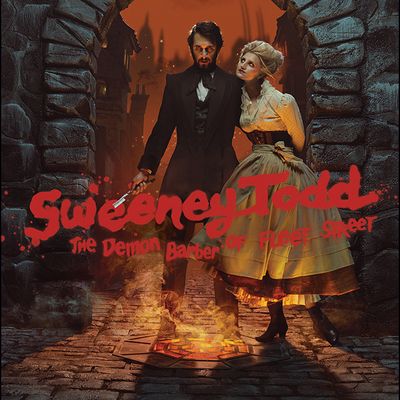
[28:36] Alex Smolowe: Sweeney Todd.
[28:37] Nik Walker: I don't I'm not gonna sing the song.
[28:38] Alex Smolowe: The Demon Barber of Fleet Street, baby!
[28:40] Nik Walker: The demon demonstrated Barber of Fleet Street.
[28:43] Alex Smolowe: But there's no place like London.
[28:47] Nik Walker: No, there's no place like London.
[28:51] Alex Smolowe: Mr. Todd.
[28:52] Nik Walker: You are young.
[28:56] Alex Smolowe: Life has been kind to you.
[29:02] Nik Walker: You will.
[29:07] Alex Smolowe: All I could think the whole time watching this movie is the time is the episode of The Office where Andy does the like the tale of Sweeney Todd.
[29:14] Nik Walker: Oh my god, I love it.
[29:15] Alex Smolowe: I love it.
[29:16] Nik Walker: Here's the thing.
[29:18] Nik Walker: So many people did so many so many musical theater fans that I know did not like this movie.
[29:22] Alex Smolowe: And they did not like this movie. Really? I'll tell you why. I'll tell you why. They did not like this movie for, I think the biggest reason was the singing. And here's what I will give them. When you have grown up listening to Len Cariou or George Hearn and Angela Lansbury doing this on recording... Ah, customer. What's your rush? What's your hurry? They gave me such a... I thought she wants to go stop. I'm... then they cut to... sit you down, sit. Oh, my sister's that I haven't seen that customer for weeks. Who are again professionally trained singers, eight shows a week, singers, and they flesh out Sondheim's music and it sounds a certain way, and you are used to that. Yeah, this is not that.
Oh, I meant to say, oh, I haven't seen a customer for weeks. Did you come in for a pause? Don't forgive me if me, it's a little vi. What was that? You think we had the prize? From the way that people keepable didn't know. I didn't, and also, you know, what you're cutting is you're cutting the townspeople, you know, there's some great songs like "God, That's Good," which kind of gets cut in half, which is all the really all the ensemble numbers are cut from this. All the ballad interludes are cut from this. There's a little cut, there's like some more stuff with the young lovers, the Joanna and um and Anthony that's cut, uh, Green, um, you know, "Kiss Me" is this amazing quartet between Anthony and Joanna and the judge and uh and Beetle Bamford that's cut.
All that said, in terms of taking a stage production and making and taking the baton and running with it, there's truly, I don't think there's a better number one, it's my favorite Tim Burton movie of the past I'd say 20 years now. I just think that his style, he both constrained his style for this movie, and his style fit this movie.
[31:06] Nik Walker: Yes. I think as soon as you give Tim Burton CG, right? As soon as he transitions from "Beetlejuice" into the modern era kind of thing, you lose, you know, his charm was in taking these illustrative, almost cartoony images and building sets and costumes and working on the city. He was the Ed Wood of his day.
[31:36] Alex Smolowe: Yeah, and that felt very genuine. As soon as you give him an unlimited palette in the form of CGI with "Alice in Wonderland" and all this stuff, it doesn't really fit. But I found in "Sweeney Todd," maybe because it's coming from the stage, and there is no expectation of realism or anything like that, like the color and the costumes and the sets were all in that perfect. They were fancy. And I have a... I bought a nice new TV last year, like an OLED, really nice, you know, and that gets down and like the blacks are just like black. It looks like the TV's off.
[32:17] Nik Walker: Yeah.
[32:18] Alex Smolowe: And this film, the dynamic contrast in this film between the highlights and the shadows is unbelievable. Like it just looked beautiful. No, I mean, Emine was watching, I was on headphones and she was just looking at the screen, she looked at me at one point, she's like, "This looks really good."
[32:33] Nik Walker: No, it's shot like a black and white film. I mean, he really does light this thing so expertly, and you get a sense of foreboding that I don't even know. I mean, honestly, as somebody who's seen it on stage multiple times, you know, there's the filmed Broadway version, and then I saw the revival with Michael Cerveris and Patti LuPone, which was great in its own right. It had... I there's some things that they did that I didn't necessarily agree with, but it was great. But the production that I saw that I think is the best production ever was most recently, there was a production, oh my god, I'm gonna forget the name of this theater, but it was a production that was down. I'm looking it up as we speak. It was... I mean, they built the theater into a pie shop.
[33:30] Alex Smolowe: The Barrow Street Theater.
[33:30] Nik Walker: The Barrow Street Theater, and they turned... so you stepped in, and like, first of all, the theater is tiny. So like you are sitting in like a, like literally maybe 200, 300 seat theater. And if you get the special seats, you come in like 30 minutes, 45 minutes early, and they serve you pies, like actual meat pies, and you're sitting like picnic style, and then the play starts, and the actors are like on the tables, and like it is... it was terrifying. It's all lit by candlelight.
[33:59] Alex Smolowe: Yeah, because to me, "Sweeney Todd" never really made sense without much history theater. Like it, there's blood and murder, and they're like eating people, and like the content is very, very dark for a musical. But that... I mean, right where they're singing these warm songs, it always felt like, how does this work? And watching it again made me realize, oh, like this is... I mean, and that is... I mean, this is... we need to just talk about this because, you know, this goes back to the genius of one man, which is Stephen Sondheim.
[34:31] Nik Walker: Um, Stephen Sondheim, I think, you know, he is easy... I mean, he's the best musical theater composer of all time. And he just highlights some of his highlights. I mean, let's go through. So "Sweeney Todd," "Company," "Merrily We Roll Along," um "Assassins," which is my other favorite of his, uh "Sunday in the Park with George." Um, I mean, the list goes on and on.
[34:54] Alex Smolowe: Um, "Passion."
[34:55] Nik Walker: Uh, he is, you know, his music is very distinctive. He's able to blend styles, but it's very complex music. He's writing... he's very much kind of a precursor to Lynn. Basically, what Lynn does with rap and spoken word, Sondheim does with music, and it's very much... I think that what I love, what I've always loved about Sondheim's work is that his music sounds like the characters. It's very specific for each character, and every character has their own rhythm and their own melody and their own way of saying things, and he really does write dialogue as music.
[35:35] Alex Smolowe: I feel you, Joanne.
[35:43] Nik Walker: I feel you. I was half convinced I can satisfied enough to dream you happily. I was mistaken, Joan. What he knew, what he gets, and what I think even the 70s production kind of did a disservice to in a way, was that you build tension. It's the classic, and we talk about this all the time. It's that Hitchcock thing, you put a bomb in the room, right? If you put a... if you put a bomb in the room, if you know that a bomb's gonna go off, then you can have, you know, in the actors, the characters don't know the bomb's gonna go off, but the people watching know the bomb's gonna go off. You can have the characters talk about anything you fucking want them to talk about because the longer they talk, the more tense we're gonna get. And that is why the music in "Sweeney Todd" is so warm because so often you are ignoring, like you know that something bad is coming.
[36:45] Alex Smolowe: And so you have them like... my favorite, my perfect example of this is "Pretty Women." "Pretty Women" is one of the most intense scenes I've ever seen in a movie, let alone a movie musical. Um, when he's, you know, he... the first time that he has the judge in the barber's chair, right? So he's there, and uh this guy who you know has killed his wife and stolen his daughter has finally come to Sweeney Todd to get a shave, and he just sits him down, and Mrs. Lovett, his kind of accomplice in all this, has before this instructed him to wait and like to enjoy the kind of as the plan falls into place. So Sweeney is in this place of like, well, you know what? I got this guy here, let me just play with him like a cat plays with his food for a little bit.
[37:30] Nik Walker: Mr. Todd. At your service. An honor to receive your patronage, meaning... you know me, sir. Who in this world does not know the great Judge Turpin?
[37:47] Alex Smolowe: And so you just watch him give this man a shave, this man who he's clearly planning on killing, and you're like, every stroke is like, oh god, is this gonna be it? Is this gonna be it? What more can man require? Love, sir. More than love, sir. What's her? Women. Pretty women.
[38:21] Nik Walker: Which is also not a new trope, right? The like the razor blade on the throat as you're shaving. Like, yeah, because the tiniest movement could end very, very badly. In this, but in this con... in this situation, you have a dude singing a song. You two dudes singing a beautiful duet. Do you know what I mean? It's like, oh, and the judge, played by Alan Rickman, which we'll talk about, is disabled in this, right? It's not just he's sitting there quietly waiting for a shave, but they're bonding, right? They're talking, he thinks that he's making a friend and he's enjoying himself, and there's smiles, and there's... like if you didn't know any better, you wouldn't think anything's going on. But obviously, given everything that's come before, you know that this guy basically like killed his wife, or so he thinks, and took his daughter, and he's like, you know, it's the villain in this man's life story, really. And Alan Rickman in this movie shows you how much can be done with little because he's very subtle in this movie, but it really... you just know this judge as soon as you see Alan Rickman.
[39:24] Alex Smolowe: And the judge is usually like cast in the stage plays cast as like a decrepit old man and it's very disgusting. Alan Rickman is incredibly handsome, you know. They give him like these long fingernails, but like he is a da... he's still Alan Rickman, he's dashing as hell. I mean, this is, you know, John Gruber. Um, you know, he is wonderful in this part because he doesn't play the villainy, like he just allows him to be like certainly an imposing guy, but like a society man, and with a just a sordid fucking past.
[39:43] Nik Walker: Yeah, yeah, dude, that scene breaks my heart. And you know, and the other person who breaks my heart in this movie is Johnny Depp. I think this is John... I think this is one of his best roles. I really do. I think so. And I mean, we were talking about "Le Miz" and the difficulty of bringing a stage actor, whether they sing, you know, aside or not, but somebody who has spent their entire career on film and not on stage, um, I was not for one moment in this film distracted by the fact that it was Johnny Depp. Not one moment.
[40:32] Alex Smolowe: Right.
[40:32] Nik Walker: In almost any other situation, you think, oh, it's Johnny Depp. Like, maybe just don't sing Johnny Depp. Like, like, you're a great actor, but you don't... you're trying too hard. But it didn't feel like that in this. Like the music and the tone that he had and everything felt... it felt organic to the character and what Johnny Depp was bringing to the character. Like it all felt like it blended that it could have been an original, that this wasn't a show before, like, this could have been an original, you know, creation. And it brought him back to the "Edward Scissorhands" days when all... when he was just, you know, he was an eye actor. Do you know what I mean? Like, like, you know, and this is the kid from "21 Jump Street" coming in and like giving you this virtuosic performance in "Edward Scissorhands" that was like, what the hell? Charlie Chaplin is this.
[41:12] Alex Smolowe: And he does the same... it's like he builds upon it here. It's just very, you know, and I loved... I mean, again, you talk about improving upon the script. In my opinion, I've always felt that in the stage musical, Sweeney Todd talks entirely too much. He talks too much. We don't need to... like, like the... what's scary about Sweeney is that Sweeney isn't... he, you know, Mrs. Lovett talks. Sweeney is action. Sweeney is I do or I don't do. Sweeney is vengeance. Do you know what I mean?
[41:44] Nik Walker: Yeah.
[41:44] Alex Smolowe: So you see this man who is just completely consumed with rage and vengeance has driven him mad, and he can't utter but one or two words, and the words that he can utter are so mumbled. Do you know what I mean? Like he's not there but for anybody but his own hatred.
[42:02] Nik Walker: Yeah, and it does it so effectively. Hold on, I just pieced this together. So I think that the fact that Sweeney doesn't... like the theme of the film is revenge, right? And the consequences of revenge and, you know, that whole like if you seek revenge, dig two graves, that's very much the whole kind of thing.
[42:21] Alex Smolowe: Very much so.
[42:22] Nik Walker: Very much so. It comes... like the film starts knowing exactly where Sweeney is. It goes through the backstory in like a minute, and you understand, okay, you see him young, you know what the judge did, you know that he's back to London for revenge, and it never lets off that. And everything that happens, every character, even when Sweeney's not involved, everything that happens is still circling Sweeney's revenge. Everything, the whole thing.
[42:51] Alex Smolowe: Everything.
[42:51] Nik Walker: And so, yeah, and so Johnny Depp, like he doesn't have to talk that much because every time you see him, he's laser-focused on what he's doing, and his focus becomes a point like you're... you know, they try and talk him off it, like you need to chill a little bit, and he just doesn't know how to chill.
[43:08] Alex Smolowe: Yeah.
[43:09] Nik Walker: And the fact that the movie keeps that so on point the whole time is very impressive.
[43:17] Alex Smolowe: Yeah, it's totally... and I'm looking here and I'm seeing that it actually is based. So "Sweeney Todd," I mean, obviously, the story of Sweeney Todd, the legend of Sweeney Todd has been around, you know, for many, many years. Um, very much a Victorian era London. Is it like a true thing?
[43:33] Nik Walker: No, well, I think actually it might be based on somebody.
[43:38] Alex Smolowe: Uh, it's... it was... no, he came from Penny Dreadfuls in the early or the mid-1800s in London. Um, I'm sure that it was only... but he was a character before definitely a character before Sondheim. Because there was a play that was written by Christopher Bond called "Sweeney Todd," um, and that was in 1973, and then in 1979 they come out with the musical and the book by Hugh Wheeler, um, who was the screenwriter who wrote it.
[44:06] Nik Walker: And again, I think that it really is this, you know, there's a there's the exposition is handled beautifully, and that's that's the one thing, you know, Sweeney Todd is just a really a brilliant it it teaches you so well how, you know, I think for any writer, um, not just the movie but the stage version as well.
[44:23] Nik Walker: You know, Sondheim gives you the the legend song "Attend the tale of Sweeney Todd," which is the ballad, and that sets up the mood, but that doesn't tell you anything about the story.
[44:33] Nik Walker: See, they tell you that Sweeney's a scary man, they tell you that he's gonna, he's like, uh, it's like almost like you're hearing a ghost story, but they're not narrators, nobody's narrating, right?
[44:43] Nik Walker: When the characters come out and sing that song, it's very much just about setting up like we, we, you are here for a ghost story and we're gonna scare the crap out of you.
[44:51] Nik Walker: And then the story starts, and there's no ex, like you learn a little bit about, like all the exposition is told to you through characters who don't know.
[45:02] Nik Walker: So like you are learning as the characters learn, which is exactly what we want.
[45:06] Nik Walker: And they hold off the full tale of Sweeney Todd, right?
[45:09] Nik Walker: Of his history, until about 20 minutes, like 20, 30 minutes into the story, when once you've met Mrs. Lovett.
[45:15] Alex Smolowe: Right.
[45:16] Nik Walker: So by the time we get there, we're waiting to hear what the hell happened to this guy.
[45:21] Nik Walker: And so it fulfills that need but beautifully when we learn it.
[45:26] Nik Walker: Um, and it really is this masterful kind of stroke of storytelling in the way that they do that.
[45:34] Nik Walker: And the movie does the same thing.
[45:35] Nik Walker: You open with no exposition, right?
[45:37] Nik Walker: Because there's no ballad of Sweeney Todd, and you just open with a dri, a sense of dread.
[45:42] Nik Walker: You open with these guys on a boat, and then you, he steps off the boat and he goes to this pie shop, and Mrs. Lovett's talking to him about pies, and then she tells him this story about this, this barber who had a wife, you know, and, and you again, just because of the musical motif, there was a barber and his wife that was used in the first scene.
[46:03] Nik Walker: You, you automatically know that she's talking about him without her saying she's talking about him.
[46:08] Nik Walker: And really just, I mean, I can't, I could talk for days about the brilliance of this movie.
[46:13] Alex Smolowe: Yeah, I mean, it's amazing.
[46:14] Nik Walker: I mean, yeah, so right from the get-go, he decided he's descending on London, right?
[46:18] Nik Walker: He's on the boat.
[46:19] Nik Walker: He meets this innocent kid.
[46:21] Nik Walker: Uh, he's not mean, you, you almost sympathize with him from the start because he's not mean to this kid, who's just trying to get by, but he immediately says how he hates this town, and he remains, and he goes to the pie shop and he's focused on getting upstairs to his old apartment where he used to live.
[46:36] Nik Walker: He quietly puts up with the noise around him, right?
[46:38] Nik Walker: Um, what was it?
[46:39] Alex Smolowe: Mrs. Lovett?
[46:40] Nik Walker: Ms. Lovett.
[46:41] Nik Walker: He sits and listens to Mrs. Lovett's whole, you know, pie song and all that and sits there.
[46:46] Nik Walker: Doesn't have to really say anything before she realizes that that's who it is.
[46:50] Nik Walker: Reclaims, and she's kind of falling in love with him, and then they're figuring out how to get the judge and build the business and do all these things, and the whole time he's not actually mentally involved in really anything at all.
[47:03] Nik Walker: He is, he is only focused, even when he pretends to be doing something else, he is only focused on getting to the judge and killing.
[47:11] Alex Smolowe: Can I say, can I just jump in and say the biggest, the best example of that is probably my favorite Johnny Depp moment in the movie.
[47:18] Alex Smolowe: And I think, I think he was nominated for this.
[47:21] Alex Smolowe: And I think that this moment probably is what got him the nomination, which was "My Friends."
[47:26] Nik Walker: When he's singing to the razors?
[47:33] Alex Smolowe: See how they listen.
[47:38] Alex Smolowe: See this one shine.
[47:42] Alex Smolowe: How he smiles in the light.
[47:47] Alex Smolowe: My friend.
[47:50] Alex Smolowe: My faithful friend.
[47:57] Nik Walker: What a beautiful song like that was.
[48:00] Nik Walker: And that's that is the kind of stuff again.
[48:02] Nik Walker: So if you've ever seen, now you got me, now you got me going, and I'm about to go listen to all the Sondheim I have, because he is just genius at this stuff.
[48:09] Nik Walker: So my friends, who in their right mind would think of writing a song for your lead character when he sings to the goddamn razors that he's going to use to kill people, and he calls them his friends?
[48:23] Nik Walker: And yet, in doing it, in the simple act of this man deeming these razors his friends, you understand how lonely this man is.
[48:33] Nik Walker: And you understand how hell-bent on vengeance.
[48:35] Nik Walker: And because the song is like a beautiful song, right?
[48:40] Nik Walker: It's not like he's like angry.
[48:42] Nik Walker: It's heartfelt.
[48:43] Nik Walker: I mean, it's a romance song, and the whole time contrasted by Mrs. Lovett standing behind him, kind of being like, "You're beautiful, I wish I could be with you."
[48:53] Nik Walker: Which is really, he should be singing this song to her or to somebody human.
[48:57] Nik Walker: And yeah, and instead he's singing it to what represents, I mean, what I assume represents his revenge.
[49:03] Nik Walker: The only thing he has left.
[49:04] Nik Walker: He has nothing left.
[49:05] Nik Walker: The only thing he has left.
[49:06] Alex Smolowe: Oh, dude, I could.
[49:07] Nik Walker: It's so, so I'm a high tenor.
[49:09] Nik Walker: It would be very hard for me to play Sweeney Todd on an eight-show week, but let me tell you how much I wish I could play Sweeney Todd.
[49:18] Nik Walker: I frickin' love this character.
[49:22] Nik Walker: I love this movie.
[49:23] Alex Smolowe: Um, it is just such, I mean, I would pay money just to see you with that shock of white in your head.
[49:28] Nik Walker: Dude, dude, and that's not even in the show.
[49:30] Alex Smolowe: That was like, that's a t—
[49:30] Nik Walker: Yeah, is that, I was gonna say, is that a show thing or is that a Johnny Depp?
[49:34] Alex Smolowe: That's a Tim Burton thing.
[49:35] Nik Walker: I mean, brilliant, brilliant.
[49:37] Nik Walker: Brilliant shock of white.
[49:38] Alex Smolowe: Well, but you know what it does?
[49:39] Alex Smolowe: It foreshadows because the thing that is in the play is that, uh, spoiler alert, when young Tobias comes up from the sewers to kill Sweeney, that his hair has gone white.
[49:49] Nik Walker: That isn't the—
[49:50] Alex Smolowe: That isn't it.
[49:50] Nik Walker: Oh right.
[49:50] Nik Walker: Yeah, because the idea, I mean, the idea, I mean, and that's again, you talk about a fucked up story.
[49:56] Nik Walker: You know, this kid, so you know, Mrs. Lovett adopts this young lad who is, you know, his former guardian was the first victim of Sweeney Todd's vengeance.
[50:06] Nik Walker: Uh, this guy who's gonna blackmail him to expose him, played brilliantly by Sacha Baron Cohen.
[50:11] Nik Walker: I freaking, I swear to God, because like, uh, again, tangent, but when Sacha Baron Cohen comes in, he does this amazing, like this thing that's so much better than any of the other Pirelli that I've seen, where Pirelli comes in and he's like this very showboaty Italian, whatever, and then the scene where he drops it and he's like, and he's just like some cockney asshole.
[50:33] Nik Walker: Mr. Tolde Signor Peranni.
[50:37] Alex Smolowe: Call me diving.
[50:39] Nik Walker: David Connors, and I'm not professional.
[50:44] Nik Walker: Allow me five quid bet if you die mark.
[50:47] Nik Walker: And it's just so grounded and real.
[50:48] Nik Walker: You're like, oh shit, you're gonna die.
[50:50] Nik Walker: You're gonna die.
[50:52] Nik Walker: And it's just so, you're like, oh god damn it.
[50:55] Nik Walker: But this kid who has had suspicions about Sweeney Todd the whole time.
[50:59] Nik Walker: There's so many, there's so many people in this show.
[51:01] Nik Walker: I think one of the themes of the show as well is like unrequited love.
[51:05] Nik Walker: People who like love people who just can't see that love.
[51:08] Nik Walker: And Tobias loves the same way that Mrs. Lovett loves Todd, Tobias loves Mrs. Lovett.
[51:13] Nik Walker: And um, he is always trying to protect her.
[51:16] Nik Walker: He sings, you know, "No one's gonna harm you."
[51:19] Nik Walker: And then she's hearing to see her reaction to that.
[51:23] Nik Walker: Because it's such a warm moment, like, oh my god, like maybe they'll bond and they'll leave Todd and go live, she'll raise him and they'll live together.
[51:31] Nik Walker: And then, and then you see her like shuffle him off, the kid off because she's so focused on Todd, even though you know Todd is only focused on the job.
[51:39] Nik Walker: It's hard.
[51:40] Alex Smolowe: No, it's truly, the dynamic of the relationships is so, and it's so crystal clear what, what's it?
[51:45] Nik Walker: And without, again, just through song, you understand these things.
[51:49] Nik Walker: And but the point being they lock him in, you know, they lock him in the basement where all these mutilated dead bodies are, and he's down there for hours, and by the time he comes up, you know, this poor kid who's already had, like, let's be real, Tobias has had a terrible life thus far, is like shocked white.
[52:05] Nik Walker: So his hair turns white in the play, and, and they kept it for the movie, and it's such a nice, I didn't even notice that.
[52:11] Nik Walker: It's such a, it's such a nice nod, right?
[52:14] Nik Walker: Because it foreshadows the trauma that Tobias is gonna go through that Sweeney Todd went through.
[52:19] Nik Walker: Now, now is when we first meet Tobias, he's working for Sacha Baron Cohen for pretty, um, Pirelli.
[52:27] Alex Smolowe: Uh, he's wearing a wig.
[52:29] Nik Walker: Because Pirelli makes a hair tonic and all that, but he's got this fake head of hair on, and the first time you see him take it off is when he feels comfortable with Mrs. Lovett.
[52:37] Alex Smolowe: Yep.
[52:38] Nik Walker: Downstairs in the meat shop.
[52:40] Nik Walker: So, and then his hair turns white at the end, so is that, is that, it's not a good idea.
[52:44] Alex Smolowe: No, it, I mean absolutely.
[52:45] Alex Smolowe: I mean, I think, I mean because that's it, that his hair is the color of that wig.
[52:50] Nik Walker: And that's, and that's the same in the play too.
[52:53] Nik Walker: It's a brilliant little thing.
[52:55] Nik Walker: It's like, you know, very much a foreshadowing.
[52:57] Nik Walker: Um, the other, you know, I love, I love, I mean, you know, the use of hair as kind of a plot device and a connector of characters, you know.
[53:06] Nik Walker: Um, Joanna gets locked up in a, in a, in a mental hospital where they, you know, use, they cut people's hair to make wigs, right?
[53:14] Nik Walker: You know, I mean, like, there's so many references to shedding of who you are and becoming something else.
[53:21] Nik Walker: And, and even Mrs. Lovett, Mrs. Lovett, you know, spoiler alert, is the person who, uh, you know, uh, I mean she buries the fact that his wife, you know, they talk about bearing the lead, she bears the fact that his wife is still alive, you know, and, and it really is the, you know, it's her doom, but like everybody is shedding a past and trying to make a future in this show, and that is the other, that's, that's the other heartbreaking thing about it.
[53:48] Nik Walker: Everybody's just trying to get somewhere better, and, and they have hope for that.
[53:52] Nik Walker: And, and I love, I love they kept this kind of sense, they changed a lot of the lines, but they kept the sense.
[53:58] Nik Walker: There's a sense with Joanna and Anthony, you know, when whenever you have these young lovers in musicals, it's like they meet for a day and then they're in love and they're gonna get married.
[54:05] Nik Walker: It's like, that was very lame.
[54:08] Nik Walker: But this one has always had the sense of like, you know, these people aren't gonna, like this isn't gonna work out.
[54:14] Nik Walker: Like, this is like, like there's just a sense of foreboding because she is traumatized.
[54:18] Nik Walker: She's been, like, she spent her entire teenage years being like violated by this older man, and now she was just, you know, threatened, her life was threatened by, by who this guy who she doesn't know is her father, like she's had a traumatic frickin' life.
[54:34] Alex Smolowe: Yeah, you know, and, and so when she comes out and he's like, "It's all gonna be okay," and she's like, "No, it won't."
[54:34] Nik Walker: Like, it's not, she's like, "Yeah, what do you think, we're just gonna go away and live happily ever after?"
[54:34] Alex Smolowe: He's like, "Yeah, I hope so."
[54:34] Nik Walker: Like, it's like his response wasn't like, "Oh, maybe you're right," or, you know, "Oh, let, like you have to believe."
[54:34] Nik Walker: It was just like this naive, "Well, yeah, so it's, yeah, we're gonna try."
[54:34] Nik Walker: It's so crazy, man.
[54:34] Nik Walker: I can't, I can't speak enough good things about it.
[54:34] Alex Smolowe: Yeah, please, you know, let us know what you think, what your pick would be and so some of the cast combinations too before we close this off.
[54:34] Alex Smolowe: Some of the cast combinations, I mean speaking of Les Mis, the fact that Sacha Baron Cohen and Helena Bonham Carter are together again, which in Les Mis they play the Thenardiers, and then also just seeing Alan Rickman and Timothy paired together in like peak Potter period too.
[54:34] Nik Walker: This is like Snape and Wormtail together.
[54:34] Alex Smolowe: Literally half the cast of, actually when, when did Prisoner of Azkaban even come out?
[54:34] Nik Walker: Because, yeah, you would have had it, uh, 2004, so this was like two or three years after Prisoner of Azkaban where Snape and Wormtail and Bellatrix have been in the, like literally the exact same position.
[55:49] Alex Smolowe: Yeah, Helena Bonham Carter's got the same hair basically.
[55:49] Nik Walker: Um, yeah, it's beautiful.
[55:49] Nik Walker: No, it really is a beautiful, and, and I again, and even, even numbers like, um, and this is my favorite thing, right?
[56:02] Nik Walker: Because in a musical, you know, Sweeney Todd was never a dance musical.
[56:06] Nik Walker: And I think that, you know, I think that we misunderestimate dance.
[56:10] Nik Walker: And I'll go back to Cats and say, like, dance is a beautiful art form and should be used as often as possible.
[56:16] Nik Walker: But I love a good musical that's a walk and talk.
[56:20] Nik Walker: I love, I love when you can show that musicals can stand without dance.
[56:24] Nik Walker: And the one time that they do use dance, it's not really dance, but dancing, uh, is when Sweeney's dancing with Mrs. Lovett and he's got the giant cleaver in his hand.
[56:33] Nik Walker: She's got the cleaver, she's got the rolling pin.
[56:34] Nik Walker: He holds her hand with the knife in it, and it's just, they're doing this dance, like swinging around each other, and they're both holding on to things that they have.
[56:42] Nik Walker: And again, and again, music musically foreshadowing Mrs. Lovett's death, right?
[56:46] Nik Walker: Because it's the same dance, and then he threatens, throws her into the furnace.
[56:50] Alex Smolowe: Isn't that great?
[56:51] Nik Walker: Man, it's, that's, it's such, that's what I'm saying.
[56:53] Nik Walker: Like, and this is, this is I think what we want to take from this.
[56:57] Nik Walker: If you are like, if you write your musical smart, there's nothing that I, I swear to God, there's nothing that beats a smart musical.
[56:57] Nik Walker: There's nothing that beats a musical, like, yes, we, there's all, there's room for popcorn, there's room for fluff, but like you can do some amazing stuff.
[57:13] Alex Smolowe: Well, because it, yeah, it's one more ethereal element, right?
[57:16] Alex Smolowe: You have visual, you have dialogue, you have editing, and you have everything that makes a movie, and then music on which is a whole other layer on top of it, and you just get this, this mountain of glorious.
[57:29] Nik Walker: It's so good, dude.
[57:30] Nik Walker: I really, I, yeah, I wanna, I really do love it, and, and I suggest if you really, if you have not seen the movie version, please see the movie version.
[57:38] Nik Walker: It is such a masterwork, and um, everyone is great.
[57:42] Alex Smolowe: Very, very good.
[57:43] Nik Walker: Everyone's great.
[57:43] Nik Walker: So, uh, so for next week, we come back um to do part two, which is the play, the non-musical stage to screen adaptation.
[57:54] Nik Walker: Uh, I'd say get at us so we can talk about it on the show, but, uh, we may have recorded.
[57:59] Alex Smolowe: Yeah, we may have recorded.
[58:00] Nik Walker: But either way, I mean tweet at us, tweet us with what your favorite stage to screen adaptations are, musical or movie or, or play.
[58:07] Alex Smolowe: Um, and we will, we'll talk, we'll talk on the Twitters, and, uh, you know, uh, just yeah, follow us on Twitter at Lil Justice Pod, L I L J U S T I C E pod, and the same on Instagram now, L I L J U S T I C E pod.
[58:23] Nik Walker: Um, and we will be in touch that way.
[58:25] Nik Walker: So, uh, until, until, until the plays, my friend, next week.
[58:29] Alex Smolowe: Until next time.
[58:31] Nik Walker: Bye.
[58:33] Alex Smolowe: Little Just D.
[58:36] Nik Walker: Little Just Ed.
[58:39] Alex Smolowe: Little Just Fuck yeah.
© Broadway Podcast Network, All Rights Reserved