

No one gets pregnant and envisions a life of diagnoses, therapies and IEPs, but when you have a child with Autism Spectrum Disorder or Down Syndrome, this is just a part of daily life... Read More
From the show: Mamas Talkin' Loud
Guests
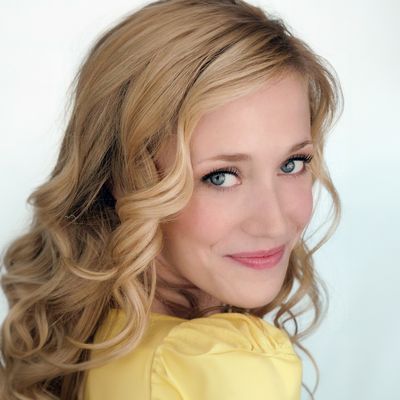
About
No one gets pregnant and envisions a life of diagnoses, therapies and IEPs, but when you have a child with Autism Spectrum Disorder or Down Syndrome, this is just a part of daily life. In this episode of Mamas Talkin’ Loud, Nili Bassman, Haven Burton and co-host Cara Cooper share their journeys as parents of children with special needs; the tireless work, emotional weight, and the incomparable joy of seeing their unique babies grow and develop.
Find more info about the podcast via BroadwayPodcastNetwork.com/mamas.
Produced by Dori Berinstein and Alan Seales.
Edited by Derek Gunther and Alan Seales.
Transcript
This transcript was automatically generated and might contain errors.
[0:00] Cara Cooper: Hi, everybody. Thanks so much for tuning in to this special episode of Mamas Talkin' Loud. Before you listen, just know that this is a conversation about three people's journey with kids with special needs. We know that everybody's journey is different. This isn't intended to give medical advice. It's just to give people support and to maybe feel not so alone on this journey. Uh uh oh, uh uh oh. Uh-oh, Mama's talking loud. Mama's talking loud, mama's talking tough, mama's talking how being good with good enough. Mama's talking life, mama's talking proud, mama talking trash. Mama's talking loud.
[0:48] Cara Cooper: I need a deep breath for this one. Okay. Hi, everybody. Thank you so much for listening to this episode of Mamas Talkin' Loud. I'm Cara Cooper.
[0:56] Jessica Rush: And I'm Jessica Rush. And today we have an episode that Jessica and I have wanted to do basically since the inception of Mamas Talkin' Loud. Um, it means a lot to me personally, and I'm already getting emotional. It's gonna be that kind of episode. Um, but today we have Nili Bassman and Haven Burton here with us, and we are talking about what it means to be a special needs parent. And I am a special needs parent. Um, so let's jump in, you guys. Uh how about you? Introduce yourselves and tell us about your children, um, and we can go from there.
[1:32] Haven Burton: Awesome. Go ahead. Oh, um, I'm Haven Burton, and uh I have three children. Uh my oldest son is gonna be eight in March. His name's Hudson, and he has autism spectrum disorder. Um, my goodness. It's so it's actually opposite of how I want to really introduce him because I don't usually introduce him with his diagnosis. Of course. Um, but for he's he was my first child with special needs. And maybe I'll dive into that later. We have a toddler who's two who is technically neurotypical. Well, you know, who knows. And my daughter who is gonna be seven months in two days has Down syndrome. Yeah. And they're awesome and wonderful. And it's um you know it's a journey with both of them in a very different way. And um yeah. Hudson Caspian, right?
[2:30] Haven Burton: Yeah. Hudson Caspian and Nova.
[2:32] Haven Burton: Nova. Yeah. Sweet baby girl. Sweet. She's she's so beautiful. She's just so cute.
[2:36] Nili Bassman: I'm Nili Bassman. I have two kids. I don't know how you I don't know how you do me either. Oh my gosh. My daughter is five. Her name is Ever and again it feels so weird to announce she has Down syndrome because it is not the most interesting thing about her by far. And my son, Tennyson, is going to be two in two weeks which is crazy. Because he was just born. I don't know how that happens. And yes he is neurotypical as far as we know.
[3:11] Cara Cooper: And as you know I'm Cara Cooper and I, you know I talk about my six year old daughter Elon uh she has autism spectrum disorder um and she also has epilepsy which is a kind of a sidebar to that um but was kind of our clue into the diagnosis in the beginning um and well I also have a son, Finn, who is three, and again, seems to be neurotypical. We'll see. Um but very uh I would say a very different experience from um raising Elon as uh is raising Finn. So yeah.
[3:46] Cara Cooper: And I I apologize for having us introduce our our kids with their um special needs diagnoses, but since this is what this is about, yeah, but I agree that is not how um I introduce Elon. Although sometimes I do like spit it out Adam and Nowhere. Do you find that you do that when you meet people?
[4:06] Haven Burton: So interesting. Uh so I find it, especially when I meet other mothers who have children's with children with special needs. I feel like it's we have like verbal diarrhea almost. So I just it everything just kind of comes out. And it's so interesting because I've had this experience quite a quite a bit on the playground and through school and stuff like that. It's like your child has an IEP, my child has an IEP. What services are the kids they getting to Ted? Do you know about this program? Do you know? So it's it's an interesting community that you find yourself being a part of and learning vocabulary that you never that was never even on your radar.
[4:41] Nili Bassman: Yeah, I was gonna say, people probably don't even know a lot of people don't know what an IEP is an IEP. I know because my mom is a special ed teacher, but you might want to tell what an IEP is.
[4:50] Haven Burton: So an IEP is an individualized educational plan. So if you have a child with special needs um and they have a certain diagnosis and they are in a public school system, I'm I don't know how IEPs work with a private um institution, to be quite honest. I don't, I don't either. Um, but your child learns differently than most kids. And and to be honest, all kids learn differently, right? Um, but the the difference is more extreme and they need um more accommodations and a little bit more help. And so you basically create the plan on how your child is going to grow and um learn, and it's a lot of pressure. And it's a lot of work. And it's a lot more adaptation. And a lot of patience and a lot of advocating.
[5:34] Nili Bassman: Yes. Yeah. That's actually one of our questions. I want to talk about advocacy. Because I never in my life thought. Like you when you become a parent, you know that you're going to advocate for your kid, right? You're always going to be there fighting for what's best for them and you know, catering to their interests and their needs. Um, but advocating for a special needs child is just a different ball game. Like you said, like IEP, there's all this language that you didn't know before that you have to learn. Even when Haven said neurotypically developing, I had no idea. I I had never heard that term before. And whenever I got her diagnosis, I I was like trying to describe, and I said to another mom, I was like, what do you say? You don't say normal kid, because she's not the word abnormal. And but I had to ask. I said, I don't know what term to use.
[6:20] Nili Bassman: Yeah. And she said typically developing or neurotypical typical. Oh, that makes sense. Okay, yeah. I totally buck at the word normal. Because abnormal has such a negative connotation. So if you're saying my child's not normal, right? You're saying they're not good. Who is normal? Let's be honest. I mean, right? No.
[6:37] Haven Burton: That's true. And they're also the first school we ever sent Elon to is called the uncommon thread. And I loved that. Because it's like you're not you're uncommon. Well, what's bad about that? Right? Like you're well, I have a special needs mom friend who she doesn't use the the term special need. She said extraordinary abilities. And I love that. I like that. Like, yes. I heard additional needs too, instead of like special. Different needs. Which I like. I like extraordinary abilities.
[7:05] Nili Bassman: Me too. Maybe that's what we're gonna name this.
[7:08] Haven Burton: I like it. Extraordinary abilities. Um you were talking about uh when you're at the playground or something and you and you see it or you talk to somebody who has a child who has an IEP, and how you just like verbal diarrhea and I have the same experience. Uh to the opposite of that, when I Elon was my oldest, um, and so my first journey into motherhood, and I felt so incredibly alone in the beginning and so incredibly alone on that journey because I didn't know how to seek out um other people who were experiencing things.
[7:44] Nili Bassman: Um I've just now I feel like found like my people, you know what I mean?
[7:50] Cara Cooper: And that has made a huge difference. I don't know if you guys have had that experience, but like other people that you can like literally just send a text and be like, oh my God, this is what's going on. And it's not it's not a cry for sympathy, it's not a cry for help, it's literally just wanting to connect with someone who gets it.
[8:06] Haven Burton: Well, I can imagine. I mean, we were Kara, and I'm sure you're gonna speak to the experience, but Kara and I, she had left the show on maternity leave and she was supposed to come back, and that's when Elon started to have her seizures, which Kara will get into, but um, I can imagine because there are so few of us, part of why we started this, you know, is because there are so few of us who are mothers and who continue to work in our business, and and I only feel that in the last few years have there been so many. So six years ago, when you had Elon and everything that you guys were going through and figuring out, I can imagine there weren't many people to talk to at all.
[8:49] Cara Cooper: I mean, uh no wonder you felt lonely and alone because there weren't that many mothers to start with, and then how many have kids with extraordinary abilities? You know, it's so true. And even I, you know, I I hate social media for a lot of reasons, but I actually follow a lot of moms um who have kids with special needs, and it just like it just makes me feel better.
[9:09] Nili Bassman: Yeah, it's a very social media is for. I I don't know what I would have done without it, honestly. All the the groups that lead you to the specialists and the doctors and the uh uh um the schools and you know, all the things that you you just it's too much on your plate all at once, and you have to go bit by bit, and there are people who have paved the way and have been through it, and then you in turn become that for someone else.
[9:36] Haven Burton: And it's it I don't know what we would do without each other. It's just like the Broadway baby mamas, you know, it's just a more specific group.
[9:43] Nili Bassman: Exactly. Exactly. I yeah, I I do believe that social media has a purpose in that in that regard. It has helped me tremendously. Even like on the way here, I was like scrolling through something, and um, it was just a moment where a a child uh a parent posted a video of her child having a hard time and she and it was in her stories, and she said, if this is not if this is something you don't want to see, please don't continue to watch. But I'm just posting this so that someone else who might be going through this can see that they're not alone.
[10:11] Haven Burton: Yeah.
[10:11] Nili Bassman: And last night I had a really, really hard time with Elon getting her to bed, and she kind of gets into these moments where it's almost like she's stuck. She says she wants something and then she doesn't want it, and then she says she wants it, and then she doesn't want it, and we kind of spiral, and it in those moments she's really kind of inconsolable.
[10:27] Haven Burton: Yeah.
[10:33] Nili Bassman: And in, and it's horrible to say it, but I a lot of times I have to just leave her alone. And it feels like I'm abandoning my child, but I'm not. I'm doing what I know is gonna get her to the next phase. It's gonna get her out of it. And this woman went through exactly that. And I saw it this morning. She posted it this morning. I was like, see, it made me feel so good that I wasn't like this horrible parent. And she was like, no, I know what's best for my kid. And anybody watching this might think that I'm doing something wrong, but I know. I I'm the one that lives it day in and day out, and I know what's best. And it just felt empowering, you know, it made me feel better.
[11:08] Haven Burton: So it's so interesting. So I sometimes post these like crazy 300 story stories on them at night because in a you know, it's so interesting because my two special needs kids happen to be the easiest for me right now, and my toddler is being an absolute monster. So, which he's supposed to do, right? That's his role. And he can do it. But um, it's funny because I get a very mixed reaction from people. You know, some people are like, oh my gosh, thank you so much for sharing like a real version of what mother hithood and the struggles of like nighttime ritual can be. And other people are really put off by it because they think it's watching me suffer in some way where I I don't feel that I'm suffering, but right motherhood is hard.
[11:56] Nili Bassman: These people like DM you and say that to you sometimes or like it's wild to me.
[12:00] Haven Burton: Like it's it where they're like, oh, I've been watching it's so hard to watch you go through that. And I they're not parents, most of them too. So they don't really understand. But I think like, I don't know, I'm I feel speaking to like verbal diarrhea and talking to people and being really open, um, I think that it's a double-edged sword, right? So, like I am very careful with who I share my personal information about my kids with.
[12:24] Nili Bassman: But at the same time, um, I feel like being a special needs mom is almost like living through uh trauma. So I feel like I'm walking around with PTSD sometimes, and that you've gone through so much with the diagnosis and grief and repair and fighting and rebuilding, and then once you feel like you're on top of something, it falls out from underneath you again. So it's, you know, it feels constantly like I'm building block structures, and then someone's coming and knocking it down, and I have to start over again.
[12:57] Haven Burton: Yeah.
[12:57] Nili Bassman: Um, and so when you find a community or somebody who understands what you're going through, it's no wonder that we're just like, oh, thank God. Oh, thank God, you get it. And there's not, there's no judgment, and there's no uh shame in it either, for the most part, at least from my experience. And um, I recently went and spent some time with a bunch of other parents uh that are all special needs parents. And they, I said to them, you know, it's really it is isolating. Being a parent of a child with special needs or additional needs or extraordinary abilities can be really isolating because um there's a lot of stigma around it too. I feel like I'm really grateful for the period and time where my parents, where my children were born because of all the services and the advocacy and all of the programs that have been initiated by parents and by advocates that have come before us.
But there's still um, I'm fortunate enough to have a family that recognizes my child's diagnosis and is supportive and wants to be supportive of Hudson. Hudson's the hard diagnosis. Autism spectrum disorder just, it's so much harder for people to really um accept, I think, because there's, it's not always visible, you know. And so it's, there's a lot of these like invisible diagnoses, is what his um team that diagnosed him called them, where he's very high functioning until he's not, and then it's a complete meltdown. And if you're not around him all the time to see him in certain environments that completely take him down.
[14:41] Nili Bassman: Yeah, um, you know, we had a lot of, well, are you sure? And don't you think you should get a second opinion? And I was like, we've had four opinions. We've been to neurologists, we've been, we it's set in stone. Like we, we know what's going on. Um, but through some of my Facebook like mom pages and stuff like that, um, there's a lot of families that won't even that refuse to even get their children diagnosed. And are, you know, where one of the parents is on board and one isn't. And, you know, I just feel really fortunate that I have a community of women, of strong women and men that are advocating for their kids that are all in support of one another, and uh we have a family that's getting behind us, and you know, when we talk about treatments, they don't question our decisions as much. They have a lot of opinions, but they doesn't all family though.
[15:37] Haven Burton: Yeah, that's what they're supposed to do, right?
[15:39] Nili Bassman: But um, yeah, I think I think you know it can be very isolating, and it's it's good to find the community, and social media is a humongous uh part of that community for me as well.
[15:52] Haven Burton: Yeah, it's funny that you said the thing about invisible diagnoses, because I remember having this conversation with you, Nili. Um, and I I think it's a very apparent difference between Down syndrome and autism. Yes, is that you can physically usually um tell if someone has Down syndrome, and you, Nili, have expressed that you hate it because it's a very good thing.
[16:11] Nili Bassman: Well, I think you know, as we talked about this, in some ways it's easier because people immediately have more compassion and patience because they see a diagnosis, and in some ways it's such a curse because they immediately see a diagnosis and presume they understand who that person is and put limits and expectations, and so it's kind of a blessing and a curse.
[16:39] Haven Burton: Yeah, yeah, yeah. No, I totally understand that because I feel like we have the opposite problem.
[16:43] Nili Bassman: Exactly.
[16:43] Haven Burton: Like if you see my child walking down the street, you would never even know that anything is a meant. I'm gonna say the word amiss, and that's not correct, but anything is different. Right. Um, and but if you go to talk to her, you figure it out very quickly. Because Elon is not super high functioning, right? Um, and we're just getting to the point now where her verbal skills are getting a little better. She's six years old. Um, she's beginning getting great with her expressive language, but having a conversation is very, very difficult, especially with someone she doesn't know. And so, and so I would find myself being like, she's autistic, she might not answer you the way you think, because I was so I didn't want her to be upset by someone else trying to get her to do something that she wasn't comfortable with.
[17:27] Nili Bassman: Um, and one of the things we're actually talking about, my husband and I right now is talking about giving her the ability to tell people. Advocate for herself. Um, because we're like, we're not quite there yet. But if she could say to someone, I'm autistic, I might not respond the way you um are expecting me to. I think that could be really freeing for her and really helpful for the person. Empowering and helpful for the person who's trying to interact with her. You know what I mean? We're not there yet, but like I know that that is in our future. And I um had spoken to an autistic adult who said the best moment of my life was when my parents told me what was different about me and how I could then go forth in the world and present myself in a way that helped others help me.
[17:56] Haven Burton: You know what I mean?
[18:15] Nili Bassman: We did that with Hudson almost right away.
[18:18] Haven Burton: You did?
[18:18] Nili Bassman: Yeah.
[18:19] Haven Burton: Well, Hudson super I shouldn't say, but he's high functioning, so could articulate it.
[18:24] Nili Bassman: Elan can't articulate it yet. She does, but it gets jumbled, you know. The reasoning, it Hudson he um repeats, he'll do repetition without fully recognizing what he's saying, to you know what I mean. So like he'll just, he'll just like copy and paste something that he's heard without fully understanding what it is.
[18:43] Haven Burton: Yeah, or maybe he does understand it, but if you asked him to ex like go into it a little bit more, it would just go all over the place. The conversation would go all over the place. It's hard to keep him um focused.
[18:56] Nili Bassman: Yeah, it's interesting that you said the thing about repeating.
[18:58] Haven Burton: Oh, the repeating in my ass.
[19:00] Nili Bassman: Oh, the repetition. He's started this thing that's called echolalia.
[19:04] Haven Burton: Oh, yeah.
[19:05] Nili Bassman: But it's silence for Hudson. He just um he only mouths everything that he's said. He repeats it, but just mouths it. So, like, for example, he would just do that. He would just, and not what other people say, only what he says. It's very interesting.
[19:24] Haven Burton: So it's fascinating stuff.
[19:25] Nili Bassman: It really is.
[19:26] Haven Burton: It is, yeah. Are we ready to dive into the moment of diagnosis? Do you guys want? Are you okay to go there?
[19:32] Nili Bassman: Never ready, but um, I feel like no one becomes pregnant and expects to have a child that um is going to have extraordinary abilities, right? So no one and look, I'm saying that people adopt children with special needs all the time, and that's a different um journey or path. Um, but when you become pregnant with a child, I don't think in your mind you ever envision um a life with an IEP or with early intervention or whatever it is. Um, and I know for me, uh, I'm gonna go ahead and answer it first to give you guys some time. Uh our diagnosis was like a it was a little odd. Um, she was almost two years old, and we'd been seeing a developmental pediatrician because as Jessica said, um, when Elon was three months old, she started having seizures.
[20:23] Nili Bassman: And so that was like you talk about trauma. I had PTSD from that for so long. We had just become parents. We were in the hospital for days. She had an MRI of her brain to see if there were, you know, tumors in it. It was, it was really intense and verifying. Thank God. Like now, now we're on the other side of it. The epilepsy is actually the least of my worries, truly. Like it's we're treating it, it's fine. Um, but in that moment, uh it was horrifying. Um, but it alerted us to that there may be differences, right? Like the doctor said, you know, she may be set back a little bit from this because her brain has gone through some trauma. We were able to control the seizures with medication, um, really heavy-duty medication.
So for a good portion of Elon's life, she was heavy duty, heavily medicated, is what I'm trying to say. Um, and she's on different medication, not everything's great. But um, so I was uh we were alert, we were aware of signs to look for. Um, and it wasn't until around two where the doctor, the neuro, the development pediatrician said, I'm gonna give you this diagnosis. I don't think that she is autistic, but it's going to get you the services that you need.
[21:38] Nili Bassman: And so we took that. Um, and prior to this point, she was already in early intervention, going to P T, O T, DI, which is developmental intervention as a type of therapy for those of you listening. Um, so we're already in it. Um so I think for us it was a little hard because the diagnosis were like not a real diagnosis. Um, but we got her the services, we got her ABA therapy, and as time went on, it was like, no, she is. And I don't know if that doctor was trying to soften the blow, or I don't know. And to be honest, Elon is not of all things a typical kid with autism, which is so crazy because you need one kid with autism, you meet one kid with autism. It's so different for everybody. Um, but she never struggled with eye contact, she always looked people in the eyes, almost to the point that you were like, Stop looking me in the eyes, you know what I mean?
So maybe that was a sign. Um, but I always think of the moment, and this came very early on. Um, she was about nine months old. She wasn't crawling, she just started rolling over, I think, but she couldn't go from like lying to sitting up on her own, none of those things.
[22:48] Nili Bassman: Um, and I was going to the bathroom of all things with her in a jumperoo in the bathroom with me, because as you know, as a mother, you don't get to do anything by yourself. And I looked at her, and I just knew I knew in my gut that something was, and in that moment, I thought something was wrong. And I will never use that term again for her, because nothing is wrong with my child. Um, but in that moment, I I'll never forget it. It was that like mama gut instinct that knew. And I like immediately kind of like my heart started racing as it is right now as I'm retelling the story. Um, and I kind of flew into a panic, and and that's when we started everything. I said, We're getting a we're going back to the neurologist, something is not right. And that's when like we kind of hit the ground running, and everything is then long and hard work, hard-earned to get to where we are now. Um, but that for me was the moment, and it wasn't a diagnosis, it was my gut telling me.
[23:52] Haven Burton: So my heart's racing listening to you because it's like you know, very different experiences, but it's the same experience, like exactly the same. And uh, you know, it's interesting. The second you just said that question, I I my throat closed because um, you know, people I'm a writer, and people always say, Why don't you write about your experience, mothering ever? And and I've never wanted to because someday she'll read it, and I don't ever want her to know that there was a moment of fear and sadness.
[24:31] Nili Bassman: Sorry, sorry.
[24:31] Haven Burton: No.
[24:32] Nili Bassman: Because, because like you said, it's there's nothing wrong with her, and she's perfect, but there's that moment where your whole world changes, your whole life changes, and you know, even this now, I feel guilty that she could hear this someday, but she knows she knows she's amazing.
[24:51] Nili Bassman: She knows more than anybody.
[24:53] Haven Burton: I know we're not laughing.
[24:56] Nili Bassman: Um, but yeah, it's that same. I'll I'll go next. Uh um, and and like you, Cara, Ever was my first child, so you I feel like our experiences would have been very different if we had already been mothers and had that experience and known um what for lack of a better word, typical babies and are how they're developing. Um Ever was a home birth. So uh I did not have a prenatal diagnosis. Um I did uh all the testing for safety, I did the sonograms, but we didn't do genetic testing because we knew that we weren't going to, nothing was going to change. So, and also because it never for a second entered my mind that I would have a kid with special needs. I mean, it never for a minute. I have other friends who tell me, I always thought when I was a teenager, I would have a child with special needs.
Really, that's so interesting for me. It was like fascinating. I know, so I've heard that more than once, which is so interesting. Uh, that was not my reality whatsoever. Never entered my mind. We had a questionable sonogram halfway through my pregnancy that was scary, and there was some fluid around her uh liver. I don't even remember now because it's all such a blur, but it was a terrifying time, and so we had to wait a while and go back and get it checked again, and I will never forget because the day we were going back to get it checked again, the day before was our one year wedding anniversary. And so my husband and I really were able to just focus and be together and have our anniversary and put it out of our heads.
I mean, you know, as much as you can. Um, but I will never forget that day. And then the very next day we went back in for the follow-up sonogram, and the doctors, we went to Columbia to all the specialists, and the doctors said, we don't see it. It's gone, it's resolved itself. Everything looks completely normal and fine. And it was like the greatest day of my life. I remember vividly, I went to the gym, I called my parents, I told everybody. And it's funny because he didn't say it then, but Eric still was like, something's wrong. And he never told me that um until later. Sorry, husband. Yeah, I mean, yeah. The rest of my pregnancy went wonderfully and beautifully well. I had the most amazing birth experience.
I am so blessed and so lucky, I had a natural home birth in my apartment. It was, I was laughing, it was fantastic. It was hard, don't get me wrong. It was, I mean, everything that I dreamed my birth would be. And the second I looked at my baby, I knew. But I didn't. You know, I think deep down in my gut, I knew, but nobody said anything. And I you see what you want to see, you know. Um, so I remember like as she was born in the bathtub. I remember getting out, doing all the things, getting into the bed, holding her, and I was alone with Eric, and I said, Do you do you see any, you know, do you notice anything? And he hadn't, because he just saw her. And the midwife came in and I said, Do her eyes look a little, and this is so inappropriate now, I would never say it.
Do her eyes look a little downsy or something like that. That's not exactly the word I use, but it was awful, I'm sure, because I didn't know better. And she said to me, Let's just get to know your baby. It's so beautiful. Which was the perfect thing. She was amazing. She was amazing. And that's what I needed. I think some mothers needed to know right at that moment. And if I had had a hospital birth, I would have been told right at that moment. She would have been taken away, tested, and brought back to me. And that was not the right journey for me. So, you know, I put it out of my mind. Um, but there was a part of me that knew from the beginning. We did not have Ever's diagnosis until she was 11 weeks old.
I even brought her to the pediatrician, she was three days old. The pediatrician said nothing, noticed nothing. And I brought it up actually, because she was so strong. She came out of my body, laid on my chest, picked up her head, and looked around. And for those listening, children with Down syndrome, uh, one of the most defining features is low muscle tone. And I knew from experience, my best friend has a child who doesn't have Down syndrome, but she had was born with low muscle tone. She couldn't pick her head up till she was four months old. I know now that there are varying degrees of low muscle tone, but I thought there's no way. There's no way. She just picked up her head and looked around as completely alert.
There's also another physical attribute where they uh on your hand, they have a single crease across their hand. Ever has it on one hand but not on the other. And Eric, my husband, has it on one hand. So it's like you could explain everything away. And that she has the almond-shaped eyes, but my side of the family has very almond-shaped eyes. I mean, there are some pictures where my brother looks Asian and he is Ashkenazi Jew, as Jew as I can be. So it's like you could, again, you see what you want to see. We could explain away every feature and attribute. And people weren't just assuming and telling us the pediatrician didn't bring it up. So it was we were living in this kind of limbo and this fear and stress, and now looking back, she we had a horrible time.
This is another show, breastfeeding. This is another episode. Um, which now looking back, I can see, you know, was because of her low muscle tone. But uh that the whole first couple of months of her life was more about that and this like deep-seated gut knowledge that I was not um uh allowing myself to see as reality. So we finally um we had an appointment with a developmental pediatrician, and we went and uh, you know, he took the blood, but he basically it it was absolutely terrible, and we will never go back to this place again. But he was cold and just like scientific and no regard for humanity, and he just was like put her on a table and was speaking out loud about her to someone else who was writing down things about our baby as we stood there, just like crying, and uh sorry, that was that was the bad day.
Um, so he basically told us, he said, you have to wait for the blood to get back, but you know, your baby has trisomy 21, which is the technical term for Down syndrome because she has uh it's the 21st chromosome, which she has an extra 21st chromosome. So trisomy 21. Um, another term I had never heard of in my entire life. Uh so that day was the day we knew, and wow. But I think, like you said, I knew, you know, it's just you needed to be told. Yeah. I mean, I I knew in my gut something wasn't was different, but I uh the coming to terms with it was a very, very long process. It didn't happen in that moment at all. I just knew that like I needed to kick into gear, yeah. Yeah, figure it out. Yeah, well, exactly.
That was the moment that we it, you know, life began. Okay. So this is our reality. We had a difficult night, and Eric and I dealt with it in very different ways, as you know, you always do, which was also difficult because you think, you know, at the time it's like we have to be a team, we have to be reacting the exact same way. Obviously, that is not true about anything, but you're in the depths of this, you know. Um and then the next day it was okay, here we go. And speaking of social media, I mean, thank God I was so lucky to know someone who's a member of Broadway Baby Mamas that I reached out to immediately, and I just said, help me, what do I do? And I'm so grateful for her. I don't know what I would have done.
I mean, just to have someone say, I've been there, I know it's gonna be okay, and this is what you do. And she was at our house the next day with a basket of stuff and answering questions, and it was, I mean, it saved it saved me, really. It was, you know, yeah, there was a journey. There's still a journey, a never-ending journey. Um, but uh she was our lifeline at the beginning, and she connected us to so many other people and and told us immediately about early intervention. I called that day. Um she started services when she was three months old. I mean, it's extraordinary. And that is the gift of a diagnosis like Down syndrome, is that it's not whether you'll get services, it's what services you'll get.
You know, so we didn't have to fight as hard as others do at times. But for anybody listening, early intervention, if you might not know what it is, um, it's a service, uh it's provided across the country in different ways according to the state. In the state of New York, it's free. Um, in the state of New Jersey, it's on a sliding scale according to your income. Um, but uh with a cap on it. Um, but it's until your child is three years old and can enter some sort of school system, um, they uh will come to your house and provide services for your child, like physical therapy, occupational therapy, developmental intervention, um, speech therapy, um, all of which Elon behavior, yeah, behavior, yeah.
Went but we never got that because by that time we had her in in a program, but um special education teacher, like Jessica's mom. Exactly. So there are uh so if anybody's listening and and and you have any, you know, doubts that that your child may not be developing um the way you see other children developing, early intervention is an incredible resource. Absolutely. Um and the great thing about it too is that it connects you immediately when your child is ready to go into the school system to the school system. They you the school already knows that your child is going to need a little bit of help and they kind of facilitate that um meeting and and and that transition. So um it's incredible.
So and bringing these therapists into your life when you're at such a fragile, scared time. I mean, uh it was priceless. Yeah. There are some therapists that come to your home and you're like, what are you doing with my child? You are never allowed back in the store. Are you in calling house and even help somebody else? Yes. Yes. But we had a couple early on, I mean, Ever's first special education teacher, which is sounds so silly when she's three months old and she has a teacher coming to the house. But this woman is a god. She now lives in Colorado and has a child of her own. And I still text her, you know, this is happening, and what do you think it's about? And what do you think I can do?
And she drops everything and answers me. And when she comes back to the city, we see her, she's magical. And I I don't know, I mean, Ever wouldn't be the same if we didn't have her when she was a baby. These people are amazing.
[36:49] Haven Burton: I agree completely.
[36:53] Nili Bassman: I guess I'm gonna check that.
[36:56] Nili Bassman: Um just wink really hard at me if I've talked for too long.
[37:01] Haven Burton: Um, so Hudson was my first um, it was a C section, it was an emergency C section after 31 hours of labor.
[37:11] Haven Burton: Oh dear God.
[37:11] Nili Bassman: Yeah.
[37:12] Haven Burton: So when you say homework, it's an emergency C-section.
[37:15] Nili Bassman: That sounds like a nightmare too.
[37:18] Haven Burton: But beautiful.
[37:19] Nili Bassman: But uh so it was a great, great pregnancy, healthy pregnancy. He came out, and my first thought was he doesn't look like me. That's not my baby. Which was very opposite to the way that I always thought that I would respond to my child, where I had romanticized this like unbelievable bond and uh, you know, how filled with joy and love and ecstasy I would be at the sight of my child. And instead I had this really alien feeling of like, that's not mine. Where'd you get that? Um and that lasted for about nine months of Hudson's life. I'm now able to talk about it and recognize that it was postpartum depression and that it was possible, you know, women who have c-sections are more likely to go through postpartum.
So it um I'm looking at it in retrospect and thinking that's definitely what had happened, but there was always something intangible about my connection with Hudson. It was hard to connect to him. Um, and now that I know who he is, it makes a lot more sense. As he developed, we didn't do preschool until he was four. Um, we lived in a really amazing community in the city. We lived on Roosevelt Island, which is just awesome. Um, and when he was younger, he had a very difficult time making eye contact. Um, and when I would talk about it to other moms, uh, you know, they said, Oh, boys don't make eye contact, he's fine, you know. And so you kind of, I'm noticing all these things. My gut is telling me something's not quite, I'm not connecting to him, something's not quite right.
But he was also this beautiful, loving, wonderful boy, and you know, reaching all of his physical developmental milestones early. He was walking and running at 10 months, he was rock climbing at 11 months. I mean, he was nuts. Um, but not, you know, not talking more than like screaming um and not making eye contact and not sleeping. Hudson didn't sleep through the night for two and a half years, not once. So sleep deprivation.
[39:38] Haven Burton: Yeah, nearly.
[39:39] Nili Bassman: Yeah, we're still there.
[39:40] Haven Burton: So it yeah, the not do we're there to the last couple nights. All three kids have been like up at all hours of the night, and we're running on like two-hour chunks here and there, you know, alternating, like tagging each other out, like your turn. Um so when he started preschool, we started noticing some social issues that he was having, and we just thought that it was because he hadn't been in a structured setting, even though we were in a really progressive play-based preschool. Um at the end of his year of pre-K, we sat with the director, and I remember her telling us, you know, we had a social worker come in and specifically watch Hudson's behavior just to see if she could make any sense out of some of the things that were going on.
Um, and she thinks that there might be some other things, and you can request evaluations through the school. This was the first time that we'd ever heard of anything like that. And um not having any, having something like this happen when he's like five and not really having any diagnoses, or any um friends that have had any diagnoses later on as well, or had children with special needs, we had no idea what our rights were, what we were supposed to do. We assumed that if something was wrong, somebody would tell us, and then we would do the thing that they were telling us to do. But that's not how the system works.
[41:05] Nili Bassman: And so he started kindergarten, and um, I won't go into too much of it for Hudson's privacy, but um his behavior worsened. He we would have two to three teacher meetings a week. He ended up being in a class that also had the special ed teacher in it, and I remember sitting there and speaking with them and asking for an evaluation, not knowing how to formally ask for an evaluation, or that I had to put it in writing, or that I had to go to the superintendent or the board of ed or any of that. I just thought, can we get him evaluated, right? This is gonna help all of us. Um their response was, all that's gonna come back is that he's highly intelligent. So we had had him tested for Hunter and stuff like that, and his IQ was high, and we were aware that he was very bright.
Um, and so we thought that that was he was bored or just couldn't, you know, live within the structure. Um then there were a lot of um, I was pregnant and my dad was dying. And so when Hudson started kindergarten, we had just had the oh no, uh, yeah, when Hudson started kindergarten, we had just had the baby, and my dad had passed away from brain cancer, which was horrific um that summer. Um and there were some behaviors and some language accompanying the behaviors that were troublesome. And we got a call from the social worker at this school. Uh Hudson was being inappropriate with his language, and um kind of like that thing that all kids do with physical body exploration and stuff that would seem totally natural and innocent with other kids.
There was language that Hudson was using that was a red flag for all of us. So um, to not dive into it too much, we uh the social worker expressed concern that uh a person's name who was very close to us had come up in a conversation of bad touch for Hudson. Um and then that started us in and then the behaviors worsened at school, and we were so beside ourselves in pain of trying to figure out like how to help him and what had happened to him, and how did we um put ourselves in a position where we invited somebody into our lives and into the lives of our children that would ever abuse that um that trust, right? And did that happen? Right, because there's just all of these, and we still don't have answers, and we may never have answers.
Um, so we were so distraught with the way that the school had handled it, and they were being awful. They were removing Hudson from the classroom with a security guard um when there weren't enough teachers. So a police, like in a uniform, if Hudson was acting unruly, would take him to the principal's office in kindergarten. So all of his friends didn't want to play with him because he was the bad kid. Even though he's not doing things that are mean or uh he wasn't aggressive or physically violent. He was just unruly. He would run out of the classroom, you know, switching the lights on and off, throwing things over his head, not able to sit still, getting in people's personal space, getting in people's faces. You know, he just he could not control himself in that environment, and no one was helping him.
[44:26] Nili Bassman: And um, we had him privately evaluated, and they it was a wonderful, wonderful team here in the city. It cost us my inheritance from my father. And it was not really, but it wasn't to the cost of having a special institution a little bit. I'll tell you right now, it was $10,000 for an evaluation. And that was to have them come and um evaluate him at the school and then in their offices as well. And they did a wonderful job. We've been able to take that evaluation to every other institution and across state lines, and it's always accepted at face value. So they told us immediately to get him out of that school because the school was not supportive. Supportive of us, of him. Um, there was so much harm that had been done.
There was no way to repair it in that environment. So we thought, well, screw it. It's kindergarten, and he doesn't need to go to school. We can homeschool. We were planning already on making the move to New Jersey, so we thought, let's just pull him out. We'll be able to visit family freely without having to deal with attendance and um and do that. So that's the like cut and dry version of his uh diagnosis.
[45:46] Nili Bassman: Um when we moved to New Jersey, you know, I hit the ground running, kind of just not knowing what to do. We got we got some good um feedback on the type of schools, but when you're hit with a diagnosis like this, you have to become an expert overnight. And this is something that people dedicate their entire lives to. And you're learning vocabulary, and that, you know, my son has um autism spectrum disorder, sensory processing disorder, OCD, anxiety, generalized major depression. I mean, it's a lot of things, and you don't really know how to get services or where to go or what they're gonna need. And at that point I hadn't even heard of an IEP or a 504, which is uh through the American Disability Act, which is uh not through special ed, but through generalized education, which allows accommodations similar to those of an IEP for children that have additional needs, but aren't in this special education program.
[46:55] Nili Bassman: So it was difficult. We moved to New Jersey, I hit the ground running, we you know, knew where we wanted to be, we got our house, um, you know, and started to, we basically cut ourselves out of our old community completely.
[47:14] Haven Burton: So talking about isolation.
[47:17] Nili Bassman: Yeah. Um we were so we had such a rich community and so many friends, and I had to rip him away from all of that to keep him safe. And we didn't know what we were doing. So we got to New Jersey and we got him enrolled in his school. Long story short, we had a 504 for his first um year, and it didn't, it worked okay because we didn't know what we were doing. And there was a moment where he was removed from occupational therapy for not sitting in his chair.
[47:57] Haven Burton: What?
[47:57] Nili Bassman: That's what occupational therapy is for.
[47:59] Haven Burton: That's what I said. I called the principal immediately, and I was like, dude, he's there to work on this, and she can't handle his behavior enough so that he was removed from his therapy that he's only getting once a week. I was like, this isn't working. So I started looking for advocates. Um, and it was the best thing I have ever done. I literally did a Google search, and I came up with a list of advocacy programs in my uh area, and I called a number, and it was the director's cell phone number just listed. And she answered that's okay. And she talked to me for over an hour.
[48:36] Nili Bassman: Wow. So while we were going through all of this, um, Denny and I really like each other. And I had the bright idea to make margaritas one night before he came home, and we got pregnant.
[48:49] Jessica Rush: Thanks for listening to part one of Mama's Talking Loud with Nili Bassman and Haven Burton.
[49:05] Cara Cooper: I'm Jessica Rush.
[49:07] Jessica Rush: And I'm Cara Cooper.
[49:07] Jessica Rush: Have a good one. Special shout outs to Rachel Spencer Hewitt for our fabulous graphic. Kristen Anderson Lopez, Bobby Lopez, and Justin Ward Weber for our super theme song. Our producer, Dori Berinstein, and of course the Broadway Podcast Network for bringing us to you.
[49:22] Jessica Rush: Have a good one.
© Broadway Podcast Network, All Rights Reserved