

Theresa Rebeck’s audio play NIGHTWATCH is an imitative true-crime podcast examining the “facts” around a peculiar incident. A teenage girl witnesses a violent attack in the middle of the street. No one else seemed to see it, and the police failed to investigate... Read More
From the show: STAGE FREE Audio Plays
Guests

About
Theresa Rebeck’s audio play NIGHTWATCH is an imitative true-crime podcast examining the “facts” around a peculiar incident. A teenage girl witnesses a violent attack in the middle of the street. No one else seemed to see it, and the police failed to investigate. If a murder happens and only one person sees it - and that person is a teenage girl - is it real? But what if a true crime is a fake crime? What is truth and what is fake news in the world we live in? Intrepid public radio reporter Martina Diaz guides us through a maze of interviews with friends and skeptics on NIGHTWATCH.
Transcript
This transcript was automatically generated and might contain errors.
[0:09] Dorset Theatre Festival: Stage Free Audio Plays presents Night Watch by Theresa Rebeck, directed by Maritz von Stubnegel.
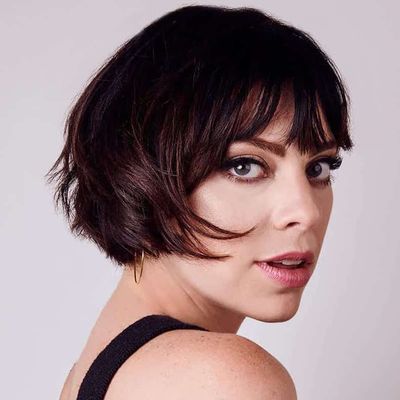
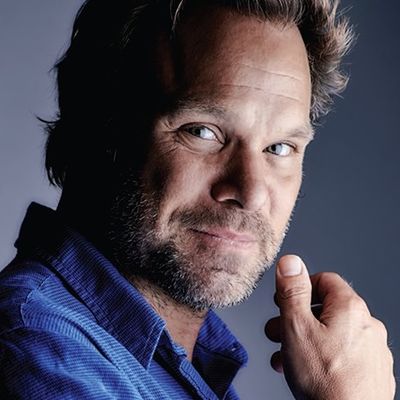
[0:18] Sound design by Uptown Works, starring Krista Rodriguez and Norbert Leo Butts.
[0:38] Lydia Goodson: Murderers are just your average people. This guy kills his girlfriend, or oh, how terrible someone walked into a grade school and shot a bunch of kids. But I'm like, look, okay. We are all like spying on each other online, and that makes it look less real because it's online. But this shit is obviously just going on everywhere. Lydia Goodson is a senior in high school in Racine, Wisconsin. She tweets regularly, upwards of 20 times a day, if you're counting. And she contributes a 10-minute segment each week to her school's weekly podcast, Pod Mania. She's also halfway through her first novel at the 600-page mark. She's got a lot to say.
[1:27] Martina Diaz: So you're a philosopher.
[1:28] Lydia Goodson: This is hardly philosophical. It's just stuff I think. Murderers are your average people. That's not philosophical. That's a statement of fact. A lot of people think that these days. It's pretty dark. Wow, the world is dark. Have you checked the news lately? You know, I'm actually here on a story about the lives of teenage girls in the Midwest.
[1:46] Lydia Goodson: Really?
[1:46] Martina Diaz: Yeah, and people told me to talk to you because you had a lot to say.
[1:50] Lydia Goodson: Who told you that?
[1:51] Martina Diaz: Everybody. Podcasts, tweeting, this novel. It sounds like you write a lot.
[1:55] Lydia Goodson: Well, somebody's gotta keep a record. If the world ends.
[2:00] Martina Diaz: You think the world is gonna end?
[2:02] Lydia Goodson: Well, it's not going so well, is it? I mean, we're lucky to still be in school so that we can learn a few things before everything just evaporates. But I'm not sanguine. I'm really not. Can we go back to what you said about murders?
[2:13] Martina Diaz: What about it?
[2:13] Lydia Goodson: You think they're everywhere.
[2:15] Martina Diaz: You don't?
[2:15] Lydia Goodson: I don't, actually.
[2:17] Martina Diaz: That's a very innocent position.
[2:19] Lydia Goodson: Why do you say that?
[2:20] Martina Diaz: Because what is the truth? If no one can agree on it, then we're seriously on a not so philosophical ledge here. And none of that ultimately is going to matter because the planet has its own set of facts. And it's not fake news to like an iceberg. It's just the temperature, you know.
[2:37] Lydia Goodson: So your position is.
[2:39] Martina Diaz: My position is we've pretty much killed the planet. It's time to like kill ourselves.
[2:43] Lydia Goodson: You could argue that by ignoring climate change, we are in fact doing that already. Kill our own brains, is what I mean. This actually does sound more like philosophy than a description of reality.
[2:53] Martina Diaz: You're like messing with me.
[2:55] Lydia Goodson: This isn't philosophy. That's hilarious. Like last week? Let me tell you, last week, I saw this guy chasing his girlfriend down the street. He's totally naked, and he's got this huge gun. Like, I don't know the exact letters or numbers, but you know, one of those whole giant AX somethings.
[3:13] Martina Diaz: AR-15?
[3:14] Lydia Goodson: Like, see? You know stuff like that. How do you know that?
[3:18] Martina Diaz: I'm just guessing.
[3:19] Lydia Goodson: You're guessing with knowledge because you see this stuff all the time. All the time on TV, on Twitter. So you saw a guy in the street?
[3:28] Martina Diaz: What street?
[3:28] Lydia Goodson: North Street over where it intersects with Maine. And he's totally naked. He's got this gun. She's screaming. You saw this.
[3:36] Martina Diaz: Last week.
[3:37] Lydia Goodson: Like ten days ago.
[3:38] Martina Diaz: Yeah. I already told everybody this.
[3:42] Lydia Goodson: Not like everybody, but you know, a lot of people.
[3:45] Martina Diaz: Were there other witnesses?
[3:46] Lydia Goodson: Do you think I'm making it up?
[3:48] Martina Diaz: Why would I make that up?
[3:49] Lydia Goodson: Well, you just said that people do that.
[3:52] Martina Diaz: Fake news?
[3:53] Lydia Goodson: I'm not talking about me. I don't make things up. It's too much work. So let's go back to this thing that you saw. The naked man chasing a woman with an AR-15.
[4:04] Martina Diaz: Wait a minute. Do you not believe me?
[4:06] Lydia Goodson: I'm just asking questions.
[4:08] Martina Diaz: You don't believe me.
[4:09] Lydia Goodson: I'm a reporter. I ask questions.
[4:11] Martina Diaz: You could be fake news.
[4:13] Lydia Goodson: Public radio is not fake news.
[4:15] Martina Diaz: I guess I'll have to take your word on that.
[4:18] Lydia Goodson: I guess you will. Did he shoot her?
[4:22] Martina Diaz: Yeah, he shot her. She was running and screaming, and he was behind her, and he shot her. You could see the bullets hit her, but she kept going.
[4:31] Martina Diaz: What did you do?
[4:32] Lydia Goodson: I called the cops. I mean, like, totally, what else would you? I called the cops while it was happening. They never showed up. But like I did my civic duty. I called 911 and said, hey, there's this guy running down the street attempting violence on some girl.
[4:48] Martina Diaz: His girlfriend.
[4:49] Lydia Goodson: Okay, that I'm not a hundred percent sure. But he was naked and she was like, she didn't have a lot of clothes on either, so I made some assumptions. But like the cops never came. And I don't know what happened. But I saw it. It was a true crime. If a true crime falls in the woods and no one sees it, did it happen?
[5:09] Martina Diaz: You got me. There. That's philosophical for you.
[5:22] Lydia Goodson: True crime is a national fetish. It's a staple of our television viewing and our book reading, for those of us who still read books. There's a whole section of the bookstore, if you still have a bookstore in your town, that's dedicated to true crime. But what do you do with a murder that only one person saw?
[5:40] Martina Diaz: This is Martina Diaz for Public Radio. She totally saw it. She told all of us she saw it. Lydia's friends Jesse McCulliffe, Alice Markham, and Nancy Overberg also heard Lydia's claims that she witnessed a murder in real time. They believe her. She did the right thing. She saw what she saw and she called 911.
[6:02] Lydia Goodson: But then the police.
[6:03] Martina Diaz: Yes, there was some problem with the police.
[6:05] Lydia Goodson: Yeah, they never come.
[6:06] Martina Diaz: They never came.
[6:07] Lydia Goodson: They came like six hours less.
[6:09] Martina Diaz: Six hours, but it was a long time.
[6:12] Lydia Goodson: It was like four hours.
[6:13] Martina Diaz: It was six hours.
[6:15] Lydia Goodson: It was, in fact, four hours and thirty-seven minutes.
[6:18] Martina Diaz: Is that what they told you?
[6:20] Lydia Goodson: Well, I haven't actually talked to the responding officers yet, but the public record.
[6:23] Martina Diaz: Like, I don't care what they told you. They're lying. They just like never showed up. By the time they showed up, of course, there was nothing there. It could have been seven or eight or ten hours. What does it matter? Once you wait that long, you may as well not come.
[6:36] Martina Diaz: Right. All right, so so yeah, let's back up. Lydia says she called 911 at 3:30 or around 3:30.
[6:44] Lydia Goodson: Yeah, yeah, she called them and she told them she saw this guy shooting his girlfriend. He was naked. They both were naked, and he was shooting her with one of those long guns.
[6:54] Martina Diaz: Lydia told you about this when?
[6:55] Lydia Goodson: Right when it happened. She called us.
[6:57] Martina Diaz: She called you.
[6:58] Lydia Goodson: She called me. She called Alice, but we were with her. We were over at her house. We were all with Alice. It was like an hour later. She called us. She was waiting there like a whole hour, and they told her, you gotta stay away from those people. You gotta hide.
[7:10] Martina Diaz: They didn't say hide, but they just said, don't do anything.
[7:14] Lydia Goodson: No, they told her to hide. Anyway, she did what they said, and then like an hour later, the cops still never come. So she called them back.
[7:22] Martina Diaz: She called two times.
[7:24] Lydia Goodson: And then they were like, just stay there. But it was already like how long? How how long? Is she supposed to just stand here? And then she called Alice.
[7:32] Martina Diaz: Yes, she called me and said, you know, what should I do? She left us a message. I didn't pick up because I didn't know that she just saw someone get shot, so I let it go to voicemail.
[7:42] Lydia Goodson: So we didn't get the message until like it was maybe half an hour?
[7:46] Martina Diaz: Yeah, like half an hour later, and she didn't know we were coming. Because then we listened to the message and we were like, cut it out.
[7:52] Lydia Goodson: Yeah, we just came right over and she was like hiding in the bushes.
[7:56] Martina Diaz: She That's what 911 told her to do. And still no cops.
[7:59] Lydia Goodson: That's what I'm saying.
[8:00] Martina Diaz: Oh, okay. Here's the m here's the message. Guys, can you call me? I just saw something so freaky. I think I saw a murder. I called 911 and the cops never came, and now I don't know what to do. I mean, I've just been waiting here for I don't even know, maybe an hour or something. Can you come get me? I'm at Maine and North, and I'm freaking out. Call me. Fuck. I wish you were there. Call me. Fuck.
[8:23] Lydia Goodson: So when you found her, we waited a little while more, but she was scared.
[8:27] Martina Diaz: Oh, she was freaked out. She thought the guy might come back and kill her.
[8:31] Lydia Goodson: Which was a little weird.
[8:32] Martina Diaz: Not at the time. I mean, she saw this guy shooting with like what are those military rifles that shoot palpitals? It was like a big gun. Really big.
[8:40] Lydia Goodson: But you didn't see this yourselves.
[8:42] Martina Diaz: No.
[8:43] Lydia Goodson: How many times do we have to tell you? We weren't there. God, we weren't there. But that is what she saw.
[8:48] Martina Diaz: Cut, I'm not gonna talk to you. You're useless. The cops were totally useless. We called them too, like a hundred times. They didn't care.
[8:55] Lydia Goodson: Yep. We tried to call the television stations. They were useless too. It was like no one even heard of this thing. And I was like, it doesn't matter if you've never heard of it. You never heard of missing persons. The whole point is that they're missing exactly.
[9:09] Martina Diaz: All these women go missing, and you can't be bothered. You think we haven't noticed that? Guess what? We noticed. And if we have to go out there and find them ourselves, you are going to look pretty damn stupid.
[9:19] Lydia Goodson: Yeah, that's right. That is right. We know the world's a mess. What you think that because we're just in high school, we don't know that? We're the ones you're leaving this mess to. You act like Lydia didn't see what she saw? What, she's not even supposed to believe her own eyes just because you didn't see it? People don't see what's happening around them. They just keep saying it's fake news, but it's not fake. This isn't fake. She saw it. So yeah, we called the cops. We called them a bunch, and they didn't care, and now you don't care. And you're supposed to care. You come out here and you want to know about the lives of teenage girls in the Midwest. We're telling you.
[9:54] Martina Diaz: That's right.
[9:54] Lydia Goodson: Yeah, that's right. Yeah, and you don't want to know it because we're just a bunch of teenage girls, right? But you are supposed to be on our side. This happened to one of us. We were out there trying to get people to find this girl who got shot. Our friend saw this girl get shot, and then she disappeared. And you're a reporter. It's your job.
[10:14] Martina Diaz: Yeah, report for us.
[10:16] Lydia Goodson: Oh, women. We don't do a damn thing for each other.
[10:19] Martina Diaz: Well, that's a little cynical.
[10:21] Lydia Goodson: Oh, yeah. Yeah, well, you don't want us to be cynical, then help us.
[10:25] Martina Diaz: Yeah, help us.
[10:26] Lydia Goodson: God, help us.
[10:32] Claire: We got nobody. We got no crime. We got no evidence. We don't even have a missing person. That leaves us with nothing to investigate. This witness Lydia Goodson reports.
[10:41] Martina Diaz: I don't know this person.
[10:42] Claire: Well, she made a phone call to 911 on November 12th.
[10:45] Martina Diaz: A lot of people make phone calls to 911.
[10:47] Claire: Yeah, but in this particular 911 call, the caller reported a murder in process.
[10:52] Martina Diaz: I don't know anything about that.
[10:54] Claire: You didn't know about the 911 call, but you were the investigating officer.
[10:58] Martina Diaz: When we went out there, there was nothing there.
[11:00] Claire: That's what I know. The public records office indicates that you responded to the call.
[11:06] Martina Diaz: I didn't respond to any call. I didn't know about a call.
[11:10] Claire: Well, uh My superior officer, Lieutenant Brandon Mulvaney, radioed me in my vehicle and said there was a domestic violence situation that had been reported in the vicinity of North and Maine.
[11:20] Martina Diaz: He didn't give you a specific address.
[11:23] Claire: I'm not allowed to give that information out.
[11:27] Martina Diaz: When you went to this address, what did you find?
[11:29] Claire: I can't give that information out either.
[11:32] Martina Diaz: You can't?
[11:33] Claire: No charges were made.
[11:35] Martina Diaz: So this investigation that you pursued.
[11:38] Claire: Uh it wasn't an investigation. It was just responding to a call.
[11:44] Martina Diaz: Okay, sure. But this call was not related to the 911 call that was made six hours earlier.
[11:51] Claire: I'm not aware when the call was made.
[11:53] Martina Diaz: So it could have been made six hours previously.
[11:56] Claire: Like I said, I just got sent to an address to see what might be happening out there in response to a potential domestic violence situation.
[12:05] Martina Diaz: Right. Right. My point being that since you don't seem to even know what time the call came in.
[12:12] Claire: I didn't say that.
[12:13] Martina Diaz: You do know when the 911 call came in. When did it come in?
[12:16] Claire: I'd have to check my notes.
[12:20] Martina Diaz: Okay. You do realize that you sound like this is a bit obstructionist, to say the least.
[12:28] Claire: I'm gonna have to ask you to excuse me.
[12:31] Martina Diaz: Have you tried to talk to the eyewitness who made the original 911 call?
[12:34] Claire: Thank you.
[12:36] Martina Diaz: Okay. So it's clear that it is not in the interest of the local police department to share any information about a crime that may not have even happened.
[12:47] Lydia Goodson: What have we been saying? The girls and I have gone to the scene of the crime. If there was a crime. I don't know, you guys. Probably, I just want to say it's possible that I didn't see it.
[12:58] Claire: Lydia!
[12:59] Lydia Goodson: What?
[13:00] Claire: Oh my god, you cannot say that.
[13:02] Lydia Goodson: I just mean, like, you know, when you see something in the sky and you think, what the hell is that? Is that a UFO? And then you're like, no, it's just a dot or something acting all weird.
[13:11] Claire: Okay.
[13:11] Lydia Goodson: Yeah, that happened to me once.
[13:14] Claire: Are you saying that you made this up?
[13:16] Lydia Goodson: No, I saw it. I'm just saying there is that thing that happens. If nobody believes you saw what you saw, then what did you see?
[13:23] Claire: What do you think you saw?
[13:25] Lydia Goodson: I saw a naked guy running down the street with a big gun, and he was shooting a naked woman.
[13:32] Claire: So you were standing.
[13:33] Lydia Goodson: I was here, checking my Twitter feed.
[13:36] Claire: So you had your cell phone out?
[13:37] Lydia Goodson: Yeah, I was just reading my tweets, and then I heard the screaming.
[13:41] Claire: Loud screaming?
[13:42] Lydia Goodson: Not at first. It was far away. But when someone screams, you're like, what is that? At first you think it's nothing, but then I looked up and they were right on top of me, like running right by me.
[13:52] Claire: But you didn't think to just hold your camera up and take a video.
[13:57] Lydia Goodson: That's what the cops said. It is something that people do now. I was in shock. So no, I didn't think of doing that.
[14:03] Claire: Oh, so what? Even if you have the movie now, nobody believes you. Like people see all these people crawling all over the Capitol building and hitting cops with flagpoles, and they're like, oh yeah, that's just a nice day.
[14:15] Lydia Goodson: You know, not everyone actually believes that.
[14:17] Claire: Well, you'd be surprised. You know what? You know what? I know I saw a murder. I know it.
[14:22] Lydia Goodson: Wait, you're sure the woman is dead?
[14:25] Claire: Yes.
[14:26] Lydia Goodson: Her mother told me she's dead.
[14:28] Claire: Whoa, okay.
[14:30] Lydia Goodson: Her mother?
[14:32] Claire: Hey, hang on. You know these people?
[14:35] Lydia Goodson: Not personally. But you spoke to the woman's mother?
[14:38] Claire: Whoa, you didn't tell us that.
[14:41] Lydia Goodson: Yeah. Um, I didn't know that.
[14:44] Claire: Yes. She came by the high school a couple days after it happened and found me in the library.
[14:49] Claire: You didn't tell us that.
[14:50] Lydia Goodson: She found you?
[14:52] Claire: Like, she just found you.
[14:53] Lydia Goodson: I was supposed to be at gym that day, but they gave me a pass because I was on my period. I wasn't actually on my period, I just didn't want to go to gym.
[15:00] Claire: So this woman Vicky.
[15:03] Lydia Goodson: Her name is Vicky Denvers.
[15:05] Claire: You know her name?
[15:07] Lydia Goodson: Well, sure, she told it to me.
[15:09] Claire: You found her mother?
[15:11] Lydia Goodson: She found me, actually.
[15:12] Claire: You didn't mention that before.
[15:14] Lydia Goodson: Well, don't get mad.
[15:15] Claire: I'm not mad. You just didn't even tell us that part.
[15:19] Lydia Goodson: Okay, does it matter?
[15:20] Claire: Right. So Mrs. Denvers, the mother of the victim of this shooting, came to see you.
[15:26] Lydia Goodson: She said the police told her that there was some kid at the high school who might know something. Which I was surprised by because they never showed up and basically made it clear that I didn't see anything, but then they told her I did. She was like trying to get in touch with her daughter, and she couldn't find her, and it was making her nervous. And she said her daughter was missing, and they live right out by this corner. And she went over to see her and this guy.
[15:47] Claire: What guy?
[15:48] Lydia Goodson: The husband.
[15:49] Claire: The guy with the gun.
[15:50] Lydia Goodson: That was her husband? I never actually talked to him. They told me to stay out of it, so I did.
[15:55] Claire: But you witnessed.
[15:56] Lydia Goodson: Well, nobody knows what I witnessed. That's their position, anyway.
[16:00] Claire: I'm sorry, I'm getting confused. But you said that you saw a man, a naked man.
[16:04] Lydia Goodson: With a long gun.
[16:05] Claire: Yes, shooting this woman in the back.
[16:07] Lydia Goodson: I did see that. And it turns out that that's her daughter. She showed me a picture.
[16:11] Lydia Goodson: She had a picture of the guy doing the shooting, too. I mean, he wasn't shooting in the picture. They were like at a barbecue or something outside, like in a park.
[16:19] Claire: So you know who these people are.
[16:20] Lydia Goodson: Yeah. Their names are like Gloria and Richard Shaker.
[16:25] Claire: That's what she said. They live just like two blocks from here. She was pretty devastated when I told her what I saw. I thought for sure the cops would finally call me for a statement, but they didn't do that.
[16:44] Claire: So the missing woman now has a name.
[16:47] Lydia Goodson: Gloria.
[16:49] Claire: Her mother has a name as well.
[16:51] Lydia Goodson: Vicky.
[16:54] Claire: Hello.
[16:55] Martina Diaz: Hi. I'm looking for Vicky Denvers.
[16:59] Vicky Denvers: That's me.
[17:00] Martina Diaz: Hi, Vicky. I'm Martina Diaz. I work for public radio.
[17:05] Vicky Denvers: You asking me?
[17:07] Martina Diaz: No, I'm sorry. I was supposed to be here in Racine talking to teenage girls about what their lives are like.
[17:14] Vicky Denvers: Yeah.
[17:16] Martina Diaz: And one of them told me that she saw your daughter running from a man who was shooting at her. And that you filed a missing persons report with the police.
[17:26] Vicky Denvers: Oh, who is it?
[17:28] Martina Diaz: It's just a person. She she's here from uh from from the radio. She she has some questions about Gloria.
[17:35] Vicky Denvers: No problem. I don't know if you know what I'm doing here.
[17:44] Martina Diaz: Are you recording this?
[17:46] Vicky Denvers: If that's all right.
[17:48] Martina Diaz: Oh, I just a minute.
[17:53] Vicky Denvers: Oh, sure.
[18:06] Martina Diaz: Hello.
[18:08] Vicky Denvers: Hello, Vicky?
[18:09] Martina Diaz: Uh is this not a good time?
[18:11] Vicky Denvers: It's fine. Sorry. My my husband is in a wheelchair. He just he sometimes needs me to help him with some things.
[18:20] Martina Diaz: Can I come in?
[18:21] Vicky Denvers: No, that's I can I can talk to you.
[18:26] Vicky Denvers: I said I got damn fun.
[18:33] Martina Diaz: Hiya. If I want to talk to her, I'm gonna talk to her. God damn it.
[18:41] Vicky Denvers: Sorry. Uh he can get himself worked up, you know.
[18:48] Martina Diaz: Uh I mean, I just I don't have a lot to say.
[18:55] Vicky Denvers: And your daughter is missing.
[19:02] Martina Diaz: Was she?
[19:04] Vicky Denvers: She might be. The police stated that there's no way to know.
[19:13] Martina Diaz: How long has she been missing?
[19:15] Vicky Denvers: Uh well, not very long. They say it's not long enough. Sh she does this sometimes. She goes away for a while, so they they say I gotta wait longer. It's possible that she w she's on vacation with a couple of her girlfriends.
[19:37] Martina Diaz: I know you went to the police because you were very worried about her.
[19:40] Vicky Denvers: Well, I just I didn't know where she was. You also went to the high school to speak with Lydia Goodson.
[19:45] Vicky Denvers: Well, because they said this girl had reported some mayhem on the street, and it was nearby where Glory and Richard have their apartment. And I I didn't know what had happened.
[19:59] Lydia Goodson: That I was mistaken. Glory's she's with her friends.
[20:04] Vicky Denvers: Lydia said that she saw a man shoot Gloria in the back.
[20:10] Vicky Denvers: I know she said that. I mean, something like that probably happened. Gloria and Richard were probably having some kind of fight. They have had their share. So I think it just got a little out of hand. That girl, that that high school girl didn't see what she thought she saw.
[20:31] Martina Diaz: Are you afraid of something?
[20:34] Vicky Denvers: I'm just worried. My husband's in a wheelchair. I I need to go check her.
[20:40] Martina Diaz: Are you worried about your daughter?
[20:43] Vicky Denvers: No. No, not really. Have you heard from her since she called?
[20:48] Martina Diaz: I'm sorry. Nothing happened. They just had a she never should have married him.
[21:00] Vicky Denvers: There was a mistake.
[21:02] Martina Diaz: Why was it a mistake?
[21:14] Vicky Denvers: Repeated phone calls to Mrs. Denvers went unanswered. Repeated phone calls to Officer Bean at the police precinct also went unanswered. Although a handy app on my cell phone informed me that Richard Shaker had been arrested three times for domestic abuse in the past year and a half. All charges were dropped in each of those arrests.
[21:36] Martina Diaz: Was there a crime here? Many people would and did tell me no. The lives of teenage girls. That was my assignment. I had no business sticking my nose into a situation that looked like a murder but evaporated into fog any time you touched it. How do you investigate fog? How do you tell a story about fog? When fog shows up in a horror film, you know in your bones that there is something out there. A monster from the deep with an enormous mouth full of vicious teeth or crawling tentacles that will reach out and snatch you, crush the life out of you. When the fog appears, you know that something bad is coming. The fog itself both signals the approach of the thing you dread and makes it impossible for you to see it.
[22:40] Martina Diaz: Yeah. Hi. Hello. Um, I'm looking for Gloria Shaker.
[22:47] Richard Shaker: Uh what for?
[22:49] Martina Diaz: Does she live here?
[22:52] Richard Shaker: Yeah, usually, but she's not here right now.
[22:57] Martina Diaz: Can you can you tell me how I might get in touch with her?
[23:00] Richard Shaker: Can you tell me why you want to get in touch with her?
[23:03] Martina Diaz: Can you get a message to her?
[23:07] Richard Shaker: Well, one of us is gonna have to actually say something instead of just asking questions all day.
[23:13] Martina Diaz: I I I can't get a message to her because I I don't know where she is. I haven't heard from her in geez, more than a week.
[23:21] Richard Shaker: No. I'm Richard Shaker. I'm I'm her husband.
[23:23] Martina Diaz: I'm Martina Diaz.
[23:26] Richard Shaker: Hmm. Well, I've never seen you before, Martina. And I assure you I never forget a pretty face, male or female. You know, you have to add that now, or you're some kind of criminal. You're not even allowed to compliment a woman anymore.
[23:44] Martina Diaz: I'm I don't take it back.
[23:46] Richard Shaker: How do you know my wife?
[23:48] Martina Diaz: I'm a reporter for public radio.
[23:50] Richard Shaker: Oh, yeah? Can I see a card?
[23:53] Martina Diaz: Of course.
[23:58] Richard Shaker: This is cool. Ah. So what do you need to talk to her about?
[24:05] Martina Diaz: Well, uh, there have been some reports that she was seen running through the neighborhood naked, and a man with a long gun was running after her, shooting her.
[24:16] Richard Shaker: Oh yeah, I I heard about this.
[24:20] Martina Diaz: What did you hear?
[24:22] Richard Shaker: Well, just what you said. You want to come inside?
[24:26] Martina Diaz: I I mean, I I presume you have some questions for me, too.
[24:30] Richard Shaker: A man with a long gun, I got a long gun. Could be me. Oh, come on in. I don't bite. And if I did, this would be the interview of a lifetime, yeah? Unless you don't want to be alone in the house with me, which I can see why maybe you wouldn't, you know, if I shoot my wife. Which maybe means I buried her, too. It's up to you. You want a cup of coffee? Promise not to poison it.
[25:08] Martina Diaz: I'm fine.
[25:10] Richard Shaker: Good call. Why would you trust me? Yeah. Even when I promise to be good. And all I mean by that is you don't know me. Which is why I want to talk to you. I mean, man, I'm not doing anything more than minding my own business. And then all of a sudden everyone is looking at you funny in the grocery store or uh at the gas station. I'm like, what? I smell bad or something? They won't serve me down at the diner all of a sudden.
[25:35] Richard Shaker: And I finally said the girl behind the counter, I said, What's going on here? People are acting all twitchy around me. She says there's some kid out there spreading rumors. Says she saw you shoot Glory in the back. It's just ice water. In case you get thirsty. Thank you. So I'm glad. I'm glad to have this chance to clear things up. Pretty spooky. When everyone suddenly won't speak to you, as you can imagine. Go ahead, ask away. I'll tell you whatever you want. Do you mind if I record this? Not at all. Do you mind if I record it? Oh. On my phone. Just like in case you quote me wrong. Or do something to the tape and make it sound like I said something I didn't. That does happen. You see it on Facebook all the time.
Things that just don't look right or sound right. And then you look into it a little, and sure enough, someone's doctored the video or whatnot. Now, I don't want to sound paranoid, but when you've been through what I'm going through right now, you understand that you just can't take chances. You gotta cover your bases. I'm fine with you recording our conversation.
[26:40] Martina Diaz: Good. Good. Did you just take my picture?
[26:45] Richard Shaker: Oh, is that not okay? It's just not what you said you were going to do.
[26:50] Martina Diaz: Well, I'm making my own record of the conversation. That's what I said. When was the last time you saw your wife, Mr. Shaker?
[26:58] Richard Shaker: Come on. Call me Richard. When was the last time you saw your wife, Richard?
[27:05] Richard Shaker: Hmm, let's see. Um she was gonna spend the weekend with one of her girlfriends that was at least two weeks ago. This is her friend Susan. Ugh. She lives somewhere down around the border of Illinois. You don't know the name of the town. She just moved recently. That's what I was told. Anyway, she had a new house or apartment or something, and Gloria was gonna go down and see the new digs.
[27:31] Martina Diaz: What is Susan's last name?
[27:33] Richard Shaker: You know, that's the kind of thing you expect a husband to know, isn't it? But sadly I don't.
[27:39] Martina Diaz: Okay, so your wife went to visit a friend named Susan in a place where you don't know where.
[27:46] Richard Shaker: No, I don't. And I'm not happy about being left in the dark like this. Frankly, frankly, Gloria could be pretty elusive around details for a lot of things. This isn't the first time she disappeared on me.
[27:59] Richard Shaker: It's not. No, ma'am. She'd say, I'm going here or there just for an hour or so, and then she'd be gone all night. And if I called her, she either wouldn't answer or she'd be all, uh, I'm on my way home, honey. And then that would turn out not to be true. This happened, I don't know how many times. Or she'd say, Come meet me. I'm downtown at this bar or or this other place, playing pool, and then I go down, she wouldn't be there. And you know, you ask a bartender. You seen Gloria, and he'd be like, She was here a couple hours ago, but she's long gone. So you get used to it after a while. You get used to your wife disappearing. Well, you don't get used to it so much as you just don't take as much note after a while. I mean, I'm not gonna say we didn't have words about it, because we surely did many times. Gloria and I mixed it up over a lot of things, which I'm sure people have told you.
[28:54] Martina Diaz: Yeah, I haven't actually talked to that many people.
[28:56] Richard Shaker: Well, you talk to somebody, or you wouldn't be here. Who'd you talk to? There's there's just as you noted, there's some concern about where Gloria might be in the light of this story that is circulating that you were seen running after her with a long gun.
[29:15] Martina Diaz: So where'd you hear that story anyway? Because I know the cops aren't spreading it.
[29:19] Richard Shaker: How do you know that? Because I asked them where they thought she might be. I called them up. I said, My wife is missing. Are y'all doing anything about it? And they said there's no evidence of that.
[29:32] Martina Diaz: Did they tell you about the 911 call reporting the eyewitness who claims she saw you assaulting her?
[29:38] Richard Shaker: What are you? Columbo! I thought you were a nice little public radio chicklet, but now you have all these ideas and questions. So is that your purpose? You're gonna solve this crime, even if there isn't a crime?
[29:56] Martina Diaz: You invited me in to talk about where your wife might be.
[30:03] Richard Shaker: I did. I did because I thought you might know something. All you know is like what with this teenager. What's her name?
[30:08] Martina Diaz: Oh, I'm not going to give you her name.
[30:11] Richard Shaker: Oh, you think I'm gonna go after her? I don't know you, so I don't know what you'll do.
[30:18] Martina Diaz: That's right, you don't. I could do anything. You want to see my long gun?
[30:24] Richard Shaker: Allow me to admit that in retrospect, I should have never agreed to enter this man's house. This was always an unsafe situation, and in my curiosity regarding the disappearance of Richard Shaker's wife, I put my sense of caution to one side. To tell you the truth, I didn't want to write a puff piece about the lives of teenage girls who presumably shop a lot, do their nails twice a week, and change their hair color when their boyfriends break up with them. When they assigned that job to me, they made it clear that people would want to hear that. That teenage girls are charming and fun, and people need that right now. I hate it that my editor told me that.
[31:27] Martina Diaz: The things he was saying carried with them an air of threat. But if I had called 911 or the local police precinct and described the conversation that we were having, which was in fact being taped by both of us, could I argue that I had been threatened? It was philosophical. It was lighthearted. It was threatening. But it wasn't illegal. I felt that I was in territory that was dangerous. But would anyone else listening to the tapes feel that?
[31:58] Richard Shaker: Do you want to show me your gun?
[32:02] Martina Diaz: That sounds like a come on.
[32:04] Richard Shaker: Uh what's your name again?
[32:06] Martina Diaz: Martina Diaz.
[32:08] Richard Shaker: You want to see my long gun, Martina? Is it here in the house?
[32:14] Richard Shaker: I got all sorts of things here in the house. Including a long gun. Well, that's what you're interested in, huh?
[32:20] Martina Diaz: Of course I'm interested in seeing the long gun. I'm sure the police are as well.
[32:27] Richard Shaker: So you have a search warrant?
[32:29] Martina Diaz: Of course I don't. I'm not a police officer.
[32:33] Richard Shaker: I wasn't so sure because you act like a detective.
[32:36] Martina Diaz: We're all detectives now, I think.
[32:39] Richard Shaker: Hmm. Why do you think that?
[32:41] Martina Diaz: Because there's so much information out there. And so many questions. And so many guns.
[32:49] Richard Shaker: At this point, there's so many weapons out there. I'd say there are more guns than questions.
[32:54] Martina Diaz: I suppose that's possible. A lot of people have guns.
[32:58] Richard Shaker: Well, you're a detective. You should know that much at least.
[33:01] Martina Diaz: I am aware that there are a lot of guns out there. You want to know how many I have?
[33:05] Richard Shaker: If you want to tell me.
[33:07] Martina Diaz: Let's just stick to the one, the long gun. That's the one you're interested in, isn't it? Say it again. Say it again. Go on, go ahead. Tell me about your um your long gun, Richard. Go ahead.
[33:21] Richard Shaker: Richard, I would love to see your long gun.
[33:27] Richard Shaker: Oh man, you know it does. Everything just sounds extra sexy when you start talking about guns, doesn't it?
[33:34] Martina Diaz: Not to me.
[33:36] Richard Shaker: Well, I think there are a lot of ladies out there who think it's uh kind of hot to talk to a good looking guy about his gun. But you know, I understand someone who listens to public radio might not be of the same mind. Now, if I show this to you, you're not gonna go all snowflake on me, right?
[33:54] Martina Diaz: I'm not sure what you mean.
[33:57] Richard Shaker: Come on, it's back here. But you want to see it, don't ya? It's in the closet. In the bedroom, unless you don't want to see it anymore. You want to see it?
[34:07] Martina Diaz: I do.
[34:09] Richard Shaker: Come on then. Richard's house is relatively small. The walls are painted a light blue in the hallway, and there are posters from what seemed to be several different motorcycle rallies.
[34:25] Martina Diaz: Are you sending that out to people? I mean, I thought you were just recording it. Is there is there somebody out there in a truck? Like police spies listening in on this? Is that is that what's going on here?
[34:36] Richard Shaker: Uh no. Because I didn't agree to that. I agreed to talk to you, not to be spied on.
[34:43] Martina Diaz: This is an interview for a radio show for public radio.
[34:46] Richard Shaker: So you can tell everybody you got to go into the house and hang out with a murderer for a little while. Is that is that what you're gonna tell your listeners?
[34:52] Martina Diaz: No. But that's why you came in here, huh? Isn't it?
[34:59] Richard Shaker: Uh right now for my listeners, I need to report that Mr. Shaker has his long gun pointed right at my chest.
[35:09] Martina Diaz: And how close am I?
[35:10] Richard Shaker: It's a very it's you're uh it's it you're you're very close. Maybe four feet. You know what this thing could do to a person being shot at close range like that? It just about cuts you in half. All I gotta do is pull the trigger here, because it's loaded. I mean, I'm not somebody who keeps unloaded weapons around the house. What use is that? You know, everybody listens to public radio probably thinks that you should keep bullets out of them, keep the safety on, but when you're in danger, somebody comes into your house and tries to take something from you, or even just really just try to fuck up your life. You don't have time to unlock the safe, load the gun, take off the safety, and then shoot the motherfucker. Who has time for that? When you need to shoot someone, you just shoot 'em.
[36:00] Martina Diaz: Is that what happened to your wife?
[36:02] Richard Shaker: I never shot her. They got no evidence. They got no body. She's out there somewhere uh getting trashed with her girlfriends from high school. One of them girls, uh, Tammy, her brother Lewis really had it in for Gloria. I mean, they had it in for each other. Oh, that he was a mess when she came with me. And then well, when we got married, woo, he was not happy. They had a big fight just before the wedding. It was like, dude, just admit it, you lost, but he did not want to let go of her. You want to find Gloria? He's the one I'd go looking at.
[36:38] Martina Diaz: You think he may have hurt her?
[36:40] Richard Shaker: I don't know about May. I'm not making any accusations. All I'm saying is sometimes guys don't want to let a woman go. And then they are just totally determined not to ever let that happen. I mean, I didn't make that up. And Arab countries, they're fucking serious about this shit. If a woman tries to get a divorce, they cut off her hand or stone her. You don't just walk away from a man. That's all I'm saying. You never heard of this?
[37:06] Martina Diaz: Yes, I I have heard of it.
[37:09] Richard Shaker: Yeah, that's all I'm saying. You ladies need to be aware. There are consequences to your actions.
[37:17] Martina Diaz: Could you put the gun down, please?
[37:20] Richard Shaker: You told me you wouldn't turn into a snowflake, Martina.
[37:24] Martina Diaz: Well, I'm not comfortable conducting an interview with a gun pointed at my chest. If that makes me a snowflake, I am fine with that.
[37:36] Richard Shaker: Okay, okay. Is that better?
[37:40] Martina Diaz: Yes. Thank you.
[37:44] Richard Shaker: You said before that you had many guns. How many weapons do you own, Richard?
[37:49] Richard Shaker: Oh, you're gonna try to grab one up and get into a gunfight with me? Huh? I bet people would too near to public radio for that.
[37:56] Martina Diaz: I suspect they would. You know, um, a lot of people think that when someone accuses another person, just out of the blue of something dishonorable, cheating or stealing or even just lying. Say, it it means that the person, the one making the accusations, is really the person who did it.
[38:23] Richard Shaker: Did what?
[38:24] Martina Diaz: Whatever they're accusing the other person of doing.
[38:27] Richard Shaker: No.
[38:27] Martina Diaz: No, it's true.
[38:29] Richard Shaker: No.
[38:29] Martina Diaz: Yet some people feel that we, all of us, are just such narcissists.
[38:34] Richard Shaker: Narcissists.
[38:35] Martina Diaz: That's a $20 word.
[38:37] Richard Shaker: You think I'm too stupid to understand that word?
[38:40] Martina Diaz: No, my point is we all only see finally ourselves.
[38:46] Richard Shaker: So when we accuse someone else, what we're actually doing is confessing.
[38:53] Martina Diaz: Confessing to what?
[38:54] Richard Shaker: To whatever it is you accuse someone else of doing.
[39:03] Richard Shaker: You want a drink, Martina?
[39:05] Richard Shaker: Like I would say a lady like you probably would go for a nice glass of white wine.
[39:14] Richard Shaker: But right now, I'm thinking we could both use us a couple shots of vodka just about now, huh?
[39:19] Martina Diaz: I'm not interested in having a drink with you, Richard.
[39:22] Richard Shaker: Uh-oh, oh, don't you need to be careful not to piss me off?
[39:27] Martina Diaz: It is obviously in my best interest to keep you on my side.
[39:32] Martina Diaz: But I am still not going to do shots of vodka with you.
[39:35] Richard Shaker: That doesn't sound like a definitive no.
[39:38] Richard Shaker: Is it a definitive no?
[39:40] Richard Shaker: Come on, Martina.
[39:42] Richard Shaker: Give me something.
[39:44] Richard Shaker: I feel this connecting here.
[39:45] Richard Shaker: You keep acting like you're just always taking a step back when that's not really what you want to do.
[39:51] Richard Shaker: Let's get a little yes out of you.
[39:54] Richard Shaker: Take a step forward, lady.
[39:56] Richard Shaker: I'm here for you.
[39:57] Richard Shaker: I'm communicating here.
[39:59] Richard Shaker: I want to connect with you.
[40:01] Richard Shaker: I was under the impression that's what you wanted.
[40:05] Richard Shaker: Don't you want to connect with me, Martina?
[40:09] Martina Diaz: Isn't that why you're here?
[40:11] Martina Diaz: That is why I'm here.
[40:14] Richard Shaker: Then let's do some shots.
[40:18] Martina Diaz: I did not think that Richard meant me any harm.
[40:21] Martina Diaz: It was pretty clear, in fact, that he was having a good time with me.
[40:25] Martina Diaz: And that to him I was some strange sort of helpless animal, a fish or even a frog that he could toy with while he decided what to do with me.
[40:35] Martina Diaz: He was clearly a dangerous man.
[40:37] Martina Diaz: I couldn't say for certain, and I still can't say for certain, but I certainly do suspect that he murdered his wife in cold blood, and that he disposed of her body so that no one would ever find it.
[40:48] Martina Diaz: Or if they did find it, its destruction could never be traced back to him.
[40:53] Martina Diaz: Suspecting this and knowing him as much as one could after a 10-minute interview.
[41:36] Richard Shaker: Others wouldn't name it that.
[41:49] Richard Shaker: You know what they say about reporters?
[41:53] Martina Diaz: They say a lot of things about reporters.
[41:56] Richard Shaker: They say you're a curious bunch.
[41:59] Richard Shaker: Curious, weird or curious, we have a lot of questions.
[42:03] Richard Shaker: In your case, I'm thinking pretty much both, Martina.
[42:07] Richard Shaker: You got a nice face.
[42:09] Martina Diaz: Oh, thank God.
[42:10] Martina Diaz: I thought you were gonna tell me I got a pretty mouth.
[42:13] Richard Shaker: Huh.
[42:14] Richard Shaker: You do have a pretty mouth.
[42:16] Richard Shaker: Especially when it's wrapping itself around a shot glass full of the tippy top with Stolly.
[42:23] Richard Shaker: There you go.
[42:24] Richard Shaker: Down the hatch.
[42:26] Richard Shaker: Drink it fast.
[42:27] Richard Shaker: It's how the Russians do it.
[42:28] Martina Diaz: Oh yeah.
[42:32] Martina Diaz: No, no, no, I can't.
[42:34] Martina Diaz: One is plenty.
[42:35] Richard Shaker: No, it's not.
[42:36] Richard Shaker: No, no, seriously, you have to give me a moment.
[42:36] Martina Diaz: A moment?
[42:41] Richard Shaker: You need a moment.
[42:42] Martina Diaz: Yes.
[42:43] Richard Shaker: You don't seem like the kind of girl who takes her time with anything.
[42:47] Richard Shaker: I like that about you.
[42:48] Richard Shaker: Here comes number two.
[42:49] Martina Diaz: No, no, I know.
[42:50] Martina Diaz: And I actually do not need a second shot yet.
[42:53] Martina Diaz: Thank you.
[42:53] Richard Shaker: Is vodka ever a question of need, Martina?
[42:56] Martina Diaz: Please tell me you didn't just say that.
[43:00] Richard Shaker: You drink a lot, Richard?
[43:01] Richard Shaker: You're gonna make me drink alone.
[43:03] Richard Shaker: I just had a shot with you.
[43:05] Richard Shaker: That against the rules.
[43:06] Richard Shaker: You watch these reporters in the movies?
[43:09] Richard Shaker: Drinking is like a blood sport with them.
[43:11] Richard Shaker: I thought you were on board with, you know, yeah.
[43:15] Richard Shaker: Come on, come on.
[43:16] Richard Shaker: I offered you a drink.
[43:17] Richard Shaker: You didn't act like that was off the table.
[43:19] Richard Shaker: You leapt.
[43:20] Martina Diaz: Richard.
[43:21] Martina Diaz: Can we talk about what happened that night?
[43:24] Richard Shaker: We can talk about anything you want as soon as you get on board with the party.
[43:28] Richard Shaker: Cheers.
[43:30] Martina Diaz: So, Richard, can we talk about what happened that night?
[43:33] Richard Shaker: Oh ho.
[43:34] Richard Shaker: No, you said you wanted to party, and now you're all...
[43:38] Richard Shaker: Yeah, I said I'm not ready for a second shot of vodka yet.
[43:43] Richard Shaker: You said you wanted to have a couple of shots.
[43:46] Richard Shaker: Now all of a sudden that's off the table.
[43:48] Richard Shaker: I thought you were here to have a good time.
[43:50] Richard Shaker: You know, you say one thing, that's not what you mean.
[43:54] Richard Shaker: It's not what you ever mean.
[43:55] Richard Shaker: Any of you.
[43:56] Martina Diaz: You know I came here to talk about your wife.
[43:58] Richard Shaker: She's the only one you want to hear about.
[44:01] Martina Diaz: I'm not sure what that means.
[44:03] Richard Shaker: I think you do.
[44:06] Richard Shaker: Why don't you just tell me what you're trying to say now?
[44:09] Richard Shaker: Well, why don't you just tell me what you do if you found yourself alone in the house with a serial killer?
[44:15] Richard Shaker: That's a pretty good story.
[44:18] Richard Shaker: Would you try to talk to that guy?
[44:21] Richard Shaker: Have a few drinks with him, see how his brain ticks.
[44:25] Richard Shaker: Or would you just run out the door like a little girl?
[44:29] Martina Diaz: Are you suggesting that you've killed more than one person?
[44:32] Richard Shaker: I'm suggesting lots of women die all the time in this world.
[44:41] Richard Shaker: My wife Gloria, one of her girlfriends, disappeared a few years back.
[44:45] Richard Shaker: No one gave a shit.
[44:47] Richard Shaker: Woman down at the car dealership she works at, gone one day, no one knows where.
[44:51] Richard Shaker: Cops just decide she must have moved back to Mexico.
[44:54] Richard Shaker: They barely looked into it.
[44:57] Richard Shaker: God, it's bloody amazing.
[45:00] Richard Shaker: How many women just disappear?
[45:02] Richard Shaker: No one honestly gives a shit.
[45:03] Richard Shaker: You guys need a union.
[45:05] Richard Shaker: If I killed a man, they'd be all up in my grill.
[45:08] Richard Shaker: Somebody shoots a naked woman running down the street.
[45:10] Richard Shaker: You can't even get the cops to show up and ask a few questions.
[45:15] Martina Diaz: Are you trying to scare me?
[45:17] Richard Shaker: This is an interview, I thought.
[45:18] Richard Shaker: Actually, I thought it was a party, and I'm doing all the work here.
[45:21] Richard Shaker: And these women you allude to.
[45:22] Richard Shaker: Couple of shots.
[45:23] Richard Shaker: That's what I said.
[45:25] Richard Shaker: I said, I said you want to have a couple of shots of vodka.
[45:30] Richard Shaker: And you said I said I wasn't ready, and I'm not ready.
[45:34] Martina Diaz: Oh, that's perfect.
[45:35] Martina Diaz: That's just, huh.
[45:37] Richard Shaker: I'm offering you the story of a lifetime, and you won't even take a couple of shots of vodka with me.
[45:42] Richard Shaker: You won't even do that much.
[45:43] Richard Shaker: You just want more and more something for nothing.
[45:48] Richard Shaker: That's your problem.
[45:50] Richard Shaker: You all think that you're the same as all the rest of them, aren't you?
[45:55] Martina Diaz: The rest of who?
[45:56] Richard Shaker: You know who?
[45:58] Richard Shaker: You know who?
[45:59] Richard Shaker: You want to know why you get shot at?
[46:01] Richard Shaker: You want to know why you get hit?
[46:04] Richard Shaker: You have these rules.
[46:07] Richard Shaker: But the thing is, the thing is, no one agreed to those rules.
[46:12] Richard Shaker: You talk to each other.
[46:14] Richard Shaker: You talk to yourselves.
[46:16] Richard Shaker: It's all your rules.
[46:18] Richard Shaker: Only it's ridiculous, really.
[46:20] Richard Shaker: Just idiotic.
[46:21] Richard Shaker: Because we didn't agree to that.
[46:26] Martina Diaz: Any of what?
[46:32] Richard Shaker: Any of what, Richard?
[46:36] Richard Shaker: Who is we, Richard?
[46:36] Richard Shaker: What are the rules we don't agree on?
[46:42] Richard Shaker: Why have you picked up your gun, Richard?
[46:46] Martina Diaz: Please don't point that at me, Richard.
[46:48] Richard Shaker: I'm sorry that you're upset.
[46:50] Martina Diaz: Oh, I bet you are.
[46:52] Richard Shaker: I am.
[46:52] Richard Shaker: I am very sorry.
[46:54] Martina Diaz: Please put the gun down.
[46:56] Richard Shaker: Now it's all please.
[46:57] Richard Shaker: When I asked you for a simple thing, let's do a second shot.
[47:02] Richard Shaker: I said please, you just said no.
[47:04] Martina Diaz: Please put the gun down.
[47:08] Martina Diaz: Please.
[47:19] Martina Diaz: He did put the gun down.
[47:21] Martina Diaz: I'm not sure why.
[47:23] Martina Diaz: Maybe he was tired of messing with me.
[47:26] Martina Diaz: Maybe he sensed that the cops were right down the street waiting for him to make a move.
[47:30] Martina Diaz: They weren't, but they might have been.
[47:34] Martina Diaz: I had taken the precaution of telling them where I was going.
[47:37] Martina Diaz: And I told my editor at my station, who later listened to the interview and told me that he did not at any moment think I was in danger.
[47:44] Martina Diaz: And he did not think that anything Richard Shaker alluded to would be considered any kind of confession.
[47:50] Martina Diaz: He thought Richard was just having a good time.
[47:53] Martina Diaz: And I was reprimanded for drinking on the job.
[47:56] Martina Diaz: Richard Shaker is the kind of guy who lives on the edge.
[47:59] Martina Diaz: He dates his wife's girlfriends.
[48:01] Martina Diaz: He takes no shit from his wife or her mother or any woman, really.
[48:06] Martina Diaz: He parties hard.
[48:07] Martina Diaz: His drink of choice is vodka shots.
[48:10] Martina Diaz: He owns a lot of guns, which isn't against the law.
[48:13] Martina Diaz: He lives in an anonymous house in an unremarkable neighborhood.
[48:21] Martina Diaz: And if I said there was, I could be brought up on charges.
[48:36] Martina Diaz: Calling himself a serial killer?
[48:39] Martina Diaz: That's a joke.
[48:44] Martina Diaz: But he has learned the trick of making all that talk sound like nothing.
[48:51] Martina Diaz: He said it, but he didn't mean it.
[48:56] Martina Diaz: Our politicians do it all the time.
[48:59] Martina Diaz: Our newscasters, the people trying to sell us a car or a house, loan us money, install security systems in our homes.
[49:09] Martina Diaz: We're in danger.
[49:12] Martina Diaz: It's a joke.
[49:16] Martina Diaz: Is it a joke?
[49:19] Martina Diaz: What is it that we just heard?
[49:22] Martina Diaz: What is it we see?
[49:25] Martina Diaz: What is it?
[49:28] Martina Diaz: This is Night Watch.
[49:30] Martina Diaz: I'm Martina Diaz.
[49:41] Martina Diaz: Thank you for listening to Dorset Theatre Festival's stage-free audio plays.
[49:47] Martina Diaz: This has been Nightwatch by Theresa Rebeck, directed by Maritz von Stubnegel, featuring Krista Rodriguez as Martina Diaz, Delilah Napier as Lydia Goodson, Talline Monahan as Alice Markham, Brittany Bradford as Jesse McCullough, Kuhu Verma as Nancy Overberg, David Mason as Bean and Dave, Kathy McCafferty as Vicky Denvers, and Norbert Leo Butts as Richard Shaker.
[50:19] Martina Diaz: The stage manager was Rachel Gross.
[50:23] Martina Diaz: Recording and post-production for Night Watch was provided by Uptown Works.
[50:28] Martina Diaz: Our lead recording engineer was Liam Bellman Sharp, and our recording engineers were Noel Nichols, Daniela Hart, Evan Burris, and J.J. Margolis.
[50:40] Martina Diaz: Night Watch was edited by Bailey Trierweiler, with sound editing, mixing, and mastering by Noel Nichols, and sound design and music by Daniela Hart.
© Broadway Podcast Network, All Rights Reserved