

Playwrights Jocelyn Bioh ("Nollywood Dreams") and Martyna Majok ("Sanctuary City") discuss returning, 18 months later, to plays the pandemic had paused... Read More
From the show: Stagecraft with Gordon Cox
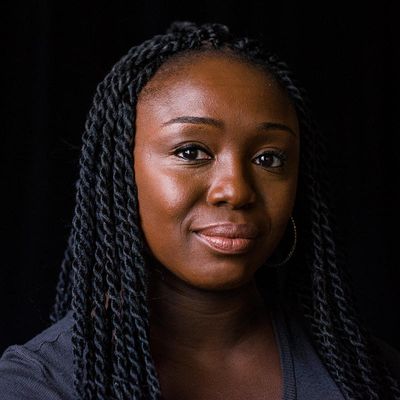
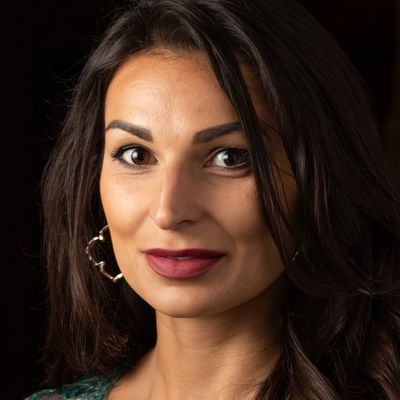
Guests
Featured Shows

About
Playwrights Jocelyn Bioh ("Nollywood Dreams") and Martyna Majok ("Sanctuary City") discuss returning, 18 months later, to plays the pandemic had paused.
Transcript
This transcript was automatically generated and might contain errors.
[0:06] Gordon Cox: Welcome to Stagecraft, Variety's Theater Podcast, bringing you backstage and behind the scenes, with the stars, creators, and industry leaders bringing Broadway and the theater back to life.
[0:18] Gordon Cox: I'm your host, Gordon Cox.
[0:20] Gordon Cox: On this episode of Stagecraft, I'm talking to Jocelyn Bioh and Martyna Majok, two playwrights who both had new plays interrupted by the pandemic, and now, 18 months later, are seeing them pick up where they left off.
[0:34] Gordon Cox: Bioh is the writer of the off-Broadway hit School Girls, or the African Mean Girls Play, as well as Merry Wives, the Harlem set adaptation of the Merry Wives of Windsor that reopened Shakespeare in the Park this summer.
[0:48] Gordon Cox: Her latest, Nollywood Dreams, was in rehearsals and a week away from starting previews when the COVID-19 pandemic shut down theaters across the country.
[0:58] Gordon Cox: The pandemic also hit the pause button on Sanctuary City, the latest play by Majok, which had run only a handful of performances before it went dark.
[1:07] Gordon Cox: Majok won the Pulitzer Prize for her play The Cost of Living, and she last spoke with me on Stagecraft, just after Sanctuary City went dark in March 2020.
[1:17] Gordon Cox: Now, both Sanctuary City and Nollywood Dreams are resuming their long-delayed runs, and Majok and Bioh are both in the virtual studio with me to tell us about writing during the pandemic, mourning a production they thought might be lost for good, and now celebrating its rebirth.
[1:35] Gordon Cox: Hi Jocelyn and Martyna, thanks for joining me.
[1:41] Gordon Cox: You are both at different stages in the journey of watching a play that you saw paused for a really long time, sort of get back up and running again.
[1:52] Gordon Cox: Martyna, you in particular, your show Sanctuary City just opened the other night. I wonder if you could just tell us a little bit about what opening night was like for you finally to experience after so long a delay.
[2:04] Martyna Majok: I think I was a fucking mess.
[2:06] Martyna Majok: Yeah, we were on a boat. We were on a fucking boat and it was best.
[2:09] Martyna Majok: We weren't sure if we were gonna—what opening night in quotation marks was gonna be.
[2:17] Martyna Majok: We were like, we're not gonna have a party, we're gonna be trying to be as safe as possible.
[2:21] Martyna Majok: But we were able to basically just do another show.
[2:25] Martyna Majok: Everyone checked their vaccine cards and was wearing masks, and then we were able to celebrate everybody outdoors on a boat, which was awesome.
[2:37] Martyna Majok: Brian, highly recommend.
[2:39] Gordon Cox: I know I was there, so yeah, I love it.
[2:43] Gordon Cox: Was it a good party, Jocelyn?
[2:45] Jocelyn Bioh: It was, it was.
[2:46] Jocelyn Bioh: It felt great for many reasons.
[2:49] Jocelyn Bioh: Yeah, it was strange that people were like, how is how's it gonna open. And I I I still feel like we sort of haven't opened. I don't know, because I'm just waiting for the other shoe to drop, I guess. Like um.
[3:00] Jocelyn Bioh: Yeah, it felt great, but also just different. I haven't quite figured out what that difference is, but it did feel different.
[3:08] Gordon Cox: And this is the—at from what I can tell, it seems like basically the same production that was running for however many previews before it shut down.
[3:17] Jocelyn Bioh: It's the same cast, yeah, and same director, obviously, and the same set.
[3:20] Gordon Cox: Is it actually the same physical?
[3:22] Jocelyn Bioh: It is literally the same set that it was 18 months ago in the Lord Theater.
[3:27] Jocelyn Bioh: All the dust has remained and everything. We walked into a little time capsule of March 2020.
[3:33] Martyna Majok: Yeah.
[3:34] Jocelyn Bioh: And I think there was a note in the program that said even the programs, the playbills are the same, like they sat in a box for 18 months.
[3:43] Martyna Majok: That's right.
[3:47] Gordon Cox: And so, Jocelyn, where are you in your show, Nollywood Dreams?
[3:51] Jocelyn Bioh: We are going to start rehearsal in a few days, top of next week.
[3:57] Jocelyn Bioh: So it’s been a very odd process.
[4:04] Jocelyn Bioh: We will have the same cast coming back, we'll have everything coming back, but unfortunately our set did have to get redone because there were things that we were using in the set that were rented, like some motors and different things like that, that just because of how long the shutdown was had to be returned.
[4:24] Jocelyn Bioh: So we are in the weird, unfortunate place of having to rebuild our set.
[4:31] Jocelyn Bioh: But everything else was the same.
[4:35] Jocelyn Bioh: According to everybody at the theater, when they walked into the space, it just kind of looked like the rapture had happened, like scripts were still open, you know, water bottles were still sitting there, pencils, like it’s just, you know, just everyone had disappeared.
[4:50] Martyna Majok: And that’s kind of what this year has been.
[4:57] Gordon Cox: I wonder if we could rewind a little bit to talk a little bit about March 2020 and sort of what that was like for both of you.
[5:05] Martyna Majok: Your show had been up for I think it was like about a week, right?
[5:09] Martyna Majok: Before in previews before the shutdown, and Jocelyn, if I'm not mistaken, yours was about to start previews, maybe the week after?
[5:09] Jocelyn Bioh: Yeah, we shut down the day before we were going into tech.
[5:20] Martyna Majok: Right.
[5:22] Jocelyn Bioh: So everything was ready.
[5:23] Martyna Majok: Yeah, you were ready to go.
[5:22] Jocelyn Bioh: Yeah, yeah, yeah.
[5:26] Gordon Cox: And so what was that? It's such a sort of big build to the big moment of culmination and then to have that sort of taken away. What tell me about what that was like for you.
[5:35] Jocelyn Bioh: I mean it was like, it was pretty devastating at first when we got the call.
[5:35] Jocelyn Bioh: I went right into the bargaining phase of grief and I was like, what if we just call Jesse Green right now and have him just come real quick and see the show?
[5:52] Jocelyn Bioh: We called some of the critics because it felt like we’d been up for a few days.
[5:57] Jocelyn Bioh: We were still 10 days away from opening and it felt like if we didn’t have some written proof that this play had existed, this production had existed, it would have been like it never happened.
[6:10] Jocelyn Bioh: And so I was so afraid of just losing all of the work of everybody.
[6:15] Jocelyn Bioh: And I was also, I think the most devastating thing was I had such a lovely group of people that were working on this play and I was just sad that I wasn’t going to see them the next day.
[6:27] Jocelyn Bioh: It was like, I can’t get to work the next day.
[6:27] Jocelyn Bioh: I had such a wonderful time and so it kind of broke my heart to not get to be with everyone and to have the ritual of celebrating an opening and then a closing.
[6:27] Jocelyn Bioh: And you know, as the pandemic went on, we all probably adjusted over 18 months, had different feelings about it, but initially it was pretty devastating and I went to sleep for like two weeks and just doom scrolled the news.
[6:59] Martyna Majok: So like not healthy, not good. A lot of things were going on.
[7:03] Jocelyn Bioh: Yeah.
[7:04] Martyna Majok: Yeah.
[7:05] Martyna Majok: I agree with that. I think devastation is exactly right.
[7:09] Martyna Majok: That’s exactly what I felt.
[7:12] Martyna Majok: I think because it probably felt even compounded by the fact that Nollywood Dreams is a play that I wrote even before, you know, the play that kind of like put me on, I would say, was School Girls.
[7:25] Martyna Majok: I wrote Nollywood Dreams years before that.
[7:28] Martyna Majok: So it was the play that I had been dying to get produced for at that point now, eight years.
[7:34] Martyna Majok: Now it’ll be nine.
[7:36] Martyna Majok: So I just couldn’t understand why.
[7:36] Martyna Majok: It was like roadblock after roadblock, and then right before I was about to get to the finish line, a freaking global pandemic showed up.
[7:48] Martyna Majok: The devastation and the confusion were mixed in one because I just couldn’t understand why all of that was happening at the same time.
[7:56] Martyna Majok: But yeah, I think I probably slept for two weeks too.
[8:02] Martyna Majok: Shoot, I don’t know.
[8:03] Martyna Majok: You know, I had a birthday in that time, like two weeks.
[8:07] Martyna Majok: So it was like, okay, we just had a Zoom birthday.
[8:11] Martyna Majok: It was just an odd, odd time.
[8:15] Martyna Majok: But yeah, a lot of sadness for sure.
[8:19] Martyna Majok: There was this, we’re gonna be back soon, we’re gonna be back soon idea that kept being—we just kept talking about the fact that maybe we’d be back in a month, maybe we’ll be back in two months.
[8:30] Martyna Majok: And so there was just like a weird roller coaster of hope and then disappointment, like over and over, and after a while I was told, I was like, let’s just pretend maybe this play will come back, maybe, but let’s say like 2025, and if it happens earlier, I’ll be pleasantly surprised.
[8:46] Martyna Majok: But I can’t deal with the up and down like emotions, but it was just like no one knew what to do as well.
[8:52] Jocelyn Bioh: So we’re like, I don’t know what—I did not think it was gonna be 18 months.
[8:56] Gordon Cox: Did you know all along or were you confident all along that it would be back?
[9:00] Gordon Cox: And if so, when? Like was there ever a point when you thought I have to let this go for now?
[9:05] Martyna Majok: And uh it sounds like I sort of got to that point and sort of uh said uh okay, I'll I'll I'm gonna I'm gonna assume it's gonna happen at some point, but I can't I can't you know place any weight on the timeline.
[9:17] Jocelyn Bioh: I mean, there was hope without—I don’t know that there’s any guarantee.
[9:17] Jocelyn Bioh: There was a part where I was like, will the theater die?
[9:23] Jocelyn Bioh: Like I don’t—you know, will we just be done with it?
[9:25] Jocelyn Bioh: So there wasn’t—I didn’t feel like a guarantee until maybe that was what the opening night kind of confusion was where I was like, is this actually happening?
[9:33] Jocelyn Bioh: Because I have been planning for theater to never happen again.
[9:36] Martyna Majok: Yeah, I think everything was kind of tentative.
[9:41] Martyna Majok: Everything was tentative, life was tentative.
[9:43] Jocelyn Bioh: Yeah, yeah.
[9:44] Martyna Majok: I agree with that.
[9:46] Martyna Majok: I mean, you know, look, I’m a New Yorker, so I’m just like pessimism is in my blood, you know, like so.
[9:54] Martyna Majok: I think I had fully just resigned that like the show was actually never coming back.
[9:58] Martyna Majok: I just thought it was never gonna come back, and hoped that I would be proven wrong, but I went through actually the grieving process of like the show’s just not gonna happen.
[10:12] Martyna Majok: So when things kind of started to shift, you know, I was tempering my optimism at that point because I really didn’t know.
[10:24] Martyna Majok: I understand and because I also had the experience of doing a play for an outdoor theater and knew all of the challenges that that came with.
[10:34] Martyna Majok: I was confused about how we could do this, you know, for real indoors.
[10:42] Martyna Majok: But I’m glad that we’ve all been trained in some version of COVID compliance and know how to move forward.
[10:42] Martyna Majok: It’s still an odd experience to be sitting in an audience with a bunch of people and we’re all wearing masks and we’re just like, you know, you could even hear how it muffles laughter, you know, just like even in that way.
[10:42] Jocelyn Bioh: But yeah, the spirit of theater lives on, I guess.
[10:42] Gordon Cox: Did you keep in touch with the cast and creative team throughout all this? I know Jocelyn, you actually worked with the director of the show that—of Nollywood Dreams on Merry Wives.
[11:19] Gordon Cox: But did either of you keep in touch with the actors you were working with or other folks on the team?
[11:19] Martyna Majok: We did like a fake opening on Zoom, so the day that would have been our opening, which I think was March 23rd, we like got together on Zoom and I think I wore my opening dress on a TR.
[11:41] Martyna Majok: I was like I had a coupe glass I was like I'm gonna fuck I'm celebrating. So yeah we kept in touch and I and I've been working with the director, with Rebecca, on another project where actually we got to like practice our COVID compliance. There was doing a workshop with her in London, the Gatsby musical, and it was like testing three times a week. And so when we came, I did that a month before starting rehearsals for Sanctuary City, and so when I came in I was like oh I know this three times a week like spit in a vial, like get your nose poked, like keep your masks on. So I got to like have the strange like what is it to rehearse and play with masks on a little bit before.
[12:20] Jocelyn Bioh: Yeah.
[12:21] Martyna Majok: Similarly, I had we threw a Zoom party for what would have been our opening night too. Um that I DJ'd it was a good time. Um it was a good time. But um for the most part we all just kind of kept in touch via you know email. There were some people who like it was a tough time for them. So they kind of went underground for a little bit and have only just recently in the last few months have started to you know reemerge from you know what I'm sure was pretty devastating for them in their own way. You know, at least for us as writers, I think we have the privilege that we can still be able to keep working in some way, in some capacity keep creating because that's you know what we do. But um I think as an artist who's just an actor and is just excited about diving into new work that you know us writers create, it really puts you in a really difficult place when something like this happens because you kind of feel like rendered useless and um I understood how difficult that could be for some people. So we tried to keep in touch and keep spirits high, um but yeah it was tough.
[13:34] Jocelyn Bioh: Yeah. And that actually leads me into my next question which is what kind of writing were you able to do during the pandemic? Martyna, you mentioned the project that you were working on with the director of Sanctuary City, Rebecca Fracknall. What sort of things, so I imagine you were working on that and were there other things also? Tell us about what kept you busy.
[13:34] Martyna Majok: Adaptations, actually. I found it really difficult to create something during the time that is at the time. Um and so I for whatever reason, like I can really I appreciated having like a co-pilot, a co-writer, even if it was like the ghost of the Epstein Fitzgerald as my like, you know, to respond to something that I that um was of a different time. Most of the things I was adapting were from you know obviously had been written before the pandemic. Um and uh um so I was able to take whatever I was feeling and kind of put them into those things without the pressure I guess of having to make a statement about the now. I don't know, I still don't know exactly um what but like for like the Great Gatsby for example, like that was that was a story that is set four years after the end of a world war and the end of a pandemic as well where you know there's this sort of cultural feeling of um survivor's guilt and sort of like well fuck it we'll just drink ourselves and you know like um we uh we could die anytime so you might as well enjoy our lives.
Um that the parallel of I I've like there was some kind of solace I found in the parallel of that um but I haven't like been a brave person and have written something that is of the time yet I think I guess I need to kind of process what I start on this thing.
[15:21] Jocelyn Bioh: Yeah. How far along is Gatsby? Is there is there a timeline for a production yet? I know you said you were working on the workshop.
[15:27] Martyna Majok: I have to find out if we can like say but I have a draft and there's um I think there's about 20 ish songs already written.
[15:35] Jocelyn Bioh: Wow, yeah, yeah I'll find out if I can like say that promotion from the producers or whatever, yeah, yeah.
[15:45] Jocelyn Bioh: Um and Martyna, you also did an adaptation. You worked on Merry Wives this summer. Was that did you find something similar to Martyna in terms of what working on an adaptation allowed you to do?
[15:56] Martyna Majok: Yeah, well, it was my first time working on any sort of adaptation at all. And I did not have any relationship or knew of Merry Wives of Windsor in any real way. Like I knew it was a play that, you know, Shakespeare wrote, but I don't think I ever read it. And once I read it, I kind of understood why it's not done very often. You know, it's not an easy play. It's like so it's it's it's so um classist and nationalist and um sexist, you know, just all the it's it's it's all of it. Um but you know, Sahim, um, my director and really collaborator on a lot of things, had a really great idea for how to kind of remix it and place it in modern day. But we did actively decide to just not engage with any of um, you know, the COVID of it all, um, other than one particular section towards the end of the play where I um rewrote a monologue to kind of reflect all the people who had passed on and that we had lost in that time because it felt appropriate to the moment.
Um and just appropriate to what we had been experiencing, you know, in the last year too. We also went, you know, this was gonna be an all, you know, black cast kind of really reflecting the diaspora in a really unique and specific way, um, to not have any acknowledgement of also the racial reckoning that we've gone through in the last you know year and a half felt silly too. So we wanted to be able to infuse that, but not feel like it was, you know, banging people on the head. Um so it was literally, you know, nice way to um jump back into, you know, theater. Um I also had the um good fortune of being able to work on a film script. I'm doing an adaptation of Once on This Island for Disney Plus. So I also got to escape in my own way to a beautiful tropical island in the Caribbean. And that was nice since I couldn't go there in real life.
[18:02] Gordon Cox: I'll have more with Jocelyn and Martyna right after the break.
[18:16] Gordon Cox: And now here's more with the playwrights, Jocelyn Bioh and Martyna Majok. I know you've both done work for screen projects, and I just wonder if that has the work that you've done for those projects for different media impacted the way you think about what you do on stage and how you do it.
[18:36] Jocelyn Bioh: I I don't know. I think I feel a lot um I still feel the same um wonderful freedom when I'm creating theater that I don't always feel like I have for film and TV. And I mean that's just by virtue of like structure, you know, the medium. It's like built for like, you know, producer's hands to kind of be very involved. Lots of notes, you know, um, lots of ideas being thrown at you, whereas I do think that like, you know, there's a real love and respect for the playwright's voice and intention um in theater. So I I still feel that wonderful freedom, and you know, I hang on to that um when I can get to it. But you know, film and TV pays the bills, you know. Um like that's just you know what it is.
And and every now and then you might look up on a project or something that is moving the needle forward, you know, culturally. Um but you know, those are those are few and far between. So um I just get what I can out of both mediums and you know, try not to go crazy in the process.
[19:47] Martyna Majok: Yeah, hard same on the like the freedom and I and like um I just know the theater world, I feel more comfortable in it. So like there's it's just the just the amount of years that I've been in in the theater versus what I have doing television or film that like yeah, I'm just more comfortable in it, and so I can feel like I can take risks and know that it's like going to be the words that I write are gonna be the words that are spoken, which is really nice. Um but like the TV I hadn't I like I you know I watched TV as a kid, like I was a latchkey kid, like watching, you know, like Full House and Family Matters, but like I have not like it's been a I I've missed a lot of the the golden age of television.
So during the pandemic, I was like, oh man, TV's pretty bugging good. Like I got some god, it's pretty good shit. And so I got to watch more of it and I was like, oh, it's pretty good. Um it also sort of was able to read um re-read film scripts and read and read pilot scripts and um I just I loved the school of being feeling I was able to be in school and learning about how um what you're able to do, um the actual possibilities that you have in in you know TV and film that you it's um that are harder sometimes to pull up in the order, maybe not maybe not harder, maybe it's not impossible, but um uh but there were yeah, I found more I found some opportunities that I may not have realized in terms of uh like how to tell certain stories. Uh and so yeah, I did a a diff I did a film as well and a pilot and and and a series that were kind of on my that were that were my own sort of projects.
[21:21] Gordon Cox: Um I didn't and what was it like when you to return creatively to this to these projects, these stage projects, Sanctuary City and Nollywood Dreams that you had sort of put away for a while and put in a drawer? What what did it feel for you to you know take it out of the drawer again and think about uh think about the fact that it is now actually gonna happen.
[21:46] Martyna Majok: I hadn't taken it out of the drawer until like I showed up. Oh, there was grip printed out like uh I I don't know if it was just 'cause I would have been too sad. I just didn't I didn't fuck with it. I just waited to see what it w um maybe I was guarding my heart as well of like maybe this isn't gonna happen and I just can't do the roller coaster of hope and disappointment again. Um and uh we did like a few weeks before we started rehearsal we did a Zoom reading of the play just to kinda bring us back into the world. And um I had worried that will I have fallen out of love with this play. Will it now will it no longer have an impact on me and will I feel like it's like just done and I was pleasantly surprised to learn that it that it hadn't and then I very love was still there and I really wanted to I remembered what we had made and I then just desperately wanted to get back into the room and and be able to bring into more people.
So yeah, it was like uh and and we had our you know, we f had our first rehearsal and the actors came in off book and off-blocking book, and I was just like moved, so just so moved because of the the care and the work that they had put into it in in time you know, when times when we're not together. Uh so just yeah, love love love abounded. I was really I was really happy to be back.
[23:07] Gordon Cox: Did you do any rethinking, rewriting?
[23:10] Gordon Cox: Do you did had has the play changed at all between what it what we saw in March 2020 and what we what we're seeing now?
[23:17] Martyna Majok: I want to just tighten the second the second part of it, which um uh we had worked so much on the first part because it's so technically much more difficult to sort of pull off. Um, that I think probably didn't really have been having much time to work on the second part. So it's just like trims and cuts and trying to make it um as tight of a storytelling as it could be.
[23:37] Gordon Cox: Yeah. And Jocelyn, did you have you done any work on Nollywood Dreams? Are you or is this the the script that you wrote eight years ago and uh and nine years ago?
[23:47] Jocelyn Bioh: I mean, I'm I'm um a notorious rewriter and like kind of you know um take apart and and put back together again over and over and over again, and I've done that a lot with this play over the last um now nine years. Um, but I am I think I'm in the same space Martyna just mentioned of like I'm actually afraid to reread it, re at least reread the last draft that I had, because I had done significant rewrites um last March. Um, and I'm a little afraid to like know if this play even means anything anymore now, you know. Um I mean, I I guess like my stance is always that I want to um, you know, in and infect joy and um laughter, um but also have people learn something about the like black immigrant experience, particularly the African experience, um at the same time.
So it's like, you know, um levity with uh a purpose um but I I do wonder like you know if this play will still mean the same thing um after what we've been through. So I'm actually a little afraid to reread it. I haven't yet and I think I'm just gonna wait until the first day of rehearsal and then you know either be pleasantly surprised or flip a table. We'll see what happens. I'll circle back.
[25:11] Gordon Cox: And um Martyna have you found that your show lands with you differently now or maybe with audiences differently? I know you only were just starting to experience the show with audiences in 2020, but uh do you feel like does it play any different now after after what we've been through?
[25:29] Martyna Majok: We had so few we had so few previews and they were so they were so early so it seemed like I mean people were still kind of responding in the same places. Um I uh now it feels like I the thing that I'm watching in the play is how people are caring for one another particularly in a in a time in a place where um and circumstances where like the the place in the country that they're in does not necessarily want them to thrive. And so I so that was always I was always I guess aware that that might be in the play but it has kind of come more to the to the surface like when people when the characters in the play are kind to each other, I think it breaks it like it doesn't break my heart, but I guess it just like I I feel it more deeply in in in my in in my heart and soul. Um that's just me personally, but I yeah, I I don't know about I don't know about audiences.
[26:22] Gordon Cox: What d what is it like watching those actors as you as you pointed out lived with those parts for you know so long and you know they knew the show and knew all the blocking and everything and what is it how do you feel like their performances have shifted or deepened in in in that time?
[26:38] Martyna Majok: Oh they are great. The two young the two young actors like they they came back and I was like you're better actors. Like they are you know Austin's always been amazing. Like then so have they but they was just they it was it was a deeper performance like from day one. I had like turned to the to Caitlyn who's a remote director and I was like oh damn it was just very very moving and impressive and uh how does to be in a room with them.
[27:07] Martyna Majok: Oh my god it's the best thing the best thing in my life I I don't like writing I don't like writing by myself in a room I don't like being by myself in a room period. And so the the the part about the pandemic that like re remained was me being alone or in a room having to write and I missed desperately being with like these beautiful artists and so I I felt like I was like oh this is a return to life for me to be able to be in the room specifically with those people as well because it was just such a wonderful group of people.
[27:37] Jocelyn Bioh: Yeah I I'll I'll echo that having seen the play um before the shutdown um last year um and then having uh been able to have the good fortune to come back and see it on opening night um it did feel deeper it did feel richer um and I don't know if that was just because of the experience we you know had um over the last um year and a half and the or just because it it it resonated and hit in like a really different and deeper way for the people who were you know living it. Um so I've always been very you know I feel like you know Martyna and I are these we're kind of like playwriting sisters in terms of you know the the groups of people and the stories that we're trying to uplift um you know in our work and so I was really really moved by it um even more so the second time around because of yeah maybe just because of how how deep it had been sitting in them for so long.
[28:39] Gordon Cox: Yeah. And Jocelyn you haven't been in the room with um actors with the actors yet who you've who we're working on Nollywood Dreams with um but you were working you did work on Merry Wives and like was where have been back in the rehearsal process. What what has it been like to to get back to you know using those muscles?
[29:02] Jocelyn Bioh: Odd mostly odd um you know because it was it's it's just a completely different kind of um way of working now you know there's so much about theater that's very like open loving you know we all been to you know drama school where you just roll around on the floor and always touch each other and hug and and all of that and it was we couldn't really do any of that um when we walked into the especially at that it was a very precarious time you know when we started rehearsals was only in in May um where there was still people who were in the middle of their vaccination courses or people still deciding whether they were gonna get vaccinated. So it was like um you know to be masked an entire rehearsal was just odd, odd, odd.
Um, because we can't I actually couldn't even understand if the comedy was working because I couldn't even still see people's full faces. Like it was just even that kind of stuff was just odd. Um but at the same time it was also you know kind of uplifting to be able to work on something really fun um you know and joyous um and that folks were able to you know return back to the a thing that they really all really loved um doing and then it's and then it also had its own challenges but we like really were persevering through it all through injuries through you know a COVID case through inclement weather through a hurricane two hurricanes like it was truly like a little engine that could um and sometimes I was like maybe the engine just needs to stop like let's just stop it for a second let's just stop you know um so it was wild it was wild and we just closed the show on Monday so I I feel really sealed for whatever my theatrical experiences will be now moving forward. So um I'm really grateful for that experience. It was really amazing.
[31:00] Gordon Cox: Yeah. And what's next for you both Jocelyn obviously you're about to head into uh rehearsals. What else is uh going on that we should know about?
[31:05] Jocelyn Bioh: Yeah um so right after we opened um Merry Wives uh Sahim and I um and also my uh other collaborator Michael Thurbo went into a month long workshop of our new musical Goddess which is gonna happen at Berkeley Rep next year um and it's a big big big project um it's my third musical that I've written, but it's the first one that's ever I don't know, made it off of a music stand. So um it's a real it's a very thrilling time. So to be able to build the show with choreography and everything that was like um pretty exciting. So it was a big weekend this past weekend because we did our presentations, we did our backwards audition and closed Merry Wives all in the same three days.
[31:54] Martyna Majok: Yeah. So uh yeah apparently I I still like to keep myself overwhelmed even in the middle of a pandemic. Um so those are the two big projects um coming up in the next few months and um yeah really excited about them.
[32:07] Gordon Cox: Yeah great and Martyna what about for you uh also musicals too the two musicals one one being one as the Gatsby one going back and forth to to London um another one um it's the memoir of the book of Girl Interrupted um and uh film rewrite pilot rewrite and you know what maybe I'm gonna see if I can make Sanctuary take into a series then maybe we'll see yeah yeah I don't know I might give it a try I think uh yeah I think it might uh maybe it's just I want to be with those actors for longer.
[32:07] Gordon Cox: Was that would that idea have occurred to you in 2020 do you think?
[32:07] Martyna Majok: It happened during 2020 after after I mean you're during the the pandemic of it all I think we'd shut down I've been you know what watching the thing that is this good this good television I was like oh actually maybe uh maybe there is space for this for this story and I can expand like you know expand on um other people's stories within that um that that was felt like an exciting opportunity so maybe who knows you know say right now this podcast and maybe I won't ever do it but it feels like I can so feel excited right to me right now to kind of try that and bring it to more people.
[32:07] Gordon Cox: Well before the TV show hits screens, uh people can see can see the play uh at the Lucille Lortel and uh Jocelyn's show, Nollywood Dreams will be uh starting previews next month. Um so thank you both. Thanks so much for uh being here with me and talking talking us through that.
[33:31] Jocelyn Bioh: Thank you.
[33:42] Gordon Cox: That was Jocelyn Bioh and Martyna Majok.
[33:45] Gordon Cox: Majok's play Sanctuary City is now running at Off Broadway's Lucille Lortel Theater, and Bio's Nollywood Dreams starts previews October 21st at the MCC Theater Space.
[33:57] Gordon Cox: If you like what you're hearing on this and other episodes of Stagecraft, I'd really appreciate it if you took the time to rate and review us wherever you listen to podcasts. It really helps us grow our audience of folks who love theater as much as you and I do. Or tell a friend about Stagecraft. Find past episodes or subscribe on all the pod places, including Spotify, Apple Podcasts, and on the Broadway Podcast Network, which is a great place to find more theater for your ears.
[34:25] Gordon Cox: I'll be back in two weeks with another new episode. Until then, find me on Twitter at G CoxVariety. Thanks for listening, and see you soon.
© Broadway Podcast Network, All Rights Reserved