

One episode including the top interviews, moments, and guests of Take A Bow's 2022. Tune in now for the ultimate recap or be sure to use this week to catch up on any episodes you missed. Curtain up on 2023! Curtain down on 2022!.. Read More
From the show: Take A Bow
Guests
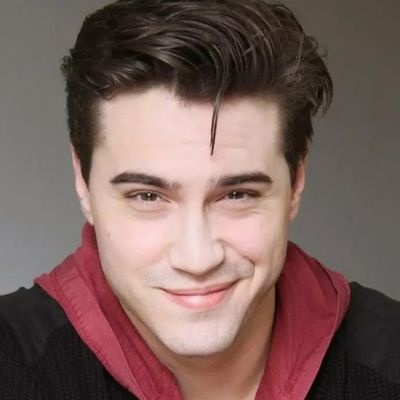
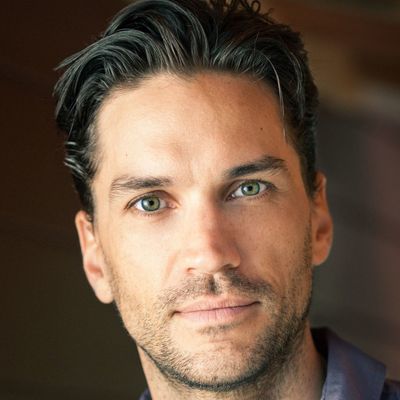
Featured Shows

About
One episode including the top interviews, moments, and guests of Take A Bow's 2022. Tune in now for the ultimate recap or be sure to use this week to catch up on any episodes you missed.
Curtain up on 2023! Curtain down on 2022!
Connect with Take A Bow on Instagram: @takeabowpodcast
Connect with host, Eli Tokash on Instagram: @tokash_eli
Produced by the Broadway Podcast Network
Edited by Jessica Lauren (@jessicalaurenradio)
Transcript
This transcript was automatically generated and might contain errors.
[0:01] Eli Tokash: Hello everyone and welcome to episode 137 of Take A Bow.
[0:05] Eli Tokash: I'm your host, Eli Tokash, and this week we have a very, very exciting episode.
[0:09] Eli Tokash: We have a bit of a familiar episode, I could say.
[0:13] Eli Tokash: Um it's not your traditional Take A Bow episode, um, but it is something that we have seen before, and it's always around the beginning of the new year.
[0:23] Eli Tokash: And that's just an episode to reflect on our 2022 and reflect on some of the incredible guests that we've had on.
[0:30] Eli Tokash: Uh we grew a lot uh last year, and a lot of that is thanks to all of you uh listening currently and uh in the future.
[0:40] Eli Tokash: So uh I appreciate all of you, and because of that, we want to be able to make sure that you all listen to our best episodes and hear the stories from some of the incredible people that we've had on.
[0:53] Eli Tokash: Um I did a poll on Instagram, and that's kind of what this episode is um contrived of.
[1:00] Eli Tokash: Or this that's what the interviews in this episode consist of is kind of the results from the poll and uh also on a listener's basis from what I've been able to track on my end.
[1:12] Eli Tokash: Um so we have three incredible interviews today looking back on 2022.
[1:17] Eli Tokash: We had such an incredible year, and again, that's thanks to all of you listening and tuning in and sharing it with your friends.
[1:23] Eli Tokash: And whatever you may do to continue this little fun hobby that I thought would uh be a pandemic project into something that's been a real um piece of myself lately and the past couple years of my life.
[1:40] Eli Tokash: It it's just been an absolute blast, and it's turned into something that I never even dreamed of.
[1:45] Eli Tokash: So to be still doing it is is all because of you, and because there have been new listeners, we really want to reflect on those times that we had some incredible guests and replay those stories and interviews from your favorite people.
[1:59] Eli Tokash: So with that being said, uh we also have a lot of fun stuff planned for 2023.
[2:07] Eli Tokash: 2022, we did a lot.
[2:08] Eli Tokash: We did our first live show.
[2:10] Eli Tokash: Uh we did Broadway Con.
[2:11] Eli Tokash: We did all kinds of things.
[2:13] Eli Tokash: And uh in 2023, we hope to do the same.
[2:15] Eli Tokash: We have a live show planned.
[2:17] Eli Tokash: Uh, we also are hoping to get into BroadwayCon again this year.
[2:21] Eli Tokash: Um, and we have some incredible guests already.
[2:23] Eli Tokash: I mean, we started off with Elizabeth Teeter, and again, this episode usually does happen like the first episode of January.
[2:29] Eli Tokash: Um, but with the news of Beetlejuice uh closing and with its closing week and everything, I just wanted to get Elizabeth's out there and uh and allow you guys to listen to it.
[2:40] Eli Tokash: And you guys loved that episode, so I appreciate all the amazing and positive feedback from that episode, and uh appreciate you all listening as well.
[2:49] Eli Tokash: So uh that's why this episode is coming out the second week of January.
[2:53] Eli Tokash: Um, but I mean, already we are planning some incredible guests for year four of Take A Bow, which is wild.
[3:00] Eli Tokash: Uh we're not quite at like year, we're not quite wrapped up with year three yet, but technically this did start in 2020.
[3:09] Eli Tokash: So 2020, 2021, 2022.
[3:11] Eli Tokash: Now this is like 2023, is like our fourth year, which is wild.
[3:14] Eli Tokash: So uh continue to share and do all the things, and uh we have uh an incredible year coming your way, so stay tuned for it all.
[3:22] Eli Tokash: With all that being said, this episode consists of incredible episodes and interviews from uh people like Will Swenson, it's also with Brittany Mack and also Ryan McCartan.
[3:34] Eli Tokash: So very exciting stuff, and then in between each episode to kind of take us into the next episode is our fabulous singers from the live show that we had last year in 2022.
[3:45] Eli Tokash: It was our Take A Bow live episode, episode 100.
[3:49] Eli Tokash: The first singer that you will hear from, or the first performance that you'll hear is uh Presley Ryan.
[3:55] Eli Tokash: And then it'll go into the Brittany Mack interview, and then it'll go into Max Allen Essen's performance at our 100th episode, and then it'll go into Ryan McCartan's interview, and then it'll go into JJ Neiman's, and that'll wrap up this episode with a little outro from me.
[4:10] Eli Tokash: So before we get into all of that, there's a little rundown of this week's episode and what's to come um within the next couple hours that this episode is gonna be.
[4:18] Eli Tokash: Um obviously you don't have to listen to it all in one sitting because I know uh it's a long one.
[4:23] Eli Tokash: So take the week to do it and and take the week if you've already listened to all of these to catch up on any of the episodes that you've missed.
[4:29] Eli Tokash: Um, because we've got some incredible episodes last year and uh ones that definitely don't want to be missed.
[4:34] Eli Tokash: So even last week's episode with Elizabeth Teeter, it was so much fun.
[4:38] Eli Tokash: So uh check that one out too.
[4:40] Eli Tokash: Um, so yeah, with that being said, before we turn it over to that, let's talk about some Broadway news, shall we?
[4:45] Eli Tokash: Because there's a lot to talk about.
[4:46] Eli Tokash: So um speaking of Elizabeth Teeter, I'll start out with um Alex Brightman was able to come back to Beetlejuice's final show and uh was able to do actually three of the five shows from Friday through Sunday, so like their weekend performances.
[5:01] Eli Tokash: We Elizabeth and I talked about how they do five show weekends.
[5:04] Eli Tokash: Um, and he was able to do three out of the five of them uh to wrap up and close out his iconic run in in that show and Beetlejuice as Beetlejuice.
[5:13] Eli Tokash: Um he's so good in that show, so to be able to close out the show was incredible and and I'm so happy that he was able to to get healthy enough because after his concussion, uh to be able to perform and close out the show with that incredible company.
[5:27] Eli Tokash: So congrats to him and congrats to all involved again in Beetlejuice um for an incredible run.
[5:33] Eli Tokash: So uh good news here out of Parade. Parade is going to be transferring to Broadway.
[5:38] Eli Tokash: I mentioned last week that it was uh looking a little like iffy but I was like don't worry it's gonna happen they were still looking for money but then they announced that they will be transferring to Broadway.
[5:50] Eli Tokash: Uh it will be with Ben and Michaela Diamond and actually their first like preview is gonna be in like February.
[5:57] Eli Tokash: So it's actually sooner than we all thought um which is crazy.
[6:01] Eli Tokash: I think it's like first previews like February 12th ish.
[6:04] Eli Tokash: Um and then the first performances like opening night's gonna be in March so it's pretty pretty quick which is great.
[6:10] Eli Tokash: And uh very excited for that for sure because that show is incredible and then Ben and Michaela are just awesome.
[6:17] Eli Tokash: And uh just a little hint that uh one of them may be coming on the podcast soon.
[6:23] Eli Tokash: So just keep an eye out for that and I'm very excited for that episode.
[6:26] Eli Tokash: Um moving on I'm not gonna go any further because I may give it away uh moving on we are we can talk about 1776. 1776 uh was one of the shows that closed last week uh they announced that they're gonna go on tour with several of the Broadway cast members actually so congrats to all of them to continue to tell that story and uh you know have a job which is great um and another show that's actually gonna launch a tour a national tour is Funny Girl.
[6:55] Eli Tokash: So Funny Girl's going on tour um 1776 is going on tour following their Broadway closing.
[7:00] Eli Tokash: Obviously, Funny Girl is still on Broadway.
[7:02] Eli Tokash: So uh exciting stuff to to look out if you're not in the um New York area.
[7:08] Eli Tokash: If you live out of town, you can hopefully look for one of those shows to come to you, a city or state near you.
[7:14] Eli Tokash: So then we have some news coming out of Little Shop of Horrors where Lena Hall, a Take A Bow family member, which is why I wanted to uh share this with y'all.
[7:22] Eli Tokash: Uh Lena Hall is going to be departing from Little Shop of Horrors on February 5th.
[7:27] Eli Tokash: So if you if you want to, if you haven't seen the show already, go see it because it's a show you don't want to miss.
[7:33] Eli Tokash: And Lena Hall is by far the best.
[7:37] Eli Tokash: No offense to anyone else out there.
[7:39] Eli Tokash: Uh Audrey, who is has been with the show uh right now.
[7:43] Eli Tokash: So Lena Hall is amazing in the show.
[9:11] Eli Tokash: She's a Take A Bow family member.
[9:11] Eli Tokash: She's a performer that you don't want to miss, especially in this show.
[9:11] Eli Tokash: So go check that one out with her Matt Doyle.
[9:11] Eli Tokash: So, like, go check it out.
[9:11] Eli Tokash: Uh, February 5th, she's closing.
[9:11] Eli Tokash: Um, with that being said, just a little reminder: if you are looking to see shows within the next couple weeks, it is two for one Broadway tickets starting January 17th through February 12th.
[9:11] Eli Tokash: So you have a three-week thing to go uh see two for one shows.
[9:11] Eli Tokash: Um, you get two tickets for the price of one, and you can use the code B-Way Week, and uh you can uh get those discounted tickets because shows are expensive nowadays.
[9:11] Eli Tokash: Uh, and you're definitely gonna want that code if you want to go see a show.
[9:11] Eli Tokash: So, yay, uh very exciting stuff.
[9:11] Eli Tokash: Just a quick little note there for you theatergoers.
[9:11] Eli Tokash: Um, and if you aren't getting if you want more information, you can find it online.
[9:11] Eli Tokash: Just search up two for one Broadway week.
[9:11] Eli Tokash: Um, and that's all I have for this week.
[10:21] Eli Tokash: I do want to shout out a couple shows that are closing this week.
[10:21] Eli Tokash: Uh, we have Death of a Salesman, Ohio State Murders, Mike Birbiglia's Old Man and the Pool, Music Man, A Strange Loop, and Top Dog Underdog are all closing this weekend.
[10:21] Eli Tokash: Crazy how many shows are closing lately.
[10:21] Eli Tokash: Um, and uh shout out uh to Kenny Leon here.
[10:21] Eli Tokash: Uh he's a Take A Bow family member, has been on the show multiple times.
[10:21] Eli Tokash: Um, and he has actually two shows closing this weekend on Broadway that he's directed.
[10:21] Eli Tokash: So Ohio State Murders and uh Top Dog Underdog are both closing this week.
[10:21] Eli Tokash: And uh shout out to Kenny for uh a wonderful stint on Broadway with two uh incredible shows with some incredible stories that uh he was able to portray and direct the actors and performers to put on an unforgettable performance.
[10:21] Eli Tokash: So um, shout out to you.
[10:21] Eli Tokash: Hopefully, I go see Ohio State Murders um because they've been so lovely to Take A Bow and everything.
[10:21] Eli Tokash: So I would definitely want to go see that show before it closes this weekend and have a little review for you guys.
[10:21] Eli Tokash: I do think I will be seeing some shows this weekend, and so hopefully next week I have some reviews for y'all.
[10:21] Eli Tokash: Um, so I'm very excited for that.
[10:21] Eli Tokash: Anyways, uh I'm gonna stop talking because it's been a long enough intro, and uh we just want to hear from some famous people, right?
[10:21] Eli Tokash: Yeah, and or and some performances.
[10:21] Eli Tokash: We have some songs on this week's episode, which we love.
[10:21] Eli Tokash: So uh without further ado, let's turn it over to the best moments of 2022 of Take A Bow.
[10:38] Eli Tokash: Now, I I do want to mention there have been so many moments in this year that I would have loved to share on this podcast, but we would have been here probably for the next year putting that together, and you probably would have been listening for to that for a full year.
[10:38] Eli Tokash: So um, obviously, not every uh interview is in here, and not every like moment that was incredible from this year was in it this year.
[10:46] Eli Tokash: I do want to say, like, shout out to everyone who came on the podcast last year because all those episodes had some message in it that uh is something that I will hold on to forever.
[10:56] Eli Tokash: And it's just invaluable lessons and and little trinkets of knowledge for any person, performer, anyone going through life, or someone who's actually performing and wants to be on Broadway and do all of that.
[11:09] Eli Tokash: Um, so just thank you again to everyone.
[11:13] Eli Tokash: And this is not a knock on all any of the other guests or anything.
[11:17] Eli Tokash: This is just highly um loved episodes from each of you who uh have supported this podcast over the last year, and kind of shouting out both these incredible performers who took the time to talk to me and shouting out you guys as audience members and listeners to uh your responses to all of these episodes.
[11:37] Eli Tokash: So here it is.
[11:42] Eli Tokash: Curtain up.
[11:44] Eli Tokash: Okay, today we welcome arguably the most dynamic actor on Broadway.
[11:49] Eli Tokash: He has been in eight Broadway shows, which is soon to be nine.
[11:53] Eli Tokash: Uh, this Tony nominee just appeared in the Signature Theatre's production of Assassins and will soon be back on Broadway in A Beautiful Noise, the Neil Diamond musical.
[12:02] Eli Tokash: Everyone, welcome to Take A Bow, Will Swenson.
[12:05] Will Swenson: Yay!
[12:06] Will Swenson: Yeah, oh my gosh.
[12:10] Will Swenson: I love it.
[12:10] Will Swenson: It's amazing.
[12:11] Eli Tokash: There you go.
[12:11] Eli Tokash: That's your next role.
[12:13] Eli Tokash: Um, thank you for coming on today.
[12:15] Eli Tokash: I'm very excited to talk to you about all the things.
[12:18] Eli Tokash: Um, the way I usually like to start my episodes is I like to ask my guests what got them into theater?
[12:27] Will Swenson: I had no choice.
[12:29] Will Swenson: Um I I grew up in a theatrical family.
[12:32] Will Swenson: My grandmother, um, who was born in 1908, I think, uh, was just drawn to the theater, and she became a playwright and uh started a theater in Glendale, California in the 40s, and um just started doing her own plays because she couldn't afford royalties, and then the theater, you know, did better, and so uh then my mom, you know, was in plays, and then they put me in plays.
[12:58] Will Swenson: So I I I got thrown on stage when I was literally two years old, and wow.
[13:02] Will Swenson: And I've kind of been just doing it ever since.
[13:06] Eli Tokash: So you're from California?
[13:08] Will Swenson: I grew up in California till I was 12, and then my family moved to Utah where we started our own theater.
[13:14] Eli Tokash: Wow.
[13:15] Will Swenson: And now uh now my brother runs a theater in in Utah.
[13:19] Eli Tokash: Yeah.
[13:19] Will Swenson: Wow, that's incredible.
[13:22] Eli Tokash: So when you came to New York, was it to be on Broadway, like for your first show, or did you move before that?
[13:28] Will Swenson: Uh it totally was.
[13:29] Will Swenson: I mean, um I I went to school in Utah and then got my equity card.
[13:34] Will Swenson: Uh I auditioned while at school.
[13:35] Will Swenson: I auditioned for Disney World and got a doing the Beauty of the Beast show at Disney World.
[13:40] Will Swenson: So I had an equity card and I was down there uh for a couple of years, and then I got a tour, and then my wife and I, my first wife and I discovered that we were pregnant.
[13:48] Will Swenson: We were like, let's not drag a child around the country on tour, let's move to the city with all of this this one or two credits that I've got.
[13:56] Will Swenson: Surely things will go great.
[13:58] Eli Tokash: So you moved to the city definitely with the hope and expectation of of me being able to make it on Broadway.
[14:05] Will Swenson: But it it took a minute.
[14:06] Eli Tokash: Yeah, well, I mean, it worked out, so that's good.
[14:09] Will Swenson: In the end, yeah.
[14:10] Eli Tokash: Uh well, talk to me about your Broadway debut, which was in Brooklyn.
[14:15] Will Swenson: Uh, what was it like to be on a Broadway stage for the first time?
[14:30] Will Swenson: And I'd been kicking around town for about four years and stressing out, and I'd had a baby by then, and just thinking I'm never gonna make it, and um, I was pregnant with my second child, and they cast me in the room.
[14:42] Will Swenson: So I walked out and got downstairs at the elevator at Chelsea Studios and just balled on 26. Um wow. But doing the show was amazing, although I was hired to be a pit singer slash understudy. There are um only two gentlemen in that production, it's only five people in the whole show. And um, so I was hired to cover Clevant Derracks, who was a like a 55-year-old six foot four black man. Oh my god. Um, and then uh Kevin Anderson uh was the white dude that I was a little closer to, but not really close in type to either one of them. At any rate, um they had converted, it was then called the Plymouth Theater, which I know I think is the call the Schoenfeld Theater now, and the pit singers were put literally in the off stage bathroom.
[15:29] Will Swenson: Oh my god. This little tiny ante room, but I'm not kidding you, it was maybe maybe six feet by six feet big. Just we were just like crunched in there, four of us, yes, singing the background vocals. Um that is, and we did get to go out and bow at the end of the show, but it was so bizarre because we kind of went out with the band that had also was not on stage. So we would pop out and the audience would kind of go, I guess they're with the band. And so it wasn't the uh the fulfilling, you know, setter stage curtain call that you know one imagines when one's dreaming about making their Broadway debut. It was more of a hello, hello. Um, but I mean uh my dream was was as fulfilled as it would have been otherwise. I just I was so desperate to get to check that box off the list. I've been on Broadway, right? One night, but I did it. So that's amazing. And now and then it just kept rolling from there.
[16:24] Will Swenson: No, oh my goodness, thank goodness. So, like I mentioned earlier, I mean, you most recently were in Assassins, and it was crazy for me to go see that because I the last show I saw you in was Earl in Waitress. Oh, yeah. And I was just like, these roles are so vastly different. Um it's insane. Um, and then I looked up what other shows that you've done and everything, and all of your roles are just so diverse, and none of them are like any of the others. Uh like what would you like consider yourself? A would you be a comedy actor, a comedic actor, or would you be a dramatic actor?
[17:01] Will Swenson: Um I I love that that you have to ask that question. That's that's kind of been my goal. Yeah. Is to to be that guy that nobody can kind of pigeonhole and say, oh, he does this. Let's get Will Swenson, or he's that guy. Yeah. My my agent, I think he says, You're a you're uh you're a character man in a leading man's body, is what he said. Wow. Um I like that. I like that. Yeah. Yeah. The fact that that anyone would think of me to play gateau. Um is a huge compliment, I think. Um I think I started out in the business and people were like, all right, well, he can be the rocker, or he can be the the stoner or the abusive guy. And you know, granted I have been cast as those guys quite a little with hippie, but I've tried really hard to play against that that idea and and show that I can do lots of other things and hopefully not get pigeonholed as to being only able to do one thing.
[18:03] Will Swenson: Yeah, because I'm literally like you take assassins, you take waitress, you take and now the Neil Diamond show, like Priscilla Queen of the Desert, like none of them are like the same thing. And it was just like it's amazing. That I love that that you don't want to like pigeonhole yourself to anything. Oh I mean, that's the fun of it, right? That's why I do this. I mean, I think some people enjoy doing the one thing over and over again and they're really great at it, and that's awesome, but that's super not for me. I mean the You like the challenge.
[18:28] Will Swenson: Exactly. The whole thing that appeals to me is disappearing into a whole other character, a whole other psyche, discovering these awful compartments of our emotional makeup that we would never be able to express in real life, but be able to get out these awful things on stage. Like that's the that's the fun for me. Totally. So speaking of assassins, you guys recorded a cast album, yeah. Which comes out this Friday, March 18th. Very exciting. What are you most excited for people to hear in this cast album compared to the others?
[19:02] Will Swenson: Uh the orchestrations is answer to that. Interesting. They're brand new orchestrations. Our music director, Greg Jarrett, with the blessing of Steven Sondheim, did these amazing new uh orchestrations. And it it's it's no comment on the old ones at all. But um, because John Doyle, our director, likes to um put the band in his shows quite a little bit, um, half of our cast were musicians also. Yeah. And um, and the idea behind the orchestrations was to kind of try to capture that that um sense of Americana that Sondheim wrote toward in his music. Like every everybody's song sort of reflects the musical genre of the time in which they lived. So there's like you know, there's the folk songs and the fiddle songs and bluegrass songs and and um like vaudeville songs and and then up into like 80s pop with with uh John Hinckley, and so it's it's uh it's a pretty wide range of of musical styles, but just all encapsulated in the in the Americana idea, which the show is kind of about is is America's identity and who we are and and and how entitled we are for that matter, right? Um but I think the orchestrations are just super masterful and beautiful, and and uh I can't wait for for folks to hear Assassins through just with the the altered lens of these orchestrations.
[20:22] Eli Tokash: Absolutely. So I have to ask because I've only seen that version of Assassins, so like I literally can't imagine it done any other way with the performers playing the instrument on the album. Are they performing their instruments?
[20:35] Will Swenson: Yeah, yeah, they're the guys. Wow, yeah, that's amazing. Yeah, for those that didn't get to see the show, um our per our production had uh four um or was it five? I think just four um actor musicians that you know sang and and acted in the show, but also played uh part of the orchestrations, and then uh up above the stage, we had three just full-time musicians, our music director on keys, and then um and then bass and drums upstairs. So it was that exact same uh group of folks for the cast recording.
[21:07] Eli Tokash: That's amazing. So fascinating. I love it. The fact that those guys can do what they did. I can't I can't even tell you. Like it's hard enough for me to like walk and sing at the same time. And these guys were doing choreography while sometimes while sometimes singing and playing and also often playing music multiple instruments. It was insanity what those guys can do.
[21:29] Will Swenson: Oh, it's amazing. It made the show, truly. Like it was just so enjoyable to like watch that and just watch the live music right there on stage. You don't have to look up or look into the orchestra or something to see that.
[21:42] Eli Tokash: Oh, I bet. You could hear it better, yeah.
[21:44] Will Swenson: Yeah, well, and and a challenge because the the two groups of musicians were uh apart from one another. So that became challenging sometimes because the music director was up behind us and we didn't even see him, not even on a monitor, so we sort of just had to mentally lock in with what we were gonna do and set some things pretty rigidly so that the tempos could work each time we we got there. But um so there were pluses and minuses to the to the staging arrangement.
[22:10] Eli Tokash: Totally. Well, when was this recorded? Because I know Assassin's Run got uh shut down a little bit early because of a COVID. Was it afterwards or was it during that was after?
[22:19] Will Swenson: Um we we were supposed to run to the end of January, and I think we only had to cut off one week. We had to cancel our last week because we all got COVID. And then we recorded I did too, yeah.
[22:30] Eli Tokash: Oh wow, yeah.
[22:31] Will Swenson: I think about half our cast had had it before, so they didn't get it again. Uh shut down. We only missed I think one show, maybe two shows prior to that, because Omicron was just racing through the city of New York. Literally we were so cautious and careful anyway. Anyway, it got in at the end. Um then the other time to get in. At least you don't have to cancel the whole run.
[22:51] Eli Tokash: Yeah, at least it was only one week.
[22:54] Will Swenson: Um then we recorded it uh about a month later.
[22:59] Eli Tokash: Okay.
[22:59] Will Swenson: Not even a month later. It was like the beginning of March, I think.
[23:03] Eli Tokash: This is the beginning of March.
[23:05] Will Swenson: We must have done it pretty quick. I think we must have done it at the beginning of February then.
[23:09] Eli Tokash: Interesting. Well, it's good that, like, I mean, it sucks that you guys didn't know that you were having your last show or you didn't have your last show like properly, but you were able to like almost have a last show or a second go at it in the recording studio, which is really cool.
[23:24] Will Swenson: Super nice. Super nice to get a little bit of closure.
[23:27] Eli Tokash: Yeah, for sure. Um, I have to talk to you about Waitress, and I have to talk to you about your performance in that because Waitress is actually one of my favorite shows on Broadway.
[23:37] Will Swenson: Yeah, literally.
[23:38] Eli Tokash: Uh, I was so excited when they brought it back and everything. Talk to me about your experience in that and just what it was like to play Earl and kind of go there every night eight shows a week.
[23:48] Will Swenson: Um Waitress is such a cool show. It's so I love I love it because it's messy. Um it's like, you know, there are archetypes in it. There's the heroine that you root for, and there's a kind of bad guy, and then there's, you know, kind of a hero. But they're all not they're not 100% those things. Like Jenna is is messed up and making bad decisions. Right. And you know, the the typical hero, he's also he's having an affair with a married brother woman. Like, that's that's messy. And my character, Earl, like, you know, he he could be seen as just just this villain, but he's also just like just like sad and lonely and and and unfulfilled and and unable to communicate his pain, and like it's just there's there's it's it's so not clear-cut.
Everybody's got real struggles that they're dealing with, and and because of that, I think everyone in the audience recognizes themselves in a in a portion of it it's just really relatable everybody's struggling to to get where they're going it's it's just not it's not cookie cutter theater.
[24:38] Eli Tokash: Totally what was it like to to perform with I mean you performed with so many incredible leading ladies and you played opposite of them uh but Sarah Borelis like she literally wrote this show like was there ever added pressure because it was like oh you wrote it I hope I'm doing it just like oh it's funny that you say that because I I don't think I ever felt intimidation from Sarah ever.
[25:18] Will Swenson: Wow and that's great. I think just about any other composer like if I was doing the show with a composer I think I would feel completely I'm trying to encourage doing the show with like doing if like Michael John Lacusa was a was a performer I would be like terrified to perform with Michael John even though he's the greatest guy. But Sarah's uh like the last person to ever be judgy. I just uh no there was it was never anything but complete support and she was so complimentary uh about my take on the role and wow honestly I think she she was our roles were reversed maybe a little bit she was she was quite nervous um coming in to to be the performer because I think you know she at the time I think felt like her sweet spot was writing which let's let's be honest do she incredible song right one of my favorites before I ever met her um so I think she was nervous to try something else out and and be under the Broadway scrutiny spotlight, you know um sure and she had no need to worry.
She just like Sarah's like a truth seeking missile. She just like she can't lie. I don't think she can lie in life, and I just certainly can't lie on stage. Um she just was a natural. I was so mad at her. I was like, you've never taken an acting class in your life.
[26:39] Will Swenson: This is what she was completely honest and completely flexible and different every night. Like that level that you hope to get to with some of the greatest actors where it's a real you know tennis exchange of of back and forth. She just inherently immediately had. She was just the loveliest. Couldn't couldn't have asked for a better, better scene partner. And and now that you've pointed it out, the fact that she could have had an energy of of show is that was never there is just an added added bonus.
[27:07] Eli Tokash: That's amazing. I I have to say, I I'm a little embarrassed to share this, but I just have to because I loved it so much. I came home, I thought it was Sarah's story. And I I had no idea. I was like, this new musical about Sarah Barellis is amazing. It's called Waitress. And I was telling my parents about it, and my mom was like, There's a movie that's called Waitress, that's exactly that story. And I was like, What? I was like, dear lord. So I thought, because I hadn't seen Jesse Mueller or anything, so when I first saw it, it was Sarah Borellis, and I was like, Oh, she's like reliving her life on stage, eight shows a week. That's that's insane. Like, and and I was just like, I I got I I got uh humbled really quickly.
[27:51] Will Swenson: Um I have to talk about uh working with Diane Paulis because I I always have to shout out her out when I talk to someone that's worked with her because I know what it's like working with her, and she truly brings out like the best in all of her performers that she directs. So, what was it like to work with her and how much did she help you, you know, really find yourself in Earl?
[28:11] Will Swenson: Um, I mean, Diane's the best. Um, it was my second time working with her for for waitress so uh we already kind of had a uh vocabulary so to speak. Sure. Um so we could you know we could skip some of the the niceties of of discussing things and just kind of um talk it out. I mean I think I think Diane's great at at um sort of encouraging you almost forcing you to to create a big backstory.
[28:44] Will Swenson: Yes. Um like you know uh as you might know you know in in the process of working up her show she often has her casts do a whole presentation about your character and like a big homework assignment and it's really daunting and it it um is is super challenging but it it what it does is it creates a whole universe for everybody that that a whole backstory and a whole community um that goes a long way on stage.
[29:11] Will Swenson: So knowing that that's the kind of thing that Diane Diane was gonna want me to have prepared, I did do a lot of kind of thinking about Earl and why he got to where he was and how somebody becomes like that. My process is different, I think, for just about every show I do, but this one I was like, well, it's an ugly truth, but people do abuse their partners, and it's awful, and they're real people.
[29:39] Will Swenson: So I, you know, YouTube is like this amazing tool that we have now that actors didn't used to have, but I went down the rabbit hole of just like watching, you know, I started by watching sort of talk shows where women were saying that they were in abusive relationships, and then they'd bring on the husband. And, you know, if it was like a Jerry Springer show, you know, they're playing to type, and they would only bring in people that were gonna be these caricatures of abusers. But right on other shows, like a Dr. Phil kind of show, you know, in walks this completely normal dude who's not raising right now, and he's just like, I know it's terrible, and I do lose my temper, but that doesn't mean that I don't love you.
[30:24] Will Swenson: And just like speaking completely earnestly, and it's like, okay, this is a guy that has beat the crap out of his wife, and he's completely normal, and he's completely justified. He thinks he's completely justified in his complaints, right? He allows himself to take it to this level, and it's just sort of sad and terrifying. And um, so I mean to go back to your question about Diane, she just inspires you to do a whole lot of homework and know who your person is so that you can be relatively loose on stage and plug in your homework to where the text supports that. And it's always just great to work with somebody that you worked with before and know that you have a good relationship with them, and things are most likely gonna go well, and they did.
[31:11] Will Swenson: Yeah, for sure. Um, it's interesting because like working with Diane, I've never had an experience like that, especially those presentations that you're talking about. Um, I had never even thought to do something like that for a character, especially like the first time that I did that was with her, was in Pippin, and I was just playing Theo, and it's just like, you know, he has like a tiny role, you know, like it's not very in-depth or anything like that. But when she really was like, No, I mean, he's still a person, he has to have like a backstory and he has to do all these things, and I was like, This is insane. Like I would have never thought of this.
[31:44] Will Swenson: And then like doing that work for auditions and for any other roles that I did in the future, she taught me how to find that and to find that story, and really, and finding that story made it come to life on the stage in a way that just wouldn't have happened if I didn't do it any other way. So it's just fascinating. She really helped me a lot in becoming the performer I am today. So I always shout her out when people work with her.
[32:16] Will Swenson: I need to talk to you about hair. First of all, you have a lovely set of hair on you right now.
[32:22] Eli Tokash: But yes, thank you.
[32:24] Will Swenson: So hair is, you got a Tony nomination for it. You are a Tony nominee, nominated performer. And talk to me about that experience. I mean, once again, it's a show that's completely different to all of the things, it's just a piece show, and you're nominated for a Tony. Like, what was that like for you and being nominated and doing the show and all the things?
[32:47] Will Swenson: I mean, it was great. We all have that one show that sort of just like sits on top of the rest of them and just like, yeah, that was the top of the mountain. Um, and for me this far, I probably would say that that hair is the one. I'm still just the closest with those cast members. We have a text thread with our whole cast on it that lights up at least three times a week. Um, everybody just loves each other, and it was just special. It went through different incarnations, um, and some folks came in and out and then in again and out again. And um, it was, it's one of those shows that you have to sort of buy into the idea of it to make it work.
[33:37] Will Swenson: Sure. So you have to really become a tribe if you want to do that show. Um, so I inherited just all of my best friends and to that point, you know, the pinnacle of my performing career, and to get to do something that loose, like my favorite thing is, you know, the elasticity of a show or a role. Like I love to make things as different as I can within the limits of the structure of the show.
[34:08] Eli Tokash: Sure.
[34:08] Will Swenson: From night to night, and have gotten in trouble with time or two because of my love of that. But hair facilitated that and encouraged it, and you know, I would, you know, that was our currency was making it something completely different every night. So because that's the magic of theater, and in that instance taken to the extreme of what a performance could be, what a different night, how that can vary from the night before, it was just, oh, it's just heaven. It was so fun. And then to have it be a success and to be recognized by the industry and other folks as being a production that other people responded to was, you know, just icing on that cake.
[34:52] Eli Tokash: Absolutely. It doesn't help that you're, you know, playing around every night with goofballs like Josh Lehman and Matthew Morrison and all those guys. Um, no, I love them so much, but they're so fun to work with, right? It just like helps bring out some play on the stage, you know.
[35:08] Will Swenson: Great, great folks, just just the best, and so, so silly.
[35:12] Eli Tokash: Yeah.
[35:13] Will Swenson: The fact that we could goof around a bit, and that was part of the fun, was, you know, sometimes you'd never know what was gonna happen from night to night.
[35:20] Eli Tokash: Right.
[35:20] Will Swenson: And it was okay, but that was great, yeah.
[35:23] Eli Tokash: Totally, they're totally. I can't, I love those guys so much. They're the funniest, especially Josh. He makes me crack up. Josh can say hi and it'll make me laugh. You know, like it's just one of those guys. Um, but I have to ask you, Javert. You played Javert in Le Miz. I mean, literally, probably one of the most iconic roles like on Broadway is just like anything in Le Miz, honestly. But Javert, like, how cool was that for you to perform in such an iconic show like that?
[35:52] Will Swenson: It was awesome. It was insanity. And honestly, I said to my wife the other day, I was like, you know, of all the shows I've ever done, when I look back on Le Miz, that one seems like the most impossible. Like I, the biggest kind of dream. I just, I sometimes can't wrap my head around the fact that I played Javert on Broadway.
[36:10] Eli Tokash: Yeah.
[36:11] Will Swenson: I imagine that it's because I grew up with Le Miz, and it was just really one of my more inspiring shows where it's just like, I want to be up there, I want to be on the barricade. Wow. And I auditioned for it over and over when I was younger, and just get called back over and over, and then I never booked it. And I think I'd given up hope of ever being in it because all that was left for a guy my age was Javier and Beljean, and I was like, well, you know, that show's closed, and I don't foresee them reviving it. And then they did, and I went in and I got the part. I can't believe it. I still can't believe it. Insane. It was amazing.
[36:46] Eli Tokash: Yeah. What did that kind of feel like, your Broadway debut moment where it's just like, this is it. I'm doing it.
[36:54] Will Swenson: A little bit. I mean, as actors, we're all convinced that we're never gonna work again after the next show closes. Right. Like, okay, well, I'm glad that I had a good run because I'm never gonna work again. Um, and to get a big role like that was thrilling and to get that iconic of a role. And no, it was, yeah, it was just, it was incredible. It, you know, yeah, it would definitely, the curtain call for Le Miz certainly fulfilled the void that the Brooklyn might have set up.
[37:24] Eli Tokash: Totally. I love that. You get your own bow, right?
[37:28] Will Swenson: Yeah, yeah. It's nice. Uh, well, I, it's just there's so many things to talk about, especially like Javert to Priscilla, like all of these things. It just, I don't know. What's the difference or for you with a show like Le Miz? You have all of these blueprints, you know, it's a show that's been around for years and years. And you have shows like the Neil Diamond show that you're about to do, and Waitress and all these things where you're kind of originating roles. So talk to me about like doing a revival that has a blueprint that already has an existing performer's performance compared to one that, you know, you are creating in the moment.
[38:08] Will Swenson: Yeah. I love creating. Um, a new show for me is just candy. I love the rehearsal room, the feeling of creating something that's never existed before. That's the thrill for me. If I could get paid for rehearsing, I think that's probably what I would do because I just so much fulfillment. Some people hate rehearsing, but like that's the magic for me. I just throwing stuff up to see what works and just being completely like it has to be a safe room. Like if it's, you know, if you feel intimidated or judged, you're not gonna try stuff and you're gonna be embarrassed if you fail. And but in the best of all possible worlds, your rehearsal room is like the safest place in the world. Everyone wants the show to be as good as it could possibly be.
[38:52] Will Swenson: Try these absurd, terrible things that sometimes fail. And you know, I'd be horrified if that stuff made its way into the world. But once you lock into something and try something that works and make a new discovery, that's oh, that's so fulfilling. And to do that in a place where nothing existed before is true creation, and that's what just really turns me on. It's harder to find that in the rehearsal room for a revival or replacing somebody. Like if you're doing a revival, at least you have the luxury of saying, all right, well, this time we're gonna look at it through this lens. It was told over here before, now we're gonna do this.
[39:31] Will Swenson: So you know, if you're mounting a whole new revival, that's great. The hardest trick for me is in an already running show is the show I liken it to a runaway train. It's gonna do what it's been set up to do, and you have to hit all of these marks. Um, and sometimes emotional marks, sometimes physical marks that the whole mechanism around you need you to hit, you know, in order to make the show go off. If I come in and decide that I want to do a backflip in this moment that wasn't there before, then you know, clearly the show's not gonna work as well.
[39:34] Eli Tokash: Right.
[40:06] Will Swenson: And if you know, and if I'm in a completely different emotional place than my co-star who's been doing the show with another performer, and I come in and mess up that flow, that's kind of, you know, a bit of a left curve for them to have, and an unfair one, uh, often.
[40:22] Will Swenson: So that's the trickiest one.
[40:23] Will Swenson: And the one where I feel like a puppet a little bit the most, because it's just like, okay, well, I'll say the words like you want me to and I'll do the movements like you want me to, and, uh, and it feels a little bit like you're not having as much input as you would like, which is why I love doing the new stuff.
[40:41] Eli Tokash: Yeah, well when I hear you talk about how much you like love to play and everything, would you ever consider doing it from like a director's standpoint? Because I just feel like you would be an amazing director.
[40:51] Will Swenson: Oh, thanks. Um, I have directed and, you know, growing up in a theater family, um, I directed stuff. Most of the stuff that I've directed was when I was much, much younger, but I did love it. I feel like I get a little over controlly and, um, and I get so much fulfillment out of performing that I haven't really had that urge for a few years.
[41:14] Eli Tokash: Interesting.
[41:15] Will Swenson: But I do like watching directors and seeing their different, you know, their different techniques, and some are very controlling and others let you fly a little bit more and just discovering what works for me as an actor a little bit more and taking pieces of the process and kind of going, that works for me, that works for me, and then, you know, plugging that into the next role and seeing if that's a little more helpful.
[41:36] Eli Tokash: Yeah, for sure. I've always been fascinated about directing, but I don't know if I would ever do it myself. I feel like it's a little intimidating, you know, just taking it from script and like putting it on a stage. It's amazing with how their brains work and all of that.
[41:50] Will Swenson: Right.
[41:50] Eli Tokash: Um, yeah seriously. So like I mentioned earlier, it was recently announced that you'll be playing Neil Diamond on Broadway, which is like so cool. Sticking to this whole kind of dynamic about like replacing or reviving and originating. I mean, this is a very unique situation because you are creating Neil Diamond, but at the same time, like he's a real person. So, like, how do you approach playing something like that?
[42:18] Will Swenson: Um, that's the challenge, I guess. Um, I was when I was doing Assassins, I was saying, I think this is the first real person that I've ever played that actually existed. And interesting that you sort of, that's a certain limiter of your choices. Um, now to be playing somebody who's actually exists and is still alive is another thing to consider. And then also just as a performer, he's a very specific thing. Um, so it, I mean, the challenge will be to not make it a caricature, I guess, right, but still honor the sound and the person. He's got an amazing life story and an amazing charisma and voice on stage. Um, so we have done some workshops so far, and it's been a lot of fun discovering how to channel him and not be kind of a cartoon character version of Neil Diamond, but a real person.
[43:20] Eli Tokash: Yeah, and also kind of making him yourself, you know, a little bit finding you in him too is fascinating.
[43:27] Will Swenson: Sure.
[43:27] Eli Tokash: Um, I'm so excited to see it for sure. It's going out of town in Boston first, right?
[43:32] Will Swenson: Yep, yeah. And then it's coming to Broadway in the summer. Uh well, no, we're going to Boston uh June and July, and then I believe uh back to Broadway after that.
[43:43] Eli Tokash: Got it, got it, got it. It'll either be in the fall, possibly the spring of next year.
[43:47] Will Swenson: Oh, okay. Interesting.
[43:49] Eli Tokash: Yeah. Because this was announced in like 2019, like I feel like before the pandemic, that this was a thing in the work.
[43:55] Will Swenson: So how long have you been associated with it? Uh since then, um, you know, we did some some work on it, and then the pandemic hit, and everybody just had to sit on their hands for a couple of years.
[44:04] Eli Tokash: Wow.
[44:05] Will Swenson: And now that the things are clicking again, uh we were able to get moving on it.
[44:11] Eli Tokash: But for sure. It's pretty it's a pretty exciting one.
[44:14] Will Swenson: Yeah, I mean, if you could sum up the show in like one word, what would it be?
[44:14] Eli Tokash: One word.
[44:20] Will Swenson: Yeah. You can do two or three, I guess, but no more than three.
[44:25] Eli Tokash: Uh I don't know. Let's see. Uh that's funny. Um uh raw stage presence.
[44:35] Will Swenson: I don't know. Stage presence.
[44:37] Eli Tokash: Okay. That's fine. Hey, I'll take that. Is it gonna be like I don't know, I don't know. I guess because I I've seen six now. I I don't think I've would have imagined this before, but like, you know, six is that like concert feel. Is that kind of like what it's gonna be, or is it more just his journey through life?
[44:53] Will Swenson: Oh my gosh, it's all of it. It's such a cool, cool concept. Um I won't give up giveaway too much. Uh yeah, because it it's too cool. Yeah. But um one of the it's uh it's just told from a really emotional standpoint. It's written by the screen rater screenwriter, uh Anthony McCartan. He wrote like the Bohemian Rhapsody movie and and writing the Whitney Houston biopic now. And uh an awesome dude. Um and he hadn't written for the theater before, so he he wrote this Neil Diamond musical without any kind of ideas about musical theater conventions or or um structure, and which is great for creativity, but not necessarily great when you actually have to make set pieces and scene changes and and um but it's being directed by Michael Mayer, best in the business, and movement by Stephen Hoggett, who's best in the business, both just geniuses who have these huge, you know, caseloads of of uh artistry to pull from, and they uh are able to take these ideas of Anthony's and put them on the stage in a way that you you had never really thought of before.
[46:01] Eli Tokash: So structurally, it's it's different from any ideas you might have about a bio musical.
[46:07] Will Swenson: Sure. It's definitely not just uh we're gonna tell the life story of Neil Diamond, and now he's in concert and now he's at home, and it's just it's the furthest thing from that. Um everything comes from a very um emotional uh standpoint, and time isn't necessarily uh in order. It's just so cool. It's so cool. I I'm so excited. I'm so excited to see it. Uh and once again, like you have so many cool things coming out. Like, I'm excited for this, and then of course I'm excited for the Assassin's Cast album. So everyone go check that out on Friday, March 18th, or tomorrow if you're listening to this the day it comes out. Uh but Will, this has been amazing. It was truly uh so much fun to meet you, and it was it was a great time. So I appreciate everything that you shared with us today.
[46:56] Will Swenson: Oh, equal, equally here. Uh nice to talk to you, Eli. Best of luck with everything.
[47:14] ♪ Musical number: "The Climb" — performed by Miley Cyrus ♪
[50:52] Eli Tokash: So today we welcome yet another rising star on Broadway. I mean she already is a star, but currently she is making her Broadway debut in six as Anna of Cleves. This guest is the first six queen to take a vow. So welcome to Take a Bow, Brittany Mack.
[51:09] Brittany Mack: Ah, thank you, Eli. Thank you for having me.
[51:12] Eli Tokash: Oh my gosh. I'm so so happy to have you on. I'm obsessed with six. I saw it before the pandemic. Um, so that was uh a blessing. And I was one of the few people to be like, oh yeah, I saw it during the pandemic. So that was like my pandemic kind of brag. Um I wanna ask I would there's so many things I want to ask you, first of all. But the way I usually like to start my um interviews is I like to ask, you know, what kind of got you interested in the entertainment industry and what made you want to tell stories.
[51:42] Brittany Mack: Well, um, I have I come from an entire family of artists and entrepreneurs and just very successful, um incredible um small business owners. And and I have always kind of just wanted to, I guess, work for myself, saying whatever that liberty meant. Um, so in addition to that, I also grew up like my mom being um a salon owner, you know, she kept her own hours, so sometimes those hours were very late being a single mother. And she would just be like, okay, like after homework and reading and things like that. She would, you know, play all of these CDs and she would play music and all. So I've grew up around music my whole life. My grandfather, you know, introduced me to I don't know, uh, blues and jazz very early and old.
I really, really love old 20s music. Um, and he introduced me to radio, and so I've had all of these very interesting influences, and being from Chicago, which is where I'm from, um, the radio is such a big deal in Chicago. So radio shows like the Tom Journal morning show and things like that. I grew up listening to. Um, so my first like big, oh, would be my big break. I used to want to be um a meteorologist on a radio show. Oh just so just because and then I started being I don't know why. I just was like, oh, I want to sound like that. Um so they always sounded so cool, or like the people giving the like traffic reports, you know. And I it was just so strange. Um, but on the Tom Journal morning show, there was this show called It's Your World that he used to do that was kind of like that was like a radio drama.
So within his show, there was another show, and it was this like novella, like a soap opera. And it was my favorite thing to listen to in the morning, early in the morning, getting ready for like daycare. And I would sit there like, yes, oh my god. Like I knew what was happening with these very adult people. Um, and it was awesome. From there, um, I used to, I also grew up watching WTTW and PBS and things like that and public broadcast network, yay. Um, and so my mom really late at night, my mom used to um know that they would show musicals really, really late. And so one night my mom sat me down in my big bird chair and she said, You need to watch this and don't get up until it's done. And I was like, Okay, mommy.
And all the lights were off. And I just remember looking at a colorful screen for what felt like 30 years. And of course, it was uh the um it was the opening to West Side Story. And I was like, Oh, so we just dance in the street. That's that's it. Then she introduced me to uh Shirley Temple was my first big like, oh, I want to be Shirley Temple. I was like, Oh yeah, I want to be her. She was just little and cute, and I'm little and cute. Like, let's go. I want to tap dance and smile and pout and be cute. That's me. That's me. Let's go. And then um watching black TV growing up. So all of there were so many different influences that I had just growing up saying, Oh, and the the biggest thing was honestly A Live, my mom never said that I couldn't do or be any of the things that I said I wanted to do, or that was the biggest thing.
She was like, Uh, okay, so tell tell mommy why you want to do this, and tell my mom, okay. And do you and so how do you want to do it? You know, and just wanted to see how involved we were, and that includes me and my siblings, and what it is that we thought we wanted to do, even if we were gonna change our minds, and parents know, um, even if we were gonna change our minds, she just was always there to kind of take whatever we thought and grab it and cultivate it and help us go on to whatever path she saw that we really wanted to kind of start to go on, so I said, you know, I want to be Gary Coleman and Share the Temple when I grow up. And she was like, Oh, let's do it, and started to kind of get me in ballet, pardon me, get me into voice lessons and things like that. Um, I was a pretty sick kid, so I had a lot of surgeries and stuff like that. But afterward, there was no stopping me. And um, I guess the rest is history after that.
[56:23] Eli Tokash: Little did you know here you would be today.
[56:25] Brittany Mack: Here I am.
[56:27] Eli Tokash: Amazing. Yeah. So talk to me because your first would you consider like your first professional show to be Memphis?
[56:37] Brittany Mack: Uh no, I would consider my first professional show to be um rent from that I did at Seacoast Repertory Theater in Portsmouth, New Hampshire. And we uh that was the the first like regional professional, get a check every week, you know, $300 every week gig that I booked before I even graduated from Amda. So on the weekends during my showcase, my teachers, my professor, everybody worked with me because we had um the days off, so you could go and audition, then we had evening classes, and I was like, and that was how the fourth semester was set up when I was going so that you could audition and and book. That was the idea. Um, and I booked, and so we're gonna have to redo the program, or you gotta figure something out with you know, and that was that was like my first time negotiating, right?
Saying, okay, like I didn't have an agent, so like showcase was over, but I didn't have an agent or anything. So I was like, all right, um, okay. Um, and uh we ended up working out that on the weekends I would take the bus, go to New Hampshire, up to Portsmouth. So that's two buses, New York to Boston, Boston, uh, Portsmouth.
[58:06] Brittany Mack: Oh my god. And then Lou O me. Wow. When I think about it, I'm like, girl, who age were you exactly? Um, so I took a year off. So I think 18. Yeah, that's interesting. Probably 19, maybe 19. Good for you. Yeah, and um, because I did my first, okay, so probably 19. I did my first year in um LA, Amda LA, and then transferred to New York. So I think I was 19 years old. Wow. Wow. Wow. Uh buses up there, came back on the weekends, and then finished the program. Um incredible. Yeah. So that was my first. So I did Rent there, where I was actually directed by Brian Swayze. Um yeah, who is um, I believe the uh artistic director or associate, I never know which A word it is, at um Algonquin Playhouse right now.
Um I love him so much. He taught me so much. So he uh directed and choreographed Rent there. Um my favorite part of that show, we had this beautiful like dance, like ballet sequence to Santa Fe. Wow, I still know it's a well obsessed. So that was that was that. Seacoast rep gave me my very first like professional gig. Um, my first theater theater gig was at the drama group in the suburbs of Chicago where I did Oliver. Oh yes. And I did Oliver there, and then I did um Seven Brides for Seven Brothers. So you know, because like where else are you gonna be able to be black and play one of the wives and seven brides, but a community theater? And it was because it's one of my favorite movie musicals.
So yeah. It was a really good time. But yeah, C Coast World. So were those moments for you? Like that was it. Like that's when you knew, like, this is what I want to do for the rest of my life. I know it now. This is Oh, I knew that when I was four. Okay. I already knew always known. I was one of those kids that always I've always known who I was, you know. Yeah. All of us, me, all my siblings. Um, we've always just known. Um, and my mom was like, okay, because she raised us to have opinions, she raised us to realize that we weren't kids, that we are little versions of people. Um, that we just have to learn what we need to learn so that when we become big people, um, is not so hard. And so that's basically like was like her her philosophy.
And so she allowed us to uh um speak our minds and and talk. And so when we did that, we learned that it's not what you say, it's how you say it. We learned what respect meant. We learned like the my brothers learned like when a girl is going through what she's going through for the month, like leave her alone. Like, we learn how to be peaceful, and so to do so going into things like actor housing and you know, being with a bunch of people, like all of those experiences that come with college and or just like your contracts, I was cool because I come from a really big family. We had pets and animals everywhere. Um, so I knew because we learned respect very, very young, and so that to say I knew that this is what I wanted to do because I had to work for it, and she showed me that I had to work for it.
I went to a private arts school um in high school. I went to the Chicago Academy for the Arts. Um in my eighth grade year, she, my mom was like, okay, so listen, um, or seventh grade, she said, if you want to go to to start pursuing uh music theater full time, you have to stop cheerleading because I was an athlete performed like that. And so I was uh in track and I ran and I was just like very athletic. And so she was like, You gotta start to choose because you gotta heal your voice so you can sing. And I was like, So that was really the turning point of choice. Um I went, you know, other than that, you could continue to pursue acting in a different way and go to like an HBCU and like these things if you want to, or and and again, my mom, choice, choice, choice, choice.
Uh you know, free will, giving you the the chance to make a choice because this is what adulthood would be. My mom, now that I'm in my 30s, I'm like, wow, I'm always I always call in and be like, Well, I just want to thank you. Um, seriously. Because wow, mom, okay, have a good day. Okay, bye. You know, she's just so cool. Um, and she was like, Listen, I didn't know. I we don't she said, I just know, you know, one of the hardest jobs is not being a parent, it's being a kid. And it's hard, and I didn't want to make it harder for y'all. And so I just wanted to prepare you as much as I could. That's my job is to prepare you as much as I could. And it was five of us, five to one. And so she was like, Listen, and y'all, woo, you know, and um it and and we had uh, you know, a dog and the parakeets and an iguana two birds, and so it was a lot going on.
But that I knew because I I understood the work that it required, and I didn't mind it. I didn't mind at the time what it meant to be diligent, what it meant to persevere, what it meant to get up in high school at 4 30 in the morning to catch a train at six to be on the bus stop at seven to be, you know, and if you miss the bus, you better get on the other train and then walk to school, and what that meant at 13 years old, you know. So I was like, oh, LA, yeah, let's go. I'll go be in LA for a while. Oh, New York, let's go, you know, like so. So being just starting my contracts, I was like, yeah. And so, and Brittany Mac was that Brittany Mac was the book like back to back to back to back. They're like, Brittany, how long you in town for to you leaving now? Great, it's good to see you. Okay, love you, friend. Okay, bye. You know, it was like the joke amongst all my friends. So um, and and then uh, you know, I blink and and here I am.
[1:04:21] Eli Tokash: Yeah, here you are. That's incredible. First of all, I wouldn't meet your mom. Your mom seems so cool.
[1:04:26] Brittany Mack: She's so cool. No, but I feel like it like similar to my experience, like if your parents if you want to be in the performing arts as a kid, if your parents aren't like willing to to take that jump with you, and they're able to like look at you no longer as a kid and they're able to respect you as like an individual, and like you're able to work things out, it's insane. Like what what you can accomplish and what you can do and what you do to make it work.
[1:04:58] Brittany Mack: Absolutely. Absolutely. Because I mean, how many? I mean, we know Eli, right? Like, how many people, how many friends do we have? How many colleagues, co-workers, people that we've met peers in our industry that have been in a position where they just don't have that little bit of support. And that's all we talk about, right? As artists, we're so emotional. We're just like, my parents didn't believe in me. My parents didn't want and so what happens is, you know, uh theater becomes a refuge and a s and and and a place to run to as opposed to a place to arrive, right?
[1:05:34] Eli Tokash: Right.
[1:05:34] Brittany Mack: You're running towards this industry that you feel like will give you the acceptance that you really needed from somebody in your past, your friends, family, whatever. Because again, being a child, that's that early childhood development. Like, you need the support. You just need support. And you know, that's why teachers are so important. That's why you know that that family support is everything. Even if you have a sibling that's like, you better sing, and you're just like, really? And they're like, Yeah, you're like, okay, and uh, you know, one person that will help you kind of you know get to that, then it really does make a difference.
[1:06:15] Eli Tokash: Yeah, it really does.
[1:06:16] Brittany Mack: Because I unfortunately I find that like the people, some people, some so pardon me for misspeaking, some people who don't have that support, it's harder for them to last in the industry.
[1:06:29] Eli Tokash: Right longevity part.
[1:06:31] Brittany Mack: It's the like, I think I can, I think I can, I'm gonna keep on keeping on, I'm gonna truck along. You know, it's that part, the perseverance that get through the mud to get to the solid ground part. That's where the support is in. So yeah, and and I guess even now I try to be that friend that's like, hey Fran, how you doing? When's the last time you audition? You don't want to do that? That's okay. What you want to do? Sell coffee, let's go. You want to make your home? Let's do it. What do I need to do to help you? Right. And so even as the adult, because that's that's that's all human, that's all we want is support and love, you know, absolutely wherever it comes from. So I yeah, yeah, Eli. I I had a lot of that growing up.
[1:07:11] Eli Tokash: That's amazing. I mean, everything in life just takes a group of people, it's not it can't be accomplished by one person, you know. It's just not gonna happen that way. And it's the same thing for performing. So, like the fact that you're able to do that and you're able to like be that friend and you know, learn from your mama and just be like, this is what I'm gonna do. I'm gonna give back, I'm gonna put it forward. That's amazing. Good for you. Um, I well, I want to talk to you uh about Memphis, and I want to talk to you about tour life. Um, I know tour life is amazing, but it's also like crazy all at the same time.
[1:07:47] Brittany Mack: Yeah, um, yeah, talk to me about it and talk to me about like just you know, not the difference between Broadway and tour, but kind of more so like how tour life prepared you for Broadway. You know, touring and and so in interestingly, excuse me, interestingly enough, when I saw Memphis for the first time and I saw Laquette Pringle sashet across that stage and kick her face, and I think about it now, I am like speechless. When I saw that opening in all these black faces on this stage, and I was like, Great, cool, love this, you know, I was just like, whoa, what is going on? Um, and you saw F from Sykes slide across the stage. You saw D. I just was like, I'm not, I can. This is a little, this is a lot for me right now.
Um, but I I there was nothing better. So so when I saw her, I saw Memphis five times with the original podcast. And then to see Montego with her beautiful chocolate self come down the stage. Hey y'all, big old mouth, eyes open big. I just was like, and first of all, her arms, I said, come on, serve us these arms, Montigo. I uh I said, and then but I couldn't keep my eyes off LaQuete. I could not keep my eyes off LaQuette Pringle, who is a huge inspiration for me. I don't know if she ever knows, I don't know if I've ever told her that. Um, but she is, and she um, I saw her, and I was like, I want to be that bro. I want I want that. I want to wear what she's wearing, I want that wig, I want that.
And so I went in for Memphis. Um, I went, I was out of town when they did the first national uh uh the equity tour, and I was like, snap, but all everyone that I knew was on this tour, and I was like, oh no. Um I ended up doing uh funny enough, I ended up doing the whiz at Main Street Music Theater, and Lequet was Dorothy in the whiz. Wow. And uh Brie was in the ensemble, and Brie, I've Brie was in the ensemble of um the Memphis, the first national. Another friend of mine, Alex Aguilar, was in rent, the I mean, I was in Memphis, the first national. Like, so all of these different connections, right? But I got a chance to witness Lequette and all of her wonderful incredibleness in um the whiz because she was Dorothy.
And it was funny, I'll never forget. She came up to me and she said, you know, this role would be great for you. You you really should play this role. And I said, I already have. And I was a replacement in that someone like called out, and so I ended up doing then. They called me for the whiz, and so I kind of came and got a chance to work with like E. Clayton Cornelius and you know Lequette Pringle and Um and Eric and Nikile and uh Donna Drake uh directed it, and Mark Stewart choreographed it. So it was like huge, big Bobby Bobby Day, like it was huge big cast, okay? Sure, one of those ones you were like, oh my god, this is like pre-Broadway. You know what I mean? Like these this was like Broadway Ensemble Realness and Broadway Lee's We're ready for this, right?
And you know, E. Clayton is like original Broadway everything, yeah. So I'm like, if he's in this, hmm, hmm. So uh I was listening I was plotting, okay. I was like, I'm gonna put myself down for this show, okay? Let's go. Um, so when she told me that, I it kind of like burned in my spirit, and I was like, oh my gosh, and then we became very cool, and um, and I just I adore her. So I went in for the tour following, which was the non-equity tour, but this tour, I knew quite a few people who were going in for it, so I was like, I'll go in for it. And I'm in the the callback, the final callbacks for the dance part. Um and Brie is standing there. She goes, Brittany Mack, hey girl. I said, Hey Brie.
Like, oh my god, hi, like that. And I made it all the way through to the final round um after cuts and all of these things. Um, so it goes to show you how important work ethic is and building relationships are. And that doesn't mean talking to everybody and hanging out all the time, but it does just mean staying true to who you are.
[1:12:36] Brittany Mack: Like, and because I was just in there having a good time because that's just kind of me. And I love this show and I love the music, and we learned underground. And I was like, oh my god, I'm ready. Oh my god, I was so ready. And um serving right now. Like thinking, I was like, yes, let's go, let's go, let's go. Um, and I was there all day. It was the longest day ever. Um, this guy that I really, really liked at the time was also there, and so we were like in it together, and like we had also we worked together while years before, so we were like hanging out, and I was like, hi, it's like when you don't care you're sweaty, you know, because you look hot because you're just like, yeah, I'm still in it.
I'm still in callbacks. So yeah. Um so then, so then uh la la la. So I ended up actually not booking it originally, but I got called to do a replacement on it. Someone got hurt, someone got injured. So I was kind of like a vacation swing really quickly. Um, so I just came in, I learned Memphis in uh two oh two dressing rooms and a lobby. What? And yeah, that's how I learned the track. And let me tell you, when I say shove with love and you know, just jumping on, like, okay, here we go, you know, but I also understood and knew it was my job to show up. Well, I showed up, baby. And when I tell you, they were like, Brittany, you better. They were like, nobody has ever laughed at that part. Why are they laughing?
And I'm a comedian, like, I don't know, guys. I don't know, because I ain't I don't know, who cares? You know, and um, it was just so much fun, but really it was like, oh my god, I am and and I was actually in the same role that LaQuette was in. And I was like, huh, well, I'm in the body suit, I'm in the shoes, I'm in the wig, I'm in the dress, I'm in the mo. Like, and I was like, it's important to say what you want. Yes, and once you say it, don't stop till you get it, you know, and because uh who cast Bob Klein, Bob Klein cast me, and he called me. I never forget I was in my apartment. I was back in Chicago too. I was like, Bob, I'm back in Chicago. Like, I left the city um because uh I was my my grandfather had passed, my mom was like there was a whole bunch of things going on, and he was like, uh, well, I need you in Mississippi tomorrow.
I was like, tomorrow. That's what I did, Eli. Tomorrow. Right. To me. Right. And was packed and was ready to go. I was like, I gotta wash some panties, but I will be there. Um, and I was there, and what was lovely was being there with Avian's Hoyles, who I'd went to Amda with, being there with some familiar faces, um, and some new familiar faces now. People that like Keely, who's in Moulin Rouge, and you know, Jasmine, who's in uh Book of Mormon, and Sydney, who's right now just first of all, he's just the most beautiful human being, but he's in Paradise Square right now. Um, you know, him and JT and Paris Nicks, and they were all in beautiful together. They kind of just like kept booking the same thing because they are all very pretty, you know.
I was like, wow, must be nice to be pre black men, and they were to go here and here and here and here and here and here, and then so then um, so it was just really nice. And I also went to Amda with Paris as well. So they were like, Bring it back, and I was like, oh my gosh. So it was cool because people got a chance to kind of be like, okay, well, she must be cool because these people know her, they know her rapport. Um and they were like, You still up? And I was like, Yes, I have to get this. My roommate was Oyoyo. Um Oyo is in M. She's a swing in MJ right now. Yes. Um, I love her, and like the community so she's so oh my gosh, she's in the so talented. She's insane. I'm obsessed. Like, what the what?
Ilwa. And she's so beautiful and long and sweet and funny. She's so funny. So, you know, the other thing was feeling I for the first time I think ever, I felt short because Oyoyo's got a nice height on her, and she's very long. Um, and Keely's very long. And so I was like, oh, they hire really long black girls. Um, I'm I'm not long, so it also gives you an insight on like casting and things and what they were looking for, because a lot of times you're like, Well, you know, you just don't know what they were looking for, um, or what what you know, and yeah, you want to think like your height isn't what excuse me, your height isn't whatever. But Jasmine who played, um, Felicia is tall, so that was our ensemble, right?
And so that was our black on our Beale Street ensemble. So it was like, oh, that makes sense. I was like, Oh, cool. Okay, you know, and it it was just like cool, cool, cool. Um, so you like it was interesting to kind of start to see and notice certain things and how touring worked. And let me tell you something, it's a hard life. Being on a bus, being on planes, like the the on your day off. So, like, what is a day off? If you don't have a turnaround day, right, then what is your recovery like? You know, then you gotta check in the hotels, then you gotta figure out where you're going from there, then you gotta make sure you eat, you gotta this, you gotta that. And listen, it this was not when everybody was like, Oh my god, I have celiac, I have this, I have that, and I'm not downplaying people who have things, but on tour, you get what you get, or you better hope you go to Walmart and get you some, you know.
It wasn't this is interesting because there wasn't like Grubhub, right? And and you wasn't grub hubbing to you, was like, I guess let me see if they got delivery, let me call Domino's, you know. It was that it was like, Oh, I'm at the gas station, let me get some fruit cups, you know. Like you got what you could, and I'll tell you one thing. If you were like, I don't eat beef, well, you might today. Um, right, do you get your protein chat? I don't know, you know, like you just never really knew what what you were gonna get. Um, but it was it was really it was lovely, and I had a wonderful experience coming into a cast that had already built what they built, right? Sure. And I was very aware that I was just there temporarily, and I was like, and they were like, Brittany, so are you gonna stay?
I said, Oh no, this is too hard for my body. Oh I knew immediately. Oh, my body can't do this. Like naps on the buses on the floor, buying dog beds because like in the foam and cushy and this, and you buy three and then you whatever, and y'all share. And I said, Oh no, this is not for me. No, no, no. Um it it was something to learn from, it was something to prepare me, but more for preparation of understanding what role in my career that I wanted. Right. How do I wanna continue to pursue my career? Uh I am not a a I am not a swing. Some people are like, no, I am a swing, like that is my gift. That is not my gift. God did not bless me with that gift. I the way my kneecaps are set up, like I that's not for me.
Being an athlete, I didn't I mean, being young, it was very hard on my body, you know, and not maintaining that particular athletic lifestyle and switching to more of an artistic lifestyle, so you're talking ballet and things like that. The body start, you know, I have acute arthritis in my knee. Like I have like so from running, I've been a runner my whole life, and so it got to the point where it was like, Yeah, you can't do that anymore. And I was like, Oh, I don't know who I am. Right. Like, because it's about who you are outside of what you do. Um, so uh I I did that tour, learned so much in the short time I was there was so welcomed. Everyone was so lovely. Um, and I I figured out I said, okay, I'm I'm not a swing, I'm not a swing, I'm not even really so much like an understudy cover type of situation.
I'm either gonna be full ensemble or I'm a or I'm a lead. Right. And that's that's just it. But I am in the show every day. I like consistency of it. I'm a person who needs consistency consistency, who desires it, um, and who functions very well with it. So from that, um I knew I knew that whatever pursuit of whatever I wanted in Broadway or or you know, in the rest of my career, that that's what I would always go for. Um so that's what I learned from from touring. Um, and that that was more my thing, what prepared me for Broadway because then I did cruise ships, I did all kinds of things. Um I really liked working for Royal Caribbean. I really like the cruise ship life. Uh, people have opinions about it, but I I think don't knock it till you try it.
And it is very hard. Um, it is but wow, wow, wow, wow. It makes you so culturally aware, it makes you realize how small America really is. It makes you understand and learn people, the rest of the world's opinions about our country. Um, it gave it it really teaches you, you know, now it's very popular to say give grace, right? Um, it's very trendy. Um, but it it teaches you what that actually means when you're dealing with someone who doesn't speak English, when we think everybody speaks English. But why don't you speak Italian? Why don't you speak Spanish? You know, why don't you speak Tagala? Like what's wrong with you, you know? And it's like, oh, okay. Oh, wow, right. Um, so yeah, it's it's interesting.
I learned and what prepared me for Broadway, honestly, Eli, was every experience in my whole life. Right. Every single I can't pinpoint one, but I will tell you different turning points that I had, like working with Brian, um, learning professionalism in that way, learning where your lines are with production and like your directors and your cast, what that is, even if you did feel comfortable. Um, we're learning what the business part of the show is. So business. This this industry is 99.9% business. Right. Then one percent is the 0.1% is show. Um and and the business part is simply how you carry yourself, it's how you choose to navigate this industry and doing it with integrity, and that it's not what you do, it's how you do it.
That if you want to be successful, that success is a mindset. So it that's why that's why people who say, Oh, I you can do anything you put your mind to. That's where that comes from. Because as long as you shift your mind, so as a man thinks, so is he. Soon as you think it, that's why it's so important to think a positive. That's why positive thinking, positive affirmations, whatever it is that gets you out of bed in the morning. I could do this, but I got this. I mean, I'm gonna sit here, I may fart for a second, but then I'm gonna get up and I'm gonna go. Whatever works for you, you know, get up and do it. I get up and I make myself laugh. I have a vanity in my room, and I get up and I look at it and I go, Wow, wow, ma'am, you are winning today.
Yes, why is your face dry? And then I like make myself laugh, and I'm just like, wow, just just cry just eyes crusty. What ma'am could you? And I'm not gonna go handle that. Like that is my conversation with me in the morning. Yes, and I'm just because I have to humor, humor for myself, because life is hard, you know. This industry is hard, and so um, this the and I mean, not even to mention the last two years that everyone has gone through in the whole world. Um, it's just been so much. So, so even that, right, has prepared me to come back to Broadway, right? What that looks like, and knowing what to ask for as a black woman in a show that is very that can be very shaping industry-wise, right?
Right, be very shaping, and when I say industry, I'm talking to the younger artists in our industry, the artists that are coming up to Broadway can looking at six can shape their whole world and and take the idea of impossible and turn it into possible, right? Right, and say, like, wait a wait, okay, you know, I could do that. You know what I mean? I I could do that to take a show like six and say we cast all uh female, female identifying, and non-binary people in these roles. I'm sorry, what? I'm sorry, what? It's amazing. Let's go. And the and to challenge those who are to actually come in and audition, though. Like, actually do it. Challenge them and make them say no to you. And and and be everything that you are, right?
So going coming into Broadway, it was really how how I carry myself. I I've always said that Broadway is the floor, because it's it's a it's a stepping stone, it's a launch pad for what you could do in this industry. And the show like six is so big that for me, it's you know, you get five seconds of of being in the the next big show. So right now, I'm I'm probably at second three and a half, and I got two and a half more seconds, uh one and a half more seconds to be like, okay, what do I do with this platform while I'm here? What what do I do? Where where can I continue to be a light? How can I be Brittany and help to shape the minds of those who think that it's impossible to make them know that it is possible for this little bitty faux foot eleven thing from Chicago to wear her natural hair on stage playing a German queen and the story just be what it is, right?
[1:27:19] Brittany Mack: It doesn't change. People don't be like, "Well, you're not pale, so you're not German." What? I don't care. I just want to hear what happened. Most people don't even know who Anne is. Right. People have no idea. They're like, "Now who is this fourth one?" And everybody, but everybody's like, "Oh my god," when it's done, when you realize who she is, what her story, how much she rocks, you know. Yes. Um, so it's just that cool, you know what I mean? Um, and so all of that to say, I, you know, Broadway is a street that runs from the top of the island all the way down to the bottom of it, right? And in every state, there's a Broadway street. Yeah. You wanna be on Broadway, go sing on the street.
No, but really though, it is important to know that the same way you approach auditioning for your regional houses, it's just you just auditioning, it's the same. When you go in, you're like, "Oh, and we still have tech, we have 10 out of 12s, we do this, we do that." Oh, everything's literally the same. So your career is what prepares you for your career. Interesting. Yeah, you know, it really is kind of all the same. Stage management, this, that. Every house has its own rules, just like every theater has its own rules, right? Um, and that's it. It really is just maintaining who you are.
[1:28:50] Brittany Mack: Yeah, you gotta maintain who you are. So it's important to know who you are, and if you don't, it's okay to take time to figure it out. Right, it's hard to do that, you know. It is hard to do that, and I feel like that finding out who you are and truly knowing that you won't be able to perform and become someone else until you know who you are. Exactly. So that you can see where you fit, so you can see what you add to the character to make them tangible and to make them reach the audience. That's the thing, right? Because we could see, you know, what made us freak out when, you know, when Leslie Odom came down. How does a bastard? Or you're just like, "Ha!" Ha! Oh my god. Like I believed immediately everything he told me. Yep. Everything, everything he said, I believed it. Everybody else, I didn't know what they were talking about. But everything Leslie is telling me, I believe you, sir.
[1:29:53] Brittany Mack: Right. And if you read his story, his book, uh, what is it? Falling Up, Failing Up. I think it's Falling Up. I didn't even know that he had a book. Oh my god, it's incredible. Is it Falling Up? I'm gonna find out what it is. But his book is just so lovely, and you just get so much of who he is that you go, "Ah, mm-hmm." That's why you, okay, Failing Up. And you're like, "Failing Up," yeah. And I'm like, "Ah, that's why you, I see it now." Yeah, I see it now. And you hear about his passion and things like that with Rent, and you hear how everything he did in his life prepared him for this thing, this show that he had been in from the ground up, that where he had no money, where he stuck with it.
That's the perseverance, right? Where, and so it's funny because people, they want to know what's the sauce, right? What's how do you get to Broadway? How do you whatever? Everyone's journey is gonna be different, but I guarantee you like everyone's cake will be different, but the ingredients all in R are the same, right? You need flour, you need eggs, you need milk, you need what you need for it to stick and rise is what you need, but your flavor may be chocolate. Your flavor may be strawberry, your maybe different. Your frosting, cream cheese, whipped cream, fresh fruits. I see you sprinkles, but the cake itself still needs exactly what it needs to be a cake.
[1:31:24] Brittany Mack: Yes. And that's absolutely, that's what this is, you know. It's so true. Oh my god, that's amazing. That little reference. Wow, that was deep. I know, right? Yeah, like that went to another place. Oh my god. I'm a philosopher. Right. You're gonna have your own show soon. Listen, I should. Right. Oh my god, that was intense, but like that was real talk, you know. Like that was real stuff, and it's totally true. I mean, it's incredible the way that you were able to put that out. And I was like, "Wait, actually it makes sense." And it always makes it better when you're talking about food. It's easier to find out. I mean, right, right. Always. Everything's got way food. You grabbed my attention, but um, well, I have to ask, just because like we're talking about like six, like you mentioned like it just, it's it truly is revolutionary for Broadway.
I mean, it, I mean, just to have an all-female cast, the creative team, everything. It's just what you guys are doing. It's literally like the hottest ticket in town. It's just like, it's insane. And it's beautiful, and what you all are doing eight shows a week is just even more incredible. Like, what is it like to be able to collaborate with all of these wonderfully talented and beautiful women on stage?
[1:32:43] Brittany Mack: Oh my gosh, it's insane. Like you like, because everyone's always like, "It's insane," and I'm like, "It really is." Like, what happens on that stage? I'm like, I don't need, I promise you, I black out, and I'm really glad that I do. Like my personal performance, I black out, but I could tell you everything that's going on on that stage. Um, because we are just a bunch of really good friends laughing at each other and being silly. Like there is no real work happening, Eli. Right. That is not okay. This is Broadway, okay? This is the people. We need to get it together. Um, you know what? Uh, it's something that we establish, uh, and by we, I mean the original, the OG six, um, which includes, um, myself, Samantha Polly, Andrea Matgassette, um, Adriana Hicks, Abby Mueller, and Anna Uzele. Um, we started all together at Chicago Shakespeare Theater.
[1:33:47] Brittany Mack: Yeah. Turner and we were there, and you know, it, it, we, we are all pieces to an incredibly perfect puzzle that we didn't even know existed. Um, and it's, you know, you wait for so long for something that seems tailor-made for you. And you know, I remember, let me tell you something, Eli. The way I went in for Beautiful, I baby, I went in for them so many times, I can't even listen. I was just like, I uh, it, it's I should have got paid. That's how many. For real. I even went in one time and there was this girl that I knew that she, uh, from high school and she didn't show up. And I did, I was waiting, and I said, if they have a space available, I would love to just walk in and like do this audition because I knew that they were actually casting.
And they were like, "I'm so sorry, we can't take anyone." I was like, "Even the girl that didn't show up," which I'm mad because I know her, mind you. I'm like, "I should text her right now and be like, 'Why are you?'" Um, and they were like, "Yeah, no, so sorry." And I thought about, I actually thought about this the other day, and I said, "You know what, Brittany, you couldn't have gone in in her slot because it was her slot. It even had her name on it, and that would have altered your journey so much." I was so upset from that day, Eli. I didn't have an agent. I said, "You know what? I'm not coming back to New York because I was still in Chicago traveling. I said, I'm not coming back to New York until I have an agent. I'm not doing this anymore. It makes me tired."
[1:35:28] Brittany Mack: Yeah. Now, my relationships that I had built, I was able to get appointments and things, but that was like years of just like that's the pound in the pavement for me. So I said, "You know what? All right." A couple months later, Eli, I got an agent. Now I had submitted, I've been submitting top agents and stuff. They wanted me to come to LA. I was like, "I can't come to LA. I gotta do Broadway, I gotta do it first." Um, and all that to say, I got an agent, and then I go in, uh, and I'm in Chicago, and we had talked and we're back and forth, and da da da. So I would go in for stuff and in and out of New York, and I actually auditioned for Six in Chicago. Wow. I was auditioning for The Wizard of Oz, okay?
Ingram, original, uh, Lion King, uh, he was directing The Wizard of Oz at Chicago Shakespeare. So I went in for it. I was at my eighth audition of the day. I was like fasting, I was like in a really good space, like spiritually and physically and all these things. And it was my eighth audition and last audition of the day, and I went in and auditioned at the equity building for Chicago Shakespeare. I saw the breakdown, but I didn't know what Six was. I wasn't even paying attention to that. I went in for The Wizard of Oz. I was like, "Y'all gonna get all of this today. I'm we represent the lollipop swag swag." I was ready.
[1:36:17] Brittany Mack: So I went in, I sang my song, and Bob, old Bob, Bob was like, "Brett, do you have anything else?" I, when I tell you, Bob had me go through my whole book. I was like, "Bob, you're gonna cut me a check. Because this is a concert. This is a concert, Bob." Not me always wanting to get paid. Um, so always, always looking for the checks. So we all listen. I was all, I was fast and I was hungry. Um, so we, uh, fast forward. I booked this thing, I get down, get where I don't know what this is. And I was also in final calls for Amberyn to sing "Don't Lose Your Head." So that was really funny. Wow, you would have loved to be in the room for that, Eli. Um, it was very funny. I was like, "What is what grew up in the what?
I don't know what wait, can I sign over?" It was so much great. Um, she was not for me, obviously. So then we, so we're fast forward, we're in our first day of rehearsal, and we do all the like paperwork stuff. And I said, "Can we just have a second?" They walked out. I said, "Hey ladies, I said, um, can we just take a second to just like accept the fact that we're all women? We're all humans, we're all women, we're all in this space. We come from different backgrounds and creeds and colors and generational things. Uh, but I think if we respect each other, we'd be all right." Because I've been in all female casts before doing Beehive. I've done Beehive quite a few times. And it's my favorite show to do because my experiences on all female shows have just been magic. If you decide to respect each other, because we a lot.
[1:38:29] Brittany Mack: We a lot. We a lot. And uh, so I said, "You know, if and in Beehive, it can be a pretty big show, um, depending on how you want to cast it and what version you do. So I was like, you know, hey guys, like, can we agree to agree that we will respect each other first? And if you don't want to talk to that baby, you don't have to. If you need a hug, hug it out. If you like, girl, I just can weep, we're going. You know, whatever we need, let's do that." And we did, and from that day on, I, Eli, I am certain that that is our sauce. Yeah. We took the time with no one else around to say that we will respect each other. So even if somebody don't want to hang out, it's okay. We know that you're not a hangouter.
But when you do, if you say, "But I today I want to turn up at the club," we going to the club. Right. Well, you know, and that we would be there for each other in whatever way they needed us to be. And that's what we did. And we didn't let anyone, not cat, not production, not a creative team, not no one get in our sauce. We didn't get in our pot. It was just, it's just us. And then there's a pop, like, you know, the container within a container within a container with the situation. But we're the center of it.
[1:39:39] Brittany Mack: And I believe that that had allowed us to, and I was so nervous saying it because I was like, Brittany, who do you think you are? You know, but I was like, but I, you know, someone's you gotta do it because we're all so different. We were all so different and very aware that this person had been on Broadway, that person did too. That wow, wow, I am in the room with some Miami where it happens. Okay, uh, what is ha? So let's just establish that right now. We're all the same, regardless of so it was so many things that was said there that didn't need to be said, as long as we agree to respect each other, and that's what we did, and here we are.
[1:40:17] Eli Tokash: Yeah, that's beautiful. And I think you can, I think you can tell that on stage now that you say it, you know, it's very clear that that is your little sauce, and that is like y'all are just playing, y'all are just doing your thing, you respecting each other, but also letting you guys be yourselves. Yes, it's just, it's amazing, it is seriously, and uh it's what makes you can see that you guys are having so much fun, so it makes the audience have just as much fun, if not more. Exactly. So it totally translated, and I can't believe that that's incredible. What a story, and it all came from you. You made that sauce. It was you know, it was a group thing, and I think it was something that everyone was thinking, like, we all need to get together and have a talk.
But it was like we have to do it before we started, right? No, right? We didn't do it after rehearsal, we had to do it right before to kind of, you know, foundation is everything. And so I, you know, I was like, "All right, all right, I'll be the one to say it," you know. Um, and it was fine, and it was like, "Yep, okay, cool." Uh, we all agree, cool. Okay, you can come in now.
[1:41:16] Will Swenson: Yeah, it's like one of those secret meetings, and they're like, "What happened in here?"
[1:41:21] Will Swenson: And I mean, you know, from there, you know, our voices blended.
[1:41:24] Will Swenson: We laughed, it just was, you became one magic, yeah.
[1:41:29] Will Swenson: We did, yeah, one of a kind, no cash, yes, seriously.
[1:41:33] Will Swenson: And honestly, like I said, like I love "Six" because it's such an not an uns.
[1:41:38] Eli Tokash: I guess it is like an ensemble piece, you know, like y'all have your own moments to shine, yeah, but you all complement each other so well. And when you all sing together, it is one. You know, like it's just you are all being featured, but at the same time it's a group. And it's just mind-blowing how beautiful it is on the stage and how different it is from any show and how you all have found a way to make it work and make it what it is today. Yeah. So kudos to all of you. Everyone is obsessed with Six, and it's such a beautiful, beautiful show, and y'all are doing some incredible work. And it's so cool that you're back on Broadway. So everyone go check out Six because we're back. We're back so exciting.
I mean, honest to God, Brittany, I can't thank you enough. I've taken up so much of your time, but I am so honored that you were able to come on here today and talk to me about all these incredible stories that you had to share. I think a lot of people will learn a lot from it.
[1:42:38] Brittany Mack: Oh my gosh, thank you so much, Eli. And I'm like, and that's the thing when I just start talking and I'm just like, oh my gosh, and this thing happened, and this thing happened. You know, so I apologize for talking your head off and everyone that's listening, but it's that, right? To give people more of an understanding. I would love like in a dream world for people to really think about Broadway, how they do like mega feature films and like huge cinema, you know, and like really see our industry as this very important, very detrimental and vital part of the entertainment industry. And know how many actors that people love that are on film right now and, you know, Netflix and all of these different streaming platforms and stuff that started on Broadway or that started in a regional theater somewhere.
So supporting Broadway and supporting regional theaters, go see tours and things like that. How important it is to the rest of the infrastructure of entertainment, you know, because Broadway, you know, live theater is where it all started, you know. You know, going in vaudeville and you know, all of these things, like all of the, you know, even live, I mean, live entertainment, period, comedy shows, all of that. Like it's so hard to get up there and be vulnerable. We don't get 17 takes, you know. That's also its own hard, difficult thing. But when you see somebody's wig fall off, like Ari did, my girl Ari, and threw it, that's real, you know. And people were like, my girl was on the morning, the Today Show, the People's Magazine, all of that.
And this girl is an incredible artist, DJ, you know, and community activist and all of these things, and have been around for a long time. And it took for her wig to fall off for people to see her. Do you see what I mean?
[1:44:37] Eli Tokash: Wow.
[1:44:39] Brittany Mack: That is wild to me. And what other industry can your wig fall off and it make you a 24-hour sensation? No, it's none other than Broadway. So I just like in places like, you know, Broadway Podcast Network and things like that that continue to push our stories forward and things. I'm so grateful for. And so thank you so much for having me on, Eli. I am so honored to have chatted with you today.
[1:45:04] Eli Tokash: Thank you. Oh my God. Thank you. You deserve to take all the bows. Seriously. So much fun. Oh, yeah, there it is. Oh yes. Oh, well, seriously, thank you so much. This was a blast, and you are one of the best storytellers, I think I've had on the podcast. So thank you.
[1:45:32] ♪ Musical number ♪
[1:48:51] Eli Tokash: Okay, so you may know this week's guest from Heathers the Musical, Frozen the Musical, Wicked, The Rocky Horror Picture Show, Livin' Maddie on Disney Channel, and even Twitch, where he's built an army of daddies. This guest can truly do it all. Everyone, welcome to Take a Bow, Ryan McCartan.
[1:49:11] Ryan McCartan: What an intro. Oh my gosh.
[1:49:13] Eli Tokash: Oh my no, you. This is everything. I admire your work, and to be able to talk to you about it is just such a joy, and I know a lot of people listening will definitely enjoy this episode.
[1:49:24] Ryan McCartan: Well, I can't wait to be here, and I'm so excited to chat. Thank you, thank you.
[1:49:30] Eli Tokash: The way I usually like to start my episodes before we talk about your incredible career, is I like to start from the very beginning and ask what inspired you to want to tell stories and want to become a performer and an actor.
[1:49:42] Ryan McCartan: Uh, my sister. We don't really know how or why, but my sister Alison kind of just came out of the womb singing and dancing. I was encouraged to take like a more traditional, you know, boy sports route, and that really didn't work out for me. A because I hated it, but B because I got diagnosed with type one diabetes at a young age, and a lot of kids with diabetes can handle, you know, an athletic career for themselves, and that's fantastic. For me, for whatever reason, it was just really hard on my body, and so I did not want to play sports anymore, and my parents said, okay, well, you have to do something. My sister was taking voice lessons from a the voice teacher in Minneapolis where we grew up.
And, you know, we didn't have a nanny or anything, so I just tagged along, and at the end of one of her voice lessons, the voice teacher, his name's John, said to my mom, you know, does your son sing? And she said, Oh, I don't really think so. He was like, Well, let me just do five minutes with him. And what we didn't know is that he was sort of in cahoots with the artistic director of the history theater in St. Paul, and they were looking for a young boy for their Christmas show. And this voice teacher like fully lied and said, Like, I found this boy, he has so much experience, like and totally like vouched for me after basically doing scales for five minutes. The short answer is I was inspired to tell stories by my sister. The longer answer is I was accidentally inspired to tell stories because a professional lied on my behalf and got me into the business.
[1:51:40] Eli Tokash: That's incredible.
[1:51:42] Ryan McCartan: That's just like it was meant to be. I guess like someone was pulling you in.
[1:51:46] Eli Tokash: What show was it?
[1:51:47] Ryan McCartan: It was it was like an original piece. It was called The Christmas Schooner. And it was about like a ship that brought Christmas trees to Chicago in the dead of winter and, you know, braved the ice and stuff.
[1:51:59] Eli Tokash: Oh my god, that's iconic. I was like, you know, the son of the sailor.
[1:52:03] Ryan McCartan: Yeah.
[1:52:04] Eli Tokash: There you go. Oh my god, that's hilarious. So you were kind of forced into it. So you kind of started in theater then, I guess, and then you kind of went into the film and TV kind of world, yeah?
[1:52:17] Ryan McCartan: Yeah, I but for like a few random industrials or commercials, while I was in Minnesota, you know, going to middle and high school and stuff, it was all theater all the time. I worked professionally. I mean, you know, Minnesota is such an amazing minor market for theater, you know, regional Tony Awards, the children's theater company, Lord A. Theater, the Guthrie, you know, Peter Rothstein, Theater Latte d'A, just so many amazing places where theater is being made. And so I had the privilege to be able to work professionally as a kid, from eight to eighteen until I left Minnesota, but also, you know, I did every single one of my competitive one acts at high school. I did every single one of my high school musicals.
So truly all theater all the time. And then everyone and their mother encouraged me to move to New York after I graduated from high school. And I was afraid. I mean, I didn't have any connections out there. I didn't know anyone out there, and I so I knew that I didn't want to stay in Minnesota.
[1:53:33] Eli Tokash: Mm-hmm.
[1:53:34] Ryan McCartan: So I kind of thought it was most likely either gonna be New York or Los Angeles. Everyone was telling me to go to New York, but I didn't know anyone in New York, and I knew one person in LA.
[1:53:44] Eli Tokash: Wow.
[1:53:44] Ryan McCartan: So I decided to come to Los Angeles, and a year later, I was on Disney Channel, and then the year after that it was Heathers and it all kind of snowballed from there.
[1:53:55] Eli Tokash: Yeah. So talk to me, because that's basically Livin' Maddie was like your kind of big break then, I guess, yeah?
[1:54:02] Ryan McCartan: Yeah, definitely.
[1:54:04] Eli Tokash: So I'm curious from your perspective, how that whole kind of process and filming process was like when you have like one person playing two characters that you're supposed to be talking to. Like, what were some of those challenges that you had on set?
[1:54:20] Ryan McCartan: I mean, honestly, like there weren't any challenges. I mean I like I I can't speak for Dove who obviously, you know, being one person and playing two is a very heavy workload. So I think, you know, for her that was a challenge. The sort of like line that we always used, which is true, is that you know, it takes three girls to make one girl look like two girls. And so Shelby and Emmy, the two sort of like photo doubles, if you will.
[1:54:59] Eli Tokash: Sure.
[1:55:00] Ryan McCartan: They weren't just like stand-ins. They were with us the whole time. And so they sort of made a career for themselves in those few years of, you know, studying the mannerisms, making sure that they were saying the lines in the same way, standing in the same place, all that kind of thing, and you know, with some terrifically brilliant editors and some great camera magic, three girls made one girl look like two girls.
[1:55:36] Eli Tokash: Yeah, so like what was it? You would actually like your scene partner would be like Shelby or Emmy, like while Dove was another person.
[1:55:46] Ryan McCartan: Yeah, so if both of the twins were in a scene, then whichever twin Dove was playing predominantly, or at least for initial coverage, the other twin would be played by either Shelby or Emmy.
[1:56:08] Will Swenson: And Shelby always played Maddie and Emmy always played Liv, so that was another kind of benefit in terms of sort of familiarity both for them and for us.
[1:56:19] Will Swenson: Um and so yeah, so you know, Dove would be Maddie, Emmy would be Liv, we would do the whole scene a billion times, really ensure that we had Dove's Maddie coverage, and then Dove would go back to hair and makeup and wardrobe, switch it all up, Emmy and Shelby would switch out, Shelby would be Maddie, Dove would be Liv, and then we would do it all again.
[1:56:40] Eli Tokash: Yeah, I mean, my mind is in a pretzel just like thinking about that.
[1:56:43] Eli Tokash: So that's incredible that you guys were able to pull it off.
[1:56:46] Will Swenson: Yeah, I mean, the amount of organization that probably had to go on in Dove's brain is truly something that I can't fathom, and another person or group of people who really deserves a lot of credit is, you know, our production staff and the first AD and the people who like actually had to keep track of what we're shooting, when we're shooting, how to most efficiently get those things done.
[1:57:14] Will Swenson: I mean, if you think about a wig change, a makeup change, and a wardrobe change, that takes a lot of time. So to kind of block shoot all of the Maddie stuff and then switch that over to the Liv stuff, I mean, it was a production pretzel, and the people who worked on it were consummate professionals.
[1:57:31] Will Swenson: And I mean, I like because we also had, you know, Tenzing was still technically a minor, and so he would, you know, there's the rule about turning into a pumpkin where the kids have to go home. And so, you know, regardless of, you know, Disney not wanting to pay us overtime, we were on a time crunch because we had kids on set, and I don't recall us ever going over.
[1:57:55] Eli Tokash: Wow.
[1:57:56] Eli Tokash: That's incredible.
[1:57:57] Will Swenson: Yeah, beaten itself.
[1:57:59] Will Swenson: Yeah, the people who worked on that show did a tremendous, tremendous job making it all.
[1:58:04] Eli Tokash: Yeah, and that's a testament to you as well. Like, I mean, you having to do that as like a scene partner and having a new scene partner in like one take and then a completely different one in another, like that's huge for all of you guys working on the show. So kudos to the whole production team, the cast, everyone.
[1:58:21] Will Swenson: It's insane. It truly takes a village, and I don't think people realize that.
[1:58:25] Eli Tokash: Yeah, no, I mean, whether you're talking about a twin show or a Marvel movie or something small or something bigger, everything in between, I mean it takes an incredible amount of people to make something like that happen.
[1:58:44] Will Swenson: And when you're watching it, it feels so seamless, and you don't think about the hours and hours and hours of time, not just that it takes for us to shoot it, but editing it, approving it, you know, Disney Channel is notoriously hawkish about, you know, the brand and what they are conveying and, you know, the family values and Disney Channel plays in 90 million homes. I mean it's a mammoth undertaking, not only to ensure that the art gets done, but that it gets done in the way that they like, and you know, we an episode never came out late, you know, we never there was one time that we couldn't finish an episode because of a force majeure, like this crazy injury that just like happened and there was like okay, there's nothing we can do, and we delayed for two weeks, but then we like came back and double-timed it and got it all out.
[1:59:35] Will Swenson: I mean it's truly insane what people have to do to make it happen.
[1:59:41] Eli Tokash: I know, because all we see is the final product, so we're like, oh, this looks easy, like this looks like something I can do. It's just it's awesome.
[1:59:49] Eli Tokash: So then it's so funny that you say, like, okay, you were a little timid to like move to New York because you didn't know anyone, because just after a year being in LA, you were brought to New York. Like you kind of had an opportunity in New York where you were in Heathers on Broadway. Um talk to me about that. Talk to me about being JD. Talk to me just about like, I don't know, like eight years later or however long it's been, like, it's still something that people talk about and it never made its way to Broadway. Like it's crazy.
[2:00:19] Will Swenson: Yeah, uh yeah, okay, so a lot of things to touch on there.
[2:00:24] Will Swenson: Yeah. Like, first of all, and this is just, you know, I like this level of transparency for people who, you know, maybe want to get into the field. Like, there's a difference between going to New York to do a show and being brought to New York to do a show. And we were not brought to New York to do Heathers. The Heathers production, we the initial production was in Los Angeles. We did a run for a couple of weekends at the Hudson Theater on Santa Monica Boulevard, a tiny theater. We broke fire codes every single day to fit an audience in there.
[2:00:58] Will Swenson: And New World Stages, I forget, you know, sort of the term of who was representing New World Stages at the time, but a few people had come from New World to see if Heathers would be a good fit and decided to put not us, but to put Heathers in their big theater in the basement. And so what happened from there was the producer said to us, we would love to bring you all to New York, but we can't. If you want to do it, you know, we would love to have you, but you'll have to secure your own travel, you'll have to secure your own housing, and you know, we'll be paying you an off-Broadway salary, which isn't nothing, but isn't much.
[2:01:53] Will Swenson: So, you know, to and it was the initial production was in Los Angeles, most of us were LA locals, so a lot of us packed up our stuff and said this is an opportunity we can't miss and moved to New York and spent all of our money getting ourselves there, and then and again, let's not be revisionist here, and then we opened the show and two months later it closed. I mean, Heathers flopped.
[2:02:20] Will Swenson: So, to answer your question about, you know, what's it like eight years later? I mean, the idea that it's like been this phenomenal success for eight years is not necessarily true. It was sort of objectively a failure, but then because of the brilliance of Larry O'Keefe, that amazing music, yes, we sort of went viral.
[2:02:52] Will Swenson: And you know, the only thing that I could really compare it to is I think like kind of Spring Awakening, Book of Mormon, like these soundtracks that sort of like went viral as internet virality was happening. Well, yeah, Beetlejuice was after us, but you know, this was not something that we were used to, and this is not something that really happened at that time, you know. When you think of these albums that just got listened to over and over and over again, Rent and Wicked and what have you, it's because the shows were extremely successful, you know, and then you have shows that don't do all that well in terms of their run, but they get this whole other life because people really respond to the music, and that's what happened with Heathers.
[2:03:46] Will Swenson: None of us were expecting that, and I think because so many of us remember the experience being so short-lived, you know, I'm still close to so many people that I did Heathers with Barrett and Ellie and John and Evan and all of them, and you know, when we sit down and talk about it, we're sort of like we don't really have any perspective about how that happened because it didn't happen with us, it happened after us, and now everyone's sort of like, oh Heathers, that's so dope. You were in this amazing thing, and I was like, I don't remember it that way, right? But it has become this thing completely outside of our control, and there's a whole level of deliciousness that brings to the table because, you know, it's almost reflective of the original Heathers movie, you know, it got this sort of cult following, and people just wore it out despite how, you know, the mainstream maybe felt about it, and here, you know, kind of mainstream New York theatergoers decided, you know, with their pocketbooks that Heathers was a failure, but the cult following said no, it's not, and now it's this huge definitive moment in the last decade of musical theater history that like everybody knows and talks about, and that is just beyond me.
[2:05:19] Eli Tokash: Right. Well, it's interesting that like you look at off-Broadway shows, and it's like not many of them have a cast album, so it's kind of like incredible that you all even recorded a cast album in the first place, and there's some presence there that needs to, you know, be addressed, and my compliments to the producers of the show because you have to understand what your assets are, and when Larry O'Keefe writes the music, you have to record it, you would be an idiot not to. Because by the way, Larry did Bat Boy, which was off-Broadway and never transferred, but people love that music, and thank god they recorded that album, so you know, there is sort of a formula of creating something that may appear as a failure into a success.
[2:06:14] Will Swenson: And you know, I think they did a really good job with licensing too, because you know, every community theater in high school is doing Heathers and Heathers 101 and stuff like that, and then you know, I think there's also sort of an elephant in the room when it comes to Heathers in America, which is that it's a musical and a movie about, you know, violence in schools, which in some places that can be campy, but in America it's a little close to home. And so I think them bringing it to the West End and seeing our sort of Heathers family blossom over there, you know, where they don't have an abject epidemic of, you know, school shootings, I think that makes a lot of sense too.
[2:06:55] Will Swenson: So, you know, we definitely pioneered a whole journey completely on accident without any self-awareness that any of this would happen after the fact and to sort of be the spark that started this fire is like a truly humbling honor and something that brings me joy every day because the fans love it and nothing makes me happier than that.
[2:07:24] Eli Tokash: Yeah, exactly. I mean that's what we're doing it for, right? Just we're trying to make other, we're trying to have an impact on other people's lives, you know. We're trying to give them something to look forward to and something to be happy about.
[2:07:35] Eli Tokash: Um it's awesome. I'm obsessed with the album. I just sang "Freeze Your Brain" at a cabaret here in New York.
[2:07:42] Will Swenson: So it's just like, yeah, yeah, yeah, I'm obsessed. Like it's so good.
[2:07:45] Eli Tokash: Um anyways, so I'm curious because you were saying, like, you know, you talked about being in LA with Disney Channel and kind of them having a picture of themselves and of the people that they have under contract and everything. Like, what was that move to New York like? Was it something that like Disney had to sign off of because you would be from away from LA? I mean, you're playing JD, which is kind of like a villain, and Diggy's this like heartbreaking, heartbreaker, like soft like lover guy, like everyone falls in love with, you know, he's the jock and cutie.
[2:08:23] Will Swenson: So again, you know, just to try to speak as like transparently and candidly as possible so that, you know, people can kind of see how these things work. The I had a very interesting accidental advantage by my role with Liv and Maddie because I was not a series regular, I was a recurring guest star.
[2:08:52] Will Swenson: Sure. And the semantics there when it comes to Disney Channel are very important because I, as a recurring guest star, am employed by the producers. Whereas Joey Bragg, let's say, who played the brother, who's a series regular, he's under contract with Disney Channel.
[2:09:11] Will Swenson: Oh they have all of their writers and all of the, you know, explicit text about, you know, let's call it purity or what have you. Sure that recurring guest stars who are employed by the production company, not by Disney Channel itself, are not beholden to. And so I got all of the advantages of being regularly seen on a Disney Channel show because I didn't play in all of the episodes, but I played in like half of them. I got all of the advantages of regularly appearing on a Disney Channel show, but I never had to adhere to the strictures of the what's called the morality clause, where Disney Channel, you know, sort of mandates that their actors and actresses, you know, uphold this kind of virtuous visage while they're on the channel.
[2:10:14] Will Swenson: And, you know, we can I completely see how that makes sense from a business standpoint. I think we have all seen how that does not make sense from a personal standpoint. We can get into the minutiae of that. But I was able to sort of avoid that sort of tricky hinge because I didn't have to ask Disney Channel's permission to do anything.
[2:10:36] Will Swenson: Wow.
[2:10:44] Ryan McCartan: So for me to say, like, hey, I still really want to be on this show, but I'm gonna be moving to New York, that wasn't a hard conversation because he was like, Yeah, I know. And so there are some ep, you know, because Diggy sort of gets into this uh uh he sort of falls in love with traveling and is doing all of these study abroad things. And when Diggy is in the fictional land of Tundrabania, um we actually shot those episodes. Diggy's footage that that that Maddie sees from the phone, we shot those episodes in the stage manager's office at New World Stages in New York.
[2:11:10] Eli Tokash: No way.
[2:11:20] Ryan McCartan: And Andy, the producer of Heathers and Liv and Maddie, would just sit in and watch them and call action and call cut, and they would digitally render that into the phone that you saw in the insert shot on Liv and Maddie, and that's sort of how we got away with it while I was in New York.
[2:11:38] Eli Tokash: That's awesome.
[2:11:39] Ryan McCartan: Truly insane. So cool. Literally, see, it takes a village. You're literally doing it with everyone, you're doing it in two different states. I mean, what is like to be in a really good musical and to be on a television show at the same time?
[2:11:55] Ryan McCartan: I mean, that was that was a dream. That was like one of the craziest years of my life.
[2:12:00] Eli Tokash: Yeah, I'm sure. And I'm sure it was like, I mean, I know that like it's a dream, and like that's what we want to do, but I'm sure that that's also, you know, tolling. Because especially like with I mean, they're two very different characters, right?
[2:12:13] Ryan McCartan: I mean, yeah.
[2:12:15] Ryan McCartan: Let's be real. And so, like, for when you're approaching, like when you you're handed the script and everything, like from an performer and a storyteller's point of view, how are you how quickly and how what's the process of kind of going in and out of those two very different dynamics of kind of being a protagonist and an antagonist?
[2:12:33] Ryan McCartan: Yeah, I mean, you know, the the the I so I have two thoughts on this. The there's you know, you can never um underestimate the power of like your habitual muscle memory. And so, you know, not not to be uh uh crass or to devalue this at all, but to be just completely frank, I you know, I I didn't really have to get into character for Diggy. I mean, you know, it's it's it's uh well within my wheelhouse to just kind of like be a doofy lovable high school guy. Um to switch from doofy lovable high school guy to literal sociopathic murderer, that that was a a big leap. Going back to Diggy was never a problem, but getting into JD was sometimes like, Wof, how am I gonna do this? And that's where muscle memory really kicked in.
[2:13:28] Ryan McCartan: I mean, the circumstances, as silly as it sounds, just like even putting on the costume, clipping in the earring, donning the trench coat, you know, seeing the Heathers backstage, put getting my mic on, standing backstage, like all of those things, you know, they're they're primers. Um they sort of catalyze what's about to happen for you. And so I, you know, I would always just really do everything that I could to kind of tether myself to those um those kind of like circumstantial and environmental reminders about sort of what I'm here to do and who I am, and uh, you know, that on top of just living through the context of the play, um that that pretty much always got me into it. Um but it it it was incredibly taxing and and you know, I was also going through like a lot of personal stuff at that time, and it's it's amazing because I think as uh you know, someone who loves entertainment, you know, were they to kind of study this phase of my career, they would be like, oh my gosh, like, you know, this big Broadway, there's this big off Broadway show that turned into something huge, this Disney Channel show that turned into something huge, like, you know, this this was like the the luckiest, this was the best he was.
That's probably the worst I ever was. I mean, it was it was like the it was obviously so much amazing things were happening to me occupationally, but personally, emotionally, socially, like I was just a zombie at that time in my life um and it's you know that's that's a very interesting thing that I'm learning as I'm a little older and a little wiser I mean I'm still young but yeah exactly um but you know to to be able to because there was a there was a phase in my life where when people wanted to talk about Livin' Maddie and Heathers the two things that I'm arguably arguably best known for I would kind of shut down because they would re remind me of the the really hard times that I was going through at that point in my life and just and to be to parse these things out the intrapersonal effect that they have on other people that can be separate from the interpersonal you know woes of the time and to to be able to separate those things and be able to celebrate them in spite of what was going on for me personally becomes easier and easier as time goes on.
[2:16:08] Ryan McCartan: Um you know but it's it's wild to like look back on some of those episodes um and just to remember where my head was at and how I was feeling at that time. I mean because you know the other thing where I was 20 like yeah I was really young and yeah, and you're it's still very like new in the industry too.
[2:16:35] Eli Tokash: Very new.
[2:16:35] Ryan McCartan: Yeah. Well, new new in this way. You know, I mean at that point I had been acting for twelve years, but you know, there's a big difference between acting. There's there's the show and there's the business. And the show I've always known. But the business gets very heavy sometimes, especially when you're young and you feel alone and or isolated. Uh you know you you don't get any tools to um to deal with any of these things. I mean like I had a stalker when I was doing Heathers. I didn't know how to deal with that, you know. Um all of these sort of you know you suddenly people care about you or want something from you, but you don't have any resources to know how to adequately deal with that in a way that's appropriate because ultimately, you know, if someone really cares about the work that you're doing, that's a compliment.
But if they cross a boundary and you freak out then you're the bad guy. You know so i th there was it was it was just a lot of that kind of stuff where I I just sort of felt like everything that I was doing was wrong.
[2:17:55] Ryan McCartan: Yeah I started therapy.
[2:17:58] Eli Tokash: Yeah.
[2:17:58] Ryan McCartan: Yeah, because you're just such in the public eye the more and more, you know.
[2:18:02] Eli Tokash: Yeah.
[2:18:03] Ryan McCartan: But anyways, we're gonna move forward. We're gonna move on to to hopefully better topic.
[2:18:09] Eli Tokash: I mean I don't know.
[2:18:10] Ryan McCartan: Okay, no. We'll talk to we'll talk about a better topic now, but I do want to Well and I also I just I just I I do want to say uh again, like I I have found that the most impactful thing that I can do is tell the truth. I e every time I just say honestly what was going on and how I was feeling, I am overwhelmingly met with people who are in receipt of that and who are glad to hear it. And so this is not I just want to make sure that I'm clarifying for you and for our listeners. This is not a taboo topic. This is not a like, oh gosh, I don't want to talk about this. It it it it brings me great peace and clarity, and I think it brings other people great peace and clarity to you know hear about the humanity behind a person.
Um and uh while these were challenging times, you know, they were ultimately in service of who I've now become and will continue to become. So, you know, they they were so fundamentally flawed, but ultimately perfect in terms of the uh the use that they had these experiences had for me going forward.
[2:19:20] Eli Tokash: Right.
[2:19:21] Ryan McCartan: And those are probably the best learning experiences, like you have to fall to learn, you know.
[2:19:28] Eli Tokash: Absolutely.
[2:19:29] Ryan McCartan: Yeah, so totally understand, and that's what this is all about just highlighting people's careers, really letting people know that like people that are listening are just people that want to get into the industry, like or big fans or something like that, and to really pull back the curtain and talk about what those experiences were like from a personal experience, because all you saw was us putting a smile on our faces and going out to reform.
[2:19:52] Ryan McCartan: Yeah, but there was a lot more going on. Um anyways, we're gonna talk about I want to talk to you about Wicked because that's you made your Broadway debut in 2018.
[2:20:03] Eli Tokash: Yeah.
[2:20:04] Ryan McCartan: Talk to me about what it was like to make your Broadway debut.
[2:20:08] Ryan McCartan: I mean Did it feel like different? Because like you said, like you've been performing for so long that like when you got to the Gershwin Theater, I mean, obviously it's like a gigantic theater, but yeah, like was there any added pressure did you feel?
[2:20:26] Ryan McCartan: Pressure. I mean, it's such a terrible interview answer, but it's a little bit indescribable. Like So let me hit a couple of points. I mean, yeah. I don't the the pressure for me, honestly. I mean my two most ancient dreams in my entire life are to be on Disney Channel and to be on Broadway. And so the fact that I accomplished one at 20 and I accomplished another at 26, like both of those were vi like I remember the first time being like sitting down at the first table read and being like, I'm on Disney Channel, and like seeing the check on the mental checklist of like, this is my most ancient dream, and I've just done it. And so that is exactly how I felt on Broadway, but probably more so. I mean, I I discovered Disney Channel and wanted to be on it when I was 12. I discovered theater and wanted to be on Broadway when I was eight. Um So I think the pressure came from like you make sure that you remember every second of this.
[2:21:40] Eli Tokash: Yeah.
[2:21:40] Ryan McCartan: You know, and you make sure that you inject every ounce of joy and gratitude and openness into this experience because you you you make your Broadway debut a single time. One time. And that's all you get. Um, and so there was I I put a lot of pressure on myself to like really not like make the moment perfect, not any of that, but just feel the moment as it happened. Um, you know, theater is theater is theater, so that experience was uh, you know, something that I was used to, except I had never been put into a show before. So, you know, do learning the show alone in a room with two dance captains completely separate from a cast, and then two weeks later doing a put in with everyone, and then the next day you're just in the show and you barely know anyone's first names, and you've never seen them in costume.
I mean, Kevin Chamberlain uh was on was on Wicked, he was my wizard, and he talked about on his debut how you know he did the put-in, it went really well, everyone was like, You're great, you're gonna be awesome in this, and so then it's his night to to do the wizard, and he goes out there and he fully goes up, fully forgets his lines because he turns around and he sees Alphabet Green for the first time because he's never seen that before. Because you rehearse in a room by yourself.
[2:23:23] Eli Tokash: Yes, it's so funny.
[2:23:25] Ryan McCartan: We actually had him on the podcast maybe like two months ago, and he told us the story. He told that story hysterical. So like I I didn't go up, thank God, but like a very similar experience where like suddenly I'm seeing all of these people in their wigs and their Aussie and costumes, and there's Jessica Vosk and her green, and there's the bubble dress and all of this stuff, and I'm just like, Woof. I like I I was not prepared for this.
[2:23:48] Eli Tokash: Yeah.
[2:23:53] Ryan McCartan: Um, I remember seeing Wicked on, so there were two really cool moments from the night of my debut. I remember seeing Wicked on the Road. When it was on the road, it came to Minneapolis, and that was the first time I saw it. I don't remember how old I was, but but young enough that while I thought it was really cool, I was kind of easily distracted, and I found myself very entranced by the dragon. The dragon over the proscenium that flaps its wings anytime something magical happens. I just always remember myself feeling like very like, wow, that dragon is so cool. I mean, I was like 12 or something. And the one moment that Fiero is fully alone on stage is right after as long as your mind when Alpha Believes in the Cyclone hits.
And again, anytime something magical happens in Wicked, the dragon is activated. Right. And so I have this sequence where I back up and I sort of look around and then I turn and I shut off my lantern, and the entire stage goes black, and it's like, oh no, what happened to Fiero? And I remember on the night of my debut, stepping back with my lantern and looking up and seeing the dragon.
[2:25:05] Ryan McCartan: Wow. And being like, girl, you are underneath the dragon.
[2:25:11] Ryan McCartan: Like this dragon that you were obsessed with 14 years ago when this show came to Minneapolis is now above you because you're on stage doing this on Broadway. That was a what like truly a breathtaking moment. I like got off stage and I handed the lantern off to the props guy. My dresser gave me water, and I was like, I need to sit down. It was just, I mean, it was like so cool, I almost couldn't even stand it. And then there was another moment, and I didn't know this, but you know, apparently on Broadway, places means like you still have 10 minutes. So they called so they called places for Act Two, and it's you know, it's my debut, and it's my first Broadway show, and I'm Fiero, and I'm just trying my best.
And so I'm like, I'm I'm on deck like 45 seconds after the call, and there's no one there for like a billion years. But it ended up being perfect because the only thing between me and the audience was the map, and I just kind of stood on stage alone and like listened to the audience talking and was just and like had sort of a private moment of like this is your debut, kid. Yeah, you did it.
[2:26:19] Eli Tokash: That's beautiful.
[2:26:21] Ryan McCartan: All of your whole life. Yes, absolutely. All of that wrapped up in a tiny little bow because 45 minutes before curtain, so 15 minutes before half hour, the dance captains had me come in just to run dancing through life one more time with my boots on, just really make sure that everything's all good. And for the for my put-in, I had someone else's boots, and for my first show, my boots were ready. So I put on my brand new slippery boots, went out on deck 15 minutes before the half-hour call to my Broadway debut, climbed up the ladder, my boots slipped from the ladder rung, I fell off the ladder and landed on my ankle like this, and was fully like I just sprained my ankle. And the dance captain was like, nope, no, you're fine, you're good.
And I kind of walked it off, and I was it really hurt, but I was like, Okay, okay, no, I I can do it. And like we iced it and we put me in a brace, and I ended up doing it, and then like four like I just kept doing the show on this busted ankle, and then like four six weeks later, something like that. I was like out of the show for three weeks because I had like snapped a ligament or something.
[2:27:45] Eli Tokash: Oh my god.
[2:27:46] Ryan McCartan: But I like it was and my debut was on 9 11. So like there was just there were so many things happening, but like that were so beautiful. I left I I started with the because you know, I just got kind of heavy a couple minutes ago, though. So I started with the pretty stuff.
[2:28:00] Eli Tokash: Right.
[2:28:01] Ryan McCartan: But like there was some there was some wild stuff happening too. I like I will never forget like just looking up at the dance captain Nikki, and just like I couldn't even I was like, did this really just happen to me? Oh my god. But I I I got I mean I got through it, it it all worked out, and you know, then I was out later, but like at least I didn't miss my debut, so you know that was the most important thing. I mean, it was just it was a wild night. And my sister was there, my sister was in the audience, so like there was so much imperfect about it, but there was so much that was absolutely perfect about it. And I mean, you know, such is life, I suppose.
[2:28:36] Eli Tokash: But uh such is life, the process, the show, it was all wild.
[2:28:43] Ryan McCartan: We love live theater, yes.
[2:28:46] Eli Tokash: Yes, oh my god, it's anything can happen, truly.
[2:28:50] Ryan McCartan: Yeah, and the stories, the stories, that's what we're here for. Yeah, um, well, I I just want to ask you really quickly, because I want to let you go, but I I just need to talk to you about Frozen. Um it's so cool that you kind of, you know, you got your big break on Disney Channel, and now you're going to play uh Disney Prince on Broadway and on tour um and all the things, and I know that Frozen and your runs in both productions were wild and got cut short. Um I'd love to hear to hear stories from Frozen and you had this beautiful message on Instagram that you posted about, you know, both of your runs being cut short. And I'd love for you to to touch and elaborate on that as well.
[2:29:34] Ryan McCartan: Yeah, it would be my pleasure. I mean, so yeah, first of all, you touched on something that's just so incredibly true. You know, di Disney is a is a very, you know, thick fiber woven through my particular tapestry, and I've I've I've worked for a lot of arms of that, or a lot of tentacles of that octopus. As a matter of fact, you know, I've I've had my music play on Radio Disney, I've worked for Disney Channel, I actually played Flynn Rider at Disneyland, and I've also worked with Disney Theatrical Group uh doing the the Broadway show Frozen and the Tour. And so like I like, you know, Disney has really been buttering my brain. As a matter of fact, I actually just I did a TikTok deal with them in December too to promote West Side Story.
So like I like they I love Masome Disney, and obviously, like they are not without their problems, what corporation is, but you know, they they have been very good to me. And what I'll definitely say is Disney Theatrical Group, Disney on Broadway, feels a lot more like the Disney tentacle of the Broadway octopus than the Broadway tentacle of the Disney octopus, if that makes sense. It it you know, Disney sort of has this like cohesive brand, and they're very professional, and we have like a million lawyers, and then you go and you work on on for Disney on Broadway, and it's very much like we are governed by theater. Like we are theater people, we are making theater, we have a legacy of changing the way theater is made on Broadway.
I mean, you just look at the Lion King, or you look at the 90s with Beauty and the Beast and Lion King alone, you know, not to mention Aida and Aladdin and just all of the things that they've done. Um so, you know, that like that legacy and understanding of what theater is shines through a heck of a lot more than like we are Disney. Um, which is is a compliment. I I think that I think that the the group of people that I have worked for both in Frozen on Broadway and the tour. I mean, just exceptional experiences, and I was treated so incredibly well. Um I I have a bottomless well of love for McKenzie Kurtz, Sierra Renee, and Ellen Marlowe, the the three people who joined the company with me, retekt the show for this new generation of frozen to just do it for two, three weeks to have it shut down because of the pandemic and then subsequently closed permanently.
And again, I mean, in the same way that you can sprain your ankle on the night of your Broadway debut, it's like I'm my heart is was broken that frozen closed. But retrospectively, again, you know, our hardships teach us profound lessons. I feel so light on my feet now because I truly am prepared for everything and expect nothing. Not in a not in like a weird, not in like a bad way, in like a very beautiful way. I'm I I feel that I feel that you know, joining this incredible opportunity just to have it ripped away by a global pandemic. I mean, something that like truly no one had any control over. There was there was absolutely no way of knowing that that was going to happen. You know, it actually sort of fundamentally changed the way that I approached my career.
And so the tour was a really good example of that. And the fact that the fates aligned that McKenzie was able to join the tour at the same time that I was, and we were able to sort of have our individual our our individual closure happen together was incredible. But who we were together on stage was different than when we did it on Broadway. And I think the biggest difference was a more profound and more ethereal sense of presence. That McKenzie and I, and of course, everyone who has done theater post-pandemic are now fundamentally aware that you had best be dropped in and present to every moment in every scene because COVID could shut us down at intermission. Right. Let alone, you know, after the show, let alone after this week.
Um so, you know, again, while of course I would prefer that a global pandemic didn't happen, because it did, the the lessons that I learned and and the the sort of emotional equipment that I was able to utilize as a consequence, you know, not in spite of the bad thing that happened, but because of the bad thing that happened, uh that was like just a gorgeous and revealing moment of of growth. Um yeah, I what else can I say? I I I think I think McKenzie is a force. I I can't even I can't I can't believe what I had to do to get into the tour because we had a week. So I like what what one well actually was it was really six days, but it was really more like five. And our and our put in was the same day as our opening.
So our put in was Thursday afternoon, and then we had dinner, and then we were on. Yeah. And like what I had to do to get re after not having done theater for two years because of the pandemic, I was so unconditioned. Like what I had to do to get ready for that was insane. But I'm Hans, honey. He doesn't do that much compared to Ana. So what McKenzie had to do, genuinely inhuman. I I do not understand it. That that woman is going to unfathomable places.
[2:36:08] Eli Tokash: Oh, I have a question.
[2:36:11] Ryan McCartan: Yeah, go ahead.
[2:36:12] Eli Tokash: As far as like, so I know you mentioned doing, you know, you guys reimagined this whole production that Frozen was going to be on Broadway. Was it that reimagined version on tour, or was it the original kind of version that they originally had?
[2:36:29] Ryan McCartan: Yes. Um both of them. The the sort of like reimagined re-teched version that we did on Broadway was a synthesis of our new ideas and all of the ingenuity that was coming from the tour cast who was rehearsing and mounting their show around that time. However, the tour cast is uh two or three people smaller. Um there was another sort of rehearsal process post-pandemic when the tour reopened. And so the the sort of the the amalgamation of what frozen is a storied lineage of many people and many companies and many people's, you know, creative uh uh input, which in one sense is a beautiful thing. For us, that was intense because we were relying on muscle memory for a show that we never truly knew from two years ago to get us into a show that was similar enough to make us think we could rely on muscle memory, but actually was not the same. So if all if we did rely on our muscle memory, it was wrong.
[2:37:51] Eli Tokash: Yeah.
[2:37:54] Ryan McCartan: Which was intense. But but the the company on tour uh and yeah, I I I put this in in the Instagram post that you um mentioned before. Right. Uh I I regard these people with truly the highest esteem. I mean, the the the way that they cared for us, the space that they gave us uh the information that they knew we needed and shared with us. Uh not only are they amazing people off the stage, but on the stage, you know, what we had to do would have been impossible without their support. Absolutely.
[2:38:46] Eli Tokash: And I I did. I mean, I truly thought, as far as my frozen legacy was concerned, that the hardest thing I would have to do would be get over the fact that I didn't get to finish it the first time. But it was profoundly more difficult to have to say goodbye to it the second time.
[2:39:04] Eli Tokash: Um, and I think I think go ahead.
[2:39:08] Ryan McCartan: Is it because that like I know the first time it was just so short? It was it kind of like that kind of thing, or was it because like just like you got to grow with it and you really got to understand and the pandemic pandemic put things into perspective, and you were just so sad to like say goodbye to live theater.
[2:39:26] Ryan McCartan: I think it's that. I I think I think it's it's more closely aligned with the second thing that you said. And you know, yeah, so so the my last weekend on tour, I had a sore throat when I woke up.
[2:39:41] Ryan McCartan: So my closing show would have been Saturday night, or excuse me, Sunday night. I woke up Saturday morning with a sore throat, and I knew for a fact like if I sleep all day, I could probably kick this, but I can't sing through this. And so I called out Saturday morning. But because COVID is still here, there is a very strict protocol chain. And that protocol chain does not begin if you get a positive test, it begins if you report symptoms. So I never had COVID, but because I reported a symptom of COVID, no way, I had to be out until they could get a positive test, certified by a lab, and they couldn't get that in time for me to perform my last show on Sunday night. So a technicality ended up cheating me out of my second closing night.
But what I'll say, because as you so adequately or uh so um adeptly put, the because of the perspective that the pandemic offered me, and because of the on stage presence that I talked about before, while I had no idea that Friday night was my final show, I remember everything about it.
[2:41:05] Eli Tokash: Wow.
[2:41:06] Ryan McCartan: That's very different than the Wednesday night two years ago. I remember nothing about my closing show on Broadway. A because I had no idea it was going to be my closing show, but B, because I didn't care to. Because I didn't know that anything could be taken away at any time. Now that I do, I'm I'm present for everything. And I didn't know Friday would be my closing show, but I remember everything about it because I cared to. Because I because subconsciously or consciously, I knew anything can happen at any time. And we can't take advantage of these moments. We can't take them for granted. Um it was it sucked that I didn't get to do my technical last show. But I still got my closure, and it was still very beautiful. And um that cast is just filled with phenomenal people, and uh it's only been like two weeks now, but I I miss them terribly all the same.
[2:42:13] Eli Tokash: Oh my goodness. That is so sweet. I know there's something about a touring cast. I mean, obviously, like your days off are still spent with them because you have to like travel and everything, so you literally don't get a second away from them, and I just think that like a touring cast makes it's a family. It's like actually a family, because like there's something about going home after a show, going to a hotel or an Airbnb that you're rooming with someone in the cast, where when you're on Broadway, you're just going home after the show to the subway and just like kind of living your life, and it's like everything's forgotten. And so, like the cast, the touring cast just come together so beautifully, and I think like everyone I talk to on here, and even from my personal experience, like everyone has such a special moment and a special place in their heart for for their company on the tour. It's incredible.
[2:43:04] Ryan McCartan: Yeah, well, and then you subsidize that with the fact that all of those things that you say are so incredibly true, and they are bound by the collective trauma of the pandemic. Of starting the show, then ending the show, then starting it again, and then you know, I mean, they they were running in Chicago when Omicron happened. You know, uh the the the good things bind us together, obviously, I think most powerfully, but trauma binds us together too. And so all of those things that you say are so true about about sort of the the fraternity of the tour, but yeah, but you compound that with everything that they went through and that we all went through with the pandemic, and those those um those links between everyone become all the more rigid, become all the more strong, uh and to be welcomed into that energy is is really palpable, really overwhelming and a beautiful thing.
[2:44:19] Eli Tokash: Yeah, that's so beautifully said and so true. I I love it all, and I think that's a beautiful place to end. Um Ryan, thank you for so much of your wisdom and and just talking to me about your your career. I mean, we didn't even get through all of it. I we didn't even talk about Raggy Horror or anything.
[2:44:37] Ryan McCartan: Like it's Rocky Horror's easy. I mean, best thing I ever did, like hands down, perfect experience. That one's easy, yeah.
[2:44:44] Eli Tokash: Absolutely oh my word is it like the musical like movie like what like why was it the best thing?
[2:44:53] Ryan McCartan: Uh the the the people the crew the producers having Kenny Ortega directed having Tim Curry be in it. I mean everyone in the cast was brilliant in front of the lens but also behind the scenes just great people we were all in Toronto. We shot in a literal castle we did night shoots so literally like we would be up you know from 6 p.m to 6 a.m and then we would all like go out afterwards for breakfast and then sleep all day we were so we were all just like vampires living in Toronto shooting this beloved piece of cinema history in gold makeup and corsets and like it's just it was it was an absolute riot it was so much fun it's one of my favorite movies it's one of my favorite roles it's one of my favorite directors what's that you look absolutely fierce in the movie.
[2:45:53] Eli Tokash: You know you're not wrong about that I I agree with you and that also is why it was one of my favorite things it's my favorite thing I've ever worked on because I like the looks yes of it all it was everything oh my god and that seriously that that cat Laverne Cox oh my god Reeves Cardi I mean yes just incredible uh that's awesome well again, this is this is a blast, and I can literally talk to you all day.
[2:46:18] Ryan McCartan: For everyone listening, I mean, I'm sure they follow you already, but please drop your Instagram handle and then of course your tit your Twitch uh stream or stream links or whatever you drop.
[2:46:31] Eli Tokash: I don't even know.
[2:46:32] Ryan McCartan: I I'm I'm all over the place. Instagram, I'm M C C A R Y A, which was my high school username to check my grades because someone already stole Ryan McCartan. So whoever is Ryan McCartan on Instagram, good for you, I guess. Uh my my partner and I have a YouTube channel, it's just called Sam and Ryan. You can check that out. We talk about theater stuff all the time. And then yeah, I'm on Twitch as well. That's just Ryan underscore McCartan. If you like video games, and if you like me making an absolute fool out of myself, please come watch. We have a lot of fun on there. That community is is just stellar.
[2:47:06] Eli Tokash: Yeah, become a daddy.
[2:47:07] Ryan McCartan: I love it.
[2:47:08] Eli Tokash: Become a daddy. I love that. I it's so iconic. It's perfect. Um okay. Well, thank you so much again. It was so great to meet you, and pleasure is all mine. Thank you for coming on. Seriously, it was the candidness of like the conversation and everything that you were able to add and talk about was just really brilliant. And I think that a lot of people will will enjoy this and get a lot out of it.
[2:47:36] ♪ Musical number: "I'm Alive" — performed by Ryan McCartan ♪
[2:51:01] Eli Tokash: And there you have it, folks. The best moments from 2022. Take about 2022. Honestly, uh, 2022 was a wild year. Ups and downs for everyone. Uh, there's no doubt about that. But uh overall, it was there was a lot to be thankful for, and um I am thankful every day for for that year and how much I grew as a person, how much I grew as a I guess journalist in in this sense of podcasting and everything. Um, a lot of opening nights, a lot of uh new things for Take A Bow, and uh there's just so much more to come. So I cannot wait to share it all with you. Again, thank you for listening. I can't wait to see what 2023 brings us and what it w what it has in store for us. And uh I hope that you all uh are by my side through it all and uh supporting this in any way that that's possible, uh whether it's just listening to it for two seconds or uh being a patron on Patreon.
So all of it's ex uh so well much appreciated. Um and then of course we have like the YouTube and we have it all. So the TikToks. So follow us wherever if you're enjoying this content. And then of course, we love hearing the feedback. So please do more of that in 2023 because uh we had a wonderful listener, Tori, Lauren, um, and a couple other listeners, uh Diana. Uh there's been a a bunch of listeners who have kind of reached out and and expressed their gratitude for the podcast. Um, but also they've been so wonderful in in saying like, hey, we'd love to hear from this person, this performer. Uh that's kind of how Elizabeth Teter got on the show. Uh shout out Tori. I mean, Elizabeth Teter is a good friend of mine, so I could literally text her whenever and be like, hey, you want to come on the podcast today?
And she'd probably do it. Uh, but the fact that, you know, she was did it the week of Beetlejuice closing and everything, it was such a hit. And so I'm thankful for you, Tori. Um, but hopefully, like if you guys continue to come with me for guest suggestions or whatever, that that's 90% of this podcast is getting guests and brainstorming who to have on next and all of that. Uh so never feel try to reach out. And if you really, really want to hear from someone, I I'm sure I can make it happen. Uh maybe not as as at the drop of the hat like I did with Eli Elizabeth Teter, but uh definitely uh in in some shape or form or in some time uh it could definitely happen. So um would love to hear from you all more and I hope that all of you have a wonderful 2023.
Um and uh sending my best, uh sending success, sending uh good health, and all of the things. So um positive vibes, manifestation if you want it, uh prayers if you are into that, um, anything. Uh so cannot wait to see what twenty twenty-three has in store for all of us. This year is gonna be a wonderful year, and let's make it the best year possible for each and every one of us, especially us here at Take A Bow. So thank you all so much for listening and uh have a wonderful twenty twenty-three. I'll see you all next week, everyone. Bye, everyone. Have a great week.
© Broadway Podcast Network, All Rights Reserved