

With 12 Broadway shows combined, Stephen Hanna & Bret Shuford share their expertise and journeys this week. These Broadway stars share how they've been able to use their musical theatre talents to pivot during the pandemic in other jobs, such as life coaching and a dance teacher... Read More
From the show: Take A Bow
Guests
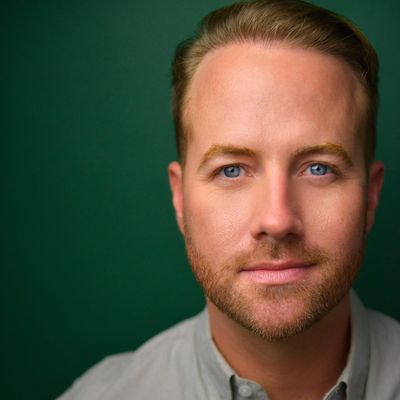

Featured Shows


About
With 12 Broadway shows combined, Stephen Hanna & Bret Shuford share their expertise and journeys this week. These Broadway stars share how they've been able to use their musical theatre talents to pivot during the pandemic in other jobs, such as life coaching and a dance teacher. Hear hilarious back stage stories and so much more!!
Stephen, Bret, and Eli talking points include:
- Wicked
- Chitty Chitty Bang Bang
- Billy Elliot
- Dancer life
- NYC Ballet
- What not to do in an audition
- Being husbands in the same industry
- Life Coaching
- Pandemic Life
- ++ a ton more
Stephen Hanna & Bret Shuford, Curtain Up!
Connect with Stephen and Bret on Instagram: @bretshuford, @stephenrhanna, and @broadwayhusbands
Connect with Take A Bow on Instagram: @takeabowpodcast
Connect with host, Eli Tokash on Instagram: @tokash_eli
Produced by the Broadway Podcast Network
Edited by Tessie Tokash (@tessietokash)
Transcript
This transcript was automatically generated and might contain errors.
[0:00] Eli Tokash: Hello everyone and welcome to episode 64 of Take A Bow Podcast.
[0:04] Eli Tokash: I'm your host, Eli Tokash. Today is so exciting for me. Last time I talked to all of you, um, I didn't realize what was going on and what my week was gonna be like, but it turned into a fantastic week full of fun surprises and so many fun events. Um how do I I don't even know where to begin. Last week was just so crazy. Uh it started off going to uh Maxon Essen's Tavern on the Green uh concert, which was absolutely incredible. I may have talked about it. It was like on the cusp of what I recorded last week, so I may have talked about it already on last week's episode. But I just want to say again, I mean, he's a friend of the podcast, he's been on the show. Um I want to have him back on or doing something with us again.
Uh he's the best. His concert was just absolutely incredible. He sang a bunch of golden age songs, which was like so magical because those are the songs that have kind of gotten like lost in the modern world. I don't know why, but they're just like the youth, I guess, of Broadway, and also like my generation in general, just listens to a different type of music, and we're used to like this fast-paced like Hamilton and uh Jarvin Hanson and more just like upbeat, going, and just for Maxon Essen to like take us back in time and kind of just give us a performance to like remember the roots of Broadway and remember how this all like began and just throwing it back. It was just so it was beautiful, and it was honestly a night that I a lot of people needed, and uh including Max because Max was just so happy, and uh I got to talk to him a lot afterwards, and uh he was just saying like what a magical night it was, and how he was so so excited, and of course he had allergies of an outdoor event, and he was so bummed, but you definitely could not tell.
It was like it was just amazing. He sounded amazing. Uh it was like he sometimes like would go into his head voice, and I was like, oh my god, I thought Max was like a belter, and like his head voice sounded like just as good as his belt, and I was like, How dare you? Like, it was just like it was so good. I was so proud of him, I was so happy for him, and he was just saying like how much it meant to him to be back and performing again. Um it was just it was a really great night, and then um I had a couple things on Wednesday. I had this, of course, I had to record for last week's episode, and then Thursday, I planned on going to the Antonio Cipriano show, which you all heard about last week, and um I didn't I didn't give my like review, I guess, of it.
Um, but I told you I was going, and on Thursday, right? I'm hanging out with friends, and on Thursday, I we receive a text like, oh, hey, d d should we go to like Passover? Like, it's their second preview, it's open now. Like, should we go try and check it out and see like how much tickets are and everything? And we were like, oh my god, we so should. But I was like, wait, I can't because I'm going to Antonio Cipriano show that night, or or tonight, and um they were like, Oh, like what time is it? And I was like, uh, it's at 9 45. And Oscar Williams, shout out Oscar Williams and Sky Alyssa Friedman, who were with me. Uh, they were like, Oh, wait, I think Passover is like pretty quick. Like, why don't we look up the runtime?
And maybe you can make both. And I was like, um that would be amazing, but like I feel like it'd just be like pushing it and whatnot, whatever. So we looked it up and it was gonna be 80 minutes. So I was like, great, I'll have 20 minutes in between to be able to walk two blocks to 54 below. So I was like, great, I'm in, let's do it. And we I saw, and we all did, we we all saw our first Broadway show in almost two years. I walked into the theater, and instantly my heart was like racing. My stomach was like in a pit just because of like it was like nervous, but it was excited and it was like feeling all the things, like literally, and like total like I I didn't have tears come out of my eyes, but I was teary-eyed from the minute walking in to smelling the theater to the coldness of the theater to getting a playbill again.
It was like I honestly I relived my first Broadway show all over again. And it was just something that was so magical, and it was something that I'm so grateful that I had the opportunity of not only to relive my first Broadway show, but also to be in a Broadway theater again. Um, and it just like brought me back to so many feelings, and it brought me back to realizing why I love to do what I love to do, you know? And it was just like such a great feeling, something that I definitely needed in my life. Um, Passover. It was just I I don't know where to begin. I I don't know if any of you watched it on Amazon Prime. I told you all that it was on Amazon Prime. I watched it at first school actually.
I watched it on Amazon Prime and it was like really, really good. And I was like, this is amazing. And uh hopefully it comes to Broadway. It did. It came to Broadway, and I was like, oh my god, I'm so excited to see it on Broadway. I see it on Broadway. It's like ten times better than what I saw on Amazon Prime. Not only because like, you know, it's live instead of like on a ten uh like an eight by ten computer. I don't even know what the dimensions are of the computer. Um, but like, yeah, you know what I mean. Just like on a small computer screen, now I'm seeing it live. But they changed the whole show. They like literally changed the ending, they changed parts of the middle, they changed a lot of um okay.
I'm gonna try to like sum this up without giving it away, but they changed the dynamic a l a a lot, actually, between the two black men and the white guy. So it's a three-person show and it's about like the two black guys who are homeless and kind of the d the dynamic of a black relationship between two white men and their them being homeless. And then a white guy kind of comes in and it shows the fear that they have of white people and like especially like living on the streets, you know, they could be cops, they could be undercover, they could be whatever. When this white person comes in, he is like taken aback of like how scared they are. Like, not scared, but like how worried because he didn't mean anything by it, and it kind of just shows the relationship.
But it kind of came back in back around in the end that he did have malintentions. I'm talking about the white guy, um, on these black guys to kind of take advantage of them and um yeah, and kind of just be just be rude, just kind of be a jerk. And um needless to say, it kind of showed the um dynamic between black people in general with cops and white people and how they are uncomfortable and all these things, and in the end, the two black guys like prevail. It it it gives you a sense of hope uh for black people, and uh kind of just like we're done taking this and we will we will rise up and we will defeat all of the negative uh in the world, and um I just thought it was so brilliant. Um they gave the white male a more um a more featured role, and I really enjoyed that because it just played with that dynamic for a long time, and literally it was almost a full like 30 minutes that they all three were on the stage together, and that was something that was not in the Amazon Prime show.
Um it was literally like a white person would walk by and they would just get scared, but like to have that full lot, like it was the ha to have the full um just scenario of a conversation and a whole um dynamic of like, oh let me help you, but like what are you gonna do to me if you're gonna help me? Like, there's always something uh there's always a double meaning when someone helps me or whatever. Like it was just it was really really cool to watch and cool to witness, but it also like it just played on your heartstrings so much to be like, wow, this is like what's going on, and this is a story for now. This is like going on right now, it's been going on for years. That was another really interesting thing.
Okay, so in the playbill, uh, when it it kind of gives you like a time, a setting and a place. So for the time, it says now, right now, but also 1855, but also 13th century BCE, and then for place, it says a ghetto street, but also a plantation, but also Egypt, a city built by slaves, and also the new world to come, worlds without end. And I was just like, This is unbelievable. Like, this is like if that kind of like stuck with you from me reading you the playbill, imagine the full like hour and a half show. Like it was just it was incredible. It it brought that discussion forward that uh some people are rather shy to have that conversation, and it it brought that to light. It was just it was really powerful, it really was.
And uh I recommend anyone going to see it. They are still in previews. I'm going to make it a point just because of how much it's changed from the Amazon Prime production to now here in the previews world on Broadway. I'm making it a point to go see it once it is officially open and kind of just soak in all of the changes and all of the dynamics that are added and cut, and uh I I'm I'm really excited. I I really am in love with this show. Uh Cody Renard Richard, he's stage managing it. He's the production stage manager, actually. Um so I mean, with his incredible um vision and his work ethic, and uh with his work ethic and his leadership, you know it's bound to be a good show, right? But also just it's by Antoinette Noondu, and it's directed by Dania Tamore.
And I actually sat in front of them during the show, and it was just it was cool to see their reactions too. So what they loved and what they didn't and what they were taking notes on and what they were writing down. You know, before the show even began, they already had two night two notes on their paper, and one was the house lights are too dim, and the other one was the music is too uh quiet, and uh just it it was it was pretty it was pretty amazing just to just to see all of it and um sit behind them was kind of just an added bonus to my experiencing the show because it kind of gave me an inside scoop on what they were doing and what and how their brains were working watching the show, and it's very much how I like to enjoy my theater.
Some people may find it distracting, but I it's something that I look for and I absolutely love. So go see Passover, it's at the August Wilson Theater. You won't regret it. It's where Mean Girls was previously. Um, but this show is so good, it's a limited run, so you don't want to miss out on this. It's so freaking good, I can't stress it enough, and it's gonna be opening here very soon. Um, but that being said, so I I'm watching Passover, right? And I see like 9.20, and I'm like, ugh, show's supposed to be over by now, you know. Like, that's eight that's 80 minutes. And then I see 9.25, and I was like, okay, the show should definitely be over. Okay, alright. So the show should be over. I should have been like on my way out already, maybe watching Val's. Um, okay, whatever.
It's okay. I'm gonna stay. I feel like it's ending soon. Okay. 9 30 hits. I'm freaking out. And I mean, I'm like, Eli, relax. It's two blocks away. You're gonna be fine, okay. 9 35 hits. I'm like, oh my god, someone end the show. What is happening? And I I'm not gonna give it away, but like, this is also the point in time where like everyone on the stage has basically stripped butt naked, and I'm like, it's 9.35, everyone's on stage butt naked, and I've gotta go to a concert in five minutes. Then 9 40 hits, and I'm like, oh my god, I can definitely feel it's close, it's ending soon, and I don't want to leave early because that's just I hate that. I hate that as an actor, I hate that as a performer, but it's all gonna be okay.
And then as I'm saying, like to Skye and Oscar, like I'm gonna have to run as soon as this curtain comes down. So I love you guys, and thank you for this spontane spontaneous uh theater trip to the theater. Um they were like, Yeah, yeah, yeah, it's all good, we understand. And um then the curtain like comes down that instant. And I'm like, thank God! Cause I and I check my phone, it's 9 41. I'm like, oh my god, I have four minutes to go get my ticket at 54 below and be at 54 below, like in time for this 945 concert. And I was like, I do not want to be the one guy who like comes into that theater late during a concert because you can see everyone in those like 54 below venues. So I'm running to 54 below from the August Wilson Theater. It's like uh it's like two blocks in an avenue, it's not that bad, but I'm I'm like running because I'm like, if I walk, I'm just definitely not gonna make it in time.
[14:38] Eli Tokash: Uh and I still have to buy my ticket at the wheel call. So I'm like, okay, great. I'm going to 54 Below, and I run, and I run into friends, and I'm like, I'm so sorry, I can't talk to you right now. I this is I'm like rushing to a show. I just got out of another, but I hope to see you soon, whatever. And then I keep running and I keep running. I get to 54 Below, and it's like it's literally 9:44, and I'm running down the stairs. Oh, oh, first of all, I was going to I I I arrived at 54 Below, and there's two people there waiting to check my like vaccine card and my ID and everything. So I'm like, oh crap, like I gotta get that out. One second, one second. And I'm like, okay, I got it out, I got it out.
I show them, and they're and and they're kind of like talking, so I'm like, I'm like holding it out, but they're kind of talking and like not paying attention, and I'm like, oh my god, like please just look at my card. And uh they finally did, and I'm running down the stairs, and I I open the door, and who do I see? Antonio Cipriano, and they're like, Are you like Eli? And I was like, Yes, yes, um, hi, it's like so great to meet you in person. We met each other virtually on Take A Bow and all of these things, and we were talking, and he was like, Oh, you know, like, yeah, we were just waiting on a couple people, and I was like, Oh, I was probably one of them. So I'm talking and I'm paying for my ticket at the same time, and I'm like, Oh my god, I'm so excited for you to be here.
And then we have another friend in there, Abby Day Phillips, who's coming on the show in a couple weeks. Um, and it was just like it was madness. So it was already 9:45, and I was like, Oh my gosh, I'm the worst. They're holding the show for me. No one else came in after me. It's fine. I still like I got here on time. It's 9:45. The show's gonna begin. It's okay. Um, so we figured it out. I go, I sit down. The second I sit down, he literally just like pops in, and they start the show, and I was like, Oh god, everyone, I no one look at me. Um, but no, it ended up being an insane amount, an insane night. Um, I took so many pictures, I took so many videos of the concert and him singing. Um, he brought out some special guests, Renee Rapp, of course.
Ugh, killed it. Um, Derek Klena was there. Um, Abby Day Phillips was there. Uh, who else was there? Um, there were so many people. Oh, uh Celia Rose Gooding was there, who was in Jagged Little Pill with him. Samantha Williams was there, who's going to be um Emmy in Carolina Change, and Celia Rose Gooding was there. Um, there were just so many people there, it was amazing. Um, the way Antonio was able to perform was just incredible. It blew me away, but also he was able to perform and he made it so much fun for everybody in the room. He made it super inclusive, he was talking to people during the performance, he was making us sing along with him, he was doing all kinds of things. He was looking at us, kind of like dancing with us, and he was like, it was just, it was incredible.
That night literally was amazing. And so to kind of go from like a play to like a musical, um, it was it was amazing. It was like the best night of my life. I saw two shows in a matter of like two and a half hours. Um, it was everything that I ever dreamed of for Broadway's return. Uh and Antonio Cipriano, man, he's just so talented. I can't. And I had a great burger that's like irrelevant, but I did. And um, yeah, just Antonio Cipriano blew me away. He sang so many pop songs, but he also sang this insane musical theater medley that his musical director made for him. And Antonio Cipriano told him, figure out a medley of all the Broadway songs that you would want me to sing, and I'll I'll sing it.
And the musical director was like, Okay, deal. But you're not allowed to see it before the show. And he was like, What do you mean? Like, he was like, I don't want you to see it before the show. I want you to sing it live while you find out what these songs are with everyone else in the room. And Antonio was like, Oh my god, whatever, sure, yeah, like let's do it. I'm down. And it was literally probably the best night of the it was probably the best uh uh a part of the night. And I have that whole thing on video, so patrons, look out because I have some really exciting content coming out for you all, and it's exclusively for you. So if you're not a patron already, do so. Sign up because I'm currently making very special content of all of the videos and all the photos and kind of just like a vlog of my week almost.
Um and you can also see uh clips from these events that I'm going to. Uh I don't know if that's even allowed, but like it's happening. So uh keep it keep it hush. But uh if you're not a patron, uh go do so, and you can get you can see all of these videos that I'm talking about. You can see pictures from Passover, you can uh see videos from Max Loness in it and Antonio Cipriano. Uh we we have some very exciting content coming out. And and then to cap it all off, this week on Monday, I was at the premiere of the show Must Go On. And that is a a documentary of the two shows, the two shows worldwide that stayed open throughout this pandemic. There were only two. I'm surprised there were two, but um there were two.
And uh it was mind-blowing just what was going on, who how they were able to manage it all, uh it was magical. Truly, truly it was magical. Um it gave me so much hope, and it showed me that like even in the height of the pandemic, where these two tours where they were traveling, uh were able to make it and make it successfully and do it safely. Um it gave me a lot of hope for Broadway's return because it was kind of still like, oh, well, what's gonna happen with the Delta variant? None of that is worrying me at the moment if we just listen and learn from others and kind of do what they did and model ourselves after that. Uh it was truly, it was truly amazing. Uh then they had, of course, live performances from Mariana DeBo, Sierra Boggess, Adrian Warren, Shereen Pimental, uh Ali Ewald, uh Josh Groban was there.
Uh so many people. And uh I was able to host the red carpet for that, which was really cool. And I have exciting, exciting content from that. I was able to talk to a lot of people, um, kind of the people that I've mentioned, but of course, also uh people like uh Tamika Lawrence and Greg Hildreth. Um oh, I was able to talk to like Salisha Thomas and Ali Ewald again. Um Cody Renard Richard was there, of course. Uh so many people were there. Uh it was so wonderful to be able to interview all these people and kind of talk about the pandemic, but also talk about Broadway's return. Um, and of course, the shows that they are returning to and how rehearsals are going and everything. It's just it was truly an incredible night.
It it great it gathered so many people, it was a very exclusive event, so everyone kind of knew each other. It was saw a lot of familiar faces. Um it was truly it was truly amazing, and uh it was cool to see a movie in a Broadway theater, which is what they were originally made for. Um, so to just throw it back again, uh, like kind of like uh Antonio Cipriano and Max Von Essen did, um, was a perfect way to kick off Broadway and just kind of go back to our roots and kind of be able to appreciate everything a little more. And I think uh a lot of people need to do that. And folks, Broadway's back, and uh it's beautiful, and I'm so excited for the return of Broadway and everything else that's going on uh safely and happily in the world.
So share a little joy, go see a Broadway show. Right now it's only Passover, but literally everyone is doing these concerts right now. So go see your favorite Broadway stars. Norbert Leo Butz is doing stuff, Derek Klena is doing stuff, all of these people are doing things at 54 Below, Tavern on the Green, wherever you may want to go, like it to New York as a concert venue. Green Room 42, Reeves Carney's doing stuff, uh Michael Lee Brown's doing stuff, uh, everyone's doing stuff. So go check it out. I promise you you won't regret it. And uh just to have like a little 20-minute concert in your life right now really will go a long way. And uh, I mean, obviously, these concerts are like an hour and a half, so it really really goes a long way, but still just to have like a little something, even though it it may not be a Broadway show, it really does go a long way for your health, like as an audience member.
Um, I don't know. I I haven't felt like this happy and this like excited to do a podcast and excited to be in New York again, like uh in a long time. So um I just want to say thank you to everyone who made this week possible for me. Um, thank you uh to Oscar and Skye for the spontaneous Broadway show. Thank you, Antonio Cipriano, Max Von Essen for providing entertainment, and thank you, Broadway Podcast Network for uh letting me host the red carpet of the show Must Go On Premiere. And you can go check that out on Broadway on Demand for the next like 72 hours. So don't miss out on that. And it's a documentary about the two shows that made it throughout a pandemic. It was Phantom of the Opera and it was Cats, and then it also is a documentary of uh Andrew Lloyd Webber and his fight to uh get theater to return to the UK.
So very exciting stuff. I recommend go checking it all out. Okay, so breaking news. I do want to just mention this really quickly, just one because she's a friend of the podcast, and two, because it's literally was announced while I was basically recording this. So uh it was just announced that Beanie Feldstein will be starring in Funny Girl. Okay, when it comes to Broadway, and this has been rumored for quite some time now, but no one was really sure of if that was the case. Uh I know I've seen it in articles already, but just to see that it was official and just to see uh her posting it and her kind of talking about it makes me so excited, and I cannot wait to see her on Broadway again. If you missed her in Hello Dolly, this is your chance to see her on Broadway because you will not regret it.
Um, and it what a role for her. Um, this is incredible. She's killing it. Congratulations, Beanie, on all your success. And uh, if you didn't yet, check out our episode with Beanie Feldstein because it is one that you won't forget. Uh, you'll also be hearing a lot of stories about Bette Midler and everything else and her movies and everything. Just it's it's really good. So just go check it out. I highly recommend it. Uh, but congratulations to Beanie Feldstein. Way to go, so happy for you. Uh, and I hope to have you on again for uh for a little reunion and talking about Funny Girl. So fingers crossed. Oh my goodness, I haven't even introduced our guests this week. So this week we have another two guest episode.
Last week was a hit with Ethan Slater and Nick Blemeyer talking about their new musical, and so we thought, why not air another two guest uh interview, and this is with the Broadway husbands. That's Bret Shuford and Stephen Hanna, and they've combined for 12 Broadway shows from Wicked to American in Paris, Billy Elliott, Cirque du Soleil, Paramore, um, Chitty Chitty Bang Bang, Little Mermaid, Beauty and the Beast, literally all of your favorite Broadway shows. Um, I I can guarantee you that one of your favorite Broadway shows, they've been in. Um, there's been there was such great insight. I have not recorded this yet, so I'm recording it this week's episode in the order that you are hearing it, which is very exciting for me because that's not something that I usually do. So I'm excited to see how this goes. And uh I guess with that being said, why don't we turn it over to them? So, Stephen Hanna and Bret Shuford, curtain up.
[27:26] Eli Tokash: Well, well, well, today I am joined by two guests who combine for 12 Broadway shows and many other like professional shows on top of that. Um, I don't know how they do it, they make it look super easy. I mean, if that doesn't tell you how talented they are, I don't know what will, okay. And both of them happen to be like actually triple threats, and they also are kind of like sex tuple threats because they also do like coaching and teaching and everything else. Um, so you may know them as the Broadway husbands, and they've literally created a whole brand out of it, and they also do a podcast on BPN. So, welcome to this special BPN crossover. Um, welcome to Take A Bow, Bret Shuford and Stephen Hanna. Did I pronounce that right?
[28:12] Bret Shuford: Yeah, perfect.
[28:13] Stephen Hanna: Amazing, amazing.
[28:15] Eli Tokash: Yes, welcome to the show, you guys. I'm so excited for you guys to be here.
[28:18] Bret Shuford: Hi.
[28:18] Stephen Hanna: Thank you for having us, Eli.
[28:20] Bret Shuford: It's so good to be here.
[28:22] Stephen Hanna: So good to be here.
[28:23] Eli Tokash: I I was telling Bret and them before we we began recording that I feel like I know them just because like the little BPN like hangouts on Zooms and whatnot. Uh but it's so good to like finally like talk to you both one on one and kind of learn more about you guys and your story. Um I like to start off my episodes by asking my guests like what kind of got them into theater. When Sydney Lucas was here, we were kind of like, what was your ring of keys moment to the theater?
[28:51] Bret Shuford: That's good. I love that. I love that. Yeah. I mean, I was, this is Bret, I was really young, um, like six, and I just I remember I watched musical movies, but then when my mom took me to see, you know, there was like a fair happening at a, you know, at the library nearby.
[29:14] Bret Shuford: I grew up in Southeast Texas, and there were a bunch of kids singing songs like "Don't Talk to Strangers," and I never knew that people did. I knew they did it in movies; I didn't know you could do it in real life, and it was like this moment at six years old where I was like, "Oh my god, you can actually do that in real life." I want to do that, and I remember I just had a visceral reaction crying, and it was like this moment where my mom thought I got stung by a bee because it was very dramatic. But once I calmed down, she was like, "What's wrong?" I said, "I want to do that," and that was it. It's not a bee sting, yeah, no, and I spent the rest of my life pursuing theater.
[29:56] Stephen Hanna: Wow, yeah. You know, it's interesting. I mean, I'm sure I've answered this kind of question before, but really I don't know that there was one particular moment. I started dancing really, really young. Like I started when I was three, turning four, and it was like the one thing I wanted to do, and the only thing that my mom didn't have to force me to do. So I feel like I just always kind of knew that I wanted to dance. Then at around seven, I got gifted a VHS tape of the Baryshnikov and Gelsey Kirkland Nutcracker. And so at that point, I think I just kind of was like, "Well, that's what I want to do." It was like that kind of moment. I just kind of never looked back. I always did musical theater as a young kid also, so I just think I always knew I wanted to dance as long as I could.
You know what I mean? Like that was, oh my god, I honestly don't think it was like one thing. I wish that it was, but I can honestly say that I've been dancing for as long as I can remember. So I'm not sure what really sparked that, but I think it's definitely something that I was born with and that I just always felt like I had to do.
[31:22] Bret Shuford: Wow. I love that we're all like kind of theater kids, you know?
[31:26] Stephen Hanna: Yeah, we're all young theater kids at heart.
[31:29] Bret Shuford: And for those of you who can, like, I don't know if anyone can see this video, because you guys will obviously be listening to a podcast, but if you could see the video, you could see a whole shrine of Broadway memorabilia behind them, which is just so brilliant. It's from like all the shows that they've done, which is like, I don't know how they're fitting it all in a tiny New York City apartment.
[31:42] Stephen Hanna: Um, I don't—
[31:49] Bret Shuford: Is that where you guys live?
[31:51] Stephen Hanna: We actually don't live in New York right now. We actually moved to Houston, Texas during the pandemic. The pandemic completely changed our lives.
[32:02] Bret Shuford: And we just kind of went along for the ride.
[32:05] Stephen Hanna: Yeah.
[32:06] Bret Shuford: Well, wait, I want to talk about this pandemic. Cause like, I mean, you guys have—like you guys are both actors. I mean, how—and now like we've been out of work. Like, how are you—like, what are you guys doing now to—um, how have you guys shifted in like the coaching side and the Instagram and all of that? Like, how are you guys like making ends meet?
[32:29] Stephen Hanna: Well, I mean, number one, we moved out of New York, so we don't—it was so expensive living there during the pandemic, and things kind of—and we didn't really make a lot of effort; it just kind of happened, so we just kind of trusted the universe to guide us. Um, and so, you know, I had been teaching ballet even before the pandemic, was teaching ballet at a couple places in New York City, and then everything went virtual, so I started teaching ballet virtually.
[32:59] Bret Shuford: Um, but when we were doing that in a 500 square foot apartment, it was challenging.
[33:06] Stephen Hanna: It was really challenging. I mean, like, literally, I was—we would have to move the entire living room furniture around. It was ridiculous. And then Bret would have to go into the bedroom. And we—in our apartment, it was still winter, but we only have one air conditioning that is in the living room, and we were able to like flow it through to the bedroom. But when we shut the bedroom door, he would be in there, and it would just be really hot.
[33:28] Bret Shuford: Oh God.
[33:30] Stephen Hanna: So we—and I always had this side business that I started in like 2009. I was a certified life coach and a business coach for creatives. And um, I'd always just kind of did it as a side hustle. My primary income was acting. And then when Wicked—I was doing Wicked at the time—and when that shut down, I just started going full-time, serving my community. And luckily in the last year and a half, I've gotten a really nice roster of consistent private clients, and I've taught some courses online, and it's been very gratifying. And it's, um, you know, it's nice to be able to kind of transition into something that I'm passionate about. It helps people, and we're still in the world of what we do, but it's just a different part of it, you know.
[34:24] Bret Shuford: Yeah, right.
[34:25] Stephen Hanna: Yeah, and you know, basically I kind of went full throttle online for a while, and um, last year at this time we were asked—or I was asked to come to Houston to a ballet school here and teach temporarily, and it was only supposed to be through August through December, and then we just ended up staying longer, and uh, you know, and that's kind of what happened. It just kind of naturally happened. Weird, it's been weird, but it's been good.
[34:54] Bret Shuford: If we think too much about it, it's weird, but in the moment, it's—
[34:54] Stephen Hanna: Yeah, right.
[34:59] Bret Shuford: Yeah, well, that's wonderful. I mean, you—I know you guys always—I follow you guys on Instagram, obviously, and you guys are always finding ways to stay creative, and I absolutely— that's what I love about it. And now, and you also like have like a brand, hello, of you guys, and it's the Broadway Husbands, and like you guys are killing that too. So, like, I figured, like, I don't know. Have you guys done a show together? Is this like kind of your show, the Broadway Husbands?
[35:28] Stephen Hanna: No, that's the thing. Like, we—it kind of was born out of that thing where we're—Bret, because Bret's skill set as a ballet dancer was so unique. And then what I—you know, my musical theater, like actor experience, we never really coordinated. Like, we've never booked a show together.
[35:44] Bret Shuford: And I would very rarely even have auditioned for the same things. Occasionally, I mean, like maybe like three things.
[35:50] Stephen Hanna: Yeah, maybe once or twice.
[35:51] Bret Shuford: Right.
[35:52] Stephen Hanna: But is that like an interest though? Like, would you guys want to be in the same show?
[35:54] Bret Shuford: I don't know. I mean, I think that if we were in the same show—he doesn't want to, because I think he's—I saw his face. But I feel like if we were in a show, we would be totally in two different parts of it.
[36:11] Stephen Hanna: Yeah, we wouldn't even be—
[36:12] Bret Shuford: Yeah, exactly. You know, so we probably wouldn't even see each other.
[36:12] Stephen Hanna: See each other, maybe.
[36:15] Bret Shuford: Um, but that's kind of where the—I was like, we know we're both so creative, we're both artists, like what—you know, instead of waiting for somebody to book us in a show, why don't we just create stuff together? And so that was really how the Instagram was kind of born.
[36:31] Stephen Hanna: And um, and it's crazy how it's grown.
[36:35] Bret Shuford: And um, and it is a great outlet for us when we do it. I mean, there's days where it's really hard to be motivated to get together, or he's working all day and I'm working all day, and then you would get home. We're like, "I don't want to make an Instagram reel right now. I just want to go to bed," you know.
[36:47] Stephen Hanna: Yeah, it's hard.
[36:53] Bret Shuford: It's interesting too because, I mean, I'm sure you know during the podcast how hard it is to schedule guests. It's all equally—even when you live with somebody and are married to them, we have a hard time scheduling our schedule together to be creative, and when it's in a moment where we actually feel creative and not like forced to do it, you know what I mean? It's kind of a difficult thing, but we find a way, and you know, there's usually one of us that is like, "All right, we're doing it. This is what we're doing; this is like what's happening." Um, you know, so as long as somebody takes the reins, we're okay.
[37:31] Stephen Hanna: Right.
[37:32] Bret Shuford: Well, that's the good thing. There are like two of you, so like if one's feeling unmotivated, at least maybe one or the other can like push them.
[37:39] Stephen Hanna: And I love that.
[37:40] Bret Shuford: Exactly.
[37:42] Stephen Hanna: It's teamwork, exactly.
[37:44] Bret Shuford: It feels like you're part of a cast.
[37:45] Stephen Hanna: I love it.
[37:45] Bret Shuford: That's right.
[37:48] Stephen Hanna: That's right.
[37:49] Bret Shuford: Yes.
[37:48] Stephen Hanna: Oh my god. Well, yeah, I literally love watching you guys on Instagram. I love your like Disney content because I'm like a huge like Disney World kind of guy.
[37:57] Bret Shuford: Um, but yeah, I love when you guys are—what's your favorite park, Disneyland or Disney World?
[38:02] Stephen Hanna: I’m a Disney World guy.
[38:04] Bret Shuford: All right. But which park at Disney World is your favorite?
[38:07] Stephen Hanna: Um, I would say Epcot, honestly. I like the different like worlds, and like I do like Animal Kingdom though because I'm—I love animals, and like I know it's like I don't know how like they treat their animals or whatever, but like the safari rides and like the Yeti ride and like all of that, like that's my stuff. But my favorite part of like all of like Disney is pin trading.
[38:32] Bret Shuford: I don't know. I'm like a weird guy, yeah.
[38:34] Stephen Hanna: Yeah, and I love roller coasters, but I'm obsessed with pin trading. I love the pin trading because it's just like, yeah, it's such a social event. Like, you get to meet some interesting cast members, and yeah, pin trading is awesome.
[38:46] Bret Shuford: Right?
[38:47] Stephen Hanna: Oh my god, I'm glad I'm not the only one.
[38:49] Bret Shuford: No one understands. I'm always like, "Do you have any pins?" And people are like, "What? Pin trading?"
[38:55] Stephen Hanna: Um, I swear it's a thing.
[38:57] Bret Shuford: I think we need to meet up at Disney World.
[38:59] Stephen Hanna: Seriously.
[39:00] Bret Shuford: Uh, I'm so down. I'm obsessed. It's like literally all I look forward to in Disney World. Like before the rides and everything, I'm like, we have to go find a worker who can like trade pins with me.
[39:11] Stephen Hanna: Yeah, I love that.
[39:13] Bret Shuford: Yeah, it's amazing. Um, well, you guys need your own pin. Hello, Disney.
[39:16] Stephen Hanna: We're calling.
[39:19] Bret Shuford: We're calling. Who's listening?
[39:21] Stephen Hanna: Um, Disney World, get on it.
[39:23] Bret Shuford: Um, so yes, we have—let's talk about some Broadway and let's talk about some shows. Broadway's returning. I'm so excited for this. Bret, when Broadway shut down, you were in Wicked, right?
[39:34] Bret Shuford: Yeah.
[39:35] Stephen Hanna: So are you—do you know if you're gonna be returning or if like rehearsals are starting? What's going on there?
[39:40] Bret Shuford: Yeah, so they announced rehearsals are starting actually like next week, I think they start, and then performances start September 13th, but I made a difficult decision to not go back.
[39:51] Stephen Hanna: Gotcha.
[39:51] Bret Shuford: It was a challenging job. I was swinging, and yeah, I had never done the show before, and I was the first swing that they'd hired in the entire 16-year run that had never done the show. Usually, they'd brought swings from the tour, right?
[40:11] Stephen Hanna: Right.
[40:11] Bret Shuford: And um, and they would keep—they kept reminding me of that. You're the first swing we've ever hired who's never done the show, and I was like, "Great." So I kept thinking they're gonna be very compassionate, and they were like, "Why don't you know this yet? It's been a week." I'm like, "Uh." It was very high pressure, and um, and I was down for it, like in 2019. I was like, "Great, okay, fine. I'm gonna learn these." I had to cover nine tracks, and I learned all nine tracks in three, four months. I went on for all of them, and it was literally—it was like the week after I performed my final ninth track is when everything shut down, and wow, so much has changed in a year and a half. It was like I would basically have to relearn everything, and it would be a lot of rehearsal time, and I've built a coaching business now that was like I just wouldn't have—I didn't want to give up my coaching business and serving my clients in order to then be in swing land for the foreseeable future.
[41:17] Stephen Hanna: So it was a hard decision because it's such a great job, you know, and it's such a great show, but I—
[41:17] Bret Shuford: Right, but yeah, I mean, recently just made that decision, and we'll see where the universe takes us.
[41:33] Stephen Hanna: I mean, you have the credit; it's okay.
[41:40] Bret Shuford: I got the poster on the wall, right?
[41:43] Stephen Hanna: Right, that's what matters.
[41:44] Bret Shuford: I'm obsessed. That's amazing. Um, I know I saw that you—you were a swing, and I was like, how do they even like say a swing? I feel like you guys would be on every night for just a different role. I mean, like, yeah, it's such a demanding show, you know.
[41:59] Stephen Hanna: It really is. I mean, you get a lot of time. And it's a hard—I mean, and they've—they run the show so—they run it like a really like a machine because it's been around for so long, and so yeah, I mean, there's just high pressure, high expectations. They want the show to be perfect because it's such a demanded product that um, that I—those dance captains and those swings, man, at Wicked are beasts like they're killing it.
[42:00] Bret Shuford: Yeah, and I was like, you know, it's my eighth Broadway show; I think I can—I think I'm good for now. I'm gonna just take a step away too as well.
[42:00] Stephen Hanna: Yeah, I can't.
[42:00] Bret Shuford: That is incredible. Just casually throw that in, no big deal, right?
[42:00] Stephen Hanna: Um, so it's amazing how many dance captains does Wicked have? Is it just one or two?
[42:00] Bret Shuford: No, they have—I think they had three. Well, they have two dance captains and an assistant dance captain, I think that was—yeah, because I was seeing that like when I was doing the research, and I was like saw the Wicked website, and I was like dance captain, dance captain, dance captain. I was like, I mean, it makes sense with this show, but like I've never seen a show have this many dance captains. That's insane.
[42:00] Stephen Hanna: It's interesting how it's broken down because I'd never been in a show that was kind of broken down the way it is. They have these like—they have these swings that are like just dance swings; they have swings that are like character actor swings, and then they have what they call crossover swings, which are like the people that can kind of do both.
[42:00] Bret Shuford: Oh wow.
[42:00] Stephen Hanna: Which was it—which is interesting, and that is—you watch—did you have—I was a crossover swing.
[42:00] Bret Shuford: Yeah, but it's weird because they—I think initially I was supposed to cover 11 tracks, and they—what is—
[42:00] Stephen Hanna: Yeah, and they took two of them out because I looked—because of eight.
[43:53] Stephen Hanna: Yeah, they were like, you're never gonna go through because like how are you you're like, they wanted me to cover the wizard and Dr. Gillimond, but then also be like two teenagers at Shiz, you know what I mean?
[44:03] Bret Shuford: That's amazing.
[44:04] Stephen Hanna: That's a lot.
[44:06] Bret Shuford: Very different.
[44:07] Stephen Hanna: Very different. You can pull it off.
[44:09] Bret Shuford: Right.
[44:10] Stephen Hanna: Shave, wig.
[44:12] Bret Shuford: Right.
[44:13] Stephen Hanna: Right. That's the beauty of theater, y'all.
[44:16] Eli Tokash: Um, Stephen, I mean, you have been literally in four of the most like iconic dance Broadway shows ever. Right? Hello, Dolly, American in Paris, On the Town, Billy Elliott. I mean, it's just it's incredible. Your show is like it. I feel like it would be like every dancer's dream shows on Broadway, you know, and if they like want to go that route. So talk to me about like what it is like to be a featured dancer on Broadway.
[44:45] Stephen Hanna: Wow. Um, it you know, it's interesting because I came from the ballet world, and um it's much more it's it's everything the ballet world and the Broadway world are so high, they have such high demands. Um and a lot of people from the ballet world, I think think that dancing on Broadway isn't as demanding, and um, you know, uh the schedule is more intense. Um, the repetition clearly is more intense because you're doing the exact same thing all the time. Um, you know, it's it's a lot of hard work. That's honestly what it is. It's it's um long days.
[45:25] Stephen Hanna: Um, the majority of the shows that I've done. Um, well, no, that that's not true. So Billy Elliott um backstage was very tight there, right? There was like and I I danced very hard there. It was it was a hard show. I did a lot of stuff in the ensemble as well there, and the ensemble stuff was very difficult also physical and yelling and it was a lot. Um and then you know, the dancing that I did in the show is also very difficult. Um, and there was really nowhere to warm up in the Imperial.
[46:00] Stephen Hanna: Oh when there are 50, like oh, probably 50 plus cast members, and half of those cast members are children. So then there's wranglers, and then there's the crew, you know what I mean? So there's just a lot of people backstage. And um so uh being a dancer on Broadway is like you have to sh get up in the morning, at least for me, I would have to always go and take class so that I would be prepared because I just always knew when I would get to work, like I really would wouldn't be able to prepare the way I'd actually want to.
[46:31] Stephen Hanna: So I'd have to feel like I'd always say, like, I want to set it and forget it and just like get there and like trust that it's there a little bit. Um so it's it's honestly a lot of hard work. Um, but the good thing about it is that I always loved performing, and um there's always that no matter how hard it is, there's always that like moment of satisfaction at the end of a hard day.
[46:56] Stephen Hanna: And when you're performing on Broadway eight times a week, even when you're like the most tired, you always get that um, and I don't even know that it's necessarily from the audience. Um it's it's more about like an internal thing, like you've made it, you did it, and now you can like kind of excel. Um, and I kind of like thrive on that a little bit. So for me it was always um, you know, like a built-in um prize or you know, uh a built-in absolutely, you know, a job, a job that was rewarding, you know.
[47:32] Stephen Hanna: Um, but it's a lot of hard work, um, a lot of dedication. There's you know, there's a lot of performing on Broadway, I think in any capacity, you have to learn how to just show up and be present. I think that's probably the hardest thing.
[47:46] Stephen Hanna: And um, because once you can just show up and like leave your thoughts at the door and just take in what's around you and do what you're supposed to do, it's really easy, right?
[48:00] Bret Shuford: Right.
[48:01] Stephen Hanna: But when you're not present and you're fighting thoughts in your head and you're thinking about who knows what, or you're you know, second guessing yourself or whatever. But so as long as you show up and be present, it's really the most fun and rewarding job ever.
[48:17] Stephen Hanna: Um, it's just getting those other thoughts out of your head to do your job well and easily in this challenge.
[48:23] Eli Tokash: Right.
[48:25] Eli Tokash: It this I'm sorry, I just want to go back because this still like is like mind-blowing to me. You would go to a dance class every day before just about literally.
[48:35] Stephen Hanna: So especially, you know, so I had just come from the ballet world where that that is what I did, you know, we would take class every day and then rehearse for like six hours and then do a performance at night.
[48:46] Stephen Hanna: Um, so I was used to that. And then when I joined Billy, when I started doing Billy Elliott, like I said, there was really nowhere to warm up. And like I was I had a quick change before the big ballet.
[48:59] Stephen Hanna: So like we started the second off second act off in Merry Christmas, Maggie Thatcher. And so I was all underdressed and I had this like really I had like a green shirt on and like a kind of like a brown and gold tie, you know, mustache. I think I was smoking, you know, and then I would run off stage, quick change, and then be like, oh yeah, ballet mode, ballet mode, you know.
[49:20] Stephen Hanna: And um believe it was always dark. The show, like I said, was super crowded. All of a sudden there's no one on deck, it's pitch black, and it's just me, and you're just like, oh god, here we go.
[49:32] Bret Shuford: Um, you know, so yeah, so I would want to get up, take class.
[49:36] Stephen Hanna: Um, but for him, like taking ballet class is like brushing his teeth. Like, you know, if he goes, if he goes like two or three days without a ballet class, he's like, Oh, I'm so bad, I'm so out of shape. Like, just seriously.
[49:51] Bret Shuford: And that's oh my god.
[49:53] Stephen Hanna: So it's just like part of his routine.
[49:56] Bret Shuford: He's done it for so long, you know.
[49:58] Stephen Hanna: Yeah.
[49:58] Bret Shuford: I mean, that is true.
[50:01] Stephen Hanna: Yeah, it is true.
[50:01] Stephen Hanna: Um, that's just that's a life of a ballet dancer.
[50:05] Bret Shuford: It just becomes a habit.
[50:06] Stephen Hanna: Yeah.
[50:08] Bret Shuford: Your body doesn't get tired.
[50:08] Stephen Hanna: I feel like when I have oh, it does.
[50:11] Bret Shuford: Okay.
[50:11] Stephen Hanna: I was gonna say, like, when I was doing eight shows a week and I had two voice lessons instead of one, my voice was just shot by the end of the week.
[50:20] Stephen Hanna: And then you do a class every day. It just, you know, it wasn't like I was going in there and doing everything that was in the class. Some days I would leave early, some days I would stay and do everything. You know, it just depended depended on how I felt.
[50:37] Bret Shuford: And then obviously on the weekend, um on a two-show day on Saturday, I would probably not take um, but you know, or he'll go, or he'll go like to the theater and give himself a ball. You just do something like that.
[50:50] Stephen Hanna: Yeah, yeah, yeah, yeah.
[50:51] Bret Shuford: But yeah, I I always struggled.
[50:53] Stephen Hanna: I mean, now that we're talking, I always struggled with trying to find that balance um of feeling ready enough and not wearing myself out.
[51:03] Bret Shuford: Yeah.
[51:03] Stephen Hanna: And I learned the hard way.
[51:05] Bret Shuford: I went I learned the hard way.
[51:08] Stephen Hanna: You learn the hard way sometimes.
[51:09] Bret Shuford: You like do something and then you get there and you're like, oh my god.
[51:11] Stephen Hanna: It's like also like how much can I eat between shows?
[51:14] Bret Shuford: Yeah.
[51:15] Stephen Hanna: Yeah.
[51:16] Stephen Hanna: What can I eat between how I want pizza?
[51:19] Bret Shuford: Right.
[51:19] Stephen Hanna: And how much time do I need to give myself to digest before I put it?
[51:23] Bret Shuford: Right.
[51:24] Stephen Hanna: Yes. Exactly.
[51:25] Bret Shuford: Yeah.
[51:26] Stephen Hanna: So it's, you know, it's that lesson of balance.
[51:29] Eli Tokash: Yeah, sorry.
[51:30] Eli Tokash: I how does it like, okay, so as like a dancer, I'm not a dancer, okay? So I'm genuinely curious about this.
[51:38] Eli Tokash: Like, you have to be so in in touch with your body, you know.
[51:42] Eli Tokash: Like, how how do you listen to your body?
[51:45] Stephen Hanna: Like, you were saying, like, finding the balance.
[51:48] Stephen Hanna: Like, how do you do that?
[51:50] Bret Shuford: Yeah.
[51:51] Stephen Hanna: Um, I think that I think that there are some days that I mean, I'm I clearly am aware of everything, you know, like physically, I can feel the pain or not feel the pain.
[52:05] Stephen Hanna: Um, you know, it's interesting too, like what's happening now, I think, in the world, and seeing um people be really honest about what's going on with them, like younger people, mentally and physically, and saying that they need to kind of like step back for a minute.
[52:23] Stephen Hanna: Um, I don't know that that's the generation that I come from, and that's not how I was raised. You know, we I was kind of brought up in the mindset that you're just gonna kinda smile and keep pushing forward.
[52:38] Stephen Hanna: Um, and honestly, I think that that kind of mentality um has helped me in some respects.
[52:45] Stephen Hanna: And there are there are times looking back on my life and my career that I pushed through things that I should not have.
[52:52] Stephen Hanna: You know, I should have said time out way sooner than I did.
[52:57] Bret Shuford: Um, you know, so it's it's interesting.
[53:01] Stephen Hanna: It's like I like to say that I mean, hindsight is definitely 2020 for sure.
[53:07] Stephen Hanna: And the older I get, the more I wish uh I could say I'm always in tune and I'm always gonna do the right thing for myself.
[53:16] Stephen Hanna: Um, but I don't know that that's necessarily true because there's always so many factors um that go along with everything, right?
[53:23] Stephen Hanna: And I mean, there's the job, there's the money, there's the wanting to get hired, there's the right, you know, it just it just depends, you know.
[53:34] Stephen Hanna: But I'm definitely always in tune with myself.
[53:36] Stephen Hanna: Whether or not I choose to listen to it is probably a different answer, depending on what's happening and what the consequences of saying yes and saying no to myself are.
[53:47] Bret Shuford: Yeah.
[53:49] Bret Shuford: Wow.
[53:49] Bret Shuford: I will say this, I'll say this, Eli.
[53:51] Bret Shuford: Like watching Steven transition from ballet to Broadway was an interesting was interesting because in the ballet world, like you know, you you perform one night, you maybe perform two or three times a week, like you're not, and you don't even do the same pieces those two or three times, right?
[54:15] Bret Shuford: Um, and so you're there were courses, like they're they're there, they take class, they rehearse, and and then they show up and they're just like top of their game when you're a principal dancer at New York City Ballet, and then that same mindset transferred to eight shows a week is is hard, you know.
[54:35] Bret Shuford: It it starts to take a toll.
[54:37] Stephen Hanna: And I remember watching Steven just like really he did not want to call out. He would just like not call out, and he would have these days of panic or anxiety.
[54:48] Bret Shuford: Um, you know, his body's hurting, or he's just like nervous that he's gonna he maybe he fell out of a turn and then he's like nervous it's gonna happen again.
[54:57] Bret Shuford: And he and he just would, he's a workhorse.
[55:00] Bret Shuford: He was just like, I'm not gonna call out.
[55:02] Bret Shuford: And I think that it that mentality, which I've seen a lot of people, you you've seen people who are like, I'm not gonna call out, and it's but why not?
[55:11] Bret Shuford: Like those thick days and those personal days are there for a reason.
[55:16] Bret Shuford: And if if it's a matter of you like keeping yourself healthy and keeping the environment at work healthy, so that you know versus like pushing yourself to the brink, you know, it's just you you wonder, you know, that motivating factor for people sometimes.
[55:35] Bret Shuford: And I used to try to give Steven permission, like it's okay, like it's you need a mental health day, like take the day.
[55:43] Stephen Hanna: Yeah, um, and that took that took some time for him to get comfortable doing that.
[55:47] Stephen Hanna: Yeah, I don't and I don't know that in the beginning, yes, it definitely took a long time to figure that out.
[55:52] Stephen Hanna: Um yeah, it was a big transition because hopefully, like now, like with things coming back after everything that's happened with some mobiles and everything that's happened over the last year and a half.
[56:03] Stephen Hanna: I I hope it becomes a little more normal for people to be able to do things like that, you know.
[56:07] Bret Shuford: Or maybe it's not even about it being normal.
[56:09] Stephen Hanna: I think I think what because people call out, right?
[56:13] Stephen Hanna: I mean, it's not people have have been calling out or taking care of themselves.
[56:16] Stephen Hanna: I think it's more about the the fear and shame that kind of comes along with it.
[56:23] Stephen Hanna: I think that at least I'm speaking for myself um personally, it's like, well, I feel like I've failed, or you know what I mean?
[56:30] Stephen Hanna: It's like the judgment, right?
[56:33] Stephen Hanna: That you put on yourself and that that you put on other people putting on you, you know what I mean.
[56:38] Stephen Hanna: You're like, oh, they're judging me because I didn't do it.
[56:41] Bret Shuford: Right.
[56:41] Stephen Hanna: Um, yeah, that that's a very real thing, you know.
[56:45] Bret Shuford: Especially like, I don't know, like when I like again, like I was always afraid, like there was like a sense of fear to call out, you know, and like I was like never like sick, so like obviously if I was sick, I wouldn't want to like endanger anybody else, but like if I was like hurt, like my back still has like uh is affected from like the shows that I did, like because I was doing circus shows and then I was doing uh Fanny Neverland, which I was like running around on stage for two and a half hours.
[57:19] Stephen Hanna: So like it's like you you don't know, like especially as a kid, where it's just like oh, you know, like it'll heal and it'll be okay, and then like you don't realize the effects that it does have, like, and I feel like it's always that's kind of like for everybody, not just for kids, because you're like, Oh, I'm doing what I love, and if I call out, um, what if like the understudy doesn't know isn't as comfortable at with the show, and then that like will psych them out, and I don't want to put that pressure on them.
[57:46] Stephen Hanna: So it's like, what am I doing to affect? Because it is it's a ripple effect, you know?
[57:50] Stephen Hanna: Like it affects it's a domino effect, and it's like, what can I do to make it easier on everyone?
[57:56] Stephen Hanna: And that's if I just like push through, and then that's not easier on me.
[57:59] Bret Shuford: Right.
[57:59] Stephen Hanna: So it's just like I totally get that that sense of I guess fear that comes along with it.
[58:05] Stephen Hanna: And like you said, just like hoping that it does become more normal and it does become more talked about.
[58:10] Bret Shuford: And I think it is so we're we're slowly progressing.
[58:15] Stephen Hanna: I still think Patty Murin is like a huge, like, you know, she I remember when she spoke out about calling out as Anna in Frozen because she was having like an anxiety attack, you know, and that was like one of the first times I feel like I saw a principal actually speak openly about like why she was calling out, you know. Yeah, and I think that's so, I do think it's becoming a more normal conversation, which is good.
[58:40] Bret Shuford: And I will say totally the transition, like the first show that I did was Billy Elliot and towards the end of the run because I had never done anything that long and not that much repetition, by the end of the run I was having terrible anxiety. Like we would walk to the theater and I would just be like freaking out and it took me a while to kind of change that mindset again because I never had stage fright or fear about performing. I mean, of course I would get nervous about certain things, but not like totally like, oh God, like fright, you know what I mean? And so the next show that I did, it took me a while to kind of like loosen up on stage again and just kind of enjoy it. You know, it took a lot of time.
[59:31] Stephen Hanna: Mm-hmm. And going back to this, like the Patty Murin speaking out, I don't know if you guys remember the Ali Ewald situation. Um, when she was in Phantom, she like some person after a show was like messaging her or posted something and she saw it, and it was just like how like bashing her. Like they didn't think that they did a good job and someone else was better. And she herself was like, oh my God, I can't perform. Like my anxiety is like off the charts right now and I need time to heal. So she stepped away from Phantom for a little bit and then was able, like when she was able to take care of herself, finally was like, okay, I can go back and I can, I'm better. And if I wasn't like, if I was doing this and was doing the show, I would have like collapsed.
So like it's totally like more and more recently you do see things like that, and I think that it is pivotal for our industry because I mean, in a way, like we do thrive off of the audience's enjoyment of the show. And like, you know, like even that will keep us doing it. Like we're like, oh no, we want to hear that applause, you know, like it's an adrenaline rush and we want that feeling. And so like, yeah, it's a very real thing. I don't know, yeah, but that was something that popped into my head when you were talking about like people speaking out.
[1:00:51] Bret Shuford: I don't remember that happening, but I love Ali Ewald, she's so good.
[1:00:54] Stephen Hanna: Yeah.
[1:00:55] Bret Shuford: Right.
[1:00:56] Stephen Hanna: And she's also like the nicest person.
[1:00:58] Bret Shuford: Right.
[1:00:59] Stephen Hanna: And she does like not deserve any hate whatsoever. Like, and the thing is is that the way that she handled it was just so beautiful. Like, you know, like she didn't even like say anything back to it. It was literally just like I am not well because of this. And she like didn't give her opinions or whatever. Like, like she didn't make any controversy over it. And she was just like, I need time to heal, and I hope you all will understand. And like, you know, like, and that like gives you even more respect for her.
[1:01:31] Bret Shuford: Yeah.
[1:01:32] Stephen Hanna: Anyways, yeah. Go off Allie Ewald. Um, huge shout out. And um, but I do want to throw it back. So we have like some, I guess like our paths have crossed before. We have some connection here. Bret, you were in Chitty Chitty Bang Bang on Broadway.
[1:01:49] Bret Shuford: Yes.
[1:01:52] Stephen Hanna: And so my first show that I ever saw was the tour of Chitty Chitty Bang Bang at the Benedum Center in Pittsburgh CLO. And that's what got me into theater. So that's where like I'm from, and that's where like I got my start at the PCLO. Um, so like Bret and like Steven, I was like, oh my God, this is that's full circle. I can't wait to do that.
[1:02:15] Bret Shuford: That's a great catch.
[1:02:17] Stephen Hanna: Yeah, I didn't realize you were from Pittsburgh.
[1:02:19] Bret Shuford: So I'm from Weirton, West Virginia, and so there's nothing in that town.
[1:02:24] Stephen Hanna: Yeah, so everything that we do is in Pittsburgh, like the closest acting.
[1:02:29] Bret Shuford: Is there this closest supermarket?
[1:02:31] Stephen Hanna: Is there a theater still in Morgantown, West Virginia?
[1:02:35] Bret Shuford: Yes, but that's like four hours away.
[1:02:38] Stephen Hanna: I'm only like 20 minutes from Pittsburgh. So like I'm on like the panhandle of Western.
[1:02:43] Bret Shuford: So yeah, but no, Pittsburgh is like I literally say I save everyone a conversation, and I'm like, oh, I'm from Pittsburgh. And because usually when I say I'm from West Virginia, and they're like, oh, Richmond, Norfolk? Like, I'm like, no, that's Virginia. It's a different state. But it's close enough. So I just say I'm from Pittsburgh.
[1:03:04] Stephen Hanna: But yeah, so it was like a full circle moment. And I have to say, like, Bret, I've always wanted to, since that was the first production that I ever saw, Chitty Chitty Bang Bang, I always wanted to see that show on Broadway. So when I saw that you were in it on Broadway, I was like, oh my God, I have to talk to him about it. Because I, I don't know who remind me who you played again.
[1:03:24] Bret Shuford: I was in the ensemble.
[1:03:25] Stephen Hanna: You were in the ensemble.
[1:03:26] Bret Shuford: I was in the ensemble.
[1:03:28] Stephen Hanna: It was my Broadway debut.
[1:03:29] Bret Shuford: It was, yes.
[1:03:30] Stephen Hanna: And I was in the ensemble with some like with like Robin Herter, who's now nominated for Tony.
[1:03:37] Bret Shuford: Oh and then like there's some amazing people in the ensemble, like Karen Giovanni, who's now on like NCIS.
[1:03:44] Stephen Hanna: This guy, Craig Ramsey, who is a personal trainer to like huge Hollywood celebrities now. Emily Fletcher, who has built this like meditation empire called Ziva Meditation. Um, Tim Federley, who's like the showrunner for um, High School Musical: The Musical: The Series, he's a Pittsburgh guy, and we grew up together.
[1:04:07] Bret Shuford: Oh no way.
[1:04:08] Stephen Hanna: Yeah, they knew each other as well.
[1:04:09] Bret Shuford: Oh my God.
[1:04:09] Bret Shuford: Oh my God.
[1:04:09] Stephen Hanna: Which is crazy because I'd done that show with Tim, and then Tim and I also did The Little Mermaid together. And when I was doing Little Mermaid, was when Steven and I started dating, and I remember I was in the dressing room and I was like, I'm dating this guy's name Stephen Hanna, and Tim's like, Stephen Hanna from Pittsburgh, you know.
[1:04:29] Stephen Hanna: So that's, it's kind of crazy, and then like Jan Maxwell was the lead and was the Baroness and Mark Kutish and Raul Sparza. Chip Zion, who is a legend, um, uh Robbie.
[1:04:47] Bret Shuford: That was a star-studded.
[1:04:47] Stephen Hanna: It was.
[1:04:49] Bret Shuford: That's insane, it was insane. And I and and then, of course, all those kids, you know, because there were like 13 kids and nine dogs or something, and um down in the underneath the stage in that little, you know, you know where the warmup room was for Paramount?
[1:05:05] Stephen Hanna: Yeah, yeah, yeah.
[1:05:06] Bret Shuford: It was there.
[1:05:07] Stephen Hanna: Yeah, there was a warm-up room there for On the Township.
[1:05:09] Bret Shuford: Okay, okay. Um, you know, and I was so green. It was my first Broadway show, and I was just so Jillian Lynn was the choreographer who did Cats, you know.
[1:05:20] Stephen Hanna: Oh my God.
[1:05:22] Bret Shuford: So she was a little legend.
[1:05:23] Stephen Hanna: Who directed it?
[1:05:25] Bret Shuford: Um, Adrian Noble, who ran the Royal Shakespeare Company at the time.
[1:05:29] Stephen Hanna: Wow.
[1:05:30] Bret Shuford: Um, so it was like a legendary like experience that I at the time was just like so excited to be on Broadway that I just like, um, but those but some of those kids, so you know, I was like even talking to you. I just always think about those Broadway kids because I most of my shows on Broadway had kids in them. Because I did Chitty, I did Little Mermaid, Beauty and the Beast.
[1:05:53] Stephen Hanna: Yeah, um and so I was always surrounded by those Broadway kids, and you know, and we know all the same wranglers, and then he did, you know, Billy Elliot and some of those kids moved to Billy Elliot. And um, of course, I yeah, so it was it was definitely an impactful show for me to do that as my first Broadway show. It didn't run that long, but um, yeah, which is like crazy after you just named the cabinet.
[1:06:20] Bret Shuford: I know, right?
[1:06:21] Stephen Hanna: Right. I'm like, what is going on here? Something didn't line up.
[1:06:27] Bret Shuford: But yeah, that's incredible. I will never forget the moment that I realized that I wanted to do this was when, okay, so very bizarre. In Chitty on tour, they auditioned new kids every state for like local hires as orphans. And so my sister was one of the orphans. So we were like, oh my God, this is like a huge event. My sister's making her like stage debut. So we sat in the front row, and I don't know if they did this on Broadway, but the two like comic reliefs, I guess you would say, of the show, would like come in on like swimming, like you know, those rafts of like ducks or whatever and whatever. So they would like come in on those in the front row and they were like right there in front of me.
And literally they were talking, and I turned to my mom and like stopped watching the show and was like, that I wanna be him so bad, and I'll never forget like how Chitty Chitty Bang Bang, which is like a show that people are like, that was the like that's what changed your life, and I was like, Yes, okay, and like it did. I loved, I don't know, there was something about it and like I don't know. It was just I'm talking about Chitty Chitty Bang Bang, like I'm talking about like Wicked, you know. Like I don't know, it just like it it's one of those shows that just like means so much to you, you know, and you like can go on and on for days about. But yeah, when I saw that, I was like, I'm so excited, and then I was like, Steven's from Pittsburgh, and so I was like, this is crazy how this is all lining up.
[1:08:08] Eli Tokash: So Steven, did you like both of you, I guess. I mean, like, Bret, you're from Texas and you're um, Steven, you're from Pennsylvania. Like, how did you guys make your way to New York? Was it to work, or was it kind of just like I'm gonna go and I'm gonna see if I can work?
[1:08:25] Stephen Hanna: Well, I um, you know, I so talking about Pittsburgh CLO, I was a munchkin in The Wizard of Oz with Kathy Rigby many, many, many, many, many, many years ago. Um, I also did some plays at um Pittsburgh Theater, but anyways, I, I um, you know, like I said, you know, I saw this Barishnikov video, and I was kind of like, well, that's what I want to do. You know, I did do the musical theater and I was doing some acting as well as a kid. Um, but then I kind of just got hooked into this into ballet. And um, I auditioned for the School of American Ballet when I was 12, and I went to SAB for the summer. And I remember that summer they were also doing Oliver at CLO and I had auditioned for Oliver, and you know, I got to be one of the, you know, orphans or what are they? What are they? Are they orphans?
[1:09:19] Bret Shuford: Yeah, yeah.
[1:09:20] Stephen Hanna: And um, I got, you know, offered the show and and but so I chose to go to SAB instead, and I ended up staying in New York that year, and I lived in New York ever since from the seventh grade on. So that was kind of my path.
[1:09:33] Eli Tokash: Oh my God.
[1:09:34] Stephen Hanna: Yeah, and then I joined the New York City Ballet my junior year in high school.
[1:09:38] Eli Tokash: What how long were you with the New York City ballet?
[1:09:41] Stephen Hanna: Um for like 13 years.
[1:09:43] Eli Tokash: Yeah, I was gonna say I feel like it was like more recent than like seventh grade, you I was like from 97 to 2010.
[1:09:53] Stephen Hanna: Yeah.
[1:09:53] Eli Tokash: Oh yeah.
[1:09:53] Stephen Hanna: And then I yeah.
[1:09:55] Eli Tokash: So I went back and forth from Billy Elliott and the ballet for a little bit.
[1:09:58] Stephen Hanna: Yeah.
[1:09:59] Eli Tokash: Wow. Good for you. That's insane.
[1:10:00] Stephen Hanna: Did you move like with your fam or do you was it kind of just like you and?
[1:10:01] Bret Shuford: No, I lived in dorms.
[1:10:07] Stephen Hanna: Yeah, I moved to the Rose Building, um, which is in Lincoln Center, the big white building in the back on the right, and there are dorms in there where Juilliard students live and SAB students live. And I lived there for probably almost four years before I got my own apartment.
[1:10:22] Eli Tokash: That's crazy.
[1:10:24] Stephen Hanna: Yeah, I love that.
[1:10:27] Bret Shuford: That's incredible. Good for you.
[1:10:28] Stephen Hanna: It was like meant to be.
[1:10:30] Eli Tokash: Bret, what about you?
[1:10:32] Bret Shuford: I what, you know, I went to college, my first two years of college at University of Oklahoma in Norman, Oklahoma. And I don't know, my sophomore year, things were I worked summer stock. I worked professionally right out of high school, and then between my, I mean, I worked professionally every summer, but all through college. But I was like, what am I doing in Oklahoma? Like, I want to be in New York. And I remember I just wait, tell the story.
[1:11:01] Stephen Hanna: Do you want to hear the story?
[1:11:04] Bret Shuford: Yes, I want to hear the story. My sophomore year, they hired a new teacher at the program. Now she's not there anymore, and the program has improved drastically since this one was. But just tell the story about the auditioning, the auditioning's. But it was like I showed up at this musical theater. She was teaching her musical theater audition class, and she came in and she said, you should always show up late to an audition and tell them you're coming from a gig. And then when you come into the room, you should put your music down on the piano, but don't talk to the pianist. Just put your music down, come into the room, say, hey, you know, I'm Bret. Sorry I'm late. I'm coming from a gig. Look at the pianist and then count them in.
A one, a two, a one, two, three, four. Then you should pick a letter from the alphabet, and you should stage your song on that letter. So if you're, you know, singing a song, you should if you'll say you picked the letter T, you would walk downstage and maybe walk a little stage right? No. Right. So then our assignment was to like pick a letter from the alphabet and sing our song. And I remember, and then when you're done, just grab your music and say, gotta gig, gotta go.
[1:12:21] Stephen Hanna: Oh my God.
[1:12:24] Bret Shuford: Everything you should do.
[1:12:26] Stephen Hanna: Yeah, everything you should not do.
[1:12:27] Bret Shuford: We were practicing this in a class for an audition musical theater class, and I was like, what the hell am I doing here?
[1:12:45] Bret Shuford: Um so I that's when I was like, I'm getting out of here, and I looked at transferring colleges and I transferred to a liberal arts school in New York City called Wagner College.
[1:12:56] Stephen Hanna: Oh my god, this was in college.
[1:12:58] Bret Shuford: This is so isn't that the best story ever.
[1:13:01] Stephen Hanna: I love that story.
[1:13:03] Bret Shuford: I mean, we've been married for 10 years and together longer, and I just love it.
[1:13:07] Stephen Hanna: It's like I mean it was rough.
[1:13:11] Bret Shuford: It was rough. So I was like, I get me out of here. Transferred to Wagner College, best decision I remained. I made some lifelong friends there and got some amazing experiences. And I got my equity card right out of college, a paper mill playhouse, and period. And stayed in New York, and I've and I worked ever since, and I was super grateful for it.
[1:13:31] Stephen Hanna: Yeah.
[1:13:32] Bret Shuford: Oh.
[1:13:33] Stephen Hanna: Well, that is that's amazing. And I mean, I mean, hello, eight Broadway shows, four Broadway shows later. Like it's worked out, right?
[1:13:40] Bret Shuford: I mean, NYB, like, come on, you guys are killing it. That's amazing. And I mean, I do want to talk to you about the podcast too, and just like just everything that you're doing there. I mean, you've made even when you're like, I oh yeah, wait, actually, let me let me ask this first because this is the ultimate question. I mean, you guys are both actors, obviously, right?
[1:14:10] Stephen Hanna: And obviously, a lot of the time schedules do not line up, like you were talking about earlier. But when we are in like a normal setting, like, how often are you guys able to see each other, and how are you able to make a podcast on top of like the little time that you probably get to see each other?
[1:14:32] Bret Shuford: It was definitely harder before the pandemic because we were going into the studio. We'd have to figure out when we're in the studio, we'd have to line up other people to meet us there. But also, like, Steven, you know, like if we booked jobs and go out of town, we'd have to be like, oh shoot, we better like record like three or four episodes before you leave because then we're not gonna be together for three weeks.
[1:14:58] Stephen Hanna: And the same thing is with our Instagram, like we gotta figure out how to create content all the time because Steve is Steven books a job out of town, or one of us has to go to town like that, because you know that's the life of an actor. It's like you book something, you gotta go.
[1:15:12] Bret Shuford: Right. So we're always trying to kind of keep stay ahead of it, which is we're not sometimes we're great at and sometimes we're not. Um, but you just have to kind of make the time. You gotta kind of force yourself to be like, okay, we you we have a deadline and our audience is waiting for this, and you know, if if we want to take care of our audience, we want to we want to stay consistent, then we just have to kind of force ourselves to do these things sometimes, and then sometimes it's super easy, and it's like, oh great, we can do this on Monday and Tuesday, and yeah, and sometimes you know, you know, we like to have you know, um, guest couples um who are in the industry, so that's always challenging to get their schedules and lined up, but then once we get them lined up, it all works out, and then a lot of times what we'll do is we'll do episodes with just the two of us, and we'll sometimes we have brilliant ideas or we think that they're brilliant ideas or topics to discuss, and other times we kind of just are like, we gotta record an episode, let's go.
[1:16:13] Stephen Hanna: What are we gonna talk about? You know, um and those are the ones that do better. Some of those are actually really great because we haven't actually premeditated it too much, and we're kind of just talking about whatever's kind of on our mind. Um, but you just kind of have to do it, right? It's like the more this happened, you know, this content creation, it's like you just have to do it, and sometimes it's you know, it works out really well, and other times it's not, you know, maybe not as received as well, but you just have to keep being consistent and keep just doing it, is really what it's all about.
[1:16:46] Bret Shuford: Um yeah, yeah. I mean, you guys have literally like like you said earlier, like you guys have been able to uh make a living off of like advertisement and like your branding and Instagram and stuff like that. So, like you guys are doing so many incredible things that are obviously working out, and people are enjoying that content, so like kudos on you guys, and on top of that, you guys are doing like jobs, like you know, like eight shows a week. And it's like it's just like I I'm blown away. I'm blown away. You guys are incredible. You guys are so talented. I appreciate you guys fitting me into your schedule.
[1:17:26] Stephen Hanna: Uh um, so everyone go check out Broadway husbands, and uh yeah, it's it's been so great talking to you guys and getting to know you all too.
[1:17:36] Bret Shuford: You too, yeah.
[1:17:38] Stephen Hanna: Thank you for having us.
[1:17:40] Bret Shuford: Yes, of course. Take about Brett Chewford and Stephen Hanna.
[1:17:48] Eli Tokash: I always forget to do that, so I was so happy that I remembered. Take about Brett and Steven. I cannot thank them enough for doing this. This was a blast. I I I know we jumped around a lot from like topic to topic, and it may have been a little tricky to follow, but I you know, things were coming up naturally that I was kind of like, oh, we'll stick with it, and then um I had to jump back to things that they were talking about earlier because it wasn't as natural and I would have had to bring it back further and then bring another topic back. I don't know. It was just it was kind of tricky to navigate. They said so many things that I wanted to talk about. So um I hope you all enjoyed that episode.
It was so much fun to talk to them. I'm so glad that like you know, the Pittsburgh roots came in, the chitty chitty bang bang discussion discussion of Steven and his dancing and everything like that was very fascinating to me. I think it's because like I don't know much about that side, so just to talk about it a little bit more and to understand it a little bit more was very exciting for me.
[1:18:47] Eli Tokash: Um, and of course, Brett, I mean, talking to him, eight Broadway shows. Come on. Um that's that's pure talent, right? Uh I mean, and um, yeah, and they're they're just doing like the way that they've been able to stay creative and stay afloat during this pandemic has been really really inspiring. So um congrats Steven and Brett for uh for doing all the things you're making it work no matter what you do in your life and that's like and and you continue to stay positive and happy. So that's really impressive. Brett's a life coach. I mean come on that's that's fascinating in itself. So and and then of course they have their own podcast. So everyone check it out on Broadway Podcast Network. You can check it out on all the podcast platforms.
You can also pro you can also check it out on the BPN app. You can also check it out on their Instagram and just follow them on Instagram at the Broadway Husbands or Bret Shuford or Stephen Hanna, um their individual accounts um but they they post some very exciting and inspiring stuff all to put like smiles on people's faces and it really it it's truly amazing what they do and um and how they just go about it because yeah they're making money off of it and they're doing so many great things but it it doesn't it you know those things where it's like oh it kind of feels like they're forcing it on us and whatnot. It it's not like that. And and it's like oh another ad from these guys it's like no like it it's fun stuff. Andrew Keen and Bolger is actually the same way. They do a really good job of monetizing their their contact their content and their uh their Instagram and social media and whatnot.
[1:20:27] Eli Tokash: Um so huge thank you to the Broadway Husbands for joining me this episode. Uh this episode, it was a blast to talk to you guys. Um, yeah, just so many great things, so many lessons to learn from both of them and just how they've managed the whole pandemic, but also how they manage as two working actors in the industry and dancers, um, and just their stories are they're it's it was just all very fascinating. And may I just touch on uh what we talked a little bit about in the episode where um actors are often uh fearful to call out of shows, you know. Even when you are on Broadway and you have made it to the highest tier in the musical theater industry, there's still a sense of oh, I need to prove myself, and oh I need to do this, and oh, I need to stand out, and oh, I need to be better, and oh, I need to figure out how I can stand out to be cast in another show and to further my career and continue to work and continue to stay with this job when really it's it's all about it's more so about we will be able to do that if we loosen up and be ourselves, and we will be able to stay stand out and um kind of make a name for ourselves if we go about our business the way that we should, you know, and like it it's it's a it's human, it's a human thing to just be like, oh, you know, like I'm fearful of this to um let down my company and everything.
[1:22:02] Eli Tokash: Um like we talked with Steven and Brett about, um, but really in reality, when you are able to take control of your the situation and you're allowed to uh give yourself if it takes a day, it's two and a half hours. It's gonna be okay. Like, it's okay to call out for two and a half hours. It's a show, you know. There's gonna be another one tomorrow, and I'd rather you be a hundred percent tomorrow than like eighty percent tonight, and then you're gonna be seventy percent tomorrow because you're gonna be even more run down. So that two and a half hours really does make a difference in calling out and taking care of your bodies, taking care of your mental state, taking care of your emotional state, taking care of your voice, whatever it may be.
That is such a um common sh stress that a lot of people do, and especially during that, like you know, preview time where it's like, oh my god, all of these people are coming to watch me, and we've just opened the show, and I've just recorded a cast album, and I'm doing press 24-7, and I'm doing all these things, but I want to continue performing because that's my chance at a Tony nomination or a drama desk nomination, or whatever it may be.
[1:23:14] Eli Tokash: So we push ourselves even more and more, and every show we just like drain ourselves more and more, and that is something that's not always talked about. And I was so thankful for Steven and Brett to bring that up today because it reminded me of so many situations um of my experience in Mary Poppins in Finding Neverland in Pippin and all of these shows. Um, it just reminded me of wow, like what I did, and kind of now what I've lived with because of those decisions and because of those experiences and the shows that I've had. So really thankful for them to bring that up. And it's such a true statement. I really hope that it does get uh talked about more, and it kind of is brought to light. And I hope that audience members become more understanding, and then that there isn't this added pressure for actors and performers to go out and do it every night, and um, hopefully, more understanding from audience members as this mental health and the physical state and just taking care of yourselves becomes more normalized, which is so bizarre to say out loud, but it but it's true.
[1:24:17] Eli Tokash: So thank you to Brett and Steven for an amazing episode and for bringing that up. I thought it was very important. I loved what they had to say about uh both that and of course the dancer's life um with Steven. It was just so fascinating. I hope you enjoyed it. I know I got a lot out of it, so I hope you did too. So yeah, just thank you both for joining us, and I hope you all enjoyed this episode. I know the intro was quite long, so we didn't didn't really get to do any of the fun segments, such as the news segment, um, such as the drama dictionary segment, such as the triple E segment. None of those were in this week's episode, but they will be back very, very soon because I will not be blabbering about my week the way I was. I was just too excited because it was like the first time in too long. Um and I wanted to share with you guys.
[1:25:06] Eli Tokash: So um I figured I it would be just as fun to share that stuff as it was for those segments, and hopefully you guys won't have to listen to me rant for uh another half hour next week. So um thank you all for listening this week. I know it was a little bit of a long one, but I appreciate you all listening and I appreciate all of your support throughout the way. Go check out patreon.com slash T A B because we have some incredible content coming out soon. You can hang out with me on Zoom, you can do all kinds of fun things. You can get video access to podcasts, uh, you can get free merchandise, you can do uh a bunch of things, and you get coupons for merchandise and uh everything. So check it out. Patreon.com slash T A B.
[1:25:54] Eli Tokash: And uh I look forward to uh hopefully working closer with you all if you join if you become a patron. And you will see also have some c a closer look of all of this content that I've been consuming the past week, and it's been it's been incredible, and I can't wait to share it with you all. So that being said, thank you all for listening, and uh I'll see you next week. Bye everyone.
[1:26:22] Eli Tokash: For this episode's current call, I would like to recognize a few people who also deserve to take a bow. This podcast would not be possible without the help from Dory Berenstein, Brittany Bigelow, Katie Rosen, Alan Seals, and the team at the Broadway Podcast Network. Next in line to Take the Bow is Tessie Tokash, who edits the audio and all the visuals for this podcast. A special thanks to patrons Brian Thompson, Pat McNamara, the listeners at PCC, as well as all the other patrons for their continued support. If you're interested in becoming a patron, go to patreon.com slash TAB.
[1:26:55] Eli Tokash: And if you enjoyed this week's episode, don't forget to subscribe on the platform that you're currently listening to this on. Also, feel free to give us a follow on Instagram at take a bow podcast. Take a bow's logo is designed by Giselle Bustos, and the music is by Nikki Torsha and Cormac Collinon. Bye everyone. Hope to see you next week.
© Broadway Podcast Network, All Rights Reserved