

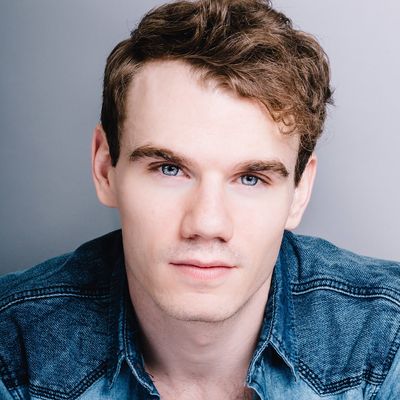
On The Town star, Jay Armstrong Johnson, joins this week's episode to promote two upcoming events. The veteran of six Broadway shows, gives great insight into how hard this industry is. He also shares his experiences of being a writer, producer, actor, costume designer, location scout, a rights agent, and more... Read More
From the show: Take A Bow
Guests
Featured Shows
About
On The Town star, Jay Armstrong Johnson, joins this week's episode to promote two upcoming events. The veteran of six Broadway shows, gives great insight into how hard this industry is. He also shares his experiences of being a writer, producer, actor, costume designer, location scout, a rights agent, and more. WHAT CAN'T HE DO?! Well, he can't sit still. There is so much to learn in this incredible episode from all sides of the industry.
Jay Armstrong Johnson, Curtain Up!
Jay and Eli's talking points include:
- On The Town
- Phantom Of The Opera
- Newsies
- Broadway Debut
- Gavin Creel
- 54 Below on September 1st
- I Put a Spell on You
- The Show Must Go On Premiere
- Life in Texas
- + a ton more
Connect with Jay Armstrong Johnson on Instagram: @Jay_A_Johnson
Connect with Take A Bow on Instagram: @takeabowpodcast
Connect with host, Eli Tokash on Instagram: @tokash_eli
Produced by the Broadway Podcast Network
Edited by Tessie Tokash (@tessietokash)
Transcript
This transcript was automatically generated and might contain errors.
[0:00] Eli Tokash: Hello everyone and welcome to episode 65 of Take A Bow. I'm your host, Eli Tokash, and oh my goodness, do we have so much to talk about this week. Um as you know, last week, uh maybe some of you don't, um, I wasn't able to talk about all the Broadway news that has happened last week because I was sharing stories about my Broadway news. And so um this week I'm just gonna catch up on all of that to make sure um everyone is kind of aware what's going on. And so there's a lot to talk about because it's kind of like two weeks worth, but I'll keep it short, I promise. Um we'll get right into it, and then we'll turn it over to the drama dictionary, and then we'll turn it over to our wonderful guest, Jay Armstrong Johnson. So stay tuned for that.
[0:46] Eli Tokash: Um before we get to it, let's talk about what's going on. So I don't know if everyone has heard the uh some of my all my previous episodes, but I did kind of make a an educated guess, I guess you could say, that West Side Story will not be returning to Broadway. I just thought it was a little fishy with everything going on, the politics between the shows uh when it was on Broadway just wasn't good. Um, and then of course when everyone was announced they were opening, and then they kind of were like a show in the dust that like kind of wasn't saying anything. I kind of figured that they weren't gonna open, and it had just come out uh uh just last week, or maybe this week even, uh, that it will in fact not be returning.
[1:32] Eli Tokash: So it's sad because I kind of enjoyed this version of West Side Story. I did think it was something new, I think it was something modern, and I think it was something relatable, but I just think with like everything going on right now, and of course, the West Side Story movie coming out, I just think it was it's I think it's just too much. And I believe the producers felt the same and that there was no reason to reopen it and to continue um paying all that money to produce the show. Um it just didn't make sense. So West Side Story will not be returning, and it's one of the few Broadway shows that has kind of said that they won't be returning while everyone else has been making announcements because the shows that really were closing kind of announced it during the whole pandemic, during the prime of the pandemic, I guess you could say.
[2:22] Eli Tokash: There has been some um controversy going around the Broadway world recently surrounding Broadway star Laura Osnes, who I mean was in Bandstand, she was a Disney princess in Cinderella. Uh she's been in a bunch of Broadway shows, and she was accused of being fired from a show because she was refusing to get the COVID-19 vaccine. And apparently that that's not the case. She came out and said that that wasn't the case. I was never fired. However, I did quit because I'm still uncertain about the vaccine. And I just think that it this was very interesting. I mean, she's in a show with my dear friend Tony Yazbeck, who was in uh Finding Neverland with me, and he was in On the Town with our guests today.
[3:13] Eli Tokash: Um, and he has a family, you know, like he has a family, and you know, like all of these actors do, they go home and they will they go to their job and then they go home to their families, you know, and it's just there's too much of a risk to not get vaccinated and not have be vaccinated, and now equity is requiring these vaccinations for everybody for the safety of the cast and the cast's family, as well as everyone else involved, as far as the audience and things like that. Um, however, she still was like, No, I I'm not doing it. And I guess she she had stepped down. She was gonna do a show out in the Hamptons with Tony Yazbeck, um, but refuses to take the shot.
[3:54] Eli Tokash: And like I said, I found this very interesting because, you know, as a theater actor, we we've been out of work for for two years now. And it's like this vaccine requirement it isn't gonna go anywhere, I believe. I believe it's gonna be around for another two years, you know, like that everyone's required, and eventually it's gonna be required for everyone. And it's not even gonna be like, oh, let me see your vaccine. It's just gonna be like one of those shots that we like have to get, like when we go to our doctors, you know. I don't know. That's me, but I just think it's very interesting because she's already been out of work for two years, and as a theater actor, it's like, how are you not gonna work for another one to two years?
[4:38] Eli Tokash: Like, that's gonna be three, four, five years without work. And she's also not gonna be able to see a Broadway show. She's not even gonna be able to see live theater anymore. She can't like go to a restaurant. If she lives in New York, like there's just all these things that's like kind of mind-blowing to me that that um she's just still sticking to her guns, but I don't know. Uh there I have mixed feelings on this, but I thought I had to to let everyone know because this is just such a big deal. I mean, with her being who she is, kind of refusing and kind of taking a stand and kind of you know, like I said, refusing to take the vaccine is kind of like a big deal, especially with how things are now, you know, like and everything is just it it seems like more and more lately, especially with this new Delta variant that things are just more and more things are requiring the vaccine so like our daily lives almost require the vaccine especially here in New York uh not everywhere of course but here in New York is extra careful I guess you could say um and so yeah I just thought it was very interesting and Laura Osnes I mean we'll we'll look out for it but hopefully and hopefully she does change her mind because you you know like I I don't know like you just can't go out of work with that long and I personally believe that like if you are someone who truly loves theater and you're a theater person and you work in the arts and whatnot like you you just can't you just can't go that long without seeing a Broadway show and like all your friends are going to support your other friends and like you're kind of like the odd man out.
[6:11] Eli Tokash: I don't know it just seems very um very uh surprising to me and uh especially as someone who kind of was a fan of Laura Osnes and I still I still am a fan of her work but like it just it was surprising so um that that that we'll move on we'll move on because there's there's lots to lots to think on that one and it's still kind of registering with me. Um but I thought I would report it. So there's two sides of the story. One was saying that she's fired and then she had uh talks with some other news sources and kind of came out and said well no I I actually quit because I'm still um learning and taking some time to get every like to make sure I know the unknowns with the vaccine and she was like I still want time.
[7:02] Eli Tokash: And if I choose like it's my body, I can choose what I want to do with it. And that's totally respectable. So very interesting stuff happening um I'm sure, I'm sure that will not be the only the only case in reporting of that. But yes, that that's the story with Laura Osnes. And that was kind of some buzz going on around the Broadway world today and lately. Ben Platt. You all know my love for Ben Platt, okay? I love Ben Platt. I love his music so much. His debut album was literally like it still like plays on repeat some days. I just get in those moods.
[7:44] Eli Tokash: But he has a new album out called Reverie. And it's it's brilliant. There's these songs that are so relatable, especially like, okay, so it's interesting because they are total like he's totally going a pop route with his new with this album, but these songs are so relatable as a theater kid. So it's very it there's like a dynamic of both that I I really that entices me almost to just continue to listen and continue to find new things every time I listen because you know it's this pop style, and maybe that's not like everybody's favorite, especially in the theater world, you know.
[8:27] Eli Tokash: Like we're used to like it are the roots of being golden age and everything, and now pop is kind of going like uh off the rails in a way, but this way he does a beautiful job, like just kind of incorporating both in so many ways, but also staying true to himself and his theater background and who he is as a person. Um, you know, he has these songs called like Childhood Bedroom, Happy to Be Sad, I Wanna Love You But I Don't, Dance With You, Dark Times. Like all of these things are so all of these songs are so relatable as someone who is a theater kid who someone like in a way all theater kids have to mature really quickly.
[9:08] Eli Tokash: And that was kind of something that he alluded to in finding who he was really quickly and trying to navigate all of these emotions without um I don't know. It's hard to express it's hard to explain because he couldn't really like be expressive of himself because of you know he was still trying to figure out all these things and it was very new to him and he had to do it at so young that he didn't even know what it was, you know, like he just thought it was like he just knew it wasn't like what everyone else around him was doing, and he talks a lot about it in his concerts and everything.
[9:42] Eli Tokash: Um and you can really see that through his storytelling of this album. So I I really enjoy it. It's wonderful. You can you literally like that's one of the beautiful things about like artists, you really get to know someone um through their songs, and I think it just between his last album and this album, but of how vastly different they are, but at the same time, they're still connected and they're still portraying similar stories, and you really get to know who Ben Platt is, and I just think it's beautiful, you know.
[10:12] Eli Tokash: I don't know. I I'm such a I I could geek about Ben Platt all day long. Uh, but yeah, I it's it's wonderful. If you haven't listened to it yet, go listen to it. Just search up Reverie or Ben Platt and something will come out. And now he's going on tour and he's gonna be at Madison Square Garden and all these crazy places. Um, and yeah, he's just gonna be doing another tour of this album, and I I I just can't wait. I am so excited for all of it.
[10:40] Eli Tokash: I did a new topic. Um, I did see um Aretha Franklin, the musical. Uh my god, it wasn't a musical. It was uh the story of Aretha Franklin was like uh documovie um with my friends Nikki Torcia who created the uh songs and like the beats and stuff that you hear on these episodes, and my dear friend Alexa Nijak. Um we went to go see it and it had all of these Broadway stars in it. It had Audra McDonald, it had Jennifer Hudson, it had Titus Burgess, it had um um the young Aretha was one of the young Nalas in Lion King.
[11:16] Eli Tokash: Um all of these wonderful people were in it, and all of these wonderful theater actors were in it, and in a way, uh you could see it, you know, and it wasn't because their acting was over the top or whatever these people say with theater actors and film or when they do film and stuff, but it was just their light. You could tell their joy of performing and their vocal um gifts. Uh you could just tell that they were a part of the theater and they were doing stuff on theater, even if you didn't uh recognize them right away.
[11:52] Eli Tokash: Cause some of them was like, oh, you know, like I I know who that is, but I can't really put my finger on it. And then you're like, oh my god, that's brilliant. What amazing casting. Um Forrest Whitaker, uh, yeah, yeah, Forrest Whitaker was in it. Um all of these just incredible, incredible actors. This cast is star-studded. Aretha Franklin's story is just absolutely mind-blowing. Um I I did not know uh as much that I've learned during the musical that I do now.
[12:22] Eli Tokash: Uh or the movie, excuse me. I keep saying musical because it just she she sang so many songs, Jennifer Hudson. Um just because it was kind of like Rocket Man for Elton John. It was kind of like Bohemian Rhapsody and like all of these all of these movies that has come out recently, and it was just her life and following her almost. Um and it just paid tribute to her. And I I just loved every second of it.
[12:44] Eli Tokash: It was it was quite long, it was two and a half hours, so it did feel like a musical, which is quite long for a movie. Um but I have to say there wasn't one time that I got bored and or was like checking my phone to see what time it was or doing whatever. Like they they held you in it. That it was just there was so much to talk about that you it was it was that long and you were fully invested for the full two and a half hours.
[13:10] Eli Tokash: Um it was awesome. And it was my first time in a movie theater uh after this during yeah, after the two years and during all this COVID stuff. Um so it was very it was very great. Uh lots of I I'm just like I said, you know, I can't get enough of this the music in my life again and kind of art to get to watch. And there's just so much to catch up on, and I'm so excited to be doing all of it.
[13:38] Eli Tokash: I've just been trying to go through all of these like places and watch new things, and uh of course, you know, I see a musical movie and I'm like, that's the first movie I'm gonna see, you know. I don't know. I'm just that's just yeah, that's just how it is lately. And you know, once once I got a touch taste of it, I I haven't been able to stop.
[13:58] Eli Tokash: So with that being said, let's talk about some real Broadway news as um last week casts really began to roll out for a lot of these musicals, and I'm gonna share with you um a lot, uh some of the m main mainly the main casts um because the ensemble I just don't have time it to say everyone um otherwise this podcast is gonna be super long. So I'm just gonna highlight some of the the actors um gonna be in these new musicals and I'll specify which musicals I talk about first.
[14:33] Eli Tokash: So um first I'm gonna talk about MJ, the Michael Jackson musical, which previews begin December 6th, and opening night is February 1st, which is quite a long time for previews, it's about two months.
[14:44] Jay Armstrong Johnson: Wow.
[14:45] Eli Tokash: Um so Miles Frost has been announced to play Michael Jackson, but his uh supporting cast and the uh other wonderful talented people in this cast has been uh casted around him as well.
[15:00] Eli Tokash: So Antoine L. Smith is playing Barry Gordy slash Nick, Quintin Earl Darrington as Joseph Jackson slash Rob, Whitney Basher as Rachel, Gabriel Ruse as Alejandro, Joey Sword as Dave, John Edwards as Jackie Jackson, Ayana George as Catherine Jackson, um Apollo Levine as Quincy Jones slash Tito Jackson, Tavon Old's sample as Michael, Lamont Walker II as Jermaine Jackson, and Zelig Williams as Marlon Jackson.
[15:34] Jay Armstrong Johnson: Wow, okay, this cast is incredible.
[15:37] Eli Tokash: I um first of all, I when I am um naming these casts and I'm saying all of their names, I do apologize if I pronounce anybody's names wrong. Um and if I come kind of stumble through names aren't really my thing. Um, but I I do want to announce it because I just think um a lot of especially with this show, a lot of them have are having Broadway debuts. It's kind of like their breakouts as far as like you know their it's their first time leading a show and whatnot so there's just a lot of very exciting things uh surrounding this cast and I think that it's gonna be brilliant and I hope to have a lot of these um performers on because they're all it's it this is kind of like an interesting show that I really want to talk about with Michael Jackson because just his story and everything surrounding him with the Neverland documentary and everything I I do I do want to talk about how they're how they're gonna do this musical and kind of um pay tribute to him but like more so his art um and maybe not so much him as a person.
[16:42] Eli Tokash: I I don't know I just wonder how it's gonna all go down. Casts have been coming out recently uh surrounding you know um Broadway obviously is coming back so casts are rolling out recently with Hades Town Aladdin Lion King Michael Jackson and of course Waitress um that the so all these casts have been coming out the past like week and a half and I kind of wanted to share them with you because there's a lot of familiar faces returning to shows which is very exciting Michael James Scott is going to be returning to Aladdin as the genie.
[17:13] Jay Armstrong Johnson: Don Darrell Rivera is gonna be Iago again in Aladdin Jonathan Freeman will be reprising his role as Jafar JC Montgomery as Sultan um there's a lot of a lot of fresh uh familiar faces in Aladdin which is very exciting same with Hades Town Reef Carney Ivanoblizada, Andrea de Shields, Amber Gray, um are gonna be in are gonna be returning to Hades Town as well as Patrick Page, but uh not until November 2nd.
[17:39] Eli Tokash: And for the month that uh Patrick Page is going to be missing from September 2nd when they open to November 1st. Tom Hewitt, a friend of mine who is in Finding Neverland, will be re uh will be stepping into his place as Hades from for that month, which is very exciting.
[17:57] Jay Armstrong Johnson: And um a little bit of their cast is gonna be changed because some of them are going on tour with the show uh in uh some leading roles, so that's very exciting for them. Um and let's see, uh Tina Turner, Daniel J. Watts, Adrian Warren, Don Lewis, um they are all returning.
[18:17] Eli Tokash: A lot of the the company is still the same. Jessica Rush, who also has a podcast on the Broadway Podcast Network is gonna be returning.
[18:25] Jay Armstrong Johnson: Let's talk about Waitress. Oh my goodness. Um wait, I think I already talked about this.
[18:29] Eli Tokash: I already talked about Waitress in last week's episode.
[18:31] Jay Armstrong Johnson: So never mind, we don't have to talk about waitress, but I do want to talk about waitress at the same time because I was thinking the other day, Waitress has the best opening number for Broadway's return.
[18:44] Eli Tokash: Like I in a way, like I wish that everyone like they could live stream and everyone can witness just that number for the first time back, you know, because it's literally called opening up.
[18:58] Jay Armstrong Johnson: So, like uh what what is better than that? You'll get right into the mood of things when you hear that song.
[19:04] Eli Tokash: And I just think that that is gonna be the longest applause and the longest wait uh in between a number that Broadway is gonna be having to do um w when all these shows returns.
[19:16] Jay Armstrong Johnson: I think that'll be the longest hold.
[19:19] Eli Tokash: And um just just 'cause they're talking about opening up, letting the day in, and then um we'll say hello, how you been, and it's like looking around and it's like, oh my God, it's like magical, right?
[19:34] Jay Armstrong Johnson: And I don't know. I just hop I just hope I get to be there for one of those important shows where it's like, you know, you have such a long hold.
[19:41] Eli Tokash: You got oh so many of the original casts back.
[19:44] Jay Armstrong Johnson: You got Sarah Borelis back in it. Um all of these things.
[19:47] Eli Tokash: So yeah, that that's my tangent um of just the Broadway shows opening back up.
[19:54] Jay Armstrong Johnson: Uh a little taste of Broadway again. I just think it's I think it's just gonna be magical.
[19:59] Eli Tokash: I'm so excited for all of it.
[20:00] Jay Armstrong Johnson: There's one show right now and I have to say I'm already feeling the Broadway is back, but there's so much more to come back and I'm so excited.
[20:09] Eli Tokash: Like I I still like feel like it's so far away, but also it's like kinda like right here.
[20:15] Jay Armstrong Johnson: It's really like two weeks away if we really think about it, which is just so exciting and um I yeah I just get more and more excited every day.
[20:23] Eli Tokash: So that's my little tangent about casts coming back and Broadway reopening. Enough about that.
[20:29] Jay Armstrong Johnson: Let's turn it over to the drama dictionary.
[20:34] Eli Tokash: And um this week's Drama Dictionary word of the week is going to be um something that was sent in from a listener thanks Pat McNamara.
[20:45] Jay Armstrong Johnson: So if you ever have any questions as far as um you don't you may not know what s uh something means please please please feel free to reach out and I will explain it on an episode of the podcast.
[20:58] Eli Tokash: Um this week we had a a listener reach out and ask, can you clarify kind of what a uh twenty nine hour reading is?
[21:08] Jay Armstrong Johnson: And a twenty nine hour reading is something that we talk a lot about on the podcast.
[21:13] Eli Tokash: So I do apologize um for not making it clear enough.
[21:17] Jay Armstrong Johnson: However, um it's kind of exactly what it sounds like. A 29-hour reading is a 29-hour reading, and that you have 29 hours of work basically to figure out your show in a lot of ways.
[21:33] Eli Tokash: Um it's basically, you know, the writers, the directors, um the producers, everyone, the all the creative team uh comes in with their piece that they've been working on for the past seven years.
[21:47] Jay Armstrong Johnson: And usually it's like one of the first times that they actually put pieces and voices and faces and everything all together, and they really get to hear it aloud for one of the first times by professional actors.
[22:03] Eli Tokash: Um then as this happens, it's like, oh, well, now hearing this aloud and hearing how actors are taking this line or this song or this moment and whatever, uh, whatever it may be, it's like, oh, that needs to be there's something more there, or that meet needs to be written.
[22:26] Jay Armstrong Johnson: Um sorry, rewritten, not written, because it was already written. Um, but that needs to be rewritten, that needs to be fixed, that needs to do this, and that it's just kind of perfecting their piece um before they make it to a Broadway stage because as you know, these previews usually only last for about three weeks.
[22:30] Eli Tokash: Because as you know, these previews do not last very long.
[22:46] Jay Armstrong Johnson: They are only about three weeks to a month, is kind of the average, um, or kind of the expectation, I guess you could say.
[22:53] Eli Tokash: And those are mostly focused on technique and spacing and blocking issues and lighting and set pieces.
[23:00] Jay Armstrong Johnson: Um, it's not so much about the work.
[23:03] Eli Tokash: So the work needs to be put in place and pretty solid before you even enter the theater.
[23:09] Jay Armstrong Johnson: Um, and so that that is uh kind of the goal of the 29 hour reading, just to make sure that you know, as they continue to rewrite and as they continue to make changes, just to make sure they put it in front of whoever it may be, especially with the cast of kids.
[23:24] Eli Tokash: It's like, oh, I'm an adult writing this for kids, and I want to see how this is gonna be taken.
[23:29] Jay Armstrong Johnson: Um from a kid's perspective, and as a kid portraying it, um, it it just it is it's a way of them to really really see what they have on their paper as they have been writing this for the past however many, however many years and however many hours it's been taking them.
[23:47] Eli Tokash: And it's just a it's just a safe space.
[23:49] Jay Armstrong Johnson: It's highly confidential of the projects until of course after it opens and after it makes it, or if it does make it.
[23:57] Eli Tokash: Um the greatest showman readings were all 29 hours, and we talk a lot about that, and just how oh, these songs weren't in it, and oh, this these lines were different, and oh, this person had a bigger role, and then something happened and it just couldn't make it work and it didn't make sense, or whatever.
[24:15] Jay Armstrong Johnson: Um, and it it's exactly that.
[24:17] Eli Tokash: It's just the it allows the uh writers and the producers and the director, it allows everyone in the creative team to really um get to know their work and how it's being taken from people who are gonna be portraying it, because then that's how it's gonna be taken uh from the audience members and the people that go support this this piece of art and that they have created.
[24:42] Jay Armstrong Johnson: So it it like I said, it's just a safe space to kind of um you know figure out what you've got, and it it's called 29 hours because you only have 29 hours of work, and they're allowed to so it it doesn't limit them to like oh two days or oh three days.
[25:01] Eli Tokash: You can do a 29 hour reading over the course of a month, you could do it over a course of the week, you could do it over a course of like five days, like Monday through Friday, or Monday through Thursday, because then you want to rest up for your or it's like Monday through Friday, and then you have Wednesday off because it's a two-show day, and like all of these things.
[25:20] Jay Armstrong Johnson: So there's just a lot of there's a lot of things that go into it, but you are agreeing as a actor and as a producer and whatever that you are will be in a room for 29 hours, and that's kind of the limit that equity gives you.
[25:32] Eli Tokash: Um, so yeah, that's this week's drama dictionary word of the week. I hope that helps.
[25:36] Jay Armstrong Johnson: Um I could elaborate on it more.
[25:40] Eli Tokash: Uh you know me, I could go on tangents forever, but that's not what I'm gonna do because we're already uh far enough into the episode where I think we're all wanting to hear from our fabulous guest, Jay Armstrong Johnson, or Jay Armstrong Johnson, of course, who has so many exciting things coming out, and we talked about all of it.
[26:00] Jay Armstrong Johnson: So um, I'm very excited for you all to listen to this week's episode.
[26:03] Eli Tokash: We also talk about some of his favorite roles, um, such as On the Town.
[26:08] Jay Armstrong Johnson: We also talk about um Phantom of the Opera.
[26:11] Eli Tokash: We also talk about I Put a Spell on You and his 54 Below concert coming up, and of course his Broadway debut, and so many more exciting things.
[26:21] Jay Armstrong Johnson: So this episode is really great.
[26:23] Eli Tokash: I think you all love it.
[26:24] Jay Armstrong Johnson: Um Jay Armstrong Johnson says so many valuable things and so many life lessons.
[26:31] Eli Tokash: So I can't thank Jay enough for coming on the podcast.
[26:34] Jay Armstrong Johnson: And let's turn it over to him, shall we?
[26:37] Eli Tokash: Jay Armstrong Johnson, curtain up.
[26:59] Jay Armstrong Johnson: Okay, today you folks get to hear from a Broadway veteran of six Broadway shows and a multi-award nominated actor, most known for his performances most recently, in On the Town and Phantom of the Opera.
[27:15] Eli Tokash: Coming up, you can celebrate his birthday with him at 54 Below on September 1st.
[27:20] Jay Armstrong Johnson: So everyone, welcome to Take A Bow Jay Armstrong Johnson.
[27:25] Eli Tokash: Hey, Jay!
[27:26] Jay Armstrong Johnson: Hey!
[27:27] Eli Tokash: Oh my goodness, I'm so excited for you to be here. There's so many exciting things to talk about.
[27:31] Jay Armstrong Johnson: Not just your upcoming 54 Below show, but your entire resume.
[27:35] Eli Tokash: Come on, Six Broadway shows, as you should.
[27:37] Jay Armstrong Johnson: Um the way I usually like to start these off is kind of asking my guests, why we're here.
[27:44] Eli Tokash: Like what got us into theater, and like what was that just trigger moment for you that was like that's what I want to do in my life.
[27:52] Jay Armstrong Johnson: Yeah, I mean, I remember thinking early on that I wanted to be a performer.
[27:58] Eli Tokash: Um singing in church was kind of the first time I really started singing in front of like what you would call an audience or a congregation.
[28:07] Jay Armstrong Johnson: So that was kind of like my foray into performing, even though it was a religious setting.
[28:12] Eli Tokash: Um and I remember being super excited about the like fifth grade play that Mr. Ingram's English class would put on.
[28:18] Jay Armstrong Johnson: They'd put on a very abridged production of Romeo and Juliet every year.
[28:23] Eli Tokash: And so I remember as a third and fourth grader being really excited about getting into the fifth grade, so I could pop like possibly play Romeo in Romeo and Juliet.
[28:32] Jay Armstrong Johnson: Um and then I my sister played Juliet the year before me.
[28:36] Eli Tokash: And so I was like, okay, I've got to get Romeo.
[28:38] Jay Armstrong Johnson: So I like wrote Mr. Ingram like a letter, and I was like, please consider me for the role of Romeo.
[28:43] Eli Tokash: Like, and what fourth grade? What like fifth grade boy in Texas and like the late 90s was like begging to wear white tights and recite Shakespeare in their cafeteria.
[28:53] Jay Armstrong Johnson: You know, oh my god.
[28:55] Eli Tokash: So I but I think what um what solidified it for me was when I did my first like um production, like with uh with like a community theater.
[29:07] Jay Armstrong Johnson: I did this community theater program called Kids Who Care Musical Theater. Um, and my friends at church who I sang in the choir with invited me to this theater to audition, um, because they were like, hey, you can sing, like you'll probably like this show, this theater company. So I auditioned for A Midsummer Night's Dream, the rock musical. Yes. Um, and I remember I got cast as one of the three pucks, me and two other actors. We were like, I don't know, eight, ten and twelve or something like that. We were like a three-headed puck. Um my god. And I remember what I remember walking on the stage for the first day of tech rehearsals and feeling completely transformed. Like the lights that were created by my friend Chad Jung, um, the set that was created by Bob Lavalley. I mean, like I was uh I was in a different world. Um I just remember thinking like I have to chase this feeling for the rest of my life.
[30:03] Eli Tokash: Yeah, I mean is there a lot like you said you're from Texas. Is there a lot of theater involved? Like is that something that's like kind of big out there?
[30:11] Jay Armstrong Johnson: Yeah it's I mean I always thought that I kind of grew up in like a small town. I've come to realize that like Fort Worth is actually like the 10th or 11th largest city in the country. Oh but I kind of grew up between like cow pastures and like downtown big city. So it feels like um it feels like a small town in certain regards but yeah I I theater is huge in from where I'm from Dallas Fort Worth in general has so much culture, so much theater. I mean I think rodeos are pretty theatrical in like and how they present to the world you know so theater has always been kind of there. There's always been this contingency of like weirdo um progressive artists in that world um that kind of helped battle those other conservative coalitions.
[31:05] Eli Tokash: Right, right. That's okay though. What ignited like your move to New York? Like what did you go come for college? What was it?
[31:15] Jay Armstrong Johnson: Yeah I when I knew that like theater was my thing and that like when I when I kept getting validation from teachers or from people that were seeing shows to tell me like oh you could do this like you should do this. You should pursue it I just knew that like New York City is where to go, and that's where Broadway is. And so I kind of made a promise to myself and all my best friends that like did the other like we were all gonna go to NYU together, and we were all gonna study musical theater, and like we were gonna move to the big city as soon as we graduated high school. Um and so I just did it. Um I I didn't apply to any other colleges but NYU, and I said that if I didn't get in, that I would just move to New York to try to just make it happen for myself.
So I had a really specific vision of where I wanted to go and what I wanted to do, and I was hell bent on making it happen. Um and so I I did get into NYU, which was lovely. Incredible. Um, but yeah, that was kind of how I made that choice. It was like you manifested it.
[32:15] Eli Tokash: I mean, like this is like this was it, or it's nothing. I love that though. Good for you. That's incredible. And now here you are. I mean, it's worked out, right? You mean here we are, six Broadway shows.
[32:29] Jay Armstrong Johnson: Yeah. I love that. Um, so most recently you were uh seen on Broadway as Raul in the historic run of Phantom of the Opera. What did it mean to you to be in like I mean, it's the longest running Broadway show in history. Like, what was it like to be in the most historic show on Broadway?
[32:49] Jay Armstrong Johnson: I mean, it was it was truly wild. Uh my friend Mary Michael Patterson had played Christine for a few years, and I remember seeing the show for the first time with her in the lead and just like crying the whole time. And I remember thinking very specifically as I watched that show, like, well, that'll be that'll be a show I never do in my lifetime. I I never saw myself in those roles in that world. So when the opportunity presented itself, it was it was way more for me about what it meant to continue this like relationship with Hal Prince. Um because I I had done Candide at um New York City Opera with Howe. Um, and so he became a mentor of mine and kind of folded me into his family and I would go over to their house and I would have dinners with them and he would give me advice and you know he just became this like grandfather figure to me was just like to think about it now it's like how the how the hell did Hal Prince become like one of your mentors?
[33:45] Eli Tokash: Yeah that's incredible.
[33:46] Jay Armstrong Johnson: So when I got Phantom it was because of Hal. I had reached out to him because I had found myself unemployed and a little nervous about my career and not sure if I could pay rent and so he kind of um gave me some advice and also in the at that time they were looking for a replacement for Raul. So he said you might be too young but I'll see what I can do. I'll make a couple of phone calls and a day later I was auditioning for Phantom of the Opera and I had like three different callbacks and um he really advocated for me and then there I was with my next Broadway show. I was able to pay rent and co-signed me you know so you know it it was special in that way because I got to continue that relationship for sure.
[34:39] Eli Tokash: That's incredible what a story that's so cool. It's interesting you going back to saying that like that was a role that you kind of never saw yourself doing in Phantom and everything. Cause a lot of your roles like they they've been like dance heavy shows you know like do you kind of like like what do you consider your strongest suit um I oh god I'd like to consider my strongest suit just storytelling in general.
[35:08] Jay Armstrong Johnson: Uh-huh. Because I I studied dance so darn hard in high school and I studied voice so darn hard in college. Um but I've always had this knack for what it meant to actually tell a story. I remember watching older actors when I was a young kid being like seeing who I liked and kind of gleaning from them what it means to be a good actor and how to tell a good story. So I I don't know. I um because I love all three singing and dancing and acting like so so much. Um and it's been my kind of goal throughout my career to never put myself in a box. I never wanted anyone to be able to typecast me or put me in a position where I'm playing the same role over and over and over again. Um that so I that was another thing that I like manifested, like um the like I I want to do this dance show, but then I want to go over here and do this opera, but then I want to come over here and do this like bit comedy roll off Broadway, and then I want to go here and do this television show where I play a rocket scientist, like we you know what I mean.
So it's yeah, totally every choice I've made along the way, I've wanted to be completely different from all the choices I've made before, and the business I mean the industry is like gotten on board with it in a in a weird way.
[36:28] Eli Tokash: Yeah, I mean like when you look at your resume, it's like what like this is probably like one of the most dynamic resumes like anyone has in the industry. And so like it's yeah, it varies from so many different things. I mean, you literally made it on Broadway, you've made it in television, you made it like all over the place and opera as well. Like you were doing opera at um what was it? You did uh some opera at Lincoln Center?
[36:54] Jay Armstrong Johnson: No, Lincoln Center. There was a lot of Sweeney Todd. It was technically like a musical theater opera, you know.
[37:01] Eli Tokash: Right. And I was looking like do you have like an operatic background, or like is that something you've been interested in?
[37:10] Jay Armstrong Johnson: Well, because I studied dance so hard in high school, I was a dance major at my performing arts high school, and then I would go and I would train at my dance studio every night. So I was dance was like my world in high school and it was kind of the way that I kind of got my foot in the door in the industry because I was a a young boy in Texas who could dance, and so that's how I kind of started getting professional roles as a young person in Texas, because there aren't boys who was no one's gonna, you know, there weren't many boys that could twirl in Texas um without having the fear of getting the shit kicked out of him. But um but so I I made the distinct decision that college I really wanted to work on my voice that I really wanted to play leading roles, and so if I had all this dance training in high school that I really needed to focus on what it meant to get good vocal technique, because I I could like pe my I have a musical family, people sing in my family, but I never studied like voice.
I never like really studied with a voice teacher or like learned the technique of what it was to sing. So that was why I chose to go to a vocal performance program for college as opposed to like a BFA program, so I could really hug in on that.
[38:24] Eli Tokash: Yeah, that's awesome. And so a lot of that yeah, I mean, that was like one of like the things that I kind of found because like it's interesting when you when you do study voice, like at such a young age, you then like build the muscle memories. I mean, it's just like that's what you do. Like you're learning something and you build these muscle memories, and then your voice changes, and then you have to relearn it all again, and then it takes like even longer to learn it again, you know. Like you, you know, I don't I mean I'm preaching to the choir, but like it's it's good that like that's like when you like started to like really hone in and focus on it. Like it was like a good timing, it was a good choice. That's awesome.
[39:03] Eli Tokash: Um, and then let's talk about okay. This is my favorite thing ever. Um I saw you in On the Town, okay, and obviously you played Chip in On a Town for those of you who don't know. Um how how long were you with the show? Did were you in it from like the beginning processes, like with out of town and whatnot?
[39:23] Jay Armstrong Johnson: Yeah, um, I was actually doing Hands on a Hard Body um on Broadway, and we got the news that like we weren't selling very well and that we're gonna have to close down. So my first audition after finding out that Hard Body was closing was On the Town at Barrington Stage Company. And so it was pretty devast I was pretty devastated to like lose my first role on Broadway. I'd been understudying up to that point, and this was a show about Texans, you know, it was this love letter to Texas, and it like took place and two and a half hours away from where I grew up. So this the show was so near and dear to my heart. So for it to be coming to a close, excuse me, so soon um was pretty devastating to me.
So I kind of went into this audition for On the Town at Barrington Stage Company with my head kind of low and like sad that my Broadway show was gonna be a thing of the past. So, you know, I um and it was a summer stock production, you know, it was supposed to be three months of employment somewhere in Massachusetts. So it was just, you know, I was an actor, I was about to be out of work, I needed work, I needed money, so I went off and I did that thing. Um, but when I got to Massachusetts, I realized like, oh, John Rando, who won a Tony for Urinetown is directing this thing, Josh Bergost, who uh had fame from So You Think You Could Dance, choreographing this thing, Alicia Umfris, Elizabeth Stanley, Tony Yazbeck, Clyde Alves, like all of these like major heavy hitting players in the theater world were all converging on this like tiny town in Massachusetts.
[40:57] Eli Tokash: Right.
[40:58] Jay Armstrong Johnson: I remember looking at Alicia and being like, This this could go to Broadway. And she literally laughed in my face. Like actually laughed at me because you know, there's always this when you do summer stock or when you do like an out-of-town show, there's always like buzz that it could go to Broadway and then it's never the reality. So I I had this premonition that like I don't know, this feels right and real and exciting. So I was with it from the beginning to make a long story short, or to make a long story longer, rather.
[41:28] Eli Tokash: Yeah.
[41:28] Jay Armstrong Johnson: Yeah. We started it in Massachusetts and we brought Barrington Stage Company out of the red. Um they were, you know, kind of in the red financially, and our show literally brought them out, and everyone from New York started coming to Massachusetts to see the show. And then a year and a half later, after a bunch of workshops and dance labs, we found ourselves on Broadway at the Lyric Theater. And I had my first leading role. It was wild.
[41:52] Eli Tokash: I love that. Oh my God, what? That's so cool. I didn't realize that, like, I mean, I guess like the out-of-town tryout wasn't really like it meant to be an out-of-town try-out in a way. Really?
[42:04] Jay Armstrong Johnson: Yeah, it wasn't. It was a summer stock gig, you know.
[42:07] Eli Tokash: Yeah. That that's insane to me. Because like when you go and see the show and it just like talks about New York. Like it's like it's as if it's like destined to be in New York, you know, it's like a show for New Yorkers. And of course it's supposed to be on Broadway. That's insane. I love that so much.
[42:24] Jay Armstrong Johnson: Um c how much did like I mean was there a lot of changes from the the Massachusetts version to then when it came to Broadway like like was your song always in it?
[42:35] Jay Armstrong Johnson: Yeah um my song was always in it. I think the major changes from Massachusetts to Broadway were that we cut a lot of the dance sequences for Massachusetts because our rehearsal process just wasn't that long to kind of do these extended ballet sequences. So we cut down those a bit. So those were re-implemented for Broadway and then we actually brought on um an a script doctor the so we got um we got some permission from um I guess it was the Bernstein estate um and maybe whoever to like actually go in and massage the script a bit and update it a little bit and add some like more jokes that were relevant a bit more yeah relevant temporary 'cause a lot of those jokes that were written back in the forties, you know, they kinda go over our all of everyone's heads because they were so niche. Um so yeah those are the major changes is the reimplementation of the ballet sequences and then a little bit of script doctoring. Um yeah that was that was it.
[43:33] Eli Tokash: Oh my God talk to me about come up to my place because that's literally like one of the most I like you go see the show and that's like definitely one of the songs that like sticks with you.
[43:44] Jay Armstrong Johnson: I don't know like what it is. It's like the simplicity of the choreography or the taxi cab, the way it's done, like just tell me everything about it. I'm obsessed with that.
[43:53] Jay Armstrong Johnson: Well, that was fully John Rando's genius. He had this vision of this one little bench. Uh and when we did it at Barrington Stage Company, it was literally like the back seat of like a van that like they put on still like that was what we like rehearsed on. So it really the choreography, all of the beats, all of the moments, like they're really John Rando's. It was his idea to have that lever that I like was laying down on that made me look like I was flying off the side of the cab. I mean, it really was his baby, that little that moment. So I you know, I I love physical comedy. I've always done physical comedy. I'm a dancer, so I I I loved that I could put my own spin on it, but it really was John Rando that just had this vision, this idea of how it could be executed.
[44:44] Eli Tokash: Oh my god, that's insane. You the way that you guys are able to like it was all like comedic timing, honestly. Like you guys, you you could tell, like, like you said, like every beat was mastered. Like every you had everything, and like kudos to both of you, but also to John Rando. I mean, he he is he's brilliant. I mean, yeah, he he did a Christmas story, he directed me in a Christmas story. Yes, oh my god, and of course, Tony Yazbek was in Finding Neverland with me. And so, like, it's like full circle moment. I just I appreciate On the Town for all the right reasons, and now of course, you um yeah. So, wait, okay, I want to talk to you about Newsies, okay? Because like I look at you, right? And I just see Jack Kelly. I don't know like what it is, but like you are like the perfect Jack Kelly, and you were able to do it at the Muni. Talk to me about like that experience and what that like role is.
[45:46] Jay Armstrong Johnson: I mean, I've loved the Newsies movie since I was a kid. And so when I when I heard it was coming to Broadway, I was like, oh God, I really want this, I really want this. So I think when they did their very last reading production, like um workshop of the show before it went to Paper Mill, um, I played Jack Kelly in that reading. I'm pretty sure it was because Jeremy Jordan was off shooting some movie or some television show, so I was probably just a placeholder, but I did that final workshop before Paper Mill. So I got excited about the prospect of playing it on Broadway back then. Yes. And then when it was going to Broadway after Paper Mill, Jeremy was doing um Bonnie and Clyde on Broadway.
And so it's like Jeremy's in Bonnie and Clyde. This is my chance, right? So then I believe I believe I could be making this up just for hype for just for like storytelling purposes, but I'm pretty sure this is what happened. I think the day of my final callback for Newsies was when they announced that Bonnie and Clyde was no longer gonna be running on Broadway. And so I like sank. And I remember walking in for my final callback for Newsies on Broadway, and them just like checking out. Like I could tell that the whole room wasn't really looking at me for the possibility of playing Jack, you know, so it's like, oh, there, well, there goes that dream.
[47:09] Jay Armstrong Johnson: So when the Muni launched their season, what was that, three or four years ago now? Um, I became really good friends with the artistic director at the Muni, and I literally just sent him a text message and I was like, Mike, if you haven't found your Jack Kelly, I just wanna throw my hat in the ring. I will come in for an audition for you. I've wanted to play this role. I got so close to Broadway. Let me know. Um, peace and love, J. Armstrong Johnson. And he just text me back and said, It's yours. It was like that. Oh my god. It was that easy.
[47:45] Jay Armstrong Johnson: Um Wow. So that was a lesson that I learned. Like, you know, ask for what you want. Yes. But it was super fun because I remember Chris, the director choreographer, um, I told him on the first day, he was like, I'm a dancer, so utilize me in dance sequences. I know that that's not usually what happened in the Broadway show. Um, Jack like would exit stage right before all the major dance sequences, but I was like, I'm not as good as a Ryan Steele or as a Chris Rice or or uh sorry, as as a Clay Thompson. You know, I was like, but I know that I could do some sequences, so please utilize me in that way. And he did, so I was probably the first Jack Kelly to actually be able to do some of the major dance sequences and like lead the newsies in that regard.
But I love that dang show so much. Oh my god, it's so freaking good. It's just like one of the most iconic shows. I oh my god. But it's not also but it's also not like the most like normal show, you know, like especially with that like role of Jack Kelly and the fact that you ha were like implemented in all of the dance sequences and everything, like it's gotta be vocally, physically, emotionally, like mentally. Like it's gotta be so demanding on you. Like, did you ha did you notice yourself like preparing for that show differently than like the other shows that you've been in?
[49:05] Jay Armstrong Johnson: Yeah, I I remember working out a lot. Like I would actually go to the gym every morning before rehearsals to really get my stamina up. Um, and Santa Fe is probably one of the harder songs that I've ever had to do on stage. The coolest thing about the Muni is it as hot as balls outside, and so like you like just to get from your dressing room to the stage is your warmup, you know, so you're auto you're already sweating. Right, you know, and then you're doing like the big fight scene right before Santa Fe, so like my breath and my blood were flowing and going. So yeah, and the adrenaline was up there, and I had to like climb a bunch of ladders. I mean, that set was huge. Um, but yeah, um, I don't know, because I had done the reading of it like whatever, six years prior to that. I I still had the words in my body, I still had the dialect in my body, so it was kind of just revisiting an old friend um and doing it in 98 degree weather.
[50:02] Eli Tokash: I love that. Wait, wait, wait. Speaking of revisiting an old friend, you did uh a chorus line on tour, and then you did it on at on course. So, but you played two different roles, but you played two different roles, which I think is very, very cool. Um talk to me about that experience, because you were you went from Mark to Robbie, right?
[50:24] Jay Armstrong Johnson: Yeah, Mark to Bobby.
[50:26] Jay Armstrong Johnson: Bobby, oh my god, what am I doing? Yes, no, you're good, you're good. But yeah, um, I got my equity card doing a chorus line at like the theater company that I grew up with back home in Texas. So that was the first time that I did it, and I played Mark, and so I got my equity card at age 18. And so then when I moved to New York to go to school at NYU, a chorus line was happening on Broadway. So I was skipping classes on a regular basis to go to open calls for a chorus line. Like it was kind it was kind of my intention to drop out of school once I got here. That's why I just wanted to get to New York so I could go on Broadway auditions, right? So for a year and a half I was auditioning for a chorus line Broadway replacements, and I never got cast because my friend Paul McGill, who was playing Mark on Broadway, didn't want to leave his role, which I totally get. So when the first national tour came around, I auditioned for that, and then finally they cast me my junior year of college, and I dropped out of school and never looked back.
[51:26] Jay Armstrong Johnson: So and that was 10 years prior to the one at City Center. So when Bayer when Biorkley and our late great Bob Avian um asked me to do the City Centers production, it had literally been a decade since I'd done a chorus line. So for have for them to come and ask me to play Bobby, which was one of the older people on the line, as opposed to when I played Mark, who's one of the younger people on the line. It was it was just a really cool way to revisit an old friend and see old friends. I mean, it was Bob and Bayork that put it up on tour, and then they were putting it up at City Center, and I got to see Robin Herder again and um and Denis Lambert, like there and Anthony Wayne, like there were these these friends that I met on tour that also converged on the City Center production. So it was it was dreamy. It was also really nice to only do it for a week.
[52:17] Eli Tokash: Yes, right. That's right.
[52:19] Jay Armstrong Johnson: That's a hard though. Oh my god, I can't imagine. But so like another cool thing about that was just like it was an anniversary like kind of celebration, right? For chorus line. So, like, not only are you like performing at City Center, which is like historic in itself, it was also like celebrating their anniversary. Like, I don't know, like, did you feel like an added pressure, like an added like, oh my god, this is like amazing? Like, was there anything like heightened, I guess, for this compared to the tour?
[52:52] Jay Armstrong Johnson: Yeah, I I don't know. I I mean, I was 10 years older, and so there's a bit more of like some like wisdom about what it means to be a performer and how to prepare for a show that I didn't have when I was 19, 20 years old. Um but I was also doing Phantom of the Opera at the time. They allowed me to take a few weeks off to go do this. I was also producing my Halloween show at the time, so I was essentially doing three different things all at once. And so I didn't really have time to think. I just had to go to the next place, do my job, and then go to the next place. Right. So um, I didn't think too hard about it. I was just happy to be doing it. Um, to be dancing that show again, to be doing it in such an iconic venue, to be playing a role that I just loved when for so long. You know, I remember being Mark at the end of the line and watching Bobby's monologue and being like, I'm gonna do that one day. You know, manifestation man, manifest, manifests.
[53:51] Eli Tokash: I love that. Literally, like, this is so funny how many full circle moments that you've had, like of just yeah, like it's just like right time, right place, right time. That's amazing. Um, you don't have to be shy. Uh your Halloween show that like kind of was just like brushed over. Um you like created and starred in a show that called I Put a Love I Put a Spell on You, and it benefited Broadway Cares Equity Fights AIDS, which raised so much money. Um I talk to me about this. You don't have to be shy. Uh-uh. That's not what this is about.
[54:29] Jay Armstrong Johnson: I mean, Hocus Pocus is my favorite movie of all time. I'm not I'm not gonna pretend like it's not. I am a queer little boy, and Halloween is my favorite time of year. And so uh I remember as a kid being like, I will be Winifred for Halloween one year, but I can't half ass it. So when when I got my television show, I had like some money in the bank, and like I was like, Well, what am I gonna do with this money? Uh I want to start producing my own things. And so I had done a solo show at 54 Below that I turned into a live album, and we were gonna do an album release concert, and the album release concert was happening in the fall. And so I was like, what if we did a Halloween album release concert?
What if I did it as Winifred Sanderson? So I just like started dreaming and like brought my friend DW on to like do some costumes and brought my friend Katie Beatty on to do wigs, and so we just put together this like CD release Halloween concert, and essentially did all the songs from my album dressed as the Sanderson sisters. So that was kind of that was the seed of it. And then when I realized that we had the costumes and we had the wigs, and I was like, Well, we should just keep doing this, we should just make this an annual event.
[55:39] Jay Armstrong Johnson: And so that's when I started dreaming. Like, I hope we can maybe make this a bigger event at like a larger venue and like maybe make it a benefit for Broadway Cares, because around that time I started doing Broadway Backwards and I started doing Broadway Bears, and so I was doing a lot of a lot of events with Broadway Cares and falling in love with their mission and with uh their their whole uh business, um, their whole organization, rather. Um, so that was another thing that I manifested as like I'm Broadway Cares is gonna come on board, Broadway Care's is gonna come on board, and they finally did last year when the pandemic kind of hit us um and we had to take our live cabaret show that we started doing at Le Pusson Rouge downtown in the West Village and translate it into like a virtual a visual album. But yeah it was it's been a wild ride and we're already starting to figure out what the hell we're gonna do this year.
[56:35] Eli Tokash: Oh my God I'm so excited for it because okay so many questions here. So I guess I'll start off with like w I mean you talked about just it was going from a live concert and then to a virtual concert. Like what were some of the obstacles that you kind of had to face with the whole COVID protocols. I mean obviously you made it virtual but like how did it work?
[56:56] Jay Armstrong Johnson: Yeah, I mean when I saw things starting to go virtual during the pandemic, at first I was like, oh well Halloween's not happening this year or whatever, it's fine. And then I sat on it for a second and then I realized that phase four of New York reopening was allowing television and film production again.
[57:15] Jay Armstrong Johnson: And so I just kept seeing these things and it kept pointing me in that direction. I remember thinking one night like, oh my God, what are you about to do? Like, but we did it and I mean we, everyone on the producing team had to go to COVID compliance officer training.
[57:35] Jay Armstrong Johnson: Like we got PPE donated, we really followed protocol and set everyone was wearing N95s. And everyone that was asked to do the project, you know, they had been sitting on their butts for six months not doing anything, regardless of whether they were an actor or whether they were a director of photography or whether they were a costume designer or, you know, everyone was like, okay, Broadway cares, yeah, let's go.
[58:02] Jay Armstrong Johnson: And 150 some odd artists came on board to help pull this thing off.
[58:08] Jay Armstrong Johnson: And everyone showed up with their A game. And what was once just kind of like this like idea that I had was truly coming to fruition in this like beautiful way. And I was just allowing artists to come in and work. I was just like, hey, you wanna do this thing? Uh and I'd give them a suggestion, and then they would take my suggestion and make something even better like out of it. I don't know. It was wild the way it all came together, and it was um, I don't know, some it's some of the hardest work I've ever done, some of the longest hours I've ever worked, but also some of the most rewarding for sure.
[58:44] Eli Tokash: Would do you know if it's gonna be like virtual or live this year?
[58:48] Jay Armstrong Johnson: Like we said, we're still teetering. Um we have a location scout um happening today, actually, like right after I get off this interview, I'm going to look at a location with Katie Rosen and Danny Marin, my associate producers. Um so we'll see. Um because right now with the Delta variant and with like indoor theater with you know, their uh mask mandates and it's a Halloween party, and a lot of what the show is kind of the live show really is based around like the specialty cocktail, and so it's really trying to get the audience to drink the specialty cocktail the whole show. And so if there are mask mandates and like maybe you can't drink while watching the show, it's feeling like, oh god, the like this the social party, dark and dirty underground club nature of what the show is when it's live doesn't feel like something we can really pull off with COVID still kind of looming.
[59:50] Eli Tokash: Right.
[59:52] Jay Armstrong Johnson: It's we're you know the fall is kind of like flu season and like yeah scientists are expecting like kind of a big wave of COVID to happen in the fall so I don't want to be working toward a live show and then have it shut down or maybe trying to get an outdoor venue but having it rained out like I'm so I'm so at odds with myself as a producer right now like I don't know what decision to make.
[1:00:15] Eli Tokash: Right.
[1:00:15] Jay Armstrong Johnson: But we're also kind of behind where we were last year in terms of what it means to do a virtual event. So it's do we rehash what we did last year do we do do we shoot a couple of new music videos and kind of edit them in like so it pray for me is what I was saying. Because there's so many unknowns right now.
[1:00:34] Eli Tokash: Right.
[1:00:35] Jay Armstrong Johnson: I mean just you talking about this kind of is like oh my god anxiety there.
[1:00:41] Eli Tokash: Oh my gosh I can't I can't believe like I I don't know like I guess you just don't think about it until you're in that situation. It like from an outsider's perspective it's like oh that's easy you know like when it's easier said than done.
[1:00:54] Jay Armstrong Johnson: It's insane. I've I've really appreciated what the pandemic gave to me as an artist because I really did start it I started like thinking like a producer and thinking like a writer. So the time that I had to spend inside doing administrative work or doing like writing work has been um exciting and scary and I want to do more of that. I mean, you know, I study dance, I studied voice, I studied acting, like I did all, but now I'm studying what's happening behind the scenes, and it's really helping me understand what it's like to be in front of the scenes, and you know, I'm just trying to understand our world from all angles these days, which is new and fun.
[1:01:35] Eli Tokash: Yeah, that's I I love that. I see like that's exactly like my thought process. I see a lot of like similarities between us. I'm like, wow, I really like you.
[1:01:46] Jay Armstrong Johnson: The feelings mutual, Eli.
[1:01:48] Eli Tokash: Thank you, thank you. I know I'm actually going to school basically for that. I'm doing like arts and entertainment management, and like one of my classes this semester is how the entertainment industry works.
[1:02:01] Jay Armstrong Johnson: And I'm like, great, time me up.
[1:02:02] Eli Tokash: Like, yeah, like it's just it's fascinating to me just to like see all of these different things. But anyways, enough. Um sorry, I get on tangents. Um please when you find out about this class, call me, tell give me pointers.
[1:02:18] Jay Armstrong Johnson: Of course, of course, anything. Um, well, I want to know, like, I okay, I know obviously like the homage to Hocus Pocus and everything like that, but you know, you kind of have like these homages to Broadway as well. Like, you know, you had the Sanderson sisters is like the Skylar sister and everything. Like, that was brilliant, you know. Like, I mean, what kind of triggered that? Like, what was that kind of thought process?
[1:02:42] Jay Armstrong Johnson: I that was kind of an easy one. We've been doing the Hamilton parody for probably three years now. Um, so that was kind of like when Hamilton came out, I was like, Well, we know we gotta do a Sanderson Sisters parody, you know. So I wrote I wrote the like live version of it a couple of years ago, and like my my rapping is not so great, like my my like rhyme schemes weren't so like fresh. So I actually brought my my friend Heath Saunders on board to help out with the virtual event, and he killed it. I mean, like his rewrites were so smart and funny, um, wildly, wildly good. Um, but yeah, Rob Broadway's where I'm I'm from. It's what I do, it's what I've studied, it's what I love. So I'm and it's a Broadway cares event, right?
So even when you go to Broadway Bears, there's usually one very musical theater, like comedy-based number, right? So I want to make sure that I'm always having that be a part of what we do, but then also I want to reach out to the kind of audience that might not know who Broadway is, and so throw a pop tune in there or throw a pop culture reference in there so that like the world outside of Broadway also feels included.
[1:03:58] Eli Tokash: Um yeah, I don't know.
[1:04:01] Jay Armstrong Johnson: Oh my god, I love that.
[1:04:03] Eli Tokash: That's so fun.
[1:04:04] Jay Armstrong Johnson: It was like I was watching it and I was like, this is such a brilliant idea. Like, in a way, it's like so simple yet so complicated that it's just like it just makes for perfect theater and like entertainment, you know.
[1:04:17] Jay Armstrong Johnson: It was like high end.
[1:04:19] Eli Tokash: You can thank Lin-Manuel Miranda for that because he's the one that wrote the tune.
[1:04:23] Jay Armstrong Johnson: So I just had to fill in words and Heath filled in words, you know.
[1:04:27] Eli Tokash: I was just gonna say, like, did you have to like go through a process for that?
[1:04:34] Jay Armstrong Johnson: Yeah, I actually had a writer's room for the virtual event last year. So it was me and like five or six other humans that would meet every single Friday for about an hour to two hours to really talk about okay, what is this virtual event? What is the through line? Who are our villains? What songs are we utilizing for each villain? So we started at the beginning of June, um, and then wrote the show all the way up into September. Um, so we were meeting every week. Um, so I had geniuses kind of helping guide me the whole time.
[1:05:10] Eli Tokash: And then did you have to get like the rights for like say like to do the Skylar sisters like music, but absolutely I I learned a whole lot about music rights working on the virtual event and sync licenses because a sync license is different than like a mechanical license. The mechanical license you need for the recording of it, the sync license you need for the recording of a video shoot. So it a lot of it was um kind of throwing myself in like the deep end, and like at first Katy Perry wouldn't give us uh permission to use Roar, and like we had already shot the music video, and like I was freaking out that we'd spent all this time and money like featuring Julia Madison as Carol Baskin singing Roar.
Um so I like found Katy Perry's manager on Instagram. I like DM'd him, I left him messages at his office, and he finally got back to me and I like pled my case to Katy Perry's manager. He went to Katie, I like sent him the video, and I was like, We already shot this, like it would be really good, you know. So having conversations with Katy Perry's manager and with Lady Gaga's manager and with Lynn Manuel's assistant, and like really pleading my case for Broadway Cares to use these songs, uh Doja Cat. I mean, her song was like tied up in a bunch of crazy stuff.
[1:06:27] Eli Tokash: Right.
[1:06:27] Jay Armstrong Johnson: Like there was like there was like exclusivity with the song and this movie that it appeared in, and like I had to go all the way to the top of like um Warner Brothers to be like Stop it. I mean, it was it was wild the kind of journey that I went on with music rights on the show. Like I feel like I can do anything now.
[1:06:46] Eli Tokash: Yeah, literally.
[1:06:47] Jay Armstrong Johnson: I mean, like, did you kind of like know that going into it? Or is it like now that I've learned from that, like this year I have to be like extra careful?
[1:06:57] Jay Armstrong Johnson: It was truly a learning process. Like I was like, you know, I I went in being like, well, this is for charity, like everyone's gonna be on board, it'll be fine. Like, we're raising money for Broadway. Broadway's not happening right now, but you know, the there's so much money tied up in especially pop music. Um popular music um in general. So um it it truly was like uh oh, well, I guess maybe I should have thought about this before I shot the music videos, you know. But I don't know. The way it went, the way that it happened. I mean, we literally got Doja Cat's people or the people who wrote that Doja Cat song to sign off on it 24 hours before the live stream. Like it and Todrick had already shot this the video, like Todrick produced his own video in LA, and so he sent us the footage, like fully edited, and then Doja Cat's people were like, No, and I was like, This is we have 24 hours to make them say yes.
Like it was in final edits of the show. We had two different edits of the show, one of them that had the Doja Cat song with Todrick and one that didn't. So we were just like waiting to see which one to give Broadway cares for like I mean, it was truly some of them. I got no sleep that weekend.
[1:08:11] Eli Tokash: I I'm sure.
[1:08:12] Jay Armstrong Johnson: Oh my god, that's insane.
[1:08:14] Eli Tokash: I can't.
[1:08:15] Jay Armstrong Johnson: This is just like this is mind-blowing to me to like just listen to. It's just like that it but it's so fascinating.
[1:08:21] Eli Tokash: That's why I I love it.
[1:08:22] Jay Armstrong Johnson: It's all very interesting, but it's all very there's so much that goes into it that you just don't even realize. Um anyways, I I would be remiss if I didn't talk to someone on the show uh n uh um without talking about their Broadway debut. So um your Broadway debut was Hair, right? And so I mean, like you said, like you know, you you always wanted to be on Broadway, and then here you are, like you did it. You you made it to Broadway in an original cast. Like, talk to me about the emotions just with that production and just making your Broadway debut.
[1:08:59] Jay Armstrong Johnson: Ugh. I mean, I remember I was out on tour with A Chorus Line when I first got a call from my agent being like, they want to see you for Hair. It's for the understudy for Claude. And I was like, Well, I'm in Columbus, Ohio, or something. Like, I don't I wish I could come in, but like I can't. So after I left the tour, I came back to the city and they still hadn't found who they were looking for. So I lucked out that they hadn't found that person. Um, so when I auditioned, um I here's how it happened. I walked in and I looked a lot like Jonathan Groff who'd played it at the Delacourt in Central Park. I often got stopped on the street um by people.
[1:09:42] Eli Tokash: That is a huge compliment.
[1:09:44] Jay Armstrong Johnson: I know I take it as a compliment for sure. So like back during like back during like Spring Awakening times. People would be like, Oh my god, I loved you in Spring Awakening. It'd be like, thank you. You know, so people really thought I was Jonathan Groff for a really long time. So me just walking in the room and kind of looking like the guy that had played the role previous to me, I think really helped my case, right? Because a creative team was looking at the boy that they looked at for the whole summer that they did it in the park. So that worked in my favor. And then I s you know I sang a song that I've loved since I was in high school Why from Tick Tick Boom. That's this that's the song I sang um to get the role.
I remember making I was like, oh well this is a show about a bunch of hippies. So I just remember making really odd choices like sticking my tongue out on certain words of this scene that I was in and I made like Jim Rado laugh because of a random wacky choice that I made in the audition. So when I got it it was like oh my God I and I cried for 10 minutes when I found out that I was cast as a swing and Claude's understudy. And then after the fact I found out that Gavin Creel was playing Claude. So I was like wait, hold on. Wait, you mean like my idol? You mean like the guy that I've always aspired to be is the one I'm understudying. So that was kind of mind blowing. And then to actually meet Gavin Creel and to fall deeply in love with him and to like have him show me what it was to be a leading man on stage and off stage it was truly in an education in what it meant to lead a company not just artistically but spiritually and energetically.
And it was around the same time that we were fighting for marriage equality and so we weren't just like living the life of like the protester hippies on stage we were also going to rallies in Times Square and we were marching in Washington for marriage equality and singing Let the Sunshine in behind Lady Gaga in front of 30,000 people, you know. So it was really a movement. It f it felt like we were making change in the world in like 2009 in the same way that like that generation was making change in the world in 1969, you know. So um I don't know. Uh that's when like social change and art became like really important to me. Um to always have that uh at the forefront of everything that I did, and that was a lot to do with Gavin.
[1:12:17] Eli Tokash: Wow, that's incredible.
[1:12:18] Jay Armstrong Johnson: Oh my god, chills, literally.
[1:12:21] Eli Tokash: Um no, it's true. Just like the the impact that art can have on literally anyone and anything is just the pandemic has taught me that, you know, like a lot like I mean, everything, it's just all so related, yet we're not essential workers and we're not funded properly at all.
[1:12:39] Jay Armstrong Johnson: So that's interesting. Um, it's very important. I think we should be considered essential, to be completely honest. You know, I do too. I mean, performance artists, you know. Yeah, I mean, you saw everyone in the pandemic just like, I mean, what did everyone do? They turned to music to calm them down, they turned to movies and TV shows to pass the time. I mean, like they went to us, like, uh, you know, like in so many ways, and like, I mean, just I don't know. It’s mind-blowing, but politics. Um, okay. Right. Um, so okay. You're paying homage to your hometown in Texas. Um, it's your birthday. Uh, how excited are you? Um, is this like your first time performing live since the pandemic? Um, no, I've done a couple of smaller like solo cabaret kind of gigs.
Like I did an outdoor thing upstate in Saratoga last summer. Um, I did a small little gig at like the Friars Club the other night with a piano. But this is my first time to like have a full band and to create a new show and to like really have fun with like my favorite lady singers again. Um, so that's what's exciting, and I've never done a country show. You know, like my first show I did at 54 Below was like so eclectic. It was like, uh, about all of the music that I love and I did country and I did R and B and I did musical theater and I did classical and like I kinda ran the gambit of musical forms. Um, so now I'm kind of, you know, kind of like how Gaga did like her, what was it? Uh, not Joe, was it Jolene?
Was that that album? It's going well. It's going well. Sorry. Um, great reference, Jay. Um, but I don't know. Now I want to kind of like start focusing in on all of these, um, these genres that have meant so much to me, so I could do like a deep dive and a deep study into what it means to like do a country show. So I'm just excited. I mean, I thought if I wanted anything for my birthday, what would it be? And it would be to get on stage again and sing with my favorite people and have a live band behind me and share that experience with an audience. So when Fifty Four Below reached out to me and said, these are some dates we have open. Would you like to do a show? I saw my birthday on there and I was like, yeah, I want to do a show on my birthday. So that's kind of how that all came together.
[1:15:23] Eli Tokash: Oh my god, that's so cool. I didn't know if you did that on purpose, or if that was kind of like all 54 Below was kind of offering.
[1:15:30] Jay Armstrong Johnson: Yeah, it was kind of serendipitous in that way. You know, I mean, I think they gave me like a list of like 20 some odd dates, and I literally saw my birthday. So I was like, you know, this country show that I've had in my head for so long, this that's what I should do. Let's go back to my roots. Let's go back home to 54 Below and let's invite all my two favorite lady singers, Amanda Williamsware and Allison Robinson, who are also my Sanderson sisters every year in the Halloween show. Um, so yeah, I'm really, really excited about it. And those that can't actually make it to Fine Science 54 Below on September 1st can actually tune into the live stream. Um, because it will be live streamed, which is very, very cool.
I was so excited that 54 Below, um, added me to that part of what they're doing. Um, so you know, if you're tuning into this and you live somewhere outside of the tri-state area, like tune into the live stream. I think it's only gonna be like $15 to tune in on the night of.
[1:16:30] Eli Tokash: So yeah, totally. If you cannot make it, check out the live stream. But honestly, like it's so different in person, you know. Like, I've been watching some of the 54 Below live streams, and then I went to Antonio Cipriano's show at 54 Below, and I was just like, oh my god, it's so much better live. You know, like it is also just like the feeling of just like being in a room with live music again. It was just like something that we haven't experienced, so it's like life changing. So if you can go to 54 Below on September 1st, I highly recommend. And maybe you can meet Jay and like so many other people and all of these wonderful, so many people will be there. I mean, you're incredible, you're a star. Um, September 1st at what time?
[1:17:13] Jay Armstrong Johnson: Um, 9:30 I think is showtime, so it's a kind of a late show. It's a Wednesday night but come on out it's gonna be a rockin' good time. Yeah, so check it out at 54 Below or you can watch it at the comfort of your bed or couch or chair, whatever you choose to watch it on the live stream. Um, but Jay, thank you so much for joining me and just talking to me about everything that you have going on. It's so exciting. Um, I did I never ask, do you have like a date for Hocus Pocus as well?
[1:17:13] Jay Armstrong Johnson: Yeah, we're still working on that. Um, okay, so we don't have a date set quite yet. If we do the live show, it'll be a certain date. If we do another virtual event, it'll be a certain date. So stay tuned because that'll all be coming to fruition in the next couple weeks.
[1:17:13] Eli Tokash: Amazing. Well, I'll make sure to keep everyone updated and keep plugging it. Um, but this is so exciting. Everyone go check out 54 Below, stay tuned for Hocus, uh, you know, no Hocus Pocus. Oh my god, I've put a spell on you. Um, it's just so similar. Um, and all the amazing things and drop your Instagram handle so you can follow, so everyone can follow you along.
[1:17:13] Jay Armstrong Johnson: Yeah, you can follow me on Instagram at J underscore A underscore Johnson just to make your life really difficult trying to find my Instagram handle.
[1:17:13] Eli Tokash: Amazing, I love it. Well, thank you so much again. It was so great to talk to you again. I know we talked like briefly this earlier this week. Um, but yeah, it was great to see you. Um, and thank you for doing this.
[1:18:46] Jay Armstrong Johnson: Oh, thank you. You're very good at this. I mean, you should talk to this. This was a really fun interview.
[1:18:52] Eli Tokash: Oh my god, I'm so glad you had fun. Take a bow, Jay Armstrong Johnson. I cannot thank him enough for coming on this week's episode. I was so wonder, I was so, uh, happy when we were able to figure this out because this has kind of been in the works for a little bit. Um, and then his 54 Below show was coming out, and I've wanted him on forever, and his 54 Below concert was coming out, which is gonna be on his birthday. So if you don't go celebrate with him, I just feel sorry for you because you should.
[1:19:24] And um, it's gonna be amazing. And he's uber talented and you're gonna have, uh, an amazing night. And I, I, I want, I will be there and celebrating his birthday with him, and, uh, it's gonna be live streamed, so even if you can't be there, like it's okay because you can still be with there, and that's probably how I'm gonna be actually be able to do it, actually, on the live stream. So I hope to see you all in the live stream. And, uh, of course, please, please, please watch out for I Put a Spell on You because I, I don't know if I mean, if you're a real fan of the Broadway community, no offense to anyone who has not heard of it, but if you're a real fan of the Broadway community, you probably have heard of this because it's been such a huge deal over the past like two, three years. It's just gotten just so big.
[1:20:12] And um, I Put a Spell on You is gonna be, uh, unforgettable yet again this year, and I will continue to keep you all updated if that's gonna be on a virtual scale, if that's gonna be, um, on a, uh, uh, on a live theater, or if it's gonna be both, you know, like his 54 Below show, where it's gonna be like both in person and live stream for people who can't make it, but it's all to benefit Broadway Cares Equity Fights AIDS, which is all that really matters because he is not, he's spending his own money, he's taking his own time, um, away just like all you, I, you guys heard him, like everything that he has to do with the rights to songs and the locations and costumes and all of these things that he has to do to produce and star and write it, and like it's just mind boggling, and this is all like he's not benefiting from any of this as far as like getting paid or doing whatever.
This is all going to a, uh, a wonderful organization that has helped so many in the Broadway community. So if you can please check out I Put a Spell on You, and please, uh, by doing that, you will be supporting Broadway Cares Equity Fights AIDS, and hopefully you can donate if you are able to, and um, yeah, it's just, it's a wonderful thing.
[1:21:29] And all the things he had to say about On The Town and just kind of how he created it and see in talking about Newsies, how it was kind of just always a dream of his to do that role, and then of course the first reading, and how it was kind of like he felt like a filler for, um, you know, Jeremy Jordan, just that that conversation, there were so many conversations that I just loved it. I just loved the flow of it. I just loved, um, what he brought today and what he was so willing to share with everyone. He was just so raw and so real, and I think it made for a great episode. And I've been in that spot before, and I'm glad that, you know, I'm not the only one. It still stinks, obviously, and we still think about it. Um, but you know, it, it wasn't meant to be, and there's something bigger and better out there, and then he was able to do On The Town, and then he was able to do it again, you know.
[1:22:24] You know, he was able to do it at the Muni, and he was able to, um, kind of make history in it at the same time because it wasn't that traditional Jack Kelly role, um, that Jeremy Jordan was able to play because Jay Armstrong Johnson just has a range of, uh, talents that, uh, are also strengths of his and he was able to do a few extra things and kind of highlight the character more and, um, I, I just think it was all very interesting just to just to hear all about it. So with that being said, thank you, Jay, for coming on and sharing so much. You brought so much insight and you brought so much rawness that we were able to truly have a conversation that was open, and um, I think it opened a lot of people's eyes to just how the industry works, but also like what happens and kind of how we deal with things as actors.
[1:23:16] It's kind of been a theme the past two episodes, you know, with calling out and then this with dealing like, oh, this is kind of like my role. Like Trevor, the greatest showman, like those things happen, you know, like those were kind of like our roles that we had helped create, and then all of a sudden we're not gonna be able to do them for other reasons, you know, like that some, some that we can't control and some that like it's like, well, how do we, well actually all of them that we can't control because at the end of the day it's not our decision. Um, and of course they obviously still loved him because you, they brought him back to do it at the Muni. So like there's just so many, it's so, it's this industry is so bizarre and there's so much to talk about about this industry.
[1:23:55] Um, but it's like at what lengths, you know. Um, it's, it's a very difficult industry, it's a very odd industry. Um, so yeah, just to just slowly, um, kind of hinting things in there and kind of working things out. I think it, uh, really, uh, opens a light on a lot of things that go on in the industry that people may not realize or understand, and that's why, like, oh, what's next is such a touchy topic, you know, for, for actors, and oh, like I hope you get this role or whatever, and kind of getting your hopes up, and it's like you can't, you can't, please don't, please don't, because then I'm gonna do it and it's not gonna work out for some reason that none of us can control, you know.
[1:24:38] Like, there's just so many things about it, and they're, yeah, so it, it's just such a bizarre industry, and I'm glad that we have been able to bring things up about it, um, in the past couple episodes, and I think I'm gonna just continue to ride that wave and see if I can, um, add things here and there in future episodes because I do think that it's something that needs to be talked about more, and it's not something that is always talked about and kind of something that is dealt with, uh, that the actors kind of deal with alone, and, and that's no way to be because we all experience it.
[1:25:09] So, um, that being said, that's a wrap on this week's episode. Uh, I know it was a little bit of a long one. There was a lot to talk about. Um, of course, Jay was a wonderful guest, and um, we have another wonderful guest. Uh, actually, next week's episode is gonna be a really, really fun one because it's gonna be, uh, a kind of medley episode like we did with the Pride Medley, and I'm doing it again because that episode did so well that I think I'm gonna do it again, and that is gonna be of the red carpet. So there's gonna be so many, so many guests. It's not gonna be just four guests kind of talking about their sexuality and whatnot. It's gonna be so much more than that, and it's gonna be a bunch of guests talking about the return of Broadway and kind of if they're gonna be in an upcoming show, they're talking about that, and there's just so much to go into it.
[1:25:54] So I'm really excited to share it all with you. Um, I'm gonna be like a narrator, it's gonna be a very interesting podcast next week, and um, I'm very excited for it, and I know it's gonna be another great one, and I hope to see you there for it. So stay tuned, and, uh, yeah, I hope to see you next week. Thank you so much for listening. Bye everyone.
[1:26:15] Eli Tokash: For this episode's curtain call, I would like to recognize a few people who also deserve to take a bow. This podcast would not be possible without the help from Dory Berenstein, Brittany Bigelow, Katie Rosen, Alan Seales, and the team at the Broadway Podcast Network. Next in line to Take a Bow is Tessie Tokash, who edits the audio and all the visuals for this podcast. A special thanks to patrons Brian Thompson, Pat McNamara, the listeners at PCC, as well as all the other patrons for their continued support. If you're interested in becoming a patron, go to patreon.com slash T A B. And if you enjoyed this week's episode, don't forget to subscribe on the platform that you're currently listening to this on. Also, feel free to give us a follow on Instagram at Take A Bow Podcast. Take a Bow's logo is designed by Giselle Bustos, and the music is by Nikki Torsha and Cormac Collinon. Bye everyone. Hope to see you next week.
© Broadway Podcast Network, All Rights Reserved