

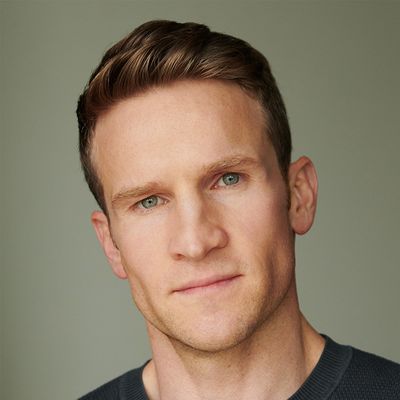
Broadway star Claybourne Elder (Company, The Gilded Age) sits down with Robert Peterpaul at BroadwayCon 2022 for the first ever LIVE TAPING of The Art of Kindness podcast! Claybourne Elder is an actor, singer and writer who was born and raised in Utah... Read More
From the show: The Art of Kindness: Pop Culture & Positivity with Robert Peterpaul
Guests
Featured Shows


About
Broadway star Claybourne Elder (Company, The Gilded Age) sits down with Robert Peterpaul at BroadwayCon 2022 for the first ever LIVE TAPING of The Art of Kindness podcast!
Claybourne Elder is an actor, singer and writer who was born and raised in Utah. He made his Broadway debut in 2011 with the musical Bonnie & Clyde. The following year, he earned some well-deserved acclaim in the play One Arm, receiving a Drama Desk Award nomination. Clay went on to appear in Sunday in the Park with George opposite Jake Gyllenhaal, Torch Song and most recently Stephen Sondheim’s revival of Company. Though he’s most known today as one of Broadway’s brightest stars, Clay also has a notable onscreen presence, making memorable appearances in series like The Carrie Diaries and more recently, HBO Max’s hit show The Gilded Age.
Got kindness tips or stories? Please email us:
artofkindnesspodcast@gmail.com
Follow Clay
Follow us
Transcript
This transcript was automatically generated and might contain errors.
[0:06] Robert Peterpaul: Hello, beautiful people. Welcome to The Art of Kindness, where we have compassionate conversations with artists from all areas of the entertainment industry who are using their voice to spread joy and make this big spinning planet in the sky a better place to be.
[0:21] Robert Peterpaul: I'm Robert Peterpaul, and I'm so glad you're here.
[0:38] Robert Peterpaul: Hello. Hi. Hi everybody, are you excited to be here?
[0:44] Audience: Yes!
[0:45] Robert Peterpaul: We're at BroadwayCon! This is our people! We're gonna have so much fun today, and I thank you so much for joining us. This is the Art of Kindness Podcast Live. It's never been live before, so we're gonna see what happens. I mean it's always live when we record it, but whatever. Anyway, if you don't know, the Art of Kindness Podcast is a podcast from the lovely Broadway Podcast Network, which aims to spotlight people working in the entertainment industry who are using their platforms to make the world a better place and to give back.
[1:13] Robert Peterpaul: And uh we have a lot of fun, and it's actually last week was our one year anniversary. So or this week, I don't know. I don't know how to tell time after the pandemic, but we are one years old. Oh, we're a baby. So the AOK is a really positive space, and I kind of want to replicate that here today. So relax if you want to take a deep breath inside your mask. We're gonna have a really really chill time, and I'm so grateful to be here with you all.
[1:41] Robert Peterpaul: So now that we're warmed up a little bit, I actually have to say that I really need you today, so I would love to hear your reactions, you know. You know, I mean, don't just like scream in the middle of the panel. If you do that, that's cool. I probably will probably do that. You could shout, I love Rob, and that would be cool too. No, just kidding, whatever. But yeah, this is a live recording, so you know, don't be afraid to clap or anything like that.
[2:00] Audience: I love Rob.
[2:04] Robert Peterpaul: I just passed out. Also, at the end of our discussion, if time allows and the you know the moment moves you, we might open it up to an audience Q&A. So put your thinking caps on, think of some cues. I should mention, we have an awesome guest joining us who, you know, you're probably actually here to see the guest, and I don't blame you, because that's why I'm here. He is a sparkling human being. He is an actor, a singer, a writer. You have seen him grace the stage on Broadway with shows like Bonnie and Clyde, Sunday in the Park with George, and of course, you can currently catch him stealing the show in Company, which you still have a chance to go see through July 31st, I believe. Run, don't walk. It's such an amazing show.
[2:47] Robert Peterpaul: He has also brightened up your screens on TV shows like The Carrie Diaries, FBI, and most recently in HBO Max's hit show, The Gilded Age. Anybody watch The Gilded Age? Such a good show, right? It's basically kind of like a Broadway red carpet, I feel like. You know, you got Kelly O'Hara, Christine Baranski, Donna Murphy. I mean, the list goes on. And of course, today's guest also. I should say, I should probably stop blabbering on about him. What I admire most about our guest, though, besides all his wonderful credits, is the fact that he's just such a kind human being. And we're gonna get into that. So please, without further ado, welcome Broadway's king of kindness, Claybourne Elder!
[3:25] Audience: Woo! Woo!
[3:30] Robert Peterpaul: Hey, Clay!
[3:31] Claybourne Elder: Hi!
[3:32] Robert Peterpaul: Hi!
[3:33] Claybourne Elder: I'm great.
[3:34] Robert Peterpaul: We're getting nice and cozy. How are ya?
[3:36] Claybourne Elder: I'm very well. How are you?
[3:37] Robert Peterpaul: I'm good. Ooh, this is professional. Thank you. Congratulations on everything you do. And thank you for the very nice introduction.
[3:46] Claybourne Elder: It was very nice.
[3:47] Robert Peterpaul: Oh, I'm glad. I did start to black out a little bit, so I hope I made sense.
[3:50] Claybourne Elder: It was perfect.
[3:51] Robert Peterpaul: Okay, good. So Clay has been on our podcast before. He was such an amazing guest. It's one of the most downloaded episodes.
[3:58] Claybourne Elder: What?
[3:59] Robert Peterpaul: And he has some really cool things to share about kindness specifically in the theater, so we're definitely gonna get into that. But the first question I always like to ask people on my podcast, no matter what, even though I've asked you before, is just to kind of unlock the door of today's conversation. I would love to know what does kindness mean to you.
[4:17] Claybourne Elder: You have asked me this question before. You know, I uh we work in an industry that is very relationship-based and very vulnerable. And I think that the um the best things that can happen in the theater are the most vulnerable things. And so I think a big part of kindness is, and I I said this to you before, I believe. Um being open to others and being open to the kindness of others, letting people be kind to you, um, is probably one of the most vulnerable things you can do, is actually like accept someone's help. Um, and I think that it's something that you know, we oftentimes in trying to make ourselves feel comfortable, put up a wall so that we can feel safe. And I feel like um when that wall comes down, we are more open to opportunity uh in an artistic space.
[5:15] Robert Peterpaul: That's so beautiful. Yeah, we can clap that out.
[5:18] Audience: (Applause)
[5:20] Robert Peterpaul: I do think in some ways too, our society in a lot of ways has kind of trained us all to not accept that love. You know, I was just out to dinner, someone else tried to pay, and you do that dance of you're not paying, you're not paying. And it's like just accepting that love is actually kindness to the other person, like you're saying.
[5:34] Claybourne Elder: Yeah.
[5:35] Robert Peterpaul: So I I think that's a beautiful point to bring up.
[5:37] Claybourne Elder: Thanks. I also am not surprised that it probably comes from your parents who I hear are incredibly kind.
[5:43] Claybourne Elder: They are lovely people.
[5:44] Robert Peterpaul: They are. They're very good people. Hi, mom. Mom, you're great.
[5:50] Claybourne Elder: They are. They're very, very kind people.
[5:52] Robert Peterpaul: Yeah, and I know we talked about them a little bit last time, but you know, growing up in Utah, I feel like you felt very supported by them. You weren't always necessarily a musical theater nerd, but you were a big theater nerd.
[6:02] Claybourne Elder: Yes.
[6:03] Robert Peterpaul: And so I would just love to know when was the moment you kind of realized that you wanted to be in musicals.
[6:07] Claybourne Elder: Well, I am the I'm the youngest of eight kids, and I know. And um, none of them are theater people. Uh there are in fact all of them are social scientists. All of them, I have I have three siblings who are therapists. So two- and I have their number dropped. Seriously, every time I ever brought a boyfriend home, it involved a lot of prep work about their mental health and what they should say. No, but I feel like I sort of chose a different side of that, which is another side of human behavior study. And um I when I was probably I was about 15, my mom was a teacher at my school. Awesome. And um I was basically really cool, is what I'm saying. And um I I uh would have to hang out and wait for her after school to finish everything before we went home.
And I was sitting in like the school office, and I wanted to, we had just done Oliver in seventh grade, and I was the Artful Dodger and I loved it. And I had heard that there were like community theaters that you could perform at. So I got the phone book out. I’m aging myself. I mean, I looked it up on the internet, which totally existed. And um it was so there, like really real. And I uh I looked up all the community theaters in the area and just started calling the phone numbers and saying, like, hey, can I can I audition? And my mom, luckily, was really open to anything that interested me. You know, she was very like very supportive of things that I wanted to do. And so she started driving me around to m to auditions.
And um, and that was sort of when I fell in love with it. And then I basically was kind of in a play for the next five years, like straight, you know, just doing community theater shows, or I also worked backstage at the theaters and did tech and did everything. So um, so yes, I was a huge theater nerd.
[8:11] Robert Peterpaul: And don't you think that's important to kind of see everybody else's job and get that bigger picture of the people working backstage? Like, do you feel like that's kind of informed your career even now?
[8:20] Claybourne Elder: Oh, definitely. I think that I think everyone in their professional career should be an understudy at some point, just so you know how hard it is. Not just not just understudies, but just the whole crew and how hard everyone works and the passion they put into it. I think I was very lucky in that because I I started working at a community theater where they, you know, we were just a small group of people doing it, uh all of us, that I was like conducting the orchestra at one point, and I like during the show. Yeah, no, on my off nights. Um it was like a double cast, and I would conduct the orchestra on the other night, and then and then like did the lights and the sound and learned you know what it was like to be on both sides of it.
I was never like I wasn't the star of my high school, I wasn't like the star of my college, even. Uh I just worked harder than everyone else, maybe, and really I was a big nerd. I studied my degree is in dramaturgy, so I just loved to read. And um, and so I think that like having all of that um all of those experiences has made me a much more open person at my theater now, you know.
[9:31] Robert Peterpaul: Yeah, like knowing everyone's name and knowing their life and knowing that you know they're not just there to support you, they're we're all working together. It's a collaborative process, and um, so I think that was very important.
[9:43] Claybourne Elder: Yeah, it does take effort sometimes to be kind and like really put that first. So I love that you're doing that. You mentioned, you know, getting your degree afterwards you moved to New York City, you made the big leap.
[9:53] Claybourne Elder: I did.
[9:53] Robert Peterpaul: And then, you know, because it's all about kindness today. I want to get into when you first moved there, you went to see Spelling Bee at the Circle in the Square Theater.
[10:01] Claybourne Elder: Yes, it was actually before I moved to New York.
[10:03] Robert Peterpaul: Oh, okay.
[10:04] Claybourne Elder: Yeah, I rewind rewind. I came to New York on a visit while I was in college, and I had no money, and I was just going to see every show I possibly could, like standing room or rush tickets, and I bought a standing room ticket to Putnam County Spelling Bee. And you know, it was in the it was in Circle and the Square, so the audience was on both sides of the theater, and I was in the standing room, and somebody, I was leaving the theater and looked not like a New Yorker, because I was like that shiny kid from Utah who was like, huh, Oh wow. And um, and a man walked up to me with his friend and said, You look like you're from out of town. And I said, You have yes, I am. And he was like, you know, I was sitting on the other side of the theater watching you watch the show, and you looked like you were enjoying it way more than the people in the expensive seats.
Here's 200. Buy yourself a ticket to Sweeney Todd tomorrow, it'll change your life. And I was a kid from Utah, so I was like, What? What do you want? I have two kidneys, but I would like them both. I'm still using them. Um, but he really, you know, he just gave it to me. And um, I took I I took a picture with him because it was the only thing that I could think of to do on like a camera with film. Again, I'm old. He bought it on Amazon, yeah, on the internet. Um, and so I took this picture with him. I I went, you know, I could have spent 200 on a lot of things at that point in my life, but I went and bought tickets to Sweeney Todd, went and watched Patti LuPone play the tuba. And um, and it it did, it changed my life.
Um, you know, I was a weird theater-y kid. I in Utah we only had musicals like Seven Brides for Seven Brothers, which is also very good, but you know, like we there wasn't a lot of exposure to experimental new ideas, different theater, weird things. And I was a weird kid, and I went and saw this show, and I was like, oh, this is weird and dark, and it's what I want to do, and it's here in New York. And I hadn't really decided what I was gonna do when I got my dramaturgy degree because it's a great degree to have if you want a job. And um so I came to New York. I I decided to move to New York, and I said, I'm gonna give it one year and audition and see what happens. And I worked all sorts of terrible jobs in the interim while I was auditioning every day, three or four times a day.
[12:32] Claybourne Elder: And I went to an open chorus call for Steven Sondheim's Last New Musical Road Show at the public theater. And I was, you know, like number 158, and went in and sang my 16 bars and walked out, and they called me back, and they called me back, and they called me back, and I was like, this is all very sweet, but I'm never gonna get this job. Because it was like to play the role that Gavin Creel had played in Chicago. And finally, at one of my callbacks, Stephen Sondheim was in the room, and I was like, oh, you're serious. Oh my god. Uh and and I got cast in that show, which was directed by John Doyle, who directed the Sweeney Todd revival. Uh I started across from Michael Cerberus, who was Sweetie Todd in that revival.
And at that time, I tried to find the man. I had that picture of him, and I tried to find him, and you know, like Playbill did an article about it, and and the picture kind of got out there, but nothing happened, and we never found him and went on with my life and cut to this year. Um just give you the whole story.
[13:33] Claybourne Elder: No, I appreciate the whole story. Thank you for retelling it. No, no. I this year I, um, I'm in Company on Broadway, and you know, we'd been through the shutdown together, we'd been through the pandemic, everything.
[13:45] Claybourne Elder: We finally opened the show in December, and in the middle of December, I got COVID. And so I was kind of the first principal out of the show, and I was so depressed about it. Um just having waited so long to finally get to do it on Broadway and having just opened and to be out of the show, I was just very sad. I was thrilled for my understudy, who was incredible, but also I was I just wanted to be there. And um I was going back into the show after my being away for 10 days, and I said to my husband, you know, I'm gonna just post on Instagram that I'm gonna buy somebody two tickets to the show and give them away on Instagram. And he was like, that's weird, but okay. And uh and I posted the photo of the guy who had given me the tickets, and I said, here's the thing, and two amazing things happened.
Um, one people started reaching out to me and asking if they could give me money to buy more tickets. And so they were sending me money and sending me money just over Venmo, and uh, and I talked to my accountant and made sure that it was fine, this was happening, and I got over $20,000 in donations. And now 1,400 people have seen the show for free. Not for free, actually, paid for by a stranger. And um, and it's been an incredibly moving thing to be a part of, and I'll talk a little more about that. But the other incredible thing is Douglas Sills, who I work on the Gilded Age with, um, who also introduced me to Sealy Keenan Bulger, who was in that production of Spelling Bee that I saw that one time, uh saw the post and called me and said, I know that guy.
I've known him for 20 years. Do you want to talk to him? And I was like, And kind of just like getting cast in Roadshow and having Steven Sondheim in the room, I never thought I would find that person. It was I thought it was over, you know, I thought I would never find that person. It could have been anybody. And um, so I said yes, and later that night we got on a three-way FaceTime, and I got to say to him, you know, Doug didn't say why we were getting on FaceTime, and I got to say to him, hey, hey, 15 years ago I was standing outside a theater and you gave me $200. And he immediately started crying and knew who I was, and we both cried for a long time. And um and now he's coming to see the show this weekend.
Woo! And um I bought him tickets. And uh it seemed like the thing to do. And um, and that's sort of the whole story. And you know, the the ticket giveaway, which I just I kind of never intended it to grow like that. And there's a big, you know, who am I to decide who gets who deserves a ticket to the show? And it and the answer is I'm not, you know. Uh, and so it was it's all trust based. And I I have a little Google form that people fill out, and if they want to come see the show, they have to promise me they've never seen it, they have to promise me uh that they feel like they could not afford to come, whatever that means to them, and that's it. And if you say yes to those things, I'll give you a ticket to the show.
And um, and we've also partnered with some organizations like Covenant House, who supports homeless youth, and um some other projects getting people in the theater who don't always feel welcome in the space. Um, welcome on Broadway, and it's been such a gift to me in my life to meet those people, and every time a group of people comes to the show, I meet them afterwards and take a picture with them, sort of in the spirit of me taking a photo with that guy. And I have all the pictures on my wall of my dressing room of all those people that came to see the show, and you know, to me, it has been such a again. When I talk about people accepting kindness, I don't think it's always easy to say, hey, I I don't know that I can afford this, but I would really like to come. You know, that's hard. And um, and so I feel I feel so thankful to those people that I see every day, kind of lifting me up, you know, um, as we do the show.
[18:00] Robert Peterpaul: Well, we feel so thankful for you. I mean, give it up for that! That's really such an amazing, like 360 act of kindness that I don't think anybody could have even dreamt of. And I thank you for doing that and doing your part to make the industry a lot kinder, because I think if everybody was doing that, if every show had that, you know, we would live in a much brighter entertainment industry. I also have heard you you mentioned you take a picture with all these people, you've kind of formed like a little kindness community.
[18:30] Claybourne Elder: I did, yeah. Because I have the email addresses of all those people. There was a random act of kindness day was um a couple of months ago. And you know, again, I don't ask anything of these people, but I wrote them all an email on that day and just said, hey, or uh the week before, just said, hey, this day is coming up, and it's a very important day to me because I believe in random act of kindness a lot. And if you feel like doing something, whether that's holding the door open for somebody or buying somebody a cup of coffee and line behind you or something, uh, I would encourage you to do that and post about it on social media and just kind of share that kind of message and love. And I got so many people doing so many amazing things, everything from like cleaning up a public garden space to like buying groceries for an elderly neighbor to really simple things like opening the door for somebody, which I really appreciate, all of those things, and um, that was really beautiful and moving on that day, and we plan to do it again.
[19:32] Robert Peterpaul: I love that. I have a feeling that when we leave this room, everyone's gonna try and hold the door open for each other, which is and then we'll never leave, and we can just have a party. I think that's so that's so incredible. You know, of course, with company closing, which again, everybody go see it if you have not already. Do you have any plans or thoughts about how to continue this kind of kindness train through the other shows you do?
[19:53] Claybourne Elder: Yeah, you know, we I um my husband kind of came on board to help when it got really crazy and started being into the hundreds of people, and he has a lot of experience in nonprofits, he ran nonprofits for 25 years, so that was also very helpful. And you know, we are we have lots of plans of what to do with it, but we also didn't want we wanted to grow it in a really organic way, and also what immediately started happening is you know, like people wanted companies wanted to jump on board, and theater companies wanted to kind of take it over and all of these things, which is great, and they should totally do it on their own, but uh like it just it it felt um it felt false to like let have somebody else come on board and take it over.
Um, because it's not like it's something only I can do, you know. It's I I've been encouraging companies and all like lots of other actors and lots of other shows to do something similar, and lots of have, which is really beautiful, but um you know, we were talking about what it felt like to just grow it really organically and in a small way because it's I'm having like one-on-one conversations with every single person who's come to see the show, and that's a big part of it to me is that it's not just like I'm gonna give this corporation 50 tickets to the show so they can have some people come. Because that's not there's definitely room for that, but who I want to help is like me when I was 25 and had just moved to New York City and was like working three jobs, but trying to be an actor, and how you know, like going to see shows is study for us.
That's what we and um so we've been yes, so we have a couple of corporate sponsors now who are starting, and once company closes, we will be announcing some things, and um yeah, I'm really excited. I'm excited about it growing and um and the things that it might be.
[21:43] Robert Peterpaul: That's really exciting. It's all so beautiful. I feel like we could even have a world going forward where you buy your tickets online and then there's an option to buy it for somebody else, and then people apply, and then you have to actually sit with that person so you get to know them. I think there's a lot of opportunities in there.
[21:58] Claybourne Elder: Fully, yeah, yeah, I agree.
[21:59] Robert Peterpaul: Yeah, you're like, that's that's my plan, don't out my plan.
[22:02] Claybourne Elder: No, no, no, no. Well, okay, speaking of company, who who here has seen company? Has anybody gotten a chance?
[22:07] Audience: Oh, yeah!
[22:08] Robert Peterpaul: Okay, most people have seen it. Yes, I mean I'm gonna keep clapping because I just got to see it two days ago. Yeah, you know, I was really getting close to this time where I was like, I gotta see that, I gotta see it. And I was just blown away. I mean, I told you before when we were back there that every single aspect really brings its A game, but I feel like the other character that you guys deal with in the show is this massive set that you become a part of, and it's such an ensemble piece that you really have to all work together. And so I would love to know for you, who I think has done a lot of ensemble-based shows. Do you feel like there's a difference when you're working on shows that require support from everyone in these large scenes when you're on stage? Like when you're all kind of lifting each other up. Does that extend backstage? Do you see a difference?
[22:51] Claybourne Elder: Yes, definitely. And you know, I in this show, if you've seen company, there's a scene. I won't ruin things, not that this ruins anything, but there are several parts where we're like playing the ensemble of the show in a show that doesn't traditionally have an ensemble. Particularly one scene towards the end of the show where Patty Lepone is talking, and if you see the show, and we are in the background pulsating, that's all I'll say. And we've the and we've jokingly so many times said like how many Tony nominations are back here standing and pulsating to the music in the background, which I think is a like really incredible thing that we have this group of like people who are game, you know, like Chris Fitzgerald, who has three Tony nominations, is in the background, like for like 15 minutes.
It's a lot, you know, and um and doesn't complain about it at all. You know, we all of the beautiful things about company, and it's something that Steve talked about a lot before he died, just that it's such a beautiful show because everybody gets their moment, you know, like everybody gets to have their thing, and so it makes for a very happy group of people backstage because we all feel very useful and very uh necessary to the show, and like we really offer something, and and so it having, you know, I mean, another thing like Patty Lepone, who is just like out there doing ensemble work, is a like it's wild. You know, I kept looking for her. I'm like, oh, that's Patty Lepone's little head in the back. She's carrying a chair.
[24:21] Audience: Yeah.
[24:23] Claybourne Elder: She's like moving tables and carrying chairs, and she doesn't complain about it at all. And um, I think partially it's uh an environment created by a director, you know, and our director Marianne Elliott is such an open and collaborative and such an incredible thought leader. We all trust her really inherently, and she is she's so good at leading actors to water and making us all feel very smart, which I think is is really helpful in a room to not you know to not command but to help. So I think that for that reason we all were like, yeah, whatever you want us to do. Yeah, I'll push a giant letter around. That was for a long time. I want like it's one of my dreams now to sit in that giant sea and just be there.
[25:09] Robert Peterpaul: We pushed around.
[25:09] Claybourne Elder: Yeah, by Patty Laporte. Oh, I might buy one. Maybe they're going on tour. I don't know. Um, I love that you brought up how the director makes you feel smart because your character Andy is a genius.
[25:23] Robert Peterpaul: Such a genius.
[25:24] Claybourne Elder: The IQ is off the charts. I just feel like, you know, for lack of a better word, he's a little dim witted. The whole, you know, joke of the show, every time he's on stage, if you guys have seen it, is that he's just like he's trying really hard, but he's just kind of dumb.
[25:37] Robert Peterpaul: Um She does say it, and so it makes you feel better.
[25:42] Claybourne Elder: And he's like, I'm not interested. And I'm like, you actually are, I could watch you all day. Um, but I feel like as an actor, you can't really approach your character thinking this character's dumb, I'm gonna play dumb. So I would love to know how you kind of approached fleshing Andy out with kindness and empathy.
[25:58] Claybourne Elder: Yeah. So I initially auditioned to play Jamie in the show.
[26:02] Robert Peterpaul: Oh, okay.
[26:03] Claybourne Elder: And it was back when they were first auditioning people for the show. Basically, everyone was going in for either Bobby or Jamie. They were just seeing Bobbies and Jamies. And it was in gosh, I don't even know, it was over three years ago. And I remember sitting in the waiting room with a very fancy group of people. And um, I'm was like, I will never get this job. And um, and in part that's those are my favorite auditions of the auditions that I'm never gonna get because I have so much fun in them that sometimes I get the job. And so I went in and auditioned, and I ended up in the room for like 45 minutes talking with them, and they talked to me about Andy and asked me to come in again, but it was like six months later, and they'd given me the the big butterfly monologue that he he does, and um and I took that home the day I went in as Jamie and started thinking about it.
Um the director said to me after I got cast, no one can understudy you. What you're doing is so weird. And she even said, like when we started rehearsals, she was like, there was a point where I kind of wanted to cut this because it make it just made no sense to me. And so I took it home and I was like, well, how does it make sense? If it's not just a not just a joke about a person who's a little dim witted, like what does it mean to him?
[27:33] Claybourne Elder: And I also almost always approach a character, especially in comedies, with their pain, because we all have some sort of pain, we all have something that we hate about ourselves, or something that has hurt us in the past, or something. So I try to find that thing about people, and it was very easy in this to like find the thing, and I was like, oh my gosh, that woman who really really like hurt him and made it sort of all about that.
[27:58] Audience: All about the butterfly.
[27:59] Claybourne Elder: Uh-huh. And I went in, and when I auditioned for it, I went in and did that monologue. And I just remember them laughing and laughing, and I remember thinking, this isn't funny. Because I had made it very real for myself, and then you know I got cast in working it, you know, nobody thinks they're dumb. I also say that it takes a very smart person to play dumb because it takes a lot of processing, and I think you know, Katrina who plays Bobby was so on board with the exploration process.
[28:42] Claybourne Elder: When we rehearsed the show in 2019, we did something very different than what we're doing today. And we came in, you know, we'd had all of us, we had two years to think about the material when we came back in, and instead of just putting up the show again in two weeks and started running, we had a full six-week rehearsal process again, even though it was almost the exact same cast. And so we were all allowed to kind of re-explore all of the material, and also just fall on our faces a lot.
[29:39] Claybourne Elder: And I think that walking the line, you know, like I think it would be very easy just to be like, I'm gonna be weird and crazy and dumb. And that's my life. That's here I go, you know, like I'm gonna do whatever I want. But finding like finding something real to motivate every single thing, and I get very particular about writing out the story of the person I'm playing, and I gave that to Marianne, our director, and she held me to it.
[29:39] Claybourne Elder: She would always be like, you know, like, especially when we got an audience and you get laughter involved, and your performance starts to change because you start like wanting the audience to react to things, and for all of us, she was very much like say what you mean, mean what you say, and get the words out quickly, and I think that that really made it real. I think that that helped make it and everybody's, you know, even the wildest performances in the show I think are very reality based. I think that there's something behind them that is not just like I'm funny.
[30:14] Audience: Yeah.
[30:15] Claybourne Elder: So yeah that was sort of about how I built it out. Yeah everything's very grounded in the show. And if it wasn't I feel like it could be on the verge of being like a cartoon or like the balloons that are actually in the background it would just kind of float up and you're like oh that's kind of funny. But I feel like a lot of actors play the opposite too. It's like everyone sees your character as dumb but it's almost like you see that person as so intelligent that they can't express, I don't know.
[30:36] Audience: Yeah.
[30:37] Claybourne Elder: So I think that's awesome and we speaking of the balloons I one story that's funny. Nikki Renee Daniels who is the understudy for Bobby who is she went on when Katrina had COVID and she was she's so remarkable and so prepared and so ready and she's slightly shorter than Katrina by a lot and the balloons are on a string and she was trying to get the balloons set in the room and they she let them go and they went up to the ceiling and she couldn't get the string and so she just like she was like jumping up and down to try to grab them and just sort of was like I'm gonna go on with the play.
[31:15] Claybourne Elder: And um they so they floated up at the top of the box. Patty LePone didn't come out with a step stool no you would think she's very helpful. You know that's alright Patty.
[31:25] Claybourne Elder: Well I think you know there have been a lot of things some bigger mishaps that have happened during the show I mean it's been kind of a roller coaster for most Broadway shows right now with the shutdown and people getting sick. So I would love to know for you in these moments where things kinda go wrong, have there been any stories about like acts of kindness you could share from this show in particular and people kind of lifting each other up?
[31:45] Claybourne Elder: You know, we like all shows that have run in the past year, have had a lot of more than ever. You know, I mean, I I've understudied before and never gone on the entire run of the show. All of our covers have gone on, I think for every track they cover.
[32:02] Audience: Wow.
[32:03] Claybourne Elder: Um some, you know, for like 10-day stretches. And so I think that one of the amazing things that we saw happen in our show, and I think most shows were like that this year, just this incredible overwhelming support for the understudies as they go on to do this terrifying thing, which is step on stage to do something for the first time.
[32:29] Claybourne Elder: And um, watching how everybody not just supported them, but like encouraged them to make the part their own and encourage them, like, you know, oftentimes actors get very set in their ways and want things to stay exactly the same, you know. And I think as the understudies in our show came on, there was a lot of encouragement, both from the artistic team and from the other actors to like do what they want to do a little bit, you know, within the parameters of the show, but there was a lot of trust there that was like, I know that we all want to do this really well, so let's all see how we do this together and how it's different when you know, when it's a new person in the show.
[33:10] Claybourne Elder: Um I think that's been the most beautiful act of kindness that I've seen because there's a you know, there's a history of in the theater in general, of not being very kind to understudies, you know, and I think that that's something that has needed to change for a long time and has been slowly changing, but I think that in this year where understudies kept the industry open, I think that people have really learned a lot how to support them and how to treat them like members of the company.
[33:39] Claybourne Elder: Because they are they're understudies I think.
[33:41] Audience: Yeah yes yeah I'm glad you shared that because they really they have been getting more attention recently but they really deserve it because they're just as valuable.
[33:49] Claybourne Elder: And sometimes more talented it's that's the thing is it's not like there's no one person that's the best. We work in a business that is there's somebody else who's better at playing Andy than I am for sure. I don't know who but somebody and that that's always going to be the case you know being an actor is the cross section of talent and luck and I know a lot of really talented people that have just not walked into the right room at the right time.
[34:14] Claybourne Elder: And so there's no you know I mean Ariana DeBose like it's you know it's you don't know what a person has inside them.
[34:22] Audience: Yeah.
[34:23] Claybourne Elder: Um and that's not a reason to be nice or not nice to them.
[34:26] Audience: No.
[34:27] Claybourne Elder: If they're talented or not yeah we're all varying degrees of talented and we're all working hard and that's you know that's what should matter.
[34:35] Audience: Yeah.
[34:36] Claybourne Elder: And then of course there's Patty Lapone.
[34:39] Audience: Sorry we keep mentioning but I heard you guys might have heard this too she changed one of her dressing rooms into a bar for all of you.
[34:45] Claybourne Elder: La Coulette Rouge is what it's called La Coulette Rouge. It means the red panties oh there's a big neon sign and like and red panties everywhere it's it's so awesome though it which is a reference from the show yeah but um she is actually, I mean, to be honest, last night she took me out for my birthday, and it was which well, thank you.
[35:09] Claybourne Elder: She actually she and I have the same birthday. And um on our birthday this year, she was sick, and so she was like, we have to go out for our birthday. So we went out last night. She is um so remarkably generous and kind, and you know, she is she is sort of the cornerstone of our company.
[35:28] Claybourne Elder: Like she keeps us together. And yeah, this bar, she set up, she has it's common for like the stars of shows to have two dressing rooms, especially in these old theaters where they're very, very small. One is kind of a reception area, Katrina has a reception area too, you know, like it's normal.
[35:43] Claybourne Elder: Um sometimes when I say she has two dressing rooms, people are like well. Um but it is kind of normal. But so she set up, she just decided that this one dressing room, because we couldn't all go out together because of COVID, but we had all been tested and we're you know backstage together, to set up this bar for us, and she stocks it with whatever we want and food, and there's a popcorn maker, and she's very excited about and um and like we all go back there and hang out.
[36:11] Claybourne Elder: Like, if you want to spend time with the cast, that's where you go. Um, and for a long time we were doing like every Thursday night, we would be there until all hours drinking together, and she just wanted to be the host, you know, she would just kind of sit and pour drinks for people, and she just wanted people to gather.
[36:28] Claybourne Elder: She just wants a company to be there.
[36:31] Audience: Oh, company.
[36:33] Claybourne Elder: I guess I know where we're all going tonight, right? Friday night.
[36:37] Audience: That's so that's that's amazing.
[36:39] Claybourne Elder: And you know, she's such a legend, too. So to hear that she's very generous and down to earth is is awesome.
[36:43] Audience: Yeah, of course, you're working with a lot of legends these days.
[36:46] Claybourne Elder: I gotta ask you about the Gilded Age. I know we have some fans here today. I think you guys right?
[36:53] Audience: Such a good show.
[36:54] Claybourne Elder: Sideburns are on their way back in.
[36:56] Audience: Yes, I think you guys are starting to film.
[36:59] Claybourne Elder: Yeah, we started filming in May, actually. Um but they've been very kind to me and that they've pushed back we shoot out of order, we don't shoot by episode, which most TV shows do.
[37:09] Claybourne Elder: So I am I really start filming in August after the show closes, which is really nice of them.
[37:14] Audience: Yeah, that's awesome that they were able to make that work.
[37:16] Claybourne Elder: Yeah.
[37:16] Claybourne Elder: I know when we were talking earlier, you said there was a really wonderful story about an act of kindness that Christine Baranski did for you.
[37:25] Claybourne Elder: Which a lot of people don't have stories like that, so play, I wanna hear it. It was on my it was such a small thing, but it was on my my first day on set of the Gilded Age. I was shooting a scene with her and with Cynthia Nixon and with Louise Louisa, who plays um the kind of lead of the show, and the guy who plays my um uh uh counterpart, and I had had COVID and they had had to shut down the production the week before because of me, because I had COVID, and I was like, oh my gosh, they're gonna fire me.
[37:57] Claybourne Elder: Um they didn't. And um, and so I was very nervous. I hadn't even been around people because it it was in the middle of the pandemic, it was before vaccines came out, and um we were all very nervous, but all really wanted to get this thing to happen. And so we were there and we would wear our masks the entire time, except when you're shooting.
[38:19] Claybourne Elder: And so the first time you would see anyone's face was when you were shooting a take. And the director of the Gilded Age has a very particular way of working, and he because he's working with a lot of theater actors, he knows that we're prepared and we rehearse ourselves in advance. So we only do two takes of any scene. Maybe three.
[38:37] Claybourne Elder: And so you have to you need to be on and ready, you know. And so we're rehearsing in this beautiful set in these gorgeous costumes and hair and makeup and all this stuff, rehearsing with our masks on, and we did the first take.
[38:52] Claybourne Elder: We all take our masks off. And this they started rolling, and I was like, Christine Baranski and Cynthia Nixon. What's happening? And I was like very flustered and very because they had their masks on, I was kind of like, I don't know, you're a person. And uh got very, very flustered, and I kept forgetting this one line, and it was her cue to go on.
[39:18] Claybourne Elder: And I mean, we do the scene several times because they have to set up camera angles, but you only get like a couple of takes. And um, this was my take, and um, and I kept forgetting the line, and there would just be this silence, and I'd be sitting there like, what's supposed to happen? Something's supposed to happen right now, and I don't know what it is, and it was me, I was supposed to happen.
[39:39] Claybourne Elder: And Cynthia, I mean Christine just like very kindly looked at me and was like, and I was like, but have you met them? Like it was and it was just this very she was just very gentle with me. She could tell that I was like nervous and that this was a lot for me, and they had been shooting for a while all together, and this was, you know, she it was just it was a very sweet thing to do rather than get angry that I was sort of messing up her cue and her joke, that she um like very gently pushed me along, and then and then me and her and Cynthia Nixon all had pizza together and talked about parenting, and it was like it was a surreal day.
[40:20] Audience: Oh, what kind of pizza?
[40:21] Claybourne Elder: Pepperoni.
[40:23] Audience: Okay, um, parenting. What kind of parenting are you talking about?
[40:26] Claybourne Elder: It was great. They were very wow.
[40:30] Claybourne Elder: I feel like when you get to a certain point, these kind of like legendary icons have to know that when they're working with people, they're gonna be a little starstruck sometimes, or at least have that moment of I watched you for years on my TV and now I'm with you. So I'm sure they kind of know how to handle that, you know.
[40:44] Claybourne Elder: Yeah, but I mean, but some I've also worked with people who do not handle it that way.
[40:48] Audience: Oh.
[40:49] Claybourne Elder: Who are like, please don't talk to me, and uh the first time I will ever say anything to you is our lines, and then I don't want to talk to you. I've definitely worked with those people before.
[40:58] Claybourne Elder: And that's why I want to have these conversations because it's yeah, let's put the mic a little closer. No, but it's it's sort of like how do you that's part of kindness too, I think. How do you approach these difficult moments where you have to have a hard conversation with somebody, but in a kind of a graceful way?
[41:13] Claybourne Elder: Yeah. I feel like that's a tough thing to navigate. It is, and you know what we do on stage, again, it's a very vulnerable thing, and problems happen. And uh last night, I kicked Krettina Lang in the head. Oh quite hard. Um we were going at the end of our scene, the lights come down, and we both have to rush off the stage really quickly. I help her zip up her costume, and then we both like run in opposite directions because they have to change the set over. And so the lights go out, and she always steps aside, and then I get out of the bed very quickly and zip her up. And she decided last night, which she'd never done before, to like go get her shoes. So she bent over to pick up her shoes, and I swung my legs to get out of the bed.
Oh, and she's company. Uh huh. And then she punched me in the face. No. She was super nice about it. She was so so sweet about it. She's like, it was totally my fault. I'm never there, don't worry about it at all. And um, you know, things like that happen a lot in shows, and you have to be very gentle with your castmates because you never know, you know, what they're going through. Also, it's true, and it's true in life, I think. Ittai Benson threw up on me during like our second week of uh maybe was it during previews? I can't remember when it was. Oh, could you forget? He walked off stage during the opening number, and there are these black curtains that kind of separate the backstage from the stage.
And I was standing off stage waiting to make my entrance, and somebody was just pawing at the black curtain from the stage side, and I was like, that's awesome. And so I was like help, and I opened up the I found the like break in the curtain, and I opened it up, and Ittai bent over and threw up on the and he was like, I'm so sorry, I'm so sorry. And then he threw up again. And um and uh you know, and it was like so, which is to say, bad things happen all the time backstage to great people, and you have to be gentle with each other because you never know who's gonna throw up on you and or who you're gonna throw up on, and you want them to feel okay about it.
[43:22] Robert Peterpaul: Yes, yeah. Wow, I didn't that that took a turn, and I'm glad it was a great turn. Yeah, that's being nice.
[43:28] Claybourne Elder: Yeah. Well, I wanna I I want to make sure we don't run out of time here. I very quickly have a little flash round, and then I'm gonna see if anybody out here has a question.
[43:36] Robert Peterpaul: Okay. So I thought we could do a game. It's called How to Succeed in Kindness Without Really Trying.
[43:41] Claybourne Elder: Alright.
[43:41] Robert Peterpaul: It's not really kind. I don't know why it's called it.
[43:43] Claybourne Elder: It's great. That's a great name.
[43:44] Robert Peterpaul: Okay, thank you. Good job. I thought a lot long time about it. So basically, I'm gonna name a position in the theater.
[43:49] Claybourne Elder: Okay.
[43:50] Robert Peterpaul: And we we can just move quickly. Okay, if you can, whatever comes into your mind first.
[43:54] Claybourne Elder: Okay.
[43:55] Robert Peterpaul: About a way to be kind to people.
[43:56] Claybourne Elder: Okay.
[43:57] Robert Peterpaul: So, you know, this isn't in the theater, but for instance, if I said uh a male person, you would say, Oh, greet them with coffee at the door.
[44:05] Claybourne Elder: Yeah, or leave them a Christmas card.
[44:06] Robert Peterpaul: Oh, okay, let's go there.
[44:08] Claybourne Elder: Yeah.
[44:08] Robert Peterpaul: So, okay, so I'm gonna name a position and we're gonna do it. Does that make sense?
[44:12] Claybourne Elder: Yes, okay.
[44:13] Robert Peterpaul: I don't even know if it makes sense.
[44:14] Claybourne Elder: Okay.
[44:14] Robert Peterpaul: So, how can we be kinder to the box office and house people?
[44:19] Claybourne Elder: Uh those are two very different jobs. So I will say to the box office people, um, always be like try to have your requests in in advance and be know that they are trying to do their best to help you out. Um to the house people, I would say spend time with them. Um, don't you're like the ushers are so amazing and the house staff are so incredible and they do a lot to keep your show running. Um so get to know them, like spend time with them between shows. You can go like sit out. They're all sitting in the house, like waiting for the next show, and you can go hang out with them. Um I've met some great people that way. They're um because all you know, they're all like the deepest theater fans are those people.
[45:06] Robert Peterpaul: So they always have something fun to talk about.
[45:08] Claybourne Elder: I love that, and they're so thrilled to be there.
[45:09] Robert Peterpaul: Yeah.
[45:10] Claybourne Elder: What about stage managers?
[45:12] Claybourne Elder: Just hate them. No, um, stage managers are the best stage management, you know, they deal with so much, especially during COVID, it has been insane. And I would just say that like know that they have your best interests at heart, and that they are sort of they are the they're not your boss, but they are the person that needs to keep you on task. And so being um being gentle with them about you know, like simple things like trying to be on time, not complaining about extra rehearsals that are called, not complaining, maybe not complaining with the case.
[45:47] Robert Peterpaul: I love that.
[45:47] Claybourne Elder: That's kind of a good philosophy. Everyone complains at the stage manager a lot.
[45:51] Robert Peterpaul: Oh yeah, I'm sure they feel a lot of that.
[45:52] Claybourne Elder: Yeah.
[45:53] Robert Peterpaul: What about the crew members?
[45:55] Claybourne Elder: Know all of their names immediately. My first day of rehearsal, I always ask for a face page of just pictures of everybody backstage and their name and what they do so that I can put it up in my dressing room and learn everyone's name right away.
[46:09] Robert Peterpaul: Yeah.
[46:09] Claybourne Elder: Because though they sometimes literally have your life in their hands. In fact, one of our one of our stage crew has miss is missing a finger because he pushed Denzel Washington out of the way of a moving set piece. So literally can save your life. And um, and they are, you know, like they are what keeps the show running. They are they can help you in so many ways, and that is not a reason to be kind to them, but being kind to them will uh, you know, like they are on also stage crew has a kind of reputation of being a little gruff, and they're not. They're just big fuzzy teddy bears, but they do, you know, back to back shows. They do this all the time. They deal with new actors all the time who are too excited, and um and I think that like knowing their names and just knowing a little about their lives is really yeah, a good thing.
[47:01] Robert Peterpaul: I love that, and I think by just doing that you're leading by example, and then hopefully one day everybody just knows everybody's names and is kind to everyone, no matter what.
[47:09] Claybourne Elder: Yeah.
[47:09] Robert Peterpaul: I have more, but I think for time's sake, we're gonna bop along because I want to respect everyone's time here, and I know there's a lot of exciting things to go to, but this is the best. Um does anyone know what you're doing?
[47:17] Claybourne Elder: There's literally buttons coming.
[47:21] Robert Peterpaul: She's alright. Killer Kevin's following us.
[47:22] Claybourne Elder: I know.
[47:23] Robert Peterpaul: Yeah.
[47:24] Claybourne Elder: Always ask her to follow me.
[47:25] Robert Peterpaul: So listen on the street, on Instagram, at rot Peter Paul. Does anyone in the audience have a question for our lovely guest, you know, about his career or kindness or anything like that?
[47:35] Audience: Hi, I saw your hand first. How are you?
[47:37] Claybourne Elder: I love your shirt.
[47:38] Audience: Oh, thank you. So uh so a few years ago, I actually saw you in Passion. Uh and you talked about like going deep into Andes. Um so in Passion, you you played opposite Natasha Diaz, an actress who always leaves her characters with incredible interiority. Um I would and that's a sh that's a that's a show that confuses a lot of people. A lot of people don't care for it. I love it. My boyfriend at the time had had to sit for like 10 minutes, couldn't get up because he was like, Oh my gosh. So uh I was just curious if you discovered anything more interesting about that character or if having a similarly in-depth, serious uh scene partner helped you with that.
[48:24] Claybourne Elder: You know, that was. I was just saying his question was about uh sorry, just for the podcast's sake. Uh future listeners, people at the future. His question was about passions and Clay's journey with his character in that show. You know, that is another situation in which our director, um Matthew Gardner, was really key in making sure that those that those people who had been played a lot of times were played in a way that felt authentic to us. And included in that was, you know, I mean, oftentimes in regional theaters, uh they'll they'll sort of just like ask people to play roles, you know. That just sort of happens a lot. And Matthew and I had worked together before, and he'd worked with Natasha a lot, and he worked with Stephanie, who uh played Clara a lot as well.
They went to college together. And he wanted the three of us before he cast us to be in a room together. And so we figured out a way to get to DC all of us so that we could be in a room together to talk a little about it, because that show is so cerebral, and um there's a lot of darkness to it, you know. Um, that he wanted to make sure we were all really on the same page about it, and we spent a lot of time talking. And uh I think that's also a luxury that is not often in the regional theater. We just there's just not a lot of time. Time is money, and it is very expensive to have time. I'm sure lots of people would love to have time, but there's just not that's not always possible. And we spent a full week at a table talking, and um, so that we could understand how everybody uh how everyone felt.
And I think that all three of us who were sort of the key people in those conversations had a lot to say. I think that that hearing everybody's perspective on that show, which is a lot about um conflicting feelings, uh, hearing all of the feelings from everybody's side was very helpful in in constructing the piece itself. Um, and in giving us a giving us uh a parameter in which we've continued through the run of the show as the show changed and grew and everything. Um so yeah, I think that really Matthew was the key in that, truly.
[50:44] Robert Peterpaul: So eloquent. That was a great question. Thank you.
[50:46] Claybourne Elder: Honeymoon in Vegas, the musical, which I love.
[50:51] Claybourne Elder: And Bryn O'Malley is one of my favorite people, and she was in it in an She and she oh I played across from her in Sunday in the Park with George that Matthew Gardner directed before she did that.
[51:00] Robert Peterpaul: Right before she did that.
[51:01] Claybourne Elder: Yeah. Connections. I love it. Thank you so much for your question.
[51:04] Audience: Hi.
[51:05] Claybourne Elder: Hi.
[51:05] Audience: Um I think we have time.
[51:07] Claybourne Elder: Sorry, I'll just say for one more.
[51:08] Audience: I didn't know there was a clock here the whole time.
[51:10] Claybourne Elder: No, I appreciate you.
[51:11] Robert Peterpaul: Thanks for being here. I'm a um infant hobber teacher, caregiver.
[51:16] Audience: So your content with your son is amazing. By the way, um, a week after you posted about the zombie, how afraid he was, I had a three-year-old who said, are werewolf's real.
[51:30] Claybourne Elder: They are not real.
[51:33] Audience: And they're not my house.
[51:34] Claybourne Elder: I'm like, oh my god.
[51:36] Audience: It's exactly the same weird again.
[51:39] Claybourne Elder: It was so funny. I played it over and over again.
[51:41] Audience: Well, uh, what do you do with uh your son since he is young and helping him do acts of kindness?
[51:47] Claybourne Elder: It's a great question. You know, that's a great, I actually have an easy answer to that. For one, I mean one thing. Um we started doing this thing during the pandemic called special breakfast, where he and I go out to breakfast once a month, and I have him pick another table in the restaurant, and we buy that person's brother people, those people's meal before we leave. We like tell the waitress, please don't tell them till we leave. Um, but will you just like give us their bills so we can pay for it? And when we started doing it, in fact, it started because I was in a I was in in a grocery store parking lot, and there was a man there asking for money, and I gave him some money, and he asked me why I gave him money, and I said, you know, because he needed it, and he said, but we'll get it back, and I was like, no, we won't get it back.
And then he sat there. Actually, I caught it on camera, and he sat there and he thought for a second, and he was like, I'd like to give that man some money. And I was like, okay. So we started doing this special breakfast thing that we still do every um every month. And I think that it's you, you know. I talk about that man who gave me that money 15 years ago. And it was a really brave thing to do. Because it takes a lot to talk to a stranger at all for some people, and for me. And um to say to do something really weird, like, I'm gonna give you $200 out of nowhere, you're a total stranger, I don't know anything about you. It actually takes a lot of bravery to do that. And I think all of us have the experience of like being on a train and walk having a person walk by you and ask for money, and you sit there and you think, like, should I do it?
Uh should I do it? Should I take a dollar out? Because it takes a lot, it actually is a really it takes a lot of bravery. The first time I asked for a waitress to like give me the I was so I was sweating, I was nervous, I was like, I know this is really weird. I but could you please just not tell them and when you know? And I think that teaching him from an early age that it's not weird, and that it's that um that taking those moments to be brave and help to normalize that feeling a little bit for him as is something that I feel like I can give him. It's certainly something my parents did for me.
[53:58] Robert Peterpaul: Yeah, that was a great question, and I feel like you've inspired me, and you've probably inspired most people here to do at least one act of kindness today. So I hope you guys take that with you. I thank you and you and you, and all of you for being here. If you want, you could subscribe to our podcast on the Broadway Podcast Network. You can follow us at Art of Kindness Podcast on Instagram, you can follow Clay at Claybourne Elder, which you probably already do. Clay, you are a true light in this world and this industry, and I'm so glad that we have somebody like you that we can all look up to in the theater.
[54:27] Claybourne Elder: Thank you so much for being you.
[54:32] Robert Peterpaul: And uh as you all go and enjoy the rest of BroadwayCon, remember that everything is gonna be a-okay.
[54:39] Audience: Yes!
[54:40] Robert Peterpaul: Thank you!
[54:41] Audience: Thank you, guys.
© Broadway Podcast Network, All Rights Reserved