

In this episode of THE BLACK BUSINESS OF BROADWAY, Lindsay Roberts Greene shares how she successfully navigates performing in “The Phantom of the Opera” on Broadway while also being an international arts administrator and educator, working as the Deputy Executive Director of Arts Ignite... Read More
From the show: The Black Business of Broadway
Featured Shows
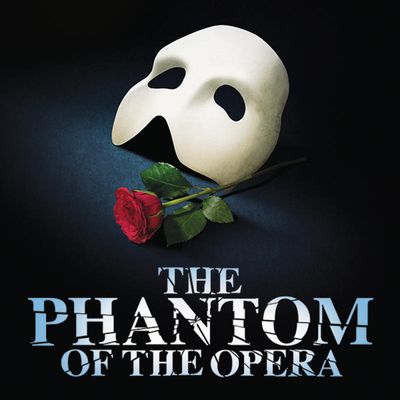
About
In this episode of THE BLACK BUSINESS OF BROADWAY, Lindsay Roberts Greene shares how she successfully navigates performing in “The Phantom of the Opera” on Broadway while also being an international arts administrator and educator, working as the Deputy Executive Director of Arts Ignite.
Transcript
This transcript was automatically generated and might contain errors.
[0:00] Lindsay Roberts Greene: I like that the arts for me can be very intersectional and um and kind of go into these other spaces like public health, social services, um business, and and using those creative strategies in other sectors is really exciting for me.
[0:20] Gennean Scott: Welcome to the BLACK BUSINESS of Broadway, a podcast brought to you by the Broadway League and Black to Broadway. Here we highlight the stories, how-tos, and successes of the black professionals and legends of Broadway.
[0:34] Gennean Scott: I am your host, Gennean Scott. Today's guest is New York City-based performing arts professional, stage actress, educator, and arts management consultant, Lindsay Roberts Greene. Lindsay's over 15-year career fusing performance, arts education, and her managerial experience as deputy executive director for programs and operations at Arts Ignite culminate in the launch of Lindsay Roberts Consulting LLC, which she founded in 2019 and serves as an arts equity consultant. She currently can be seen in The Phantom of the Opera on Broadway and next up in the revival of Oliver at New York City Center.
[1:27] Gennean Scott: Lindsay.
[1:37] Lindsay Roberts Greene: Yay!
[1:38] Gennean Scott: Yay!
[1:39] Lindsay Roberts Greene: What's up?
[1:40] Gennean Scott: Yay! Well, first let me say congratulations.
[1:44] Gennean Scott: I'm so excited. I haven't had a chance to say it to you like face to face, but I'm so excited for you.
[1:51] Gennean Scott: And uh July 26th. That should be your due date.
[1:54] Lindsay Roberts Greene: Oh my gosh.
[1:57] Gennean Scott: Okay.
[1:58] Lindsay Roberts Greene: Also, also what you didn't just read is I'm five months pregnant.
[2:02] Lindsay Roberts Greene: Holding all those jobs is just too much. And my kid is like, mom, chill out, you know. But yes, so that's also probably the most exciting thing going on. And I feel like I have a little baby on Broadway right now.
[2:15] Gennean Scott: You do have a baby on Broadway.
[2:17] Lindsay Roberts Greene: I'm so excited. I've been saying to folks, I'm gonna be like, Don't ever tell me you can't. Don't ever tell me you can't. Like I feel bad. I feel bad for him already.
[2:27] Gennean Scott: No, no, no, no, no, no, no, no, no.
[2:30] Lindsay Roberts Greene: Well, let's be real, it's in his DNA. Mom and dad, no choice.
[2:35] Gennean Scott: It's true, it's true. So, um, on stage, I just go by Lindsay Roberts, my maiden name, and um and all other aspects of my artistic career I go by Lindsay Roberts Greene, my married name. My husband is Tamar Greene. He's currently playing George Washington in Hamilton. So it is a bit of a Broadway baby situation right now.
[2:56] Gennean Scott: Let's go ahead and let's jump in. I want to talk about uh you have been passionate about the arts, my notes say since you were five years old, and your dad introduced you to Audra McDonald.
[3:11] Lindsay Roberts Greene: Come on, really. Isn't that wild? And so my dad has a career, he's retired now, but he's in sales, and he sold um construction materials for Owens Corning, international sales manager. And so one day he gave me an album of Audra's, and he was the one who really introduced me to Audra McDonald. I wasn't five at the time when I learned about Audra. I was a little bit older, um, maybe fifth grade or so.
[3:38] Gennean Scott: Okay.
[3:39] Lindsay Roberts Greene: And so then he ended up taking me uh to a concert. I grew up in Philadelphia, and we went to an Audra concert and I don't know how, but we ended up backstage. I ended up meeting her. I met her music director and like it's just so interesting to me. When he gave me the album I had I I had not a lot of like uh exposure or information about musical theater or who she was and so I I didn't learn about her from like I don't know choir or other theater kids or anything like that. It was my father just gave me the album. I have no idea how it even came to him.
[4:15] Gennean Scott: That's a ma you know what though however it is we're just happy that it happened because we are glad that you are here on Broadway. Not just on stage but you do a lot of work behind the scenes helping to make this industry more equitable and more accessible. So can you talk about how you navigate the two? You know you have you know you were on tour, guest, and you are currently in The Phantom of the Opera but you also have this whole other career of arts administration. Can you can you talk about how you found yourself there and how you got there?
[5:00] Lindsay Roberts Greene: Sure. Yeah and um it's so funny because I didn't even know what arts administration was and I didn't know um I didn't know what DDI was. I I didn't know any of these things and I think that's because it wasn't presented. When you think about careers in the arts you think i on stage or or maybe in the orchestra or you you don't even think about backstage careers. I don't think that's like so forward-facing um when you first get introduced to the field. But when I was growing up, I I wanted to be a singer and a performer, but I also always had like a passion for business, and I didn't know how those two intersected. And for education. So when when I went to school, I was actually music education and vocal performance.
I studied opera because literally because Audra studied opera and I was like, Great. And then I studied chorus, uh, like music general, um, music education, and spent a little bit of time working in the public school systems in DC uh in Montgomery County, Maryland, right outside of DC. Um and I wasn't exactly sure how the two could fit because I hadn't seen it. Um, but it's interesting because you frame it as like a whole other career. Now today I see my career as very intersectional in the arts, but still one career, and I I liken it to being like a painter who has a lot of different colors that they can paint a masterpiece with, you know, and thinking about this is my life, this is my career.
And so I pull from that color of arts administration, I pull from that color of arts education, I pull from our performance and try to find, you know, the way to blend it all together into some beautiful career picture. How does that happen? Well, sometimes one thing is more priority over the other, um, and and finding that balance and being okay with the ebb and flow. But yeah, it it how did I come into it? Uh, once I started uh touring after school, after I graduated, I was always finding myself like at these presenting houses being like, but can I meet your education director? Or like, can I have a sit-down with this person? Because I was just curious. Um, and I think through that I kind of learned about arts administration and all those folks who never get in the line mic ever, but who are literally like the decision makers, the money keepers, the book balances, all of those folks.
Um, and so that's what made me go back to get my master's in arts administration with a focus in arts education. And then I was like, I think there's a way this all comes together. I think, you know. Um, and so when I was um still performing and touring and uh whatever, I got the opportunity to sing with Kristen Chenowith.
[7:46] Gennean Scott: Did you tell that story?
[7:47] Lindsay Roberts Greene: No, I don't know that I did not. Okay, in 2010, I went back to DC um with some friends from school, and we went to a Kristen Chenowith concert, and she was doing this thing where she like pulled someone from the audience and you got to sing for good with her. Oh and I love that song, let's just be clear. Right. And so I got chosen and I go up and I sing for good with her. It was amazing. I totally freaked out, and it was like this awesome moment, you know. Then I get a call randomly from who I now know to be Mary Mitchell Campbell, who was her music director. Uh-huh. Um, and at the concert, Mary Mitchell had a moment where she got to talk about how she is a Broadway music director and she's touring with Kristen, but she also had an arts education organization that she founded.
Mary Mitchell was the first example that I saw of someone doing it all and like finding that balance. Right. And um was really inspirational to me. And so she and I connected. She asked me to like sing some benefits. I kind of looked at the organization ASEP at the time. I stayed like peripherally engaged in what they were doing, and then finally got engaged with them as a teaching artist and eventually a consultant. And now ASEP has been rebranded to Arts Ignite, which is where I'm currently serving as of last week. Uh deputy executive director was formerly director of program. So it's all it has all come together, these artistic experiences.
[9:27] Lindsay Roberts Greene: Well, it was due a little bit earlier this afternoon, though. I will finish as soon as we get off of this call. You know what I mean? And I like that the arts for me can be very intersectional and um and kind of go into these other spaces like public health, social services, um, business, and and using those creative strategies in other sectors is really exciting for me.
[9:51] Gennean Scott: Can you talk about the work that you're doing? Um I know you're doing work like in the states, but you're also doing some work internationally. Can you can you talk a little bit about both the work that you're doing internationally and the work that you're doing, you know, within this within the states?
[10:06] Lindsay Roberts Greene: Sure. So in my current role, I supervise a team of about five employees, but also about 55 teaching artists, and we work internationally doing arts education. And the mission of the organization of Arts Ignite is to develop agency in young people through the arts, but specifically young people who have been impacted by systemic issues and their effects, including houselessness, incarceration, gun violence, HIV and AIDS, poverty, the caste system, um, newcomers, um, immigration status, emerging multilingual learners, English language learners, and so the work has brought me and has brought my team internationally. Currently I manage programs that happen in Johannesburg, South Africa, in India, um, and also I've led my own initiatives just like independently, um, and through my own consulting work in Ghana and and all of it is like theater related or music and visual arts related. Um and it's just it's gotta be rewarding.
[11:10] Lindsay Roberts Greene: But it's amazing. It's amazing. Sometimes it's more rewarding than taking a final bow on Broadway if I'm really being honest. Yeah. Um because there's something about impacting all of those experiences from this stage and taking those um into the work within the classroom. I'm I'm working on a project right now that's gonna happen in May in Uganda at a refugee camp and we're gonna be working with educators in the refugee camps in Uganda doing arts integrated strategies about how they can bring creativity into their work to help young people achieve their learning goals so it's just been like a wildly fascinating kind of career and I just love it. I really do.
[11:53] Gennean Scott: I mean well here's the thing it's two things one is when you say when you say Broadway and you think arts you really people people don't necessarily think globally and we forget about the global impact that that arts has and how really art is a unifier, you know, and so kudos seriously.
[12:24] Lindsay Roberts Greene: I mean, it's you know it's amazing. You know what's kind of interesting though too, Gennean, is like when you're outside of this country, the times that I've had to think through, hmm, how do you teach Broadway and what that means to young people in the lowest caste system in India who are living at like a residential school because of their low caste um situation? They don't know what Broadway is. Right. And does it matter? And and does it matter? Right why does it matter? And so I think that's something that I oftentimes think about is what are the transferable things for my career on Broadway and the skills and and all just all the work that we do on Broadway. What does that look like outside of the commercial theater world and why does it matter outside of the commercial theater world?
Because what I'm really intentional about is not just going and saying Broadway is great and it's this because of this, you know what I mean? Like all of that was socialized to believe. Right. And like, why would a kid in India care? Right. Why are why are the students in the refugee camp in Uganda gonna care? You know, and so making the curricular connection for it to be culturally competent and relevant to those students and their live situation is something that I think is learning for them, but also always a really great learning for my team and for our teaching artists who oftentimes are having careers concurrently on Broadway as well. So I think it's like a kind of a awesome exchange for everybody.
[13:57] Gennean Scott: What so you say, you know, well, why would that matter or how does that impact them? What have you found? Like what are what are the stories that you come out with from those students and you know, dealing being in the lowest caste, you know system how does that translate what does that look like?
[14:06] Lindsay Roberts Greene: That's a great question. I think what I'm always curious about is transferable skills so I think it's about creative capacity I think it's about exposing them to different art forms artistic careers ideas learning strategies I think it's about creating sense of empathy building uh building teamwork I think that it's about looking at the social emotional learning opportunities for these students because you know engaging in a theatrical piece or an artistic piece already requires so much empathy.
[14:49] Lindsay Roberts Greene: Yes, so how can that be brought into their lived experiences and then also like really practical skills interviewing folks, meeting new people, presenting a new idea with clarity, standing up in front of a group and sharing or showing your ideas, your creativity. I think it's the transferable skills, right, that I focus on the most as opposed to like the final product.
[15:16] Gennean Scott: Right.
[15:16] Lindsay Roberts Greene: Well, and it also brings a sense of confidence in who they are, and it helps them to find their voice. I think we need you to go to DC the next time arts is, you know, is on the shopping block to talk about that because I feel like people think of the arts as just entertainment. What you've laid out just now is a case for why it is important to be in every school across the globe. Unfortunately, I feel like people just see it as just, oh, it's just entertainment, but it's so much more. I think what we need more now than ever, given where we're at right now, thinking about what just happened with "Parade," is empathy. We need to get back to the humanity, and I think art is a great equalizer. It's exactly what you said: when performing, you have to be able to empathize, and you have to find the human in that character or in that piece. If you're a dancer, you have to find the humanity in that.
[16:31] Gennean Scott: Can you talk a little bit about your inaugural partnership with the Waterloo School District?
[16:42] Lindsay Roberts Greene: Yeah, I can.
[16:43] Lindsay Roberts Greene: Okay, so this is like a wild cold call email that I received, looking for artist educators who could support newcomer students. We have a similar program that we run in New York City, and newcomers are youth who could be anyone in any range, but for our purposes, youth who have been in the country two years or less. In our program in New York, we work with the International Rescue Committee and we do arts education for a summer camp with about a hundred and twenty young people who are newcomers coming from 24 different countries and speaking just as many different languages, who have immigration stories: immigration green card holders, asylumes, refugees, unaccompanied minors. What was really interesting was last year the program reflected what was happening in the world, and I saw more Russian and Ukrainian students than we'd ever had enrolled before.
These were young students who were together, creating dances together and creating artwork together. Inspired by that work and some other programs that work specifically with those student populations, we started a partnership with the Waterloo Community School District in Iowa for their English language learners, their emerging multilingual learners, and their newcomer identified students. It was a summer camp that looked at arts integrated strategies, which is educational talk for using creative strategies to help young people learn both about the art form but also whatever the class is: math, English, whatever. We were working with both the educators but did an arts camp with the students, and now we're doing residencies throughout the school year, and we'll do another summer camp for about three weeks this upcoming summer. So that's how that partnership came together.
[18:38] Lindsay Roberts Greene: I have so many emails that just come from all around the world. That's literally what happened with the program in Uganda. It was a random email from a teacher at a refugee camp in Uganda.
[18:51] Gennean Scott: Wow.
[18:52] Lindsay Roberts Greene: And that's how these things sometimes get started, just them having the courageous, you know, the crazy place to just send a cold email out and say, I see your mission, it feels aligned with what my community needs. Is there something that we can do? I'm always eager to be like, yes, for sure.
[19:10] Gennean Scott: Well, and then you also mentor. You serve as a mentor at NYU TIS Drama Women's Mentorship Program.
[19:18] Lindsay Roberts Greene: I mean, so look, you are constantly giving and giving and giving of yourself as we're trying to do more. We feel like we have to hide the more that we're trying to do because if they see that, whoever, you know, the proverbial they is, but if they see that, then they'll think I'm no longer engaged in this. So how do you navigate that? I mean, you're like, I was hiding my notes, I'm hiding my homework, and then I'm here, and it's like, okay, but I'm still on Broadway, you can't do both. I mean, how have you—because I'm gonna say this—you are successfully navigating those two worlds because people look at you like, oh my gosh, she's this amazing performer. And if you haven't heard her sing, I advise you to go Google her. I just saw your latest YouTube, I was like, oh my gosh, really? Oh my goodness.
[20:16] Gennean Scott: Oh, what is an okay? But no, I mean, so you're getting—you are respected in both worlds, and no one is saying, oh, well, she's a Broadway actress, but she does this on the side, or oh, she's an arts administrator, arts educator, and she does this on the side. You are respected and you hold value for what you do in both worlds, and that's really hard. And so I'm just wondering how you—if which is secret.
[20:54] Lindsay Roberts Greene: Thank you. It's not a secret, I'm happy to share it. I went from hiding everything to actually being very transparent about everything that I do. Both when I was interviewing for my current role and then also when I was auditioning, I remember, oh God, it was like one of the best artistic experiences of my life. I got to play Cindy Lou in the revival of "Carmen Jones" at Classic Stage Company, and I was auditioning for John Doyle in a callback. I was upstate New York doing a residency and a music residency with some students, and I had to take a train and try to make the audition. I came in, and I think John just said, like, what were you doing today? You know, and I told him, I was like, well, a few hours ago I was in Schenectady working at the school systems doing a music education program.
He was like, huh? I ended up telling him, like, I do this, but I also perform, and it was one of the first times that I just stepped out and said, this is who I am, this is what I do. At the end of my audition, because we talked about that for a while, like to the point that I was like, do you want me to hear me sing? But at the end, he was like, yeah, keep doing what you're doing, you know. I thought to myself, oh, I didn't get that. Like I just came and sang, and he was like, yeah, arts education, that's it, you know. I was back at another school residency a few days later and got the phone call. I was in the school gym and found out that I booked a role, and I remember running around the gym with street, you know what I mean?
I think what I've done is I've just been very transparent. Everyone at "Phantom" knows what I do. My director knew at the time when he hired me, my executive director knows that I, you know, Wednesdays I have matinees and I do my show, you know.
[22:47] Gennean Scott: Right.
[22:47] Lindsay Roberts Greene: There's something to leverage there also because all the experiences again feed into each other. I don't know. I think it's just like a liberatory practice of saying, this is who I am. I think that it's good for people to hear that though because there are probably other people who are doing exactly what you're talking about, hiding it, or feeling like, oh, I'm not gonna get that job if they know about this. In reality, you had people who supported it or who have been and who are supporting it and recognizing the value that you bring to both. I thank you for sharing that because there are probably listeners out there who have an equal passion and don't know how to navigate both worlds, and you're just saying just be brave and just do it.
Call me because I like to hire artists who are in both worlds, and I set up my programming to support them to be able to have careers that are concurrently, you know, in performance and also in the classroom. I think it's like a perfect example of a full artistic career. Even in my hiring practices, I really try to support artists. So if that's you, hit me up.
[24:03] Gennean Scott: Well, and we will have your handles and everything so now they can get in contact with you. That'll be posted along with this podcast interview. Seriously though, it is hard. It is hard because even when we first met, I was just like, oh my gosh, like I know you, like I knew you. I was like, oh yeah, I know you because you know, the teacher, the educator, the equity crusader, and all the just constant going. It was just like so many other, you know, so many of us, especially people who come from a marginalized group, we give, give, give, give, give because we want to ensure that our legacy, that our children's children—and we're not talking legacy like we want our names in lights or anything like that, although sometimes that's nice, you know, come on, given the industry, it's like, yeah, that'd be nice every once in a blue moon—but that's not what's driving us.
It's about leaving a legacy so that our children's children's children don't have to suffer the same things, the same marginalizations, the same unconscious biases, the same inequities, you know, that we have to deal with. But it is hard for us to pause until, you know, until it's like, all right, you know, okay, I have to do this.
[24:24] Gennean Scott: So looking forward, we always ask our guests to give one piece of advice that they'd like to share with the future Black leaders of Broadway.
[24:24] Lindsay Roberts Greene: That's a great question, and I had something that I was thinking about, but I'm wondering if I would change it.
[25:59] Gennean Scott: Give both. You can give both.
[25:59] Lindsay Roberts Greene: Okay, my first thought was to be intersectional and not feel like you have to do just one thing, and be honest with yourself about what success is for you, and then pursue that. That was something I had to learn and unlearn, you know what I mean? Because I got my master's degree while I was doing shows, and I remember I used to hide my homework in the background or like on a 10, be doing assignments and things because I didn't want people to think, oh, you're leaving the business. I felt like I couldn't just bring my full self to any space. Similarly, in the admin, in the Arts Admin world, where I worked with a lot of folks who felt like you can perform and be in the office, you know. So that's one thing that I would say is like use all of your gifts exactly want to use.
But then this is—and this is the other thing I was thinking—but then also don't feel like you have to save the world because I do think that when you are like a marginalized identity within an industry and really thinking about that legacy, also knowing that you do not have to do it all. You know, and I think that's something I continue to think about, and I see like my husband and I were talking about it because he's amazing, and that man is like a vocal technician, but he'll not have a vocal phone and be so tired and run down and won't call out. I'm like, why are you navigating? Why are you pushing yourself so hard? He's just like, I'm thinking about generational wealth, I'm thinking about, you know what I mean?
It's so immediate, you know, he can feel it, and that idea of legacy, but also just like knowing you don't have to do it all. I think that's something I continue to learn, and it's probably the proper addendum to my first thought.
[28:08] Gennean Scott: I'm so happy. I'm so—one, I'm happy about baby. I'm so happy for you and all your continued success and the many new beginnings that you have going on, and I'm so, so proud of you. I really am.
[28:24] Lindsay Roberts Greene: Thank you.
[28:24] Gennean Scott: Yeah, thank you. I talk about you all the time. I'm proud of you. I'm kind of like supporting you all the time, so thank you for the work that you are doing as well, sis.
[28:24] Lindsay Roberts Greene: No problem, no problem. I want to thank our guest and you, our listeners. You could have been doing anything else, but you chose to spend your time with me, and I am grateful. Be sure to subscribe at BPN.fm/bvb so you'll never miss an episode. While you're at it, tell a friend. I'm your host, Gennean Scott, and we at the Broadway League hope you enjoyed this episode of The Black Business of Broadway.
© Broadway Podcast Network, All Rights Reserved