

Actor Finn Wittrock shares his experiences with the dark side, auditioning, the ups and downs of film production and funding, finding an outlet in writing, and advice from his artistic mentors... Read More
From the show: The Compass
Featured Shows
About
Actor Finn Wittrock shares his experiences with the dark side, auditioning, the ups and downs of film production and funding, finding an outlet in writing, and advice from his artistic mentors.
Transcript
This transcript was automatically generated and might contain errors.
[0:00] Leah Walsh: Hi, and welcome to The Compass, the podcast documenting the struggles of life as an artist.
[0:05] Leah Walsh: I'm Leah Walsh. My guest today is actor and writer Finn Wittrock.
[0:10] Leah Walsh: Finn is an actor who I've admired for a long time. He was in the class ahead of me at Juilliard.
[0:17] Leah Walsh: And we did some outreach work there together. Actually, with both of our future spouses, my husband Frankie and his now wife, Sarah, who is in the dance division at Juilliard.
[0:29] Leah Walsh: We all did an outreach trip to New Orleans years ago. Finn has done a really wide variety of acting work in his career, and I was excited to get his perspective for the podcast.
[0:42] Leah Walsh: I hope you enjoy the 129th episode of The Compass.
[1:02] Finn Wittrock: Right.
[1:03] Finn Wittrock: Oh wow. Um, well writing for me has always been a thing that has kept me able to feel creative in times when acting is not giving me the love that I wanted to be.
[1:19] Finn Wittrock: When, you know, because as an actor, there are so many people that have to say yes to you, and there is so much, there's such an infrastructure that has to kind of open up for you to be able to do your art.
[1:33] Finn Wittrock: And writing and writing plays, writing poems, writing screenplays has been a thing that I've been able to kind of maintain some kind of my own creativity without having to rely on other people, you know.
[1:50] Finn Wittrock: Yeah. Although to make a movie happen, to make a play happen, you still need to have other people come around, but you can still kind of keep the spark going inside yourself.
[2:02] Leah Walsh: Yeah, the initial action you can do on your own.
[2:05] Finn Wittrock: Yes, exactly. And it's also been, you know, it's been important to like have a home that feels safe and good and something that also helps feed your creativity, you know, like going out to the new crazy restaurant or going to see great films with someone that you love.
[2:30] Finn Wittrock: I mean, that's a really, it is an important thing, you know, and I think I, without a kind of long-term relationship, I might feel very isolated and alone, and so that's a thing that's always kind of kept me stable, you know.
[2:51] Leah Walsh: Yeah, for sure.
[2:52] Finn Wittrock: And now you have Zeke.
[2:52] Leah Walsh: So now I have Zeke.
[2:56] Finn Wittrock: You're all set.
[2:58] Finn Wittrock: Zeke, it's really true. I mean, having a dog really does it. It's good, first of all, because it makes you think about something outside yourself.
[3:04] Leah Walsh: Yeah.
[3:04] Finn Wittrock: And also they just always love you. It doesn't matter what you do or what kind of bastard you've been all day.
[3:11] Finn Wittrock: I mean, they'll always greet you with the same enthusiasm.
[3:17] Finn Wittrock: It changes your life, really.
[3:18] Leah Walsh: It really does.
[3:19] Finn Wittrock: Now, like we, like the other night we were at some fancy awards show thing, and I dropped him off at my mom's house because we were gonna be away for so long, and we came home and it was so quiet in the house.
[3:33] Finn Wittrock: It's just the two of us here. What are we gonna do? There's no one barking or running around. It's so lonely.
[3:39] Leah Walsh: Yeah.
[3:40] Finn Wittrock: No, it really is. They really do add an incredible life to your house.
[3:46] Finn Wittrock: Yeah, and to have something that no matter what, like they don't care about whatever existential path you're going down, or they need to be fed, they need to be walked.
[3:55] Leah Walsh: Yeah.
[3:56] Finn Wittrock: And that's good. And you know, and that's the thing I think at first people are like, oh god, can I deal with that? Can I handle the walking and the petting? But that becomes the joy, you know?
[4:09] Finn Wittrock: I gotta go home.
[4:10] Finn Wittrock: The petting is definitely one step too far.
[4:14] Leah Walsh: Very different.
[4:16] Leah Walsh: So what sort of writing is really intriguing you these days?
[4:20] Finn Wittrock: What form does that take that you find really therapeutic?
[4:24] Finn Wittrock: Well, therapeutic and productive are two different things.
[4:31] Finn Wittrock: I, uh, yeah, I have been writing screenplays. I have, um, there's a movie I wrote with a friend called The Submarine Kid, which we filmed a few years ago.
[4:35] Finn Wittrock: That's right, with Dylan, right?
[4:45] Finn Wittrock: Yeah, yeah.
[4:46] Finn Wittrock: And a lot of friends. We kind of pulled all the friendships we could to help us out.
[4:51] Leah Walsh: Mm-hmm.
[4:51] Finn Wittrock: And I had this horror movie that I've written that is getting a bit of traction, I think.
[4:59] Finn Wittrock: But I wouldn't say that's therapeutic per se. I mean, that's like now becoming a part of the career.
[5:04] Finn Wittrock: And it is fun and exciting, but it's also work, you know.
[5:10] Leah Walsh: Right.
[5:10] Finn Wittrock: To me, like the thing that's always been the writing thing that's been the therapeutic part is poetry.
[5:18] Finn Wittrock: I think that in some other life where people actually made money off of being poets, I could be that very happily and never do anything else.
[5:28] Finn Wittrock: But that's still the kind of, that's something that's kept me, kept some part of my brain alive for since like really since before Juilliard I was like kind of writing pretty actively, and now that I'm writing like more practical things, I do that less, but I try to kind of keep it in practice in some degree.
[5:55] Leah Walsh: So what does the dark side look like for you most often? Like when I say that, what does it mean for you in your artistic life?
[5:55] Finn Wittrock: You know, it changes. I mean, I've been lucky in a lot of ways. I've been able to work pretty consistently, but like when I was first starting out, it was just the complete shock of rejection, which like, you know, I mean coming out of Juilliard, they kind of make it feel like the world is going to open up to you and be a wonderful open door and red carpets and great directors everywhere you go.
[6:44] Finn Wittrock: You know, I felt at least our class, I'm sure it's still the same, you feel like you're on top of the universe when actually you're just beginning to be at the bottom of a large, very large pile that you like crawl up for the rest of your life.
[7:03] Finn Wittrock: I mean that in the best way.
[7:04] Finn Wittrock: Well, it's such a small, you're coming out of such a small pool.
[7:08] Leah Walsh: Yes.
[7:09] Finn Wittrock: Yeah.
[7:10] Finn Wittrock: And you're, but there is a build-up to it, you know, like you're like the end of your fourth year, you're just like, uh oh man, the world's gonna open to me in some huge way.
[7:19] Finn Wittrock: And then when it doesn't, I think it can be a real ego hit.
[7:26] Finn Wittrock: And I think a lot of people, myself included, like really were shocked by it.
[7:31] Finn Wittrock: I was lucky because I took this year off between high school and college, and I actually turned Juilliard down with weird, like with I was some 18-year-old hubrist, and I tried to audition in LA and I got some, a couple like guest stars on ER and stuff, and I, but I also worked at a frozen yogurt place and I did a couple other random day jobs and kind of learned what it was not to work and to be rejected.
[8:05] Finn Wittrock: So when Juilliard happened, I had at least had some kind of, you know, scar tissue there that I could fall back on that prepared me a bit for the real hard rejection of like even like, I remember being like for some thing that now I would never, like some CW thing that I was like, it was like nine, it was like this recurring part on 90210 that I was thinking I was gonna get, and I couldn't pay my rent and I had, I had maybe, I was still working waiting tables and was just like dying for this part.
[8:47] Finn Wittrock: They flew me out to LA for a screen test.
[8:51] Finn Wittrock: And during the blizzard, I remember this.
[8:54] Finn Wittrock: And then they flew me back, and I literally, when I got into the hotel in LA, I didn't have enough money.
[9:02] Finn Wittrock: I didn't have a credit card, first of all.
[9:04] Finn Wittrock: And I didn't have enough money like in my bank account for the hotel to allow me to stay there.
[9:11] Finn Wittrock: Because you know, you need like a $300 credit card.
[9:15] Finn Wittrock: You need like a $300 or like the limit, like checking account number.
[9:20] Leah Walsh: Oh god.
[9:21] Finn Wittrock: Amount.
[9:21] Finn Wittrock: And I didn't even have that.
[9:23] Finn Wittrock: So I had to like, I don't know, my mom, I begged, borrowed and stole to like, I think my mom and my dad came in and they put a credit card down for me, although like my mom didn't have any money in there.
[9:36] Finn Wittrock: Anyway, the point is, I didn't get that job, and I was like just dying about it.
[9:43] Finn Wittrock: And then I worked like six more months kind of just waiting tables and doing the thing.
[9:50] Finn Wittrock: And I know that sounds like silly, it's like whatever.
[9:53] Finn Wittrock: I mean, I complained about that to my, or I talk about that to like friends who were doing it now, and it's like they're like, well, you worked six months waiting tables, like go fuck yourself.
[10:04] Finn Wittrock: But that was the initial darkness was like thinking it was gonna, think things were gonna go a certain way and then just being kind of rejected at every turn.
[10:15] Finn Wittrock: Just the volume of auditions you have to go on to eventually get that one thing.
[10:21] Finn Wittrock: It really, like you said, it's like that shock of rejection.
[10:25] Finn Wittrock: It's the volume.
[10:26] Finn Wittrock: I really think I, and I still audition, and I still think I, I don't get ninety percent of the jobs that I go in for, and that's a good ratio, you know, like I'm doing well.
[10:39] Leah Walsh: Right.
[10:40] Finn Wittrock: And like that's crazy.
[10:43] Finn Wittrock: The structure.
[10:51] Finn Wittrock: Yeah.
[10:54] Finn Wittrock: And yeah, there are, yeah, there's, I mean, God knows how many auditions I went on in my life, and though especially in those early years.
[11:02] Leah Walsh: Yeah.
[11:04] Leah Walsh: So what does it feel like now when you're having one of those periods?
[11:10] Finn Wittrock: Well, I've been in a funny place the last like six months.
[11:14] Finn Wittrock: I've had like this string of kind of really interesting artistic independent films that I was offered the lead of that all one by one fell through, mostly financially, which is a huge thing that's happening just in the business right now.
[11:35] Finn Wittrock: It's like it's really hard to make a movie without either studio backing or like Netflix backing or some kind of big thing. It's hard to make like the medium road films nowadays. And this literally happened to me like four times in a row where it was like two weeks away from shooting, and then I get a call, like, oh, this producer backed out, this financer backed out, oh the lead we had had to do something else, so the movie's pushed back for another two years or something.
[12:11] Leah Walsh: That close to shooting.
[12:13] Finn Wittrock: Yeah, very close to shooting. Wow. It's crazy. And not just I mean, like, I complain about it, but I mean, you know, there's location scouts and ADs that they've hired and the whole pre-production's been like up and working and then it just gets yanked, the rug gets yanked out from under it.
[12:33] Leah Walsh: Right.
[12:34] Finn Wittrock: And it is a thing, it is a hard thing. It is a thing I know everyone's like, it's not your fault, it's not your fault, but there is the more you like work in independent film, the more you realize that everybody has like a dollar sign next to their name. Literally like if you are trying to pitch a movie, you have you try to like pitch the financers to this man this these this is your dream cast, and everybody has a kind of has a dollar sign has a number next to them, and that's like based on their that's their international it's like your international cred.
[13:10] Leah Walsh: Right what you can what they can sell overseas, which is why how they sell everything now is they sell it to China and everywhere else first and America's like the last possible place they sell it.
[13:22] Finn Wittrock: And so they can sell your name overseas, which basically means if you've been in a Marvel movie or something of that caliber, then you can get your thing financed. But otherwise it's really hard and people even for Indies.
[13:36] Leah Walsh: Yes, yeah.
[13:39] Finn Wittrock: Yes, that's because no one because no one's taking any risks anymore because it's uh there's just so much out there, you know.
[13:46] Leah Walsh: Yeah.
[13:46] Finn Wittrock: It's hard to be like, oh, I should have why didn't I fuck it? It's it is my fault because I could have uh been in I could have done something bigger, you know, to get myself to get this movie financed, you know.
[13:57] Leah Walsh: That's so frustrating, especially like how much prep work I'm sure you already did before some of these films that just it's like goes to waste.
[14:08] Finn Wittrock: Yeah. You're like working on something and uh I I I I believe the technical term is blue balls, you know. You're like really ready to go, and you're like creating a character and you're doing the thing you've trained to do, and then it and then it just doesn't happen, and like then the script that you've marked up is kind of just like in the recycling bin. It's it's crazy.
[14:35] Leah Walsh: So have you started finding any way to deal with that frustration after those projects get cancelled?
[14:42] Finn Wittrock: Yeah, it's hard. I mean I try I try not to take it out just on the on the pub next door. Uh go back to some Carolyn Sorota like energy clearing exercise.
[14:54] Leah Walsh: Yes.
[14:55] Finn Wittrock: Some some good Alexander free my neck. Um I'm lucky to have a park, Griffith Park is really close to me. Like I take long long hikes and try to hash out the world by commuting with the hills.
[15:12] Leah Walsh: That's always a good way to start.
[15:14] Finn Wittrock: Yeah. Um little nature, yeah. This this is a question I usually ask people, but it's interesting in your case. Uh how does your family take in your choice to be an artist for your career? 'Cause I know isn't your dad an actor as well, or he used to be.
[15:30] Finn Wittrock: Yeah. My family has been uh always been incredibly supportive of me. I was born and I have a weird kind of funny upbringing. My dad worked at uh this company called Shakespeare and Company, which was in the Berkshires in Massachusetts, and he was an actor, but uh and and also a voice teacher with Kristen Linklater and one of her like first students in America.
[15:56] Leah Walsh: That's amazing.
[15:56] Finn Wittrock: And so I kinda grew up like when when I was young, I would go back every summer to this crazy acting company and um was kind of immersed in it. So it was always part of my life, like Shakespeare and the antics of actors were always kind of around me.
[16:15] Finn Wittrock: Uh until I was like well, it's funny because I would I would go back to Evanston in Chicago, outside Chicago, uh for like a very kind of normal public school upbringing, and then every summer would go to this summer Shakespeare company. So I had to kind I was kind of living um two lives. Uh and the Summer Shakespeare thing was just always a thing that I loved and missed when it was over all year long and couldn't wait to get back there.
[16:45] Finn Wittrock: Um and so my parents have always been very, very supportive. Uh um it's different. I mean, moving into film and television like doesn't there are they are two worlds, like theater and film are still kind of separate entities, you know, so they don't totally relate to it all, but they're nothing but very supportive. So I'm very lucky in that way.
[17:12] Leah Walsh: Wait, so you grew up in Chicago or in LA then.
[17:16] Finn Wittrock: I I okay, so I was born in Massachusetts. I lived there till I was six, and then my dad was like, we can't I can't make any um enough money for a family of four.
[17:28] Leah Walsh: Right.
[17:28] Finn Wittrock: Uh being an actor in this summer Shakespeare company. We're going to Chicago, he started working at DePaul, and we uh DePaul's like college in Chicago. And so we moved to Evanston. And then when I was twelve, my mom got was get got an offer to get her doctorate, got into the doctorate program at USC, uh as an occupational therapist, which is what she does. She works for babies who have autism and stuff.
[17:38] Leah Walsh: That's wonderful.
[17:38] Finn Wittrock: And so we moved here to LA when I was twelve.
[17:59] Leah Walsh: Gotcha.
[18:00] Finn Wittrock: But still, until like the end of high school, I would go back to the Berkshires every summer and do Shakespeare and do uh run around in the woods of the Berkshires.
[18:11] Leah Walsh: That's kind of a wonderful way to grow up.
[18:14] Finn Wittrock: I'm sorry. So tell me again, how old you were when you moved to LA.
[18:17] Finn Wittrock: I was I was twelve. I was just going into middle school.
[18:21] Leah Walsh: So what's it like to live there now as an adult?
[18:25] Finn Wittrock: It's cool, man. I I I um you know, I my teenage years were here, so basically, so like from twelve till I went to Juilliard, which I was actually 19 when I went.
[18:36] Leah Walsh: Right.
[18:36] Finn Wittrock: Um, I lived here. And then I was in New York, you know, well, obviously through my twenties, until I mean, uh, some jobs I would come back here for a while, but we really moved well, it's it's funny. It's been like so bicostal.
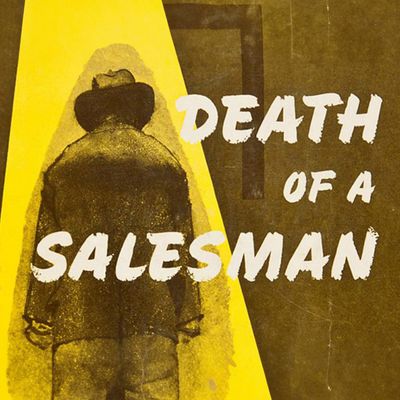
[18:51] Finn Wittrock: It's like to try to track it is even hard. Like I moved here for a bit, then moved back to New York, and then moved back here, and then I got Death of a Salesman and well, I then I stayed there for a while. Like literally it's year to year. But the last four years, um, basically since like I'm married, uh, we've been pretty steadily here. We've been in this apartment actually for the longest time in in our whole time together.
[19:22] Leah Walsh: That's so nice.
[19:23] Finn Wittrock: Um so yeah, and so it's been it was totally bicultural for a while, but by happenstance just by jobs that were happening. And now now it's been here for a while. So so yeah, so I moved to LA when I was twelve, was there till New York happened um at the end of my teenage years and then yeah bam wham bam.
[19:47] Leah Walsh: Do you feel like the uh the two cities affect you differently as a creative person?
[19:55] Finn Wittrock: Yeah that's a great question. I I mean you know I'm not saying like I'm an old man now but be it is funny how LA I it was like I hated LA at first. I was so a gung-ho about living in New York and being a New York actor in LA and New York did treat me well after some initial uh yeah like I say rejections it was I when I went back there and like started doing theater getting theater jobs it really was amazing.
[20:24] Finn Wittrock: But I do find for my own for how crazy this business is and how up in the air it is I do find a sense of solace coming back home to LA because I do 'cause it 'cause it for me it's not like I think when most people come here they have you know it's a crazy new place and there's all the there's the business and there's like at Beverly Hills and the whole that whole side of it.
[20:48] Finn Wittrock: But I knew a different side of it. Like I knew it was it was home. You know, it was where I learned to drive. It was organic. Uh I I went to this arts high school um in L in Cal State LA it's downtown LA and my f so it was an it was a county school so kids lived all over LA County which is enormous.
[21:09] Finn Wittrock: Like LA County is the size of many small countries, you know. So I would and I was one of the first my friends to drive so I would drive people home. I had a friend who lived in Pomona. I had a friend who lived in Malibu. I had like Burbank, Pasadena, like if that means anything to anyone listening, like it's a those are the places are very far away from each other.
[21:32] Finn Wittrock: Um and Castaic is one girl lived in Costaic, which is I know it probably means nothing to you but it's like literally from the s from like Manhattan it's probably like halfway through New Jersey, like to Pennsylvania. Like it's so fucking tall. And so I like but but but when I was a high schooler like that was freedom like driving someone home nowadays I'd be like fuck no I'm at but back then it was like yes there and back.
[22:02] Leah Walsh: It's an adventure.
[22:03] Finn Wittrock: Yeah. Yeah. And so that's what LA was to me was like this great crazy wild adventure. Um and so that's that's the kind of sense memory I have of it when I come back to it is that yeah that sense of like anything could happen.
[22:19] Leah Walsh: That's great. That's a great way to a great way to be able to approach it.
[22:23] Finn Wittrock: Yeah, it's different I think you know it's different than most people because it's a terrible place to visit. Like it's a horrible it's a horrible tourist place. Like New York is I w I will I love to go to New York for five days and just see plays and see museums and like do all the great stuff.
[22:44] Finn Wittrock: LA is not good, like it's not a good place to just show up and see what happens.
[22:48] Leah Walsh: Yeah you know I feel like I've I've never been there longer than like five days, so I feel like I I never get a good grip of it.
[22:54] Finn Wittrock: It's terrible five days. You need much longer. Is there anything uh that you've learned about auditioning over the years that you feel like is serving you well now?
[23:08] Finn Wittrock: Like any way that you approach it differently that you feel gives you back some of your power in that type of situation?
[23:14] Leah Walsh: Hmm.
[23:15] Finn Wittrock: Yeah, that's a good question. Um I can't I come I uh I come back to this thing that Phil Seymour Hoffman said, which is just like always be the best actor you you can possibly be. Like which is hard, like when you're doing because most often when you're auditioning, you know that you're not right for this. Or you there are so many things against you. You know, there's a bigger actor probably that's going out for it, or maybe you're not the right size or shape or the writing isn't that great anyway. Or whatever. You know, there are so many things. But I remember Phil saying this thing of like just be the best actor you could possibly be in that one moment and then forget about it. Because he's like the it's the being the best actor you can be in the room that is the thing that carries on that people talk about.
And that's what this business is, is like it's about people talking about you. It's about it's all things that it's all word of mouth. It's all chatting, you know, it's all it's all reputation, you know. And so to create the best reputation every single time you go into a room does add up, even if you don't get that job. And you should I want to tell like younger people, like really you should plan on not getting that job, like that you go in for. You should walk out of that room and you should be like, I did the best audition I could possibly do. I did all the work I could do. I left I bled I left my blood on the stage there, but that's it, it's over. That's it. I don't need it any more than that.
You know, and I think that's the way that you will survive. That's I mean it's easier said than done, but it's a great advice. It's way easier said than done, and I wish I could do it all the time because I definitely don't. I definitely take it with me lots of of course you there are some parts that you want and die for and really want and can't stop thinking about, but if you can try to have that practice of just like working your ass off beforehand, doing it and just leaving it there. I really I really think that's the way to have longevity.
[25:39] Leah Walsh: Yeah. And that's good, because then you get to really practice your art and not have it be. You're not trying to please someone, you're not trying to do the right thing. You're just like, I'm going to approach this part as if I have it already.
[25:54] Finn Wittrock: Yeah. And then when I don't get it, fuck it, I don't need it.
[25:58] Leah Walsh: No, that yeah, it's just I guess the hard part, at least for me, is like knowing, like you said earlier, like knowing that there's so many people who have to say yes for you to be able to get to do the thing.
[26:09] Finn Wittrock: Totally.
[26:10] Leah Walsh: But not trying to please those people.
[26:14] Finn Wittrock: You know? Because then that's beside the point. Because pleasing people, when people sense that you're trying to please them, it's not sexy, you know.
[26:23] Leah Walsh: Yeah.
[26:25] Finn Wittrock: Like people are more interested in someone who comes into the room with their own agenda and their own who comes in and is like, this is my room for these two minutes.
[26:35] Leah Walsh: Yeah.
[26:36] Finn Wittrock: You know. Again, easier said than done, of course, but that is the thing that's interesting, you know.
[26:45] Leah Walsh: Totally. Um, do you have any mentors who've been important to you in your artistic career?
[26:53] Finn Wittrock: You know, I had it's funny, I just watched this great thing the PBS Masters thing about Mike Nichols. And I had this, you know, I in twenty twelve I had this really lucky thing where I got cast into the salesman on Broadway. And Philip Skinhoff and Mike Nichols both became mentors to me in a very different ways. Mike was kind of like this grandpa figure, and Phil was like this guy that I just revered and just kind of watched like a hawk and just sort of followed and imitated and like it was just like hung on as every word. Hmm. And they were and after it was done they did like we did stay in touch and Mike was really, really kind to me. Um and then they were both dead in like a year. Like it was like Phil died and then Mike died like eleven months later or something.
So I was kind of w I kind of floundered, like I thought this this was like oh my god, I have these two amazing men who are gonna like show me the way. And then they were kinda gone very quickly, and it was uh it really threw me for a loop. Um so trying to find someone of that caliber is hard. I'm still looking.
[28:13] Leah Walsh: Yeah, you had some lucky lucky introductions there.
[28:17] Finn Wittrock: Yes. I had a great spurt of awesome mentorship. Um but they do can kind of continue to inspire me as I kind of watch their work and uh re-listen to them, and I found this old note that Mike wrote me on our opening night, where it was like just the most beautiful thing in the world to me. Um and they didn't, I mean, they were mentors for a time, like they did inspire me and um really changed, I think kind of changed the actor I was within. It's hard to kind of articulate that, but uh I became more detailed, I think. I became more like really trying to narrow it down to just the work, not all the other all the other stuff around it, you know.
[29:08] Leah Walsh: Yeah, um, it seems like you've gotten the chance to work with some collaborators like on a consistent basis, like with um Sam Gold with some of the shows you've done.
[29:21] Finn Wittrock: Oh, yeah, and uh Ryan Murphy with some of the TV shows you've done. What has that relationship been like? How d how does it kind of change the way you get to work as an actor?
[29:36] Finn Wittrock: Yeah, I have you're right. I've been very blessed by that, like to have a few people that have kind of continued to kind of come back to me for different things. Um and that is that is the best. Like it really is to be able because there's so much I think there's so much when you first go into a project that you don't know anyone there's so much ice to break. You know, there's so much of the work is about like reading the other person. Like how do you work? How do I work? Do we do I what do I like you? Do you like me? You know, there's a lot of time and energy that's like spent on that at the beginning. And once you can do a second project with someone you that's all just cut through and you just and you you've already got you've already kind of created the second language you know the the this the double speak the thing like the you don't you don't even have to talk that much you know you kind of just get each other and and that's the sp that's what it really starts to get interesting you know when like you can you can just dive right into the red meat.
[30:50] Leah Walsh: Right.
[30:50] Finn Wittrock: Like immediately you know and yeah you know the the ways they like to work and yeah and they know what you like and they you know I think the rest directors kind of are working their way around the actor in a way you know and so that's interesting that's interesting because I feel like both those directors have such a strong style.
[30:50] Leah Walsh: They do they definitely do.
[31:18] Finn Wittrock: Yes. But that's good to hear that they they're also interested in the actor amazingly different like wonderful comparisons to make I'm sure we both uh be flattered by it. Uh uh But Sam does like Sam especially is like someone who some actors I think he he talks to a lot and you know really gets in there because he knows that that's what we want, and some actions he kind of leads alone a little bit. Um and he will kind of match you, he'll kind of match whatever you bring to him. I remember him once him saying to Sally a feel, because Sally was there was a one moment, this isn't speaking off the record, like there was one moment where uh in rehearsal for Glass Menagerie that she was pushing back a little bit.
I think she was kind of just testing his vision, because the vision was a bit out there for Glass Menagerie. It was like we had no set, we had a chair and a big, huge empty stage. Like he took the back uh s wall away, like it was just the empty uh Alasco theater. And she I just remember at the beginning of rehearsal, her kind of like just needling it a little, not needling, just like questioning every little choice. Why that, why this, why that? And he kind of very patiently went through all of her questions, and he said, I am the most patient director that you were ever meeting here and do this with you as long as you need me to, to kind of basically without without saying it, like to get you to believe in what I'm doing.
Like to like get you on board. He's like, I will. He wouldn't, he's not like he would waver, he wouldn't change his vision, but he will explain every or he will he will go to back view on every question you have very kind of methodically and patiently, and like just do it. Just like let's let's go there. And then there was like Joe Mantella who like didn't really have that many questions at all. It's just kind of went, was like, I get it, I do it, let's do it. You know?
[33:24] Leah Walsh: Yeah.
[33:25] Finn Wittrock: Yeah. We don't not have to talk about this if you don't want to, but how do you and Sarah, your wife, deal with being in a relationship with two creatives?
[33:37] Leah Walsh: How do we?
[33:39] Finn Wittrock: Um how do you uh help each other deal with everything that comes with that? It's a thing that's an ongoing thing, you know, it's never a thing that's totally figured out. I think we are lucky in that we're not doing the same thing. Like it's uh I think having an actress wife would be even harder than having a.
[34:01] Leah Walsh: Yeah.
[34:01] Finn Wittrock: You guys have figured out figured out the exception. Um you know, we've kind of figured out what what we what each of us need. Like she uh, you know, knows when I need some space on my own. You know, like I think a lot of our learning curve was kind of like me tell like telling her that like when I need alone time, it's not that I don't want to be with you. It's just that I need some alone time right now. I like this is how I this is what I need. Uh and then when she'd be like, well, I need you to be here right now because I have to work on this thing, so you have to be here. So you know it's uh communication is what you're saying. Communicate uh and compromise and like and it is a negotiate it's negotiation, you know.
[34:44] Finn Wittrock: A lot of marriage is negotiation. Do you guys, I'll give you this, you give me that. And that's like, you know, uh that's okay. Like it should be. It's not that it's all transactional, it's just like, you know, you uh you give and you get and it evens out in the end, you know.
[35:00] Leah Walsh: Yeah. Do you guys ever get to collaborate on any projects?
[35:04] Finn Wittrock: Well, we've just actually, in name, own actually legally now have started a production company. I have this horror movie that I've written, horror romance, I like to call it, um that our company is a part of producing.
[35:21] Leah Walsh: Oh cool.
[35:22] Finn Wittrock: So she's been very collaborative, especially she, Sarah's an incredible casting director. I think if Cassie wasn't such a crazy hard profession, she would be like a genius casting director. She's like, she knows everything that's happening and knows everybody somehow. I don't know how. I don't know what she does in there. Uh and so she's been incredibly helpful in that way. And then she's got this um doc series that she's trying to get off the ground. So I've been trying to help her a little bit, um like a bit on the kind of connection side with that. So yeah, we find ways to overlap and, you know, but there's also like, you know, there's also like I need my space right now to do my thing. You know, it's like both have to exist simultaneously.
[36:09] Leah Walsh: That's awesome. Um are there any lessons you've learned over the last couple of years that you're really proud of that you want to share with me?
[36:17] Finn Wittrock: Oh, give me something, uh small or big, whatever you think.
[36:21] Leah Walsh: That's a great question.
[36:24] Finn Wittrock: Um well, I kinda, I think one thing I have really thought about is, it relates to the thing I was saying before about auditioning, which is that the part you don't get might be the best thing you ever did. Like, for instance, I, okay, I've I auditioned for this for Tony Kushner in The Intelligent Homosexual. Right. And I didn't get it. And then, and I was like despondent about it. And then like a year later, I got a call about this play called The Illusion at the signature. And it was like Tony Kushner kinda wants to see you for this. Can you come and audition? I flew out from LA to it like totally on my own dime. Had no, I stuck on friends' couches, the whole thing. And I got that, and then that led to like Nichols casting me in Death of a Salesman, and that led to so many other things.
But that was because I went in at one time and got it and like did an audition and thought it was shitty and uh and didn't get it and then like didn't work for a while and then it came back around, you know, that like sometimes the thing that like I guess I guess the point is never to take an opportunity for granted that like you never know who's in that room, you know?
[37:56] Leah Walsh: Yeah.
[37:57] Finn Wittrock: You really don't. And it could be the assistant working there. Like that's happened before too. Like I was the assistant of what's his name, I saw you do that thing. Do you want to do this other thing? Like that's what I'm saying. Like those that goes far, you know, so don't, don't just don't discount something. Especially if you'd like if you think it's all this stupid part that I'm never gonna get. Like, still, you never know what it could lead to. Um is that, is that any good?
[38:25] Leah Walsh: Yeah, that's great. Uh there are two questions that I usually ask at the end, but is there anything that I didn't touch on that you were really looking forward to talking about?
[38:36] Finn Wittrock: Um we covered a lot of different things.
[38:40] Leah Walsh: Yeah, we did. We talked a lot.
[38:41] Finn Wittrock: That's good. You got me talking. I don't usually open up this much.
[38:46] Leah Walsh: It's perfect platform for it. Um so the what the next question is like when you are in a place where you're feeling really down or uninspired. Like are there any concrete things that you reach for again and again, like a book that you reread or music you listen to, or somewhere you go, something like that.
[39:05] Finn Wittrock: It's funny. I, you know what's weird is like I listen to sad stuff and it makes me feel better. I listen like if I just put on Elliot Smith, I'm immediately happier. Like when I'm in my saddest place, which is the most depressing music imaginable, but he, he's maybe my, he's maybe my favorite, he's maybe my favorite artist. He, I just love Elliot Smith. That's the point. Uh maybe it just like crystallizes that feeling in some way, and you're able to move on.
[39:37] Finn Wittrock: It does, and he is somehow in that quiet, sad music. I find such joy. There's like this weird sense of joy. Uh and really Elliot Smith, that's my answer.
[39:53] Leah Walsh: Alright, I love it. And then the last thing is, uh, have you seen anything recently that you want to recommend of any art form?
[40:03] Finn Wittrock: Hmm. God, I wish I was in New York. I feel like there's so many great things there to see. But um, I love the movie, The Favourite. Um I love the movie Vice. There, oh yeah. There was this, what's the fuck? What's it called? There was this really great documentary series watching about snowboarding, which sounds bizarre, but it was amazing. Think of it and send it to you. Um I'm sure there's more. It's hard. I try to inundate myself with so many things and I can't like remember any of the good things. Oh, we didn't even get to talk about um If Beale Street Could Talk. I loved it.
[40:14] Leah Walsh: Oh yeah.
[40:38] Finn Wittrock: I think I think I'm gonna have Tiana on soon.
[40:42] Leah Walsh: Oh good. She's amazing.
[40:44] Finn Wittrock: That was so gorgeous. Thank you.
[40:47] Leah Walsh: Oh my god.
[40:48] Finn Wittrock: Uh I know, it's a, it's a Beale Street is an incredibly filmed thing, and it and like it's just it was such a cool I was only on it for one day, but it was like this kind of spiritual experience that like Barry Jenkins is like this guru, amazing person. Um so passionate and full of energy. And I got to do the single Virginia King and she's now getting so many, I was probably, I mean, knock on wood, like just I think an Oscar is near future. She's incredible. She's getting so many things. And it's cool I I've had this cool thing this year where despite the fact that the six months have been like all these movies I fell through, uh uh things that I've done like a year ago are now coming to fruition.
Like this, this show The Assassination of Gianni Versace, this Versace show, which I've been nominated for a couple things, that's like coming at the same time as Beale Street now. So like the other, like the other day I was at the Golden Globes or whatever, there was like the Beale Street table and the Versace table, like next door, so I got to like be in both worlds, you know.
[41:55] Leah Walsh: Yeah, how fun.
[41:56] Finn Wittrock: That's cool. And like you kind of forget when you're hustling and trying to get the things that, like, oh yeah, I did that thing, and now it's yeah, 'cause when did you finally come in? When did you actually shoot those two projects?
[42:06] Finn Wittrock: A year, literally a year, a year and a half ago, I shot Versace, and then like last, a year ago, last October, I shot Beale Street. And so, you know, they'd have their gestational period, and now they like come to the world, and then you kind of bear the fruits of that. Um so that's cool, and like then it makes you feel like right, things are happening. It's just I think that's the lesson is like things are happening, it's just it's gonna take longer. You have to have more patience than you ever thought you would.
[42:37] Leah Walsh: Yeah.
[42:38] Finn Wittrock: Yeah. Like they will happen. They just like the patience is even more intense than you thought it would be.
[42:44] Leah Walsh: Yeah, it's so, it's so different with film and TV than with theater. Because theater, like you're involved intimately with every, like once you start rehearsals, you're involved every day, physically you're involved whenever someone's seeing it, and then to shoot one day on this film a year and a half ago.
[43:06] Finn Wittrock: I know, and just now people are seeing it.
[43:08] Leah Walsh: That's so bizarre.
[43:09] Finn Wittrock: Yeah. And you, and in theater you get immediate feedback. You know, you're the audience is there, it's responding, you feel how the show is going. Um for better or for worse.
[43:21] Leah Walsh: Yeah.
[43:22] Finn Wittrock: You know, but you do a, you do a movie or you do TV, and movies especially, because that can take, I've done a movie like that took two and a half years to come out, and you've forgotten what you did by the time it comes out. And so that can either be like a really pleasant surprise, which hopefully it will be, or it can be like, oh fuck, what was I doing?
[43:43] Leah Walsh: Well, and especially since the director and editor might have chosen things that you wouldn't have chosen, or you wouldn't think that they did.
[43:50] Finn Wittrock: I guess that's the big difference, is that like you're, uh in theater, although the director has created things beforehand, you're still, you're there every moment of decision making. And you're really, you're in someone else's hands in movies. You know, you're like, that's why it's like, that's why actors go crazy. I think that's why actors get become neurotic like about choosing their directors and being like who's directing it because like they have, they can, they can make or break your performance. So you know the editing is everything.
[44:29] Leah Walsh: Right.
[44:30] Finn Wittrock: Um and it can, it can make a perform, it can make a good performance great or can make a great performance, uh mediocre, you know, or just or not exist at all, you know, like you're so at the mercy of other people.
[44:30] Leah Walsh: So yeah.
[44:30] Finn Wittrock: Yeah, well that was a ta, uh tangent basically because I want to recommend If Beale Street Could Talk.
[44:30] Leah Walsh: Yes please, me too.
[44:30] Finn Wittrock: Watch, go watch, it's really good.
[44:30] Leah Walsh: Well great Finn, thank you.
[44:30] Finn Wittrock: Thank you so much.
[44:30] Leah Walsh: Thank you, that was awesome. I'm gonna turn this off.
[44:30] Leah Walsh: Thank you for listening to The Compass Podcast. If you find these conversations valuable to your life as an artist and would like to support the ongoing production of The Compass, please consider becoming a patron at patreon.com slash The Compass Podcast. Pledges start at as little as one dollar a month, you'll get access to bonus content and anything you can give would be greatly appreciated. Also, if you have a moment, please rate or review in iTunes. Every little bit helps other listeners to find the podcast. I'd like to thank the following people for their generosity. The Compass cover art is by Kim Miller, music by Brandon Spiet, audio assistance from Nick Choxey, and a special thanks to Frankie J. Alvarez. See you next time.
© Broadway Podcast Network, All Rights Reserved