

Host Leah Walsh and her husband, actor Frankie J. Alvarez, are joined by actors Kathleen McNenny and Boyd Gaines to discuss the ups and downs of parenting in the arts, the necessity of community, keeping things in perspective, making decisions to fuel your creativity as well as support your family, and the importance of patience... Read More
From the show: The Compass
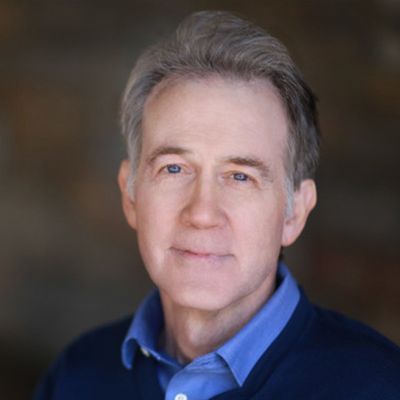
Guests
About
Host Leah Walsh and her husband, actor Frankie J. Alvarez, are joined by actors Kathleen McNenny and Boyd Gaines to discuss the ups and downs of parenting in the arts, the necessity of community, keeping things in perspective, making decisions to fuel your creativity as well as support your family, and the importance of patience.
Transcript
This transcript was automatically generated and might contain errors.
[0:00] Leah Walsh: Hi, and welcome to The Compass, the podcast documenting the struggles of life as an artist.
[0:05] Leah Walsh: I'm Leah Walsh.
[0:06] Leah Walsh: Hi everyone. I have kind of a special episode today, in that I have more than one guest.
[0:11] Leah Walsh: This is a roundtable discussion on parenting as artists.
[0:16] Leah Walsh: My guests are my husband, actor Frankie J. Alvarez, and friends and fellow Juilliard alums, actors Kathleen McNenny and Boyd Gaines.
[0:26] Leah Walsh: Kathleen now teaches at Juilliard, which is where Frankie and I had met her as students years ago. And I had asked her to come on the podcast, and she suggested we get our husbands involved for this parenting discussion, and I'm so glad that she did.
[0:39] Leah Walsh: They have a daughter who is about to graduate college. And as I think most of you know, Frankie and I have a 19-month-old daughter. And this was just really fun to record together.
[0:51] Leah Walsh: We're at such different ends of the parenting spectrum. And as you can hear in the conversation, raising a family in the arts depends so much on having the support of your community. And I couldn't be more grateful to have Kathleen and Boyd as part of ours.
[1:06] Leah Walsh: We recorded this on Monday, March 9th. And I've been working from home since Wednesday the 11th, so it actually happened right before everything really started to shift. And I'm glad we're able to be together in person for sheltering in place.
[1:19] Leah Walsh: I hope you're all well and safe and healthy and staying home. And I hope you enjoy the 155th episode of The Compass.
[1:43] Leah Walsh: Okay, so let's just start. I want to start a little differently. I usually start by asking, what do you do to try to keep from going to the dark side as an artist? That's the first question I always ask.
[1:52] Leah Walsh: But today in our special edition episode, um, parenting in the arts with the four of us, um, I feel like maybe we should start a little bit by just saying like where we all are in that journey just to get started.
[2:08] Boyd Gaines: Well, in our journey, our daughter just came home from college uh two days ago. She is gonna be 22 on March 22nd. Wow. Um, and so she's just about to graduate from college in three months. That's where we are in our journey with our daughter, and where are you in yours?
[2:25] Frankie J. Alvarez: Cecilia just turned 18 months. Oh um, I just went away to the Denver Center to do a play, so I I'm in a two weeks of being at home uh before I go off to Two River to do another play. So we're in the middle of that. Uh you know, raising a beginning raising a baby and also dealing with going away for jobs and figuring that out. For the first time, really this is the first time we've had to deal with that.
[2:49] Kathleen McNenny: That's right. Um, okay, well now that that's been established.
[2:52] Leah Walsh: Yeah. Um as parents who are artists, when I ask that question, what do you do to keep from trying to go to the dark side? What does that make you think of? What do you think that is for you now?
[3:03] Boyd Gaines: Art drugs. Especially with children.
[3:07] Kathleen McNenny: Yeah, exactly. There's nothing like a lot of paraphernalia around.
[3:10] Boyd Gaines: Right. A lot of puff puff pass, I guess.
[3:12] Kathleen McNenny: Yeah, you're sharing.
[3:13] Boyd Gaines: Exactly. Wow. No, the dark side is ever present. It's just what you do to negotiate that day. I think. I mean, sometimes you have patches of more than that. Where things are even flowing, but I just think it's part and parcel of being an artist.
[3:38] Kathleen McNenny: Right. It's that. I mean, how many artists have you met who were happy-go-lucky? And it's interesting. I I'm curious how you um, you know, because it was such a big decision for us when we it was uh having a child was so wrapped up also in our whether or not we were actually even gonna stay together as a couple.
[3:56] Boyd Gaines: Wow. Because I really wanted to be a mother. I knew it's something that I really really wanted. And Boyd wasn't so sure. He wasn't sure that he wanted to be a parent.
[4:04] Boyd Gaines: And I hated parents. He liked children, he didn't like to be a good one.
[4:09] Kathleen McNenny: But I really hated parents and I didn't want to become one.
[4:12] Leah Walsh: Well, and I'm sure you had that conversation when you were dating.
[4:15] Boyd Gaines: Yeah, well, it got to the point where we actually went to therapy together to actually decide whether or not this actually was something that we thought we could do together or wanted to do together.
[4:25] Boyd Gaines: And it was never a question of whether or not we wanted to get married because it's such a much bigger commitment to have a child together than it is to intertwine your lives together. You just can get a divorce and separate, whatever. But you have a child together, now you're tied together for the rest of your life.
[4:38] Kathleen McNenny: So that was a really big decision. And I remember we were on a trip to Italy, and um and Boyd turned to me and he goes, he goes, Yeah, yeah, I I okay, yeah, I'm in. I'm in. And I went, lay down, let's go. He was like, Don't you want to get married first? I went, nope, I'm not gonna give you any time to change your mind.
[4:56] Kathleen McNenny: No, she said you'll stall.
[4:59] Boyd Gaines: So you're in Italy, right? Why not?
[5:00] Kathleen McNenny: Yeah, why not? Why not?
[5:01] Kathleen McNenny: But it didn't happen instantaneously. It took us three months, which I thought was forever. But uh yeah, the best journey of nice three months. Ever.
[5:10] Boyd Gaines: Yeah, yeah. It it took us. That's about what it took us to.
[5:13] Kathleen McNenny: Yeah, it took us three months.
[5:14] Leah Walsh: That's right. Well, what changed your mind?
[5:18] Boyd Gaines: Well, part of it was where I was uh in terms of work and commitment. I spent, you know, so much energy making decisions that I go, well, is this gonna be good for me in my work or is this gonna be bad for me in my work? And I finally went, that's such bullshit.
[5:42] Kathleen McNenny: Yeah.
[5:43] Boyd Gaines: It only took me 45 years to figure that out, but yeah, I was I wanted something else to be more important than the work.
[5:53] Kathleen McNenny: The work or or the getting of work or the or the work, even you know, just the work itself.
[5:59] Boyd Gaines: Right. Because 90% of the gig is looking for the work, right?
[6:04] Kathleen McNenny: Oh, and that's a full-time job.
[6:06] Boyd Gaines: That's our look for work. And it's so exhausting and draining, and then the thought of oh, raising a child, that brings its own pressures and it's its own exhaustion and its own drain. But my God, is it invigorating for your life?
[6:22] Kathleen McNenny: And then it feeds into the work, right?
[6:24] Boyd Gaines: Well, I yeah. It's interesting. I always say that my work, I literally and figuratively was cracked open. Right. To have the baby, you know, there had to be some space made for that thing to come out. Right. But also my heart and my, you know, the way I went was also, and so my work changed, I felt as well.
[6:44] Kathleen McNenny: Um, and I also also it's it's weird. I always tell um uh my students, we're all Juilliard people sitting here, which is interesting too. Um, that uh that babies bring their own money.
[6:57] Boyd Gaines: I remember you telling us that.
[6:59] Kathleen McNenny: Yeah, yeah. There's a cubid version too. You're waiting that they come with a with a piece of bread, right?
[7:05] Boyd Gaines: Yes, that's right. I think they take care of themselves.
[7:07] Kathleen McNenny: Right, I'm still waiting for that baker. He hasn't knocked him out. Smell the bread in the oven yet, but that's right. Hopefully.
[7:14] Kathleen McNenny: Well, I I somehow managed to get both a national network commercial and a pilot within like a month of her being born.
[7:21] Boyd Gaines: Wow. That's incredible.
[7:22] Kathleen McNenny: Really fast. And and shipping my breast milk comb and dry eyes. It was like because the pilot I couldn't couldn't fly with it with the baby, and Boyd and his mom were at home, and there was some BAI said he's gonna write a book someday saying my first job was shipping this actress's breast milk comb and dry mo dry eyes so that she, you know, well, I shot the pilot anyway. It was like very weird.
[7:41] Boyd Gaines: That's incredible.
[7:44] Kathleen McNenny: Um for us, I I mean, I always we we both always knew we wanted to be parents, and uh that was part of what made him so attractive to me was I knew he would be a great dad.
[7:56] Frankie J. Alvarez: But we started dating in school. We were together in school for like three years before I graduated and he graduated. So we definitely were together for a very long time before deciding to get married and then eventually decided to have a kid.
[8:09] Frankie J. Alvarez: And I feel like for It was five years together, uh like a year and a half engaged, and we got married around the seventh year. Um, and then it was maybe ten years until right? Ten years total until we had sex.
[8:22] Kathleen McNenny: Not ten more years.
[8:23] Frankie J. Alvarez: Yeah, right, right. Yeah, it was we we but I think the thing I I think it was kind of clearer for me as a woman that biologically there comes a point where you're like, well, I don't know if it's gonna continue to be easy to have a kid. And we were both about to turn 35.
[8:42] Boyd Gaines: Yeah.
[8:42] Frankie J. Alvarez: So well, actually, it was around when she turned 32, and I had done this show on HBO for a couple years that was cancelled. And uh right when the show finished, I just thought, okay, I know we're ready. I feel it. And she told me she was ready, and I felt it too. But the fear of money, the fear of stability, uh, these questions that you were asking about the work as well. And I thought, let me just get the next thing, you know, and I was surrounded by really great actors who are working. And I just thought it would be the same for me.
[9:14] Frankie J. Alvarez: And it's five years later, and I still haven't found that next series regular. I've been lucky to work on other things, but that money never came. Two years after that, we were at 34, and then we were that's that's when we sort of looked at each other and we were like, well. So I guess we did fall into that camp for a couple of years, putting putting that on ourselves of like, let's wait to be financial. The next right following financial windfall. There is no way.
[9:36] Kathleen McNenny: Which made which made me very unhappy at the time. Like I don't know if I ar could articulate that to myself, but I was dealing with a lot of unhappiness about it.
[9:44] Frankie J. Alvarez: Um and then we finally just decided to go for it. And it's as soon as she was born and since the year and a half since then, we've said to each other so many times, like, we should have done it sooner. She's so great.
[9:56] Kathleen McNenny: But then it would have been a different kid.
[9:57] Frankie J. Alvarez: Right, exactly.
[9:58] Kathleen McNenny: That's right. So it all worked out. But yeah, we've definitely said that. It's like we would have been f we're doing it now without the financial windfall, and it's fine.
[10:05] Frankie J. Alvarez: Yeah, you do figure it out. And also the thing that I love about this community is that I do feel like there are lots of arms to pick that baby up for you. I can go to any audition and take her with and go, here, hold my kid while I go in and do this and come you know, you can and and there are, you know, how many of us have been in shows where there's someone nursing in another room or doing whatever? It's just there's a way of the community helping each other because we all know it's hard.
[10:31] Kathleen McNenny: We know that it's it takes that we have very, very unpredictable lives.
[10:36] Boyd Gaines: That's right. Um, which I I remember Leslie, uh, you know, she used to some you know, you'll you'll find this out when she was little a lot she would go now who's picking me up today? What's happening today? What's the schedule today? Because it would change as the day would go on.
[10:50] Kathleen McNenny: Right. Particularly for me. I would be like I I had a more um chaotic life because I I auditioned so much. Boyd has pretty steady work um all the when Leslie was growing up.
[11:02] Boyd Gaines: Yeah you had very steady work all the time when she was little so you would have you would have your play you would do in the evening and then I would just run around trying to get something right just auditioning all the time.
[11:11] Kathleen McNenny: So it sometimes made for her to have like you know not knowing when I was you know okay I'll see you at three and then someone would call and say you need to quit go back and do whatever and then I'd be like so and so can you pick Leslie up and a new different person would be there to to grab her.
[11:25] Leah Walsh: Did you feel any blowback when you became parents because there can be sometimes kind of a cynicism about well you should be putting everything into the work and oh you have kids do we need to make an allowance for you like how are you making it work?
[11:41] Boyd Gaines: I don't remember there were we had a lot of contemporaries also having children friends and acquaintances so I think I rem I think that took precedence over any naysayers.
[12:01] Kathleen McNenny: And you know it's up I find that an interesting question for you as well because we're talking about you know a generation has passed from when I was you know I remember I got a play while I was pregnant and I was really scared to say because I didn't want to lose. I was doing Candida and playing Candida up at uh Yale Rep, and I did not want it with a director I liked and a cast I liked and I wanted to do it. And I was like, Oh, I'm gonna have to say because I by the time we were done, I was six months pregnant. And they had, you know, little you know, they but the uh I the nicest thing the director said is that he forgot that I was pregnant, which was great, which is what what it didn't didn't become an issue.
[12:40] Boyd Gaines: But I'm you can feel that ever so slight hesitation. And I think there was, I think it's changed over time. It used to be because I used to talk to people, you know, other people I remember consulting some people. Do I tell them I'm pregnant? Do I audition for this? Can I audition for this pilot if I'm gonna be? And you know, there are some people that broke the way, you know. I remember, you know, um, you know, Julia Louis-Dreyfus doing an entire season where they just held pillows in front of her, and there's other examples of that. But I don't I don't think it was it was an immediate, like I think it's an evolving i it's still evolving, but it's interesting that you bring up that actress, right?
Because she's in a position of privilege, right? And that that hasn't always been the case. I know you had uh Pepper Binkley on um uh insert episode number here. Um but Pepper, uh she uh mostly does a lot of voiceover and audiobook stuff, and she also does you know, TV and indie film, and she uh was very uh forthcoming when she talked about uh booking an indie film and it it's shooting in a couple months and she was pregnant at the time. And in film it's a little bit different where if if that if her body type doesn't match the story that they're trying to tell, they'll just replace you.
[13:52] Kathleen McNenny: You know, that's right. And I think she was very scared about that. And I don't want to put words into her mouth, but that was a story that she had to tell. And it was a perilous road for her to walk. I'm not sure if she ended up doing the job or if they ended up replacing her. Um, but yeah, and unfortunately it still happens. That was only within the past decade. So yeah, no, I don't think it's as it's a different, you know, for women I do think it's still a right. And I'm I would guess there might even be some issues around whether or not insurance insuring a pregnant woman. You know, on a I have no idea, you know, but I had someone tell me, you know, again, I was testing for something and I was pregnant, and they were like, I wouldn't say anything.
[14:38] Frankie J. Alvarez: Yeah.
[14:38] Kathleen McNenny: What's the advice I got? Don't say anything, right? That's probably not gonna be the thing to do. So it I don't know. I don't know where it's falling down, but I know as performers, as the actual people inside of it, there's a great community, right?
[14:52] Boyd Gaines: Yeah, the community is great.
[14:53] Kathleen McNenny: And yeah. Have you had any sick well, I mean we're just starting to deal with this, but like um you had any situations where you were able to advocate for yourself in a way that you were proud of as far as like negotiating a contract or like asking for the things?
[15:08] Frankie J. Alvarez: Oh, yeah.
[15:10] Kathleen McNenny: Asking for all the things that would make it possible for you to take the job.
[15:14] Frankie J. Alvarez: Yep. I've done it a lot. When Leslie was little and my our daughter Leslie was little, I often would just say, I can't do this job unless I can bring Leslie with me. So I'm gonna need like an extra plane ticket to get my mother here to watch, you know, or I'm going to need an extra apartment. So my and again, we were extremely, extremely lucky to have parents on my Boyd's whole family lives in California and mine lives in Montana, so they're not even close. They live a long ways away. And every time we called and asked for help, they came.
[15:46] Kathleen McNenny: Wow.
[15:47] Frankie J. Alvarez: My sister came and was with me a whole time when I shot a pilot in California. And I mean it just it was um there it's uh we have an amazing, amazing support team. And if you don't have that, it is it is much, much harder.
[16:01] Kathleen McNenny: Yeah, I mean we felt it as well with our community. Uh Nick Choxie was the best man at my wedding, right? A mutual friend of all of ours. And uh they have a two year old um and he's been an exceptional him and his wife Stephanie, his brother Andy and his wife Preethi, uh they've been an exceptional community.
[16:20] Frankie J. Alvarez: But we have a number of actors that live in Astoria in Actoria.
[16:24] Kathleen McNenny: And uh they've been able to help out. They come by for two hours, I pop off to the audition, I come back. And that's a question that I have if that's okay. If I can I I'm allowed okay.
[16:36] Boyd Gaines: Oh my god the compass has two hosts.
[16:39] Kathleen McNenny: You're all allowed to ask questions.
[16:41] Frankie J. Alvarez: You know I'm curious because uh you know I just did this play and I was gone for two months. I'm about to leave again for two months. But the bulk of my parenting has been once Leah's leave ended and she went back to work, it's been 8:30 to six Monday through Friday, daddy time and figuring out auditions. Um and so I'm curious my question to the both of you was negotiating when one person was working, when one person wasn't working and and figuring that out the give and take the balance.
[17:14] Kathleen McNenny: Because right now Leah's working the day job and is financially supporting us like a badass.
[17:20] Frankie J. Alvarez: And I've been lucky enough to have these artistic opportunities, but they're not the most lucrative. And so the give and take artistically right now is leaning over on my end and I want to be a conscious and open and supportive partner and I wanted to lean towards the other end or ideally we're both pursuing the same thing at the same time and taking care of the family together right so I'm just curious about what that balance was when Leslie was younger.
[17:48] Kathleen McNenny: Well we've always had a deal and Boyd works nights.
[17:48] Boyd Gaines: Yeah almost isn't almost always you were in a shortcut always but I but to the oh you're talking about plays I pictured you in a different outfit also yeah yeah no because Boyd did these long runs a lot when Leslie was little and all through the growing up process yeah what I was going to say was that we've always had an agreement that it starts with the question is this something you really want to do or is it something you know you don't care about but it would be good to be busy or or is it i is it something important to you or on the complete other side is it so lucrative that we can't say no that we can't say no or is it so is is it going to cost us so much money you can't say yes.
[18:43] Kathleen McNenny: So figuring out between those we I mean when you got offered jobs that were inconvenient for you still did them if you wanted them.
[18:54] Boyd Gaines: Hmm well I think I think uh to the point that that I think um Frankie was asking also is that um in terms of like how you divvy up parenting duties Boyd was always I'm night patrol he's a night patrol um it kind of worked well because he'd come home he'd still be wired and I would be ready I would crash out so he would have to do all the bottles at night and and anything that would happen, you know, in the at night, he pretty much dealt with.
[19:21] Kathleen McNenny: Um, and I would do morning and day and whatnot. And and then this question about, you know, which is an interesting thing. I have a question for you about this.
[19:29] Frankie J. Alvarez: Sure.
[19:29] Kathleen McNenny: Did it ever occur to you to send Celia with Frankie to Denver?
[19:34] Frankie J. Alvarez: No.
[19:36] Kathleen McNenny: Would it ever uh ever occur to you if you got if you got a job to leave uh to leave her here, or would you take her with you?
[19:45] Frankie J. Alvarez: That would depend on the job, I guess.
[19:49] Kathleen McNenny: But I guess she's getting to an age now where maybe I could leave her with him.
[19:54] Frankie J. Alvarez: But would you?
[19:55] Kathleen McNenny: But I don't know if I would. Because this was the thing that was interesting. I mean, if I if you ask Boyd about what I did, is I took Leslie, it was never questioned. He never even really sorry to say, and I he never pushed back on it, but I took her.
[20:09] Frankie J. Alvarez: And I went out of town a lot when she was little.
[20:12] Kathleen McNenny: And so for long periods of time. There was only one job that I said because it was like 10 weeks and that was too long to keep, you know, because usually it was eight weeks or whatnot. But I would go. If I went anywhere, you know, that only when she was born because she had a little health issue, was it that I went to do that, shoot that pilot without her, which was horrible. I just hated it.
[20:30] Boyd Gaines: So early but it is kind of you know, it is one of those things, it's interesting, isn't it? I don't think it would have ever occurred to me that Boyd could just take Leslie with him and go somewhere, you know, or I could leave her here. I would just never have occurred to me.
[20:41] Kathleen McNenny: And yet that's you know, I don't know how what your experience was of that, but I remember Boyd missed her first birthday because I took her.
[20:49] Boyd Gaines: Yeah, yeah.
[20:50] Kathleen McNenny: Yeah that's part of the yeah.
[20:52] Boyd Gaines: Yeah, I went for a good two and a half months without seeing her when she was teeny.
[20:58] Kathleen McNenny: And then when you went to Australia, she Yeah, well, that was she was yeah.
[21:02] Boyd Gaines: Well, well she wasn't she was just gonna start um high school.
[21:05] Kathleen McNenny: She was about high school when in London you did uh a gig in London. We went back and forth a lot, but but yeah, but she tended to stay, oops, sorry, she tended to stay where I was right that's true but it doesn't necessarily have to to be that way but did she ever voice any issues or preferences with that or was she just used to it being that way once she got to that age she had a guy hanging in yeah I mean thank God this guy and I remember Boyd used to make you make tapes for her that's what we did during this absurd there's this really fun app called Marco Polo where you can uh leave videos yes yes yes yes it's good for people that are that are uh long distance and keep touch with friends that live in other cities now but yeah she just point at the phone and be like Bobby and it's like okay let's have to watch some Bobby videos and I think it sort of satiated that I was talking to Leslie it was yesterday maybe we we were just saying how much she would come to visit at the theater though.
[22:06] Boyd Gaines: Yeah she would come all the time we would take her so she played hide and seek in the seats.
[22:12] Kathleen McNenny: Yeah yeah I do wonder your question I think maybe it hasn't occurred to us because she's only 18 months.
[22:18] Frankie J. Alvarez: Right and because of the bottles and the nursing and the breastfeeding right you know right now that mommy connection is is important.
[22:27] Kathleen McNenny: Not to say that it's always important right but right now physically it's very important right I would I think I would be open to it and there's been an incredible openness to parents in the arts actors in the arts and admin I mean I've had a couple workshops where I've said hey I I can't do this workshop.
[22:47] Frankie J. Alvarez: Um, the money that you would pay me doesn't even cover half of what babysitting would be.
[22:52] Kathleen McNenny: Yeah, that's the problem. And then they've come back and said, what is it that you need? And I've told them and they've given it to me. And that wasn't the case always in the past, I'm sure, for young people.
[23:03] Boyd Gaines: And fair wage on stage, I would say, was addressing this very some of these very issues is particularly mothers are really put in binds with this because there's not, I mean, you can't pay a babysitter now. The babysitter makes more than you'll make doing those gigs.
[23:16] Kathleen McNenny: Yeah, 20 an hour.
[23:18] Boyd Gaines: Yeah.
[23:19] Kathleen McNenny: No, most of those gigs, it's ugly.
[23:21] Boyd Gaines: It's yeah, here's uh 20 bucks for your Metro card.
[23:24] Kathleen McNenny: Exactly.
[23:24] Boyd Gaines: Oh, I just gave you 16 hours. You gave me a Metro card?
[23:31] Kathleen McNenny: I mean, we made a very conscious decision when we decided that we were almost ready to have a kid, and our financial situation wasn't what we had imagined it would be. I decided to kind of stop doing the really flexible day jobs and to get a nine to five that would give me a paid maternity leave.
[23:49] Frankie J. Alvarez: So I decided, you know, I'll stop being flexible for a little while um to do to let us have a family.
[23:56] Kathleen McNenny: And so it worked. It worked really well, and I'm very proud of it. I'm very proud of that fact. Like we decided we wanted this, and we made it happen, but I made it happen.
[24:07] Frankie J. Alvarez: Right?
[24:08] Kathleen McNenny: And that's very I'm proud of that for our family. I'm proud that I've been able to do that. The problem is now feeling a little stuck, you know.
[24:17] Frankie J. Alvarez: I'm still in the job.
[24:19] Kathleen McNenny: And she's a year and a half, you know. Um now it's better.
[24:24] Frankie J. Alvarez: Of this job has been great for us in terms of not only financially, but but that paid leave.
[24:29] Kathleen McNenny: Is now a good time to maybe embark on the second baby, you know?
[24:34] Frankie J. Alvarez: Right.
[24:34] Kathleen McNenny: Do I stick around and get another maternity leave? Or is there like, you know, I'm keeping my eye out on um, you know, equity and EPAs and stuff to see if there's something that I would care like you were saying, like something that I would care about enough that if for me to audition and if I were to get it, I f if it would be good enough for me to quit the job, you know?
[24:54] Frankie J. Alvarez: Right.
[24:54] Kathleen McNenny: Um and if not, then is it worth it? So it's a it's a very odd place to be, but I'm so completely happy with our family in that part of my life and it's bringing us so much joy.
[25:05] Frankie J. Alvarez: But I d I was telling him this the other day and I don't think he had heard me say it exactly this way, but I somewhere subconsciously I think I told myself like only one of us gets to be creative at a time right now and it's his turn.
[25:17] Boyd Gaines: Well which I know is not sustainable long term.
[25:19] Kathleen McNenny: Yeah.
[25:20] Boyd Gaines: We were we were lucky because um Boyd was getting you know doing a lot of these long run Broadway shows.
[25:26] Kathleen McNenny: Right.
[25:27] Boyd Gaines: And it just made more sense.
[25:28] Kathleen McNenny: So sometimes I would say no to things out of town especially once you got into school just you know I'm not whatever.
[25:34] Boyd Gaines: And then it just made more sense because he financially was making more money than I was making.
[25:39] Kathleen McNenny: So yeah I mean it's it's always a trade off but family trumps all as far as I'm concerned.
[25:52] Frankie J. Alvarez: Can you use a different word?
[25:53] Kathleen McNenny: Yeah exactly I was just gonna say same thing.
[25:57] Boyd Gaines: But in the skyline behind me right exactly but yeah family's number one.
[26:02] Kathleen McNenny: Family's number one the but on the opposite end you have to say do I need this?
[26:13] Boyd Gaines: Do I do I really need this and is this the job that's going to give me and especially with plays.
[26:20] Kathleen McNenny: I mean, film and TV are usually more lucrative, so there's a different aspect of them.
[26:25] Boyd Gaines: But you don't make much money doing plays.
[26:27] Kathleen McNenny: If sometimes you don't make any money and you lose money.
[26:30] Boyd Gaines: Yeah.
[26:31] Kathleen McNenny: But at some point during the process, you're going to say, Why did I take this job?
[26:37] Boyd Gaines: What was I thinking?
[26:38] Kathleen McNenny: Yes.
[26:40] Boyd Gaines: And you always I always tell actors, you always have to have you need to know, remember why you took the job.
[26:47] Kathleen McNenny: I took this job because I what I really wanted to work on was this text or this character.
[26:53] Boyd Gaines: I wanted to work with these actors, this theater.
[26:58] Kathleen McNenny: Uh and because there will be a time when you will go.
[27:03] Boyd Gaines: Ah.
[27:04] Kathleen McNenny: It's usually the end of the second week, but right.
[27:08] Frankie J. Alvarez: Yeah, it's funny to hear you say that, Boyd, because uh being in Denver, I loved the play that I worked on. Kathleen's sister randomly was.
[27:16] Boyd Gaines: I know randomly was there and saw it.
[27:17] Kathleen McNenny: My sister saw him do it.
[27:18] Frankie J. Alvarez: Oh, you didn't tell me that.
[27:19] Kathleen McNenny: She just said, I just said it. I figured out my sister, I saw this amazing play, blah blah. And then you told me Frankie had done a show in Denver.
[27:25] Boyd Gaines: Yeah.
[27:25] Kathleen McNenny: And I was like, oh my god, I think you saw the show that my friend was in.
[27:30] Boyd Gaines: It was hilarious.
[27:30] Kathleen McNenny: And she had to be.
[27:31] Frankie J. Alvarez: I hadn't done a play in three and a half years.
[27:34] Frankie J. Alvarez: And uh you know, it had gotten to a point where it's like a low-paying indie film or one guest spot a year, and the rest of the time it's bottles and nap time, and the winter the cabin fever. And less auditioning, and less auditioning, and and and and all my life is auditioning, right? And adjusting to that being life. And uh this play came along. It was a play lab that Richard called me in to play this part. He's like, I couldn't think of anybody else to do to do this. And I've been workshopping this play for years in this role, and I've developed this relationship now with Tony Manissis, this uh brilliant young Latino playwright who just graduated with his MFA from school, and uh I'm about to do his set his next play at Two River.
And that was the answer to the question. It was like, well, the the well is empty, and doing this play is gonna refill the well. And Leah generously was like, Well, let's do that. And also I'm investing in Tony, and Tony's investing in me.
[28:30] Boyd Gaines: That's right.
[28:30] Frankie J. Alvarez: It wasn't going out of town to do any play.
[28:34] Boyd Gaines: That's right.
[28:34] Frankie J. Alvarez: Right, that's right. Yeah, I think you'd be just become so much more selective. I mean, you often circumstance dictate that you have to be so selective, but I I getting back to I I always thought we've had a give and take about my turn, your turn, in terms of I mean, Kathleen has done a a lot of things lately that because of her incredibly busy schedule, have been, you know, juggling with 19 balls in the air.
[29:09] Kathleen McNenny: Right.
[29:09] Boyd Gaines: Well, Kathleen is such a hustler. You have your you have your ten different teaching gigs and your fingers and everything.
[29:18] Kathleen McNenny: I'm a curious human being, and as Boyd says, I my ability to say no is not very strong, which is Boyd's is very strong, very strong.
[29:28] Frankie J. Alvarez: This is why you make a good team.
[29:30] Kathleen McNenny: Yeah, I can tell. And I say yes too quickly, and I try to learn from my husband to be better. I've been I'm getting a little bit better about it, but but I go, Oh, that sounds interesting, oh that sounds interesting. And pretty soon I'm like, Oh, I've got too many things now. And then my and then Boyd will go, you have too many things, and I'm like, Oh no. But they're all interesting to me. I, you know, I I'm oh, and I, you know, when I get in a dark place, it usually the thing that I'm not good about is sitting quietly and going, you can tolerate this. I can't tolerate too well the inactivity. That's very hard for me. Boyd will say, Really? That's when that's the nice part, you know. But I don't, I don't tolerate it too well.
And so I I will immediately begin to go, what can I do? I need to do something, right? And so I'll start to, you know, look for things that interest me. So I don't bang too long at a door that won't open. Right. So I'll just go look for something that goes. If someone is offering me something over there, I go, well, that looks interesting. I'll go try it out for a while. Or oh, I think maybe I'll go do that for a little while. That looks interesting. So I I it's the beautiful thing about this weird life that we've built. Um that it's got a lot of variety and a lot of twists and turns, and and I like that. I do like that.
[30:46] Leah Walsh: Yeah. I'd like to ask a question about your teaching. Um, it's something that you know, I've coached here and there and I've substitute taught here and there, but I'm thinking about taking a uh picking up a class or two in the fall. And I wonder what it's what it's done to you not only as an artist but as a parent interacting with young artists, um, how it's fed not only into the work, but then into your relationship with Leslie and and raising her.
[31:15] Kathleen McNenny: I'm gonna I'm gonna I am gonna answer that question because I have a lot to say, but I'm gonna pass that ball to my husband because Boyd has just started teaching. He um took a job at um Manhattan School of Music um this year and has been teaching, and I I think he would probably be a really good person to ask this because it's not it's for me, it's uh it's like I've I it's in my blood from when I was I've been teaching since I was a child. I don't think I ever did not not teach something, something at any point in my life. My instinctive way of looking at the world is that way. I love it if it's I like I need it like a fuel, but not Boyd. So him coming to the decision to do it is much different.
[31:50] Boyd Gaines: So well, I'm teaching the I have taught now, I'm finished for the year of teaching the seniors from the first graduating class of uh the their musical theater program.
[32:03] Kathleen McNenny: Wow.
[32:03] Boyd Gaines: Oh David Loud, the conductor and music director is an old friend, and he is the music director of the program, and so he had alerted me to the fact that they were looking for someone. And it's it's acting.
[32:20] Kathleen McNenny: It's a musical theater.
[32:22] Boyd Gaines: Well, no, he's teaching, but he's doing scene studying scene study.
[32:24] Kathleen McNenny: That's what he's teaching.
[32:26] Boyd Gaines: Fantastic. But to get to your question, so good. I found because I wasn't teaching, I I filled in for Kathleen here and there and and filled in for various teachers and in private class work, but I'd never taught anything with a curriculum, right? So that was completely new and very challenging. The big thing about parenting was because I didn't teach while I was doing the doing we were doing the heavy lifting with Leslie. I found that my relationship with my daughter so influenced how I dealt with the kids. Because they're basically almost all of their contemporaries.
[33:10] Kathleen McNenny: So yes, uh and uh and so I tried to be in the way that a teacher is a kind of parental figure, and tried to, you know, keep at bay my deeply pedantic side. But I I it did really influence uh patience. I I because I always found that when I was I did my worst parenting with Leslie when I was impatient. And usually the impatience comes from a different source than actually dealing with your child. It's like I'm late for the audition.
[33:49] Frankie J. Alvarez: Right.
[33:50] Boyd Gaines: I gotta get it gotta get out of here. I don't have time for your that generally will lead you to disaster.
[33:58] Frankie J. Alvarez: You are speaking to my very soul right now.
[34:00] Boyd Gaines: That's that's uh that's what I deal with, yeah.
[34:03] Frankie J. Alvarez: And so I found with the uh the students, some very talented kids, some with obviously some with more skill uh than others, but patience was always would l lead to the greatest rewards and not you know demanding results.
[34:29] Kathleen McNenny: But it sounds like patience is something to work towards.
[34:33] Boyd Gaines: It's it takes effort.
[34:34] Kathleen McNenny: It it does take effort, you have to bite your tongue. You have to go up I'm not gonna deal with that now. I'm gonna let that lie and just work on this other basic problem first.
[34:46] Frankie J. Alvarez: So it's similar to parenting.
[34:48] Boyd Gaines: Well, I was gonna say, how did that manifest itself as a parent for you?
[34:51] Boyd Gaines: Well, unfortunately, some of it is in retrospect.
[34:54] Kathleen McNenny: Well, and that's that's good for us. As uh, you know, we're you're you're looking at the rear remote view read the rear view mirror, and we've got the whole highway right ahead of you. The worst parenting day I think I ever had.
[35:08] Boyd Gaines: Kathleen remembers the exact thing.
[35:09] Kathleen McNenny: I do, I know what he's gonna tell.
[35:10] Boyd Gaines: I know the stories he's gonna tell.
[35:12] Kathleen McNenny: Yeah, it's a good one. It was a big snow day.
[35:14] Boyd Gaines: Mm-hmm.
[35:15] Kathleen McNenny: When Leslie was in uh uh what do you call it?
[35:20] Boyd Gaines: Preschool.
[35:20] Kathleen McNenny: Yeah, preschool up at uh Riverside Weekday.
[35:23] Boyd Gaines: Riverside Weekday, which is uh which is ironically across the street from the Manhattan School.
[35:31] Boyd Gaines: Uh so I it was a huge snow day. I said, I'm gonna go pick up Leslie and I'll take a sled and I'll take her a snowsuit. And she had a ballet class after, and I'll pull her down Riverside Drive in this in the sled.
[35:47] Kathleen McNenny: Well, Leslie was at a point when she would only wear dresses.
[35:53] Boyd Gaines: And the snowsuit had pants.
[35:57] Kathleen McNenny: You see where this is going.
[36:02] Boyd Gaines: I can't wear it. I tried to be reasonable. I tried to say, and then finally, all right. Then I pulled her in the snow in her dress.
[36:10] Kathleen McNenny: God damn, she got freezing cold.
[36:12] Boyd Gaines: I took her home and put her in the bathtub and we skipped ballet class. I was so pissed off.
[36:17] Kathleen McNenny: Really irate, yeah, sure.
[36:20] Boyd Gaines: But uh yeah, talk about inpatient.
[36:23] Frankie J. Alvarez: So Frankie was Frankie was asking you, and I'm curious too. What what have you taken away as as how does it fuel and help your dark side or your um ability as an artist, does teaching help in any way?
[36:35] Boyd Gaines: Well, the aha moment, the the moment when the students actually grasp what you're saying is so gratifying.
[36:45] Frankie J. Alvarez: It's you know, I told Randy Graf, wonderful.
[36:49] Boyd Gaines: Yeah, actor singer who teaches there too. And we were both saying that that uh the moment when they get it is worth any big round of applause or yeah, it's incredibly gratifying.
[37:07] Frankie J. Alvarez: Yeah.
[37:08] Boyd Gaines: It it is, it's a and it is like a parenting moment.
[37:10] Kathleen McNenny: You can be proud of the child.
[37:12] Boyd Gaines: Yeah.
[37:13] Kathleen McNenny: Kathleen, you teach a lot of the business-y stuff at Juilliard.
[37:17] Boyd Gaines: Although you teach mask.
[37:18] Kathleen McNenny: I teach mask work now, yeah, yeah.
[37:19] Boyd Gaines: I teach I mean, I teach so many different things.
[37:22] Kathleen McNenny: I've taught in the mask teacher there now.
[37:26] Boyd Gaines: Yeah, yeah.
[37:26] Kathleen McNenny: Oh my god, I'm so happy.
[37:27] Boyd Gaines: It's so it's so delicious.
[37:32] Leah Walsh: I was gonna ask if you if it ever gets um having to talk about the ins and outs of the business side of it so much, if that ever gets to you in your own artistic life.
[37:43] Kathleen McNenny: I don't know. You know what it is, it's that it's uh all kind of being in a room with um first of all, I love now that I'm older, I love being with that generation. I love being with a new generation. They they challenge me, they're interesting, it keeps me, you know, my brain going. I find that for me, teaching is is is my learning experience. It's totally completely, it's like I have to get clear about what I think in order to communicate. And for me, that's just like my and uh I love the I love the puzzle of it. I love the puzzle of figuring out it to me, it's like being in a rehearsal room. It's not really that much different. You're going in and you're with a group of people together and you're trying to figure out, okay, what are the keys we're gonna try that are going to like make this new thing happen?
And then like Boyd says, when you find that key, everyone in the room is dancing. We're all super excited. And and the part about you know, having this this idea that I had, you know, so many years ago to start the business class at Juilliard just came from my own ignorance. It came from my own, I was, you know, left school having come from Montana, and suddenly I had I had my artist tools and my little you know kit, but I didn't have any business, I had no idea how to even begin to start. I didn't know what I was doing, and I made lots of mistakes, and I fumbled around and wasted time. And so when I went back and said, hey, listen, I I've kind of figured some things out that maybe might be helpful. And so it's for me that feels more like a I mean, we call it teaching, but it's I don't think of my business class as teaching, I think of it as sharing.
[39:19] Boyd Gaines: Right.
[39:19] Kathleen McNenny: It's a different, it's a different way of of framing it for me. It's like, here's some things I want to share with you, and and and I take everything that anyone that I as has been in a room with me goes, hey, wait, tell your students this, and I'll say, Oh, you know, like the other day I was I I did a show in the fall, and I was with someone who was in a class with me, and he was um he said, Oh, listen, there's this new app, and it's called Moodcaster, and you can you can actually um for those people listening is kind of interesting because it's so new. So I can call in and you and I can actually do a self-tape with you not being so you could have self-taped with your reader being here in New York.
So it's all set up that you could start the camera. Anyway, it's a very interesting app. And again, so so I go, Oh, that's great, I'm gonna tell my students that I'm not teaching them that, I'm sharing that. I'm sharing like these things that I've learned, right? And that other people have learned that share with me, and that in the in the room itself, we're we're sharing it in a way that's what we're doing right now, isn't it? We're we're sharing.
[40:19] Frankie J. Alvarez: Well, I know for me, and I I guess speak for Leah too, because if we both took this class, the real world class, the real world class.
[40:25] Kathleen McNenny: I know, which now has a new name, which I never named this class.
[40:29] Boyd Gaines: I didn't know it until it was on the board.
[40:32] Kathleen McNenny: Like two years later, I look on and said, Oh, who the hell made it?
[40:37] Boyd Gaines: But I think they didn't know what to call it, so that's what they made.
[40:37] Kathleen McNenny: Now it's called practicalities for the artist.
[40:40] Boyd Gaines: Great, great.
[40:40] Kathleen McNenny: Regardless of the title, like you know, they teach us how to work on the play, they don't teach us how to get the play, and they don't teach us all the other stuff around the play, right? I didn't know how to do my taxes until I took your class, and now I organize my receipts.
[40:55] Frankie J. Alvarez: And after two years in prison, well, I mean that's that's the thing that really helped me out.
[41:00] Kathleen McNenny: You know, I try not to talk about those two years.
[41:02] Boyd Gaines: First lesson on tax Kathleen is don't take Kathleen and accounting advice.
[41:07] Kathleen McNenny: Right.
[41:08] Boyd Gaines: But don't go to prison. You you uh you provided a service, you know, uh uh for us that were in the dark, you know. Uh uh I I graduated from Florida State uh undergrad, and I just remember that uh not knowing how to get a job, not knowing what what um agents did, not knowing how to read a call sheet.
[41:29] Kathleen McNenny: I mean, these are all distinct things that you taught us. So when I was on my first day on set, I knew where to go, what my call time was, I knew everything because of you.
[41:36] Boyd Gaines: When you started to make a kind, thank you. That's good to know. We got a little Julia discount. I'll add to the list of the packet of accounting. Donald Abel, yeah, we'll share this. Yeah, yeah, yeah. I agree, yeah. But uh anyway, uh you prepared us for that, you know, and and that's that's a rarity, unfortunately, you know. Uh in a lot of these programs, that kind of class isn't being offered. And that uh most of what we do is we deal with the business side, you know, we don't get to be as creative as often as we like a lot of the time.
[42:15] Frankie J. Alvarez: Yeah, well, and there's also this, I think it all started too with, you know, exactly. It was interesting because Leah and I were chatting about this because there is um, and it's what you're doing so beautifully with this podcast as well, is that there's the idea of the work, and then there's the lifestyle of the actor, and you get to make a choice. It's like I love the work, but maybe I don't love the lifestyle.
[42:36] Kathleen McNenny: Well, what is the lifestyle? You won't understand what the lifestyle of an actor is until you actually are in the pond and swimming inside of it and knowing what that means and how you build a life that is separate from the work that gives you meaning, and you know, so this whole diet you know idea of not putting off having a family, and and actually, you know, I say you have to, if that's something you want, you have to put on your vision board. Because I know too many women who've woken up one day and went, Oh, I I meant I meant to have a family, you know.
[43:07] Boyd Gaines: And I don't think I have a uh a dear friend, I don't think she mind my saying, uh, Cameron Manheim, who she chose to, you know, and I know someone else, you know, freeze your eggs or have it uh an un maybe even an unconventional way to have your child, not the conventional way of getting married or whatnot. I'll I'll just have it independently. I'll go someplace and get a sperm and I'll just, you know, because if that's important to you, because we do have biological clocks. So and and again, that doesn't mean everyone needs to do that because that's not for everyone. It's absolutely not. But you also don't want to end up in a position where you made choices to delay something because you felt, well, this isn't the right time, or this isn't the right time. There is a lot to make that choice.
[43:46] Frankie J. Alvarez: That's right, that's right. Or that you you you put the choice onto the work, onto the business, and that's that's when you're gonna get yourself into trouble. And so again, it's very empowering that you said, no, I want this, and here's what we're gonna do in order to make this happen, and and we're gonna choose, right? That Frankie's gonna maybe still pursue this a little bit, but I'm gonna go over here to this sideline for right now.
[44:06] Kathleen McNenny: And yet you're still, you know, I'm curious if this actually doing this podcast actually fulfilled because I remember you and I talked about it right when you were starting it. And about that you were hoping that this would help fill some of the um, you know, your artistic self need.
[44:22] Frankie J. Alvarez: I mean, it's definitely it has given me again that power to put something out into the world without someone telling me that I'm a I can, without someone else giving me the job. So that has been very good. Um, but I've been making it now for five years. And so it the thing that I've been dealing with recently while I'm trying to figure out how I can get back into acting is that I never meant this to be my only creative outlet.
[44:48] Kathleen McNenny: Right, right. And so part of that's on me, like I'm trying to figure out I've never been a writer besides journaling and things like that, but I'm trying to figure out like what are the things I can do on Google Docs while I'm at the stage up, you know, like I need to take the initiative to um not wait for Frankie to book the next TV show to allow myself to be creative again. Cause I think I've been doing that just because I'm busy and I'm tired and I'm a mom and I have a full time job and I'm making a podcast in my free time.
[45:16] Boyd Gaines: And tired is big when they're little.
[45:18] Frankie J. Alvarez: It's so real, it's so not a joke. But I need I need to take that responsibility to have a different creative outlet. But the podcast is great and it has kept me involved in the community and it does make me feel connected. Um, but I I need something else.
[45:35] Kathleen McNenny: You know, no, I do know. I hear you. It it it strikes me, I mean, because I'm 10 years older than Kathleen and about 140 years older than Kathleen. And you too. The math is right. But yes, the self-generated projects are something that when I when I got out of school, which is in 97 there were very those were very few and far between. I I think I've really had one self-generated project that I did 30 years ago. And it led to some things, but it was also it also cost me fortune.
[46:23] Frankie J. Alvarez: Yeah.
[46:24] Boyd Gaines: So that's really different now. I mean, the just the internet and the phone camera.
[46:27] Frankie J. Alvarez: The phone camera.
[46:35] Boyd Gaines: Yeah, you just dated yourself before. Camera phone.
[46:39] Frankie J. Alvarez: The phone, the camera in the phone.
[46:41] Boyd Gaines: Yes, yeah. The camera in the phone. Changed everything.
[46:46] Frankie J. Alvarez: Everything.
[46:46] Boyd Gaines: Yeah, yeah. Everything. I mean, this podcast being proof positive.
[46:52] Frankie J. Alvarez: That's right. And we don't have to wait around for somebody to give us a job.
[46:57] Boyd Gaines: Yeah, right. Which is exactly what you did. If you're an interpretive artist as opposed to a genuinely in the strict sense, creative artist.
[47:05] Frankie J. Alvarez: A creator, yeah.
[47:06] Boyd Gaines: Creator. And you're more vulnerable.
[47:10] Frankie J. Alvarez: Right. And so it's well, what we're really almost all looking for is collaboration.
[47:17] Kathleen McNenny: Yeah. So you have to reach out. Finding your artistic collaborators is a a big a big part of surviving. So I think if you find the right, which is what you're saying, this podcast keeps you connected to the Oh my gosh to and I'm so inspired by everyone I have on. But having the conversation is a very, you know, it's one hour every week or two, you know.
[47:40] Boyd Gaines: Right, right. Well and there's so many issues that you're passionate about outside of the arts that you've been able to uh discover within the podcasting, you know uh um parenting in the arts and uh sobriety I mean you that then you've you've you've sought other uh artists and had these conversations that then inspire more conversations and you've advised four or five other people to start their own podcasts and they get to see them you see running out into the web you have more than one baby that's growing up out there that's exciting also like seeing a little kid it I think about our training at Juilliard all the time just watching her I'm obviously curiosity is like the basis of all but that openness of all yeah art and I think about I remember what was his name Floyd King who taught at Juilliard for a while was that his name yeah he was at like a Shakespeare theater Shakespeare theater at DC actually taught some Shakespeare there for a while.
[48:34] Kathleen McNenny: Oh wow this is like you're missing voids before me and then I honestly sorry Floyd I don't remember anything else from your class but you did say one helpful thing which was he was a Michael Kahn era guy um he did say something about like Shakespeare always being about wonder that everything was about wonder and I think about that constantly with Sassy.
[48:34] Boyd Gaines: Yeah yeah I won't be surprised because there's also sometimes you know a child also opens up possibility for your creative outlet. You read a children's book.
[49:04] Frankie J. Alvarez: You have a children's I was gonna ask if you ever uh I sure ended up collaborating with Leslie along the way with the camera the phone camera with a with the camera in it.
[49:15] Boyd Gaines: Phone camera. I mean every day with your kid is if you are an active parent, is an actual creative endeavor because they are inherently creative. You know, you have you're you know, I remember the day that she was someone threw someone threw s uh sand in her eyes at a playground, and she was and she was crying and she was upset and she wanted to retaliate, and I remember okay, we need some creative ideas here. And so we created an entire world where we were throwing sand at something inanimate to get revenge, but not at a person. Do you know what I mean? So it's like you know what I mean, like the the creative thinking of of you know is is exciting, actually being a parent. Um it's part of the the joy of it, I think.
[50:01] Kathleen McNenny: Well, and the defeat of killing it at this one children's book, and now she doesn't want to read it anymore. It's like, well, that's one of my great performances. That's true. But that's just the pigeon and the hot dog, like and now I do it in Spanish, right? What is it the now? I'm blanking on the name. But El Perro Caliente, right? The hot dog. And I got funny voices, and I'm dying to do it. But she's on to the next, you know, and that's that was one of my great Leslie. First of all, almost always the first words out of her mouth were tell me. Tell me a story. Oh my god. Tell me a story. Nonstop. And of course, as the closer it got to bedtime, the more desperate that story. It was the only way we could punish her. It's the only thing you could say to Leslie. That was the only way you took stories away. That would be the thing. It's like you're not gonna get a story tonight.
[50:54] Frankie J. Alvarez: Oh my gosh.
[50:54] Kathleen McNenny: She was like, if you send her to a room, totally happy. It was about thought this morning. It was like, oh, this is so powerful. I read her like 12 books today in the morning in the two hours I was with her. It is cruel. But it it matters so much to her. And I I guess this is a spontaneous question that I have. Uh is this most kids, or is this like the child of actors? The importance of stories. But that came so before she had any realization that we what of what we did. But we also had we were really lucky because we had um uh two wonderful, amazing babysitters who were both actors. Right. And so you have already built-in creative people and they read creatively and they're like, you know what I mean. That's been the case for us as well.
[51:33] Boyd Gaines: Yeah. Yeah, it's that tradition continues.
[51:35] Kathleen McNenny: Yes, exactly. It's an interrupt. And so it's but works out for everybody. It works out for everybody because you have really creative people in their lives. It's uh every child should have that joy of being read to that much and being told that story because we are naturally story-driven human beings as a species. It's our one thing that elevates us beyond, right? Is art and our ability to to tell stories and to I mean sitting around the fire goes clear back, you know, every human on the planet wants to be told a story.
[52:09] Frankie J. Alvarez: Or near human.
[52:10] Boyd Gaines: Yeah. Yeah, it's a beautiful thing.
[52:14] Kathleen McNenny: Yeah. Well, we're gonna have to wrap up here in just a moment. I brought something special to read. Can I oh yes, yes, yes, I want to see when we talk about the dark side when you said this was kind of what this is about, I so we had a teacher. Um boy, did you guys add Marion Celdies? No.
[52:28] Boyd Gaines: Because Mary was all right on Selda's. She came to see us when we did the misenthora, my fourth year, but I did not know.
[52:35] Kathleen McNenny: So you did kind of see her. So the thing for those of you who don't know Marion, she has since passed, but um, she is known for doing 1,809 Broadway performances of death Trap. And so she holds the world's record for the most durable actress. Wow. And she was a divine, divine, divine human being. Um, and uh uh she says she has many, she's written a wonderful book, but she said many amazing things, and and I would say this is a great way to end. This was from Marion.
[53:01] Kathleen McNenny: So she says, first of all, and all the time, be kind. Be kind to yourself. Hold yourself dear. It is impossible to be of any value to others if you do not value yourself. Everyone is making his or her own way in the world the best way they know how. When did we become so final in our judgments of people? We have to make big leaps, and those leaps lead to mistakes. We learn from those. We also learn from the mistakes of others. We're all in this journey together, helping each other, supporting each other. Be kind, love the journey, and those taking it with you.
[53:37] Frankie J. Alvarez: Okay, I'm gonna cry.
[53:39] Boyd Gaines: I'm already there.
[53:40] Kathleen McNenny: Wow. Yeah, it's beautiful.
[53:41] Frankie J. Alvarez: Isn't that beautiful?
[53:43] Kathleen McNenny: Yeah. Thank you all. This was such a delight.
[53:46] Boyd Gaines: Thank you for having us.
[53:47] Frankie J. Alvarez: Thank you.
[54:01] Leah Walsh: Thank you for listening to the Compass Podcast. If you find these conversations valuable to your life as an artist and would like to support the ongoing production of The Compass, please consider becoming a patron at patreon.com slash the Compass Podcast. Pledges start at as little as one dollar a month. Anything you can give would be greatly appreciated. Also, if you have a moment, please rate or review in iTunes. Every little bit helps other listeners to find the podcast. I'd like to thank the following people for their job. Audio assistance from Nick Choxie, and a special thanks to Frankie J. Alvarez. See you next time.
© Broadway Podcast Network, All Rights Reserved