

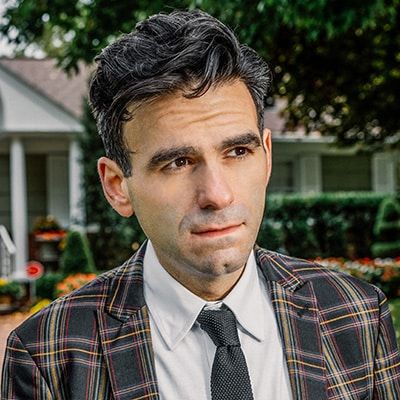
Joseph Iconis is a composer, lyricist, and playwright. He is best known for writing the music and lyrics to the Broadway musical Be More Chill. He has won awards such as the 2006 Jonathan Larson Award and the 2007 Ed Kleban Award... Read More
From the show: The Producer's Perspective Podcast with Ken Davenport
Guests
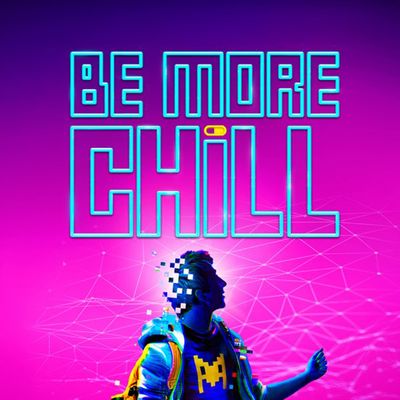
Featured Shows
About
Joseph Iconis is a composer, lyricist, and playwright. He is best known for writing the music and lyrics to the Broadway musical Be More Chill. He has won awards such as the 2006 Jonathan Larson Award and the 2007 Ed Kleban Award. Other works include The Black Suits; The Plant That Ate Dirty Socks; ReWrite, a mini-musical triple feature; Things To Ruin; and Bloodsong of Love: The Rock'N'Roll Spaghetti Western.
Listen in to hear us chat about . . .
- Just how that Be More Chill album went viral (and what you can do to make yours do the same . . . you may not like the answer).
- Why he works with the same “crew” of performers on so many of his shows.
- What doing “concerts” had to do with his success.
- How he dealt with the disappointment of his first show not going all the way when he thought it might.
- The fear of disappointing fans when your show is a social media success.
This week’s episode is brought to you by The Broadway Crew, a staffing and promotional agency for Broadway, Off-Broadway, and New York City theatre. Check them out at: broadwaycrew.com.
Keep up with me: @KenDavenportBway
Transcript
This transcript was automatically generated and might contain errors.
[0:07] Ken Davenport: You're listening to the Producers Perspective Podcast with your host, Tony Award winner, Ken Davenport.
[0:13] Ken Davenport: Hey, here's a tip for you. If you have a show in New York and you're selling tickets at the TKTS booth, then you want to hire the right promotional team surrounding those customers at the booth to give them information about your show. There's a brand new crew in town called, well, the Broadway Crew. They're your sales team out there on the front lines, engaging with your customers face to face every single day. Their members are trained to sell and present a cohesive professional image for your brand. That's why they've been able to increase TKTS sales for Broadway and Off-Broadway clients by up to 25%. That's a huge amount of money. If you want to increase your revenue at TKTS, give Broadway Crew a call. Check them out at BroadwayCrew.com. That's BroadwayCrew.com. And make sure you let them know that you heard about them through the Producers Perspective Podcast.
[1:09] Ken Davenport: Hello, everybody. Welcome back to the podcast. I am Ken Davenport. This is the Producer's Perspective Podcast, and I'm very excited to have as my guest today, the writer that everyone in New York City is talking about, Mr. Joe Iconis. Welcome, Joe.
[1:22] Joe Iconis: Hey, thank you.
[1:23] Ken Davenport: So unless you've been living under a rock somewhere, the reason everyone's talking about Joe these days is, of course, the musical Be More Chill, which took the internet by storm, then took Off-Broadway by storm. This past summer is on its way to Broadway in what I'm calling the first musical to be moved by social media. But Joe's been on the scene here for New York for many years. He's a Jonathan Larson Award winner. He's a Kleban Award winner. He's been called the future of the American Musical Theater. Written a bunch of musicals, Black Suits, Things to Ruin, Blood Song of Love, many more. And I've been a fan for a long time. So I'm thrilled that Be More Chill is happening for him. So, Joe, you're a part of the millennial generation of musical theater writers. So I guess my first question to you as a millennial is why musicals of all the things you could write and all the things you could do, why did you choose musicals?
[2:19] Joe Iconis: I, you know, I just have always had such a deep, insane love of musical theater. Um, you know, I, as much as I might be, you know, branded a millennial or sort of like, you know, contemporary in a musical theater writer, I'm super traditional insofar as like, you know, the shows that I love and the kind of writer I want to be, you know. I feel like it's like a very sort of old school thing. And so for me, you know, I've, um, the first show that I ever saw was Little Shop of Horrors. I saw the original production at the Orpheum, uh, September 27th, 1987. And it just immediately, uh, it like injected this love of musical theater into my soul in a very crazy way. You know, no one in my family is in theater or the arts in any way, and um, and so I just, I found the art sort of through musical theater, and to me it's always been just the best way to tell a story.
You know, I just love what happens when you combine drama and music, and you put it in a room with a whole bunch of people, uh, all having the same shared experience, you know. Um, so it just feels like, you know, of course, musicals. I wouldn't know how else to tell a story.
[3:42] Ken Davenport: How old were you when you saw Little Shop?
[3:43] Joe Iconis: I was six years old. It was for my sixth birthday. My birthday is September 22nd, and so my dad took me, uh, for my sixth birthday, and it was right, uh, right at the end of the run. Little Shop closed in November of '87, and the movie had already come out, and so I'd seen the movie and I was obsessed with it, and literally saw a commercial for the stage show, and I was like, "Oh, that's that movie that I like. This is live on stage, I would like to see that, please." You know, and I had seen like, you know, Sesame Street Live and like that kind of thing, and so, um, yeah, and so I went as a six-year-old, and it was crazy because I was like a very shy kid, you know. I was very shy and like really easily scared, and I was like a kid who would, you know, cry at just everything, right?
And, uh, and the original production of Little Shop is like fairly gritty, and you know, Little Shop, uh, in and of itself, everyone dies, and there's, you know, people get eaten. Uh, but I loved it, like I didn't find it scary at all. I totally just responded to it, and so, um, yeah, and so that was my first exposure to actual musical theater.
[4:46] Ken Davenport: You mentioned some of the other musicals you love, so give us some examples of things that you hold in high regard that inspired you.
[4:52] Joe Iconis: Oh my goodness, so many. I love, um, you know, I'm like a huge Sondheim guy, and so I love Follies a lot. That's probably my favorite Sondheim if I have to choose one, but I also love Assassins, I love Company, uh, I love Into the Woods, I love, um, Cabaret, that's probably my favorite musical of all time. I love Kendra Neb a lot as well. Um, what else? I like Frank Lesser, like How to Succeed in Business is a biggie for me. That's a great musical. I like, uh, Carol Hall a lot. I like, uh, Hairspray as a musical. I like Hedwig, Pump Boys and Dinettes. So many. I love musicals.
[5:30] Ken Davenport: And when you were six and saw Little Shop, were you a musician yet? Or when did that come into play?
[5:34] Joe Iconis: No, that would be so impressive if I was a six-year-old like playing instruments. Um, I, uh, so I started with the love of musical theater, and then separate from that, my family had a piano that was sort of given, it was given to my mom by my grandparents when she was a kid. They just bought a piano, um, because they were living on Long Island in the 60s, and it's like you have this house in the suburbs, and so you buy a piano for the house. And so they had this house, and so then when my, um, my parents had me, and then, you know, it moved, uh, my grandparents gave us this piano, and, uh, because of that, my mom, uh, you know, thought, "Oh, you should take piano lessons," because she could never play, and no one in my family has any musical talent at all.
And so they sort of forced me into, you know, piano lessons, and I was doing that and wasn't really, you know, liking it or wasn't showing any particular skill. And, um, when I was around like eight, but maybe nine, uh, the more I started getting into theater and musicals, uh, I started going to see shows and then going home and like plunking out melodies that I had heard at the piano, and so I sort of came to music through theater, and then, uh, you know, by the time I was in like middle school, you know, around like eleven or twelve, I was, uh, a really amazing pianist as a little kid. And so I was like one of those kids, um, who, you know, could sit down at the piano and just like play for hours and hours and hours, and because my love was theater, I knew all of these old, you know, like show tunes and I played all this like Gershwin stuff, but I could put the Gershwin stuff only because of Crazy For You, you know, so like all of my musical knowledge was very much filtered through musical theater.
Um, but that's how I kind of came to it, you know. And so when I, uh, when I became old enough to realize or understand that there were people who wrote the musicals, uh, that's what I wanted to do immediately. And so I've said, you know, since I was probably around, you know, 11 or 12, um, the like what do you want to be when you grow up, uh, question was always answered with I want to be a Broadway composer.
[7:43] Ken Davenport: Do you remember the first song you wrote?
[7:45] Joe Iconis: Uh, yeah, for sure. The first, so I, I would write, uh, I would write melodies, I never wrote lyrics really. I would just write melodies, and I would always write melodies to songs that were, uh, musical theater, imagine musical theater moments, uh, from movies that I loved, because I was a big movie kid too. So I would write like a ballad for Who Framed Roger Rabbit, but it would just be the music, like never a lyric, sometimes a title. And then the first song that I ever wrote music and lyrics for, uh, was a song, uh, that was for this community theater production that I was a part of, and it was a review, and, uh, we needed a song. They needed a song that was like a TV theme song. Uh, and so I wrote this song called The Money Is Yours, and, uh, the first time it was performed, somebody in the audience, uh, had a heart attack and later died. And so it's like positive for you.
[8:42] Joe Iconis: It's, yeah, or like just feedback, just very extreme feedback. I feel like audience reactions to my work have been extreme ever since. Um, so yeah, that was the first like proper song I wrote. But there's, uh, there's actually a, uh, a cool, uh, video of me when I was, uh, in elementary school and I made up the song called Mothers Are Special When You're Sad, and, uh, and the lyrics were, uh, exclusively Mothers Are Special When You're Sad repeated 16 times because it's a four-verse song, uh, and I was afraid to sing it myself and so I had a hand puppet that, uh, I hid under a table and the hand puppet sang it on top of the table. And so I guess that was like my first first, but The Money Is Yours was the first one that killed.
[9:28] Ken Davenport: So everyone's path to writing in New York City seems to be very different. So how do you go from that to getting started here? Like how did you start to make a name for yourself here in the city?
[9:40] Joe Iconis: I started, uh, I, my path, uh, sort of, I, my life in the city was kickstarted through NYU. So I went to NYU undergrad, uh, in the music composition department, and when I got towards the end of my undergrad time, uh, I was pretty clueless insofar as like how one would go about, uh, infiltrating the musical theater scene, you know. And I was also very different at the time. I was, uh, pretty reserved. Uh, the idea of like sort of putting myself out there in the way that, uh, that you have to put yourself out there was very terrifying to me. And so, uh, grad school was like a great way for me at first to be like, "Oh, I'm gonna like hold off, uh, the reality of jumping into my life and like actually try to learn some stuff."
And so I went to, uh, I went right on to the NYU grad musical theater writing program, and, uh, through that I met so many amazing writers like, uh, you know, William Finn and Michael John LaChiusa and all these people, and that sort of gave me a sort of a more of an understanding of like the business of things and the actual, uh, community of theater and, um, yeah, and so I made, you know, I met people through that program, uh, it, it, and I met enough people that allowed me to, uh, when I, you know, graduated to actually have some connections and have some people to go to and, and, um, you know, talk to about my work and stuff. But if I didn't go to that program, I don't know, I don't know what I would have, uh, what I would have done, you know, because also being in that program, it was such an amazing learning experience and it sort of taught me how to collaborate and taught me how to, um, you know, be a, be a just a, a man living in today. You know, I feel like I grew a lot like as a human during grad school, so, uh, yeah, so that was kind of the thing that it gave me the tools to be out in the world.
[11:41] Ken Davenport: And what was the first musical you wrote?
[11:44] Joe Iconis: The first musical I wrote was Black Suits, which, uh, was my thesis musical at NYU, and, uh, so that was another thing where I sort of, I graduated with this musical that, um, that people kind of knew even before I graduated just because of, you know, the sorts of people who travel through the NYU program. At the time when I wrote Black Suits, it was, you know, before Spring Awakening. Spring Awakening was being developed, but Spring Awakening didn't come out until the next, uh, I think, uh, at least a year after I graduated. I graduated in 2005, so I think Spring Awakening was like 2006, 2007. And so at the time, there just wasn't a lot of, you know, rock-based musicals about young people. And there weren't a lot of musicals that had the sound that mine did.
And so it was like immediately a very sort of sparkly show for people. And so that was another thing that was pretty wild to be able to go out into the world with this musical that people kind of knew before they even knew who I was, you know, and it's, um, and like, you know, industry readings that I did of Black Suits in 2008.
[12:51] Joe Iconis: I feel like I've yet to have readings where there's been that level of industry person. You know, it was this crazy thing where I feel like people were like coming to see this show just because they had heard about the show as opposed to like checking out my work. Um, you know, and then that show didn't end up happening in the way that I thought it was going to and so it ended up being this kind of strange thing where so many people were exposed to me through that show which then ended up not playing in New York.
[13:18] Ken Davenport: Yeah, was that just how so how disappoint obviously it was disappointing to you how do you come back from that of being having a reading attended by someone who I remember news about this.
[13:27] Joe Iconis: Yeah, and you probably think oh here we go this is how it happens I go to NYU it's going to Broadway. Man yeah like yes is the answer I thought that it it was so everything was so positive the momentum was so positive like from when I was graduating grad school you know like I really felt like oh yeah black suits is gonna open off Broadway. It's gonna be like this big you know sort of like watershed moment everyone's gonna be like oh there hasn't been a musical like this since hair or rent or I don't know what and it's gonna go to Broadway and like I'm set, I did it. And you know, it didn't it didn't happen, which is fine, but it was definitely it was definitely confusing and definitely like, oh, this is this is not it it.
I mean, there's no rules anyway. And so part of it was kind of, you know, I don't want to say liberating, but it was sort of it wasn't like oh I you know, I was going after this, you know, this job that then I didn't get it, you know. It was just strange, nothing but strange.
[14:27] Joe Iconis: But I will say that the black suits development process was the thing that was the most eye-opening for me because I really did not fully grasp how long it takes for musicals, even musicals that you know everyone was really excited about and felt very like you know, sparkly and buzzy and all that. It just takes so long for the things to get on a stage. And so, you know, over like my first year out of school when I was you know in development with black suits, I realized like, oh, this is the timeline of this thing is gonna be a little more protracted than I initially anticipated. And so I immediately felt like, well, I want to do shows because I've in addition to you know the material I read for black suits, I also I was writing these standalone songs that were theater songs, but I knew they were sort of like self-contained theater songs, and I felt like I have so many of these songs I want to do them.
I want to, you know, and I wanted to be a musical theater because I wanted to do musicals, and so like let's you know, I have these songs, there's gotta be a stage, so let's like do the do a show. And so I, you know, I very soon out of school, I started doing these concerts, which then became the things that sort of introduced my work to a much larger number of people than certainly than black suits, you know.
[15:50] Joe Iconis: Um, and so I had this other outlet, you know, on that, and doing these, you know, these concerts and sort of doing these theatrical endeavors on my own or you know with groups of people that I was you know sort of getting behind that was the thing that kind of allowed me to continue on it wasn't like I just sort of had this one musical and it fizzled out and that was that. I had this whole other body of work which then led to you know all of the other stuff that I've done since.
[15:50] Ken Davenport: Yeah, it's one of the smartest things I think as I watched your career that you've done and having attended a concerts of yours and obviously it markets yourself and two it gives you as a writer just a quick win because you're right these musicals you could have locked yourself away and spend another three four years writing a musical and then but this way you get your work out there you get a positive affirmation you get applause you get all that stuff yeah choose your tank to keep going.
[16:44] Joe Iconis: Yeah you know and and for me I when I first started doing the shows it was like I um there wasn't when I first started doing them there wasn't like a huge musical theater concert scene you know certainly writers you know had done you know nights of their work but the ones that I had seen all always kind of felt like like recitals or something you know like which are great but I I always felt like oh I want to do something different I want something like that could be a a a a a live experience um that is not is not just uh not like a sung resume or something you know or it's not an audition it's just it's a it's a a a someone can go there and have a fulfill you know uh the theatrical experience and so I um I always approached them just saying I want to just put on a good show and I want it to feel like itself and I want it to be you know specific and um and I think that's the thing also that sort of allowed me to like keep going with them and um you know the whole sort of like a connoisseur family thing is sort of born out of that about it being like this this event and this uh this performance that is uh that in and of itself is uh a fully uh satisfying you know evening. It's not like a you know a taste of something else or uh you know like a teaser or something, it's its own thing.
[18:03] Ken Davenport: Yeah, let's talk about this family a bit because one of the things that I love about you and your shows is that you have this group of performers that you seem your crew, if you will, that you seem to take to your concerts, your shows, etc. And they're all very unique. Tell me about how you found this group, why they're important to you, why they keep coming along. And are they your muse? I mean, what yeah, how do they uh what role do they play in your writing process?
[18:31] Joe Iconis: Yeah, yeah, yeah. Kind of all of the above. You know, I um the initial impulse to to do something like this really just came from um the the sort of art that I've always responded to. And so I'm um I've always loved the idea of a of a rep company. I've always loved the idea of a troop of you know actors, performers who are all together, and you know, one night you know, they do Uncle Vanya, and the next night they do Dan Yankees, and like I just always love that sort of idea of like these, you know, like a band of artists who are all each doing different things and um and each have different roles and it changes all the time. And and uh and I uh my you know, sort of my favorite artists, I had to pick one ever, is Robert Altman, you know, the movie director, and Robert Altman had a similar sort of thing where he used a lot of the same people, you know, actors, but also people behind the scenes, and and you know, as uh as an impressionable uh budding artist, that was always something that I just thought was so cool, and I loved his movies so much, and I felt and I understood um why there was worth in that and sort of creating this um this family of of artists.
And so uh when I you know first started doing shows, it really happened very organically, where it was just like I would see actors and and um I would see actors that I would would love and I would contact them and ask them if they wanted to do a show, and then I'd ask them if they wanted to do another, and then it sort of became this you know band of people.
[20:01] Joe Iconis: And um for me it was really like you know, early on when I was doing it, there's always the pressure of like um, you know, quote unquote like recasting for one reason or another, even in concerts, you know, I do concerts, and like sometimes the venue would be like, Hey, can you you know throw some some um again quote unquote Broadway people in here, you know. And I I would always feel like why? Like I just don't, if there was like really a great reason, you know, if it was like, oh, um, you know, Hugh Jackman or whoever like the Hugh Jackman of 2008 was, um, uh, you know, it wants to like be in your concert, uh, then I'd be like, okay, it may be, but it's like it's that it's a silly thing where it's like there's no real reason for it.
And so um, and so I just I I just started using uh I I developed this this troupe, you know, and and it it was so funny about it is that now so many people are talking to me about it, and obviously in Be More Chill, Be More Chill is populated again, like on stage and behind the scenes with so many artists who I've worked with for such a long time, you know, some like as long as I've been doing this. Um, Jason Sweetith Williams was in I met him through the black suits, you know, and so, like, all of these people I've been working with for so many years, and everyone is so uh positive about it, but for so many years, I constantly had to talk about how like you know, I had to combat this idea of like, oh, Joe Iconis only works with his friends.
That was everyone's thing. They would say that I was bringing my friends, and um, and they would they everyone would always say that I went uh his like college buddies, like that was the thing, which was a joke. Because like I didn't go to college with any of these people, like I literally saw like I saw them, you know, like on stages, and um and and it was like it was always from like an artistic place, and like yes, I'm friends with so many of these people, but it's it was a friendship through art, you know. Um so yeah, it's like a cool, it's a cool thing. Uh it's something that I'm very proud of that it's uh it's been able to last as long as it uh as it has. And I also love like you know, as as much as the this family is populated with you know, sort of off the beaten uh path actors and people who maybe aren't your typical musical theater performers, you know.
I also have people like Annie Golden and and you know, Betty Buckley in the last couple years has done all my all these shows for me, and uh and that's like my dream, you know, to have this like this just like troop of misfits that includes like people who are absolute legends, you know, that everybody knows and people who nobody knows and like everyone in between.
[22:28] Ken Davenport: I'm so glad you used that phrase because that's what I think of, but I frankly never would have called them that because they're so extraordinarily talented. But yeah, that's what I saw, and you fall in love with both you and and your crew again, if you will, because they are so unique. And I remember the first concert I saw going, like, wow, I don't I don't know any of these people. Why is that? Because they're amazing.
[22:50] Joe Iconis: Yeah, yeah, yeah. Um, so tell me just about your writing process. Like, you do write a lot of things. You you write music, you write lyrics, you do write book at times, you've written the whole thing. Uh tell me about your process from idea first. Like, where do you get your ideas, which are pretty eclectic? Uh, and then you sit down and what's that process for writing a show?
[23:11] Joe Iconis: Um, yeah, it's sort of uh it's sort of different for me, uh, dependent on the the material or the the thing I'm writing. You know, it's like my my process for writing a standalone song is different than when I'm I'm writing a you know a book for a musical or even a song on a musical. But I tend to um I tend to think a lot uh before I ever put pen to paper. You know, I'm I obsess over things, right? And so I feel like um any musical that I've done, even if it's even if it's something that's adapted uh from source material, it usually intersects with ideas that I've been fixating on for a really long time, you know, and uh and so like something something like like Be More Chill, um, you know, when that came to me, uh it was a that was a book that that my agent uh at the time gave me uh to read.
Uh but I had already, you know, for a while been excited about doing something that was like a uh a sort of naturalistic story that took a a huge sort of tonal shift at a certain point, like either a sci-fi or a horror thing. I had been really um wanting to like explore some uh some some heavy issues uh in a light way. I had been wanting to write like a proper musical comedy. I'd been uh really obsessed with 70s and 80s uh horror film scores, you know, so like all of these ideas that have been kind of floating around and then um they kind of congealed. And so um when I when I finally like when I when I finally settle on something, once like all the ideas sort of come together, um then uh then I just you know I I'm a big outliner, and so like when I start uh when I start a project, I outline fairly explicitly, you know, and I do like um you know, I can play songs where I think they're gonna go, and um it's just a lot of like thinking and brainstorming with other people, just with myself.
[25:14] Joe Iconis: Uh and it's so there's I feel like there's so much that I that goes into it before I ever actually start to write anything, that by the time I really get in there to write, I tend to write pretty quickly, or it'll, you know, it'll sort of come in bursts just because I feel like oh, I've been doing, you know, I've been I've been like you know writing this thing in my head for whatever a month or a year or or six years, right? So like when it's fine time to finally write it, it's like I have all of the the sort of you know um uh the uh brunt work or whatever kind of done already. Um yeah, and then my actual writing process is is pretty messy. I'm not someone who has like a specific time of day that that I write, you know.
I um I kind of I kind of write whenever uh inspiration strikes, which usually means uh I write when there's like a deadline or I write when when um whatever is gonna I write to put out fires essentially, you know, it's I feel like I'm I'm overextended enough where there's always gonna be at least three projects where if I don't write this thing, someone's gonna get really angry at me, and that's usually the thing that inspires me to write. Um but I uh when I'm when I'm writing a you know a song or or or or scene stuff for that matter I uh I write at um I'll I'll usually start uh away from a piano and I'll usually have like an idea like a hook or something in my head usually with a music implied then I'll go to the piano and write a little bit then I'll go away from the piano.
I like to uh I like to write in public a lot so I like to write at coffee shops or bars or anywhere where there's like where there's action happening I tend to not do well in like quiet rooms. I like to have like some distraction going on. Um yeah and it just and it just kinda it just kinda happens but messy.
[27:12] Ken Davenport: How do you stay objective when you're doing all three elements? Do you have do you count on your director to bounce stuff off of or are you just able to do it yourself? Like what's that process like?
[27:22] Joe Iconis: I uh I'm I'm I'm super collaborative uh and I I feel like everyone everyone is like I'm a great collaborator um but I think I actually am uh because I've had so many projects where I've written all three myself or enough where I've written all three myself I when I'm writing all I want to do is finish so I can get it in a room with other people. Like I I I I realize that I kind of dislike the writing like I kind of dislike the like blank page fill it up with something part of writing my favorite part of writing is when I can take a script and go into a room with a director who I love and with actors who I love and with a stage manager who I love. And anyone who any human being who's in the room, uh, I I wanted, I I I wanted not it's not it goes beyond hearing feedback.
I like truly believe that that you know theater is is a collaborative art form. And I think that everyone's voice is is uh it has a place at the table. And so uh for me, you know, I it's just a matter of getting something on the page, and then once I do uh I want to hear from everybody. And when I say everybody, I mean people who I uh you know love and respect and jive with, you know, not like random random people on the street or or people who I don't think uh you know share a sensibility or whatever. Um yeah, yeah, it's that. It's trying to like get something down so that I can immediately as quickly as possible, I wanna I want feedback of other artists who I love.
[29:04] Ken Davenport: So let's talk about Be More Chill specifically. So this was a commission originally, is that right?
[29:09] Joe Iconis: It was a commission, yeah. The idea came from uh my myself and and Joe Trace, the book writer, uh we um, you know, we knew it was something we wanted to do, and we had both been talking at Two River Theater in Jersey uh about doing something, and um they said, Why don't we commission you to write this uh be more chill thing? You wanna write? So you write it, you put it up there.
[29:32] Ken Davenport: When did you know it was something special that was resonating with an audience? Was it that first preview? Was it run through was it months later?
[29:41] Joe Iconis: It was uh I would say as soon as we got it in front of an audience, even in even in a reading setting, uh, you know, it was it felt like, oh, this is a this is this is a a special one for sure. Um and and as soon as we started performances at Two River it felt like oh yeah this is connecting in a real way to the people who are who are watching it um uh which you know it it's it's crazy but it's it's the way that it felt the way that it felt going into the premiere at Two River was not dissimilar to ways that it has felt on shows of mine in the past you know I've I've had uh I've had quite a few experiences now where I've had a new musical and there's been a lot of momentum going into it and a lot of people you know say things to me uh like oh this is the one this is the one that's gonna go from you know wherever you know we happen to be in Barrington Stage Company or Arsenal or wherever and like you know go to the fancy theater off Broadway and then go to Broadway because like look how people are loving this everyone's loving it and so you know with Be More Chill that was sort of like the you know the third or fourth one kind of like that that I had had and so it was exciting but not nothing about it felt like oh this is like an extraordinary example of this it sort of felt like oh this you know we're we're doing this again or everyone likes this thing it's going really well and people are crying at that song about the kid in the bathroom and um and so it it definitely was something that people were responding to and then you know we opened and we got a review that was not a great review and it just all uh it was all over like and it you know it was uh it was a very palpable um you know letting the air out of the situation uh feeling that again had happened has happened to me through pretty much every time I've I've done uh I've I've done a new musical like that um and so the thing the thing that that was the most notable about Be More Chill was that it felt it felt like the most disappointing you know it's when when nothing was was gonna happen uh just because it felt it it was like it it so clearly was connecting with people and it was just such a such a bummer because it felt like the the group of people was so right on and and um and there had been it it it felt like you know every there were so many hopes pinned on the show uh that it was particularly disappointing when it became clear that nothing was gonna happen with it you know but then something did happen.
[29:56] Ken Davenport: But then something did happen internet so tell me about that and when that happened.
[29:56] Joe Iconis: Yeah yeah man it's well it it only happened because uh because the album was made and the uh Two River Theater uh like bless them bless them bless them uh said when you know after the show opened and it was clear that nothing was gonna happen with it uh they said we really love the show and we are very proud of it and we want to make this album we want to you know um have a Two River Theater album and we want to preserve this thing and uh and so they they paid for the album and we did the album uh on uh Ghostlight who uh you know Kurt has been very supportive of me my whole career all my other albums around Ghost Light and we made it really soon after we closed and released the Halloween 2015 and you know, people liked it, but it was the it was the amount of people who you know are gonna like a cast album of a show that played for a month in New Jersey.
Like it's it's that even that core group of of theater fans. And so there was nothing, you know, again, extraordinary about people's responses to it initially. Uh, and they were the sort of responses that I was really used to getting, like, you know, people clearly connecting with the work, but a finite number of people. Um, and so when it, you know, when when it became clear that something else was going on was uh like spring of 2017.
[33:50] Ken Davenport: Two years later.
[33:51] Joe Iconis: Two years later, yeah.
[33:53] Ken Davenport: Yeah.
[33:53] Joe Iconis: Uh and it just started in the form of of getting notifications from uh Twitter and Instagram and uh to a lesser extent Facebook of people uh people um you know responding to the album and in particular Michael in the bathroom. And at first it sort of felt like oh cool, people are like for some reason discovering um the songs in in Be More Chill. And you know, I I have a I have a healthy culty fan base, or up till up till then I had had one. And uh and so it wasn't unusual that I was you know getting like a a tweet from someone I didn't know uh you know about a song that I wrote, but then it just sort of you know started increasing in frequency, and then it was like uh, you know, I fan art, uh which was something that was kind of new to me in my work, and then like more and more fan art, and then it was enough where it felt like something strange is happening.
And so when it, you know, the for the first few weeks of of all this going down, I you know, contacted George Salazar, uh who's a good friend of mine, and you know, we've been working together before Be More Chill and since Be More Chill, and I was like, Are you are you are you doing something with Michael in the bathroom or something going on? And he was like, No, I've been noticing all this stuff. I thought you were doing something. And then you know, I spoke to Joe Trace, the book writer, and I was like, Are you like you know, is something going on with with with the show that I don't know about? And I was like, No, it's gonna see the same thing. So it was sort of all of us literally like not understanding why people were all of a sudden you know catching on to the show, and then uh it became really apparent that it was something that was more than just uh a few people discovering it.
It felt like, oh, this is like a a thing that's happening, and it's like a um, you know, it's like just such a silly word to say, but it's like a viral thing, you know, and it was like really it was really happening, and so then you know, I I involved Ghostlight, and at first Ghost Light was just sort of like what like you know, it's like good, you know. Some people were tweeting about it, good for you. And then you know, of course, like people started buying the album, which is something that just they you know, people just don't do people don't buy albums, and people certainly don't buy musical theater albums, and so then you know, Ghostlight was like, wait a minute, what's going on with Be More Chill?
What is this? It's like I don't know, no one knows, man. And so um then, you know, uh Ghost Light made this Michael in the bathroom music video, uh, when all of this was first starting, and um that music video started taking off, and then over the course of last summer, just the numbers associated with everything to do with the show just started growing and growing and growing. Uh, really, really extraordinary numbers um for a for an album of a show that had never played New York City um and that had played New Jersey two plus years ago.
[36:42] Ken Davenport: Um yeah, and so it just kind of built from there.
[36:46] Joe Iconis: It's pretty wild. And all of a sudden something is happening, it goes off Broadway, it sells out in like an instant.
[36:53] Ken Davenport: Yeah, uh, and now you'll open on Broadway in the spring.
[36:56] Joe Iconis: Yeah, so how does that make you feel? Like, what are you excited? Are you like, oh, here we go again? Like what no?
[37:09] Joe Iconis: I am I am so excited. Uh and like truly in disbelief. You know, I've I have wanted to have a show that I care about on Broadway as long as I've been in the world of musical theater and longer. You know, that has like my that has been my dream. When someone's like, What's your dream? The you know, the like the politically correct answer is always like I want my work to be seen by as many people as humanly possible, which is the truth 100%. But like my dream dream is to have a show on Broadway because I love the idea of Broadway. I think it's so cool. I love that huge shows can exist next to little shows, and I I think there's real worth in it. And I've always loved the idea of having a show that I that I cared about, you know.
[37:55] Joe Iconis: And I always thought like I would I would not, I would certainly not, you know, uh if I if I if I made it to Broadway as a writer of a show that I felt weird about, or you know, some like maybe less than ideal situation for what my ideals are, um, I wouldn't like kick that out of bed, but uh the you know, the the fantasy version was always going to Broadway with a show that I really cared about that I thought was really good, and that was representative of me as uh as an artist and a human being, and like the uh you know, triple fantasy version of that was getting to do it with artists who I loved and respected and who I'd um you know really believed in and had a relationship with, and uh the fact that that's happening is really unbelievable.
And uh the fact that it has happened the way it has happened is just something I mean, I could never have like um I could never have imagined it because it didn't exist, you know. So it's um it just is so it's so bizarre and it really has given me it's given me um like a lot of faith, you know. It I I had I had had so many disappointments, not artistic disappointments. I've been really lucky to have like great artistic um uh experiences in my life, and I I'm very lucky and I've had a lot of opportunities, but I really have experienced you know these huge sort of crushing disappointments so many times, and I really believe there was a certain way that you had to get to where I wanted to get to with the sort of stuff that I was writing.
You know, I've always felt like I, you know, I'm writing these musicals, whether they're based on properties or not, but are a little bit left of center and um and need certain things in order to get to Broadway. And uh, you know, Be More Chill is a musical that you know it's not based on a big movie, and and there was no famous person in it, and it wasn't written by famous people, and there wasn't like you know, like one of like there wasn't like a Titan, you know, producer who was shepherding along the way from the beginning, and and um and so I felt like you know, it it didn't it didn't check a lot of boxes that needed to be checked to get to Broadway, and uh the fact that we were able to get there is uh it just makes me feel like oh wow, there actually is another way of doing things, like there just is. And even if we you know, even if we don't like make it for very long on Broadway, we like we got there, and the fact that we got there, I truly think is uh worth a damn, you know.
[40:23] Ken Davenport: Yeah, I a hundred percent agree. It's really extraordinary. And I just love the fact about that you're getting there the way you want to get there, as opposed to frankly writing the score to who frame Roger Rabbit or Bannakin, the musical or whatever someone would hire you.
[40:35] Joe Iconis: Mannequin, the musical. I know. I would do I would use Mannequin 2 if I had to musicalize one of the movies in the Manication franchise, but yeah. I'm just so edgy in that way.
[40:46] Ken Davenport: So what happens now with the show? Is you're like, oh yeah, great. We did it, we did it off Broadway. I'm just gonna hang out until it goes to Broadway. Or are you rolling up your sleeves? Are you doing more work? What what happens?
[40:56] Joe Iconis: I mean, my sleeves are literally rolled up right now.
[40:58] Ken Davenport: They are, I see that.
[41:00] Joe Iconis: Uh no, I mean, definitely definitely doing more work. Like, I've I I've I've I worked very, very hard to get to this place, and the work continues, and I I do not want to feel like I uh let this moment in my career slip by without doing as much as humanly possible from an artistic place and from a professional place. And so we're definitely gonna be doing some work on the show from off Broadway to Broadway, not changing it in a way that's like broadifying it, which is so funny. Like so many people have asked me, um, oh, what is the Broadway version of this moment or this moment? And it's like it's the the off-Broadway version, but in a different theater, you know, it's like at the end of the off-Broadway version with with um, you know, uh uh more uh uh more dynamic pricing. Like it's it's the same, the same thing, same idea.
[41:50] Ken Davenport: You have that interesting, you know. Look, social media has been such the reason why things are propelled like it has. Well, you if you were to quote unquote Broadway it, you could have the reverse effect, right?
[42:02] Joe Iconis: Oh yeah. Can you imagine if the if the fans revolted? If the B Marshall fans revolted, like that would just be it, I think Broadway would just be gone. Like they would just be running rampant, like lunatics through Times Square because we had, you know, like ruined this this sacred, you know, uh Ramshackle musical. Um but yeah, you know, but also like that's what's been so funny and specific about the whole fan base thing is that as much as the the fan base got the show to got you know people the people who need to get interested in in a in a in a show interested um so that it ended up on a stage, it's all it was a lot of pressure, and it was something that I've never experienced as a writer when revisiting something, any sort of rewriting, and we did quite a bit of rewriting on Be More Chill um for the signature.
Uh anything that I did, I had you know, this voice in the back of my head or the front of my head saying, like, oh, millions of kids, you're gonna be so pissed off that you just changed that word. That you know, it's like there there are fans who know every single syllable of that cast album, and I was very aware that any time I changed something, it it was going to be notable. And I I believed that you know, the people who responded to Be More Chill in the first place responded to, you know, my voice and Joe Trace's voice, and those voices I think are the same as they were in 2015, but I you know I'd like to think that we're better writers than we were in 2015, and so I I believe that they would, you know, go with us no matter what we did.
Uh, but it was like it was it was scary, and there was, you know, there was like there's this one song that I never I never thought that we got right at Two River, and it was one of those moments where you know you're developing a new musical, and I feel like at a certain point you just have to put the pause button on. You don't like you don't like you know, crack it. It's just like, well, this is what it is, and we've run out of time, and so this is what it is for now. Uh there was this one one song that I always was like, we never got that right, and it always made me cringe at Two River, and I always felt like, oh, if I'm if I'm given the opportunity uh to do something else with with be more chill, that's like one of the like the no-brainer thing.
I'm gonna like do some work in the song. Clearly needs work. And uh we had this like you know, box office opening event for be more chill before we went into rehearsals and anything, and uh a lot of you know, fans came, and so I got to like you know interact with people and fans of the show, and uh and so the song in question is the song called The Pitiful Children, and this uh this this woman came up to me and she was like so excited about the show and like so passionate and telling me how much the show means to her, and uh, and she like she took me by the shoulders and she looked in my eyes and she said, uh, just promise me one thing. Promise me you're not gonna touch the pitiful children.
[44:57] Ken Davenport: Oh my god. What did you say?
[45:00] Joe Iconis: And I like I like stammered, and I think I guess I lied to her, and I was like, or I just gave I gave some like politician answer where I was like, we're going to try with the best of our abilities to maintain the integrity of the Be More Chill that you know and love, I'm also making it the best theatrical experience it can be. But it was so heartstopping, and I've literally thought about her all the time. And I am so uh I am so terrified for her to see the show. And maybe she's seen it, I don't know. Maybe there's like hate mail waiting for me at the signature. But um, yeah, but it's that kind of thing. And I just like every moment I rewrote, I was like, oh man, are people gonna are the people who like built this thing up gonna then just revolt against it and like tear it down because of my poor rhyme or something? But having watched a bunch of those fans, literally, I've seen them in in merch, like walking up Eighth Avenue coming from the show. I think I think they're fine.
[45:50] Ken Davenport: Yeah, no, they've been very kind. Uh so look, we were talking before we uh hit record here about how you're suddenly this overnight sensation, everybody's talking about you, but you've been you know banging on doors for a long time and doing this.
[46:02] Joe Iconis: Yeah.
[46:03] Ken Davenport: What's your advice to other writers out there who are just starting, just getting out of college that would love for one of one song, never mind a whole musical to go as viral as as yours did. What would you tell them to do?
[46:16] Joe Iconis: Um, I would tell them to uh I all of my advice has has become very cheesy these days, but just like but like believe, believe that you that you can do it. I am someone who would not have thought that what happened to my show was possible, and I 100% did not try to make that happen. Uh I just tried to make the best show I possibly could. And so that is that's definitely something I would say to anyone. Just try to make good work. Don't try to think about like how how you can make this thing uh that you're working on, you know, go viral, or how you can make it like, you know, do whatever. Just like focus on good work, and I think if it if it connects with people, it's gonna connect with people, but it has nothing it has nothing to do with the the making of it.
You know, it's like I think all you can do is try to be honest and and truthful, um, and just believe and just keep keep going, you know, because it's not and all I all I know is like my own experience, but it's um it's I I where I am right now is not where I thought I would be certainly a year ago. Um and it's just it's it's amazing. Like I think that there's the the world is changing and there's there's new ways of doing things and it there will only all there will only ever be new ways of doing things. So just you know, believe that.
[47:37] Ken Davenport: So my last question, my which is my genie question. I want you to imagine the genie from Aladdin comes to visit you. Nice and uh wants to congratulate you on believing in the genie and all other things. Uh by granting you one wish. Now obviously things are going very well for you right now. But I want you to imagine that you're what upsets you the most about Broadway? What gets you frustrated? What has you banging your head against the wall that you would ask this genie to wish away?
[48:09] Joe Iconis: Mm-hmm. Mm-hmm. About Broadway specifically.
[48:13] Ken Davenport: It can be about theater in general. Well, you you like to draw outside the lines. We'll let you do the same with the question, if it so inspires you.
[48:21] Joe Iconis: Um I oh man, this is so hard. The new rule, you can't say ticket prices.
[48:30] Ken Davenport: Amazing.
[48:31] Joe Iconis: I wouldn't say ticket prices. That's uh yeah, I don't know. I want to say a good a good thing. Uh I think that if I could ask a genie to wish away one thing about the current state of theater, uh I um uh closed mindedness. Uh I just think that everything everything is better if uh people if people have an open an open mind to new ways of of doing things. Uh which is a which is a messy, potentially confusing thing to say to a genie, but uh I believe it. You know, I know like the successes that I've had are because people have taken a chance on me, because people have taken a chance on the folks that I've you know surrounded myself with, the Jennifer Ashley Teppers of the world, and the people who are visionaries. And yeah, just make make space with the visionaries.
[49:33] Ken Davenport: Oh man. The genie would be like, so what's your wish?
[49:37] Joe Iconis: No, it's it's a good one. Uh and a shout out to Jennifer for sure, who used to work for me as well. I just I just love it. She's been talking about you for a long time. Uh so you're right, everyone out there has to make room for for people like you, even before their shows go viral. So I think it's a wonderful wish. Okay. All right. Uh, and frankly, it's educational for me too. I'm gonna I gotta try to do the same thing here where I sit. Uh so thanks for that. Thanks for joining me. Thanks to all of you for listening, and go see Be More Chill when it opens. It's one of the most exciting things to happen to Broadway in a long time. We'll see you there, and we'll see you next time. Look out, Broadway here by Come!
© Broadway Podcast Network, All Rights Reserved