

In this episode, Pamela and Ebony discuss the return of Broadway, what makes them apprehensive about their hope for change and what reinforces it. Cited articles include: https://www.cbs.com/shows/tony_awards/ Tony Awards: US TV audience slumps to all-time low... Read More
From the show: Theatre Geeks Anonymous Podcast by Ebony Vines and Pamela Shandrow
Featured Shows


About
In this episode, Pamela and Ebony discuss the return of Broadway, what makes them apprehensive about their hope for change and what reinforces it.
Cited articles include:
- https://www.cbs.com/shows/tony_awards/
- Tony Awards: US TV audience slumps to all-time low
- Tonys Analysis: A Ceremony Better Late Than Never, But Still Too Late
- Belated, Bifurcated, Bungled: The Sad, Strange State Of The 2021 Tony Awards
- Accountability Report
- Allied with BFRJ
- BAC Equity Workshops
- Scott Rudin reckoning
- The Music Man
- To Kill A Mockingbird
- Other Projects
- https://www.onstageblog.com/editorials/2021/10/28/the-tyrannical-and-abusive-garth-drabinsky-and-his-attempted-return-to-broadway-with-paradise-square-part-1
Transcript
This transcript was automatically generated and might contain errors.
[0:03] Ebony Vines: Welcome.
[0:05] Pamela Shandrow: Theatre Geeks Anonymous.
[0:07] Ebony Vines: The podcast about Broadway flops, scandals, and new work.
[0:11] Pamela Shandrow: Now we'll take a break from our usual episodes to bring you this intermission sode.
[0:21] Ebony Vines: Is my sound level okay? I'm not too loud.
[0:23] Pamela Shandrow: Yeah.
[0:24] Ebony Vines: I went back to the old microphone because the other ones I tried...
[0:30] Pamela Shandrow: Yeah.
[0:30] Ebony Vines: It was crackly and I'm tired of it. So I bought two and neither one ever worked well.
[0:37] Pamela Shandrow: So I remember.
[0:39] Ebony Vines: But you're back a while.
[0:40] Pamela Shandrow: I can hear you.
[0:41] Ebony Vines: I'm back.
[0:42] Pamela Shandrow: You don't crackle.
[0:42] Ebony Vines: Yeah.
[0:43] Pamela Shandrow: Right. So I feel like because like to us, to you and me, Ebony...
[0:48] Ebony Vines: Yeah.
[0:48] Pamela Shandrow: We have... it's been a very long time since we've recorded.
[0:52] Ebony Vines: It's been months.
[0:54] Pamela Shandrow: But to the listeners, it's probably been a couple weeks.
[0:57] Ebony Vines: Yeah.
[0:58] Pamela Shandrow: We just like... it's only like we took a couple weeks off, and then but like we had a really good cache of episodes to put in there, and it was... yeah, this was good.
[1:09] Ebony Vines: I think we should do that again.
[1:11] Pamela Shandrow: It was good.
[1:12] Ebony Vines: It was Smash that helped us out so much.
[1:15] Pamela Shandrow: Totally.
[1:15] Ebony Vines: It was totally Smash. And I, as I was preparing for this one, I thought, and I don't know if we can do this, but like I'm desperate to do some sort of like... I was like, I wondered how much we could do on like criminals of the theater.
[1:33] Pamela Shandrow: Okay.
[1:33] Ebony Vines: We should look into that. Because, you know, we're definitely gonna... since this episode is technically an intermission sode and we're gonna talk about Broadway being back.
[1:43] Pamela Shandrow: Broadway's back, but is it better?
[1:45] Ebony Vines: Right, you know, there's a criminal coming back.
[1:50] Pamela Shandrow: Mm-hmm.
[1:51] Ebony Vines: And so I, as we were... as I was like reading the articles about him returning, and it made me go back to, and I talk about her a lot, Adela Holds her.
[2:02] Pamela Shandrow: Yeah.
[2:03] Ebony Vines: And her story, I... so I went back to the New York Times article, which was her obituary early in 2020, and there was like still more stuff that I was like, wait, I didn't know that. Oh my goodness, I didn't know that. And it's just so fascinating, and I just wish... like I would just love to do a deep dive on these people since both of us love true crime.
[2:17] Pamela Shandrow: Totally.
[2:17] Ebony Vines: And they're both... you know, so many of them are usually also associated with flops.
[2:36] Pamela Shandrow: Yeah.
[2:36] Ebony Vines: Well, they would have to be flops because you're starting on a foundation of fraud.
[2:36] Ebony Vines: Foundation of Fraud.
[2:43] Pamela Shandrow: We... oh, that's... that should be the name of the series.
[2:48] Pamela Shandrow: Okay, that's what we're calling it.
[2:49] Ebony Vines: Awesome.
[2:50] Pamela Shandrow: Yeah, yeah. Um, also I had another idea too, and this can be something that we run by our listeners. Let us know.
[2:55] Ebony Vines: So for... for Ebony's idea, this is great. If you can think of someone who is a criminal or, you know, even if they've never been brought to justice, if there is something in their past that points to fraud, let us know. I'm supremely interested in that.
[3:09] Pamela Shandrow: We've also got a list forming just based on the musicals that we've done in the past.
[3:16] Ebony Vines: Yeah, I was also thinking because Smash was so fun to do...
[3:21] Pamela Shandrow: Yeah.
[3:21] Ebony Vines: There are movie musicals out there that are... uh, what's a politic way of saying they suck?
[3:31] Pamela Shandrow: Ringadoon, right?
[3:33] Ebony Vines: They're not good. I mean, they're just... you know, some of them were made poorly, some of them were kind of slapdashed together, and I feel like the ones that have been made most recently are the ones that are the worst.
[3:46] Pamela Shandrow: And that should not be, because we have a host of really amazingly talented people that just keep being looked over because they're just theater, quote unquote.
[3:59] Ebony Vines: Right.
[3:59] Pamela Shandrow: Right.
[3:59] Ebony Vines: Uh, in favor of people that are obviously bigger names, right?
[4:04] Pamela Shandrow: Yeah.
[4:04] Ebony Vines: Um, which, okay, and I'm gonna say blanket statement. That does not necessarily mean that the people that they are hiring are not talented, but they don't fit into the character that they've been hired for, or their voice isn't right for it, which is... that's fair.
[4:22] Pamela Shandrow: You could be... you could be 90% perfect for the character, but if your voice isn't right for it, you shouldn't be cast, okay?
[4:30] Ebony Vines: Right.
[4:30] Pamela Shandrow: Yeah, no, I... I agree. And in some of these cases, when the musical was written for the stage, it was written for one particular person.
[4:38] Ebony Vines: Right.
[4:39] Pamela Shandrow: And so that's a lot of the time, yeah.
[4:41] Ebony Vines: Yeah.
[4:42] Pamela Shandrow: So when that person inhabits the role that was written for them, they're perfect, but then, like you said, it's sort of... uh, funny enough, it's sort of a Julie Andrews type situation.
[4:52] Ebony Vines: Yeah.
[4:52] Pamela Shandrow: While they'll say, well, that person isn't... it's... they're not... they don't have a big enough name or they're not pretty enough or whatever to be in the movie, and then the movie's not as good because it really should have been the person who it was written for.
[5:07] Ebony Vines: Yes.
[5:09] Pamela Shandrow: Also, I mean, and this is when fascinates me because I just saw a TikTok about this a couple weeks ago about Marnie Nixon. Now I know I've known about Marnie Nixon forever. You probably have too, just because that's what we used to watch.
[5:21] Ebony Vines: As we... when we were kids, we watched those old movie musicals.
[5:24] Pamela Shandrow: And Marnie Nixon is the singing voice for the bulk of those movie musicals. So you're talking West Side Story. She voiced Maria. She voiced Eliza Doolittle in... um, oh my gosh, what's the name of the video?
[5:38] Ebony Vines: My Fair Lady.
[5:41] Pamela Shandrow: Oh man. Um, but she did a lot of those voices, and that actually happened quite frequently. And Marnie Nixon was the most notable, but I'm sure it happened elsewhere.
[5:52] Ebony Vines: So that could be another series that we do, and that would be fun. If you all haven't watched, there's a great documentary about Gwen Verdon. I found out about it by... uh, listening to an episode of Behind the Curtain.
[6:05] Pamela Shandrow: And, uh, in it, she reveals that she was the... if you watch Singin' in the Rain, and you watch the scene where, um, he's singing Singin' in the Rain, the tapping is not his tapping, so like the sound of the tapping is not actually Gene, it's actually Gwen Verdon.
[6:28] Ebony Vines: And a lot of people don't know that.
[6:29] Pamela Shandrow: Yeah. Now, this is... this is an interesting thing because, of course, Gene could dance, like nobody's disputing that, right?
[6:37] Ebony Vines: But, um, I'm not even a hundred percent sure exactly why they just didn't have him do the folio work.
[6:44] Pamela Shandrow: Well, I've got a conjecture about that.
[6:46] Ebony Vines: Okay, I think I might have actually mentioned it at the same time that you told me this story. It's about because he was sick, maybe, right?
[6:52] Pamela Shandrow: So when he was filming, so he's like a perfectionist to the hundredth degree, right? And so he would do take after take after take until he felt that he... he was perfect, right? I mean, like, there's the story of doing, um, Good Morning, Good Morning, doing that dance number over and over again until Debbie Reynolds' feet were bleeding, so it's like he was just a perfectionist, and each time he did it, he had to do it in the rain every single time.
[7:18] Ebony Vines: And he got really, really sick.
[7:21] Pamela Shandrow: And I think he was down for the count for a while. I don't know the exact number, but it was... it was a while enough.
[7:27] Ebony Vines: So I do wonder if maybe that is why.
[7:31] Pamela Shandrow: Yeah, I mean, that's... it's a good conjecture. I mean, he was... he was in the rain enough that the wool suit he wore in that scene shrunk on his body.
[7:43] Ebony Vines: Oh my goodness, Gene. The things people did, and see here's the thing. You hear that story, and you're like, oh wow, Gene, he was a workhorse, he was great. No, that's toxic.
[7:54] Pamela Shandrow: That is toxic.
[7:55] Ebony Vines: You do not work yourself to death. You do not work yourself to a point where you've got pneumonia. You don't work yourself until the point where your clothes no longer fit you because they've shrunk because of the rain that you're dancing in. Like, these are not normal things.
[8:09] Pamela Shandrow: There's another story about, um, I think the movie is Swing Time with Ginger Rogers and Fred Astaire, where they did the tap num, the big number at the end where they're dancing up and down the big staircase.
[8:20] Ebony Vines: Yeah.
[8:20] Pamela Shandrow: They did that thing, I think, 76 times until Ginger Rogers' feet again were bleeding. And that's because, uh, Fred Astaire was also this raging perfectionist.
[8:33] Ebony Vines: And that's like... that's okay. You can be a perfectionist, but someone should have said, Hey, you know what? We're not gonna do this anymore today.
[8:40] Pamela Shandrow: Yeah, we can come back again tomorrow.
[8:45] Ebony Vines: Yeah, when is enough enough? You think, you know, like people will say it all the time. They're like, Oh, you get to do what you love for a living. You can't ask for money as well. Like, that's the big thing in theater, right? You're not supposed to make a living wage because you're just doing art.
[9:04] Pamela Shandrow: Which is so ridiculous, right?
[9:07] Ebony Vines: Oops.
[9:07] Pamela Shandrow: Oh no.
[9:09] Ebony Vines: Sorry. Little disaster. Just a moment.
[9:13] Pamela Shandrow: All right. That's better. I was gonna add to that, like, it's ridiculous, especially what we've just been through, and that's how people survived as entertainment. I feel like I've said this until I'm blue in the face, but it's absolutely essential.
[9:30] Ebony Vines: It's essential work.
[9:31] Pamela Shandrow: Yes.
[9:32] Ebony Vines: It is essential.
[9:34] Pamela Shandrow: I completely 100% agree. And this will lead us into part of what this intermission sode is about. But these thousands of people who have done nothing but entertain us and create art for us and for our benefit, right? They were out of work for a year and a half or more, right?
[9:57] Ebony Vines: And nobody helped them.
[10:01] Pamela Shandrow: They didn't have a single support system to back them up.
[10:06] Ebony Vines: And I think that is tragic.
[10:09] Pamela Shandrow: Oh, it totally... it really is. We, you know, there were... now that's not to say because like, for example, there definitely was, um, there's the actor sponsor Broadway, read the actor's fund, Broadway cares, um, and then also, um, uh, the team...
[10:27] Ebony Vines: Oh goodness, now I'm blanking, uh, B and R's hero.
[10:31] Pamela Shandrow: Okay.
[10:31] Ebony Vines: Um, again, three actors though, who were like do and continue because all three of them are still doing this work because a lot of venues are not okay.
[10:43] Pamela Shandrow: You know, you know. It's like this is one of the things about Broadway, not just Broadway, but like theater in general, like being back, is that like things are still... things are not okay.
[10:57] Ebony Vines: No, just because things are putting both back, right?
[11:00] Pamela Shandrow: No, there's a big band-aid over everything.
[11:03] Ebony Vines: Right.
[11:04] Pamela Shandrow: And I think the band-aid is meant to more cover up the toxicity than anything.
[11:08] Ebony Vines: Oh, totally. And so the thing that a lot of people, including myself and I think Pamela as well, the thing that we were most concerned about is like people rushing back and saying, Well, we just need to get back, we just need to get back because we lost this money, we just need to get back.
[11:29] Pamela Shandrow: And you know, COVID was this amazing opportunity if you took it. If you took it to be reflective, to think about your life, to think about your choices, and say, Okay, this is a reset button. So, how am I going to start anew and not use the old systems and old ways of working to fund things to move things along and to, uh, cause harm to individuals, and so it's interesting because the thing I... that so many of us were worried about is people like saying we just need to get back, we just need to get back, and old systems still being used.
[12:17] Ebony Vines: It's like, well, that almost two years was literally for us to learn.
[12:23] Pamela Shandrow: Right.
[12:23] Ebony Vines: That's the point of that time. I liken it to like an asbestos abatement, right? You would never open up a wall, see that there's asbestos and just drywall over it again, right?
[12:38] Pamela Shandrow: No.
[12:38] Ebony Vines: You bring in specialists, they safely and efficiently take out every bit of asbestos. They clean everything from top to bottom, and then they restore the house, right?
[12:51] Pamela Shandrow: This is what we should have done. And you had a year and a half in which to do it because there were no stakes. You didn't have to worry about closing a house. You didn't have to worry about lost wages because they were already being lost, right?
[13:05] Ebony Vines: Right.
[13:05] Pamela Shandrow: You didn't have a loss of profit because there was no profit to lose, right? This was the perfect opportunity to really systematically unlink each chain and say which one's the bad one, which one can stay.
[13:19] Ebony Vines: And nobody did that. Instead, instead of being reflective, as you said, they were reactive.
[13:26] Pamela Shandrow: And I think that is the true tragedy of all of this in a toxic relationship. And I would further suggest that this goes to this whole idea of systemic racism in this country, right?
[13:39] Ebony Vines: Right.
[13:39] Pamela Shandrow: There's no way to just put up a drywall and have everything be okay. It all has to be abated.
[13:48] Ebony Vines: We have to take it down to the studs.
[13:50] Pamela Shandrow: Yes.
[13:51] Ebony Vines: There's black mold. In some cases, you may be able to take it down to the studs, and in others, you have to completely level it.
[13:59] Pamela Shandrow: Right?
[13:59] Ebony Vines: Right.
[14:01] Pamela Shandrow: And same is true of theater.
[14:01] Ebony Vines: For the s... for some of the same reasons.
[14:06] Pamela Shandrow: Yeah.
[14:07] Ebony Vines: And we have... there Ebony has sent me story after story and article after article. Uh, baselining it, saying, you know, this is a reason and this is a reason and this is a reason why theater has become complete... not even become completely toxic. Why theater has been completely toxic and we are no longer willing to overlook it.
[14:29] Pamela Shandrow: Yeah, yeah. Because it's not about the bottom line when the bottom line excludes half of the people that could be involved.
[14:37] Ebony Vines: Right.
[14:38] Pamela Shandrow: Right. I mean, honestly, three quarters. Because the only people who are safe, even in this... white men, you know, gay men, white gay men.
[14:46] Ebony Vines: There you go.
[14:47] Pamela Shandrow: Yeah. Mostly. It's... it's frustrating.
[14:49] Ebony Vines: It's really frustrating. And, um, one of the things I was struck by, um, is you know, the Tony Awards, Pamela and I did a, uh, you know, the nominations last year.
[15:06] Ebony Vines: And usually we'll do so long ago.
[15:09] Pamela Shandrow: I know, I know.
[15:10] Ebony Vines: It wasn't. I mean, because it was a really long time ago.
[15:14] Pamela Shandrow: I mean, it was October 2020 when the nominations came out.
[15:18] Ebony Vines: Yep, yep.
[15:19] Pamela Shandrow: You know, and they said December 2020 they were gonna do a thing, and they didn't.
[15:23] Ebony Vines: Nope.
[15:24] Pamela Shandrow: Yeah.
[15:25] Ebony Vines: So it was it was like a year since we did it.
[15:29] Pamela Shandrow: Yeah, more yeah, yeah.
[15:33] Ebony Vines: Well, a year since we did it, and then they had them because they had them like the beginning of October.
[15:39] Pamela Shandrow: Yeah.
[15:39] Ebony Vines: Yes, yeah. Um so usually Pamela and I will do an intermission sode that talks about the winners and what we think about it and that whole thing.
[15:52] Pamela Shandrow: Um I can speak for myself and saying I didn't even watch them.
[15:56] Ebony Vines: I don't either.
[15:57] Pamela Shandrow: I'm so glad that you said that, because I came to this going, oh shoot, like she's gonna have all of this to say, and I'll be like, I couldn't get on. I couldn't log into Paramount Plus to save my life, and then I was like, whatever, I'm just I don't want to. I don't feel like it anymore.
[16:14] Ebony Vines: Is that your reaction to well?
[16:16] Pamela Shandrow: I the minute I heard they were splitting them up and there was gonna be a paywall, I was angry and decided I wasn't watching.
[16:24] Ebony Vines: Yeah.
[16:27] Pamela Shandrow: That's what happened for me because I I said we've been shut down nearly two years. People have had no income. There are people who are homeless who weren't homeless this time last year. There are people who are jobless. I mean, I I was like to put something that's usually free behind a paywall was unconscionable to me, frankly.
[16:50] Ebony Vines: Oh, completely and I was like, I will I can't, I love Broadway, I love theater. I have friends who were there on stage who went to the show. You know what I'm saying? I can't I can't support what the Broadway League and what the American Theater Wing chose to do.
[17:08] Pamela Shandrow: I can't. No, not with what's gone on these last couple of years.
[17:13] Ebony Vines: And the fact it's that's why they're not much.
[17:16] Pamela Shandrow: Yeah, well, and and rightfully so. I think when it all came down to it, I was unwilling to support system or excuse me. I was unwilling to support something that didn't feel like it was supporting the theater.
[17:34] Ebony Vines: Does that make sense? It was such a weird, like I was like, oh, I have to stream? Okay, okay, whatever. And so I tried to sign on, I tried to get the free trial. It was a disaster. And I was like, well, I've already missed part of it. So I guess I'll I'll I maybe I'll just watch the CBS one. And then I was like, ugh, whatever. I'm just gonna watch something else.
[17:55] Pamela Shandrow: It was so frustrating. But then also I was reading one of the articles that you sent me that was written by someone who was nominated, but I can't remember who it was. I don't think I saw the byline when I read it.
[18:06] Ebony Vines: But he was saying, or she, I don't even know, was uh was pointing to the fact that it's really all about profit. I think this was the Karen Olivo uh article because she was she was nominated.
[18:20] Pamela Shandrow: Okay, then maybe it was not watching.
[18:22] Ebony Vines: Yeah, she didn't even watch I didn't read the byline, I just read the article itself, and so in it it she she mentions I was nominated, but I didn't feel comfortable doing this article until everything was set. But she points to several different things, one of which that they had a year basically from the announcement of the nominations to when they actually broadcast it, but then they waited like a week beforehand to announce anything.
[18:50] Pamela Shandrow: She oh I I think I screenshotted a couple of things that I thought were really interesting. So let me bring those up really quick.
[18:57] Ebony Vines: Okay.
[18:58] Pamela Shandrow: Um so the first thing, yeah.
[19:01] Ebony Vines: Oh, go ahead.
[19:02] Pamela Shandrow: No, go ahead.
[19:03] Ebony Vines: I was just gonna say, so this is an article on Forbes.com.
[19:06] Pamela Shandrow: Um I've got two of these that I screenshot it.
[19:11] Ebony Vines: So the first one says, the Tonies, however, are sending mixed messages, uh, which calls into question their purpose. If the goal is to move tickets, that's a tough sell with only three nominees planning to reopen. So that is uh basically highlighting the fact that you know, what are the Tony awards for? They're to gain momentum for shows that are already on Broadway, they're to boost ticket sales for whatever. But because it's been so long and because of the pandemic, very few of the shows that were open are even coming back.
[19:42] Pamela Shandrow: Right.
[19:42] Ebony Vines: So that's one, you know, and if that's the purpose, that's not gonna happen. Then she says, if it's to celebrate as a community, that's a tall order when every communal event is canceled. And if it's to let America know that Broadway is open for business, you'd think they would have drummed up even a modicum of buzz more than a week out. And I thought that was really interesting.
[20:01] Pamela Shandrow: The second one that I found, let's find it.
[20:05] Ebony Vines: Was that the Forbes one I sent you?
[20:08] Pamela Shandrow: That was Forbes.
[20:08] Ebony Vines: That was the Forbes.
[20:09] Pamela Shandrow: Okay.
[20:10] Ebony Vines: That was the one uh written by Lee Seymour.
[20:13] Pamela Shandrow: Okay, thank you.
[20:14] Ebony Vines: Okay. Um, so he then he, she, they.
[20:19] Pamela Shandrow: They also write.
[20:21] Ebony Vines: Uh the way the league handled the Tonies demonstrates that they don't actually care about the Tonies, other than for publicity. It's a horrible message to send that these awards don't matter unless we can leverage them to sell tickets from the governed by tweet announcement of a digital Tony's that was never spoken of again, to determining the winners in March, but sitting on them for months so that they could artificially delay the results even further. I cannot believe this is the way our leadership feels about our industry's highest honor.
[20:49] Pamela Shandrow: That's in quotes. And that's I mean, that's what do you think of that?
[20:54] Ebony Vines: I'll let you talk to it first.
[20:58] Pamela Shandrow: It I mean, I think my my disappointment even goes back to, you know, when we did the nominations and we talked about how like this could have this this could be like like in my hopeful, like I'm always hopeful and optimistic that the theater will do the right thing. Uh it's my nature uh for theater, can't say for everything, but because I love the theater so much.
[21:25] Ebony Vines: Yes.
[21:26] Pamela Shandrow: Theater is our unicorn.
[21:29] Ebony Vines: Totally.
[21:29] Pamela Shandrow: It's like uh like God and the theater have gotten me through, I cannot tell you how many horrible things.
[21:37] Ebony Vines: Yes.
[21:38] Pamela Shandrow: Um and so I I am optimistic and joy-filled about both.
[21:45] Ebony Vines: Yeah.
[21:46] Pamela Shandrow: And so for the theater, even though it is a man-made entity and uh it it has so much power to it, I believe. And so when we when Pamela and I did the nominations, um, I had this hope, if you all listen to that episode, I was like, well, it could be some sort of like we talked about it could be some sort of like telethon type thing where you know, we're raising money for people who've been out of work and the theater workers who, you know, they're they're not, they just still don't have jobs, you know, or even if they have jobs, they have to like back pay tons of rent or whatever. And and it could have been like this really um beautiful sort of like coming together, like cohesive uh thing that just brought people who have been super okay during the pandemic together with people who have not been okay, who have been doing the grunt work, who've been making masks and not making ends meet. You know what I'm saying?
[22:42] Ebony Vines: Yeah. God bless them.
[22:48] Pamela Shandrow: Um, and so I it like delaying everything and saying they were gonna do one thing and not following through and all of that just felt like and the old it's only an intermission thing, which was like wonky and didn't really create any sort of cohesiveness, and then all of a sudden, okay, we're coming back and we're gonna do the show and we're gonna tell you about it last minute, and you're gonna have to be get get behind a paywall to like see anything. I was like, this is completely disjointed.
[23:23] Ebony Vines: Like, this is like some people are over here and I don't know, La La Land somewhere, and the rest of us are here on the ground, like where's the unity? Like, where's the understanding of how people are in pain and hurting and have been like what we're all back and pretending nothing happened?
[23:43] Pamela Shandrow: For you also to say it's only an intermission is such a crock of poo, because for multiple reasons. One nobody knows when this pandemic is gonna end. Nobody could have predicted that half of the country would be so divided with the idea that all they have to do is A, B, and C to keep this pandemic at bay. So they've been kind of keeping it even further fired on, right? So there's one, but also only an intermission means that at the second act, I'm gonna come back and still be employed and still be alive and still be healthy, and none of those three things is going to be true for everybody.
[24:25] Ebony Vines: That's right.
[24:25] Pamela Shandrow: That's right. So you that's that right there. Oh, it made me so angry when I saw that. I was like, okay, let's not be delusional here. Yes, this is theater where we tell fairy tales, but let's not lie to we're lie to ourselves. And let's certainly not lie to the people that we that we hope can rely on us, right?
[24:43] Ebony Vines: Yeah, yeah.
[24:44] Pamela Shandrow: That was maddening.
[24:46] Ebony Vines: Yeah. There was also another, and it might be in the Forbes.com, but it might be another one of the articles that you sent me. I wish that I had written it down. Everything in this brain today is complete jumble. But there was another another uh piece that someone had written that was basically like in this time when we need to be coming together even more, they're pitting us against each other in this competitive thing of you know, actor against actor, who's gonna win.
[25:14] Pamela Shandrow: Yeah.
[25:15] Ebony Vines: I know I was like, oh my god, I didn't even think about that. Like that it's so true. You know what they should have done, honestly? Forget the awards and have your concert.
[25:26] Pamela Shandrow: Have the con because I've seen some of the clips of the concert, and some of that stuff is real powerful. I was crying. You know, when when Audra and Brian Stokes Mitchell were singing Wheels of a Dream together, that was beautiful. When Jennifer Holiday came and sang um Dream Girls, like that was gorgeous. Like, yes, those are powerful moments. Let's have that and just leave it at that. Let it be a celebration of theater and an anticipation that we are coming back.
[25:54] Ebony Vines: That was that's what it needed to have been.
[25:56] Pamela Shandrow: I took I I really agree. I get heated about this because well, you and I both, because we do care so deeply about theater and what it has done for us as individuals and what we have seen it do for other people.
[26:12] Ebony Vines: Yeah, I remember you know, watching from the stage during Wicked, even during the opening number, but also mostly during the closing number, and looking out at the theater and seeing people crying and people like their smiles and just the joy that theater brings and the feelings that it evokes in you. It's such a special thing.
[26:53] Pamela Shandrow: Yeah, it really is.
[26:54] Ebony Vines: I as you were talking about Wicked, I I was thinking of two stories, and one of them is post-pandemic. So there's this um author, Jen Hatmaker, and she went to see Wicked. It was like her first show since COVID.
[27:02] Pamela Shandrow: Yeah.
[27:02] Ebony Vines: And she went to see it. And when the pandemic first began, and I was listening to Broadway radio one day, and they were giving a list of like first lines from shows that will be like the most moving when people come back. You know exactly what I'm about to say.
[27:30] Pamela Shandrow: Of course they do.
[27:31] Ebony Vines: And it's when Glenda comes down in her bubble and says, It's nice to see me, isn't it? And she said she and her two girlfriends burst into tears, like their faces just exploded, and they were just sobbing through the whole show. And and I and you know that that's the power of like theater bringing you together in this space that's filled with joy and also speaking truth, even without like it doesn't even necessarily like it's not like uh when Steven Schwartz wrote that he knew a pandemic was coming on, right? He just was you know what I mean? But it's like that line he wrote uh it it's well it meets you where you're at, yeah, yeah, whatever situation because she's Glinda enters in her bubble, surrounded by what and we are called mob.
That's what we are called in that scene. We're happy that the witch is dead. We are celebrating the death of the wicked witch of the West, right? That is what we're doing at the very beginning of the show. And she comes in in this middle of the celebration and says, It's good to see me, isn't it? And and we are as mob, we are ex we are exuberant to see her, but each each one of us individually has a different reason why. She is our savior, she's the she's the person that can talk sense to us, she's the person that can come in and create a new world for us, where because the wizard has left and the witch is dead, and now suddenly we need a leader, right? Like, so all of these different reasons why, but it's also from an audience standpoint.
If she comes in and says it's good to see me, isn't it? It can be because it's the first show you've seen since since the pandemic hit, and that is truly an emotional experience. It can be because you just finished off your final chemo treatment, and yeah, and that this is the thing that you're celebrating with. It could be that you are on at a girl's night and it's a special occasion and it's just fun. Like it doesn't have to be weighty, yeah.
[29:49] Ebony Vines: It just it it but it meets you, and you you said it, it speaks truth.
[29:55] Pamela Shandrow: These shows speak truth to you, even if it's not the same truth as the person sitting next to you.
[30:01] Ebony Vines: Right, right.
[30:02] Pamela Shandrow: Yeah, yeah.
[30:04] Ebony Vines: Yeah.
[30:06] Pamela Shandrow: And you know, I think about the James Baldwin quote who when he talked about America and uh and when he talked about um America and because he loves America, having the right to criticize her incessantly because he sees the potential.
[30:24] Ebony Vines: And so I think the both of us feel the same way about theater. Is I know there's a lot of other podcasts that people want to listen to that are a lot more lighthearted, they don't talk about the things that are necessarily going on in the world, their escapism, and I totally respect that, but that's just not the people that we are.
[30:43] Pamela Shandrow: And uh, you know, I respect when people want escapism, but that's just not this podcast.
[30:52] Ebony Vines: Um we're talking about we're talking about how much we love the theater and how much it needs to like step up and be do better.
[31:01] Pamela Shandrow: Do better and make better, make better.
[31:06] Ebony Vines: Um, another so as as much as we are talking about like the things that um are bothering us, there were some there were some things that happened during 2020 that we are seeing some fruits of.
[31:24] Pamela Shandrow: Um and specifically, um, if you all remember we see you white American theater and their list of demands, they have an accountability report, and the accountability report is basically um a list of uh theaters across the country who have answered the demands of We See White American Theater, and they have put out pledges and they have stipulated the changes they're making and the things that they're doing to make their theater and their community compliant and safer spaces for uh people, not just people of color, but also individuals within the LGBTQIA community and um people who have been uh othered and sidelined for a very long time.
[32:18] Ebony Vines: A lot of theaters have um have stated what they're doing.
[32:23] Pamela Shandrow: There are some theaters and some shows uh that have IDEA statements or pledges and actually aren't really doing that much, and you can tell things haven't really changed.
[32:36] Ebony Vines: Um, and that's also concerning.
[32:39] Pamela Shandrow: But I do encourage you to go to the We C U White American Theater website and go to the accountability report because that is something that I found reading it that was encouraging.
[32:49] Ebony Vines: Awesome.
[32:50] Pamela Shandrow: Uh, another thing that's also encouraging is what the Broadway Advocacy Coalition has been doing, and they launched they've launched an equity workshop program for productions.
[33:01] Ebony Vines: Uh, I believe that Wicked is one of the shows that took part in that.
[33:05] Pamela Shandrow: There's a bunch of shows that have been taking part in their workshop.
[33:09] Ebony Vines: Um, and so that's also very um encouraging.
[33:14] Pamela Shandrow: And uh if you go on the Broadway Broadway Advocacy Coalition workshop program for productions on Broadway News, yeah, uh it says the two day sessions will speak to a larger racial inequity within the industry as well as issues specific to each production.
[33:29] Ebony Vines: Great.
[33:30] Pamela Shandrow: So I I, you know, because each production's different, they will um sort of formulate it for that production and what that production needs, and that's awesome.
[33:39] Ebony Vines: Awesome.
[33:40] Pamela Shandrow: Um another thing that I find that brings me hope is Karen Olivo.
[33:46] Ebony Vines: Full stop.
[33:48] Pamela Shandrow: Just Google her and everything that she has said and all the things that she's doing.
[33:55] Ebony Vines: That's it.
[33:56] Pamela Shandrow: That's the tweet.
[33:57] Ebony Vines: She's Karen Olivo.
[33:59] Pamela Shandrow: Bottom line, she's putting her money where her mouth is.
[34:01] Ebony Vines: And it's an incredibly brave thing to do, especially in this business, because she's essentially blacklisted herself, you know?
[34:09] Pamela Shandrow: And I hope that that's not actually the case.
[34:12] Ebony Vines: I hope that this the the theater community that uh especially where the systemic issues are at hand, I hope that they can come to a place where they've gotten better enough that she can come back for us.
[34:26] Pamela Shandrow: Yeah.
[34:27] Ebony Vines: But she's basically said, I'm done.
[34:30] Pamela Shandrow: I'm done until you've changed.
[34:31] Ebony Vines: Until you do better, I will no longer be a part of this community.
[34:35] Pamela Shandrow: And it's a really brave thing to do.
[34:37] Ebony Vines: It really is.
[34:38] Pamela Shandrow: It really is.
[34:40] Ebony Vines: Um, and I know that she and Eden Espinoza started a NFP.
[34:45] Pamela Shandrow: Um Do you know what the what that's called?
[34:48] Ebony Vines: I meant to look that up before.
[34:50] Pamela Shandrow: No, that's okay.
[34:50] Ebony Vines: I can Google it really quick while you're talking.
[34:53] Pamela Shandrow: Okay, I'm gonna go on to the next point while you do that.
[34:56] Ebony Vines: Yep.
[34:57] Pamela Shandrow: Um, okay, so another thing that's been giving me a lot of I will say hope, but also sort of like mixed feelings.
[35:09] Ebony Vines: And the only reason why, the only reason why I say mixed feelings is because before the pandemic, when people of color, the global majority, were on stage, it didn't necessarily mean there was any health uh of production, right?
[35:31] Pamela Shandrow: And so it didn't mean that these were safe spaces, and it didn't mean that we really had equity and inclusion.
[35:39] Ebony Vines: It just meant there were black and brown people on stage.
[35:42] Pamela Shandrow: That's what it meant.
[35:45] Ebony Vines: And so um Broadway's reopening also opened like seven shows uh that were seven plays specifically written by um black people, and so this is unprecedented, it's never happened before that it's been this many shows at one time, and so I do recognize that this is absolutely in answer to the racial reckoning that happened last summer.
[36:18] Pamela Shandrow: Yeah, because it's never would have happened without it.
[36:20] Ebony Vines: That's just facts, yeah, the straight facts.
[36:24] Pamela Shandrow: Um also it's it's opened the opportunity for there to be like instead of before the pandemic, where our numbers were at about five black lead producers in the 2000 his 200-year history of Broadway, we're probably up to about seven now.
[36:46] Ebony Vines: Uh maybe eight, but I know for sure seven.
[36:50] Pamela Shandrow: Um for that to happen in one season, honestly is still a big deal because when you look at the the numbers, they're flipping abysmal.
[37:02] Ebony Vines: Yeah.
[37:03] Pamela Shandrow: Um but we've got a long way to go because friends, I want you to look at those numbers and see how indigenous people aren't even ranked.
[37:12] Ebony Vines: Like there's none.
[37:14] Pamela Shandrow: Um, and so the numbers are abysmal for black people, but we're actually number two, and we're not even in double digits.
[37:24] Ebony Vines: I just I need y'all to let that sink in.
[37:26] Pamela Shandrow: Yeah, we're the second most represented group of people, and we don't reach double digits when we're talking about percentages.
[37:38] Ebony Vines: Okay.
[37:40] Pamela Shandrow: So um long way to go, but to see seven shows written by black individuals on Broadway gives me a a monocum, a glimmer of hope.
[37:53] Ebony Vines: Um, also if you go to Broadway for Racial Justice's website, they also list some uh productions and organizations that are allied with BFRJ.
[38:05] Pamela Shandrow: Um, and that's bringing me some hope.
[38:08] Ebony Vines: Great.
[38:09] Pamela Shandrow: Because allies are the most important at this point.
[38:12] Ebony Vines: Black people have already been doing the work, indigenous people have already been doing work, and until the the white voices can support them, they're not gonna get anywhere.
[38:22] Pamela Shandrow: So allies are the most important piece in this puzzle right now, right at this moment, because we need to amplify those voices that have not been heard for centuries.
[38:33] Ebony Vines: Yeah, yeah.
[38:33] Pamela Shandrow: Full stop.
[38:34] Ebony Vines: And then did you did you get the NFP, the name of it?
[38:38] Pamela Shandrow: Yes, it is called Affect A F E C T.
[38:42] Ebony Vines: It stands for Artists for Economic Transparency, which is an advocacy organization dedicated to empowering artists and countering the systemic oppression actors routinely experiences experience of all places on Broadway.
[38:57] Pamela Shandrow: It's amazing.
[38:58] Ebony Vines: They took no prisoners with the with the title of that.
[39:02] Pamela Shandrow: I just love it so much.
[39:03] Ebony Vines: They were like, you know what?
[39:04] Pamela Shandrow: We're not gonna, we're not hiding behind any uh any political correctness here.
[39:08] Ebony Vines: We're not hiding behind pretty language.
[39:10] Pamela Shandrow: This is what it is, this is what it has been, and this is what we're not going to take anymore.
[39:15] Ebony Vines: That's right.
[39:16] Pamela Shandrow: I love it.
[39:17] Ebony Vines: Yeah, me too.
[39:18] Pamela Shandrow: I love it.
[39:20] Ebony Vines: Um then of course this one.
[39:28] Pamela Shandrow: I'm like, is it a reckoning?
[39:30] Ebony Vines: I don't know.
[39:32] Pamela Shandrow: Scott Rudin.
[39:36] Ebony Vines: Well, it is a reckoning as far as you're concerned.
[39:40] Pamela Shandrow: Right.
[39:41] Ebony Vines: You know, the devil.
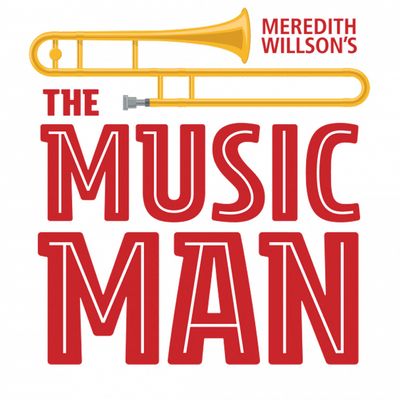
[39:43] Pamela Shandrow: Um so he is no longer lead producer on The Music Man and no longer lead producer on To Kill a Mockingbird.
[39:43] Ebony Vines: On to kill a mocking bird, a man named Orin Wolf is now the lead producer on that.
[39:56] Pamela Shandrow: And I will say, um, I just uh I graduated last year from CTI, which I've explained what that is.
[40:04] Ebony Vines: If you don't know what it is, you can Google it, friends.
[40:07] Pamela Shandrow: Um but he was one of the instructors, and I have like a soft spot in my heart for him because he was so honest.
[40:15] Ebony Vines: It was like Awesome.
[40:17] Pamela Shandrow: He was like our first uh instructor, like right after the pandemic, just sort of blew everything up, and he was so honest, and we all loved him for it.
[40:29] Ebony Vines: Because honestly, not everybody was as honest and real as he was about what they were going through.
[40:36] Pamela Shandrow: And that what he had to say is what we needed to hear.
[40:39] Ebony Vines: Yeah.
[40:40] Pamela Shandrow: Um, so that gave me a bit of hope just because I have a little bit of that background with him.
[40:46] Ebony Vines: Like now I don't know him personally.
[40:48] Pamela Shandrow: There are other people who might have different stories.
[40:51] Ebony Vines: I don't really know, but I will just say, like, that's what I know of him, and so that gave me a glimmer of hope.
[40:58] Pamela Shandrow: Is he lead producing just to kill a mocking bird, or is he doing both?
[41:04] Ebony Vines: He's only doing uh to kill a mock to kill a mocking bird.
[41:07] Pamela Shandrow: The music man is actually uh a lady who um she does more shows over on the west end.
[41:16] Ebony Vines: Her name is Kate Horton.
[41:18] Pamela Shandrow: Awesome.
[41:19] Ebony Vines: So she's she's lead producer of the music band now.
[41:22] Pamela Shandrow: Okay, yeah.
[41:24] Ebony Vines: Even though it's it states he's not lead producer, right?
[41:28] Pamela Shandrow: You can bet he's still an investor.
[41:30] Ebony Vines: Millions of his dollars are in those shows, right?
[41:33] Pamela Shandrow: And he also made the contacts with the people that were investing as well.
[41:38] Ebony Vines: Yeah, the thing is the reason why I think this is so important is it is because we are now calling to task his past behaviors, which have been monstrous and deplorable treating people the way that he has treated them.
[41:57] Pamela Shandrow: And what we are saying, as a community of people that are looking at it from the outside, we are saying this is no longer going to be tolerated.
[42:06] Ebony Vines: Yeah, so we don't want you, we don't want to see your name, we don't want to see you at the theater, we don't want to hear about you anymore.
[42:15] Pamela Shandrow: Yeah.
[42:16] Ebony Vines: So yeah, he might have something to do in the periphery.
[42:20] Pamela Shandrow: But I think it is a big deal that he's no longer the name behind it.
[42:26] Ebony Vines: I think that's huge.
[42:28] Pamela Shandrow: Yeah.
[42:28] Ebony Vines: Yeah.
[42:30] Pamela Shandrow: Um and it also looks like he's pulled out of a few films that he was um helming as well.
[42:36] Ebony Vines: So interesting.
[42:37] Pamela Shandrow: Okay.
[42:38] Ebony Vines: Um we are we are not a film podcast although we both love movies.
[42:42] Pamela Shandrow: Right.
[42:43] Ebony Vines: So we won't go into the details of that.
[42:45] Pamela Shandrow: You all can definitely Google that and find out you know what that means for movies that he's producing.
[42:51] Ebony Vines: But um you know there's there's more people than just him who are abysmal and they also need to be called out.
[43:02] Pamela Shandrow: And I I will I will add though that you know there are some individuals who uh where that's been happening um across the country people who are in leadership of different regional theaters and so the ways in which they've treated people who've worked for them have been brought to task and questioned and investigated and so that's a good thing that it's not just Broadway but it's happening across the country.
[43:36] Ebony Vines: Yeah.
[43:36] Pamela Shandrow: And that that gives me a lot of hope that things can change also.
[43:41] Ebony Vines: Now there's some spaces in which, like, as we opened up this episode with where there's lots of like change that still needs to happen.
[43:53] Pamela Shandrow: Yeah.
[43:53] Ebony Vines: And as we sort of alluded to, you know, the crime aspect, uh, Garth Drabinski.
[44:01] Pamela Shandrow: Now, we definitely talked about him in a previous episode because the man was all over Broadway and actually was lead producer on the music first musical I ever saw on Broadway, Ragtime.
[44:15] Ebony Vines: And he's coming back to Broadway, yeah.
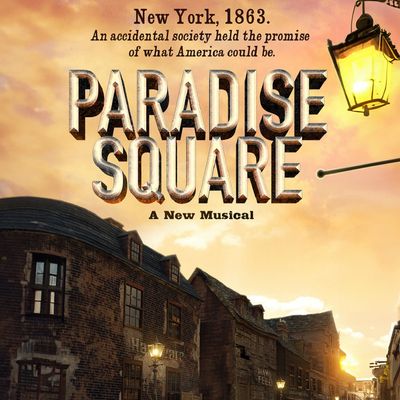
[44:21] Pamela Shandrow: And he's working on a show called Paradise Square.
[44:25] Ebony Vines: Now, I'm not gonna say anything, I'm not gonna say much about Paradise Square, specifically because I do have people I love in it.
[44:33] Pamela Shandrow: Um, but I am really deeply concerned uh that this individual is coming back here.
[44:45] Ebony Vines: I'm gonna play devil's advocate here.
[44:48] Pamela Shandrow: Okay.
[44:53] Ebony Vines: I'm very curious.
[44:55] Pamela Shandrow: I know, right?
[44:56] Ebony Vines: Okay.
[44:57] Pamela Shandrow: Well, here's the challenge.
[44:59] Ebony Vines: There's lots of challenges.
[45:01] Pamela Shandrow: One is he did do his time, he was in jail for fraud, essentially.
[45:11] Ebony Vines: And I know, I know, I know, and that's I mean, that is one of the problems.
[45:17] Pamela Shandrow: But he did do his time, he did the full sentence.
[45:20] Ebony Vines: Yeah. The thing that I look at here is that no show is ever one person, right? It takes a huge amount of people doing all of the cog and gear work to get it up and running.
[45:40] Pamela Shandrow: Right, right. And although he's a he is involved in it, you just mentioned you've got friends in it. There are hundreds at least people that all have their hands in this project at this point.
[45:55] Ebony Vines: And so I hesitate to throw it all away based on this one person. Now, in the in the case of Scott Rudin, absolutely, he needs to go. He's he's nothing but trouble. He's never uh apologized, he's never done anything except to benefit himself in this situation, and so he's gone and I'm happy for it, right?
[46:17] Pamela Shandrow: Yeah, yeah.
[46:19] Ebony Vines: Garth hasn't yet shown me that he's still a criminal, so I kind of have to say, I'll I'll let you in until you prove to me that you're not worth it again. Does that make sense?
[46:34] Pamela Shandrow: Well, it does, except that my there's things about him and things he's done to people who he works with and has even on this show done some abysmal thing.
[46:48] Ebony Vines: He wasn't mistreating people like crap, absolutely. He was he was mistreating people left and right.
[46:55] Pamela Shandrow: Yeah I think and and I agree because after reading that article too, I was like, oh geez, I mean, he like it's so it's so difficult to kind of look at this from a position where I can be objective because everybody is on the spectrum of crap.
[47:16] Ebony Vines: Which is awful, it's awful. I I wish that you could just kind of start fresh, yeah, but at the same time, if we're gonna give grace to anybody, we have to offer it to everybody.
[47:31] Pamela Shandrow: Right.
[47:31] Ebony Vines: So I think that's the only reason. I'm like, I'll let you. But I'm waiting for you to like make that first mistake, and then I'm like, no. Do you know what I mean? Does that make sense?
[47:46] Pamela Shandrow: It it does. It's just that, like, I I feel like I would be able to be in that place if he hadn't just like already been terrible.
[47:55] Ebony Vines: Yeah.
[47:56] Pamela Shandrow: Yeah. Like I'm just like, uh, why are you? You're like in this particular show. You know what I mean?
[48:01] Ebony Vines: It's like I I will grant mercy to you if you have um made poor choices and you are learning from those poor choices, and now you want to repent or you've done your time.
[48:20] Pamela Shandrow: That's very fair. You know what I mean? And you've said like, I'm sorry for the harm I've caused and for the things that I've done, and you turn a new leaf. Like I that's what I want. I mean, that's that's my faith. Like, that's what it ha you know.
[48:36] Ebony Vines: Well, but okay, and no, and I completely agree with you there. He hasn't done a lot since he got out of jail to really make me confident that he's turned a new leaf.
[48:46] Pamela Shandrow: Yeah.
[48:47] Ebony Vines: It seems that basically all the time he was in prison, he was still making money from these future investors to do Paradise Square, which was also I I guess a project that he had been working on before he went to jail.
[49:01] Pamela Shandrow: Right.
[49:02] Ebony Vines: So that is problematic. That's very. I guess I'm looking at this as an overall that we're in this cancel culture. You've heard the terminology before.
[49:12] Pamela Shandrow: Yeah.
[49:13] Ebony Vines: Which is a very kind of scary place to be. Right. Cause it there's I just watched this documentary that was produced by uh Monica Lewinsky, who was like the first victim of cancel culture, right?
[49:27] Pamela Shandrow: Yes.
[49:27] Ebony Vines: Yeah. She's an intern working for the president of the United States, and she gets caught up in this affair. Consensual, right? It's disgusting because he's married and it should never have happened, because he's in a power of authority over her.
[49:43] Pamela Shandrow: She's the one that was excoriated.
[49:46] Ebony Vines: She's the one that lost everything she could possibly have had, right?
[49:51] Pamela Shandrow: Right.
[49:51] Ebony Vines: And at the time, even I was like, well, she deserved it. She should never have done that, right? But really, when you step back to see the whole picture, you're like, oh my gosh, that is that's awful. The whole everything that happened in that scenario is absolutely awful.
[50:09] Pamela Shandrow: And it was misogyny and it was the patriarchy, and it was the fact that Bill Clinton was rich and she wasn't. Bill Clinton had power, she didn't, Bill Clinton had friends, she didn't. That's what it came down to.
[50:21] Ebony Vines: Oh, totally.
[50:22] Pamela Shandrow: And and also because the internet had just happened, and so now everything is in the eyesight of everybody who wants to see it.
[50:30] Ebony Vines: Yeah. Disgusting. The whole thing is disgusting.
[50:32] Pamela Shandrow: Well, now we're still dealing with that, except it's it's heightened. It's to a point where one person, be it a real person or not, can accuse you of something, and then the whole world cancels you, whether or not you deserve it.
[50:47] Ebony Vines: So I think in my heart, I of course I want these people that have actually done stuff to pay and to like not be able to come back to where they were unless they're truly repentant and whatever. But who am I to judge that? But he's that alright.
[51:05] Pamela Shandrow: Like that's yeah, he's already treating people terribly.
[51:09] Ebony Vines: That like that, I don't know. Was that in part to them? Maybe that was in part two. Because I don't remember reading that. I read all the I think there were even three parts, and I think I read everything, but I don't remember reading that.
[51:21] Pamela Shandrow: And that doesn't mean anything. That just means that I didn't remember it. But that that's the thing where it was like if it had been if it had been in the past and during the course of creating this show, you hadn't also been treating people terrible.
[51:41] Ebony Vines: Yeah, I would be like again, merciful. Sure. But if it's like during the course of the making of this, you're doing some of the same.
[51:52] Pamela Shandrow: Sure.
[51:54] Ebony Vines: No, I'm I you know I get you. I'm hearing it. And I agree. That's where uh that that's where it just feels like like you how are you truly repentant if you are just maybe not even doing exactly the same things, but like it's like a a new thing.
[52:14] Pamela Shandrow: You've you've you're doing something different, it's still bad. But it's it's just different.
[52:21] Ebony Vines: Yeah. Um that's where I'm a bit worried.
[52:27] Pamela Shandrow: Yeah.
[52:28] Ebony Vines: Um for that. It just all feels so precarious. Everything just feels so precarious. Like you feel like if I say the wrong thing, if I do the wrong action, if I totally if I'm if I if someone thinks I'm being performative instead of genuine, it's like I you know, you you feel everyone kind of feels like they're just walking on glass because it does feel like there's this internal tension, but there's also an external tension, and so it's it's almost like I don't want to do anything, I don't want to say anything because it doesn't I don't know.
[53:05] Pamela Shandrow: It's such a I'm into call in culture, not call out, yeah, and ostracize, you know what I'm saying? Like call someone to accountability, yeah, yeah. But don't just kick them out completely. Like what is the benefit? What's the benefit in that? Because the benefit in that is like they don't change, right? And then they'll just be like, well, you know, uh what's the point? Because you just threw me away.
[53:31] Ebony Vines: And so then whatever reasoning they had for treating people terribly, it just gets in their twisted way, just gets like perpetuated, and they're like, Well, this is why. This is why I say that, because this is how people act, you know? It's reinforced.
[53:47] Pamela Shandrow: But in that scenario, also the other monsters that surround that one monster that's been canceled are gonna think of better ways to hide who they are and to mask their monstrosity.
[53:59] Ebony Vines: Yeah, and that's not good either.
[54:01] Pamela Shandrow: No, but it also it shouldn't the and and this is I think a result of living in America. Our whole punitive system is based on this, right? We say it's about rehabilitation, but it's not, it's punishment.
[54:17] Ebony Vines: It's punishment for punishment's sake.
[54:20] Pamela Shandrow: No, you have to go to your room and you can't watch TV and you can't read your book, you just have to sit there and think about what you've done. That's what it is, right?
[54:28] Ebony Vines: Yeah, but that's not rehabilitative.
[54:30] Pamela Shandrow: No. What would be rehabilitative, and I read the story. I do not know any of the details, but it was so amazing to me to read the story. And it made me cry a little bit when I did. This was ages ago, right? But it's it's stuck with me. There's a tribe of people somewhere, I can't remember where. Uh but a tribe of people that I know you should, that if one person had done something quote unquote bad, if they had acted out in a way that was counterproductive to the community, what they would do is surround that person and show them unequivocal love.
[55:07] Ebony Vines: They would say, We know that you've done this. This is an awful thing for you to do, but please understand that we love you anyway. And he these are all of the wonderful things that you have brought to this community and why why you are important to us as a whole.
[55:27] Pamela Shandrow: So good.
[55:28] Ebony Vines: It is good, and that's what we need to be doing. And honestly, I mean, in all of the Bible, that's what we are supposed to be doing.
[55:36] Pamela Shandrow: It is, yeah.
[55:37] Ebony Vines: If all if we don't take anything else away from what we've read in the old and new testament, Jesus wants us to a love him, B, love our neighbors.
[55:48] Pamela Shandrow: Yeah.
[55:49] Ebony Vines: And why are we having so much trouble with that right now?
[55:53] Pamela Shandrow: I I wish that I knew the answer, but that's really I've been thinking about this. Um, because I think it comes down to understanding that you are loved.
[56:10] Ebony Vines: Oh.
[56:11] Pamela Shandrow: Oh.
[56:13] Ebony Vines: Oh, that just hit me in the right smack dab in the middle of my heart.
[56:18] Pamela Shandrow: Wow.
[56:20] Ebony Vines: Because you're right. We project on other people the way we feel about ourselves.
[56:24] Pamela Shandrow: Wow.
[56:25] Ebony Vines: Yeah.
[56:27] Pamela Shandrow: Wow.
[56:28] Ebony Vines: Let me just sit with that for a second. That's powerful.
[56:33] Pamela Shandrow: That that's I just some things that I've been through and have seen over this last year and a half. Some not even COVID related. Um have made me think about that. Like, I think that's the core. I think that's the core of so many issues. Um, and and that one in particular. Because if you don't, you know, it's like we talk about all the time, like, especially with like self-care, like just needing to be filled up enough so that you can pour out and all of that.
[57:13] Ebony Vines: But it's like if you don't at your core know that you're loved.
[57:17] Pamela Shandrow: Yeah, how can how can you love others?
[57:20] Ebony Vines: Yeah.
[57:24] Pamela Shandrow: What is RuPaul's tagline for RuPaul's drag race?
[57:29] Ebony Vines: I don't know. The the only thing I I love about the uh the only thing, only quote I remember because I like I can't say I can't say it on well, be an explicit episode. Um maybe you'll be you'll bleep it out. Um, because it's like one of my favorite tweets is like I always try to come from love, but sometimes you just have to break it down for that's my favorite.
[57:56] Pamela Shandrow: That's my favorite.
[58:02] Ebony Vines: That's pretty brilliant. Oh, he this is what RuPaul says on the drag race. He goes, if you can't love yourself, how the hell are you gonna love somebody else?
[58:11] Pamela Shandrow: And he says, Can I get an amen?
[58:13] Ebony Vines: And everyone says amen, and then the whole show credits run. But that's it. That is it. That is it. If you can't love yourself, how can you love somebody else?
[58:23] Pamela Shandrow: Yeah.
[58:24] Ebony Vines: If you truly don't believe that you are lovable, how can you believe that someone truly loves you?
[58:30] Pamela Shandrow: Yeah.
[58:31] Ebony Vines: The mama roo quote was a really good way to end.
[58:34] Pamela Shandrow: I think so too.
[58:36] Ebony Vines: Uh I really enjoy her, and I she's a hundred percent correct. So I think we're just gonna end it with that, and Pamela will bleep out the other mama roo quote.
[58:49] Pamela Shandrow: I said, Yes, I will.
[58:56] Ebony Vines: Thank you for listening to our podcast, Theater Geeks Anonymous. You can follow us on Instagram and Twitter at T G A B. And on Facebook at Theatre Geeks Anonymous. Don't forget to rate, review, and subscribe to the Theater Geeks Anonymous Podcast on the Broadway Podcast Network and all your favorite podcast listening apps.
[59:21] Pamela Shandrow: Your intermission show has now concluded. Shut up, sit down, and turn off your cell phones.
[59:27] Ebony Vines: Or we'll tell Patty Lapone.
© Broadway Podcast Network, All Rights Reserved