

Season four kicks off with artist, activist, cultural worker, and Pisces, Sara Porkalob (she/they)!.. Read More
From the show: Thesis on Joan
Guests
Featured Shows
About
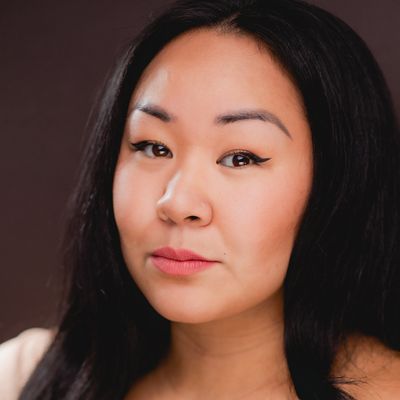
Season four kicks off with artist, activist, cultural worker, and Pisces, Sara Porkalob (she/they)! Sara and hosts Harrow (they/them) and Meghan (she/her) get pumped for Dragon Cycle, Sara’s trilogy of musical plays about her family (and the queer upbringing of our dreams), manifesting the next role in their villain arc, queerness as performance, mentoring as resource sharing, and intersectional performance critique. She also shares her reaction to and takeaways from the response to the 1776 Vulture interview and how she continues to live and practice her values.
A full transcription of this episode is available here.
Sara Porkalob: Website | Instagram | Twitter
Queer Culture Recs:
- Queer historical figure love letters
Queer Gives:
Episode Credits:
- Edited by Harrow Sansom
Thesis on Joan:
Transcript
This transcript was automatically generated and might contain errors.
[0:00] Harrow Sansom Thesis: Hi, queers.
[0:01] Meghan: We are back for season four.
[0:03] Harrow Sansom Thesis: Oh my god, a thesis on Joan.
[0:06] Harrow Sansom Thesis: This is Harrow, my pronouns are they, them.
[0:08] Meghan: And this is Meghan. My pronouns are she, her, and we are kicking it off with an interview with Sara Porkalob.
[0:20] Harrow Sansom Thesis: Thesis on Joan is a podcast dedicated to amplifying voices from the LGBTQ+ community in the New York performing arts scene and examining the industry from a queer perspective.
[0:30] Meghan: Join us as we sit down with groundbreaking theater folks, both on stage and behind the curtain.
[0:35] Harrow Sansom Thesis: For many queers, theater has been an escape, and this podcast looks to have open conversations on where we've come from and where we're headed as a community while queering the canon along the way.
[0:46] Meghan: Wow, I can't believe we're back.
[0:49] Harrow Sansom Thesis: This hiatus.
[0:50] Meghan: I know a lot changed for me during this hiatus, but I'm very excited to be back here with you.
[0:55] Harrow Sansom Thesis: And I know we're gonna do a little bit of a deeper dive check-in when we get to an episode about shows where it's just the two of us.
[1:04] Meghan: Yeah, season four. That's a big number.
[1:05] Harrow Sansom Thesis: Excited to be back.
[1:07] Meghan: We have, as always, a lot of amazing guests.
[1:11] Harrow Sansom Thesis: We're so happy people keep saying yes to us.
[1:14] Meghan: So please stay tuned for lots of great interviews this season.
[1:18] Harrow Sansom Thesis: Speaking of, I'm going to introduce our guest, Sara Porkalob.
[1:22] Meghan: Just a heads up that we recorded this the week right after 1776 closed.
[1:27] Harrow Sansom Thesis: I think it was like a couple days after it closed, so that's referenced a few times.
[1:31] Harrow Sansom Thesis: Sara Porkalob, she/they is a creative consultant, artist, activist, and creator of the Dragon Cycle.
[1:37] Harrow Sansom Thesis: Dragon Cycle is a trilogy of musical plays about her family, one play for each generation built around a central female protagonist.
[1:45] Meghan: The first in the cycle, Dragon Lady, is a recipient of three 2018 Gregory Awards for Outstanding Sound, Music Design, Outstanding Actress in a Musical, and Outstanding Musical Production.
[1:57] Harrow Sansom Thesis: The second in the cycle, Dragon Mama, premiered at American Repertory Theater (ART) and won Best Original Script and Best Solo Performance in the 2019 Elliott Norton Awards.
[2:08] Harrow Sansom Thesis: ART has commissioned the third in the cycle, Dragon Baby.
[2:12] Meghan: It will premiere on their stage in the near future.
[2:14] Harrow Sansom Thesis: Awards and nominations include 2021 Princess Grace Award winner for theater, 2020 nominee for Seattle Mayor's Arts Award, Seattle Times 11 Movers and Shakers to Watch this decade, 2019 nominee for Americans for the Arts Johnson Fellowship for Artist Transforming Communities, Seattle Magazine's 2018's Most Influential People, and 2017 City Arts Futures List.
[2:38] Meghan: She is a co-founder of Deconstruct, an online journal of intersectional performance critique, and she recently made her Broadway debut playing Edward Rutledge in the official revival of the musical 1776.
[2:50] Harrow Sansom Thesis: She's a consultant with the City of Seattle and their Creative Strategies Initiative, a new city effort that uses arts and culture-based approaches to build racial equity in non-arts policy areas like the environment, housing, workforce, and community development.
[3:06] Meghan: We always like to start out by asking our guests to share their name, pronouns, and anything else you'd like to share about how you identify.
[3:13] Sara Porkalob: Yeah, so to everybody listening, my name is Sara Porkalob. My pronouns are she and they, and while I use they pronouns specifically to honor my Filipino heritage, which doesn't have gender-specific pronouns, I just want folks to know that I do not identify as non-binary because in the past, people have assumed that because of my pronoun usage. I identify as a Filipino American first-generation artist, activist, and cultural worker. For those interested, I'm also a Pisces sun. Obviously interesting. A Taurus moon and a Capricorn rising. And when I tell people that, most people are like, we do not get Pisces energy at all. And I'm like, because both of my parents are water signs. So I deliberately leaned away from that emotional chaotic energy and I'm giving off Capricorn vibes. I'm a water sign, so it's fine. I give into it. I'm trying to. I'm trying to in my 30s live more, live more in that space.
[4:18] Meghan: Amazing. And as you just said, you're such a multi-hyphenate artist and human being, and with all these hats that you wear, including all things you mentioned, acting, directing, musician, playwright, consultant, activist. How do those all inspire each other and inspire you?
[4:36] Sara Porkalob: I will say that wearing those many hats has diversified my skill set and my perspective in exponential ways. For example, being an actor makes me a better director. I know how to communicate efficiently and deeply with an ensemble of diverse actors. I practice the skill set largely because in my early career I worked with many directors who weren't good at communicating, and I feel like that's one of the prime responsibilities of a decent director. Another example is me being a playwright makes me a better consultant. Much of my specific playwriting process toggles consistently between being able to see the big macro picture of my story and being able to sift through the finer micro details.
So when clients come to me for consultation, they want the same thing, but tailored uniquely to their specific problem, project, process, etc. And being an activist and cultural worker influences everything that I do. No matter which hat or hats I'm wearing at any given time, especially for creative projects, I'm always trying to dismantle the status quo and challenge the white supremacist transactional culture, which oppresses all of us.
[6:04] Meghan: And with all these different avenues of your creative endeavors, just you know, a real light question, but how are you hoping to grow as an artist in the coming years? What's ahead?
[6:14] Sara Porkalob: I'm trying to get that bag. I'm trying to make money, I'm trying to make some generational wealth. Okay. You know, I'm not trying to be the one percent with a private jet. I'm just like trying to have a roof over my head, being in a place where if a friend needs help or my mother, as she gets older needs housing, I'm able to do that. You know, I have financial security and comfort in being able to live a life that is healthy and happy according to my needs and desires. I want to write for TV. I want to perform for TV and films. Specifically, my goal is to be in a superhero movie. I've been a bodybuilder and powerlifter for the last two years, and I'm really strong. And the next goal in my powerlifting bodybuilding journey is to like aesthetically get fucking ripped.
[7:11] Harrow Sansom Thesis: I wish people could see our faces, and we're like, we're here for it.
[7:15] Meghan: We're ready.
[7:17] Sara Porkalob: It's like cast me in a superhero movie. I don't have to be a principal. Shoot, I'd rather be a supporting actor with some funny lines. I like do an awesome badass fight, and my shoulders look super yoked, and then I die. Or like I don't, you know, like let me be the queer leader of the rebellion forces, and I get to wear like a leather vest and carry like some badass weapons and like wear a long braid and have tattoos. That's really the only kind of stuff I want to do for TV.
[7:45] Meghan: Oh my god. We will be there like opening night, midnight premiere.
[7:52] Sara Porkalob: If there's ever like a reboot of Xena, like I want to be a bad guy and I want to fight her.
[7:56] Harrow Sansom Thesis: Oh my god.
[7:57] Sara Porkalob: You're speaking here.
[7:59] Meghan: Oh my god. So hot.
[8:01] Sara Porkalob: Yeah, crushed.
[8:02] Meghan: Oh my god. And I also want to direct, produce, and be on like the developmental lines of new work for new plays, new artists, new narratives and cities all over the world.
[8:20] Harrow Sansom Thesis: Yes, we need that.
[8:22] Meghan: And speaking of your own work, you've created this trilogy that most folks know about, The Dragon Cycle, and that's a trilogy of musicals exploring your family history, and what's next with that series?
[8:33] Sara Porkalob: So, um, ART, American Repertory Theater in Boston, has commissioned me to finish the third and final part of the cycle with the intention of premiering that play and producing in rep the other two plays sometime in 2024, 25. And after that, like East Coast premiere, we wanna take it to Seattle and do all three plays, and then after that, it's a question mark of like, do I wanna do like a little national tour? Do I wanna come to off-Broadway? Do I wanna go to the West End? I don't know. So that's the theater track for the cycle. And the TV track for the cycle, it's been on the back burner for the last year as I focused primarily on my theater career. But there is a TV adaptation of all three plays in development currently.
[9:25] Meghan: Amazing.
[9:26] Sara Porkalob: And that's gonna happen. Just you know, TV takes forever. So I can't give you a timeline, except it will happen and we will win some awards.
[9:35] Meghan: Amazing. And you're gonna star in it as well.
[9:38] Sara Porkalob: Well, I don't know, I might age out of. I honestly might like age out of the age that I am in the plays. So we'll see.
[9:47] Harrow Sansom Thesis: You're gonna look this way for years.
[9:53] Sara Porkalob: I feel like you can do it.
[9:53] Meghan: Yeah.
[9:54] Sara Porkalob: Thank you. Yeah, it was it's so funny because coming here to New York, people don't really have any idea how old I am. Somebody sent me a Reddit thread of people being like, How old is Sara Porkalob? Is she fresh out of college? Does she even know what she's doing? And I was like, wow, the skincare routine for the last five years has really been serving me. I feel like I'm gonna look this way until I'm like 90, and then I'm gonna look, you know, like I'm dying tomorrow.
[10:25] Meghan: So it's just gonna happen overnight.
[10:26] Sara Porkalob: Crypt Keeper.
[10:27] Harrow Sansom Thesis: Okay, you and me both.
[10:28] Sara Porkalob: Yeah, yeah. I'm happy with it. I'm pleased.
[10:31] Meghan: And I forgot to ask if you could tell us like what the trilogy is about, in your own words.
[10:37] Sara Porkalob: Yeah, so uh The Dragon Cycle is a trilogy of plays dedicated to my Filipino American family, and there's one play for each generation. Each play focused on a central female protagonist and her specific hero's journey. The first in the cycle, Dragon Lady, is the story of my grandmother and her secret life as a gangster and cabaret singer in the Philippines, and what it meant for her to lead that life to come to America to be a single mom of five kids. And Once Upon a Time featured a cameo appearance by my very real grandmother at the very end of the play.
[11:12] Meghan: Oh wow.
[11:19] Sara Porkalob: She recently has passed, so that's something that I have to consider for this iteration. But her presence will still ultimately be felt, even if she can't physically be there in future iterations. Dragon Mama is the story dedicated to my mother, the eldest of her siblings, as is the case in many immigrant families, because she's the eldest and a girl. She had to be a surrogate parent of sorts to her siblings, and in many ways, because she had me when she was very young, was never able to fully realize her adulthood, or even her childhood. She became a parent to her siblings and to me before she could realize her own dreams. And also what it meant for her to come up as a brown queer woman in America, and the difficulties and obstacles that that created as it intersected with her own identity and different aspects of her identity. And Dragon Baby, oh, I should also say this. Dragon Lady, I played 32 characters, including my grandmother.
[12:21] Meghan: Oh wow.
[12:22] Sara Porkalob: Dragon Mama, I played 24 characters. It's a solo show. Dragon Baby is a 10-person, maybe three-act, but maybe two-act, genre-defying multiverse musical. And it's the play that focuses on my specific hero's journey.
[12:45] Meghan: Oh my gosh. I mean, excited already, but hearing more about the future of Dragon Baby. And you hinted at this a little bit, but how does queerness play into your journey of creating this trilogy?
[12:59] Sara Porkalob: Yeah, so um, as I mentioned before, my biological mother Maria, she's gay, and my other mother, Tina, is another queer woman, a Black American woman, and they met when I was four years old, and they were together for about 15 years. And even though they're not together now, we're still very much a family; we spend our holidays together. Um, and for about five years of my life, ages four to nine years old, I lived in what was essentially a queer commune in Anchorage, Alaska. I didn't know it was that, but it was like a house full of exclusively queer people.
[13:38] Meghan: I have so many questions.
[13:38] Sara Porkalob: Dream.
[13:38] Meghan: Yeah.
[13:42] Sara Porkalob: And it was a space that was created specifically as a safe space for queer people. My godfather, Jerry, had been stationed in Anchorage, Alaska, I believe in the eighties, and when he was off duty, he realized there wasn't any safe place for queer people to congregate, people who were in the Air Force or the military, et cetera. And so when he retired from the Air Force, he like bought this house that had like, I think it was seven bedrooms and like four bathrooms. And he, I don't know the finer details, but he like marketed it as like a bed and breakfast as like the cover. But really, what it was is he started telling people through the grapevine that if there was anybody who was like gay, queer, trans, non-binary in the forces who needed a place to stay, they could stay at his house.
[14:30] Sara Porkalob: Wow. So he and his partner, Ain, another godfather of mine, were permanent fixtures. My mother and Tina and myself were the other permanent fixtures of the house. There were two other folks, Larry and Lori, funnily enough, who would be at the house about half of the year.
[14:49] Sara Porkalob: And then we had one bedroom that would consistently house people for like shorter amounts of time. So there's always somebody new in the house. And I was the only kid. So looking back now, I'm like, oh, all these queer people were like, let's shape our young life. Let's make sure she's liberal, you know what I mean? Wow. Is the house still going? Are people still living there? So he sold it, I think back in the early 2000s, and he retired, as many older folks do, and many gay folks, in fact, to Florida, funnily enough. So because from a young age, queerness was not only a part of my nuclear family, it was very much a part of the culture that I grew up in. I was someone, because it was just normalized, right? So I didn't feel the need to come out as queer, because that was like explicitly understood in my family. I never encountered in my family any explicit instances of homophobia.
[15:56] Sara Porkalob: And then as I got older, and you know, I had friends sleepover, and they were like, Who's that? You know, to Tina. I'd be like, sometimes I would gauge, I'd be like, you can handle the truth. Oh, yeah, that's my other mom. And then other times people I'd be like, that's my mom's best friend. They're like, oh, okay. Could put it together if they want. Yeah. Yeah. So I would say in Dragon Lady, you know, my grandmother historically she's had male partners, but one time when we were hanging out by ourselves, she says that she was gay for one night. I was like, okay, awesome. But in Dragon Lady, I would say that there aren't any explicit narratives of queerness. Um, whereas Dragon Mama is explicitly a narrative of queerness, a love letter to my parents. And then in Dragon Baby, it isn't what I would say, like a core aspect of like how it drives the plot. It's just an aspect of my identity in the play that shows up.
[16:53] Sara Porkalob: Yeah. Um, and I would say too, you know, especially after being in this cast of 1776 with so many queer folks, is that even while I grew up in a culture and in a family where queer culture and queerness was normalized from the very beginning, that it was just like who I was, who my parents were, what I've come to really think about a lot, especially as it relates to performance, is queerness as performance. Who come into their queer self, they each uniquely have a different way of coming out. And then many of them have expressed after that coming out stage that they don't quite know where they fit in like the queer canon or like the queer culture. And so many people try on different aspects of queerness and they perform different aspects of queerness. Um, in ways that I think are really exciting and I think really necessary for people beginning that journey for themselves. Um, because up until that point you've been performing, not queerness.
[18:10] Sara Porkalob: Right. Uh so it feels I suppose natural and instinctual for me to be a theater maker in that way. Um, and I've only realized in the last how old am I? I'm 33. I've only realized in the last five years what an immense privilege it was to grow up in such a supportive, diverse, wildly talented family that I grew up in.
[18:39] Meghan: I can't say I've ever heard of anyone having as supportive of a situation as you had.
[18:45] Sara Porkalob: Yeah, that's thank you for sharing that. That's incredible.
[18:48] Meghan: Yeah, thank you. Thanks for asking. I feel like that's like so many queer people I know's dream too of the future is like having this queer household, this queer commune.
[18:57] Harrow Sansom Thesis: We've talked about it, Harrow.
[18:58] Sara Porkalob: Oh, yeah, yeah.
[19:00] Harrow Sansom Thesis: Yeah.
[19:01] Sara Porkalob: Yeah, and that's and that's so beautiful that you got to grow up in that already.
[19:04] Sara Porkalob: Yeah, it's explicitly shaped who I am today. Um, you know, so many people, you know, in 2012, that's when I graduated from undergrad, and I made an explicit commitment to myself, my artistry, and my community that year, and I was 23, and I was like, okay, if I want to stand behind what I believe in, like justice, access, diversity, inclusion, equity, I need to practice that. I can't just say I do it with the do it. There are many different ways to practice, right? You can vote, that's practicing. You can donate, that's practicing. You can go on social media and be like, here are my thoughts. And then, you know, begin conversations with people offer online, right? And I started doing that in 2012, and it was easier than I thought it would be, like speaking my truth. And now, you know, people ask me, they're like, How are you, how are you able to do that? And I'm like, practice.
[20:06] Sara Porkalob: Then I'm thinking, oh, the whole the thing that supports the practice was the environment that I grew up in. That there wasn't whenever I did speak up, I wasn't punished. Whenever I asked questions, I was encouraged. Whenever I made a mistake, I wasn't shamed.
[20:26] Meghan: Yeah, you know, and I think that's why I I'll always be able to write about family, family dynamics, because my family means so much to me. And I'm really interested and invested in relationships and understanding why people are the way they are, because I spent so much of my time asking myself, why am I the way that I am? What do I believe in? What do I know? What do I think I know, but I'm completely wrong about? And my family has fostered that curiosity.
[20:55] Meghan: Um, and I'm like forever thankful for that.
[20:58] Harrow Sansom Thesis: Yeah, that's really incredible. And you mentioned mentorship too, and that seems to be like a recurring theme in your work and important part of your practice. And how is having mentors and then now being one impacted your work and your community?
[21:13] Sara Porkalob: Yeah. Um when I woke up to the reality that like we live in a white supremacist transactional culture, explicitly that happened in 2001. I was like, does anybody else feel the way I do? Is anybody else dissatisfied with this liberal arts education? Does anybody feel conflicted every day? And at first I felt really alone, because you know, I'm like 20. We all go through that period of angst. Um and I felt so alone. I was like, many of my teachers didn't have anywhere to point me to when it came to me being like, I want to read plays that are like different and not like Chekov or Shakespeare, and not written by Young Jean Lee either. Like, what other Asian other POC queer playwrights are there out there, you know?
And so you when you have those questions as a young person, you go to your mentors, and then when your mentors don't know, you're like, oh, but I was supposed to lean on you to give me the answer. And then you're like, what else do I do? Well, I guess I should go out there and research myself, right?
[22:21] Sara Porkalob: Um, and because of that like loneliness that I experienced around that awakening time in my life, and I had a deep, deep desire for a mentor that that really impacted why I'm a mentor today, because I think that there's something really amazing about sharing what I've learned, my experiences, and not just like sharing as a one-way street where it's like, I just tell you my wisdom. I don't think that's interesting. I try to give what I wish I had had as a younger person, which is a listening ear, respect, curiosity. So when people come to me for mentorship, and not just young people, because I mentor a wide variety of folks, I'm always considering like how can I share what I've learned, but also realize with humility that just because I've learned it this way doesn't mean that they're gonna learn it that way.
And perhaps they need to learn something different. And maybe I don't actually know how to support them. But that's what I'm here trying to figure out. I like to think about mentorship as just another form of resource sharing.
[23:29] Sara Porkalob: And mentorship is, how do you say an antidote to gatekeeping? Do you have like a formal like process of like, oh yes, now I am mentoring you, or do you just feel like that happening kind of naturally?
[23:40] Sara Porkalob: Yeah, so there's this casual form of mentorship, which usually happens with young people. That usually happens when I meet them at shows or we connect over social media. So that's like more casual mentoring. They reach out to me when they're like, you know, stressed about school, personal life, etc. Um, and there's the more formal aspect of mentoring and consultation in which I have my own business. And people can find information about that through my website. I would say that has slowed down just because I was in 1776. But prior to 1776, and over the course of pandemic, I had built up a pretty consistent clientele, meaning people that I worked with over the course of months, if not years, of about like 12 to 15 people.
And then every month I would have new clients, sometimes just like one-on-one, or not, pardon me, not one-on-one, but like one-time clients or like two-time clients. And after I give myself a week to process closing, I will open up my calendar for more consultation and mentorship. So I'm really excited about that because I feel like I'm ready to get back into that mindset.
[24:45] Meghan: And in your consulting role, how do you hope to impact artistic institutions? What's your goal?
[24:54] Sara Porkalob: Yeah, this is gonna sound a certain way, but I'm just gonna say it. Great fine. I don't really care about institutions. I do, however, care about people working at institutions. Now you might be like, but Sara, an institution is bodied and managed and perpetuated by people. And I'd be like, I know, and I hear you, and there's more often than not an invisible institutional culture that dictates how the people internal to it behave, think, react, etc. Um, so I would say for like my consultant work, I'm much more interested in working with individuals, smaller groups of people. I've done big institutional for-profit, nonprofit, the whole gamut, I've done that, and that's like fine. The paycheck is really nice.
And I like to think too that like even in a room where I've been, oh gosh, what's the biggest room I've ever worked with? 200 people. Wow. I know that I've made an impact. I much rather prefer the intimacy and accountability that can really happen with the one person or a smaller group of folks.
[26:09] Sara Porkalob: So I guess to answer your question, yeah, just institutions need to pay me and I'll come in and do my work. Um, and at the end of the day, I'd prefer to work with individuals.
[26:24] Meghan: Yeah. And then another aspect of your mini hats, you are the also the co-founder of Deconstruct, which is an online journal of intersectional performance critique. What was the genesis of this journal? And how did you hope to add to the critical performance conversation?
[26:42] Sara Porkalob: Yeah. So Deconstruct started because there was a group of Seattle people that were just like really tired with how Seattle theater critics were writing about the work we were doing. We were like, that sucks. Yeah. And that's hard, right? Because I admit, especially in the early years of my career, from about 22 to 27, I definitely would like yuck people's yum, if that makes sense. And I think that that was like, I don't regret that. Um, because I was really practicing my active voice, and that also meant like moving through a lot of anger and resentment and rage towards like racism, sexism, homophobia, etc. And so, you know, I would like read these critiques written by these writers and be like, that's racist, that's sexist.
They totally got that person's name wrong. What the hell? So a group of us, um, and the group has changed, you know, over the years and things have slowed down or picked up, etc. We decided to get together and write a and offer a different kind of critique about shows to dive into the work, not so much with the intent to give a play like a one, two, three star rating, and to like encourage people to buy tickets, but to examine what a piece of theater was doing as a cultural device.
[28:07] Sara Porkalob: What was it saying about the state of the world? How did the casting influence the story? Was the audience the target audience that needed to see the piece? How did the theater market the show and was there a difference between how it was actually manifested on stage? We were more interested in that. Asking instead, what is a piece of theater doing? And we also realized that we can only really speak from our experiences, but we could do so explicitly from our intersectional experiences. And that's what we wanted to offer to our readers.
[28:46] Meghan: Do you feel like since y'all started this mission, do you feel like you've seen more intersectional reviews happening? Like not just in Seattle, but across the board, or I don't know. What do you think about the state of that right now?
[29:03] Sara Porkalob: I think that being a writer is like an unforgiving career. And like so many industries during the pandemic, our industry really suffered, and it still has it, like it's not gonna go back to what it was. That's the facts. I mean, even the commercial folks are, right? So I can speak from like the Seattle perspective that I think the writing in Seattle has gotten deeper and more intersectional.
[29:39] Sara Porkalob: It's very exciting. There's an organization that I'm a proud supporter of and have been for a long time called Teen Tix. And Teen Tix specifically started out as an accessibility program. How to get free tickets or accessibly priced tickets to young people in the city to see all different kinds of art? And then it slowly, or no, not even slowly, it quickly developed into like a multi-branch organization supporting teen writers, teen critics, branching away from just the arts and moving more into, for example, podcast creation. And some of the pieces written by these young writers, like pretty much all under the age of 24, have just been wildly insightful and funny and intelligent. We also have a writer writing for the big paper over there, um, Seattle Times, Gerald Pierce.
Uh, he's from, I think they hail from Chicago, but have spent some time in New York. And I've really enjoyed reading what they're writing about the Seattle theater community, because I can tell they're coming at it explicitly from like a cultural worker standpoint. So that's exciting.
[30:45] Harrow Sansom Thesis: I don't know about New York. That teen program sounds amazing, though.
[30:49] Sara Porkalob: Isn't it cool?
[30:51] Harrow Sansom Thesis: Yeah. Can you access like their do the do they post their reviews and writings online?
[30:55] Sara Porkalob: Yeah, definitely. I can share that with you all via email if that's something you wanted to include.
[30:59] Harrow Sansom Thesis: Yeah, do it. That's great.
[31:01] Sara Porkalob: Yeah. Thank you for sharing that.
[31:03] Harrow Sansom Thesis: Mm-hmm. And so we're either I hopefully help you process closing week as we go into the next couple questions.
[31:12] Sara Porkalob: Yeah. Um, so it's done. The run of 1776 is over. It was a historic cast, right? And you, as you already mentioned, with trans, non-binary folks, women. Um, so how do queer community and intention or the lack thereof that you may have mentioned impact your process and your experience with this production?
[31:35] Sara Porkalob: Yeah. Um the cast is very queer. So that was very exciting. And per our interactions in Cambridge, when we had our run earlier this year in Boston, and of course our run here, many of our audiences are very queer. So that was amazing and exciting. Um and it was so cool to have like young queer people come up to us and tell us how much the play meant to them, and then to have the older queer community come up to us and tell us how much it meant to them. You know, like for them, seeing our bodies on stage was huge. That was the driving force behind why they came to see the show and still the reason why they loved it after they left. So when we got into the room with our directors who were very excited about their casting, you know, they explicitly said to us that they were really excited for us to bring our full identities to these roles.
Um, and really excited to explore, discover, and integrate these aspects of our identity into the play. And so when somebody says that to you, you're like, Great, they mean all aspects of my identity. Um and I can I can speak confidently for myself, which I'm trying to be clear now. When I do these when I answer these kinds of questions, that like I don't I don't recall any conversations with the directors um around my character, or even just like our work as a dramaturgy team as Sara Porkalob, like what it meant for us to marry queerness with the character on stage and how that manifested in the play. And I think many of us hoped that there would be those explicit conversations. Uh, because we were ostensibly promised those conversations.
[33:14] Harrow Sansom Thesis: It was teed up for you.
[33:25] Sara Porkalob: Yeah, yeah, it was teed up. But you know, looking back, I'm like, oh, perhaps the directors weren't thinking about that. Perhaps they were thinking largely about race and gender. And those were the driving social identifiers behind the choices they made as directors. So yeah, I would say there was queer identity on stage, even if it didn't really manifest. But then again, you gotta ask yourself, how much of that can you manifest in 1770s thing? It was like I mean, you there are some opportunities where if you have like two female identifying people, or people who are perceived by the audience as being like not cis men in a romantic relationship, right? Queer people are gonna be like I would be in the audience and be like, yes, they're gay.
Yes, we are. Yeah, yeah, they were there. That's awesome. Right. And then if they actually like kissed and touched, you'd be like, Oh my gosh, yes, they're kissing. Yes. And I don't think any of our care I'm I'm not in those scenes, but I'm pretty sure none of them actually kissed. I think there was some handholding or all we got. Some passionate, steamy looks. But you know, they it that would have been something where if like and if anybody listens to this who hates me, they're gonna skewer me for this next thing, but whatever, stay obsessed. That's like it's like if I directed it and had an intimacy coach and had some explicit conversations around consent and intimacy, and I had an ensemble of people who gave consent, I would have some kissing.
Would have been there for that, would have loved it. Oh, yeah. Like the playwrights literally wrote a song about Jefferson's penis. Like he pretty much you know what I'm saying? They weren't even physically next to each other with that sound.
[35:11] Sara Porkalob: I know. So I would have had some kissing. I would have had some like Morticia and Gomez Adams like kissing up the length of the arm, like some ruffling of the skirts. I would have been like, yeah, let's give it to the audience, you know. Now like how exciting would that have been for like the young people? Oh would have I would have been dying and I would have been thrilled. Yeah. So I just feel like the play wasn't sexual at all. Um, though there is an explicit sexual song in the show. A lot of dick jokes, yeah. A lot of dick jokes. I'm like, man, we couldn't have one kiss, but okay. That's a choice. But even without that, I was like, How how many times have I ever seen a Broadway musical that had like multiple queer-looking relationships in it? Like twice, maybe once? Like that felt really revolutionary to me. Right?
[36:02] Harrow Sansom Thesis: Yeah.
[36:03] Sara Porkalob: So I hope that answers your question.
[36:05] Harrow Sansom Thesis: I think so. And we wanted to bring up the Vulture interview, and there was so much conversation after that and dialogue, and was did that feel surprising to you? And were there any like big takeaways you had from the response to it?
[36:19] Sara Porkalob: Yeah, it was mad surprising. It was mad surprising, you know, because from my perspective, saying what I said, doing an interview like that, that's just like a normal day for me. Mm-hmm. And if you were to like Google any other interview that I've done, you'd be like, Wow, she's so consistent, you know? So it was just an everyday it was just an everyday thing for me. I started actively practicing, as I mentioned earlier in in this in this podcast, you know, at a pretty young age, articulating what I saw happening in the room, in the city, in the theater, that I thought needed to change, or at least be talked about. Like if we need to change things, how do we know what to change unless we name it?
I started actively practicing that 10 years ago. So I have a lot of practice. So she's like normal for me. It's like rarely uncomfortable for me, actually, to like point something out and be like, that thing's happening, and we should probably change it. I've normalized that at an internal level. So when people had the response that they did to it, I was surprised, not only at the responses, because it felt very polarizing, the interview, but at the size of it, you know, to be told by friends that people who had who had like never worked in theater were like, do you know Sara Porkalob? You know? And like the half of me is like, wow, I'm like infamous, incredible. And then the other half is like, people, this is revolutionary.
No, truly, that's how I felt. I was like, this is revolutionary. Like I've I've never put Broadway on a pedestal, and I've never been super on top of what Broadway as a culture or as a machine is really doing, right? Like I came pretty late to the Hamilton train. Um, and I'm like, who's that actor? Okay, cool, good for them. So I guess when I gave that interview, just speaking authentically as myself, in the back of my mind too, I was like, oh yeah, this is New York. People are ready for this. And sure enough, a lot of people were. A lot of people are hungry for this transparency. So many people came to me being like, I left the industry because of A, B and C. Thank you for saying this. Or people being like, I'm in a show right now that's making me feel A, B, and C. Thank you for seeing me.
Are people being like, yup, yes, say it? And then so many people being like, I hope you never work again. Um, so much money to see you give 75%. So you throw your team under the bus. Couldn't you have waited until you close, to be honest? And I'm just like, oh, this is these are the different sides of Broadway. So yeah, I'm I was surprised by the response for sure. And I say my biggest takeaways are that when it comes to change, as I said earlier, many people today stand behind change and activism and change in the culture. And they say they want to do it. Uh, but when the opportunity presents itself, fewer people are willing to move through the moment to acquire the learning that supports their objectives.
For example, if you're like, I can't wait to learn how to ride. I'm I'm so excited to learn how to ride a bike. Everybody should have access to bikes. Bikes should be free. Bikes get us to and from places, and we don't use gas. Not only that, we can like enjoy the outside. And it promotes, you know, employment. If everybody had a bike, we need to make bikes. Somebody needs to maintain them. And then you stay in your house all day and you like never go outside and get on a bike. And again, you know, this is something that I'm trying to reckon with is it's like I've normalized not only this way of speaking about everything that I do, I've actually like created an internal practice and an external series of systems.
Like, think I don't just think this way about the work, like I actually make it this way and I do it this way and I learn from it this way. And so many people want to do that, but they don't know how, or they're punished for trying, or the stakes are different for them. Speaking up means they really could lose their livelihood. So that was the that was the other big takeaway is that everybody has different vested interest in this culture in this industry, just like me. And I hope that me explicitly speaking my truth and speaking for myself, uh continues to encourage others to do the same. Because just like naming a thing when it's happening makes it more real. Being able to articulate our truths right next to each other, each other's truths. It diversifies our ways of thinking and being in the world and how we can change it and how we can change ourselves, and um that's that's what I'm about.
[41:27] Harrow Sansom Thesis: Yeah, thank you for sharing that. And yeah. As you mentioned, like it's just been such a hard time for everyone in the industry, and what you mentioned. I know I I saw many people I know like sharing your interview and saying, like, thank God someone's talking about this because I can't, you know, it might be like to their close friends on Instagram, and they're like, This is saying what I want to say, but I'm not I'm not able to. So yeah, I I feel like uh I thank you for doing what you did.
[41:58] Sara Porkalob: Yeah, thank you. I know both of us were streaming and sharing and reading it. So I feel like we're like live reading it at the same time. We're like, oh my gosh, this, yes.
[42:10] Sara Porkalob: Yeah, that that was like so exciting, you know, because while I was getting like death threats in my email, wow. I was getting so many messages from people being like, Did you know that my entire office has their phones out right now? And we are alternately screaming out loud or being like, Did you get to that paragraph? And I'm like, wow, my interview provides some dramatic reading. Maybe one of these days I should do a dramatic reading of it just for fun for people.
[42:36] Harrow Sansom Thesis: Did you literally get death threats too?
[42:39] Sara Porkalob: Yeah. And and people being people being like, you should unalive yourself. Like for for this? But who are you people?
[42:46] Harrow Sansom Thesis: Yeah.
[42:48] Sara Porkalob: Who are you people? Wow. So fragility.
[42:52] Harrow Sansom Thesis: Wow. Yes, real.
[42:53] Sara Porkalob: Yes, real. So you've already unpacked a lot of this, but if is there anything else that you would like to share how this Broadway experience has impacted how you want to work moving forward?
[43:04] Sara Porkalob: Yeah. In many ways, it just like affirmed what I already knew. And it also reminded me, as I said earlier, that like while Broadway is a culture, right? And this overarching culture dictates how people act, think, behave, underneath that culture are still individuals. Complex, talented, smart individuals. And also, I'm sure some individuals who aren't complex, who aren't very smart, who are doing like harmful things, you know. And I'm just thinking, you know, about the the kinds of relationships that I want to have. Because I'm leaving 1776 with some incredible relationships, incredible friendships. And definitely some relationships that were damaged or harmed, thanks to what I said in the Vulture article.
And some relationships that have like shifted, you know, you can feel when people's perspective of you uh shifts and their behavior towards you changes. So I'm just thinking about that. It's like I don't want to stop being authentically myself. And I know now, like walking into rooms specifically in New York, if anybody's read the Vulture article, they already have an idea of who they think I am. And just trying not to be like dismayed by those potential ideas or being influenced by what I think people are thinking of me.
[44:28] Sara Porkalob: Cause like the last time that I was influenced by like my own angst about thinking, like being like, oh, what are people thinking of me? I was like in junior high, and that was like horrible. Like I don't ever want to, I don't ever want to spend so much energy worried about what people think about me. And Broadway can do that to you. Any big capitalist machine will do that to you. Yeah, so it's just affirmed my desire to build community, make new work, and like do other stuff that isn't Broadway.
[44:59] Meghan: And we're very excited for that too. So you mentioned what's coming up with the Dragon Cycle. Is there anything else that you're looking forward to next and can share like where we could see them or look for them?
[45:10] Sara Porkalob: Yes. So some things pending, but I think I can say it now. This spring here in New York, I may be performing Dragon Mama, part two of the cycle, off Broadway.
[45:23] Meghan: Amazing.
[45:24] Sara Porkalob: I'm so excited. The queer one. Yeah. It's like a it's a really lovely play. It also was like when I think about where I was in my life when I wrote each play, Dragon Mama holds a specific place in my heart because I feel like I made huge jumps in my growth as a playwright. And that's the one that I'd like love to share first with New York audiences. So there's that. And if that happens, that would happen in like April, and then like run as long as people were coming.
[45:51] Meghan: Beautiful. So that's exciting. And then that's I mean, that's it. Like I feel like I'm a little bit of a casting pariah right now with like the big commercial shows, but who knows? That might change. You might see me in a commercial Broadway show announcement, which would be really funny because all the haters like don't want me to be hired again. I just think they're just gonna be like foaming at the mouth when they see my name and my face on the like casting finalized for blah blah blah. They can be like, ah I hate this. My day's ruined, you know.
[46:23] Sara Porkalob: Um so we'll see. You know, I'm going back to Seattle for a couple of months because I really want to go home. I really wanna I wanna see my family, I wanna be in my city, and um I'll be working on a Shakespeare show there, actually.
[46:37] Meghan: Oh nice.
[46:38] Sara Porkalob: I know it's been a while since I've touched classical text and I have a soft place in my heart for some of it. So I'm I'm excited about that, but pretty sure people here on the East Coast aren't gonna fly out to Seattle to see me be in a Shakespeare show. So keep an eye out for Dragon Mama.
[46:53] Meghan: Now, are you gonna be based primarily in New York after that? Or you're unclear?
[46:57] Sara Porkalob: Yeah, you know. What's the narrative for now? But I don't want to be limited. You know, if my work takes me to LA, if it takes me to DC, takes me to Philly, like I'd love to work all over it. Um and it it kind of feels like I will next year. There are a handful of theaters that want to produce Dragon Lady or Dragon Mama are both in rep. So that's pretty exciting.
[47:22] Meghan: Awesome. Hopefully one that's a little closer in Seattle. Although I wish there was a way to physically move Seattle closer to here because I do love Seattle.
[47:29] Sara Porkalob: Isn't it great? I love it. Great. I love it. There's like one well we can talk about that later. I was like there's like a a spa that I really enjoy there that I go to every time I'm there.
[47:39] Meghan: Yeah it's great. It's in the queer area as as I've been told but oh is it a hot house?
[47:45] Sara Porkalob: Yes.
[47:46] Meghan: Yeah of course I know the one. Every time I'm in Seattle I go there. It's like my favorite thing.
[47:52] Sara Porkalob: Oh it's awesome. So great.
[47:53] Meghan: That's great.
[47:54] Sara Porkalob: Yep. Spend all day there.
[47:55] Meghan: Yeah.
[47:55] Sara Porkalob: And it's like affordable. Anyway. Um it's the best thing.
[48:01] Meghan: So you were just mentioning the Shakespeare production that you're gonna be working on. Um I have a section called Queering the Canon. You can talk about the Shakespeare or anything else. Is there an existing play or story or musical that you would like to queer if you have more than one we love hearing them.
[48:19] Sara Porkalob: Please share basically any of the classics like I have a special place in my heart for Hamlet like funnily enough and I would just queer the fuck out of Hamlet. I think it I think it would work really well actually there are a lot of checkout plays that there are just like relationships that I would be like yes they're so gay anyway make them make them gayer and I just think it's exciting because I mean we'll get into this later kind of like a queer indulgence but these plays that are part of the canon that have been like held up and people are like let's be edgy and cast a person of color in this and I'm like, let's make it so gay. And have some intimacy on stage. You know, the fact that like people's like instinct now to make something diverse is to put people of color in the role.
I'm like, wow, this is we're like way behind the curve, you guys. Come on now. Like, yay, awesome. You should have been doing that a long time ago. Um, but let's like expand our own minds about what this could be. Let's cast like disabled actors in these roles. Like, you know, like what a what an opportunity to really deal with one of the big issues of theater, which is accessibility. Not just for the people internal to the making of it, but to the audience too.
[49:39] Meghan: Yeah, you know.
[49:40] Sara Porkalob: So I would say, like, how old am I? Why do I keep asking myself this young? I'm 33. I made just Jesus and Hamlet. A little bit of a crisis. Uh give me like give me like four years, and I'm gonna make a name for myself as a director who is like known for the deconstruction and and like queering of classics. Amazing. Just wait. One of these days, one of a Chekhov play, it's gonna happen somewhere off Broadway. Like, it's gonna be like a regional thing, and people are gonna be like, go wild. They're gonna be like, well, I want to be like it was there all along.
[50:17] Meghan: Can you give us like one hint or detail of how Hamlet would be how you would queer it?
[50:21] Sara Porkalob: Oh, definitely. Okay, so the role of Laertes. So Laertes is Ophelia's brother, right? And then if we were to take Laertes and make them non-binary or trans, and then we were to take Hamlet and make them non-binary or trans or female identifying, or Laertes, right? So we have this interesting triangle. We have Hamlet, Ophelia, and Ophelia's sibling. And I've always been like, what if Laertes had a thing with Hamlet? And that's why Eertes was like, Ophelia, you cannot get involved with this man because he's a fucking mess. And I know. Because I've been there. So then it's so sad later, right? When Ophelia dies. And then Laertes and Hamlet are like tied up in their grief together. Tied up in their grief together.
And how the different families are shaped by their parents. Polonius as a parent is so fascinating. Polonius is so wordy and verbose. And I think is a little bit of a people pleaser, but I also think is a deeply devoted parent. They're pretty caught up in like gender norms of the play and at the time. But what it would mean to see like a deeply devoted parent of like two children who were queer in opposition to Hamlet with like did well, a dead parent, a distant parent, and then the other parent, the murderer of his other parent. Like that being uh a queer individual with parents who are like wildly toxic. The family relationships of Hamlet, I think are are really fascinating, and I've always wanted to like dive deeper into them as a director.
Um and also as somebody who grew up with queer parents in a wildly like supportive household. Um bringing that perspective where it's like my queer identity is like normalized. It's not me trying to put queerness on as like a coat of paint, but rather like what does it mean for these characters to have grown up in these normalized environments, but have them still play like a specific role in the family dynamics and how it like intersects with political tension and eventually murder.
[52:32] Meghan: Nice.
[52:33] Sara Porkalob: Yeah. Amazing. I am very excited for all of this.
[52:36] Meghan: Yeah.
[52:37] Sara Porkalob: I'm more excited for the Chekhov, but yeah, I guess.
[52:40] Meghan: Yeah.
[52:40] Sara Porkalob: Who passionate plays, you know? I think Chekhov is just like wildly passionate. And I think there's just like so much opportunity for like some consensual with an guidance of an intimacy coach for some sexy things to happen on stage.
[52:56] Meghan: Yeah.
[52:57] Sara Porkalob: I'm ready.
[52:58] Meghan: I'm ready.
[52:59] Sara Porkalob: Okay. All right. Next section, queer queer culture recommendations. So outside of theater, what's your queer culture indulgence that you hinted at?
[53:08] Sara Porkalob: Uh love letters between historical figures. Like you can you can find them. Like any writer who we all are like, yep, they're totally gay, right? Like Oscar Wilde, like Virginia Woolf, like Eleanor Roosevelt, right? You can be like, you can totally find their love letters, and you're like, wow, these are so steamy. They're like so emotional, you know, beautiful. But what I think is like also like an indulgence on top of that is I don't know how many people write letters these days. I definitely like don't, but I remember being a little girl or being a young person and loving getting mail and how that always felt like a really intimate form of communication. And so I just encourage everybody to like go find some love letters between historical queer figures, or even just Google like who isn't but could be, and then you like read their letters and you're like, they are so gay. You know what I'm saying? It was so gay. So that would I would say is is my indulgence.
[54:12] Meghan: Amazing. Did you get any like lovely fan letters at at 1776?
[54:17] Sara Porkalob: Like, yes and no. I got one from a young person who is also Filipino and they wanted a signed program that was like actually hard mail. But I I did get like a lot of tweets and a lot of like insta DMs, and people were like, I know you were the bad guy, but uh I was wildly attracted to you. It was one of my favorite comments on the TikTok bootleg video that somebody shot. Like, so I don't know who they are. Bless them. I don't know how they did it either. They must have had a canon camera hidden in a hat where they were just recording the whole show. Just like quality is like wildly good. One of my favorite comments that my cast members sent me was like somebody commented on the video of me singing it. They were like, uh, what a year to discover that I'm bi.
[55:08] Meghan: Yeah.
[55:10] Sara Porkalob: Incredible. I feel like I'm really loving this villain arc that I'm in. Um I'm playing kind of the bad guy in the Shakespeare show that I'm doing too, so I'm like, nice. Okay, yeah, I could I could work this. Uh yeah, next is your Marvel movie Villain Era. I love this. Let's manifest it.
[55:28] Sara Porkalob: So we also do a section of our show called Queer Gives, where we like to shout out a mutual aid fund, a charity, an organization that you think could use some extra love. Um who should we pay attention to? Who should we follow?
[55:39] Sara Porkalob: So an organization that I care very deeply about. It's called Youth Care. And then one of the Orgata, one of their buildings that I often would volunteer at is called Youth Care's Orion Center. And they specifically provide resources to um houseless youth. Um, and what we know, and I hope readers learn, right, is that when we look specifically at the demographic of young people who are houseless or homeless, um, the intersection of queerness as it relates to their identity and often why they had to leave home is very clear. So that's one organization that I care very deeply about. Um, not only do they provide temporary housing, but they also seek to connect the youth to working opportunities and stay connected with them through social workers um over the course of their time working together. So I'll drop that in the email so you all have that. Um, but to reiterate, that organization is called Youth Care.
[56:38] Meghan: Awesome. Thank you. I love the Seattle shout out too.
[56:42] Sara Porkalob: Yeah. Okay. And then the other one that's based in Seattle. Thanks, guys. Um, is called Lambert House. Uh and Lambert House is similar to youth care, um, in that they intersect and work with the um youth houseless community, um, but they have a specific focus in helping repair families as well, which I think is really important. Or and or building family, right? That youth care is about services and providing like immediate solutions, and Lambert House is about community building, explicitly maintaining relationships, finding family, connecting family, etc.
[57:23] Meghan: That's incredible. Thank you for sharing those.
[57:25] Sara Porkalob: Thank you.
[57:26] Meghan: Uh and if folks don't know, how do they follow you online, get in touch with you?
[57:31] Sara Porkalob: Yeah, so I'm most active on Instagram and sometimes on Twitter, whenever I do an incendiary interview, and the handle for both of those is the same. That's Forkelob, the letter S, like Sarah, my last name, P-O-R-K-A-L-O-B. So they can find me there.
[57:47] Meghan: Amazing. Thank you so much for coming on and talking with us today.
[57:53] Sara Porkalob: And uh we're so excited.
[57:55] Meghan: Thank you so much.
[57:56] Sara Porkalob: Yeah, especially after just wrapping up the show. We appreciate you making the time.
[58:00] Sara Porkalob: Thanks for having me. It's just it's so nice to, you know, I I really was like, oh, I'm gonna have so much time to make friends and do other things other than Broadway. And then a weekend of previews, I'm like, oh, this is my life. So it's it's so nice to interface even virtually with other people. So thanks so much for having me.
[58:21] Meghan: Of course.
[58:24] Meghan: Thanks for listening. If you like, please follow, rate, and review us, and share us with your friends. You can find us on Instagram and Twitter at thesis on Joan.
[58:32] Meghan: We'd love to hear your queer culture rects and ideas for queering the canon. Send us an email at thesis on joan at gmail.com or leave us a voicemail at 845 445 9251. Come back for more interviews, fun, queer content, recommendations, and discussions on current theater. Until next time, keep it queer.
[58:52] Sara Porkalob: Not that it'd be that hard for y'all to do.
[59:01] Meghan: Still thinking about that bye comment. I want to go find that video too.
© Broadway Podcast Network, All Rights Reserved