

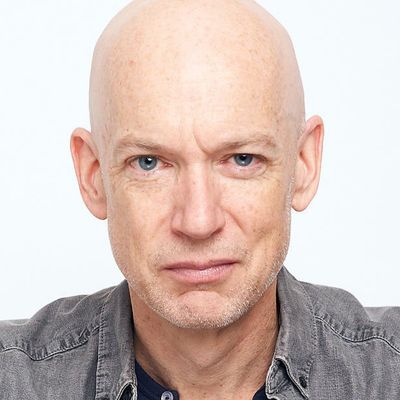
Christopher Burris is a theater director and professor. We discuss the changes in the American theater in the new world of "trigger warnings, trauma and identity politics." Connect with Tonya via her community phone number at +1 917-724-8998!.. Read More
From the show: You Can't Say That!
Guests
Featured Shows
About
Christopher Burris is a theater director and professor. We discuss the changes in the American theater in the new world of "trigger warnings, trauma and identity politics."
Connect with Tonya via her community phone number at +1 917-724-8998!
Produced by Dori Berinstein and Alan Seales, edited by Justin Payne, music by Cat Dail.
A proud member of the Broadway Podcast Network.
Transcript
This transcript was automatically generated and might contain errors.
[0:01] Tonya Pinkins: Hi, my name is Tonya Pinkins, and you are listening to You Can't SAY THAT on the Broadway Podcast Network.
[0:32] Tonya Pinkins: I am delighted to be in conversation today with someone who I've known for a very, very long time. I consider him a friend, a colleague. I have a great respect for his artistry. And we decided to bring some of the conversations we have offline, online. He is a brilliant theater director and a professor and educator. And so we're gonna talk about black theater and education post George Floyd. Join me in welcoming director, educator Christopher D. Burris.
[1:11] Christopher Burris: Yeah, hey there.
[1:13] Tonya Pinkins: What's up, Chris?
[1:15] Christopher Burris: Nothing much. Should we tell them that we don't agree on anything?
[1:19] Tonya Pinkins: We don't, we don't have the same taste on things, we don't like the same things. So yeah, it'll be lively.
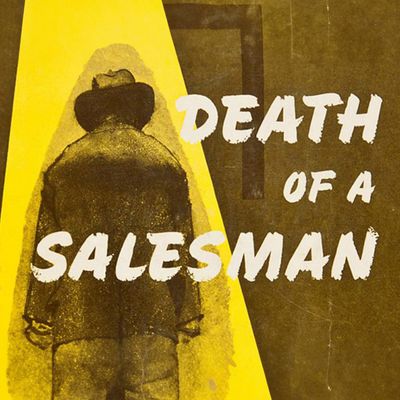
[1:27] Tonya Pinkins: Okay. So listen, somebody sent me the ground on which I stand yesterday, which I felt like was a sign to just to read it again. And I will tell you, what I didn't realize is do you know he specifically says that there's a problem with an all black Death of a Salesman?
[1:52] Christopher Burris: Really?
[1:53] Tonya Pinkins: Yes, he actually says Death of a Salesman. If you do an all black Death of a Salesman, it is to deny our humanity, our own history, and the need to make our own investigations. And I was just like, wow. We're doing that exact thing right now.
[2:17] Christopher Burris: Well, you know that I have a mad crush on Wendell Pierce, so you know, in my mind, he can do no wrong. I want to marry him. I'm not his type, it would never happen. But I will tell you, as someone who got to spend a summer with Arthur Miller, this current incarnation of Death of a Salesman is the first time I've ever seen the play. And one of the things that struck me about the play was how white it was. And I know everybody's like, oh, seeing it was this story that I know and I love with black people just gave me a new insight into the story, and I could feel myself in it, and I felt exactly the opposite.
[3:06] Tonya Pinkins: Yeah, I felt like I couldn't get into it at all. I couldn't locate myself in that story. But it made me realize the brilliance of Arthur Miller because I was like, oh my god, when he wrote this play, he was calling out his people for their lies and their denial and the sort of fakeness of the culture, and it was radical for him to be saying these things about his people to his people at that time, and I was like, yeah, that's what it showed me.
[3:43] Christopher Burris: Yeah. Here's what I wonder. I had a writer who asked me to direct a short play some years ago, and there were two characters in the play, both were black men, the writer was a white man. And I remember one of the questions that I asked him was, where are you in this play? Like, you know, I ask a lot of questions whenever I start, especially on a new piece, you know, I want to get an idea of like where it comes from, what the spark is, where does it live in your body, like where was it first born. And so one of the questions that I led up to was, you know, where are you in this story? And he couldn't locate himself in the play that he had written.
[4:25] Christopher Burris: And so, you know, I was saying to him, you know, you can consider how you want to deal with this moving forward, you know, as a director, it definitely says to me that you have to have a black man to direct it because you have two black men on stage and you've written a story that you're not in.
[4:44] Tonya Pinkins: Um, so that's what it makes me think of. It just makes me think of like it made I felt like watching Death of a Salesman, I wasn't in that story. You know, the other thing about those characters is they were so uninteresting, and I think black people, even when they are poor and they're lying, yeah, they are lively, they are characters that you know the whining boy in Piano Lesson. He is always lying about something, but oh, it's a good lie. You are entertained by the lie. Like there's this kind of liveliness of us, so that aspect of us as liars, and maybe that's only of certain generations, like maybe those kind of black people don't exist anymore. I don't know.
[5:35] Christopher Burris: Um, but certainly the black people I knew of who were poor were lying or drug addicts or whatever, you know, you would enjoy them anyway. You can't trust them.
[5:51] Tonya Pinkins: Absolutely. Absolutely and you're gonna invite them over again. Can't believe nothing they saying, but they gonna give you a good time. Which is something that I think is often missed. Do you know what I mean? Like if you really grew up in black culture, you were surrounded by all kinds of black people. I should not tell the story, but I'm going to because I just remembered it recently. I remembered recently that one summer when I was like seven or eight, I was in Atlanta with my aunt's boyfriend's brother who took me to buy weed because I just happened to be with him, and he was going to buy weed.
[6:30] Tonya Pinkins: And so, you know, I remember him talking to me about like, you know, I'm dressed a little too nice, so I gotta make sure they see this beer so they know I'm not a cop. Like, just being in black America means that you have been around some people and you learn how to see them and to see their humanity, which is what frustrates me so much about black theater today is like I feel like we are not making it to the stage in our fullness, the fullness of our humanity is not making it to the stage. Um, and I don't, and I just feel like it's intentional at this point, like we know better, right?
[7:12] Christopher Burris: Well, you know, I wonder if our desire to fit into the larger dominant culture and to be successful within that has caused us to sacrifice some of that richness of culture in the assimilation. I mean, like, I have children from age 23 to 35, and by the time I had my 26-year-old, there were really no more grandmothers to babysit. And I'm not saying that's a bad thing, but like those women were fabulous and traveling and seeing the world, and so much of my wisdom comes from being in the presence of elders, of just sitting at their feet and hiding under the table and listening to conversation. So much of what I know is from that, and my children certainly didn't have it because all of those people in my family were dead by the time they were born, so they don't even know what that is.
[8:24] Christopher Burris: They don't even have those experiences to draw back on, which is why we have to put it on the stage, okay. Um, so when I was starting Detroit 67 down at USC School of the Arts, um, I remember having a conversation with the cast at the table, and um, I'm gonna tell you what it is. In the stage directions, it's written that one of the characters is always slapping another character on the ass, right? And so, like first second day at the table we were talking, I was saying that that was not something that we were gonna do, in part because it doesn't ring true to me.
[9:03] Christopher Burris: Um, for me, if I've seen somebody who is like that, then it says a lot about that, it says a lot about that woman, and I think it says something about the woman that the play was not trying to say, and right away the students were like, oh, we're not a monolith, like just because you haven't seen it doesn't mean that it doesn't exist. And I was trying to get them to understand, like, no, no, no, I'm not saying that it doesn't exist because I haven't seen it, but my responsibility as an artist is to put the truth as I know it to be up on the stage. That's my responsibility.
[9:39] Christopher Burris: So maybe there is a person of yeah, yeah, I'm sure there is somebody like this. I don't know him, I've never met them, so I can't put him on the stage. You know what I mean? But their instinct was right away to reject. Like, why are you saying that? No, I don't think they understand how unpleasant they can make the process sometimes. I think that that is part of the way of moving us into American capitalism is this belief that sort of in a certain sense anybody can do anything, and I think that one of the things about being someone who's deeply grounded in their artistic expression is that you want to do what you know in your bones, and maybe you want to stretch beyond that because you want to bring an authenticity that only you can bring.
[10:49] Tonya Pinkins: So, yeah, this other person might be able to do that and make it work, but that won't be the truth of my artistry. And if I don't bring what is in me in the world, it'll never exist. You know, to quote that Martha Graham to Agnes DeMille, that the people who are there in the best version are bringing as much of their authentic self to this production.
[11:13] Christopher Burris: Yes.
[11:14] Tonya Pinkins: So okay, the podcast is You Can't SAY THAT. So this is what I'm gonna say that you can't say. I don't think that the play Passover should ever, ever, ever, ever, ever be produced again. Um, and I say that after having directed it, um for that exact reason. It was so difficult to actually, I was asking the actors to bring a humanity to the play that was not on the page.
[11:44] Christopher Burris: And here's a part of what really shocks me, and what I really, really don't understand, because for me, this is clear as day. Okay, in the preface for well of the play, there's some notes about using the n-word in rehearsal, right? Like when the writer is like, I'm not giving you permission to use the n-word in rehearsal. Okay. Two things. First of all, you don't get to control that. When the white assistant stage manager actually said nigger in our rehearsal, nobody blinked. Because we all understood it may actually just made more sense for him to say that in that moment.
[12:31] Christopher Burris: Because the shortcuts don't always work as smoothly when an actor is in the moment as you think. So when he said it, nobody freaked out at all because we understood in that moment, we needed you to say it because that's gonna be the clear. So it's like you don't get to tell the white people what they can and cannot say in the room because you're not in there. But here's the other point. Your director can't say that word then. So you've hired a director who can't even speak a word that your play hinges on. What in the world could she bring to it? How could she possibly craft this in a way that cares for the actors that cares for our humanity that cares for how the black people in the audience are going to see that and to experience that? There's no possible way, there's no possible way.
[13:27] Christopher Burris: She can't even say the word. Why, why have we allowed, why is it okay for every group to demand to see themselves in every position behind the table except for us? Like for some reason, it's still, it's not common for there to be a black writer, black director. And I just, that's just mind-boggling to me, especially when you consider look at this, look at this, look at this, look at this, look at this. Look at this. Think about the plays since George Floyd on Broadway, where there was a black director who made their debut. Okay? You ready? So these are the plays from George Floyd, Black Plays on Broadway where the director made their debut. Thoughts of a Colored Man.
[14:22] Christopher Burris: Okay. Chicken and Biscuits. There you have it. So the two black men, black people who were allowed to. What about Ruben? Was it Ruben making a debut? But no, Reuben had already directed. Nope, not on Broadway. Yeah, he directed because he did, because Lackawanna came first, actually. But he didn't direct that, did he? Yeah. And what about Felicia? Felicia's a woman. She was making her debut too, wasn't she? And not on Broadway. She didn't direct Skeleton Crew, she was in it.
[15:00] Christopher Burris: He directed Skeleton Crew.
[15:02] Tonya Pinkins: Because he does his.
[15:03] Christopher Burris: Gotcha.
[15:04] Tonya Pinkins: Okay, okay.
[15:05] Christopher Burris: Okay.
[15:06] Tonya Pinkins: So the two plays where there were black directors who were allowed to make their debut.
[15:11] Christopher Burris: Wait, Camille.
[15:11] Tonya Pinkins: Camille made a debut.
[15:13] Christopher Burris: You're only doing men.
[15:14] Tonya Pinkins: I'm thinking of the women too.
[15:16] Christopher Burris: No, I didn't.
[15:18] Tonya Pinkins: I didn't include Camille.
[15:21] Christopher Burris: And maybe I should.
[15:22] Tonya Pinkins: I mean, I don't know what I'm a little bit disappointed, and I don't know what happened with that whole story, but it made me go back to Leah Gardner and to look to see that the first time that she was associate director on Broadway was '98.
[15:39] Christopher Burris: So why was this woman not the one to usher to Broadway?
[15:43] Tonya Pinkins: Um, I just didn't include Camille just because she had been had the opportunities to choreograph at the very least on Broadway before she was offered that play. You know what I mean?
[15:54] Christopher Burris: But so those are the titles of the plays where there was a black director who was allowed to make their debut. Now there were other plays that did not have black directors, but their titles weren't colored. Chicken and Biscuit, their titles were Passover, MJ, Clyde. I mean, all of these were directed by somebody white. There was a point where Lynn Nottage had, she wrote the book for MJ, she had Clydes, and she had Intimate Apparel, the opera. So three shows, not one of them had a black director. Not a single one of them had a black director. At what point do we challenge that? At what point do we question that? What space are you taking up but not preparing and creating a space for black artists coming up behind you?
[15:56] Christopher Burris: Well, you know, that is the reality of the director is the interface, like the stage manager between producers and artists. People always like to talk about, oh, they're scared to deal with artists. Artists are wild and crazy and all of that. And so they want someone that they can feel that they can manage, control, who's going to deliver what they want out of the show into that?
[17:37] Tonya Pinkins: And I think that that is one of the challenges of Broadway. I've said this many, many times. We had more shows on Broadway in this last year than I think in the history of Broadway.
[17:51] Christopher Burris: Is that correct?
[17:52] Tonya Pinkins: Yes, more black.
[17:54] Christopher Burris: And I'm happy for all of the black people. I'm always rooting for everybody black. I'm happy for all the people who got to have a Broadway show that's gonna up their credibility when they go into smaller markets. Those shows will go into other markets because they had Broadway shows. So happy for that. It is definitely giving everybody a leg up. I don't see it as change because it feels like a band-aid.
[18:19] Tonya Pinkins: Okay, how do we get them to stop complaining?
[18:24] Christopher Burris: Oh, they want to get in. Let's let them get in. Let's let them get in. And then let's see what next season looks like. We may not see too many next season. Also, you have the fact that the big white shows, they just were trying to see where people are gonna live, where people are gonna come to the theater. You know, their producers were like, I got ten shows, and we're just waiting to see what the climate is before we even put our money in.
[18:45] Tonya Pinkins: So rental houses are available. Most of these shows didn't run very long.
[18:51] Christopher Burris: Um, so in terms of the history of Broadway, they weren't successful. They did change opportunities, but they didn't change the game.
[19:00] Tonya Pinkins: Absolutely. The game hasn't changed. Nobody ran long enough to recoup, make their money back, so that people are like, ooh, we want to bring them back.
[19:08] Christopher Burris: Um, and I feel like sometimes it was just about finding the people who are gonna be grateful for access rather than finding the people who were gonna help usher through real change.
[19:21] Tonya Pinkins: And I said this, I think I said this to Detroit. I said, I get offered Broadway shows all the time. I didn't get offered one this last season.
[19:29] Christopher Burris: Oh wow.
[19:31] Tonya Pinkins: Oh wow.
[19:33] Christopher Burris: Maybe you weren't black enough.
[19:37] Tonya Pinkins: Or maybe people knew that, oh, if we bring Tonya into the room, there will be the question in the air of are we really doing something different?
[19:46] Christopher Burris: Yeah.
[19:46] Tonya Pinkins: Because it's not, it's so, and here's the point that really disappoints me is the lack of time spent in actually developing the plays. That what ends up happening is that the black plays that actually make it are so underdeveloped that it's really frustrating for me because I can understand that if you don't have that sight, but it's so frustrating to see writers and to see a play and to be like this play isn't done.
[20:22] Christopher Burris: Well, that comes to, you know, first of all, I read lots of plays from black writers that are done.
[20:31] Tonya Pinkins: Okay, right, and those are the writers who most often can't get in the room, right?
[20:36] Christopher Burris: Um, I once was sitting in a room for Times Up, so feel tangential, but it's not, and it was Tina Chin, and it was all these big Washington entertainment lawyers and lobbyists, and I was really struck by the fact that the biggest reason why they said they couldn't get really important and effective legislation that would address equality, sexism, discrimination through is because the Congress people want to own the legislation. They want to have it as their brand.
[21:19] Tonya Pinkins: That it is very difficult to get a bunch of legislators together to share credit for something that is just for good.
[21:32] Christopher Burris: And I feel that that is kind of the same thing that happens in the theater, in that people want to support people that they can then take the credit for, that they can feel like this person's going to be obligated to me. I made them, you know, I have a stake in them. This is my investment. They're, you know, they're on my leash. That is the word that I put. So that sometimes the best people don't even get through the door because what they're really looking at is are you going to be someone I can manage and control?
[22:09] Tonya Pinkins: And my own personal experience a lot of times is, you know, I know how to code switch. I know how to behave in the way the gatekeepers like. Uh, I'm 60 years old, and it is a form of bowing down and diminishing yourself to have to ask permission to get in the door. And then those people want you to be beholden and to be grateful and thanking them for getting in the door when really what you need them to do is get out the way. That's all you need.
[22:41] Christopher Burris: And then they're mad at you. If you like, once you get through the door, you just run with it and you get it done, and they can't take credit and can't feel like they have, now they're mad at you. Now they're gonna throw every obstacle that they're possibly existing in a way because they're gonna show you that you need them some way or another.
[22:58] Tonya Pinkins: That's exactly what I experienced at Brooklyn College. Let me tell you what's really funny. What's really funny is that when I came in, the woman running the department was using her perceived, my perceived lack of experience with designers as a reason why she was gonna need to be, you know, really kind of hands-on. And it just so happens that around that time is when the reviews for The Brother Size in New Jersey came out, in which, you know, one of the things that was most celebrated was the collaborations with designers.
[23:19] Christopher Burris: And you could see like going in the next day after that review came out. First of all, she came up to me and she was like, Well, congratulations. First words out of her mouth, well, congratulations. Okay, I know you read that. Can I have a hug?
[23:49] Tonya Pinkins: But she wasn't able to then hone in on something. And what's really funny is that the technical director actually came to me at some point and said, Can't you like find something so that she feels like she's a part of it and she stays busy? And I was like, No, I don't need her. I know this writer, I know these people, like I don't need her. Why do I have to go out of my way in order to make her feel included when the truth of the matter is, all I need for you to do is sit right over there and just tell me what you saw? That's all I can use from, that's what's gonna be the most helpful.
[24:31] Christopher Burris: But it's so rare. They can't do that. They can't take themselves out of the equation enough to recognize, okay, you got it. I don't need to get, they have to get their hands on it and have to feel some ownership in it.
[24:44] Tonya Pinkins: And have to feel some ownership in it. So it's one of the sort of interesting things I've been trying my hand at writing for television. And you know, everybody you hand your writing to is going to tell you what needs to be fixed, etc., etc. And in many ways, you know, if you have managers, agents, that's kind of what you have them on, that they supposedly know what the market wants, and they're advising you to help you be more saleable.
[25:14] Christopher Burris: And one of the things I've come to about it is like, okay, if I have to go to some gatekeepers, I have accepted the fact that if they're gonna put their money up, they want some control, they want some say, they want to be able to go to their people and say, Oh, that person or that character or that part of the storyline, I made that. And so there's a way for me that I don't, when I know that the outlet that I'm going to is one of those places where you don't get in those rooms unless they are having control.
[25:49] Tonya Pinkins: I try to put it together with a looseness. I don't try to hone in on like this is what it's gotta be, because I know when it's other people's money, you don't get that say. So it becomes, you know, I didn't say this to my rep, but it was like they were telling me, Well, you know, why don't you try this and why don't you do this? I'm like, you know what? When someone is spending the money, I will try whatever they want to do. But trying all that because you say so right now, yeah, everything you say could work. Let's get it to some people who gonna put some money up, and then we can do whatever they want to do.
[26:24] Christopher Burris: Absolutely. We're ready, we're ready. We don't need apprenticeships, we don't need associates, we can create our own work at all levels, we can do every single thing. So the only thing we need for you to do.
[26:37] Tonya Pinkins: Do you know that Spike Lee wasn't the first director of Malcolm X?
[26:42] Christopher Burris: Who was?
[26:43] Tonya Pinkins: Um, I don't remember. He was white.
[26:46] Christopher Burris: Yeah, that would make sense.
[26:48] Tonya Pinkins: And Spike Lee went to him and said, you know what? I'm not sure this is your film to direct. And he said, You're right. And so he got out of the way so Spike could direct Malcolm X. That's the only thing you can do.
[27:03] Christopher Burris: That's the only thing you can do.
[27:07] Tonya Pinkins: I can't even imagine who that person was that would do that.
[27:11] Christopher Burris: We go, we got the, I mean, he would have had to back Spike and convince these other money people, yeah, to say yes.
[27:19] Tonya Pinkins: It was Norman Jewison.
[27:23] Christopher Burris: Like in the heat of the night and Fiddler on the Roof, right?
[27:25] Tonya Pinkins: So at the very least, you have somebody who had the clout to be like, let him do it. And but then you know, then he gets to get credit for letting him do it.
[27:34] Christopher Burris: Yes, yes, but still, he got out of the way.
[27:34] Tonya Pinkins: He got out of the way. That's powerful that he got out of the way.
[27:43] Christopher Burris: That's all you can do because I think the challenge is that they get so accustomed, they've gotten so accustomed to running things that when they don't understand something or when something doesn't land on them, they don't see it as an opportunity to learn and to grow. They instantly see it as a problem, you know what I mean? And that lack of humility really gets in the way of their being able to engage with the work.
[28:09] Tonya Pinkins: Because so often, you know, we, if I'm in the theater, you know, I went to see Harry Potter, the second part. I didn't even see part one, and you know, I've never read Harry Potter. A friend had tickets, she took her mom to part one, her mom hated it and was like, I don't want to go back. So my friend asked me, Do you want to go to part two? I was like, Yes. So I'm in the audience, I don't know what's happening. People around me, people around me are laughing, I'm having a good time because they're having a good time, but I, you know, I did, but when I didn't understand something, I was very familiar with that moment, you know what I mean? And being like, I don't know exactly what's going on.
[28:53] Christopher Burris: Um, I can put two and two together based upon the reactions I'm getting of folks around me, but that lack of experience is what they actually need. They need to be able to sit in a theater and to sit with their questions and actually humble themselves enough to say I don't have all the answers.
[29:14] Tonya Pinkins: Now that you say that brings me to the fact that for me, the place of not knowing is an exciting place for me. Like I love being somewhere where I don't know, and I even love being someplace where I don't like it. Like all of that is like showing me areas to grow, areas where there's something more in the world. I don't think that settler colonial capitalism acknowledges the space for that, you know, that gatekeepers feel like they have to know. They have to understand. Because if they don't understand, then their buyers won't understand.
[29:56] Christopher Burris: And how can we put something out there that we don't understand? And the funny thing about that to me is that the entire, for me, every market, but art is one of the really clearest ways to describe it. And the collaboration, I really enjoyed that play on Broadway. It's a fake market. You know, people put some paint on a canvas and then they tell you this is what it means. And then people go around telling other people what it means. And then you come into rooms and oh, that's what it means. I mean, half the time when I go to art shows, when it's abstract art in particular, I need an artist with me to explain to me, oh, this person's in conversation with that person about that, and blah blah blah blah blah.
Because other than that, it has no meaning. Except the meaning someone has put on something. But then the beauty of when you do step into in front of one that you don't understand, but for some reason you have an emotional response. Yes, and nobody has to explain my emotional response. I had that about a play called, um, You Will Get Sick. Yes, I wanted to see it. I understand that play at all. Okay. I don't understand the symbolism, the nothing. It didn't make no damn sense to me. But there were emotional things in it that it touched in me that resonated with things that I knew. I wished I understood it. I tried to find somebody who did it to explain to me what I didn't know, but it touched me in places.
Yeah, and that's really what we need. You know, I was having a conversation the other day, and I said, you know, somebody said something about how, you know, everybody's looking for escapism, and I was like, you know, and that's not what they need. And she looked at me like, and I was like, no, you're right. Like, people do need escapism. But we're in a place right now where we're so disconnected from our own humanity and disconnected from our ability to. We're not even able to see each other right now. And so I just feel like we're at a place where we really more than ever need to be doing work that gives the most potential for the expansiveness of the human experience. And in order to achieve that, you've got to let an artist have the reins.
You've got to let somebody actually allow things to happen and trust enough, which we're not with, you know, I have to say all the time on the first day of rehearsal, nobody's gonna get fired. I say that all the time. I promise you, no one will get fired today. So please don't feel the need on this first read to come in with choice. You know what I'm saying? Like, allow yourself just to be here with the language. That's okay. But I think that that speaks to this futureless future that we're in right now. I just, my last podcast was with, um, Johanna Isaacson, who wrote this book called Stepdaughters, really talking about this time that we're in right now where there is no future for anyone. You can't plan on living better than your parents' house.
So when you leave home from your mama and daddy, it's all downhill from there. You know what I mean? That's really what the world looks like right now. So, from just a survival point of view, and I was not sympathetic about this when I started my podcast three years ago now. I didn't understand the fragility that I was seeing in young people, but now I'm like, oh, they don't have a future. So, just from a survival point of view, it's like, okay, okay, what do I have to do to get the job? What do I have to do to make it? What do I have to do to get in? What do I have to do to stay? So they're looking at who is successful and imitating, in a certain sense, they're imitating the McDonald's of everything.
They don't even have the space to actually explore what is in me because you know what? What is in me may not be commercial and may not make me enough money to eat. So I gotta go and do what somebody is looking for and will buy. It might not be politically correct, might not be pretty. I really hear that. But I don't know. So the realization that I came to this year teaching, you know, because I had already decided the year before that I, you know, I spent the year down in North Carolina. I'd already decided that I was gonna step away from teaching. And I decided that I was gonna step away because I felt as though I just wasn't, I just wasn't finding a place where I felt like I was being set up really for success.
It was like I was teaching at Pace, and at Pace, my interactions with the students were just becoming really, really hard, especially because of the pandemic. The thing that I had on my syllabus, when I was teaching at Pace, when we got interrupted with the pandemic and had to go virtual, what I had as a topic of discussion the first day of my class was the art of being present in the room. That was literally the core of my hook into teaching them how to direct. The first thing you have to do is be present, receive the work, so that then you can respond to the work. So that for me, to then go from that being the core to going virtual and not having any support in any way, shape, or form was just like this, I don't know what to do with this.
And the students were incredibly testy, short, did not have a lot of patience, and so navigating that was really, really tough. And then I was also teaching at LaGuardia Community College, and those students were definitely came with a lot more gratitude, just sort of naturally. Just felt like here I was at these two schools, and neither one of them is really hitting. And I know what I want now. I know that I want to be in a program where we're really involved, where there are staff meetings. I mean, I actually want to go to a staff meeting. I actually want someone to come in and watch me teach. No one ever, I taught at Pace for like six years. No one ever came to see me teach. Not a single person from the university ever came into my classroom.
I just don't understand how you can say that you're creating anything that is cohesive if you're not even aware of what's happening in the room. So I definitely feel like we're at a point where trying to reach them and trying to figure out how to get to them is so tough. But what I did come to realize is that we're at the place now where because of gun culture, where they've all grown up with it. They've all grown up with this intrinsic fear that they could be killed going to school, and that trauma is stamped on each and every single one of them. Yeah. Yeah. I mean, when I was, you know, doing Raisin in the Sun, I would sometimes find myself having ideations of just lying on a street in New York and bleeding out and dying because it was possible.
That's deep. Um, how do we, how do you create the space for them to explore in the way that they feel that they need to explore, but yet still offer some of the insights and the experience? The problem is that a lot of times they don't really value experience and they don't value wisdom. Um, because they're in survival mode. I think I may be wrong, but what I've come to believe is that they are so in survival mode that it's like, what do I have to do to survive? What do I have to do to get my rent paid? What do I have to do to, you know? I feel like there's no space to just fall on your face and be in the brilliance lies in the moment might not work when you really don't know not only how you're gonna pay your rent, how you're gonna eat, how you're gonna get your bus fare, but how am I gonna pay off these loans?
And I think that my last time teaching with my lovely students from Atlantic who said I was the worst teacher they ever had the degree and the team. Um, and I told them, I said, you know, F those loans. Do not plan your life around trying to pay some loans. You shouldn't have those loans. Your education should be free. And I was thinking the other day that probably most really wealthy people die in debt. The difference between you and them and us is that people extend enough credit to them that they get to do incredible things and never pay it back. Think of all those SBD loans, people who got millions of dollars and don't have to pay it back. I got a little SBD loan, it's costing me a fortune to pay it back.
If I'd gotten one million dollars, what I could have done, but like a trillion dollars was given away to people who already had money because they gave the most to the people who already had a lot, and they don't have to pay it back. And a student takes out a $200,000 loan to go to school, but can't get a $20,000 loan to start a business or make their film or produce their play. Yeah. But I totally hear you in terms of them being in survival mode. But I think the challenge is that what they actually need is the humanity that the other human beings can offer them. I mean, what they really need is you really need five minutes with your grandma. Five minutes with your grandma, you know, calling that great aunt and having a conversation with that great aunt actually can really help your perspective and really help you be able to navigate some of these other challenges.
I still just feel like the answer is to rely on other people. But I just feel like there's a divide, and we're not able to do that. And here's the thing, you know, I was not at UNC just for the year, and I was really excited about like I'm just here for a year, you know. I was really excited about being able to, you know, wash my hands of it. But it wasn't until right before I left, right before the end of the year, that I realized that the questions that I was asking about the way in which I was navigating this new student in the classroom, all of the other teachers were asking. But we just weren't having conversations about it until it was, you know, for me too late. But everybody was saying, uh, I'm not sure if I'm enough.
I'm not sure if I have what they need right now. And the other aspect of it is that there's no, there's been no shift in how the teachers actually navigate that. Like, okay, if there are these new demands on teachers that like, right, like I might have to stop my lesson plan and care to the needs of this, the emotional needs of this student for the entire class, I might have to do that. Cool, I'll do it. But the demand and the toll that that takes on teachers isn't being addressed. Yeah, yeah. I just feel like we gotta fix our society. We gotta fix our society. We have to start taking care of each other, and everything has become so transactional. Yeah. I want to go back to that class though where you were the worst teacher ever.
Just let's do it. Just because that was a real lesson for me. So you had asked me to sub for you. And I remember you mentioned that you were having all of your students do August Wilson monologues, and I was like, oh, that sounds horrible. That just sounds like the worst. But we had done it the year before. But I'm gonna go. You accept for me the year before. That's I'm going back. I'm going back to the first time. Oh, okay. This is horrible. This is such a bad idea. I okay. So you subbed for me that one day, and you had two students who needed to do their monologues. There was a male and a female student. And I was so blown away, especially because the woman who was doing her monologue, she knew she did a monologue from Jitney, and she had read it and knew the play.
So she already had a fondness for the play that you could see her put in and trying to see this, you know, um, woman who appears to be white saying, you know, I'm just trying to get the food money. Was I was just like, this is actually how this is actually what is necessary, and we're used to it, right? As black actors, we're used to stepping into experiences outside of what we can actually have in America. We are, we we're accustomed to that, you know. Right. We have to do that all the time.
[44:55] Christopher Burris: Most of the things we work on in school are not things we would really get the opportunity to do. But they are not. And that first year that I did it, that was a class of some of the most talented students who were many of gonna go off and make their own shows. And then and and I also had some people of color in that class. The year when I was the worst teacher ever, I had no people of color. Yes. And so there was no one in the room to actually um check these young uh white students' privilege so that they did they they they they really felt that what they they were experiencing was reality. Because they didn't have another another person of color in the room to look at them and go, uh no, actually.
You ain't a little more close. Exactly. And I thought, oh wow, we've gotten to the point where students' discomfort is now dictating how much education they got. I mean, I think the chemistry teacher in Florida was fired because the students said the work was too hard. So this current generation, uh, I I'm very much with this, you know, good times makes make nope, no, tough times make strong people. Strong people make good times. Good times make weak people, and weak people make tough times. We have a generation with some very weak people, and we are going into and in already some very tough times. But I am sure that the young people coming up who survived these tough times are going to make something extraordinary.
But people who can't even manage their own discomfort, weak, and sorry to say, you can't be successful because success is uncomfortable. So if you can't manage discomfort, you should just I I I mean, I what I really think you should do, I won't say. Not that you're gonna be able to, I'm not gonna be able to promise you I can keep everything that you view as negative outside of the room. That's not what it is, and I feel like that's what they're looking for, right? They're looking for the the the what they they see as the perfect space where they're never uncomfortable. You're making me think that they are really looking to go back to the womb. I mean the world is so messed up right now, they want to go back to the womb.
I mean, if I had a choice, I might say yes. I really might say yes. Well, I have to say that, you know, I've been doing a lot of history reading, and and there are days when I get super duper discouraged because the more you know, the more you realize how the whole of America is just rigged. Yeah. I mean, it's this entire fake system, and they've sold us all a bill of goods. But there's a part of me that thinks that if enough people read about it, then maybe something could be done about it. I don't know.
[48:24] Tonya Pinkins: Well, I mean, uh what I admire about you is that you don't give up. I mean, you keep trying to find ways to just to speak what you've experienced one way or the other. And you know, at the end of the day, I feel like that's such a big part of it. Um I mean, I'm I feel like I'm trying to figure out how can I really have the most impactful influence? How can I really impact things in a positive way? Because that's really all that I I want to do. All I want to do is create the space that might facilitate the healing of anybody who's in who who engages with the work, but especially might facilitate the healing of black Americans because what we need is so particular, you know.
[49:16] Christopher Burris: Yeah, I mean, from what I know of you, I'm I'm pretty certain that when you get in the room with other artists, you're tough on them, but that they are going to walk away with um something that enriches them. And you know, sadly, I feel like sometimes this generation they they they may choose the easy time over the good time. Yeah. Because the good time is never easy, or e the the the easy time or the good time over the enriching time. I mean, not even being able to really engage it, really to gauge the difference in something that really has meaning, you know. I mean, I say all the time, like uh we I don't mind arguing, I don't mind disagreements, but just as much as possible, let's make sure that they're about real things, you know, and not about let's not make things up.
Um but I just feel like I don't know. So let me tell you, I had a trans student in North Carolina who um did not talk to me for like three days. So I was like, uh oh, something, you know, clearly something has happened, but she wasn't saying anything. So I sent her an email um and just asked her to share if there was something that I had done so that I could make it right. And so she came to me the the next class, and what she said is that I had made a statement um about what she was wearing one day. But here's what's fascinating. She said, when you said that, what I heard was, I don't look like a woman. Now I know that's not what you meant. And not only did she know that's not what I meant, she actually processed why I would say that and think that.
Like, oh, you don't know that when I come into class, I'm dressing for me, not for the character. Like she really had thought through all of that from my perspective. And was like, I know that's not what you meant, and I get why you said that. So why did you not talk for three days? If you knew that I had no ill intent, why did that lead to three days of no communication in an acting class? Three days of no communication in an acting class is pretty big. You know what I mean? So you can see that I don't have so it doesn't matter, my intent doesn't matter. The fact that you've been in this room with me, that none of that matters, all that matters is you need still need to act out the hurt that you that you're that actually you're choosing.
That for me was a big moment. It was like if the ones that are able to actually see it are still have we're creating us having such a tough time in the classroom. Then where's the space? And I think that it's really challenging. You know, I sometimes I wish I taught math, you know. Sometimes I wish I taught something that didn't require me to be inspired as well. But I think what uh some students don't understand is that when when you teach the arts, your your inspiration matters, your heart matters, your spirit matters, your soul matters, all of that stuff matters. I can't give you my best. And I think you and I both know and have seen examples of what happens when you have a teacher who isn't in the space where they can give their best to a student.
So I I just feel like it's just so challenging, and I don't know what the answer is. Um yeah, I don't know what the answer is, and and the answer for me is I don't I don't teach anymore. Uh for me I'm I'm not throwing my pearls before swine anymore.
[53:45] Christopher Burris: Yeah. Um, certainly whenever young people come to me uh personally specifically and ask me for mentorship, I'm completely open to that. But I I'm aware that of the wealth of what I have, and so you have to actually come and seek it out and want it. But just the generosity that I've had in the past of like, oh, let me go and teach at this university for two dollars, it's it's not worth it. Yeah, I because I especially feel like a lot of departments, you know, they they kind of take advantage of you. Um and it's it's about the name and not actually incorporating you into the curriculum in a in a responsible way. So I I don't know, like I I I I'm on the fence. I I go back and forth. I mean, I certainly am constantly reminded of the value of just the presence of a black man in front of the class.
Absolutely. I get that. I mean, at this point, I mean, I've been teaching, I've been teaching college for almost 10 years, and I've had like what, maybe five black male students in all of that time. I mean, it's it's it's it's really it's really bad. So I I certainly understand the value and the importance of that, but I also just you know it it has quite a toll. Uh, you know, I think that's important for you to be there. I'm gonna give you the last word as we start to wrap it up. Um, I had a master class at Yale University, and I had I think three black men, two black women, um, the three black men, I remember two of their names, and that's because they were brilliant. Uh Otto, I don't know Otto's former sanda.
I had Otto, Otto Asado, and I had uh Jonathan Majors. And there was not, you know, the work that they brought, they brought it right. They brought it right, and uh, you know, I could give them a couple of notes to give them a couple of more little flavors, but they they came with it. And I was sure that they had come with it before they got to Yale. And the third student, I could tell had spent his time there trying to please his teachers, and uh, you know, I talked to him and I was like, is that what you want to do? Because they were the kids were applauding him, and he was cooning. Don't remember his name, don't know if he ever worked again, but I he was cooning in that room and getting a lot of praise for it. Yeah.
[56:22] Tonya Pinkins: So giving the last word to you as a black man educator, what do you want to say to uh young people out there who are who are really struggling to figure out how to survive in any field, but especially in the field of art.
[56:36] Christopher Burris: Well, one thing that I'll say is I think it's time for us to I think it's time for us to really hold people to account. So one thing that I'll say is stop going to plays with white directors. It's time for us to care enough about how we are viewed and how we are being presented on the stage to say, I can't let you ride off of this being a black experience, you trying to get the black churches and all of this, and yet it's not taken from a black cultural perspective. I think it's time that we gotta end that. So uh I've I've had a hard line. So this year, I I missed quite a few plays because I refuse to see a black play that had a white director. I can't do it anymore. It hurts too much. So the first thing I would say is start to have accountability in what you're seeing, and make sure that you're going to places that are actually doing the work and not just lip service.
I had a um uh a black student who was was um asking about grad school, which you know I definitely don't recommend to most people. Umone who has an MFA. Somebody who has an MFA, and I'm like, eh. Um, but what I said to her was well, here's at the very least, don't go to any department that doesn't have more than one black person and make sure that the black person, a black people are actually on faculty. Make sure that they actually have an influence, you know, make sure that they have a voice. Um, I think that's another thing that kids can do is is make sure that the places that you're going to look out and seek out the wisdom and the experience. Anytime that I've gone anywhere, I've always had some black elder somewhere to lift me up, to grab me by my shirt collar to hold me up, and that will never stop. That will never stop. That's just a part of being black in America. We got you. We're gonna do what we can for those coming up just like it was done for us.
[59:00] Tonya Pinkins: Thank you, Chris. And I'm Tonya Pinkins, and you're listening to You Can't SAY THAT on the Broadway Podcast Network. That was my guest, Christopher D. Burris. And I hope you'll come back and listen next time and listen to the other 150 episodes that have already been recorded. Thanks for listening to You Can't SAY THAT. The show where you can. I'm Tonya Pinkins, and You Can't SAY THAT is part of the Broadway Podcast Network. Produced by Dori Berinstein and Alan Seales, with music by Cat Dail. If you like what you hear, don't forget to subscribe and rate this podcast highly wherever you stream.
© Broadway Podcast Network, All Rights Reserved