

On Episode 33 Of "Your Program Is Your Ticket" My Guest’s Are Robin Ann Page and Jon Robitaille - Two Incredible Actor’s And Director’s From Theatre 98 Located In Fairhope, Alabama... Read More
From the show: Your Program Is Your Ticket
Featured Shows
About
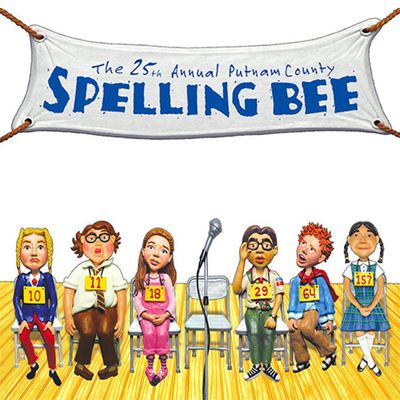
On Episode 33 Of "Your Program Is Your Ticket" My Guest’s Are Robin Ann Page and Jon Robitaille - Two Incredible Actor’s And Director’s From Theatre 98 Located In Fairhope, Alabama. We Discuss The History Of Theatre 98, Their Thoughts On The State of Theater Overall And We Talk About Their SENSATIONAL Production Of “The 25th Annual Putnam County Spelling Bee” (I Saw It – It. Is. AWESOME!!). Plus I Give A Little History On “The 25th Annual Putnam County Spelling Bee” Overall (It Started Out As An Improvisational Work!) And I Give A Recommendation To Two Headed Rep’s Upcoming Adaptation Of “Miss Julie” And New Work “Reno and Moll” – Playing In Rotation With Each Other! “(Musical Intro And Outro By The Phenomenal North Coast, NYC)
Transcript
This transcript was automatically generated and might contain errors.
[0:00] Sean Chandler: Curtain Up Theater People and welcome to Your Program Is Your Ticket.
[0:03] Sean Chandler: Now, normally we come to you from the Hell's Kitchen Area of Midtown Manhattan, but tonight's show is being brought to you from the beautiful city of Fairhope, Alabama.
[0:11] Sean Chandler: My name is Sean Chandler, and I'll be your host.
[0:13] Sean Chandler: Your program is your ticket. It's a discussion of smaller theater works and the people and organizations that make it happen.
[0:19] Sean Chandler: As many of you know, your program is your ticket as a helpful system where your program is literally your ticket to get into the theater in smaller, more intimate productions.
[0:27] Sean Chandler: It's these works we like to highlight, and it's our goal on this show to feature as many of these productions as possible while still discussing the biggies.
[0:34] Sean Chandler: I love theater and see as much as I can wherever I go.
[0:37] Sean Chandler: During the travels of the production of my husband and my play at the Flash, I've met many wonderful people from all over the world in the theater community, and it is my honor to bring them on as guests to the show.
[0:47] Sean Chandler: Tonight's guests are two major talents from Theatre 98, the local theater community here in Fairhope, Alabama.
[0:53] Sean Chandler: They are two of the company's actors and directors, Jon Robitaille and the director of their current smash hit, The 25th Annual Putnam County Spelling Bee, Robin Ann Page.
[1:03] Sean Chandler: Now, before I bring them on, I thought it would be great to give a little history on the development of The 25th Annual Putnam County Spelling Bee.
[1:10] Sean Chandler: That is a mouthful of a name, I'll tell you.
[1:12] Sean Chandler: Now, Your Program Is Your Ticket is devoted to, among other objectives, theater and development, and The 25th Annual Putnam County Spelling Bee had a terrific journey as it developed into what it has become.
[1:24] Sean Chandler: The music was based upon Krepusle, and that is spelled C-R-E-P-U-S-C-U-L-E.
[1:32] Sean Chandler: I think that's how you pronounce it, Krepusle.
[1:34] Sean Chandler: And that's big letters with dashes in between as if you're spelling it out.
[1:39] Sean Chandler: And it's an original improvisational play at the time, created by Rebecca Feldman and performed by The Farm, which is a New York-based improvisational comedy troupe.
[1:49] Sean Chandler: So it was eventually, you know, developed from improv, which is really cool.
[1:53] Sean Chandler: Now, Sarah Salzberg, who originated the character of Logan Schwartz and Grubener, was Wendy Wasserstein's weekend nanny.
[2:02] Sean Chandler: Now, Wendy Wasserstein, you may know, and if you don't, let me explain it to you.
[2:06] Sean Chandler: She wrote a play that was eventually, I think, made into a movie, called The Heidi Chronicles.
[2:11] Sean Chandler: And The Heidi Chronicles won a Pulitzer Prize and lots of Tonys, and it was just a sensational show.
[2:19] Sean Chandler: And by the way, if you're ever interested in reading a biography on a playwright, there's a biography about Wendy Wasserstein called Wendy and the Lost Boys.
[2:30] Sean Chandler: And it's terrific.
[2:31] Sean Chandler: And it was written after she sadly died early and young.
[2:35] Sean Chandler: But anyways, back to Spelling Bee.
[2:37] Sean Chandler: Sarah Salzberg, who was Wendy Wasserstein's weekend nanny, was in the original production of The 25th Annual Putnam County Spelling Bee.
[2:45] Sean Chandler: And Wasserstein recommended that William Finn, who wrote the music and lyrics, see the show.
[2:50] Sean Chandler: Finn brought Rachel Scheinkman, excuse me, on board, and I believe she went on to win a Tony Award for the book, and they worked together with Rebecca Feldman to transform Krepusle into a scripted full-length musical.
[3:03] Sean Chandler: Spelling Bee was then workshopped and developed at the Barrington Stage Company in Massachusetts.
[3:08] Sean Chandler: They developed a lot of stuff there.
[3:11] Sean Chandler: In February 2004, a workshop was done in which a first act and parts of a second act were created.
[3:17] Sean Chandler: This stage of the process was directed by Michael Barakiva and Feldman.
[3:23] Sean Chandler: That would be great, Rebecca Feldman.
[3:26] Sean Chandler: The script was fleshed out, and the show was given a fuller production in July 2004 under the direction of Feldman and Michael Unger.
[3:34] Sean Chandler: Now, several cast members, including Dan Folger, who I believe won a Tony for playing his role, Jay Reese, who also added material into the show, I believe, as it was developing, and Sarah Salzberg remain from Krepusle, and later joined, were later joined by Rob Sapp, Jesse Tyler Ferguson, you probably know him from Modern Family, Celia Keenan-Bolger, who's in a lot of TV, and Lisa Howard and Deborah S. Craig were added, and a full script was created.
[4:02] Sean Chandler: The musical opened off-Broadway at Second Stage Theater on February 7th, 2005, and closed on March 20, 2005.
[4:09] Sean Chandler: Now, normally when a show closes that fast, it's usually because maybe it's not doing very well, but in this case, I think they fast-tracked this show directly onto Broadway.
[4:20] Sean Chandler: Because it won the 2005 Lucille Lortel Award for Outstanding Musical and the 2005 Drama Desk Award for Outstanding Ensemble Performance.
[4:29] Sean Chandler: Very cool.
[4:30] Sean Chandler: Spelling Bee premiered on Broadway at the Circle in the Square Theater on April 15th, it ran for 1,136 performances, two of which I saw.
[4:38] Sean Chandler: So there we go.
[4:39] Sean Chandler: And won the Tony Awards for Best Book, Rachel Scheinkin, and Best Featured Actor Dan Folger, who plays a character whose name I'm not going to reveal because it's just it's a great name in the show.
[4:50] Sean Chandler: And see the show and you'll know why.
[4:53] Sean Chandler: Since then, it's had productions all over the world.
[4:55] Sean Chandler: There have been multiple performances here in the US as well as international productions in London, Australia, Norway, and Tel Aviv.
[5:03] Sean Chandler: So what started as an improvisational work has developed into a sensational international hit.
[5:09] Sean Chandler: And I wanted to highlight that so folks can understand the process a little better about how a show starts and grows.
[5:16] Sean Chandler: And now here it is, delighting the audiences of Fairhope, Alabama.
[5:19] Sean Chandler: And it has been a smash, so much so that performances have been sold out, and I believe you've added two extra performances.
[5:27] Jon Robitaille: Correct.
[5:28] Sean Chandler: Oh wow.
[5:29] Jon Robitaille: Add more.
[5:30] Sean Chandler: I would love to add it.
[5:33] Sean Chandler: So let's bring on our guests to talk about the production and also the historic Theatre 98, because it's been around for a while.
[5:40] Sean Chandler: So, folks, please welcome to the show to Fairhope, Alabama Theatre 98 actors and directors, Jon Robitaille and Robin Ann Page.
[5:48] Sean Chandler: Hi, Jon and Robin, and welcome to Your Program Is Your Ticket. How are you?
[5:51] Jon Robitaille: I'm great.
[5:52] Robin Ann Page: Great.
[5:53] Jon Robitaille: Thank you so much for having us and coming all the way out here to visit us.
[5:56] Sean Chandler: Oh, it's my pleasure.
[5:57] Sean Chandler: I should explain that my sister lives out here, and so I've driven by this theater so many times, and it has so intrigued me.
[6:05] Sean Chandler: And I just took a tour, and what looks to be like a small building is just feels like a great, expansive, wonderful theater.
[6:14] Jon Robitaille: So tell us a little bit about Theatre 98. Give us a little bit of a history.
[6:17] Robin Ann Page: It is a wonderful space. You have to understand the building was built in the 1920s as the First Baptist Church of Fairhope.
[6:27] Jon Robitaille: Wow.
[6:28] Robin Ann Page: From that point, as the church grew and moved to other locations, it became a satellite courthouse for the county.
[6:35] Robin Ann Page: And in the, I guess, the early 80s is when it became a playhouse.
[6:51] Robin Ann Page: We took it over as Theatre 98 around 1985, and have been here ever since, and it has provided a wonderful atmosphere for shows.
[7:02] Jon Robitaille: For those obviously, a lot of people here in this have probably never been here before, but the theater is designed where the seating is on three sides of the stage.
[7:15] Jon Robitaille: There are three rows for each side.
[7:18] Jon Robitaille: So the audience is pretty much right into the actual action that is happening on the stage.
[7:25] Jon Robitaille: You feel like you are a part of the show when you watch a show here.
[7:29] Robin Ann Page: Absolutely.
[7:31] Robin Ann Page: We're in the theater right now, and it feels it's strange because it has an intimacy to it, but it feels very open.
[7:41] Robin Ann Page: It feels like an act. I mean, I've been on I've been in smaller theaters, and it sometimes it feels like the actors are right on top of you.
[7:50] Jon Robitaille: Exactly.
[7:51] Jon Robitaille: Um, and in here it feels like the actors have a lot of room in which to do the show and to play.
[7:59] Jon Robitaille: And Spelling Bee is a pretty active show.
[8:02] Jon Robitaille: And it's amazing how we're able to make different sets for these different shows because you think nothing could possibly fit in here, or we couldn't make it work in a thrust stage situation.
[8:13] Jon Robitaille: But each and every show has a very unique set and structure to it, and each one is very exciting.
[8:19] Robin Ann Page: Wow.
[8:19] Sean Chandler: Now, are all of your shows done in the U-shape theater?
[8:24] Jon Robitaille: Yes, it is.
[8:25] Sean Chandler: Okay, great.
[8:26] Sean Chandler: Um tell me a little bit about your current season that you have that ongoing shows for this season that you've already done, anything you have coming up?
[8:35] Robin Ann Page: Sure, absolutely.
[8:36] Robin Ann Page: Well, Putnam County Spelling Bee is the fourth show of the season, it is our last show for this season.
[8:42] Robin Ann Page: So we started out this year with a new production very well relatively new called Ripcord.
[8:50] Robin Ann Page: Then we moved into On the Verge, and then the show right after that was Becky's New Car.
[8:58] Robin Ann Page: And then, of course, now back into Putnam here.
[9:01] Robin Ann Page: And so it's been a very unique season for us in the fact that a lot of the shows have audience participation in them.
[9:11] Jon Robitaille: Wow.
[9:11] Robin Ann Page: I know the last two have.
[9:14] Robin Ann Page: And I don't know what else to say other than I've enjoyed this season very much.
[9:21] Jon Robitaille: Yes.
[9:22] Robin Ann Page: And what's real exciting is this is the first musical that Theatre 98 has done in a very, very long time.
[9:28] Robin Ann Page: And it has been obviously well received since we're held over and sold out.
[9:33] Jon Robitaille: Sure.
[9:33] Robin Ann Page: And the patrons love it.
[9:35] Robin Ann Page: And it's enticing people to become season ticket holders again and new ones for next year, which is exciting.
[9:43] Sean Chandler: Wow.
[9:43] Sean Chandler: Who doesn't love a musical?
[9:45] Jon Robitaille: Right.
[9:46] Jon Robitaille: Exactly.
[9:47] Sean Chandler: I read a review, I think, that you posted, Robin, over the last day or two, or someone posted it on Facebook, and it was by a reviewer who said, um, all of a sudden, I looked over and I realized that somebody was actually playing music.
[10:06] Sean Chandler: That's a very, very cool thing to read and to say because it's like the music is there and it's highlighting the show and it's emphasizing the show.
[10:15] Robin Ann Page: Yes, and they're so, you know, they're being carried away by the story and the pathos of the show and what's going on.
[10:24] Jon Robitaille: Exactly.
[10:24] Jon Robitaille: And we've had our wonderful musical director, Rick Raymond, and his wife happens to be the accompanist, it's Terry Raymond.
[10:32] Robin Ann Page: Oh, great.
[10:32] Robin Ann Page: And she's playing an electric keyboard that has many, many sounds to it.
[10:36] Robin Ann Page: She's recorded different sounds in it, and he stands by and plays a little percussion along with her.
[10:42] Robin Ann Page: So it really has a very, very full sound to it.
[10:46] Jon Robitaille: And that's what I wanted, and that's what we got.
[10:53] Sean Chandler: It's so nice what technology can do.
[10:55] Sean Chandler: You can get drum sounds out of there if you need to.
[10:57] Jon Robitaille: Right.
[10:57] Sean Chandler: That's terrific.
[10:59] Sean Chandler: And tell me some of the things that your audience are saying about the show.
[11:04] Robin Ann Page: What's the audience feedback been like?
[11:06] Robin Ann Page: Comments you've heard.
[11:08] Jon Robitaille: Well, they've just it's pure entertainment.
[11:10] Jon Robitaille: They've enjoyed it so much, they've laughed, they've cried, we have poignant moments in the show, as you know, you've seen it a few times.
[11:18] Jon Robitaille: Um, it's, uh, and we have a cast that is literally Broadway bound.
[11:24] Jon Robitaille: These kids and adults that we have in the show are unbelievable.
[11:29] Jon Robitaille: And, um, three of which I know are going on to pursue this as their career, and the voices are phenomenal.
[11:36] Jon Robitaille: I was very blessed to have wonderful people audition, and I think we cast it really well.
[11:42] Robin Ann Page: And what was your question?
[11:44] Robin Ann Page: And again, I'm sorry, I just went.
[11:47] Sean Chandler: Oh, how what are the audience saying?
[11:48] Robin Ann Page: Yes.
[11:49] Robin Ann Page: So they're just walking out going, I enjoyed it thoroughly.
[11:52] Robin Ann Page: And a gentleman came up to me last night and said, I just want he kissed my hand and he said, I enjoyed this so much.
[11:58] Robin Ann Page: I'm a season ticket holder, and I told my wife a spelling bee, I don't think will last.
[12:03] Robin Ann Page: We'll definitely leave it in her mission.
[12:05] Robin Ann Page: Um, she was actually his wife was one of the audience participants who came up in the first act to join the spellers on stage and did a great job.
[12:13] Jon Robitaille: And he said, I so thoroughly enjoyed every moment, of course, we stayed, and we'd like to come back. So that was a really wonderful compliment and a testament to the show.
[12:24] Sean Chandler: That's terrific.
[12:25] Jon Robitaille: That's great. One of the things I love about the show is it satisfies what I call the three E's. It's entertaining, it's funny, it has such a great energy to it, it's educational. You learn something about spelling bees, and it's edifying. There are moments in the show that are so uplifting, it has great themes of, you know, what the not just the kids but the adults are bringing into the spelling bee, and how they're coping with the people that they're becoming. And one of the things that I love about it is that the kids help the adults understand it, and vice versa.
[13:09] Robin Ann Page: Exactly.
[13:10] Jon Robitaille: And that would that's what enticed me so much to direct this show was because each of the characters, the six students in the show, all come from different backgrounds, different family dynamics. They're just so, I don't know how to explain. They just we bring it out and we get a chance as audience members to learn about each one of these kids.
[13:33] Robin Ann Page: Right.
[13:34] Jon Robitaille: And it's just a beautiful thing, and it's a chance for us as audience members to really learn and remind ourselves what impact we as adults have on kids, that it's so important to what we say and what we do and what we teach them. Our teachers, our clergy, our parental units, whatever they may be, have such a huge impact on the way they live their lives and go on, and this show shows so much of that, and it's really exciting.
[14:08] Jon Robitaille: And I also love the fact that there's so much, you know. You said that Kropuscule started out as an improvisational type of—did I say it right?
[14:19] Robin Ann Page: Um, well, you know what? Huffle Propusel, crepuscule, it's so many different ways, but anyway, every night it seems to be something different. But there's so much opportunity that the writers have given us to add to their script, to improvise and change every night. And because we have four different audience members of all different ages come on the stage every night, you never know what it's gonna be. So our actors are just set for any possible change; someone may get a word correct and someone may get it wrong, and we have to be ready to change around the whole script and see where we go from there. So it keeps us on our toes.
[15:00] Sean Chandler: Now, did you work with the cast on improvisation to be able to acclimate to that?
[15:07] Jon Robitaille: Well, it was a little bit of a prerequisite when I auditioned them. I said, How much have you done with improvisation? And we had them do a little bit of that at the audition, and they have really stepped up to the plate. And of course, our monitors, both Rona Lisa Peretti and Punch, they every night have to come up with things to say about the audience members. We have little funny lines and the different spelling words at times, and the funny different ways we can give definitions and sentences for those words.
[15:40] Sean Chandler: Wow.
[15:41] Jon Robitaille: It's fun. To me, I don't know how they do it. I don't know how people who do improv do it. It's just such a difficult skill, thinking on your feet. And I remember I did a show with a hip hop improv group. Now you'll hear it when you hear your own show because they've actually done an opening and a closing for me, which was really nice of them. But I was going through my intro topic on the history of improv, and there's like ten rules to improv. But the most important thing is to always say yes. Jon Robitaille here has put together, he teaches improving. Become the improv guru of Baldwin County and Mobile for that matter, because there was no improv when I moved here. And you know, it's such a great art form. I think people, not necessarily just actors, but people in everyday life need that kind of training.
[16:41] Robin Ann Page: Yes, it helps them with anything that they do in life. It's a backbone, so to speak.
[16:46] Jon Robitaille: Oh, yeah. The name of the company is North Coast, and they're actually a hip-hop improv group. And they operate out of New York and Chicago, but they give lessons as well, and they give lessons to corporations. And they say that it helps people with their communication skills, public speaking skills, being able to handle themselves better in meetings, things like that. So I think what it does is it gives you confidence on your feet.
[17:16] Robin Ann Page: That is the key right there is to gain that confidence. Once you have that, you can pretty much do anything that you want to do.
[17:23] Jon Robitaille: You know, yeah, absolutely. I'm myself, like I said, I'm not very good at improv. I tell a story where I took an acting class, two acting classes. I did it for empathy as a writer. I'm not a very good actor at all, but I'm a relatively decent writer. And I remember we did theater games in the first acting class, and my acting teacher, whose name is Barbara Tarbuck, she's passed away. She said, Okay, what we're gonna do now is you're all gonna be kids on the playground, and you're just gonna play with each other. So I just couldn't do it. I really couldn't. So I walked over to the side of the room and I sat there with my arms folded, and she walked over and she said, Don't you want to go play with the kids? And in my most adult voice, I said, No.
[18:07] Robin Ann Page: So I can see, I mean, just to really pull that out of people is tough.
[18:11] Jon Robitaille: Yeah, now you have to get outside yourself and just become the character and become one. But you do realize what you did in that class was typical of children on a playground too. One of them would go into the corner and if they didn't get their way and just sit there and sulk and say no.
[18:23] Robin Ann Page: Sulk and say no.
[18:32] Jon Robitaille: I'm not playing.
[18:34] Robin Ann Page: Yeah, I'm not playing.
[18:34] Jon Robitaille: So you know what you did? If I was grading that class, you would have passed just for that.
[18:39] Robin Ann Page: Would I?
[18:39] Jon Robitaille: Yes. Yes, you were halfway there.
[18:41] Robin Ann Page: Oh my god.
[18:42] Jon Robitaille: Well, let's hope that my acting was better than my improv, or vice versa. Um, let's talk a little bit about Theatre 98. Are there any particular messages and themes that speak strongly to you and the team here at Theatre 98 in the projects that you select to produce?
[19:04] Robin Ann Page: I don't know if there's necessarily any theme that we go for. What we look for mainly is the entertainment value, obviously, for our patrons to come in. You know, the worst thing we could do is to pick a show that's going to bore them so much that they get up and leave at intermission. We want them to stay for the full production, obviously. So we look for that entertainment value in there. And there's also things that we look at too. We know that they're gonna like a comedy. A mystery is always a good selection. A musical will always entertain people. So, you know, we try to—we do four shows a year. So you've got to understand our slate is very limited, but we want to try to pull a little bit of each in there.
[19:47] Jon Robitaille: Make it diverse.
[19:47] Robin Ann Page: Exactly, so that you're not getting the same thing. Because I know that there are theaters out there that specialize in musical theater, and that's all they do. But you know what? There are some really good stories that may be very dramatic that you're not probably would maybe get a chuckle out of there and you don't laugh, but it has a deep message at the end, and that's things that you know. I, as a director, or if I wanted to tell that story, I would hope that I could pull it off in this kind of environment. So we'll go from something like John directed Glass Menagerie last year, and then it went from there into right before that we had done Plaza Suite that I had part in directing. And so just we have a diverse audience too, and of all ages.
We started out with a little more of an elderly crowd, and we're slowly branching into just every age and every type. We try to stay out of political things, religious things, and you know, all of that. We just kind of stick to pure entertainment that's different from each show before.
[20:57] Sean Chandler: If I may ask, why do you try to stay out of political and religious themes?
[21:03] Robin Ann Page: You have to understand the dynamics; you're in the South. And religious themes are, you know, that's taboo to a lot of people, and they would get upset over the slightest things. I know, you know, Robin, when she was directing this show, you know, there was some nervousness about the Jesus scene. You know, would we offend somebody if Jesus came out? And you know, so it's always in the back of your mind. And it's done with respect, and it's not done in, you know, I don't know how to explain. It just—you just never know who you're gonna offend. I did take out there were some swear words in it where they take God's name in vain and so on, and because we're in the Bible belt, I made sure to just change that to gosh darn it, and you know, things like that just to appease the audience.
We do have things that are a little, you know, it's adult content and so on, and it's funny that the things that you think that they're not gonna say anything about, you'll get that phone call the next day, and like I was really offended by that, and I was like, that you know you just can't even imagine, so we kind of are on a fine line here.
[22:14] Jon Robitaille: And I'm glad that you said that because I think in like in New York and Chicago and LA, we're in a theater bubble.
[22:24] Robin Ann Page: Sure.
[22:24] Jon Robitaille: And in New York, it's kind of like anything goes for theater, absolutely, and probably even more so in Chicago. They're very much an incubator for new theater and avant-garde theater and risky theater. So I think it's really important that we as theater lovers all over need to understand that it's important to pay attention to that, I think personally. So I would assume your team is always kind of walking that fine line. It's like how much can we push the audience a little bit here while still entertaining them and retaining them?
[23:04] Robin Ann Page: Exactly. And so there's probably a lot of discussion about that when you're planning your next season.
[23:09] Jon Robitaille: Quite a bit. We have a play reading committee that pretty much meets the entire year. You know, we start out with some selections and we start narrowing it down, and you look at that. And when I serve as production manager for the board, you know, part of me reading through the scripts is to say, well, you know, we can do that physically on the stage or not, but looking at, okay, how is the story going to be interpreted by the audience? And a lot of it could be simple stuff, but they don't see it the same way, you know, and it can be frustrating at times. Very frustrating because there's so many, like you say, avant-garde, really edgy things we'd love to do and produce here, and I just don't know that our season ticket holders.
So we're gradually, gradually moving in that direction a little bit, little steps at a time, right? And in addition to that, there's also the concept of, you know, there we're dealing with grown adults here and people who have had lots and lots and lots of life experience, so it's also not insulting their exposure to life, right?
[24:24] Robin Ann Page: And so it's I'm gonna assume it's a lot of second guessing about culture, and that that must be like I said, that must be really difficult for you.
[24:33] Jon Robitaille: Well, it's it's really frustrating for me. I'm from California, and I've been an actress, you know, regional actress, and in California for many years, and coming here was a rude awakening. It's very, very different. And but you go with the flow and you try to make small changes as you can, and hope they accept it along the way. It's this I know that spelling bee has um well, let's just say it's it pushes boundaries like it really does. It really does. And and what's happening though is the overwhelming feeling is is what people are walking out with is the overwhelming feeling of joy, and um and and uh they're they're being uplifted, and so uh kudos to you guys.
[25:23] Robin Ann Page: I don't I mean I mean I really want people in New York to listen to this who are like, oh yes, well, this has you know a lesbian scene and and uh we're gonna light somebody on fire, and you know, and they're okay. It's like no big deal.
[25:34] Jon Robitaille: Absolutely. That's gonna open the season. That's when we know that you know that's that's not something you could probably do here.
[25:42] Robin Ann Page: Right. I have your 2018 season here. You're doing The Mousetrap, Butterflies Are Free, The Skin of Our Teeth, and Lost in Yonkers.
[25:50] Jon Robitaille: Those are good shows.
[25:52] Robin Ann Page: Absolutely. The nice thing is at this day and age here in Fairhope is that the community's gotten large enough where there are a lot of talented people out there that can direct, that can be a part of the show, and we don't want to have the same directors always coming back and directing show after show after show because then the vision kind of gets really narrow. So this opens it up. So both of us directed this season. We're not directing next season. However, uh, we are actually gonna do a Christmas show next year.
[26:28] Jon Robitaille: That I am working on now. It's gonna be a radio play.
[26:31] Robin Ann Page: Nice. Uh right now it looks like it's gonna be it's a wonderful life, but it's gonna be done in the style of a radio broadcast from the 1940s, and uh it's gonna be fun.
[26:42] Jon Robitaille: Cool. I see your directors are Timothy Guy for The Mousetrap, Jamie Shows for Butterflies Are Free, um John Thornton?
[26:52] Robin Ann Page: Yes, okay, for The Skin of Our Teeth, and Joe Fuselli for Lost in Yonkers.
[26:56] Jon Robitaille: Correct. That's correct. Um what do you think is the best part of being involved with smaller productions?
[27:06] Robin Ann Page: Being a part of a smaller production for me allows you the opportunity to experience a lot of the production and not necessarily get focused on one thing. Like I've done sound, I've done lights, I've done stage managing, and you know, when you have a smaller production, it's it's more of a tight-knit community, I feel, you know. But um Yeah, it it was exciting for me because it gave me a chance to not only direct and and choreograph, but I designed the set and I designed the lighting, and you know, and that you usually don't get a chance to do. You have a lighting designer, you have a set designer that comes in and just this is what you're doing, and we work with them, and I block it around that, and so on. So it was it was a real creative experience.
[27:54] Jon Robitaille: Wow, yeah. And so you you're doing things that you that you aren't normally doing, or in a bigger theater, but or that you you don't do often. Um, I mean, do you often uh work on designing sets and um uh doing costumes and things like that on your shows?
[28:15] Robin Ann Page: Um usually when I'm directing, I work along with the costume designer and the set designer and the lighting designer, tell them my um vision for the show and what I want, they come to me, we you know they sketch it all out, and I go, yes, that's wonderful, let's try this, you know, whatever. But in this, it's pretty much um, you know, you design it, we build it, and uh here are the lights and do what you'd like. And and as far as costumes, we've had wonderful costume people. I gave them my vision, I told them I wanted bright colors, I wanted this, I wanted that, and they they came, they came up with it all. It was wonderful.
[28:55] Jon Robitaille: So is it with smaller productions? Is it a chance to sort of get back in there and revisit that and um strengthen those skills a little bit every now and then?
[29:06] Robin Ann Page: It brings me back to college because I majored, I majored in drama, and you know, we took the set design class and the lighting design class and all of that. So it's really it's taken me back, and I'm really enjoying it. Really enjoying it.
[29:19] Jon Robitaille: And you went to college in San Diego, right?
[29:22] Robin Ann Page: Yes.
[29:22] Jon Robitaille: Okay, I have here uh San Diego State University.
[29:26] Robin Ann Page: Yes, I did.
[29:27] Jon Robitaille: Wow. And uh did you like San Diego? Did you like going to school in San Diego?
[29:33] Robin Ann Page: Uh who wouldn't love going to school in San Diego? I mean, it was a while ago, we won't say how long ago, but um back then we uh San Diego State was one of the top technical schools in theater around. So I mean, we had sets that were built that they said you won't see this on Broadway. I mean, they were unbelievable. And we had incredible professors, and I'm sure they still do. I it just uh it was a good time. It was a great time to be there.
[30:02] Jon Robitaille: Excellent. Um now I'm now John, I'm gonna ask you this. I don't know if you if you have uh dramatic training.
[30:09] Jon Robitaille: I did not go to school for for theater. Uh I'm a I'm just a theater fan and and started writing and learned from seeing things and books and things like that. Do you did you go to school for theater?
[30:20] Robin Ann Page: Sean, I think we both went to the same school. I did not go to school for theater. It is something I grew to love. I went to school and for business and marketing, and I grew to love theater. And you know, I I got involved with improv first, and then I think everything built from that, and that's what got me here, and then got me into directing and doing other things with the theater too.
[30:46] Jon Robitaille: Uh well, I I definitely think people could uh benefit from having business training being in the theater and marketing training. Um it's that I think that's so much about what we do for each show. I know that uh when when David and I do our show, we've done it seven times, and each time that we do it, it's like every there comes a point in time where I'm like, okay, there is a play in here somewhere, you know, because you're just you're so dealing with this ad and this contract. And and it's it's the business aspect of show business.
[31:25] Robin Ann Page: Right. And none of us showers want to do the business part, but it's essential that you get that training, not only to um to move your career in in a forward way, but also, you know, as a director, as a writer, as anything else, you have to deal with that. And so it's it's essential, even though we don't want to do it. I just want to have fun and do the show part, you know, the creative part, and then there's always that business stuff.
[31:55] Jon Robitaille: Well, that's what I tell people when they ask me, how do you you know how do you succeed in this? And I'm like, well, you can't really say that's not my job. Right you know, you have to get in there and be willing to do everything if you need to, and um you can't just say, Oh, oh, oh, I'm the talent, and I'm not, you know, you have to run your own career if you're a performer, right? Especially today.
[32:18] Robin Ann Page: And there's a balance between the two. You've got to find that balance, and when you do, you know it, and it works well for you.
[32:27] Jon Robitaille: Yes, yeah. I've that's there is a formula there, and um I guess all I can say is when you find it, tell me what it is.
[32:36] Robin Ann Page: Yeah, I was gonna say some people have no shown. It's always redefining it because what works yesterday may not work tomorrow. But with technology and social media today and everything else, it's changes daily. I mean, hourly, minute by minute.
[32:54] Jon Robitaille: No kidding. Um so what do you two think is an important direction theater is taking right now overall?
[33:04] Robin Ann Page: Well, that's an interesting question. Theater in general or our theater?
[33:10] Jon Robitaille: No, no, theater in general. I think you've talked a lot about the vision of theater 98.
[33:15] Robin Ann Page: Right. But you're both theater artists who are aware of what's going on in in the United States and in the world.
[33:21] Jon Robitaille: Well, I think we've come to a time and place where you're allowed to be as creative and open as possible, both politically, sexually, religiously, whatever it is. And I think that our patrons are uh open to it as well and are accepting it, except down in the South. But not necessarily.
[33:50] Robin Ann Page: Yeah, I would I'm just messing with you. But I think that's what's exciting. And also women in theater and women in the arts. You know, you know, it's it's big for us. So I I love where it's all going.
[34:06] Jon Robitaille: Good, excellent.
[34:07] Robin Ann Page: Yeah. Well, and you you also look at you know, the success, like for Hamilton, for example, you're you're pulling in other racial views on stage, you're seeing different points of view now. And that to me is important when you start looking at you know what is being performed on the stage. Because if everybody continued to look through their own point of view, you you have that narrow-minded focus. But now all of a sudden, if if you're seeing a show from this point of view and a show from this point of view, it opens your mind a lot. And I think that more people should do that. Before they judge something or judge somebody, they should look at different points of views.
[34:57] Jon Robitaille: That's the thing, though. I wish there was more theater out there that did look at two different points of view.
[35:04] Robin Ann Page: Something, I think you should write this now, Sean.
[35:06] Jon Robitaille: Uh I think I did.
[35:08] Robin Ann Page: Yeah, you're right. And not basically, I hate to put it in these words, but shove it down someone's throat that this is the way it is or or it isn't. I'm not saying anything you've done. I'm just saying that I would like to see more of both points of view in some type of uh a play or in the art so that people could say, okay, well, I I understand that and I understand that. And the educated manager.
[35:43] Jon Robitaille: And then in the third, you pull them together.
[35:46] Robin Ann Page: Possibly. And I think that would help with so much of what's going on politically in this country and with diversity, you know, and everything else. And I think that uh, oh, I want to go home and write now.
[36:02] Jon Robitaille: Do it.
[36:04] Robin Ann Page: Well, I was writing before we started this. I walked in and he was working on a screenplay.
[36:08] Jon Robitaille: Oh, there we go.
[36:09] Robin Ann Page: Yes, yeah. Um, yeah, I uh that's actually a very uh popular answer to this question because we're I think that we're in such uh a divided time right now.
[36:21] Jon Robitaille: We are clearly in in our country, and uh nobody wants to look at the other side with some objectivity.
[36:31] Jon Robitaille: There's so many feelings attached to it, and to be able to have a piece of theater that just says, okay, take a breath, calm down and watch this. And then you decide kind of thing.
[36:47] Robin Ann Page: Yeah, and not, as I said, shove it down your throat one way or the other. Let's have see this point of view and this point of view, and then you decide. Oh and it's okay which way you decide.
[36:58] Jon Robitaille: Totally exactly. Yes.
[37:00] Robin Ann Page: Yeah.
[37:00] Jon Robitaille: Give them permission to be okay with it. And I think it works both ways. And in theater, you know, we have a tendency to be, I guess known as being a little bit more liberal, a little bit more on the left. We need to see what the right is bringing to the table as well. Not just what people think the right is bringing to the table.
[37:24] Robin Ann Page: Right. You know, there's so much on both sides. They're so important.
[37:28] Jon Robitaille: Oh, absolutely.
[37:30] Robin Ann Page: Yeah.
[37:30] Jon Robitaille: So absolutely. Great answers. Um, so I think we touched on this a little bit before, but I want to get a little bit more into it. Um, what should every theatrical artist, in your opinion, producer, director, actor, technician, be doing right now to be relevant and successful in the industry? What should they be doing?
[37:49] Robin Ann Page: That's an interesting question. Um, I think they need to approach it mainly from the audience's perspective. Because you know, you're telling a story. If you're an actor or director or a writer or whatever, you're telling a story. And think about, okay, what is the audience going to gain out of this story? And if you're doing that and you're putting the details in to the story that makes sense and bring them, you know, into a certain time and place, then that formula should work. It should be, you know, and that's it's hard to explain that, you know, without saying, you know, and I look at different movies and things that are out there as well, too.
[38:45] Jon Robitaille: And say, like, for example, to me, the Cohen Brothers is one of my favorite, you know, screen or movie writers, and when they tell their stories, they look at every single little detail and pull it in. And you know, I guess you could say the same thing with Tennessee Williams and the Glass Menagerie. He was very detailed about that time and place and put that into the story. And so it took you back to that moment.
[39:12] Robin Ann Page: Yeah. Both great examples of writers and directors for the Cohen brothers as well, who pay attention to the audience for each individual project. It's all about what's the tone I'm trying to set here, and how is that going to affect the audience? And I think that's important.
[39:35] Jon Robitaille: Um, and Robin, I'm gonna have you answer this question, but I wanted to say, as a writer, um, you get to a point to where the script that you start off with a very personal story, you eventually get to a point to where you've got to let it go with your personality and your own personal connection to it, and you have to start writing for the story and its effect on the audience. So I absolutely completely agree with you.
[39:59] Robin Ann Page: And probably I'll agree with you too. I'll find some way to agree with that.
[40:03] Jon Robitaille: Okay, I don't I really don't know what to say. Um, actually, my son is a film writer and a director in Los Angeles, and we have discussions about this all the time because he's very much into, um, well, he does a lot of virtual reality, um, but he and I discuss how, you know, keeping it relative and what does it say to the audience and what did this character mean. We really get into, you know, the depths of each thing, but I just really agree with what y'all have been saying.
[40:36] Robin Ann Page: Y'all, I sound like I'm from the South, don't I?
[40:40] Jon Robitaille: You're in the South.
[40:41] Robin Ann Page: I guess I am.
[40:43] Jon Robitaille: They say it a lot in New York too.
[40:44] Robin Ann Page: Yes, I bet, I bet.
[40:46] Jon Robitaille: Yeah.
[40:46] Robin Ann Page: So, you know, I agree with you, you all.
[40:48] Jon Robitaille: Okay.
[40:49] Robin Ann Page: Yeah.
[40:50] Jon Robitaille: With y'all.
[40:51] Robin Ann Page: Yeah, with y'all.
[40:52] Jon Robitaille: When in the South.
[40:53] Robin Ann Page: Oh my.
[40:55] Jon Robitaille: Um, it's come to that. Is there anything new that you individually are working on that you wanted to talk about? Because we just went over your season, or you can elaborate on that as well for Theater 98 or whatever you want to say.
[41:07] Robin Ann Page: Well, I did mention the radio play that we're going to do next year. Um, that's gonna be interesting for me in the fact that it is not about the action on the stage, it's in the voice and how they say the lines, because they're gonna be standing behind a microphone very similar to this one and delivering those lines. I want the audience to come in and to be able to close their eyes and say, am I listening to a radio program? The other thing about that is that I want a complete Foley table on the stage with the sound effects created right there on the spot.
[41:43] Jon Robitaille: Wonderful.
[41:44] Robin Ann Page: So yeah, that'll be great. I want to be a part of that.
[41:46] Jon Robitaille: Oh, well. Are you gonna be are you gonna set it in any particular time?
[41:51] Robin Ann Page: The 1940s.
[41:52] Jon Robitaille: So you're gonna have 40s costumes.
[41:54] Robin Ann Page: 40s costumes. Uh, as a matter of fact, one thing that I guess I started the trend with on the verge is the lobby as you come into the theater, we decorated it as an expedition office for the journeys that the ladies took from the 1800s. And so I want the lobby to get you in that 1940. The downtown Christmas scene, I've got this vision. I want to do a glass wall and have like the department store windows in there.
[42:28] Jon Robitaille: So I remember it.
[42:29] Robin Ann Page: I want to have cookies and punch over in the refreshment stand, and I want carolers outside as you're coming in. Well, there's nothing better than having the audience begin with the whole feel of the show as you're walking in.
[42:44] Jon Robitaille: Yeah, and he did an incredible job on the verge. Just when you walked in the lobby, you were just taken into that whole time frame and it was wonderful.
[42:56] Robin Ann Page: And we delivered clues in the lobby too. Because that's such a difficult show for the audience to follow. I don't know if you've seen that show or not.
[43:04] Jon Robitaille: No.
[43:05] Robin Ann Page: Uh, it's a journey, it's all about language and words that I had never heard of before, and pronunciations that I the actresses that I had for that show did an amazing job of learning those words and using them as if they were in the time period. They started out in the 1880s or 1860s, I forgot, 1880s, ended up in 1950s Cuba because they went into a time travel.
[43:33] Jon Robitaille: I'm gonna have to read this.
[43:34] Robin Ann Page: Oh, it's wonderful. It was a wonderful show. Uh, and the setting was they were dropped off on a beach and they started this journey. They went through the jungles and went up a cliff and to the snowfields, and they encountered these different characters as they went, and each one of these characters was a gatekeeper to the next part of their journey, and then they discovered that they were going through time and ended up at this Cuban bar. And the three ladies and then one male who played all eight characters that they encountered.
[44:07] Jon Robitaille: So it was he's wonderful.
[44:09] Robin Ann Page: And he's in my show too.
[44:11] Jon Robitaille: Yes.
[44:14] Robin Ann Page: He's playing Mitch Mahoney, so come see it.
[44:17] Jon Robitaille: Oh, wow. I love that care. I love you, Mitch Money's game. That's great. I think that's so important to bring the audience into the you're setting up you're creating a psychology for them as they're walking through the lobby.
[44:34] Jon Robitaille: And in this case, it's gonna be outside too, if you have Carol or Sachs.
[44:41] Robin Ann Page: Which they did. I don't know if you guys ever saw the original Broadway production of Spelling Bee. But did either of these?
[44:48] Jon Robitaille: No.
[44:48] Robin Ann Page: No, it's it played in the circle in the square theater, and it's actually a, um, it's the theater next to the Gershwin Theater that's been housed wicked since 2002 or whatever. But it did exactly that. I mean, you walked in and there was posters all over the place, all over the lobby, all downstairs. I mean, you really brought you into what you were gonna see, and so that's I mean, I think it's super smart.
[45:17] Jon Robitaille: Um, what about you?
[45:20] Robin Ann Page: You know, I don't have anything in the works right at the moment, but um, except for what I think I'm gonna go home and write, what we just talked about. But really, nothing um right at the moment, but I'm sure something will come along.
[45:34] Jon Robitaille: Well, yeah, you're definitely gonna keep us updated, right?
[45:37] Robin Ann Page: I will, I will, definitely.
[45:39] Jon Robitaille: Something tells me that you like like you're gonna say this, and then like by the end of the weekend you're gonna have five new projects.
[45:46] Robin Ann Page: Okay.
[45:47] Jon Robitaille: Right. From your mouth to God's ears.
[45:49] Robin Ann Page: There you go.
[45:51] Jon Robitaille: Absolutely.
[45:52] Sean Chandler: Okay, before I give as you guys give your social media information, do you want to do a speed round with me?
[45:58] Robin Ann Page: Oh that's kind of scary, isn't it?
[46:02] Sean Chandler: It's really, really easy. And you know, basically I'm just gonna ask you some questions and you answer as quickly as you can, okay? Are you ready?
[46:10] Jon Robitaille: Sure.
[46:11] Sean Chandler: Okay. I'm gonna ask you a question and then I'm gonna go to Robin and then Jon, and then the next question, okay? I have to clarify that because some people are we're gonna answer the same question.
[46:20] Robin Ann Page: Exactly right.
[46:21] Sean Chandler: Okay, so favorite play.
[46:24] Jon Robitaille: 25th annual Putnam County spelling being.
[46:27] Sean Chandler: No, no, no, no, no. Right answer. That's next, that's next. Favorite play.
[46:32] Robin Ann Page: Oh did we do this? Um, I would say uh light in the piazza.
[46:37] Sean Chandler: Okay, cool. What if I don't have a favorite play?
[46:44] Jon Robitaille: Do you have two favorite plays?
[46:46] Robin Ann Page: Uh, well, right now I would say Glass Menagerie and On the Verge because of the last two plays I directed.
[46:51] Sean Chandler: Exactly. There you go. That's absolutely perfect.
[46:55] Sean Chandler: Okay, favorite musical.
[46:58] Jon Robitaille: Did we already get it for the week?
[47:01] Robin Ann Page: Well, right now it's a 25th annual. No, my favorite musical is Wicked. I absolutely I love that. I'm so in love with that. It's such a great show.
[47:09] Jon Robitaille: Yes.
[47:09] Sean Chandler: Okay, Jon, I will I will do the 25th annual button county spot in here.
[47:14] Jon Robitaille: Oh god, you're so loyal.
[47:15] Robin Ann Page: I love early.
[47:16] Jon Robitaille: Yes, it's been wonderful.
[47:18] Sean Chandler: Yeah, your favorite writer.
[47:22] Robin Ann Page: My goodness.
[47:23] Jon Robitaille: Yeah, I would say I really love Moliere, but I'm going back.
[47:30] Sean Chandler: Okay, that's fine.
[47:32] Robin Ann Page: You know, I'm so non-committal on this game right here.
[47:35] Jon Robitaille: You're okay.
[47:37] Robin Ann Page: Um, I don't know. I mean, honestly, I don't know who my favorite writer. I think it all depends on the work, you know, because you can look at some Neil Simon stuff that's great and then look at some that's not so great. So, you know, I don't know. I pass.
[47:53] Sean Chandler: You want to pass?
[47:53] Robin Ann Page: Yes.
[47:54] Sean Chandler: Okay, that's fine.
[47:55] Sean Chandler: Okay. Now, aside from the two of you, each other, your favorite director.
[48:01] Jon Robitaille: You can't answer one or the other.
[48:04] Robin Ann Page: Oh, in theater altogether?
[48:06] Jon Robitaille: Theater altogether.
[48:08] Robin Ann Page: If you can't think of theater film as okay.
[48:13] Jon Robitaille: Oh my.
[48:14] Robin Ann Page: This is going to be a long.
[48:16] Jon Robitaille: My son would come up with something immediately, and now because of my age, I can't think.
[48:22] Robin Ann Page: You want me to tell you to tell you Mike?
[48:24] Jon Robitaille: Yes.
[48:25] Robin Ann Page: Mike Nichols.
[48:26] Jon Robitaille: Oh, do you like it?
[48:27] Robin Ann Page: Both for theater and for film.
[48:29] Jon Robitaille: Yeah, he's wonderful.
[48:30] Sean Chandler: Oh, no, don't do it.
[48:32] Jon Robitaille: Well, you had kind of mentioned the Cohen brothers.
[48:34] Jon Robitaille: So that was going to be my answer here. And um I'm just so blank on everybody's name. I will give you two. The Cohen brothers for me and also John Hughes. Those are my two favorite directors.
[48:45] Robin Ann Page: Oh, good choices. Good choices.
[48:48] Jon Robitaille: Well, you guys know you're both gonna like this. This is now gonna be your new three o'clock in the morning. Eyes wide open.
[48:54] Robin Ann Page: Okay, now I remember who my favorite. Oh, yeah, it was Steven Spielberg.
[49:01] Sean Chandler: Now, do either of you have a mentor?
[49:04] Jon Robitaille: That's an interesting question. I use anybody that's willing to share their knowledge as a mentor. Um, so I'm always looking, and you know, I'm I'll ask the question. Like, you know, tell me about this or tell me about that. So anyone that's teaching you.
[49:28] Robin Ann Page: Most people that are teaching me? I mean, again, it's not that I have an official, you know, I'm taking some acting classes. Um, Gary Grubb's classes right now are the ones that I'm taking. And so I guess you know, right now he would be my mentor, but you know, tomorrow I may have someone else, you know.
[49:46] Jon Robitaille: You're not the first person who has answered that as, you know, with it being a fluid, you know, line of people.
[49:52] Robin Ann Page: Right. A lot of people say I have different mentors for different facets of theater in my life. Singing, acting, you know. So that's actually a very um popular answer.
[50:05] Jon Robitaille: Yeah, so many people. I don't have one particular mentor. It's kind of been a collaborative effort of many.
[50:14] Robin Ann Page: Um, I still thank and appreciate my original voice teacher, uh, Sharon Courier in Santa Barbara. Um, I even found her on Facebook recently and wrote to her and told her what an impact she had on my life and my career and how she helped me. Um, all the teachers, I think everybody I come in contact with somehow mentors me. And kind of like what Jon was saying, it's you listen, listening is so important, and you learn. And uh, but I don't have um one particular mentor.
[50:51] Jon Robitaille: Okay, yeah, so to speak, yeah.
[50:54] Sean Chandler: Cool. Well, those were excellent answers. So that means we passed the lightning round.
[51:00] Jon Robitaille: Did we pass it?
[51:01] Robin Ann Page: It wasn't very fast, but we didn't answer very quickly.
[51:05] Jon Robitaille: There have been people who have been slower.
[51:08] Sean Chandler: Okay, well, I feel much better now because why don't you go ahead and give our audience all your social media information, please?
[51:18] Robin Ann Page: Uh, well, it would be theater98.org. Uh, and theater is T H E A T R E. I was gonna ask.
[51:27] Jon Robitaille: And um, you're more than welcome to go there and see the 2018 season. Um, and there's a couple of other surprises for that that have not been put on there yet, which obviously I've let the cat out of the bag for one of them. Uh, but it does look like we would have uh Kirsten Vangness back again this year to do her mess show.
[51:50] Robin Ann Page: Um, and I don't know if you know who that is. She's on Criminal Minds. Um, she plays um Penelope.
[51:59] Jon Robitaille: Penelope on Criminal Minds.
[52:01] Robin Ann Page: On Criminal Minds viewers. She is on Criminal Minds, she has kind of like a funky 1940s look.
[52:06] Jon Robitaille: Yes, the big glasses and blonde hair, and yes, and she wears real crazy fun clothes. She was here this past year and helped kick off our um new seat fundraiser for the theater. So, you know, this time next year everybody will be sitting in comfy new chairs, so you'll see one out in the lobby when you go out, Sean, and have a chance to sit in it.
[52:28] Sean Chandler: And is the fundraiser still going on?
[52:30] Robin Ann Page: Uh, the seats are pretty much um paid for, and we will be once this show is over, these seats will come out and uh the new ones will be installed. And as far as a fundraiser for community theater, we're always doing a fundraiser.
[52:46] Jon Robitaille: Sorry, and and people can go to theater98.org with an R E. And and do you have a place where they can donate on the website?
[52:55] Robin Ann Page: Um, I you know, to be honest with you, I don't know if there is a specific donate button. If there is, um, please use it. If not, pick up the phone and call and write to us, or write to us, or send an email, or go to Facebook. We have a Facebook page as well, too, and send a message. And um typically I'm one of three or four people who would answer the Facebook messages, so we'll get back to you immediately.
[53:22] Jon Robitaille: I think um, you know, that's probably the best way to go.
[53:27] Robin Ann Page: And and they can send checks and absolutely cash money orders, visa, whatever you would like to have. Considering the age of this building, you know, our next fundraiser. I'm you know, I can't say what it's going to be specifically. We know we need new wiring in the building. Uh, anything that we do fundraiser is to enhance the audience's experience here. So, you know, we'll look at things that would make it better. I'd love to have new LED lighting in here.
[53:55] Jon Robitaille: Sure.
[53:55] Robin Ann Page: Um, and that could happen, you know, hopefully sooner rather than later.
[54:00] Jon Robitaille: Yeah.
[54:01] Robin Ann Page: But uh because you know, I couldn't have done on the verge. We brought in LED lighting for that show because I had to take you to different places, like a jungle. I had green lighting, and then we were on the beach, we had white lighting, and you know, when we were on the Cuban bar, it was red lighting, so I had to have the different colors here. Using more than just a gel light.
[54:21] Jon Robitaille: Yeah, absolutely. Because you know, we're a limited number of lights here, but the LED lighting, you can gradually go, you don't you have you know those soft transitions. And it has spots that move automatically, and you know it's just it's fabulous.
[54:37] Sean Chandler: And I have to say, I got a tour of the building from Jon when I first came in, and I have never seen a building in a theater so well respected and so organized. I mean, I went into the library and it's all just meticulously beautifully organized, and and then in your workroom and backstage. I mean, it's it's so I mean, you guys have done a tremendous job with really paying attention to your theater here.
[55:08] Jon Robitaille: Thank you.
[55:10] Robin Ann Page: It's just it it's I encourage anyone who's listening to go to the website and really support this theater. It's it's I'm I'm very impressed.
[55:21] Jon Robitaille: Thank you, Sean. That's very nice. We work hard and we have a lot of volunteers.
[55:25] Robin Ann Page: A lot of volunteers.
[55:26] Jon Robitaille: A lot of volunteers that help.
[55:27] Robin Ann Page: Or tirelessly committed and you know, even from like doing the flower beds and the grass outside to well, props to the volunteers.
[55:38] Jon Robitaille: Yes, love the volunteers.
[55:39] Robin Ann Page: Absolutely. Well, where would theater be without that?
[55:42] Jon Robitaille: Oh my god.
[55:43] Robin Ann Page: I know, right? Sometimes I think that like 60 to 65% of the workforce is is volunteers, and it's it's that that shows that we should always have theater because people love it so much that they're willing to come in and usher and and uh uh you know help with costumes and help build sets and serve wine at intermission.
[56:01] Jon Robitaille: Exactly.
[56:02] Robin Ann Page: Yeah, yeah. Work work uh concessions and stuff. So it's I I I totally agree with that.
[56:07] Sean Chandler: So anyways, on that note, um I have to tell you that I have absolutely thoroughly enjoyed our interview, and I thank you for being on the show.
[56:17] Jon Robitaille: Well, thank you so much for coming back.
[56:19] Robin Ann Page: Thanks for having us coming to our little town, and uh we're so enjoyed having you.
[56:24] Sean Chandler: Well, I come here a lot, and so every single time I come here, I'm gonna try to see a show.
[56:28] Jon Robitaille: Okay, good.
[56:29] Sean Chandler: I really am. I'm gonna I'm gonna try because this has been amazing. It's it's so nice. So um, okay, so thanks again, you guys.
[56:36] Jon Robitaille: Thanks.
[56:37] Sean Chandler: At the end of each show, I'd like to give shout outs to Crint Productions worth the recommendation. On tonight's episode, I'd like to recommend an upcoming pair of shows being produced by the guests on my previous episode, Lily Riapel and Molly Clifford, and they are uh the co-artistic directors of the NYC production company Two Headed Rep. Isn't that a fun name? I don't know. It sounds like a monster to me, but let me explain it to you.
[57:02] Jon Robitaille: Um they are uh a repertory company that runs a um a show that is uh modern and current and new and written by a new playwright, and then they take an older show and they have a group of writers do an adaptation of it.
[57:18] Robin Ann Page: So it's crazy.
[57:19] Jon Robitaille: So, anyways, they are simultaneously running an updated translation of Miss Julie by three different authors writing for each individual character on a Google Doc. I mean, it's like one writes a line, it sends it to the other one, and they write a line and they send it to the other one. Isn't that great?
[57:36] Robin Ann Page: That's wild.
[57:39] Jon Robitaille: Exactly. Minute by minute. I will say, me and my brother did that way back when, but we use pencil and paper.
[57:49] Robin Ann Page: It's it's creative. It's like I I always thought, you know, I I uh when I write with my musical writer, um, he lives in Chicago. We write back and forth with like uh instant message and email, and I thought, oh wow, we are so on the cutting edge. And then I meet these two ladies, and he's like, oh no, it's all being done on a Google Doc, and they're crazy. Kids these days, they're so young and doing that kind of thing.
[58:12] Jon Robitaille: Um, and anyways, uh, the uh new play is called Reno and Mall, and uh they're two different uh shows about workplace uh workplaces and different break areas. It's kind of fun. Um it's being done in the style of repertory that does simultaneous productions uh back to back of different plays presenting similar themes so as to invoke comparisons, differences, discussions, and debate.
[58:35] Robin Ann Page: Um now I don't want to say too much more about the shows other than the fact that they're workplace dramas, but I will tell you that I've I've seen uh a few of these theater events where it's this style of presentation of repertory where you're seeing a modern and and a classic and and you're comparing and contrasting, and it's a really, really cool thing to see. Now it can be a long day of theater or two nights of theater, but I encourage everyone to to go out and do this. It's it's something that you should experience if you possibly can.
[59:07] Jon Robitaille: Now, the shows uh run in repertory from November 4th to November 18th. You can visit uh www.twoheadedrep.com for tickets and information. That's two T W O headed R E P dot com for tickets and information.
[59:23] Sean Chandler: So there you go, give it a shot, and uh I'm gonna go, and I think you should too if you're in the area. Well, folks, the proverbial 11 o'clock number has been sung and the vows have been taken, so it's time to lower the curtain. I'd like to thank my guests, the sensational Jon Robitaille and Robin Ann Page. Thank you again, you guys.
[59:39] Jon Robitaille: Thank you.
[59:40] Robin Ann Page: You are so amazing. So great job.
[59:43] Sean Chandler: Uh, you can find more episodes of Your Program Is Your Ticket at facebook.com backslash your program is your ticket. I'm on Twitter at program ticket. The website is your program is your ticket.com. There you go, that's easy. I'm on iTunes and SoundCloud.
[59:58] Sean Chandler: So uh you can rate me and write me a review, and uh you should subscribe. It's how I get our higher profile on those uh two different uh elements. Uh also if you go to my YouTube page, you just look up Your Program Is Your Ticket, you see you could see some footage of me interviewing some people backstage, people like Charles Bush and Matthew Broderick at the New York Innovative Theater Awards, uh, which I did a couple of weeks ago. It was super fun.
[1:00:23] Sean Chandler: So, anyways, go there as well. Folks, take a little time to see a show this week. And don't forget this to give a smaller show some love. There's a lot of great theater drums out there. Until our next show, people and hurry up.
© Broadway Podcast Network, All Rights Reserved