

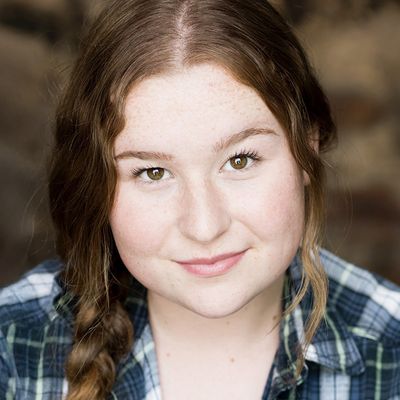
In the genre of horror musicals, there's nothing quite like CARRIE. In fact, to quote the original Broadway poster, "There's never been a musical like her." Here to celebrate Halloween 2021 and discuss the evolution of this flop turned cult classic turned high school musical is one of the stars of "High School Musical: The Musical: The Series" Julia Lester!.. Read More
From the show: A Musical Theatre Podcast
Guests
Featured Shows
About
In the genre of horror musicals, there's nothing quite like CARRIE. In fact, to quote the original Broadway poster, "There's never been a musical like her." Here to celebrate Halloween 2021 and discuss the evolution of this flop turned cult classic turned high school musical is one of the stars of "High School Musical: The Musical: The Series" Julia Lester!
Be sure to follow Julia on Instagram @julialester
If you can't get enough CARRIE, check out Out For Blood.
Don't forget to subscribe, rate, and write a nice review for the show! Follow us on Twitter and Instagram, and for only $1 a month, subscribe to PATREON! to receive bonus materials. Thirsty for more? Check out our TeePublic Store. As always, thank you for your support!
Transcript
This transcript was automatically generated and might contain errors.
[0:00] Julia Lester: Yes, the show was 100% bonkers, but I think it was always entertaining.
[0:05] Jeffrey Scott Parsons: CARRIE Yes. Oh, there's no doubt about that. Oh my God.
[0:08] Jeffrey Scott Parsons: Which is one of the reasons why I think that it lived in infamy, right?
[0:12] Julia Lester: Yeah.
[0:13] Jeffrey Scott Parsons: Nobody could deny the fact that it was high energy, that there was this gorgeous music coming out of these amazing performers' mouths, and that the stakes were really, really high. We're talking life and death here in terms of storytelling, so the audience was not bored. They were maybe perplexed and couldn't believe what was happening in front of them, but they were never bored.
[0:47] Jeffrey Scott Parsons: Welcome, everybody, to a musical theater podcast where we discuss the cultural and emotional impact of some of our favorite musicals in theater history. My name is Jeffrey Scott Parsons. You can call me Jeff. Today, we are covering the musical CARRIE. The last show we covered was Mamma Mia!, and I thought, you know, why not cover another heartwarming mother and daughter story? Here to discuss it with me is someone who is no stranger to high school musicals. Everyone, please welcome Julia Lester.
[1:14] Julia Lester: Hi. Oh my God, thank you so much for having me. I'm so honored to be here.
[1:19] Jeffrey Scott Parsons: Julia, you're the perfect guest for this. I can't wait to chat with you about this show. You can currently be seen as Ashlyn in High School Musical: The Musical: The Series, as Jacob Heron would say, which is streaming.
[1:29] Julia Lester: Oh my God, you know Jacob Heron? I love Jacob Heron. Oh my God.
[1:35] Jeffrey Scott Parsons: Some fan made a video of him just saying the title of the show, and it's my favorite thing in the world. The show is streaming on Disney+. What has the whole experience been like for you? Do you mind?
[1:47] Julia Lester: Oh my gosh. The best thing ever. Just how I hope everybody would imagine it is. It's so wonderful. And I grew up as obviously a theater kid. And so to be able to do a TV show like what I grew up with, and like the best thing in the world, is really cool. And we just got confirmed for season three. So I'm really excited.
[2:10] Jeffrey Scott Parsons: Come on, season three? That's amazing. That's wonderful. Congratulations. You are a smarty pants actor, and I really appreciate your talent.
[2:15] Julia Lester: Thank you so much. Thank you.
[2:21] Julia Lester: Now, speaking of high school musicals, I mean, we are talking about CARRIE, which takes place in high school. And when you look back at musical theater history, essentially the 20th century of musical theater had Grease. That was pretty much the only musical that had anything to do with high school.
[2:37] Julia Lester: Oh my God, I didn't even think about that.
[2:41] Jeffrey Scott Parsons: And then in the past 25 years, there was this boom. And now you have Heathers, and Mean Girls, and Dear Evan Hansen, and High School Musical, and CARRIE, obviously, which was a bomb when it, you know, first opened in the late 80s. And I actually think that that might have something to do with the fact that we were not looking at properties surrounding the stories of high school students as anything to do with legit art or theater. So what changed? What do you think? We talked about this a little bit on our Heathers episode. But I can't remember what we said.
[3:15] Julia Lester: Yeah, that is so interesting. I really actually never put that into thought that like most of the big musicals that are out there right now have to do with high school and were written within the last 10 years. That's really crazy. I don't know what changed. I guess maybe, I don't know, I think Gen Z culture is like really a big pull in media.
[3:33] Jeffrey Scott Parsons: And trend in general.
[3:42] Julia Lester: Yeah, also, I have really come to understand that people really love that sense of nostalgia. And nostalgia is something that's really healing and comforting. And so I don't know, I guess to be able to travel back to that fun, naive high school time is really exciting, because you already are escaping with theater. But to then have a genre that's relatable to everybody, everybody went through their teenage years. Yeah, maybe that's why. But that's really interesting. I really never thought about it like that.
[4:10] Jeffrey Scott Parsons: Well, I also, you know, baby boomers grew up in the time when like, you were not listened to as a young person. Right? You didn't have a brain until you got married and moved out of the house. And I think that that has definitely changed now, especially as we have learned that so many of these formative experiences in our youth continue on as we graduate. And as we get older, I tangent side tangent, my mom has this really sweet friend who's like in her 70s. And she's a widow. And this man like started taking her out on dates and talking about marriage. And then he like dumped her and then like showed up with like a picture of the new woman that he's met. And I'm like, Whoa, wait, wait, wait a second. Like, this is high school drama playing out in our 70s. Yeah, you know what I mean?
[5:07] Julia Lester: Yeah.
[5:07] Jeffrey Scott Parsons: So there are certain drama. But I think we're able to admit that now that like, we graduate high school, but also maybe we never graduate high school.
[5:17] Julia Lester: Yeah, for sure. But absolutely. Yes. Now, when did you first come in contact with CARRIE, the musical?
[5:24] Julia Lester: I guess it was when I found out that one of the teen musical theater programs around where I grew up was doing it for their summer musical. And I yeah, I guess it was really when I found out that they were doing the show and I got really interested in it. I mean, I had always known the concept of CARRIE like I feel like the prom queen doused in pig's blood is like a very famous. Yeah, just like an iconic image and just a famous concept. And maybe I had seen the original film. Maybe in my youth. I definitely watched a lot of scary movies growing up so they could have I could have totally seen it but I definitely didn't really get into it when I found out that one of the programs around me was doing it because I wanted to be involved.
[6:11] Julia Lester: So then I...
[6:20] Julia Lester: ...and you booked it right?
[6:20] Julia Lester: I did. I did. I went in very determined. And I did. I did end up getting to play CARRIE, which was like the coolest thing ever. I met a whole bunch of new friends that year. It was a lot of fun.
[6:32] Jeffrey Scott Parsons: Wow. Was there anything therapeutic for you in playing the character? Or I mean, were you even aware enough at that point to realize it was? I mean, that's a funny word to use like therapeutic when you're doing such a like awful, like horrible show as CARRIE. But yes, it was because yes.
[6:54] Julia Lester: Yeah, I mean, being a theater kid, that's like what you crave is like the really intense, emotional, gritty, disgusting parts of theater. And that was like the entire show. I got to be doused in blood every single night and be messy and scream and do all the crazy things that an actor always wants to do. So yeah, it was therapeutic to do all those things, I guess. But it's a horrible show. So look, we have we have all the feelings. And all we want to do is release them all at the same time.
[7:29] Julia Lester: Yeah, yeah, really. And that was also like my first like, real part in a show like that was like the first time I had played Eponine in Les Mis and that was like my first first like role that wasn't like a kid or just like a whatever. And then CARRIE was like a really big moment for me as like a performer. So yeah, in that way too.
[7:46] Jeffrey Scott Parsons: That's incredible. Pretentious as that is.
[7:52] Julia Lester: No, no, those experiences are so important. I mean, to back that up, I have a statement from your mother, Kelly Lester, who's a wonderful actor and friend.
[8:04] Julia Lester: Oh my goodness. And this is what she had to say about seeing you in CARRIE. When I saw her in CARRIE, my heart stood still. She was a star. It gave me CHILLS, all caps. Oh wait, that's all she said. But like, that's pretty impressive.
[8:21] Julia Lester: Yeah, the dramatic reading was very like, the tone was perfect. Like, yeah, no, that was great. Thank you. Thank you, Kelly, if you're listening to this. She rocks. She rocks. And I can just imagine, look, I'm sure speaking of like cathartic, there is something about seeing your children go through stuff on stage that is not always cathartic. In fact, it's actually very confronting. When my mom saw me do Seymour Krelborn, she almost like got out of her seat and beat up the plant when I got eaten. And she had like near panic attack. So I can imagine watching you get doused in blood was quite the thing.
[9:03] Julia Lester: Yeah. Yeah. Thanks, mom. That was nice.
[9:09] Jeffrey Scott Parsons: Okay, so for me, I first found out about CARRIE because of this dude named Ken Mandelbaum. Now, he is a well-respected writer and critic of theater. And I always really liked his writing growing up, because as analytical as he could be with his own opinions, you never once doubted the fact that he loved musical theater and wanted the art form to thrive, right? And you don't always get that from critics. So I immediately started looking for all of the stuff that he had written. And he had written a book called, and I'll show it to you now, because here's my copy. Not Since CARRIE.
[9:42] Julia Lester: Oh my god, I have that book. It's the Bible.
[9:51] Jeffrey Scott Parsons: Oh my god, I love that. Yeah. 40 Years of Broadway Musical Flop. So in this book, he goes through every musical flop, basically from the beginning of the art form to, or I guess the golden age, up until CARRIE. And in it, I mean, I just love this book. I read it all the time. I still do. And in it, he is both what were they thinking? And also what an exhilarating evening of theater to have been one of the few people who saw the Broadway incarnation of CARRIE. Because when it ran, it ran for like four or five performances. That was it. In addition to a couple of previews. The reviews were so scathing that they announced they were closing almost immediately. And yet every show was sold out because nobody wanted to miss this thing.
Because once it was gone, it was gone. And I've always loved that aspect of flop musicals, which on the show, the F word is not a bad word. And by F word, I mean flop. Since reading this book in my teenage years, I've always been obsessed with flops because it's like, take it while you can. You know, as much as a legendary hit only comes around once in a while. Sometimes a legendary flop only comes around once in a while. And CARRIE was one of the most infamous.
[11:11] Jeffrey Scott Parsons: So in the 70s, Stephen King writes a book called CARRIE, which is about this girl who is essentially forgettable, but has telekinetic powers. And I would say it's like a supernatural horror story. Yeah. Brilliant book. It gets made into a brilliant movie by Brian De Palma, who his stuff usually is too much for me, like Scarface. I'm not, I'm not the audience for Scarface, but he did CARRIE and it's incredible. It's one of the very few horror movies that was nominated for Academy Awards, both Sissy Spacek and Piper Lowry in the cast were nominated. And so it was really well respected. 80s comes around, the 80s comes around, the writer of the movie, Lawrence D. Cohen, goes to see this opera called Lulu with his friend, Michael Gore, who is a musician.
He had written the music for Fame and for Footloose. And they go to this opera that's not very well known, written by a man who's not very well known because he died pretty early. His name was Alban Berg. And they came away from that opera and said, you know, if this guy was still alive, the next opera that he would create would probably be CARRIE. And so they decide to write it themselves.
[12:29] Julia Lester: Now, based off of the book or the movie that had just come out?
[12:36] Jeffrey Scott Parsons: The property itself. Yeah, the movie is actually pretty, it's pretty close to the source material, which is impressive because a lot of Stephen King films aren't. And they just figured this story with this like operatic high, like you said, all of the feelings, right? Yeah, constantly pouring out of these characters is worthy of being musicalized. So Michael Gore brings on his lyricist for, you know, Footloose, as well as some of those other songs, Dean Pitchford, and they start working on creating the show. They do a workshop in like 1984. And then that's when some of the craziness starts happening.
[13:23] Jeffrey Scott Parsons: The vocal coach of pretty much every singer you've ever listened to. In terms of musical theatre, he's worked with Chenoweth, he's worked with Jackman, Matthew Morrison, Casey Levy. That doesn't even include other up-and-coming artists like, uh, Ariana Grande and John Legend. Anyway, on his new podcast, Backstage Pass, Eric's celebrity students retraced their vocal journeys from the very first song they ever sang through the challenges they faced building careers. I'm really looking forward to it because if you have ever studied voice, you know that voice lessons also inevitably become therapy sessions. And I have a feeling Eric will show us a side of these singers we've never heard before. And who knows, maybe we'll pick up some pointers along the way.
Be sure to listen to Backstage Pass wherever you get your podcasts. Now, sometimes when these legendary shows happen, we think it's just because somebody had a crazy idea, they met somebody with a lot of money who thought the crazy idea was a good idea, and boom, theatre happens. That is not the case with Carrie. Yes, they had this kind of crazy idea because who turns a horror film into a musical? But they got the Royal Shakespearean Company in London to create the show. Now, at this point, Royal Shakespearean Company was very famous for this little musical called Les Mis. So it's not like they don't know their way around musicals. It's crazy. And at the time, the artistic director, I think his name is Terry Hands, he decides he's going to direct it.
Now, when we were talking about how high school stories weren't really considered legit, I think that this is where things get a little cuckoo crazy. Because Terry Hands is doing a story about a telekinetic teenager in high school, maybe doesn't feel like the regular theatre-going audience at RSC would be down for that. So he chooses to tell the story as a Greek tragedy. And that includes the set, the set has all of these, it's all white, with these pillars, people are wearing basically forms of toga, all to present Carrie as a Greek tragedy. Oh my god.
[15:46] Julia Lester: Which you can see how he got there, but like, totally unnecessary. Right?
[15:53] Jeffrey Scott Parsons: Wait, but this is like, this is just like in the development of the idea of a musical that's surrounding Carrie?
[15:58] Julia Lester: No, this is when, this is like, they did the workshop, then they go to London to mount it before going to Broadway. And in that mounting is when he brings this whole concept and puts it on the story.
[16:12] Jeffrey Scott Parsons: Oh my god, because I've only ever seen the opening number from on Broadway, like that like really grainy video that's on YouTube of the, that's like the only thing I've ever seen.
[16:24] Julia Lester: Yes, exactly. That's the only thing that I've ever seen from the original musical of Carrie. So that whole concept is like, I did not pick up any of that from that performance if it carried over to there, if you're getting there or not.
[16:37] Julia Lester: Well, so then, so then that's the interesting part is that you have high energy Debbie Allen choreography that feels a little like Bye Bye Birdie, pushed up right next to this like super serious Greek tragedy. And the tone is completely all over the place.
[16:55] Jeffrey Scott Parsons: Wow, that's crazy. Yeah, yeah. It doesn't go well in London, the original leads Lindsay Haitley, and Barbara Cook.
[17:06] Julia Lester: Isn't that crazy? Barbara Cook was the original Mrs. White.
[17:09] Jeffrey Scott Parsons: In London.
[17:10] Julia Lester: In London. And Barbara Cook, of course, being the original Marion Librarian. Also, she loves me. She almost gets decapitated by the set on opening night and immediately puts in her notice but agrees to stay with the show.
[17:25] Jeffrey Scott Parsons: That was her that it happened to.
[17:27] Julia Lester: Yes. Yeah, yeah, yeah.
[17:28] Jeffrey Scott Parsons: Okay. Okay. My God, that story. I mean, that's how that was how Betty Buckley got involved in the production.
[17:35] Julia Lester: Exactly.
[17:36] Jeffrey Scott Parsons: I didn't know that it happened all the way back in London.
[17:38] Julia Lester: Right.
[17:38] Jeffrey Scott Parsons: Sucks. Okay, so this is what legendary Broadway diva Barbara Cook had to say about that experience. I'm not sorry at all that I did it. But I did absolutely the right thing and leaving it. I thought there isn't a chance in hell they're going to be able to pull this off. They really didn't have any ideas about how to fix it. Things were really set in concrete, and they did nothing but polish the same killing dance numbers. Going in, I thought, this man is the head of the Royal Shakespeare Company. If a scene isn't working, he's going to see it's not working. Well, he didn't.
[18:11] Julia Lester: Oh my God, that is iconic and so awful for that.
[18:18] Jeffrey Scott Parsons: Yikes. So now the show goes to New York, because they're like full full speed ahead.
[18:25] Julia Lester: I know.
[18:26] Jeffrey Scott Parsons: Now they have a new leading lady in Mrs. White, the mother, played by Betty Buckley, who also just so happened to also be in the original film as the gym teacher, like go figure.
[18:39] Julia Lester: Yeah.
[18:39] Jeffrey Scott Parsons: This role is meant for Betty Buckley. I mean, can you imagine? She is a terrifying stage presence.
[18:46] Julia Lester: Yeah.
[18:48] Jeffrey Scott Parsons: Like incredibly intimidating.
[18:50] Julia Lester: Yeah.
[18:51] Jeffrey Scott Parsons: And I think she probably just chewed the crap out of it. You know what I mean?
[18:55] Julia Lester: Yeah.
[18:56] Jeffrey Scott Parsons: And so the show opens, and you read all of these accounts of there being boos, but then also standing ovations for Betty Buckley and Lindsay Haley. It's this crazy circus of an experience that happens as the first show in the new Broadway season that year in 1988, 89. And then it disappears quickly and only through storytelling and myth, funny enough, lives in the canon of, wow, don't you wish you would have been there to see that?
[19:30] Julia Lester: Yeah.
[19:30] Jeffrey Scott Parsons: So now skip to the 2000s. They decide to, I mean, like I said, we've all been talking about this famous flop for decades at this point. And they decide to revive it into an off-Broadway production, redo the script, redo some of the songs. It has a limited run off-Broadway. There's a cast album. And I mean, now enter your summer theater program. Who's doing Carrie?
[19:57] Julia Lester: Yeah. Doing that specific off-Broadway production.
[20:00] Jeffrey Scott Parsons: Yeah. I don't think the Royal Shakespeare Company is licensing the original Carrie.
[20:16] Julia Lester: Definitely not. Definitely not. And if they were, I feel like there would have been at least some sort of attempt to retry.
[20:24] Jeffrey Scott Parsons: I guess there was, I guess this is the attempt, the 2009, 12. Oh God.
[20:29] Julia Lester: I think it's 11.
[20:30] Jeffrey Scott Parsons: What is it? 11. Okay. Somewhere in the middle. I was like close.
[20:34] Julia Lester: The 2011. Yeah. That's the version that we did. That's the version that I know best.
[20:39] Jeffrey Scott Parsons: And that's the version that we'll be talking about today. Now, if anybody is interested in going even in an even deeper dive about the creation of this musical, there's a great podcast by some folks in the UK called Out for Blood, which is essentially an entire podcast season about Carrie. And I know a lot of people who really, really love it. So I wanted to give them a shout out. If you want to listen to multiple episodes about Carrie the musical, go check out our friends at Out for Blood. Now, did you see the LA Carrie?
[21:15] Julia Lester: I did not. That was before I kind of knew about the show. That was before I, yeah, that was a couple of years before I did it at that program.
[21:25] Jeffrey Scott Parsons: After the Broadway revival, they've continued to revive it a little bit, but one of the big mountings was actually in LA and it was an immersive theatrical experience where you were sitting on these bleachers and they got moved. You essentially made the stage in different ways and were really up close in the action. Lots of special effects. It was a bloody good time.
[21:47] Julia Lester: I've seen the video of the Chris getting flung across the theater on wires. That was crazy. I've definitely seen videos of that production, but to have experienced that in real life would have been so cool. I hope they do it again at some point.
[22:05] Jeffrey Scott Parsons: It was an experience and I really, really enjoyed myself. But they've also followed this same script. The first act begins with Sue Snell, which is just one of the worst names ever.
[22:23] Julia Lester: Sue is a converted bad girl, I would say. She has a heart of gold, but has always kind of been in the spoiled crowd at high school. When we first meet her, she is a shell of a human being. She's been through something incredibly traumatic and it looks like she's at a police station. She's just sitting there recounting the events of this trauma. As she's questioned about it, all of these figures from her past and in her life in high school start appearing. Her boyfriend was this super varsity type guy named Tommy. Then her best friend was Chris Hargensen. Chris is absolutely spoiled. I would like to think that Sue could have become like Chris, but because she has a conscience, she decided not to be the total spoiled brat that Chris is.
Her boyfriend is named Billy. Then there's this cypher at the school named Carrie White. Carrie, how would you describe her? My goodness. Quiet, but complex. Very naive. Very innocent. A little bit scary. Scary Carrie. She's creepy. She's known for being creepy her entire life. All the kids that she's grown up going to school with have thought that she's scary. There's a whole part in the show where they talk about how she got on her knees in fourth grade and screamed at God or something ridiculous like that. She's a little bit of a freak out there.
[24:08] Julia Lester: Wow. That's so interesting. I had never thought that maybe they were scared of her.
[24:14] Jeffrey Scott Parsons: Oh, 100%. I think that now they resort. I think that she's always been bullied, but I think that growing up, they didn't really know what to do with her in class. When she would do creepy things like that, I think everybody would maybe run and hide. Now that they're all teenagers, they can resort to bullying and yelling horrible things at her and telling it to her face instead of talking about it behind her back. I think that that's the mechanism that they've used because they are truly terrified of her.
[24:49] Julia Lester: That's so interesting. I love that. I love that POV. All of these relationships in high school are explored in this really dark, but exciting opening number called In, which is about wanting to belong in high school. I didn't. This was not my high school experience at all. I'm just going to be honest. Born and raised in Utah. I was constantly surrounded by nice people. I feel very grateful. What was your high school experience like?
[25:12] Julia Lester: I did not grow up in Utah, but I did grow up, but I could definitely did not grow up with people as nice as the people in Utah, but I actually grew up in a pretty good high school environment where I had a lot of people that were into the same things as me. I mean, I could have been my specific experience, but I do feel like that kind of behavior, bullying in that sort of way was definitely looked down upon rather than the cool people were doing all that stuff. I think I grew up in a pretty safe high school environment too. It's very, very different than the one in the show. I'm glad you did, by the way. That's wonderful.
[25:50] Julia Lester: Yeah. Oh, me too. Me too. I had a great experience. It is interesting though that this type of view where all of the kids are really rough around the edges and they're mean to each other is kind of the stereotypical way we view high school. I hope maybe that'll, we'll reach a point where that feels as foreign to everyone else as it does to us.
[26:08] Jeffrey Scott Parsons: Yeah. This is also an interesting, when you listen to this song, you see how they were working to make the entire score sound like one score instead of Bye Bye Birdie versus opera. This song definitely has a deep, dark, undercurrent to it. Now, all of the girls at school are going to gym class. Miss Gardner, who's the gym teacher, tells them all to hit the showers, which I've always thought was just torture in and of itself. The perfect way to begin a horror film is making a bunch of teenagers shower together. Carrie goes,
[26:46] Julia Lester: Carrie goes into the shower and has her first period, her first menstruation. She's never been told about it. So when she sees this blood coming out of her, she thinks she's dying and freaks out. All of the girls tease her for her reaction because she's ignorant to, you know, to these changes in life. And probably another iconic scene from this story, they throw pads at her and yell, "plug it up." Yeah, it's awful. Well, I think it's really interesting how Carrie kind of cuts off that opening number. It like ends and you get like a very brief applause before you hear like a blood-curdling scream, which is like the perfect way, like you said, to start like a horror musical is like someone screaming and bleeding like within the first two minutes of the show. Yeah, that scene is awful. But I think it's really interesting how that sets up what happens throughout the rest of the show. That one moment.
[27:53] Jeff Parsons: Yeah. You're right. Talk about an inciting incident, right?
[27:56] Julia Lester: Yes. Yeah. Literally. Now Miss Gardner sits her down and teaches her about what has happened. You know, she's not broken. She's not going to die. This is just what happens. That doesn't stop all of the bullying from the girls who have just witnessed this really embarrassing and horrific scene. And that hurls her into her title song, which is called "Carrie." She's giving full like John Proctor in "The Crucible" in this song. But it's my name. Yes. It's an epic song. I can't believe that your first big role was singing this song at the top of your lungs. That just goes to show like what kind of tone I love. I was like really into it. I was like, oh, yeah. That's another like example of Carrie inserting herself into a moment that was originally about students. Like there's that like whole hubbub in the beginning and then she cuts through with her voice. It's like you don't expect things coming out of her and she cuts through all those like moments.
[29:01] Jeff Parsons: That's so true. She is a driving force. As much as she could come off as a wet blanket or a victim, she's actually kind of hurling everything forward in this narrative, which is really cool and makes her a much more complex character. Once she gets home, we meet her mother, Margaret, Mrs. White. How would you describe her?
[29:25] Julia Lester: Psycho, scary, crazy, psycho. But maybe that's just me going off of Piper Laurie’s original interpretation of the role on screen. She is absolutely terrifying. And I'm sure that when you look at it, you know, when you read the book, you find out that she was abused and, you know, clearly has a lot of issues that she doesn't have the right support or the right people to help her through. She projects all of her issues onto her child. Obviously, like there's a lot. She's a way more complex character than what I just said, than just saying scary and psycho. But you don't get to see that in the hour, 45 minutes of the show. You don't get to see what was written in the book. So from the show's perspective, she's terrifying and horrible and the worst mother ever.
[30:16] Jeff Parsons: There you go. No sympathy for that.
[30:18] Julia Lester: She can be all of those things and still be a psychopath. You know what I mean?
[30:24] Jeff Parsons: Yes. Yeah. I do kind of feel and I think that this is the actor's job is that they can bring a certain degree of humanity to Margaret White because she loves her child. She wants to save her from pain, especially all the pain that she's encountered in her life. But in the process, she's teaching self-loathing to an insane degree. And the amount of control that she's seeking in their home is like at psychopath levels.
[30:57] Julia Lester: Yes, definitely. She's using fear. She's using all of the worst parts of religion to control her daughter with the intent of just making her happy.
[31:11] Jeff Parsons: Yeah, of course. Which I think is a, you know, is a not to never to that extreme, hopefully. But it is a common theme, like mothers trying to make their children happy and not doing it in the right form or the right way. Well, I think in terms of parenting, it's this strange contradiction where in order to be a good parent, you have to go against every instinct you have to protect your child from pain because if they don't experience it themselves, they're not going to grow up to be an adjusted human being, right? They're going to grow up to be Carrie White with all of these feelings, all of these essentially powers laying dormant within her just waiting for the right moment for them all to probably come spilling out in an unhealthy way. And I think that if it's not telekinesis, then it can be something else for a child. You know, it can be acting out. It can be experimenting with drugs. It can present itself. It can manifest itself in a variety of ways.
[32:10] Julia Lester: Yeah, absolutely. Now, when Carrie comes home, she tells her mom about what happened in the showers, and she's really hurt. She's like, why didn't you tell me? Why didn't you prepare me for this? And Margaret is, I mean, she's beside herself because I think on some level, she was just hoping that it would never happen, that Carrie would never get her period and become a woman. But now that she is, now that she's essentially fertile and able to have a child, she has opened herself up to what she believes is sin. And so she starts forcing her to kind of repeat this phrase, which was, and Eve was weak, right, in terms of Adam and Eve, that Eve is the person who almost destroyed God's plan, which I definitely don't believe that. And I always think it's interesting when Christians take that point of view. But in her desire to make this lesson known, she shoves her into a closet with all of this religious iconography and essentially tells her, repent. It's damaging.
[33:19] Jeff Parsons: Yeah, to say the least. I think that's also probably the first time that Margaret is coming to terms with the fact that she's not always going to have control over Carrie. Obviously, that erupts within the show and she really doesn't have control over her towards the end. But like you said, it's the first time she views her as a woman and not just a child that she can mold and yell at and just still do whatever she says. And it's also the first time that she's like, oh, she might become her own person one day. So let me nip that in the bud. There's so much here. And we're talking about this with pop music writers who wrote "Fame, I'm Gonna Live Forever." And yet, they're writing this really complex, psychologically complex material for these two women. And it's really wonderful.
[34:15] Julia Lester: Yeah, I mean, the music and the story, the book and the music and everything from that version of the show, all of it excels within the relationship between Carrie and Margaret. I really feel like that's where the best songs happen. It's where the best lines happen. It's where the best performances can be made. It's within those scenes, those two characters in that relationship, I feel like has been so laid out. Since Stephen King wrote the book, it's very obvious who they are to each other. And so yeah, I just think that relationship is so developed.
[35:02] Jeff Parsons: When you say that, the word that pops out to me is relationship. This relationship is so expertly explored.
[35:08] Julia Lester: Yeah, exactly. And written down and all you have to really do is tap into it. And it will work.
[35:15] Jeff Parsons: Yeah. So much I think of whether the show has worked is whether you can, once again, mesh these two different worlds, the high school world with the incredibly complex world of the mother and daughter.
[35:20] Julia Lester: Yeah, exactly. Speaking of high school, now we go back to the kids, where Sue is feeling really bad about the whole shower sequence.
[35:25] Jeff Parsons: Yeah, about making Carrie feel the way that she did. She's having big time doubts. Her best friend, Chris is like, I don't understand what you're talking about. We live in a kill or be killed type world. And she sings "The World According to Chris."
[35:42] Julia Lester: Now, I am obsessed with this song, not necessarily. I love this song. I love it. This is like one of the only songs that I will just play like for funsies. Like I love the score and I'll like listen to the show like when I want to but that's like a song that I'll put on to like any of my playlists. Like yeah, I'll just I'll just throw it in anywhere. I love that song. I love it. One of the reasons I am obsessed with the song is because in the rest of the show when you're talking to Chris, you say her name with one syllable. But in this song, it's almost impossible to sing it without breaking the name into two syllables.
[36:20] Jeff Parsons: That's really funny. The world according to Chris. That's hilarious. I love that. I listen for every time and it makes me really happy.
[36:27] Julia Lester: After we learn about Chris and her messed up view on the world, her toxic view on the world. Sue basically breaks up with her best friend. She's like, peace out. I don't want any of this and takes her boyfriend Tommy with her.
[36:51] Jeff Parsons: Yes. Now we're back at the White household and the mother and daughter do their evening prayers. Carrie is in like the closet, right? Looking at these scary figures of Christ on the cross and with nails, you know, nails and thorns and bleeding. Lots of blood in this show. And meanwhile, Margaret is doing her prayers as well. It actually brings them together because Margaret brings her out of the closet and in a very abusive relationship way is like, I'm so sorry, but I'm just doing this because I love you sort of.
[37:22] Julia Lester: Yeah. Another beautiful song, though, called "Evening Prayers."
[37:29] Jeff Parsons: Yeah, that's also the first time I'm pretty sure that Carrie discovers her powers.
[37:35] Julia Lester: Oh, am I right? Oh, I totally forgot to talk about when her powers show up. It's like in the shower, right? One of the like a light blows up above her head.
[37:41] Jeff Parsons: Yeah, there's a couple things that happen in the beginning of the show that are like clearly in her control, but she's like not aware of it. And then during evening prayers when she's in the closet is I don't know how it's it could I think it might be done differently in other shows, but that was the first time she like telekinetically raised a Jesus statue. And then she gets out of there and says, I'm sorry to her mom. And then they sing together. And it's like you said, very now she's showering her in love and affection. And there she, you know, Carrie is singing on her lap and she's stroking her hair after just burning her arm over a candle.
[38:19] Julia Lester: Oh my god. I'm horrified.
[38:25] Jeff Parsons: Yeah, it's awful. This is something else that they changed from the original in the original. She didn't have any telekinetic powers until the end of the first act. And then all of a sudden, her hands became like fire. And like, if you didn't know the story, you'd be like, what the crap is happening? Why are her hands fire?
[38:42] Julia Lester: That's great. So as Carrie is getting to know these different things about herself and growing up, we see the telekinetic powers being one of those things that she's getting to know and play with. Back at school, Tommy, varsity Tommy, turns out he's actually quite a sensitive young man. He has written this poem and the teacher asked him to read it in front of everyone and it became a song called "Dreamer in Disguise." And when Carrie hears that poem, she's really moved by him sharing kind of his inner world with everybody. But of course, when she speaks up to, you know, applaud his sensitivity, everybody once again, harps on her and bullies her back into submission. Sue sees the connection that she has with her boyfriend, Tommy, and it encourages her to go up to Carrie and apologize for the whole thing in the shower.
Carrie doesn't believe her. She doesn't believe that someone would actually be nice to her. And so she explodes and storms off. And then once they are all back in gym class, Miss Gardner, the gym teacher, you know, chastises and punishes all of the girls for the way that they treated Carrie in the shower and that they have to apologize or else they're going to be sent to detention. They all apologize except for Chris.
[40:10] Julia Lester: Of course, who says something even worse. What does she say to her? I'm trying to remember.
[40:17] Jeffrey Scott Parsons: She says, Carrie White eats shit. That's when that famous line comes out.
[40:23] Julia Lester: So Miss Gardner threatens them and says, if you don't apologize, then you can't go to prom.
[40:29] Jeffrey Scott Parsons: And so then all the girls reluctantly apologize. And then it's Chris's turn,
[40:33] Julia Lester: and she steps forward and Carrie goes, no, it's okay, you don't have to say anything.
[40:37] Jeffrey Scott Parsons: And then Chris slowly walks forward to Carrie, and you think she's going to apologize to her.
[40:41] Julia Lester: And then she says, Carrie White eats shit. And then Miss Gardner says, okay, Chris, you're out of the prom. And that's when Chris's revenge story starts being plotted.
[40:55] Jeffrey Scott Parsons: Now it's not only ego, it's like also ruining her prom.
[40:59] Julia Lester: Yes. What was your prom like growing up? Did you go to junior prom? Do you remember?
[41:05] Jeffrey Scott Parsons: Um, I didn't, we didn't have a junior prom, but we did have the senior prom at my high school.
[41:11] Julia Lester: And, uh, I remember honestly having like a really great prom. Like I know. Yeah,
[41:18] Jeffrey Scott Parsons: I know some people go and they're like, no, the dance was a little overrated. But I really remember them playing really good music. And I was with all my friends. And I remember having a really great time. So I know it's like, it's like very opposite to what we're talking about.
[41:33] Julia Lester: And probably not like, you know, helpful in the conversation, but I had a great prom.
[41:38] Jeffrey Scott Parsons: So no, I look, I prom was not a huge deal to me. Um, so like when, when these, you know, kind of like in the opening number when these are the stakes of high school, I'm like, yeah, I don't really, I'm sorry you guys. But, uh, but also I was really anti-social in, in high school.
[41:57] Julia Lester: However, I did ask a girl to prom. I convinced our prom party to go see a production of Into the Woods for a date.
[42:02] Jeffrey Scott Parsons: Oh my God. That is so good. That is so good because we couldn't do anything the day of because essentially everybody in our group were, were like student government and stuff. So they were in charge of setting up everything. So that day was completely spoken for. So we went Into the Woods like the night before, two nights before, and then everyone was so exhausted by the time prom actually happened because they had worked so hard on it that we like all went home at 10:30 and called it.
[42:34] Julia Lester: I mean, that sounds like a great prom night to me. Um, that's so funny. That, that is really interesting though. Cause I was also on like the student government, but there's like a really like, like set in stone rule that the seniors don't work on their own prom. Like the juniors and the sophomores and the freshmen all go and work on the prom so that the seniors can arrive and experience it.
[42:56] Jeffrey Scott Parsons: Um, yeah, but also, also our prom like did not happen in the school gym. Like we had like, you know, a fancy venue, like the ticket was like stupid expensive, like not your, not your typical high school prom. So that's why you had the great DJ.
[43:07] Julia Lester: I know. That's why I had a good time. Cause the ticket was like a hundred dollars. Um, but yeah, so not, not a classic prom, but, uh, but a good one.
[43:21] Jeffrey Scott Parsons: Yeah, it was a good one. It was a good one.
[43:24] Julia Lester: Yeah. I mean, spoiler alert, this is not a great prom. So, uh, so I'm glad that we got that out of the way.
[43:28] Jeffrey Scott Parsons: I know like my, my high school experience was not helpful in this situation at all. Cause I actually had like kind of a good time in high school.
[43:38] Julia Lester: That's so awesome. So Chris is pissed because she can't go to prom and Miss Gardner, the teacher approaches Carrie and is like, are you going to prom? And she's like, absolutely not.
[43:49] Jeffrey Scott Parsons: And she takes the moment to talk about how that doesn't absolutely have to be true by singing this duet with her called "Unsuspecting Hearts." And this is the first song from the score that I actually heard because Alice Ripley and Emily Skinner from Sideshow fame came out with a couple of duets albums. And this song was on their second one that was called "Unsuspecting Hearts."
[44:14] Julia Lester: And it was like the biggest thing for us theater nerds because like it was a fully produced song from the musical Carrie. And, uh, and it's also a beautiful song. It gives me chills all the time.
[44:26] Jeffrey Scott Parsons: Yeah. It's gorgeous. It's one of the best songs in the show for sure. And also something just kind of silly for like the PE teacher to have like the best ballad in the whole show.
[44:38] Julia Lester: Fair enough. That's so true.
[44:41] Jeffrey Scott Parsons: Yeah. Something that also makes me laugh is the character choice for the thick accent for Miss Gardner in the musical. I think is so silly. And I wanted to like bring it up because I was like rewatching the movie and I was like, she does not, she never really had an accent before.
[44:57] Julia Lester: So if it was just like a character choice for like one of the Miss Gardner's and then it just like followed as a pattern after that, um, just makes me laugh. She's always got this like really silly thick, is it Southern? I don't want to get that wrong.
[45:11] Jeffrey Scott Parsons: It's a super Southern accent.
[45:16] Julia Lester: Yeah. And it's Carmen in the off-Broadway recording, it's Carmen Cusack from like Bright Star fame, right? Incredible voice. And obviously is well known for playing Southern characters. I'm not entirely sure why either, especially since Betty Buckley is Texas, right?
[45:27] Jeffrey Scott Parsons: She is so proud of being a Texas woman and she doesn't have any sort of Texas accent or anything in the movie.
[45:33] Julia Lester: Because they live in Maine. That's why it's so funny. It's like, you've got this like PE teacher with this like really thick Southern accent and they like live on the upper East coast. It's so silly to me.
[45:39] Jeffrey Scott Parsons: Um, yeah, I don't know. It's just a funny trait.
[45:41] Julia Lester: That's funny. That was going to be my question. Is the musical set in Maine? Because I know that the movie is.
[45:58] Jeffrey Scott Parsons: Yes. I'm pretty sure that Sue has a line. I might be making this up, but I feel like she has a line when she's like with the detectives where she says where she's from.
[46:07] Julia Lester: Um, but if not our wonderful, whoever did costumes for our show, we had, um, like PE shirts for the gym scenes. And it said like Maine, it said like the high school and like where it was from. So I think that like we based it in Maine, but I don't know if like it's actually.
[46:24] Jeffrey Scott Parsons: I mean, it would make sense.
[46:26] Julia Lester: Yeah. Basically like Stephen King has a little bit of a universe in a Marvel sort of way and it all takes place in Maine.
[46:29] Jeffrey Scott Parsons: Yes. Oh, I didn't actually know that all of them do. I mean, like with the exception of maybe The Shining, but I think even they started like that family started in Maine before moving to Colorado.
[46:40] Julia Lester: Wow. Anyway.
[46:47] Jeffrey Scott Parsons: Yeah. I love Stephen King. I'm not going.
[46:54] Julia Lester: Yeah, do, do, do after "Unsuspecting Hearts." There's this great song called "Do Me a Favor."
[46:59] Jeffrey Scott Parsons: Um, I love a musical theater moment where two characters are saying the same thing, but actually communicating different things. So in the, in this song,
[47:06] Julia Lester: uh, Sue is asking Tommy to do her a favor, which is to take Carrie to prom instead of Sue. And Chris, Karis is asking, is asking her boyfriend, Billy to help her ruin prom for Carrie.
[47:24] Jeffrey Scott Parsons: The end. And both of the boys agree. Tommy shows up to Carrie's house and asks her to prom. She says no, uh, you know, several times and then she hears her mom asking her to come back in.
[47:39] Julia Lester: And so just to get him to shut up, she's like, fine, I'll go to prom with you. Now leave now leave.
[47:44] Jeffrey Scott Parsons: Yeah. And when Carrie tells her mom about that, because she's actually kind of excited about it, go figure Margaret has another complete mental breakdown and reveals in the song.
[47:59] Julia Lester: I remember how those boys could dance, how, I mean, we think Margaret White's pretty horny, right?
[48:05] Jeffrey Scott Parsons: Yes. Oh my God. 100%. Because like you hear the song and she feels completely out of control in terms of her like sexual desires and passions. And I mean, she's fully like disassociates from what's going on there.
[48:19] Julia Lester: I mean, Carrie's trying to interrupt her the whole time and be like, hello, hello. And she's just in this trance of like, it's yeah. It's remembering all of the horrible feelings that she had with boys when she was younger that she's trying to protect her daughter from it's once again, creepy AF and also like fascinating.
[48:46] Jeffrey Scott Parsons: Yes. I mean, this is like strike two for her first she came home and got her period and now she's talking about boys. This is like so many things happening.
[49:01] Julia Lester: She's like going through all the things that Margaret never ever wanted her daughter to go through and here it's happening. So of course, she's going to lose her mind, but yeah, it's still awful.
[49:09] Jeffrey Scott Parsons: It really makes Carrie angry enough that now she reveals her powers to her mom. I think like all the windows are open, right? And it's raining outside and Margaret's like, I'm going to close the windows. And Carrie's like, I'll get them.
[49:21] Julia Lester: And Margaret's like, she's a witch, you know, you're right. Talk about just a snowball of events that make you realize that your daughter is not who you wanted her to be.
[49:31] Jeffrey Scott Parsons: She has feelings. She likes boys. She had her period and now she can move things with her brain.
[49:44] Julia Lester: It's also a much better idea than her hands becoming fire.
[49:50] Jeffrey Scott Parsons: Yeah. I really want to now see how they did that. Was it like full flames? Was it like projected? There's no way they had projections.
[49:56] Julia Lester: No, it was like Lumiere.
[50:03] Jeffrey Scott Parsons: Oh my God. Great. That's I mean, yeah, cool. That's so funny. Just like little tiny, just like little flame, like a little pillar of flame.
[50:10] Julia Lester: Oh my God. That's so funny. And that's the end of act one.
[50:16] Jeffrey Scott Parsons: Yes. I don't know if this is like normal in the show or if this is just the way that our director had it. But at the end, along with the music, I was directed to do like this, like stare at Margaret and then this stare at the audience.
[50:26] Julia Lester: And then I like looked up and like on the last chord, they had all like the lights shatter.
[50:32] Jeffrey Scott Parsons: So it was like, she controlled it with her mind. And then I always just remember like before the audience would like applaud, everybody would just go, whoa, like that. It's like one of those moments that you just like will never forget. Because like, yeah, it was just the light cue was really good. And it was just exciting.
[50:52] Julia Lester: So fun. I love I love the horror genre for this reason. Because you can every audience is going to react differently. Are they going to be impressed? Are they going to laugh? Because they're uncomfortable? Are they going to actually be scared? Like you never know. And I love that. That danger.
[51:07] Jeffrey Scott Parsons: Yeah. Do you think any other Stephen King stories could be musicals?
[51:18] Julia Lester: Oh, geez. I know that they made an opera of The Shining, like a modern opera The Shining.
[51:25] Jeffrey Scott Parsons: That's cool.
[51:32] Julia Lester: Yeah. You know, I can't really picture anything in musical format, I can picture some things in like a really cool, dramatic play. But thinking, yeah, thinking of any of these stories with some sort of soundtrack is kind of like, very foreign to me.
[51:42] Jeffrey Scott Parsons: I mean, this show is an example of that.
[51:48] Julia Lester: Yeah, I don't I would have never been able to imagine a show like this with pop music and this story. So it clearly can be done.
[51:55] Jeffrey Scott Parsons: It can be done, though. I was thinking, yeah, I don't know. I think of Misery, which is another great movie version. It's a it's a great movie. I highly recommend.
[52:02] Julia Lester: Okay. But it's this in the movie, it's Kathy Bates as like, a really psycho fan of a writer of Western kind of trash literature.
[52:18] Jeffrey Scott Parsons: And she's obsessed with his lead character. And so he she kidnaps him and keeps him hostage so that he'll keep writing about this character.
[52:26] Julia Lester: That's cool. And I can't help but feel like, as you see what he's writing, those could definitely be being musical sequences.
[52:37] Jeffrey Scott Parsons: You know, that's really genius. I love that.
[52:42] Julia Lester: Yeah, I gotta watch that. That's a great one. I love Kathy Bates.
[52:46] Jeffrey Scott Parsons: I love Kathy Bates. That's what she won her Oscar for. I highly recommend for this Halloween.
[52:55] Julia Lester: Great, I will do that.
[52:57] Jeffrey Scott Parsons: Okay, so act two is a night will never forget that. That little musical phrase is sung way too many times in this act for my taste. It just becomes an earworm that like burrows into my brain. Suffice it to say all of the teenagers are really excited for prom, except for Karis, who doesn't get to go.
[53:16] Julia Lester: The favor that she got her boyfriend to do though, is that they go to a pig farm, kill a pig, drain its blood, and they're going to basically douse Carrie White with blood at the prom. Obviously a callback to the whole shower thing. Now in the original...
[53:33] Julia Lester: In the number called "Out For Blood," boys in leather perform dangerous choreography around and over a fire strip, which doubles as a pig trough. Chanting the refrain, "Kill the pig, pig, pig. It's a simple little gig. You helped me kill the pig." And Billy, topless and with his hair in braids, smears his chest repeatedly with the blood of the squealing pigs. When the number ends, a few people applauded dutifully, but most of them looked at the stage or at each other with mouths open, just like the audience at "Springtime for Hitler." Oh, no. I mean, there's a little bit of that in that moment where Billy and Chris have a moment where they have the bucket of blood and they each put a little bit on each other's face.
So a tiny bit of that lived on in this version, but literally it's 0.2 seconds. Exactly. That's it. It's already gross enough. Yeah, that's so funny. We don't need the whole like "Lord of the Flies" moment. No, no, we get it. The pig is dead. Like everybody knows. Sue and Tommy are of course sad that they can't go to prom together. And so he sings the song to her called "You Shine," which I don't really care about. And then it's finally prom night. Like with everything that's so interesting in this show, every time that we go back to like something kind of traditional, it's just like it sticks out like a sore thumb. You know what I mean?
[54:49] Jeffrey Scott Parsons: Yes. And Tommy and Sue have their own... I feel like each character has a very specific theme song or music theme that goes along with them. And Tommy and Sue's kind of gets repetitive in that second act. A lot of their songs are very much the same theme and chords, progression, feeling, everything the same. I'm pretty sure that that version that he sings to her is already a reprise at that point. I might be wrong. Or they do another reprise at some point. But I totally feel you on that.
[55:03] Julia Lester: Yeah, exactly. So now let's go to the prom. Everybody's at prom. Carrie White looks stunning. She looks gorgeous in this dress that she made herself because, you know, at least her mom taught her how to sew. And everybody's super impressed by the fact that she made her own dress, that she looks great. Miss Gardner couldn't be happier for her. And this whole sequence has a lot of these little reprises of songs from the first act, all kind of leading up to the big prom climax, which is the reveal of who is going to be prom king and queen. Chris has rigged the system to make sure that Tommy and Carrie win. And so when they do win, they go up to receive their prize while everybody sings the alma mater, which by the way, something else I love in musical theater, that there's always an alma mater. Wicked has one. Merrily We Roll Along has one. Carrie has one.
[56:02] Jeffrey Scott Parsons: I could not sing you an alma mater from or a song from my high school.
[56:09] Julia Lester: No, our show had an alma mater this season.
[56:11] Jeffrey Scott Parsons: Really? I've never had one growing up.
[56:14] Julia Lester: Yeah. I think it's something that only happens in musicals.
[56:16] Jeffrey Scott Parsons: Yeah, I totally agree. And it's always some like, like, you know, rounded vowel Latin sort of like old school. I'm like, where did this never like I learned how to say the Pledge of Allegiance. Like, that's like the most like alma mater. You know, like, that's so true.
[56:29] Julia Lester: Yeah. But they have one as well. So they sing the alma mater while they go up to get their prize. They're standing there. Chris has situated the bucket of blood above her. She pulls the cord and boom, blood all over Carrie White. I mean, that piece of iconography and the storytelling, like you said, it's just everybody knows that image.
[57:01] Jeffrey Scott Parsons: Yeah, yeah. I mean, if you don't know anything about Carrie or even the name, I feel like that image of a prom queen doused in blood is just some sort of universal, well-known thing that everybody knows. And that, yeah, it's a really cool moment. So how do you do that? I don't know if you guys ran into this technical problem. How do you do that while not ruining your microphone?
[57:26] Julia Lester: Yeah, so with the production that I did, which honestly, I think it's very interesting, because the moment that it happens, I think is too crazy and complex to actually douse the Carrie in blood at that point. So when like the moment happens, it was just like a stream of red light. And there was like a projection of the bucket falling, like you could hear it falling and like tipping.
[57:54] Jeffrey Scott Parsons: Sure.
[57:55] Julia Lester: And then a flood of red light. And then there was like a projection of like, drips, I guess. Yeah, like covered the set. So during, yeah, so during that moment where then she goes, obviously, psycho, the whole stage was covered in red. And then it was very interesting how after that scene when she exits, I mean, we'll get to that when she comes home, whatever. That was when you actually saw the blood. That's when I went off stage, and they poured it and moved the mic away.
[58:20] Jeffrey Scott Parsons: Yeah, which I thought was like really effective, because that moment in general is already really huge when she gets doused in blood that I think like actual blood at that point is a little too much for the audience to handle. Because then all this stuff starts to happen, because it also happens along with the music. Like there's not really a pause when it happens.
[58:39] Julia Lester: Yeah, so it was cool to have that offstage moment and then to walk on in silence actually then covered in blood because then the audience also doesn't expect that you'll come back with like the drips.
[59:01] Jeffrey Scott Parsons: Right.
[59:02] Julia Lester: Scariness. So that's yeah, that's how we did it.
[59:05] Jeffrey Scott Parsons: Now, Sue had discovered that this all was going to go down and tries to warn Miss Gardner, but it actually backfires on her. And Miss Gardner like ejects her from the gym, which actually ends up saving her life because everybody else who is in the prom receives the wrath of Carrie. And all of these feelings and powers culminate in just absolute destruction. Everyone is killed.
[59:29] Julia Lester: And if they're not killed, like in the scene, then she sets the whole place on fire when she leaves. So it's obvious that nobody makes it.
[59:35] Jeffrey Scott Parsons: No survivors, except for Sue.
[59:37] Julia Lester: Except for Sue, who escaped. Well, didn't escape, got thrown out.
[59:40] Jeffrey Scott Parsons: Right, right. She's like, why did you throw me out? She probably would have wanted to die with everybody else.
[59:46] Julia Lester: I know.
[59:48] Jeffrey Scott Parsons: When Carrie goes home, Margaret has come to the point where she believes she feels that she needs to kill her daughter to save the world from this witch and her awful powers. And Carrie is still a teenage girl who's scared and sad and frightened by what has happened. And so Margaret like brings her in for a hug to console her and then stabs her while she holds her.
[1:01:19] Julia Lester: As Carrie is dying, she uses her powers to stop Margaret's heart. So Margaret dies. And that is when Sue comes into their house and holds Carrie in her last moments before she dies. I mean, it is a Greek tragedy.
[1:01:39] Jeffrey Scott Parsons: Yeah, that is true. But that was one of those moments that you were talking about where the audience doesn't really know what to do with themselves. In that moment where Carrie gets stabbed, it happens in total silence and definitely people laughed, people gasped, people made weird noises.
[1:02:08] Julia Lester: Because it's like such a, if you don't know the story, you don't know that it's coming. It's very sudden and scary. So yeah, it was really interesting to hear the reactions when that moment would happen.
[1:02:17] Jeffrey Scott Parsons: Yeah. So theatrical. To give people the chance to experience all of this, right? In real time. Honestly, that's my favorite type of theater. And so the show ends with us right back where we started with this bookend of Sue telling the story as the sole survivor from this crazy experience. And I don't know, what do you feel like we're left with at the end of the show?
[1:02:35] Julia Lester: Oh, goodness. Uh, well, I know that the final song, like that's kind of like where like the theme of the show is really like, you know, spelled out. What's the word? Yeah, I guess so. What does Sue say in the last part? It's a...
[1:02:53] Jeffrey Scott Parsons: I felt as though this girl revealed herself to me. And now I know that once you see you can't unsee.
[1:03:02] Julia Lester: I don't know. I guess that's maybe the first time that Sue is like really like, this girl was human. And if she had just stepped forward during the big opening scene, then maybe none of this would have happened. I think it's a big like character moment for Sue. She's like, Oh my god, I could, I could have prevented this.
[1:03:19] Jeffrey Scott Parsons: Well, just the ripples, you know, exactly. And I think that that is very much part of the teenage experience, kind of what we were talking about earlier is that you don't realize how some of these things can reverberate, not only for the rest of your life, like into your adulthood, but also can really affect the people around you, your schoolmates. And that's, that's pretty profound.
[1:03:44] Julia Lester: Yeah, what you see, you can't unsee. So clearly, she's now in this time warp, or she's gonna have to retell the story for as long as I like that, Julia Lester, I mean, being the sole survivor of something that huge. I mean, there's no way that she's not going to go through. I mean, even in literal terms, like legal things and talking to all these kids, parents and being the only person that they can talk to from this night.
[1:04:10] Jeffrey Scott Parsons: That character probably has to experience this relive it over and over again.
[1:04:14] Julia Lester: Yeah. And that's high school.
[1:04:16] Jeffrey Scott Parsons: Yeah, there you go. Exactly. Wow. Yay. We did it. I love that. Thank you so much for doing this. This has been so fun.
[1:04:27] Julia Lester: Happy Halloween to everybody as well, because it's not very often that we get to have scary musicals. But I love them. I think they're really exciting. And I'm grateful for artists who were brave enough to try this show. And I think maybe we have reached the point now where we don't think, well, that can't be made into a musical. Like, I think, I think we're past that now.
[1:04:51] Jeffrey Scott Parsons: Totally.
[1:05:22] Julia Lester: Yeah.
[1:05:47] Jeffrey Scott Parsons: Yeah, yeah, yeah. Super cool.
[1:05:52] Jeffrey Scott Parsons: You can always email me at amusicalpodcast@gmail.com. Don't forget to follow us on Twitter and Instagram at amusicalpodcast. And be sure to subscribe to Patreon! Where for only $1 a month, you can receive bonus episodes to thank you for keeping the show alive. Hey, Miss Julia, how do we follow you and everything you're up to?
[1:06:16] Julia Lester: Oh, you can follow me on I'm mostly on Instagram at Julia Lester. And you can also catch me on "High School Musical: The Musical: The Series" on Disney Plus.
[1:06:27] Jeffrey Scott Parsons: Thank you again. You're wonderful. I've had a wonderful time.
[1:06:31] Julia Lester: Thank you so much for having me. Happy Halloween, everyone.
[1:06:34] Jeffrey Scott Parsons: Yes. And everybody out there. Happy Halloween.
© Broadway Podcast Network, All Rights Reserved