

It's the musical that's on everybody's lips, and it only took 30 years for it to get there. This week we welcome performer, writer, and choreographer Corey Wright to discuss everything from his love of Fosse to meeting John Kander in Peru... Read More
From the show: A Musical Theatre Podcast
Featured Shows
About
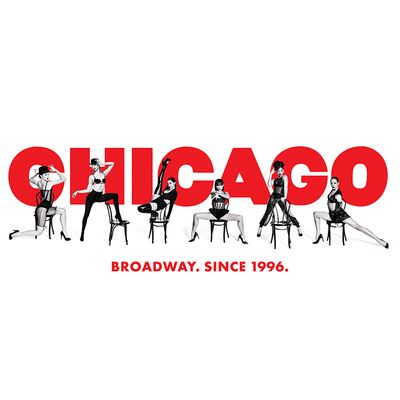
It's the musical that's on everybody's lips, and it only took 30 years for it to get there. This week we welcome performer, writer, and choreographer Corey Wright to discuss everything from his love of Fosse to meeting John Kander in Peru. In other words, "all the things we hold near and dear to our hearts." It's our episode dedicated to CHICAGO... and all that jazz.
Keep up with Corey Wright on Twitter
Take one moment to rate and follow "A Musical Theatre Podcast" wherever you may be listening and share us with your friends!
Join us on Instagram, TikTok and X for more great content. For bonus episodes, subscribe to PATREON! for only $1 a month. And don't forget about our TeePublic Store, our proceeds from which we donate to Broadway Cares/Equity Fights AIDS.
Above all, thank you for being part of this wonderful podcasting community.
Transcript
This transcript was automatically generated and might contain errors.
[0:01] Corey Wright: I always ask people who's the main character of this show and they always go Roxy or Velma or whatever. So it's like, no, it's Chicago. It's Chicago. Wow. Good point. Yeah. Because, I mean, Billy says it. In a couple of days, nobody will know who you are and that's Chicago. That's what the show is about. It's so not about you that it's going to forget about you once this is all over. You know? Yes. That's what this is about. That's Chicago.
[0:24] Jeffrey Scott Parsons: Welcome, everybody, to A Musical Theatre Podcast where we discuss the cultural and emotional impact of some of our favorite musicals in theatre history. My name is Jeffrey Scott Parsons. You can call me Jeff. Today we are talking about the legendary musical Chicago. Did you like that? That was like a little Chicago accent because I'm an actor.
[0:54] Corey Wright: I heard it.
[0:55] Jeffrey Scott Parsons: Anyway, we're talking about Chicago with someone who knows the show very well. He is a very talented director, choreographer, dancer, actor. Ladies and gentlemen, it's Corey L. Wright. I would give myself my own applause there.
[1:11] Corey Wright: Hey, once again, we're actors. That's what we do, right? Corey, tell me, how do you know Chicago? When did you come into the whole world?
[1:17] Corey Wright: Actually, I came into the world of Chicago before I auditioned for the show. I remember being in New York, living ... I moved there from Louisiana, which is where I'm from.
[1:30] Jeffrey Scott Parsons: Is that where you're from originally?
[1:31] Corey Wright: Originally, yes. I think you're the first person I've ever met from Louisiana.
[1:33] Corey Wright: Baton Rouge. I'm telling you, we are so charming. I'll just give you that right now. I moved to New York, and one of the first shows that I saw was Chicago. I remember seeing it and being so enamored by the simplicity of it all, and then also the talent that was on stage. I remember seeing this number with three individuals, Roxy and two boys. I didn't know it at the time, but it was me and my baby. Fast forward a few years, and the tour was getting ready to go out. I saw the audition notice, and I didn't want to audition. I wasn't going to audition. There was a friend of mine who was like, no, you should come audition with me. I was like, no, I'm not doing that. Have you seen the bodies in that show?
I'm just not that type of body, because I'm a svelte individual. There's a lot of skin, or should we say a lot of sheer fabric. Wrapped over every inch of your body, all your secrets just out there. He said, just come and support me. I went to support him. Audition was at 10, show up at 9, stretch, warm up, exercise thing. 9.15, there's no him. 9.30, there's no him. 9.45, there's no him. 9.55, I call him and say, hey, this is before texting was huge. Hey, where are you? He goes, oh, sorry, I got drunk last night. I'm not coming. It's like, how dare you, sir? And I decided, I'm going to stay anyway, because I had always had this fascination with Fosse as well, and his work and his movement. And a little bit about my background, there's such an intricacy in his work. You approach a lot with isolations. I studied under someone who studied under Marcel Marceau, who was a mime.
[3:18] Corey Wright: Oh, wow, talk about isolation. Yeah, so it talked about different leading centers of the body, indications with hands and body parts and fingers and gesturing and things like that. So I was always fascinated with Fosse's work. I stayed, and I did this audition in 2007. And they made a cut, and it was ballet. And I was like, I got this. Because I was a bun head for so long. And then after that, the next cut, and then they were like, let's do the combination again. So I do the combination again, and I'm so confident, Jeffrey. I'm so confident. I'm like, I got this. Because most of these people in music theater, they don't know how to turn out. That was my thing at the time. Lo and behold, I never finished this combination, because in the last four eight counts, I run my long lanky behind into the casting table, water bottles, laptops, candy falling all over the place.
Gary Crist, who I love, I'll call him Papa Gary, he looked at me. He's like, Corey, are you OK? I was like, yeah, my pride's just a little hurt. I'll call y'all. That's what this is. Kamikaze into the casting table in the middle of your dance call.
[4:31] Corey Wright: Absolutely. And we actually talked about this with another cat once we got cast a little bit later on. Somebody was like, yeah, I remember you all in my space. I was like, first of all, it is not my fault that you don't know how to travel, OK? Get it together. Stay in your window.
[4:48] Corey Wright: Yeah, exactly. But I remember calling a friend of mine in Canada. So you know it was serious, because Canada wasn't free calling then. And I was like, I ran into the table, and I don't think, wait, hold on. Hello? Yes, this is Corey. Oh yeah, call back tomorrow. Sure, I can do it. You better book that call back while destroying their laptop computers.
[5:12] Jeffrey Scott Parsons: That's fantastic, Corey.
[5:13] Corey Wright: It was amazing. So then from there was with the show. I've been with the show since 2007. And I was with it for literally over half its life at this particular point, traveling all around the world, Japan, Taiwan, Dubai, Korea, every nook and cranny of the United States. I've had the opportunity to choreograph the show at the Moonlight Theater in Vista, California. It's a co-choreographic with Plan B Entertainment with one of my good friends, Leslie Stevens, who I did the show with at the Hollywood Bowl. So I have a long, long history with the show. And it sits in a good place with me.
[5:48] Jeffrey Scott Parsons: That's so beautiful. I love that. OK, Chicago is a fascinating show that I think we take for granted now, because it has been, I mean, it's one of the longest-running shows in Broadway history. And the production of it that is one of the longest-running shows is a revival. So the history of Chicago is something that I do think we take for granted. And I want to talk about it right here at the top. We have so much great stuff to talk about today. I'm really excited. First of all, the musical Chicago is based on a play of the same name, written by a woman named Maureen Dallas Watkins. And Maureen was a reporter. She was a journalist in Chicago during the 1920s. And at that point, Chicago was known for its crime.
I mean, it kind of still is. Cough, cough. Cough, cough. Call it out. Legit. And she wrote that play in 1926. And it's important to note that during that time, Chicago was fascinated with these women that were killing people. You know, they were murdering people. And it was usually a heat of passion type of situation. So they were killing. Of course, because women have their periods and lose their minds. Like, it's always something, you know what I mean? Even now, like on Oxygen Network, it's always, what is that show? Hold on. I am looking that up right now.
[7:10] Corey Wright: You look it up, because now I'm curious.
[7:11] Jeffrey Scott Parsons: Oxygen Network. Oh my gosh, there are so many. Killer Couples. Snapped. Snapped is the one I'm thinking of.
[7:21] Corey Wright: Which actually could be called Cell Block Tangled. A little mouthy, but that's fine.
[7:30] Jeffrey Scott Parsons: That's fine. It's a lot of lyrics. OK, so you're exactly right. And in particular, one of the females everyone was so fascinated with at this time in Chicago was this woman by the name of, what's her name? Beulah, right? There was Beulah and Belva Gardner.
[7:49] Corey Wright: Yeah, Beulah Ammon. And her big claim to fame was that she was the prettiest murderess you'll ever see. Ridiculous. But her story very much follows Roxy Hart's. She killed her lover. She confessed everything right off the bat. I was jealous that he was going to leave me, so I shot him. Then all of a sudden she gets this fancy lawyer. He comes up with this whole scheme that she was under the influence of alcohol and jazz when she made that confession. They lie and say that she's pregnant. Really word for word. She gets off unscathed. But then ends up dying four years later in a sanatorium.
[8:33] Jeffrey Scott Parsons: Oh, God. Crazy.
[8:36] Corey Wright: Yeah, that's crazy. So based on this main story, she creates this play called Chicago all about this character named Roxy Hart. The character of Velma Kelly is actually very much a supporting character at this point. Not at all like a dual lead thing that we know nowadays.
[8:52] Jeffrey Scott Parsons: Nowadays.
[8:54] Corey Wright: Oh, I see what you did there. That's nice.
[8:57] Jeffrey Scott Parsons: That was totally by accident, but I will take the credit. I'll tell you a story about that song later.
[9:01] Corey Wright: Oh, please do. That play gets turned into a silent film and then gets turned into another film starring Ginger Rogers called Roxy Hart. Both of those films totally take away the satirical look at America turning criminals into celebrities. In fact, the Ginger Rogers movie is basically a rom-com in which Roxy Hart is being charged for a murder she didn't commit and then they all live happily ever after. There's none of that kind of dark sleazy commentary on the press and America that Chicago has now. Now, later in her life, writer Maureen has like a spiritual conversion and comes to regret writing Chicago. Yeah, she thought she was glorifying murder, glorifying jazz, glorifying, well, jazz and sex is pretty much kind of the same thing. In the world of Chicago, they're synonymous.
[9:56] Jeffrey Scott Parsons: Yeah, yeah, she became a born-again Christian and decided, you know what, I don't want to, I'm going to put this thing to bed. So when it comes to the musical version, Gwen Verdon, legendary dancer, singer-actress Gwen Verdon, is the first one to come across the project and be like, hey, Bobby Fosse, who is still her husband at this point, but they've been separated, I want to do this show. When they go to buy the rights, she says no. Yeah, she says no. And it's not until she passes away and the people who are in charge of her estate are like, cha-ching, we will absolutely sell you the rights that the musical Chicago really starts to unfold.
[10:37] Corey Wright: Now, I think this is really embarrassing, but I think this is the first time we are talking about Bob Fosse in a very concentrated way on the podcast. Legendary choreographer-director, talk to me about what you love about him, period, question mark.
[10:53] Corey Wright: Period, question mark, exclamation point. I love the fact that he took things that were imperfections to him and created a whole vocabulary of movement that's easily recognizable. Now, what's interesting about it is, speaking about Gwen Verdon and Bob Fosse, their relationship is very special. She helped him to actually develop a lot of what his style was. But what people don't know is that a lot of his style is based off of Jack Coles. When you think about Jack Cole, he's amazing. He doesn't get enough credit because he is, for all intents and purposes, the father of theatrical jazz. He's the one that took ballet and contemporary, not contemporary, modern with ethnic influences and black social dances from the Savoy Ballroom, which is the only integrated ballroom in Harlem, New York.
[11:39] Jeffrey Scott Parsons: Oh my gosh, teach us, teach us, Corey, this is amazing.
[11:43] Corey Wright: He would go to these places and he would take everything, put it in a choreography jar, shake it up, and then spit stuff out. So when you think about the dropped center with the erect torso and some of the hinges and things like that, a lot of that came from Fosse. Now, how Fosse got it was through Gwen because Gwen was one of Jack Cole's dancers. So when the two of them collaborated, Bob and Gwen, there was an understanding that they had about creativity.
[12:11] Jeffrey Scott Parsons: A common language.
[12:12] Corey Wright: Yeah, yeah, and they really understood one another in that sense to where they could work through things artistically and forget about the personal stuff on top of that. So fascinating. I love the way that he approaches things with, and I remember going into the room and learning the choreography for the show for the first time and being excited about getting this movement language on my body because it sit right with me. And then years later, Gary Chris is the one who said it on us, who is Anne Rankin's right-hand man. He came back years later, and he would go, you still don't have it. And I'm like, but I've grown so much. But that's the beauty of his movement. It's always a pursuit. It's never an achievement.
Once you figure out how to do a tendu, you figure out how to do a tendu. But with that type of work, there is a special type of sitting-in-ness that needs to happen. It's a perch, but it's a relax. It's a fire, but it's a cool. It's so much of a difference between two things, and it makes things visually interesting because you can stand there and just breathe for four eight counts.
[13:15] Corey Wright: Just a shoulder roll and all eyes are on you, which has to come from a place where you feel comfortable within your own skin. Which brings me to my next point of something that I love about his work is the fact that he said, I want dancers who are not so terribly aware of themselves, if they're afraid to roll around on the floor and just act silly, you know, there's a place for everyone. Long legs, short legs, round, fit, voluptuous, not muscular. Everybody had a place in it. You just had to do the work to fit into that particular place. Wow. That's the best, most concise perspective I've ever, I've read so many Fosse books and what you just said now, I hope everybody appreciates, was really, really beautifully said.
Thank you. Of course. Of course. Yeah. I love it. I love it. FYI, if anybody wants a little bit more perspective on Jack Cole, go back and listen to our Gentleman Prefer Blondes episode where we talk a lot about him because he's fantastic. Now, Bob Fosse grew up performing in vaudeville, a very notoriously sleazy part of our performing history in America. And he was a young kid. So that was very formative in terms of how he felt emotionally and what he created as an artist. Out of that, like you said, he began to develop a style based on his own imperfections because in ballet, you have a very specific technique, a very specific body alignment. And Bob Fosse was notoriously slump-shouldered and also a little turned in.
[14:53] Correct. What we would consider pigeon-toed. Right. Right. And since those are two things that are huge no-nos in the ballet world, he's like, well, screw it. Peace out. I'm going to create a style of dance that kind of celebrates that. And so a lot of this like slinky type choreography that we now think is so stereotypical, Bob Fosse is actually born out of something very personal, very emotional and maybe even traumatic.
[15:19] Yeah. I mean, most of them were like that. Jack Cole was suppressing his sexuality in that way. So a lot of it came out and he learned one of his huge influences was Ted Shawn from the Denison Modern Dance Company. Ted Shawn was married, but also gay. And all of his movements were warrior-like and they were his commentary on what masculine identity was during that particular time. So Jack Cole was like, I want women to dance like men, men to dance like women. Fosse is the same way. And it's important to note that a lot of his stuff, people generally tend to associate it with the slinkiness, but a lot of it was super percussive and sharp and exact. And when you think about something like Sweet Charity or Pajama Game, those are very different from a Chicago or a Pippin.
So you have these variants of how he approached the situations with his imperfections on both ends of the spectrum. So whatever it was, he was emoting and did it in both of those ways, which I feel like is the core of what jazz dance is. And he was very, very good at that.
[16:24] One thing that I hadn't considered is one of the things that make Bob Fosse's choreography so fascinating is that he was obsessed with paradox. He's having his actors say, I love you, but think F you. And it's the same thing in his choreography. It's like, what did you say? It's hot and cold. That's so cool. Now at this point, when Chicago comes around, he is in full auteur status. He has gone from being a choreographer in pieces like the Pajama Game and Damn Yankees to being full-fledged director choreographer in shows like Pippin. He has already won the Academy Award for directing the film version of Cabaret. When Chicago starts rehearsals, the concept for this musical was once again, Bob Fosse bringing his vaudevillian experience to it. They are going to go back to the nitty gritty satirical criticism of celebrity criminals by using vaudeville and also by using the styles and I'd say dialects even of Brecht, of Bertolt Brecht.
[17:33] Now here's somebody else we can talk about. Get ready, everybody. We're talking about all these great people. Brecht. Yeah. We talk about Brechtian style all the time in theater. What does it mean? What is it really? Bertolt Brecht was this German dude, born in the late 1800s, grows up in the Weimar Republic, which ultimately gives way to Nazism. Since that is his experience, what he explores as a writer, as a playwright and a director is criticisms on capitalism and materialism. That it is all a facade. It's all BS. That yes, it can do many good things, but when you're focused on it, you lose track of everything else. In exploring those themes, he creates a style of theater to support that criticism, which is to show theater for what it actually is.
Instead of it being a facade, instead of it being this place where an artificial setting is brought to life magically, we are going to show the brick walls. Instead of a bunch of performers on stage performing for an audience that they're pretending isn't there, they are going to break that fourth wall that we often talk about in theater and talk directly to the audience. Vaudeville and Brecht. That was Fosse's vision for Chicago. He teams up with the composers from Cabaret, Kander and Ebb. Another great episode to revisit if you want to get into those guys, because man, Kander and Ebb, fantastic. They do not phone in their work in this show. It's incredible.
[19:06] That music, I mean, from that first, five, six, seven, eight, when you hear, I don't know what happens all these years later. I haven't done this show. I think last time I did the show was when I choreographed. It was the last. Oh my gosh, we've been in this pandemic for almost over, well, for over a year. Okay, great. Okay, that's fine. I'm breathing now. I am breathing. Yep, we're breathing. We're breathing. Tears are coming down our face, but we're breathing. Right. Downward spiral. Was the summer before. That was my last. But that music. Gosh, when I'm telling you, and I've had a chance to actually talk to John Kander. Stop it. Tell me everything. I visited him in, a friend of mine lived in Peru at the time, and he was visiting this friend. I was visiting his friend at the same time. His name is Mark.
[20:06] Wait, in Peru? In Peru, yes. Because this Peruvian star was one of the Billies in Chicago. Oh my gosh, okay. So we met doing Chicago in South Korea, and I went to visit him. And while I was visiting him, John Kander was visiting him as well. Now, at this time, I had written this musical that I just wanted John to read. And he ended up reading it, and he was I really love it. I love the direction that it's going, and that kind of thing. So that was a good thing to me, because this brother's never read a lot of stuff. Oh my gosh. But he, the stories that this, and I was like, John, you have to write a book. You have to write a book. And he was like, no, I don't think I will. I'm like, no, there's so much history in your bones.
You have to get it out. And that story about Nowadays, I'll go ahead and tell it right now. Ooh, tell it right now, yeah. So they were doing the out of town tryout for Chicago. I feel like, I think it was in Boston. I can't be sure. You mentioned that in 1975, Fosse was pretty much at the height of things. But what was amazing is that he still felt like he was not doing enough, that he was not good enough, that it was going to be his last one, that internally, that people were going to figure out that he was a sham. We call it imposter syndrome these days. Brother was suffering from a mad case of imposter syndrome. And at the time, one of his biggest rivals was Michael Bennett. So they had this little thing going back and forth, back and forth, to the point to where Chorus Line was originally called Chorus Line, but he added the A in front of it so it could appear in Chicago, before Chicago in the program. So it could be A Chorus Line and then Chicago, which would show up in the lineup.
[21:30] I appreciate that level of pettiness. Absolutely. Look, nothing like a little game of competition to make you perform at your best. Exactly. So What I Did For Love is a beautiful song in A Chorus Line. And Fosse wanted a What I Did For Love in Chicago. And he was like, oh, really? I need a song like that. I need a song like that. It needs to be a song that makes people feel that same type of emotion. And it wasn't a very easy process working with him, from what John was saying. They almost quit the show.
[22:04] Did they really? Over this particular thing? Yeah. When people get stressed and they don't know how to deal with it, they take it out on everybody. And back then, things would fly that would not fly today, as far as the treatment of individuals. There's an entire generation of directors, including my friend Jerry Robbins, which he's not actually my friend, but it's just a thing that I always say. Jerry Robbins, Gary Champion, Michael Bennett, Bob Fosse, I call them the great manipulators from here on out. They're the generation of the great manipulators who are geniuses and go about it in a very psychologically damaging way.
[22:38] Yeah, yeah, absolutely. So they almost quit, and they wrote Nowadays in like, and that was me snapping my fingers. Because that's what Kander and Ebb do. Man, they're incredible. They can spit out a song in no time flat. Because of that, their music never feels tortured. Those songs always feel so easy.
[23:06] Yes. There's no way that it could have been born out of excruciating writing session, you know what I mean? There's an ease to it.
[23:08] Right. But still so intricate as well.
[23:09] Yes, exactly. There's so much appreciation for people who dig that deep. There's more treasure for you.
[23:16] And that's Kander and Ebb.
[23:17] And that's Kander and Ebb.
[23:18] 100%.
[23:18] Yeah, yeah.
[23:19] Okay, so they wrote Nowadays in...
[23:23] Yeah, and they actually wrote it so quickly and took the rest of the day off. I was like, I'm killing them. And gave it to him and obviously he was happy with what that is. But going back...
[23:33] I love that Chicago's version of What I Did for Love includes, you can even marry Harry or mess around with Ike. Like, it's not exactly Diana Morales, but like, good for you boys.
[23:44] Yeah, right. Exactly. So they, I mean, it fits what it is.
[23:48] Absolutely. It still has to fit within the show.
[23:51] Yeah, they let you know from the beginning. But you spend the next two and a half hours laughing and rooting for a woman who just killed somebody.
[23:58] Also, going through the script this week before we recorded, I was surprised to remember how little dialogue there is in the first act.
[24:08] I mean, it moves so quickly from number to number and yet never feels abrupt.
[24:15] In many ways, the construction of it does feel vaudevillian and yet we miss nothing narratively because of it.
[24:22] Yeah, and that 1975 version, Fosse wanted so badly to be a writer. He wanted to be a writer. I mean, he was an EGOT, so he got all of those.
[24:33] Yeah, he's doing fine.
[24:34] They gave him writing credit for it, even though Fred was the one who...
[24:38] It's really Fred.
[24:39] It's really Fred. And then when they went into the 1996 version, they cut things.
[24:45] I mean, they slashed it to the point to where when we were choreographing it and we're learning the show, when we had to do actual speaking parts, we would add like, so we would get, it's not in there.
[25:00] The script is an economy in and of itself.
[25:03] It's economic. Don't add anything.
[25:05] Doctrine.
[25:06] Yeah, keep it what it is.
[25:07] Somebody, a friend of mine, Greg Butler, who was one of the, like my artistic brother, another person that put me into the show.
[25:15] He said, somebody stayed up until 3 a.m. writing that. So you got to honor the words on that page.
[25:20] And it's so true.
[25:22] And we feel like we have more to offer the creative process. And you still can within that limit.
[25:25] So it is true that that 1996 version is shorter, but they went through with a fine tooth comb and took out anything that wasn't unnecessary.
[25:37] And every word was thought of.
[25:39] Exactly.
[25:39] Every word was thought of.
[25:40] And what's important about that is kind of swinging the conversation.
[25:44] In 1975, it did okay.
[25:46] Yes, absolutely.
[25:47] Let's talk about this because this is really important.
[25:49] In 1975, it did okay.
[25:51] But at that time, people didn't necessarily need to see a show about celebrities getting away with murder.
[25:58] With murder.
[25:59] Because it was the 70s.
[26:00] It was about love and peace.
[26:01] And fast forward to 1996.
[26:04] We have O.J. Simpson.
[26:06] And I remember watching this trial.
[26:08] The whole world was looking at this little white Bronco speeding down the highway after this murder had happened.
[26:15] And obviously, we know O.J. Simpson is who he is.
[26:20] I remember being in junior high and the teacher turning on the television so we could all watch the verdict.
[26:26] When has that ever happened?
[26:27] Right, exactly.
[26:28] And it doesn't even have anything to do with us.
[26:31] Corey Wright: Yeah, and it wasn't because he, you know, donated a million dollars to charity. It wasn't because he found a cure for cancer. It was because he killed somebody and he was running. And it keeps happening. I mean, you've seen this meme, stop making stupid people famous. The fact is, there is this thing about individuals who are celebrities and us glorifying them and letting them get away with anything. Donald Trump. Sorry, there was something in my throat. Was there something in your throat? Yeah, just a little something. It's okay. Okay, I think we got your point. Yeah. But you think about it, and it happens all the time. It happens all the time. We see these celebrities that get away with things just because they are celebrities.
Where is the line of accountability that gets smudged because of who they are? And even this idea that your best defense is to turn yourself into a celebrity. Right. Even if you aren't already one. Yeah. The best way to get off is to make sure that the American public knows exactly who you are, because then they won't want to kill you. Yeah. How many crime docu-series have I watched in the past five years? Right now, I'm sure there's like 10 on right now. Absolutely. In the last year. I mean, like right now, Ryan Murphy's getting ready to do a mini about Jeffrey Dahmer. Who needs to see that right now? I don't want to see that. And I don't want to eat my dinner watching that, for sure. But there's all these different ways that dumb things can make celebrities out of people, and how celebrities do dumb things and get away with them.
The timing of this was interesting, and it's been running, and it's never died down as far as relevancy goes. This is a musical, and whenever I go into classrooms and talk to kids, I always classify this as a Joseph musical. And by that, I mean, ahead of its time. Because it is. While it was appreciated in 1975, it was incredibly overlooked because of A Chorus Line. A Chorus Line, being this huge smash, A Chorus Line wins all of the Tony Awards. And also, one thing that I find really interesting, they go into rehearsals, and then Bob Fosse has a heart attack. He goes into the hospital, has a bypass surgery. After the surgery, has another heart attack. You know, long-time smoker for who knows how long.
So not exactly the most healthy lifestyle. But all of the stress as well, and pressure that I think he was putting on himself in order to create something really important, really special, takes its toll at this very moment. So when he came back, they get back to work. But I think the severity and pressure continued. And from what I've seen, I didn't see the original 1975 production. And I know that there are probably people out there who did. But from what I've seen in terms of the artwork, how the show was marketed, how the original cast recording sounds, and the performances that still exist on YouTube, I would say that the original production is much bleaker, that it takes itself more seriously.
And I can't help but feel like that was from Fosse really trying to do something quote-unquote underlined special and important. And by the time the 90s come around, not only has our culture shifted into a place where we, I think, are more ready to receive this ahead of its time musical, the revival also took itself much less seriously. And I think it benefits everything in the show.
[29:59] Jeffrey Scott Parsons: Mm-hmm. Thinking about those snaps and razzle. They weren't always there.
[30:07] Corey Wright: Right. And so the fact that they were like, how can we get him to like this song? Add some snaps. Bobby loves snaps. Yeah. And that number, Razzle Dazzle, was originally an orgy. It was an orgy. That's what I'm talking about in terms of like Bob maybe taking things a little too seriously.
[30:28] Jeffrey Scott Parsons: Yeah. So they were like, tap, tap, tap. Hey, you might not want to do that. Yeah. Let's lighten this up a bit. He took it really seriously. He took it as far as he could take it. Well, do you know what? This is a really great opportunity to talk about this. And it's something that we discussed when we did an Instagram Live about the film version of West Side Story. So much of that script and the lyrics were sanitized for the film version. And I think sometimes we forget that in theater, we have a really beautiful tradition of pushing the envelope, of doing things and saying things that can be controversial or confronting for an audience. And then there was actual legislation and laws like the Hays Code back in the day for film and even the rating system that forces artists to participate in censorship in order for their art to get made.
And so I think that's something to be proud of in terms of our musical theater heritage. It's like, no, we have a lot of brave artists who have done a lot of really interesting work that they couldn't have done on film even if they tried. And so that's something to continue on in the future.
[31:39] Corey Wright: Yeah. And I would have been like, yeah, let's do the orgy on the steps of the courthouse. Theoretically speaking, in the space of a theater. Because there's a commentary on the justice system. I love pushing an envelope as long as there's a reason to do it. And you're so right, Jeffrey. In theater, it's almost like a responsibility to present that, yes, things can be entertaining and just fluffy. But there's also the reason for the art to present perspectives and to make people think. And not to necessarily tell people this is how you should think, but it's like, hey, this is what's out there. And the challenge is always doing it, and especially with anybody in entertainment, is doing it in an entertaining way so that the message gets absorbed and not like you're preaching at an individual.
I don't think any of his work was like that. I feel like he and I would have been homies. I mean, minus the smoking. Because I mean, they put one cigarette in his mouth and then take it out and put out the other one. I'm like, that's too much for me. I like my lungs. I can't do this.
[32:48] Jeffrey Scott Parsons: That's why most of his cast albums just sound like, some days you're wrong.
[32:57] Corey Wright: Right. Okay. Let's start at the top of the show, which, can you give us the whole introduction from the conductor? You mean like the very first ladies and gentlemen?
[33:06] Jeffrey Scott Parsons: Ladies and gentlemen. I want to see if you can do it. Just to let you know, Mr. Jeffrey Parsons, I have played almost every role in this show. I've swung the show. Every time we come back, they'd be like, hey, we're switching up your track. You're like, when do I get to do Velma? Right. Throw me some Roxy type. The great thing about this show, and also the thing about the show that...
[33:28] ⚠ About 3 minutes of audio could not be automatically transcribed.
[36:45] Corey Wright: But there was also still room for improv. Still room for connecting with other people. And the idea is that you're all players getting ready to put on a show and you're rehearsing moves from the show that you might see later on. Okay. So very much like an overture, we hear little bits of the songs that we are going to hear later on in the show. Visually speaking, we are seeing the same thing choreographically. Yeah. And you're allowed to connect with the audience and wave at them, wink at them, shimmy, gyrate, thrust, whatever. All while wearing these William Ivey Long 90s outfits. Stretched lace. Stretched lace. That's when you eat salads for contracts. Just salads.
[37:29] Corey Wright: That being said, I think that the costumes in the '96 version are much more modest than the 1975. Those girls are naked. I mean, you had boys dancing in diapers for me and my baby. In Roxy, the men just wore garters. And it connected to a dance belt, I think it was. Naked. No clothes. None. It was very interesting. And the reason why it became what it was, was the fact that when they did the revival for Encores!, they just told everybody, we'll have music stands, just show up in black clothes. And so then that's when that happened. Then William Ivey Long came on and did what he did. And there were certain-
[38:08] Corey Wright: Did a little finesse. Yeah, there were nods to different characters like the Italian businessman, the acquired boy, the gangster pants that were, you know, nods to different things from then, but they were- Okay, so while we're talking about it, since you have done like all the roles, do you have a favorite costume?
[38:25] Jeffrey Scott Parsons: On a female?
[38:27] Corey Wright: No, that you wore. Well, okay, a female too. You know what? There is this one costume, it is a full body stocking, fishnet body stocking, and you can see her bra and bloomers underneath. That one is amazing to me. And for me, I think it would be a buttoned down mesh shirt with the big collar and the jazz popcorn pants, because they were textured.
[38:51] Jeffrey Scott Parsons: Oh, that's cool. So they're not just like the basic shiny-
[38:55] Corey Wright: Yeah, and they had different versions of it. And then they flared down at the bottom. Jazz pants with a flare, that is a mood. But it also informs the way that you improv, because if you don't articulate through your feet, like really, then nobody actually really sees it, but-
[39:15] Jeffrey Scott Parsons: Oh, that's fascinating.
[39:16] Corey Wright: Yeah. Okay, cool. So after the overture, at least in the revival, you have this great elevator that comes up through the orchestra, which is all seated on stage and almost looking like a jury panel or a bandstand. And up comes Velma Kelly to perform all that jazz. Now, Chicago was the very first Broadway show I ever saw.
[39:39] Jeffrey Scott Parsons: Oh, wow.
[39:41] Corey Wright: Yeah, 16-year-old in all that jazz. And I'm like, this is Broadway.
[39:48] Corey Wright: All That Jazz was the only number I knew because I had seen it on the Rosie O'Donnell Show and I would mirror them and would do all of the little Ann Rankin choreography. That was all I knew about the show.
[39:57] Jeffrey Scott Parsons: Oh wow, so you had no clue?
[39:58] Corey Wright: No clue.
[39:59] Jeffrey Scott Parsons: Gotcha, okay. So as we go through the show, I will continue to give little insights from 16-year-old Jess.
[40:08] Corey Wright: I love it. So All That Jazz starts, and it's one of the, I would say one of the most famous opening numbers of all time. It somehow is about the entire show and also kind of about nothing at the same time. It allows for this little scene to play off the side, which is Roxy Hart and her lover, Fred Casely, doing the what what, and then him walking out on her. Roxy shoots him because nobody walks out on me, and then promptly announces that she's got to pee.
[40:40] Jeffrey Scott Parsons: Correct. Now, favorite moments of this number. Yes, personal favorites.
[40:45] Corey Wright: One is the fact that I take the word jazz and replace it with the word sex throughout the whole number. That definitely informs the way that you move and approach what all that is. Sure. Another favorite moment is something called the domestics, and this is when Fred and Roxy are in the middle of a band of sand, and they are canoodling, if you will. And we're doing all of the housework so that they can do it. But we're not just doing it. We're doing it like doing it. You're getting paid on OnlyFans to do it.
[41:22] Jeffrey Scott Parsons: Exactly. I feel like Chicago would be the OnlyFans of musicals. But it's definitely those. Yes. That jazz. That sex. Now, Velma was originally played by Chita Rivera in 1975, Bebe Neuwirth in the revival, and has since been played by more people than you can probably count.
[41:45] Corey Wright: Correct. Speaking of celebrity. Yeah, because the revival was brought to the Broadway stage by Fran and Barry Weisler. And these two producers are really great at their jobs. They're also known for bringing in the most bizarre celebrities that probably should never be in a musical just to sell tickets. It's almost like doing exactly what Chicago is criticizing in order to make sure that it continues to run.
[42:11] Jeffrey Scott Parsons: Bingo. Yeah. Yeah. Stunt casting is what they call it. Yeah. And I mean, it's not just Velma. It's Roxy, too. Velma, Roxy, Billie. I've seen Amos, Mama Morton. I mean, they've done it, but the only person that they haven't done it with is obviously Mary Sunshine, because she there is definitely a...
[42:35] Corey Wright: First drag queen I ever saw in my life.
[42:36] Jeffrey Scott Parsons: Really?
[42:37] Corey Wright: Yeah. Once again, 16-year-old Jeffrey from Utah. Did you know when you were watching it?
[42:40] Jeffrey Scott Parsons: Absolutely not.
[42:41] Corey Wright: Gotcha. No clue. I would have been able to clock it so easily now. Wait, what year was this? 96? You saw it in 96?
[42:53] Jeffrey Scott Parsons: Yep. Really? So then you saw it with the original. I also saw it with Tara. I went back and saw it again in the 2000s with Tara and Michelle Williams from Destiny's Child. What's interesting, I've done the show since 2008 with Tara, and she has been a pretty consistent Velma for us. The way she did the show first in French, so she opened the...
[43:17] Corey Wright: Oh, interesting.
[43:18] Jeffrey Scott Parsons: We're talking about Tara McLeod. I don't think I mentioned that before.
[43:20] Corey Wright: Yeah, Tara McLeod. We both know.
[43:21] Jeffrey Scott Parsons: Yes. She started in Montreal and then Paris Company, and every time she comes back to approach it, because of what happens in life, the same with anybody in this show, because the more experience you have... This is why I don't think high school people should be doing this show at all, because you can get around the adult things, but there is a seasoned, experiential life happening that needs to be in place for the show to mean what it means, and for you to accurately portray what it is. Tara, the life that she collects as a person, and she's had the opportunity... Sometimes we don't get a real rehearsal with these celebrities that they put into the show. The first time we see them is when we're on stage with them.
They do a private rehearsal with the dance captain, and we're like, if we have to change choreography for them, like say a Christie Brinkley who's not necessarily a dancer, so then me and my baby ends up being step, touch, step, touch. Then those boys have to come in a little bit before half hour, learn the choreography, and then...
[44:17] Corey Wright: And do it then.
[44:18] Jeffrey Scott Parsons: And do it then. Right, do it then and there. But she's had to figure out in the moment how certain people respond to things. They may get a rehearsal-ish if that celebrity requests it, but most of the time they're like, okay, we're just going to put in, you stand right there, you stand right there, we go this... We're not going through the whole show, we're just telling you where to stand, and this is where all these other people are going to be, and the other principals have to work around, and Tara's really good about holding people's hands figuratively through that process and being like, I got you. We're on stage together.
[44:47] Corey Wright: Wow.
[44:48] Jeffrey Scott Parsons: We're good. Yeah.
[44:49] Corey Wright: Wow. That's a whole skill set and also feels absolutely terrifying.
[44:53] Jeffrey Scott Parsons: Listen! Yeah.
[44:55] Corey Wright: Okay, so after all that jazz, the narrative structure of the show is truly established, in which the conductor, the same one who did, or the ensemble member, whoever did the little speech beforehand, is going to be introducing all of these characters and their songs, and in a very upfront way, saying exactly what their intention is, which always plays against whatever song they're doing. So in the case of Roxy Hart, who has just been arrested for murder, she is singing about her husband who's currently going to be taking the fall, her husband Amos Hart. And it's this lovely song dedicated to her husband, that feeling takes a big right-hand turn when Amos Hart realizes the guy who was murdered was actually somebody they knew, that his wife knew, which proves that they were actually fooling around.
[45:49] Corey Wright: I would also like to point out that in this version, she kills this man on February 14th, aka Valentine's Day, so she's cheating on her husband on Valentine's Day in Chicago.
[46:01] Jeffrey Scott Parsons: I never noticed that!
[46:02] Corey Wright: Yes, child.
[46:03] Jeffrey Scott Parsons: Oh my gosh, happy Valentine's Day, Amos Hart.
[46:07] Corey Wright: Right, exactly, while he's working at the garage. I mean, I love you, honey, I love you.
[46:11] Jeffrey Scott Parsons: Right, exactly. When you think about the character of Amos...
[46:13] Corey Wright: He's simple.
[46:14] Jeffrey Scott Parsons: He's simple, but he's also a complex human being. He's married to her, so at some point, he had to muster up enough courage to ask her out. So to me, that's a confident individual. Also, later on in the musical, you find out that he borrowed money from guys at the garage. That was a big amount of money then, so that means there had to be a level of trust that they had with him in order to loan him that money.
[46:35] Corey Wright: He was working on carburetors in the 1920s. Cars are fairly new, so if you had a job working on cars, you had to understand something about the technicalities.
[46:45] Jeffrey Scott Parsons: You were an intelligent individual.
[46:47] Corey Wright: That's true. And a carburetor was such a complex piece of car equipment, they got discontinued. I think it was in the 80s or the 70s or 80s, something like that, cars now.
[46:56] Jeffrey Scott Parsons: So he definitely had a...
[47:00] Corey Wright: Like a skill set.
[47:01] Jeffrey Scott Parsons: Yeah, and he did it for... He loved her. He was like, go, do your thing, jazz, go ahead, get the... Here's some bonbons.
[47:09] Corey Wright: He bought the bonbons. He encouraged her to go be a chorus girl.
[47:13] Jeffrey Scott Parsons: Sit there and eat your chocolate.
[47:15] Corey Wright: Yeah, be pretty. And he gets upset, and he's like, she's up there munching on goddamn bonbons and jazzing. Well, this time she pushed me too far, that little chiseler. I understudied him as well. Boy, what a sap I was, until then he... That whole thing.
[47:27] Jeffrey Scott Parsons: That's when she turns and she's like, that dummy crummy scum, you know.
[47:32] Corey Wright: All of those Fred Ebb amazing lyrics.
[47:35] Jeffrey Scott Parsons: Right.
[47:35] Corey Wright: If he only had a brain, what a half-wit he'd be.
[47:38] Jeffrey Scott Parsons: Oh my gosh.
[47:39] Corey Wright: Right, the whole thing. I'm like, are people listening to this? And the first thing she says when she comes off that ladder is, you disloyal husband.
[47:45] Jeffrey Scott Parsons: Ciao.
[47:51] Corey Wright: Don't it always seem to go?
[47:56] Jeffrey Scott Parsons: That's hilarious. Now, Roxy was originally played by, of course, the legendary Gwen Verdon. The show was built for her. No one moved like her on stage.
[48:05] Corey Wright: Listen.
[48:05] Jeffrey Scott Parsons: And, like, all-time best dancer?
[48:07] Corey Wright: Yeah.
[48:08] Jeffrey Scott Parsons: Probably.
[48:08] Corey Wright: Yeah, yeah.
[48:10] Jeffrey Scott Parsons: Also, she was in her 50s doing this role.
[48:14] Corey Wright: Listen, this is why we say...
[48:15] Jeffrey Scott Parsons: So if we ever criticize people for being castable in some show, remember, legendary Gwen Verdon originated Roxy in her 50s with, like, vocal nodes.
[48:27] Corey Wright: I never liked you.
[48:36] Jeffrey Scott Parsons: Legit gives all of us hope.
[48:38] Corey Wright: Right, exactly. Don't give up. I mean, between that and Burger King out here selling tacos, you can do anything.
[48:45] Jeffrey Scott Parsons: You can do anything you want to do.
[48:47] Corey Wright: Oh, gosh. Okay, after Funny Honey, oh my gosh, there are so many great moments. But, yeah, so now we go to the Cook County Jail where the females who are all imprisoned for, you know, allegedly murdering someone perform the cellblock tango.
[49:05] Jeffrey Scott Parsons: What a freaking fantastic number.
[49:07] Corey Wright: Right. I mean, they say they actually admit to the murder. It was a murder, but not a crime, okay?
[49:13] Jeffrey Scott Parsons: Ooh, fair enough.
[49:14] Corey Wright: So, absolutely. In that way. Again, he had a passion. He deserved it, whoever it was. Now, I have two stories about the cellblock tango.
[49:22] Jeffrey Scott Parsons: I want to hear them both.
[49:23] Corey Wright: Don't forget, you have a surprise for me.
[49:25] Jeffrey Scott Parsons: Yes, and one of them is the surprise.
[49:27] Corey Wright: Okay, great. So, story number one. Once again, 16-year-old, didn't know anything about this show. When the cellmate steps forward and says, I met Ezekiel Young in Salt Lake City. I'm like, oh my gosh. I'm sitting in my chair and I'm like, uh-oh, here comes a polygamy joke like I already know. People usually aren't that inventive when it comes to LDS humor. It's either about coffee or about multiple wives. I'm prepared for the polygamy. Anyway, she goes, one of those Mormons, you know. Little 16-year-old me goes, woo-woo.
[50:09] Jeffrey Scott Parsons: The woman sitting next to me, total stranger, at intermission turns to me and she goes, are you a Mormon?
[50:15] Corey Wright: Bright-faced, I sure am. So then, get this. The next night, I go and see Steel Pier. Another Kander and Ebb show, which funny enough, also has a polygamy joke and cellophane. Go figure. Anyway, I'm sitting in my seat waiting for the show to start. That same woman comes and sits behind me and says, well, if it isn't my Mormon friend.
[50:44] Jeffrey Scott Parsons: Only in New York.
[50:46] Corey Wright: Sandra's last name.
[50:51] Jeffrey Scott Parsons: So bizarre. Are y'all Instagram friends now?
[50:53] Corey Wright: Right.
[50:55] Jeffrey Scott Parsons: We're besties. I DM her all the time. Now, the other crazy story that has to do with Cellblock Tango is the original Mona from the revival. I love Alvin Lipschitz more than I could possibly say, is a woman named Caitlin Carter. Do you know her?
[51:12] Corey Wright: I don't know her personally.
[51:14] Jeffrey Scott Parsons: She's all over those posters. She's got the little blonde pixie cut. I think she's in that full body stocking thing that you were talking about earlier in terms of your favorite costume. I'm on my mission as an LDS missionary in Texas speaking Spanish. I go to church and talk to this family who's actually a white English family. They find out that I'm a big musical theater fan. They say, oh, do you know the revival of Chicago? I said, of course. I saw it before I went on my mission. They're like, oh, well, we know Caitlin Carter. You probably don't know who that is. I said, of course I do. She played Mona. They're like, really? You know who that is? Then they write to Caitlin Carter. Caitlin Carter sends a signed headshot to Elder Parsons.
[52:10] Corey Wright: Oh my gosh.
[52:12] Jeffrey Scott Parsons: And here it is.
[52:14] Corey Wright: I love it. Doesn't she look fierce?
[52:17] Jeffrey Scott Parsons: She is in that body stocking.
[52:19] Corey Wright: She is in it. And just imagine a sweet little LDS missionary carrying this around for two years.
[52:26] Jeffrey Scott Parsons: I can't.
[52:27] Corey Wright: The comedy is too much for me right now.
[52:29] Jeffrey Scott Parsons: It's ridiculous. But it says, dear Jeff, thanks for loving theater, Caitlin Carter.
[52:36] Corey Wright: That's really sweet.
[52:37] Jeffrey Scott Parsons: Isn't that cute? She's amazing. I don't even know her. If anybody knows Caitlin Carter, please tell her. I'm the one. I'm the missionary she sent a nudie patootie headshot, signed headshot to.
[52:45] Corey Wright: It's not nude guys and gals.
[52:46] Jeffrey Scott Parsons: It's not. I mean, for an LDS missionary.
[52:48] Corey Wright: Right.
[52:49] Jeffrey Scott Parsons: That's pretty much porn.
[52:51] Corey Wright: She looks stunning in that.
[52:52] Jeffrey Scott Parsons: She looks stunning in that.
[53:03] Corey Wright: Beautiful. So, those are my Cell Block Tango stories. I love them both. All of these women are very much guilty. We get that. Except for one, and her name is Honiak, who was originally played in 1975 by Graciela Daniel, who you may know for choreographing Once on this Island, Ragtime, incredible director-choreographer. That was her original role. And she's, I believe, Argentinian, so interesting that she had to learn Hungarian for this. So, Honiak is the only one who is not guilty. Not guilty. Yeah. It would be boring if she spoke English. Do you know what I mean? To talk about that. Her imperfection is her inability to communicate. But further still, is people's disregard to want to learn how to communicate to her in that way.
It's just like, nobody ever interacts with her except for Mama Morton and Aaron. And even then, he's talking to Mama Morton to get through her, and he's just trying to say, say guilty, say guilty. And she's like, not guilty. It makes me feel bad that there's punishment because there's a lack of understanding. And it makes me think about how psychologically we do that to people. When we don't understand them, we punish them for whatever things. You don't deserve the same rights because I don't understand. We're not guilty of being anything but who we are, but we're still damaged psychologically because somebody else doesn't understand what that is, if that makes sense. So, that's what I got to say about her.
I love her. That's beautiful. That's great. Right after, I believe, Cell Block Tango, we meet the woman who's in charge of all of these prisoners. Her name is Matron Mama Morton. Another song that is just full of some of the best Fred Ebb lyrics we have. They say that life is tit for tat, and that's the way I live. So, I deserve a lot of tat for what I've got to give. I mean, come on. When You're Good to Mama, great song. Big and burlesque. Yeah. After this number, and we can kind of speed through a little bit more of the plot, but Velma and Mama Morton have this agreement, right? She's kind of acting as both the warden of this prison, but also everybody's talent agent. And this is a brilliant piece of writing that happened before they got to Broadway.
They originally had an entire talent agent character that got eliminated, and then all of his stuff was split between Mama and the ensemble or the conductor who gives those introductions. But there's a new celebrity on death row, as it were, and that's Miss Roxy Hart. So, the minute because we love to pit two females against each other, the minute that Roxy comes in, there's this antagonism because she's trying to steal the spotlight. Yeah. And Roxy, she's no clue about what she's doing. Even in the way that William Ivey Long has designed this, what they call a baby doll dress, it's ill-fitting. It's loose. The sleeves are loose. So, it's like she's a kid in this whole world. She doesn't know.
She's like, I sure would appreciate some advice. And Velma is who she is. But as you see the show progresses, by the time she gets to Roxy and she takes off, and I know I'm getting a little bit ahead of myself, but when they do both reach for the gun, she has on this blazer, this jacket, this coat. When you take off the coat, she emerges this sexy woman, a sensual woman. The dress fits now, and it's tight, and it fits at a certain point. It's a little bit higher, and it's low cut at the back. So, you see that transformation of her going to not knowing what she's doing, to they've created her now, and now- Getting a makeover. Yeah. Now, she's this image. Yeah. But Velma is not happy to see Roxy at all. Roxy ends up getting Billy Flynn as a lawyer, who is also Velma's lawyer. And how would you describe Billy? He's an opportunist.
[57:03] Corey Wright: He is an opportunist. He's slick. The silver tongue prince, when you think of a silver tongue, everything he says sounds amazing. And it's so quick that you're just like, okay, yeah, sure, I'll sign on the dotted line. But he's also very manipulative. His introduction is this number called, All I Care About Is Love, right? That is what he's doing this for. That's why he's a lawyer, is for love of justice. And yet, he's flanked by all of these really sexy women. By the way, walking with fans, which is one of the hardest things to do. I know that people think that those sorts of numbers with showgirls and fans are very easy, but leave it to Fosse to find something so simple that is actually also incredibly difficult to make look cool.
It is, because these fans, they're made out of ostrich feathers, and each one is $1,500. And they're white, so they're all hand... We have a set of rehearsal fans, and we have a set of performance fans. Yeah, don't mess with the performance fans. The girls get them out of the box right before the number. They put them back in the box right after the number, and they close them up and lock them because they have to be protected and cared for. There's actually a rehearsal, when we go to a new city, when I toured, every time we went to a new city, there was a rehearsal on how to hand off the fans. Just to hand off the fans. Just to hand off the fans because it was so specific. It's like, where do you stand?
Right, and these girls are running off stage, and all they have is, is everybody here? Is everybody ready? Hit it, and they're running out. So they have less than 10 seconds to get six sets of fans in hands, in the right direction, in the right order, and it's like a well-oiled machine backstage of things. The thing about Billy, though, is that even though he says that he's only doing it for love, he's really only doing it for $5,000. Correct. He tells Amos, the only reason I'm here is because you agreed to give me $5,000, and they don't have it yet. He agrees to take the case anyway, though, because some money is better than no money when push comes to shove. Right. His whole picture that he's going to paint for Roxy is that he's going to try and get the media on her side, and one of the key people that he's going to use is Mary Sunshine.
Mary Sunshine is known as the sob sister from The Evening Star, and she's a pushover. They can always count on her to give a sympathetic view of whatever client he has. So enter Mary Sunshine, who's this sweet, beautiful soprano singing-
[59:48] Corey Wright: A little bit of good. A little bit of good in everyone. Going back to the criticisms on capitalism from the Brechtian approach to theater, in this country, we do have freedom of the press, freedom of speech, all of which are incredibly beautiful, and I'm so grateful. Truly, truly, I wouldn't want to have been born anywhere else. And with our capitalistic nature, how many of us have been in a career or at work and have had a higher-up say, well, we're still running a business here? I think we all have.
[1:00:22] Corey Wright: Right? We can have all of the ideals and spout all of them and believe them, but when it comes down to it, we're still a capitalistic society and we're still running a business. And so the same applies to the media. If they have access and can frame a story that's going to get more eyes on the paper, more clicks on the internet, for the most part, they're going to do it because it's still a business.
[1:00:51] Corey Wright: Yeah. It's also lazy, I think, because in order for you to present both sides of something, you have to do your due diligence and know what both sides of those coins are and not be biased, in which case you're just an opinion in that way. Nobody has time for that. Again, I blame the internet and social media. As great as the internet is, but social media, everything has to be quick, quick. You have to be the first one. Kobe Bryant, when he first passed, they didn't even go through the proper channels. TMZ just released it. Kobe Bryant's dead. It was more important to be first than to be respectful.
[1:01:23] Corey Wright: Exactly. And that's what we're dealing with today when you think about the media. It's more important to be first than it is to be respectful. It's more important to be first than it is to be true. It's more important to get the clicks than it is to present perspectives. As much as I do enjoy the media at times to be able to get information, you as an individual have to do your due diligence and make sure that you're watching all of them and seeing the different perspectives of things.
[1:01:51] Corey Wright: Well, and that kind of discernment is required in an audience who sees Chicago because you can, I think very easily, and I know many people who have seen Chicago and walk away thinking that it is just a story that celebrates sex and murder.
[1:02:06] Corey Wright: Yeah. And what it requires of us is to have this conversation after seeing the show. It requires us to look deeper, see the intention behind the work, like all of these wonderful anecdotes and stories that you're telling us to really grasp the profound nature of what a show like this is trying to tell us.
[1:02:27] Corey Wright: Yeah. When people leave the show and they're like, Oh my gosh, it was so good. Sometimes, sometimes every now and then it would make my heart hurt. Because as a performer, you do want people to comment on your legs and your body and like, Oh my gosh, how do you do that? And it was just so great. Did you get it? Did you get the message? You were rooting and laughing and hollering and stomping and obviously applauding because she's performing and there's talent there. You're rooting for this murderer. You want her to get away with it. You want her to be okay at the end of what this is. And that should give us pause. We should be able to take a moment as an audience member and be like, Huh? Why am I feeling this way?
Right. And not that I want people to walk out like, Oh my gosh, I'm so heavy. I need to go journal. No, no. But just to think and pause. And maybe they do. Maybe they do. But I just hope that that's there in place because there is a level of responsibility when being presented with information like this.
[1:03:31] Corey Wright: That's so cool. Well said. Well said. After all of the reporters are in place to hear Roxy's statement, there's this, it's one of the most brilliant numbers in the entire show. The number called They Both Reach for the Gun, in which Roxy becomes a ventriloquist dummy for Billie in order to sell the story of her being a woman caught up in jazz and liquor, basically a reformed sinner.
[1:04:04] Corey Wright: Right. Right. Yeah. It's great. Yeah. It's one of the hardest ones. Is it really? For us, because it's so intricate. People don't realize this, but we're dancing on two and a half-ish panels of Black Marley. So when you get 13 ensemble members plus two principals in all of the same space, but I do love that particular number. It takes all of the breath and it's always causes the anxiety right before because you know it's coming. I would say there are some numbers in musical theater where it requires all the breath, all of the energy, and then you don't get anything in return. Like the audience could care less. That is not the case with this number. No, not at all. Yeah. Yeah. It works. The press is all about Roxy. They buy her story, hook, line, and sinker. And now we have one of the most iconic monologues in all of musical theater history. Ms. Roxy Hart.
[1:05:48] Corey Wright: I don't know. There are so many iconic lines in this monologue. Yeah, there are. And again, I always go for the emotional value of things when she goes, Amos, sweet Amos, who never says no. You could love a guy like that. In my mind, I always go, well, why don't you? Why don't you? Isn't that interesting too? Because he never says no. And yet it's not until all of Billy's promises that she says now she's going to have a world full of yes. It's like, girl, it sounds like you had a world full of yes because Amos never said no. Absolutely. Right. Yeah. Yeah. It's a beautiful monologue. It's done differently by every Roxy that I've ever done it with. One of my favorite, favorite versions is from Dileese Croman.
She started off in the ensemble and then she ended up being Roxy. And her body is amazing. The first thing I ever said to her, which now looking back, I'm like, Corey, you're just pushing it. I said, I want to put butter and hot sauce on your legs and just eat it off. And she was like, oh, okay. And she's like, HR. But at that time, I wasn't in the show. I just walked up to her and I never thought that I would be watching her on stage and dancing with her. And then that ended up happening. And she was actually one of the dreams come true for me. So it was great. But she does a good job.
[1:06:19] Corey Wright: Oh, yes. Shout out. I love that. Shout out. That's really beautiful. Thank you. So, Roxy performs her song called "Roxy." She gets herself a whole bunch of boys. That, of course, leaves Velma on her own. And she realizes that maybe the only way to continue her dream of being on the vaudeville circuit is if she teams up with Roxy. Because the only thing better than one murderess is two. So, she does this great number called "I Can't Do It Alone." Man, another fantastic song full of great lyrics. Yeah, yeah, yeah, yeah. And Roxy is, she's interested, obviously, because she wants to be a chorus girl. But she can't show her hand too soon. No, of course. Enter "Go To Hell Kitty." And she kind of proves what we've been talking about all this episode, which is that in a moment, your celebrity can be taken away, just as it was taken away from Velma.
She enters the place because she's killed four people after finding her husband in a menage a quoi? Is that how you say it? Yeah, well, I mean, he wasn't necessarily her husband. They were just playing house. In this 1975 version, it was her cousin, I think it was. Oh, no. Yeah. But Harry is just somebody. She's funding his lifestyle. Got it. Because she's a pineapple heiress. Correct. So, she comes in fiery as you know what, and steals both of their thunder. So, they close the first act singing "I Am My Own Best Friend." Yeah. And at the very end of it, Roxy gets an idea. So, she faints. Everybody's like, oh, what's wrong? And she goes, I'm sorry. It's just that I'm having a baby. Everyone's like, a baby? And then Velma goes, shit. Awesome. Awesome way to end the first act. Right.
[1:08:19] Corey Wright: Let's breeze through act two. Velma comes out on the ladder. Hey, suckers. She's feeling bad for herself. Roxy then comes on and performs "Me and My Baby." So, you told us that you saw the number "Me and My Baby" and loved it. Then you got to do it? Not initially. It took years. And I remember the specific contract. I walked into the room, and I walked up to the person setting the show, and I said, hey, I want to do "Baby." I knew it already. Say what you need. Exactly. I walked into that room, and I said what I want. In every incarnation of the show after that, that was the truth that I did. And I love that number so much. But yeah, that number, which again, was originally performed in diapers, is a celebration of the lie.
It's a big wink to the whole thing. I don't care if my baby's there, and baby's bound to keep me warm. You don't have a baby. You don't have a baby. Right. She's not pregnant. After "Me and My Baby," is it "Cellophane"? Yes. Because Amos, who has been really furious with his wife, once he finds out she's pregnant, she's not actually pregnant, he's ecstatic because that means he's going to be a father. Billy tells him the kid's not yours because he wants to make him so mad that he tries to divorce Roxy to once again create more sympathy. Correct. All of this kind of manipulation, while also feeling completely expendable, leads him to sing "Mr. Cellophane." Yeah. Another great, very vaudevillian song.
I love that number. After Amos sings, we get "When Velma Takes the Stand," which is kind of like another "I Can't Do It Alone." She's doing like her one-woman show. Yeah, she's like, I can't do it alone, but I'm not going to do it alone because I'm going to do it alone. But it's basically Velma telling all of the things that she's planning to do when she takes the stand for her trial because while Roxy's been the thing of the moment, her trial date has been pushed back. Roxy is being coached by Billy about what she should do on the stand. She's kind of throwing a lot of attitude and saying what she will and won't do. She's being a spoiled celebrity, we can say. What brings her back to earth is that Hunyak, Miss Not Guilty, is convicted of the crime and is sentenced to death.
What I think is interesting about this is that I don't think that it was the fact that she felt bad for this Hungarian woman as much as it was... Terrified for herself. Yeah, she's like, oh, a woman got hanged? Oh, so it's a sobering moment in that place and it almost goes south again until she says that she's scared and then we get to... It actually is probably the most real moment that we get from Roxy is when she says, Billy, I'm scared. She may actually be found guilty of this. And he says, don't worry, it's all showbiz. All of this is a game and I'm essentially the best player at it, so let's go give them the razzle-dazzle. That confetti that the revival has that showers down looks like the most expensive confetti you've ever seen in your life.
Two stories about that. One, they sweep it up, put it in a bingo spinner and get all the dirt out and then reuse it. Because sometimes you'll see hair as you're on stage and you're like, wait, wait, wait. Chick, you on the other side of the stage. Why is your hair falling down over here? So there's that. And then also, they used to be a lot smaller, but what happened was, well, someone was singing and they'll make you a star and her mouth is open and one got in, cut her throat. No. So they had to make it, make them bigger because she choked on it. Oh, so that's crazy. One way or another, they expensive. If it's not for surgery, then it's for something else.
[1:12:17] Corey Wright: After "razzle-dazzle," there's this entire sequence of the actual court case. Looking at the script, there's very little direction given as to how to even stage it. Every once in a while, it will be like the judge claps on this word, but I have to believe that it's a pretty complex one to stage. It is. It is a musical number in and of itself. Great sequence. They put on the show, the show works. And right before Roxy is about to be told she's been found not guilty, at that very moment, a reporter comes in yelling and screaming, oh my God, oh my God, oh my God, oh my God. You should see what's going on out there. There's this babe and she shot her husband, his mother, and the defense attorney.
There's blood all over the walls. It's terrible, but what a story. And the media runs out to cover that. And Roxy's like, oh, yeah, but what about me? Wait, what about me? And in that moment, we see another true version of her where she's like, he says, you're found innocent. Who the hell cares about that? We're all the photographers, the reporters. I was counting on that, the celebrity, because she was still looking for something to validate her. That's what it's all about, validation within herself, and she doesn't get it because she's looking in the wrong places. And that leaves her alone to sing "Nowadays." Yeah. And I think about the lyrics of "Nowadays" and how she's going through everything.
There's men, there's jazz, there's booze, there's life, there's joy everywhere. You can do this if you want to, you can do that. And it's heaven nowadays. And then there's this one line that gets me every single time when they say, in 50 years or so, it's going to change. But oh, it's heaven nowadays. So it begs you to live in the moment, but celebrity doesn't mean everything because it can be ripped away from you in 2.5 seconds. I have to say one of the things I'm walking away most from with this episode is a whole new respect for that song, because I didn't ever see it as enjoy it now, because it probably won't last, especially if you're going to live in this world of razzle dazzle celebrity.
If that's what is important to you, by all means, enjoy it, because it's not going to be here forever. And get ready for quite a somber moment when it leaves. Yeah. And the number before that, which we didn't mention, was "Class."
[1:15:39] Corey Wright: Oh, I forgot about "Class." Which most people do, which was cut from the movie. It talks about how people these days, they just do what they want to do. Kids are running around, they're rambunctious. It's like whatever happened to them. We have these two women singing about this who are probably two of the most classless people singing about where is the class. So that song in the middle of a nowadays situation, how far is too far with living in the now? Yeah, that's great. What that brings us to is a double act from "Nowadays" we bleed into this performance of now Roxy and Velma who have joined forces just like Velma had suggested to become the new stars of vaudeville. They perform an extended version of "Nowadays" and then go into "Hot Honey Rag."
[1:16:34] Corey Wright: "Hot Honey Rag." Oh my gosh, I totally forgot about Mary Sunshine. So during the trial, one of the big nails in the coffin in the not guilty verdict is that Billy basically says you can never judge a book by its cover and then walks over to Mary Sunshine, this really sweet reporter lady pulls off her wig. It's a man. A countertenor singing for his life. Yeah, seriously, what a great surprise. And then Mary Sunshine now in his male drag comes out and announces their last performance, which is the "Hot Honey Rag."
[1:16:54] Corey Wright: "Hot Honey Rag." How often do we get a female dance duet in a musical that has no singing? It's just dance. What a gift. It is. I like moments where dancers just get to dance. And I get being a triple threat, I understand. But what feels good about that number is you're just watching two females, just watching them dance and do what they do, which is so great. So it really is a beautiful end to everything. If it's your last show, this is the moment where you start, you know, wiping your tears because you get weepy, happy kind of a situation. But it's great. It's great. I love that number. They're showered with roses after their performance.
[1:17:43] Corey Wright: And then they both step forward to address the audience. Yeah. Velma talks first like, Roxy and I would like to thank you for your faith in our belief in our innocence.
[1:17:55] Corey Wright: Yeah. Then Roxy steps in. It was your letters and telegrams and words of encouragement that helped us get to this terrible ordeal. You know, a lot of people have lost faith in America and for what America stands for. But we are the living examples of what a wonderful country this is.
[1:18:09] Corey Wright: Oh, my gosh. Number one, you're an icon. I can't believe that you that just rolled off your tongue. That's freaking incredible. And number two, that gives way to all that jazz, right?
[1:18:18] Corey Wright: Mm hmm. No, I'm no one's wife because now I'm sure she's not going to be with Amos anymore. No, absolutely not. You know, but oh, I love I mean, she Velma killed her husband. So yeah.
[1:18:30] Corey Wright: And yet they still stand there and they live in a country where they love their life.
[1:18:34] Corey Wright: Yeah. And all that jazz or all that sex. It's such a fascinating show that is as entertaining as it is deep. And it really is up to the audience member to decide what they're going to take away from it. And that's Chicago.
[1:18:50] Corey Wright: And that's Chicago. Yes. Oh, my gosh. Thank you so much, Corey.
[1:18:54] Jeffrey Scott Parsons: Corey, thank you for letting me dive back into my past a little bit and figure this out. And I'm about to just go record it in my living room over here. Just go ahead and do all the parts.
[1:19:02] Corey Wright: Please. Well, you could, as you have demonstrated. So sign us all up.
[1:19:11] Jeffrey Scott Parsons: As always, if you have recommendations for shows you'd like us to cover on A Musical Theatre Podcast, you can always email me at amusicalpodcast@gmail.com. Don't forget to rate, review and subscribe to the podcast. It would mean the world to me. And while you're at it, follow us on social media, Instagram and Twitter at amusicalpodcast.
[1:19:34] Corey Wright: Hey, Corey, how can we follow you and everything you're up to? I'm actually not on social media right now because I just like not do that. But I am on Twitter because I'm petty. So I like to fight. So if you want to follow me on Twitter, you can follow me at CoreyCore, C-O-R-E-Y, C-O-R-518, which is the date of my birth. That's amazing. Thank you so much. You've been such an incredible guest. Thank you for your wisdom and insight and memory.
[1:19:54] Corey Wright: Yes, thank you for having me. And everybody out there, love the life you live and live the life you like.
[1:20:02] Jeffrey Scott Parsons: There you go. It's complicated to say it is also complicated to do.
© Broadway Podcast Network, All Rights Reserved