

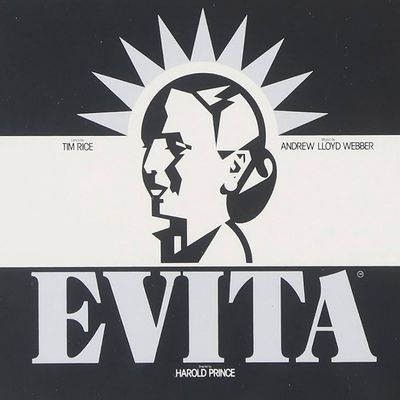
EVITA features one of the most complex musical scores and real-life characters in all of theatre. But how much do we musical fans really know about Eva Duarte de Peron?.. Read More
From the show: A Musical Theatre Podcast
Featured Shows
About
EVITA features one of the most complex musical scores and real-life characters in all of theatre. But how much do we musical fans really know about Eva Duarte de Peron? Joining us this week to talk about this mega musical is Javier Manente, a talented musical theatre performer who just so happens to be born and raised in Argentina, the country she never wanted to see cry. Get ready for a fun conversation that will increase admiration for a fascinating chapter of the world's history.
Follow Javier on Instagram @javiermanente and Twitter @javiermanente
For more about the creation of EVITA the musical, check out:
- Unmasked by Andrew Lloyd Webber
- Patti LuPone: A Memoir by Patti LuPone
Be sure to follow us on Twitter, Instagram, and TikTok. Subscribe to PATREON! for only $1 a month, and check out our TeePublic Store for great designs for a great cause: Broadway Cares/Equity Fights AIDS!
Thank you for being part of this wonderful podcasting community!
Transcript
This transcript was automatically generated and might contain errors.
[0:00] Javier Manente: My first response to the musical and, you know, to people talking about it is, I feel proud of being from Argentina. And having a little bit of my the history of my country being told worldwide, when someone says, Oh, you're from Argentina, don't cry for me, Argentina, I feel good inside, like, and a lot of people, that's the only one of the few things they know about my country. Guilty.
[0:41] Jeffrey Scott Parsons: Welcome everybody to A Musical Theatre Podcast where we discuss the cultural and emotional impact of some of our favorite musicals in theatre history. My name is Jeffrey Scott Parsons, you can call me Jeff. Today we are talking about the musical EVITA with someone who is not only talented and handsome, but also born and raised in Argentina. The perfect guest. Ladies and gentlemen, it is Javier Manente. Hello.
[1:05] Javier Manente: Thank you. That was it. That was it. That was a very good gringo. Hello. Yes. Hello. Do you want me to do an accent? I can do an accent if you want me to.
[1:22] Jeffrey Scott Parsons: No, please don't. Don't give pity. This is how I speak. I'm sure you'll be hearing the accent eventually. So diving right into it. Born and raised when I know you went to college in the US. Is that when you moved to the US? And then when did you go to Mexico? Because that's where you are now.
[1:40] Javier Manente: I am in Mexico right now. Yes. So I was born in Neuquén. It's a small city south of Argentina in the Patagonia region of Argentina.
[1:56] Jeffrey Scott Parsons: Awesome. So the only thing I know about Patagonia is that at Epcot, at Walt Disney World, they had these amazing empanadas during the Food and Wine Festival.
[2:03] Javier Manente: Actually, empanadas are my favorite food. I love cooking. So I make a mean empanada. Different flavors too.
[2:11] Jeffrey Scott Parsons: Yeah. Sure. Not just sweet. I gotta say calabaza, my favorite.
[2:18] Javier Manente: Yeah. I preferred ground beef. Okay. Argentina known for the cows.
[2:29] Jeffrey Scott Parsons: Yeah. Yes. So I was born there and I moved to Pittsburgh in Pennsylvania when I was 18 and I started studying musical theater. I have a BFA from Point Park University. So did you find the art form in your home country or when did you start getting into it?
[2:44] Javier Manente: Yes. There was a small school of musical theater in Neuquén, the only school of musical theater in Neuquén. And I went there, but it was very amateur. And when I was 17, I was in the last year of high school. I was in my senior year. I got a scholarship to go to a summer dance intensive in Pittsburgh. And when I was there, they gave me a scholarship to be a student in the regular program in their musical theater.
[3:20] Jeffrey Scott Parsons: That's amazing. I love that.
[3:20] Javier Manente: Yeah. So then the very next day I moved, the very next day, the very next year, I moved. I was ready to move the very next day. You're like, I am done. I was ready. But no, I went back to Argentina, finished high school, and then I went and did college in the US.
[3:39] Jeffrey Scott Parsons: Cool. And after that, I lived two years between New York City and Pittsburgh working here and there, a lot of regional theaters, got my equity card. And then they called me from Mexico to come do Les Miserables, the new Macintosh production. So I've been living here since 2018.
[4:02] Javier Manente: Wow. Yeah. That's cool. And how are things in Mexico right now with everything that's been going on the past year and a half?
[4:07] Javier Manente: They are looking up. Things are looking up. I'm already registered to get my vaccine. So I hope in the next couple of weeks, maybe the next month, to get vaccinated.
[4:20] Jeffrey Scott Parsons: Well, once again, so happy to have you here. Thank you. I'm so happy that you contacted me to do this episode. I'm thrilled.
[4:26] Javier Manente: My pleasure. Now, I got to be honest, I don't know a lot about Argentina. Growing up, I knew essentially two things. Number one, my sister served a mission for our church in Bahia Blanca.
[4:37] Javier Manente: Bahia Blanca. I have family there.
[4:43] Jeffrey Scott Parsons: Do you really? Yes. Beautiful city. Go figure. Very cold.
[4:49] Javier Manente: Oh, really? Yeah. In the winter, so cold. And you guys are close to Antarctica. I think we forget that.
[4:56] Jeffrey Scott Parsons: Yeah. So it can get chilly. And then Habanat, Chile. Number two thing I knew about Argentina was Evita. And I'm totally aware that this is a very narrow viewpoint into what I have no doubt is a rich and vast history. That being said, I just kind of want to know, are the Perons, in terms of Juan and Eva, really that big of a deal to be considered, at least by me, one of the historic landmarks of the entire country?
[5:18] Javier Manente: Absolutely. Okay. Yes. Yes. They were bigger before, you know, towards the end of the 40s, 50s. But they're still a very important part of our history, and people still talk about them today.
[5:40] Jeffrey Scott Parsons: So you grow up and it's part of the history books.
[5:45] Javier Manente: Yes. Pretty legit. Yes. And a big part of it. And what does Argentina think of the musical? Like better, worse, or about the same as Thailand and the King and I?
[5:51] Javier Manente: Well, we actually don't do Evita that much in Argentina. We have our own version of the life of Eva Perón. It's called... Casp, really? Uh-huh. It's called Eva, El Gran Musical Argentino, The Great Argentinian Musical. They were like, we'll show you Andrew Lloyd Webber.
[6:14] Javier Manente: Exactly. Because, you know, Andrew Lloyd Webber and Tim Rice took the opposition view of her doings, you know, of her lives and the political views, just like they did with Jesus Christ Superstar, taking Judas's point of view. So, and which I love. But in our version, it's the sanctification of Evita. I like both musicals. I saw both live, and I think they're both very good. But yeah, they're very different.
[6:47] Javier Manente: Yeah. So yeah, definitely. When Nacha Guevara and Alberto Favero are the composers and creators of this other musical, the Argentinian version, and yeah, they're very Peronists. So they glorify her and that political view.
[7:08] Jeffrey Scott Parsons: And where do you stand? Are you a Peronist?
[7:10] Javier Manente: Well, that's a complicated matter.
[7:14] Jeffrey Scott Parsons: Of course. And that is kind of the thing about politics, right?
[7:18] Javier Manente: Here's the thing about Argentinian politics. Everyone is bad. So I'm like, yeah, when I vote, I vote for the least worse. There's not a better. It's just a big mess. So I think the Perons had a lot of good things that they did for our country, but also a lot of things that I don't agree with. A lot of things that I don't agree with.
[7:44] Jeffrey Scott Parsons: Well, I feel like we all feel that way about our government.
[7:50] Javier Manente: Yeah, we agree with some things and we are not very happy about others. So that's where I stand. Like in the middle.
[7:56] Jeffrey Scott Parsons: That's great. Thank you for sharing that. And I think that is one of the reasons why Evita is such a fascinating musical and really explores themes that are kind of unmatched in musical theater. It talks about what kind of person would ever want to do this, right? What kind of person would ever want to become a political leader with all the crap that comes along with it? You have to have this mixture of sincerely wanting to do good and also totally being okay with wanting power and then also being realistic about how much lasting change that power can even create. They're really complex themes that I don't really know are found in many other musicals.
[8:37] Javier Manente: I also want to go on record saying Evita is probably my favorite Andrew Lloyd Webber score, question mark. It's really complex and exciting.
[8:46] Jeffrey Scott Parsons: It's so difficult to sing as a performer. I'm sure you can agree with that. It's so hard, especially for the leading lady.
[8:54] Javier Manente: Well, I mean, I'm sure we're going to get to this, but Patti LuPone had a lot of voice issues with it.
[9:03] Jeffrey Scott Parsons: Pretty much everybody has. Cue everybody shooting in my DMs about who didn't have problems singing the score. But in general, this score is very challenging to sing eight times a week. Have you done it?
[9:15] Javier Manente: I haven't. Can you believe that? I was cast to do Che in a production in New Orleans. How do you pronounce that?
[9:29] Jeffrey Scott Parsons: You can say either.
[9:32] Javier Manente: Okay, so New Orleans.
[9:32] Jeffrey Scott Parsons: Or either. But then COVID happened, so that got cancelled.
[9:37] Javier Manente: Oh, shoot. Oh, as if COVID couldn't take enough from us.
[9:43] Jeffrey Scott Parsons: I know. It took away my chance to be Che.
[9:45] Javier Manente: It took away all of the YouTube clips of you singing Che. I'm so sorry.
[9:50] Javier Manente: I think there is one floating around the interwebs of me singing High Flying Adored when I was in university. So if you really want to hear me sing that, I'm sure you can find it.
[10:03] Jeffrey Scott Parsons: That's amazing. But yeah, I have never done it. Never done it. I would love to. I think I'm still a little young.
[10:09] Javier Manente: Sure. I mean, depending on how they cast it, right?
[10:12] Jeffrey Scott Parsons: Right, right. I sang Che once for like a benefit. So it was like a one night thing. We're standing, you know, with music. And there are so many times in which Che just has to pick a note out of the air.
[10:26] Javier Manente: Out of nowhere. You know, just like out of nowhere.
[10:30] Jeffrey Scott Parsons: And so you better believe I had that conductor like bell tone because I'm like, I don't have time to memorize this.
[10:35] Javier Manente: Right.
[10:38] Jeffrey Scott Parsons: We're just going to we're going to work with a strong bell tone. But yes, it is a super complex score.
[10:44] Javier Manente: Yeah. It was the idea, however, of Tim Rice. Tim Rice, lyricist. He was listening to the radio and they had a special about the life of Eva Perón. And then he came up with the idea. He absolutely loved it. And then he went to Andrew Lloyd Webber and said, we have to do a musical about this.
[11:04] Javier Manente: And Andrew Lloyd Webber says that one of the reasons he was drawn to it was in 1970s England, which is when they started writing it. The economy was in the trash, like inflation was super, super high. And the government went through several leaders from different political parties. And in his opinion, none of them were super effective, but often got to power by convincing the working class they were looking out for them.
[11:29] Jeffrey Scott Parsons: And look, Sir Andrew Lloyd Webber probably isn't the greatest representation of the working class, but that was kind of one of his ends for exploring the Perons.
[11:39] Javier Manente: I didn't know that. That's according to his autobiography. Tim Rice didn't seem to be really interested in anything other than the emotional complexities of this.
[11:46] Jeffrey Scott Parsons: Right.
[11:47] Javier Manente: He says that it's not a political story, but more right. More Cinderella story.
[11:51] Jeffrey Scott Parsons: Oh, interesting.
[11:54] Javier Manente: Yeah. Yeah. Now, Tim Rice and Andrew Webber at this point had already created the mini version of Joseph and the Amazing Technicolor Dreamcoat. That is without the megamix at the end. They had also created Jesus Christ Superstar, which had become a big, big hit as a concept album and and theatrical like a stage production in London. The Broadway version hadn't gone as well as they had wanted. So when they created Evita, Lloyd Webber was basically hoping to create the concept album, right, get a bunch of people into a studio to record all of the music and then jump straight to making a movie. He kind of wanted to to not do the stage production at all. It wasn't until the Prince of Broadway himself, Hal Prince, signed on that he got really excited about it being in the theater.
[12:50] Jeffrey Scott Parsons: The music they sent Hal Prince the music and he was so busy at the time and he couldn't do it. That's why it took so long from the release of the album to the first stage production because they wanted Prince to direct it and produce it. Yeah, he was busy doing Sweeney Todd and 20th Century on the 20th Century. Oh, that's a great show. Now we've talked about Hal Prince so much, but truly I believe this show, EVITA, wouldn't have worked on stage without him because there's so much going on musically, some of which isn't always super easy to hear, and the choices that he made visually allowed the audience to follow along even if they didn't necessarily understand every word that was being belted at them.
So we love Hal Prince. It's why I'm wearing my She Loves Me shirt because he directed She Loves Me along with Company and Follies and Phantom of the Opera and a bunch of other things. He directs the London production, which stars the incredible Elaine Paige. She becomes the toast of the town, but this is also when Andrew Lloyd Webber realizes he may have written a role that's impossible to perform, correct? Because even she starts having problems doing it eight shows a week, so they hire an alternate to do like matinees, and that is kind of the tradition that has been followed for the most part ever since. Still, the show's a big hit, and with Hal Prince behind it, of course, it's going to go to Broadway, even though Broadway infamously hates Andrew Lloyd Webber, which I really feel bad about.
Like, I love Andrew Lloyd Webber. I do. Look, I love him. Like, every score, there is a lot to really, really enjoy about him and his intelligence and the way that he's able to infuse the classical world with the pop world. It's pretty extraordinary.
[14:49] Javier Manente: Yeah, what is your favorite?
[14:50] Jeffrey Scott Parsons: Um, I love Jesus Christ Superstar. What's the buzz? Tell me what's happening.
[14:56] Javier Manente: I know, I know. And especially with the new orchestrations that are happening, that rock sound. Nobody knows their way around an orchestra like Andrew Lloyd Webber.
[15:06] Jeffrey Scott Parsons: Exactly, yes. And all you have to do is go to the EVITA score to realize that. Yep, he was really inspired, I believe, by a certain harp in Argentine music. You know, for the, for the, whatever lack of authentic South American music found in the show, there are like these little instruments and orchestrations that he found really inspired tango here and there and the little chacarita and some—
[15:32] Javier Manente: What is that?
[15:33] Jeffrey Scott Parsons: It's, uh, what part of the song? I'm in the, in the revival version is more clear than in the original one, but it's, it's like a classical Argentinian dance and music style.
[15:40] Javier Manente: Okay, cool. Say it one more time.
[15:42] Jeffrey Scott Parsons: Chacarita.
[15:43] Javier Manente: You have to check that out. Get it? The show goes to Broadway. Yeah, Actors' Equity, the union says they can't bring over the London leads, so Elaine Paige doesn't get cast, even though at that point I believe she was with Tim Rice, and Patti LuPone gets hired.
[16:01] Jeffrey Scott Parsons: Yes, now Patti LuPone has said that EVITA was the worst thing to happen to her career, which when put in perspective feels a little histrionic. It is. I think it helped her to be who she is today. You know, I mean, like serving 20 years in prison for having marijuana, maybe that would be the worst thing to happen to your Broadway career. Still, still, I totally understand what she's—let her be dramatic. She has all the feelings. Still, the role showcased her in this one light as like a complex, powerful woman, and the entertainment industry didn't know what to do with that at all, right? And so post-EVITA, people were like, "Well, you're Evita, that's great, but we don't know what to do with you."
She was also getting notes from Andrew Lloyd Webber constantly about her diction, that he couldn't understand what she was saying or singing. And when you read both of their autobiographies, both Patti's and Andrew's, you think like these people should never work together again.
[17:02] Javier Manente: And then they did.
[17:03] Jeffrey Scott Parsons: They did again. They did Sunset Boulevard together like 12 years later, and it was an even bigger disaster.
[17:08] Javier Manente: It was worse.
[17:09] Jeffrey Scott Parsons: Yeah, listen to our Sunset Boulevard episode. People, I love Patti. Patti's my favorite actress.
[17:14] Javier Manente: Really? Actress?
[17:15] Jeffrey Scott Parsons: Yeah, I saw her in War Paint.
[17:17] Javier Manente: Oh, how did you like that?
[17:18] Jeffrey Scott Parsons: I liked it. I don't know. I love musical theater.
[17:21] Javier Manente: There you go.
[17:22] Jeffrey Scott Parsons: Yeah, well, I mean, I went to see it because I wanted to see her live doing a show. You know, I didn't care that much for the show. I just wanted to see her belt. But I actually have a story about this whole thing called EVITA. When I was doing Oklahoma and Merry-Go-Round, the musical that was happening after Oklahoma was From Here to Eternity with lyrics by Tim Rice, and he was there. He was in that theater in those rehearsal rooms, and I had my record, you know, the big like your LP sort of?
[18:01] Javier Manente: Yeah.
[18:02] Jeffrey Scott Parsons: So one day I went to the rehearsals for From Here to Eternity, and I said to Tim Rice, "Hi, you don't know me. My name is Javier. I am from Argentina, and I've been living in the U.S. for six years, and every time, well, you know, I do musical theater, so every time I talk to someone and I say I'm from Argentina, they raise their hands to the sky and they say, 'Don't cry for me, Argentina,' and I think it's so funny that you wrote that. Could you please sign this?" And he signed my record, you know, and he put like, "All best wishes for Javier." I don't know, it's there.
[18:54] Javier Manente: I know, and I took that record to War Paint with me that night.
[19:01] Jeffrey Scott Parsons: Yes, because I wanted Patti LuPone's signature on it too.
[19:04] Javier Manente: Wait, does it?
[19:05] Jeffrey Scott Parsons: Yes, absolutely. So I pull out the record, you know, at the stage door. This is that now we're at War Paint. "You are my favorite actress, please sign this." And she started talking to me, you know, for about two minutes. It felt like an eternity, but about how she loves, how much she loves Tim Rice because she saw the signature, the autograph right next to her.
[19:27] Javier Manente: Yeah.
[19:28] Jeffrey Scott Parsons: So currently that record is in London getting signed by Andrew Lloyd Webber because I worked with the music director for Les Misérables here in Mexico, works with Andrew. He was from London, and he works with Andrew a lot, so he has it, and I think he already signed it. So now my EVITA record has Tim Rice's, Patti's, and Andrew Lloyd Webber's signature, and that's the funny story.
[20:00] Javier Manente: That's not okay. So you said like it was gonna be a funny story. That's like an incredible story.
[20:06] Jeffrey Scott Parsons: I know, I know. That's so cool. Oh my gosh, I can't wait to see the—once you get it back.
[20:12] Javier Manente: Yeah, I have pictures of the Tim and Patti's signature, not Webber's yet.
[20:16] Jeffrey Scott Parsons: Once you get it back, you gotta send a picture to me.
[20:19] Javier Manente: I will because that's the coolest thing ever.
[20:22] Jeffrey Scott Parsons: Okay, so when the show opens on Broadway, it opens to okay reviews. It was new and super different, and people honestly didn't know what to think of it, but they had this really smart marketing campaign and started doing TV commercials, yes, and it totally like piques everyone's interest, and it becomes a huge hit and runs for I think four years, yes, and it created alongside Sweeney Todd the mega musicals.
[20:50] Javier Manente: Sure, you know, totally. Yeah, those were the first.
[20:56] Jeffrey Scott Parsons: Now let's talk a little bit about the Broadway season that EVITA was a part of. So this is like, I'm looking at my Tony Award book. It's like 1979—no, is it '80?
[21:02] Javier Manente: '80 or '81.
[21:03] Jeffrey Scott Parsons: It's technically 1980. Yeah, it opened in '79, but the Tony—
[21:11] Javier Manente: Right, Tony's was exactly. We're in the '80s.
[21:13] Jeffrey Scott Parsons: So in the 1980 Tony season, the shows up for Best Musical were A Day in Hollywood, A Night in Ukraine, which is kind of an ode to classic cinema, doesn't get done very often but has a few cute songs. I'm sure if it was nominated for a Tony—well, that's not always the case, but it really does, and it won Priscilla Lopez her Tony Award, Priscilla Lopez from A Chorus Line, of course. Also that season, Barnum, which was the Cy Coleman version of the PT Barnum story. Yeah, a lot of things in that show I actually prefer over The Greatest Showman, so if you don't know Barnum, go check that one out. EVITA, which won, and then Sugar Babies, which is an ode to burlesque and vaudeville starring Mickey Rooney and Ann Miller.
If anybody knows anyone who is in Sugar Babies, I need stories about those two working together because, you know, I'm sure you'll find someone who knows someone who was in the show, you know? I'm obsessed with Ann Miller. Her life story is both tragic and inspiring and zany. Like, what a woman. That was the Tony Award season that year. EVITA really walks away with everything, I think surprising most critics, and it becomes this phenomenon.
[22:38] Javier Manente: So let's talk about that phenomenon, shall we? Go through the show?
[22:44] Jeffrey Scott Parsons: Yeah, all right. I'm really excited. It's a really beautiful beginning because it starts in a movie theater in Buenos Aires on the 26th of July in 1952. Yes, and there the people are in the movie theater watching one of her movies, and then the movie gets interrupted, and the announcement is that she's died. And then that kind of evolves into this requiem for Evita, a requiem once again being a classical tradition in which you compose something for someone's death. You know, Evita's funeral, for our country historically speaking, was the most important funeral in Argentina. I think it's still the most important funeral in Argentina. The people mourned for 16 days, so that funeral lasted 16 days, and millions of millions of people wanted to see the body, you know, wanted to pay their respects and say goodbye to her.
This musical really makes her out to be kind of a polarizing figure, and I guess maybe she was, but when you tell me that millions of people went to go see her funeral, you know what I mean? Yeah, half of the country hated her, and like, but the other half loved her.
[24:03] Javier Manente: Yeah, I mean, you think it really was kind of split down the middle?
[24:06] Jeffrey Scott Parsons: Yes, wow, yes. There's a very pronounced gap between the people who loved her and Perón and the whole political view and the people who hated her.
[24:20] Javier Manente: Well, still, yeah.
[24:21] Jeffrey Scott Parsons: But it was so big that Hal Prince suggested that they should start with that and then go back and start telling her story. Now, out of this mourning, we meet kind of our narrator, right? Joseph and the Amazing Technicolor Dreamcoat named Che, and originally, Tim Rice thought this was going to be like Che Guevara, right? And in the original versions, it is dressed like—
[24:41] Javier Manente: Yeah, but they never met. Evita and Che in real life never met. They had very different political views, and they lived around the same time, but they never met.
[25:02] Jeffrey Scott Parsons: So he was from Argentina. He had this idea to make an insecticide and submitted the patent to get the copyright to make his business, and it gets shut down. And so Tim Rice thought like, "Oh, maybe that was the impetus for him going so full force into this revolutionary side," and they write this whole subplot in EVITA about his insecticide, which spoiler alert gets cut because nobody really wants to know.
[25:32] Javier Manente: I didn't even know that part of the story, but yeah, but that was the idea. It was like, okay.
[25:40] Javier Manente: turned this Argentinian farmer into this revolutionary person.
[25:43] Jeffrey Scott Parsons: Right. What's his motivation to question everything?
[25:47] Javier Manente: Exactly, exactly. So by having those two figures representing the polarizing view of this whole political dynamic. I think because like you said, they never actually met and it's a pretty far stretch. Traditionally now, Che just becomes kind of an everyman, a representation for the voices that criticize the prones, in terms of the working class at least.
[26:12] Javier Manente: So we in Argentina, when we want to say hey to someone or call their attention, hey, we say Che. Che, do you want to go to get pizza? Or Che, do you want to drink some mate? So yeah, that's why the name Che is now an everyman.
[26:33] Jeffrey Scott Parsons: How cool. Yeah. So Che comes forward from the crowd and starts to sing "Oh What a Circus."
[26:40] Javier Manente: Great song. Oh my gosh. Great song. Calling upon the mourners and saying this is all a show. Yeah, you esteemed the wrong person. You thought she was this immortal god. And did you need more proof than the fact that she just died? Right. So where's your hopes now? That is like you said, brings us into the history of Eva's life. History in quotes. So now help me out.
[27:10] Javier Manente: This part is definitely true. She was born into a family in which the father had two different families and hers was the forgotten one. Right. Her father was married to someone else, not her mother. So she and her, I think it was six or four brothers and sisters, siblings, um, they were all illegitimate, illegitimate. The accent came out there. Good. It's a cute accent. Don't apologize. So yeah, and they were very poor. Then the father died and they were poorer. Sure. So then her mother started working as a seamstress somewhere in Los Toldos where she was born. And then when they had a little more money, they moved to Hunin in the Buenos Aires province. And that's where she goes to school. Evita goes to school and starts wanting to be an actress.
[28:06] Javier Manente: Now in the United States, we talk a lot about the American dream, right? That anybody can come from anywhere and the streets are paved with gold, you know, sort of thing, this ambition of Miss Eva Duarte to escape poverty and, and not just escape poverty, but like make it better. Yeah. And, and get, but not just her poverty, everyone's. Sure. Sure. I guess what I'm trying to say is, is that a common thing in Argentina too, where you feel like you have the ambition and the things are in place in order to climb out of poverty, or do you just kind of accept where you are?
[28:44] Javier Manente: I think for that time it was common, but not too many people knew how to do it. But there was a lot of prosperity at that time. Yes. And so she saw it and wanted to get it. It was getting better and better and better. Yes.
[29:02] Javier Manente: Because the thing is in Andrew Lloyd Webber musicals, the role of women is either virginal or whore. Like that's kind of it. You're either Mary Magdalene and you're stained from your sexual exploits or you're Christine Daae and you are virginal and need to be saved. And Eva, I think, could fall a little bit more into like the Mary Magdalene approach, which is like, she's this fallen woman. She grabs at everything in order to reach her ambitions. But I think the more nuanced approach is that she was incredibly smart in realizing where her power lay as a woman at this time. She's gorgeous. She knows that people watch movies and she also knows how to surround herself with powerful men that might help her get to where she wants to go. And do what
[30:02] ⚠ About 4 minutes of audio could not be automatically transcribed.
[33:39] Javier Manente: She meets Perón, right?
[33:41] Jeffrey Scott Parsons: Well, we meet Perón.
[33:43] Javier Manente: Right, because now it's the art of the possible. Once again, really interesting staging. Traditionally, there are all these rocking chairs, and the political leaders, particularly, I think, military leaders, come out and rock these chairs back and forth. And throughout the number, each one goes away, kind of like in a musical chair sort of game, until Perón is the only one there. And I cannot tell you how the art of the possible goes or what the words are, but that image, once again, is so effective for helping us understand how Perón eliminated all of his enemies or all of his, I guess, competition in order to become the guy in charge.
[34:31] Jeffrey Scott Parsons: Yes.
[34:32] Javier Manente: So now there's this charity concert, and this is the first time where Perón and Eva meet. And there was an earthquake in San Juan, one of the provinces, and they did this charity ball in 1944, you know, to raise money for the victims of the earthquake. And that's where she meets Perón.
[34:55] Jeffrey Scott Parsons: That's so interesting. I didn't know about the earthquake.
[34:57] Javier Manente: This scene is surprisingly good for me. No, it's actually really sweet and hot and intimate. There's often a Paso Doble sort of thing that's happening while they meet to show these two people coming together. It's a beautiful scene. And essentially, Eva says to Juan Perón, hey, I admire you. And he's like, you admire me, I admire you. And she's like, well, guess what? I think we could be really useful to each other. So shall we?
[35:35] Jeffrey Scott Parsons: Yeah.
[35:36] Javier Manente: And he says we shall. And after that, we go to his house.
[35:43] Jeffrey Scott Parsons: Right.
[35:44] Javier Manente: Eva needing to kick out who he was with in the first place, which was this mistress. There are so many moments in the show that honestly feel like they exist so that you can have a before and after, like almost a karmic turn on itself. And this is the first one, another suitcase in another hall, which is what the Perón's mistress sings about, like what happens to me now? I was, you know, with one of the most powerful people in the country. And now and now what? What do I do?
[36:14] Jeffrey Scott Parsons: And that is coming out of Eva kicking her to the street.
[36:17] Javier Manente: So then later on in the show, there's going to be a reprise of this song.
[36:22] Javier Manente: And it's going to be the reverse where now Eva's asking what happens now.
[36:28] Javier Manente: I really do feel like that's kind of the only reason that this song exists.
[36:31] Javier Manente: But it's a beautiful one.
[36:33] Jeffrey Scott Parsons: It is.
[36:34] Javier Manente: Now, as always, is the case with climbing the ladder to success.
[36:40] Javier Manente: If you were not born into privilege, if you climb and fight for your piece of that privilege, the people who are born with that privilege are going to be very unhappy about it.
[36:53] Jeffrey Scott Parsons: That's right.
[36:53] Javier Manente: That is that's a human condition, people.
[36:57] Javier Manente: And it's not one that we should be very proud of.
[37:00] Javier Manente: Happens everywhere.
[37:01] Jeffrey Scott Parsons: Such is the case in Argentina, which Eva is climbing the ladder of success, and she's really making all of the aristocratic population very unhappy about it.
[37:11] Javier Manente: That's where we see the gap I was talking about earlier.
[37:15] Javier Manente: The rich people who really didn't like her.
[37:19] Javier Manente: And then we meet the descamisados or the working class and the poor who loved her.
[37:27] Javier Manente: In the song Peron's Latest Flame, this is a line that the aristocratic class sings, installing a girl in the army HQ and she's an actress, the last straw.
[37:41] Javier Manente: Her only good parts are between her thighs.
[37:43] Javier Manente: She should stare at the ceiling, not reach for the skies.
[37:47] Jeffrey Scott Parsons: Ah, right.
[37:49] Javier Manente: Because forget that it is the 40s, the late 40s.
[37:55] Javier Manente: So being an actress is not something that you're proud of.
[37:58] Javier Manente: It's pretty close to being a prostitute.
[38:00] Jeffrey Scott Parsons: Yeah.
[38:00] Javier Manente: Yeah.
[38:01] Javier Manente: Yeah, there was a time when the entertainment industry was looked upon as degrading.
[38:06] Javier Manente: As popular as it was.
[38:08] Jeffrey Scott Parsons: Exactly.
[38:09] Javier Manente: It was looked down upon.
[38:10] Javier Manente: Movies and theater and everything, but.
[38:13] Jeffrey Scott Parsons: Your child wouldn't do it.
[38:15] Javier Manente: No, no, no, no, no.
[38:16] Javier Manente: Never.
[38:18] Javier Manente: So much to the aristocrats' dismay, Eva keeps gaining more and more power.
[38:24] Javier Manente: And this comes to a climax right here at the end of Act One with A New Argentina, which is like full.
[38:30] Javier Manente: Yes.
[38:31] Jeffrey Scott Parsons: Which we love. We love to see Eva get on the radio and belt her brains out.
[38:37] Javier Manente: Yeah.
[38:39] Jeffrey Scott Parsons: Now, why at this point, if the country was going so well, why were they fighting for a new Argentina?
[38:44] Javier Manente: Well, unions started getting created. So the power went to the working class.
[38:55] Jeffrey Scott Parsons: That's the new Argentina we're talking about. The power is now going from the rich people to the working class, thanks to Perón.
[39:07] Javier Manente: And what better than a woman who literally came from the poorest of conditions to stand next to Juan Perón and say, I get it. I am you. You are me. Let's do this.
[39:19] Jeffrey Scott Parsons: She was the first public woman to ever talk about politics because if a woman spoke about politics at that point in history, it was considered not feminine.
[39:31] Javier Manente: Oh, that's so true.
[39:32] Jeffrey Scott Parsons: They couldn't vote.
[39:34] Javier Manente: In Argentina, they couldn't?
[39:36] Jeffrey Scott Parsons: Women, no. Up until 1951, the elections of 1951, when she fought against that, and women first voted in those elections, thanks to Eva Perón. She was already in her deathbed when she cast her vote for Perón.
[39:57] Javier Manente: Full body chill is going to cry right now.
[40:00] Jeffrey Scott Parsons: Yeah.
[40:01] Javier Manente: That's not in the musical. Well, not in this musical. Maybe it's in the other one. It is in the Argentinian one, for sure. There's a whole scene when she is in her deathbed, and she's casting her vote, and then the actors freeze. And then on the screen behind, there's the picture, the actual picture of Eva voting for the first and last time in the hospital room. And you cry every time.
[40:31] Jeffrey Scott Parsons: Of course. That's incredible. But I hadn't even considered this. In the 1950s, even in TV and film, the men will retire to the smoking room to talk about politics, and then the women have to go to the kitchen and discuss Ladies' Home Journal or whatever. But they're not allowed to be part of the conversation. And here she is.
[40:53] Javier Manente: Publicly speaking and using the radio. She was the president of the Radio Association of Argentina. She founded it. She was one of the founders and president of the Radio Association of Argentina. So she used that to her favor to speak about politics.
[41:11] Jeffrey Scott Parsons: Whatever she wanted.
[41:12] Javier Manente: Promote Perón's campaign.
[41:15] Jeffrey Scott Parsons: Like agenda.
[41:16] Javier Manente: Right.
[41:18] Jeffrey Scott Parsons: Holy cow, this woman.
[41:20] Javier Manente: Yeah.
[41:21] Jeffrey Scott Parsons: Powerhouse.
[41:22] Javier Manente: So you asked me if she was important. That's how we started. I'm telling you. Yes, she was.
[41:28] Jeffrey Scott Parsons: Yeah. It's not just a cultural phenomenon. There's meat behind all of these claims.
[41:33] Javier Manente: Wowzers. This is so cool. I'm so glad you're here. You can agree with their political view, or you can disagree, but you can't deny that she did good things for our country. She and Perón's government.
[41:48] Jeffrey Scott Parsons: Got some stuff done. Geez. Very, very cool. All right. So now Act Two starts. Little story for you here.
[41:56] Javier Manente: Okay.
[41:58] Jeffrey Scott Parsons: Have you ever seen the movie Judy with Renée Zellweger?
[42:01] Javier Manente: Yes, I have.
[42:03] Jeffrey Scott Parsons: The whole story revolves around Judy Garland's last set of concerts that were happening in London.
[42:09] Javier Manente: In London, right.
[42:10] Jeffrey Scott Parsons: And she was, of course, suffering from addiction and depression and all sorts of things and stage fright. Apparently, Andrew Lloyd Webber himself was at one of those performances. Crazy. And it was one of the performances where she showed up 40 minutes late and totally hammered and went out on stage and started kind of warbling her way through somewhere over the rainbow and people were throwing food and booing at her. And it was this moment that really imprinted in his mind of someone who has this song that makes them a star, that makes them a legend, that is so hopeful. And then all of these years later is tragically kind of signaling their demise. And when he began to write Evita, he wanted to create one of those songs for Eva.
And the song that came out of that whole desire is Don't Cry for Me Argentina, which is how the second act begins. It's kind of an unusual beginning of a second act, to be honest, very still. But it all takes place at the Casa Rosada, right?
[43:24] Javier Manente: Right. In the balcony of the Casa Rosada.
[43:26] Jeffrey Scott Parsons: And this would be like the White House, but the Pink House.
[43:29] Javier Manente: Right.
[43:30] Jeffrey Scott Parsons: Oh, by the way, at this point, Perón won the election.
[43:34] Javier Manente: Perón is president now and she is the first lady. But that's where all the political speeches took place.
[43:43] Jeffrey Scott Parsons: And so Perón comes out and everyone's chanting, Perón, Perón. He gives his speech, but they actually want to hear more from Eva than anybody. Enter this gorgeous blonde woman in her huge white dress.
[44:00] Javier Manente: I have jewels everywhere.
[44:04] Jeffrey Scott Parsons: Just decked out to the nines, as she says. A lot of blonde people in Argentina, right?
[44:11] Javier Manente: Yes. I mean, I don't...
[44:13] Jeffrey Scott Parsons: You're blondish.
[44:15] Javier Manente: Yeah.
[44:16] Jeffrey Scott Parsons: My hair is a little wet right now, so that's why it doesn't look as blonde. But yeah, we have a lot of European immigrants.
[44:25] Javier Manente: So why do you think she went blonde?
[44:27] Jeffrey Scott Parsons: I'm not sure. Do you think it's a class thing? It's interesting and complex because it is all about image. Image is a very powerful thing. She obviously knows that by, you know, being in movies and media in general. And there is kind of like this, at least visually, these steps that she keeps taking to appear more European.
[44:51] Javier Manente: Right. Yes. It's very possible. It is very possible. Yes.
[44:57] Jeffrey Scott Parsons: These are all suppositions, but like, they're pretty obvious.
[45:00] Javier Manente: Now, I don't think she was that blonde, like our image of Eva from the musical. I don't think she was bleached or was white. I think it was more like my color. Maybe they took that liberty in the musical to make her, I'm a saint, I'm wearing a white dress. So my hair is lighter, my skin is very pale. Maybe that's why.
[45:26] Jeffrey Scott Parsons: And where is she getting all these jewels from?
[45:29] Javier Manente: Well, she's the first lady. She has to look incredible.
[45:33] Jeffrey Scott Parsons: So she's playing the part.
[45:34] Javier Manente: Yeah, she's playing the part. I personally think she liked it.
[45:39] Jeffrey Scott Parsons: Of course she did.
[45:41] Javier Manente: Even though she says, oh, this is just a costume I'm wearing. This is not who I am.
[45:46] Jeffrey Scott Parsons: Right.
[45:47] Javier Manente: This is not who I am. I am one of you.
[46:00] Jeffrey Scott Parsons: So don't cry for me, Argentina.
[46:02] Javier Manente: Exactly. But then she turns around and she says, look at that. They're all chanting for me. They love me. So we see the other part of her. I think it's also true.
[46:12] Jeffrey Scott Parsons: Yeah, I mean, I have a hard time believing that it's just that. She knows she looks good.
[46:17] Javier Manente: Exactly. You wouldn't want to be wearing that beautiful dress.
[46:22] Jeffrey Scott Parsons: And there's the saying that absolute power corrupts absolutely. So like when you do get a taste of this, when is enough enough and when is it not? And it seems like what the second act starts to explore is she never gets enough. From here on out, she wants to put Argentina and the Perons on the map. They need to be as popular as any government, as any public figure in the world.
[46:51] Javier Manente: Worldwide, yes. We also have Che, who's commenting on all of this, singing High Flying Adored, which is a beautiful song.
[46:57] Jeffrey Scott Parsons: Gorgeous.
[46:59] Javier Manente: High Flying Adored, what happens now? Where do you go from here? For someone on top of the world, the view's not exactly clear. A shame you did it all at 26. There are no mysteries now. Nothing can thrill you. No one fulfill you. It's like she's living with her foot to the pedal. You wonder if on some level she knew her life was going to be short, you know? Because crazy to believe she's only 26.
[47:30] Jeffrey Scott Parsons: And also, you achieved what you wanted. You are the most important and powerful woman in the country. Now what?
[47:39] Javier Manente: Now what?
[47:39] Javier Manente: Yeah, exactly. Thus begins the rainbow tour.
[47:44] Jeffrey Scott Parsons: She went to Europe, to a lot of cities in Europe. It was called the rainbow tour because she was talking about world peace and human rights. That's why it was called the rainbow tour.
[47:59] Javier Manente: Absolutely.
[48:01] Jeffrey Scott Parsons: Am I correct?
[48:02] Javier Manente: Yep, you're absolutely right.
[48:04] Jeffrey Scott Parsons: And before that, we have Rainbow High.
[48:06] Javier Manente: Rainbow High. People, if you want to go down a fun little rabbit hole, go on YouTube and just watch all of the women who have sung Rainbow High. It's like one of my favorite things to do because there are so many incredible singers just absolutely killing Rainbow High.
[48:25] Jeffrey Scott Parsons: It's a hard song as well.
[48:27] Javier Manente: I mean, everything she sings in the show is hard.
[48:30] Jeffrey Scott Parsons: One of the best key changes in all of musical theater, right? It's so great. And so you got like Florence Lacy, you got Lonnie Ackerman, so many amazing women. I'm going to play one now for us.
[48:44] Javier Manente: Yes.
[48:45] Jeffrey Scott Parsons: Who?
[48:45] Javier Manente: This is Mandy Gonzalez from In the Heights fame.
[48:49] Jeffrey Scott Parsons: Yes.
[48:49] Javier Manente: I'm picking her number one. She's Latina, which is unusual for Evita. And number two, not only does she do this crazy key change, she does it on one breath.
[49:02] Jeffrey Scott Parsons: Okay, I'm excited.
[49:04] Javier Manente: Yeah.
[49:05] Jeffrey Scott Parsons: Let's hear it.
[49:05] Javier Manente: She's just messing around, you know, with Seth Rudetsky on the keys. And this is what happened.
[49:10] Javier Manente: Of course.
[49:35] Javier Manente: Oh my gosh, Mandy Gonzalez killing it.
[49:44] Jeffrey Scott Parsons: Isn't that insane?
[49:46] Javier Manente: That gave me life.
[49:48] Jeffrey Scott Parsons: Chills, chills, chills.
[49:49] Javier Manente: Yes.
[49:50] Jeffrey Scott Parsons: I just love that she was like, yeah, it's a hard key change, but watch this.
[49:54] Javier Manente: Here you go. I'm not going to breathe.
[49:59] Javier Manente: Once again, great Tim Rice lyrics. I'm their savior. That's what they call me. So Lauren, but call me. Oh my gosh, such great lyrics. The Rainbow Tour successful, not successful?
[50:12] Jeffrey Scott Parsons: I think yes, for the most part, for what she needed. Yes. Maybe it felt short. You know how it ends on how she's mad at what country is it?
[50:24] Javier Manente: She's in Italy.
[50:26] Jeffrey Scott Parsons: And they didn't receive her as she wanted.
[50:30] Javier Manente: Right.
[50:31] Jeffrey Scott Parsons: And then she got mad.
[50:32] Javier Manente: The tour ends early. And one of the things that they keep saying in the musical is like, it's a great success. And it's not a success. And it's a great success. And it's not a success. She says that it's a success. And you know, the people that like her and then Che comes in and says, well, is it?
[50:49] Jeffrey Scott Parsons: Yeah, for all the money it costs to get you everywhere. And then to have some people like not even receive you. Is that entirely a success? And it also takes a big toll on her physically. I mean, it's exhausting, right? These types of tours. And so she starts feeling low energy and isn't sure why.
[51:09] Javier Manente: Exactly. Then we find out why.
[51:12] Jeffrey Scott Parsons: So she finds out that she actually is very ill. It is cancer. This is what is so...
[51:50] Javier Manente: Yes, and then incredible. He tells her you're dying. You are sick and you're going to die and she says then we can use that to our advantage. We can say we are dying and people are gonna feel bad for me and then they're gonna vote for us. Hot dang girl. She used everything in her but she wanted to use everything in her power to get more and more and more. If the cancer is going to kill me then it's also gonna get me the freaking vice presidency, but then it doesn't happen.
[52:23] Jeffrey Scott Parsons: No, she's too sick. She's too sick. But she in the meantime, she starts a charity, which is another point of controversy, the Eva Perón Foundation, right? Another incredible song and the money kept rolling in, the chasings in the middle of the second act talking about this charity. She is kind of like in a make-a-wish foundation sort of way, granting wishes to people all over the country. But he's also saying that a lot of the money is going missing and they can't really account for it, right? Where's the money?
[52:59] Javier Manente: Andrew Lloyd Webber, if you read his autobiography, you learn two things about him. Number one, he remembers every single review that he's ever been given in his entire career and number two, he loves time signatures, the crazier the better. And none is more apparent than in this song, "And the Money Kept Rolling In." That is a crazy time signature. And yet it sounds exciting until you try and sing it and then you're like, oh my gosh, how do I count this thing?
[53:32] Jeffrey Scott Parsons: Exactly, just feel it. Truly, once again to bring some balance to his criticism, we've also got this choir of children who are singing a song called "Santa Evita," right? Alluding to the fact that she's rapidly approaching sainthood from the people who love her most.
[53:45] Javier Manente: Yes. I mean, she did amazing things. She built hospitals and schools and shelters for homeless people and the foundation. It's understandable why people consider her a saint. This all comes to a head at the waltz for Jay and Ava in which they face off against each other. I think this is the first time in the whole musical where they speak to each other, right?
[54:20] Jeffrey Scott Parsons: You're absolutely right. Up until this point, they never address each other directly. You're absolutely right. And it's so satisfying. I think on some level we've felt that, right? And so it's finally.
[54:33] Javier Manente: Yeah, yeah, yeah. Fight and it's a dance, you know, which I think is even cooler. I want to just read my favorite verse of this. It's Ava's. She says, "Allow me to help you slink off to the sidelines to mark your adieu with three cheers," right? She's saying, okay, you're criticizing me. That's awesome. I'm glad you had the spotlight to say all these critiques. Now you get to go back to your sidelines because that's all you do is stand on the sidelines and yell at me. But first tell me who'd be delighted to know that I tackle the world's greatest problems from war to pollution, no hope of solution, even if I live for 100 years. I love that verse saying I know that I can't solve all of the problems in the time that I have here on earth, but that hasn't stopped me from trying. What are you doing? And I'm like, damn, come on, Ava, right?
[55:29] Jeffrey Scott Parsons: Then of course Che has some criticisms back. He has a little spoken section after this where he says, "What's new Buenos Aires? Your nation, which a few years ago had the second largest gold reserves in the world, is now bankrupt. A country which grew up and grew rich on beef is now rationing it. La Prensa, one of the few newspapers which dared to oppose Peronism, has been silenced and so have all other reasonable voices." I assume that all of these are true.
[56:04] Javier Manente: It is. All of that is true. So what happened? How did it go from being so rich to being completely bankrupt and still have this like saint in charge of it all? I'm not asking you as a historian.
[56:20] Jeffrey Scott Parsons: I know, I know, I know. I think it was bad management of the money. They did all these amazing things, you know, what I just mentioned, the hospitals and the schools and the foundation. But it cost money. They forgot. Aha. They forgot that the country needs money to keep thriving. They got blinded by the attention and the praise. They forgot about the other part.
[56:47] Javier Manente: This is really interesting because I think that this is an example of what conservatives in the USA are afraid progressives would do, which is just spend and spend and spend and give away all of the money until there's nothing left. I will say that this is usually where "You Must Love Me" comes in, in most recent productions, which is the song that was written for the movie, which I'm not really interested in talking about.
[57:17] Jeffrey Scott Parsons: Are you? No, done. Moving on. Ava's final broadcast, let's talk about this. So she at this point in her life is so sick that she has to withdraw her candidacy to be vice president. And now here is the "Somewhere Over the Rainbow" moment. This is her opportunity to not only ask, so what happens now, but to also say to Argentina, "Don't cry for me."
[57:43] Javier Manente: Yeah, the truth is to the people of Argentina, no, I am Argentina for now and forever. Yep. That is actually a political speech that she gave on 17 October 1951. Political speech, a very famous one, one of her most famous that felt like a goodbye because her health was deteriorating fast. And there's this story she went on a car with Perón because I think it was when he won the second election and she was standing in a car waving, you know, claiming victory. And they had to build this thing to keep her up because she couldn't even stand up. She was so weak.
[58:40] Jeffrey Scott Parsons: They had to build with steel in the car.
[58:44] Javier Manente: Sort of like a column, like a full, you know, like the Elphaba crane. Kind of like that, you know? It grabbed her by the waist, right? Grabbed her by the waist and kept her up. It's like this because she wanted to go out and kind of say goodbye because that was one of the last times that people saw her. Died at the age of 33, which the irony or the synchronicity or the coincidence or whatever you want to call it, that it's the same age that Christ died is certainly not lost on the people who wanted her to be a saint already.
[59:22] Jeffrey Scott Parsons: The end of the show is this lament. It's really stunning. And at the end of it, she sings, "Oh my daughter, oh my son, understand what I have done," and she sings it twice. And it's this really reverent, solemn plead for like, I hope I was good enough, which I just think is beautiful and so real.
[59:48] Javier Manente: Yeah, and accepting that she's going to die. Che is the one who ends the entire show by saying, "Money was raised to build a tomb, a monument to Evita. Only the pedestal was completed and Evita's body disappeared for 17 years."
[1:00:05] Jeffrey Scott Parsons: Yeah, blackout and everyone's like, what?
[1:00:10] Javier Manente: Yes, and it's true. What I thought I remembered reading was that they had a lot of enemies throughout the world and they were afraid that something was going to happen to her body.
[1:00:26] Jeffrey Scott Parsons: Yes, and when Perón died, it also went from one place to another and the thing was open.
[1:00:35] Javier Manente: Yeah.
[1:00:37] Jeffrey Scott Parsons: So after this is just a question. What's the trajectory of Perón's career after Ava dies? Does he stay in office much longer?
[1:00:47] Javier Manente: He remarries Isabel Perón, his second wife, and then he dies while in presidency.
[1:00:56] Jeffrey Scott Parsons: Yes, and she becomes president.
[1:01:02] Javier Manente: He's a bit on and then yeah. Ava must have been pissed.
[1:01:11] Jeffrey Scott Parsons: Yes, she's in heaven with her sainthood.
[1:01:17] Javier Manente: But listen, this is what she sends to Isabel, a military coup.
[1:01:18] Jeffrey Scott Parsons: Really? So a dictatorship.
[1:01:23] Javier Manente: Yeah, when he is overthrown, it's a very dark time in Argentina.
[1:01:29] Jeffrey Scott Parsons: Oh my god, dictatorship.
[1:01:36] Javier Manente: Yeah, awful, awful. And people disappeared, people were murdered, horrible. And then they wrote "Kiss of the Spider Woman."
[1:01:42] Jeffrey Scott Parsons: Yeah.
[1:01:43] Javier Manente: Wow, it was a time where a lot of Latin American countries were going through dictatorships, military dictatorships.
[1:01:46] Jeffrey Scott Parsons: Wow, that's crazy.
[1:01:49] Javier Manente: How is we regain democracy in the 80s with Alfonsín?
[1:01:58] Jeffrey Scott Parsons: Okay. Mm-hmm. Wow. Javier, thank you so much for doing this with me. This was really, really cool.
[1:02:05] Javier Manente: Thank you for having me.
[1:02:10] Jeffrey Scott Parsons: What I'm walking away with is, number one, a new appreciation and understanding for your country and history, so thank you for that. I feel like my world just got bigger and smaller at the same time. And I'm also grateful that this complex musical is about a complex woman. For any of its faults or what it's missing in terms of a nuanced discussion about her achievements, I think it's a real landmark in musical theater and in the world's history as well.
[1:02:32] Javier Manente: I really, really appreciate you being here.
[1:02:36] Jeffrey Scott Parsons: As always, if you have recommendations for shows you'd like us to cover on A Musical Theatre Podcast, you can always email me at amusicalpodcast@gmail.com. Be sure to follow us on social media, Twitter and Instagram at amusicalpodcast for more great content. If you want to support the show, the best way to do it is honestly by giving us a nice review. If you want to even go further with that, subscribe to Patreon, where for only one dollar a month, you can fund the regular show as well as receive exclusive content as a thank-you.
[1:03:09] Javier Manente: Be sure to follow me on social media on both Instagram and Twitter at Javier Manente. That's J-A-V-I-E-R-M-A-N-E-N-T-E.
[1:03:21] Jeffrey Scott Parsons: And if you find yourself in Mexico City during the fall, be sure to check him out in a very special project. I have no doubt he will be announcing very soon. I'll put all of those links in the show notes as well as a couple of the books that I kept referencing throughout this episode. Thank you everybody for listening and remember, don't cry for her Argentina. Just don't, don't do it. Please, if we've learned anything from this musical, don't cry for her Argentina.
© Broadway Podcast Network, All Rights Reserved