

Rodgers and Hammerstein's FLOWER DRUM SONG is a special breed of musical: one that was both revolutionary and problematic at the same time. So what does one do with a piece of history like that? Answer: hire David Henry Hwang... Read More
From the show: A Musical Theatre Podcast
Guests

About
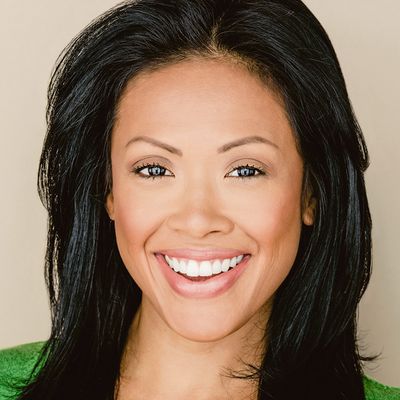
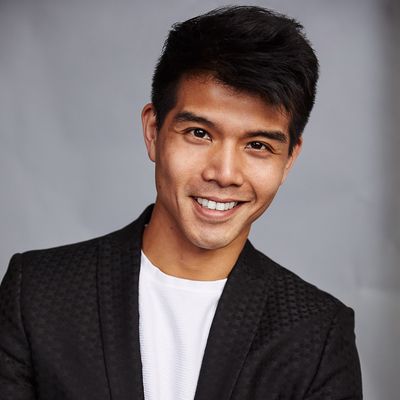
Rodgers and Hammerstein's FLOWER DRUM SONG is a special breed of musical: one that was both revolutionary and problematic at the same time. So what does one do with a piece of history like that? Answer: hire David Henry Hwang. Today we welcome Daniel May, Broadway cast member from the 2002 revival, to discuss this beautiful show that too few have seen. Along the way, we share a touching tribute to Broadway legend Alvin Ing, featuring castmates Jose Llana, Sally Hong, J Elaine Marcos, and Telly Leung.
Follow Daniel on Instagram at @danielmayofficial
Check out Something Wonderful by Todd S Purdum
Be sure to subscribe to the show and leave us a nice review! Follow us on Instagram, Twitter, and TikTok. For only $1 a month, support the show by subscribing to PATREON! and gain access to monthly exclusive content. And finally, check out our TeePublic Store!
Transcript
This transcript was automatically generated and might contain errors.
[0:00] Jeffrey Scott Parsons: This episode is dedicated to Broadway legend Alvin Ng, who, after this episode was recorded, passed away due to complications with COVID. As an actor and singer, Alvin was not only featured in the original and revival productions of Pacific Overtures, he performed in more productions of Flower Drum Song than just about anyone, including the role of Chin in the revival we'll be discussing today. Special thanks to his castmates of that production, Jose Llana, Telly Leung, Sally Hong, J. Elaine Marcos, and of course, Daniel May, for making this episode a special tribute to his pioneering contributions to musical theatre. So early on in the podcast, I did an episode all about South Pacific. And in said episode, which I highly recommend all the listeners listen to if they haven't already, I introduced the parable of the black ketchup bottle.
Basically, my great grandma is famous for having a basement full of like expired food. She came from a depression era type culture. And so I would hear these stories from my mom and dad that they would go down into the basement and be like, Grandma, maybe it's time to throw out some of these black ketchup bottles. And she's like, No, it's fine. It's good. And the point in bringing up the black ketchup bottle was, you know, when we go back and visit some of these old musicals, particularly in the Rodgers and Hammerstein era, are there musicals that just probably need to be thrown out? It's a legitimate question, right? They served a purpose when they were done originally. And so maybe it's time to buy some new ketchup.
And what I think we discovered about South Pacific is that it isn't a black ketchup bottle. It's actually pretty profound and full of incredible theatre. And the thing about Flower Drum Song is that I think when people looked back on it, they did realize it was kind of a black ketchup bottle. And yet, it was a revolutionary black ketchup bottle. So it was time to dump out some of that stuff and refill it with some good stuff. Yes. And that's why I'm really excited to talk about this show. Yay, me too. Welcome everybody to a musical theatre podcast where we discuss the cultural and emotional impact of some of our favorite musicals in theatre history. My name is Jeffrey Scott Parsons, you can call me Jeff.
Today we are talking about Flower Drum Song, which was a listener request from Donnie. Thank you, Donnie, for requesting this. He said that there were a lot of Instagram clips going around of Lea Salonga singing Love Look Away. And he's like, I know nothing about this musical, but it's incredible. I want to know more about it. So he requested it, we're covering it. And to discuss it with me is the amazing Daniel May. Hi, thanks, Jeffrey.
[3:16] Daniel May: I'm so grateful you're here. You are an original cast member of the Broadway revival in 2002. Yes. Can you talk to me about that experience real quick? Because I know it was a short one. But how long were you with the show? Well, it's interesting. I was working in Japan at Universal Studios, Osaka. We had just opened the park over there.
[3:35] Jeffrey Scott Parsons: Wait, what show were you doing?
[3:40] Daniel May: I did Beetlejuice's Monsterfest. I was one of the wolfies. Stop it. Yes. Classic. Barbara Epstein and John Cavanaugh and Ray Garcia, all those guys. How cool. Yeah, it was awesome. This is 2001, right? And I saw that they were doing a revival of Flower Drum Song at the Mark Taper Forum with Central Theater Group in LA. And I was like, oh, why am I in Osaka? I need to be in LA doing this production with Lea Salonga, who has always just been a hero idol of mine. And so, you know, what's so funny, Jeffrey, is I'm cleaning out my parents' garage, pandemic activities, right?
[4:22] Jeffrey Scott Parsons: 100% same.
[4:22] Daniel May: Yes. And I just found the printout of the original call that I went to for Flower Drum Song, which was an open call in New York. With the link for MapQuest Direction.
[4:35] Jeffrey Scott Parsons: With the MapQuest Direction, which I didn't even clock that. That's awesome.
[4:35] Daniel May: Yeah. So, you know, I saw this open call and I was like, you know what, I'm just going to fly. I'm in LA. And I was like, I'm just going to fly to New York and audition for this thing. And that was in, let's see, it says April 18th of 2002. And then the ball just started to roll really fast. I got called back. I flew back about a month later. Final callbacks and was cast. And then I didn't even have my equity card at this point. I just also booked Sacramento Music Circus doing Seven Brides, which gave me my equity card. And then after that, I flew to New York and we started rehearsals in August of 2002.
[5:05] Jeffrey Scott Parsons: Come on, Daniel. Way to book. That's awesome.
[5:05] Daniel May: It was a good three months.
[5:23] Jeffrey Scott Parsons: Please return that energy. Right. Now, it was a cast full of talent. Holy cow. Not just like Broadway legends and resumes, but people who have also gone on, like yourself, to have really wonderful careers. J. Elaine Marcos, who is most recently on our Chorus Line episode, was in the cast. And then, of course, Lea Salonga, Alvin Ng, all of these amazing people. I know that you've told me that it's still a close-knit family.
[5:53] Daniel May: Very much so, yes. Because that's been what, 20 years almost?
[6:05] Jeffrey Scott Parsons: Yeah, it's almost 20 years, which is just mind-boggling in itself. But yeah, we're so close. I mean, we've all been texting recently on a group text because one of our cast members, Alvin Ng, unfortunately fell sick with COVID again after being fully vaccinated and is doing a lot better. But we've just all been texting and giving him love. But yeah, we've stayed close through the years. And that was the real gift of that production, was the family that we formed. Because not all shows are like that. Yes, we do get close and it's a really wonderful experience. But in sometimes kind of a Buddhist way, you just have to let it go and let the thing be the thing. But this one kept on.
[6:42] Daniel May: Why do you think that is?
[6:50] Jeffrey Scott Parsons: I think it was just one of those wonderful timing, right people, right place, right time things that happened. I think that actually is one of the brilliances of casting, is when you really find the people with that same energy, that same sort of love and intention about life, it creates that connection. And for me, personally, I'm Korean. I was born in Seoul, but I was adopted to California, grew up in a Caucasian family. So for me, as a very young 20-year-old, being in this all Asian American cast, which I don't know, I think this is true, but I heard the fact that our cast was the first fully Asian cast on Broadway. There had been other casts of King and I and other shows that were majority, but there were a couple non-Asian cast members in the cast.
But again, for me personally, just being in this group of people was just such an amazing, personal, powerful experience because I never had had that before. They are the most lovely, giving, generous artists and human beings. So I can't imagine us not wanting to stay connected.
[8:04] Jeffrey Scott Parsons: That's really incredible. I want to send my best wishes to Alvin. I hope he gets better real soon. I'm also kind of grateful because you and I were talking about at this point, you get a sinus infection. You're like, oh shoot, should I go check out and get tested? And you said that you were going to and inspired me to go get tested because I had had this sinus stuff and I assumed it was from the wildfires. I got my test back yesterday and I have COVID.
[8:37] Daniel May: Oh my gosh, Jeffrey. Insane. Wow.
[8:43] Jeffrey Scott Parsons: And I thought, oh, I'm kind of congested and I don't feel great. But I also wanted to still record this today because if COVID is really going to be part of our realities and it's not just going to go away even though we're completely vaccinated, I still feel so grateful that I am vaccinated because at least it means that I won't die from it, knock on wood. And it means that I am less likely to pass it on to others. So this is my little plug for all of the listeners out there who may have the ability to make us a little more vaccinated, a little more unified. Let's use our family building skills that we learn in musical theater to unify around that.
[9:24] Daniel May: Yeah. Because I think we'll all be stronger for it.
[9:30] Jeffrey Scott Parsons: Anyway, my goodness. Sorry, tangent.
[9:30] Daniel May: Not at all. It's important. And I encourage everyone to get tested and get vaccinated because it's important.
[9:37] Jeffrey Scott Parsons: Absolutely. But we're here to talk about Flower Drum Song.
[9:42] Daniel May: Yes. Now, did you know this show before doing it?
[9:51] Jeffrey Scott Parsons: You know, I only knew it sort of peripherally. I think we'd watched it as a kid. You know, my dad loves musicals. Like my dad was my musical theater.
[9:58] Daniel May: Good job, dad.
[9:58] Jeffrey Scott Parsons: Yeah, dad. Dad did good. So I know that we watched it when I was younger, but I really did not know the show like internally or really well. So our production really was my first real relationship with it.
[10:10] Daniel May: That's amazing. I think it's probably the same for a lot of people. It's a blind spot in my knowledge of Rodgers and Hammerstein.
[10:20] Jeffrey Scott Parsons: Yeah. And I'm grateful for this episode because it really gave me the opportunity to get to know it better. There is a quote by Albert Einstein, and he said, there are two ways to live your life. One is as though nothing is a miracle. The other is as though everything is a miracle. It's such a beautiful quote. And I know that Oscar Hammerstein was a big believer in that sort of thinking, because whenever I hear the score to Flower Drum Song, I'm reminded of that quote.
[10:58] Daniel May: Yeah.
[10:58] Jeffrey Scott Parsons: Yeah. Everything is a miracle. And so much of the creation of this show is miraculous. Now, of course, Rodgers and Hammerstein at this point were titans of musical theater, in particular Broadway. And I've thought recently about how there's a little, at least on social media, sometimes you see a little Lin-Manuel fatigue. Yeah, he's great, but is he that great? And that is only after writing essentially In the Heights and Hamilton. At this point, when Rodgers and Hammerstein are writing Flower Drum Song, they've had Oklahoma, Carousel, King and I, South Pacific, right? Just an insane amount of classic works. And so nobody is giving them any breaks whatsoever. Their last show on Broadway was Pipe Dream, which was a big disaster and is actually a really fascinating show.
And I'd love to do an episode about it someday. They did have a success in the TV Cinderella with Julie Andrews. We also did an episode on that one, folks. It's great. Anyway, this took a huge, huge toll. All of this pressure, all of this expectation, and all of the success took a huge toll on Rodgers and Hammerstein, particularly Richard Rodgers, who began drinking very heavily, had big time depression issues, and ultimately had to be checked into rehab. I'm going to be talking a lot from this book called Something Wonderful by Todd S. Purdom. And it has a lot of great stuff. But one of the things that he included in his book was a note that Rodgers received while he was in rehab. The guy, Clifton Fadiman, I believe is how you say it.
He was like a writer, editor, radio, television host. He writes to Richard Rodgers, you may have noticed that longshoremen don't suffer from depression. I mean, they probably do. But they suffer from discouragement or frustration or bafflement.
[12:58] Jeffrey Scott Parsons: But not from the vague constellation of downbeat feelings, sometimes oddly known as a nervous breakdown. The fact is, the trouble often follows a triumph or a succession of great successes, which seems paradoxical, doesn't it? For the genius, the challenge is different. I include that because I'm reminded of two things. Number one, before Richard Rodgers was writing with Oscar Hammerstein, he was writing with, do you know?
[13:26] Daniel May: I don't.
[13:28] Jeffrey Scott Parsons: All good. Lorenz Hart, right? Rodgers and Hart happened before Rodgers and Hammerstein.
[13:33] Daniel May: Oh, yes. Okay.
[13:34] Jeffrey Scott Parsons: And Rodgers and Hart wrote like My Funny Valentine, Babes in Arms, like so many American standards.
[13:41] Daniel May: Oh, yes.
[13:42] Jeffrey Scott Parsons: Larry Hart was a closet homosexual, had a really, really terrible drinking problem, and made Richard Rodgers' life a living hell. It's very well documented. He was a really tortured guy, incredibly talented, like a genius, but also really, really difficult. And so, the fact that Richard Rodgers lived through that relationship and still turned to the bottle to solve his feelings about success really brings to my mind kind of where he was at this point in time.
[14:22] Daniel May: So interesting.
[14:23] Jeffrey Scott Parsons: You know what I mean?
[14:24] Daniel May: Oh, my gosh, Jeffrey. I mean, I just, I so relate. I mean, I hope it's okay to share in here, but I—
[14:29] Jeffrey Scott Parsons: Of course.
[14:30] Daniel May: I am in recovery, you know? And so, to hear that about—
[14:33] Jeffrey Scott Parsons: Congratulations.
[14:34] Daniel May: Oh, thank you. You know, to hear that about him is really, I don't know, it's in a strange way special and, you know, heartbreaking. And I understand it because I think we all feel that as artists, I know I do, that pressure, no matter what the show is after it ends, there is that sort of drop that happens, you know? And I think for me, that's been a big takeaway of this past year of hopefully the work that I'm doing that we're all doing is trying to find a way to still do this and create and take care of ourselves, you know? I think of, as you were reading, I was thinking of Simone Biles, who just pulled out of the competition today because she is dealing with mental health stuff. And I love that. I love that she's doing that, you know, for herself. And what an example of taking care of yourself, you know? That's just pressure that one person should not have to hold, you know?
[15:35] Jeffrey Scott Parsons: Yeah. Yeah, yeah, yeah. And if you do hold it, you're kind of alone in it because who else knows what Simone Biles is going through right now? Nobody, because nobody can do what she does.
[15:47] Daniel May: Yes, which it gets to what you were saying, what that letter said, you know? The genius deals with something different. And I believe that, you know, I heard Simone Biles is 24 years old, you know?
[15:58] Jeffrey Scott Parsons: On top of it all.
[16:00] Daniel May: Like, so yes, I mean, I definitely have dealt with my demons and I'm really trying to take care of myself, you know? It's interesting. You know, I got a side job at a restaurant recently, and then I got a call about an interview at a different place. And, you know, my first reaction is sort of this like, yes, always yes reaction.
[16:21] Jeffrey Scott Parsons: Of course.
[16:22] Daniel May: You know, like, I'm going to take the job. I'm going to go to the interview. I'm not going to think about it, which is what I did. I said, you know what? Yes, I will be there. But I really thought about it. I'm like, Daniel, you used these couple days off to do self tapes, to, you know, re-energize, to, you know, take care of yourself. Like, so I called back and I said, you know what? Right now my scheduling really is not available for that. And he was like, thank you so much for telling me that, not wasting my time, you know?
[16:48] Jeffrey Scott Parsons: Yeah.
[16:49] Daniel May: And but that's a new thing. You know, I'm used to just sort of grinding myself into the ground until there's nothing left. And I don't think we have to do that anymore.
[16:57] Jeffrey Scott Parsons: Thank you. That is a reminder I need daily. So thank you for that.
[17:02] Daniel May: Of course.
[17:04] Daniel May: Productivity is not my worth. Productivity is not my worth. So Richard Rodgers is in rehab. While he is in rehab, Oscar Hammerstein is on set for the film version of South Pacific. And he's in Hollywood, you know, going to set. He meets in the commissary, which is like, you know, a little lunch area in the studio with Joseph Fields, who wrote Gentlemen Prefer Blondes. He helped with the script for that, among other things. And they're friends and they're talking about what's next, etc. And Joe Fields mentions that he thinks C.Y. Lee's novel, The Flower Drum Song, would make a great musical. And so Oscar Hammerstein reads it. He agrees. And they essentially decide, hey, Richard Rodgers, we're going to write this musical.
And so Richard Rodgers gets out of rehab and agrees. And they all set down this avenue, California, USA, to write Flower Drum Song. Now, these guys are not stupid, but they are also innovators of the art form, maybe even the greatest innovators of the art form. So they pick Flower Drum Song, fully intending to make it into a romantic musical comedy from the get-go. That's what it is meant to be. But as innovators, they can't help to also be a little revolutionary. And the revolution that they choose to include is the fact that this is going to be an all Asian musical. There are no characters for white people. And from the get-go, they have the intent to cast it authentically. Did you read the book or anything like that?
[19:03] Daniel May: I have not read the book.
[19:05] Jeffrey Scott Parsons: OK, neither have I. I'm grateful for doing this, because honestly, when you asked me and then you sent me the thing of like, I was like, oh, my gosh, where's my cliff notes? But I'm grateful because I'm like, Daniel, why have you not read that book? I need to read that book. So that is my homework from doing this is to read, to read the source material of this.
[19:27] Daniel May: That would be amazing, because I don't think I will. But if you can, by all means, let me know.
[19:34] Jeffrey Scott Parsons: I know the Flower Drum Song is considered a classic in terms of Chinese American literature. It deals with assimilation. And in fact, let me give you a little cliff notes version of this story and tell me what musical it reminds you of. OK, OK. There's a father. He's very traditional in how he views his culture and beliefs. He has a child who is constantly forcing him to relook at those traditions to see if they need to change. And as the world is changing, especially in terms of falling in love, does that sound like any musical famous musical out there?
[20:19] Daniel May: Oh, yes. Fiddler.
[20:20] Jeffrey Scott Parsons: Yeah. Right. Yeah. So Flower Drum Song, the novel actually reads a lot like Fiddler on the Roof. Now you may say, oh, so Rodgers and Hammerstein were just ripping off Fiddler on the Roof. No, because Flower Drum Song was first. Oh, wow. Fiddler on the Roof didn't come out until like five or six years later. So it's 1957. They know that they have this story, like I said, of immigration, of assimilation, of what that means for this specific Chinese culture in San Francisco, California. And that's the revolutionary part of their story. Everything else is just going to be romantic comedy.
[21:02] Daniel May: Yeah. Yeah. Yeah. And when they go into rehearsals, they bring on a director by the name of Gene Kelly.
[21:16] Jeffrey Scott Parsons: Oh, that guy.
[21:16] Daniel May: Yeah, that guy who had never directed a Broadway stage production before. And this is kind of where things start going a little wonky because Gene, as brilliant as he is, was focusing on really unnecessary details. I shouldn't say unnecessary, very film-worthy details that end up just getting lost on stage. And because of that was kind of ignoring some of the big problems that did need to be looked at. Oscar Hammerstein has to go into surgery. So he that takes him out of it. Joe Fields also has a surgery. So that takes him him out. Richard Rodgers is still dealing with this drinking problem and like falling asleep in the theater during rehearsals. And so the stage manager would dim the lights so that the cast wouldn't see that like he was snoring during rehearsals. Wow. So things are getting a little dysfunctional for sure. And yet somehow the show opens and is a hit. Huge hit.
[22:19] Jeffrey Scott Parsons: Yeah. Miracles. Like I said, live life like everything's a miracle. Even with all of that stacked against them. Audiences really like it. Critics are a little softer on it and they kind of call it like a poser musical that it's trying to reflect a specific culture, but it ultimately wasn't. But audiences completely disagreed and loved it. Now, I would argue that that's because all of the audiences were white.
[22:38] Daniel May: Yeah. And when I go back to watch the film version of the Flower Drum Song, which happened a little bit after, I really like it.
[22:51] Jeffrey Scott Parsons: Yeah, me too. It's so much fun. It's kind of made for me.
[22:59] Daniel May: Yeah. Yeah. And yet like also my progressive buttons are all hit because it's also one of the very few. I think it's probably the only Golden Age musical where you get to see all of these amazing Asian performers killing it.
[23:14] Jeffrey Scott Parsons: Yes. You know, I think so. It still feels a little fresh.
[23:22] Daniel May: Yeah. The sun, the dance of the sun in the baseball cap. I mean, he is just amazing. He's just such an amazing dancer, you know, and the film was choreographed by Hermes Pan, who did all of Fred Astaire's choreography. So to see all of them killing this amazing material is really, really inspiring. Here's the thing, even though it was a success, it ran for like over 600 performances. It doesn't get revived. In fact, it becomes one of it becomes like Pipe Dream. Nobody really sees it. People know it a little bit from some of the favorite songs like I Enjoy Being a Girl or what else? What else? Don't Marry Me, Grand Avenue. Yeah. But in general, people forget about Flower Drum Song. Why do you think that is? Opinions, no wrong answers.
[24:23] Daniel May: Yeah. You know, I wonder if it is, you know, if there is like a race-based reason, not outwardly, but just it was great if I saw it, you know, but it's not something we're going to hold and keep just, you know, because it's not I don't see myself up there, you know, if the audiences are mainly Caucasian, you know, so we're going to hold on to the things that we love, the pretty songs, but there's no maybe like investment personally in in the story or identification. So the story can sort of just die off. And then artistically, people, you know, people that would create or would revive, I think it was it was problematic in a lot of ways. So they probably just didn't want to touch it. So, you know, maybe that.
[25:13] Jeffrey Scott Parsons: Yeah, I totally agree with you. I think it's a really great example of how you alienate your product by creating a show celebrating a culture that's actually for a different culture. Does that make sense?
[25:27] Daniel May: But it's so true. Yeah. Because you can't do Flower Drum Song without an all Asian cast.
[25:34] Jeffrey Scott Parsons: Sure. And then unfortunately, the show isn't really for that community.
[25:39] Daniel May: Yeah. Yes, yes. Yeah. I think that is a wall that was being hit, you know, especially with the original production. If I was coming there as an Asian audience member, was I really seeing my experience on stage? Or was I was I seeing I don't know?
[25:55] Daniel May: Another version or through a different lens that I couldn't really relate to. So, you know, there was no connection. Because I think, you know, I think of like Hamilton, you know, our greatest current musical, right? The reason why I think it is so profound is that it hits identification so deeply on so many different levels for all of us, you know? I think they just got it. But in the same way, if my stage is full of black and brown performers, but it's not truly benefiting them as human beings, and only using them on the stage, is this production empowering the community? Or is it just using the community to entertain a mainly white audience? You know? If I could come up with a thesis statement for the original Flower Drum Song, it would be like, illegal immigrants, they're just like us.
Which, for a group of white people is really important for them to understand. But if you truly want the art form to be for everyone, and to be a reflection of, like you said, the people who are on stage, you need to think beyond that. And while Flower Drum Song was revolutionary, they weren't emotionally able to talk the talk and walk the walk. To represent that true experience. Yes.
[27:24] Jeffrey Scott Parsons: Right? But I think that's where David Henry Hwang came in, you know? Hallelujah. Because from that original production, I don't know. But what, you know, that main creative team was mainly white men, I would assume.
[27:38] Daniel May: Oh, of course. Of course.
[27:40] Daniel May: There were no brown people, or people of color, or any sort of diversity in creative teams in 1957.
[27:48] Jeffrey Scott Parsons: Yeah. Absolutely not.
[27:49] Daniel May: Yeah. So, and therein, I think, lies one of the main, you know, challenges, but also solutions behind what we're talking about. Is you gotta have someone that reflects the people that are on the stage and the stories that you're telling. You have to have them on the side of creation.
[28:04] Jeffrey Scott Parsons: Exactly. I think this is so powerful, Daniel. In 1959, these pioneers in musical theater did not know this lesson. And to be perfectly honest, in 2021, we're still trying to learn this lesson. So it was time to dump out the black ketchup and bring on David Henry Hwang. Let's talk about him, because you've not only worked with him in Flower Drum Song, but you worked with him in Soft Power, which is one of my just truly magical experiences in the theater as an audience member. I enjoyed that experience so much. Can you talk to me a little bit about him?
[28:41] Daniel May: Oh, David. In my first acting class, in like seventh grade, you know, it was like a, you know, drama class at junior high, or eighth grade, excuse me. The first monologue anyone ever gave me, my teacher, Jodi Improta, she gave me FOB, a monologue from David Henry Hwang's, you know, first really successful play that I think he wrote in college called FOB. And it's so funny, you know, Daniel adopted, growing up in a Caucasian household. I was like, what, what is this? Like, again, I had no identification with this. Sure, I can imagine. But I was being given it because I was Asian, you know. And they were like, oh, you're the Asian kid in the class. Here's the Asian monologue, you know. And so, I only say that to say that David has, even if I wasn't aware, he's been in my acting life for, you know, my whole life, basically.
And so, he is just such a hero of mine. And then I remember the first time I read him Butterfly. I was just, that script to me and his skewering of, you know, so many things, a lot of what we're talking about, it really changed my life reading that script. I was like, wow, I never realized that you could write in this way, you know. It's sort of how I see Jeremy O. Harris with like Slave Play. You know, he's another, his play did that to me too, you know. And so, getting to work with David, you know, originally in Flower Drum Song and especially in Soft Power, it's such a huge gift. And David is just, I mean, he's just the smartest guy I know. He's just so incredibly gifted, but just so kind and so unassuming. I would never guess that this very gentle man was writing this sort of revolutionary theater. He is inventive and pioneering in the same way that I think Rodgers and Hammerstein were.
[30:43] Jeffrey Scott Parsons: A hundred percent.
[30:44] Daniel May: Which makes him 100% the best choice to bring in on this project.
[30:49] Jeffrey Scott Parsons: Yes.
[30:49] Daniel May: Like you mentioned, his probably biggest success early on was M. Butterfly. He won Best Play for it at the Tony Awards, and that really kind of catapulted him onto a platform and status as a Chinese American playwright. He also wasn't new to musical theater at this point. He had been a show doctor for Aida and also ended up writing the script for Tarzan. So, like he knew his way around a musical, but the Rodgers and Hammerstein organization brings him on to rework the script.
[31:27] Jeffrey Scott Parsons: Yeah.
[31:27] Daniel May: And he says that his goal was to pay homage to both C.Y. Lee, to the original novel, and to Oscar Hammerstein and Joe Fields, who wrote the musical version, and yet bring it to a new audience. So, he creates largely an entirely new script for this show.
[32:00] Jeffrey Scott Parsons: I'd love to go through that script with you now.
[32:02] Daniel May: I would love that too. Another thing I found in the garage, my original script from rehearsals.
[32:09] Jeffrey Scott Parsons: That's awesome. That's so great. You can download the script for free. If you create a username on Concord Theatricals, they let you peruse any of their scripts so that you'll do them. So, I read the revival script and listened along with your wonderful cast album that you guys made and had such a wonderful time. So, I'm excited to go through this with you.
[32:35] Daniel May: I will point out a few of the changes that are from the original, but suffice us to say, everything has been changed. We start with a prologue, which is really, really cool.
[32:49] Jeffrey Scott Parsons: The prologue has three parts, right? Can you help me with what those are?
[32:53] Daniel May: Yeah. So, it starts off with Mae Lee and the drum.
[32:59] Daniel May: Which is literally the flower drum, right?
[33:01] Jeffrey Scott Parsons: Yes, the flower drum.
[33:02] Daniel May: There's a drum with a flower on it. It's usually used for street performers. So, there's something very humble about it, very simple.
[33:10] Jeffrey Scott Parsons: Yep. And in the film, when Mae Lee and her father get to San Francisco, that's one of the first ins to the community, is she's going to play her drum. But, I mean, this prologue that they create, Robert Longbottom and the team created, it's so beautiful. And it's actually on YouTube in a very grainy pre Instagram.
[33:35] Daniel May: Pre iPhone.
[33:36] Jeffrey Scott Parsons: Yeah, pre iPhone video. So, yeah, it starts off with Mae Lee in China and her father is taken away by the government, the communist government. And we don't really know what happens to him, but Mae Lee has to escape. And then the second part is her travel. The great thing is they have these two, was it two? Folding bamboo sticks that were just made into all these different things. So, they bring out these sticks, Mark Oka and Eric Chan, the amazing Mark Oka and Eric Chan bring out these sticks, holding them very ceremoniously. And they turn them into a boat. And we all get on the boat. And it was so funny. Dance Captain Jeffrey will appreciate this. But there was a part in the music that went da-da-da-da-da-da-da-da-da. And the ensemble, our direction was, lower the boat, get on the boat. So, musically, we can match it.
[34:35] Daniel May: Everyone, please do it at the same time.
[34:37] Jeffrey Scott Parsons: Yes, please. And then the third part was arriving to San Francisco and seeing the Golden Gate Bridge. And it was just so beautiful. It's with this big fanfare, with the orchestra is booming, the lights come fully up on this beautiful set. And it's the California USA. And she goes back into, my father says, you know, remembering that her father says that children keep growing, rivers keep flowing too.
[35:04] Daniel May: She doesn't know why.
[35:06] Jeffrey Scott Parsons: Yep.
[35:06] Daniel May: Somehow or other, they do.
[35:08] Jeffrey Scott Parsons: They do. Yep.
[35:10] Daniel May: It's such a beautiful song, which opens the show, called 100 Million Miracles. It's kind of put throughout this prologue to describe the harrowing process of people trying to come to America to have a better life. In this case, it's a little different from the original because they're not just like stowaways who are arriving at the country illegally. They're actually refugees escaping from communist China.
[35:37] Jeffrey Scott Parsons: Yeah.
[35:38] Daniel May: Once she gets here, she knows of one person, Master Wong, who owns a theater, right? He and her father knew each other because they performed in Chinese opera together.
[35:53] Jeffrey Scott Parsons: Yes.
[35:53] Daniel May: And he has come to America and opened up his own theater, which is called the Golden Pearl. He has a son who he forces to perform all of the female roles, and they perform for absolutely no one because no one is interested in going to see traditional Chinese opera in San Francisco, 1960.
[36:14] Jeffrey Scott Parsons: Yep.
[36:15] Daniel May: So she shows up to the theater and introduces herself, and the son has very much assimilated and distanced himself from these silly traditions of his father.
[36:27] Jeffrey Scott Parsons: Yes. And the son is second generation, so I think that's really important.
[36:31] Daniel May: Is he really? So he was born in America?
[36:34] Jeffrey Scott Parsons: Yeah.
[36:35] Daniel May: I don't think I realized that.
[36:36] Jeffrey Scott Parsons: Yeah.
[36:37] Daniel May: That's cool. And his son's name is Ta.
[36:39] Jeffrey Scott Parsons: Yeah, Wong Ta, who's played by Jose Llana.
[36:42] Daniel May: Yeah. See, another great.
[36:45] Daniel May: So Ta and Mei Li, they start to form this friendship here because in a way, Mei Li is the bridge between the father and the son. She has all of the hope and ambition of the son, but also the tradition and love of her homeland that his father has, and is so desperately trying to hold on to in this ever-changing America.
[37:09] Jeffrey Scott Parsons: Yes.
[37:10] Daniel May: Ta offers her a job by being a waitress on Friday nights because his father has allowed him to turn this theater into a nightclub one night a week.
[37:22] Jeffrey Scott Parsons: Yep.
[37:22] Daniel May: And it's actually been incredibly successful, much to the chagrin of the father. So now Mei Li has a family in the theater again, and a job in being a waitress. And so she sings this beautiful, in my own little corner, song called, I Am Going to Like It Here.
[37:42] Daniel May: This song is really special because as phoned in as we like to think that maybe the original production was, it does have some pretty incredible things. In this song, Oscar Hammerstein specifically chose to write it in a Malay verse form called Pantoum, in which the second and fourth lines in the stanza become the third and fifth lines in the next stanza of music. So for example, I'm going to read these lyrics.
[38:15] Daniel May: She says, I am going to like it here. There is something about the place, an encouraging atmosphere, like a smile on a friendly face. So in that, the second and fourth lines are, there is something about the place, like a smile on a friendly face. Now the next stanza goes, there is something about the place, so caressing and warm it is, like a smile on a friendly face, like a pour in a storm it is. Those then become the third and fifth lines. Isn't that incredible?
[38:45] Jeffrey Scott Parsons: I didn't know that.
[38:46] Daniel May: Yeah, that's really cool.
[38:47] Jeffrey Scott Parsons: There is this ode to Asian poetry within this very Rodgers and Hammerstein song.
[38:52] Daniel May: Very cool.
[38:53] Daniel May: This reminds me of Pearl's Son. Do you know the amazing actress Pearl's Son? Amazing Broadway actress. She was the standby for Alice Ripley on the Next to Normal tour. Oh wow. Go Pearl! Yeah, she's amazing. Pearl, please forgive me if I'm getting any of these facts wrong, but she told the story of her mother arriving to San Francisco and literally she knew no one and she just walked around the streets to find a job. You know, and like I just, you know, Jeffrey, and when I moved from LA to New York I was like flabbergasted by the culture. You know, I just cannot imagine moving across the globe to a different country where I do not speak the native language. Don't even speak the language. I don't even speak the language.
I do not know any, I don't know anyone and just literally walking the streets looking for a job and I think, you know, they found a, you know, a customer service job somewhere and, but then built a family, built a career to empower her beautiful daughter Pearl to, you know, star on Broadway and have this amazing life too. It's just, you know, I can't even imagine what that experience is. So I really, and I think of her hearing these lyrics and thinking of Mae Lee because I think you have to be a visionary. You have to be able to see, like, I would imagine. You have to see what could be more than what is. Totally, you know, because these lyrics are just so sweet. It is very much my own little corner and I'm like, I don't know if the experience was this sweet, you know, but I do think you have to have this sort of vision to survive, you know.
[40:34] Jeffrey Scott Parsons: Thank you for sharing that. That's awesome. Of course, I hope, Pearl, I hope that's okay if you ever hear this.
[40:41] Daniel May: All right, so then we meet Miss Linda Lowe, which, come on, who doesn't love Linda Lowe? Yes, played by the amazing Sandra Allen, who, if you don't know Sandy, she is incredible. Firecracker, what is she like? Oh gosh, Sandy is, well, first of all, she's just this gorgeous, tall, like, showgirl, incredible voice. My favorite number to perform in our production was I Enjoy Being a Girl. First of all, my favorite choreography in the show, but my favorite thing was in the reprise of it, and I encourage your listeners to listen to the reprise of I Enjoy Being a Girl from our cast album, but Sandra Allen hits this incredible note at the end. It just, like, always gives me total chills and, you know, Sandy's just amazing.
She's funny, she's giving, she's an amazing, you know, obviously incredibly talented, and she was Linda Lowe to me, you know. She really was just this person, you know. Linda, I think, maybe in the movie, in the original, was a little bit, I don't know, I think she still had this very empowered perspective on life and being a woman, but Sandy just really captured that in Linda, that it wasn't about being dependent on men. This was about having fun and being an independent woman and, you know, and owning it, so.
[41:56] Jeffrey Scott Parsons: Linda is the star of the nightclub, right? The one day a week when it's a nightclub, she's the star of all of Taz's production numbers.
[42:05] Daniel May: He's also, like, fallen madly in love with her, and she wants really nothing to do with him. Like, she loves him like a brother, like a friend, but it's not going to happen. And she has an assistant who's, like, the costumer, the wardrobe supervisor, and his name's Harvard. And I love this gag that his parents trying to, like, help him succeed in America named him Harvard, and then he ended up being a costumer in a theater. Yes, we love Harvard. It's fantastic.
[42:38] Jeffrey Scott Parsons: These are American kids, right? Couldn't be more different to May Lee. And I honestly think that that's the reason why Linda Lowe is as much Linda Lowe as she has been since the get-go, was because they needed something to show, once again, the struggle of assimilation, of what do you keep from your own traditions, and what do you let go of, or do you just completely abandon everything and go full force into, I enjoy being a girl, you know? And that's who Linda Lowe is, and she's very unapologetic about it. She loves being an American girl and sings about it for the next 10 minutes in an amazing production number.
[43:21] Daniel May: Yes. Now, this was your Broadway debut, right?
[43:25] Daniel May: Yep. How cool. Yes. And you were in the show constantly and then covering a few other roles?
[43:30] Daniel May: Harvard was my only cover.
[43:34] Jeffrey Scott Parsons: Oh, sweet. And how gay did you get to play him, if you don't mind me asking?
[43:38] Daniel May: Oh, gosh. I honestly blacked out during that when I went on, because I just, like... Don't ask me what I did. Why am I saying words on a Broadway stage? What is going on?
[43:47] Jeffrey Scott Parsons: That's amazing. That's the best answer you could have said, honestly. But the amazing person who played Harvard, Alan Liu, I mean, he just created this incredibly wonderful, eccentric, intelligent, funny character.
[44:04] Daniel May: How cute. Yeah. That's wonderful. He was really living his full life, so I appreciate that, and I hope that I lived up to it. I stood in well, as well.
[44:12] Jeffrey Scott Parsons: Yes, I'm sure you did. I'm sure you did. But, you know, from a creative standpoint, I think they wanted Harvard to be fully realized in that way, to show that, you know, that is being an American kid, too. You know, hopefully. I don't even know if that was an intention, but that's what I took from it, you know.
[44:27] Daniel May: That's wonderful. All right, so next up, Ta and Mei Li are connecting a little bit more, and he's complaining about, you know, this opera, this traditional Chinese opera, that his dad loves so much. And Mei Li says, you actually kind of need to give it a try. It's pretty amazing. And she begins to perform a dance from The Flower Boat Maiden, which is this pretend Chinese opera that they've come up with. And he's so impressed by the way that she moves these huge sleeves in the costume, because it takes so much training and care to learn the technique of it. And I love a line that David, I call him David, like he's my friend. He's everyone's friend. He is. That he wrote for the two of them. Ta says, it must have been tough to breathe life into these corny old stories.
And Mei Li replies, my father always said to create something new, we must first love what is old. I mean, that is literally what this revival of Flower Drum Song was, in two lines, right? 100%. Ta kind of looking at what was old and rolling his eyes and saying, oh, we're so far beyond that. And Mei Li, who's humble enough to say, actually, if you want to make something even more beautiful, you have to love where it came from. And I feel that all over this show.
[46:02] Jeffrey Scott Parsons: Yeah. That kind of respect and connection leads them into playing, in air quotes, the characters from this Chinese opera, and they end up kissing. But now you're feeling, are you really just playing characters? Or are you falling in love? For Mei Li, she's 100% falling for Ta. But Ta is still, you know, hung up on Linda Lo. And the amazing Chinese opera, I just have to give a shout out to Jamie Guan, who was our Chinese opera consultant and choreographer. And he's just an incredible artist and man.
[46:40] Daniel May: How cool. Is there something specific that you learned from him about the tradition of Chinese opera that you could share? I mean, this is just my visual experience of the very little stuff from our show. But there's a subtlety to it, at least in the material in our show, that doesn't not exist in musical theater, but an incredible groundedness in the way that it moves, the way that it dances. I love your description of the sleeves, because I think that's so true. It's almost meditative in the way that Tai Chi movement is to me, which I'm sure the other colors exist in Chinese opera. I'm just, again, talking from the You Are Beautiful stuff that we did in our show.
[47:27] Jeffrey Scott Parsons: That's really, that's beautiful.
[47:30] Daniel May: Yeah. Enter Madam Leong, right?
[47:35] Jeffrey Scott Parsons: Yes. Now, in the original, Madam Leong was actually the sister of Master Wong, and that has completely changed. Now, Madam Leong is a talent agent who has seen Linda Lo and wants to sign her. And she's also this like businesswoman who's wanting to make things happen.
[47:47] Daniel May: Yeah. And so she convinces Tai and Wong to completely re-transform their theater. Don't call it the Golden Pearl, because that doesn't even make sense. Turn this thing into a nightclub and call it chop suey. Why? Because it's an American dish made with Chinese ingredients, and people in this country just eat that stuff up.
[48:17] Jeffrey Scott Parsons: This is a great example of what this revival has done, because originally chop suey was supposed to be an earnest number in which these Chinese people are talking about how crazy it is to be in America. There's this, and there's this, and there's this, and it's all put together in one dish called chop suey, and that's what it's like to be in America. What they've done is repurpose it to be much more about the immigrant experience, right? That we have to repackage, we, I am not one of that, excuse me, that they need to repackage what their culture is and sell it to people in the country so that they can eat it up.
[49:05] Daniel May: And so that's what they're doing with this theater. They're repackaging it, and they're going to make this area of Chinatown. Madam Leong says, she says, when the average American thinks of Chinatown, do you know what they imagine? Opium dens, tong wars, female slavery, unquestionable cuts of meat. And she wants to create a new Chinatown where all of these white people are going to think of it essentially the way that Flower Drum Song, the film, presents Chinatown to be, which is this celebratory place where you can go and enjoy culture, but it tastes like orange chicken.
[49:40] Jeffrey Scott Parsons: Mm-hmm. Ooh, there's so much there, Jeffrey. I mean, hearing you describe, say that line, I'm just like, that is what so many people still in today, you know, today in 2021 think of Chinatown, Asian culture, you know, or maybe not even think, but that is like the limit of their knowledge, you know?
[50:06] Daniel May: Sure, exposure even.
[50:11] Jeffrey Scott Parsons: So, yeah, that's... It's brilliant writing.
[50:14] Daniel May: Yeah. It also doesn't feel preachy to me as a white person. I don't feel bad about myself. I'm like, oh, this is a window into what it's like to be in a capitalist world, right, in a capitalist society where they are 100% in charge of making money, and unfortunately the people with the money have no idea what their culture is all about.
[50:34] Daniel May: Yeah, yeah. So, we have to repurpose. We have to create something understandable and sellable, you know, to survive, to make money, you know, and then also to, yeah, from this place of wanting so badly to assimilate, you know?
[50:50] Jeffrey Scott Parsons: Absolutely, because they want to feel at home, and so they have to be... it has to be spoon-fed, and it is spoon-fed in an incredible production number because musical theater is awesome called Grand Avenue. Like, this is what's so awesome about the art form is that it can be incredibly entertaining and also have room for these really important conversations. And it's why I love the character of Madame Leung, played by the incredible Jody Long, who is just incredible, like, badass woman.
[51:26] Daniel May: I remember one night she threw this cast party, and she had this amazing loft apartment in Chinatown in New York, and I was, you know, she's just like an incredible person. But I love Leung, and I love her because she really, in a lot of ways, is Madame Leung. I mean, talk about empowered. You know, this woman is a boss. She knows how this thing works, and she's going to work it to, you know, make money and in the favor of her.
[52:22] Daniel May: After Grant Avenue, Meili and Ta are, you know, back to connecting. But now we meet another fellow by the name of Chao. And Chao was a refugee with Meili. They came to San Francisco at the exact same time. He is working for a fortune cookie factory, and so he's delivering fortune cookies to the club. He's nervous at first that Meili is, like, dancing in this club, which means she'd be kind of a stripper. And she's like, absolutely not. That's not my style. I'm just a waitress. And he's like, oh, phew, would you like to go out with me? And she turns him down because she believes that she and Ta are becoming a thing. Ta is confusing. I think Ta's confused. Yeah, he's confused, period. When he finds out about Chao, he says, oh, well, you know what, the kind of love you deserve is actually like this.
And he sings a song called Sunday, which is kind of like Sunday kind of love. And he's telling her exactly how she should be wooed while doing it himself. And once again, they end up kissing. And he says, I really got to stop doing that. And she says, I couldn't disagree with you more. But he's still not sealing the deal. He's not taking the leap. So she goes to talk to Linda Lo about it. And she says, all right, here's what we need you to do. We need to get you ready for tonight. Because I think Linda on some level thinks, all right, Mei Li and Ta would be perfect together. That gets him off my back and I can go have my career and do whatever I want. And so she dresses her up in the latest fashions and then tells her to wait. And she'll present her to Ta after the show. Thus starts my favorite number in the show, which was actually my least favorite number in the original show.
[54:22] Daniel May: Yeah. Fan Tan Fanny. This number is so freaking cool. I can't get over it. Yeah. It's got all of the fan, the RuPaul Drag Race fan whips you'd ever want to see in your life. Yeah. And they reorchestrated the dance break. So it sounds like kind of 60s Hawaii 5-0. Yeah. I mean, it's obviously meant to be a little tacky and nightclub worthy, but it's so freaking fun. And it ends by all of you saying, hope you like. Can you do it? Hope you like Mugu Gai Pan. Pow. Pow. Yeah. It's so silly, but I would die happy if I could just watch that number every day.
[55:05] Daniel May: Yeah. Amazing orchestrations by David Chase. Legendary David Chase. Legendary David Chase. Also our music director. And it's funny because they just did a few years ago at the Broadway Cares Red Bucket Follies, they did a Flower Drum Song reunion.
[55:20] Daniel May: Oh, really?
[55:24] Daniel May: And they remounted Fan Tan Fanny for part of the number.
[55:28] Daniel May: No way.
[55:29] Daniel May: And a few friends from the cast that were able to do it. I wasn't able to do it. They said, this number, like, because, you know, for those things, you put it together in like a week. They're like, we know this. We know this number. It's easy. Like, this number is not easy. This was so hard. How did we do this? How did we do this? And it was. It was so intricate. Those fans. We had a thing. If you dropped your fan, you had to pay a dollar. There was a fan dollar jar.
[56:01] Unknown speaker: Ooh.
[56:14] Daniel May: I really do. Yeah. I think our production was just really beautiful, you know. And I really want to shout out the Asian community. Like, they really came out. I mean, people traveled, you know, a little traveled from Asia to come see the show. And the community really came out. It's just unfortunate that our community, or the community that knows about theater or wants to come to theater, isn't big enough to support a full Broadway run, you know.
[56:41] Daniel May: Of course. But I do think the people that saw our show loved our show.
[56:46] Unknown speaker: When did you start feeling like maybe it wasn't going to last?
[56:50] Daniel May: So we opened in October. We closed in, I believe, March. And we've got to make it through the winter. You know, I mean, that is always the challenge in New York, right? We're back to Seven Brides.
[56:58] Daniel May: That's great. Talk to me about the audience response during your run. Because it was, unfortunately, pretty short. But for the first little bit, you guys had really great crowds. And do you feel like they enjoyed it?
[57:01] Unknown speaker: Oh, yeah.
[57:02] Daniel May: Always. Not a mistake. You know, I think it was a combination of that. Winter was hard. We were across the street from Hairspray the year it opened. You know, we were just the little Asian show that was trying so hard, you know.
[57:18] Daniel May: The little Asian show that tried. Yeah. It was just a combination of those things. You're right, though, because that was the Hairspray year that was moving out. There were a lot of really loud rock and roll shows. And yours was more nuanced, more quiet.
[57:33] Daniel May: Yeah. And, you know, so much about theater and Broadway is about timing, you know. Does it fit in the season? How is it going to be seen? How is it going to be received? Lots of revivals that year, too. You had Nine with Antonio Banderas. You had Gypsy with Bernadette Peters.
[57:51] Daniel May: I always heard that the production in LA, the Mark Taper production, was really beautiful. You know, it was in that more intimate theater, the thrust stage. You know, everyone that was a part of that production just says that they really got it in a way that even our, you know, the New York production was just different, you know.
[58:09] Daniel May: And I think maybe if Flower Drum Song was in Circle in the Square or in a different space, you know.
[58:15] Unknown speaker: Sure.
[58:16] Daniel May: Because there was a lot of talk of, you know, when it moved to New York, it having to assimilate. The production having to Broadwayize and live up to all these sort of, you know, standards. And I think although it was beautiful, I think maybe it lost some of its, some of that original magic and charm trying to be, trying to sell.
[58:38] Daniel May: A big competitive Broadway show.
[58:40] Unknown speaker: Yeah.
[58:42] Daniel May: All right. So after Fan Tan Fanny, it's time to introduce the newly made over Mei Li to Ta.
[58:48] Unknown speaker: And Ta doesn't care.
[58:51] Daniel May: Yep. Poor Mei Li.
[58:53] Daniel May: Poor Mei Li. I mean, that's kind of mean. It's not that he doesn't care. It's that he always liked who she was. And he's kind of mad at Linda Lo for trying to dress her up in her old dresses in order to get rid of him.
[59:07] Unknown speaker: Yeah.
[59:08] Daniel May: Anyway, the first act ends with this, what's gonna happen now? Because Mei Li leaves, obviously, you know, devastated. We come back into the second act and Master Wong has not only embraced this new nightclub that has now changed its name to Club Chop Suey.
[59:33] Daniel May: But he has fully changed his persona and adopted this Asian Uncle Sam type thing called Uncle Sammy Fong. This is actually really kind of funny because originally this was the one character that was played by a white guy in the original production. And it was because it was supposed to be this, you know, Will Parker, funny Rodgers and Hammerstein side character. And so they got a white dude who was funny and to play it. And so now that character is completely gone, but they used his name to be the new persona of Master Wong in order to please all of the white patrons to his nightclub.
[1:00:18] Unknown speaker: That's pretty brilliant and also kind of shady at the same time.
[1:00:22] Daniel May: Yeah, very shady.
[1:00:25] Daniel May: So Sammy Fong opens the second act with a song called Gliding Through My Memory, which is a super old fashioned Follies type song in which he's introducing the loves of his life from all over the world and their showgirls.
[1:00:42] Unknown speaker: I don't know. I really like the number. I think it's smart.
[1:00:44] Daniel May: Oh, I love that number. Yeah. I was Miss Holland.
[1:00:48] Unknown speaker: You were not.
[1:00:49] Daniel May: Yes. So there were two women short of the countries. So myself and Eric Chan were dubbed the two women that would come in with Greg Barnes designed this amazing hat that swooped my face so you couldn't see my face. But I had this huge windmill butt piece and this corset. And that was also, I want to say, like a 16 second quick change. Like I was in full, I think, I think maybe street street wear. And then I ran off and I had like a really, really quick full change into full drag.
[1:01:23] Unknown speaker: That's freaking awesome. You were in this number cinched with a windmill waist.
[1:01:30] Daniel May: Yeah, I wish I had the. Well, you can't see pictures, but in the souvenir program, I'm fully, I'm fully in the souvenir program.
[1:01:39] Unknown speaker: OK, we got to track down a photo of that so we can put it in the Instagram post because that's fantastic.
[1:01:48] Daniel May: Master Wong has become a bit of a nightmare with this new persona. He's taken over the nightclub. All of the numbers are now about him. And Linda is done. She has decided that she's going to pack up and go to Los Angeles. And everybody is telling Todd that he needs to find Meili. He's been trying, but he still can't. That's when Chin, who is the brother of Master Wong, sits down and has a talk with him and says, you need to find her.
[1:02:27] Daniel May: And he sings a lovely song called My Best Love.
[1:02:35] Unknown speaker: Hi, this is Jose Lana and my best memory of Alvin Ng is during our revival of Flower Drum Song, where I was lucky enough every night to have Alvin sing to me his big song, My Best Love. He led the way for us Asian-American leading men on Broadway. And I will forever miss him. There was always laughter surrounding Alvin. And I remember for my baby shower, he thought I was having a girl and I forgot what he got me. But he found out I was having a boy. So he exchanged them. And when I opened the gift, it was a pair of silver shoes.
[1:03:19] Unknown speaker: So we all laughed politely. And Jose Lana said, that's for when my kid goes to the gay bars, which made us all crack up even more. One of the notes we always got was, don't talk to Alvin before he goes on stage because he would always engage with you so much. And one time he might have missed his entrance. But we always laugh about that because he's always such a professional and he was so engaging with anyone he came across.
[1:03:49] Unknown speaker: This is Teller Leong. And what I will remember about my dear friend Alvin Ng, besides his big heart, his love of food and his wicked sense of humor, is that glorious tenor voice. At 89 years old, his voice was still clear as a bell. I loved sharing the stage with him in Pacific Overshores, singing Someone in a Tree. And of course, that first time I fell in love with his voice, hearing My Best Love in Flower Drum Song.
[1:04:14] Unknown speaker: All that was true for me shall be true for you. You are romantic, I was romantic too.
[1:04:42] Daniel May: Ta follows the advice of Chin and also gets a little hint from him.
[1:04:50] Jeffrey Scott Parsons: So he goes to see them. Chow has convinced Mei Lee to leave the United States and go to Hong Kong, because it's, you know, not exactly China at this point, and yet a little bit closer to their traditions, which is a really fascinating conversation about, you know, immigrants coming to the United States with all of these skills and end up just being janitors, you know, or working in a cookie factory, even though they were physicians back in their home country. And so they feel kind of wasted and want to leave. Ta comes in and tries to convince her otherwise. And she says no, that she's going to be leaving with Chow. Cut to Madame Leung and Master Wong now going to dinner, because they're celebrating the great success of their nightclub.
And he learns that Madame Leung was actually once a starlet. I got to read this. It's hilarious. She says, I was once a starlet down in Hollywood. They called me the queen of the oriental crowd scenes. Whenever a Japanese village got bombed, that was me screaming. But glory like that can't last. One day your looks fade, you gain a few pounds, some new girl comes along who can shriek a little louder, and you're left bitter, barely educated, with no useful skills. What could I do? I became an agent. Amazing. This character is fantastic. Yeah. So, so funny. As they're sharing these things about each other, they also realize that they've both been married before. I think Madame Leung's been married like four times.
And they're like, well, maybe we should get married to each other. But then they realize that's an absolutely terrible idea and start into this song called Don't Marry Me, which is a really fun Rodgers and Hammerstein number that they actually wrote in two hours during like previews because the one part of the show wasn't working, and they needed to write a new song for a new actor who came in. And so they like went to the ladies restroom area, which had a piano in it, and came back two hours later with Don't Marry Me. Wow. Funny how those things get in. It's so funny. It's funny how those things get in and stay. Yeah.
[1:07:28] Jeffrey Scott Parsons: After Ta has been rejected by Mei Li, he goes back to Linda Lo, who is preparing now to go to Los Angeles and says, take me with you. We can have a duo act like Roxy Hartville McKellie and take the city by storm. And she says, no, I'm doing this by myself. And they finally have this very real conversation about why Linda won't date him. And he says, is it because you only date white guys? You know, she doesn't say anything. And he says, well, why? Why do you only do that? And she says, how come? For the same reason you always hated doing Chinese opera. We all want to be Americans. And then she says, deep down, you and I are too much alike. Maybe that's our problem. Neither one of us wants to love someone who reminds us too much of ourselves.
Wow. I was on that page right when you started reading. And I totally had forgotten about this scene. And it just hits so differently today than it did 20 years ago. Bravo to David. Like, I know personally, I hope I have. And I feel like as a society and in theater, we're evolving to a different place. We're returning to, no, I want to be like myself. I want to find myself. I want to love myself. I want to love people that look like me. I want to understand people that look like me. Enough of the self-loathing, please.
[1:09:02] Daniel May: Yeah.
[1:09:02] Jeffrey Scott Parsons: Whereas in the 50s, 60s, especially, there was just such a great need to assimilate. My partner's Mexican-American. His parents would tell him, no, do not speak Spanish. We are not. We're American. And that sort of robbing of self-culture, but it was from a place of wanting to belong.
[1:09:24] Daniel May: Yeah, of course.
[1:09:25] Jeffrey Scott Parsons: And so, I just think it's really powerful to read this.
[1:09:30] Daniel May: Well done, David.
[1:09:31] Jeffrey Scott Parsons: He's sort of good.
[1:09:33] Daniel May: Yeah, he's okay.
[1:09:35] Jeffrey Scott Parsons: A genius.
[1:09:38] Daniel May: All right, so now we're at the docks, which is where Meili and Chow are going to leave to go to Hong Kong. And Meili is, of course, devastated still because of losing Ta, and I guess losing herself in Ta. And she sings, honestly, one of Rodgers and Hammerstein's greatest songs, Love, Look Away. Now, this song was originally in the first act, and it was for a third romantic character. There used to be three women who Ta was kind of weaving in and out of, and this third character was an unrequited love that really never had a chance. And so, she sang Love, Look Away, and then disappeared from the show. And in the original novel, that character commits suicide, but they, of course, didn't want to do that because romantic musical comedy.
And so, she just disappeared from the story instead, which was perhaps even more confusing. So now, that character was eliminated, and the song was actually given to Meili, who is our heroine and deserves to have this huge emotional moment. And that is where all of those Instagram clips came from, Donnie. Thanks, Donnie. So, at the end of this huge emotional arc, she is turning her back to her love and her dream of being in the country, and even her flower drum, which she had Chao sell to a local thrift shop in order to pay for their tickets to go to Hong Kong. Right before they're about to board the boat, Ta comes to find her and has her drum that he managed to find at said shop as an offering to say, I know what is most important to you, and please believe me when I say you are most important to me.
And so, she decides to stay. The next thing that we see is Ta and Meili back in the Chinese opera. They get married, and then we have this like really fun wedding procession in which we hear the dot, dot, dots of all of the different characters about what they went on to do. Oh, I have it right here. Harvard says, my parents are still mad at me for not going to some fancy college, but with the money I made here, I bought my mother a watch, which will at least help take some pressure off my little brother, the one they named Rolex. Anyway, when Madame Liang learned about the wedding, she... Let's actually just read this. Come on, David Henry. He did amazing. So, she says she absolutely refused to attend.
After all, Ta had quit the club and was performing in Portsmouth Square with Meili for donations. But ever since Sammy and I got back from our honeymoon, what? They got married? It's like I can't even hold a grudge anymore. One afternoon, and then Wang says, I went to see their show, which used the traditions of my old opera days to tell new stories of life in America. Their work reminded me of when I was young and still believed in impossible things. So, I decided that once a week, I would allow Ta and Meili to perform a special program here, which we would call Opera Night. So sweet. Linda says, I just landed my first movie role. I play this peasant girl in the Korean War, and when my village gets bombed, I scream.
So, things haven't changed. Yeah, no. Amazing. Then Meili says, as I begin my new life, I give thanks to all those who came before me. My father, my mother, and their ancestors before them, whose legacy was passed down to me the day I was born. And then when she says, the day I was born, she breaks the fourth wall and becomes Lea Salonga and says, I want to say Manila, Philippines. And then that began us all breaking the fourth wall and becoming ourselves and saying where we were born. I mean, it was just such a beautiful moment that David and the team created and gave us. Oh my gosh, it's so moving. I was sitting there reading this and listening to the score and just like dripping because of COVID.
So, it's just like, oh, it's really, really touching. And so, like you said, at the beginning of the episode, you were born in Seoul, Korea. You had cast members born in Canada, California, New York, Japan, Long Island, Hawaii, Hong Kong. Ended with Eric Chan saying Hong Kong. It's incredible. And a little reprise of 100 Million Miracles are happening every day. It's such a good show.
[1:14:42] Daniel May: It's a beautiful show. It really is.
[1:14:44] Jeffrey Scott Parsons: I have grown a whole new respect for this freaking thing. And I'm telling anybody out there who has a regional theater and you want to walk the walk and talk the talk of what we've been saying in terms of diversity in theater, but are also worried about not giving your older patrons, Rodgers and Hammerstein, boom, here it is.
[1:15:05] Daniel May: Yeah.
[1:15:06] Jeffrey Scott Parsons: Yeah. You're going to have to find a lot of actors of Asian descent, but you can do it and do it because it's incredible.
[1:15:13] Daniel May: Yes. And we're out there. I mean, that's the thing is, you know, when this original production was happening, when these original productions of The King and I, there weren't as many Asian and Asian American actors out there as there are today. I mean, you know, we're there. And my dream for the show always, whenever I go to San Francisco, which I love San Francisco. It's one of my favorite places. And I'm in Chinatown. I was like, it would be so cool to get, you know, one of these buildings or I even walked by an old, what looked like an old theater that was closed down. Wouldn't it be so cool to open that theater and have like a sitting production of Flower Drum Song in like a theater, you know, sort of like an immersive, like Studio 54 type, you know, in a club, you know, I just think that would be such a cool thing to do.
[1:16:00] Jeffrey Scott Parsons: Get some bomb food during intermission.
[1:16:01] Daniel May: Yep.
[1:16:03] Jeffrey Scott Parsons: That's a dream. That's a worthy dream.
[1:16:04] Daniel May: Yeah.
[1:16:06] Jeffrey Scott Parsons: Daniel, thank you so much for doing this with me.
[1:16:09] Daniel May: Oh, Jeffrey, thank you. This is really special.
[1:16:10] Jeffrey Scott Parsons: This is awesome.
[1:16:11] Daniel May: Yeah.
[1:16:16] Jeffrey Scott Parsons: I can't wait. I've never seen this show. I want to see it now. I've seen the movie. But first regional theater to do this gets my ticket.
[1:16:19] Daniel May: Yeah.
[1:16:19] Jeffrey Scott Parsons: I'm saying it here.
[1:16:21] Daniel May: Do it. Do it.
[1:16:25] Jeffrey Scott Parsons: As always, if you have recommendations for shows you'd like us to cover on a musical theater podcast, you can always email me at amusicalpodcast at gmail.com. Don't forget to follow us on Instagram and Twitter at Amusical Podcast. And if you want to support the show, the best thing you can do is write us a nice review. If you want to support us even more for one dollar a month, you can subscribe to Patreon exclamation point, where you will get exclusive content not available on the regular feed. Hey, Daniel, how can we follow you and everything you're up to?
[1:16:57] Daniel May: So my Instagram is Daniel May official, and that's probably the best way to get me. I'm always on there posting stuff.
[1:17:06] Jeffrey Scott Parsons: Fantastic.
[1:17:07] Daniel May: Yeah. But thank you so much for today. Really special.
[1:17:10] Jeffrey Scott Parsons: Thank you. And everybody out there, don't give up hope because what does it say? A miracle.
[1:17:19] Daniel May: Oh, a hundred million miracles are happening every day.
[1:17:23] Jeffrey Scott Parsons: Amen. I was going to say impossible things are happening every day.
[1:17:27] Daniel May: No, that's another Rodgers and Hammerstein musical.
© Broadway Podcast Network, All Rights Reserved