

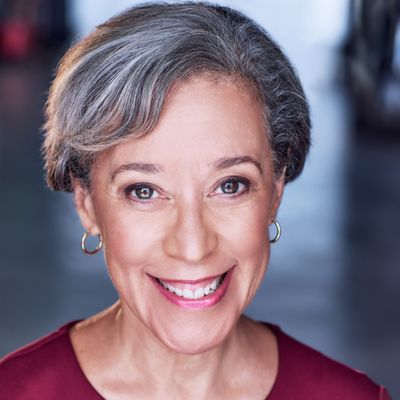
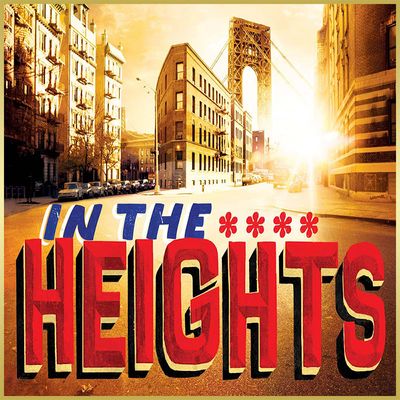
Happy 2020! We're back at it, and thanks to listener Sebastian, the first musical we're covering this year is IN THE HEIGHTS. Five time "Abuela" Debra Cardona stops by to talk about Lin-Manuel Miranda's 2005 "slice of life" musical featuring a story and characters that are as important to the Latinx community as they are relatable to any audience... Read More
From the show: A Musical Theatre Podcast
Guests
Featured Shows
About
Happy 2020! We're back at it, and thanks to listener Sebastian, the first musical we're covering this year is IN THE HEIGHTS. Five time "Abuela" Debra Cardona stops by to talk about Lin-Manuel Miranda's 2005 "slice of life" musical featuring a story and characters that are as important to the Latinx community as they are relatable to any audience. Also, what flavor would you order from the Piragua guy?
Find out more about our guest Debra Cardona and her wonderful career by visiting her website www.debracardona.com or Instagram @debracardona
Follow "A Musical Theatre Podcast" wherever you may be listening and share us with your friends!
Join us on Instagram, TikTok and X for more great content. For bonus episodes, subscribe to PATREON! for only $1 a month. And don't forget about our TeePublic Store, our proceeds from which we donate to Broadway Cares/Equity Fights AIDS.
Above all, thank you for being part of this wonderful podcasting community.
Transcript
This transcript was automatically generated and might contain errors.
[0:00] Jeffrey Scott Parsons: Well, first of all, I wanted to start with this very simple question, which is, are there sections of rap in the show that gets stuck in your head in the way that like a normal melody or song?
[0:12] Debra Cardona: Yes, because up until the show, I didn't realize that a rap could get stuck in your head as ignorant as it sounds. I just hadn't had the exposure to it. Lights up on Washington Heights. Right. I don't know. Wake up. Nobody see you guys again.
[0:30] Jeffrey Scott Parsons: Welcome, everybody. We're back. It's 2020. And we're back at A Musical Theatre Podcast where we discuss the emotional and cultural impact of some of our favorite shows in theater history. My name is Jeffrey Scott Parsons. You can call me Jeff.
[0:57] Debra Cardona: El frente de mi es la mujer con el espíritu de fuego y la voz del ángel.
[1:04] Jeffrey Scott Parsons: It's Debra Cardona.
[1:05] Debra Cardona: Hi. Que lindo.
[1:08] Jeffrey Scott Parsons: Hey, gracias. Tus palabras. I'm so grateful you're here. You are the perfect guest for this show for In the Heights, which, oh, by the way, shout out to our listener, Sebastian, who requested that we cover In the Heights. So this is for you, buddy. Hi, Sebastian. We're covering In the Heights today. And Debra, you said you've done the show how many times?
[1:30] Debra Cardona: Five times.
[1:32] Jeffrey Scott Parsons: Oh, my goodness. When was the first?
[1:33] Debra Cardona: The first I did the first regional production back in 2013 at Pioneer Theater Company in Salt Lake City, Utah.
[1:43] Jeffrey Scott Parsons: The motherland.
[1:46] Debra Cardona: Yes, yes, yes. And our Usnavi was Joseph Morales, who is playing Hamilton on tour right now.
[1:53] Jeffrey Scott Parsons: Oh, fantastic.
[1:53] Debra Cardona: He was the Hamilton alternate in the Chicago company and then took over. And he's been Hamilton for a few years. Our Sonny was Anthony Ramos.
[2:06] Jeffrey Scott Parsons: Oh, yes. How cool.
[2:08] Debra Cardona: Anthony Ramos. I think they gave him his equity card doing that show.
[2:14] Jeffrey Scott Parsons: Oh, my gosh.
[2:15] Debra Cardona: He was amazing. You know, he's a young kid. He's from Brooklyn. He has such joy playing Sonny and so much crazy talent. And I'm so excited to see him play Usnavi in the movie. Look, maybe we'll talk about the movie. Maybe we won't. But the point is, I'm really excited about it because it looks like they did it right. There's a lot of changes, so I'm a little nervous about it. But I'm really curious to see. And also, I want to see all my friends.
[2:44] Jeffrey Scott Parsons: Of course, I'm sure that's so exciting. OK, so real quick, when I was in Utah, when I was growing up, Pioneer Theater Company would not touch musicals.
[2:56] Debra Cardona: What?
[2:57] Jeffrey Scott Parsons: Isn't that interesting?
[2:59] Debra Cardona: Wow.
[2:59] Jeffrey Scott Parsons: They were way too high class to do musical theater. And then that kind of all changed right as I was leaving town. All of a sudden, they were doing like a musical a season. And now they're doing some really great regional musical theater.
[3:16] Debra Cardona: Yeah. I did In the Heights there. And then a few years before I did The Light in the Piazza there.
[3:22] Jeffrey Scott Parsons: Oh, oh, my gosh. Right. You played Senora, right?
[3:25] Debra Cardona: Yeah.
[3:29] Jeffrey Scott Parsons: Oh, that's fantastic. Beautiful, beautiful production.
[3:31] Debra Cardona: I'm sure. And In the Heights did really, really well. We got a lot of young people and they would come over and over again.
[3:41] Jeffrey Scott Parsons: How cool.
[3:41] Debra Cardona: You know, and they would wait for us to come out of the stage door.
[3:45] Jeffrey Scott Parsons: You played, of course, Abuela.
[3:46] Debra Cardona: Abuela. That was my first Abuela. And I had I did not get into the original production and I had seen it on Broadway and cried through the whole thing. And I just wanted to do In the Heights so badly. So to be able to do the first regional production and play Abuela was just a dream come true. You know, at the time that I auditioned for the show when it was going off Broadway, I didn't really know anything about it. I knew Chiara's work. I didn't know Lynn's work at all. I mean, this was the first, you know, it was his introduction to the world. Yeah. He like smashed down the door, you know.
[4:25] Jeffrey Scott Parsons: And so they gave us they gave me I was auditioning to like cover Abuela and Camila, the mother, you know, but I didn't know anything about the story. So you're kind of auditioning in a vacuum.
[4:38] Debra Cardona: Yeah, yeah. So when I went and saw it after it opened, I went, oh, my. I call it Fiddler on the Roof in Washington Heights.
[4:46] Jeffrey Scott Parsons: Absolutely.
[4:47] Debra Cardona: Because it's about a community of people, whereas Fiddler on the Roof is about tradition. In the Heights is about home and community. Yes, Fiddler is about community as well, community and tradition. And this is community and home and not necessarily the home where you came from, but the home and the people you choose to make home with.
[5:12] Jeffrey Scott Parsons: It's all the people from Fiddler living in Washington.
[5:15] Debra Cardona: Yeah, yeah. This is a neighborhood of predominantly immigrants from all over the Caribbean and South America and Mexico. It's just a whole bunch of outsiders coming and making a family in this neighborhood in my neighborhood in Spanish Harlem, you know, because my grandparents had lived there for so many years and my parents grew up there and then I was born there. I lived there until I was about seven. And then we moved to the Bronx. You know, you know, the people in the neighborhood, you know, there was Cuca who you would go and get the pasteles from and the pastelillos and she would sell them out of her house.
[6:02] Jeffrey Scott Parsons: Now, these are meat pies.
[6:06] Debra Cardona: Yes, of course. Fantastic. Oh, you know, and there's nothing like if you know the lady in the neighborhood that makes them from scratch. She's the hookup. I mean, you could go to the comida criolla place and it's fun and it's good and it's fine. But it's like if your aunt makes those like my aunt would only make pasteles for Christmas. Right. Because it's really work intensive. You know, that would be like tamales here.
[6:25] Jeffrey Scott Parsons: Yeah, yeah, exactly. Exactly. You have to have your hookup for the holidays. Right. This is the person you go to and you get five dozen of them and you take them home.
[6:35] Debra Cardona: Oh, I love that. But, you know, you knew the people in the neighborhood. And look, my neighborhood was not the safest neighborhood in the world. But we all looked out for each other. You know, if something was going down that was not too good, you would get a warning. You know, people would make sure that you got escorted home or everyone in the neighborhood depended on each other. And it is and that's not just a thing for Washington Heights or Spanish Harlem. It's a universal thing.
[7:04] Jeffrey Scott Parsons: Absolutely.
[7:05] Debra Cardona: If you grew up in a neighborhood where even several generations of your family have grown up in the neighborhood, that creates a special dynamic. And I think it speaks to everyone.
[7:17] Jeffrey Scott Parsons: Oh, I completely agree. The universality of In the Heights is what is enduring about it. You know, representation is amazing. But if it doesn't connect with everyone who isn't necessarily born or look like those people, then I'm not entirely sure it has lasting power and In the Heights will. Yes. Because of this fact, we grow up in maybe a society that continually shows us commercials of how we're supposed to look or, you know, supposed to operate as a family. But when it comes down to it, circumstances don't create home. What creates home is love and people and looking out for each other. You know, and I think that's what's so special about this.
[8:00] Debra Cardona: Create a family. Yeah. You know, and I think that's why people really respond so positively. The fact that you can put rap in a musical and not necessarily make it a rapid musical.
[8:13] Jeffrey Scott Parsons: Sure. It's very traditional.
[8:16] Debra Cardona: No, it's incredibly traditional. Lin-Manuel Miranda is a, you know, he's a musical theater geek. He grew up listening to all these cast albums like I did when I was a kid. Right. So but what I also love about In the Heights is any other musical. And there weren't a lot of musicals about Latin American and Hispanic people. West Side Story is about gangs. Well, Zoot Suit is about the Zoot Suit riots. The Cape Man, he was a gang guy. It's a negative connotation. And it's not that it's not true. There is truth in that. But it's not the only thing that defines us. You know, just like everybody else who's ever come to the United States, they want a fresh beginning and they want better things for their children.
[9:12] Jeffrey Scott Parsons: Absolutely. So to have a Latinx musical that has nothing to do with violence and gangs made me so happy. And also have it be about my experience. It's something that I've never been able to express in a musical. So whenever I do it, I feel like I'm showing the audience who I am and where I come from. And it's really deep. It makes this musical have such a special place in my heart because I never thought that I'd see anything like it.
[9:49] Jeffrey Scott Parsons: Well, it is such a slice of life show as sweet as the plot is. It's really not about the plot. It is about this slice of life, seeing these three days in this community's life, three days during which everything is going to change. It will never be the same. Right. Just like in Fiddler on the Roof, you have three days to leave.
[10:10] Debra Cardona: Exactly. Oh, my gosh. So we started this whole podcast with an episode about Fiddler on the Roof. And now we're starting our second little season with In the Heights, which is basically Fiddler on the Roof in Washington Heights.
[10:24] Jeffrey Scott Parsons: Exactly. Yeah. And I think Lin-Manuel Miranda would I think he'd appreciate it.
[10:30] Debra Cardona: Yeah, I think he agrees with that. And I think he's spoken about that as well.
[10:34] Jeffrey Scott Parsons: Oh, that's cool. Let's talk a little bit about Lin. So he went to Wesleyan?
[10:38] Debra Cardona: Yeah. Is that right?
[10:39] Jeffrey Scott Parsons: Wesleyan College in Connecticut was, of course, a huge musical theater nerd. And while he was there, he worked on a show called In the Heights. And from what I have heard him say, all that is left of that original piece is the words In the Heights.
[11:01] Debra Cardona: Yeah. He had done, you know, a weekend production of it at school. They couldn't get I just read an interview where he said they couldn't get a band because all the good musicians were playing at some sort of music festival. So he borrowed money and he did a prerecorded thing and everybody sang to a track. And then they recorded it and sold it. That's when they were doing the show that weekend so that he could make enough money to pay back the money he had borrowed in order to use that CD somehow fell into Tommy Kail's, the director who wound up directing it years later, his hands. And after and I think they met after he graduated and he approached him about this show and he was like, it should do this and this should be here in the In the Heights numbers. That should be the first one and not the third one. And he was like, what is, you know? And then they brought in another book writer. They brought in Chiara.
[12:13] Debra Cardona: I like this. I think she had or sorry. Lynn had rewrote it several times and then they brought in Chiara. Yeah, I had seen one of her really early plays that a friend of mine directed. Oh, and then she had a play called Elliott, a soldier story story. Yeah, that was playing in a little off off Broadway house. But she was getting a lot of buzz. Yeah, her. That was eventually part of a trilogy.
[12:32] Jeffrey Scott Parsons: It's a trilogy.
[12:33] Debra Cardona: Yes, yes, yes. I want to do water by the spoonful soap, which is what won her the Pulitzer Prize.
[12:37] Jeffrey Scott Parsons: Yes. Yes. Wonderful playwright.
[12:39] Debra Cardona: Oh, incredible. And what do you think her main contributions were to it?
[12:43] Debra Cardona: She gave it a real form. She really helped give it an arc. A dial in. Yeah. And also they worked on it for seven years before it was off Broadway. There was Nina. Nina had a gay brother who was also in love with Benny.
[13:03] Jeffrey Scott Parsons: Whoa. Yeah.
[13:05] Debra Cardona: Named Lincoln.
[13:08] Jeffrey Scott Parsons: Wow. I hadn't I've never heard of that. That's fascinating.
[13:10] Debra Cardona: Yeah. And he served as commentary. Oh, and then they decided that it really has to be all about was not. It has to be from his point of view. You know, the storyteller or Vega is the center, which is so smart.
[13:41] Debra Cardona: 7-Eleven never really has what you need. Oh, and you don't have a relationship with the people at 7-Eleven like you do at your bodega. You walk into your corner bodega. They know how you like your coffee. They know what you're looking for. But, you know, there's always a cat. Also, they stock the specific kinds of foods that the people in the neighborhood are just going to run in and get. Right. Because they know the people. It's not about what the corporate sent. It's like actually the things that people are going to buy and eat.
[14:12] Jeffrey Scott Parsons: Yeah. Yeah.
[14:13] Debra Cardona: One of my uncles owned a bodega.
[14:15] Jeffrey Scott Parsons: Really? How cute.
[14:19] Debra Cardona: You know, and he never. Now, my uncle, I never heard him speak English.
[14:24] Jeffrey Scott Parsons: Really? Yeah.
[14:25] Debra Cardona: He always spoke Spanish. You know, his bodega was in the Bronx. Everybody spoke Spanish. So he never really. No need. He could understand, but he couldn't have a conversation with you.
[14:35] Jeffrey Scott Parsons: Mm hmm.
[14:36] Debra Cardona: You know, I love that line where Nina talks about how she thought the map of the world was the subway.
[14:42] Jeffrey Scott Parsons: Yeah. Map. Yeah.
[14:44] Debra Cardona: And I can just see that when you live in a city like that and it is essentially the world in this tiny microcosm, you're like, what is the world beyond this island? I don't I don't even know. You kind of if you I mean, I am assuming that the first time Nina leaves that neighborhood is when she goes to Stanford.
[15:06] Jeffrey Scott Parsons: That's crazy. That's hard.
[15:08] Debra Cardona: Yeah. I remember I felt like I had a lot most in common with Nina when I first saw it. And also Vanessa, because Vanessa wants to move downtown, which is what I eventually did.
[15:21] Jeffrey Scott Parsons: How cute. Also, in my family, I went to NYU.
[15:25] Debra Cardona: Oh, yeah. I mean, that was a. That was huge.
[15:28] Jeffrey Scott Parsons: Oh, yeah.
[15:31] Debra Cardona: So you have you have an uncle who doesn't speak any English and then you went to NYU.
[15:34] Jeffrey Scott Parsons: I went to NYU. It's a big leap.
[15:37] Debra Cardona: It's a culture shock. And I'm glad I didn't leave New York. I'm not quite sure how I would have been able to handle it. Yet people do it, leave their homes all the time. But even growing up in New York to leave New York, it's just as traumatic as, you know, as the rest of us going there.
[15:58] Jeffrey Scott Parsons: Exactly. Exactly.
[15:59] Debra Cardona: So I can only imagine. Also, you know, when you're the kid that everybody's counting on getting out and doing better and being the big success, that's a lot of pressure.
[16:11] Jeffrey Scott Parsons: Well, that's the other thing that I think the show does so beautifully and why I think it fits so wonderfully in the canon of American musical theater is that the American immigrant and the first generation children of those immigrants is a very specific type of pressure and experience. And I feel like this musical is able to show the varying degrees of what that means in different people's lives. You know, even if, you know, you grew up in a farm town, you know, like, well, I'm going to be a doctor and I'm going to move to Seattle or I'm going to move to Los Angeles or, you know, or New York. That's. That's huge. Also, the fact that you're going to be something like a doctor is a huge thing in your community. So everybody's rooting for you, right? They want you to succeed. Your success reflects well on them. It means that the community did its job.
[17:10] Debra Cardona: Yeah. I remember I can't remember if it was a documentary that there was this a guy who became a professional dancer who grew up in the projects and the interviewer automatically assumed that he was bullied for being a dancer and living in in the projects. And he kind of said, absolutely not, that everybody else saw the gift and was like, oh, you're going to make it out of here because you've got the skill. And so even if he was kind of a flamboyant boy who loved dancing and kind of a Billy Elliot sort of way, they had his back.
[17:46] Jeffrey Scott Parsons: Yeah. I think that's so beautiful. And I don't I think we don't give people enough credit for how they root for each other.
[17:53] Debra Cardona: Yeah. Every success is not just one person by themselves. It's a whole army of people that has influenced that person's life so that they can get there. It's not just you. You are a conglomeration of the people that came before you and your environment and, you know, the people that encourage you, the people that didn't encourage you. It's so it's it's not just in a vacuum.
[18:26] Jeffrey Scott Parsons: I wonder if we easily we more easily forget that in the affluent white community.
[18:33] Debra Cardona: I don't know. I am grateful because I was raised in the church, which is a very strong community. And so there are leaders and mentors and people surrounding surrounding me who I felt like were rooting for me. And I don't feel like I could have done it without them. Yeah. Including my family. But I wonder, I wonder sometimes if if we forget about that privilege.
[19:04] Jeffrey Scott Parsons: I think we do as the generations kind of go on and you take for granted what your grandparents had to go through so that you could have that.
[19:08] Debra Cardona: Yeah. You just forget unless you have to go through it yourself. Going back to kind of the history of the show. So Tommy Kale signs on. They get Chiara.
[19:16] Jeffrey Scott Parsons: Yeah.
[19:16] Debra Cardona: Alex Lathamore is is a musical director.
[19:19] Jeffrey Scott Parsons: Yeah. And obviously this is these are all new voices to Broadway.
[19:24] Debra Cardona: Yes. Which means that it didn't start out on Broadway. It had its big professional premiere off Broadway.
[19:31] Jeffrey Scott Parsons: Yes. And it had been workshopped for seven years. I don't think people realize how long it takes to get a musical up and going. You know, you're playing the long game when you write a musical. Nowadays, seven years is probably standard. Unless, you know, it's based on a catalog of previously known material or something. This is a completely original musical. That's not based on a movie. It's not based on a book. It's not based on songs that people had heard before. It's it's really an anomaly in modern musical theater.
[20:04] Debra Cardona: Yeah. So it's off Broadway. It runs for like four months.
[20:08] Jeffrey Scott Parsons: Yeah.
[20:10] Debra Cardona: And then it goes right to Broadway. And then I mean, it's so it's so innovative and yet traditional in its structure and in its themes and universal message that it really does just kind of get greenlit and goes straight to straight to Broadway.
[20:24] Jeffrey Scott Parsons: Yeah. And and wins the Tony for Best Musical.
[20:27] Debra Cardona: Yeah. I remember when I saw it when it was at 39 Arts off Broadway. You walk in. And for those who have never seen a production of it, the Georgia Washington Bridge is a big part of the set. It's in the background. And then it's all the tenement buildings, you know, in the foreground. And I loved first of all, knowing Washington Heights and walking in there and seeing the GWB there. I went, oh, my goodness. You know, there's a huge recognition and you're like, oh, I know this, I know this, I know what this corner is. And as people came in and if they were from Washington Heights, they freaked out when they saw the set. And, you know, everybody starts feeling proud, you know, and they're so ready for what whatever is going to happen because they don't know.
[21:25] Jeffrey Scott Parsons: Sure.
[21:25] Debra Cardona: You know, I was not prepared to cry as much as I did. But that's the best kind of crying. But but I just loved watching these people's story. So let's start. Let's talk about the story. It begins with Graffiti Pete, who is a street artist, has his, you know, spray cans doing, you know, street art graffiti. And he's trying to tag the bodega. At which point we meet Usnavi, who was originally played by Lin-Manuel Miranda, who also, you know, was the composer. And he comes out and chases him away. And and then Usnavi begins to tell us where we are, which is Washington Heights. And for those who don't know New York, can you explain a little bit where Washington Heights is?
[22:14] Jeffrey Scott Parsons: OK. Washington Heights is where where they specifically are. I think the bodega is on a hundred, 183rd Street or as we say, 183rd. But Washington Heights is like 181st Street up to like 196.
[22:34] Debra Cardona: So uptown. Yeah, it's upper Manhattan. It's a couple of blocks. It goes like from Broadway to the Hudson River.
[22:42] Jeffrey Scott Parsons: OK. You know, it's high ground. There are hills. It was there's at the very, very top edge on the northwest edge. There's like trees that have been there for hundreds of years. It's like the oldest, you know.
[22:57] Debra Cardona: Really? Yeah. Yeah. Alexander Hamilton had his house there.
[23:02] Jeffrey Scott Parsons: Wow. Hamilton Heights.
[23:05] Debra Cardona: You know. Yeah. Talk about. Yeah. There were there were people that had us back back in Revolutionary War times, had their estates up there. Well, but you could get a big apartment really cheaply there. You would take the one train or the A train. The A train was the express. The subway station at 181st Street is so deep underground. You have to take an elevator to get to the.
[23:32] Jeffrey Scott Parsons: Really? To the actual track or the platform?
[23:35] Debra Cardona: To get up to the sidewalk.
[23:37] Jeffrey Scott Parsons: Yeah. Yeah. Whoa.
[23:38] Debra Cardona: I don't think I realize that. Yeah. Yeah. Also, there is a noise level. You hit Broadway and it's like, ah, you know, it's all.
[23:50] Jeffrey Scott Parsons: Yeah.
[23:51] Debra Cardona: Yeah. It's just, you know, all the neighborhood people, a big guy, you know, what we what I think a lot of people call shaved ice.
[24:00] Jeffrey Scott Parsons: Yeah. Yeah.
[24:02] Debra Cardona: It's a cart. You have a big block of ice. There's this metal thing that you use that you shave the ice with. You put it in a cone and you put a little, a little syrup on it. It could be strawberry or grape or lemon, you know, cherry. And I grew up with I grew up with that. And then there was also Coco Elado, which is like Italian coconut.
[24:28] Jeffrey Scott Parsons: See now the time that I've spent with the Latino community was in on my mission.
[24:33] Debra Cardona: Oh, it's now become like a running joke on my podcast. How many times am I going to bring up my mission for my church or or she loves me? And I've already done both. But the when the Piragua guy in Texas, specifically among the Mexican community, would put pickle juice. That was like all of the kids favorite more than strawberry. Whatever was pickle juice. They loved that.
[25:00] Jeffrey Scott Parsons: Wow. Interesting.
[25:00] Debra Cardona: Yeah. You know, I had one of the most interesting ice creams I've ever had was peanut butter and pickle.
[25:08] Jeffrey Scott Parsons: Stop it.
[25:09] Debra Cardona: I had a place called Scoops over in Chinatown. Yes, but they change it all the time. So I've never had it again. I had a little taste of it. I was like peanut butter and pickle. How's that going to work? And I tasted it and went, OK, I need two scoops of that. I don't feel like I'm very bougie. But when it comes to artisanal ice creams, sign me up. I want the botanicals. I want something that's called chrysanthemum jalapeno. Like, I don't care. Give it. Give me all of the weird flavors.
[25:38] Jeffrey Scott Parsons: Yeah.
[25:38] Debra Cardona: OK, so so it was Navi is introducing everybody. We meet the Piedragua guy who we just mentioned. We meet Sonny, who is his cousin. Right.
[25:49] Jeffrey Scott Parsons: Yeah.
[25:49] Debra Cardona: And they both work at the bodega. The bodega is is whose Navi's. But Sonny works there. Usnavi is like convinced that he's lazy, but he's not really.
[25:59] Jeffrey Scott Parsons: No, no. He's just kind of hard on him.
[26:02] Debra Cardona: He's a sharp kid. Yeah, Sonny. One of my favorite community leader. One of my favorite characters in the piece is Sonny. He's so fantastic. We meet Abuela, who's not really his Abuela.
[26:14] Jeffrey Scott Parsons: No, it was Navi's parents passed away.
[26:17] Debra Cardona: Do we know how they died? They got sick, but it's never explained how they got sick and what exactly they died from. So he's what a guy in his mid 20s who's running the family business. Right. And Abuela has kind of raised him as her own as amongst other kids in the community. And it's funny, I've talked to a lot of people after after the shows that said, oh, I had somebody in my neighborhood just like that, you know, who is the person that, you know, she has been there like the longest. Yes. Everybody knows who she is. She's a big ball of love. She is an important part of the family of the community. One of the reasons why I love my Latino brothers and sisters so much is because it is kind of matriarchal as, you know, machismo as it can be. There is so much respect for women. Yeah. And you can see that in Abuela. Everybody loves her and she's kind of in charge.
[27:20] Debra Cardona: And also on both sides of my family. Yeah, we would go to my grandmother's house every Sunday.
[27:26] Jeffrey Scott Parsons: Really?
[27:31] Debra Cardona: Yes. Now my mother's one of nine girls. Oh my gosh. So what a house. My grandmother's house would be full of screaming running children. We would run around in our underwear in the summer because it was too hot. I mean, there's no air conditioning. That is kind of a big plot point in In the Heights is that it's just so freaking hot.
[27:44] Jeffrey Scott Parsons: Yeah, it's the hottest weekend of the summer and it's the fourth of July. Right.
[27:50] Debra Cardona: You know, the birthday of America. Very important. Yes. Incredibly symbolic. Yeah, yeah. And it forces everyone to be outside. You know, when we have our conditioning, nobody goes outside. But if you don't have air conditioning, there was I did not grow up with air conditioning. It was hot.
[28:07] Jeffrey Scott Parsons: You're just in your shorts.
[28:11] Debra Cardona: I would stay at my grandmother's house. Um, she would put us out to sleep on the fire escape.
[28:16] Jeffrey Scott Parsons: No way.
[28:22] Debra Cardona: Like rear window. I would think of that. So that's really cute. Yeah. Oh, I was gonna say there was a lady on my mission who was kind of an abuela. And she taught me a science. Yeah, I'm more part of it. I'll say I'm a horse. Isn't that so sweet? She would always say that. And I and so I think of her every time I listened to In the Heights, which is patience and love makes everything better. Yeah. I just I loved her so much. And she taught me how to make tortillas. And it's just such a sweet, wonderful woman. Beautiful.
[28:44] Jeffrey Scott Parsons: Okay. Then we also meet Nina and her family. The Rosarios. Is that right?
[28:50] Debra Cardona: The Rosarios. Camila and Kevin.
[28:56] Jeffrey Scott Parsons: Camila and Kevin. And Kevin owns a limo service.
[29:00] Debra Cardona: Yeah. Or like a car service. And his wife Camila is also, like you said, kind of the one in charge, even.
[29:04] Jeffrey Scott Parsons: Yeah.
[29:10] Debra Cardona: Because let me tell you something about cabs above 96th Street. They don't really happen.
[29:17] Jeffrey Scott Parsons: Oh, really?
[29:17] Debra Cardona: So there are people driving around and there were before Lyft and Uber, there were people either driving around in their own cars, cruising the street trying to, you know, if you needed a ride, because taxis didn't want to go to those neighborhoods.
[29:25] Jeffrey Scott Parsons: Oh, wow. I didn't think that was the reason.
[29:32] Debra Cardona: Oh, that's the reason. And so you would call a car service to take you, you know, downtown or wherever you needed to be or the Bronx or whatever, because you couldn't flag down a cab on the street.
[29:37] Jeffrey Scott Parsons: See, these are things that I just assume, but never think why. I'm like, oh, yeah, he has like a car service. Awesome.
[29:44] Debra Cardona: Yeah. But like, why does he have a car service? Because the taxis won't go there.
[29:49] Jeffrey Scott Parsons: Yeah. Wow. So that's built in business from the entire community.
[29:53] Debra Cardona: Wow. And then Nina is their daughter, who has gone away to college.
[30:00] Jeffrey Scott Parsons: Yes. Stanford.
[30:07] Debra Cardona: To Stanford. And we find out that she is coming back and they're very excited about this little reunion. Then we also meet the ladies at the beauty shop. Daniela and Carla. Also some of my favorites. And Daniela owns the shop, right? Carla is kind of her little assistant apprentice. And then Vanessa, who also works at the shop.
[30:28] Jeffrey Scott Parsons: Yeah.
[30:28] Debra Cardona: And Vanessa is the resident hottie of the community. And Usnavi has a big crush on her, but can't bring himself to talk to her. I'm trying to think, are there any other members of the community that we haven't necessarily... Did we meet Benny?
[30:39] Jeffrey Scott Parsons: Oh, and then Benny. Yeah.
[30:44] Debra Cardona: Yeah. So who's Benny? Benny works for Kevin Rosario.
[30:51] Jeffrey Scott Parsons: In the car company.
[30:51] Debra Cardona: In the car company. He is African American. Yeah. He's not Latino. And it's actually kind of a sticky situation. It's a big situation. He also is in love with Nina. And during the course of the show, Nina falls in love with him. Very fiddler. And it does not go well with her father, who wants her to find somebody better.
[31:11] Jeffrey Scott Parsons: Someone who doesn't work for him.
[31:11] Debra Cardona: Yeah. Yeah. You can see how that would be triggering in many ways.
[31:17] Jeffrey Scott Parsons: Yeah.
[31:22] Debra Cardona: I'm sure he wants her to meet like some dude at Stanford.
[31:30] Jeffrey Scott Parsons: Yeah. A professional guy. With a degree.
[31:35] Debra Cardona: Yeah. And get out of there. Yeah. So it's a huge sticking point. I mean, either way, it's about tradition. Yeah. Whether it's I want somebody from my culture marrying my daughter or somebody who's not from here marrying my daughter.
[31:40] Jeffrey Scott Parsons: Yeah.
[31:44] Debra Cardona: He's going to find a laser bull for her.
[31:47] Jeffrey Scott Parsons: Yeah.
[31:47] Debra Cardona: But she wants to marry Muto.
[31:47] Jeffrey Scott Parsons: Exactly. Exactly.
[31:53] Debra Cardona: Okay. So then Nina arrives. Now, one of my friends, Carlos Mendoza, he has directed In the Heights a lot and brings up this funny point, which is if Kevin owns a car service, why didn't they pick her up from the airport? Why did she have to be in charge of getting herself back?
[32:00] Jeffrey Scott Parsons: She took the red eye.
[32:05] Debra Cardona: Oh, is that what it was? They said she got in at 3 a.m. last night.
[32:12] Jeffrey Scott Parsons: Oh, okay.
[32:12] Debra Cardona: Like, so I'm going to send.
[32:16] Jeffrey Scott Parsons: Yeah.
[32:21] Debra Cardona: You're like, well, I have all of these cars at my disposal. Someone get on the dispatch and get someone to go pick up.
[32:26] Jeffrey Scott Parsons: Yeah, there are many questions. Absolutely. Many questions. You know, it was like, it was like, well, and that is kind of fun to sit back and be like, oh, interesting.
[32:34] Debra Cardona: Nina comes back and we find out that she has basically had to drop out.
[32:39] Jeffrey Scott Parsons: Yeah.
[32:39] Debra Cardona: She had a scholarship to Stanford. She got put on academic probation because she was working two jobs on top of, you know, she had the scholarship. Her parents are working, you know, crazy amounts of hours to make sure that she can go to college. But then also there's the expenses of books and things that the scholarships don't cover. And so she's working two jobs, falling behind in the schoolwork, gets put on probation and then ultimately goes on a leave of absence.
[33:00] Jeffrey Scott Parsons: And like you said, one of the things she's not looking forward to about this, this return home is that she has to tell her family what's going on because she hasn't.
[33:11] Debra Cardona: She hasn't been up front with them, which I think is, you know, in the traditional way of the family, like if you had just been honest with me, but with all of the sacrifices that they had made, she just couldn't disappoint everybody like that. She's not only disappointing her parents, but everybody in the neighborhood. I mean, there's that the Breathe song that she sings.
[33:32] Jeffrey Scott Parsons: My first big crying, of course, you know, about being the hope of the neighborhood.
[33:38] Debra Cardona: And then you the women in the neighborhood are singing Nina, you know, not they put up for a year. I don't have to worry about her. She's our star. That's and, you know, and she's got to come dragging her feet home going, I'm not I failed.
[33:52] Jeffrey Scott Parsons: Yeah, I crashed and burned and I can't do this.
[33:58] Debra Cardona: Talking a little bit about the score. I love that right from the get go. We start out with the rap, you know, like you said, lights up on Washington Heights up. And I can imagine what it was what it would be like for a more traditional musical theater crowd that's never experienced music like this to sit and, you know, suddenly be thrust into this world with this type of music.
[34:21] Jeffrey Scott Parsons: And then Lin-Manuel does something so smart, which is within the first three minutes of his rap, he drops both Duke Ellington and Cole Porter.
[34:29] Debra Cardona: And I think in a subconscious sort of way says, we're going to be okay, you're going to be okay, even if you're not used to this type of music. I respect this art form. And this is going to feel much more familiar than you might think it is.
[34:47] Jeffrey Scott Parsons: And I love that. I think I find it so generous. And also he starts off easy. As you get in, you know, it starts, he can, it'll get faster. But in the beginning, he lets you in easy. You understand everything.
[35:02] Debra Cardona: And do you know what, it also brings up an interesting challenge, I think, for directors and or choreographers, when as rap becomes more integrated into musical theater, you've got these words that are coming out so much information at such a quick pace. How much of it do you stage? What things do you need to point out so that the audience hears specific information? It's a it's a really fun, interesting problem to solve.
[35:30] Debra Cardona: I love how everybody gets into it's like tradition. Everybody gets everybody in the neighborhood gets introduced. They all come out and they do a little thing and they move on to start their day.
[35:39] Jeffrey Scott Parsons: Yeah.
[35:43] Debra Cardona: And everybody in the neighborhood comes in and buys stuff at the bodega. It's so beautifully constructed. What always blows me my mind because there are epic numbers. Ninety six thousand. Incredible. Unbelievable. The blackout.
[36:00] Jeffrey Scott Parsons: Yeah.
[36:06] Debra Cardona: There are so many vocal lines that if you listen to the recording five hundred thousand times, you could still hear something. You will hear something new. I kept hearing new because I didn't, you know, when the first time you do the show, you're just worried about like when you come in and that you're just worried about your line. And that is it.
[36:15] Jeffrey Scott Parsons: Especially if you're like Daniela's is hers is in really fast Spanish, really fast Spanish.
[36:23] Debra Cardona: You know, the rhythms and the melodies and they, you know, there's like six of them at the same time and they all join beautifully together. It's it's amazing to me.
[36:37] Jeffrey Scott Parsons: And then what's so great about the just kind of the flow of the show is that right out of this opener, like you said, comes Breathe, which I think is one of the most beautiful I want songs of the last, you know, 10, 15 years.
[36:49] Debra Cardona: Yeah.
[36:49] Jeffrey Scott Parsons: And and so character driven, but also gloriously sung and just gives you chills, you know, listening to a song like that.
[37:04] Debra Cardona: So the combination of innovation in this show, along with familiarity, I think is just yeah, it's just so beautiful. In the first half hour of the show, you find out what every single person in this show wants.
[37:16] Jeffrey Scott Parsons: You know, because Vanessa has her I want song. One of my favorite lyrics is Vanessa's who for those who are following along the the crush of Usnavi in her song, It Won't Be Long Now, it's one of my my favorite lyrics and one of my favorite parts of her character.
[37:31] Debra Cardona: She's talking about the how the guys check her out as she walks down the street and she says their machismo pride doesn't break my stride and that they're like whistling at her because they've got nothing good to say or nothing else to say.
[37:46] Jeffrey Scott Parsons: Yeah.
[37:46] Debra Cardona: And that that whole verse is so indicative of girls that I know who are my friends. And I have never heard it in musical theater before. You know, these girls who who are beautiful and and in musical theater, you know, when a girl gets whistled at, she usually like makes a squeaky noise and, you know, has a blonde wig. But like this girl, this girl wants something more than that.
[38:07] Jeffrey Scott Parsons: Yeah.
[38:12] Debra Cardona: And it's it's so refreshing. And and I love that about her character.
[38:18] Jeffrey Scott Parsons: Yeah. Let's see what what happens next. Oh, let's talk a little bit about what's going on with the car service. And Kevin, he he sings a song called Inutil, which means useless.
[38:30] Debra Cardona: Yeah. That's kind of how he feels because his he's having business troubles, financial problems. And when as a man, when you feel like you can't take care of your family from a financial place, it's like, what was where's my worth?
[38:43] Jeffrey Scott Parsons: Yeah.
[38:48] Debra Cardona: You know, how is your experience with your with your father in terms of what you feel like his pressures were?
[38:55] Debra Cardona: Yeah, well, my father passed away when I was a baby. So my stepfather is the one. Now, he was an artist.
[39:03] Jeffrey Scott Parsons: Was he really? Wow.
[39:12] Debra Cardona: Yeah. He was Japanese and Irish. His name was Drake Shigasaki.
[39:22] Jeffrey Scott Parsons: Yes. I'm I'm officially obsessed with your childhood, with your grandma, with nine daughters and then your Irish Japanese father who's an artist.
[39:28] Debra Cardona: Yeah. Yeah. So he would he was a commercial artist. He would retouch he would retouch photos for magazines by hand, you know, before Photoshop. But he would come home and paint at night. So I owe him my artistic life because the day I said I want to be an actress, it was like, OK, of course you do. Let's find you. Let's find you an acting class.
[39:45] Jeffrey Scott Parsons: But also, you know, it's hard because I went to NYU. My two younger sisters went to community college because they were afraid to put my parents under that much financial strain.
[39:59] Debra Cardona: They did not want to do that to them. You know, I my parents helped me out the first two years and I said, OK, I'm going to do the rest myself. And that was not I almost flunked out like Nina.
[40:17] Jeffrey Scott Parsons: Really?
[40:17] Debra Cardona: Yeah. Yeah. It was crazy.
[40:22] Jeffrey Scott Parsons: That's you don't want to do that to your parents. Of course, you don't want them to get into so much debt. You don't want them to to do without everything, you know, to give you a life.
[40:28] Debra Cardona: Yeah. You know, though, you would you do that for your family, you know, but you want your children to have more than you did. You are doing this and running this cab company. So, you know, Kevin's running this cab company so that his daughter could have something different. And then and then she comes back and says, I can't because I couldn't afford the book. So I had to have it. You know, and that's like that's because I couldn't give that to you.
[40:57] Debra Cardona: Yeah. He takes it on. It's it's universal. I mean.
[41:00] Debra Cardona: All my friends are now trying to figure out how they're going to pay back those loans, send in their kids, like my kid wanted to go to Carnegie Mellon, so I'm going to do what I can. How are you going to? It's hard. Everybody sacrifices something for their children, or for their family. I remember I had a therapist once say that the only real sacrifice is parenthood. It's not about you. It's just not. One of the things that we discovered early on is that at the bodega, you can also buy lottery tickets. Oh, of course. Liquor stores and bodegas, they do great business in Lottery. They sell so many lottery tickets. You feel like, I'm never going to make enough money to get out of here. The only way I'm going to do it is by playing the lotto. Is by hitting the jackpot.
[41:55] Jeffrey Scott Parsons: Yeah. Play the numbers.
[41:57] Debra Cardona: As it just so happens, Usnavi finds out that there's a winning lotto ticket from his bodega.
[42:04] Jeffrey Scott Parsons: Yeah, yeah. The take five lotto, $96,000.
[42:08] Debra Cardona: That means that there's $96,000 that someone has just won, and they don't know who it is. So then this number begins. When I first heard this cast album, $96,000 was the song that I sent to all of my brothers-in-law who didn't know that musical theater could sound like this. I was like, okay, listen to this. You might like this. Because it's so thrilling. And like you said, fresh and layered and intricate. Everybody imagining what they would do if they had $96,000.
[42:40] Jeffrey Scott Parsons: Yes. And Sonny's rap.
[42:42] Debra Cardona: Oh, so great. Oh, that's how you know. You're like, this guy's got so much going for him. And Usnavi doesn't give him the credit.
[42:49] Jeffrey Scott Parsons: Right. Right. You're so right. Oh, that's another. In this song is another one of those rap moments where I that I would always get stuck in my head. Oh no, here goes Mr. Brachioscio.
[43:01] Debra Cardona: I always got stuck in my head. After $96,000, we discovered that the winning lottery ticket belongs to...
[43:09] Jeffrey Scott Parsons: Abuela Claudia.
[43:11] Debra Cardona: I hope I'm not spoiling this for everybody.
[43:12] Jeffrey Scott Parsons: No, no. We should know by now.
[43:15] Debra Cardona: Yeah, we're going through the plot. Yeah. Abuela Claudia has won the ticket. She hasn't told anybody yet. She goes, you know, she's in a fog because what do you do with that information? You've spent your whole life, you know, cleaning people's houses and, you know, helping take care of kids in the neighborhood and, you know, just eking out your living. And you get this big win. Now, $96,000 in 2020 money isn't much.
[43:50] Jeffrey Scott Parsons: But it's more than...
[43:51] Debra Cardona: It's still a lot. If I won $96,000, it would be a life changer for me. You know, it's a lot of it's not the mega millions.
[43:59] Jeffrey Scott Parsons: Sure.
[44:00] Debra Cardona: But it's enough. It's enough to change things.
[44:03] Jeffrey Scott Parsons: It's enough to change things, but not ruin things.
[44:07] Debra Cardona: We find out who she is and where she's from and what her life was. You know, she came, she was born in Cuba. She came here in the early 1940s. Her mother, I guess there was no father in the picture and they were starving. And her mother brought her to New York and they cleaned houses together. And all through her life, her mother would tell her, paciencia y fe, have patience and faith. You know, and she has all that has been her mantra. She tells everybody that. And now it's, it has, you know, this, the patience, having patience and faith truly has paid off. You know, and even, even if she didn't win this money, her life would be full.
[44:59] Jeffrey Scott Parsons: It'd be full.
[45:00] Debra Cardona: Because she's in a, you know, she's a beloved part. She has a family, you know, even though her mother's gone and she doesn't have a, a family of her own, her family is that community and they adore her. It's, it's an epic song. You know, it's a long song to sing, but it's so much fun to do. And when she, you don't know that she's won the lottery until like the last 16 bars of that song that she pulls out, what do I, and she says, what do I do with this winning ticket? And to hear the audience go, is so much fun. What a great reveal, you know, because if you haven't seen the show before, you're not knowing that that's coming.
[45:49] Jeffrey Scott Parsons: Yeah. Yeah. You know, you're like, why is she singing this long song about her life? What's going on with her? And then you find out what's going on. And she decides that with the money, she's going to split it into thirds.
[46:03] Debra Cardona: Thirds. Yeah. A third for her, a third for Usnavi and a third for Sunny.
[46:08] Jeffrey Scott Parsons: How cool is that?
[46:09] Debra Cardona: How beautiful. Now, in the meantime, Sunny has asked Vanessa out for Usnavi. And because Usnavi doesn't have, you know, the guts to do it. So they decide that they're going to go out dancing in the club. That is why they're all going to the club. Benny and Nina have kind of revealed their love to her parents who have. Actually, that hasn't really happened yet. There they had there was a there's a dinner at their house before they go dancing.
[46:41] Jeffrey Scott Parsons: But there is a fight. And what is the fight then if it's not about their romance?
[46:44] Debra Cardona: It's because Kevin announces that he has sold.
[46:47] Jeffrey Scott Parsons: That's right.
[46:48] Debra Cardona: It's a car service to this company for not nearly enough money because they mentioned Camila mentions, oh, yeah, you know, Uptown, Uptown Investments, another offer. It's nothing. Right. You know, but in order to pay for Nina's school.
[47:03] Jeffrey Scott Parsons: Yes. So once he finds out once after he's sung. He has, you know, and he couldn't get another loan. He goes to Uptown Investments and cuts a deal with them.
[47:15] Debra Cardona: So he makes and he's so proud. He goes, now you can go back to school. It's all taken care of. And everybody freaks out because all those drivers have just lost their job. Benny has just lost his job. Nina and Camila. Nina's like, please don't do this. Don't do this. Even more pressure. What are we going to do? What are we going to have now? And he's like, well, I'll go back to fixing cars. You know, that blows up the dinner party. You know, everybody runs out because it's it becomes a fight. And so Benny and Nina have this fight at the club because he's been, you know, going to get wasted, essentially, to deal with this bad news.
[48:00] Jeffrey Scott Parsons: Yeah. You know, and basically calls her a princess. And your daddy's going to take care of you. But I don't have a job. Me. Yeah.
[48:01] Debra Cardona: Yeah. So now they're all kind of at this club and the heat in the city has become so bad and overwhelmed the power that there's a huge blackout.
[48:10] Jeffrey Scott Parsons: Blackout.
[48:11] Debra Cardona: Have you have you? Well, they have blackouts here.
[48:14] Jeffrey Scott Parsons: Yeah.
[48:15] Debra Cardona: But I have lived through several massive like mega blackouts.
[48:20] Jeffrey Scott Parsons: Yes, yes.
[48:22] Debra Cardona: You know where, you know, the power would be out for several days. And then everybody just gets the meat out of the.
[48:28] Jeffrey Scott Parsons: Everything goes bad in your refrigerator.
[48:30] Debra Cardona: Exactly. That means that means a block party.
[48:33] Jeffrey Scott Parsons: Block party.
[48:34] Debra Cardona: Also, it means that, you know, your food goes bad in your refrigerator. You can't take the subway.
[48:40] Jeffrey Scott Parsons: Oh, shoot. I didn't even get on the bus because there's no there's no traffic lights.
[48:45] Debra Cardona: Right. You can't get anything done. You can't go to work. You can't. You know, I remember after Superstorm Sandy, we didn't have power for about four or five days and we didn't have heat for about 14 days. And I was temping Midtown and I would take all my electronics. My husband, I would take our electronics. We go up to where I was temping. And they said, you could take a shower there. We plug in all our electronics and juice them up. And then Darren would go back home with all the electronics and I would work. And, you know, and you would walk. It took me like over an hour to walk, you know. So these are the things you have to deal with when there's a blackout. Also, what happens is there's some there's some looting that happens. People break in, break store windows and grab things.
[49:30] Jeffrey Scott Parsons: Which is one of the problems of the bodega.
[49:36] Debra Cardona: Yeah, yeah, yeah. So, you know, some people come in and they break into they can't get the great little metal grate that he's having problems getting it to come back down.
[49:46] Jeffrey Scott Parsons: Right.
[49:47] Debra Cardona: And, you know, Sonny is is minding the store with Graffiti Pete, who is also very underestimated.
[49:53] Jeffrey Scott Parsons: It's true.
[49:54] Debra Cardona: Undervalued member of the community.
[49:56] Jeffrey Scott Parsons: Yes, yes, yes.
[49:57] Debra Cardona: Because Usnavi thinks he's a bad influence on Sonny. And then you find out later that is not the case.
[50:01] Jeffrey Scott Parsons: That's not the case.
[50:02] Debra Cardona: They're really cool people. This blackout number after doing the Rend episode that I did earlier or, you know, late last year, I went in this deep dive of Jonathan Larson. And then after after that revisiting in the heights, I was all of a sudden very aware of how much Jonathan Larson influence there is in the show, particularly in blackout. I feel like Christmas bells and blackout have a lot of similarities. And even the champagne number between Vanessa and Usnavi at the end of the second act has a lot of similarities with Light My Candle. And and then to find out that how what a big influence Rent was for Lin-Manuel and Tick, Tick, Boom.
[50:46] Debra Cardona: And now he's making a film version of Tick, Tick, Boom. So I really see him keeping the Jonathan Larson spirit alive with this show as well.
[50:49] Jeffrey Scott Parsons: Yeah, yeah.
[50:55] Jeffrey Scott Parsons: Yeah.
[50:56] Debra Cardona: So blackout happens.
[50:59] Jeffrey Scott Parsons: Benny and Nina make up.
[51:03] Debra Cardona: We check in on on Abuela, who is, you know, looking at the stars.
[51:09] Jeffrey Scott Parsons: Yeah, everyone.
[51:09] Debra Cardona: And she reveals to Usnavi that she she's got a big bag of cash. That's another one of my questions. How does she get that bag of cash?
[51:17] Jeffrey Scott Parsons: Hey, that's a good point.
[51:19] Debra Cardona: You know, I was like, doesn't it take a few days to get the check? I was like, we've we've we've messed with, you know, a little bit, a little bit of time.
[51:30] Jeffrey Scott Parsons: Yeah.
[51:31] Debra Cardona: But that's OK.
[51:31] Jeffrey Scott Parsons: Yeah, that's right.
[51:31] Debra Cardona: Because it's much more fun to carry around a bag full of cash than a check. Because there's also more, you know, you've got to protect the money.
[51:41] Jeffrey Scott Parsons: Yeah, yeah, exactly.
[51:43] Debra Cardona: Exactly. Now, this blackout, even though we have the awesome fireworks from the Fourth of July and everything, lasts for longer than we would like, lasts for a couple of days, correct?
[51:54] Jeffrey Scott Parsons: But it also Nina and Benny finally.
[51:56] Debra Cardona: Oh, they kiss with the firework.
[51:58] Jeffrey Scott Parsons: Yes.
[51:58] Debra Cardona: Oh, so sweet. That the reaction during the student matinee.
[52:02] Jeffrey Scott Parsons: Oh, I'm sure the kids love it.
[52:05] Debra Cardona: I would love to watch the show with a with a student matinee.
[52:08] Jeffrey Scott Parsons: Oh, it's so much fun.
[52:10] Debra Cardona: OK, so Benny and Nina spend the night together. The next morning now we're in are we in act two now?
[52:16] Jeffrey Scott Parsons: We're in act two.
[52:17] Debra Cardona: Great. Moving right along. Everybody's kind of outside because of of this blackout.
[52:23] Jeffrey Scott Parsons: Yeah. Now, how do you feel about act two? Do you do you do you like act two?
[52:26] Debra Cardona: I love act two.
[52:28] Jeffrey Scott Parsons: OK, so you should talk about it a little bit.
[52:31] Debra Cardona: The beginning is very first of all, it's a love song.
[52:34] Jeffrey Scott Parsons: Yes.
[52:34] Debra Cardona: And Nina teaching Benny. Yes. It's just, you know, after all this craziness and loud and cacophony and everybody singing over each other, then there's this beautiful this this this dawn that breaks that's alternately beautiful and heartbreaking. You know, the two Nina and Benny have have found each other. They've spent the night together. She's teaching him Spanish. But then downstairs, they're on the they're on the fire escape, just like West Side Story. And and in the meantime, Usnavi's got to clean up the mess from his boudoir. Vanessa is really pissed at him because he he didn't really deliver on the date.
[53:18] Jeffrey Scott Parsons: Well, he didn't.
[53:20] Debra Cardona: He didn't find her like he didn't. He was looking for her, but she doesn't know that. Right. And then he had to leave because of the store and he had to check on Abuela. And so she feels like he just abandoned her. You know, yeah, he's not. You know, he's not interested in think of her. Right. Kevin and Camila are looking for their daughter because they don't know where she is.
[53:42] Jeffrey Scott Parsons: Right.
[53:42] Debra Cardona: She didn't come home. Yeah. So alongside this beautiful love moment, there's this this horrible disappointment and sadness and contrast.
[53:52] Jeffrey Scott Parsons: Yeah.
[53:53] Debra Cardona: Yeah. But then.
[53:56] Jeffrey Scott Parsons: Carnival.
[53:56] Debra Cardona: Carnival.
[53:57] Jeffrey Scott Parsons: My favorite number.
[53:58] Debra Cardona: Is it?
[53:59] Jeffrey Scott Parsons: I love that number.
[54:01] Debra Cardona: It's so fun. And it's such a great moment for Daniela, the the owner of the.
[54:04] Jeffrey Scott Parsons: Yeah.
[54:05] Debra Cardona: Because, you know, the last day of her salon has been kind of destroyed because she has to move to the Bronx because she's been gentrified out. You know, her rent has been raised. The idea of gentrification is something that the my generation, I think, both celebrates and rolls our eyes at the same time. You know, it's gentrification is a two edged sword. You're so excited that a Starbucks has finally moved into your neighborhood, but then, you know that within five years, that means you're not going to be able to afford to live there.
[54:40] Debra Cardona: It's telling the people that have been in the neighborhood for years and years, this is too nice for you. You have to leave. So it's where does everybody go? Exactly. Look, I grew up in New York. And when I was going to college in the late 1970s, I am really old, which is why I always play Abuela. But you could, you could get a three year lease easily. It used to be you could get more than that. You could pick a neighborhood, start knocking on doors. And in a day or two, you could find an apartment, you know, knock on doors, knock on doors and talk to the superintendents, you know, make a deal with them, maybe pay them off a little and you had a place to stay. Wow. And by 1980, all of that was gone.
Really? You know, in order to get a cheap apartment, everybody wanted a studio. Well, once realtors found out that everybody wanted a studio, the prices of studios started going up. Like within a few years, all of a sudden, all the rents doubled. That's so fast. You know, and, you know, over the years, you start getting more people coming into New York from all over the world. They had already been doing that. But I mean, serious money coming in, investing in real estate, investing in apartments that people didn't necessarily live in. Yeah. And this is a big thing that we're talking about in the Heights. Absolutely. Absolutely. An ever changing landscape and one where you don't know if it means that your home is where you live.
Exactly. So they are not only celebrating the Fourth of July, but they're it's really hot. There's no power. You know, we're powerless. Yeah. In every sense of the word. Every sense of the word. And she was like, you know what? We're going to make this a party. It's the Fourth of July. Let's. And then the culmination of that is Usnavi's announcing that Abuela Claudia won the lotto. Yes. So much to celebrate until, unfortunately. At the end of that, Nina runs down, tells something to Usnavi. They run into the building and you find out Kevin comes out and announces that Abuela Claudia has died from the heat. From the heat. She was not great at taking her medication. No, she wasn't. Because it would give her headaches.
Yeah. And that combined with the heat, which is a very real thing. We lose so many elderly people in blackouts, whether it's in the winter or the summer. Yeah. Because of the, you know, the temperatures. Exactly. So, yeah, she unfortunately has passed, which is such a huge blow to the community. And they sing this beautiful alabanza song. Alabanza meaning praise. Yeah. Praise to this. And, you know, they go and they leave things on her stoop, you know, candles and little mementos and little pictures and everything. And it's just another like ugly crying. Of course. Lots of ugly crying, you know. Five tissue moments. The song afterwards, All That I Know, where Nina and Usnavi go through Abuela's pictures and things and they reminisce about what an impact she's had on their lives.
And it's a real moment for Nina, who realizes that, kind of what we were talking about earlier, that her education began with Abuela. It's not just about her. This is about carrying on the legacy of so many people. Which means that now she's going to take a humble piece of pie and take the money from her dad and try and go back to school. Yeah. You know, which is so great, you know, and she is determined to succeed. She knows what it is now. She knows what she has to do. It's important because you don't always come back from a blow like that. No, no, absolutely not. And to have so many blows in a row. So that's why I said a humble piece of pie, because you really do have to have a moment within yourself of being, OK, this is up to me.
It's not up to all of this crap that's surrounding me. Yeah. Yeah. So she goes, things wrap up pretty quickly because Usnavi and Abuela Claudia, before she died, they have this song about how they're going to go to the Dominican Republic. Back home, yeah. Now, she can't go back to Cuba, but she's going to go, you know. To where Usnavi is. Yeah, yeah. And I think that that's so it's so beautiful because they're talking about going back home, ignoring the fact that where they are might already be home. Yeah, yeah. And so that's what they're going to use their money for. They're going to get out of Washington Heights, go home. And Usnavi decides that he wants to continue that for himself because Vanessa is going to be moving away anyway.
The salon is closing. Everything seems to be changing. Yeah. So might as well just go along with it. Yeah, but Sonny is not up with that idea. Sonny is not. And this is when he and Graffiti Pete really do show their true colors. Yes. Because Usnavi comes to, you know, essentially say goodbye. And there's a little surprise where Sonny finally gets the grate down and Graffiti Pete has created this beautiful memorial to Abuela. Yes. You know, and that is a thing because it's a spray painted mural of Abuela's face, and it says Paciencia y Fe. Which is a very beautiful. Now, this is a thing that in my neighborhood on the Lower East Side, there are memorials like that up on. I don't know how they got sometimes all the way up on the side of a building.
It's like, how did you get up there to do that? Beautiful. You know, you may not know who that person was, but that person was very important to the artist or the people in the neighborhood. And so there is this beautiful spray painted mural on the sides of buildings for people. There's one in my neighborhood for Robin Williams. Oh, wow. Yeah, yeah. There's one just a couple of blocks away from me. So that is a thing, you know, and you see that Graffiti Pete is an artist. I love that. Sonny says you have you have to commission an artist when the price is still low. Yes, but he is giving back to his community in the way that all of them have been contributing all this time. And it's a game changer for Usnavi.
He sees this and realizes maybe I am home. Yeah. He decides that's my flight. I'm not going. I'm going to stay here. Vanessa, even though she's moving downtown, she's made a train right away with Usnavi and they're going to be a thing. Yeah, he's going to he's going to stand up for himself and have a second date and be the storyteller of the street. Yeah. And Nina's going back to Stanford and Benny is backing that. There's a beautiful song that he sings to her at the end, you know, and he tells her that he believes in her and like he will try to make his way out there, but he is going to back her all the way. Yeah. And he tells her how much potential she has and how special she is. And her success is his dream, too.
And it's so beautiful. Yeah. You know, and also, you know, and expresses his love. And it's it's really lovely. So everything is like really coming together in an incredible way. And like you said, this area will never be the same again after these three days. No, not necessarily for the better, because, of course, there's the heartbreak of losing Abuela. There's the heartbreak of gentrification. In a way, the salon is gone. The car service is gone. But there is this flame of hope. Yeah. And also, Usnavi is like the community memory. Yeah, yeah. He's going to be the collective. Yeah. The collective memory. Yeah. He's the key to what was and where it's come. This community has come from all these people that were a core group of people are all going away.
Yeah. And, you know, Usnavi could just lock up the bodega and say, I'm out, too. Right. But the fact that he says, wait a minute, what am I talking about? This is home. This is home. I'm home. And every great American musical has a sense of hope about it, not necessarily optimistic, but hope. And I read a review of In the Heights when it first came out that talked about it being the first great musical of the Obama era, which I thought was so interesting because Obama, for so many people, represented kind of a musical of politics, a sense of hope that maybe things could be different. And I think that that the hope of In the Heights is what makes it so moving to me. And that sense of family, it's something that will continue on.
I think people could very not easily, but very misguidedly say that In the Heights just served as laying the groundwork for Hamilton. And it is not. No. It's a beautiful piece unto itself. And one that because it's traditional enough to be performed in high schools and community theaters has had a huge outreach and influence on our culture. When these stories get to be shared to more people, their influence is wider and greater. People want to see these stories. Productions of In the Heights have always done incredibly well. Mm hmm. I remember talking to somebody who ran a theater and suggesting In the Heights. And at the time they were like, no, no, no, no, it's not going to play here. And then Hamilton opened and it was such a big hit.
They're like, you know what, maybe we should do it. And it was the best selling thing they had. Wow. Isn't that fascinating? Yeah. Sometimes you got to you got to give your audiences the benefit of the doubt. Maybe they're maybe they're better than you think they are. Yeah. I know you have to go. But really quickly, you were in On Your Feet, the Gloria Estefan musical. I also played Gloria Estefan's abuela. She's got all the abuelas. Now, did you were you ever able to meet Gloria? Yes, yes. Gloria and Emilio are very hands on with this piece. If you auditioned for the show and you were being considered seriously for a role, they had to give the final say. Oh, my gosh. When I auditioned, I got word back that the creative team liked me.
But it was up to Gloria and Emilio. They said yes. And then I finally got to meet them when we opened at the Pantages. Here in Los Angeles. Yeah. They're so nice. Oh, that's so cool. They were so nice. And so like Emilio has still has his like heavy accent. Oh, yeah. You know, and then he still gets words mixed up. And there's this whole thing that there's there's a whole joke, you know, that everybody knows between them that, you know, she's always correcting his English translating. So we took we took pictures and and and he said to his assistant, OK, OK, we have to put it on Internet. And Gloria said, Emilio, Instagram. Yes, get it right, hubby. I laughed so hard. I thought, oh, my God, it really is that whole dynamic between the two of them.
But they're they're very open hearted. And they they were able to cross over from the Spanish language market into the American pop market. And then they kept the door open and they helped other people. Absolutely. And the Shakira and Anthony and Ricky Martin and Ricky Martin, Jennifer Lopez. I bring them up because I think they are in many ways tied to in the heights. I'm a white farm boy from Utah. And when I heard Konga, it changed my life. And Gloria Estefan's greatest hits was the first CD I ever bought with my own money. And and then by the late 90s, you know, the the the influence in music was just undeniable. And that door was busted open by Gloria and Emilio. It was amazing what they did.
And so I just I love that that has continued on in the musical theater tradition. In our tour, five of the ten musicians were original Miami sound machines. Stop it. Oh, pass out right now. That's so cool. The sound was amazing. I'm sure it was just like a concert. That's so cool. Yeah, it was just we would there would be as much dancing offstage in the wings as there was on stage. Oh, what a great like thing to be. What a great energy to be a part of. Debra Cardona, I know you have to go. But thank you so much for coming and discussing in the heights. Thank you so much for asking me this. This show has a big part of my heart. So thank you. Thank you for having this conversation with me. Of course. And thank you, Lin Manuel and everybody who made it happen. For all of those who keep sharing our stories.
© Broadway Podcast Network, All Rights Reserved