

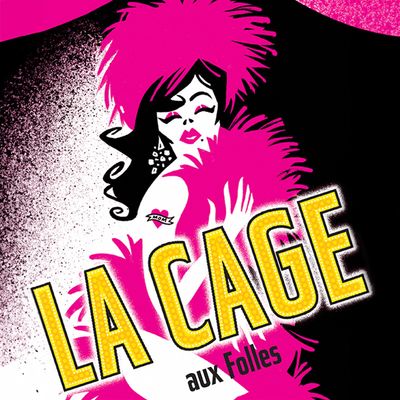
It's Pride month, and we're celebrating with the drag mother of musicals: LA CAGE AUX FOLLES. Joining us to explore this traditional yet groundbreaking milestone is original Broadway cast member David Engel (FOREVER PLAID, SEUSSICAL, PUTTING IT TOGETHER)... Read More
From the show: A Musical Theatre Podcast
Featured Shows
About
It's Pride month, and we're celebrating with the drag mother of musicals: LA CAGE AUX FOLLES. Joining us to explore this traditional yet groundbreaking milestone is original Broadway cast member David Engel (FOREVER PLAID, SEUSSICAL, PUTTING IT TOGETHER). Please enjoy all the charming first hand accounts you could ever wish for plus a crash course in French and a beautiful reminder that 1983 was both the best of times and not. Guaranteed you'll be ready to "face life with a little guts and lots of glitter."
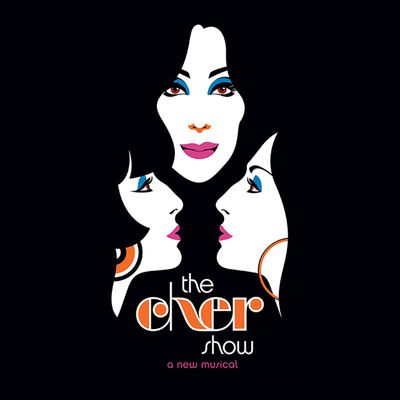
David can currently be seen in THE CHER SHOW at the Ogunquit Playhouse www.ogunquitplayhouse.org
Be sure to rate, review and share "A Musical Theatre Podcast" with your friends! Connect with us on Instagram, Twitter, and TikTok. You can subscribe to PATREON! for only $1 a month to support the show and receive bonus content. Don't forget to check out our new designs in our TeePublic Store.
As always, thank you for being part of this beautiful podcasting family.
Transcript
This transcript was automatically generated and might contain errors.
[0:01] David Engel: And it changed people's hearts and minds. It allowed people to come in. I mean, it did my mother. My mother was incredibly accepting, but it was all new for her at that time. And she said it was that show, it was La Cage Aux Folles that just changed her because it just showed that family is family, love is love, and people are people.
[0:30] Jeffrey Scott Parsons: Welcome everybody to A Musical Theatre Podcast, where we discuss the cultural and emotional impact of some of our favorite musicals in theatre history. My name is Jeffrey Scott Parsons, you can call me Jeff. This month is Pride Month, and today we are covering the drag mother of all LGBTQ musicals, La Cage Aux Folles, which was a listener request from Avery as well as a few others. Here to discuss this rainbow-worthy show is an original cast member of La Cage Aux Folles. He originated the role of Hannah from Hamburg, as well as other roles in shows like Forever Plaid and Seussical. Men call her diva, women call her devil, police call her daily. Everyone please welcome David Engel.
[1:24] David Engel: Thank you for having me.
[1:28] Jeffrey Scott Parsons: Hey, I have to correct you right off the bat. What say the name of the show again?
[1:33] David Engel: La Cage Aux Folles. This is how you—and this is what we learned the very first day of rehearsal—and it is correct. It's La Cage Aux Folles because A-U-X, it's spelled like faux, like F-A-U-X, so it's just like the letter O, and then it's foll is like rhymes with dull or gull.
[1:51] Jeffrey Scott Parsons: Oh my gosh, I have to go to—I know for years, I know for years everybody goes like La Cage Aux folles or something. It's La Cage Aux Folles.
[2:00] David Engel: La Cage Aux Folles. Perfect. Is that right?
[2:06] Jeffrey Scott Parsons: That's it! I'll never say it again.
[2:13] David Engel: Well, right, correctly. Thank you so much for being on this episode. You are a dear friend, and I don't always say that about my guests, but I adore you, and I'm so grateful you're here.
[2:22] David Engel: Yes, thank you. I adore you back, and you know it. And thank you for having me. I love that you have—I've been following your podcast and been waiting, waiting.
[2:36] Jeffrey Scott Parsons: Oh my gosh, my honor and pleasure. Now this musical, I mean, it feels as Golden Age as just about anything written before 1968, but of course there was no way it could have—pardon the expression—come out during that time. Instead, it premiered on Broadway in 1983. So right before we dive into its creation and origins, can you paint the picture for us of what the world was like? Like, what was happening in your life at that time? What do you remember of society and culture?
[3:04] David Engel: Right. Well, I remember it really clearly, like it was yesterday. And next year will be 40 years. No! Oh my gosh, that's crazy. Nuts to me. It's nuts to me. We're actually planning a 40th anniversary reunion at 54 Below in New York, kind of a concert and showing clips and stuff. But that—so many of the original cast—and I said to the producer, I said, "2023 just sounds so futuristic." I thought it was gonna take longer to get here, but why aren't we in spaceships yet? Oh, but yes, I—during the whole theater shut down, Larry Raven, my husband, and myself did a broadcast for Musical Theater West in Long Beach, where we would celebrate our Broadway friends and everything. And then last year during Pride Month, they brought us back to do a celebration of LGBTQ+ experience shows on Broadway, and the last one we did was La Cage Aux Folles.
In putting everything together, we were very clip-driven in putting everything together and looking at interviews, and I totally forgot how different it really was, what the mindset was at the time. I didn't realize as time—what has changed. But going back in time and looking at all those things, it really has, and it was a totally different world at that time. You know, we're just out of the '70s, and it still was not cool to be gay, and it certainly wasn't cool to be an actor and, you know, portraying gay characters. It could ruin your career. And this show couldn't have—you're right, it could have been done before, but at that time it was also the dawn of the AIDS crisis. I don't even know if the word AIDS—there was murmuring of gay cancer before we started rehearsals, but I don't even know if the word AIDS had actually been said.
[5:03] David Engel: Yeah, but so it was a really tough time to do this show, to present this show, because AIDS was considered to be God's retribution against homosexuals at the time. And so the very first day of rehearsal, Arthur Lawrence said that we are presenting this unapologetically, and he didn't want anybody to apologize in their performance. We are committing to it, but it had to be presented in such a palatable way, like an old-style Broadway musical—incredibly traditional. Yeah, and it's a traditional family story. It's a farce, but it's a tried-and-true—it's a perfect farce. You know, I've done Adam's Family since then. It's the same story.
[5:50] David Engel: It's that, oh wow, interesting—totally that like non-traditional family, and then the child is getting married and brings their fiancé's family home, and everybody act normal, act like nothing's—yes. And then, of course, they win over the child and the new family. And yeah, it's a tried-and-true story that just works, and it was a massive success right off the bat, but we really did not know. We had no idea. It's also particularly interesting at this moment in musical theater because the last big, I'd say traditional musical was probably Annie, right, in the late '70s? Like that was—
[6:35] Jeffrey Scott Parsons: Yeah.
[6:35] David Engel: So that was like the last—remember when musical theater used to be like this, when new musicals used to be like this? And then we were, you know, going into a lot of revues like Ain't Misbehavin', a lot of darker shows like Sweeney Todd and Evita. Yeah, the year before La Cage, we had had Cats.
[6:58] Jeffrey Scott Parsons: Exactly.
[6:58] David Engel: So a lot of spectacle. And then here comes a new Jerry Herman musical, the king of quintessential Broadway show tunes—yeah, Hello, Dolly!, Mame—but in a very pioneering way. And I think that we think of Jerry Herman as being so traditional, but to use that in a way that actually makes this beautiful story and these really zany queer characters more palatable, I think is just so inspiring. It's very inspiring as someone who tends to be very Disney-fied, you know?
[7:35] Jeffrey Scott Parsons: Yeah, well, and it did Disney-fied, and that's what it needed to be. So prior to it, so Alan Carr was the producer. He's quite well known for producing Grease.
[7:46] David Engel: Right, the movie.
[7:46] Jeffrey Scott Parsons: The movie. And he took this and ran with it, but it was originally—so it might have been more—
[7:52] David Engel: Yes, yes, yes. Okay, so this is really interesting. Okay, because the film version of La Cage was, you know, French films, Jean Poiret— is that how you say it?
[8:07] David Engel: Poiret, yes. And it was a big hit. He wanted to turn that into a musical. The film rights were completely off the grid, like they could not get—
[8:19] Jeffrey Scott Parsons: Correct.
[8:19] David Engel: Those film rights. Correct. So instead, they settled for the original play, and it was also Jean Poiret in Paris, I think it was early '70s. And so that is what becomes the musical. The composer originally is Maury Yeston from Nine and Titanic.
[8:35] Jeffrey Scott Parsons: You got Tommy Tune.
[8:45] David Engel: Yeah, you got Tommy Tune, choreographer. You got Mike Nichols being the director, who—
[8:49] Jeffrey Scott Parsons: Oh, that's right. You're right.
[8:49] David Engel: You're right. Interestingly enough, then directed The Birdcage.
[8:54] Jeffrey Scott Parsons: Yeah, right, go figure.
[8:54] David Engel: And the title of this—title of it was The Queen of Basin Street, and they based it in New Orleans.
[9:05] Jeffrey Scott Parsons: Oh, oh my gosh, right? Yeah.
[9:05] David Engel: Which that title makes me think kind of Sherlock Holmes for some reason, The Queen of Basin Street. But so it's all taking place in New Orleans, but it's not getting the funding that they need in order to get it up, right?
[9:16] Jeffrey Scott Parsons: Well, it's not—I don't even know that they didn't have funding. Alan Carr just says it was that he went to go to Maury Yeston's apartment on the East Side and listened to the score, and he got up and walked out and then basically called and said, "No, we're not doing it." Like he just fired everybody.
[9:35] David Engel: Wow.
[9:35] Jeffrey Scott Parsons: So—and just went a different path, and he goes, "It needs to be—it needs to be Jerry Herman. It needs to be that." And Jerry Herman was contacted, and Jerry was so thrilled, and he'd already been thinking about doing it.
[9:50] David Engel: Wow.
[9:50] Jeffrey Scott Parsons: And just started writing songs, writing songs. And then Arthur was brought in, and the whole team was completely replaced.
[9:59] David Engel: And so did—right about then is that when they bring on the other producers, Barry Brown and Fritz Holt?
[10:08] Jeffrey Scott Parsons: Yeah, yeah, because they definitely were not involved in that original production.
[10:12] David Engel: Right, right. It was a completely new team, and Barry Brown and Fritz Holt were the ones that just took it and ran with it, and yeah, they both were the heart and soul—beautiful, beautiful, beautiful.
[10:23] Jeffrey Scott Parsons: So in addition to Jerry Herman, who at this point had had two big flops, he had had Mack and Mabel, which, I mean, just the most beautiful score, and it's just a tough sell. It's a tough sell. And The Grand Tour—oh, Grand Tour—both of which had tried to be a little bit darker and kind of balance out the darkness of the stories by having this optimistic Jerry Herman score, but they just didn't work, unfortunately. And here is a show where they're using that optimism to actually make a premise that could feel dark and scary—much more welcoming.
[11:06] David Engel: Yeah, well, it could feel dark and scary for my people, absolutely. But you can laugh at it. You can laugh at them, and they laugh with them, not at them.
[11:27] Jeffrey Scott Parsons: Laugh with them, absolutely, right? The one thing Arthur Lawrence said first day of rehearsal—and it is quoted in the show too—is this show is all about love. It's in the show, I think they go, "This is all about love. This marriage, this is what it's about." And that's what the show is about. It's about love and family, and that was what made it palatable, made it able that people just responded to it. Now, Arthur Lawrence, of course, wrote the book for West Side Story. We talked about him in our West Side Story episode. He also wrote the book for another one of my favorite musicals, Gypsy. And here he is not writing the book but directing. I have heard some pretty horrible things about him, but did you enjoy working with him?
[12:11] David Engel: Loved working with him.
[12:16] Jeffrey Scott Parsons: Oh, okay. I have heard—please fill me up with those stories. I have heard that too. I've heard horror stories since he's from that generation of Jerome Robbins and the great manipulators, as I like to call them, and Arthur Lawrence.
[12:28] David Engel: Yeah, yeah.
[12:28] Jeffrey Scott Parsons: And intimidation, and they just speak their mind, and they just lacerate people. But I didn't see it, you know? And in Arthur's book, I couldn't wait to read what he was gonna say about La Cage, and that chapter was just—you open it, and it says, "This is La Cage Aux Folles," and then it said it was perfect or something like that, and then it turned the page, and that was the entire—
[12:52] David Engel: Yeah.
[12:52] Jeffrey Scott Parsons: Yeah, he was happy. He was happy with the show. He was happy with everything, and I adored him. I just—I idolized him. I thought he was hysterical. He was just fun and funny the whole experience, and everybody said—people who were in the show, you know, that was my first Broadway show, and they said, "Don't get used to this. It is not like this." Everything went perfect. Everything went perfect. I mean, there was very little rewriting.
[13:20] David Engel: Yeah, and here you—and you say that he didn't write this. Well, so Harvey Fierstein was very new on the scene. In fact, Torch Song Trilogy was still running, and it was still running when we—
[13:35] Jeffrey Scott Parsons: Oh yeah, on Broadway.
[13:35] David Engel: And Harvey was sort of the new flavor.
[13:40] Jeffrey Scott Parsons: Yeah, I mean, and so just a pioneer in queer theater.
[13:44] David Engel: This show that he wrote and starred in really opened up a lot of doors, right?
[13:50] Absolutely. And now, you know, I've done so many of Harvey's shows since then. He is like Shakespeare. His writing is genius, and I love saying it. It's easy to memorize his scripts because they're just so beautifully written, and they just feel so good to act. But he was new, and Arthur guided him through it. And I think that easily Harvey could have done it, but there is a lot of Arthur in that script. So when Arthur was still alive for the first revival of La Cage, but when the second revival came around, Harvey made it to what he wanted it to be. And I feel it is even better. I love what Harvey did with it. I love how they downsized it, and they made it more of a cabaret atmosphere for the last one.
But it was so important that we do it the way we did it. We all knew that there wasn't a drag club on the planet that was like a big, flashy Broadway spectacular. Yes, with this budget. But it was a way that people could just accept it. Because if it had been seedier, and it was for the last one, it was. And that aspect I didn't like because I still feel it needs to bring people in rather than just like present it and throw it at people in people's faces. But it needed to be what it was at the time. And it made it just so that everybody just sang along. And yeah, there hadn't been that kind of musical in a while. And we did win Best Musical, and Jerry did win Best Score. Over, might I add, Sunday in the Park with George.
[15:39] Yes, and everyone. I mean, that was the frontrunner for everything. Of course, it had won the Pulitzer for drama that year. I mean, it was the thing. It was the high art. It was going to win. And it was high art. And that's why something so simple as this Jerry Herman score. I mean, it's not simple, but it is. And Jerry, in his acceptance speech, and people took issue with it. But I totally know the spirit. And what he meant was, he says, it's just wonderful to know that the singable, hummable tune is still alive and well on Broadway. So you see, you take that as- I mean, it's a little shady, but- It's not. Well, it's not saying that, you know, Sondheim, you're not, you can't hum your tune.
He's just talking about his own, that there is still a place on Broadway, where the simple music will still, people will still want it. Yes, has a place. That was the spirit. No, absolutely. I really, knowing Jerry, and I knew him for years, years, you know, until he passed, and was close to him. I know his heart. I mean, that's where he was coming from. He would never be insulting. Of course. That's how it did sound. And for every person that says that Sondheim's music is not hummable, is a person who has said that Jerry Herman's music is just hummable, right? So like, I mean, they are kind of the two opposite ends.
[17:10] They are. They are, they are. And they were competing up against each other. We, with every win that night, at the Tonys, we were all just shocked, shocked. We were totally prepared not to win. Yeah. For everything, including Best Musical. We just kept getting surprised. But the best score was a true surprise because Sunday in the Park was art, the highest art. But so is La Cage. Yeah, yeah. Just different art. Just different. I mean, it's apples and oranges, truly. Which one are you going to give it to? It totally is. Yeah.
[17:49] How cool. Okay, so, rewinding just a little bit, you guys go out of town.
[17:53] And everything, you go to Boston?
[17:56] We did. We went to the Colonial Theater in Boston.
[17:58] And most people have like a very drama-filled out-of-town experience.
[18:04] Well, I did Seussical, and I'll tell you, we did it at the Colonial Theater again in Boston. And it was a completely different story.
[18:12] There it is. There it is. But with La Cage, no such thing. I mean, even Hello Dolly had a very tumultuous out-of-town tryout as well. But like, here we are with La Cage, and it just seemed meant to be.
[18:27] Yeah. Okay, so let's go back into the rehearsal process. There was only one number that was cut.
[18:33] Is this the expletive one?
[18:37] Yes, it is.
[18:38] Okay, tell us about that one.
[18:40] And then we'll go to Boston. Yes, there was a number in the first act called Have a Nice Day. And it was to bring Deputy Dandon, who is Anne's father.
[18:51] The in-laws.
[18:52] Yes, the in-laws, into the first act so you get to know him. And it's in a board meeting, and it just lets you know where his mindset is. I can't remember what the scene was set up, but they're talking about getting rid of all of the questionable people in the world, you know. And it lists every minority with every ethnic slur and everything. I mean, everything.
[19:20] Wow, wow.
[19:20] It's anything you can imagine. It was, I can't even say. But I mean, yet it was all done at a Jerry Herman song. It was so crazy. I remember the tune and everything. But it was uncomfortable even then. It should have been uncomfortable in any generation. But it was put there like a Mel Brooks kind of number to say, yes, this is horrible.
[19:48] Right, by shining the light on it and laughing at it, we're calling it out.
[19:55] But basically, it took a left turn, and then we had to get back to the storyline. I mean, just to introduce him and give him his mindset. And thankfully, it was cut. It never could have succeeded. It never could have lived on in other generations. It would have marred that show.
[20:13] Isn't that so encouraging to me? It's encouraging that we can step back in the moment that we're in and make artistic decisions that will actually be better for the art down the line. Because you're absolutely right. That would have been cut immediately. That would be the song that we would all like, oh, let's do La Cage. Oh, but what about that one number? We need to write MTI and make sure that we can cut it. And they'll be like, yeah, please cut it. You know what I mean?
[20:41] I know. They would have really, well, first of all, yeah, the next two productions of it wouldn't have had it, the revivals, they would have cut it. But thankfully, we did. And it was easily excised, just completely lifted out and then put the other two pieces together. But that's all I remember of anything from, I have an original script. Yeah, there's a little red bound with little gold letters on the front, La Cage Au Fun. And I have that one. And then I have our final script. And it doesn't have that number in it. And there's very little else changed. So it was a very smooth process. And then we get to Boston.
[21:19] And the only things that changed there is that the set did not work the way it was supposed to. So it all starts off in the club. And then we go into the apartment, but it was on a full carousel that completely turned around. And that could not work. It was not working. And so they, even though they had built the carousel, they cut it and they just split the backstage and the apartment in half and somehow brought it on from the sides. And that was the only real change. The big change, everything else was very smooth. And then there was also the Anna and I arm number, where they were trying to make it a dream ballet.
[22:01] The Anne Ballet, that's right. I remember reading about this.
[22:06] Yeah, you know about this. So there were two real girls in the Cagel. And they didn't call us Cagels until Boston, until we were hit. And then they gave us that name. And I'll tell you about that too in a minute. But there were two girls in that line that were hidden. They were like little Easter eggs in there. And so you could try to guess who were the girls and who were the guys. And some of the guys looked like girls. And some of the girls were more masculine. They were handsome women. But they used those two girls in this dream ballet thing during Anna, My Arm. The apartment would split. And then it would all about all the different girls that he dated. But then finally, the perfect girl is Anne.
And that got whittled down to where those girls were in it at all. And then it was just this quick little thing where Anne comes on, spins on in a kind of a dream thing. And she's like, that was it. That was all that changed. Everything else was as we rehearsed it. And everything else just worked.
[23:10] Wow.
[23:10] Yeah. And so there was a lot of anticipation.
[23:13] Sure. I'm sure everyone was nervous, right?
[23:13] But it was way prior to the internet and everything. Yeah, but we loved what it was.
[23:19] Okay, good.
[23:21] I don't know. I was 23. It was Broadway. It was such a fabulous show. We all loved it. We all knew. And I wasn't scared, worried, but the creatives were. And it was certainly about how this would fly at all in that climate at the time, the dawn of the AIDS crisis, and just presenting a gay love story. It was just, was anybody going to be open to it?
[23:50] Right.
[23:51] Excuse me. And that first audience, just after the opening number, exploded with cheers. And they hadn't seen anything like it at all before. When we first sing, we are what we are, the audience just starts laughing. And we weren't expecting that.
[24:14] Wow.
[24:14] But it's just like, here we are parading around as these glorious, glamorous glamazons. And then we all take a breath together and sing with male voices. And I remember that, totally not expecting that. But that, of course, that's what happened after that, until everybody kind of knew what they were going to see before that novelty wore off. But at the end of the number, they just exploded. And we were so excited coming off stage. And I just remember the rest of that show is like, they love us! And they did. They did. And Arthur and Jerry and Harvey and Fritz and Barry were all in the back of the theatre. And they knew. They were all like grabbing each other and holding each other. Because once they got through that opening, they just knew.
And it was just, it just sailed. And word of mouth happened before any reviews came out. And the next day, after that first preview, we came to the theatre for, you know, rehearsal and for notes and stuff. And there was seriously a line that stretched blocks.
[25:22] Wow.
[25:22] People were already into it. And then reviews came out. But I think even before the reviews came out, word got to New York. And then the ticket sales we heard there, at the Palace, were stretching to back to Sixth Avenue. So it's a major, huge block from, you know, Times Square to Sixth. I didn't see it, but that was the word. And we just, everybody just knew we were a hit. We were going to run it. I'm really sure that was even before the reviews came out. And then the reviews came out, and they were stellar just across the boards. So it was just victory, victory, victory. So here's what I was going to say. We didn't have that name Cajal until, I think it was when the reviews came out.
They, Barry and Fritz and Alan brought us into the lobby of the Colonial Theatre. It was just glorious. But the ladies lounge in there was like rococo gold. And it was just gorgeous. And they brought us all in there, brought the 12 Cajals in there. And they said, we are naming you guys Le Cajal. And I remember thinking it was a dumb name at the time. Now it's like, perfect. But I was like, really? That's stupid. But no, I own it. I'm proud of it. But they also wanted to keep us together. They knew what they had. They just wanted to keep it in the bottle. And they doubled our salary on that day. They said, we are going to double your salary. Because they just wanted to keep us together, keep us happy.
And then they, with the entire company, all the ensemble, everybody, they gave everybody bonuses every six months. If you stayed, you got a bonus. And they upped our salary $50 a week, every six months. And so we were making great money at that time. I mean, like, comparable to Broadway salary today, we were making 40 years ago. Because they just, they wanted to keep us. They loved this exact combination. And they and we were, we were true.
[27:27] David Engel: That is beautiful. Except we lost cast members due to AIDS. Oh gosh. Yeah. Cast members and creatives and honestly I feel like our show was spared as opposed to so many of the other Broadway shows because no show was untouched by AIDS and so many were lost and we were at that time. I just remember you know it's such a close-knit community and of course it is the cause that you know the Broadway community picked up was the AIDS crisis you know AIDS and it still carried it. Broadway Cares Equally Fights AIDS. It is the big cause but we were going to memorials multiple times a week for years you know and I just I just got to a saturation point where I couldn't visit another hospital and go to another memorial.
It was just so much. It was just it was just so much to be young and to have so many of your contemporaries just dying. It was it was tough but we lost from the Cajal line David Kahn who was Chantal. John Dolph who was Clo-Clo. We lost Bobby Brubach who was who was Francis. He covered Francis. He was a swing. Teddy Azar who was our wig designer. Fritz Holt who was our producer. That was that one of the toughest losses that that one because he was truly the heart and soul of the show. We absolutely adored Fritz. Fritz is the one who made the decision to about doubling our salary. He talked to Marvin Krauss about who he was general manager Dreamgirls and zillions of shows before but he was known to be pretty tight with a penny and Fritz just said we keep them happy they will be true to us and that's what it was.
[29:22] Jeff Parsons: Well that is so sad and incredible and I don't think I've ever heard you talk about that. I don't think I realized how many people in each like cast family were lost you know.
[29:33] David Engel: Yeah you know what you haven't it is it is such it is ancient history it is it is such a time that it is it was the best of times it was the worst of times. You know to quote the show the best of times it was the greatest time and I was so lucky to be there but also it was such it was so horrible those days and I just moved beyond it and moved past it and lost so many friends but the one amazing thing about being in theater world is we have we're such a huge family that just keeps growing you just keep you just keep meeting more and more people and it's not like those friends are replaced but new friends new friends happen and and I miss those old friends but also I don't love to revisit those days.
I more and more in these last few years there's been I've been doing interviews and there's documentaries and plays and books written about the dawn of the age crisis and especially in the Broadway community and I've been to a lot of interviews and I do revisit it but it's in the recesses of my mind because I don't like to think about it it was tough it was hard and like I say I got to a saturation point where and I feel bad I feel horrible about it there where I could not go visit any more sick friends in the hospital. I was I was a volunteer at the gay men's health crisis and I was part of the pediatric team and I did look after this boy that was a young kid who had AIDS he was born with AIDS and I think he finally died at like eight years old when he died I and I was you know with him all the time I just couldn't deal with it anymore I was like that's it I I saw that through but I just it was such it was such a hard time that's why yeah you don't you've never heard me talk about it much because I don't talk about it unless I'm invited to talk about it.
[31:51] Jeff Parsons: Well thank you for sharing with us.
[31:53] David Engel: Thank you yeah you're welcome um by the grace of God I'm here yeah and when so many of my friends are not. Didn't make it.
[32:04] Jeff Parsons: Well grateful you're here you are a fighter if I know anything about you David.
[32:10] David Engel: Yeah you know. You are a fighter. All right well let's go through the show so we're going to start here at the beginning which you've already kind of alluded to this this great opening where we're at the club now what does La Cage Au Fall mean?
[32:27] David Engel: Okay those actual words so I know that the the subtitle for the American version of the French movie said birdcage right and then that's what they called the subsequent film by Mike Nichols the Nathan Lane Robin Williams film was the birdcage but it really had zero to do with birds or you know but but La Cage Au Fall actually translate as the cage of fools is the closest word but it's basically cage of crazy crazies like it like it like an insane asylum that was La Cage Au Fall but the word fall was kind of a derogatory word for queers queens you know so it's a cage of like mad Queens that's basically what it means so nothing to do with birds.
[33:16] Jeff Parsons: And so when we are brought into this cage of you know Queens so to speak the first people we meet are the the Cajels and I just want to read some of these first lyrics right of we are what we are we face life though it's sometimes sweet and sometimes bitter face life with a little guts and lots of glitter I mean has there ever been more of a rallying call for us gay boys I just I love that so much it still holds up to me it's still I feel so seen by reading those lyrics.
[34:04] David Engel: Well and seen that is so funny and that is what Arthur said you know we are going out there unapologetically and and yeah we all went out there proudly and sung those lyrics and and and those lyrics would get laughs yeah but they were but we were embraced completely embraced and loved by the audience.
[34:13] Jeff Parsons: That's so that's such an important thing to always remember I think is that when audiences laugh sometimes it's because they're making room in their hearts for you. It puts them at ease that they're able to laugh at it all.
[34:22] David Engel: Yeah so you there are lots of Cajels and they all have names and kind of things and we won't talk about all of them but we have to talk about Hana. So talk to me about her.
[34:31] David Engel: Well alright so so when I initially auditioned I auditioned in Los Angeles. I read I had no representation but I read in Variety there was like a quarter page ad that said Alan Carr is looking for a new young star to play the son in the Broadway musical version of La Cage a Folle. I was like I'm going in I don't remember how I got an audition I don't remember how I did it but I did. I was to play to play Jean-Michel. I would I had not done any kind of principal work at that time but I did go to that audition and I ended up being the only person from those LA auditions that actually did the New York I mean it was actually called back to New York but so I have to tell you this little story first so in that room this is very Alan Carr in that room but when right before I left Alan said wait wait wait and he stopped me and whispered in my ear and then whispered into the accompanist's ear to play the Pretty Girl is Like a Melody and then he started playing it and I started doing what Alan Carr told me to do which was doing this whole strip tease.
I mean it was so inappropriate when I think about today like in a casting call. I started doing this oh I started doing this whole like strip tease because that's what I was told to do and got down to pretty far with Barry and Fritz. And it wasn't until we were open did Barry and Fritz come to me and I just said we just want to apologize to you for Alan Carr and I was like what what are you talking about and and they that one time they mean I was good for your job and I was like yeah and I was like oh god I forgot about that yeah right no no worry about it it's just Alan you know I just knew that oh my god I mean my goodness today my no even not even today then too yeah but so I did come to New York and I had a couple more auditions for Jean-Michel and I thought it was mine and they just said we need to see you dance can you come to the final dancer call and I was a dancer absolutely and then I got there and they said we're gonna put you in makeup because and they were doing it on us.
[37:01] Jeff Parsons: Wow they were giving you a beat at the final call.
[37:03] David Engel: Yeah yeah and we and they had things for us to wear and hey they put if this was on stage at the Le Fontaine theater it was very like a chorus line in the very end of it it really was when they kept kept cutting people and then basically ended with the final line and then they but so I went through this whole audition and this is how comfortable I was it's so I started to think about this now but when we break you know it was like a whole day on stage the Le Fontaine we're all in makeup and heels and clothes like dance attire but it was female I would walk down into the house to where they had all of the headshots all spread on the table and came around the back of the table and I go I like this one don't you know and yes Barry I mentioned it to Barry he goes oh in recent years I mentioned he goes oh yeah we thought you were so cute doing thank you were cute enough to pull it I know oh my god heavens cuz you would never do that and I was like I was trying to help them cast it so anyway I went back I went back on the stage and at the end of that they said the rest of you rehearsals begin and I did it at whatever and everybody is like jumping up and down and I'm screaming of course and I just stood there like what am I doing and am I one of I'm playing a drag queen I was like and I remember calling my mom afterwards ago I didn't get it I but I did but I'm playing a drag queen I was so upset I was so upset you know I got a Broadway show but I'm so upset but anyway right at that point looking so bewildered and I remember being kind of stage left Arthur Lawrence comes down the center aisle comes down to the front and then comes up to the side of the stage and onto the stage and pulls me over and just start talking to me he said I know what we brought you here but we need someone strong in the ensemble who can cover Jean-Michel and but we want to we want to offer you a featured role mm-hmm and I was like well I'm of course I'm happy to do anything but I'm still looking so disappointed but so they did they did have four features by chance we were all named David oh my god I'm David Scala David Evans and myself and I was kind of from Hamburg and I would say it was probably the most featured of the four I had I had my own number that I did at the end of the look as a whole big whole thing and they needed it as a kind of a time-saver but it was a full minute long with and they hired a line tamer circus you know whip bullwhip so is that when you learned how to do the all of your whip tricks of course I mean you're from California I don't know I know and I've trained so many other people but I learned from a circus trainer circus you know line tamer and then I had double whips and everything but we ended up just taking it down to one but I had a 10-foot and a 6-foot and the 10-foot one I used in that big La Cage number and then the 6-foot one I used in the opening number but I learned to crack that thing like like a gunfire but it was it was a nice little part you know my it was my Broadway debut and I was just a dancer chorus boy and I was given this little role and I went to a dialectician and learned you know German accent they sent me to I know they trained me completely and and she's kind of a dominatrix right oh yes oh yes she is so interesting they're like cute little cute little button-faced David Engel yeah was but I completely owned it and completely ran with it yeah and I had a long blonde wig long blonde wig and the first time I had it on I got completely lost in it it was like all over me because I was not used to dancing with.
[41:10] Jeffrey Scott Parsons: Welcome back to A Musical Theatre Podcast. Today, we’re diving into the fabulous world of "La Cage aux Folles" with original Broadway cast member David Engel.
[41:40] David Engel: Thank you for having me, Jeff! It's such a pleasure to be here, especially during Pride month, celebrating this iconic musical.
[42:10] Jeffrey Scott Parsons: Absolutely! "La Cage aux Folles" is such a groundbreaking show. Can you share a bit about your experience being part of the original cast?
[42:40] David Engel: Oh, it was incredible! The energy in the theater was electric. We were doing something that had never been done before, and the audience was so receptive. It felt like we were part of a movement.
[43:10] Jeffrey Scott Parsons: That’s amazing. What do you think made "La Cage aux Folles" resonate so much with audiences at the time?
[43:40] David Engel: I think it was the authenticity of the characters and the story. It was a celebration of love and family, and it challenged societal norms in a way that was both heartfelt and humorous.
[44:10] Jeffrey Scott Parsons: And the music! The score is just stunning. Do you have a favorite song from the show?
[44:40] David Engel: I have to say "I Am What I Am" is a standout. It’s such a powerful anthem of self-acceptance and pride. Every time we performed it, you could feel the audience's connection.
[45:10] Jeffrey Scott Parsons: That song really encapsulates the spirit of the show. Can you tell us about the rehearsal process for "La Cage aux Folles"?
[45:40] David Engel: The rehearsal process was intense but rewarding. We had a fantastic creative team, and they encouraged us to bring our own experiences into our performances. It felt like a collaborative effort.
[46:10] Jeffrey Scott Parsons: Collaboration is key in theatre. How did the cast bond during that time?
[46:40] David Engel: We spent a lot of time together, both in and out of rehearsal. There were dinners, outings, and just hanging out. It created a strong sense of family among us.
[47:10] Jeffrey Scott Parsons: That’s wonderful to hear. "La Cage aux Folles" has such a legacy. How do you feel about its impact on future generations of performers and audiences?
[47:40] David Engel: I think it paved the way for more inclusive storytelling in musical theatre. It showed that there’s a place for diverse voices and stories, and that’s so important.
[48:10] Jeffrey Scott Parsons: Definitely. And now, with the resurgence of interest in musicals, how do you see "La Cage aux Folles" fitting into that landscape?
[48:40] David Engel: I believe it’s more relevant than ever. The themes of love, acceptance, and family are universal, and they resonate with people across generations.
[49:10] Jeffrey Scott Parsons: Well said! As we celebrate Pride month, what message do you hope audiences take away from "La Cage aux Folles"?
[49:40] David Engel: I hope they feel empowered to be themselves and to love openly. The show is a reminder that we should embrace our true selves and celebrate our differences.
[50:10] Jeffrey Scott Parsons: That’s a beautiful message. Thank you so much for sharing your insights and experiences with us today, David.
[50:40] David Engel: Thank you for having me, Jeff! It’s been a joy to talk about this incredible show.
[51:10] Jeffrey Scott Parsons: And to our listeners, be sure to check out "La Cage aux Folles" if you haven’t already. It’s a must-see!
[51:40] David Engel: Absolutely! You won’t regret it.
[52:10] Jeffrey Scott Parsons: And don’t forget to rate, review, and share "A Musical Theatre Podcast" with your friends. We appreciate your support!
[52:40] David Engel: Yes, please do! It helps us reach more musical theatre lovers out there.
[53:10] Jeffrey Scott Parsons: Until next time, keep celebrating the magic of musical theatre!
[53:40] David Engel: Happy Pride, everyone!
[54:10] Jeffrey Scott Parsons: Bye for now!
[54:54] David Engel: Yeah, I don't know. I mean it does. Well certainly song in the sand is, it does it well, it's got that little concertina and they're playing but it does feel very south of France. It just feels perfectly, perfectly. It just worked perfectly right there. So now we're at the big moment when the families are meeting we got the dinners, the din dons.
[55:12] Jeffrey Scott Parsons: The din dons. Okay, I'm teaching you how to speak French. Din dons. The din dons. It is spelled D-I-N-D-O-N, but it's din dons.
[55:26] David Engel: Fantastic. I have a lot to learn my people were from Denmark. So obviously I speak fluent Danish, not French.
[55:34] Jeffrey Scott Parsons: No.
[55:38] David Engel: So the families are meeting and instead of, you know, Uncle Al, here comes mother.
[55:46] Jeffrey Scott Parsons: Yes, now that all for, well, first of all, he was gonna go away to, you know, he runs screaming out of the room because he can't go through with Uncle Al when the din dons are right. He just goes around screaming. But there isn't, they're basically kind of an out of the show kind of one unfortunate number. It's called cocktail counterpoint, but it was just because they needed a song in this. They so the families meet, Al's out of the picture and then they're serving dinner but Jacob, who is, oh the butler maid, yes, is serving it on these Greek plates, these plates, the collection of plates they have which have men that look like they're playing leapfrog. And so they're like trying to serve, they're trying to take him out of the way so they don't see it.
So they're in this whole number which is a cacophony that everybody starts singing on top of each other, but it landed flat. It just did not have, it just didn't end. And this is one thing we added in Boston because they ended the number and then later had our band come in. But the number was ending so flat. They just ended it with dum-dum-dum-dum-dum his mother. And that got the response that was the button.
[57:00] David Engel: Yeah, but it made that change for George, you know, going from Alpine to mother such a fast change. And so it's now like in a full drag, you know, out of because every time, you know, and we had to take full makeup off, put it back on each time we came on or off as men or women we as casuals too because we were in masculinity. But yeah, George had to fully take it off and put it on, put it all back on. So yeah.
[57:27] Jeffrey Scott Parsons: But that's the reason that he comes on as mother at the very, at the button of that number and then the scene takes off, really starts cooking. And speaking of cooking, like the meals a disaster.
[57:41] David Engel: So they decide to go to a little cafe, right?
[57:43] Jeffrey Scott Parsons: Yes, and at the cafe there, you know, they're enjoying their time and mother, who is, you know, by the way, just killing it. Everybody loves memo, memo. Okay, mama, she's the mother, but yes. And everybody loves her and she sings, she starts singing the best of times is now because Jacqueline, who is the restaurant is Jacqueline and Jacqueline is also known in the community and everything and Alpine use or mama get calls Jacqueline because even though there's a huge weight at this restaurant, Alban will get it. Jacqueline tries to basically outs, outs.
[58:29] David Engel: Oh yeah, right. She's because they're trying to just like have a quiet meal and try not, you know, it's supposed to be just George and memo, you know, they're just, you know, this married couple and they have the son and everything is good. But then Jacqueline outs Zaza as this great star and gets her up to sing.
[58:46] Jeffrey Scott Parsons: Wow, which is like my goodness. No women stay home. They don't, they're not to be on stage. And then if that weren't bad enough, speaking of big buttons, the button at the end of this number is Alban taking off his wig, right?
[59:02] David Engel: Yes, because he's so into it. The last, it's like a Victor Victoria moment.
[59:07] Jeffrey Scott Parsons: Yes.
[59:08] David Engel: This is what he does at the end of, and it's shown at the end of mascara at the end of his number, I'm really a man and everybody.
[59:16] Jeffrey Scott Parsons: Yeah.
[59:18] David Engel: Unfortunately after this, no people don't applaud, people gasp. There's like shock and it goes into this like psycho moment. This whole nightmare happens and all these gels come running on and circling downtown and that whole set changes and suddenly they're back in the apartment and everything's been revealed. So now how does, because we're running out of time, how does this end?
[59:45] Jeffrey Scott Parsons: All of this craziness.
[59:48] David Engel: Well, madam don't own is likes this family. Mm-hmm, but the deputy dental is like no, you can never marry them. We're getting out of here and they have been followed there by the press. So they're locked in there, they can't, in fact, it's Jacques Dean that brings the press there and they cannot get out of the apartment. So they have to, Alban has this idea. The only way we can get them out is if we dress them up and put them into the show, put them into the show and you know, deputy dental in full drag and madam dental and everybody, everybody show and slip them out through the house. We'll put you in drag and make sure that you don't get in the papers if you make sure that Anne and Jean-Michel are allowed to be married and live happily ever after.
[1:00:37] Jeffrey Scott Parsons: Right, but even prior to that there is the moment, the look over their moment when Jean-Michel apologizes, says, oh, it's so great. Deputy dental says I do not accept your apology and he was, it's not to you, I'm apologizing. It's to my parents. Oh, he was, oh, you may call one of them your father, but you can't tell me the other that the other one's your mother as Jean-Michel says, that's precisely who he is and sings, look over there and then gets on board and they're like, and Anne says, I don't care father, I love them. And that's when deputy dental wants to escape. But that's a real important part because that's the changing point for Jean-Michel. Yeah, and like I say, you know, the madam gentle wants to be part of this family too. She loves them. Wow.
[1:01:27] David Engel: And deputy Dan down will finally, but we don't, we don't ever find that out just like any charismatic gay, we win him over eventually. And Jean-Michel loves them anyway, he has no prejudice against them, but there is embarrassment and now he has, he just has acceptance and he's grateful at the end. I mean for me that really is the healing that is most important in this show is not convincing the dandles that this family is worthy of their daughter. It's about the son apologizing and healing this relationship with his parents. I think that that is, that's the beauty of it.
[1:02:13] David Engel: So John Weiner, who played Jean-Michel always complained and even just recently, you know, just about his role in the show, you know, it's just like he just, it was like he wasn't funny or anything and I said, but it's so important. It's all about his arc and his change of heart. He has to play, you know, you just have to commit to being the insensitive asshole, you know, that's not, not an asshole, but he just like, he's just insensitive.
[1:02:41] Jeffrey Scott Parsons: Yeah, like so many, so many kids can be.
[1:02:44] David Engel: Absolutely with our parents journey, 100%. And I like I say, I've played the role and I remember the last time, I mean, I've played Alban and the last time I did it, the actor who was playing Jean-Michel, he was like trying to get laughs and he actually came to me and he said, I don't know how to get a laugh at this point and I go, it is no, no, don't, don't try. You have to just play everything just honestly, don't go for the laughs. You're not the comedian in this. You're basically the quote straight guy in this and all of the farcical stuff is going on around you. But it is so important that you just commit to this for the show to work.
[1:03:25] Jeffrey Scott Parsons: It's such an important role and his journey is so important and his change, yes, his change of heart. It's what makes the show and that look over there a moment is an incredibly important moment and it just brings everyone's tears. I have a hard time getting through it anytime I've played it with the Jean-Michel when he's singing to me not crying and I just let it happen. But also, you know, the Jean-Michel always breaks up as well because it's just real.
[1:03:55] David Engel: Yeah.
[1:03:57] David Engel: In addition to being hummable, Jerry Herman is always just so earnest and sincere. I think that that's what always brings me to tears with this show is that it's a perfect match of earnestness and sincerity.
[1:04:08] Jeffrey Scott Parsons: It is, it's very pure. It's just all, and exactly what Arthur said, this show is all about love and that's what we, that's the message and that's what we all tried and did succeed in doing, you know? Just showing that it's all love and that family is family and love is love is love is love.
[1:04:29] David Engel: Yeah, David congrats on being part of this incredible piece of Broadway history, musical theater history.
[1:04:36] Jeffrey Scott Parsons: Thank you.
[1:04:41] David Engel: I'm so proud of it. And I think also history of just our world and...
[1:04:45] Jeffrey Scott Parsons: Thank you for being on the show.
[1:04:48] David Engel: I adore you.
[1:04:48] Jeffrey Scott Parsons: Thank you for having me. Can I say I do you puppy?
[1:04:54] David Engel: Yes, of course. That's what I call that. So that's what Larry and I and actually so many of the theater community call you puppy. It's because when we were doing Andrews brothers together, you were, you were understudy and you were like a little puppy around us.
[1:05:08] Jeffrey Scott Parsons: You still are.
[1:05:10] David Engel: Yeah, there's, there's so many. I, I have a hard time even calling you Jeffrey and or even referring to you, to anybody as Jeffrey, you're puppy. You will always be.
[1:05:21] Jeffrey Scott Parsons: Well, thank you. While I was looking at you adoringly that you never tried to make out with me.
[1:05:27] David Engel: Like Arthur Lawrence.
[1:05:30] Jeffrey Scott Parsons: While I was looking at you while I was your understudy, they, yes, right.
[1:05:40] Jeffrey Scott Parsons: As always, if you have recommendations for shows you'd like us to cover on A Musical Theatre Podcast, you can email me just like our friend Avery did at amusicalpodcast@gmail.com. Don't forget to follow us on social media on Instagram and Twitter at amusicalpodcast. We are also on TikTok. We have a TeePublic store with brand new designs. There are so many ways to connect with us in this great community. You can further support the show by subscribing to Patreon for only one dollar a month and receive exclusive bonus content as a thank-you.
[1:06:17] David Engel: Oh, so grateful for all of you listeners. Hey David, is there anything you want to plug or share?
[1:06:25] David Engel: Speaking of share, so I know you didn't, so I am in Algonquin made right now the Algonquin Playhouse and doing a show first time, amazing, amazing, one of the best in the country and I love being here. This is my third show I've done here. I am doing The Cher Show and I am playing Bob Mackie in it, which I know Bob Mackie. I knew known him for like over 40 years. I was in the Mitzi Gaynor show and he knows I'm doing this and every night, yeah, he wrote me. He was really excited I was doing it.
[1:07:03] Jeffrey Scott Parsons: Oh my god.
[1:07:04] David Engel: Because we have the original Bob Mackie costumes from Broadway and there's this huge costume parade and it's all these incredible original Cher costumes that you would know just like, you know, iconic and it stops the show and I am, I like I set the whole number up and then I kind of disappear and at the end of it I come back out to this applause that just won't stop and I'm taking all the credit. Thank you.
[1:07:27] Jeffrey Scott Parsons: Yeah, so much fun, but the show is phenomenal, it is phenomenal and it has seriously, I mean that the show stops like three times, people on their feet.
[1:07:35] David Engel: Wow.
[1:07:35] Jeffrey Scott Parsons: In the middle of it and then certainly at the end. I'm so, even though my part is small comparatively, I'm so proud to be a part of it. And then, you know, I just on to the next. I've just spent 42 years in this business. I'm just looking to figure find out what the next job is. I'm up for a Broadway show right now. I'm not gonna say anything more.
[1:08:02] David Engel: Thank you. Yeah, everything crossed.
[1:08:02] Jeffrey Scott Parsons: That's so cool. And I can't wait. Okay. Thanks for having me.
[1:08:10] David Engel: Thank you again, David.
[1:08:10] Jeffrey Scott Parsons: Thank you all for listening. You know what? Be who you are.
[1:08:14] David Engel: You are who you are.
[1:08:14] Jeffrey Scott Parsons: You are who you are. That's it. That's how you say it.
© Broadway Podcast Network, All Rights Reserved