

You guys, don't feed the plants. And while you're at it, wear a mask. As the world continues to fight a pandemic, Jeff and guest/actor/musician Michael J Willett (Faking It, GBF, Dolly's Parton's Heartstrings) discuss another threat all of humanity has endured: Audrey II... Read More
From the show: A Musical Theatre Podcast
Featured Shows
About
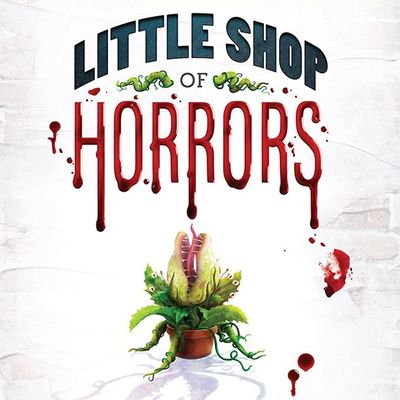
You guys, don't feed the plants. And while you're at it, wear a mask. As the world continues to fight a pandemic, Jeff and guest/actor/musician Michael J Willett (Faking It, GBF, Dolly's Parton's Heartstrings) discuss another threat all of humanity has endured: Audrey II.
Get ready for a fun conversation about the amazing musical LITTLE SHOP OF HORRORS recorded in an LA apartment because they literally weren't allowed to go anywhere else.
Check out Michael J Willett on Instagram and Twitter to see his incredible art, music, and everything else he shares with the world. Better yet, visit his website misterwillett.com And while you're at it, give him some love for our show's amazing artwork and theme song!
Follow "A Musical Theatre Podcast" wherever you may be listening and share us with your friends!
Join us on Instagram, TikTok and X for more great content. For bonus episodes, subscribe to PATREON! for only $1 a month. And don't forget about our TeePublic Store, our proceeds from which we donate to Broadway Cares/Equity Fights AIDS.
Above all, thank you for being part of this wonderful podcasting community.
Transcript
This transcript was automatically generated and might contain errors.
[0:00] Jeffrey Scott Parsons: Welcome, everybody, to a musical theater podcast where we discuss the emotional and cultural impact of some of our favorite musicals in theater history. My name is Jeffrey Scott Parsons. You can call me Jeff. Today, we're talking Little Shop of Horrors. And I am speaking with Mr. Michael J Willett.
[1:07] Michael J Willett: It is I. Hi, Michael.
[1:09] Jeffrey Scott Parsons: Hi. Are we going to talk about the fact that we've been dating for like 10 years?
[1:13] Michael J Willett: I don't know. You're a very private person.
[1:18] Jeffrey Scott Parsons: Not with your sexuality. I mean, oh, my God. I'm also we got bagels from next door.
[1:25] Michael J Willett: Yes, we did get bagels. We're currently quarantined. And we wanted to keep the bagel shop around the corner open. They're really cute and very kind. And they got yummy bagels. So we'll be eating bagels throughout this episode. Get into it.
[1:34] Jeffrey Scott Parsons: Why are you so private with me?
[1:45] Michael J Willett: Oh, my God. I knew this was a trap. This is a trap. This is so that if any media outlet ever comes to you, and it's like, hey, why don't you ever talk about the man in your life? You'll be like, actually, I did check out his podcast, a musical theater podcast now available on all streaming platforms. In general, I just like to protect the people I love. And this is your forum. And so I think actually, like if you would like to share that with your audience, then let's do it. I mean, it is nice that it's just our voice. There's like, I don't know, there's some sort of anonymity that's still protected. I think in the podcast world.
[2:18] Jeffrey Scott Parsons: Oh, cool. I don't know if that's true or not. But that's how I feel.
[2:23] Michael J Willett: Yeah. You can say things on Marc Maron show that you can't say on, you know, The Tonight Show with Jimmy Fallon.
[2:28] Jeffrey Scott Parsons: That's interesting. Like the visual changes it a lot. There's a lot of things I don't post on social media. You're not going to see me at the dentist. You're not going to see me on the toilet.
[2:38] Michael J Willett: You said dentist I really wanted to go.
[2:43] Jeffrey Scott Parsons: Yes, I didn't do that on purpose. So for those who don't know, Michael J. Willett is kind of, I think one of the most famous people we've ever had.
[2:52] Michael J Willett: What? That is not possible.
[2:59] Jeffrey Scott Parsons: That's true. You have people who've done like crazy things in the industry for years. I've had people who are very famous between the blocks of like 42nd Street to like 54th in the theater district. But you actually were in people's living rooms for quite a while.
[3:18] Michael J Willett: Yes. And that's different. That's a different level of fame. You have a very specific demographic whenever we go out and I see teenage girls with a specific fashion sense. I know that I know that they're going to recognize you. You were on a TV show called Faking It for three years. You were on United States of Tara. You did a film called GBF. Most recently were on Heartstrings on Netflix. Your episode I think was my favorite.
[3:45] Michael J Willett: Thank you. I would agree. And what's kind of cool is that in all of those projects you played really interesting gay characters. But what I think makes you a true gay icon is that you have shared oxygen with Toni Collette, Megan Mullally and Dolly Parton.
[4:04] Michael J Willett: Yes, this is true. That's kind of like some sort of gay trifecta, isn't it? The trinity, the holy trinity of gay Kwans. Can you tell us anything about any of them that you think that people might not know?
[4:17] Michael J Willett: Okay, well, Dolly Parton is everything you would want her to be times 10. Really? Yeah, just the sweetest, the most generous, just a joyful person to be around. We got to protect her from coronavirus. Megan's hilarious and Toni is everything I'd want to be. Just like a badass. She does whatever she wants and I like that about her.
[4:40] Jeffrey Scott Parsons: Yeah, she does. She does. Do you see her in Hereditary?
[4:45] Michael J Willett: Yeah. But what people might not know about you is that you've actually been doing this whole TV film thing since you were 13.
[4:51] Michael J Willett: And I looked a lot younger.
[4:57] Michael J Willett: Yeah, my first commercial I ever did was for Little Debbie Snacks.
[5:05] Jeffrey Scott Parsons: Yeah. But what came first, like musical theater or TV film?
[5:11] Michael J Willett: Musical theater. Honestly? Yeah, because where I grew up in Fresno, it was like, this kid sings a lot. He always wants to, he's trying to perform. We need to give him an outlet. So that was my outlet. Even then though, I remember you saying that as you were doing theater, it almost seemed like the technique of TV film is what felt most comfortable to you.
[5:29] Michael J Willett: Like you always had directors in theater saying, you're not doing anything.
[5:35] Jeffrey Scott Parsons: Yes, that was always the case. I was always singing too poppy and I was acting too small.
[5:42] Michael J Willett: Right. And that was something that was really challenging for me. And I actually, this show, this show, Little Shop of Horrors was the turning point for me. I literally had like a breakthrough moment with acting, doing this production.
[5:56] Jeffrey Scott Parsons: Like acting on stage?
[5:57] Michael J Willett: Yes. I was like, oh, I get it. You can do this much. And I don't know, like, I wanted to be honest when acting. And that wasn't enough for the people in the back row. And that was really hard for me to figure out how to be honest and make it read to a large audience.
[6:16] Jeffrey Scott Parsons: You feel things pretty deeply as a person in general. So yeah, I'm sure that would be frustrating. You're like, I could not be feeling this anymore.
[6:23] Michael J Willett: Yes. Why are you not getting it? Exactly. And then all of a sudden, a camera shows up and is three feet away from your face. And you're like, oh, you're brilliant.
[6:33] Michael J Willett: Yeah. When I did go into TV and film, it became a lot easier for me personally, because it was like, yeah, like you said, the camera is so much closer. They can read every expression, every glance of the eyes, you know, and that was what I think I was drawn to.
[6:49] Jeffrey Scott Parsons: Yeah. But this was the show that like, I was actually going through a lot at the time, like I was very depressed, and I was having like eating disorders. And so being able to use what I was going through in my life and use it in the place of the character like that, that was really cathartic. And that was like, this is like a whole new level of, like therapy and, and catharsis that I had never had.
[7:24] Michael J Willett: I don't think you know, I feel that way. Yeah, getting on stage and being able to pretend I was someone else saved my life. And yes, it's incredibly cathartic, not only in terms of developing empathy and understanding how to connect with people who aren't you, but also to just kind of explore your own stuff. Yeah. And sometimes dig underneath it all and still manage to bring joy to an audience.
[7:41] Michael J Willett: Yeah. And there's a lot of things that I could use in within Seymour to express my own pain or whatever depression. Yeah, I think that's even one of the lyrics where depression is just status quo. And then all the screaming and yelling. I got to really get a lot out. So yeah, I yeah, I too, I don't know what I would do without art.
[8:12] Jeffrey Scott Parsons: We have seen a lot of bad movies and a lot of bad musical theater. And being the person who sees them with you, I think I can say that the bad musical theater is always much more painful for you. And I want to know why.
[8:19] Michael J Willett: The bad musical theater is much more painful for me than like a bad film.
[8:25] Jeffrey Scott Parsons: Huh? That's a good point. There have been times where we would get to intermission and you'd say, Can I go sleep in the car? And I'm not making that up.
[8:32] Michael J Willett: Maybe it's because it's already a challenging art form. The most, in my opinion, it's very challenging. So you have to be good at a lot of different things. And I think you can tell when people are weak in some areas. And that could be about the product, the actual production itself, or it could be about the writing. Whereas with film or TV, there's editors, there's so many ways to make crap look better than it is.
[9:15] Jeffrey Scott Parsons: Because that's the art form. I don't know if that's the right answer. But that's what's coming to mind right now.
[9:18] Michael J Willett: Yeah. Now, I don't know if you're aware of this. But social media, in general, has had it officially with Hot Seymour. They're done. They want nothing to do with Hot Seymour.
[9:33] Jeffrey Scott Parsons: Thank you. Is this real?
[9:37] Michael J Willett: Yes, for real. Thank you. Because that's how I feel. I was just thinking about that this morning. As of like, last year, when the new Off-Broadway revival kicked into gear, suddenly Twitter was afire with like, you can't play the hot lead in Newsies and also Seymour Crowborn.
[9:51] Jeffrey Scott Parsons: Thank you. Like you got to spread the love, spread the wealth, which now leads me to my opinion. And I want to see what you think.
[10:03] Michael J Willett: Okay. The only casting I'm really interested in for Little Shop right now is Muppets Little Shop of Horrors.
[10:12] Jeffrey Scott Parsons: I fully support that. With Kermit as Seymour, Miss Piggy as Audrey.
[10:19] Michael J Willett: Yes. But then you keep three humans as the urchins.
[10:27] Jeffrey Scott Parsons: Oh, okay, cute. I think it's brilliant. I think your idea is brilliant. It's also an homage to the fact that Jim Henson created the plant in the first place. It just makes sense. And I'm all about puppets. I need more puppets in my life. Puppets equal theater magic, period.
[10:38] Michael J Willett: Yes, they do. And we've kind of reached the point now, I think, where puppetry seems like an excuse for Disney to put one of their animated features on stage.
[10:51] Jeffrey Scott Parsons: Oh, okay. Yeah. Like Lion King.
[10:59] Michael J Willett: Yeah. Well, because Lion King was so genius. Every Disney executive's like, well, let's turn this into a Broadway show. And they're like, we can't do that. Like, use puppets.
[11:02] Jeffrey Scott Parsons: Yeah. But when it's done well, boy, oh boy, is it effective?
[11:11] Michael J Willett: Yes. Right. All right. Let's I mean, let's talk about the history of the show. So let's start with Faust.
[11:15] Jeffrey Scott Parsons: Yeah. Faust is a German legend. The idea is there's this dude named Faust. The devil comes to him. He makes a deal with the devil. And then you kind of see the consequences of that throughout the show. Now, I think the difference in the original Faust story versus like Little Shop is that the character of Faust is sort of like secure. I think he has a successful career like, and yet he wants more. Whereas Seymour is sort of in a dire place. Like he doesn't have much going for him.
[11:49] Michael J Willett: There's a rock bottom there. Yeah. The Faustian legend has been used over and over again, whether it's an opera, and even in musical theater. Damn Yankees is a very popular musical that was also based on the Faustian legend. It isn't necessarily as present in the original film version in the 1960 film Little Shop of Horrors as it is in the musical.
[12:13] Jeffrey Scott Parsons: No, it's more expressly conveyed in the Howard Ashman version, for sure.
[12:20] Michael J Willett: Yeah, I would say that the musical is a mashup of Faust and the original film. It just is clear to me that like Howard Ashman is really combining, like you said, mashing up a lot of different ways to tell story. And I love that. I feel like he's such a genius at doing that.
[12:43] Jeffrey Scott Parsons: We'll talk about Howard.
[12:50] Michael J Willett: Yes, because you have to.
[12:54] Jeffrey Scott Parsons: Because you can't talk too much about Howard Ashman on this podcast.
[12:58] Jeffrey Scott Parsons: You're here because you love this show. For all the problems that you have in musical theatre, Little Shop is always a happy place for you to come back to.
[13:08] Michael J Willett: The movie happens in 1960 by Roger Corman, who is a very interesting figure in film history. He is known for creating these really quick B-level movies that would go into picture shows, kind of what Rocky Horror Picture Show was making fun of. He created this business model that ended up being very successful. In the case of Little Shop, a film had just finished shooting, but there were still a few days left with the set being available. Like it just happened to take place in a flower shop.
[13:46] Jeffrey Scott Parsons: Yeah, so he went up to the people who had been using the sets and said, if you let me shoot here for the next two days, I'll make a movie. They're like, you can't make a movie in two days. He's like, well, watch me. Let's try. What came out of those two days of shooting was Little Shop of Horrors. It becomes somewhat of a cult classic about this man-eating plant that tricks a nerdy botanist flower shop worker into feeding it blood. You and I watched this film version this week. In some ways, it's screaming out to be turned into a musical.
[14:23] Michael J Willett: Yes. I was so stunned that the first time we meet Seymour in the 1960 black and white film version, he's singing.
[14:31] Jeffrey Scott Parsons: He's singing. He's singing.
[14:38] Michael J Willett: He's singing Auld Lang Syne.
[14:40] Jeffrey Scott Parsons: Yeah. Because the whole thing takes place on New Year's Eve.
[14:44] Michael J Willett: Yeah, it's like December. I think later he sings a Christmas song too. It also takes place in Los Angeles, which I had always thought.
[14:54] Jeffrey Scott Parsons: Same.
[14:55] Michael J Willett: That Little Shop was in New York.
[14:57] Jeffrey Scott Parsons: I feel exactly the same way. It is clear though that Howard shifted it to New York.
[15:04] Michael J Willett: Yes. And then the following film.
[15:07] Jeffrey Scott Parsons: Yeah, the film version of the musical. What else is different in the movie?
[15:11] Michael J Willett: Seymour has a mom who's very overbearing, a big time alcoholic, like Miss Hannigan type alcoholic. She's addicted to like coffee.
[15:20] Jeffrey Scott Parsons: She is bathing in liquor.
[15:22] Michael J Willett: Yeah, in her bathtub. But she is constantly drinking cough syrup. Like she's sick so that she can keep drinking medicine that's like 98% alcohol.
[15:33] Jeffrey Scott Parsons: Right.
[15:34] Michael J Willett: And Audrey is barely a character.
[15:39] Jeffrey Scott Parsons: Let's we can just talk about how they look. Seymour does not have glasses.
[15:43] Michael J Willett: True.
[15:44] Jeffrey Scott Parsons: Audrey does not have blonde hair.
[15:46] Michael J Willett: Or cleavage.
[15:47] Jeffrey Scott Parsons: Oh, are you kidding? Well, maybe her cleavage was she got she was tits out.
[15:51] Michael J Willett: She was tits out, in my opinion.
[15:53] Jeffrey Scott Parsons: Yeah, no, but like that's that form. That's that 1950s like Madonna bra type.
[15:58] Michael J Willett: Right, like the really angry titty, like really pointed. What's the lady? What's the lady's name? You wrote it down. I remember.
[16:07] Jeffrey Scott Parsons: Oh, Hortense Fishtwinger. Something like that. The classic. She's this beauty woman who is giving him awards for being, you know, for discovering this new plant.
[16:19] Michael J Willett: Oh, let's talk about the difference there with Seymour finding the plant.
[16:25] Jeffrey Scott Parsons: Oh, right.
[16:26] Michael J Willett: In the 1960 film.
[16:28] Jeffrey Scott Parsons: Yes.
[16:28] Michael J Willett: Seymour finds the plant because...
[16:30] Jeffrey Scott Parsons: I wrote it down.
[16:31] Michael J Willett: He says, I got the seeds from a Japanese gardener over on Central Avenue. He found them in with an order he got from a plantation next to a cranberry farm.
[16:42] Jeffrey Scott Parsons: Wow.
[16:43] Michael J Willett: To me, it has this like low key racism where they're saying like it's like the fear of Japanese people where it's like, oh, they brought this exotic plant and they're actively trying to destroy us.
[16:56] Jeffrey Scott Parsons: It's subtle and yet there and is in a lot of stuff, too.
[17:00] Michael J Willett: Right. Gremlins is this way.
[17:03] Jeffrey Scott Parsons: Right.
[17:04] Michael J Willett: A lot of these stories where somebody from the East has brought something into America that will destroy us all.
[17:11] Jeffrey Scott Parsons: Well, my gosh.
[17:13] Michael J Willett: Oh, and that's what's happening right now is the frequent whenever the president says the word China, you just feel that his disdain and prejudice.
[17:24] Jeffrey Scott Parsons: Right. It's the fear of the other, the fear of, you know, you know, info destroying our American culture, our American way of life.
[17:33] Michael J Willett: Right. And yeah, this is another example of that. In the musical version, though, I think Howard goes pretty far to make sure that that is not the case.
[17:42] Jeffrey Scott Parsons: The inclusion of the total eclipse of the sun.
[17:45] Michael J Willett: Yes. I love that.
[17:47] Jeffrey Scott Parsons: So it's a Chinese man who just has a flower shop and the plant magically appears via the total eclipse of the sun.
[17:55] Michael J Willett: And he doesn't know where it came from.
[17:58] Jeffrey Scott Parsons: He doesn't know where it came from.
[17:59] Michael J Willett: But he's like, he sold it to him anyway for a dollar ninety five, which is great because then it's an alien attack, not a foreigner.
[18:12] Jeffrey Scott Parsons: Yes.
[18:13] Michael J Willett: Which not some guy who has a mug away.
[18:16] Jeffrey Scott Parsons: Why? Why do you have such a dangerous creature in your shop?
[18:21] Michael J Willett: On the ready.
[18:23] Jeffrey Scott Parsons: Yeah, exactly. Roger Corman is a really interesting fellow because you could very easily say that he just made schlock. Did he actually do more harm than good to filmmaking by creating the genre of bad science fiction cult films?
[18:41] Michael J Willett: You know, which is why it was so surprising when a few years ago, Roger Corman received an honorary Oscar.
[18:50] Jeffrey Scott Parsons: What?
[18:51] Michael J Willett: Yeah, and everyone was like, wait, how? How is this man being rewarded for filmmaking when his films are on purpose? Not great.
[19:01] Jeffrey Scott Parsons: And the thing is, is that because he discovered and created a cheap way to make films, he gave pretty much every famous director one of their first jobs. Martin Scorsese, Francis Ford Coppola, Peter Bogdanovich, Jonathan Demme.
[19:21] Michael J Willett: That's why Roger Corman is in Silence of the Lambs. He would say, OK, you have two weeks to make a movie. Here's $30,000. It has to be about women in a prison. But it allowed these artists to make a film, to write and direct and make a film. And people call it the Roger Corman School of Filmmaking.
[19:42] Jeffrey Scott Parsons: Well, I have to admit that when I was watching it, and I think I might have even said it, the 1960s Roger Corman version of Little Shop, I was actually impressed because I, as an artist, sometimes feel like, oh, it's got to be perfect for it to even exist. And Roger Corman's school of thought was like, no, it doesn't. It just has to be interesting, kind of a thing.
[20:08] Michael J Willett: Has to be watchable.
[20:09] Jeffrey Scott Parsons: And it is. And it actually is watchable. Because most bad films, I think, get to the point of unwatchable because the artist believes in it and takes it so seriously.
[20:20] Michael J Willett: Right.
[20:20] Jeffrey Scott Parsons: You know, where Roger Corman's like, I'm not going to make this any more than 70 minutes because you can't watch more than that.
[20:27] Michael J Willett: And I get it. And that's why we do double features. You'll watch this one. You'll go refill your popcorn. You'll watch another bad one. You'll have a great time. Make out with somebody who's next to you.
[20:35] Jeffrey Scott Parsons: Hey, that sounds like a good night.
[20:37] Michael J Willett: It's fun.
[20:38] Jeffrey Scott Parsons: Yeah, that sounds like fun. And maybe that's part of its charm is that it's not taking itself too seriously.
[20:46] Michael J Willett: I think you're right. If it were, it would be a lot more difficult to consume.
[20:52] Jeffrey Scott Parsons: Yeah. Or it's like M. Night Shyamalan.
[20:56] Michael J Willett: Like, they're like, the plants, they're killing us.
[21:01] Jeffrey Scott Parsons: You're so right. The happening is Little Shop taking itself too seriously.
[21:06] Michael J Willett: Yes.
[21:07] Jeffrey Scott Parsons: Whoa. You just blew my mind.
[21:10] Michael J Willett: You're welcome.
[21:11] Jeffrey Scott Parsons: That's good. All right. So now let's go to Howard Ashman.
[21:15] Michael J Willett: Yeah.
[21:15] Jeffrey Scott Parsons: When do we talk about the plot points? Because I know that's like a thing on the show.
[21:19] Michael J Willett: Yeah, we'll get to that.
[21:19] Jeffrey Scott Parsons: Okay. So Howard Ashman, Howard Elliot Ashman.
[21:24] Michael J Willett: Elliot.
[21:24] Jeffrey Scott Parsons: Yes. I love Elliot. Was born in 1950 in Baltimore, Maryland to a Jewish family. And he went to school, got his master's degree from Indiana University. He becomes artistic director at the WPA Theater, which is the theater the Little Shop ends up playing at. In the meantime, he goes to the BMI workshop and meets Alan Erwin Mencken, the son of a boogie woogie piano playing dentist.
[21:55] Michael J Willett: Yes, I was going to say that. Alan Mencken's dad was a dentist.
[21:59] Jeffrey Scott Parsons: Are you kidding me? He comes from a long line of dentists. And he thought he was going to be a dentist until he kind of walked into that BMI workshop and was like, oh, I'm supposed to do musical theater.
[22:12] Michael J Willett: Yes.
[22:13] Jeffrey Scott Parsons: So Alan and Howard start working together. The first big musical that they do that gets produced is called God Bless You, Mr. Rosewater. And it's performed off Broadway. It's based on the Kurt Vonnegut novel. I'm really interested in seeing this show. I think it could be very relevant to our current society. It's about a millionaire who has suddenly this change of conscience and decides to start giving away his money to those who need it, which freaks out everybody, including his family, because he's giving away their fortune. So they kind of convince him that he's crazy and force him to have a mental breakdown so that they can gain control of all of the money.
[23:05] Michael J Willett: Wow.
[23:05] Jeffrey Scott Parsons: Right? The trust.
[23:06] Michael J Willett: Yeah, the trust. I'm like, I actually really want to see this show.
[23:11] Jeffrey Scott Parsons: Succession.
[23:12] Michael J Willett: Wow. I want to see that.
[23:13] Jeffrey Scott Parsons: Yeah, with some Alan Menken and Howard Ashman. That was their first show?
[23:17] Michael J Willett: That was their first show off Broadway.
[23:20] Jeffrey Scott Parsons: And it wasn't, by any means, it wasn't like a huge hit.
[23:23] Michael J Willett: No, but even the subject matter alone. And I don't know if it was their first show that they wrote, but it was definitely the first show that got produced.
[23:31] Jeffrey Scott Parsons: Dang. To any certain degree. Still. That kind of puts them on the map a little bit in terms of the off Broadway community. Now, at this point, late 70s, early 80s, as I've said before on the podcast, off Broadway becomes the testing ground for ideas.
[23:43] Michael J Willett: Interesting.
[23:43] Jeffrey Scott Parsons: Where in the past, off Broadway was the testing ground for composers.
[23:52] Michael J Willett: Can you explain the difference?
[23:54] Jeffrey Scott Parsons: Yeah. So in the 1950s and 60s, there would be a lot of reviews off Broadway, and they were filled with songs written by new composers. And producers would go to these reviews and say, hey, that's a great tune. I should get that composer to write a musical on Broadway. That's how David Merrick found Jerry Herman. Then late 70s, early 80s hit. Then all of a sudden, like Stephen Schwartz is doing Godspell off Broadway. And that becomes a hit. The Fantastics becomes a hit. Now actual shows are becoming hits off Broadway. And not only are the teams being brought to Broadway, but some of their actual shows are transferring to Broadway as well. And that's, I think, a big shift.
[24:41] Michael J Willett: So within that time period is this songwriting team of Alan Menken and Howard Ashman writing stuff off Broadway. But Howard was very dedicated to the off Broadway scene.
[24:53] Jeffrey Scott Parsons: Yeah, I read or heard somewhere that Alan and Howard both thought that was where they were going to live and stay, was just off Broadway. They were interested in telling these more intimate tales.
[25:05] Michael J Willett: So then the next show that they work on is Little Shop. The original movie feels very noir. It's all told through the perspective of the private eye of the detective who's investigating the murders and disappearances of these people on Skid Row. And from what I understand, that was a little bit the way that they were going stylistically in terms of music.
[25:28] Jeffrey Scott Parsons: Correct. It was very jazz, very noir, almost like Chinatown.
[25:33] Michael J Willett: The film Chinatown.
[25:35] Jeffrey Scott Parsons: Right. And yeah, and then that wasn't working. And so then they decided to just fully embrace the idea of it taking place in the 60s and doo-wop music being the vehicle for the score.
[25:48] Michael J Willett: Right. And I think I heard Alan Mencken say that that was when he learned that style is very important.
[25:55] Michael J Willett: To a piece, but it's essentially finding like the style for the show is almost what people take in the most. It's the thing that people, and I would say that that's something I'm gravitating toward with this show, with this piece. I'm like, the music on its own is just fantastic. And then I was a big fan of like the elements of it. I can't think of another show, at least at the time, there wasn't another musical that I was aware of that was like sci-fi and had puppets in that way. Like that, it was all the things that I loved. Speaking of style, like the 1960s music, that soon bleeds into every part of the show, where you have these three street urchin girls, and their names are Ronette, Crystal, and Siobhan, who are also the names of girl groups from the 60s. The Ronettes, the Siobhans, the Crystals.
So brilliant. So smart. Look, I'm just going to go ahead and say it. There has never been a more successful musical that incorporated pop music and heart. Oh, and I love those two together. They were able to find and really capitalize on the core structures that make 1960s pop music and bring them to storytelling that makes these characters so endearing. As I kept researching the musical, it always says the campy, off-Broadway hit Little Shop of Horrors. And that is not what I think of first. No. I think of my heart. I think of the emotional pull and love that I have for these characters, first and foremost. And isn't that interesting that with all of that style and the really, like, kind of showy elements, you still think about the heart of the show?
Right. That's pretty profound, I think. Incredibly. It makes me really wish that Howard had been able to stay around longer. Howard and Alan were, of course, responsible for the Disney Renaissance that brought about Little Mermaid and Beauty and the Beast and Aladdin. Howard, however, passed away of AIDS before Beauty and the Beast came out, I believe. And man, he's like my childhood.
[28:24] Jeff Parsons: Yeah, me too. I think he's all of our childhoods in some way. Yeah, whether we know it or not. I think that that's why I like talking about him as much as possible, because it's like, you should know about this guy. This guy has created culture and gay history and all of it. He has been such an influence on our lives. And you may have no idea. Even when we were looking through his IMDb or something, he did only a few projects before he died. And the list of credits after his death are so long. It's incredible. He was a take-charge type guy. He not only wrote the lyrics for Little Shop, but he also wrote the script, the book, and directed it. He probably could have played all the characters. He probably gave everyone line readings.
When he got to Disney, he took on many more responsibilities than just being a lyricist. I can't think of another person who got hired by Disney and then ended up pushing his way into almost being a director. He's for sure a producer. I think he's listed as a producer on a lot of them, because it's very clear that he has influenced more than just the lyrics, but the actual story beats and a lot of the lines.
[29:49] Michael J Willett: Character development, the way that the story leads into music, where the music comes in the story. Yes, that they're sort of practical, too. The way Sebastian is a musician, and so he's always orchestrating or composing music, so it makes sense for him to sing. Thinking about filmmaking in terms of musical theater was all him. I think part of the reason I like Little Shop, too, is because I can see that it's a precursor to the Disney musical animated film.
[30:27] Jeff Parsons: Yes, there we go. All the words.
[30:31] Michael J Willett: But more adult, like slightly more adult because of the subject matter of Little Shop, but still the same heart, the same kind of cartooniness. I actually think the show Little Shop works best when it's like a cartoon. I remember getting the script for Little Shop and opening it up, and there was a note from the creator.
[30:55] Jeff Parsons: Yes.
[30:56] Michael J Willett: Right?
[30:56] Jeff Parsons: Yes.
[30:57] Michael J Willett: And it still is in the script, and it's from Howard Ashman saying that this show is filled with characters that are colorful and even sometimes cartoonish, but they should always be played for real.
[31:13] Jeff Parsons: Yeah, which I love.
[31:14] Michael J Willett: And I had never seen anything like that before in a musical theater script.
[31:19] Jeff Parsons: That was the first time I had ever seen that either, and it feels so lovingly done. It doesn't feel like he's trying to be a control freak. He's like giving you a clue.
[31:30] Michael J Willett: Yeah.
[31:31] Jeff Parsons: That's how it feels. Like, this is the best way to do this show.
[31:34] Michael J Willett: Yeah.
[31:34] Jeff Parsons: But that all goes back to the heart that we were talking about, that this show, for all of its campiness, for all of its over-the-top sci-fi themes and plots, has a lot of heart.
[31:48] Michael J Willett: So let's talk about the show.
[31:49] Jeff Parsons: Should we?
[31:49] ⚠ About 2 minutes of audio could not be automatically transcribed.
[34:12] Michael J Willett: 1960s pop. I think why I like Sister Act 2 is because... Not Sister Act 2, the movie. Although I do like that as well. Sister Act as well. It goes to that little shop place a little bit more than some of his other...
[34:25] Jeff Parsons: I agree. I think that's roughly when he grew up. Like, I mean, he was sort of young, but it was something that was like...
[34:32] Michael J Willett: Formative years.
[34:33] Jeff Parsons: Yeah, it was sort of the formative years.
[34:34] Michael J Willett: Yeah. So it makes sense to me that he would be able to pull from it very easily. The opening happens and we're introduced to this setting, which is Skid Row. My gosh, what a great song to meet all of these characters. Yesterday, you and I listened to all of the soloists.
[34:52] Jeff Parsons: Along goes Appleton. Which was your favorite?
[34:56] Michael J Willett: I honestly really like the one from the movie.
[35:00] Jeff Parsons: Me too!
[35:01] Michael J Willett: She crushes it. I didn't realize how much I liked the movie.
[35:07] Jeff Parsons: It's good.
[35:08] Michael J Willett: It's actually really great.
[35:09] Jeff Parsons: It's good. Those girls...
[35:12] Michael J Willett: Killing it.
[35:12] Jeff Parsons: Yes. Tisha Campbell and they have...
[35:15] Michael J Willett: They got such attitude and they are staring down that camera.
[35:19] Jeff Parsons: I want to be them.
[35:20] Michael J Willett: They are powerful. I love the way they move. I love that they don't even really dance that much.
[35:26] Jeff Parsons: No.
[35:26] Michael J Willett: They are pretty still.
[35:29] Jeff Parsons: She cute.
[35:29] Michael J Willett: She's really cute. I love...
[35:31] Jeff Parsons: Yeah, whoever did the choreo on that is really good.
[35:33] Michael J Willett: So she's my favorite. Bertice Redding. And we meet... I mean, I guess there is this little scene before. We meet Seymour. He's a total klutz. He works at Mr. Mushnik's floral shop where Mr. Mushnik has had it with him because he's always breaking pots.
[35:46] Jeff Parsons: The business is not doing well.
[35:49] Michael J Willett: It's not doing well. They're on Skid Row. It's not exactly the best place in the world to be operating a small business. You've got Audrey.
[35:56] Jeff Parsons: Who has a black eye.
[35:57] Michael J Willett: Who has a black eye because she has this boyfriend named Oren Scrivello, DDS, and he's incredibly abusive. It's clear that Seymour has a crush on Audrey and that Audrey thinks that Seymour is cute.
[36:11] Jeff Parsons: And they kind of look out for each other because Mr. Mushnik is always wanting to fire Seymour and Audrey's like, oh, it's OK, Mr. Mushnik.
[36:19] Michael J Willett: That's true. They're sort of standing up for each other.
[36:21] Jeff Parsons: Yeah.
[36:22] Michael J Willett: Wow. I didn't realize that all happens right in the first scene.
[36:25] Jeff Parsons: Yeah.
[36:25] Michael J Willett: That you get all of that subconsciously.
[36:28] Jeff Parsons: Two pages.
[36:29] Michael J Willett: Oh, my gosh. And it moves.
[36:30] Jeff Parsons: Yeah.
[36:31] Michael J Willett: It's tight.
[36:32] Jeff Parsons: No.
[36:33] Michael J Willett: Wow. And from there, that's when we get the solo. That song is glorious and gives me chills every single time.
[36:43] Jeff Parsons: The way that the voices all mesh together and the lyric writing is so honest. These two characters realize that they're not in a great place in their lives and they need to get out of there.
[36:51] Michael J Willett: And so Skid Row becomes this metaphor not only for the place that they live and the financial hardships, but also the emotional hole that they're in and they want to get out. It's not just about drowning in your sorrow, but the hope that there's a way out of here.
[37:08] Jeff Parsons: And I think it does one of those things that I really like in terms of musical storytelling where we're able to see and hear that not only does Seymour feel that way, but Audrey feels similar.
[37:20] Michael J Willett: And they're singing the same song.
[37:23] Jeff Parsons: They just don't realize that they're on the same page.
[37:25] Michael J Willett: They don't even realize they're singing the same song.
[37:28] Jeff Parsons: Aw, that's so sweet. I love that. And we just listened to Uptown, which is what Downtown is based on.
[37:35] Michael J Willett: And Downtown is better than the original.
[37:38] Jeff Parsons: That's what I was going to say. Don't you think it's the better song?
[37:41] Michael J Willett: For sure. It's actually a better song.
[37:43] Jeff Parsons: Alan Macon improved on it.
[37:45] Michael J Willett: He did. Like you can hear its origin and you're like, oh no.
[37:48] Jeff Parsons: I prefer the musical.
[37:50] Michael J Willett: Yes, Skid Row is better.
[37:51] Jeff Parsons: Yeah. Fascinating. It's also the moment we realized that Ellen Green, who up until this point has had this squeaky little whispery voice, also has the largest singing voice you have ever heard come out of a small white woman.
[38:05] Michael J Willett: You're like, what?
[38:09] Jeff Parsons: She opens up that mouth.
[38:11] Michael J Willett: Yeah. And it's that space. She has that like, yeah.
[38:16] Jeff Parsons: Yeah. I love 80s musical theater for this reason, because you have Ellen Green and you have Jennifer Holliday, both of which just opened their mouths so big, so wide.
[38:28] Michael J Willett: And this vulnerable, totally enthralling sound comes out.
[38:33] Jeff Parsons: How?
[38:33] Michael J Willett: And they continue to do it their entire careers.
[38:36] Jeff Parsons: Yeah. Ellen Green, man, she has so much variety to her performance.
[38:43] Michael J Willett: Them's are some colors.
[38:44] Jeff Parsons: She's got colors.
[38:45] Michael J Willett: She's got all the colors.
[38:46] Jeff Parsons: She got...
[38:47] Michael J Willett: Not even the 24 pack.
[38:49] Jeff Parsons: I think like more than that.
[38:50] Michael J Willett: She got burnt sienna.
[38:52] Jeff Parsons: Yeah. She got cornflower.
[38:53] Michael J Willett: Uh-huh, but she does. She's got, because she is able to do the meek stuff and then have so much variety in that. And then she's able to be like, you can tell she's a powerhouse, like she secretly, and the voice blends it to that. Like, I think, what do you think the psychology of that is? Like, do you think that it implies that she has something, she has a soul that's aching to get out and sometimes it gets out via song?
[39:17] Jeff: Yeah, but that's about it. It's really beautiful that her most vulnerable moments, because of that big sound, are all done through music. Yeah, her true soul comes out. That's beautiful.
[39:30] Michael J Willett: It is, and really relatable. I think so many people feel that way. They're like, oh, I can't do, and we were just talking about that. Like, art allows you to do that, and music allows you to do that in a way that real life or talking doesn't always. And what a great character! Like, what a freaking great character! And I'd be interested to hear a female perspective on it because she is a victim of domestic abuse and refuses to leave an abusive relationship. And that's not exactly a great example. I can see how people might find her problematic, but I feel like her heart is just so solid gold, you can't blame her. I love her so much, and I too would be interested to hear like a more female perspective because it's complicated from there.
You know, Seymour's causing more ruckus, Mushnick's getting mad, and Audrey says, "Hey, Seymour, why don't you go get that strange and unusual plant that you've been working on?" So he brings out this plant that looks kind of like number one puppet, number one that looks kind of like a Venus flytrap if it were a little bit more bulbous.
[40:51] Jeff: Mushnick says, "Hey, Seymour, I've never seen a plant like that! Where did you get it?" And then Seymour tells us, "In Dadu." I love the way that they bring in the girls, and in this song, Seymour doesn't sing at all. Everything that's sung is the three girls, and his stuff is all spoken. So Mushnick realizes, "Oh, this is a strange and unusual plant that's bringing customers into the shop. Seymour, you're a genius! But make sure that you keep it healthy," at which point the plants droop. So Seymour is now all by himself with this plant, and he sings "Grow for Me," which is like, I've tried my hardest to make you grow. I've done everything that I'm supposed to. You're barely alive. Look, you can't even talk about the song without using the Howard Ashman lyrics. Like, they're just so smart. It's just the best way to say it.
[41:39] Michael J Willett: Yeah, the one that goes into blood is really great. I've tried you at levels of moisture from desert to mud. I've given you grow lights and mineral supplements. What do you want from me? Blood! So great! It's just like it rolls, it's so seamless. At which point he pricks his finger on like roses, on some thorns and roses, and the plant like opens up, smells the blood, and opens up. And there's this fun little pantomime thing where he realizes that what the plant is responding to is the fact that his finger's bleeding. So then he launches back into the song, but I guess a few drops couldn't hurt.
[42:21] Jeff: Yeah, and then at the end it grows. It does!
[42:30] Michael J Willett: Oh right, so after it drinks the blood, yeah, smile!
[42:37] Jeff: Yeah, exactly! I love a good muppet open mouth smile. Can you imagine Kermie singing "Grow for Me" and "Somewhere That's Green" is him?
[42:46] Michael J Willett: Oh my god, how is this not happening already? Forget Scarlett Johansson, I'm not interested. I want Miss Piggy! I want Miss Piggy and Kermy!
[42:54] Jeff: What's interesting is that when you do your Ellen Greene impression, they're similar. There's a little bit of a Miss Piggy impression.
[42:58] Michael J Willett: Yeah, can you do it?
[43:03] Jeff: I don't know, what do I say?
[43:05] Michael J Willett: Uh, well, let's go to "Somewhere That's Green."
[43:09] Jeff: That's nice!
[43:14] Michael J Willett: Yeah, they are! Kermie!
[43:21] Jeff: So after "Grow for Me," then there's an interview on the radio, and it's obvious that Seymour is becoming more famous, and the shop is gaining more attention. And Mr. Mushnik sings about how he can't believe that it's happening, that all of his dreams are coming true, and Seymour can't believe it either. Enter Seymour with a much, much bigger Audrey II, yes, which was always my favorite part!
[43:45] Michael J Willett: Yes! It's always this really cool puppet that allows Seymour to be the one to operate it, and then there's like a fake arm, yeah, so that it looks like he's not the one.
[43:59] Jeff: Yeah, it's so great! It's so fun! And the girls come around him and sing "You Never Know," which is another bop!
[44:07] Michael J Willett: Oh gosh, to borrow Adam Wachter's word, yes, such a bop! That's, it's such a great tune! From there, Audrey rushes in and her arm is in a cast, and the girls are like, "Audrey, honey, wake up! This is not a situation, girl!" And then Audrey sings, "I know Seymour is the greatest."
[44:31] Jeff: Yeah, that's great! That's a great Ellen Greene! Now do it like Miss Piggy!
[44:44] Michael J Willett: Oh god, I don't know if I... I know Seymour's the greatest!
[44:48] Jeff: It's interesting that it had to go up!
[44:58] Michael J Willett: Yeah, that's great! And then the second line would be when she gets all gravelly, "I know!" I really want to see that!
[45:03] Jeff: I know! And it's so like, it's actually not that far off! Like, especially when we were watching the Frank Oz version of "Skid Row," it was basically like, "When you live!"
[45:10] Michael J Willett: Yeah, like Oscar the Grouch!
[45:14] Jeff: Yeah, exactly! There's like all these little muppet moments too!
[45:17] Michael J Willett: So true! Now "Somewhere That's Green" is such an Alan Menken ballad. You can almost line it up line for line with "Part of Your World." And do you know that when they wrote "Part of Your World," they like low-key called it "Somewhere That's...
[45:29] Michael J Willett: Yeah, yes, yes, it's so true though. But I mean, I get it, and they're different to me, but they're like, you could go either way. It's a choose your own adventure. Do you want red hair or do you want blonde hair?
[45:49] Michael J Willett: Yeah, after "Somewhere That's Green," which is, oh, there are so many great lyrics in "Somewhere That's Green." This episode's going to be three hours long, I know. Seymour's the greatest, but I'm dating a semi-sadist. Hello, game over, you win.
[46:07] Michael J Willett: Yeah, you win the game. "Somewhere That's Green" is Audrey wishing for, you know, the white picket fence, perfect life that she sees on "Father Knows Best" on TV, and all of those fun references from the 1950s paint such a perfect picture of the American dream.
[46:22] Michael J Willett: Yes, he rakes and trims the grass, he loves to mow and weed. I cook like Betty Crocker, and I look like Donna Reed. Yeah, so smart. There's plastic on our furniture. Did your grandma ever have plastic on her furniture?
[46:37] Michael J Willett: I remember going, if it wasn't my grandma, I think I know that I have sat on plastic, like plastic-covered furniture, and it was because of like some older woman. It's so stupid, it's so uncomfortable.
[46:54] Michael J Willett: Yeah, like why get a couch? It makes you feel like you're not supposed to be there. Was that pre-air conditioning in the home? Oh lord, can you imagine being sweaty and sitting on a plastic couch?
[47:04] Michael J Willett: No, do not wear shorts after "Somewhere That's Green." You got "Closed for Renovation," which is showing us that the shop is growing and becoming more successful, so they are expanding the store. They have all of this money now from all of the success that this plant has brought.
[47:19] Michael J Willett: Which is actually a really cute song. I don't know why it's cut, because it's not part of the movie, I think. Oh, now, isn't there also another song that's like, yeah, "Call Back in the Morning" is similar to, and would that happen at this place, or what does that happen later?
[47:31] Michael J Willett: No, that's the top of Act Two. That's right, that's right. So after "Closed for Renovation," that's when we meet Orin for the first time.
[47:44] Michael J Willett: Okay, which is the evil boyfriend dentist, and he comes in, he's got his like black leather jacket, Elvis, yeah, and sings an Elvis-inspired song about being a dentist, which is filled with a lot of great rhymes.
[47:59] Michael J Willett: More rhymes, many great rhymes. When I start extracting your molars, you girls will be screaming like holy rollers. Yes, that's a great one. Steve Martin is weird in this show, in that movie.
[48:12] Michael J Willett: I know that it's a specific time in comedy and film where you had that like boys group of John Candy, Steve Martin, Bill Murray, like the whole Ghostbusters thing.
[48:26] Michael J Willett: And I think that I really like Ghostbusters. Even Rick Moranis was part of that, but there's something that Steve Martin is doing that Ellen Greene and Rick Moranis aren't doing, which is playing at.
[48:38] ⚠ About 3 minutes of audio could not be automatically transcribed.
[51:51] Michael J Willett: Well, this is what I'm going to need. I'm going to need blood. Feed me now.
[51:56] Jeffrey Scott Parsons: So then Seymour's like, I can't do that. Feed an inanimate plant.
[52:00] Michael J Willett: Like you are an inanimate object. What power do you have? And he's like, actually, I have all the power in the world. How do you think you got all of this stuff? Your adopted father, like the business. Oh, yeah, I guess. And yeah. And if you make a deal with me, I'll get you the girl too.
[52:17] Jeffrey Scott Parsons: Yes. Which is the classic Faust story. Like I think it was originally that's what he wants is this woman named Gretchen.
[52:22] Michael J Willett: Oh, really?
[52:25] Jeffrey Scott Parsons: Yeah. And so then the plant starts appealing to his ego.
[52:28] Michael J Willett: Yes.
[52:31] Jeffrey Scott Parsons: And saying, look, you've always been a scrawny little nerd. But what if you were the man? What if you were James Dean, making all the guys on the corner turn green?
[52:43] Michael J Willett: Yeah. What if you were the rebel?
[52:45] Jeffrey Scott Parsons: Yeah. What if you were this like American icon of what it means to be a man?
[52:51] Michael J Willett: Yeah. And Seymour's like, OK, I could do that. But then he takes a step backward when the plant says.
[53:00] Jeffrey Scott Parsons: And I mean, there are people out there who deserve to die. And he's like, no, that's not true. Nobody deserves to be murdered. At which point in a moment of perfect fate, he sees the dentist with Audrey, who is abusing her, and he's filled with absolute rage and realizes that guy deserves to die. And if I take care of it, I'll have the girl and she'll be safe and the world will be rid of this horrible person. It's the perfect set of circumstances to make everything justifiable.
[53:32] Michael J Willett: Yes, I think that's important. It's really important for the audience not to turn on Seymour. Seymour is such a great character, and I think that that's why people love to play him. You're demure and shy and sweet, but then you're also powerful and in some ways bloodthirsty. It runs the gamut in terms of what you get to be able to do in one character.
[53:54] Jeffrey Scott Parsons: I agree. I was just thinking about that, too, like you kind of could call him an ingenue because he's a unique ingenue. I play a lot of character-y roles, which I prefer, and Seymour is somewhere between a leading man and a character role, and I like that combo. That's my favorite combo.
[54:19] Michael J Willett: Leading men are boring. Ingenues are boring.
[54:22] Jeffrey Scott Parsons: And neither of them are.
[54:26] Michael J Willett: No, you're absolutely right. So then Seymour goes to the dentist's office. The dentist thinks that Seymour's coming in for a procedure, and so he puts on a gas mask so that he can be high while inflicting pain on Seymour. This crazy contraption that he's created for himself to get high gets stuck, and he realizes that he's going to basically laugh himself to death. And so Seymour has this. He's realizing he actually doesn't have to kill him after all, that if he just allows him to kill himself, then everybody wins. So through that, Oren laughs himself to death, and Seymour feeds him to the plant. End of Act One.
[55:16] Jeffrey Scott Parsons: So now, and there absolutely is some sort of laugh like that from the plant, right? We've made a deal with the devil, and there's no backing out. So now Act Two. This is when you got a call back in the morning, right? When last we left this story, business is even better. So Seymour's like, hey, let me show you. I got a surprise for you. And he comes out in a leather jacket strangely similar to the one that Oren was wearing.
[55:37] Michael J Willett: Yes. Which, do you think he bought it, or do you think it's actually?
[55:42] Jeffrey Scott Parsons: No, I think it might actually be his, and he thinks like, look, I'm the cool dude. This is the kind of guy you're into, right?
[55:51] Michael J Willett: And she doesn't like him. She has a PTSD flashback.
[55:55] Jeffrey Scott Parsons: Right. And he's like, no, no, wait, wait, wait, wait. I thought you'd like this. I thought you'd like this. And she reveals that she's been feeling guilty about Oren's disappearance, because on some level, I wished for it. She's like, do you know where I met Oren?
[56:12] Michael J Willett: The gutter.
[56:14] Jeffrey Scott Parsons: The gutter?
[56:14] Michael J Willett: It's a night spot. I used to work there on my night self.
[56:18] Jeffrey Scott Parsons: It's so good. It's so great. But to your point, these are all lines that are so musical, you're remembering them like they are lyrics.
[56:30] Michael J Willett: And Seymour says, babe, I'm going to be the one to tell you about how great you are. And so then he starts singing Suddenly Seymour, which is so romantic, such a romantic song. It's the moment when he steps up and is like, I will be your man.
[56:48] Jeffrey Scott Parsons: Well, she it's so cool, because like in her verse, she has a moment of like, she questions it a couple times, I think where she's like, like, it's hard for her to call herself a loser.
[56:58] Michael J Willett: Oh, it's so sad.
[57:08] Jeffrey Scott Parsons: Yeah. And then she opens that mouth wide.
[57:08] Michael J Willett: I can't even begin to understand how she makes that sound.
[57:15] Jeffrey Scott Parsons: Now when girls come in?
[57:15] Michael J Willett: Yes.
[57:23] Jeffrey Scott Parsons: It's such a great moment. When they made the musical film, the studio execs asked Howard to change the lyric to Suddenly Someone, because they thought if they took the word Seymour out, that it could actually be a hit. And so they wanted the song to be called Suddenly Someone so that they had a chance of maybe putting it on the radio. And Howard was like, hell to the nah.
[57:39] Michael J Willett: Yeah, it was like, click hard pass.
[57:44] Jeffrey Scott Parsons: Yeah, hard pass. So he stuck to his guns on that one. Good. So suddenly Seymour ends and they kiss. And we all go crazy. Because now Seymour and Audrey are together, everything's going well. Then Mushnik comes in and says, I need to talk to you alone. And we find out that Mushnik has found a bloody dentist's uniform in the garbage behind the shop. And then there are like, we're all of these little dots.
[58:12] Michael J Willett: Yeah, there are all these like red dots on the tile in the flower shop.
[58:20] Jeffrey Scott Parsons: And he's like, I was drinking Hawaiian punch.
[58:20] Michael J Willett: I do not remember that. It's Hawaiian punch. That's amazing.
[58:29] Jeffrey Scott Parsons: Yeah. And this is another brilliant plot point is that the plant comes alive and is kind of voicing his, you know, subconscious.
[58:36] Michael J Willett: Right.
[58:42] Jeffrey Scott Parsons: And saying, like, he's gonna ruin everything he knows. But also, if you feed him to me, I also get fed.
[58:48] Michael J Willett: Yeah. Once again, it works for everybody.
[58:48] Jeffrey Scott Parsons: Two birds. Do you remember what Mushnik says to him?
[58:54] Michael J Willett: When?
[58:54] Jeffrey Scott Parsons: Well, he says, like, I'm gonna take you down to the police station, and you're gonna tell exactly what happened. And then Seymour's like, oh, well, we should probably deposit the money first.
[59:04] Michael J Willett: Oh yeah, it's in the plant.
[59:09] Jeffrey Scott Parsons: And the plant opens up. And he's like, really, it's in the plant. He's like, yeah, just go ahead and look in there. And he looks in and as soon as he, you know, bends over, the plant eats him.
[59:14] Michael J Willett: Now, after that, the plant has grown even more. And so it's time for the Meek Shall Inherit. Quite possibly my favorite song in the show. Talk about a bop.
[59:28] Jeffrey Scott Parsons: Yeah, seriously. That's a fun song. Traditionally, there are these three different people who are coming to him to tell him how all of these opportunities are coming to him because of the plant. They're all played by the guy who played the dentist. So it's like this tour de force type thing where he runs off stage, changes his costume, comes back on as a woman, as somebody else.
[59:44] Michael J Willett: Hortense. Hortense Fish Twinger.
[59:48] Jeffrey Scott Parsons: All the meanwhile, the doo-wop girls have their, like, awesome in between each one of the little scenes. And then Seymour has one of the best little soliloquy moments in musical theater talking about how my future story.
[1:00:11] Michael J Willett: Yes.
[1:00:11] Jeffrey Scott Parsons: And it goes through this beautiful emotional arc of him being so excited and then also realizing that he's made a deal with the devil and doesn't know how to to get away from it, but recognizing that he needs to get away from it. But then if he does get away from it, then he'll go back to being shy, insecure, hot mess Seymour. And Audrey won't love him anymore.
[1:00:34] Michael J Willett: Right. And that's that's where his own sabotage really kind of kills him is that he realizes he has to keep going or else he'll lose everything that he's gotten since the plant came into his life. So he signs all of the contracts. And in a way, like the song ends with kind of a dissonant chord so that we realize it's not a happy ending.
[1:00:58] Jeffrey Scott Parsons: Correct. Then the plant wants to be fed again.
[1:01:06] Michael J Willett: Yes. The plant never is satiated.
[1:01:06] Jeffrey Scott Parsons: It never is. That's just it. It's the ego. It's that American dream. Like you think you're like, oh, if I just had money and then you get the money and you're like, I'm not it's not enough. I need all the toys. And then you get some toys and then you're like, I need this. And like, yeah, it is never done. It's never satiated. I really do want to go look at God bless you, Mr. Rosewater, because there seems to be some overlaps and parallels.
[1:01:36] Michael J Willett: Yes. Similar themes.
[1:01:36] Jeffrey Scott Parsons: So plants hungry again. Seymour is done with the plant because he over it. Yeah. Audrey is at the shop with him and is like, what's wrong with you? And he's like, we're going to get away. I'm going to kill this plant. And she's like, what? No, you don't need to kill the plant. Like everything's fine. You're acting so weird. He's like, you go home tomorrow. We're going away to that little suburban paradise you've been dreaming about. And she's like, are you sure you're OK? He's like, I'm fine. Please leave.
[1:02:10] Michael J Willett: Audrey leaves. Seymour says, hey, you plant, don't talk to me. I'm going to go get something to eat, probably to get his strength up so that he can kill this plant. He leaves. Audrey comes back because she says that she couldn't sleep.
[1:02:22] Jeffrey Scott Parsons: I think it's ominous.
[1:02:30] Michael J Willett: And she wants to fix everything and make sure that Seymour is OK. And this is the first time the plant talks to somebody else besides Seymour.
[1:02:33] Jeffrey Scott Parsons: So the plant tells Audrey, hey, girl, I'm really hungry. I'm really thirsty. Can you can you help me out? And she's like, you're a talking plant. I didn't know you could talk. He's like, yeah, it's no big deal. Seymour knows all about it. Go ahead and give me a little water. And she's like, well, you do look dry, you poor thing. So she goes to get the watering can, reaches in to water the plant, and then the plant attacks her.
[1:03:00] Michael J Willett: Seymour comes back from eating, sees the attack happening, grabs Audrey, drags her out, and she's dying. She's fatally wounded by this plant. She knows that she's not going to make it. And so she tells Seymour, I want you to feed me to the plant. And he's like, no, I'm not going to do that. And she's like, but don't you see? Finally, I'll be somewhere that's green, which is both a funny line and a heartbreaking line.
[1:03:26] Michael J Willett: Tragic.
[1:03:26] Jeffrey Scott Parsons: It's both clever and witty and sad and ritualistic. You know, then the music soars into this almost ceremonial, religious type of fugue. And Seymour puts Audrey in the plant.
[1:03:44] Michael J Willett: Now, in the musical movie, this is when they filmed this whole ending. Audrey getting fed to the plant, everything. And then the movie was tested with audiences and they hated it. They gave it an incredibly low, like 18 percent score. Would not recommend. And it freaked out the studios and the studios made the filmmakers go and re-end the stars, reshoot the ending of the film so that Audrey and Seymour ended up together. And so they did. And that was the version that was released. And I think that most musical theater people have been furious about that ever since, saying that they ruined the movie and ruined kind of the importance of the story.
[1:04:21] Jeffrey Scott Parsons: I agree. The message is totally lost. Like that whole thing that we were talking about, the insatiable American dream. The movie-going public wanted to know, wanted their cake and eat it too. And this tale is not, I mean, originally designed to teach you that.
[1:04:47] Michael J Willett: Yeah. What's really interesting is that
[1:04:49] Jeffrey Scott Parsons: Yeah, I really I agree now if we're comparing it to Little Mermaid the original Little Mermaid story she dies right? She doesn't get her man and she ends up turning into seafoam like the deal with the devil the devil wins essentially and also and they changed that ending for the Disney version, too. So there is some more parallel in that way. But there is a difference to be found between an animated film rated G and children and a movie that is seriously that is absolutely geared toward adults. Thank you. I it's a strong pg-13 Little Shop of Horrors.
[1:06:02] Michael J Willett: Yeah, very strong. I just don't generally think it's a good idea to play down to your audience.
[1:06:09] Jeffrey Scott Parsons: That's not a good rule agreed like to expect less of them. So here's something interesting I looked up what was going on in 1986 which is when the movie musical came out the top films of that year were like Top Gun. It seems like it was all pretty happy ending stuff and I was like, okay based on all of the things that were happening in the world at the time, right? That was that was the types of entertainment that everybody wanted to consume.
[1:06:36] Michael J Willett: You mean they didn't want to see their city be destroyed by a monster?
[1:06:46] Jeffrey Scott Parsons: Yeah, at the same time. I'm not entirely sure that's where we are in 2020 because the other day I was on our Apple TV and the number two most downloaded film on iTunes right now is Contagion. Whoa, the Steven Soderbergh film where like everybody dies and from a disease and Parasite wins the Oscar. So are we like more cynical now like in the 80s? Were they just trying to live some sort of escapist fantasy? I don't know if we've really gone to escapism yet in 2020. I'm interested to see like yeah what happens over the next six months if we end up gravitating toward like all we want to see is Annie and Frozen 2, you know, right? I don't feel like we're in a place of escapism. I feel like because we're realizing there's a lot of dysfunction to say the least that we need to kind of like figure out ways to deal with this actively if anything we might need to force escapism down people's throats because I think it's really easy to just do the eternal scroll on your phone and get lost in this rabbit hole of dark and depressing things.
[1:08:02] Michael J Willett: Yeah, and so you just you end up finding comfort in the darkness.
[1:08:08] Jeffrey Scott Parsons: In the darkness you do you we might as artists need to force a little bit of sunlight on people. Well think about even the one of the references you made were like Frozen 2 like, okay. Sure in a way that's escapism but and yet it still has like it's not for nothing. No, you're allowing but there's safety in allowing some animated characters going through it for you.
[1:08:31] Michael J Willett: Yeah, I feel like we're at a place where even if you do have fantasy or do have a level of escapism it still has to be I don't know. I feel like people are wanting more meaning and they're wanting more meaning in their lives. They're wanting more meaning in their art and if you just make a piece that feels like it's for nothing for no good reason I don't know that that would do very well, which is interesting because I would say that Little Shop is both the escapism. Yeah, it's it's about, you know tackling these tough issues of our ego and the endless consumerism the you know our society perpetuates in a funny weird way, there's nothing actually threatening about that, right? But maybe it was for people in 1986.
Maybe they really felt like this was a dangerous thing. I don't know. I don't get it the fear of attack. Yes, it's scary to think of, you know an attack on your country but when it's plants that are were made in the Jim Henson company, I don't I don't understand why that would be so it's not like it's realist.
[1:09:43] Michael J Willett: It wasn't like while the we watched the other ending and that's the cool thing piece of the S is that now they've come out with this director's edition where they've put back the original ending and it's not it's not perfect. Yeah, it's not super nuanced there probably could have been more editing that they would have absolutely done if they had the green light to do so but they never got to that point, right? So it's sort of lengthy but in that version like it was beautiful the effects are incredible incredible and yet I wouldn't say that it's realistic.
[1:10:17] Jeffrey Scott Parsons: No, not at all. It's very it reminds me of Ghostbusters. Yes, which wasn't that also popular at the time?
[1:10:24] Michael J Willett: Yeah, but they just they just eat the marshmallow.
[1:10:29] Jeffrey Scott Parsons: Oh man. Well, it's interesting. I do think it's a product of the moment when it came out because I don't think that that would hold up today. I like the ending that the musical suggests.
[1:10:43] Michael J Willett: Me too. So Seymour feeds Audrey to the plant and now he's completely crushed. Now it's like what's the point? Everything that I wanted I mushnik's gone Audrey's gone and now I'm here alone with who you this plant that seems to have an you know insatiable appetite this isn't sustainable. So then he decides to kill the plant and a gun doesn't work and like rat poison doesn't work he tries all of these things and so he decides that he's gonna grab a knife and go into the plant and kill it from the inside out and so he he jumps into the plant and dies.
[1:11:27] Jeffrey Scott Parsons: Yeah. Now, I guess the other thing that fuels that decision is that he realizes our dog just came in to say hi hi little dude. The other thing that fuels his decision is one of the guys who's in charge of all of those contracts shows bigger than hula who shows up and says soon there will be Audrey twos in every home in America and that a pet rock. Yeah, that's when Seymour realizes this is this is got that this has got to end so Seymour dies and the three girls appear to tell you what happened after you know give you the little epilogue and the plants apparently proceeded to grow and grow and do what they came here to do which was essentially to eat Cleveland and Des Moines and Peoria and where you live and this theater and the plants have taken over the world and there's this great closing number because everybody in the cast is involved everybody who's been fed to the plant. Yeah is now on stage and part of the plant.
[1:12:49] Michael J Willett: Yeah, and so and they sing this song called don't feed the plants right whatever you do whatever they promise you we're warning the audience do not feed these plants because they'll destroy everything you love. When the vines I've had times with the vines creep into the audience that was a that was a big part of the off-Broadway production is like vines would drop which I think was really cool for audiences back then. But one of the things that I love so much metaphorically about this song is that the plant sings here I come for and then I come so everybody is echoing what the plant is saying and in doing so are saying we're part of the problem. Yes, you know, it's not just here that plant comes for you.
Now. I am I know I am the problem and please listen to me. It's too late for me to do anything about it, but don't feed the plants Wow and I think there's a real like spiritual emotional message to be gained from that and then that's the end of the show. Don't feed the plants. That's the moral of this whole of this whole story don't don't feed the ego. Don't feed it. It will never be satiated. It'll never not be hungry good stuff way to go Howard and Alan snaps love you guys.
[1:14:18] Jeffrey Scott Parsons: So when it opens in 1983, 82 83 it's a big hit off-Broadway and they consider taking it to Broadway Howard says no that it should stay in the smaller theater and it runs there for like five years. But here's my hot take on Little Shop of Horrors. What if it had gone to Broadway? If it had gone to Broadway it would have been eligible for Tony Awards and the only competition it really would have had would have been Cats and it's so much better than so much better than sorry Cats. It's so much better. Even if it didn't win best musical it certainly would have won best book and best score over Cats.
[1:15:05] Michael J Willett: Yeah, you know if the spectacle was too much to overcome and so what would have happened has spectacle to it?
[1:15:13] Jeffrey Scott Parsons: It does it does but that moment in Broadway history is such a crucial moment because the moment that Cats takes over marks the death of American musical theater as we know it and it takes about a decade for it to come back with any sort of vitality. But if Little Shop had become like a beacon and a signal of what true earnest awesome storytelling American on Broadway what would have happened, right? Wow that's trippy, you know, and you know indirect way what they ended up doing for Disney eventually did change Broadway as well.
[1:16:01] Michael J Willett: Yeah, it had to reinvent itself and that did it off-Broadway in the way that Howard kind of started out doing and it did it through film in the way that Howard did it. So yeah, no matter how you look at it come out of how you slice it Howard Elliot Ashman. Yeah we love you. We love him. We love you Howard. Thank you for being up.
[1:16:24] Jeffrey Scott Parsons: So Michael, you're welcome. Thank you for having me. I'm really appreciative. You too. It was nice having you here as always if you have any recommendations for shows that you'd like us to cover here on A Musical Theatre Podcast please email me at amusicalpodcast@gmail.com. Also follow us on Instagram and Twitter at amusicalpodcast for more great content.
[1:16:44] Michael J Willett: How can we follow you? You can follow me on Instagram and Twitter at Mr. Willett 2 L's 2 T's it's Mr. Willett. M. I. S. T. E. R. W-I-L-L-E-T-T. Yes, and also on my website mrwillett.com.
[1:17:02] Jeffrey Scott Parsons: Everyone remember they may offer you lots of cheap thrills fancy condos in Beverly Hills, but whatever they offer you don't feed the plants.
[1:17:11] Michael J Willett: Don't feed the plants.
[1:17:20] Jeffrey Scott Parsons: Don't feed the plants. Don't feed the plants.
[1:17:28] Michael J Willett: I don't want to feed that.
[1:17:30] Jeffrey Scott Parsons: All right, bye everybody.
© Broadway Podcast Network, All Rights Reserved