

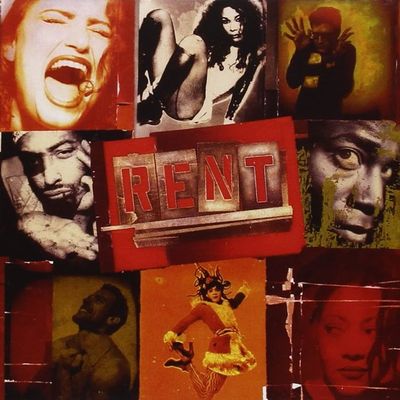
On this week's episode, Jeff and guest Kelley Dorney discuss rated R musicals, the difference between "queens" and "kwans," and how a bohemian named Jonathan Larson forever changed the musical theatre landscape. Wanna hear how freakishly talented Kelley is?.. Read More
From the show: A Musical Theatre Podcast
Featured Shows
About
On this week's episode, Jeff and guest Kelley Dorney discuss rated R musicals, the difference between "queens" and "kwans," and how a bohemian named Jonathan Larson forever changed the musical theatre landscape.
Wanna hear how freakishly talented Kelley is? Check out her YouTube channel.
Follow "A Musical Theatre Podcast" wherever you may be listening and share us with your friends!
Join us on Instagram, TikTok and X for more great content. For bonus episodes, subscribe to PATREON! for only $1 a month. And don't forget about our TeePublic Store, our proceeds from which we donate to Broadway Cares/Equity Fights AIDS.
Above all, thank you for being part of this wonderful podcasting community.
Transcript
This transcript was automatically generated and might contain errors.
[0:00] Kelley Dorney: Okay. I have never done true or false before. This is very exciting. True or false, the RENT cast album is perfect for road trips.
[0:11] Jeffrey Scott Parsons: True. I agree.
[0:14] Kelley Dorney: I have performed many, if not all, roles in my car on such road trips.
[0:20] Jeffrey Scott Parsons: True. Absolutely.
[0:22] Kelley Dorney: Absolutely. Like all of them.
[0:26] Jeffrey Scott Parsons: I have seen RENT more than once.
[0:28] Kelley Dorney: True. On stage?
[0:30] Jeffrey Scott Parsons: On stage. How many, like how many?
[0:32] Kelley Dorney: Twice. Three times.
[0:34] Jeffrey Scott Parsons: Oh, that's good. That's false for me. I've only seen it on stage once.
[0:39] Kelley Dorney: I have been in a production of RENT.
[0:41] Jeffrey Scott Parsons: False. True.
[0:44] Kelley Dorney: I've only seen it once, but I've done it once.
[0:48] Jeffrey Scott Parsons: Have you auditioned?
[0:49] Kelley Dorney: I've never auditioned.
[0:50] Jeffrey Scott Parsons: Okay. I'm not, I don't look like somebody who should be in RENT.
[0:55] Kelley Dorney: A clean-cut Irish girl? No. Her mother would have paid her RENT.
[1:02] Jeffrey Scott Parsons: Like, oh, darlin'.
[1:03] Kelley Dorney: Oh, darlin'. Here you go. I put some money in the mail for you.
[1:08] Kelley Dorney: Okay. I have witnessed an unfortunate acapella version of Take Me or Leave Me performed at a regional college acting competition.
[1:19] Jeffrey Scott Parsons: False. But with regret.
[1:24] Kelley Dorney: All right, let's start the show.
[1:38] Jeffrey Scott Parsons: Welcome, everybody, to a musical theater podcast. My name is Jeffrey Scott Parsons, but you can call me Jeff. Wait, no, that's not how I start this.
[1:46] Jeffrey Scott Parsons: Welcome, everybody, to a musical theater podcast where we discuss the emotional and cultural impact of some of our favorite musicals in theater history. My name is Jeffrey Scott Parsons. You can call me Jeff. I am here with my dear friend, Miss Kelley Dorney.
[2:01] Kelley Dorney: Hello.
[2:02] Jeffrey Scott Parsons: Hi, Kelley. We're going to talk about RENT, which means, folks, if you have problems, or not problems, but if it makes you uncomfortable to listen to Frank talk about sexuality or drug use, please, please keep listening.
[2:21] Kelley Dorney: No, because I think it's important, and it's not going to be gratuitous, but also, if you're driving a carpool for six-year-olds, just be warned that that's what we're going to be talking about. I reached out to you and asked you what show you'd be interested in talking about, and you said RENT, and I went, really? And then I was instantly obsessed with the idea, because you and I are probably the least likely people to...
[2:49] Kelley Dorney: Connect with RENT?
[2:50] Jeffrey Scott Parsons: Yeah, connect with RENT, sure. And yet, it found us, or we found it. And if that's not the definition of a revolutionary musical, then, or a phenomenon, then, I mean, what is, right?
[3:02] Kelley Dorney: I don't know.
[3:02] Jeffrey Scott Parsons: What was your first introduction?
[3:05] Kelley Dorney: Introduction to RENT? So I was in high school. My very best friend in high school, he told me, he was like, oh, listen to RENT. I was like, what's this? And I love, I was doing musicals, but I wasn't somebody that reached out and found musicals and just listened to them. I was very studious. I had schoolwork. Total nerd.
[3:28] Jeffrey Scott Parsons: You had A's.
[3:30] Kelley Dorney: I did.
[3:31] Jeffrey Scott Parsons: To get.
[3:31] Kelley Dorney: I did. And so he introduced it to me, and I fell in love. I loved the music. I loved that it was rock-influenced, and that it was not like anything else I'd ever heard before in musical theater. And we just would drive around everywhere, listening to RENT, and singing along, and...
[3:53] Jeffrey Scott Parsons: And you grew up in Texas?
[3:55] Kelley Dorney: In Texas. In Plano, Texas.
[3:57] Jeffrey Scott Parsons: So you're this, like, Irish girl driving around Plano, Texas.
[4:01] Kelley Dorney: Just, like, carpool karaoke-ing all the way.
[4:04] Jeffrey Scott Parsons: Hardcore. And side note, I went to prom with Brian, my best friend, and when he came to pick me up, I opened the door and greeted him by singing Out Tonight, which I also had a horrible cold, so I wasn't even singing. I was lip-singing, which was, like, even worse. I started up at the top of my stairs, and I had my parents, like, start the music when they opened the door for him, and he's, like, standing there with my corsage, being like, what the... is happening in this house? And I, like, come down the stairs, and I'm, like, got this whole, like, choreography. It was hilarious. And every time I bring it up to him now, and he's my roommate now, one of my, like, dearest friends of all time, he even will be like, oh god, I always forget that that happened.
I was like, I thought it was a great idea, because, like, we had such a connection about this, and this was, like, part of our relationship, and of course I would sing Out Tonight to him. It's quite possibly the most epic prom date I've ever heard of in my life.
[5:11] Jeffrey Scott Parsons: What were you wearing?
[5:12] Kelley Dorney: I was wearing a long, blue sequined gown, beaded. It was beaded, not sequins, beaded. It was a beaded blue gown, as opposed to Mimi's tight blue leather pants. But it was still blue.
[5:29] Jeffrey Scott Parsons: Hey! You were not completely abandoning the tradition.
[5:29] Kelley Dorney: That's right, I was keeping it in the family. And what did, do you know what your parents thought? Because sometimes I look back, sometimes I look back on my childhood, and I'm just amazed that neither of my parents were like, what is wrong with you? You're so weird. I have no idea to be, that's, I'm gonna ask my mom today. I'm gonna text her after this podcast and say, mother, what did you think of me?
[5:58] Jeffrey Scott Parsons: Oh my gosh. Okay, my, uh, my history with RENT is much more sordid and innocent at the same time. I remember, what was it, 1996, Tony Awards. I was watching it in my parents' bedroom. I was, like, sitting in, like, my dad's recliner chair that was in the bedroom watching on their TV.
[6:13] Kelley Dorney: He had a recliner in the bedroom?
[6:17] Jeffrey Scott Parsons: Yeah, because he had to read the paper, and so he would sit in the chair and have, like, a glass of chocolate milk and read the paper.
[6:21] Kelley Dorney: Oh my god.
[6:26] Jeffrey Scott Parsons: Yeah, so I'm sitting in the recliner watching the Tony Awards, and dad comes in, and they're performing La Vie Boheme in the ceremony. And the, they get done, you know, and the audience goes crazy. And he looks at the cast on stage on the television set, and he was a very, like, efficient, eloquent communicator. And all he said was, that's a pretty rough crowd. And it wasn't, like, it wasn't judgmental. It was very indicative of the kinds of media that we took in in our house, which was, why surround yourself with stories about people who are making decisions that you don't want to make? And there was probably no greater example than these bohemians singing rock music. And so I didn't, that was all I knew about RENT for probably the next decade.
I didn't watch any rated R movies growing up. That was just kind of off the radar. And then when I went to New York, I purposely didn't see RENT or Cabaret because I thought those were rated R musicals. Then I go on my mission. So then I'm an LDS missionary, right? Walking around West Texas. And so sorry, right? And I remember specifically this one area. And I, we knock on the door because we're just kind of introducing ourselves to the neighborhood. And a young woman answers the door and asks us to come right in, which is strange. That doesn't usually happen. So we go in and she says, Oh my gosh, I am so grateful you're here. I've been praying that somebody would kind of present themselves for me to talk to because I can't be alone with this information anymore.
And she proceeds to tell us, I'm like 19 years old, never seen a rated R movie. She proceeds to tell us that not the preacher, but like one of the elders, I guess, of the church that she was raised in had been molesting her since she was quite young. And she didn't know what to do with it, but it was kind of eating her alive. And I didn't know what to do with the information, but she asked that we not say anything. So we just kind of said a prayer with her and shared a message. And that said, if there's anything that you need, we're here for you. And then we left. And I think it was around that time when I went, holy cow, real life is rated R. And even today as an adult, I don't just watch everything because I can't really handle a lot of violence. I couldn't get through Game of Thrones, which I know you know is...
[8:56] Kelley Dorney: It's a great show.
[8:58] Jeffrey Scott Parsons: But I just couldn't get through it. It's too much blood.
[9:01] Kelley Dorney: I get it. It's a lot of blood.
[9:03] Jeffrey Scott Parsons: And so I got through like mid-season three.
[9:07] Kelley Dorney: You stopped at a good time.
[9:10] Jeffrey Scott Parsons: And then people kept saying, oh, it gets worse. There were those people that were like...
[9:15] Kelley Dorney: That's not the way to encourage you to keep watching it.
[9:18] Jeffrey Scott Parsons: There were some people who were like, no, it gets more plot-driven. And then other people were like, yeah, no, it definitely gets worse.
[9:24] Kelley Dorney: No, it gets worse.
[9:25] Jeffrey Scott Parsons: But the point is, is that I'm still a little sensitive to violence in particular. However, I wish that somebody at some point in my youth had sat me down and said, look, we may not really actively seek out rated R type entertainment, but that doesn't mean that when you go out in the world, it's not going to be rated R.
[9:46] Kelley Dorney: Yeah.
[9:46] Jeffrey Scott Parsons: And that definitely like kind of blew my world open a little bit. And when I came back from my mission and had connected with these people who I thought I couldn't connect to, I wanted to understand their point of view. And that kind of involved going back to things that I had been too scared to explore. And one of those was RENT the Musical. Fast forward even further, I'm at BYU. I'm at Brigham Young University getting my degree in musical theater. And I laugh because our musical theater degrees are just so awesome and also...
[10:24] Kelley Dorney: Pointless.
[10:26] Jeffrey Scott Parsons: I have one.
[10:27] Kelley Dorney: Yes. Anyway, I'm so grateful for it.
[10:30] Jeffrey Scott Parsons: Yes.
[10:30] Kelley Dorney: And also...
[10:31] Jeffrey Scott Parsons: But it's completely unnecessary to do what we do. It's a great tool, wonderful training.
[10:36] Kelley Dorney: Yeah. Especially for someone like me who... I'm from a farm town. So there wasn't a lot of training for me growing up. So to go to a college, like a legitimate university and receive that kind of training was actually very necessary for me. But anyway, so I'm at BYU, and I decided to write a paper all about musicals that would never get produced at BYU because they had rated R content, but still teach gospel principles. And RENT was one of them that I did.
[11:06] Jeffrey Scott Parsons: Oh. How did you do on the paper?
[11:11] Kelley Dorney: I got an A.
[11:12] Jeffrey Scott Parsons: Good.
[11:13] Kelley Dorney: And also a little handwritten note at the end that was like, give people a break. Don't be so hard on the institution.
[11:22] Jeffrey Scott Parsons: Oh.
[11:22] Kelley Dorney: Because I... And it was actually a great introduction to what theater companies must go through.
[11:28] Jeffrey Scott Parsons: Oh yeah.
[11:31] Kelley Dorney: You know what I mean? Because you're picking titles for a bunch of seasoned subscribers that aren't necessarily the things you want to see, but you also want to push your audience. So it's kind of this... It's this tricky game of giving people what they want, and also maybe giving them something they didn't know they needed.
[11:50] Jeffrey Scott Parsons: Mildly off topic, I just did a Gentleman's Guide to Love and Murder at Tuakon.
[11:54] Kelley Dorney: Oh, right. Yes.
[11:54] Jeffrey Scott Parsons: And that's a very...
[11:55] Kelley Dorney: Motherland.
[11:56] Jeffrey Scott Parsons: Yes. In Utah. And we were all very worried about how the audiences would react to the content in that show. And ironically, they were fine with him killing the people in the show.
[12:13] Kelley Dorney: Yeah, I'm sure.
[12:13] Jeffrey Scott Parsons: But they were not so fine with the adultery or the one character, the one woman who plays a floor door girl. They felt like she was just too...
[12:24] Kelley Dorney: Too much?
[12:25] Jeffrey Scott Parsons: Too overt. She was way too sexual. And it was that stuff. And obviously, there's a song called Better With a Man that's all veiled homosexual thing, and they did not like that. But the murder was completely fine.
[12:41] Kelley Dorney: That's interesting.
[12:42] Jeffrey Scott Parsons: But in the end, they actually really liked the show. A lot of people were very complimentary and came back three, four times.
[12:51] Kelley Dorney: But I also think because that show is intelligent.
[12:54] Jeffrey Scott Parsons: Very intelligent. Extremely.
[12:57] Kelley Dorney: Not only is it intelligent, but it sounds like classical music.
[13:01] Jeffrey Scott Parsons: Yeah, it's a very Gilbert and Sullivan sound.
[13:03] Kelley Dorney: If it was all of that sort of plot with rock music, it would be a very different...
[13:09] Jeffrey Scott Parsons: Probably, yeah.
[13:10] Kelley Dorney: Is my estimation.
[13:12] Jeffrey Scott Parsons: True.
[13:14] Kelley Dorney: Okay.
[13:15] Jeffrey Scott Parsons: RENT. Completely off topic.
[13:18] Kelley Dorney: So let's talk about RENT.
[13:21] Jeffrey Scott Parsons: Let's go back in time.
[13:22] Kelley Dorney: Okay.
[13:23] Jeffrey Scott Parsons: And talk a little bit about the 1980s. Because the 1980s was the decade when the tradition of American musical theater almost died. And that is not to take anything away from Stephen Sondheim or Jerry Herman or any of the other people who are making great musicals during that decade.
[13:41] Kelley Dorney: But in terms of the way that we knew musicals would operate and succeed, everything kind of stopped in that decade for a lot of reasons.
[13:53] Jeffrey Scott Parsons: I think that my opinion, but also I think other people would agree with me that one of them had to do with film. The word blockbuster kind of came out of that decade. The Star Wars franchise, Indiana Jones, Back to the Future, E.T. These movies that really became cinematic events and everybody went to see. You have the invention of the VCR and another blockbuster. So people could begin to...
[14:22] Kelley Dorney: Be entertained at home.
[14:23] Jeffrey Scott Parsons: Exactly. On the couch with your pizza. And then you also had the AIDS epidemic starting to really...
[14:31] Kelley Dorney: Demolish.
[14:32] Jeffrey Scott Parsons: Demolish the theater community.
[14:34] Kelley Dorney: Absolutely. That's a great word for it.
[14:36] Jeffrey Scott Parsons: So how was American musical theater going to respond? It didn't really respond in the way that the British did, which was to start bringing spectacle into musical theater.
[14:51] Jeffrey Scott Parsons: All of those shows like Cats and Phantom and Les Mis and Miss Saigon, these became in many ways the blockbusters of theatre. And it was international, it wasn't something that we found here in this country, and kind of left everybody else in the dust. So in this decade is when Jonathan Larson, who is a young composer and someone who adores musical theatre, is trying to create and find a way to break into musical theatre in a way that doesn't need spectacle, but might also include elements of the MTV generation, rock music, and real kind of gritty stories that are connecting to people in other mediums. And he found very early on that it was darn near impossible, right? You were the one who told me about the YouTube documentary. What is it called again?
[15:57] Kelley Dorney: I think it's called No Day But Today.
[15:59] Jeffrey Scott Parsons: Yeah. And I don't think it's a YouTube documentary, but it's on YouTube.
[16:03] Kelley Dorney: It's on YouTube. Yes.
[16:05] Jeffrey Scott Parsons: And I watched it as well as read through a lot of books and really fascinating life that this guy had in terms of trying to create theatre and just not having success and living a bohemian life. He had no money.
[16:24] Kelley Dorney: No. I mean, the life that the characters in Rent lived with throwing the key down, being on the fifth floor walk up, like that's what he lived. So much of Rent is pulled from his personal life.
[16:41] Jeffrey Scott Parsons: So early in the 80s, or I guess mid 80s, he starts writing this musical version of 1984, George Orwell's 1984. And right before he wants to produce it, he contacts the George Orwell whatever foundation and is like, can I have the rights to 1984? And they're like, no.
[17:02] Kelley Dorney: No.
[17:03] Jeffrey Scott Parsons: So then he changes it to Superbia and tries for like seven years to get this thing produced. And it just doesn't happen. He gets a couple of grants, he does a concert.
[17:13] Kelley Dorney: And by grants, we're talking like $100.
[17:15] Jeffrey Scott Parsons: Sure. Like nothing that's going to pay the rent. He formed kind of an alliance with Stephen Sondheim and he came to I think the first act of Superbia, but then left intermission and that was like devastating to him. He's really trying to put his work out there, but it's just not taking hold. So then out of that kind of frustration, he creates a piece called Tick Tick Boom, which is essentially a monologue for himself with a band talking about how hard it is to...
[17:45] Kelley Dorney: Create art.
[17:46] Jeffrey Scott Parsons: Yeah. Create art that's truthful and...
[17:49] Kelley Dorney: And since Rent, I think it's become far more popular than it ever was.
[17:55] Jeffrey Scott Parsons: Absolutely. Louder than, if you guys don't know Tick Tick Boom, Louder Than Words is one of the most beautiful songs. Please go listen to it.
[18:03] Kelley Dorney: So Tick Tick Boom happens, or doesn't happen for that matter. And then he connects with this guy named Billy Aronson-Aronson.
[18:11] Jeffrey Scott Parsons: Sure. Bill.
[18:14] Kelley Dorney: Good old Billy.
[18:15] Jeffrey Scott Parsons: Good old Bill. And they decide to start looking at doing a contemporary version of La Bohème.
[18:23] Kelley Dorney: It was Billy's idea to start.
[18:24] Jeffrey Scott Parsons: Oh, it was Billy's.
[18:25] Kelley Dorney: Yeah. And he kind of, I forget how he connects with Jonathan Larson, if he'd heard of him or went to one of his performances of Tick Tick Boom that he would do at clubs or open mics kind of a thing.
[18:40] Jeffrey Scott Parsons: Sure. But he was connected with him that way. And from there, their partnership started.
[18:47] Kelley Dorney: Yeah. And they both were really into La Bohème, the opera. Have you seen the opera?
[18:53] Jeffrey Scott Parsons: Mm-mm.
[18:54] Kelley Dorney: I've seen it twice in my life. I saw it during college and saw it, like, the filmed Baz Luhrmann version.
[19:02] Jeffrey Scott Parsons: Gotcha. Okay. And really beautiful. Like, I will say that what opera does really well are those crazy dramatic moments. So at the end, when Mimi dies and Rodolfo, is it Rodolfo?
[19:17] Kelley Dorney: Rodolfo.
[19:18] Jeffrey Scott Parsons: Rodolfo.
[19:19] Kelley Dorney: Rodolfo.
[19:20] Jeffrey Scott Parsons: Rodolfo.
[19:21] Kelley Dorney: Yeah, thank you. Like, you know, it screams out Mimi. Like, boy, does that just...
[19:23] Jeffrey Scott Parsons: Resonate.
[19:24] Kelley Dorney: Yeah. Well, tears just kind of fill your eyes. And even if you didn't really like the piece, it's just so emotional, the way that they wrote that stuff, that you can't help but feel something. That being said, the technique is beautiful, but I guess I'm just not an opera guy. Maybe I could be an opera guy, but it's too expensive. So I never go.
[19:45] Jeffrey Scott Parsons: It's so expensive.
[19:46] Kelley Dorney: I mean, I like the LA opera, I looked to see how much tickets were to go see something that I kind of wanted to see. And then I was like, absolutely not. Because I only kind of want to see it.
[20:02] Jeffrey Scott Parsons: No, we got tickets for a friend of ours, back in New York to see the opera. And we're like, this is your Christmas present, your birthday present, your every present. And then both the lead tenor and soprano were out.
[20:17] Kelley Dorney: No!
[20:20] Jeffrey Scott Parsons: Oh, man. Well, what do you think our responsibility is, then, to keep La Bohème alive? Do we keep La Bohème alive by creating a piece like Rent?
[20:33] Kelley Dorney: I think so.
[20:34] Jeffrey Scott Parsons: Or do we keep it alive by trying to convince people that opera is still really relatable and great? Which, like I said, it very may well be, but I just get really tired after the first 35 minutes.
[20:48] Kelley Dorney: I think you create Rent. I think you create something from the source material so people are intrigued and then go, well, where did this come from? From something called what? La Bohème? Okay, well, what's that about? And then they go to see that. I think the only way, would you have seen La Bohème if you hadn't known Rent?
[21:11] Jeffrey Scott Parsons: No.
[21:12] Kelley Dorney: There you go.
[21:13] Jeffrey Scott Parsons: And I would also say the same thing about Madame Butterfly. If I hadn't, if I didn't know Miss Saigon, I wouldn't have bothered with Madame Butterfly. Yeah. All right, so they decide to work on La Bohème. What were you going to say?
[21:27] Kelley Dorney: No, I was going, yes!
[21:31] Jeffrey Scott Parsons: Moving right along. Jonathan Larson writes a few songs for this new adaptation that are really great, but then they start kind of not getting along in terms of where to take the show.
[21:45] Kelley Dorney: Yeah, like their concept, the direction of it, like what they wanted to achieve with the musical itself, I think was a little bit on opposite ends of the spectrum.
[21:55] Jeffrey Scott Parsons: And in general, this seems to be kind of a forte of Jonathan Larson, that he's not really skilled at collaboration. He likes working by himself. And while incredibly talented and probably naturally gifted in those respects, needed to hone other talents of collaboration a little bit more cerebrally.
[22:19] Kelley Dorney: So they kind of split ways because of these differences. And at some point, Jonathan Larson feels like he has a really strong vision and asks if he can just go ahead with the project himself. Good old Bill says yes.
[22:32] Jeffrey Scott Parsons: Yeah, I think he did. They draw up a contract. And so then Jonathan Larson takes over the project all by himself. Fast forwarding, the project gets picked up by New York Theatre Workshop to...
[22:45] Kelley Dorney: By this time, it's in the early 90s.
[22:47] Jeffrey Scott Parsons: Yes. Yeah, because it started late. I mean, he started, yeah, he started writing it in the late 80s.
[22:53] Kelley Dorney: So now we're early to mid 90s. They did a workshop, like a three week workshop, in which they cast both Anthony Rapp and Daphne Rubin-Vega. And that goes well enough for them to want to do a full scale mounting of the show and start really auditioning the entire city of New York to try and find a bunch of newcomers that might be interested in doing this musical.
[23:22] Jeffrey Scott Parsons: Once again, at this point, musical theater is kind of big British spectacle.
[23:29] Kelley Dorney: At least what's on Broadway.
[23:31] Jeffrey Scott Parsons: Sure. Fair enough. Thank you. Or it's, I don't know, revivals.
[23:36] Kelley Dorney: Yeah, there were a lot of revivals. Yeah.
[23:39] Jeffrey Scott Parsons: Like at this point, Guys and Dolls, I think was one of the big money makers of the early 90s. In the same year that Rent was on Broadway, State Fair was on Broadway. So they're like trying to create something.
[23:52] Kelley Dorney: Yeah.
[23:53] Jeffrey Scott Parsons: Old as new.
[23:54] Kelley Dorney: Exactly. So they find these people that are very kind of newcomers to musical theater. And a lot of people from the interviews that I read that didn't like musical theater.
[24:05] Jeffrey Scott Parsons: Sure. Yeah.
[24:06] Kelley Dorney: Which always makes me roll my eyes when someone's like, they said do a musical. And I was like, what? Because in my heart, if someone said, do you want to audition for this musical? I'd be like, yes. Like, screw you, Taye Diggs. I didn't want to do another musical. Oh, whatever.
[24:25] Jeffrey Scott Parsons: Whatever. I mean, Adam Pascal was, he didn't even have a headshot.
[24:29] Kelley Dorney: No. That is a pretty boy, by the way. Have you seen, like in that documentary, that is like that complexion though. How are you just like a rock guy that looks that HD at all times? Does he carry some like L'Oreal powder?
[24:51] Jeffrey Scott Parsons: I don't know.
[24:52] Kelley Dorney: I don't know either.
[24:53] Jeffrey Scott Parsons: We should ask the people that just did Music Fan with him. Like, tell me, does Adam, does he just moisturize?
[25:01] Kelley Dorney: In all times.
[25:02] Jeffrey Scott Parsons: And Idina Menzel, who of course now is a Kwan and a huge star, was a singer in a band.
[25:09] Kelley Dorney: Was a what? A Kwan?
[25:09] Jeffrey Scott Parsons: A Kwan.
[25:10] Kelley Dorney: Who's that?
[25:11] Jeffrey Scott Parsons: A Kwan is a queen, but not with actual royal blood.
[25:17] Kelley Dorney: Gotcha.
[25:17] Jeffrey Scott Parsons: So you're like, oh, you're a Kwan.
[25:19] Kelley Dorney: Got it.
[25:20] Jeffrey Scott Parsons: So like Julie Andrews is a Kwan, but her character in The Princess Diaries is a queen.
[25:29] Kelley Dorney: Okay, I get it. Okay, great. Got it.
[25:34] Jeffrey Scott Parsons: So yeah, she was singing in a band and I think performing at bar mitzvahs.
[25:40] Kelley Dorney: Weddings, yeah.
[25:41] Jeffrey Scott Parsons: And then kind of went in and sang a Bonnie Raitt song and they were like, great, that's our, that's our hit.
[25:48] Kelley Dorney: By the way, Hitler is in Rent, apparently.
[25:51] Jeffrey Scott Parsons: Oh no.
[25:52] Kelley Dorney: He's not. He's not. He really shouldn't be in Rent.
[25:55] Jeffrey Scott Parsons: He's not invited to the party.
[25:57] Kelley Dorney: Which speaking of party, so they cast the whole show and then Jonathan Larson decides before, right before, the night before rehearsals start to do like a peasant feast, right? And something he did all the time in his fifth floor tiny bohemian walk up is he would have these peasant feasts for Christmas and invite all of his friends and even with no money, he would have this feast, this celebration with his friends. And so he did that for the cast.
[26:27] Jeffrey Scott Parsons: Which was really sweet, but also kind of prophetic because in a way he was saluting them and saying, you, you're going to make my dreams come true.
[26:37] Kelley Dorney: Yeah.
[26:38] Jeffrey Scott Parsons: And also you're playing my friends.
[26:44] Kelley Dorney: Yeah. And I didn't, I don't think I realized how many of his friends had died from AIDS.
[26:49] Jeffrey Scott Parsons: Yeah. Yeah.
[26:51] Kelley Dorney: But I don't think any of us in this day and age now that, you know, not to say that HIV and AIDS is a thing of the past and something that we shouldn't be worried about, but it's manageable now. It's not a death sentence the way it was then. And I don't think any of us can really comprehend what it was like to live in that, in that environment and that, in that fear that your friends might go. And it's not just, you know, the gay friends, it was, it was everybody.
[27:23] Jeffrey Scott Parsons: Yeah. And, and so many of his friends looked like people that you wouldn't think in a very, you know, superficial way would fall victim to HIV and they were, but they were gone.
[27:35] Kelley Dorney: Yeah.
[27:36] Jeffrey Scott Parsons: So quickly. So now they're in rehearsals and they go into tech and during like toward the end of tech, he kind of falls down in the theater, in the back of the theater and says that he's having a heart attack. So they take him to the hospital. The doctors look him over and say that there's nothing wrong with him, but they decided to pump his stomach because they think that it's food poisoning. And then they give him a bunch of medications and sent him home. He gets home and he's like, there's over the next couple of days, it's like, no, there's something wrong with me. So then he goes to another hospital. They say that he has a bad flu and send him back again.
[28:21] Kelley Dorney: All of this is leading up to an opening night. So his friends are, are kind of thinking.
[28:27] Jeffrey Scott Parsons: It's stress. They're like, you gotta be stressed. You're not sleeping well, you're not eating well.
[28:31] Kelley Dorney: And he's been up until this point, so focused on nothing but his work.
[28:37] Jeffrey Scott Parsons: Right.
[28:37] Kelley Dorney: And now it's finally coming true. You can imagine the amount of anxiety and, and pressure that was probably building up for him. So you can see how his friends might think that, especially when the doctors are saying that there's nothing wrong. So they have their final dress rehearsal. At that dress rehearsal in attendance is the New York Times because they want to do a story on him. And so after the performance is over, which goes really, really well, he does this interview with the New York Times. And it's very hopeful. And he, he's feeling really excited because it's the freaking New York Times covering his little off-Broadway show.
[29:17] Kelley Dorney: And I forget exactly what the New York Times said, but it was a good review. Like what the, what the writer told him was positive and he got his good review.
[29:26] Jeffrey Scott Parsons: Yeah. Basically saying that this is, I really liked this and I'm excited to share it with everybody else. So he's very excited. He goes home, he makes some tea and then he falls down and dies.
[29:42] Kelley Dorney: I can't remember exactly what, but essentially his aorta just kind of exploded.
[29:49] Jeffrey Scott Parsons: Something about the connective tissues in the muscles.
[29:54] Kelley Dorney: It was a syndrome, right? That it wasn't just an attack, but he did have a condition that had gone undiagnosed that made his tissue susceptible to rupturing.
[30:06] Jeffrey Scott Parsons: Yeah. And he dies within five minutes all by himself in an apartment after just kind of...
[30:13] Kelley Dorney: This wonderful night.
[30:15] Jeffrey Scott Parsons: This wonderful night.
[30:16] Kelley Dorney: Of hope and promise.
[30:17] Jeffrey Scott Parsons: And creating a musical that says, you may not know how long you have in this world, so make the most of it. And it still gives me shivers up my spine to think of the timeliness of that message in his own life.
[30:34] Kelley Dorney: Oh, yeah.
[30:36] Jeffrey Scott Parsons: I don't know about you, but I was weeping when I was watching that documentary, like just tears pouring from my face.
[30:44] Kelley Dorney: So then at that point, his parents are flying up to see the opening night of the show, and everybody has to be told that the creator has died.
[31:00] Jeffrey Scott Parsons: Yeah.
[31:00] Kelley Dorney: And what are we going to do for opening? And should we cancel it? And his parents, God bless them, were like, the show must go on.
[31:10] Jeffrey Scott Parsons: So they decide that in respect that they were just going to sit in chairs at the front of the stage and perform the show just so you could kind of take in...
[31:21] Kelley Dorney: Just hear the music, hear the lyrics.
[31:23] Jeffrey Scott Parsons: His contribution.
[31:24] Kelley Dorney: Yeah.
[31:25] Jeffrey Scott Parsons: And they try to do that. And the further that they get into the show, the more they realize they have to perform it. They're just itching to do it.
[31:33] Kelley Dorney: So by the end of the first act, they decide to do it completely, which I think is just so beautiful and punk rock in a way.
[31:43] Jeffrey Scott Parsons: And I don't know how they did it.
[31:44] Kelley Dorney: I don't either.
[31:45] Jeffrey Scott Parsons: I don't know how they got through that performance. I don't know how they got through most of the performances after that, because I don't know about you, but if I get emotional, my throat completely seals up.
[31:51] Kelley Dorney: Yep.
[31:55] Jeffrey Scott Parsons: And nothing comes out.
[31:56] Kelley Dorney: Nope.
[31:57] Jeffrey Scott Parsons: And I'm not some Audra McDonald or Ben Platt where tears just beautifully stream out of my eyes and I can still make glorious noises. All right, back to Rent.
[32:09] Kelley Dorney: So Rent.
[32:10] Jeffrey Scott Parsons: It instantly becomes a huge smash.
[32:12] Kelley Dorney: Yeah.
[32:12] Jeffrey Scott Parsons: And not just because I think of the death of Jonathan Larson, but I mean, let's be honest, it certainly did help.
[32:17] Kelley Dorney: Yeah. And you're getting all these articles all of a sudden about this unknown composer, and that couldn't have been a better catalyst for the show.
[32:34] Jeffrey Scott Parsons: It's sad to say, but yeah, it helped.
[32:38] Kelley Dorney: Yeah. Doesn't that feel dirty to say?
[32:39] Jeffrey Scott Parsons: Yes. It sounds terrible.
[32:41] Kelley Dorney: It's not to say that Rent doesn't have merit on its own without his death, obviously.
[32:46] Jeffrey Scott Parsons: No. And I think that the reason I'm talking about this is because I think there probably are people out there who don't know the story. Many people might not know.
[32:53] Kelley Dorney: It's become a phenomenon by itself.
[32:56] Jeffrey Scott Parsons: Yes.
[32:56] Kelley Dorney: For sure.
[32:58] Jeffrey Scott Parsons: And in the same way that 42nd Street was a phenomenon, and then Gower Champion died opening night. It certainly isn't without precedence.
[33:08] Kelley Dorney: I think the difference here was that you didn't have David Merrick really kind of milking it for all it's worth. You had his family who really didn't have time to grieve.
[33:17] Jeffrey Scott Parsons: They were immediately pushed into the spotlight to figure out what to do on behalf of their son, because the show was a hit. It was going to transfer to Broadway.
[33:28] Kelley Dorney: And I mean, all of the legalities and decision making that has to come with that, all of the awards that he's suddenly winning that they need to receive on his behalf.
[33:42] Jeffrey Scott Parsons: I just don't think they even had time to grieve. That's what I find really fascinating.
[33:48] Kelley Dorney: The show transfers to Broadway, is a huge smash, makes stars out of pretty much everybody, and wins the Pulitzer Prize, which is one of the few musicals to win that.
[34:01] Jeffrey Scott Parsons: It won a decade.
[34:03] Kelley Dorney: Yeah. And then it also wins quite a few at the Tony Awards. Like you said, State Fair was also that year. A revival of The King and I with Donna Murphy.
[34:16] Jeffrey Scott Parsons: Victor Victoria was that year with Julie Andrews.
[34:18] Kelley Dorney: Was it that year?
[34:20] Jeffrey Scott Parsons: And what else? Oh, Bring in the Noise, Bring in the Funk, which actually was pretty steep competition for Rent. Bring in the Noise took home quite a few Tonys as well.
[34:30] Kelley Dorney: So yeah, but you're absolutely right. And kind of noticing these polarizing forms of musical theater rising at the same time. This return to the classics, hoping that they will really take hold again. And then the birth of something new and a little more edgy, a little more avant-garde.
[34:48] Jeffrey Scott Parsons: Because the year before Rent, there were two new musicals on Broadway. One was Sunset Boulevard. The other was Smokey Joe's Cafe. That was it.
[34:59] Kelley Dorney: That was it. Wow.
[35:01] Jeffrey Scott Parsons: Crazy.
[35:02] Kelley Dorney: That is crazy.
[35:04] Jeffrey Scott Parsons: I decided to go to Amazon and go to the very beginning of the reviews for the cast album of Rent. And I found a couple in the late 90s, so like 97, 98, that I wanted to share. This one is titled A Leap of Faith, colon, Rent.
[35:25] Kelley Dorney: It says, Thank you, Jonathan Larson and the cast of Rent for this wake-up call to America.
[35:33] Jeffrey Scott Parsons: After listening to Rent, my perspective drastically increased at the realization that what these people are singing about is not historical fiction. It's right here, right now in our own backyard. Rent is a revolution on a CD.
[35:49] Kelley Dorney: That makes me so happy.
[35:55] Jeffrey Scott Parsons: Look, there are some pretty large claims in that review.
[36:01] Kelley Dorney: But they're not entirely wrong.
[36:03] Jeffrey Scott Parsons: They're not. And that's what I love about it, is that it shows the passion with which people, everyday people, not just critics, but like the passion with which everyday people were accepting this show and kind of incorporating it into their lives and belief systems. So here's another one. It says, Rent, colon. I don't know why there are so many colons on these Amazon reviews.
[36:26] Kelley Dorney: They're very helpful.
[36:28] Jeffrey Scott Parsons: They're very helpful. And I think just dramatic. I think they're going for drama. Rent, colon, the life of a bohemian.
[36:38] Kelley Dorney: Jonathan Larson's music in Rent answers the question, how do you make life meaningful when it is meaningless?
[36:45] Jeffrey Scott Parsons: His answer, colon, through creation and creativity.
[36:50] Kelley Dorney: Larson's creation follows the lives of seven friends, each willing to shake off convention and worship individuality. They struggle to establish lasting relationships with those that they love and face society with HIV in their blood. I mean, that's actually a really great review.
[37:06] Jeffrey Scott Parsons: Really great. That was a five star, obviously.
[37:12] Kelley Dorney: But I do. I love that idea of each willing to shake off convention and worship individuality, which then leads me to a four star review, which is that which is still like this.
[37:23] Jeffrey Scott Parsons: Still a good review.
[37:24] Kelley Dorney: Still a good review. But then you read it and you're like, this is a four star review. It's by someone who who's called Gucci Lover.
[37:33] Jeffrey Scott Parsons: And then the title of the review is the most overrated Broadway show in all of history.
[37:41] Kelley Dorney: Dot, dot, dot. Probably.
[37:51] Jeffrey Scott Parsons: It's just hyperbole followed by an immediate apology.
[37:56] Kelley Dorney: An immediate apology.
[38:00] Jeffrey Scott Parsons: OK, it says now I'm not saying that rent isn't a good show because it is.
[38:06] Kelley Dorney: I'm just saying that it's not the prolific, ingenious work of art that everyone says it is.
[38:12] Jeffrey Scott Parsons: Now, I have seen rent both on stage in New York this past November. So I know the story.
[38:19] Kelley Dorney: And that has nothing to do with why I think that it's overrated.
[38:22] Jeffrey Scott Parsons: Well, actually, it does a little bit because dealing with AIDS is horrible.
[38:26] Kelley Dorney: I watched my aunts succumb to it a couple of years ago, and it's horrible.
[38:29] Jeffrey Scott Parsons: But in rent, it seems that some of the characters are blaming the diseases for their problems when really it was their own stupid choices, excluding homosexuality, because I don't know if that's a choice or not.
[38:41] Kelley Dorney: But like Mimi, she chooses to be a stripper and to do smack.
[38:45] Jeffrey Scott Parsons: And that's how she got AIDS.
[38:46] Kelley Dorney: So it's hard to feel sorry for just like Roger, who chose to do drugs with his girlfriend, which is how he got it.
[38:52] Jeffrey Scott Parsons: So it's like, whatever.
[38:55] Kelley Dorney: That's a four star review.
[38:56] Jeffrey Scott Parsons: That is a four star review.
[38:59] Kelley Dorney: This kind of leads me to ask you where you stand on this, because all of those reviews bring up for me some of the interesting criticisms and praises of this show that often exist in the same mind, or at least in the same conversation, which is the life of Bohemia is all about pushing away convention and is important.
[39:27] Jeffrey Scott Parsons: Also, why should we feel sorry for these people who, for some reason, don't want to pay rent?
[39:36] Kelley Dorney: Right.
[39:36] Jeffrey Scott Parsons: Yeah.
[39:37] Kelley Dorney: Yeah.
[39:38] Jeffrey Scott Parsons: So I 100% now that I'm older, I have to say, it's hard for me to feel as sorry for them as I did when I was a kid and listen to it, because I just go, pay your fucking rent.
[39:55] Kelley Dorney: Hey, we already gave the warning.
[39:58] Jeffrey Scott Parsons: That's true.
[39:59] Kelley Dorney: I'm sorry.
[39:59] Jeffrey Scott Parsons: But like, you're an adult. Pay your fucking rent.
[40:03] Kelley Dorney: And that being said, I don't think that all of their quote unquote choices as Gucci lover to bring up are necessarily things that we need to vilify.
[40:12] Jeffrey Scott Parsons: Like, everybody's driven to something for a reason.
[40:21] Kelley Dorney: And the choices, yes, define us. And but I think it's a lot more complicated than that.
[40:28] Jeffrey Scott Parsons: It is.
[40:28] Kelley Dorney: And it is so many of the look as one who considers himself to a certain extent, a conformist.
[40:36] Jeffrey Scott Parsons: I tend to look the way I'm supposed to look and dress the way I'm supposed to dress and act the way I'm supposed to act.
[40:42] Kelley Dorney: But I will say that whether we conformists like to admit it or not, the people who change our lives the most are those who are willing to throw conformity out the window, whether it's Marilyn Monroe or Jesus Christ.
[40:57] Jeffrey Scott Parsons: These are people who get us to look at the world a little bit differently.
[41:01] Kelley Dorney: And in doing so, we learn, we grow, we...
[41:08] Jeffrey Scott Parsons: It sinks into the DNA of our culture.
[41:11] Kelley Dorney: Right.
[41:11] Jeffrey Scott Parsons: And this is a story about people who are nonconformist.
[41:17] Kelley Dorney: Right.
[41:17] Jeffrey Scott Parsons: And the truth is, though, that there are consequences to deciding to abandon conformity that way and to simultaneously praise what we get from them, but then kind of explain the way they're suffering by holding them accountable to some sort of social norm.
[41:41] Kelley Dorney: Yeah.
[41:41] Jeffrey Scott Parsons: Seems really contradicting.
[41:44] Kelley Dorney: Yeah.
[41:44] Jeffrey Scott Parsons: And hypocritical to me.
[41:46] Kelley Dorney: Yes.
[41:46] Jeffrey Scott Parsons: So what Rent does really well is shine that light in our face.
[41:52] Kelley Dorney: Hard core.
[41:54] Jeffrey Scott Parsons: It forces us to come to terms with two of the things that I think in our current society are the hardest to explain, which is homelessness and AIDS.
[42:06] Kelley Dorney: Yeah.
[42:07] Jeffrey Scott Parsons: I think there's a lot of guilt, I think, around homelessness, and we don't want to see it.
[42:14] Kelley Dorney: Yeah.
[42:14] Jeffrey Scott Parsons: And because it's hard, because you want to help people, but you don't know how.
[42:21] Kelley Dorney: And so it's easier to say, well, why don't you just get a job?
[42:25] Jeffrey Scott Parsons: And there's so much beyond that.
[42:30] Kelley Dorney: And then you see people suffering from AIDS, and you say, well, why didn't you just...
[42:36] Jeffrey Scott Parsons: Not do drugs.
[42:37] Kelley Dorney: Why didn't you just make different decisions?
[42:39] Jeffrey Scott Parsons: Yeah.
[42:39] Kelley Dorney: And it's so crazy, because we don't do that really with other things in our lives.
[42:43] Jeffrey Scott Parsons: If you came to me and told me that your loved one had passed away from heart disease, my first thought wouldn't be, well, maybe he shouldn't have eaten so much crap.
[42:53] Kelley Dorney: Right.
[42:54] Jeffrey Scott Parsons: Yeah, yeah.
[42:55] Kelley Dorney: Or maybe he should have exercised a little more.
[42:57] Jeffrey Scott Parsons: Yeah.
[42:58] Kelley Dorney: And yet, we don't have any problem kind of explaining away the suffering that comes from homelessness and AIDS.
[43:04] Jeffrey Scott Parsons: I think there's just, it's just a complicated issue, homelessness.
[43:10] Kelley Dorney: And there's no one thing that leads to it.
[43:15] Jeffrey Scott Parsons: There's so many facets.
[43:17] Kelley Dorney: Mental health is giant.
[43:20] Jeffrey Scott Parsons: How expensive everything is living costs and...
[43:27] Kelley Dorney: You know, it's become for millennials, it's become, you know, almost a joke that you move back in with your parents.
[43:31] Jeffrey Scott Parsons: Right.
[43:34] Kelley Dorney: Right.
[43:35] Jeffrey Scott Parsons: And I was working with an organization once and they explained it to me like, that is living with homelessness.
[43:39] Kelley Dorney: If you didn't have family, if at any point, you've gone to live with family, you know, when transitioning from one home to the next, that is homelessness.
[43:53] Jeffrey Scott Parsons: You just had a place to go.
[43:55] Kelley Dorney: Yeah.
[43:55] Jeffrey Scott Parsons: And I think we would be surprised at how many of us have experienced homelessness at one point or another, especially as artists where we've been, you know, sleeping on people's couches or, you know, like subletting a place because we know somebody without that community, without that connection, which is ultimately what Rent is saying, you are homeless.
[44:20] Kelley Dorney: So the plot of Rent is based around this main group of friends who have, who live in the...
[44:29] Jeffrey Scott Parsons: Lower East Side?
[44:30] Kelley Dorney: Lower East Side.
[44:31] Jeffrey Scott Parsons: Certainly not the Lower East Side of today.
[44:34] Kelley Dorney: Very different. Late 80s early 90s. When I think Bohemia was even still an option. I don't think it is. Yeah, I don't think you can live in New York City and be bohemian anymore. Yeah. But there's Roger, who was the lead of a rock band. And he had a girlfriend, April, who wrote him a suicide note and said, "We have AIDS," and then she killed herself in the bathtub. We got his roommate and kind of best friend Mark, who had been dating a girl named Maureen. Mark's a filmmaker. Maureen breaks up with him to start dating a woman named Joanne. So Mark's left alone to kind of process that, but also in seeing everybody around him contracting this disease and dying, he kind of retreats behind his camera and enjoys viewing the world through that lens rather than maybe fully living it.
And we kind of view this story through his lens in a lot of ways. He's our narrator. We have their friend Collins, who went to MIT. MIT, MIT, I'm just gonna say MTI, Musical Theatre International. So he went to MIT, got kicked out because he was a little too radical. Now he's teaching at NYU. He comes over on Christmas Eve, they throw down the keys so that he can come up. Before he's able to come up, he gets jumped by a gang, some hooligans, and gets the crap beaten out of him. He's found by Angel, who is like a street artist, I guess you would say.
[46:21] Kelley Dorney: Yeah. And I actually want to talk about this because Angel is constantly referred to as a drag queen in the show. Yes. But I wonder through our eyes, is Angel more of like a trans character? But they just didn't have the words for it? Because Mark has that whole thing at Angel's funeral. Spoiler alert. Mark has that whole thing at the funeral, where he corrects himself using the wrong pronoun. Mm hmm. And so maybe Angel is specifically a drag queen, like a male drag queen, who just prefers to be called she. Yeah. I don't know. It's interesting. I wonder what it would I wonder what it would be with context. Yeah. Because we really only see Angel as a man, like dressed as a man, I should say, at the very beginning and then in his hospital bed. Mm hmm. Every other time we see him, he's in drag. So they call him her.
[47:27] Kelley Dorney: Yeah, it's that is it's it's a that's a very good question. Yeah. When I refer to Angel, typically, I'll say she. Mm hmm. Let's do that. Let's do that, then. So we'll try and help each other. Remember to refer to Angel as her and she. Uh huh. So Angel finds Collins. They immediately connect. They discover that they both have HIV. He takes. No, see, I did it. Angel takes Tom Collins to get cleaned up because he's, you know, bloodied and everything. And his coat's been stolen. And so she takes him to her place to kind of clean up and got it and all this stuff. And he's like, but my friends are waiting. OK, cute when you blush. Um, anyway, so that and honestly, what I really like about this relationship, which is kind of the secondary romance in the show and yet the most important romance, because I think Mimi and Roger are touted as the lovers in the show. But the true romance, free of drama, is Collins and Angel.
[48:33] Kelley Dorney: Yeah. And I think that's great. Simple. Yeah, it's simple. And they love each other. And that's all that matters. Yeah. And I love the simplicity of that, especially in an art form up until that point where the gay love stories were few and far between. And if they were there, there was always a lot of drama. Yeah. So no drama between these two. Mm hmm. Great. Who are we? Benny, we're missing Benny. Oh, Benny. No, we've talked before about this. Yeah. And you have a very interesting point of view on Benny piggybacking off of my declaration to just pay your flip and rent. I'm trying not to curse so much. Benny is the he's the antagonist. Yeah. In this show. And now that I'm older, I look at Benny and go, he's a great guy.
I mean, I mean, he's not a great guy, but he's trying to help in his own messed up way, the way that he thinks that he's trying to help. He marries rich. He used to be their roommate. They were all friends in this bohemian lifestyle. But he married up and now he has this money and he's like, OK, you guys can live rent free. But wait, hey, guys, guess what? I've just invested in this building across the street in this new lot. And this building is going to be awesome for us. We are going to be able to create art that will reach the masses and do what we always wanted to do. And guess what? You can do all this and have your art form and live rent free. All you have to do is convince Maureen not to throw this protest about homelessness, which really isn't what she's doing.
She's just promoting herself and her one woman show. It's very egotistical of her. Just have her move it. Just just have her move it for you guys. That's all I'm asking for you. Help a brother out. I'm trying to help you out. Let's help each other. Let's work together.
[50:28] Kelley Dorney: Yeah. Help. Help me. And they go, what happened to Ben? He will do his art and the ideals he once pursued. And I'm like, well, I mean, that's what happens when you get older, like you keep your dreams, but you like pivot so that you can still try and pursue your dreams in a world that is a conformist world in so many ways. So it's like that backwards. And I think it's something that even Jonathan Larson probably had to do is he had these bohemian ideals. But you have to pivot in and work to appease the producers and go through all the channels that have been laid out in every way that the people before you had to go through. So you have to do that. It's not. No, it's so true. It's this. I feel bad for Benny.
Well, it's this. It's such a bad rap. It's this. It's this belief that if you sell your art, period. Right. Then you're selling out. Yeah. Because you can't trust money and you can't trust. And I do. And I understand that, like Benny's saying, essentially, make a deal with the corporation. And if your definition of corporation has always been devil. Yeah. You're like, why would I make a deal with the devil? Yeah, I get it. I get it. I do see all the sides. But I always feel a little bit bad for being like Benny. Benny's a shit. Like, I want him to be my friend. Benny bankroll my everything for my podcast.
[52:04] Kelley Dorney: That's not to say that he doesn't also make poor choices and isn't a dick when it comes to Mimi. Sure. Because, oh, we haven't talked about Mimi. Mimi, Mimi, like the downstairs neighbor. She's a stripper. Yes. She loves her smack. And I'm not talking about the Kellogg's cereal, though. That is tasty. Yeah. They look kind of like vaginas. Have you ever noticed? I will think of that next time I eat them. I just I love vaginas. I love cereal and it doesn't bother me at all. So me got Mimi's downstairs. She meets Roger, who at this point has kind of shut himself away from everyone and everything because he's just come back from rehab. Right. And she sees him and "would you like my candle" is such a great scene. So great. It's because it's a meet cute, but it's also you're getting to know her addiction. Yeah. And also providing an opportunity for amazing chemistry. Oh, yeah. In one song. One song. It's great writing.
[53:11] Kelley Dorney: Yeah, it's a it's a one song glory. More than one song glory. The first time I ever listened to because the lights have just gone out, the power blows. Right there in this apartment building. She shows up singing "got a light." And as 16, 17 year old me, I'm thinking, oh, it's because the power's out and she needs to be able to see she's like, totally. I don't know anything about life and drugs. And it wasn't until college when some of my fellow BFA members did the scene in class. And he was like, "you are here because you need to do your drugs." See, first again. Maybe I'll put like every time there's a swear jar here. You you need to do your drugs. You need a candle. That's why you're asking for a light. Yes. And also you can't see and also you can't see because she's she's pretty decent at pretending, you know, that she doesn't have a problem. Sure. That's that's an addict.
[54:24] Kelley Dorney: Yeah. Yeah. But yeah, then it becomes pretty obvious because she drops her stash while she's in the apartment and then they're looking for it and she's looking for a quite, you know, ferociously. Yeah. Like she wants that. That's also the kind of the beginning of a codependent relationship where Roger's looking at her like, I really like you, but you need someone to take care of you. Yeah. And ultimately she what she's telling him is like, what are you what are we waiting for? Yeah. I know that I may not have everything together, but at least I'm not scared to fall in love with somebody. Yeah. Yeah. She's like, there's a chemistry here and you denying it is not helpful. Yeah. You're only hurting yourself.
[55:06] Kelley Dorney: Okay. Christmas Day comes around and Collins brings Angel to meet Roger and Mark because she has received money for killing a dog. Now, this is my problem. This is one of my big problems with the character of Angel is that I'm supposed to love her. She killed a dog. She did. I mean, not like physically, not like Kevin Spacey and House of Cards style, but like she put she played her drum so much that like this yappy dog jumped off the 23rd story, La Casa Rosada to her port to the dog's death. And then it keeps coming up throughout the show as like a running joke as we learn that the dog actually belonged to Benny's wife. So it makes you dislike Benny's wife even more because she had this like yappy dog.
It's like it's a dog. It's a dog. I will say at least Angel uses the money that she earns for good. She spreads the wealth. She does. She buys Collins a coat. She treats them to dinner. Absolutely. The cafe. Yeah. So that's good. No, that's absolutely true. And then she dances and she does and she can freaking jump up on a table platform in platform heels, which more power to you. Great.
[56:37] Kelley Dorney: So where do we go next? We've kind of explained the whole introduction of the show. Yeah. And you've got Joanne is kind of new to this group, being Maureen's new girlfriend. And there's a lot of insecurity with her and her relationship with Maureen because Maureen is she's she's a free bird. She's a free bird. She's got a big ego. She's she cheated, cheated lyric. And ironically, Joanne and Mark end up having a pretty good relationship. Yeah, they do. They come together during "Tango Maureen" because I'm sure that they have so much in common. So much dealing with this.
[57:24] Kelley Dorney: Yeah, dealing with this girl. Exactly. Let's skip to one of my favorite sequences in the show, which is the Christmas bells sequence. I think that this really shows what Jonathan Larson was capable of doing had he had more time and had more time because it's a great slice of life. And I know there's plenty to make fun of, like "follow the man" and all of that. But you really do get to see so many perspectives in a true New York moment. You have like, you know, a woman with homelessness selling coats. You have the police who are kind of overseeing all of it in this threatening. They're supposed to be a symbol of safety. And yet you feel that it's not. Yeah. And then it's all surrounding Christmas and kind of has these under musical undertones of Christmas carols that we all associate to warmth and love and family.
And yet here are these people who in many ways are choosing those things despite having none of them. And I find it really, really thrilling to kind of see it all done so theatrically and staged really well.
[58:34] Kelley Dorney: It also provides Maureen with an awesome first entrance to the stage, which gives way to her protest, which, of course, she has refused to cancel. Of course, she did. Of course she did. And she makes everyone move like cows. And then that kind of just leads to the end of the. Oh, that leads to a riot. Yeah. It makes me laugh that her whole protest is against conformity. And yet she shows how easily people conform because they all move together. I would love if she's like me with me and someone was like cockadoodle doo.
[59:17] Kelley Dorney: OK, so her protest ends in a riot. Yes. Much to Benny's dismay, dismay. The friends, the bohemian friends.
[59:25] Kelley Dorney: Go to the Life Cafe, is that what it's called? I think so. To have some food, Mimi and Roger included. And it just so happens that Benny's there with like the investors. And so they decide to, in a mocking satirical sort of way, hold a funeral for the death of Bohemia, because this corporate presence has entered their neighborhood. And that's when they do, which we all know, according to my dad, is a rough crowd. Yeah. But it's one of those like, Billy Joel, "We Didn't Start the Fire" type things where it has every pop culture reference you could possibly think of mashed in there. And it's really fun. And I will say those lyrics stay with you for years and years and years. Yeah. Oh, yeah. It's been over 20 years since I first learned it and had it ingrained in my soul. And like I took a BuzzFeed quiz some like two years ago or something. Hadn't listened to that song in ages. And I could still tell you what lyric came next.
[1:00:38] Jeff Parsons: I don't think I could do that. I don't know that song that well, to be honest. When I did the show, I wasn't in that number. I was the waiter. No, I was the uptight white guy. Go figure. I was all the uptight white guys. I was the pastor and Mr. Gray, the investor. And then Gordon. Gordon. Yeah. During "La Vie Boheme," it's the first moment when Roger and Mimi decide that they're going to go for it, that they're going to. Yeah. And we also discover that Mimi also has AIDS. So there, and I think that that kind of revelation is a leveling ground for Roger where he sees, okay, this woman is going through exactly what I'm going through. Yeah, because it is true, is choosing something besides fear.
I also think that at that time, if somebody had HIV or AIDS, you didn't start a relationship with them because that was a death sentence, because how do you have any kind of a relationship? It's like you kind of throw in the towel on life, and that is so sad. So I think for Roger coming back from rehab, looking at his life through sober eyes, I think he was like, well, I'm just going to die alone, I guess. Yeah. There's no hope for me. This is it. Maybe I can write one great song, which sounds a lot like "Muzette's Waltz."
[1:02:10] Kelley Dorney: OK, so second act. Second act. New Year's. They are breaking back into their apartment because it's been sealed up. Right. Benny's kind of thrown down the gauntlet, so to speak, and said you can't live here, but they break down the door and they discover that through a series of messages on the phone back in the day, when you had an answering machine, answering machine that marks footage from the riot. It's picked up by Alexis Darling at Buzz Lightyear. She's really interested in him. And so all of a sudden his career could be moving forward in a commercial way, but with money. Yeah. And then also we find that Roger and Mimi are starting to have a really great start to their relationship. She's given up her vices.
She's going back to school. She's cleaning up her act. Everything's really on the up and up. Nineteen, by the way. Nineteen. And then we also discover that when Benny shows up that at one point Mimi had gone to Benny to try and convince him to let everybody back in and to like ease up off of them. And Benny, of course, came on to her and she turned him down. But in Benny's kind of crappy way, he's adding some insecurities to Roger's beginning of his relationship. He's unnecessarily in this way. Benny's not so great. Yeah. So they have a little bit of a fight. And then in the end of this number, Roger and Mimi kind of come back together. It's like, hey, sorry about that. He come in and he was like, yeah, I'll be right there.
And she goes back to smack. Mm hmm. Not good. Not good. Thus begins kind of this trajectory in the second act of Mimi constantly going towards drugs and kind of the downhill spiral of Angel's health without you. Mm hmm. Mm hmm. And so in really great staging, I think, by Michael Greif, he has, you know, these three tables and each used in different ways throughout the show, but never more effectively than when one table becomes a hospital bed. Yeah. For Angel to be, you know, really suffering towards the end of his battle with AIDS. It's a beautifully tragic moment. And to hear Mimi singing it about herself, but also visually take in that information is, I think, really powerful. Mm hmm. Should we go to "Contact" next? That's the next one.
[1:04:55] Kelley Dorney: Is it? It is. So probably the one regret I have in my career thus far is "Contact," which is kind of sad. That is sad. And for those who don't know, "Contact" is a number that very explicitly talks about sex. And when I did "Rent," I remember I was really nervous because at this point I was still going through like a workbook at home that was talking about how not to be gay. So I'm like still processing a lot of stuff. And I was a little nervous about this number being staged, and the choreographer just started staging it and kind of said, all right, now you're going to come over here and hump this and then go over here. And then she kind of stopped herself and got everyone's attention and said, by the way, we're all getting really close today.
So just get over it. And everybody laughed nervously. And like that was it. And that's what I regretted was because we didn't have a conversation about what this number meant. We were just kind of thrown into really personal and kind of boundary crossing blocking without any sort of perspective. And it felt kind of violating. And it's a number that you need to talk about because having only heard it on a CD, I didn't know what was going on. I was like, what the hell? What is this number? And it wasn't until I saw it on stage that I kind of grasped what it was trying to do. Even then it's really conceptual.
[1:06:32] Jeff Parsons: Yes, it's very conceptual. And for me, it wasn't until we were in tech that I like sat down and had a moment to figure out what is this number? And because I need to figure this out for myself. Otherwise, I'm just going to feel like I'm simulating sex acts on stage and feeling horrible about it. Right. So what does this number mean? I have my ideas, but do you have some as well? I want to hear your idea.
[1:07:02] Kelley Dorney: So what I kind of came down to realizing. So the way that the numbers build is that there's all of this sex. And then out of that, Angel kind of has this ecstatic, almost euphoric, euphoric, orgasmic experience that then symbolizes his death. And looking at it, I thought, okay, there's some poetry here. There has to be some poetic connection between the euphoria of what creates life and the euphoria of the ending of life as we know it. And what are the similarities? Where is the profound? And then when do we miss the profound? Because while everything starts out super hot and heavy, after he dies, then all of the awkwardness of what sex can be comes up as well, where people are uncomfortable or feeling guilty or feeling insecure.
And so for a moment, there was connection. For a moment, there was euphoria. For a moment, there was something profound. And now we're right back to this connection. And so for me, I was like, oh, maybe what this can be for me is that sex doesn't equal connection. But there is something to be said for the profound moment of both of these stages in life. I don't know. That's kind of where I landed.
[1:08:38] Jeff Parsons: I love it. I think I love the idea of there is a release that has to happen in order to create life. Yeah. And there is a final release when we're gone. Wow. Yeah, that's beautiful. Sometimes I find words. Good job. I like it. That was great. At the end of that number, they're like, it's over. It's over. It's over. And then finally, it's over. And it's the finality of what could happen in a relationship. You know, they chose not to have connection. There's kind of a funny joke from Louis C.K. back when we were back when it was okay to like Louis. But he talks about like how the best case scenario for a relationship is that you meet someone you love, you connect, you have an amazing marriage, and then one of you dies.
That's the best case scenario. And I think that's kind of in many ways, that's what we're seeing here, right? Yeah. It's like these people are choosing not to connect. But the sad truth of is that if you do find someone that you do connect with, at some point, they will die, and you can't avoid it. That kind of suffering is unavoidable. But at the end of the day, when don't you want to wish that you had it?
[1:10:09] Kelley Dorney: Oh, and then we have the "I'll Cover You" reprise after that. Just my heart. The best funeral in musical theater history. Yeah. I mean, it immediately brings tears to my eyes. Yeah. Yeah. I love the memorial. I love everything that those characters have to say about Angel and what she meant to them as both an inspiration because Angel really is the only character who is at peace with her situation. Right. She knows that she has HIV, that she has AIDS, and it's not going to stop her, and she's going to continue living. And all of the characters have to notice that. I just had an epiphany based on what you just said. The whole kind of theme of the show is no day but today. Yeah. And she's the only one that says today for you, tomorrow for me.
There's a lot of days. There's a lot of days happening in this show. Another day. Another day. Yeah. Because that's what our life is, is a series of days. And minutes, minutes. Five hundred twenty-five thousand six hundred minutes. Yeah. And I think that is very prophetic that she is the only one that is as close to happy with her life. Collins, I think, is the next one. But she is the only one that has accepted it. And so she's the one that's willing to say, you can have your day today, but my day is tomorrow. My day is the future. So I think that's why she gets that song, "Today for You, Tomorrow for Me." Because I have thought about that. I'm like, wait, that seems a little contradictory.
[1:12:50] Jeff Parsons: It is a little contradictory. But I think until you are willing to live the day for what it can be and its endless possibilities, until you're able to accept that, the future doesn't. Because you're always living in the past. Yeah. Jonathan Larson. Blowing our minds. A little technical detail that I want to cover in both "Seasons of Love" and the "I'll Cover You" reprise. We get some strong vocals by someone who I think most people think is Joanne, but it's not. It's Gwen Stewart. Who also plays the homeless woman. And Mimi's mom? No, Joanne's mom. And uh, brah! Anyway, that's another Kwan. Oh, yeah. Big time. Great. So the funeral happens. Then they all kind of start fighting. Yeah. It tends, it kind of becomes this conversation, which is really thrilling to listen to everybody dealing with grief in their own way.
But I'd be happy to die for a taste of what Angel had. Mimi and Joanne sing. Yeah. But what it ultimately means is goodbye. Then everybody feels they need to go their separate ways. Which, which hurts, I think, which is probably hardest for Mark, right? These are the people he's been observing, and in many ways has been living through vicariously. And now he's all alone, which may have seemed to be what he wanted all along. But he didn't, I don't think he ever consciously knew that. Yeah. And Roger is picking up and going to Santa Fe. And so they, and they sing "What You Own," which...
[1:13:51] Kelley Dorney: After, yeah. Oh, yeah. After "Goodbye, Love." Can we talk about the movie real fast? Oh, God. Yes. Because the funny thing about the movie is all of my talk about rated R material and how "Rent" was inappropriate for me. Then the movie comes out and it's freaking PG-13. Wrong. Which is just wrong. It's not right. It's not right. And it was directed by Chris Columbus, who directed many of my favorite films, "Home Alone." So good.
[1:14:47] Kelley Dorney: We lost the period completely in the movie, in my opinion. It didn't feel gritty, it didn't feel bohemian. The original cast is great, but they were too old.
[1:15:01] Kelley Dorney: They were too old. Thank goodness that I'm somehow also grateful that they did it, because you get to see what a great actor Idina Menzel is. But still, a little too old.
[1:15:16] Kelley Dorney: And the film really gave itself a disservice, provided itself with a disservice, by making choices that were cinematically interesting or beautiful, and then completely disconnected. I can think of no greater example than with "Goodbye Love," which was filmed and acted really well by Rosario Dawson.
[1:15:37] Kelley Dorney: I know that some people have a problem with her. I think she's fantastic. She's the best part of the movie.
[1:15:42] Kelley Dorney: Because she is so alluring on screen. She brought life to it. She brought a vitality that, unfortunately, others didn't. Idina Menzel was great. And actually, the one that played Joanne was great.
[1:15:55] Kelley Dorney: Tracee Thompson is great. She's an amazing film actress. But I remember being in a dressing room, and somebody was complaining about Rosario Dawson, saying, she's not a stripper, she doesn't even have big boobs. And I was like, leave it to some gay dude to think that one of the most sexy, sensual performers out there, Rosario Dawson...
[1:16:21] Kelley Dorney: They also did not have big boobs.
[1:16:23] Kelley Dorney: I don't think...strippers don't have to have big boobs?
[1:16:26] Kelley Dorney: They don't! That person has obviously never been to a strip club.
[1:16:30] Kelley Dorney: And Rosario Dawson is so bendy in this movie.
[1:16:34] Kelley Dorney: She's bendy.
[1:16:35] Kelley Dorney: If you're looking at her boobs, you're looking at the wrong thing. Anyway, I think she's fantastic.
[1:16:41] Kelley Dorney: But anyway, they filmed "Goodbye, Love." She did it really, really well. And it's not included in the film version. If you get the DVD, you can see the deleted scene.
[1:16:50] Kelley Dorney: But according to an interview I read, he thought it was too much for the audience to include "Goodbye, Love" after Angel's funeral. That it was just too much for an audience to handle.
[1:17:02] Kelley Dorney: And I was like, then you shouldn't be directing Rent.
[1:17:04] Jeff Parsons: Yeah.
[1:17:05] Kelley Dorney: Because that's the story.
[1:17:07] Kelley Dorney: It's all emotion.
[1:17:08] Kelley Dorney: And that's the journey.
[1:17:09] Kelley Dorney: It's all that pain.
[1:17:10] Kelley Dorney: It's all raw.
[1:17:11] Kelley Dorney: Like, empathy doesn't feel good sometimes. But we do it because we're human.
[1:17:17] Kelley Dorney: And then also part of the homelessness, the issues that you're bringing up. How can you not give people the raw reality of it?
[1:17:27] Kelley Dorney: If you're trying to sugarcoat it, that is the opposite of what Jonathan Larson was trying to do and accomplish with Rent.
[1:17:33] Kelley Dorney: If you're trying to make it more palatable for an audience. I think that that is probably where I am now. It's such a 360.
[1:17:42] Kelley Dorney: I'm so sorry. You're going to have to edit out all of my stomach growling.
[1:17:45] Jeff Parsons: That's hilarious. We need to go to a peasant feast after this.
[1:17:51] Kelley Dorney: I think that where I am now with the show is this idea that if I can smell the commercialism on it, I run the other way.
[1:18:03] Kelley Dorney: I don't know if I've turned into a bohemian and didn't realize it, but even with the Rent Live, which I don't want to be that person who just trashes on things.
[1:18:16] Kelley Dorney: Because I do want to support fellow artists and I want to give live entertainment, get it out there for people to enjoy.
[1:18:25] Kelley Dorney: But when the first sneak preview that I saw of Rent Live was a photo shoot, it was a photo shoot for the actors talking about what a dream come true to be famous.
[1:18:38] Kelley Dorney: And I thought, no, that's not Rent. It's not about great lighting and Instagram posts. And I can't get behind it.
[1:18:51] Kelley Dorney: Jonathan Larson wanted it to become something big, not because he wanted to be famous necessarily. I don't think. Maybe. I don't know.
[1:19:01] Jeff Parsons: Yeah, I think there's a level of that.
[1:19:03] Kelley Dorney: A level of that, sure. But I think it was more that he wanted this art form to be accessible to more people.
[1:19:10] Kelley Dorney: He wanted these issues to become part of the dialogue.
[1:19:15] Kelley Dorney: Yeah, conversation across America and with people that weren't talking about it.
[1:19:22] Kelley Dorney: And to somehow direct the conversation to then be about superficial things or to be about shiny objects.
[1:19:32] Kelley Dorney: And I'm sure that the original cast felt that, too, because all of a sudden they were on the cover of Newsweek and getting their picture taken with Barbara Walters after the show.
[1:19:42] Kelley Dorney: Where they used to be off Broadway with people paying very little to probably come see the show.
[1:19:49] Kelley Dorney: And now they're on Broadway with standing room only.
[1:19:52] Kelley Dorney: The producers did that great thing. I don't know if they started the student rush. I don't know if that existed beforehand.
[1:19:59] Kelley Dorney: But, oh my gosh, that was totally it to me.
[1:20:03] Jeff Parsons: It's so loud. So sorry.
[1:20:06] Kelley Dorney: But they did start the whole student rush ticket opportunity.
[1:20:11] Kelley Dorney: And it kind of gave birth to the rent heads.
[1:20:15] Kelley Dorney: People who were standing in line, waiting for the opportunity to pay a little bit of money to sit in the front row of their favorite show for maybe like the 20th time.
[1:20:25] Kelley Dorney: And that was something different that hadn't, I think, been seen on Broadway.
[1:20:30] Kelley Dorney: Specifically during that decade, if not forever.
[1:20:33] Jeff Parsons: No, yeah.
[1:20:34] Kelley Dorney: But luckily in the regular musical, "Goodbye, I Love," does exist.
[1:20:38] Kelley Dorney: And it's the moment when everybody leaves.
[1:20:43] Kelley Dorney: And Benny, he offers to pay for rehab for her.
[1:20:47] Kelley Dorney: So he's a good guy.
[1:20:49] Jeff Parsons: There's a good guy in there.
[1:20:51] Kelley Dorney: He's also cheating on his wife with her.
[1:20:54] Jeff Parsons: Well, there's that.
[1:20:58] Kelley Dorney: We don't know what their relationship was.
[1:21:00] Jeff Parsons: You never know.
[1:21:01] Kelley Dorney: You don't know.
[1:21:02] Kelley Dorney: Maybe they're in mourning about the dog.
[1:21:04] Kelley Dorney: She's in mourning. We don't know their life.
[1:21:07] Kelley Dorney: And also, I don't know, is she dating Benny at that point?
[1:21:13] Jeff Parsons: Is Mimi?
[1:21:14] Kelley Dorney: Yeah, is Mimi back to dating him?
[1:21:17] Kelley Dorney: I don't know if it's a dating thing or just kind of like a courtesan.
[1:21:20] Kelley Dorney: I need a daddy figure.
[1:21:21] Jeff Parsons: Yeah.
[1:21:23] Kelley Dorney: I don't know.
[1:21:24] Kelley Dorney: Because I don't even know, would Benny have sex with Mimi, knowing that she has AIDS?
[1:21:29] Jeff Parsons: That's a very good question.
[1:21:31] Kelley Dorney: There are other ways.
[1:21:32] Kelley Dorney: But still, I don't know.
[1:21:34] Kelley Dorney: Stuff to think about.
[1:21:35] Kelley Dorney: So then Roger and Mark sing "What You Own."
[1:21:38] Jeff Parsons: "What You Own."
[1:21:39] Kelley Dorney: They come to this realization.
[1:21:40] Kelley Dorney: Roger found his song and his song is Mimi.
[1:21:44] Jeff Parsons: Sure thing.
[1:21:45] Kelley Dorney: Mark has found his movie.
[1:21:49] Kelley Dorney: Yeah, he needs to finish his own film.
[1:21:52] Jeff Parsons: He can't be working for Lexi Darnit.
[1:21:54] Kelley Dorney: No.
[1:21:55] Kelley Dorney: So they quit.
[1:21:56] Kelley Dorney: They come back.
[1:21:57] Jeff Parsons: I quit.
[1:21:58] Kelley Dorney: They quit dying in America.
[1:22:00] Kelley Dorney: And they come back.
[1:22:01] Jeff Parsons: Yes.
[1:22:02] Kelley Dorney: But the problem is that nobody can find Mimi.
[1:22:03] Jeff Parsons: Nope.
[1:22:04] Kelley Dorney: Where is she?
[1:22:05] Kelley Dorney: She's out dying on the streets.
[1:22:07] Jeff Parsons: Yeah.
[1:22:08] Kelley Dorney: But after looking and looking, Maureen and Joanne find her and bring her to the apartment.
[1:22:13] Kelley Dorney: Roger decides that she looks bad.
[1:22:17] Kelley Dorney: She's about to go.
[1:22:19] Kelley Dorney: On death's door.
[1:22:20] Kelley Dorney: And so he decides, well, I got to sing.
[1:22:22] Kelley Dorney: You are my song.
[1:22:23] Kelley Dorney: I'm going to sing the song to you.
[1:22:25] Kelley Dorney: So he sings "Your Eyes," which is the one song, Glory, that he had been looking for.
[1:22:32] Kelley Dorney: And we think she's dead.
[1:22:35] Kelley Dorney: But then she comes back.
[1:22:38] Kelley Dorney: Now, this is a total departure from the original "La Bohème."
[1:22:42] Kelley Dorney: Sorry, the opera.
[1:22:43] Jeff Parsons: The opera.
[1:22:44] Kelley Dorney: Yes.
[1:22:45] Kelley Dorney: In the opera, Mimi dies.
[1:22:46] Kelley Dorney: The end, tragic.
[1:22:47] Kelley Dorney: Right?
[1:22:48] Kelley Dorney: For some reason, Jonathan Larson really wanted this feeling of hope.
[1:22:53] Kelley Dorney: Like, I don't see any problem with that.
[1:22:55] Jeff Parsons: I don't either.
[1:22:56] Kelley Dorney: Especially in a show like Rent, where death is inevitable.
[1:22:59] Kelley Dorney: We are constantly reminded that these people will probably die tragically at one point or another because this disease at this point is a death sentence.
[1:23:09] Kelley Dorney: But because of that, to have one more day, just a single 24-hour day more, can be the greatest gift.
[1:23:19] Kelley Dorney: And if you can live that day like it's your last, then isn't that what you want everybody in the theater leaving thinking and wanting for themselves?
[1:23:28] Jeff Parsons: Yeah.
[1:23:29] Kelley Dorney: I think it's brave, and I love it, and I'm grateful that they chose to do it.
[1:23:32] Jeff Parsons: Me too.
[1:23:33] Kelley Dorney: So Mimi comes back.
[1:23:34] Kelley Dorney: She says that she saw Angel on her way to the lion.
[1:23:38] Kelley Dorney: And she looked good.
[1:23:39] Kelley Dorney: And she said, go back to that boy singing his song.
[1:23:43] Kelley Dorney: And so then they sing kind of a reprise of "No Day But Today."
[1:23:49] Kelley Dorney: All while Mark shows his film, which is a beautiful montage of this past year that they've had together, the ups, the downs, the connections, the fights.
[1:24:01] Kelley Dorney: And how do you measure your life?
[1:24:06] Kelley Dorney: How do you measure a year?
[1:24:07] Kelley Dorney: How do you measure your life?
[1:24:08] Kelley Dorney: You measure it in love.
[1:24:10] Kelley Dorney: And hopefully you choose that every single day.
[1:24:12] Jeff Parsons: And that's how the show ends.
[1:24:13] Kelley Dorney: Yeah.
[1:24:14] Jeff Parsons: I like it.
[1:24:16] Kelley Dorney: I like it too.
[1:24:17] Jeff Parsons: But just pay rent.
[1:24:20] Kelley Dorney: But also pay your bills.
[1:24:22] Jeff Parsons: But also pay your rent.
[1:24:23] Kelley Dorney: So is that kind of how you feel about the show, is that you love it, but you're also…
[1:24:28] Kelley Dorney: Yes.
[1:24:30] Kelley Dorney: I've grown in some ways, but I will always have a special place in my heart and in the lexicon of musical theater.
[1:24:39] Kelley Dorney: And I can respect something the same way I respect Carousel, but also have problems with Carousel.
[1:24:48] Kelley Dorney: That's how I feel about Rent.
[1:24:50] Kelley Dorney: I respect it.
[1:24:51] Kelley Dorney: I have so much empathy for a lot of the characters and for what they're going through.
[1:24:56] Kelley Dorney: And I think it's very complex and it reaches people in ways that other musicals don't.
[1:25:02] Kelley Dorney: Don't even dare.
[1:25:03] Kelley Dorney: That 42nd Street doesn't even come close to.
[1:25:05] Jeff Parsons: Right.
[1:25:06] Kelley Dorney: So it achieved that goal.
[1:25:07] Kelley Dorney: Jonathan Larson achieved that goal.
[1:25:09] Kelley Dorney: But I think also you get older and you look at it and go, well, pay your rent.
[1:25:16] Jeff Parsons: Well, and you get older and you realize you've made different decisions.
[1:25:20] Kelley Dorney: Mm-hmm.
[1:25:21] Kelley Dorney: And I think that that's the second act of Into the Woods.
[1:25:25] Jeff Parsons: Yeah.
[1:25:26] Kelley Dorney: You know?
[1:25:27] Kelley Dorney: Yeah.
[1:25:28] Kelley Dorney: There's always more.
[1:25:29] Kelley Dorney: Yeah.
[1:25:30] Kelley Dorney: More choices, more.
[1:25:31] Kelley Dorney: And regardless of what comes your way, may the ideal of choosing love continue to guide your life.
[1:25:40] Kelley Dorney: Mm-hmm.
[1:25:41] Kelley Dorney: This musical changed my life.
[1:25:43] Kelley Dorney: I remember after I got done doing it, I got called to jury duty in downtown Los Angeles.
[1:25:50] Kelley Dorney: So it was like a week-long thing.
[1:25:53] Kelley Dorney: And in jury duty, I always forget that regular people take lunch.
[1:26:02] Kelley Dorney: Obviously we don't, as you can tell from my stomach.
[1:26:04] Jeff Parsons: Right.
[1:26:07] Kelley Dorney: So you sit there for a couple hours and they're like, okay, that's lunch.
[1:26:11] Kelley Dorney: And so I was like, oh, okay, great.
[1:26:12] Kelley Dorney: So I walked across the way to the LA Mall, which is this kind of outdoor, subterranean-type complex.
[1:26:22] Kelley Dorney: And I'm coming around the corner and there's a woman sitting there with her shopping cart full of things.
[1:26:29] Kelley Dorney: And it's obvious that she's a woman living with homelessness there on the streets in downtown Los Angeles.
[1:26:35] Kelley Dorney: And I see her and my very first thought was, oh, that's like me.
[1:26:41] Kelley Dorney: And it was because I had just got done doing Rent.
[1:26:44] Kelley Dorney: And I know it sounds so silly and so actory and maybe people roll their eyes.
[1:26:49] Kelley Dorney: But the fact of the matter is that in other parts of my life, I would have thought that I didn't have a lot in common with her.
[1:26:57] Kelley Dorney: And it doesn't mean that I would judge her or damn her or anything.
[1:27:00] Kelley Dorney: But I wouldn't have seen the connection first.
[1:27:03] Kelley Dorney: I would have felt uncomfortable or I would have felt sorry or I would have shielded my eyes.
[1:27:10] Kelley Dorney: Whatever it was, those were not the first impulses that came to mind.
[1:27:14] Kelley Dorney: The first one was we are the same.
[1:27:16] Kelley Dorney: And that was because of doing Rent.
[1:27:19] Kelley Dorney: And I think that that is the power of participating in art.
[1:27:24] Kelley Dorney: You find you build bridges by putting yourself in other people's shoes that didn't exist before.
[1:27:32] Kelley Dorney: And then when you get to those bridges, you cross them and you're like, wow, I just crossed that bridge.
[1:27:37] Kelley Dorney: I didn't even realize that that had been built.
[1:27:40] Kelley Dorney: Like, that's the power of musical theater.
[1:27:43] Kelley Dorney: That's the power of art to me.
[1:27:45] Kelley Dorney: And I hope that as we continue to do Rent, because it doesn't seem to be going away, that that is what we focus on.
[1:27:55] Kelley Dorney: That this show is about something much bigger that can connect all of us.
[1:28:01] Jeff Parsons: And if we can be united in that for just two hours in the theater, we're better off.
[1:28:09] Kelley Dorney: I agree.
[1:28:11] Jeff Parsons: I think we did it.
[1:28:12] Kelley Dorney: We did it.
[1:28:13] Jeff Parsons: Yay!
[1:28:15] Kelley Dorney: Thank you, Jonathan Larson.
[1:28:17] Kelley Dorney: Thank you.
[1:28:18] Kelley Dorney: Thank you to everybody who was brave enough to get this show up and running and really change the course of musical theater.
[1:28:24] Jeff Parsons: As always, if you have ideas for what shows you'd like us to cover on a musical theater podcast, you can always email me at musicalpodcast at gmail dot com or connect with us on Twitter at musical podcast.
[1:28:38] Jeff Parsons: I'd love to hear from you.
[1:28:40] Jeff Parsons: Thank you, Kelley Dorney. You're amazing.
[1:28:42] Kelley Dorney: Thank you for having me.
[1:28:43] Kelley Dorney: It's been so much fun.
[1:28:44] Kelley Dorney: And to everyone out there, viva.
[1:28:47] Kelley Dorney: La vie.
[1:28:48] Kelley Dorney: Bohème.
[1:28:49] Kelley Dorney: Bohème.
© Broadway Podcast Network, All Rights Reserved