

How on earth do you name a brand new musical SOMETHING ROTTEN, open it cold on Broadway and somehow still have a hit? Short answer: magic. Long answer: listen to this week's episode with original Tony-nominated Nostradamus, Brad Oscar!.. Read More
From the show: A Musical Theatre Podcast
Guests
About
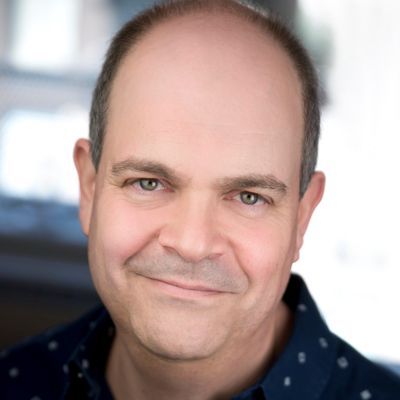
How on earth do you name a brand new musical SOMETHING ROTTEN, open it cold on Broadway and somehow still have a hit? Short answer: magic. Long answer: listen to this week's episode with original Tony-nominated Nostradamus, Brad Oscar! Brad dusts off his soothsayer powers to tell us everything about this show that loves musicals as much as it "hates" Shakespeare.
Follow Brad on Instagram @bradoscar64 and don't miss him this week at 54 Below in Charles Kirsch's Backstage Babble LIVE on September 6th!
Be sure to rate, review and share "A Musical Theatre Podcast" with your friends! Connect with us on Instagram, Twitter, and TikTok. You can subscribe to PATREON! for only $1 and receive exclusive content. We also have a TeePublic store where 100% of the profits we receive will be donated to Broadway Cares/Equity Fights AIDS.
Above all, thank you for being part of this wonderful podcasting community.
Transcript
This transcript was automatically generated and might contain errors.
[0:01] Brad Oscar: One of the greatest compliments I would hear about our show constantly was, oh, I brought my friend, he hates musicals, but he loved it. Oh, I dragged my husband, he hates musicals, but he loved it. And I thought, well, that's so interesting, because in so many ways, our show is like the epitome of what a musical... I mean, we couldn't be talking about it more. I mean, it is so like musical theatre, sort of turned up to 11, right? In so many ways. But the truth and the comedy and the smartness and the design, I mean, you know, talking about, again, collaboration, getting everybody on the same page. There was something about that show that just took off from there and had such a mass appeal that way. And will, I hope, forever.
[1:00] Jeffrey Scott Parsons: Welcome, everybody, to A Musical Theatre Podcast where we discuss the cultural and emotional impact of some of our favorite musicals in theatre history. My name is Jeffrey Scott Parsons. You can call me Jeff. Today, we are discussing the musical SOMETHING ROTTEN, which was a listener request from both Connor and Casey. Casey wrote, quote, "This was the first ever Broadway show I saw, and it holds such a special place in my theatre-lover-slash-English-major heart. Not enough people know how freakin' funny it was, plus Easter eggs galore for musical theatre and Shakespeare fans." Unquote. Well, Connor and Casey, this one's for you. And my goodness, do we have an incredible guest. He's a two-time Tony Award nominee, first for playing everyone's favorite Nazi, Franz Lipkin, in THE PRODUCERS, and most recently for originating the role of Nostradamus, or, more accurately, Thomas Nostradamus, in SOMETHING ROTTEN.
He is part of the all-star lineup for Charles Kirsch's Backstage Babble Live at 54 Below on September 6th. Everyone, please welcome the man who has stopped more Broadway shows than COVID-19. It's Brad Oscar!
[2:11] Brad Oscar: Yay!
[2:13] Jeffrey Scott Parsons: That's great. I mean, put it on your headstone.
[2:17] Brad Oscar: I think that... That's the thing that I always heard about SOMETHING ROTTEN, is how many standing ovations mid-show you guys got. It was crazy. I've never, have never, did never, have ever, never experienced anything like it, even quite as an audience member. So it was a very special part of the experience, because it was so unexpected. As far as just the audience didn't even know what they were about to see. Expectations were so low, because no one knew what this thing was. It came out of nowhere, if you will. It just suddenly opened on Broadway. Who the hell would name a show SOMETHING ROTTEN? I mean, it was just all so absurd. Nobody knew what to expect. So, yeah, so initially, when we were getting on its feet and doing the number, it wasn't until we did it for the group sales presentation.
We'd done it in the room, the workshop. What you do in a room, a room is great, but a room is 50 people, 70, I don't know how many they cram in these days, God bless, but, you know, they're biased, they're this, they're that, there's so many things that go into, you know, what that is all about, that presentation. So my point is that when we did a full group sales presentation at the, what's it called now, the 42nd Street Theatre, the new, the little, it was the, what was it called then? I'm getting so confused. Isn't Kinky Boots now having a resurgence at that? The Off-Broadway Kinky Boots. Yeah, exactly. So, anywho, we did this group sales presentation, we did a couple numbers, ending with a musical, and this group of, again, slightly biased, I mean, there are people who are there to, you know, bring groups of tourists to the city, but they see a lot, and they see good, and they see the bad, and they see everything.
So, anyway, their response was crazy, and we were like, wow, that was fun, wasn't that cool? Well, that's not gonna happen again. I guess maybe it is gonna be a good, and it's not gonna be, you know, I was always, you know, when you're doing something, and you're in the middle, you're gonna have to stop me from talking, by the way, you always, I always am, you know, there's a part of me that's judging, there's a part of me that's directing, there's a part of me that's outside of myself, watching the, you know, and judging the material, and is this funny, is this good, you know, all those things. It's part of, I think, being a, you know, responsible actor. But anyway, we, I know that, and not alone, we're concerned that the number would just be too meta, too wink-wink, too, you know, reference-y, and whatever, and wasn't that fun, but hadn't we sort of done that, sort of starting with THE PRODUCERS, if you will, as far as referencing other, you know, incorporating that into a way of telling our stories now, you know what I mean?
[4:56] Jeffrey Scott Parsons: Yeah, the self-awareness of the musical.
[4:57] Brad Oscar: Sure, exactly. You know, I mean, my God, DROWSY CHAPERONE is a brilliant example of it, you know, and it's been used so beautifully. So my fear at the time was, has it been, are we beating a dead horse? Are we only—
[5:09] Jeffrey Scott Parsons: Gilding the lily.
[5:10] Brad Oscar: Yeah. Are we just appealing to a certain demographic, or blah, blah, blah? And the answer was a big, fat no. To quote a lovely song from DOUDBTIRE, the musical, big, fat no.
[5:22] Jeffrey Scott Parsons: Well, I'm sure you were very happy to be wrong in this instance. And I remember watching, we'll go back in time, but we're kind of starting right in the middle of the story. I remember watching the Tony Awards that year, and I almost felt bad for FUN HOME because they kept winning things. But you guys would get the biggest applause. They'd be like, so-and-so from SOMETHING ROTTEN, and Radio City would go insane. And then they'd be like, Lisa Kron from FUN HOME, and everyone's like, ah.
[6:03] Brad Oscar: Well, you know.
[6:04] Jeffrey Scott Parsons: Of course, brilliant show, deserved all of the awards. But in terms of, there was no question who the crowd favorite was in that room.
[6:07] Brad Oscar: Well, you know, that's a whole other, that's Apples and Oranges, and that's exact. Absolutely.
[6:09] Jeffrey Scott Parsons: So worthy in their own respect.
[6:12] Brad Oscar: And so, yeah, hey, look, it was nice to get the recognition. I mean, to be in, you know, we got so many nominations, and we did farewell on that front. And so, yeah.
[6:18] Jeffrey Scott Parsons: Absolutely.
[6:19] Brad Oscar: Yeah. Well, when you're talking about, you're in these shows, and you're thinking about it from a producer, director, actor standpoint, you 100% are allowed to do that because you've done so many of them. As I was doing my deep dive into your career, I was looking at what you, the shows you've been in on Broadway, and you started out in kind of notoriously unfunny shows. Right? ASPECTS OF LOVE and JEKYLL AND HYDE, not known as musical comedies.
[6:51] Brad Oscar: Well, in between, I at least did FORBIDDEN BROADWAY, so I got my fill in there.
[6:54] Jeffrey Scott Parsons: You did FORBIDDEN BROADWAY for a long time.
[6:56] Brad Oscar: But yeah, ASPECTS and JEKYLL, you know, yeah, no big knee slappers there, but yes.
[7:01] Jeffrey Scott Parsons: So was that just kind of like the roll of the dice?
[7:04] Brad Oscar: Well, I mean, you know, exactly. You're auditioning, you're looking for work. ASPECTS, I was cast as a swing. I covered some of the, you know, character men in the ensemble. And so, yeah, you know, please, I didn't care what kind of show I was doing. You know, I mean, you just want to work, much less work in a Broadway show, much less a Broadway musical by Andrew Lloyd Webber, because that was his show after PHANTOM. And so it was, you know, a lot of working with Trevor Nunn. I mean, it was a terrific experience in many ways, albeit, no, not a kind of show that would become my bread and butter, if you will, or become the kind of material that I would be seen for. Certainly if there's a revival of ASPECTS OF LOVE, don't look for me.
[7:49] Jeffrey Scott Parsons: But it was a terrific experience.
[7:52] Brad Oscar: Oh, I'm sure. You know, yeah, I mean, the whole, yes, just being my first show. And, you know, they spent so much money on the show and on us in many ways. And so, you know, that was all well and good. That's not bad. And then JEKYLL turned into, you know, again, who thought that JEKYLL AND HYDE in that original run was going to, you know, last for almost four years. So it, you know, provided me with a wonderful, wonderful job that I truly, for the most part, really enjoyed. And the people I got to, you know, that become your family when you do a show like that and you're lucky enough to do a show that lasts beyond a couple months or whatever. My God, you know, I know some people, they're done after a certain window of time regardless. I have had, you know, my long-term experiences that I actually truly do appreciate and love. And especially to be home and working more and more is, you know, really treasured.
[8:44] Jeffrey Scott Parsons: Yeah. Absolutely. So then can you, well, your time with PRODUCERS is epic and I'm sure has its own episode at some point. But how did SOMETHING ROTTEN come around then?
[8:57] Brad Oscar: Well, SOMETHING ROTTEN was such a, you know, such a gift in that way. And again, based on having, you know, the opportunity and THE PRODUCERS to get to do what I love and on a big stage, literally, and then get the recognition, be a part of that thing. And so, you know, I was able to get into the pool, as I always say, sort of, or these concentric circles. There's like, you know, in this dartboard of our little village of Anatevka. You know, there's only so many people, right, who need to know you and appreciate whatever. And then you're in that pool. And so ideally then when casting is occurring, casting directors are thinking of you and or the writer and or the director and whatever. So there are many ways in which you ideally get brought into the room, sometimes for an audition and if you are really, really just blessed and the randomness of being just offered something and not having to audition, which has happened for me a couple of times.
And this ironically was one of them. And so, you know, think about that. I'm like, really? So I was doing, I think I was, it was, oh gosh. Oh, this was a while ago. Cause I think this was sometime around 2013, it would have been. And I was doing BIG FISH and BIG FISH, of course, sadly didn't, didn't happen in the way we all wanted it to. And I get an email from Casey Nicholaw. Now I knew Casey. I had gone into SPAMALOT. So I had tangentially, is that the right word? Worked with Casey? Jeez, my, you know, he had been in and out or whatever cause he choreographed SPAMALOT. I had done a great table read of MY FAVORITE YEAR years ago with him, a show that, you know, has so much good stuff in it, but you know.
[10:36] Jeffrey Scott Parsons: Yeah. Oh, beautiful.
[10:36] Brad Oscar: So anyway, I get an email from Casey. Hey, would you like to join us? We're doing a week long reading of this new show. It's crazy. It's wacky. I think it's really funny. I think you'd be great. I read it. I think, yeah, I think, I think it's pretty funny. I, you know, musical comedy is the hard, as we know, especially this is flat out bald musical comedy. That's hard. So anyway, I was invited to do a week long at the music stands reading of the piece, just delightful. Couldn't believe, you know, again, I'm like, wow, this is really sweet. And wouldn't it be nice if this project goes on to, to stay with the project because, you know, then so many variables can start to occur. And the first thing that came to my mind sitting behind the music stand doing this huge number, if you will, was, oh geez, what if this guy does need to really dance? What if part of the joke of Nostradamus is that you see this crazy old little guy or whatever it is, or just old guy or whatever? And then, you know, he's, he can really, you know.
[11:43] Jeffrey Scott Parsons: All of a sudden extension.
[11:45] Brad Oscar: Exactly. And just do things that, that, that Brad Oscar can't do. Brad Oscar can do things when he's given some time and repetition and blah, blah, blah. And I can look good and whatever, you know, but anyway, so I was worried that, you know, he was going to see it in a certain way or whatever that, that would eventually.
[12:01] Jeffrey Scott Parsons: Yeah. You're a, you're a Stroh staple. Come on. You can't, you can't be afraid of choreo. Please work with some of the greatest choreographers in the history of this business.
[12:12] Brad Oscar: Exactly. You know, please look at me. But anyway, it was a terrific week. Danny Burstyn was reading Nick at the time. And I think John Cariani was, was Nigel at that point still. And, and Emily Ashford. And I'm pretty sure about all.
[12:29] Brad Oscar: Years ago, I'm like, of course, is that right? Brad, are you sure? But yeah, Annalie and I think Will Chase did Shakespeare, believe it or not, because he would end up playing Shakespeare coming into the Broadway company. But I think it was Will at that point, because they were going for a more direct. I remember when I heard the pivot to Christian, what we before we started the four, I was like, OK, this is interesting because it was such a different, you know, and need different take. Needless to say, my God, what he, you know, did and created in that room was, you know, so yeah, so I was invited in to do that reading. And it went really well. And we didn't know, of course, then you leave the room and you think, OK, well, that was great, because so many things don't happen.
So many things. And then the next thing, well, not the next thing, because it had to be practically a year ish later, we do a four week workshop. Yes, because I have to arrange. And again, glad this all worked out. You know, sometimes things don't work out in this way if you've already got a gig. And I was on the road with the new production of Phantom of the Opera, which was basically just a new sort of design, a new direction. But it was Phantom of the Opera. And so I was on I went out on the road with that for about nine months and then find out, oh, they're doing a four week something rotten. And fortunately, that worked out and my agents, you know, got me out, whatever. And then and yeah.
And so, yes, that was the fall of 2014. Wow. OK, so then there's a kind of this interesting curveball where Something Rotten is supposed to try out in Seattle, right? Fifth Avenue. So, yes, Something Rotten is booked into as we're doing this four week workshop in September of 2014. We are all aware that it is on the schedule to Fifth Avenue for the spring of 15. So that's, you know, and that's always sort of nice to know, you know, you think, OK, well, at least there's an out of town production, you know, book. Somebody's taking it seriously. Exactly. And I also, you know, I think anyone who knows anything about musical theater is probably like, yeah, it's good to have an out of town try out.
I think it's been proven more than not that it's really good to have an out of town try. I know it costs a lot of money, but it's usually good for a show. It rarely hurts a show. So anyway, so, yes, there was a plan to do that. Well, you know, again, what happened in that room in four weeks, that initial excitement and that sort of, OK, maybe we don't. However, they just they felt maybe we don't need to go out of town. You know, dangerous, risky. I also think the theater presented itself, the St. James, which is a revival of another piece, was not was not performing as well. So that was going to be closing. And so the theater became available. Grab it while you can. Yeah. But these are, you know, can be very dangerous reasons to to to rush a show.
And I mean, again, it could have worked out much differently. But but yeah, all those things lined up. And so it was crazy. I mean, again, I don't think anyone expected that that was really going to be the case.
[15:35] Brad Oscar: That's amazing. The rest is history in a way. You open to incredible reviews. You enjoy a lengthy run, which you do the entire run, right? Yes. Yes. How was that? How was that to go from opening to closing? Oh, it was great because, again, it was a delightful show to do. Audiences loved the show consistently. Going to work was, you know, just a joy. And with these people that, you know, the original cast is the original cast. So that's gold in its own way. But then, you know, we had some great replacement. I mean, we had, you know, these are all pros. So it's like that's the joy also of doing a long running show is that new people do come in. So you get to meet and work with new people, people you respect or, you know, previously, you know, so wanted to work with them.
So, yeah, it was that was really one of the special things about that and about the producers and about other shows that I've been in for about Jacqueline Hyde. I mean, you know, who would have thought in the fourth and third year of Jacqueline Hyde into the ensemble comes Miss Kelly O'Hara making her Broadway debut, you know, beautiful as ever and so lovely. And, you know, and so I've known Kelly since then. And so, I mean, just in the way that, again, because there is such a great talent pool out there. So and Something Rotten being in many ways. Well, it is classic musical comedy and some of the best musical comedy artists live in this city. Yeah, it really was a who's who of just musical comedy gold. Yeah. Coming through those doors. Yeah. How fantastic.
[17:16] Brad Oscar: Yeah. Now, to your point about the show being a surprise, I didn't know the authors. Right. And so I decided to do a little research on the Kirkpatrick brothers. Yes. Wayne and Kerry, because I had never heard of them. And when I started researching them, the first thought I had was, oh, we wouldn't have Something Rotten without Howard Ashman. The reason why is because these guys started out in animation. And I feel like that bridge between animated films and musical theater was really reconstructed by, you know, Alan Menken and Howard Ashman. Indeed. And there is something kind of cartoony about Something Rotten. All of the adult humor aside, it's living in this heightened world. It's really beautiful.
It's a beautiful match for these two brothers, who, by the way, are very unassuming. In every interview that I have seen of them, they're just as normal as can be. Yeah, they're terrific. They're terrific guys. They are. And, you know, yeah, I mean, Wayne is a Grammy winning composer in his own right and has a huge career down in Nashville and country music and gospel, I believe. And Kerry, yes, with the animated features that he's written and or directed. And then they brought in John O'Farrell, who was a noted English author and brought his whole sensibility to the mix, which, again, informed, you know, smart people are good at collaborating, I think, smart artists anyway, especially making a musical is, you know, the most collaborative of efforts.
So if you can embrace that and bring people to the table that you're, you know, and everyone's willing to play that game. And I've never again, I've only been on my side of it. And I do. And I must say, again, the joy of being in that room for the four weeks was how collaborative it was, how we all felt able to bring ourselves to the party and make suggestions. And believe me, as I mentioned earlier, you know, Christian Borle literally created that character of Shakespeare in the sense of the attitude and the tone and the comedy that was honed and the bits that were developed and literally some of the dialogue. I mean, you know, it was. Yeah. And it was just wonderful to see. So we were all able to, you know, bring ourselves in that way.
And when you're creating a piece, there's such joy and the satisfaction then of seeing it turn into, you know, something that's permanent in that way. And now that the show is being done, you know, in high schools and community theater and everywhere, you know, it's so thrilling to know that some of the, you know, the stuff that we did, that we created, you know, will live on in that way.
[20:02] Brad Oscar: 100 percent. Yeah, yeah, yeah. Now, the whole conceit behind the show is, okay, what if we look at Tudor England with the robust theater scene that we have come to, you know, revere with Shakespeare and all of his contemporaries? What if we presented it as the theater community and business that we know it to be now with producers and, you know, writers with writers block, all of that sort of thing? I have this little clip from Carrie and Wayne Kirkpatrick that I want to play. As they were developing this idea and coming up with their musical vocabulary for it, they started judging themselves a little bit because they're like, this doesn't sound like Sondheim. Are we actually fit for creating a musical?
And this is what they said. It's a show that's about, ultimately, To Thine Own Self Be True, which is kind of a tried and true theme. It's almost been done so much that it's cliche. So, I joked, it's like, that doesn't sound like Sondheim. But if we're like, well, To Thine Own Self Be True, you know, encouraged to write the kind of stuff that we write and that it should work. And that section of where everything is new kind of gave us license to go get kind of hip and funky and it actually worked storytelling wise. And the way this song came about because, you know, opening numbers, usually the rule is, right, don't write your opening number first. Yeah, we read some books. One of the things that it said was, you should never write the opening number first, and that's what we did.
Isn't that fantastic? So, it is a great opening number that talks about the renaissance. Welcome to the renaissance. By the way, fantastic orchestrations throughout this entire show. I mean, just all of the different sounds that were able to come from that orchestra. It was Larry Hoffman. But it starts out very traditional, like almost the beginning of Sleeping Beauty, going back to animation. And then all of a sudden, it goes into like a more of a funky place. And that was the moment where they're like, okay, if this show really is about To Thine Own Self Be True, this is what we're writing. This is what we're bringing to it. It's a really fun mashup. Yes. You know, it's fascinating to make something so traditional seem contemporary and now and present.
You know what I mean? Because musicals can be thought of as being so corny and antiquated. And so it's hard to hook an audience more and more, I find, with something either new and or very traditional and yet seems fresh. Or again, that's random, as we know, for that to happen.
[23:02] Brad Oscar: So, if I can tell you real fast, my first big introduction to the show was during the pandemic, because I hadn't seen it before the pandemic. And then I got asked by a local community theater to come in and look at it, specifically at a musical, because they knew that I would understand all the references and pick up anything that they had missed. And so I started working with them. I worked with them a couple times. Notoriously, I had one rehearsal where I made two different people cry. I don't understand. I think it was, I mean, it was a precarious emotional time during the pandemic. So I think everybody's emotions were very high. And then, you know, you add tap into it, and people just get really frustrated very quickly.
But the point is, is that I was just kind of gobsmacked by all of the hidden little gems. Sometimes it's like four bars of La Cage. Sometimes it's two bars of Sunday in the Park with George. And these are things that wouldn't be in a show that, quote unquote, hates musicals. Exactly.
[24:10] Unknown speaker: You know what I mean?
[24:11] Brad Oscar: Oh, yeah. It's very, very cool. Oh, I don't even know. There are many I don't even know. People say, oh, there's that. And I'm like, there is? Because, you know, being a part of it, I certainly wasn't, you know, I would pick up on things. Certainly, of course, I would hear things. And especially because we only hear, as far as the orchestration goes, we only hear what we hear on stage, which isn't always a full mix. So it's only when I occasionally would listen to the album or hear it, you know, played on Sirius Radio or something. When I really hear the song, I'm like, oh, wow, I hear things orchestrated. That's what it sounds like? I've never heard. Yeah, exactly. It's terrific. Let's talk a little bit about Shakespeare and musical theater in general, because this is obviously not the first musical to...
[24:57] Brad Oscar: Take, shall we say, inspiration from the Bard.
[25:01] Jeffrey Scott Parsons: Right, of course.
[25:02] Brad Oscar: Just looking at the shows that we've covered on the podcast, West Side Story, All Shook Up, Play On, The Lion King. There's also Kiss Me Kate, Two Gentlemen of Rona, Boys from Syracuse, Rockabye Hamlet. Why do you think...
[25:14] Jeffrey Scott Parsons: Rockabye Hamlet, right?
[25:17] Brad Oscar: You bet. Why do you think it's such a good fit? Why do you think we have turned to Mr. Shakespeare for inspo?
[25:25] Brad Oscar: Well, again, you know, it's all story, right? We come down to the fact that, you know, it's all storytelling. And so, you know, he came up with some really great stories, certainly, along the way. Certainly, Something Rotten, you know, is not... Obviously, it's not based on it. It takes Shakespeare and puts him front and center as a character, you know. And actually has, you know, in many ways, a pompous, fabulous fool.
[25:45] Jeffrey Scott Parsons: Well, it sends up his whole persona, right?
[25:48] Brad Oscar: Which is...
[25:49] Jeffrey Scott Parsons: Totally.
[25:49] Brad Oscar: He was a bad actor, and so he decided to start writing. And so, but I think that because, my God... And I think this was another twist, if you will, in the journey of Something Rotten for people is that, you know, there's so many people who really don't like Shakespeare, you know, who really can't wrap their...
[26:06] Brad Oscar: And I totally understand that. It is... It's a thing. You've got to be able to wrap your mind around the language. It's a thing. It's a way of telling a story that isn't terribly contemporary anymore, but still resonates. God knows. But I know it's hard for some people. So, you know, when your second song is, you know, your first, your character-defining I want song is, you know, God, I hate Shakespeare. Again, we've hooked a whole section of the audience. They were like, I love this show! They're like...
[26:36] Jeffrey Scott Parsons: Yeah, exactly. Relatable content.
[26:39] Brad Oscar: Exactly, because so many people, you know, are put off by it in a way, and, you know, understandably so. So I think that because in the world of theater, Shakespeare is a, you know, he's up there. So it's a fun place to be able to play. It's a fun guy character to be able to play with in that way theatrically, because he is so theatrical. Because, you know, the nature of it is so theatrical. So, you know, and then you take Tudor and you take all that sense of time and place that surrounded him, you know, again, is seen through the eyes of some, you know, very funny people and writers. And it's accessible in a way that enables us to then have fun. And yeah.
[27:22] Brad Oscar: He might kill me for talking about him, but this reminds me of my fiancé, Michael. So he loves Shakespeare. And he, like, the 70s Romeo and Juliet is 100% his vibe. Like, that is at the core of his aesthetic, personal aesthetic. At the same time, though, I have dragged him to many a bad Shakespeare production. And one time we were in a theater watching Othello, and he fell asleep pretty early on. He just, like, slumped down.
[27:55] Jeffrey Scott Parsons: Oh, great.
[27:57] Brad Oscar: And he's the Shakespeare fan.
[27:59] Jeffrey Scott Parsons: And he's the Shakespeare fan.
[28:01] Brad Oscar: And then it got to the point where, like, Desdemona is being killed. And he kind of stirs and whispers to me, why is it so loud? And I just, like, had to not chuckle. Because I'm like, because Desdemona is currently being murdered. Michael, Mr. Shakespeare fan. Sorry to interrupt your nap, but this is what's currently happening. So my point being that, yes, it is a complex relationship that we have with very, very old storytelling and the Shakespeare.
[28:36] Jeffrey Scott Parsons: Yeah.
[28:37] Brad Oscar: Yeah.
[28:37] Jeffrey Scott Parsons: Are you a fan? You can be honest here.
[28:41] Brad Oscar: Well, no, I mean, I wouldn't say I'm a fan. You know, I would like to see great actors and stuff. So you know, most Shakespeare theater going has involved going to see, I guess, a certain actor, perhaps more than just, yeah, going to see a Shakespeare play, for sure. So yeah, but no, I can't say it's my fave. I can't say I've certainly never done any professional. You know, I had my time in college, you know, working on it and getting through it or whatever. But no.
[29:10] Jeffrey Scott Parsons: No, I get it. And but here's the thing is that we have a lot in common because he wrote musically. Every play is, you know.
[29:19] Brad Oscar: Sure.
[29:19] Jeffrey Scott Parsons: Shakespeare was obviously very much tied to the music of words.
[29:24] Brad Oscar: Yes.
[29:25] Jeffrey Scott Parsons: I think that that's actually a great definition of our art form in musical theater.
[29:31] Brad Oscar: Right.
[29:31] Jeffrey Scott Parsons: Right.
[29:31] Brad Oscar: The music of words.
[29:33] Jeffrey Scott Parsons: Totally.
[29:34] Brad Oscar: So we have a lot to be grateful for in terms of this through line of Shakespeare in musical theater. And now we get to make fun of it. And so we're going to go through this show specifically to introduce it to people who may not know it, maybe encourage them to listen to it. And of course, we get the added benefit of you having both seen and listened to it for over 700 performances.
[30:01] Brad Oscar: Yeah, yeah, yeah, exactly.
[30:03] Brad Oscar: Indeed. The opening number, as we discussed before, is Welcome to the Renaissance. Welcome to this new way of life, specifically because before the Renaissance, things were a little dark. Things were not so great.
[30:15] Jeffrey Scott Parsons: Exactly.
[30:16] Brad Oscar: Yeah, a little black death, a little problem.
[30:19] Jeffrey Scott Parsons: There are problems.
[30:21] Brad Oscar: And then the Renaissance seems to be this place of rebirth. And that's exactly how the song ends.
[30:27] Jeffrey Scott Parsons: Exactly.
[30:27] Brad Oscar: Because Renaissance means rebirth. But it's a great opening number.
[30:32] Jeffrey Scott Parsons: Yeah.
[30:33] Brad Oscar: We know exactly what we're in for.
[30:35] Jeffrey Scott Parsons: Exactly.
[30:36] Brad Oscar: It really does. Sets the scene, tells you what's going on. Funny enough to let you know, OK, yes, I think it's going to be funny. And just some of the most clever lyrics as well.
[30:47] Jeffrey Scott Parsons: Then we meet our cast of players, if you will. First up, we got Nick Bottom.
[30:54] Brad Oscar: Yes.
[30:54] Jeffrey Scott Parsons: Now, this is where the Shakespeare references already start, right?
[30:59] Brad Oscar: Well, because he is a contemporary. He is a playwright and he and his brother and their contemporaries of Shakespeare. And all of their plays bomb and all of his plays are big successes.
[31:10] Jeffrey Scott Parsons: So absolutely.
[31:11] Brad Oscar: Yes. So we are introduced to him as the starving artist who's just trying to provide for his family.
[31:17] Jeffrey Scott Parsons: Yes, for his wife, Bea, and his younger brother, Nigel.
[31:20] Brad Oscar: Exactly. Who's also a writer.
[31:22] Jeffrey Scott Parsons: Exactly. What's already hilarious, though, is that Nick Bottom is, of course, the name of a Shakespearean character, right?
[31:29] Brad Oscar: Yes.
[31:30] Jeffrey Scott Parsons: Right. From Midsommar, right?
[31:31] Brad Oscar: From Midsommar. So right off the bat, we're like, OK, interesting. Why is he named after a Shakespearean character? And it becomes very clear that the way that Shakespeare is presented in this musical is that he steals all of his best material. And so from here on out, we're realizing, oh, the reason there's a Nick Bottom in one of his plays is because he knew a Nick Bottom in real life. Or, you know, the younger brother, Nigel, who's actually a very gifted writer, is always feeding him his best lines. It's all of the running jokes in the show. Never get old. And this is one of them for me.
[32:04] Brad Oscar: The Bottom household is struggling. They are not able to pay the bills. They have this money box, kind of like their savings that they refuse to dip into. And Nick is taking it out on Shakespeare. That if it wasn't because of him and the fact that everybody loves him so much, that maybe there would be a little bit more to go around, a little more love to go around. Thus, the song that you mentioned earlier about hating Shakespeare. By the way, the most listened to song on the cast album on Spotify.
[32:40] Jeffrey Scott Parsons: Oh, really?
[32:41] Brad Oscar: Go figure, right? Number two, Hard to Be the Bard. Constantly surprised by this.
[32:48] Jeffrey Scott Parsons: Wow.
[32:49] Brad Oscar: After he gets done complaining about Shakespeare, his wife asks him if she can help. She wants to get a job. But of course, during this time period, not a great idea.
[33:07] Jeffrey Scott Parsons: Definitely frowned on.
[33:08] Brad Oscar: Possibly illegal. But that doesn't stop the fact that she wants to help this family. And she sings The Amazing Right Hand Man. Now, I got to say, this is my favorite piece of musical theater in the entire show. It's melodious. It's strong, objective work. It's earnest. It's doing everything that the show will later make fun of. But it's doing it really beautifully.
[33:33] Brad Oscar: And that was written before we started rehearsals for Broadway. That was not...
[33:38] Jeffrey Scott Parsons: Wow.
[33:40] Brad Oscar: It's a late edition. That was not in the room. In the room, in the workshop, Bea had a song just about... It's killing me. I wish I had it in front of me. She had a very, again, funny, clever song just about the predicament that the two boys were in. About how they were always failing, but they were still sweet. And eventually, they'd solve it or whatever. It was sort of a... She was pepping them up. Totally liking on the name of the song. But anyway, yes, that transformed. Character arc transformed as well and became Right Hand Man, which is a terrific song.
[34:16] Jeffrey Scott Parsons: It is.
[34:17] Brad Oscar: I feel like it just grounds the show in a really interesting way that hasn't been up until that point.
[34:22] Jeffrey Scott Parsons: Yes.
[34:23] Brad Oscar: And Heidi Blickenstaff sang the hell out of it.
[34:26] Jeffrey Scott Parsons: Come on, Heidi Blickenstaff.
[34:27] Brad Oscar: She tore it up. Now, what Bea ends up doing is going out and dressing up like a man so that she can get jobs.
[34:34] Jeffrey Scott Parsons: Exactly.
[34:35] Brad Oscar: A classic Shakespearean trope.
[34:37] Jeffrey Scott Parsons: Another Shakespearean trope.
[34:39] Brad Oscar: Within the show that's making fun of Shakespeare.
[34:42] Jeffrey Scott Parsons: So clever.
[34:44] Brad Oscar: What Nick decides to do is instead of using the people around him, like Nigel, like Bea, to better his situation, he decides to use all of their money to go visit a soothsayer. Someone who can see into the future and tell him exactly what to do.
[35:01] Jeffrey Scott Parsons: Yes.
[35:02] Brad Oscar: And so he goes to that part of town.
[35:05] Jeffrey Scott Parsons: He does.
[35:06] Brad Oscar: And runs into you.
[35:08] Jeffrey Scott Parsons: Yes.
[35:09] Brad Oscar: And you make your entrance.
[35:10] Jeffrey Scott Parsons: And of course, everybody spontaneously.
[35:13] Brad Oscar: Yes, he finds Thomas Nostradamus. And yes, and I do have some true ability. Sometimes a little wrong here and there, but yes.
[35:22] Brad Oscar: You are a visionary adjacent. Another bit that I just find endlessly hilarious. You know that Shakespeare is going to write a show. And that it has something to do with breakfast foods. But instead of Hamlet, you see it as Omelette.
[35:37] Jeffrey Scott Parsons: Yes.
[35:41] Brad Oscar: Yes. Nick takes this as a scripture, right?
[35:45] Jeffrey Scott Parsons: Correct.
[35:45] Brad Oscar: That, okay, well, I need to do what Shakespeare is going to do and write Omelette first. So he sets out to write Omelette. But Omelette will not just be any play because Nostradamus also predicts that the biggest thing to hit theater in the future is going to be a musical.
[36:03] Jeffrey Scott Parsons: Musicals, baby.
[36:04] Brad Oscar: Yes. That's right. And I mean, this is where that song goes. So how long did it take for many of you all?
[36:12] Jeffrey Scott Parsons: Oh, please.
[36:13] Brad Oscar: What did you say?
[36:14] Jeffrey Scott Parsons: No, I'm saying, and then 10 minutes later.
[36:16] Brad Oscar: And then 10 minutes later, after this number.
[36:20] Jeffrey Scott Parsons: Oh, my God.
[36:21] Brad Oscar: A glorious 10 minute number called a musical.
[36:24] Jeffrey Scott Parsons: Now, how long did it take to stage this? How long did you guys work on this in the room?
[36:29] Brad Oscar: Well, I mean, it took it. Yes, it took some time, of course. You know, Casey had pretty much, you know, had the thing mapped out. It was basically just sort of teaching. It was, yes, it was a lot. There's a lot of sections. Putting it all together, you know, was something else. But it was fairly routine because, again, the way the number is structured, it's easy to make good material work and live and thrive or whatever, because it meets you're there and you just go from there. You know, whereas material you're trying to lift up or you're elevate in a way. How do I make this work?
[37:03] Jeffrey Scott Parsons: No, exactly.
[37:05] Brad Oscar: The work that goes involved in that is often, you know, takes away from or doesn't allow you to, or sometimes the material just isn't good. It just isn't good.
[37:15] Jeffrey Scott Parsons: What are you going to do?
[37:16] Brad Oscar: It can't all be good, Brad. You know, I mean, it's all, again, all subjective. But we've all, you know, we've done things that we just know aren't.
[37:26] Brad Oscar: So this was a case of everything felt pretty damn good, and we had an extraordinary group of people on that stage, in that room.
[37:38] Brad Oscar: No one in the original Broadway cast of SOMETHING ROTTEN, and I'm pretty sure this is right, maybe not the swings, I don't wanna... no one auditioned to be in the show, okay? Everybody was either part of the process leading up to Broadway, or they were invited, but pretty much, I'm pretty sure on this, it was the kind of thing where, again, Casey had been doing this a long time. Casey was an actor, a singer, and a dancer, Casey Nicholaw. So he had worked with a lot of these people. He knows what he's looking for. He knows the kind of people he wants to work with, and that goes beyond just your talent ability, because talent's great, but you wanna be in a room with people, you want collaborative people, you want people who are gonna be part of something in that way.
People who you wanna spend a lot of time with, because eight shows a week is no joke. And you know they're gonna bring their A-game. That ensemble of SOMETHING ROTTEN, I mean, you add up the Broadway credits of that ensemble of SOMETHING ROTTEN, it's crazy. It was extraordinary. And we slanted slightly older, too, and I mean that by it just wasn't an ensemble of 20-somethings dancing their tits off, which a lot of these shows today, that's what it is, because the shows are staged in a certain way, or that's what they call for, which is all well and good. But this was a much more varied ensemble in that way, and that was also very fulfilling.
[39:04] Brad Oscar: That's so cool. Sweet. So after the musical, everybody stands up and gives another five-minute standing ovation. So now we're 15 minutes later. And we go to... let's talk about Shakespeare now. We finally meet Will Shakespeare, and he's doing Shakespeare where? In the park. Of course. Again, so damn funny. So simple. Just the simplicity of some of the jokes. You're like, that's so obvious and it's there, but it's funny. But you can't deny it's hilarious. Shakespeare in the park.
[39:39] Brad Oscar: Shakespeare, originally played by the great Christian Borle on Broadway, won your Tony Award. I'm so sorry, Brad. The greatest compliment I heard from one of my friends about Christian Borle in the show was, I am not sexually attracted to him, but as William Shakespeare, he could get it.
[39:57] Brad Oscar: Well, there's highest praise. But he is. He's this rock star. He's a little bit Mick Jagger, a little bit of an angsty teenager, you know, in terms of being a little entitled. It's such a great combination. It's a really brilliant, really brilliant characterization. His first song where he is saying he's sharing his sonnets with the crowd as though he's singing a top 40 hit that everybody knows the words to. It's really original. And I'm like, how has this not been done before? Because it feels so...
[40:35] Brad Oscar: Exactly. And that's, again, that's sort of the I guess the brilliance of it is that it does. It feels like, oh, it's been there all along and yet it's still it's fresh. It's funny. It plays. There's no mystery here, right? It's just words and thoughts and ideas and stories and all that stuff. But sometimes, yeah, people come together and just the right idea, again, the collaboration.
[40:57] Brad Oscar: Yeah. Now let's turn to Nick's little brother, Nigel, who's very innocent. I mean, just like the purest artist's heart, but also very innocent when it comes to his relationships. And I think B, Nick's wife, is always hoping that someday he'll get married. But like his social skills are not ready for that kind of advancement until he meets somebody by the name of what? Portia, which once again, another Shakespearean name. Portia is the daughter of this very conservative Puritan man in town who hates theater because only, you know, whores and gays.
[41:42] Brad Oscar: Whores and homosexuals engage in such a thing. And again, why Brooks's performance was so hilarious. Oh, my gosh. Another great performance and another bit that never gets old because this guy. Right. And another whole change in direction after the workshop, too, by the way.
[41:57] Brad Oscar: Oh, really?
[41:58] Brad Oscar: Yeah. Brooks was not in the workshop. It was a different it was a much more, you know, it was what you would sort of think it would be. He was very stern and domineering and straightforward and no, not very funny at all. But that's what he sort of called for until somehow. And again, I don't know how that how Brooks and that role came together is beyond me. But what happened with that role was just hilarious and brilliant. And then they gave him that number in the second act again, because it was as the character developed and it was Brooks. And when you're writing for Brooks, my God, you know, you can write with total abandon because there is there is absolutely true musical comedy, joy and brilliance. I adore the man. So that was something that was a character that also went on, underwent a very big change from the workshop to the Broadway production.
[42:52] Brad Oscar: Well, I love where it ended up. It's almost like this music man mayor sort of thing where he he keeps putting his foot in his mouth.
[43:00] Brad Oscar: Exactly. He gets all of the sayings wrong. But in this case, everything that he tries to preach about is like a sexual innuendo. He just walks into it every single time.
[43:11] Brad Oscar: Yeah. Anyway, so he he's very protective of Portia.
[43:16] Brad Oscar: Yes. His daughter. But she meets a kindred spirit in Nigel because they're both incredibly innocent and also completely obsessed with poetry. And so when they connect, they connect through words and through poems. Nigel is this beautiful poet and it unleashes something in her in a very innocent way. But it's almost like their first time together is actually bonding through the electricity and and just romance of poetry.
[43:45] Brad Oscar: Yes. It's really sweet.
[43:49] Brad Oscar: And it encourages Nigel to keep writing, because with Nick being so laser focused on creating this musical, which, by the way, isn't always going to be Omelette, it first starts out being about the Black Death. And that's a complete disaster because who wants to see that? But then when Nostradamus gives him the information about Omelette and a prince eating a Danish pastry, then then he gets even more laser focused on it and starts to ignore Nigel. It's only because of, I think, Portia that Nigel continues to nourish that inner artist that really is just so full of potential.
[44:33] Brad Oscar: Act two begins, and now we're in rehearsals, we're in rehearsals for Omelette, and also Shakespeare is complaining that it is hard to be the Bard.
[44:46] Brad Oscar: A great song that sounds like Queen.
[44:50] Brad Oscar: Yeah, yeah. I mean, it's very like Freddie Mercury.
[44:53] Brad Oscar: Right. And he is saying that being a celebrity is awesome, but being a writer sucks because it's very lonely. It's actually very hard work.
[45:03] Brad Oscar: Exactly. And he doesn't have any new ideas. So what is he going to do?
[45:07] Brad Oscar: Right. What he decides to do, and correct me if I'm wrong, is he told at this point that the Bottoms are working on something?
[45:16] Brad Oscar: Yeah, I believe so, or it happens soon after that because he runs into Nigel, I know, and says he'll take a look at the play and Omelette and yeah.
[45:26] Brad Oscar: Oh, that's right.
[45:27] Brad Oscar: Yeah, time-wise I'm not exactly sure.
[45:29] Brad Oscar: No, no, that totally makes sense.
[45:31] Brad Oscar: Yeah.
[45:32] Brad Oscar: So he receives word that not only are the Bottoms working on a new play, but it's a play based on an idea that he is supposed to have in the future. So he goes to be kind of a spy and infiltrates the show to find out what he actually is supposed to be writing in the future.
[45:51] Brad Oscar: Right. It's this weird back to the future type thing.
[45:53] Brad Oscar: Right, exactly. So, right, he dresses up, he becomes part of the number, of course, of course. It's all coming back to you now, too.
[46:00] Brad Oscar: What'd you say? Sorry.
[46:03] Brad Oscar: It's coming back to me now, too.
[46:04] Brad Oscar: Yes, and now...
[46:06] Brad Oscar: Well, yeah, I mean, it's been over five years and, you know, you do other gigs and other things and something that you live with every day. And I knew, you know, basically the soundtrack literally of the entire evening runs and ran in my head.
[46:18] Brad Oscar: Yeah, as we're talking about it, I'm like, now, how did Act Two progress? What exactly? You know, plus there were many, you know, variations and especially Act Two changed a lot during previews here in New York.
[46:31] Brad Oscar: Really?
[46:32] Brad Oscar: And that was the trickiest thing we had to...
[46:34] Brad Oscar: That can be scary.
[46:35] Brad Oscar: Yeah, exactly. We did a lot of work on Act Two, cut a beautiful, there was a beautiful love ballad in Act Two between the two couples called Lovely Love.
[46:43] Brad Oscar: Gorgeous song. Really, really beautiful song.
[46:46] Brad Oscar: Everybody was very, very, very sorry to see it go.
[46:49] Brad Oscar: But it was the wrong song in the wrong place in the show.
[46:53] Brad Oscar: It slowed down the show. It's Act Two. You got to keep things moving. The one thing that they were really smart about, and everybody, again, collaborated well, and Casey Nicholaw guided us so beautifully, was brevity, was keeping it as tight as possible and cutting a lot of stuff that just wasn't as funny as the other stuff.
[47:12] Brad Oscar: I lost so, Nostradamus, because it's so easy to write Nostradamus jokes. I mean, good jokes, it's easy. I'm just saying it was easy for them to write really good Nostradamus jokes. There was plenty of, it was so fertile. And eventually, we just had to pare away and let it go.
[47:29] Brad Oscar: It just, you know, again, as an actor, you're like, oh, wow, you see things getting cut. Well, there was a point in the show, if you want to talk about Act Two, in the workshop where I sang To Thine Own Self Be True to Nick in the jail cell before the courtroom.
[47:43] Brad Oscar: So it was Nostradamus.
[47:44] Brad Oscar: Oh, my gosh.
[47:45] Brad Oscar: Who sang this 11 o'clock number, if you will, or this sort of, the whole point of the show, as Carrie said. And so I sang it to him in the jail cell. And then we went to the courtroom, and then everything resolved itself.
[47:57] Brad Oscar: Well, that obviously got drastically changed as well. And I remember the day we started rehearsal for Broadway, because I think by that point, they had decided this, or maybe it had, I don't know. But, you know, Casey said, I want to talk to you, and here's what we're doing. And I was total, I was like, I get it. It makes total sense. You know, there's no reason for me to have that number necessarily at that moment when it eventually went to Nick, you know, where it belonged, with our main character, if you will, who learns his lesson.
[48:28] Brad Oscar: And then it happened in the courtroom and the jail cell, I think. I don't think we even had a jail.
[48:34] Brad Oscar: No, we went right from the big production.
[48:36] Brad Oscar: You just went right to the courtroom.
[48:37] Brad Oscar: To the courtroom, exactly. So this whole scene and song was, you know, again, was morphed and changed. But, yeah, a lot of stuff happened in Act Two.
[48:44] Brad Oscar: So, you'll forgive me if I'm not exactly clear.
[48:47] Brad Oscar: Oh, you're like, what version are we talking about?
[48:50] Brad Oscar: Yeah.
[48:51] Brad Oscar: That's crazy.
[48:52] Brad Oscar: Wow, wow, wow. When that stuff is happening, how do you surrender?
[48:58] Brad Oscar: And how do you memorize? Like, do you have, is that just muscle memory at this point?
[49:03] Brad Oscar: Well, I mean, you know, it's a very active thing, because every night, things are changing. It was very hard for, I know, for Bea and Nick, for Heidi and Brian, because of all the changes in Act Two. They were working on constantly. And, you know, we were all dealing with changes and stuff. But these were big, structural, sometimes entirely new scenes, if you will, that they were trying to go out there and do at night and see and try to make work and then futz with or just scrap all together and go back to what they had and try to work that. It's, yeah, it's crazy. I mean, look, there's something thrilling about it and exciting. You're walking the tightrope. You're trying to get it right. You're part of, again, you're part of the process. So, my God, you are the process. I mean, believe me, there are plenty of times. I remember some, you know, I don't remember specific lines again. But, you know, we'd go out and we'd try it.
[49:54] Jeffrey Scott Parsons: Welcome back to A Musical Theatre Podcast. Today, we’re diving into the world of "Something Rotten" with the incredible Brad Oscar.
[50:24] Brad Oscar: Thanks for having me, Jeff! I'm excited to talk about this show.
[50:52] Jeffrey Scott Parsons: So, let's start with the title. "Something Rotten" is such a unique name for a musical. How did that come about?
[51:16] Brad Oscar: It really is a fun title! The creators wanted something that would grab attention and reflect the humor of the show. It’s a play on words that hints at the themes of jealousy and competition.
[51:44] Jeffrey Scott Parsons: And it definitely sets the tone for the whole experience. What was it like for you stepping into the role of Nostradamus?
[52:12] Brad Oscar: Playing Nostradamus was a dream come true. He’s such a quirky character, and I loved bringing his eccentricities to life on stage. Plus, the comedic elements made it a joy to perform.
[52:38] Jeffrey Scott Parsons: I can imagine! The show has a lot of musical references. Did you have a favorite moment or song that really stood out to you?
[53:04] Brad Oscar: Absolutely! "A Musical" is one of my favorites. It’s a love letter to musical theatre, and the energy in that number is just infectious.
[53:30] Jeffrey Scott Parsons: It really captures the essence of what we love about musicals. How did the audience react to that number during performances?
[54:00] Brad Oscar: The audience always loved it! You could feel their excitement building throughout the song. It’s such a fun moment that really connects with theatre lovers.
[54:30] Jeffrey Scott Parsons: Speaking of connections, how do you think "Something Rotten" resonates with today’s audiences?
[54:50] Brad Oscar: I think it speaks to the universal themes of ambition and rivalry. Everyone can relate to wanting to be the best at something, and the humor makes it accessible.
[55:20] Jeffrey Scott Parsons: That’s a great point. The show balances humor with deeper messages. Did you find any personal connections to your character?
[55:30] Brad Oscar: Definitely! Nostradamus is a bit of an outsider, and I think we all feel that way at times. His journey of self-discovery really resonated with me.
[55:58] Jeffrey Scott Parsons: It’s fascinating how characters can reflect our own experiences. What was the rehearsal process like for you?
[56:08] Brad Oscar: It was intense but incredibly rewarding. We had a fantastic team, and the collaborative spirit made it a memorable experience.
[56:28] Jeffrey Scott Parsons: Collaboration is key in theatre. How did you bond with your fellow cast members?
[56:56] Brad Oscar: We spent a lot of time together, both in and out of rehearsals. Those relationships really helped build the chemistry on stage.
[57:24] Jeffrey Scott Parsons: That’s wonderful to hear. What do you think makes "Something Rotten" stand out among other musicals?
[57:52] Brad Oscar: Its originality! The humor, the clever writing, and the way it pays homage to the history of theatre make it truly unique.
[58:20] Jeffrey Scott Parsons: Absolutely! It’s a celebration of the art form. What do you hope audiences take away from the show?
[58:44] Brad Oscar: I hope they leave with a smile on their face and a newfound appreciation for the magic of musicals.
[59:14] Jeffrey Scott Parsons: That’s a beautiful sentiment. Before we wrap up, can you share what you’re currently working on?
[59:42] Brad Oscar: I’m performing at 54 Below in Charles Kirsch's "Backstage Babble" live this week, so I’m really looking forward to that!
[1:00:08] Jeffrey Scott Parsons: That sounds amazing! Be sure to check that out, everyone. Thank you so much for joining me today, Brad.
[1:00:34] Brad Oscar: Thank you for having me, Jeff! It’s been a pleasure.
[1:00:54] Jeffrey Scott Parsons: And thank you to our listeners for tuning in to A Musical Theatre Podcast. Don’t forget to rate, review, and share!
[1:01:14] Brad Oscar: Yes, please do! We appreciate your support.
[1:01:42] Jeffrey Scott Parsons: Until next time, keep celebrating the magic of musical theatre!
[1:02:12] Brad Oscar: Bye, everyone!
© Broadway Podcast Network, All Rights Reserved