

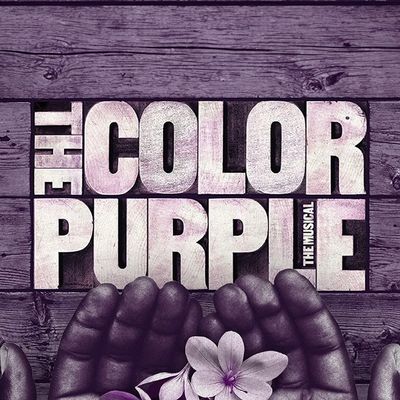
It's our last episode of 2023, just in time for Christmas, just like the new film version of the stage musical THE COLOR PURPLE. It's a piece that has only deepened in our cultural psyche since it premiered on Broadway in 2005, but for those who experienced "the purple effect" from the beginning, this has always been a monumental work... Read More
From the show: A Musical Theatre Podcast
Featured Shows
About
It's our last episode of 2023, just in time for Christmas, just like the new film version of the stage musical THE COLOR PURPLE. It's a piece that has only deepened in our cultural psyche since it premiered on Broadway in 2005, but for those who experienced "the purple effect" from the beginning, this has always been a monumental work. Actress, teacher, and motivational speaker Angela Robinson (PLAY ON!, WONDERFUL TOWN, "The Haves and Have Nots") was one of those artists. Enjoy as she brings the healing of this incredible story to all of our hearts. What a gift!
Follow Angela on all of her socials to see more inspirational and creative content:
Looking to give "A Musical Theatre Podcast" something for the holidays? Consider leaving us a nice review and rating wherever you listen. You can also subscribe to PATREON! for only $1 to receive a bonus "mystery episode" this month. Don't forget us on Instagram, TikTok, and X. We also have our TeePublic Store, our profits of which we donate to Broadway Cares/Equity Fights AIDS.
More than anything, know how grateful we are to have you in this wonderful podcasting community.
Transcript
This transcript was automatically generated and might contain errors.
[0:01] Angela Robinson: Honestly, my parents were on the fence always about me pursuing a career in theater. The wonderful thing about them being on the fence is they still never miss the show. So it didn't matter. You know, they were on the fence, but they were always there. They were on the fence and in the seats at the same time. And in the seats. They were hugely supportive. Somewhere around when the light bill was due, they would say, well, now, what do you think about... But Oprah had us on her show, the whole cast. She flew us all to Chicago to do the Oprah Winfrey show. And one of the songs that we did on the show was "Hell No." And it's a song that Sophia leads and with her sisters telling the men, we're not going to allow you to hit us.
Hell no. I was in the ensemble with a small solo part in "Hell No." Small. I don't even remember what it was. You're too good for that man. Hell no. That may have been all. After that little teeny piece, all of a sudden, I'm so glad you stuck to your guns. These are my parents. I'm so glad. We are so proud of you. You just stuck it out. You are doing such great things. Now, I have played leads in shows, but all I had to do on Oprah was come in and say, hell no. And I became acceptable. You have contributed to the entire culture of American theater. So I think that is not so much me, but the power of Oprah.
[2:03] Jeffrey Scott Parsons: Welcome, everybody, to A Musical Theatre Podcast where we discuss the cultural and emotional impact of some of our favorite musicals in theater history. My name is Jeffrey Scott Parsons. You can call me Jeff. Today, in celebration of the Christmas present, a.k.a. a certain new movie release, we are discussing the musical The Color Purple, which was a listener request from several, including Charlotte, who wrote in from the U.K. and remarked how beautiful and important the show is. And yes, she spelled color with a U. Here today to discuss The Color Purple with me is just one of the coolest ladies out there. She's become a big star thanks to her Ice Queen role on Tyler Perry's The Haves and Have Nots on OWN.
But we loved her way before that when she was banking Broadway credits left and right in Play On. Remember when we did an episode on Play On, everybody? Did you listen to it? Maybe you didn't. Go back and listen to our Play On episode. Incredible history and performers in that show. She was also in the revivals of Wonderful Town and Bells Are Ringing, right, Angela?
[3:22] Angela Robinson: Yep.
[3:23] Jeffrey Scott Parsons: And of course, she was in The Color Purple, eventually taking over the role of Suge Avery. She's also a teacher and motivational speaker. Everyone, please welcome Angela Robinson.
[3:36] Angela Robinson: Hi, everyone.
[3:38] Jeffrey Scott Parsons: Oh, my gosh. I'm so excited to talk to you.
[3:41] Angela Robinson: I'm so excited to talk to you.
[3:42] Jeffrey Scott Parsons: Okay. So like we said, you were working on Broadway before this film version of The Color Purple. So tell me about when this show came into your life. And were you already a fan of the book or the movie?
[3:57] Angela Robinson: Absolutely. Yeah. When I was in college, I, you know, first of all, I grew up loving musical theater. My mother was, I know, over the drama department and she taught 12th grade English.
[4:13] Jeffrey Scott Parsons: Stop it.
[4:14] Angela Robinson: And she was, yeah, she was over the drama department. So she was responsible for the senior class productions every year. And I had to sit in on all those rehearsals. So I fell in love with musical theater through my mom.
[4:28] Jeffrey Scott Parsons: Oh, my gosh.
[4:29] Angela Robinson: And through the Douglas Anderson senior class productions in Jacksonville, Florida.
[4:34] Jeffrey Scott Parsons: Wow. Okay. Sorry. Just got a shout out. Educators. We owe so much to them.
[4:39] Angela Robinson: And yay, mom.
[4:43] Jeffrey Scott Parsons: Yay, mom.
[4:44] Angela Robinson: Yeah. So, you know, my mom was in love with Shakespeare. She was in love with musical theater and literature. And she exposed me to all of that. And then I go to college and she says, well, now you can't major in theater. Don't get it twisted. Absolutely not. Don't get it twisted. That was nice, but you got to get a job. So I couldn't major in theater. I had to just love it from afar. And so I got my degree in sociology. I figured, you know, I still knew that I somehow was going to pursue theater and acting. Studying people is a pretty good way to go about it, right?
[5:30] Angela Robinson: Exactly. I thought it was my roundabout way in there. But I wanted to audition for, even though I wasn't a theater major, I did want to audition for one of the musicals that they were doing on campus. I knew nothing about auditioning. I knew nothing about what to do. And they just said, you have to do a monologue. You have to sing. And then if they want you to stay and dance, you stay and dance. And my monologue was from The Color Purple.
[6:00] Angela Robinson: Just got chills. Dear God, it was from the book. Yeah. So Alice Walker's book has meant so much to me, even from when I was in college. And I ended up getting the lead in that play, in that musical. It was called Bubbling Brown Sugar. And it was the beginning of my introduction to knowing that I wanted a career in musical theater. But it was that Dear God monologue that started it all for me.
[6:33] Jeffrey Scott Parsons: That is so beautiful. Can I share a college experience with you real fast?
[6:38] Angela Robinson: I would love it.
[6:39] Jeffrey Scott Parsons: So senior year of high school, got really sick of everything. And so I started an early college program and just started taking classes at college. And I don't know, it felt very empowering. And I felt independent. And I could take whatever classes I wanted. I signed up for a class called Masterpieces of Literature. And the final project of this class was we had to pick a book and write a big paper on why it should be considered a masterpiece. And so I compiled a list of the books that I was interested in doing. And number one was The Color Purple.
[7:19] Angela Robinson: Oh, wow.
[7:21] Jeffrey Scott Parsons: Here's the thing. My professor wouldn't let me do it.
[7:26] Angela Robinson: What?
[7:27] Jeffrey Scott Parsons: Yep.
[7:28] Angela Robinson: Why?
[7:29] Jeffrey Scott Parsons: I know. He said that the dialect in which it was written was too confusing. So then guess what did get approved? And this is where I hadn't thought about this until I started getting ready for this episode. I was like, oh, my gosh, this happened. The book that he approved was Silence of the Lambs.
[7:51] Angela Robinson: Wow.
[7:53] Jeffrey Scott Parsons: I couldn't do The Color Purple. But I could write an entire paper on whether or not Hannibal Lecter was the worst villain in literature.
[8:04] Angela Robinson: Wow.
[8:06] Jeffrey Scott Parsons: Blows my mind. And so I have never returned to try and read it.
[8:12] Angela Robinson: Isn't that sad?
[8:13] Jeffrey Scott Parsons: That's so sad.
[8:16] Angela Robinson: You never returned to try to read it?
[8:18] Jeffrey Scott Parsons: No, I never did. And it's a crime. And I should absolutely reverse that now that I have remembered this experience. But speaking of the importance of educators, that's the reason I never read The Color Purple.
[8:33] Angela Robinson: Yeah, that's really sad. I mean, because even if he had explained it to you in a different way and encouraged you to read it.
[8:44] Jeffrey Scott Parsons: Yeah, maybe not for this project, but you should absolutely read it.
[8:48] Angela Robinson: It's a Pulitzer Prize winning novel. Everybody should.
[8:52] Jeffrey Scott Parsons: Yes.
[8:54] Angela Robinson: Yeah, no, the dialect's too confusing. I don't think you should read it.
[8:58] Jeffrey Scott Parsons: Confusing to him.
[9:01] Angela Robinson: Yeah, well, I'll give you one guess what that guy looked like.
[9:05] Jeffrey Scott Parsons: Yeah, yeah.
[9:06] Angela Robinson: Bless his heart. Anyway, that's my experience. Let's talk a little bit about the book written by Miss Alice Walker, the first African-American woman to win the Pulitzer Prize for literature. It's what they call, oh gosh, I'm going to screw up this word. I can't remember. Is it an epistolary novel?
[9:26] Angela Robinson: Meaning that it's written in letters, right? It's written in letters. Either letters to God or letters to, of course, from the sisters. And this book reaches many, unfortunately not my professor, but many, many, many important people, including one Oprah Winfrey. Mogul who, when she read this book, it just spoke something to her soul and she would talk about how she would gift it to all of her friends. In the 80s, in the early 80s, Steven Spielberg turns it into a film. And miraculously, one of the great stories I think in Hollywood is how Oprah gets that role in that film. Now, were you a fan of the film? Because I also know that when that film came out in the 80s, there was a lot of pushback.
[10:19] Angela Robinson: A lot of controversy.
[10:20] Jeffrey Scott Parsons: Yeah.
[10:21] Angela Robinson: Yes. A lot of controversy around the abuse of women, around how women were perceived. Definitely the domestic violence. For sure. But I didn't see it that way even then. Even then when I saw the movie, I saw the empowerment of women. I saw it completely differently. I saw it the way people are seeing it now, so I was ahead of my time.
[10:52] Jeffrey Scott Parsons: No, I think you're absolutely right. I think time has reclaimed that movie.
[10:56] Angela Robinson: I think so, yeah.
[10:58] Jeffrey Scott Parsons: Back then, it was this big deal. And the thing about it that's so sad is that those things were happening in homes. I just think people are really more willing now to admit that they were happening and to overcome whatever it is, whatever reason they stayed in situations like that. But we know of stories of abuse in all communities of all kinds. But I will tell you why also it was controversial. And the part that I understand and I totally get is when The Color Purple came out in the 80s, there were very few black images on film. We weren't having a film a week, a film a month where we were there. So you felt like if there's going to be a movie and they're going to be images, why are you making them this?
Why is it? Because then, you know, you had to wait a whole other year to see another movie featuring black people. And so I think the reason why it was so controversial was just that it was just we didn't have a lot to look at. And when you don't have a lot to look at, you want to be very particular about the images that you put out there for your children, for the world, because imaging is important for the world and how they view peoples as well. So I understand that part of it. And so I think us catching up now is everyone has caught up. We now have more images. We now can see ourselves in all different types of ways. Is it perfect yet? No, but it's so much better than it was then.
[12:53] Jeffrey Scott Parsons: That's a great point. Thank you so much for sharing. And also, Whoopi Goldberg should have won an Oscar.
[12:58] Angela Robinson: Just saying.
[12:59] Jeffrey Scott Parsons: She should have.
[13:01] Angela Robinson: She should have.
[13:03] Jeffrey Scott Parsons: Yes. And that was her Oscar for The Color Purple. It's a beautiful film, though, and has so much music in it. I mean, music is in the DNA of this story, which is really, really beautiful. So then I think because of that, you know, it seems to call out to be turned into a musical, but it certainly wasn't an easy process. It starts out with Scott Sanders, who is the lead producer and whose job it was to convince Alice Walker to allow The Color Purple to be turned into a musical. I can imagine her, you know, if the movie version of The Color Purple was criticized for being, you know, for romanticizing a very difficult period in black history. I can imagine turning it into a musical would then raise even more, you know, concerns.
So it did. It did take a bit of convincing to make that happen. He wisely brings on other producers, including once again, Oprah Winfrey and Quincy Jones. And so when you're you've been on Broadway for a while before The Color Purple comes on into the scene. So when was it that you heard about this musical version of the story?
[14:25] Angela Robinson: You know, it was out there for a while. They had done a couple of readings where we were hearing about it. A lot of people that, you know, as stars today were in some of the readings.
[14:44] Angela Robinson: Anika Noni Rose was Nettie at one time, and Rutina Wesley was Nettie at one time. So it really did have a lot of lives, and so we knew it was out there. It wasn't until the production went to Atlanta and it was at the Alliance Theatre in Atlanta that it was more serious. When it was leaving Atlanta, everyone knew it was going to come to Broadway. I will add, though, to what you said, Oprah came on board very late in the process. She was not on board throughout the meetings, not in Atlanta, so she came on, we were in rehearsal when she came on board.
[15:40] Jeffrey Scott Parsons: Wow.
[15:41] Angela Robinson: Yeah, yeah. Okay, so the whole thing is cast and good to go, and then she came in.
[15:42] Jeffrey Scott Parsons: Interesting.
[15:42] Angela Robinson: You know, having been on Broadway in two shows that closed barely before they opened, I was a little bitter. No, I wouldn't say I was bitter. I was never bitter. I was jaded. Sure. I was kind of like, ah, I don't know if this thing's going to run. So I was kind of that person telling all the young people in the cast to save your money. You never know. Yeah, I was like, don't unpack quite yet into your dressing room. Don't unpack.
[16:21] Jeffrey Scott Parsons: Exactly.
[16:21] Angela Robinson: And we're in rehearsal, and Scott comes in and says, I want to introduce you to the latest producer that's joined our team. And we're tired. We're ready to go home. We're not like, oh, goodness. Well, good. Thank you. God bless them. Can we eat now? Yeah, have them sign the check, and I'm hungry.
[16:44] Jeffrey Scott Parsons: Right.
[16:45] Angela Robinson: And in walks Oprah.
[16:48] Jeffrey Scott Parsons: Wow.
[16:49] Angela Robinson: Yeah. And it was, I mean, we were crying. I mean, like, it was Jesus. Honestly. We were, because it was this, it was a guarantee that, you know, you just kind of felt like at that time, her show was still on, her talk show was still on. And we kind of felt like, wow, this is going to happen. It's going to work. You know what that reminds me of is The Wiz. The Wiz has that, you know, famous story about not getting great reviews when it first opened. And they needed some money to stay alive so that the word of mouth could bring people in to come see the show. And I think that every important, and I underline important, because I don't think that, you know, a wicked needs this per se, or a show with a lot of spectacle.
But I think any show that is really trying to say something and bring something new to the theater landscape needs a little extra endowment from on high or from Oprah, you know, somebody, somebody to help the show stay alive long enough for the word of mouth to then bring people into the seats. And it seems like that's what happened with The Color Purple.
[18:16] Angela Robinson: Yeah, you, you guys had the opportunity to stay open and find your crowd.
[18:23] Jeffrey Scott Parsons: I totally agree with you. I just think Oprah, and I don't know, it's maybe not necessarily Oprah, but her people, they know how to promote a show. Of course, we see how they're promoting the new movie. It's really wonderful to see because I was in so many shows that, especially Play On that were extremely good, but it just didn't, no one knew about it. You know, no one knew that it was there. So she was very good with helping to put the word out. You know, everybody wanted her. She was on David Letterman talking about the show opening night, David and Oprah walked over to the, you know, to the theater, which was right there, close by, close by, right? It was right there. So the show, everyone knew about it.
[19:17] Jeffrey Scott Parsons: Well, you, you all open and I don't remember, were the reviews good?
[19:22] Angela Robinson: The reviews were, um, they were positive in general, yeah, in general, they were maybe not like raves, but they were positive, right?
[19:31] Jeffrey Scott Parsons: They were.
[19:32] Angela Robinson: But looking back at, you know, you said you were ahead of your time, just like, you know, Joseph and his amazing Technicolor Dreamcoat. And I think that in general, The Color Purple was ahead of its time as well.
[19:45] Jeffrey Scott Parsons: I agree. My gosh, what it brought to the Broadway landscape in that season is incredible. And I remember reading article after article, not necessarily about the show, but about the audiences that the show was bringing to New York for maybe the first time. Can you talk a little bit about that?
[20:08] Angela Robinson: It was honestly one of the most beautiful things I've ever seen. Here I am, a young Black actress, I wasn't young then, but I'm talking about back in high school and college, um, a young Black actress wanting to do something. And I start doing it in, at a dinner theater in Jacksonville, shout out Alhambra Theater. And love it. And then continue to do it at regional theaters throughout the country. And continue to do it off Broadway and on Broadway. And I never look out into the audience and see many people who look like me. I'm even doing shows with themes that are related to my culture. But I never get to go to the stage door and see people who look like me. And that is just acceptable because you say to yourself, oh, you know, we're not into that or, or the ticket prices are so high on Broadway.
You tell yourself all these things and you accept that that's the way it is. But when you see it differently, when it changes, something happens inside you that you don't realize how much you missed it and how much you needed it. And there's a way that we watch movies and shows that's different from any other culture. It's just the way we interact with the TV screen or the stage. And you realize, oh man, that's what I've needed. That's what I, I mean, when, when Celie stands up to mister, you hear, get him girl, talk to you like that. You know, you, you have, you know, there's an audience there who's rooting for you, who's standing with you. And it was so beautiful. And also it was us supporting us that made it special as well, that to see the lines around the building of buses that drove in from North Carolina and South Carolina and Florida to see the color purple, it made a lie.
Everything we had been told about how black people would respond to theater for years when there was a show that was, um, you know, majority black producers would say, I don't know, you know, because these shows don't sell or that doesn't. And our show made all that a lie. Like it's not true. Yeah. It's just not true. You just have to mark, people have to know you're there, but once they know you're there, we have, um, you know, we're not a monolith. We have tastes, different tastes in shows, but we go to the theater, we go to the opera, we go to see dance concerts. We love all that stuff. We'll shut it down. You just gotta know that it's there. And that proved it. The color purple proved it. I would just cry every time, every time I came up to the theater and to see the audience. Oh my gosh. I already feel so alive. Thank you for all these great stories.
[23:46] Jeffrey Scott Parsons: So let's talk a little bit about the writers of the show. Now it's not often that you have three writers of a score.
[23:56] Angela Robinson: Yeah, sometimes you'll have, you know, a songwriting duo, Flaherty and Aarons, Kander and Nett, but The Color Purple was written by Brenda Russell, Allie Willis, and Stephen Bray. Now Brenda Russell, I mean, I mean, listen, R&B royalty.
[24:18] Jeffrey Scott Parsons: Royalty.
[24:19] Angela Robinson: Yeah. I love Brenda Russell. And she wasn't exactly new to musical theater. If anybody has listened to that original concept recording of Jekyll and Hyde, she's on it. She's singing one of those duets with Linda Etter on that.
[24:36] Jeffrey Scott Parsons: Linda Etter.
[24:37] Angela Robinson: So not necessarily brand new to musical theater, a great, a great writer though. Stephen Bray, also a songwriter known for his collaborations with Madonna and other people. And then in comes Allie Willis, and I'm saying her name correct, right?
[24:57] Jeffrey Scott Parsons: Allie Willis.
[24:58] Angela Robinson: Yes. Who is she? Oh, she wrote September. Do you remember? With Earth, Wind, and Fire, this woman knows how to write a song. And I was searching online for, you know, a conversation between the three of them about The Color Purple. All I could find was Oprah clips. God bless her. But I did find one clip, and I'm going to play it for everybody now.
[25:31] Angela Robinson: We never expected to get, actually use the term The Color Purple. No one ever said to us, there has to be a song called The Color Purple, and we just figured it's never going to work. Her chords always kill me, kill me. And her and Stephen were working on the music together, and just picked up the book, and I saw the words Blade of Corn, and I was just like flipping through the book and saw these different like phrases. And I remember saying to the two of you, like, take your Valium now. And then just, because her chords are very easy for me to hear melodies against. And then started singing, and then we all started singing. And the energy in the room was full. You could feel it. That's when you know something magic is happening, because the energy changed. And when I got up, I was like, group hug!
[26:23] Jeffrey Scott Parsons: Yeah, yeah.
[26:24] Angela Robinson: No, it was incredible. So, so fantastic. I love that these three people were able to have a really tight collaborative experience, because what are the odds? I feel like somebody would always be the, you know, the third wheel or something like that.
[26:40] Jeffrey Scott Parsons: No, they worked very well together, from what I could see. And they loved the cast. And they loved being a part of the process. Allie, in particular, rest in peace. She was a fan. She wrote it, but she was also a fan of everybody in the cast and of what the musical had become. She would show up to shows all the time, back to back, wait at the stage door, come inside. Oh, my gosh. She really was beautiful. And when we were on tour in California, she had a huge party at her house. Just a beautiful human being.
[27:31] Jeffrey Scott Parsons: That's fantastic. Now, Marsha Norman was the one who wrote the book for the musical. Also a Pulitzer Prize winner, I believe, for Night Mother. We've talked about her on the podcast before, because she adapted another very famous book into a musical, The Secret Garden. And you know, it did so in a very creative way with the ghosts and everything. And so this seemed like a pretty difficult task to, you know, turn this narrative, this book into a musical. But I think that they did a really beautiful job.
[28:06] Angela Robinson: Yeah.
[28:07] Jeffrey Scott Parsons: Yeah, she did. And she was very open in rehearsals, as I remember, to the actors and how they felt saying certain things, and if they had issues with trying it a different way. She was open.
[28:27] Angela Robinson: That's cool.
[28:28] Jeffrey Scott Parsons: That has to be a very delicate line to toe when you're a white woman writing this dialect for black actors. So that's impressive. The show gets nominated for many, many, many Tony Awards. It unfortunately does not win very many, many Tony Awards.
[28:47] Angela Robinson: But LaChante won!
[28:49] Jeffrey Scott Parsons: But LaChante! That's what I was going to say, is that the Tony Awards actually got this right, because it is kind of tradition for an amazing role to not win the original actress the Tony Award. You have to wait till the revival, and then you get the award. But LaChante did win Best Actress, which was, I mean, everybody had to have been so excited in the cast for that win.
[29:17] Angela Robinson: Yes. I was hugely excited for her. It was so deserving. Also because she had been with it. Really? Yeah.
[29:29] Angela Robinson: A very long time. She was in Atlanta. She did some readings and workshops. So she had been with it and she deserved everything she got. The way she brought that role to life was really spectacular. And the reason why a lot of times the original character doesn't get the nomination and then the revival person does, because they have a blueprint. And then all they have to do from that blueprint is to make it their own and everything. But they have a wonderful blueprint. And LaChanze has given anybody that plays Celie from now on a wonderful blueprint. And I will tell you, she created that role. She did. I watched her work and I was always in awe of her work, her dedication. She had small children at the time.
And so her dedication to her work, but also her dedication to her family at the same time. She's really one of my sheroes. Gosh, dang it. This is a cool experience. Okay. I just want to go through some of the other musicals this season. Yeah. The four musicals up for best musical were Color Purple, Drowsy Chaperone, Jersey Boys, The Wedding Singer. One of these shows is not like the other. Looking back on these shows, all of which are terrific in their own way. It does feel like The Color Purple is the cultural touchstone of this season. Don't you think?
[31:12] Jeffrey Scott Parsons: Yes, Jersey Boys, huge runaway mega hit will probably always sell tickets and changed a lot of the game because we probably wouldn't have had the Carole King musical and everything that came after it in terms of, and Tina Turner, the Cher show, if they hadn't kind of created this mold of the bio musical. But The Color Purple is undeniable. And I don't know. It changed. The Color Purple changed the entire theater landscape. It proved to the world that a show like it can make it on Broadway. It can not only make it, but it can thrive. And that people will travel to see it. I know that Jersey Boys is a good show. I saw it and I really enjoyed it. But I don't think it was groundbreaking in the same way. That's the right way of saying it.
[32:13] Angela Robinson: It's water under the bridge. And speaking of traveling to see it, so then you go on tour with it and you get to take it to America. What was that like?
[32:22] Jeffrey Scott Parsons: That was life-changing as well.
[32:25] Angela Robinson: At this point, you've taken over for Suge, right?
[32:27] Jeffrey Scott Parsons: Yes. I took over at the end of the Broadway run. Broadway was more life-changing for me because I didn't know that was possible. I just didn't know that I could see a Broadway theater sold out with black and brown people, white people, all these shades and colors for that one show.
[32:55] Angela Robinson: Well, that's very true because Broadway is its own thing, right? And you know the country. You said you'd spent time in regional theaters and stuff like that. So it was just a matter of saying, like, no, this is the country. We have a population that will see these shows. But proving it in those few square blocks in the middle of Manhattan seems like a whole other animal.
[33:17] Jeffrey Scott Parsons: Yeah. Yeah. People had made up their minds of what kinds of people come to Broadway. And they were wrong. So that was more life-changing for me. But going on the road with the show, it was like taking our baby to see her relatives. So it was not as exciting as birthing the baby and taking the baby home, but it was still exciting because we were taking the baby to meet all of his aunties and uncles. And they were receptive everywhere, everywhere we sold out. And that was beautiful to see. But a lot of those people that came back to see the tour had traveled to Broadway.
[34:09] Angela Robinson: That's cool. So this was like time number two or three. That's so cool. All right. Well, I want to go through the story a little bit because it's such a powerful story and score. And I'd love to hear your thoughts on it. Before we go through that, I want to do just a little context, a little historical context surrounding the timeline of the show.
[34:27] Jeffrey Scott Parsons: So in terms of looking at American history, 1865 is when the Thirteenth Amendment comes out abolishing slavery. 1866, the next year, is when the Ku Klux Klan is founded, which is fascinating. Now, the color purple begins, the events of the novel begin in 1911. So we're talking maybe 50 years after slavery is abolished. A lot has happened since then. The Great Migration, a lot of people moving to the North. The color purple, however, takes place in Georgia, meaning that these are people who have chosen to stay in the South, some of which own land, some of which are probably sharecroppers and are unfortunately beholden to unjust laws, Jim Crow laws, all sorts of things that are taking advantage of people.
And we'll see that with many of the characters in the piece. The events within the color purple then go from 1911 to 1943. So within that, we've got the Great Depression, we've got the Scottsboro Boys, if you remember that musical that we covered, Everybody. That happens during the time of the color purple. Lots of race riots and unfortunately lynchings. So it's really cool that within this really tumultuous time of change, this story is focused honestly on the inner lives of these people.
[36:20] Angela Robinson: And in looking at, and I want to hear your opinion on this because this is just mine, but in returning to it for this episode and really looking at how the story is based on the inner lives of these characters, so much of this story is about generational trauma. That's what really stuck out to me this time, is that you see all of this history that's led up to it and then everything that's going on during these years, and so much of the abuse feels generational to me. Something that is playing out over and over again, and it's up to these really strong characters to stand up and say, hell no, and to change the way that things are going.
[37:02] Jeffrey Scott Parsons: Yes. Wow, that's a lot.
[37:06] Angela Robinson: Sorry, everybody. Just like unloaded everything on you.
[37:11] Jeffrey Scott Parsons: No, you're so right. Definitely generational, but also we're dealing with a lot of the carryover from slavery, right?
[37:23] Angela Robinson: Absolutely, absolutely. So, all the beatings and I'm going to keep you in line and all of that was learned from slave owners.
[37:35] Jeffrey Scott Parsons: Exactly.
[37:36] Angela Robinson: So, there's also many times when we watch a movie or a television show about a group of people being oppressed, we want to see that part, but we don't understand that they're human beings there, and it's not just this group of people being oppressed, but these are human beings who have human experiences, lived experiences within their oppression. So, the whole story is not about their oppression, but how they lived during it and through it. And that's what The Color Purple gives us a glimpse of.
[38:25] Angela Robinson: And every group that has to overcome that, if you go into their lives, you'll find that oh, during that time, they had a special needs kid or during that time. So, this is a wonderful opportunity to see the humanity in these people as opposed to all they were going through. But within that, how they overcame it and their humanity.
[38:54] Jeffrey Scott Parsons: So, I think for someone like Sophia to stand up to Miss Millie, knowing that only a few years ago, she would have been owned by her, and to say, I don't want to be your maid, was huge.
[39:18] Angela Robinson: It was huge. I think that for someone like Mister to view Celie, even though she was his wife, as property is definitely carried over, is definitely generational trauma.
[39:36] Jeffrey Scott Parsons: Learned behavior.
[39:37] Angela Robinson: It's learned behavior. And he didn't know any better. He didn't know any different. His father treated him that way. And his father was likely a slave. So, it was to watch these characters figure it out, heal, grow. I mean, we don't even sometimes in this day and age, we live a lifetime and don't heal from our trauma. And to watch these characters grow, see the error in their ways, or be bold and courageous and tell Miss Millie no, and come out of it unchanged. Because she came out, when she got out of jail, Sophia, after spending those years in jail, it did not break her. She may have come out broken, but then when that dinner happened, she said, Oh, Sophia, back now. Pass me some soup. Pass me some peas. She still had her. She still had that. It didn't break her. It tried to break her, but it didn't break her.
[40:49] Jeffrey Scott Parsons: There's this tenacity that happens in these women. The fact that Suge was able to leave. A lot of times, the reason why people overcome easier and they don't seem so downtrodden or they don't seem so like there's a foot on their neck is because they got out. And so Suge was able to leave, but in leaving, as you say, even her generational trauma was that she wasn't serving God in the way that her father thought that she should. And so she was haunted by that until she was able to make up with him and make peace with him. So there's just so much overcoming, so much forgiving, so much healing that happens within these 1911 to 1943 that happens that I don't see happening in life often. But these characters and Mister gets a chance to make it right. Even he does. The only person, honestly, that doesn't make it right would probably be Paul. The one who fathered the babies and raped Celie. He doesn't get to make it right.
[42:16] Jeffrey Scott Parsons: And that's how the musical begins, right? We have these two sisters, Celie and Nettie. Celie is pregnant with what we find out is her second child. And everybody knows that the father of these children is her father.
[42:30] Angela Robinson: Yes.
[42:32] Jeffrey Scott Parsons: So right off the bat, man, we're just like, woof. OK, this is the story we're talking about, right?
[42:38] Angela Robinson: Yes.
[42:39] Jeffrey Scott Parsons: And this is what happened, right, to slaves. They were raped by their masters. And they had children by their masters who were a lot of times taken away. So this is generational. This is passed down.
[42:57] Angela Robinson: And fortunately, I feel a lot of that was broken. And it was mainly broken because of Celie. I mean, the silent giant, truly, right, of this piece. And the audacity of this musical that as all of this is unfolding within the first couple of minutes, the song that's accompanying it is God Works in Mysterious Ways, right?
[43:24] Jeffrey Scott Parsons: Yes, yes.
[43:26] Angela Robinson: Which is a fantastic song, so energizing and also somewhat ironic because we're thinking, sitting here watching this, how? How is God in any of this? This is so unjust. Almost the ignorance to think that God would sign off on this thing is fascinating. But at the same time, y'all sound so good singing it.
[43:51] Jeffrey Scott Parsons: It's undeniable. Now, enter Mister. He wants to marry Nettie. Pa doesn't want Nettie to get married, but he will give him Celie. Once again, like property. He doesn't want Celie, he wants Nettie. Pa throws in a cow with her.
[44:13] Jeffrey Scott Parsons: So now it's a deal. Mr. takes them both, but when he tries to get handsy with Nettie, she leaves. And Mr., seeing how much it hurts Celie, vows to never let them see each other ever again. It should also be said that Celie does have the second child, and Pa takes that child away as well. So she has mothered two children, neither of which she has, and she doesn't know where they are. Who are some other characters we want to introduce? So Nettie's now gone. We are not sure where she is. We're not sure where the children are, but we do meet several other people, including Harpo. Harpo is Mr.'s son, right? Yes. And this family seems to be pretty well off. Mr. owns land. Harpo has enough funds to create a club, you know, like a jazz club. A juke joint.
[45:16] Angela Robinson: Thank you. So these seem to be two people in the town or in the community that are doing pretty well for themselves, at least financially. Yeah. Harpo's wife is a tree named Sophia, and such a great character. Now you've seen this new Color Purple movie.
[45:30] Jeffrey Scott Parsons: I have. Is it amazing?
[45:39] Angela Robinson: It's amazing. Yeah. It is amazing. I'm really excited. You should be. You can't compare it to the first movie. You can't compare it to the musical or revival. It stands on its own. It's its own thing. It's really, really beautiful. I think Mr.'s wealth is even more. You can see that even more in this movie. And, you know, my husband's grandfather was wealthy in the 30s, so that's not unusual. I know we never show those stories.
[46:00] Jeffrey Scott Parsons: No, we never do. Like you said, the one movie that came out in the 80s was this story.
[46:08] Angela Robinson: Yeah. But what I love, I love many things about this movie, and I was prepared not to like it.
[46:17] Jeffrey Scott Parsons: Well, you're so close to it. I'm sure you'd had to give yourself the pep talk, like, okay, it's going to be different.
[46:23] Angela Robinson: I know. I gave myself all of that. But I liked it very much. I'm a huge fan of everybody in the movie, but Fantasia has my heart because I was her shug. I was her shug at the end of Broadway, and I sort of rehearsed with her when she first came, and we did the tour together. So I went in prepared not to like it, but I also went in so happy to support my sis and just so excited for her. So it didn't disappoint at all. The one thing that I will say that I loved is we got a lot of criticism, all with love, but we got a lot of criticism from people who came to see the musical for not having certain favorite songs from the original movie. And they came expecting to hear the Color Purple as a musical. So of course, we're going to hear God is trying to tell me something. We're going to hear these songs that they love.
[47:31] Jeffrey Scott Parsons: The musical moment of the film.
[47:37] Angela Robinson: And sister, you've been, all these great songs. Oh my gosh, of course. But none of them were in the musical. So the musical was its own thing, and it had its own wonderful original music by Brenda and Stephen and Ali. So they didn't pull over those songs. Well, the new movie merges the two. So in the new movie, you're going to hear the music you love from the first film, and also the music you love from the musical. And some new songs too.
[48:01] Jeffrey Scott Parsons: Really? Okay, that's awesome. How exciting.
[48:07] Angela Robinson: I don't know, why did I bring up the film? Oh, because of Sophia. I'm just so excited to see Danielle. She's amazing.
[48:17] Jeffrey Scott Parsons: Danielle's amazing.
[48:22] Angela Robinson: So Danielle, sorry, Danielle. Sophia is the one who teaches Celia a thing or two about standing up to her husband, right? Because Mr. beats Celia. He treats her like a slave. And Mr. and Celia kind of tell Harpo to get Sophia in line, which means that he hits her. And then Sophia comes back to Celia and says, what did you do? You told Harpo to hit me?
[49:04] Jeffrey Scott Parsons: The lines are so fantastic. And they're straight from the book too, yeah?
[49:10] Angela Robinson: Yes. Some of them, you just can't change. You just can't change them. All my life. I had to fight. Nobody better touch that line ever.
[49:22] Jeffrey Scott Parsons: No, no. But Harpo is talking to Celia and saying how I want Sophia to be like you. I want Sophia to do what I say when I call her and fix my dinner and do all this stuff. Well, Celia tells him the only thing she's ever known. The only thing she's ever known from her father, Pa, to Mr. If that's what you want her to do, you're going to have to beat her. Because that's what happens to her. Now, she later explains that she did that because she was jealous of the fact that Sophia got to have freedom. And so she wanted Sophia to be brought down a notch too. So she said, you're going to have to beat her. But that backfired. Sophia came back and said, you told Harpo to beat me. That did not go well.
[50:39] Jeffrey Scott Parsons: It did not go well. But it's an important lesson. And it's honestly the beginning of that healing, right? Yeah, you shown this is where your brain's at. And it's not right.
[50:54] Angela Robinson: Yeah, it doesn't have to be this way. It doesn't have to be this way. Yeah. Because the juke jive is now open and in business. The famous singer Suge Avery is going to come and perform. Let's talk a little bit about Suge. What can you tell me about her? Because she's a complex gal.
[51:10] Jeffrey Scott Parsons: She is the daughter of a preacher. And when she comes into town, she's not well. What exactly has happened? Is she just sick? Is she kind of strung out?
[51:23] Angela Robinson: Yeah, she's worn. She's worn. She's been living a hard life. Fast and hard. Fast and hard. Do a lot of drinking, singing in clubs. That's a hard life. That's how you're making your living. You're singing in clubs, sleeping around. You can't go in the front door. You can't, you know, the clubs, you still are a second class citizen.
[51:53] Angela Robinson: Although you're a star inside. So, you're living with that. So, yeah, she's acting out. She's ill, a little ill and worn. She's just tired. And Celie really is the one who brings her back to health, right? Who nurses her back to health. Mister's in love with Suge. I mean, that's probably the reason she comes back to the house to begin with. But the true love that blossoms is between Suge and Celie. Yes. And in the same way that Sophia broke open this place of, huh, maybe my life doesn't have to just be a series of beatings. Suge then capitalizes on that by saying, maybe there's room in your life for love, love from another person, love from God. And it's one of my favorite moments of this story because, you know, I was born and raised with, you know, being taught about a loving heavenly father.
And I had never considered it until The Color Purple that like for someone who's just been beaten and raped by men their whole life, that maybe the idea of a God, a male God, would not feel loving. And so, Celie, they're questioning her faith being like, how could God be a man? All they've ever done is beat and rape me. It's Suge and her beautiful openness that creates the space for that possibility, you know?
[53:29] Angela Robinson: Yeah. You know, you mentioned earlier about how it's odd that the musical opens with the song, The Good Lord Works in Mysterious Ways. And all of these are the mysterious ways in which the good Lord works, right? He uses the whore. He uses the fast lady to minister and pretty much save Celie's life. Those are the mysterious ways. She was not only helped to see God again by Suge, she was helped to see herself and to love herself and the beauty within by Suge too. Not only with her words, Suge was able to help her with her by saying, you are beautiful. Look at yourself by saying you are worthy to be loved and all of that. But she was also able to help her by showing and giving her love that she had never received before.
That gentle touch. She had never received that gentle touch, that gleam in the eye when someone looks at you that we take for granted, right? When our parents look at us with such love, we take it for granted. But Celie had never received that until Suge. It's amazing.
[55:08] Angela Robinson: Yeah. And so, this woman, and that's also a great way to look at life that no matter how hard your life is, you can still be a blessing to somebody. And that's what Suge was. Her life was hard.
[55:26] ⚠ About 4 minutes of audio could not be automatically transcribed.
[58:57] Angela Robinson: No, I'm actually a king or a queen. Royalty. Beautiful, beautiful stuff. Once again, giving Celie more information of who she actually is.
[59:11] Jeffrey Scott Parsons: You know, in musical theater, we have the I Want song. Every lead character towards the beginning of the show sings "The Wizard and I" or "Part of Your World" or something where they say exactly what they want. Celie does not have an I Want song. And I think it's surprising to people that we don't really hear from her in that sort of way until in the second act. But I think in many ways, it's because all of these people in all of these chapters unfold throughout the beginning of the story to even allow her to dream and know what she does want.
[59:46] Angela Robinson: Right. She doesn't know what she wants.
[59:48] Jeffrey Scott Parsons: She doesn't. And it isn't until she finally has this opportunity at Easter dinner to stand up to Mr. and say, "I'm leaving, and I curse you for the way that you've treated me, that everything you touch will be cursed," that she finally gets to sing "I'm Here," which just feels like such a catharsis, not only for her, but for us who have seen her take this journey to finally be able to stand there and sing the song in this way. I mean, it's one of the great highlights of the entire show, don't you think?
[1:00:21] Angela Robinson: I do. Yeah. The best song of gratitude and thoughtfulness that I have ever heard, looking at all the things that you have, not all the things that you don't have. I mean, she even says, "I may be poor, I may be black, and I may be ugly, but I'm here." And in being here, she's not just here the way she was before, but she's showing up and she's participating. She owns her shop now. She's making a difference. She's making pants.
[1:01:01] Jeffrey Scott Parsons: Making pants, making a difference in the community. And so the power of being here, of course, I think that resonates even more today because we hear so many stories of suicide today. And so when we talk about being here, we understand what a huge thing that is to literally just be here, to have chosen to be here, to have chosen to stick it out one more day. So "I'm Here" was always a powerful song. I think it's going to be even more powerful now because so many people are considering checking out. And Celie says, with all I've been through, "I'm here." And that's big that I'm still here.
[1:01:59] Angela Robinson: Yeah. That's huge. Ooh, what a great example. You're so right. If Celie can do it, we can do it.
[1:02:05] Jeffrey Scott Parsons: And the thing that's on the other side of being here, as glam as it may look and as much as you can't even imagine it getting any better, it's not until she acknowledges that "I'm here, and I'm going to take a deep breath, and I'm going to hold my head up, and I'm going to put my shoulders back and look you straight in the eye. Hey, I'm even going to flirt with somebody when they walk by. I'm going to sing out." Once she makes all these declarations of what she's going to do because she's still here, her life changes. She decides, "I'm going to do this life thing differently." And so I really think that is going to bless people on a different level in 2023 because we've survived so much. We've come through so much. I think it's going to hit different. As the kids would say, it's going to hit different.
[1:03:11] Angela Robinson: Amen. My gosh. Well, it does create all of these opportunities for Celie with her business, and also her curse is 100% brought to pass. As prophets of old, Mr. is really affected by everything that he's done, and it humbles him deeply. It's one of the things that I, in the past, have questioned about the musical, that he gets his own song about sharing his side of the story. I'm like, I don't want to hear Mr. side of the story, but I have been humbled. And I think that's kind of an interesting part of the show that we get to hear exactly what he's going through and how he chooses to humble himself.
[1:04:00] Jeffrey Scott Parsons: I agree. But I will tell you that he doesn't have a song.
[1:04:01] Angela Robinson: Did it get cut?
[1:04:02] Jeffrey Scott Parsons: Yeah.
[1:04:06] Angela Robinson: I feel like it's a little too, it's too much for a film.
[1:04:10] Jeffrey Scott Parsons: Yeah. But he does such, such beautiful work. He doesn't need a song. And the journey is the same, right? The journey is the same.
[1:04:14] Angela Robinson: Yeah.
[1:04:17] Jeffrey Scott Parsons: In the musical, he kind of orchestrates this reunion. Is that true to both the book and the new version? I couldn't remember.
[1:04:24] Angela Robinson: Yeah. So at the end, Celie has this new shop. She's been able to inherit the house from her pa, who turns out was not her biological father, she finds out. So hallelujah for that. Finds out she was loved after all.
[1:04:39] Jeffrey Scott Parsons: Yeah. Because her mother left her the property. So now she's kind of an independent woman.
[1:04:44] Angela Robinson: Yeah. And Mr. creates for her as penitence this reunion, this party celebrating her. They're old now, but in attendance is Nettie. And here's this reunion between sisters that's been so long coming with so many prayers attached to it and so much hope. It finally comes to pass, and what a blessed reunion it is.
[1:05:12] Jeffrey Scott Parsons: It's a beautiful reunion. They run into some trouble in Africa and they need help with the United Nations to get back into the country. And this is a letter—
[1:05:26] Angela Robinson: Thank you for the colonialization.
[1:05:28] Jeffrey Scott Parsons: But yes, exactly. So Mr. reads this in a letter that comes. So he's the one that goes to the State Department and vouches for them to come back. And so that's how that was able to happen. It is a beautiful reunion. She gets her kids and her sister.
[1:05:53] Angela Robinson: She also gets a beautiful reprise of "The Color Purple," right?
[1:05:57] Jeffrey Scott Parsons: See, look what God has done.
[1:05:58] Angela Robinson: Look what God has done. And now she believes. So she's able to—
[1:06:04] Jeffrey Scott Parsons: Suge sings it to her the first time. And this time she gets to sing it.
[1:06:10] Angela Robinson: And isn't that true? When we know something, then we share it.
[1:06:13] Jeffrey Scott Parsons: Then we share it. Yeah. That final "Color Purple" song, every night and without fail, the entire audience would be on their feet and most in tears. And I did that show five years, three on Broadway, two on tour. And I will tell you probably four, eight shows a week, probably four to five out of the eight, I too was in tears. And you would think, oh, you've been doing this show five years now. You're still crying. But it had that effect.
[1:06:59] Angela Robinson: It has that effect. The journey is different every night. The cast, we'd look at one another and we'd be standing up there crying, just like we didn't cry last night or we didn't cry. We would just fall. When people say there's a purple effect, there is. I mean, there was something so moving, and everybody can talk about where they were in their lives and how that final song, "Look What God Has Done," thinking about the different things that God is in, like a blade of corn, like a honeybee, thinking about all the ways we should see God. It just would bring us to tears every night. And Celie says this one line before the show ends, before that song is over, she looks at Nettie and she says, "I don't think us feel old at all. I think this is the youngest us ever felt." And then the whole cast says, "Amen."
[1:08:10] Jeffrey Scott Parsons: And that's because most things in life, whether it's a career that you desire, whether it's children or relationship, take time. And you have to wait. But if you can know that when it happens, because we think, oh, I'm going to get old and I'm going to lose my space. And oh my God, I won't be able to make it in show business because no one will want to. When it happens, you will realize these mysterious ways that God works, that you won't be old at all. It'll be like, wow, I feel younger than ever because that's the timing it was supposed to happen. And I would say the entire time of "The Color Purple," I was trying to get pregnant. And I remember doing IVF shots in my dressing room before I had to go.
I got to go on stage. I got to give my estrogen shot and run. And I was kind of old then, I felt, to be trying to conceive. But that was just the path that I was on. But every night I sang that lyric, "I don't think I feel old at all." It would tell me that whenever it happens, it'll be the perfect time. And it happened years even after "The Color Purple." My son's five now. And even now when he's running me and I'm chasing him and people say, oh, you got to be able to keep up with these kids. I'm like, I don't feel old at all. I think this is the youngest I've ever felt. And these lyrics that Ali and Brenda and Steven wrote, they speak to the very human parts of us. And they have no color. Because everybody can say, I've had a wish, I've had a dream, I've had a prayer.
That took a long time. And when it happened, it was the perfect time. And Celie had to come into herself fully in order to receive her children fully. And she did that. She went through the journey. And she was healed. And she saw God. And God blessed her.
[1:11:06] Jeffrey Scott Parsons: Well, I got nothing else. That's fantastic. Thank you so much, Angela. What an incredible piece and what incredible perspectives you've been able to bring to it because you were with the show for so freaking long. You know, for every time we think, oh, I know that show forwards and backwards. You've just proven we can always find something more. Right?
[1:11:24] Angela Robinson: Yeah.
[1:11:28] Jeffrey Scott Parsons: As always, if you have recommendations for shows you'd like us to cover on "A Musical Theatre Podcast," you can always email me at amusicalpodcast@gmail.com. Don't forget to follow us on our socials. We're on TikTok. We're on Instagram. We also have our TeePublic store where we have great designs, the profits of which we donate to Broadway Cares/Equity Fights AIDS. And don't forget about Patreon! This month, we have a very special bonus mystery episode that I'm really excited for you all to listen to. Above all, just know how grateful I am that you are a part of this wonderful podcasting community. Hey, Angela, how can we follow you and what's up in your world?
[1:12:05] Angela Robinson: Yay. Okay, follow me on Instagram at Angela Robb's Child. My father's name is Robb, so it's easy. Angela Robb's Child on Instagram, Angela Robb's Child on Twitter, Angela Robb's Child on TikTok. Follow me all those places. Angela Robinson on Facebook. And yeah, I have a new series coming out soon on Apple TV called "The Lady in the Lake" with Natalie Portman. I'm excited about that. And also my husband and I offer acting workshops in New York City, the White Robin Group. So we will have an ongoing scene study class starting up in February. You'll see it on my social. Join us for that. My husband is a professor at Columbia University teaching acting and Shakespeare, and he's an amazing coach. So follow us. You can also go to our website at thewhiterobbinggroup.com and find out more.
[1:13:12] Jeffrey Scott Parsons: Fantastic. Thank you again, Angela. What a gift. Happy holidays to you and yours and to everybody out there. Thank you for listening. Remember, look out for that "Color Purple."
© Broadway Podcast Network, All Rights Reserved