

THE SCOTTSBORO BOYS ran for only two months on Broadway at the end of 2010, but in that short time it managed to spark controversy that not only brought protestors outside the theatre, but 12 Tony nominations the following Spring... Read More
From the show: A Musical Theatre Podcast
Guests
About
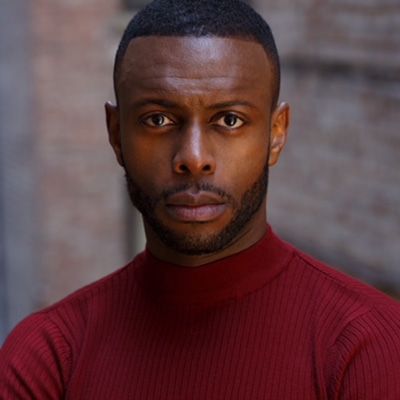
THE SCOTTSBORO BOYS ran for only two months on Broadway at the end of 2010, but in that short time it managed to spark controversy that not only brought protestors outside the theatre, but 12 Tony nominations the following Spring. Luckily our special guest this week is able to provide us with some context. Original off-Broadway and Broadway cast member Josh Breckenridge (COME FROM AWAY, THE BOOK OF MORMON) joins us to jump into some very difficult conversations with one intention in mind: to help us understand "the boys."
Follow Josh on Instagram @j.breckenridge.music and visit his website at j-breckenridge.com. He can currently be heard on the new BPN comedy ROLLING CALLS.
Be sure to share "A Musical Theatre Podcast" with your friends by leaving us a nice review or following us on Instagram, Twitter, or TikTok. You can also subscribe to PATREON! for only $1 a month and receive bonus content each month. Don't forget about our TeePublic Store that benefits Broadway Cares/Equity Fights AIDS.
Most of all, thank you for being part of this wonderful podcasting community.
Transcript
This transcript was automatically generated and might contain errors.
[0:30] Jeffrey Scott Parsons: Welcome, everybody, to A Musical Theatre Podcast where we discuss the cultural and emotional impact of some of our favorite musicals in theatre history. My name is Jeffrey Scott Parsons. You can call me Jeff. Today, we are discussing the musical THE SCOTTSBORO BOYS with a wonderful performer who originated the role of one of the nine boys on Broadway and off-Broadway. He's currently in rehearsals for the new musical CHRISTMAS IN CONNECTICUT at the Goodspeed Opera House and can be heard in the new audio comedy ROLLING CALLS here on Broadway Podcast Network. Everyone, please welcome Mr. Josh Breckenridge.
[1:19] Josh Breckenridge: Thank you so much for being here.
[1:21] Jeffrey Scott Parsons: Thank you for having me. I'm excited to chat with you today. I gotta be honest, I've been a little terrified. I haven't got much sleep because of this episode. There's a lot of uncomfortable subjects, and this is your warning, listeners, that THE SCOTTSBORO BOYS gives us to discuss. We've got minstrelsy, racism, death penalty, social injustice. At the same time, I'm grateful that I'm nervous. I'm grateful for the opportunity to talk about it because I literally can't think of another musical that does this, that gives us this much in one show.
[2:06] Josh Breckenridge: I think you hit the nail on the head there, Jeff, with being open to the nervousness. One of the things that our producers, our director, choreographer, I know we'll get into all of the creative team and cast and all that. One thing that they knew and always believed was that this should make you comfortable. Excuse me, uncomfortable. This show should make you uncomfortable. There are moments where you laugh because there's a joke that's just organically funny, but then you think about it, and you're like, oh, what is the origin? What are the details of this joke? Why does my skin crawl with my laughing at this joke? It's a comment on or the story is told in the style of a minstrel show, which was the biggest form of entertainment in our country for over 100 years. Hopefully, I'm not jumping the gun on the subject matter here.
[3:02] Jeffrey Scott Parsons: No, absolutely not. I get chills even thinking about it because I love Cabaret so much. I think of that moment in the second act where the MC is dancing with the gorilla. Then at the very end, there's that plot twist where he says, Jew. All of a sudden, every single laugh that you've experienced or piece of joy that you've experienced in the song just takes on a whole really dark feeling. It just kind of mind f-bombs you a little bit. It's like if that moment was an entire show, that would be THE SCOTTSBORO BOYS.
[3:42] Josh Breckenridge: I know, I know. Very uncomfortable, very entertaining, very thought-provoking conversation starting. I think that's part of what made it such a gorgeous piece of theater. You mentioned Cabaret. The thing that Cabaret and THE SCOTTSBORO BOYS has in common is John Kander and Fred Ebb. They're brilliant. We know historically that a lot of their shows are about underdogs, right? With THE SCOTTSBORO BOYS, that's the epitome of the theme there. A lot of their shows are just ahead of their time.
[4:23] Josh Breckenridge: Just like Joseph and his dream coat.
[4:26] Jeffrey Scott Parsons: Just like Joseph and his dream coat. Seriously, though, they tackle subjects that people are not ready to deal with. It challenges people. When Fred was still with us, him and John as a team, they challenged us that way and tackled bold subject matter that caused us and forced us to think and feel and not necessarily thoughts or feelings that we wanted to think or feel. They are ahead of the times. I guess we might as well talk about the plot, right?
[5:04] Josh Breckenridge: Before we jump in there, I want to keep cleansing the palette a little bit. Can you take me through what was going on in your life when this happened, when you met the show? How did you come to the project?
[5:21] Josh Breckenridge: I was one of the original Scottsboro Boys, as we call them. Myself and Rodney Hicks, who is also funny, full circle. He's my brother. I love him. He originated the role of Bob and others in Come From Away, which is my other top theatrical experience ever. Those two shows are just astronomical and so memorable and cathartic. Come From Away is a lot more cathartic than THE SCOTTSBORO BOYS, but they both have such poignancy and truth and historical significance and responsibility as actors to tell these stories about these real life events. Rodney and I were two actors that were there from the first reading, which was in 2008. It was actually the day of our first rehearsal. It was the day that Obama won the election, which was significant to us.
It was bone chilling. It was like, oh my god, look at this responsibility that we had to tell the story. Look at this moment in time that has never been. Our grandparents and folks that would never even dream of having a Black president, and the day had finally come, and then we're telling the story that is taking steps and leaps. Jeté leaps back in time to a much less joyous time. That made for an interesting first few steps into the show. We did that first reading. We were along for the ride for the subsequent readings after that. Then in 2010, we did an off-Broadway production at the Vineyard, which there's a cast album of that that is out there that I'm honored to be a part of and on. From there, we took it back out of town to the Guthrie Theater, where we had one more shot to try things out, get the gigs out, make sure it was as foolproof as it could be.
Then we came back to the city to the Lyceum Theater, which was Scotch Broadway's Broadway Home. So that's kind of my timeline with the show. There were incarnations after that. There was the Old Globe in San Diego, ACT in San Francisco, Theater in London. Kind of like a little mini tour in a way that I was not a part of because of other jobs and this and that. I thought at that point, my entire 2010 was spent with this show and beautifully on Broadway, prematurely though it was. It was still a wonderful way to button my experience and also to start to get into hopefully lighter material. Sometimes the soul needs a break, for sure.
[8:18] Jeffrey Scott Parsons: Yeah, man. That show wrecked us every night. We made it a point to leave it there at the theater, not bring it home with us because it was just too much weight, which was an honor to salute the people that have come before, my people and the Scottsboro boys, to carry that load for a 90-minute, 100-minute long musical.
[8:41] Josh Breckenridge: And then say your prayer, sage yourself and lock the dressing room door.
[8:46] Jeffrey Scott Parsons: Yeah. No, seriously, seriously. Our dressing rooms, I don't know about, can't speak for everyone, but mine was just an homage to the boys and specifically Oland and was basically a Google image search of everything of that time period, the Scottsboro boys, just everything to get me in the zone in that era before we graced the stage.
[9:13] Josh Breckenridge: That's so cool. All right. Well, now let's do a super brief introduction of the actual Scottsboro boys. So these were nine black boys between the ages of 13 and 20. Didn't really know each other with, I mean, a few exceptions. There were the brothers.
[9:26] Jeffrey Scott Parsons: There were some bros, yeah.
[9:28] Josh Breckenridge: But they were on a freight train in 1931, Tennessee, hoboing, which is basically catching a free ride on this freight train. And that was common for a lot of people to do. And there were a lot of people there. And among them was a group of white teenagers who threatened them with rocks to get off the train. And the Scottsboro boys were kind of able to ward them off. And those white teenagers ultimately got off the train and told the police that they were attacked by a black gang. They weren't attacked by a black gang. The police come and raid the train, which, in addition to the Scottsboro boys, was giving a ride to two white female prostitutes, both of whom decided to tell the police that they had been raped in order to escape any sort of punishment. So all nine boys were arrested and the musical looks at what happened. That's super short. Does that sound about right?
[10:26] Josh Breckenridge: Yeah, it's that tale and a little bit more. That's the jumping point. That's where we land.
[10:36] Jeffrey Scott Parsons: Exactly. The spark notes. No, but very good. I need to applaud here for my Connecticut bungalow.
[10:43] Josh Breckenridge: Yeah. But yes, so it's about that. And then we travel on down the years of their incarceration and multitudes of trials. And tragically, we all have pretty tragic ends.
[10:57] Jeffrey Scott Parsons: Absolutely. And hopefully we'll be able to talk about each of those. So that story sounds harrowing enough, right? But Kander and Ebb, who are, like we said, never ones to bat an eye at a dark piece of musical theater. They, along with David Thompson, who was the book writer, he had worked with them a lot, I think, on their review, And the World Goes Round, as well as Still Pier.
[11:20] Josh Breckenridge: Still Pier, yeah. I mean, you better know your history.
[11:26] Jeffrey Scott Parsons: I love Still Pier, Josh. And musical theater. It's beautiful, right?
[11:29] Josh Breckenridge: With an R-E. Yes, it is. I've probably spoken about Still Pier too much on the podcast, but deal with it, people, because I love it. And then none other than freaking director choreographer Susan Stroman, who's legendary. Just legendary, right?
[11:46] Josh Breckenridge: Legendary. And she was on And the World Goes Round too, so they were a tight group. And from what I understand, they were looking specifically at trials in legal court trials in the United States as possible inspirations for a musical. And they came across the Scottsboro Boys and then agreed that the device for this musical storytelling, like the device that would, yes, thank you. That's great. The vehicle for it would be Minstrelsy, the minstrel show. Now, when you heard that, how did you feel about it? Were you like, cool, no problem?
[12:25] Josh Breckenridge: No, I was, you know, as a young actor right out of school, I was hungry for a job. Another, yeah, that was my second Broadway show, and I wanted to keep the ball rolling with that. But yeah, of course, the subject matter felt jarring and heavy. And of course, I, sadly, I had never heard about the Scottsboro Boys. I think maybe they're like a sentence in the history books, because there were some judicial firsts that were stemmed from their trials.
[13:04] Jeffrey Scott Parsons: Yeah. So, you know, I familiarized myself with the, like you said, basically the cliff notes, spark notes of the story before I went in for the audition. But I was excited to audition for Susan Stroman to be a part of the idea of being in an all-black save for one incredible actor, John Cullen.
[13:28] Josh Breckenridge: Yeah, you can do worse, right?
[13:30] Jeffrey Scott Parsons: Yeah, yeah. It felt like a really special, huge historical moment, which it was. And I'm so blessed to be a part of that. So for me, it was, I was up for the challenge. I knew I'm such a nerd when it comes to dramaturgy and the prepping stage of character work and whatnot. So I love to dive into, especially when it's something that is historical, all the ins and outs. So I was, I was ready for the challenge.
[13:56] Josh Breckenridge: That's great.
[13:57] Jeffrey Scott Parsons: But yeah.
[13:58] Josh Breckenridge: Yeah.
[13:58] Jeffrey Scott Parsons: Well, and I mean, there has to be, I'm kind of repeating what you said, but there has to be a feeling of trust and respect when you're like, okay, this, I trust these people, they got it, right? But that being said, it was still an all-white creative team. So was that conversation being had as much then as it is now? Do you feel like it would be different nowadays? To have an all-white creative team overseeing a Black production?
[14:31] Josh Breckenridge: Dreamgirls, Ragtime. All of our big shows were essentially written by white composers, but I think that the added thing that maybe made people wince a little bit was the vehicle of minstrelsy. Yeah, well, I'll tell you this. They made it very clear that they were aware, you know, Tommy Thompson, Kander, Stroh, that we were a part of the creative team in a way. We needed, they needed us to help tell the story. They wanted our experiences. There were some specific hoofing moments in the show that even Stroh was like, I, she hired two amazing, well-rounded triple threats all around, but specifically like incredible hoofers to throw their own, you know, organic feel into some of the choreography that was specific to like, you know, full out hoofing.
There was other tapping and stuff in the show that was a little more show tap oriented, which is, you know, Stroh's, she's so brilliant at. But yeah, she pulled us aside, like I think our first day off Broadway rehearsals for the Vineyard and said, listen, I can't tell you what it's like to be a black man, but I can tell you what it's like to be a woman. And she was in tears, just expressing, you know, just the feeling of, of, of underdogness of being an underdog and that being a universal term, no matter how drastic the situation is for the group of people, there is a, there's a layer that folks can at least connect to and relate to in terms of being an underdog, but she, by no means, and, and, you know, the whole team were like making sure that we knew, listen, we need you guys to help tell the story.
This is a group effort, all inclusive, please help us if we're going astray, if we, you know what I mean? So they, it was very much a collaborative effort from the beginning. And we had incredible actors like Sharon Washington and Coleman Domingo and Boris McClendon. And yeah, Coleman's blown up ever since, which is amazing. Incredible Joshua Henry, of course, and all of us contributing to this production. And at the time off Broadway, I should be factual, Brandon Victor Dixon was playing Hayward Patterson. He led us so brilliantly and beautifully. He's the Hayward on the cast album that we have because we closed too soon on Broadway to make a Broadway album. So anyways, that's a long winded answer to your question.
[17:06] Jeffrey Scott Parsons: No, no, but so much good information there. That's awesome. I'm glad that it felt nurturing and collaborative that way. Before we jump into the show, let's talk about Minstrelsy. Because listeners, this is an opportunity for accountability, stereotypes and all. Minstrelsy was one of the first truly original theater forms created in the United States. And it definitely impacted vaudeville and stand up comedy that came after as well as musical theater. So we have to talk about it because this is 100% our racist great grandpa of musical theater. And I'm not going to excuse it, but I'm not going to deny it. It's just the truth. We have to talk about it. So early in the 1800s, Minstrelsy starts popping up.
And by that, I mean, white people in blackface representing black culture in incredibly harmful stereotypes. Sometimes it's about being lazy, like they're lazy, or they love being slaves. And early on, even sometimes they showed them being victimized. And this was for many audiences, like the first insight they had into black culture, which is a horrible education, but it proves to me just how far apart white folk were from black folk, and how little of black culture was truly represented in art, like minstrelsy was it. So then 1840 comes around, and there's a pretty big depression in the United States. And theater, like legitimate theater, I say in quotes, takes a big hit. And what that gives birth to is minstrelsy troops.
Now, two things happen here because of it. This is when minstrelsy reaches its peak popularity. People are loving it. And it's also when it gets the ugliest. If there were any little seedlings or pieces of trying to introduce white people to black culture and tell any sort of nuanced truth, those are gone. It's now just fully making fun. And this is the most popular form of entertainment through kind of the next 30, 40 years. Easily. Easily. So knowing that that's the case, where's the thought that justifies the use of this piece of our history, the recreation of this piece of our history, into the telling of this tragic story?
[19:49] Josh Breckenridge: Well, there's a lot. First of all, there's a structural reasoning and a metaphorical or symbolic reasoning. Let's start with the metaphor, if you don't mind, because then we can talk about the structure when we hit the show. Yeah, sure, sure, sure. First of all, the minstrel show was, like you said, popular during these times and would have been around when these Scottsboro Boys were imprisoned and wrongfully accused of the crimes. But the fact that these characters are, when you said white men in blackface, that's very true, but there are also black men in blackface in minstrel shows. And so the fact that they had to wear this blackface and basically wear this mask for the public was what the Scottsboro Boys were having to do.
The visual of them was that they were these beasts, these stereotypes of black men in the way they were masked and portrayed as whatever the white people at the time saw them as. They didn't have a chance to speak their own truths. And they fought like hell to be in their family members. And a lot of women, including Rosa Parks around them, fought like hell to make sure that their image was seen in its true light and not have them seen as the monsters that they were portrayed as. You have these two white prostitutes on the train, like you said. Of course, at a time, they're going to believe the white girls. You know? And they made them out to be monsters. And we're talking about, like you said, the youngest 13.
These are boys. These are children. And so, you know, they fought like hell to tear away that mask and be their true selves and be seen as the true human beings that they were. And we did that in the show as well, quite literally, to say no more, you know, taking off the mask.
[22:06] Jeffrey Scott Parsons: It didn't make sense. You know, I'm thinking here, and maybe I'm reading too much into it, but I kind of feel like there's maybe a clear psychological reason for creating the black face.
[22:20] Josh Breckenridge: Yeah, sure. Sure. And the part of the atrocity of the trafficking and enslaving of a human race, of a people in our country, like slavery, that the reality is, is that we were all affected. Black, white, whatever. We were all involved with this. We were all, I always bring up the movie 12 Years a Slave because I feel like, you know, I'm so tired of any movies that are depicting us as, or going back to some kind of oppressed moment in history, in our history. I would love to see more stories of characters that just happen to be black, are not tied to civil rights or that. Right, some sort of trauma, right? And it's so rare to see any black performer on stage in something that is not related to black trauma.
But 12 Years a Slave, I think, hit the nail on the head in that they really showed this institution of slavery, this moment in time, as a sickness in the country in general, like the way that you saw it wearing on the white people as well. And it really was like a sickness and a way of life that people didn't know how to escape. And I'm not excusing anybody for the ugliness, you know, on the white end of history that, you know, that happened. But it was a way of life that we lived in for so long. And it just tore, I think, beyond literally tearing up our black population, I think it was mentally, you know, tearing up the white as well. It was just a dark, dark time. The country, everyone.
[24:14] Jeffrey Scott Parsons: Yeah, I'm gaining so many insights from you. Thank you for this. But it really feels like, how do we as a country deal with a culture we've created in which we dehumanize an entire race of people? We create an art form in which they wear a mask.
[24:27] Josh Breckenridge: Right. Yeah, we make our coping mechanism to relieve ourselves of guilt. Yeah, exactly. Right. No, exactly. And we're still dealing today with ripple effects of that art form, the institution of slavery, racism in our country. We're still dealing, of course, with systemic racism. Systemic, excuse me. And it's a problem in our country. And I think it's something that even in 2010, people were not ready to look at in the face with the Scottsboro Boys. And I think that it's something that came out now, now that we've had, you know, unfortunately, George Floyd, Ahmaud Arbery, everyone who has perished and been a result of racism, specifically police brutality and this and that. I think people would be ready to listen to the story of the Scottsboro Boys and see how history has been repeating itself in ugly ways. And I do think we're ready for a revival of this show in many ways.
[25:34] Jeffrey Scott Parsons: Do you mind me asking, and I know that you were not working box office, and so this is just a guess or gross generality, but what was the makeup of your audiences? Were they mainly white?
[25:48] Josh Breckenridge: Yeah, it was mainly, I think it was mainly the typical, the general theater going audiences. You have the white middle class or upper class folks that are coming to the show. I think a lot of actors that are people of color were at this, you know, saw the shows as well. The buzz started to trickle around that, you know, about this show and about the historical significance of the show and what we were doing up there. And so naturally, people in our industry flocked to see the artistry into, you know, more often than not, these are liberal folks that are open to receiving these types of messages. But we had a lot of audience members that did not take to it well, and some leading black organizations that did not take to the show well.
[26:39] Jeffrey Scott Parsons: Yeah, which in some ways, I don't blame them for not wanting, you know, like you said, you don't really want to see movies anymore where it's all about the trauma, right? So like, I can see why black people wouldn't run to go see a musical in which Minstrelsy is like the overriding concept.
[26:59] Josh Breckenridge: Right. Well, and our marketing team tried like hell to help people know what they were getting in for. Yeah. Well, and that was part of the choice for Minstrelsy was that, you know, David Thompson, you know, Tommy Thompson's, you know, what we call him, he, the book writer, he always said, like, if you're going to tell a story, you got to make it entertaining. You know, or if you want to make people listen, it's got to be entertaining. So this form of entertainment, this Minstrelsy, this, you know, if you look back at the ad campaigns of our show, it was a lot of us with tambourines and like having fun. And, you know, that's part of the juxtaposition of our show and the eeriness of it. And the, you know, the goosebumps is that it is very entertaining and we're smiling and we're giving you all of the stylistic, you know, pizzazz of a Minstrel show with the depth of the truth of this story underneath and the weight of it, you know, interspersed throughout the whole story and kind of simmering underneath. So it's a very interesting juxtaposition, the experience of sitting in the audience and watching this show.
[28:12] Jeffrey Scott Parsons: Well, and to your point, I found this quote from Brandon Victor Dixon talking about kind of the necessity for this story to be told, not just as a traditional book musical. He said, how do you communicate all the kinds of things, the concepts we want to talk about in a musical in 90 minutes? It means you've got to use a lot of different devices. It can't just be words. It can't just be music. It can't just be set. It's all of it. And like, here we are, here we are, like, I mean, this episode is probably going to be longer than the Scottsboro Brief. Mostly because of my rambling, sorry.
[29:01] Josh Breckenridge: All of these kinds of devices to help us to help it all sink in. How about that?
[29:05] Jeffrey Scott Parsons: Yeah. Yeah. And interestingly enough, our set designer, Bear Wolf Ford, was also the same set designer for Come From Away.
[29:10] Josh Breckenridge: No way.
[29:14] Jeffrey Scott Parsons: Two shows. Yeah. Two shows that have a bunch of chairs and maybe some tables and that's about it.
[29:20] Josh Breckenridge: They love their chairs.
[29:22] Jeffrey Scott Parsons: Chairography.
[29:22] Josh Breckenridge: Yeah. Chairography. But listen, it like harkens back to like just old-fashioned storytelling. It forces people to listen. Both shows did not purposely did not possess the sparkle and glamour that a Moulin Rouge or a Wicked might have. No one was flying, nothing special effects oriented really, just some chairs and some storytellers. And it really is stripped down and bare and helps you to listen and really take in the story as it was intended.
[29:56] Josh Breckenridge: Yeah. And I'm proud to have been a part of both of those. I was also the dance captain on this show. So I was Scro's little right-hand man that way in the cast. And that was a lot. We had, you know, we had chairs in Come From Away, but these chairs in The Scottsboro Boys had pegs in them. So we would stack them.
[30:14] Jeffrey Scott Parsons: Oh, so you could stack them.
[30:17] Josh Breckenridge: Yeah, they became a train. They became a jail cell. They became a courthouse. So many inventive ways, like Brandon said, to bring this story to life.
[30:29] Jeffrey Scott Parsons: That's cool. All right. Well, let's go through the show because I'm excited to hear your perspectives on this. And it will also give us an opportunity to break down a little bit about what minstrelsy was. Starting out here, right at the beginning, can you take us through what, because this is traditionally how a show would begin, the minstrel march?
[30:50] Josh Breckenridge: Yeah. I can't speak for every minstrel show, but I know that we were influenced by actual minstrel shows of the past to kind of that interaction with the audience that is very much like that fourth wall is broken.
[31:04] Jeffrey Scott Parsons: It's gone.
[31:06] Josh Breckenridge: It's gone. And we were out in the lobby before each show, and we would come through the house with our tambourines and greet everybody. And it was just a barrage of conversation and the very welcoming nature that we were all throwing out the audience as we came up through the house and up on the stage and then sat in our chairs. And we're at the beck and call or whim of interlocutor, the white overseer of the minstrel show. And traditionally, this is exactly how it would be. There would be a semicircle of chairs. And at the end of either side would be either Mr. Bones or Mr. Tambo. And they're kind of like the comedic clowns. A lot of really punny wordplay and silly jokes. And then you got the interlocutor who often was a black man in white face, right?
[32:01] Jeffrey Scott Parsons: Even maybe not often, but it had been.
[32:05] Josh Breckenridge: I think often the endman, as they're called, Tambo and Bones are the endman. And they are quite literally, like you said, at either end. They typically were black men in black face, whereas the other. So you basically have 12, the makeup would be 12 people. And like you said, two in men on the sides, interlocutor in the middle of the semicircle. And then on either side of the interlocutor were nine.
[32:36] Jeffrey Scott Parsons: Which is so crazy. I don't think I realized how perfectly the math was for that.
[32:40] Josh Breckenridge: It's perfect in that. Yeah, it's actually really it feels like it's a godsend. And so when I was talking about the structural significance, that's I think it kind of fell on their lap that way. But that was just a comment from God of like, hey, this is it. This is what you need to be doing. Because you have nine Scottsboro Boys, you have nine minstrels, two in men, Tambo and Bones to tell the story and the interlocutor. And so the whole like you said, the whole show is told in the style of a minstrel. So it's very presentational. For the most part, we're out to the audience. We're going to tell a story, the Scottsboro Boys and, you know, Tambo and Bones throughout the show are basically posing as the adults, you know, a lot of the sheriffs, you know, police officers, lawyers, people in the crowd, this and that, like a lot of folks that were against the boys. Right. And a lot of white men. And also making them exaggerated, silly, trying to add.
[33:37] Jeffrey Scott Parsons: Yeah, the clown. The other the other aspect that I'm sure you're going to eventually get to is the 13th cast member that we had, which is the lady.
[33:48] Josh Breckenridge: For sure. Oh, my gosh. Yeah. Yeah. Because she's introduced from the very, very top. She doesn't say anything the entire show except for the very last line of the show.
[34:00] Jeffrey Scott Parsons: Because she's she is the witness to history.
[34:06] Josh Breckenridge: Exactly. The other really important thing right here at the top is that once everybody was in place, the interlocutor would traditionally always say, gentlemen, be seated.
[34:10] Jeffrey Scott Parsons: Exactly. So that is something that keeps coming back through the show as well is every time that you all would get into the semicircle, a gentleman, be seated, everybody sits down right after the the minstrel march. Like you said, very presentationally, we we meet the boys and kind of get to know them on the freight train. And I think maybe the first thing that I didn't realize, which I didn't realize so many things about the story, but I kind of always assumed that they were friends, that they're pals, that they all knew each other, which is just like so stupid. Like, yeah, Jeff, of course, all black people know each other. But like they honestly didn't know each other and were treated as this gang of hooligans that were like conspiring to to injure these women. So they were just a surprise. They were more surprised than anybody to be in a cell together because most of them didn't know each other.
[35:11] Jeffrey Scott Parsons: Can we talk through the nine boys real fast?
[35:18] Josh Breckenridge: Yeah. So Heywood. Heywood is kind of our main character protagonist, right? Yeah. And he was he was known to be the kind of bullheaded, bold one of the group. And so I think Stroh and, you know, John and Tommy felt that he was good to represent, you know, our protagonist and leader of the group. But yeah, Heywood Patterson, there's Clarence Norris. There was Roy and Andy Wright were brothers. Roy and Andy are two of the more educated or specifically, I guess Roy knows how to read and write.
[35:50] Jeffrey Scott Parsons: Exactly.
[35:50] Josh Breckenridge: Clarence is kind of the he has a bit of a temper on him. Yeah, he's a little bit of a bully. And look, they a lot of this is factual in terms of like their personalities and this and that. But but they did have to a lot of they wanted to make sure that these were clean archetypes. So some of these boys were compilations or mixes of the others in terms of, you know, Clarence, a lot of them. He's the this one. Yeah, just for the sake of storytelling. It's so honors the boys. But, you know, my character, Olin Montgomery was the rat like the tattletale. My goodness. Yeah. You know, but a lot of these were like clear archetypes to make for better storytelling. But but yes, not to generalize who these boys, these souls were. They all had they're all functioning three dimensional human beings.
[36:40] Jeffrey Scott Parsons: Absolutely. Thank you. But but yes, let's see. We said let's see. Willie Robertson. Let's see who else we have. Charles Eugene, right? Oh, no, we didn't say Eugene. Eugene Ozzie. Ozzie. Oh, cute. Ozzie Powell. Who's the youngest? Eugene. Eugene. Okay. Eugene Williams. And we're also forgetting Charles Weems. Is that right? Yes. Charlie. Cool. Is that the nine? Yes. I think that's nine.
[37:13] Josh Breckenridge: So in commencing in Chattanooga, we get to kind of meet all of them. We then see how it all goes down with the two prostitutes who are played by two of the boys. So all of these different roles are either being played by either Bones and Tambo or some of the actual Scottsboro Boys.
[37:37] Jeffrey Scott Parsons: Correct. And again, to stay true to the formula of a minstrel show, that was the thought behind that. So once the Scottsboro Boys get put into jail, we have Heywood, who as our protagonist steps forward and sings nothing. First of all, I want to say this about Kander and Ebskor. And I hope this doesn't sound like a criticism. They don't really take the tradition of the music from that time period and take it many other places. They're very true to the kinds of Stephen Foster songs that were back then, which are, to be clear, not super intellectual musical theater type writing that we might be used to now. Is that fair? I hope it doesn't sound like a harsh criticism.
[38:21] Josh Breckenridge: No. Yeah, I think so. They're true to the form. They're also true to themselves. It sounds like a Kander and Ebb gorgeous score while staying true to the the stylings of the time. I think it's I feel like yes, I would say yes to that. But I would also disagree a little bit and say that within this world of the Scottsboro Boys, there are different forms of the day that are that are also present. So I guess we're saying the same thing. But there's, you know, the kind of chamber choir feel of Southern days. There's the Southern Anthem, a little bit of gospel, gospel celebration and shout. You know, there's there's almost Mr. Cellophane kind of.
[39:14] Jeffrey Scott Parsons: Well, and that's what made me think of this particular conversation was because of nothing. This is a song that would usually come up in a musical and we'd expect part of your world. And then also with the character of Heywood at the end, like he has this sort of 11 o'clock moment. And in both instances, they are very true to the archetypes of minstrelsy. And it's kind of a slow, understated shuffle type of a number that doesn't have the Broadway pizzazz that you would be expecting for these really emotional, intense moments to express your inner world.
[39:58] Josh Breckenridge: Yeah, nothing to me is a direct, you know, F you to the white antagonists of the show, you know, you want me to be this guy that doesn't say nothing. So okay, let me give you exactly what you want. I don't I won't say nothing. I'll shut up and be quiet. It's a real fine. How do you do is how it ends. And the whole number is like a soft shuffle. Very soft, not angry, not it doesn't know some like hidden pulse underneath it from the percussion section. I mean, it's naked. It's naked. And that's so it's naked obedience. That's kind of the vibe of that number and kind of really sets up his defiance.
[40:39] Jeffrey Scott Parsons: Yeah, that's great. Yeah, I love that. After nothing, we check in with Eugene, the youngest, who is having a nightmare of the electric chair because everybody keeps saying how I mean, there they've been convicted at this point in the first trial, they've been found guilty. Despite only white people being on the jury, despite not having a lawyer that really did anything for them. And so now it's just about being on death row and waiting to die. And so Eugene has this nightmare that's facilitated by bones and Tambo into like a tap dance nightmare.
[41:24] Josh Breckenridge: How did this number play out? It was in ways one of my favorites, but you know, the message is terrifying. Yeah. And I think it was one of the more jarring and invasive moments in the show where people were just like, Oh, my God, what are we doing? What's happening? Tap dance, but what? But never seen it in this form in this way. It was kind of a musicalized dance with death. And, you know, and this is that moment that I was talking about before with the hoofers. You had Kendrick Jones and Julius Thomas, the two incredible performers all around and insanely great tap dancers who every tap, every, it was so intricate, every shuffle, toe hit, you know, everything was depicting the journey that one might take while being electrocuted on the chair.
And you just see these three boys up there that are victims told to dance by this guard and dance for their life. Yeah, that was a very uncomfortable number and also a very hard number to do and be the dance captain on. And, you know, it was just, I just remember as a bitch to try to notate and keep together and, you know, Five and a six and seven. If I want to, you know, yeah, it was insane, but a real tap lesson for me. You know, I consider myself a, I do tap. I'm not like a, you know, saving a lover, but I, who is exactly. But for me, like just watching my two brothers, Kendrick and Julius do their thing. It was a masterclass in dance and in acting every night in that number, particularly, but throughout the show, very, very, very powerful moment. Eugene, of course, wakes up for the, from the nightmare to essentially good news, which is that the Scottsboro boys are going to get a new.
[43:32] Josh Breckenridge: The word has spread about their arrest and conviction.
[43:37] And it's mainly being fueled by Northerners and Communists.
[43:44] Yes. Yes. They had many supporters of the day. Yeah, it is interesting.
[43:51] Unfortunately, they were just surrounded by the South.
[43:56] You know what I mean? And as many letters and pleas that were coming from all over the country and from the North.
[44:05] The South doesn't want to be lectured by the North and vice versa.
[44:09] Exactly. We'll get into Leibovitz and that part of the plot later.
[44:15] But yeah, when outsiders come in to try to help, there's so much resistance.
[44:19] And, you know, even to this day, we have a hard time.
[44:24] Democrats, Republicans, Southern, North, this or that, you know, have a hard time wanting to listen to the other party or the other mindset.
[44:34] And it's amazing. I will very ashamedly say that it was this year I was in church and I'm in Hawaii.
[44:44] And so there are a lot of tourists that come through.
[44:46] And I was at church and there was somebody visiting and she had this really, really thick Southern accent.
[44:53] And I was just like, she's at church and she has a Southern accent.
[44:58] And I'm sure she hates me because I'm gay. Like, I just like immediately sparked that within me.
[45:04] And I did not know this woman. I didn't even introduce myself to this woman.
[45:08] But I had that emotional reaction all because of a freaking accent.
[45:11] Yeah.
[45:13] A stereotype, right?
[45:15] Yeah, a stereotype. Exactly.
[45:20] Anyway, so new trial and the boys are excited. We got shout, exclamation point.
[45:27] My favorite moment.
[45:29] Oh, please tell me why.
[45:31] It's a moment of pure joy. I think it's one of the few moments.
[45:36] Even in commencing in Chattanooga, there is some hesitancy with some folks on the train of like, where am I going?
[45:43] You know, I don't want to fall off. I don't know these other boys on the train.
[45:46] There's some, you know, suspicions and whatnot. This is a number of pure joy.
[45:52] They know in their hearts that this could lead to their freedom.
[45:58] That they weren't expecting this second chance and they got it.
[46:02] And Roy sings, second chance.
[46:05] You know, it's just this gospel celebration.
[46:09] And in fact, the interlocutor, you know, eerily is there with the boys celebrating with them only to bring them, you know, bad news later.
[46:18] But yeah, I just remember we all were just living our lives with those tambourines and just tumbling passes.
[46:25] Just the epitome of, I have goosebumps right now thinking about it, of just unbridled joy and gratitude to God for giving them their second chance.
[46:37] And, you know, all the naivete that goes along with that, with these young boys that thought, you know.
[46:44] Justice was going to come.
[46:46] Yeah, to be served.
[46:47] And rightfully so, though, at that time, like I'd be clinging on.
[46:51] I'm sure they were clinging on to any bit of hope that they could grasp.
[46:55] And so, yeah, for me, knowing what the road was like ahead in the latter parts of the show.
[47:01] Hold on to that.
[47:03] Hold on to that moment of joy.
[47:05] And we all love, you know, as necessary as it is to tell hard, dark stories.
[47:10] It's our human nature to be, you know, drawn to goodness and light and, you know, in our souls.
[47:18] So for me, that was a moment of pure light on stage.
[47:22] That's great.
[47:24] That we got to live in eight times a week.
[47:26] Right after Shout, the interlocutor comes up and says, it's going to be a while.
[47:31] So we immediately skip like an entire year and they're still in prison.
[47:35] In that time, Heywood has learned to write and he shares this short story that he wrote about why he doesn't lie.
[47:44] And this short story is told in song and then also with this puppetry that is very reminiscent of Kara Walker, who I'm obsessed with.
[47:53] She's such an amazing artist.
[47:55] Or even at like its end.
[47:57] Silhouettes, right?
[47:59] Yeah, even the end of Candyman, the new Candyman, I think has a lot of the artwork.
[48:04] It's so creepy.
[48:06] But it's a great candornip song with a fun lyric about every time that he lies, something terrible happens.
[48:14] And so he's determined to tell the truth.
[48:17] And then once he finally gets to heaven, he confesses everything that he's done.
[48:22] And St. Peter's like, congratulations, you learned how to tell the truth.
[48:26] And he goes, yay, I get to go into heaven.
[48:30] And St. Peter says, but you have to use the back door.
[48:32] And that's that candornip punch of plot twist, which I really like.
[48:39] Underdog and a punch to the gut reality that, hey, you're still black and this doesn't apply to you.
[48:49] Yeah, yeah.
[48:51] Yeah, it's crazy. That reminds me of At the Lyceum proper.
[48:55] It's a very, very, very old Broadway house where we played.
[48:59] There was still a colored section.
[49:02] And in fact, in a lot of the theaters on Broadway, there's like a top balcony area that can come from away.
[49:10] That is the lighting booth. But back in the day, that was the section for black people.
[49:15] And the term is, excuse me, listeners, but Inward Heaven is the name of that area.
[49:24] Yeah, it makes you want to throw up.
[49:26] Yep, that was the top tier, just the nosebleed seats where if black people were allowed in, that's where they sat.
[49:35] And so the Lyceum had like a separate entrance still.
[49:38] Not labeled, of course, and they turned it into something else.
[49:42] But the fact that the structure was still there was just crazy.
[49:47] No, that's insane.
[49:49] Crazy, crazy, crazy.
[49:50] Enter Samuel Leibowitz, who is this new lawyer that's going to help the boys and played by either Bones or Tambo.
[50:00] Forrest. Yeah, played by Tambo.
[50:03] And this is another really poignant thing that has particularly reared its ugly head in the news lately.
[50:12] But looking at Jewish stereotypes.
[50:16] Yeah.
[50:18] Because, I mean, certainly there's black hatred in the South, but here is a black man playing a Jewish lawyer from the North coming to the South and not really being welcomed with open arms, if you know what I mean.
[50:30] Getting the old Leo Frank treatment, if you will.
[50:33] Exactly, exactly.
[50:34] He sings this song called That's Not The Way We Do Things, which is also making fun a little bit about how we pat ourselves on the backs and saying, you know, in the North, we don't feel this way about black people.
[50:47] And you can ask my cook because I treat her so well.
[50:51] You can ask my servants because, you know what I mean?
[50:53] The irony.
[50:55] The irony of all of that.
[50:57] Yeah, it's an interesting number. And Forrest slayed.
[51:00] Tony nominee.
[51:02] Yeah, exactly.
[51:04] So the second that we come into the show, there's maybe like another piece of good news and then it's immediately dashed.
[51:11] But the next piece of good news comes from one of the prostitutes who has decided to reverse her statement.
[51:19] And she, in this yet again, a new court case, has decided to recant, take back her statement.
[51:28] And the lawyers are like, well, if you lied last time, how do we know you're not lying this time? That sort of thing.
[51:35] So it unfortunately doesn't prove to give them a non-guilty verdict.
[51:41] They're still found guilty, even with court case number two and three.
[51:46] And now there's this great sequence with the bus and your chairs.
[51:51] Can you take us?
[51:52] Yes.
[51:53] How did that go? I love this so much.
[51:55] Yeah, well, Never Too Late is the number that Ruby sings.
[52:01] Like you said before, one of the boys that's playing the girl who recants.
[52:05] And that is up there with one of my favorite numbers.
[52:08] It's again like a fun vaudevillian.
[52:12] Sure.
[52:13] Fun time.
[52:15] And the person playing Ruby gets to live their life and flounce across the stage and do tricks.
[52:21] And it's the big showy number.
[52:23] James T. Lane played that role on Broadway and was an inspiration every single night.
[52:29] Oh my gosh, how cool. I didn't know that they went there with it. That's cool.
[52:34] Yeah, yeah.
[52:36] Yeah, so we get on the buses and this moment, you know what I'm saying, before this show is like basically just chairs and that's about it.
[52:45] And actors. And so we use these chairs. I forget which way it was facing first.
[52:50] Let's say the front of the bus was facing stage right. We would symbolize stopping, getting to the courthouse.
[52:57] The judge would yell guilty and then we'd stand up. There'd be a musical little tidbit interlude.
[53:03] Guilty. Guilty. Guilty. Guilty. And it would just build.
[53:13] Just like constantly changing directions as though you're driving back and forth from the courthouse time after time after time.
[53:18] I thought it was so brilliant. It just showed you were exhausted as an audience watching just that tiny little segment.
[53:25] I think it was probably like a minute long, maybe, but it really accurately, you know, kind of portrayed like the timeline there.
[53:35] And so now at the end of that little segment, all hopes are dashed and gone.
[53:41] Right. Yeah. These kids are just just worn out.
[53:45] I mean, a great piece of information that Mr. Thompson includes is that every time that there's an appeal to the court, it costs the state money.
[53:55] By the eighth appeal, the state's like, enough. We can't afford to give these boys just another guilty verdict.
[54:02] Yeah. Just leave them in there. Yeah.
[54:04] It'll be less money for them to stay in jail than for us to get it right, because we're not going to we're not going to say they're innocent.
[54:10] Right. And that is particularly demoralizing to the group to the point where Ozzie gets in kind of a fight with one of the prison guards and is shot in the head and.
[54:24] And survives. And survives. Like, where's the mercy? Instead has to live life in jail with this brain injury now.
[54:33] It's devastating. And he's never the same after that. And that's a true story. He's just like this vegetable. Yeah, it's heartbreaking.
[54:45] From here to the end of the show, I got to say, just keeps getting better for me.
[54:51] I really love the last third of the show because the momentum and everything just works so well together.
[54:57] We have It's Gonna Take Time, which is a great song. We got Zat So. We got You Can't Do Me. All three very, very different songs. Any of those you want to talk about specifically, though?
[55:11] Yeah, well, I mean, You Can't Do Me is I believe it's Heywood's last cry of defiance and of his struggle for recognition and respect.
[55:27] And, you know, he says, You can't do me like you've done me like you've done me before.
[55:32] Once again, quiet and kind of mirrors nothing in a way, but with a definition with an exclamation point saying, you can take this, you can take that, but you're not going to do me like you've done me.
[55:46] I still have my pride. I still have myself, my sanity. And he does a soft shoe with the lady. And it's just beautiful. Talk about stripped down, simple, almost like Fosse-esque choreo where it's just...
[56:04] Just like soft shoe in this quiet, bone chilling silence. And it's just a beautiful image of a cry for freedom. So that one's great. Zat So is really visually stunning.
[56:31] Yeah. And, you know, you have Broadway's John Cone, who is the interlocutor who's playing the judge at this moment.
[56:39] The governor.
[56:40] Excuse me, governor. Thank you so much. Playing the governor at this moment and is appears to be like 15 feet tall, overseeing Heywood and is this long flowing robe that we had like wrangled back behind him.
[57:02] So it was, you know, it's just a really huge, all powerful presence that you feel.
[57:02] This number reminds me a lot of So What from Cabaret, where the governor, I'm just going to read the lyric here. You leave me boy, no other course. You're belligerent without remorse. You're telling me you will never confess because he's trying to get him to like say he's guilty so that he can get out of prison.
[57:23] Right. Yeah. One thing that he will confess to or the one thing that he will agree to is that he will never confess. I love that.
[57:30] Yeah. I also it should be said that at this point, the youngest boys are released from prison. Was that three or four of them? Do you remember?
[57:41] I believe it was four. It was Eugene. It was Willie. It was Roy. Not Andy, because the boys were separated.
[57:46] Gosh, dang it. Really? That's so sad.
[57:49] Yeah, it was terrifying. It might have been three. It's been so long. I can't. I don't remember. But no, no.
[58:02] Josh Breckenridge: It might have been Olin. Was it me?
[58:05] Jeffrey Scott Parsons: Was it you?
[58:07] Josh Breckenridge: God.
[58:08] Jeffrey Scott Parsons: It was you!
[58:09] Josh Breckenridge: It was me!
[58:11] Jeffrey Scott Parsons: I was like, why can't I remember? It was me!
[58:15] Josh Breckenridge: That's amazing. So those four. And at that point, Olin had lost his glasses had gotten broken. He was beyond blind, like just legally blind. And so he had to live out some of these, this time, not being able to see. Literally, just like freedom restricted, but then also literally blind. Just awful.
[58:35] Jeffrey Scott Parsons: The poetry writes itself, unfortunately.
[58:40] Josh Breckenridge: So now you've got these boys who are left. And their lawyer says, well, you know, I've figured out how to get you out. You just have to confess. You have to say you're guilty. And as we learned from Heywood, they refuse and sit in prison.
[59:00] Jeffrey Scott Parsons: So now let's talk about the very ending of the show, which really, I mean, it's the title number, The Scottsboro Boys. And this is like a true showbiz moment.
[59:07] Josh Breckenridge: Yeah. Yeah, we start out in silhouette and top hats and tails. And it is like the grand finale, stairway to paradise type.
[59:25] Jeffrey Scott Parsons: Yeah, it feels very Kiss of a Spider Woman, by the way.
[59:29] Josh Breckenridge: Yeah, exactly. And we form this train. So we're in silhouette, and we form this train that continues to move downstage. Dun, dun, dun, dun, dun, dun, dun, dun, chug, chug, chug, chug, chug. Right? And our faces are upstage. And then right on this, you know, the lighting and direction choreography all kind of melds together into this explosion where we finally turn and face front, and you see that we're in blackface. And we do the whole number in blackface. And of course, this was the big moment that most people had the most trouble with, because it was disturbing to look at. It was a piece of our history and every bit true in our history. But we do the number and tell the story of the demise, you know, the end of each boy.
[1:00:19] Jeffrey Scott Parsons: And, you know, there's a step out, you know, as we're celebrating, again, this juxtaposition of happy, showy finale feels. Each boy steps out and tells their tale. I died of this.
[1:00:31] Josh Breckenridge: Because with a big number like this, we want to believe in this country that, you know, we come on stage for 76 trombones and everything's fine. In the way that I said that minstrelsy gave way to vaudeville, this number is presented as though, well, of course, these boys went into vaudeville because the country was so infatuated with their court case. And the truth is, is that everybody was kind of forgotten and died tragically. Just going through, going through them really quickly. Willie says, when I got out in the fresh air, I could never catch my breath. I just stopped breathing. They've misspelled my name on my tombstone. Olin says, when I got out, I got a bottle of booze and some new glasses.
Suddenly I could see everything. I drank myself to death. Eugene says, I finally made it back to my mama. She enrolled me in a seminary. Nobody knows what happened to me. Like, that's almost the most sad is just when history is completely lost. Nobody even knows. Roy says, I joined the Marines. It felt good to finally have a gun in my hand. I shot myself. Oh my gosh. Charlie and Clarence, those were the, those, by the way, those were the kids that got out early. Charlie and Clarence were finally paroled in 1943, but they make it a point to say they couldn't even get jobs. Then Heywood says, after 21 years, I died in jail. I wrote it all down in a book. I told the truth. There was nothing more I could do.
[1:02:15] Jeffrey Scott Parsons: Yeah, it's pretty damn tragic. Doesn't get any more horrific than that. It just angers me to hear it all again, because it's despicable. Their stories are lost because people didn't find them worthy of telling.
[1:02:29] Josh Breckenridge: It's really sad, but yeah, that was the sad end to all the boys. I will say that in 2013, they were all part of it, and the show was in London at that point. I remember they did a tribute or a special acknowledgement of this at the end of the show. This is something that I heard of. I wasn't in that company. I will say that the blackface that we wore in the finale, we put that on to then take it off and say-
[1:03:01] Jeffrey Scott Parsons: Yeah, so after all of this, the interlocutor, once again, bringing this minstrelsy thing full circle or full half circle, if you will, gets everybody in the half circle and is ready for the big cakewalk. He starts doing it expecting that everybody's following him, and they're not. He's doing it all by himself. He tries to wrangle back the power by saying, gentlemen, be seated. Instead, you are all taking off the blackface and refusing to participate anymore. Huge statement.
[1:03:41] Josh Breckenridge: Huge statement. Yeah. First day when we put on the makeup in rehearsal, we had an intimacy coach of sorts that was there to walk us through it. I think a lot of us were like, we'll be fine. What do you mean? It's not our exact story. This is so many decades and decades later. When we put it on, I immediately wept and was just transfixed and blown away by my image in the mirror. It felt like I was wearing a mask of so many people who had come before me that were forced to be in this state for money to survive. It was really, I don't want to say traumatizing, but it was a crazy introduction into that realm and that world. Eventually, we got used to doing it eight times a week, but it was hard. Also, literally hard on our skin with baby wipes and whatnot every night.
[1:04:52] Jeffrey Scott Parsons: Yeah, that's how that moment ends. Do you want to talk about the final moment?
[1:04:56] Josh Breckenridge: Yeah, so now the coda, right? We've had this silent watcher with the group this whole time and she has interacted but not said anything. This is the final move of the chairs, which feels so absolutely worth it. The chairs are put into rows on a bus. She sits in one of them and the interlocutor comes up to her and says, ma'am, you need to move to the back of the bus. He repeats it. Get to the back of the bus. Move to the back of the bus. She says, no, not no more. I'm going to sit here and rest my feet. She places her hand on her heart, takes a breath in, blackout. It's just bone chilling. We realize, damn, that's Rosa Parks all this time. It's a stunning, literally my arm is riddled with goosebumps right now. It's still to this day, such the most poignant of moments.
[1:06:05] Jeffrey Scott Parsons: You see throughout the show, like I said before, that she is the silent witness to all of this, and specifically a female voice that has been muted, so to speak, or has no power. Historically, Rosa Parks, it was known that she brought the boys because she was around the same time that these trials happened. She would bring cakes and pies to the boys in prison and sit outside and wait for them and deliver messages and this and that. So, it's not some stretch of history to try and put them together.
[1:06:42] Josh Breckenridge: Yeah, and you know what? It was so wonderful to be able to tell friends and family and people who saw the show, no, this is true. It was such a joyous moment to be like, yes, Rosa Parks was a part of their lives in that way.
[1:07:00] Jeffrey Scott Parsons: That's got to be satisfying for sure.
[1:07:01] Josh Breckenridge: Yeah, so satisfying. There's a commercial that ran in Times Square a little bit that we made perfectly describe what you and I have been talking about, that juxtaposition of the entertainment and the terror. It was black and white, and it was just like John Cullum speaking the overview of the show on reverb, and it was like haunting, and it was us with newsreels of the boys projected on our bodies, sweaty, imprisoned folks, but also there were moments of dancing and joy and bliss. So, it kind of left people to be like, what is this? What's this show? It looks entertaining. It brought people in the seats, but unfortunately, not enough. We closed very prematurely because the producers kind of prematurely pulled the plug because they were afraid that we weren't going to make it through the holidays and we weren't going to sell tickets, but the word was just getting out. People were just starting to come.
[1:08:00] Jeffrey Scott Parsons: Yeah.
[1:08:01] Josh Breckenridge: I think I mentioned earlier something about the opposition to our show, and there were some of these leading black organizations outside of our theater. I mentioned at the start of the show, you asked me how did the show start. We started in the lobby, and there were days where we would be in the lobby, and all outside the theater were picket signs and just crowds of people circling, picketing our show, calling us blasphemous young kids that just wanted to get our Broadway breaks, and that we were making our people, our history, taking steps back when literally the show was doing the exact opposite. It was making a huge, huge point for the boys, for justice, and I remember our producers tried to give free tickets to a lot of these organizations, a lot of these people that were the opposition, just come see it.
We promise you, I know it sounds crazy, but you will leave thinking and knowing that what you're saying is completely false, and it is the opposite of what we're doing here. People that would come and see it were forever changed that way. They said, you know what? I went into this, totally wanted to hate this, and I came out a new soul in a way, just moved in so many different directions. It's just a roller coaster ride of emotions, and we would gather backstage in a huddle every day. Coleman would lead us, and we'd say, if you're going to tell it, tell it right, and that was our way of saying, let's get out there, tell the truth, do these boys honor, and start a conversation.
[1:09:43] Jeffrey Scott Parsons: Well, I just want to thank you for helping me do that today, because that was really my goal going into this, is that I wanted to serve the boys. I think that while our judicial system failed them, their supporters failed them because we forgot to follow up on the hysteria around their court case. Then in many ways, we focused on something that wasn't them when the musical premiered on Broadway. Today, I hope that we've been able to shed more light on who they were and what their lives meant, and hopefully honor them a little bit. Thank you for doing that with me today.
[1:10:17] Josh Breckenridge: Thank you for taking the time and doing the research and being as passionate as you are to bring this to more listeners' ears. As always, if you have recommendations for shows you'd like us to cover on A Musical Theatre Podcast, be sure to email me at amusicalpodcast at gmail.com. Don't forget to follow us on social media. We're on Instagram, Twitter, at amusicalpodcast. We're also on TikTok. We've got Patreon! We're for only $1 a month. You can support the show and receive bonus content. You all recently voted on what vampire musical we're covering next, and you picked Dance of the Vampires, so get ready! Also, don't forget about our TeePublic store that benefits Broadway Cares, Equity Fights, AIDS. More than anything you know, I'm so grateful for you. Thank you for listening.
[1:11:14] Josh Breckenridge: Hey, Mr. Josh Breckenridge, how do we follow you and everything you're up to?
[1:11:21] Jeffrey Scott Parsons: Yeah, you can check me out on Insta, j.breckenridge.music. Also on Facebook, Josh Breckenridge. My website is j-breckenridge.com. I keep that updated with all the projects I'm working on. I got an album that's out there that I released over the pandemic.
[1:11:34] Josh Breckenridge: More info on that. That's a lot of work, my gosh.
[1:11:41] Jeffrey Scott Parsons: Yeah, my god. Music videos, everything.
[1:11:48] Josh Breckenridge: Yes. Come on, come on. I went in. Yeah, so j-breckenridge.com for all of that, whether it's theater, film, television, music. You can find my info there. And yeah, thank you again, Jeff. I'm so honored to be a part of this, and I can't wait to hear this when it drops.
[1:11:59] Jeffrey Scott Parsons: Hey, thank you. Thank you so much for giving up your time, especially after rehearsal. My gosh, I can't believe. Everybody out there, thank you so much for listening. And remember, if you're going to tell it, tell it right.
[1:12:10] Josh Breckenridge: Yeah. Shout out Coleman Domingo.
© Broadway Podcast Network, All Rights Reserved