

A wisecracking sound designer once said, "The audience doesn't leave humming the lights." Whoever said it, they have a point. That's why this week's episode dedicated to the rock musical THE WHO'S TOMMY features a guest with one of the most important jobs in musical theatre!.. Read More
From the show: A Musical Theatre Podcast
Featured Shows
About
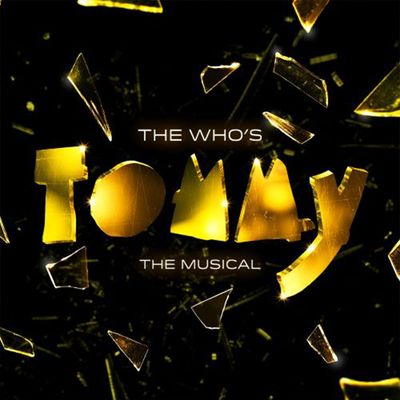
A wisecracking sound designer once said, "The audience doesn't leave humming the lights." Whoever said it, they have a point. That's why this week's episode dedicated to the rock musical THE WHO'S TOMMY features a guest with one of the most important jobs in musical theatre! But Cricket Myers is no ordinary sound designer. She was also the first woman to ever be Tony nominated for "Best Sound Design of a Play."
Together, Cricket and Jeff begin our official Tony Award festivities by discussing her career, how sound technology might be behind an important evolution in musicals, and how this rock opera carries incredibly profound themes within its iconic guitar riffs.
To learn more about Cricket, check out her website at cricketmyers.com You can also learn more about her latest project INTERSTATE at East West Players by visiting https://eastwestplayers.org/interstate/
Be sure to share "A Musical Theatre Podcast" with your friends and connect with us via social media on Instagram, Twitter, and TikTok! Support the show and receive bonus content each month by subscribing to PATREON! for only $1. We also have a TeePublic Store with new designs you can put on just about anything.
Most of all, thank you for being part of this beautiful podcasting community!
Transcript
This transcript was automatically generated and might contain errors.
[0:00] Jeffrey Scott Parsons: Okay, Cricket, can I make a confession here? This is just between you and me. I thought I knew what this show was about. I feel like I had a pretty good concept. And then I started doing research for this episode, and I don't think I got it at all when I first saw it.
[0:19] Cricket Myers: I'm going to agree with you totally and completely there, because I went back and listened to it again, because it's been six years since I worked on it, or seven years, it's been quite a while, and started reading about it. And I was like, oh, I think I missed a lot of that. I'm so glad. Okay, we're meeting each other exactly where we are. And that's great.
[0:42] Jeffrey Scott Parsons: Welcome, everybody, to A Musical Theatre Podcast, where we discuss the cultural and emotional impact of some of our favorite musicals in theater history. My name is Jeffrey Scott Parsons. You can call me Jeff. Today, we are officially getting ready for the Tony Awards, which are only a few short weeks away. And I don't know about you all, but this was always a very exciting time for me growing up. Probably at this point, I would have already turned many a church meeting program into my personal Tony ballot, you know, the little handouts that you get at the beginning of church. But here on the podcast, we're beginning celebrations by talking about the element that really has become my make-or-break detail as to whether or not I enjoy being an audience member.
And of course, I'm talking about sound design. What? Yes, I'm serious. Sound is easily the thing I appreciate most these days, and the Tony Awards agree with me. Sometimes. They only began recognizing sound design on Broadway in 2008, then they took it away, now they brought it back again. And in the middle of all of that, 2011, in fact, they nominated the first woman for Best Sound Design of a Play, and she's here right now. Everyone, please welcome the incredibly talented, Tony-nominated sound designer, Cricket Myers! Yay!
[2:21] Cricket Myers: I'm excited to be here.
[2:23] Jeffrey Scott Parsons: I'm so grateful you're here. Now, can you explain your job?
[2:29] Cricket Myers: Sure. I mean, the simplest way of describing it is I'm in charge of everything an audience hears when they walk into the theater. So when it comes to musicals, I focus on the balance between the vocals and the band and the different instruments, and how those different instruments morph and change and sound over the course of a show, and how the vocals sit in that. You know, with the plays, it's more about, you know, sound effects or music or transitions. But in musicals, you know, the band, the orchestra provides the emotion and the drive and the energy, and so my job is to make that sing.
[3:12] Jeffrey Scott Parsons: You're so right. I mean, I've done many a production of West Side Story, and sometimes the only thing that keeps you going in the choreography is the orchestra, because it's so electric that you can't help but do it full out. What do you look for as an audience member when there's good sound design? Because I also feel like it's kind of a thing that if it's good, you don't notice it.
[3:36] Cricket Myers: Yes, I think if it's really good, you don't notice it. So for me, it's am I understanding the words? Am I hearing the lyrics? Am I following the story? But also, is the band supporting that? Are they, you know, are they swelling? Are they loud? Are they energetic? Do they feel like they fill the room? Is there a warmth to the music? Is there a dynamic to the music? All while keeping the lyrics and the story in the forefront and present?
[4:16] Jeffrey Scott Parsons: Right. Well, when we were discussing what musical we could cover together, the title that kept popping up for me was The Who's Tommy. I mean, nothing like a rock musical to showcase the importance of sound designers, because you want to create this visceral experience, but you still got to understand, I think I talked about this in our Passing Strange episode, you still got to hear the lyrics, you got to understand what's going on.
[4:36] Cricket Myers: Absolutely. I remember, I'm not going to say the theater, but I saw a production of Tommy. And the first night I went, let's preface it that way. The first night that I went, something happened with sound. And honestly, the stage manager probably should have called it five minutes in. But the band sounded great. But every single mic was completely dead, except for this one, like second alto in the ensemble. And so like, you couldn't hear anybody. And then all of a sudden, it got to Christmas morning, and you hear like, ah, ah, ah, ah, ah, ah, ah, ah, ah, ah, ah, ah, ah, ah, ah, ah, ah, ah, ah, ah. Just this one girl with her harmony, ah, ah, ah, ah, ah, ah, ah, ah, ah, ah, ah, ah, ah, ah, ah, ah.
Absolutely hilarious. So I really wanted to see the show because the visuals were great. And I knew that the cast was talented. So at intermission, I was like, can I maybe come back another night? And of course, they were lovely and said, absolutely. We're so sorry. We don't know what's happening. But right then and there, case in point of how important sound is for this musical.
[5:44] Jeffrey Scott Parsons: Now, talk to me about your relationship with the show. You did it, you said like six years ago.
[5:54] Cricket Myers: Yeah, I designed it at East West Players. Oh, God, I should have looked up the year. I think it was six or seven years ago. Oh, wow. It was my first show with East West Players. And a wonderful theater company here in Los Angeles. Yeah. And, you know, it was the first time I had heard the show. I've known other people who worked on it. I know there was a production in Hollywood, I think.
[6:15] Jeffrey Scott Parsons: Yeah, that was the one with the earphones.
[6:21] Cricket Myers: Yeah, where everyone wore headphones. Yeah. And they wanted to heighten that feeling of isolation. Oh, sure. That Tommy feels. And so when you're wearing headphones, you're not aware of the rest of the room around you. And so it becomes a very isolating experience. Whereas theater tends to be more collaborative, you're all experiencing the same thing together. And so the headphones really heightened that. And it's interesting because I heard really mixed things. Like some people are like, I love the isolation and other people are like I wanted. It was hard to not feel the other people around me and not to experience what, you know, feel like I'm not experiencing what they're experiencing. So yeah, kind of like, why go to the theater if I'm gonna feel like I'm by myself?
[7:09] Jeffrey Scott Parsons: Yeah, yeah. Interesting. Yeah. At the same time for the character of Tommy, who is kind of isolated from the world in his own head. It's an interesting.
[7:20] Cricket Myers: No, it's a really cool like jumping point.
[7:22] Jeffrey Scott Parsons: Sure. Well, we didn't do that. To be clear. We went, we went, you know, did it the normal way. So your Mrs. Walker was Didi, Didi Magno Hall, who I'm obsessed with. My gosh, Didi is amazing. Really phenomenal cast. That's awesome. How fun.
[7:44] Cricket Myers: Yeah. And what and did you know the show? Did you know of the show, I guess before then?
[7:48] Jeffrey Scott Parsons: I knew of the show, but I hadn't designed it. And I, you know, I knew Pinball Wizard, I knew some of the big songs from it. But I didn't know. I didn't know the whole story. I didn't know the whole musical. So yeah. And I also didn't realize that it's technically an opera because it's sung all the way through, which I didn't realize until I started working on it.
[8:10] Cricket Myers: Yeah, 100% rock opera.
[8:12] Jeffrey Scott Parsons: Yeah. I am of the ilk, where I discovered The Who because Tommy was on Broadway. You know, like I am, I'm that kid. And I know that a lot of people have parents who are like, you know, my dad would listen to The Who on weekends, like that was not us. We were listening to like, Dad may be put on Chicago's Greatest Hits. Yeah. Barbra Streisand, Higher Ground. Lots of Motown in my town. Okay, Motown. Right. Yeah, absolutely. So I did not know The Who. I'm like, I can't pretend that I even knew who Pete Townshend or Roger Daltrey were. So I discovered this music through the original cast album from 1993. But let's do a little dive into what created this. So The Who. Yeah, one of the most influential bands of the 20th century.
And kind of interesting, they really made their mark by playing with sound. Go figure. Like, they're kind of responsible for feedback in concerts being a cool, a cool element of sound design. Yeah, part of the show. Exactly. Smashing the Guitar was like one of the biggest rock and roll moments of all time, thanks to The Who. One of their first big songs, My Generation, Talking About. And then they come out with three albums. People are starting to think that maybe they lost their gas, that their best creativity is behind them. And then Pete Townshend decides to start doing things differently for album number four. In particular, he started playing the piano because he's, you know, mainly a guitar player.
So he started fiddling on the piano, taking the craft more seriously. And second, he became a devout follower of this spiritual leader named Meher Baba. So these two things, number one, taking the songwriting more seriously, led him to want to create the first real rock opera. And then the teachings of Baba led him to want to write something dedicated to him. And this is what I didn't realize. How much of the meaning of Tommy is directly tied to spiritual gurus?
[10:35] Cricket Myers: Yeah, I didn't realize that either.
[10:36] Jeffrey Scott Parsons: Why we need them, how they become that way, what we expect of them, how it affects them even. And so Tommy was really created as almost like a love letter to this spiritual advisor, who also inspired many, many other people. Baba was also the inspiration behind Don't Worry, Be Happy, the Bobby McFerrin song. Bobby McFerrin was also a follower of him. So who knew? I didn't. Yeah. The album comes out in 1968, acclaimed, of course. But Tommy was always meant to be a performance piece, and they performed it a lot. Different companies would kind of stage it themselves. But it really wasn't until the early 90s that Mr. Townshend finally, officially started looking for a way to dramatize it as a work of theater.
And he meets this dude by the name of Des McEnough, who at this point, I mean, well known dude, right? He had won a Tony Award for Big River in the 80s. He was artistic director at the beautiful La Jolla Playhouse, which is an incredible theater company on the West Coast. And they meet and hit it off and decide to bring it to the stage. It literally only takes them a year and a half from meeting to opening on Broadway, which I mean, you know, is insane.
[12:09] Cricket Myers: Yeah. I mean, unprecedented, right?
[12:11] Jeffrey Scott Parsons: Yeah. Especially a show this complicated. Yeah, it's really incredible. Now, it's interesting to see kind of that evolution that the album comes out in 68, but doesn't come to Broadway until the 90s. And my hot take, and I kind of want to hear your thoughts. I almost feel like it wasn't possible before then.
[12:26] Cricket Myers: Yeah. Because of the technology.
[12:28] Jeffrey Scott Parsons: Oh, yeah.
[12:29] Cricket Myers: Like, technology allowed musical theater to finally embrace rock and roll. Because, you know, we had Hair, we had some of those Gall-McDermott musicals in the late 60s or 70s. But musical theater consciously makes this decision to not follow mainstream music anymore. And I almost feel like it's because you can't act like a human while holding a microphone.
[13:04] Jeffrey Scott Parsons: Yeah. And I think that the, you know, the ability to make bands loud, you know, while someone is singing and dancing and moving around just didn't exist. You know, if you look at the orchestrations of the shows that were written before wireless technology, you know, they're orchestrated to dip the orchestra around the voices. But rock and roll isn't built that way. Rock and roll is meant to be amplified. It's meant to be loud. It's meant to be in your face. And it's not orchestrated to dip around voice, but to make voice part of the music.
[14:04] Jeffrey Scott Parsons: Welcome to A Musical Theatre Podcast. Today, we’re diving into the rock musical "The Who's Tommy" with the incredible sound designer, Cricket Myers.
[14:34] Cricket Myers: Thanks for having me, Jeff! I'm excited to talk about this iconic show.
[15:04] Jeffrey Scott Parsons: Let's start with your journey in sound design. You were the first woman to be Tony nominated for "Best Sound Design of a Play." How did you get into this field?
[15:34] Cricket Myers: It was a bit of a winding path for me. I started out in music and theatre, but I found my passion in sound design when I realized how much it could enhance storytelling. The technical aspects fascinated me, and I loved the idea of creating an immersive experience for the audience.
[16:04] Jeffrey Scott Parsons: That's amazing! Sound design is such a crucial part of a production, yet it often goes unnoticed. Can you share how you approach a project like "The Who's Tommy"?
[16:14] Cricket Myers: Absolutely! With "Tommy," the music is so integral to the narrative. I focus on how the sound can elevate the emotional impact of the story. The rock elements are powerful, and I want to ensure that the audience feels every guitar riff and vocal nuance.
[16:24] Jeffrey Scott Parsons: The themes in "Tommy" are profound, dealing with trauma and healing. How do you think sound contributes to those themes?
[16:44] Cricket Myers: Sound can evoke emotions in ways that words sometimes can't. In "Tommy," the music reflects the character's journey from silence to expression. The sound design helps to create that transformation, making the audience feel the weight of his experiences.
[17:04] Jeffrey Scott Parsons: That's such a beautiful way to put it. The rock opera format is unique in musical theatre. How do you think it has influenced modern musicals?
[17:14] Cricket Myers: "Tommy" was groundbreaking in many ways. It pushed the boundaries of what a musical could be, blending rock music with theatrical storytelling. This has opened the door for more contemporary musicals to explore different genres and styles, making the art form more diverse.
[17:24] Jeffrey Scott Parsons: Speaking of diversity, how do you see technology evolving in sound design?
[17:44] Cricket Myers: Technology has come a long way, and it's constantly evolving. We now have tools that allow for more intricate soundscapes and real-time adjustments during performances. This evolution is exciting because it means we can create even more immersive experiences for the audience.
[17:54] Jeffrey Scott Parsons: It sounds like the future of sound design is bright! What advice would you give to aspiring sound designers?
[18:04] Cricket Myers: My advice would be to stay curious and keep experimenting. Don't be afraid to take risks and try new things. Collaborate with others, learn from different disciplines, and always be open to feedback.
[18:24] Jeffrey Scott Parsons: Great advice! Before we wrap up, is there anything else you'd like to share about your work or "The Who's Tommy"?
[18:44] Cricket Myers: Just that I'm incredibly proud to be part of this production. "Tommy" has such a special place in musical theatre history, and I hope audiences connect with it as deeply as I have.
[19:04] Jeffrey Scott Parsons: Thank you so much for joining me today, Cricket. It's been a pleasure discussing "The Who's Tommy" and your incredible work in sound design.
[19:24] Cricket Myers: Thank you, Jeff! I had a great time.
[19:34] Jeffrey Scott Parsons: And to our listeners, be sure to check out Cricket's work and "The Who's Tommy." Until next time, keep celebrating the magic of musical theatre!
[28:08] Cricket Myers: I mean, that's so crazy to me in terms of our modern musical theatre history. We look at Michael Cerveris as one of the great actors, and he was also just kind of like a kick-ass rock singer for the beginning of his career. How cool is that? Anyway, so we meet older Tommy before older Tommy ever escapes from the mirror, shall we say? And like you said, the parents go through lots of medical tests, nothing's helping. And so I think they get, and correct me if I'm wrong, I think they get kind of exhausted and don't want to deal with it anymore. Instead, they enlist the worst group of babysitters you've ever seen in your entire life. First up, oh, and I should have said this before. Everybody, disclaimer, this show includes child molestation.
So if you find that triggering in any way, just be warned. So first up, we got Uncle Ernie. Uncle Ernie is what we like to call a pedo. And he sees this opportunity, this babysitting opportunity, as a great way for him to molest Tommy. I mean, this is really disgusting stuff. And the way that they are able to write it in rock music is pretty incredible. Because it's like, this kid's not going to tell on me. He can't even see it. He honestly can't even feel it. So you know what? I'm in the clear. Disgusting. He's not the only one, though. We've also got Cousin Kevin, who's just a sadistic psychopath. Yeah. I mean, what are some of the things that Cousin Kevin wants to or does to Tommy? Burn him with cigarettes.
Yes. Turn on the bath and duck your head under it. That's right. That's right. Like a Clockwork Orange style or something. Stuff him in a trash can. Oh my gosh. Just terrible once again. And picture this happening to you and you can't see anything. Yeah. I can't imagine being abused that way and like not being able to really take in anything from a sensory point of view. The one thing that Cousin Kevin, I guess, does right, question mark, is takes him to like a little hangout center and there's pinball there. And Tommy, for some reason, starts playing pinball brilliantly. Nobody can understand why. That's when older Tommy starts singing, I'm a sensation. Yeah. So what do you think is the pinball thing?
Where does that come from? You know, I don't know why pinball, but it's a game that the child can escape into. It's a game that's played alone. It's not a community game and it's a tactile experience, I think, to some extent. And so it becomes something that Tommy is drawn to and how much he can see and hear and simply isn't processing the information. This is a game that, for some reason, opens him up. I think we all have that as kids on some level, don't you think? I mean, I think that's what musical theater was for me. I always say it was the filter through which I began to understand and relate to the world. There is something that we latch on to that becomes our buffer for understanding the world around us.
And for whatever reason, pinball is that for him. He obviously doesn't realize that, but before he really becomes this celebrity because of pinball, his dad meets the psychiatrist and the psychiatrist recommends that he take him to a prostitute? Question mark? Yeah. I mean, I think the acid queen is a prostitute, a drug dealer, a drug user, you know? And I think it's, you know, at that time, drugs are a way of opening up the mind. Oh, sure. So, there's experimentation there. Yeah. And so I think it's like, drugs and sex will open up this child's mind, will awaken him in a way. I think the acid queen says he might still be young, but he's not a child. I'll turn him into something else, you know?
Interesting. Yeah, yeah, totally. But ultimately, the dad runs away from that. Yeah. I mean, good job, Captain Walker. You made one good decision. Came to your senses. Right. Uncle Ernie, no red flags. Acid queen, however. Well, red flags, and they chose to leave him there anyway. I mean, they had a whole song saying, should we leave him with Uncle Ernie? That's true. So, obviously, they knew something was wrong with it. Oh, my gosh, you're right. And they're like, yeah, it's great. Everything's fine. Do you know, in the movie, Mrs. Walker is played by Academy Award nominee Anne Margaret, in quite possibly the most unhinged performance I've ever seen in my life. Where are the memes? We need to create the memes, because it's an incredible performance.
Like, she is so visceral. And the movie gets really ugly in terms of her being really attracted to all of the wrong things in terms of fame, in terms of money, and also just kind of getting trashier and uglier. What reminded me is the song that you're talking about when they're saying, do you think it's all right? And she's just putting on more and more makeup until she looks like this garish mess before she goes out. And just the idea of them looking in the mirror, and not really seeing what they're doing to themselves, like their own relationship to the mirror, while Tommy has had his relationship, and in many ways, they can't see or feel or hear anything either. And why is that? Yeah, absolutely.
So, I love all of those little connective tissues in here. So, the first act ends with Pinball Wizard, this very famous song, in which he's become a celebrity. His condition has somehow given birth to this fame. And that's the end of the first act. By the way, this entire show, some of the coolest guitar riffs and hooks you've ever heard. Amazing. Amazing guitar. Yeah. It gives me the vibes, for sure. Absolutely.
[35:13] Cricket Myers: All right, act two, now we're in 1960. So, some time has passed, but nothing has really changed. Yeah, he's still the celebrity. But because he's a celebrity, a doctor has come into the conversation with the parents. And the doctor is saying, look, I think there might be a cure for this. And it seems kind of like the first legit doctor. I don't know. What do you think?
[35:40] Jeff Parsons: I think, I don't know. I didn't actually see him as any more legit than the previous ones.
[35:45] Cricket Myers: Oh, cool. Good. I think it's just showing that the parents haven't given up. At this point, now Tommy is 20. He's technically an adult, but the parents haven't given up on him. That they're still looking for a cure. They're still looking for a solution.
[36:06] Jeff Parsons: And maybe this guy is more legit than the ones as a child. Maybe not.
[36:11] Cricket Myers: You're right, because the second verse that he has is all about him with his partner. We could get famous if we work on this kid. They are very much self-serving.
[36:22] Jeff Parsons: Yeah. I think everybody around him is very self-serving.
[36:26] Cricket Myers: Yeah, that's true. It's true. Tommy kind of brings out the toxicity in everybody. Not any of his fault, but it just reveals everyone to be opportunists and not really having his best interest in mind.
[36:43] Jeff Parsons: I mean, even his cousin, Kevin, who was a school bully and tortured him as soon as he became famous. He's like, oh, my best bud, my cousin. I'm so grateful that I had the opportunity to introduce him to pinball. Aren't I great?
[36:58] Cricket Myers: I will say that maybe one of the reasons I think that this is a legit doctor is because on the original cast album, it is sung by Norm Lewis, who will make anything sound gorgeous. In fact, let's talk about this ensemble. This Broadway ensemble was stacked with some of the most incredible talent that the 90s gave to musical theater. You had Norm Lewis, you had Michael McElroy, who was the Acid Queen's pimp in a way. Sherri Renee Scott, who will be coming up later in Sally Simpson and Alice Ripley, who not since Laurie Beachman on the original cast album of Annie. Have you been able to pick out a belter in the ensemble as well as you can with Alice Ripley on that Christmas Day track? Glorious. And here when Norm Lewis and Alice Ripley have a little duet. I mean, it's like literally eight bars and I could listen to it all day.
[38:02] Jeff Parsons: I like that take, Cricket. Thank you. This is really showing us that the parents haven't given up. But then they get home and kind of realize that in focusing so much on Tommy, but not really on Tommy, but the situation surrounding Tommy, how about that? By focusing on the situation surrounding Tommy, their relationship has really suffered. And so they sing this song that's kind of a question mark for me and I want to get your take on it. It's called I Believe My Own Eyes. Definitely probably the most traditional sounding musical theater song, quote unquote, in the show. And they wrote it. He did write it specifically for the stage version. What do you think this song is about?
[39:49] Cricket Myers: I mean, I think it's them acknowledging that this isn't the life they had planned and this isn't... How long do we keep fighting? How long do we keep revolving our life around him and trying to fix him?
[39:58] Jeff Parsons: Yes. Yes, absolutely. Thank you for putting it into that context. Because there's this beautiful lyric about, I don't think you've seen the best of me.
[40:06] Cricket Myers: Yeah. Right? Which has so much accountability to it. I think that's why I really like that lyric. But then at the same time, it's almost like they're saying enough is enough. We can't just sacrifice our lives, even though they... I don't know. I don't know. Even though they haven't really been helping that much. But I think they're trying. I mean, they're trying.
[40:19] Jeff Parsons: You're right. You're right. They took a lot of doctors as a kid. They tried acid queen. They tried... I mean, they tried a lot of things. 10 years later, they've found another doctor. They're still trying.
[40:29] Cricket Myers: I do think they're trying. I mean, they mentioned a psychiatrist too. I do think the parents are trying, but they aren't acknowledging the fact that it came from the initial trauma that they... They can't speak about.
[40:43] Jeff Parsons: Yeah. This song does also act as a nice bridge from Doctors, Doctors, Doctors to then Mrs. Walker losing it. She loses her patience. And so Mrs. Walker sings Smash the Mirror, where she's trying to reach him by yelling at him. I mean, they've tried kind of everything except for beating it out of him. And this is pretty close. She says, I think when you're staring at yourself in the mirror, I think you can see you, but you can't see me. And that makes me furious. And so she smashes the mirror. And now with that mirror in pieces, the one that has caused all of this problem in the first place, it breaks Tommy out of his coma.
[41:13] Cricket Myers: Yep. And wakes him up. Thank you. That's a better way of putting it. Wakes him up and he sings I'm Free. So you can imagine if this community was excited about him playing pinball, people lose their minds when they hear that he's been cured.
[41:31] Jeff Parsons: Yeah. And this is where I thought, okay, well then he becomes a rock star and then this becomes a cautionary tale of being a rock star. But honestly, and this is more so in the movie, Tommy becomes kind of like a cult leader.
[41:42] Cricket Myers: Yes. Yeah. He becomes like a spiritual guru. And people think that he has all of the answers. And there are some interesting ties to these types of gurus who, or I guess spiritual leaders in general, who will go extended periods of time without talking or extended times without eating, and then the wisdom that they gain from those experiences, people then flock to, to try and pull out of them.
[42:13] Cricket Myers: Well, and I think what's also interesting is that these toxic people are still revolving around him, still looking for ways to take advantage of him and take advantage of his new fame now from being cured. You know, we see Uncle Ernie, we see Cousin Kevin still revolving around him, still trying to take advantage of him.
[42:35] Yeah, Uncle Ernie, by the way, has decided to create like a camp, a children's camp. I mean, wow, the audacity. But yeah, you're exactly right. It's a new scene, same story. Yeah, and I guess that I guess if once again, if we zoom out, fame doesn't change anything; it just changes the circumstances in which this kind of dysfunction escalates or turns around.
[43:07] He's got his followers. One of them is a young adolescent named Sally Simpson, feels like a middle-class, very typical girl, right, who's become obsessed with Tommy. She sneaks out of the house to go to one of his big meetings. Yeah, and she's there on the front row. She's got her hair all done up, right? And Tommy comes out, lights the place on fire, so to speak, and everyone goes crazy, and she gets injured in kind of like a mosh pit type situation, right? Yeah, it gets trampled.
[43:44] Yeah, and in the same way that like smashing the mirror wakes Tommy up from his first state, Sally and what happens to her wakes him up from his second state. Yeah, and it's like maybe this has gotten out of control, and maybe I need to get back to basics. I'm gonna go home, figure out my stuff with my family, but he invites everybody along with him.
[44:11] Yeah, yeah, so literally the entire, you know, cult family comes to his home, and he says welcome, and they are, you know, asking him over and over again, "Tell us your secret. Help us be like you." Now here's another big change. Originally, what Tommy told everybody was like, "You need to be deaf and blind for ten years in order to gain what I have gained," and everyone was like, "Yeah, that's not gonna happen."
[44:44] And what? No, yeah, exactly. What's interesting is what they did in the musical is that Tommy says, "You don't need to be like me. Yeah, I've been trying to be like you." So maybe you should just be yourselves and live your lives. And what's really funny is that they have the exact same response as though he had said, "You need to be deaf and blind." They're like, "What? That is not the answer we wanted."
[45:16] Yeah, so profound. Have you ever received like a piece of like spiritual information, and you were obviously, I'm speaking from experience here, and you were almost angry because that was not the answer you wanted?
[45:30] I mean, I've certainly received a lot of advice that I decided I was gonna do the exact opposite. I'm a very stubborn person.
[45:37] Jeff Parsons: I relate.
[45:42] Cricket Myers: So I certainly relate to that, you know, yeah, I'm gonna do the exact opposite. I certainly relate to that. But then, I mean, same thing because I think sometimes our spiritual advice comes from people that are placed in our path to give us that advice.
[46:02] Well, and I think the people following Tommy wanted a miracle. They wanted a miracle cure. They wanted something that would instantly make their lives better. And, you know, the first answer of ten years of being silent and isolated is hard work. They don't want to do that. And then the second answer to say, "What are you talking about? Your life is the good life. Your life is what I'm striving for." Again, that's not the answer. Like they want a miracle cure. They want to be able to push a button or check a box and say, "My life is better now. My life has meaning now," or "I'm a good person now," and they want it to be simple and they want it to be easy.
[46:46] And the answer that Tommy gives them is, "It's not easy. It's not simple. We're all you. We're all have to work. Yeah, you have to look into yourself. You have to find yourself." And they didn't like that answer.
[47:01] No, no. It makes me also think of our current society where, you know, privilege has become like a trigger word or at least a trendy word to bring up, and I think it can be triggering for a lot of people because to be told you have privilege when you feel like your life sucks, you know what I mean, is kind of along this line. Yeah, where Tommy is saying, "Your life is great." You're like, "Well, then why do I feel so shitty?"
[47:36] Yeah, yeah, you know, that's really confronting.
[47:38] Cricket Myers: Yeah, for sure.
[47:42] Jeff Parsons: Yeah, I don't have any answers for it.
[47:44] Cricket Myers: No, but I, you know, neither did Tommy, right? Oh, right, you know, other than to say, "See it, feel it, recognize it."
[47:51] Yeah, you know, there is this little musical phrase that appears throughout the show, "See me, feel me, heal me, touch me." It's just this inner voice of the little Tommy always saying the answer's right here. I have this need to be validated, to be seen, to be felt, to be acknowledged. And I think, you know, sometimes we do feel shitty in our lives and hopeless, and it's super important to recognize that and to recognize it as a feeling, right? And that's all it is because if we can, then we aren't trapped in a mirror, not being able to move on from it.
[48:38] Yeah, it's kind of profound, Cricket.
[48:44] Cricket Myers: Yeah, I think the whole show is really talking. It's a lot about self-reflection, you know, like being able to look at yourself and see who's inside of you and see who you want to be, see your future self or your past self.
[48:55] Jeff Parsons: Yeah, and so that last song, which is called "Listening to You," just kind of like the "Let the Sun Shine In" moment with everybody in the cast singing. Who do you think that's true? I feel like there are so many answers here, but who do you feel like that's directed to, "Listening to You"? Who is "You"?
[49:16] Cricket Myers: I think, I mean, I think it's himself. I think it's a mirror moment.
[49:21] Jeff Parsons: I agree.
[49:27] Cricket Myers: And to have everybody in the cast be singing it to themselves while also singing it to an audience. Yeah, I mean, that's some cool theater.
[49:33] Jeff Parsons: Did you know that they're bringing it back?
[49:39] Cricket Myers: I did not. It was slated for a Broadway return in 2021; that didn't happen. And so I think it's gonna be at the Goodman Theater in Chicago first and then making a return to Broadway. That's Mack enough is directing it again. I don't know if he's just like restaging what they did, but it's an interesting piece to look at through the framework of where we are right now.
[50:03] Jeff Parsons: Absolutely, and I hope that it rings a little differently because of that.
[50:08] Cricket Myers: Yeah, I mean, I think we as a society have all experienced more isolation, you know, in the past couple years than we might normally. And so I think especially for the music theater community, because we're never really alone, surrounded by too many, actually, rooms that are probably way too small.
[50:34] But, you know, and so like having a year of isolation, and for many people it was a year of self-reflection and a year of like, "Okay, everything's different now. How am I going to change my life? How's my life gonna?" Well, how am I gonna come out of this differently, you know, right?
[50:51] So I can imagine it will resonate very differently now.
[50:59] Cricket Myers: I hope so.
[51:01] Jeff Parsons: Thank you, Cricket, for doing this with me. Is there anything you want to say that we didn't get to talk about about the show?
[51:06] Cricket Myers: I don't think so. I mean, it's really, there's just the musical motifs and the way they come back and repeat and change throughout the show is really beautiful that you have this, you know, you hear a phrase and you're like, "Oh, I know that phrase." It becomes familiar to you, but it's still changing and developing, and I think that's really beautiful to see, and most of it's in the guitar.
[51:30] Yeah, you know, the beautiful way the guitar just threads through the whole show.
[51:35] Jeff Parsons: Ooh, this is cool. I hadn't thought about this, but that is opera, right?
[51:41] Cricket Myers: Yeah, I mean, that's more opera than musical theater. But when I think about the score to Tommy, it is, it almost is in these like eight-bar sections that just kind of reappear every once in a while and craft this greater score. It's not really about songs, you know, traditionally as we know it.
[52:01] Jeff Parsons: Yeah, so he really did write a rock opera.
[52:02] Cricket Myers: Yeah, there's really, it's just beautiful the way it all comes together. I, you know, this morning I sat and listened to the whole, you know, the Broadway cast album all the way through, right? The first time I've listened to it all the way through since opening night.
[52:20] Yeah, so remembering those themes and remembering those moments and that moment of kind of familiarity that it's like, "Oh, I remember this emotion. I remember this moment," and the way that the music brought back visuals from my production that like suddenly I had the vivid memory of the entrance of our Acid Queen, you know?
[52:43] And it was like the music brought that all back for me, you know? I didn't have to go look for pictures, you know?
[52:49] Jeff Parsons: You know, in the moment of "Pinball Wizard" and what that looked like on stage for me, the music brought it all back, which was kind of amazing.
[52:56] Cricket Myers: Oh, there are certain shows where if I'm on a road trip, I will put it on because of that exact reason. You can listen to it, and you can see the whole thing in your mind.
[53:06] Jeff Parsons: Yeah, right.
[53:12] Cricket Myers: Yeah.
[53:17] Jeff Parsons: As always, if you have recommendations for shows you'd like us to cover on "A Musical Theatre Podcast," you can always email me at amusicalpodcast@gmail.com. Don't forget to follow us on social media on Twitter and Instagram at amusicalpodcast. We're also on TikTok. We've got Patreon, which is perfect for subscribers who want to not only support the show but gain bonus content. It's only a dollar a month, and you get a really cool episode every month. We also have a TeePublic store, and don't forget to send in your artwork to be featured on that gallery. More than anything, please share the show with your friends because I love getting to hear and know all of our listeners from all around the world. It's a really beautiful podcast community that I'm super grateful for.
[54:02] Hey, Miss Cricket. Hey, how do we follow you? Anything you want to plug that you want to talk about?
[54:09] Cricket Myers: I have a fantastic production of "Titanic: The Musical" running in Milwaukee Rep, so if any of you are in the Midwest in the Milwaukee, Chicago area, you should pop up and see that production. An incredible cast of 30 on stage in a full orchestra. And at the end of May, I will be back at East West Players doing a brand new musical called "Interstate," so that is definitely worth checking out if you're in the Los Angeles area.
[54:39] Jeff Parsons: Oh my gosh, those both sound fantastic. Congratulations. I mean, talk about another operatic score, that Maury Yeston score.
[54:47] Cricket Myers: Yeah.
[54:48] Jeff Parsons: Yeah, anyway, and how cool that you're gonna be back at East West.
[54:53] Cricket Myers: Yeah. Thank you again for doing this. What a pleasure.
[54:59] Jeff Parsons: Thank you for also enlightening. Well, just for all of your work because I know that, I mean, you're not on stage getting applause every night, but I hope that when people are applauding, you take it in because great sound, like I said, makes or breaks my theater experience. My favorite reviews ever for a show are reviews that say, you know, that that singer filled the room with her voice or that actor soared above the orchestra because I know that I helped them soar above that orchestra, and I did it in a way that made it feel like it was coming from the actor.
[55:36] So for me, the best reviews are the ones that don't mention me and just talk about how incredible the band and cast is.
[55:40] Cricket Myers: That's so sweet.
[55:44] Jeff Parsons: Yeah, thank you for sharing that.
[55:47] Everybody, thank you for listening, and you know what? You've been listening to me. I'm going to listen to you.
[55:56] Oh my gosh, that's terrible, but we're keeping it.
© Broadway Podcast Network, All Rights Reserved