

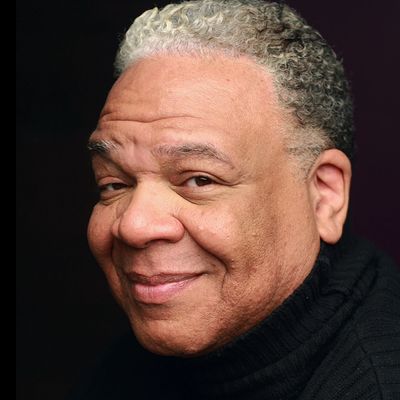
This week we're celebrating Black History Month with a musical so groundbreaking, it has a tornado! Broadway legend (AIN'T MISBEHAVIN, CATS), and Cowardly Lion, Ken Page joins us to discuss the history, artistry, and sheer belief that brought about the musical THE WIZ... Read More
From the show: A Musical Theatre Podcast
Guests
Featured Shows

About
This week we're celebrating Black History Month with a musical so groundbreaking, it has a tornado! Broadway legend (AIN'T MISBEHAVIN, CATS), and Cowardly Lion, Ken Page joins us to discuss the history, artistry, and sheer belief that brought about the musical THE WIZ. Join us to hear how these familiar characters from Oz provided musical theatre with insight into the Black experience that has entertained audiences ever since. And if that's not enough, you'll also hear about the time Ken met Streisand.
Buy tickets to see Ken in his one man show There's So Much To Talk About at 54 Below on May 4th, 2022!
Be sure to follow us on Instagram, Twitter, and TikTok. You can support the show by writing us a nice review and subscribing to PATREON! for only $1 a month, and you'll get bonus episodes as a thank you. We even have a TeePublic Store just waiting for you to shop. Thank you for being part of our podcast family!
Transcript
This transcript was automatically generated and might contain errors.
[0:01] Ken Page: One other thing that I saw, I went and looked for the original commercial, because like you mentioned earlier, the commercial was one of the first times that Broadway really used TV to get people into theaters. It's still effective, Ken. I watched it, and it is fantastic. It made you sit up and take notice. You're like, what is this? Come on in, he's on town, he's on down the road. Or right away, you take one of the best songs ever written, and you put that, and even if you didn't see it, the audio of it made you want to sit up and take notice. Even if you went to the kitchen to go get a snack, you're going to peek around and see what is on the TV. I remember people used to run back to the TV to see it every time it would play, because people wanted to see the commercial.
Well, and then it's so smart, because it almost immediately cuts to the widest couple you've ever seen, just laughing and having the time of their lives like they're at Seinfeld. Right off the top, they're telling you, you don't have to be black to like this, right? Right. White people can come and see it. But then after that, we see black people in the audience who are enjoying and loving. And at the very end, there's this little black boy sitting on the front row, and Toadie jumps into his arms, and he hugs him. And I'm like, oh my gosh, get me my tickets now. It's incredible. Well, it was very effective, because it really, it had something to say. It wasn't just an advertisement. It was also a sociological statement.
[1:39] Jeffrey Scott Parsons: Welcome, everybody, to A Musical Theatre Podcast where we discuss the cultural and emotional impact of some of our favorite musicals in theater history. My name is Jeffrey Scott Parsons, you can call me Jeff. Today we are celebrating Black History Month by covering the musical The Wiz with a guest that deserves to be celebrated as well. He's the man, the myth, the legend. Everyone, please welcome Ken Page.
[2:03] Ken Page: Hello, hello. The man, the myth, the legend. Who thought I'd live to hear that? My God. Well, put it on your wall. Put it on your CD.
[2:16] Jeffrey Scott Parsons: Now, Ken, I'm just going to really fast read you off your resume. You originated your role in Amos Behaven on Broadway. You're, of course, old Deuteronomy in the film stage version of Cats, not the movie, the film stage version, which we love. You're in the movie Dreamgirls. You're nicely, nicely in my favorite cast recording of Guys and Dolls, maybe most well known to my generation. You're the voice of Oogie Boogie in The Nightmare Before Christmas.
[2:43] Ken Page: Yes.
[2:44] Jeffrey Scott Parsons: But real quick, I want to ask you about something that I just found out this morning. You did an episode of Kids Incorporated.
[2:51] Ken Page: Yes, my Jamaican dance number and everything.
[2:54] Jeffrey Scott Parsons: I should note also, before we go further, that I was in the original Broadway cast of Cats as well.
[2:59] Ken Page: Oh, absolutely. Yeah, for sure. 100%.
[3:02] Jeffrey Scott Parsons: Which is why they invited me back.
[3:04] Ken Page: And it was thousands of years later. And Gillian Lynn said, All right, darling, you come in here and I was like, and what? It's been 10,000 years. I don't remember that. Elaine Page was the same way. She was like, she thinks we remember, darling. I don't know what she's talking about.
[3:21] Jeffrey Scott Parsons: That is fantastic. I'm sorry, I interrupted your question.
[3:24] Ken Page: No, please. I'm just like, when I saw that, that was a blast from my past because I grew up watching the new Mickey Mouse Club, of course, and the Kids Incorporated was always right in front of that. So, man. And, you know, it's so interesting because all those kids that were there, of course, they're not kids now, they were so talented. And I did the one episode, but I also did what you may have seen and not known I was there. Who would have known? Eight or nine episodes of Adventures in Wonderland.
[3:53] Jeffrey Scott Parsons: I loved that show.
[3:56] Ken Page: Oh, really? Okay. I was the walrus.
[3:58] Jeffrey Scott Parsons: Stop it.
[4:00] Ken Page: I know. Like I said, complete rubber head. Nobody would have known it was me. But just all prosthetics. Just prosthetics. A go-go. Yeah. But it was great. It was wonderful to be part of it because now, of course, they're in infamy. And my dearest friend and sister, Amelia McQueen, was the Red Queen.
[4:15] Jeffrey Scott Parsons: That's what I was going to say. Like, talk about a little reunion.
[4:19] Ken Page: Oh, it was so great. It was so great. She did like a hundred episodes or something.
[4:23] Jeffrey Scott Parsons: Oh, my gosh. Legend.
[4:25] Ken Page: Yeah. But they're there forever, you know, which is great. And they don't age. That is a great show. It was a wonderful show. And they did a lot of really detailed work because it was very much geared about some of the scientific information about teaching children and how to include certain things. So, they were very detailed. You could not miss one word because everything was in there for a reason.
[4:49] Jeffrey Scott Parsons: Yeah, it was carefully selected. So, that made it a lot... That's how I learned...
[4:52] Ken Page: Yeah. No, I was just going to say that's how I learned the definition of the word homonym.
[4:56] Ken Page: Yes. Exactly. And they really did some great episodes. I mean, we did like a weed, W-E-E-D. Weed shall overcome. And I don't know... I was like Martin Luther King there. And I don't remember. I don't think it had anything to do with weed. But I don't remember what it was about. But I remember the name of the episode. Weed shall overcome.
[5:16] Jeffrey Scott Parsons: Oh my gosh. I'm going to have to go look that up.
[5:19] Ken Page: Yeah, yeah. Now, before all of that, however, you were also being a cat because that's what we get to talk about today. You played the lion in The Wiz on Broadway.
[5:27] Ken Page: Yes. All kinds of big furry things. So, can you take me through what was going on in your life when The Wiz came into your life?
[5:39] Ken Page: Well, actually, I was... I'll start with this because it's kind of the key to The Wiz. I was doing Guys and Dolls on Broadway. And at that time, we had a thing. Now, they're called cabaret shows. At that time, they were called nightclub acts, which was like... And in truth, they were bigger. They weren't in a small cabaret. They were in this place called Les Mouches, which was actually a big disco, so like Studio 54. And they had a 350, 400-seat room where you did your nightclub act. Like Patti LuPone did six weeks there.
[6:11] Jeffrey Scott Parsons: Yeah, I was going to say, that's like the famous one that I know is Patti LuPone's act while she was doing Evita.
[6:16] Ken Page: Exactly. She did a long-run thing there. But a lot of people did runs or their act, whatever. So anyway, I did my act there. And in my act, I did a tribute to all the black shows that were running on Broadway at the time. And this is circa 1978. And there were a few, even more a year or two before that. But at any rate, I did... You know, we did Raisin, and then I said, come on, let's ease on down the road to bubbling brown sugar. I mean, it was just cheese, you know.
[6:43] Jeffrey Scott Parsons: That's awesome.
[6:45] Ken Page: But smartly, because I had auditioned for the show way back when they first came into town, I did Mean Old Lion from The Wiz. And this was just in tribute to the shows. I wasn't trying to audition.
[6:56] Jeffrey Scott Parsons: You weren't auditioning, right.
[6:57] Ken Page: I wasn't, but I was. But at any rate, I figured, well, I'm never probably going to do it, so I might as well do it in my show. Well, as it was at the time, you always, as you still do, you get a lot of support from the other shows that are running. And a lot of people came. And among them were a gaggle, I like to say, of people from The Wiz, one of whom was Clarice Taylor, who played the original Ada Pearl. And she went back to the producer, Ken Harper, and said, you really should see. And they knew, because I was doing Guys and Dolls, so I was on the radar. You should see him doing The Lion and The Wiz. Because I also sang a piece of Be a Lion. I think I started doing it then. But at any rate, they called and asked me to come in and do an audition to go into the show.
[7:44] Ken Page: And that day, I did the audition. And Ken Harper came to the foot of the stage. I tell a lot of stories where a lot of people come to the foot of the stage. But it's what people did. That's just what do. They came to the foot of the stage, and he says, you were very good. I enjoyed, blah, blah, blah. Clarice was right. Go down and get your measurements. And I thought, was that just information that you need for whatever? I didn't get it. And he was sort of smiling. I was looking at him like, why do you need that? But see, I didn't know. I thought maybe they just need to know in case they want to hire you. They need to know that you can fit in. There was things in the show that, which was almost a no fit, this cage that the mouses, the miceses, picked you up in.
And you had to be able to get in it. I thought maybe that's what they were asking for. So I went downstairs, and they were like, OK, so you're the new lion, right? I was like, I don't know that. They're like, honey, honey, you're the new lion. Come on. And that's a foot and a half, and I'm standing there going, oh my god. So that's how I got in The Wiz.
[8:51] Jeffrey Scott Parsons: You're processing the fact you booked the show while they're measuring you for the costume.
[8:56] Ken Page: That is correct.
[8:57] Jeffrey Scott Parsons: Wow.
[8:57] Ken Page: I hadn't even called my agent. They called them and said, well, he's here. He later told me. He's here. We like him. We're hiring him. He's down getting measured. Let's negotiate. So by the time I got home, they had already negotiated my salary and everything, and I'd been measured. And they were like, you're due at rehearsal Monday morning.
[9:17] Jeffrey Scott Parsons: Well, they are prompt, if nothing else.
[9:19] Ken Page: No time wasted. Broadway, baby. Come on. Get to work. Let's get to work. How fantastic. And then how long did you do the show?
[9:27] Ken Page: I did that show for, I think, a little under two years. I left at a point, and my knees were killing me and all sorts of injuries that came along with the role, I found out. But it is a great show. Oh, my god. And I left, and Clarice, once again, called me on the phone. And she said, I just want to tell you they're going to ask you to come back. I said, I am gone. I'm sorry. My knees are in sonic treatments and all things. She said, I'm just telling you. And sure enough, I got the phone call. Come back. We want you back. Can you do another six months? Please, please.
[9:59] Ken Page: Wow. And I should tell as a footnote here, if I may, because I always like to give him credit, the man that I replaced, James Wickfall, Jimmy Wickfall, there was a lot of suras and agitic going on for him there at the show. But when I came in to rehearse, he was so gracious and lovely to me. And people aren't always that way. Like, oh, you're my replacement? Well, to hell with you. Possessive of my, yeah. Yeah, because he was not leaving. He was asked to leave. And it was a little dicey. He left his poster of a lion in the dressing room for me and all that. Well, he came back when I left. So we did this do-si-do. I left. They called him to come back. And then they let him go again. And then they were like, can you?
Yeah, and I was the one who told him, right? So I go to his dressing room. I said, Jimmy, how are you doing? He's like, oh, I'm fine, baby. How you doing? I said, I'm good, I'm good. I said, has anybody said anything to you about the show? No, what? I said, oh, God. Why am I the one? I said, let me tell you this. I said, because I want, if there's something you want to do about it or can, please do, because I want to stay at home. I said, they've asked me to come back. What? I said, yes, darling. They've asked me to come back, which means we won't be here at the same time. So if there's anything that you need to discuss with them or anything that could change that for you, I'm telling you so that, you know.
And I'll never forget, he hugged me. And we cried a little. He says, you know, like I was saying about him. He goes, how many people would have done that? They'd have been like, bitch, get out. This is my job, you know. I said, no, I don't operate that way. So indeed, he did leave. He did leave. And I did come back in. And that was the way it went from there. But so in all in all, I did it just a little bit under two years, which, you know, I think about it now. And it feels like it wasn't long. But when you say two years of your life, that's a long time to do anything.
[11:54] Ken Page: It's a long time. But I guess, like any other job, if you look at it that way, we used to call them a government job on Broadway. I got a government job. The show is a hit. And as long as I can do it, I can stay in it, which means I can buy the apartment and the house in the country and pay the kids' college bills and all that kind of stuff. Because you very seldom get shows that are long-running hits like that, where you can actually count on them being there more or less, because they're already sold in advance. You know, they're going to close. And you can have a normal life financially. But I, of course, was full of Wanderlust and theater dust and all sorts of things. So I was like, I'm going. I've got to get out. My knees are hurting me with cats. I was like, I want to go to Hollywood.
[12:38] Jeffrey Scott Parsons: Well, I think you found your way just fine.
[12:41] Ken Page: Maybe it's from easing on down the road so much that you knew what a yellow brick road looked like.
[12:47] Jeffrey Scott Parsons: Exactly. Well, I also, at the time, it was completely possible to foresee doing another show or going into something else or keeping. There was a landscape to fill. It wasn't like, I quit, and I don't know what I'm going to do. It was like, well, I've left, but I'm going to LA. Or I've left, so I'm going to wait for the next show. You know, it just goes to show that having faith is as much a part of this business as having talent sometimes, because you just have to believe that there will be work, that there will be an opportunity to keep being an artist, even when one thing comes to an end.
[13:19] Ken Page: Absolutely. And I think, truly, that's probably more important, because you realize so many people are talented, and so many people deserve it, and all those other things. It comes down to your belief. I always tell everybody I speak to, I mean, it always sounds sort of show-busy and funny, but when I was in high school and college, I used to sing to myself all the time, Don't Rain on My Parade. Don't tell me not to live just yet. It was so like, I'm on the bow of a boat, you know, the whole business. But it became, I'm a Buddhist. I chant Nam-myoho-renge-kyo. But it became that version of that for me, because I really, literally did it every day. And I was at the bus stop all the time, going to high school and college.
And that was how I spent the energy, because it was not easy, because it was a long route, and we moved further away, and on and on. But every day, I stood there, and I went, don't tell me not to live just yet. I was kidding, over and over and over and over and over. So when I got to New York, I did the same thing going to auditions.
[14:17] Ken Page: Thanks. I would walk down the street, and I'm, you know, I didn't sing it out loud, thank God, but I really went into the room singing, nobody, no, nobody is gonna rain on my... So, I had read a book called Psycho-Cybernetics back then, which is now, I'm sure, just the power of positive thinking, or the now, and all the new books. Sure, the secret. However, I am a believer in the fact that if you don't believe it's possible, it's not possible. And it doesn't mean because you believe it's possible, that it's always going to be easy to make it possible. But if you don't believe it's possible, it ain't possible. You know what I mean? It just doesn't, one begets the other. I remember seeing Barbra Streisand, speaking of Doreen McRae, on the active studio one night, late at night, and she was talking to the host, I forget his name, but the host.
And she said, when you know what you want, and you're sure, and you put it out into the universe, the universe conspires to answer you. And I remember that wasn't that long ago, but it struck me because I thought you were on the right track all along. And the very woman said it. And it made perfect sense because I now have many other things that fed into that philosophy and belief. But in New York, it was called Don't Rain on My Parade. I think that's so fantastic. Talk about a Barbra Streisand full circle. New Year's Eve, I want to say it was 1993 or something, a friend of mine, my dear friend, and I don't usually say his name, but I'm saying it now. He needs all the positive energy. Alec Baldwin is a very dear friend of mine.
And he invited me to come with he and his that time wife, Kim Basinger, to Las Vegas to see Barbra Streisand at the MGM Grand. She was making her return to the live. That big concert with the off-the-shoulder black dress. Yes, that very fabulous Donna Karan dress that she, of course, doctored herself. He said, well, she sent me one, and she sent me the other one. I thought, why don't we just put them together? But she really looked great, and she was just in top form. And I remembered sitting there, and we were like sixth row center. It was magical. And I thought to myself, I'm finally sitting in front of this woman. And we went, dun, dun, dun, dun, dun, dun. I thought, don't you dare cry. Don't you dare.
Pull it together, Paige. Pull it together. Hold it together. But as you said, the full circle, I thought, not only have I believed enough to get where I got to, but I believed enough that I'm actually sitting here in front of her, which was unbelievable. There's more to that, but maybe that'll come up in another part of our interview. But getting to meet her afterwards and all that. No, I'll tell it now, because it was very interesting. Skipping all kinds of people were in the room. It was a very private, I don't know how the hell we got in. Her son's a friend, and he took us backstage. And Alec was Alec, Kim was Kim. But myself and my dear Amelia McQueen was with me. And in the room was Coretta Scott King, Marilyn Allen Bergman, Donna Karan, Virginia Kelly, Bill Clinton's mother.
And it was New Year's Eve, and I'm saying it because it was way out of my reach. I mean, it was just like, and they were there, and it was New Year's Eve. And my dear Amelia, she says, 12 o'clock comes, and everybody's milling and talking. She says, isn't anybody going to sing? And people are like, sing what? What are you talking about? She goes, well, it's 12 o'clock, it's New Year's. And I went, of course. And Marvin Hamlisch, who I forgot, goes to the piano and goes, and I'm standing there thinking, am I having a hallucination? Am I on a flashback or something? It was unbelievable. So when Miss Streisand came out, and they're introducing people, you know, and so forth. And you know, of course, the rest of the people in were her intimate friends.
And Alec and Kim, and she says, Kim, a little shade. She said, Kim, Basinger, Basinger, what is your name? And I thought, oh, there we go now. So when she got to me, I thought, don't gush, don't be ridiculous, because you're in this room, and you know, these are her, I don't know how you got in here, but you're in here. So I thought, what can you say to her to, including what I just said about her rendition of Don't Rain On My Parade was my theme that got me energy, everything. And I thought, just say thank you. Just say thank you. So when she shook my hand, and you know, Alec says, this is my friend, this is my friend, Kim Basinger. And she goes, hi, how are you? I said, thank you. And I looked her in her eyes, which was hard enough, it was like looking into, I said, thank you.
And at first, she went, you're welcome. And then she looked at me a little more, and she says, you're welcome. And I thought, she got it. But she got it, exactly. She got it. But that's my full circle on Don't Rain On My Parade, and being determined to get there, if you will. With many roads in between, needless to say.
[19:27] Jeffrey Scott Parsons: Right. Well, that's so sweet. Thank you for sharing that.
[19:30] Ken Page: Sure.
[19:33] Jeffrey Scott Parsons: Now, before we get to The Wiz, I want to lead up to it by doing a very brief summary of Black musical theater, right after the Golden Age. So starting with 1968, right, looking at musicals that were trying to represent the Black experience in this country, and Ken, you have already touched on some of these. The thing is, with all these shows, as important as they were, they were all pretty much produced and written by white people. And The Wiz was the first show to change that. Listeners, for the record, I would love to do episodes about any of these musicals. Please hit me up and let me know which ones you'd like to hear. So first up, Hallelujah Baby, which is technically 1967, right before 1968.
Julie Stein wrote it, post-Gypsy. It makes Leslie Uggams a star. But it closes pretty quickly, not a huge hit. But between the time it closes to the time the Tony Awards happen in 1968, Dr. Martin Luther King Jr. is assassinated, and the Civil Rights Act goes into effect, which includes the Fair Housing Agreement, which just so happens to be incredibly relevant to the plot of Hallelujah Baby. So, and I'm not saying this is the only reason why, but Hallelujah Baby wins the Tony Award for Best Musical in 1968, even though it had already closed months before and was up against shows that were still running. So everything that goes down in 1968 makes everyone realize how pioneering that show was.
Then we can probably go to Pearly in 1971, which is about a black charismatic preacher who saves a congregation in the South during the Jim Crow era. And I feel like every six months or so, a musical theater fan will find footage of Melba Moore singing I Got Love from the show and will post it like, is this maybe the best singer that has ever lived? It's amazing. After that, we go to Raisin in 1974, which you mentioned, Ken, and it's a musical version of Raisin in the Sun, the famous play by Lorraine Hainsbury. There's some really beautiful stuff in there. It wins Best Musical, I believe, in 1974. Now, I guess my question here, Ken, is what was going on in this time? Can you provide any context for us about what led to the momentum of these black musicals being written?
Because I know what it's like now. I got Twitter and I got social media and all of these things that are forcing conversations in the spotlight without necessarily really doing anything, but they're at least bringing the focus there. What was going on in this time? Why suddenly this wave?
[22:07] Ken Page: Well, I think the first thing I would say, truthfully, before you even are specific to The Wiz, is that, I mean, this is terrible to have to say this, but it's true. New York City was going through a very hard time. I mean, you know, historically, they talk about it was a downturn and this and that. And Broadway was part of that downturn. So the idea of producing or allowing, quote unquote, black shows was almost, in my opinion, and I think a lot of people agree with this, it was a way of saving Broadway because it brought forth shows that people, they were very entertaining and so on and so forth, but it brought Broadway back up. Now, mind you, at the same time, there was Chorus Line in Chicago and Pippin and there was these other, but there was, I think, like eight shows, I want to say, circa 1970.
I'm going to say seven rather than six. The Wiz opened in 75. That was unprecedented. Usually there might have been one or two shows a season, possibly, even maybe less every other season. To have nine shows that were black-themed, as you said, probably directed by white people, but black-themed, running on Broadway was a phenomenon. And it was written about, I'll never forget the New York Times headline one day, it said, the great white way is now black, which is like, you know.
[23:26] Jeffrey Scott Parsons: I don't even know how I feel about that title.
[23:29] Ken Page: I think what they meant was, to be the most specific, is all the hit shows, all the shows that are making money were black shows. So, what had been called, quote unquote, the great white way, there were so many black shows, it was now being coined the great black way, without any prejudice or anything like that.
[23:48] Jeffrey Scott Parsons: And correct me if I'm wrong here, but it sounds like you're saying that, okay, Bye Bye Birdie isn't cutting it anymore. We got to get people to fill the seats. And the more bankable product was black entertainment.
[24:02] Ken Page: Right. And again, remember, we're talking 1970 something through 80, maybe, on the stretch. Why our shows were doing so well then, I'm not exactly sure, but it brought, if nothing else, to some degree, especially with The Wiz, it brought another audience to Broadway that hadn't really been there.
[24:21] Jeffrey Scott Parsons: Amen.
[24:22] Ken Page: So, that alone is why, let's just look at The Wiz, why The Wiz was such a huge hit, because they didn't depend on the, quote unquote, Broadway general usual audience to be a hit. The trajectory of The Wiz is they open, Broadway predicted they wouldn't run, it's not good, it's going to close. And Ken Harper, whose idea the whole thing was, he was a radio guy. He was a disc jockey, like a DJ.
[24:46] Jeffrey Scott Parsons: Right. And he had the idea, as you know, to do it and so on and so forth. But he went to the black churches. I think he went to 20th Century Fox and had money in his show and said, finance a commercial, as you know, which is, The Wiz and Pippin were really the first two TV commercials for Broadway. And it just turned around. All those churches from Brooklyn, Stephanie Mills belonged to one of the biggest churches in Brooklyn, and they held up, and they came by the busloads. And let's face it, money is the generator. So, once the people were there and started coming, and then in reaction to that, just to make sure we note that the audience was already there, because the black audience were showing up.
Then the Broadway general audience and the tourists, da da da da, all of a sudden they got the message that this show is good, it's not closing, it's a hit by standards of business. And then everybody started coming and realized, this show is great, what were they talking about, right? And then, of course, they always talk about the arc of it, culminating, I think, in getting 11 Tony Award nominations or something, and winning Best Musical. And that's a long way from the closing notice going up.
[26:00] Ken Page: Literally, closing notice going up the day after the reviews come out, because there's no way that this is going to stay open. And then all you had to do was survive the financial stresses of staying open for word-of-mouth to travel. I mean, this musical is the word-of-mouth musical.
[26:16] Jeffrey Scott Parsons: Of all time. And I think that's always the case.
[26:20] Ken Page: But with a black show, there weren't as many people concerned about whether it was going to run or not. It's like, well, they got there, that's enough, next, you know. But Ken Harper was determined. And I think, thank God, and we all now can say he was right, that this was a great piece of theater, musical theater, and he knew that it could run if it just could get to the people. And by the people, the first people was the African American black audience. If it could get to them, they would support and come to the show. And again, reiterating, this is new for Broadway. You know, you'd have a black show, but the audience was still predominantly white, you know. But with The Wiz, not only was the creatives, mostly, with the exception of Bill Brown, William F. Brown.
[27:05] Jeffrey Scott Parsons: Who wrote the book.
[27:06] Ken Page: Exactly. African American, but the audience that made the show run and made it a hit was African American. So, it was a new phenomenon from A to Z, you know. And it made people go, oh, well, I guess there is an audience, you know. And I'll just say as a footnote, not to digress, but when we did Guys and Dolls, which was after The Wiz, you know, kind of in a sense, maybe a little bit of a throwback, because Hello Dolly had been done with an all black cast. And then you have Guys and Dolls, which is considered by many to be the quintessential American musical. And then you're doing this with a black cast. Well, The Wiz had happened already by then. So, the idea of definition of culture had changed.
So, when Guys and Dolls came along, there was this big controversy about why are they doing Guys and Dolls? And some of it was from, yeah, oh, sure. Well, because, you know, The Wiz was there. So, why don't they just do their own show, you know? But the point with Guys and Dolls was simply exactly what it was. We can do anything. It was still Guys and Dolls, except it was with black people, which was part of the controversy, because how much do you do? How much do you change? How much do you stay in the idiom of Damon Runyon? And, you know, of course, the book writers and so forth, which basically was a New York Jewish idiom. How do you marry the two? But Billy Wilson, like Ken Harper, it was his concept and his idea that if we just be us in it, that will change what it says to the audience.
[28:34] Ken Page: And then, of course, as you know, there were things that came along, like my fortune to get to do "Sit Down, You're Rockin' the Boat," and then adding a gospel addendum to the number, which gave it more... Which makes perfect sense. Well, it was a gospel number. That's why I always say to people now, they're like, well, I didn't think that they made it. I said, wasn't it always a gospel number? It was always, brothers and sisters. It was in the Save Us All mission, for Christ's sake. Not to use Christ's name. In the church. In the church. I mean, come on. It was always a gospel number. And I always felt, myself personally, not to get too far up the whiz, but I always felt like that was Frank Lesser's version of what would be a gospel number by Black people.
Or even if you want to stretch it and say white southern gospel. But it really was an attempt at what would have been a number about Black people doing gospel. So when we did it, it made perfect sense, as it was allowed by the group, the Lesser Foundation, which believe me, they didn't want you to change a note. Not a single note, I'm sure. Not a single note. The man sat there with the score in front of us in rehearsal, literally. Literally. Alongside God rest her, Joe Sullivan Lesser. They sat there and you couldn't change a note. And you thought, okay, we're getting... But I guess they were saying, well, you can do it, but we're not allowing you to change it into your thing. Right, this isn't your show.
This isn't your show. This is our show, and we're going to let you do it. But the story, you know, of course, with "Sit Down, You're Rockin' the Boat," is first they changed the last four bars from sit down, you're rocking, sit down, sit down, sit down, you're rocking the boat, you know, the usual. And they went, and then I will drag you under. Sit down, sit down, sit down, sit down, sit down, you're rocking the boat. Which isn't on the album, by the way, they cut they went right to the encore. And that got everybody like, oh, yeah, here we go. We're going to do a gospel black... And they kept applauding, but there was nothing else. That was it. You know, it was like, we'd sit there like, that's all we got, folks, you know.
And eventually the conversations were had about, well, they're asking for more to the lesser people, to everybody. Why don't we try to find a way to give them what they're asking for? Would Frank be so insulted by that? Would it be... So they allowed them to write that encore, which was based on a gospel song that Howard Roberts, God rest him, our musical director, knew. And that's what he based it on. And of course, as you know, the story goes, it went and took the roof off, and so on and so forth. But it was the part of the show, leading back to The Wiz, that was the most identifiable to our culture within the show itself. The arrangements also... That is no mistake. No mistake, you know, that that would then be the thing that takes the... Well, it allowed us to sort of peek through the wall, you know.
The arrangements, as you know, from the album were changed. The arrangements were the thing that saved us, because, you know, instead of, I'll know, and he goes, yeah, chemistry. It's like, yes, you know.
[31:41] Ken Page: Oh my gosh, I'm living. Little changes like that made it be for us what The Wiz had been, right? And that's as far... I mean, that's on two totally different ends of the stick. However, with The Wiz, it absolutely, because it was also contemporary, it just pulsed with the energy and the consciousness of Black America that was coming into this full fruition at the beginning of the 70s, born out of the 60s. So for Broadway, which of course, in that sense, was behind, frankly, The Wiz...
[32:11] Jeffrey Scott Parsons: We always are.
[32:12] Ken Page: Yeah, because it's the last frontier. Takes so long to freaking get a theatre show up and running. All of that. And the mentality, let's face it, be honest, the mentality of people who were in charge, they weren't feeling that. It was like, Broadway's fine. You know, we don't need to... So as we were talking about the idea that Black shows were revenue, and The Wiz was sort of at the top because it was the contemporary voicing of where we were at that time.
[32:39] Jeffrey Scott Parsons: Beautiful.
[32:40] Ken Page: Yeah. Do you know, I mean, that's history.
[32:43] Jeffrey Scott Parsons: It is history.
[32:43] Ken Page: I mean, when we talk about how to talk about history, teach history, any of those sorts of nuanced perspectives on who we are as a society, I just find it incredible that maybe there is like a dark capitalistic underbelly behind some of the movement, and yet, also at the same time, look how beautiful, you know?
[33:07] Ken Page: Oh, well, you know, look, we're in America. Money's always going to be the bottom line. I don't care what anybody says. I mean, you can believe that 80% of it may be something else, but at the end, it's still going to be about whether it sells or not. It's just the way it is, you know? And I mean, that's not a judgment of whether that's right or wrong. It's just the way it is. But I wanted to say something else while we're on the subject before we move on to some of the creative. It's a very interesting thing to me. And for a long time, I didn't speak about it a lot because I thought, well, I don't want people to have sour grapes, but now I don't care. I had a birthday this last week. Yeah, thank you. It's interesting that The Wiz, which many people have tried to revive, as you know, they never recreate that creative energy.
[33:53] Jeffrey Scott Parsons: Nope.
[33:53] Ken Page: That's the most careful way I can say it. It's always the white director or it's the white choreographer, or you want to say, why would you not want to go to... Now, there's been exceptions, clearly now. The TV was done by Kenny Leon and they did it at the Muny and Camille Brown choreographed it. But it's always, I just never understand why it seems to be. I do, of course, understand. But you want to say this is the ultimate version of what Black people had to say about themselves at a time in a way that was popular and all these other things. Why do you keep going to people who don't know what the cultural touch points in it are to recreate it? I said to someone who should remain nameless, I said, look, to you, it's a hit show that has great music and it's fun and that terrible word I hate, it's sassy.
I said, look, the deal is this. It wasn't just popular because of those things. It was popular because we recognized those cultural icons in a sense, or certainly we knew who the lion was. We knew that guy. The way it was re-envisioned was genius. And yet it was still exactly what it had been as far as the overall intention and so forth. Dorothy was every little Black girl. The Tin Man was that guy all the things they ever were, but they were re-filtered through our culture. And a lot of times when people try to do the show, they don't tap into that. Instead of going to level three, they go to level two or level one. And you want to say there's other things there that make it have depth. It's not just a fun, popular, kick it, show.
It has other things that are part of it. If you don't mind those things, the show doesn't have the same impact. Now that's not to say it can't be good and done and so forth without all of that. Entertaining. But I guess when you think about it in the vernacular we're talking about, it's more important than just being entertaining. It always was. And now to take that other away from it, it seems to me to take something away from what Ken Harper intended, what all of those people worked so hard for. It's like when they did the revival of "Porgy and Bess," they did the opposite, which was let's get rid of all of the idiom that was put in there by people who were writing about people who weren't themselves.
And let's try to get to the core of who these people are being themselves. And there was a lot of controversy, as you know, about that. Well, that's what they wrote. It's like, yeah, well, that's true. Don't change the notes. Don't change the notes.
[36:27] Ken Page: Well, don't change the notes. Don't change. And my God, is "Porgy and Bess" gorgeous? Of course it is. But you're representing people that deserve to, at least at some point in history, tell you who they are in this, not just who you think they are. Yeah. And that becomes the core. And The Wiz is one of those things where we, from the beginning, and from the beginning when I wasn't even there, certainly, it was a show that said, this is who we are and we're telling you. We're not doing it for you. We're doing it, I don't want to say in spite of you, but we're doing it. And you can participate. There's no, you certainly are welcome to join, but it isn't about you. Generally, when shows were done with a Black cultural story, narrative, whatever, because Broadway was what it was, they were still being done for the white audience.
[37:15] Jeffrey Scott Parsons: Yeah. It's how do we fit these people into the white world?
[37:19] Ken Page: And I always say, don't forget that it was The Wizard of Oz. It wasn't a story that was written that was totally new. It was The Wizard of Oz, which is our only really American fairy tale. It's playing with something that is incredibly ingrained into every person that's been-
[37:36] Jeffrey Scott Parsons: Incredibly ingrained.
[37:38] Ken Page: Ever gone to the movies since 1930, right?
[37:40] Ken Page: Every Easter on TV, people who really, that's how I ever saw it. I didn't see it at the movies. Every Easter, it was like, NBC in living color brings you The Wizard of Oz. And for the longest of time, I never saw it in color. It was just like, well, there were no color television.
[37:58] Jeffrey Scott Parsons: Sure.
[37:58] Ken Page: So Dorothy goes to Oz, and it looks strangely similar to Kansas. This is better scenery. You know what I mean? That's basically what happened. So the first time I saw it in color, I remember thinking, oh my God, this is a whole other-
[38:13] Jeffrey Scott Parsons: Oh, so this is what it is.
[38:14] Ken Page: This is what it is. And then finally, years later, I saw it at the movie theater, which was amazing. But The Wiz took that, and like I said, re-envisioned it in our, you know, The Wicked Witch of the West. Okay, we know who that, but seeing her as Eveline, we knew that woman. We knew that woman. Did we ever, you know? And it was a fond representation. It wasn't done with a mean spirit, but we knew who that woman was. Like she says, I'm evil with everybody today. You knew who that was. It was like, don't bring me no bad news. You know? And I remember people, even when I did it, which was already year two, there were things in the singing and in the lyric that people were like, yes. I mean, my goodness, you know, when I wake up in the afternoon, which it pleases me to do, don't nobody bring me no bad news.
I mean, people would just be slapping their thigh like, yes, I know who that is, because I'm evil with everybody, you know? So it just has so many, it resonated in so many ways, but I'll go on and I'll let you ask some questions.
[39:20] Jeffrey Scott Parsons: No, no, that's fantastic. I actually want to possibly go a little more specific into some of those examples, but in preparation for this episode, I watched, I found a bootleg, forgive me, I'm now completely open about the fact that I watch bootlegs. I used to like hide it on the podcast because I felt ashamed. I'm like, you guys, I can't. I watched it. Call a lawyer and sue me. Thank you, Frank, bless her. So I watched the 80s revival. Yeah, there's a bootleg of the revival from the early 80s that played Broadway for like 13 performances. Stephanie Mills was still playing Dorothy, which by the way, how tall is that woman? She looks like she's 4'10".
[40:04] Ken Page: I think that's just about right. Is she that tiny?
[40:08] Ken Page: Oh, she is. No, she really is that tiny. Yeah. And I mean, the biggest voice to ever come out of-
[40:13] Ken Page: Well, that was part of it, wasn't it? When she did the show, I think she was 15 or 16. So she, by law, could have been that little, but she really is that little.
[40:20] Ken Page: But that voice, my God. I think one of the keys, and I mean, many young ladies have done it, and they've done it well, but there was something about her voice, as it was with Judy, if you will, singing "Over the Rainbow." There was something truly innocent about her at that time that connected through her vocal. Her voice shimmered. I always say to people, I said, sitting on stage when you're singing "Be a Lion," there were times when I just thought, good Lord, you know. And something like us all on Broadway, there were times when you just sang the song and got through the moment and went on. And then there were other times when she would, I could tell when she would sit on the ground next to me and she'd look at me and she would just sort of start stroking my front. I thought, uh-oh, uh-oh, we're going there today, you know.
[41:07] Jeffrey Scott Parsons: It's one of those.
[41:08] Ken Page: Oh, it's one of those. And she would just, I say in my show, she would open her mouth and it was like the voice of an angel. And that had a lot to do with why the show was so successful. It wasn't, you know, like I said, other women did it and they did it well. Gayle Turner, who was her cover, did the show a lot at that time, and I learned the show with her, and she was wonderful.
[41:29] Jeffrey Scott Parsons: I'm sure.
[41:30] Ken Page: But as we know, there was something about Stephanie that just informed the whole thing. She was Dorothy.
[41:38] Jeffrey Scott Parsons: Yes, absolutely. Couldn't agree more. And skipping ahead, of course, to how the show goes, but there's this one girl singing "Home," and that's the ending of the show.
[41:51] Ken Page: Yes.
[41:52] Jeffrey Scott Parsons: And I was like watching this bootleg and like full five tissue cry.
[41:57] Ken Page: Oh, and I could tell you, it never failed. And it was because not only is it a great song, which I'm sure we'll talk about, but it was because her connection to it was so real. And I mean, you understand, you saw it in 1980. When I did it with her, this is 1976, 77. You saw her in 1980. She wasn't a little girl anymore. But the idea...
[42:22] Ken Page: Still pulling it out.
[42:23] Jeffrey Scott Parsons: Well, pulling it out from a different place, even.
[42:26] Ken Page: Sure, sure.
[42:27] Ken Page: And she did a recording on one of her albums where she prefaced with the idea that so many people from The Wiz had died from AIDS and other things, but basically from AIDS. And she says, now this song reminds me of all my beautiful friends who accompanied me on my road, on the Yellow Brick Road, when I think of home. And I mean, my God, it's a whole other level of realization in her singing it.
[43:20] Ken Page: Well, as Stephanie says, I kept wondering why she kept coming to see this show over and over. It's like, well, now we know, don't we? But at any rate, there's something about what she did in The Wiz that if anybody saw it, it sticks in their mind. I can't believe, and I don't think I'm telling any tales out of school, she's in her 60s now, and her voice still has that quality. Because she played Aunt Em in The Wiz live and sounded phenomenal. Phenomenal. She sounds phenomenal. Amazing. And to me, she was one of the most, I will say this to be positive, one of the most right things about that was that she was there. But again, her realization of what she was singing was at a different level than some of the other people. You want to say, do you all know what you're singing about? Do I even get it? Yeah. But she got it because she knew what it was.
[44:17] Jeffrey Scott Parsons: Yes. Well, let's talk about some of the creatives that were behind this casting. So obviously, we talked about Ken Harper and his journey into turning this idea into a reality. He hires a director who then gets fired out of town in Baltimore and his replacement is none other than, I mean, is this the most talented person that has ever lived? As far as I'm concerned, he was my hero and my mentor, and I just love and adore him still, certainly did then, Jeffrey Holder.
[44:51] Ken Page: We're talking about Jeffrey Holder.
[44:53] Jeffrey Scott Parsons: Yes.
[44:53] Ken Page: Yeah. Jeffrey Holder, who was first discovered by freaking Agnes DeMille herself, the original choreographer of Oklahoma, saw him dancing in his homeland of Trinidad.
[45:07] Jeffrey Scott Parsons: Trinidad, yeah.
[45:08] Ken Page: He comes to New York. He is not only a dancer, which he does House of Flowers, which is a kind of a pioneering show in Broadway history, as well as a lot of film and opera, but then he becomes the director, also does the costuming, and is not only the first guy to be nominated for Tony's for both directing and costume design, but he's also the winner.
[45:37] Jeffrey Scott Parsons: Right, as he deserved to be. I mean, what a creative, incredible individual.
[45:43] Ken Page: Absolutely. And I happened to see The Wiz in Detroit. I was there doing children's theater at the time. I was doing Huckleberry Finn on tour with Fanfare Children Ensemble.
[45:53] Jeffrey Scott Parsons: Oh, and was it Detroit?
[45:54] Ken Page: I may have said Baltimore, but was it actually Detroit?
[45:56] Jeffrey Scott Parsons: No, no. It was in Detroit and Baltimore, in both places.
[45:59] Ken Page: But it was at the Fisher, at this time, it was at the Fisher Theater in Detroit. And I say that because I think it was before Jeffrey took over as director. Looking at everything else he did and does and all the things, he brought a certain whimsy to the show that wasn't there before. Because the costuming was a lot of the voice of what you saw, right? It is that kinetic energy that is non-stop throughout The Wiz. And also, I think him being someone of Caribbean descent, it added a freedom that we didn't have as American, African-Americans, that glory of color and all those things that they have in their culture that's part of their everyday culture. We didn't necessarily have that. The patchwork and textiles of all of the different costuming, the big hair with all of... I always think of Adaperl, one of the best costumes in the entire show, right?
[46:56] Jeffrey Scott Parsons: Absolutely.
[46:57] Ken Page: Dressed with all of the stuff stuck in her hair. We look back on it now and call it the beginning of Afrofuturism.
[47:05] Jeffrey Scott Parsons: Yeah.
[47:06] Ken Page: Well, that, again, wasn't new. We got into braiding because all those wigs actually were braids, but they were on wires.
[47:13] Jeffrey Scott Parsons: Oh, yeah, yeah.
[47:14] Ken Page: That's what they were. They didn't maybe look like from the... But they were all braided hair, if you will. But they were on wire and things like that. So when you saw them, it just... Because we didn't have any context. People weren't really wearing braids then yet.
[47:27] Jeffrey Scott Parsons: Right.
[47:27] Ken Page: Not really. But it was an African tradition, obviously. And it was certainly a Caribbean tradition already. So what he did is he incorporated that into the look. Each one of the witches has the same hair. It's just through their character. It's the same with Glinda. Her wig, if you will, it's all braids on wire. You know, let's say with Adaperl, with Eveline. And that wasn't something we had seen, but it was part of his culture. It wasn't unusual for him. And also the makeup itself was so unusual, too. It was futuristic, but also felt almost... Is tribal an offensive word? I don't know.
[48:04] Jeffrey Scott Parsons: No, of course.
[48:05] Ken Page: Well, I would say it was African derivative. Therefore, tribal. Yeah, because all of that was part of Jeffrey's voicing. African mask making and face painting is a very, very deep cultural tradition in the African culture. So it wasn't strange. Again, it was that we don't do that and we weren't necessarily connected to it. But he brought it all into The Wiz, which made it have a cultural identity that was very, very deep and very anchored.
[48:38] Jeffrey Scott Parsons: That's beautiful. Let's talk about George Faison.
[48:41] Ken Page: Yes.
[48:42] Jeffrey Scott Parsons: Who was the choreographer. When I found how much dance was in Jeffrey Holder's background, I was like, oh, wow, I'm surprised that maybe he wasn't just choreographer as well. But obviously, I mean, George Faison is a legend in the choreography. Did they collaborate well? Do you know or think?
[49:01] Ken Page: Well, I don't know. But I remember he wasn't the original director. But I can say that Jeffrey being a choreographer, I would imagine, and then becoming the director, it had to give more understanding to George's voice and contribution. Almost making more space for it.
[49:20] Jeffrey Scott Parsons: I would think so, because Jeffrey was used to telling story through choreography. So if you have someone like George, who was so brilliantly creative, and someone like Jeffrey, who was so visual and understanding of the choreographic voicing of anything, you had to come up with more. I don't know where the line was drawn and when things became what they were. But I would venture to say there might have been other directors who would not have understood some of it. Because a lot of what, again, you see, The Yellow Brick Road is a choreographic concept. So a director allowing a choreographer to take something that's as important as The Yellow Brick Road is in The Wiz, Wizard of Oz slash, and turn it into a choreographic humanized entity was brilliant.
[50:08] Ken Page: I will never forget many times, many nights when she and Ada Pearl would say, you just have to follow The Yellow Brick Road. And they would do that step that they would do out of the wings. And there they were with the canes and the yellow, you know, long coat tailing. And the people would go, oh, my God. And they would applaud because you realize The Yellow Brick Road is not some linoleum on the floor that she's going to follow. They go with her the whole time. So again, it's a choreographer's concept, right? And they are constantly moving throughout the show. Like they are part of the scene. So much of the show is choreographed. And I mean, I also went through the script as I was watching this bootleg. And all of this stuff isn't scripted out, right?
[50:54] Jeffrey Scott Parsons: No, not at all.
[50:55] Ken Page: So it's just this layering and layering of creativity and storytelling. And you know what? As you know from seeing the bootleg, and this again was the 80 version, I don't know how much changed. But they did it all in this beautifully robotic movement. But they were constantly, it was like they were her companions as much as the four friends, The Yellow Brick Road, which it is in the story. She's on The Yellow Brick Road. That just gave me the chills. The profound thought that the path is as much our companion as the people who would join us.
[51:27] Jeffrey Scott Parsons: Let's get it. The path is the companion.
[51:30] Ken Page: Yeah. You know, the people come in and out, and they go, the path never leaves you.
[51:34] Jeffrey Scott Parsons: Exactly.
[51:34] Ken Page: Right? And that's what I think was so brilliant and beautiful is they never left her. The only time they leave, I believe, if I'm not mistaken, there's times when you don't see them, obviously, because she gets to the Wicked Witch and so forth. But the beauty of their presence and protection of Dorothy is so gorgeous, which I'm going to reiterate again. You go back and you say, let people do this show. And I am talking of myself. Let people do this show who know what it is. They get all of these different things. You can reinterpret it. It doesn't have to be a carbon copy. But if you're not thinking about that, you're missing so much of what the show is, not just what's on the page.
[52:17] Jeffrey Scott Parsons: Yeah. And I think that's one of the reasons I'm so grateful you're doing this with me, because I think on some level we're providing people with that sort of wisdom and understanding, or at least desire to go out and seek it for themselves, you know?
[52:30] Ken Page: Well, sure. This show, if you're Black, you're going to get more out of it because it's for you. But if you're white, it doesn't mean you won't get it, you know? Everybody has a home of some sort. Even if it's only in their mind, they have a home. And as we know from The Wizard of Oz, when she clicks her heels and says, there's no place like home, there's no place like home. Well, what The Wiz did was say what home is, as opposed to just saying, go home. It said, this is what home is. It's a place where there's love overflowing. And everybody, I think, always reacts to that song in the same way, because it gives voice to something we all probably feel, at least hope we had, even if we didn't have. And it defines it. And I would dare say that, because in The Wiz, right off the bat, we see that Aunt Em is amazing, right?
[53:24] Jeffrey Scott Parsons: Yeah.
[53:25] Ken Page: She may be a disciplinarian, and she and Dorothy may butt heads, but she truly loves it, right? Because she's doing things. I've got stuff to do. But she truly loves this girl, right? And what's really awesome, I think, about The Wiz is that, even if that's not your story, even if that wasn't this story, that doesn't make what Dorothy learns at the end any less powerful. Like, if she came from a broken home and still learned this lesson about what home is, it would still be as effective.
[53:59] Jeffrey Scott Parsons: Absolutely.
[54:00] Ken Page: And there's also the idea, if you want to go into that, remember that that's Aunt Em. That's not her mother.
[54:06] Jeffrey Scott Parsons: Right.
[54:07] Ken Page: It's not like she's coming from this, you know, idyllic-
[54:09] Jeffrey Scott Parsons: Yeah.
[54:10] Ken Page: So whatever that story, backstory is as to how she got to be with her aunt and uncle, there's a whole thing there, you know? And what she's saying, you know, of the feeling we once had, look, don't ever lose that. Don't lose the feeling we once had. Which, in idea, is connected to when she says, home, ah, where there's love, you know, that's what I came from. Aunt Em called it. She called it.
[54:38] Jeffrey Scott Parsons: Absolutely.
[54:38] Ken Page: And I would always come down from my dressing room to watch the feeling we once had into the tornado. Those are my two things, because it was, of course, before I came in. But I always thought, again, because, again, in the Black culture, so many people, going back decades and generations, were raised by people other than their own parents, for all kinds of reasons. So it resonated in a certain kind of way, because I know so many people raised by their grandparents, by their aunt and uncles, back generations, because the parents were gone, or they couldn't be there. They had to work. But I loved that moment so, because it talked about, I may not show you all the time, but it doesn't mean I don't love you.
[55:20] Jeffrey Scott Parsons: Yeah.
[55:21] Ken Page: You know? And that's what makes it such a thing to come back to on the other end, I think. Well, here we are talking about these songs, and we haven't even talked about Amazing Charlie Smalls yet.
[55:31] Jeffrey Scott Parsons: Yeah.
[55:32] Ken Page: Who was the composer. He has an incredible story, a music prodigy as a child. He went to Juilliard to study music at literally age 11.
[55:45] Jeffrey Scott Parsons: Right, right.
[55:46] Ken Page: I don't know. Some of this I don't know, yeah. He attended Juilliard at age 11, stayed there for seven years, right? Because he had to grow up somewhere, but at least it was around other geniuses. And he became a composer, started writing popular songs. But then, I mean, The Wiz really is one of his biggest works, because unfortunately, he passes away at age 43 after having an appendix surgery. Like, it's a really tragic... I'm so glad that he got an early start, because otherwise we wouldn't have been able to get as much from this great mind.
[56:25] Jeffrey Scott Parsons: Right.
[56:25] Ken Page: And shout out to him, because truly the amount of Black composers that we have in musical theater is embarrassingly low. But I think that the score to The Wiz is one of the great examples of why it matters, because I love so many white composers, but there's no way they could have written the score.
[56:46] Jeffrey Scott Parsons: There's no way.
[56:46] Ken Page: Right. Well, it comes from a complete understanding of who these people were. Again, re-envision. When he sings, when the Scarecrow sings in the show, I was born a day before yesterday. I mean, there's a whole other level that's being said. You know what I mean?
[57:00] Jeffrey Scott Parsons: Yes.
[57:08] Jeffrey Scott Parsons: You mentioned earlier that each person represents kind of a facet or an experience. So when we look at the Scarecrow, who, like you said, right at the beginning of the song, he says, I was born the day before yesterday. Not yesterday. I wasn't born yesterday. I was born the day before yesterday. What are we talking about here with him? Because during the song, he tells us that he was put up there, right? That it seems like he was down on his luck. He didn't have anything going for him. And so he thought being a Scarecrow would be a good idea. And lo and behold, now he's just stuck up there with Strawfer brains and doesn't know how to get his way out. So can you draw us a little parallel for what you think that might be representing?
[57:55] Ken Page: Well, I think, you know, because again, I always like to say it is the Wizard of Oz. The Scarecrow was always full of straw and he was always trying to get his brains. But going back to the original story, which of course resonates more for anyone from an African-American cultural reality, he was the most intelligent of all of them because he always had it from common sense. He wasn't necessarily educated and he wasn't necessarily schooled, if you will, but he was the smartest one because he had the innate ability. He knew things that he didn't have to learn from school, right? And I think if you put that in the vernacular of African-American experience, amen. I mean, come on, for how long did we not get to learn at school?
And yet people were brilliant. People invented things and thought of things and survived and did all these things. But I know, I know I'm going to make it this time. Once again, the faith, right? Like, even beyond all of those accomplishments or things that you can brag about is this undying hope. And I love it that he says, can you feel my spirit? He doesn't say, can you see how smart I am? Can you feel my spirit? Can you feel my spirit? Hey, you know, and that's what we're talking about. So that's the parallel I see, because I have spirit, which is how we've survived. If it wasn't for our spirit, we'd have been gone a long time ago. But our spirit, our spirit is what kept us going. So that's what I see as a parallel with him.
[59:31] Jeffrey Scott Parsons: Let's talk about the Tin Man real quick, where an evil witch put a curse on his axe. And so as an axeman, he kept chopping things, but then he would accidentally chop off his own limbs. And so little by little, his body got replaced until finally he's this man of tin and feels like he doesn't have a heart. So we were talking about the Tin Man, and I think one of just the most beautiful parts of the show is that the Tin Man doesn't have a heart, and yet the most soulful, most emotional song in the show is his. I mean, the beginning chords of that gorgeous song, what's it called?
[1:00:18] Ken Page: What I Do If I Could Feel.
[1:00:19] Jeffrey Scott Parsons: What I Do, yeah. I mean, the minute that song starts, you feel it in your heart, in your soul.
[1:00:25] Ken Page: Yeah. I was very fortunate. You know, when I was there, Tiger Haynes, the original Tin Man, was still there. And there was something, and this may be a little bit to what we're talking about, that it wasn't just the Tin Man, but it was an older man.
[1:00:38] Jeffrey Scott Parsons: Oh, interesting.
[1:00:39] Ken Page: Because Tiger at the time was in his, I want to say he was probably in his 60s, maybe.
[1:00:43] Jeffrey Scott Parsons: Really? I had no idea.
[1:00:45] Ken Page: Yeah, yeah. He was a much older gentleman. But of course, he was a tap dancer and all the things that was there. But he was older. And something about it being this older man who had been stuck in this place all that time, who then sang, you know, Never Mind, Slide Some Oil To Me, which was awesome, was funnier because he was older. Like, please, I need some lubrication. Slide some oil to me. You're like, yeah, I dig it, Daddy. But What I Do If I Could Feel, it was always so beautiful. Because from him, it came straight from the heart, as it did with many other Tin Man men who played the role. But there was something about him being older. Nobody who did it, at least while I was there, or any company I knew of, was ever at his age range. They were always younger. And that did add something to it.
[1:01:36] Jeffrey Scott Parsons: Yeah, that's really beautiful. I love that. I hadn't ever considered how age plays into these different characters, because we think of them as being, you know, fantastical.
[1:01:46] Ken Page: Yeah, right. I think it does. I mean, I don't know if it was intentional or not, I'm sure, because I doubt very many things are not in casting. But I think it did play into it, because the Scarecrow is young, which is why I think making him the first friend Dorothy finds, in The Wiz, they had more in common, because they were both kind of young people.
[1:02:08] Jeffrey Scott Parsons: Oh, same outlook.
[1:02:09] Ken Page: Yeah, same outlook, you know. And the Tin Man, being the older of all of them, was wise on top of it. He knew that if you have heart, you can do anything. If you have heart, you can think differently. If you have heart, you can have courage. And if you have heart, you can always go home, right?
[1:02:33] Jeffrey Scott Parsons: Yeah, yeah. Ooh, love that. All right, so let's talk about the Lion, which, I mean, you know pretty well.
[1:02:39] Ken Page: Well, I guess I do. Yeah, I always found him fascinating. I found him fascinating when I first saw him in the person of Ted Ross, who originated the role.
[1:02:49] Jeffrey Scott Parsons: Yeah, let's talk about the aesthetic. What did he look like? How did they design him?
[1:02:53] Ken Page: Well, he looked, how would I say, it was kind of like a cutaway tux, meaning the costume brought into being a lion suit, because it really was a cutaway jacket. But of course, you had the mane, which was here, which was part of the jacket. Then you had the wig, which picked into the hair on the jacket. So it was the whole thing. The only thing out on me was my face. Everything else was covered up, gloves, boom, boom, boom. And just as a footnote, when I did it, the costuming was whatever they made up in 75. But it was carpet material.
[1:03:28] Jeffrey Scott Parsons: Oh, no.
[1:03:29] Ken Page: Yeah. Oh, yes. It was literally like a carpet material, sort of a rough woven thing.
[1:03:39] Jeffrey Scott Parsons: It gets a little toasty in there.
[1:03:41] Ken Page: Well, it got very toasty. I started getting what they called poisoning, which was all your sweat goes back into your glands because there's nowhere to go.
[1:03:50] Jeffrey Scott Parsons: Oh, no, because it's not absorbing.
[1:03:52] Ken Page: Toxic, toxic. Yeah, it's not absorbing. And after a point, the suit was sopping wet, right?
[1:03:58] Jeffrey Scott Parsons: Of course.
[1:03:59] Ken Page: So all the sweat just started going back into your pores. And I was like, I wonder why I'm feeling so weird. And that's when I went to the doctor, they said, you have toxic pores, because all of your sweat that you're excreting, if you will, is going back into your body.
[1:04:10] Jeffrey Scott Parsons: Going right back in.
[1:04:11] Ken Page: And it's toxic.
[1:04:13] Jeffrey Scott Parsons: Wow.
[1:04:14] Ken Page: Hello. So they went in and they put mesh underneath the mane here, which was already a zip up thing of the carpet. They took it away and they put mesh underneath that. So that was breathing. They put arm things underneath the arm with mesh, because you never really, you know, nobody cared if they could see, but it gave your body a chance to breathe. And it made all the difference, because then the sweat had somewhere to go. It was amazing. And the other thing was the way the show was designed, the lion crawled on his knees a lot. Now I had two pairs of knee warmers and there was knee warmers made into the pants, not knee pads, made into the pants and so forth. But after a while, my knees were killing me. And at this time I was 23 or something, you know, so again, I went to the doctor and then they confessed to me that Ted Ross, while he was doing the show, had to have his knees drained once a week.
[1:05:10] Jeffrey Scott Parsons: No.
[1:05:11] Ken Page: Yes.
[1:05:12] Jeffrey Scott Parsons: Why are we, why are we torturing ourselves?
[1:05:16] Ken Page: Well, I then started to have, I had to have sonic treatments, you know, the little thingy they do. And you could feel it when it hit the spot where the pain was. So I had to have sonic treatments and so forth. So when I finally left the show, that was the reason I said, you know, I'm just killing. And the last visit I went to the doctor, they said, well, you have permanent knee damage, but you won't feel it until you're older because your body is resilient. Now you're younger and it will probably heal a bit. It will never heal all the way because nobody's meant to do that. And so I went to them at a point, especially when I went back into the show, but it happened before then. And I said, look, this is the deal.
This is what the doctor said. I now know that Ted Ross doesn't have his knees drained once a week. And the doctor has told me I already have permanent knee damage. So I either get up or I get out. And they said, well, we don't want you to leave. I said, well, then we'll, you know, I'll do a little something, something here and there. But basically I have to stand up now. And so it was funny because friends of mine, you know, played the lion later, my good friend, George Bell. And he always, we joke, he says, I liberated the lions. Got them off their knees. They got them off their knees. Everybody who did it had the same malady, you know? And finally it was like, that looks great, but you're killing the people playing this part. And after that, nobody had to crawl anymore.
[1:06:39] Jeffrey Scott Parsons: Oh, wow. Good for you. Way to liberate the lion.
[1:06:42] Ken Page: Yes, liberate the lion. But as far as the character, which I know is what you really, I feel that the lion, I mean, we already know what he was by definition of the story. The idea, well, that's what makes be a lion. And I'll say it, you know, go from front back to front. It makes it such a powerful number in the show because what she's saying to him is you have it within you to be brave. That doesn't come across quite the same way in the original stories. It's like he finally fights the Winkies or whatever he does and he proves himself to have courage. But in The Wiz, she tells him, you know, you have everything you need to be strong. You're the bravest of them all, you know? And when he takes that energy from her and then sings this part of the song, it's one of the most powerful things I have ever experienced because you really have to take it.
And it's not just do it, boom. You have to do the arc in that small amount of time. You have to go from crawling, you know, and being afraid, all the things she, you know, when she's singing to you, you're still afraid of the thunder and the things. And then you slowly stand. I'm standing strong and tall. And you with that, you do. And it's just glorious. It's glorious. Because I think, again, this is maybe I'm laying too much into it, but in the African American community, the women have had to be often the ones to empower the men. Because going all the way back to slavery, they were given more latitude, if you will. And it was the women who made the men who restored or instilled or whatever you want to call it, the idea to the men, the black men, that they were strong, they were kings, they were the bravest.
Because nothing else in their existence was telling them that. Everything was, you know, undercutting and completely telling them the opposite. So, you had the idea of this little girl, little African American girl telling this man, you're a king, you know.
[1:08:43] Jeffrey Scott Parsons: Yeah. Well, and when you have the lion who essentially has an Afro, right?
[1:08:49] Ken Page: Yeah.
[1:08:50] Jeffrey Scott Parsons: You hear this little girl say, be a lion, but you're also hearing her say, be a black man and be proud of it.
[1:08:55] Ken Page: Yeah, be proud of who you are. And you have it already. You've been taught to think you don't have it. You've been made to think you don't have it. You've been treated as though you don't have it. But I'm telling you, you do have it.
[1:09:10] Jeffrey Scott Parsons: And isn't that interesting? Because that is ultimately the lesson that she has to learn for herself and how easy it is, right, for us to see it in other people before we get the message.
[1:09:20] Ken Page: Absolutely. Well, that's always the beauty of The Wizard of Oz, The Wiz, is that the illustration of all of her thing in Oz was all about her. She needed courage. She needed the brain. She needed the heart. And all the things that she got with her friends along the road were all things that she needed.
[1:09:39] Jeffrey Scott Parsons: And were already there.
[1:09:40] Ken Page: Were already there.
[1:09:41] Jeffrey Scott Parsons: Other great moments with the lion, he gets arrested for playing with the poppies, which obviously, I mean, the metaphor is not lost there in terms of opium.
[1:09:54] Ken Page: I love it. But that was another moment I always talk about choreographically. That was so brilliant. I mean, for them to be dressed as poppies, you know what I mean? And then to come out and to make the metaphor that they were, quote, unquote, I guess you could call, whatever they were, they were peddling, you know, what he needed, something. And I always loved the moment when they'd walk around the lion and he would go, oh, mama, you know, and they'd walk around. And then the one would walk up to him and go, and blow the dust in his face. And he would just go, oh. And that wonderful music that you never get to hear because it's, you know, but there was a wonderful underscoring to that scene that was part of the choreography. That was just the best, you know, it was really so cool. And then when the field mice, the police officers, the mouse-sippers come.
[1:10:42] Jeffrey Scott Parsons: The mouse-sippers.
[1:10:43] Ken Page: Yeah. It's like, well, you're high, we're arresting you. And he's like, no, no, no, wait. You're like, no, this is not how this is supposed to go down.
[1:10:49] Jeffrey Scott Parsons: I had nothing to do with it, I didn't do it.
[1:10:51] Ken Page: You know, it's a grad love. I always loved that moment. Next thing, I mean, we all know the story of the Wizard of Oz, right? So we're just kind of going through these beats. But I think that one of the other important things is when they finally do get to Emerald City. Obviously, looking for the Wizard of Oz, because that's how Dorothy's going to find her way home. They get there and in the original production, it seems to me, and correct me if I'm wrong, that the whole vibe of Emerald City is ballroom scene, kind of the underground.
[1:11:54] Ken Page: The real ballroom that we know now really came into being probably, yeah, into the 80s, you know. I mean, like I said, it was there, but it had a different, it's like when you see the movie Paris is Burning. Yes, of course. And you see the older people, Doreen Corey and Pepper LaVage, when they started, it wasn't really what ballroom had become. And they talk about that. She says, these divas now would know a ballroom if it came up and hit them in the face. Because when they did it, it was a different kind of thing. It became something else. So anyway, but what Jeffrey always said, at least I heard him say in rehearsals to the Emerald City citizens, to what you were saying, which I think was correct, he says, you know, you have to understand you are the ultimate. You live in a place that only the most fabulous people get to be. This was my favorite image. He says, your shoes are too good to touch the floor.
[1:12:49] Jeffrey Scott Parsons: Ooh, that's a great note.
[1:12:51] Ken Page: Isn't that a great note and a great image? Because the number as it was staged was like, come in, come in. This is beautiful. We love you. And then it was like, whap, with the fans.
[1:12:59] Jeffrey Scott Parsons: With the fans, exactly.
[1:13:00] Ken Page: How dare you look upon me, you know? And the whole idea was, yes, we're fabulous and we can invite you in, but only if we invite you in. First of all, let's just say we probably up until then had never seen African Americans presented in that way in a show. That they were the ultimate. They weren't trying to get to be. They were the ultimate. So when you got into Emerald City, these people, and I always loved that their costuming was a little otherworldly. It's not somewhere you're imagining that you've been. It's somewhere you've never been.
[1:13:37] Wow. It's not even aspirational because you don't even know what it is.
[1:13:42] Ken Page: You've never seen anything as magnificent as Emerald City. That's where the awe comes from. If it's just a pastel take on the hip hop club, well, that's what you know. You know what I mean? We know. So even as the audience, you had to create, in my opinion, like they did in the original, you had to create a world that none of us have seen. Therefore, if I may lead into the whiz, is the ultimate version of whatever any of that is.
[1:14:05] The buildup, right? The buildup for the entrance of this guy.
[1:14:14] Ken Page: And you think if they're that, the Emerald City citizens are that ultra, as we used to call it, then the whiz has to be even more that. And that's why I think the realization of him as he is in the show was so brilliant because when you saw him, again, like the oddness of the Emerald City citizens, there was something also in Andre's performance, especially, there was something robotic about him in the way that he did it. You knew he was a real person and all. And of course, that white suit that fit him like they'd sprayed it on. It was gorgeous. And the cape and the whole thing. But there was something about the way he spoke and moved that you weren't sure if he was mechanical or real. And that echoes what in the Wizard of Oz film, of course, you see the big head and the fire and all that. And he is manufactured to a certain degree, right?
[1:15:12] Jeffrey Scott Parsons: Exactly.
[1:15:13] Ken Page: He has created himself.
[1:15:14] Jeffrey Scott Parsons: That is right. So he's created an image to make them all fear him and to make them all revere him and all of that. When in actuality, as you see later, he's just a guy from Kansas with rollers in his hair. I always loved that, that you caught him in his pajamas with rollers in his hair. It was very James Brown with rollers in his hair and caught. It was like, I'm not that thing at all.
[1:15:41] Jeffrey Scott Parsons: That's so cool. I have to say real fast that the only times I've honestly been able to see The Wiz in person have been high school productions. I don't know why, but that's just how it's always panned out. And I always feel for the poor young kid who comes out and is like, I wanted to meet The Wizard.
[1:16:01] Ken Page: The Wizard.
[1:16:05] Jeffrey Scott Parsons: Good try, buddy. Good try. You're killing it.
[1:16:08] Ken Page: And also that's one of the roles in The Wiz that's maybe a little beyond the reach unless it's a very mature high school. Because what he is, in essence, is not something the kid would necessarily access. And it's not obvious. It's not obvious.
[1:16:24] Jeffrey Scott Parsons: Well, he gives them a mission that he will help them if they kill the Wicked Witch of the West, which we've already talked about, Eveline. What an interesting character who has enslaved an entire population, yet she is the one who's like, don't bring me bad news. Just the audacity of this woman. And also, we love Eveline.
[1:16:47] Ken Page: Well, you always love a villain, so there's that.
[1:16:50] Jeffrey Scott Parsons: But even still, the one song that they had created for The Wizard of Oz was Jitterbug, which ultimately got cut. And they put it into the stage version of The Wizard of Oz. But that's never going to give you the kind of audience reaction that No Bad News is going to give you.
[1:17:07] Ken Page: Oh, no, not at all.
[1:17:08] Jeffrey Scott Parsons: You know what I mean?
[1:17:10] Ken Page: It was coming from a different sensibility. The Jitterbug, when we did it at Madison Square Garden, it was in.
[1:17:15] Jeffrey Scott Parsons: Oh, my gosh. Okay, wait. I'm sorry to interrupt you, but you were in the Madison Square Garden production?
[1:17:21] Ken Page: Yes.
[1:17:21] Jeffrey Scott Parsons: I didn't know that, Ken. I'm so sorry. What did you do in it?
[1:17:24] Ken Page: Well, of course, the cover line.
[1:17:26] Jeffrey Scott Parsons: You're kidding.
[1:17:28] Ken Page: No, I did it at Madison Square Garden twice. The first season that we did it, when they did it the first, it was a bringover from Paper Mill Playhouse. They had done it there. And they did it at Madison Square Garden. And the first production, Roseanne, Roseanne starred as the Wicked Witch. And then she, next time around, it was such a big hit, and everybody loved it. They said, well, let's do it again. And the next time, Eartha Kitt played the Wicked Witch of Oz. And Mickey Rooney played The Wizard. So it was like this.
[1:17:56] Jeffrey Scott Parsons: The antics of it all.
[1:17:57] Ken Page: Well, it was like a reach back to, of course, Mickey Rooney gave you thoughts of Judy Garland and MGM. And it was this really wonderful, you know. And when you saw Eartha Kitt, you thought, well, of course. And it was a completely different, obviously, interpretation, but it was yet the right interpretation. You haven't lived until Eartha Kitt says, give me those shoes. I adored her, not only her, but in the role, because she could do that. You know, she could actually embody that. So it was an interesting thing in bringing Eveline in The Wiz. It brought some of that to The Wizard of Oz.
[1:18:36] Jeffrey Scott Parsons: Mm-hmm. I totally see that.
[1:18:38] Ken Page: Yeah.
[1:18:39] Jeffrey Scott Parsons: So you got, yeah. No bad news. Great, great number. Unfortunately, she dies pretty quickly. The water gets thrown on her. And so then they go back to The Wizard, who they then discover, like you said, in curlers and in his pajamas. This scene is so great. It's probably one of my favorite book scenes in the whole show, is this moment where The Wizard kind of reveals who he actually is and what he came from and the opportunities that he seized.
[1:19:06] Ken Page: Well, I think two things over. If he, as you said, landed there, they thought he was a god, you know, and treated him as such. But as we know, which again is a sort of societal echo, when you're pretending to be something you're not, it's a huge burden that you have to keep up all the time. Like he says, I'm in here alone. I'm never, ever not putting on. The only time I could not do it is when I'm by myself. Other than that, nobody knows who I really am. I mean, it's such a nuanced, interesting idea of take advantage of the opportunities you're given, but also know that with that, you still have to answer to yourself, right?
[1:19:53] Jeffrey Scott Parsons: You always have to answer to yourself. And even though you've come all the way to The Wizard to find this information, it's the only thing that really mattered. I mean, it's just gorgeous. So the song is the thing, isn't it? It's, I think, one of the only things, if not the only thing, that's actually sung twice. Because that is the message of the whole show, Believe in Yourself. Like you're saying, it's this community of people who are passing the same message back and forth because we all kind of need to hear it from each other. And isn't that community?
[1:20:25] Ken Page: You know what I mean? That's community, exactly.
[1:20:27] Jeffrey Scott Parsons: That's fantastic. So The Wiz gives that message to Dorothy. The Scarecrow, the Lion, the Tin Man all realize their own strength and power. And then Dorothy gets this great scene with Glinda in which she hears that message once again, right? That believe in yourself. And then that's when home happens. What a great second act.
[1:20:46] Ken Page: Yeah, I always love to add a Pearl because she's the first one, in a sense. She doesn't say quite the message, but the idea when she, I just love when she says, sweet thing, let me tell you about the world and the way things are. That alone is a big statement right in the top for Dorothy. This is not, I'm not going to give you some, you know, I'm going to tell you. We're not going to sugar coat it.
[1:21:06] Jeffrey Scott Parsons: No. Sweet thing, let me tell you about the world and the way things are. I know you've come from a different place and I know you travel far. Let me tell you how it is. Because she's the one who summons Glinda, if we remember in The Wiz. She says, that's where I'm going to do it. She goes, wait a minute. I hear you. She says, that's Glinda. That's Glinda's theme song. And it's such a great moment when all of us saw that beautiful creation of Jeffrey Hogan's with all those beautiful colors and so forth.
[1:21:34] Ken Page: Well, because out of Pearl's magic hasn't been working pretty much the entire show, right? And then she finally is able to summon Glinda.
[1:21:43] Jeffrey Scott Parsons: Right, right. And isn't that interesting?
[1:21:44] Ken Page: These other characters are so great.
[1:21:46] Jeffrey Scott Parsons: Oh, they're so great. And also you think of her, I always thought of her as like this aunt that you might have, not Aunt Em, but another aunt, who's, you know, she means well. But in the end, she's the one who set her on the road to her discovery.
[1:22:02] Ken Page: Wow. You're exactly right.
[1:22:03] Jeffrey Scott Parsons: You know, while you think, well, you know, in the movie, in the story, of course, it's Glinda, but in the books, there is an Aunt Pearl of a sort, you know, there's another witch that we never touched. We never actually get to.
[1:22:15] Ken Page: Yeah, some directional.
[1:22:17] Jeffrey Scott Parsons: Yeah, some directional witch. But she's the one who sets her on her road. You know, the yellow brick road will take you where you need to go. So right away, she's the one who really sets her on her discovery.
[1:22:30] Ken Page: This has been so wonderful, Ken. Thank you so much. I love episodes where I feel like I've been to church. Because I do feel like that's what theater can be for us, right?
[1:22:40] Ken Page: Absolutely. Well, I've always felt, and not from a religious place, but from a spiritual place, other than where people gather to worship, no matter what their religious beliefs are. The theater is the only thing akin to that. And I think that was modeled more after theater than the other way around.
[1:22:59] Jeffrey Scott Parsons: Absolutely. Thank you.
[1:23:02] Ken Page: The proscenium and, you know, all of that was there, you know, before they started doing long time before. But I do believe that when you gather in the theater, it's a sacred space, and you communicate something from players to audience that is absolutely sacred. It doesn't matter what the show is and what it's about. There's a communication of spirit exchange that goes on in the live theater. That is a human thing. It just absolutely is. And you see shows that you come out and you've got chills and goosebumps and things. And it isn't the show is great, the performance is terrific. But it's something that happens between the audience and the performance that gives you the real thrill of it. And it's sacred. I always have believed it's sacred.
[1:23:44] Jeffrey Scott Parsons: As always, if you have recommendations for shows you'd like us to cover on a musical theater podcast, you can always email me at amusicalpodcast@gmail.com. Don't forget to follow us on Instagram and Twitter at amusicalpodcast. And be sure to subscribe to Patreon! For only $1 a month, you get exclusive content and bonus episodes. Also, we have a TeePublic store with brand new designs. There are so many ways to feel part of this beautiful podcast community that I am so grateful for. Hey, Mr. Ken Page, how do we follow you and what's coming up for you?
[1:24:19] Ken Page: Well, you know, I'm not fancy. Just look up Ken Page on Facebook. I'm one of those basic people. I don't have all the other fancy things. But I will say this, for anybody in podcast land who's near New York City, I will be at Studio, Studio, listen, shows you at my age, at 54 Below on May the 4th at 730. It's a makeup show. I was supposed to be there last September, but COVID prevented that from happening, blah, blah, blah. But I'm going to be there May 4th. And I don't know when I'll be doing it again. And I'm just going to say that. So if you can get there, please, please, please come. One show, one night only. Come on, big baby, come on. We'll be there just for you. And we'll be there and I hope people can come.
[1:25:01] Jeffrey Scott Parsons: That's fantastic. Everybody, go support Mr. Ken Page. What an incredible honor to have you on the show. What incredible talent and career. And so grateful for you listeners. Until next time, please remember to commune a Kate. I've stolen it, Ken. I stole it.
© Broadway Podcast Network, All Rights Reserved