

The first Tony Awards ceremony took place on Easter Sunday in 1947. It was a small affair where awards were handed out to notable artists of the day. Some of the winners that evening included actress, Patricia Neal and playwright, Arthur Miller... Read More
From the show: And the Award Goes To... Hosted by Ilana Levine
Guests
Featured Shows

About
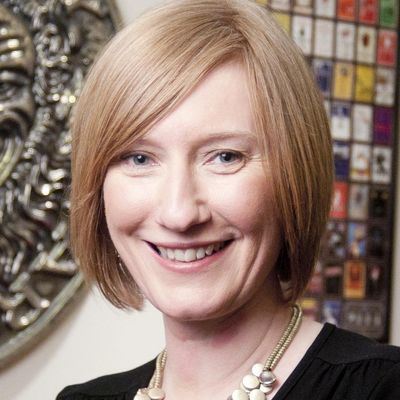
The first Tony Awards ceremony took place on Easter Sunday in 1947. It was a small affair where awards were handed out to notable artists of the day. Some of the winners that evening included actress, Patricia Neal and playwright, Arthur Miller. The ceremony was not televised and took place at the Waldorf Astoria Hotel in New York City. The first awards handed out were a money clip for the men and a make up compact for the women. It took many years until it took the form of an actual award and the only award that spins! Since 2011 Heather Hitchens has been the President and CEO of The American Theater Wing. She herself is an accomplished drummer who started out at a local radio station and then later went into arts management. She counts many women mentors in her life who gave her the confidence to take on leadership roles in the world of arts organizations which is how her career in the arts began at the age of 24.
“The arts is the only sector that I know of that lifts up every sector that it touches.” Heather Hitchens.
Hosted by Ilana Levine, Produced by Alan Seales, part of the Broadway Podcast Network.
Transcript
This transcript was automatically generated and might contain errors.
[0:00] Heather Hitchens: Hi, I'm Heather Hitchens, you're listening to, and The Award Goes To...
[0:22] Ilana Levine: Have you ever dreamed of winning a Tony Award? Did you ever practice your Tony acceptance speech in the bathroom mirror? Did you grow up watching the Tony Awards every year? Do you have a collection of Tony Award shows on VHS tape that you refuse to throw out? Well then this is the podcast for you. Every week I interview your favorite Tony Award winners and together we go down memory lane as my guests share intimate and never before shared details about their Tony experience. By the end of every episode you're going to feel like you just won a Tony. Welcome to, and The Award Goes To... I'm your host Ilana Levine. Welcome President and CEO of The American Theater Wing, Heather Hitchens. Well this has just been an incredibly incredible season.
I mean so much diverse work, so many just like breathtaking performances, but my favorite moment of Tony season every season is the dress rehearsal. It's the time where I get to see the numbers and the show coming together for the first time and I can just really relax and see what a great night is going to be. Heather Hitchens that was you.
[1:40] Heather Hitchens: It was me back when we were on a red carpet and together which we will be again soon with a little more patience.
[1:46] Ilana Levine: Well I wanted to introduce everyone who has been listening to and The Award Goes To and really give them a chance to meet Heather Hitchens who's the President and CEO of The American Theater Wing and all of us who have been watching The Tonys for our entire lives have always heard The American Theater Wing announced as each person wins and as the name of the organization that produces The Tonys and I thought it would be kind of amazing bonus content to have someone who is the most expert on the history of The Wing which I think is like 104 or five years old at this time. Is that possible?
[2:29] Heather Hitchens: We were founded in 1917 so yes we are a very old and wise organization but of course we were first started as a war relief effort by suffragists, women of the theater, before they had the right to vote who wanted to give back to the theater.
[2:48] Ilana Levine: Wow so could you explain more about that? Were they based in New York? Was it always a New York based organization? Were they from all over the country? Like can you give us a sort of mini Ted Talk about the history of this incredible organization?
[3:08] Heather Hitchens: Well they were based in New York but you know one of their most you know famous sort of accomplishments was the Stage Door Canteens which was in New York but they were also all over the world. The American Theater Wing's origins really in many ways was the precursor to the USO and I think one of the really interesting things about that time was that they integrated the Stage Door Canteens you know long before anything was integrated and it really began you know and the American Theater Wing's commitment to diversity and inclusion. The women of the wing were criticized for this on the floor of the Senate and by a Senator Bilbao and they basically responded by saying famously go suck an egg which we would probably say something so these were these were women leaders before they were you know given the platform they took the platform they understood that you know theater could move the needle they understood that theater was central to our way of life and you know to our economy and to our well-being as well as all the many other things that theater does for us so it was really you know it's an amazing history it's a history of women it's a history and a history of theater.
[4:37] Ilana Levine: And were the women involved the founders as it were were they women of the theater themselves in terms of were they writers or performers or producers what was their connection to theater specifically if you know?
[4:49] Heather Hitchens: Writers, performers, producers and in fact the person that the Tony was named for Antoinette as in Tony Perry was an actress director and producer and she was one of our dynamic wartime leaders and she when she passed away the other leaders said let's make a Tony Awards in her honor and you know honor excellence in the theater that was in 1947.
[5:21] Ilana Levine: Okay so that's what I was going to ask you so the first Tony Awards began even though the organization had started you said 1917 I think so many years later was the beginning of this kind of rewarding excellence within the community by members of the community. Can you talk a little bit about the beginning of the Tony Awards and what that ceremony was like?
[5:39] Heather Hitchens: So it was the official debut was a dinner in the grand ballroom of the Waldorf Astoria Hotel it was on Easter Sunday April 6, 1947 and you know there the evening included dining, dancing, a program of entertainment and they handed out some awards. The dress code was black tie optional which is interesting the performers some of the performers that were there were Mickey Rooney, Herb Schreiner, Ethel Waters, David Wayne, 11 Tonys were presented in seven categories and there were eight special awards including one that went to Vincent Sardi the proprietor of of course Sardi's and big winners that night were José Ferrer, Arthur Miller, Helen Hayes, Ingrid Bergman, Patricia Neal, Agnes de Bill. So it was quite the evening but there was no there was no telecast at that time it was just it was a ballroom dinner celebration.
[6:54] Ilana Levine: You know what's so amazing is Cynthia Nixon is one of my guests on this series and she talked about how meaningful it was to her not just to win but that Patricia Neal was the person who presented her with the Tony just because of what she meant to her as an artist but I think when she realizes not only that but the full circle moment of it that she was one of the first to win is kind of incredible.
[7:17] Heather Hitchens: Yeah so it's wonderful when that happens and you know I think you know it's not only getting the award but I think it really it does mean something to people in terms of who presents and that was obviously a very beautiful as you said full circle moment.
[7:33] Ilana Levine: Yeah what now now we all have an image of what the award looks like now. Did it always look like how we think of it today?
[7:41] Heather Hitchens: No actually the first Tony awards were a money clip for the men and a compact for the women.
[7:50] Ilana Levine: Okay.
[7:56] Heather Hitchens: And it was it was years later that we developed the medallion and first it was a medallion and then we put it on a stand and then we put it on a bigger stand.
[8:03] Ilana Levine: Right and now it spins.
[8:10] Heather Hitchens: And yes it spins and our award in the award space is the only award that's dynamic like that that has a moving part to it which I think is really cool because if you look at a lot of acceptances of awards people love to spin it.
[8:22] Ilana Levine: Yeah it's very satisfying. Just to go back for one second and you may or may not know this are there any in a museum somewhere the original money clip or the original compact do they exist to be seen?
[8:30] Heather Hitchens: We do have some of them that have been returned to us. Some sadly have gotten sold you know because it was before we had rules about what you could do with your Tony.
[8:44] Ilana Levine: Right right right.
[8:49] Heather Hitchens: So we do have a few of them and you know that it's always our desire to do an exhibit someday with Tony Awards and American Theater Wing history.
[9:03] Ilana Levine: And were people's names etched into the compact or the money clip or did someone like just run down to a store and buy a couple of each and just hand them out on the night?
[9:08] Heather Hitchens: Nope their names were etched into them and we thought this was so cool that you know when we do our annual fundraising gala to support all of our other work you know our educational work and we give the honoree a compact or a money clip.
[9:28] Ilana Levine: I love that. Was the president of the wing always a woman from day one?
[9:38] Heather Hitchens: No actually because my predecessor you know Howard Sherman ran the organization quite ably for about nine years right before me.
[9:45] Ilana Levine: Okay so can we talk about you a little bit? Tell me your own background, your own relationship to the arts and a little bit of the journey of how we find you here today in this incredibly powerful position.
[9:54] Heather Hitchens: Well yeah it's so funny as how things appear from the outside and how it feels on the inside. Exactly I get it I get it. My journey is I think a journey of the success of having arts education you know from the get and you know in my elementary school I was still I'll age myself a little bit but really even by the time I came along it was starting to be you know taken out but in my particular elementary school there was you know art music and the school play and it was not an elective and it was not separated and it wasn't saying these are the important things and these are not the important things and for me I discovered music you know very early on you know they handed me a violin because that was the typical thing you start on the violin and you start and I for some reason said I don't want a violin I'd like to play the drums so which shocked people during because you know still women drummers nowadays are less of an anomaly but certainly back then yeah they were and you know I think they called my parents to school and said are you aware of this and you know my parents were so supportive I just lost my mom in July and I think I think of the how supportive they were from the beginning so there was a time you know in my childhood and in their house that we had a drum set in one room a marimba and another room four and a half octaves timpani in another room and they were just super supportive the whole time but it was a place where I found my home in a way and my creative home and
[11:59] Heather Hitchens: And so, you know, and I played in all kinds of ensembles. I played in the pit for theater all through school and then went to school to study music and got my degree in music. And when I was graduating, I wasn't sure what I wanted to do. I had an interest in the sort of business side of things. I'm not sure why. It may be that my dad was a business person. And I was working at a local radio station in Doylestown, Pennsylvania. And I was the traffic manager, which is not shadow traffic. It was really like making sure the commercials didn't over... You didn't have two grocery stores at the same time. It was a job, right? So there was a woman that did a culture show on that radio station, though, and she kind of pulled me aside and said, hey, kid, what are you doing here?
And I said, well, you know, I graduated. I need a job. And she said, you should go in downtown Philly, go to the American Music Theater Festival. You should apply for an internship. They're going to pay you more and you need to get to work doing something with your degree. And so I did. And I was hired by the American Music Theater Festival in Philadelphia, which has a glorious history, later became the Hal Prince Theater. Unfortunately, it's not in existence today. And started working in development, fundraising, which was terrifying to me. But the producing director at the time, Marjorie Samoff, was an extraordinary person that really amazed me because she would go into corporate offices and talk vision about theater and they would throw money at her.
And I was like, oh, that's really interesting. That's really fun. So anyways, I started in development. And also when I was at the American Music Theater Festival, I had another wise woman said, hey, kid, what are you doing with your life? You should go get your master's degree up at Drexel in arts administration. So I did that while I was working for the American Music Theater Festival. And then from there, went down to Delaware and to be the development director of the Delaware Symphony. And through a variety of circumstances, the interim director that was there left. I'm 24 years old. And the board says, do you want to be the executive director? Oh, my God. Talk about right place, right time.
And I have good instincts, but I didn't know what I was doing. I remember calling my father that day and he said, what happened? What happened at work today? And I said, well, let me tell you what happened. And he said, well, what did you say? And I said, I think I said that or, you know, something. And he said, no, no, you should go. You should do that. You can do this. And, you know, just you need to you need to say to them what you need from them to succeed. So, you know, there I went to the chairman of the board at the time was the chairman of AstraZeneca. So I marched up to his office, my 24 year old self, and said, listen, I'm going to take this job. But here's the kind of support I'm going to need for the board to do it, which is.
And there we go. And off we went. And and then from there, I came to New York to work for Meet the Composer, which was an organization that I had admired so, so deeply because the founder, John Duffy, was a composer, but he he was all about like, you know, excellence without aesthetic prejudice. So, you know, he supported commissions and residencies for composers writing all kinds of, you know, styles of music. It was like, is it good? Yes. You know, Dan also composers writing for dance, for opera, for avant garde, for theater. And it's really, you know, through there, I have, you know, developed a real empathy and connection to the creative artists and, you know, what they go through. And, you know, having sat next to composers who are now friends at their premieres and held their hands, you know, it's that it is such a, you know, act of courage to put their ideas down and then hear them in front of an audience.
And so it really, really, you know, was very, you know, important part of my background to work directly with composers like that, and then was there for about a decade, a little more than a decade, and got a call one day from somebody I had met once or twice, and who said that Elliot Spitzer was looking for somebody to run the New York State Council on the Arts. And was I interested? And I said, well, I'm not sure what that means. But and I don't, you know, I don't have anybody that makes, you know, political contributions, because oftentimes those appointments are about that. Right. Right. So I just, you know, I'm not coming from that point of view. And they said, no, he really, he really wants to get somebody from the industry.
And we think you can do it. So please get me your resume. So I did. And, you know, time went on. And I, they said, we'd like you to come meet the governor. And I remember saying to a friend at the time, I guess I'm a finalist. And they said, No, dummy, you're not a finalist. You got this. The governor is not going to meet with finalists, you and you can't, you better decide before you go. If you're going to say yes, you can't say no, once you're in there. So well, wise friend, this was because there I was, and I sat there and they, the appointments person met me and said, you know, we're offering the job, this is the salary. And now I'd like to come, you know, take you back to meet the governor.
Who was the governor at the time? Elliot Spitzer. Okay. So had a wonderful, wonderful conversation with him about the arts. And his understanding of the arts, it excited me, it was taking me further away from my creative self. But I had, you know, struggled and watched so many artists struggle, that I thought, if I could get on the inside of something that I could make more equitable, more accessible, more, you know, artist centric, that would be a good thing for me to do. And I really believed in how he spoke about the arts. And I believe, and we're in this time of economic downturn, that the power of the arts in terms of the economy, yes, the arts does all this other stuff that uplifts. In fact, the arts is the only sector that I know that uplifts every other sector that it touches.
[19:03] Ilana Levine: Tell me what you mean by that.
[19:05] Heather Hitchens: Well, we know what it does for the economy. You know, it is, it's a, it's a massive, you know, and as Broadway comes back, they're going to need Broadway to come back for the restaurants to come back, right? For the local businesses to come back. Right. It's such a ripple effect in that way. And if you look at, and 68% of tourism is driven by arts and culture. That's the majority. Right. We are, we are a powerhouse in the arts in terms of what we do for the economy, what we do for making a place, a place, you know, making a place, a great place to live, work, and, you know, raise a family. Education, it's, you know, it's undisputable. We have, we have piles and piles and piles of data about how it improves academics, improves attendance, you know, improves, you know, the sort of the nature of the school experience.
And, you know, with COVID, it's going to be really important because these kids haven't been together for how long, you know, it's failure that's going to help them interact again. So when you're hired by the governor, what specifically was the ask? What was it that he was looking for you to do to bridge, you know, government and arts at that point in time?
[20:25] Heather Hitchens: I think it was to elevate the arts, to, you know, demystify this notion that, you know, arts is a frill, arts are central. You know, we, we talked about the economy, we talked about education, but, you know, when people, you know, even in neighborhoods, when they put arts in there, it also reduces crime. There was a big study in the times that I was, you know, quoted in the article about, which was about how participation in the arts also improved your health. So that's really what I mean when I say the arts and culture, you know, everything it touches, it improves. Right. And I don't, I don't think there's another sector that does that. Right. That has that kind of wingspan. So that's, so there, so there I was, and, and I, I stayed for, for the term of an appointee of my four years, and then was trying to say, you know, I liked it a lot.
I felt very productive, but I, I wanted to get my hands a little bit more directly on things again. And a friend that was working at the Doris Duke Foundation at the time said, you know, what you should do, you should go run the American theater wing. And, and I said, oh, that sounds interesting. And you know, the rest is history. And one of the things that really appealed to me about the wing specifically is that the wing is unique in that under one umbrella, we have commercial theater, avant-garde theater, non-profit, for-profit. And, you know, in my sort of couple of years in government, one of the things I noticed in terms of it got in the way of our advocacy was that we had so many silos, right?
Here's commercial theaters over here, not-for-profit theaters over here. The big institutions are advocating for this. The small institutions are advocating for this and the artists felt left out by everyone. And so it seemed to me that we had a long history with artists too. We had commercial theater and not-for-profit theater, you know, under the same roof. And it was an interesting opportunity to work in trying to bring those silos more closely together.
[22:35] Ilana Levine: When so many people are looking to you for so many things, and, you know, as you just said, I mean, the wing is not just the Tonys, it's the Obies, it's the series Working in the Theater that so many of us watched. And that was our like pipeline to every kind of career in the theater, as well as just watching, you know, our favorite artists get to talk about their work. How do you hold on to yourself when there is so much going on all the time and so many people pushing you in so many different directions?
[23:10] Heather Hitchens: Well, I think you have to really go through a process. And certainly when I got to the wing, I had like, you know, okay, this is step one of what the most important things are, you know, and how you're going to divide your time. And, you know, divide your time. And, you know, and that's an ongoing process in and that, you know, in a not for profit, like we are, that has to be a process that, you know, I'm very much in conversation with my senior staff, and my board about what those priorities are, because you can't be everything to everyone. And there certainly is an expectation that you are. And I think one of the things as a leader, you know, there's that old phrase, it's, it's lonely at the top, it is lonely. You know, and
[23:59] Heather Hitchens: There's always going to be someone that says, well, you didn't do this or you didn't do that. And that's, you know, that's just part of, that's just part of the package of being a leader. And, you know, I teach now, and I'm the faculty of Baruch's Master's in Arts Administration program, and also at SUNY New Paltz in the Theater Arts program. And one of the things I say to my students is, you have to develop your internal evaluation system. Like you have to say to yourself, I advanced the cause today, I can put my head on the pillow. Because nobody's, and that's true. I mean, and nobody knows this more than our actors, right? If they're looking for outside validation, it's an internal job. And that's true with this too.
And, you know, in my early days, when I was really ill prepared to be an executive director, and I didn't know what the heck I was doing, it was harder. Experience does help you know, oh, I've been through this before. Okay, this is how you deal with this. And I do remember though, and this is my father giving me great advice one time after that early acceptance of that Delaware Symphony executive director job, sitting there, you know, and I called him and I said, you said I could do this, but I don't know what I'm doing. And he said to me, are you paralyzed? And I said, totally. And he said, I'm going to tell you something right now, you have to start making decisions, stop, you know, you can't be frozen, you have to make decisions, you're going to make good decisions, you're going to make bad decisions, you better hope to hell your good decisions outweigh your bad decisions, you better be able to explain them all. And if you make a mistake, take responsibility for it. And you know what, that's really it, in a nutshell.
[26:12] Ilana Levine: So as what sounds like an incredibly proficient, skilled, passionate percussionist, I mean, you describe your childhood home, and it sounds like, you know, Sony Records in terms of all of the different music rooms set up. Where is that? Now? Where is that for you? What is your relationship to playing?
[26:20] Heather Hitchens: Well, you know, I do play and more so now in when I, you know, about six years ago, my husband and I bought a house before the influx up here in the Catskills. And so you know, my Brooklyn apartment, I do have a four and a half octave marimba that my high school teacher secured for me. And that works, but you know, drum sets in Brooklyn apartments don't work. So I had sold my drums, but my mom and dad who were out in Sacramento area, had kept my cymbals and my snare drum, because that's, those things are very personal, like, you know, once you find that the right, this is gonna nerd me out here. But once you find the right cymbals and the right snare drum, like those things are very important.
So anyways, they were out in California. And a couple of years ago, my husband said, Hey, meet me at Sam Ash after work. I think we should get you some drums so you can go again. And of course, I walked in, you know, to the refrigerator room where all these hip guys were, you know, there and I walk in, you know, like looking businessy. And I'm like, Okay, you know, this, this, I think that set will do for me. And my husband's like, Well, you, I can't let you buy a drum set that you don't play. And I thought, I'm not gonna play in front of these guys. And the next thing I know, he's like, you got to play it, you got to play. So I think the guys that work there knew how nervous I was. So they kind of sort of disappeared to the corners. But I don't remember what happened. But my husband said, I played and they were like, Whoa.
[28:03] Ilana Levine: I love those. It's like a movie moment. I love it.
[28:07] Heather Hitchens: And, and, and, and, and my husband, Felix said, I got a lot of credibility after that, because they're like, Dude, we've got your wife's drums. Like, and so it's, it was, but you know, the muscle memory, if you've been doing something since first grade. Yeah, it's still there. And you still have that outlet for you. So now I have, you know, my, my, my setup here in the basement of, of the house. So at least, you know, when I was going back and forth, I've been here since March, like, everybody's been in place in March, you know, I will go down and play. And, you know, and it's really important to me that, that connection with my creativity and, but it is something and I, you know, I, I, at Baruch, I, in my cultural policy class at Baruch, I end up having a lot of dancers who can't dance anymore, who have decided to get their master's in arts administration.
And, and they're just the best students. And I mean, I love these students so much. And, you know, I said to them, you, you don't understand that you are going to be such a great person to have on the administrative side, because having that empathy for the artists, what they go through, having, you know, had to create something, had to perform something I think is really, really key. You know, it's really, really key because it's the artists that we exist for. It's the artists, you know, with, you know, yes, we make money on things and yes, we do these things and we, and there are those sides, but we're doing it because these artists are making and performing great work. And so it's the one thing that I think does keep me grounded when things get crazy or everything else is, hey, I can go downstairs and bang on the drums, but, but most importantly, but why I'm doing this and why I believe in doing this.
So I, you know, I think that's, it's served me well. And, you know, I don't have, you know, big dreams about, you know, playing professionally as I, you know, I look forward to a retirement someday when I can, you know, focus on some of my other things, but I've never, it's important to me. It was very important to me that I did get those drums and that I still go back down and practice. And through the pandemic, I've practiced almost every day because it's the why.
[30:39] Ilana Levine: Mm-hmm. So I want to just circle back because my show focuses on the love for all things Tony's, not just because it's such a celebration of what's going on each season, but how it was the way people around the globe who can't come to New York, either get to feel a part of it, or it was what turned them on to theater to begin with, right? It's how they learned that there were communities of people just like them all over the world that they might not have known about otherwise. What does the Tony's mean to you?
[31:22] Heather Hitchens: Well, the Tony's, I mean, it's so many things, but I think the Tony's are the only celebration of the live performing arts on broadcast television. And it's just what you say. I mean, we were just talking about this the other day, that beyond everything else it does in terms of validation, it's a great source of discovery for people, as you were saying. Yeah. Right? Discovery, hey, maybe I want to do that. Or, as you just said, there are people like me, you know? And so I think that the fact that it just is such a celebration of the live performing arts, and that it's national and international, really, and hits so many people, I think that's so important. I just think it's so important because it is a way in which, like, this is what we are.
And, you know, as opposed to all the other award shows, you know, we have a particular challenge with the Tony's in that the Tony's is the beginning of a conversation with the national audience, whereas with the other award shows, it's the end of the conversation, right? The movies are out, the albums are out, and you know what I mean? Yeah. For us, it's like, hey, come to Broadway and see a show, and here's what's going on here. So I think it's that way to also, and we will have tourism again, to invite people to come to the special place that is Broadway. And it's a way to also say, and I've been so, so, so proud in the last couple years to see that the kinds of work, just the vast diversity in the kinds of work that's being done and celebrated. And, you know, it's like, I feel, you know, and of course, I have no objection.
[33:06] Ilana Levine: Right, it's your baby.
[33:09] Heather Hitchens: Yeah. When it comes to this, it's like, Charlotte St. Martin at the Broadway League and I say, always say, don't ask us what our favorite shows are, they're all our children. So, um, you know, it is this, it is this place where I feel like, you know, anybody watching can find something that they, that would be inspiring to them. And, you know, I look forward to more of that. I think we need to tell more stories. We need to tell more diverse stories. And I look forward to celebrating those stories on the Tonys so that I don't, I want everyone, you know, no matter what their background, gender, you know, ethnicity, race is to say there's a place for me in this business on stage and behind the scenes.
[34:00] Ilana Levine: Well, I think we all really look forward to that. And, you know, we're speaking during the early part of 2021 when we're still in a pandemic here. And, um, but this episode is going to live forever. And so I'm really grateful that people are getting sort of a snapshot of this moment in time, but also what we all have to look forward to when, when this intermission is over and we all get to be together in the theater again. So Heather Hitchens, thank you for all you do, not just with the Tony awards, but all of the things the wing does in terms of making programs available to young people all over the country, um, to give them access to, to theater in all sorts of ways. And I know you're constantly building bridges in that way, and it really is an incredible organization. And so thank you for sharing so much of your own history today and telling us more about the wing. I really appreciate it.
[35:00] Heather Hitchens: Well, thank you. And we should end by saying to all those young people, there will be a theater to come back from. This is not a time to give up on your passions. We will be here for you to welcome you into the industry.
[35:12] Ilana Levine: Oh, thank you, Heather. That's perfect. All right. Be well, stay safe and play those drums.
[35:25] Ilana Levine: Okay. Thank you. And the Tony goes to is produced by Alan Seales for the Broadway Podcast Network. The music and lyrics for the theme song were written by Georgia Femusa, theme song orchestration by Alexander Sage Oyen. Episodes are edited by Derek Gunther. Thank you to Parody Bill for the graphics. And please don't forget to go to the iTunes show page and rate and review the show. Thanks for listening. Excerpt from the Tony Awards used with permission of Tony Awards Productions.
© Broadway Podcast Network, All Rights Reserved