

The effervescent Laura Osnes joins Justin to discuss healthy competition, the value of kindness (and baked goods) in a difficult industry, and how Broadway absolutely didn't eat her for breakfast... Read More
From the show: Audition Secrets
Guests

Featured Shows


About
The effervescent Laura Osnes joins Justin to discuss healthy competition, the value of kindness (and baked goods) in a difficult industry, and how Broadway absolutely didn't eat her for breakfast.
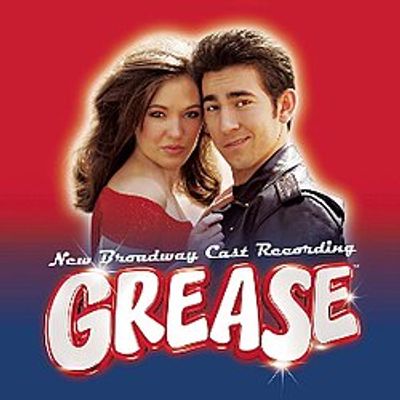
Laura Osnes is a Tony-nominated and Drama Desk Award-winning actor and singer known for her work in Broadway shows like Cinderella, Bandstand, Bonnie and Clyde, Anything Goes, South Pacific, and Grease. Her new film, "In the Key of Love," premieres July 1 on the Hallmark Channel. Connect with Laura on Twitter and Instagram at @lauraosnes.
For more Audition Secrets and full show notes, visit http://www.auditionsecrets.com.
Follow Justin at @justinguarini on all social media.
Join our Facebook group and keep the conversation going at https://www.facebook.com/groups/auditionsecretsvip!
Transcript
This transcript was automatically generated and might contain errors.
[0:00] Justin Guarini: My story is very unconventional and learning to follow my heart, again, the courage to leave school, the courage to fly to LA and stand in line with thousands of people and audition, the courage to maybe come to New York and just put yourself out there for a while. It's taking that leap of faith if you know deep down in your heart that this is what you were put on the planet to do and plowing your own path.
[0:31] Justin Guarini: Hi, welcome to the show. I'm Justin Guarini, an entertainment industry insider and veteran, and I have been operating on a national level as well as an international level for about 20 years now in Broadway, film, television, hosting, commercials, you name it. I have most likely done it or been around it, and I created this podcast called Audition Secrets, the podcast, so that you could have a direct link to the wisdom and insight that I've gained over those past 20 years, but also the stories, the heartbreaks, the victories, and everything else in between of some of your most favorite and cherished people in the entertainment industry. I'm so lucky that I have access to some of the one-name folks, to some of the legends, as well as you, my people, my fellow hardworking entertainers, actors, performers.
This is not all about me just wanting to invite on some really cool friends of mine and share some really great stories. I want you to be able to take bits and pieces of this show, wisdom that you hear, behind the scenes things that we talk about, and I want you to use them to help you nail more auditions and book more jobs. I want you to ask me questions because I love to teach, I love to serve, and I want you to be able to take this podcast and to use it to help you get further in your career and to reach more of your goals. We got a great show for you today, so kick back, relax, and enjoy the show.
[2:10] Justin Guarini: Hello and welcome to another episode of Audition Secrets, the podcast. Your behind-the-scenes podcast for nailing more auditions, booking more jobs, and hearing the stories, the ups, the downs, and everything in between of the stars that you know and love, as well as the hardworking actors who are around you in the entertainment business. I'm Justin Guarini. Thank you so very much for tuning in. We've got a great show for you today. On the show is Laura Osnes, the lovely and talented Laura Osnes. We have a great interview, but before that, I want to talk about something that she mentioned in our interview. She talked about being true to yourself and following that voice inside you that says, I am meant for this, that says, this is what I'm supposed to be doing, and you know what?
It might not make sense what it is I'm doing right now, and my family, my friends, they all might be like, you're crazy, but I just know it's right, and I had an experience like that. I talk about it in Audition Secrets, the book, and if you haven't gone to auditionsecrets.com to check out all the great things we have for you there, please do. Not only can you get the digital copy of Audition Secrets, the book, for free, but you can also ask me a question there. You have to hit a little button that says, ask me a question, and you can leave me a voice memo, and I'll play it live here on the air. I would love to hear from you. I would love to serve you, answer your questions, as many as I possibly can.
I'm thinking about having some guests, some of my friends, hardworking Broadway friends, come on the air, and we can all answer your questions together. Any of your concerns, we just want to serve you. That is what this podcast is about. But back to the story, I had an experience with being true to myself and making a decision that felt crazy at the time. So let's go all the way back to 2002. I know, it feels like forever ago, but I was 22 years old, and I was facing the dilemma that everybody goes through at some point in life when you realize, okay, I have got to probably either continue to do what it is that I'm doing and stick with it, or I've got to get a jobby job because, you know, I got bills, I got all kinds of things that I need to pay for.
And so not that long before that, I was in college. Now, let me just tell you, I was a terrible student in college. Absolutely horrible. I was really good at what it is that I did, but when it came to the liberal arts classes and all that stuff, I was just... It was so bad. And so I had left college and went down to Miami and pursued music, and I had been auditioning, and I got this audition for The Lion King. And I talk about this in my interview with Laura, so I'm not going to ruin it for you. But I will tell you that I did very well in the auditions, and they invited me to master classes in New York. And here I was going to the Broadway, being trained by people who were in the Broadway show.
I was learning Zulu and Sotho. I was seeing the show. It was the most beautiful thing ever. And at the end of the day, they just said to me, look, we love you. We want you in the show. We just don't have a place for you, but we're going to stay on you. We're going to make sure that you get into this show. Now, I didn't have a manager. I didn't have an agent. I didn't have anybody. It was just me. And so weeks go by, and months go by, and years go by, and I have not heard anything except for little, hey, we're just thinking of you, all this other stuff, these little things from The Lion King people. Fast forward to 2002. I am in the room with Simon, Paula, and Randy, and I audition, and they say, you're going to Hollywood.
You get a golden ticket. And I didn't know what really that meant. It just was a yellow piece of paper. Nobody knew what it meant at the time. I just knew that I was going to get a free trip to California, a place that I had never been before. And so about a week before I was supposed to get on the plane to go to Hollywood for the beginning of American Idol's next round of auditions, I get this call from Binder Casting. Now, Binder Casting, and Jay Binder, is the casting director who casts The Lion King. And so years after I first auditioned in college, they call me up and they say, hey, we have a space for you. We want you on The Lion King. We want you to make your debut on The Lion King. We are so excited.
When can you start? And there I was, knowing that in a week I was going to go to LA where I could possibly be cut or do well. I had no idea what was going to happen with American Idol, the show that no one had heard of. And then on the other hand, I've got The Lion King, Broadway, what I've been after for years, what I went to school for, saying, we're ready for you. Come on, let's do it. And so in a moment of inspiration, I said, look, you know what? Can I have a week? I'm going out to LA to possibly do this other show. I may be cut. Can I call you back in a week? And they said, yeah, okay, sure. Just call us back in a week. They weren't very happy about it. And so a week goes by. I'm in LA.
Things are going really well. And I was beginning to emerge as a front runner. No guarantees yet, but I was singing. People were liking it. Simon, Paula and Randy were enjoying it. My peers were really enjoying it. And I just had this feeling. And so it brings us back around to what Laura said, what you know that you are designed and you are destined for something. And there is in front of you this chasm and everybody is saying, what are you an idiot? Don't do that. But there's something inside you that just knows. I don't know what it was that knew inside me. I think the moment for me was when I was walking down the aisle in the Pasadena Civic Center where we filmed Hollywood Week. And I look up at the stage and that was the stage where Michael Jackson first did the moonwalk at the Motown, I think at 50th anniversary or something like that.
That was the stage where so many of the people that I loved, so many of the people that shaped who I am sang and performed. And I'll never forget the moment for no apparent reason at all. And ladies and gentlemen, I am not a crier. I consider myself open. But especially at the time, I burst out into tears as I was walking down the aisle, just going to sit in the chair to wait to do some sort of something for the Hollywood Week taping. And something came over me that just said, this is it. This is right. This is what you're supposed to be doing. And so I literally called Broadway back and said, thank you. But no, thank you. It wasn't that simple, obviously. I was like, look, I really appreciate it.
I've wanted to be on Broadway for so very long. This show is amazing. I love the Lion King. Please keep me in mind for the future. But I just feel like there's something that's good and that's going to happen with this other show. Needless to say, they were not best pleased, but they understood. And it was in that moment that I realized I just made a huge choice, a life altering choice, one of those forks in the road that only comes maybe once, twice in a lifetime. But the really interesting part about this story goes back to that belief in yourself, goes back into that staying true to yourself. And when you put your heart and soul into something and you don't get it, you don't get what it is that you want, sometimes it's because you're not really truly ready for it.
And I don't know if I had gone into The Lion King at 22, I don't know what would have happened to my life, but I'm glad that I didn't. I'm glad that I spent that 10 years in Hollywood going through the Hollywood entertainment ringer because it prepared me for everything that would happen 10 years later. I got my very first Broadway show. My debut was Women on the Verge of a Nervous Breakdown. I had Patti LuPone as my mother, Brian Stokes Mitchell as my father and an all star cast of people around me. And the really funny thing is the opening night party was held in the hotel in Times Square, in one of the conference rooms where I sat and waited and auditioned for American Idol. I had come full circle and what needed to happen, happened when it needed to happen.
It's great. I love this business. There are so many people who have so many stories just like that. And I can't wait for you to hear Laura Osnes' story because so many of the things that we have gone through in our careers are very, very similar. So without any further ado, it is my absolute pleasure to present to you my interview with the wonderful, the talented, the beautiful, the sweet, the kind, I cannot say enough good things about her, Laura Osnes.
[11:00] Justin Guarini: Hi, Laura.
[11:01] Laura Osnes: Hi, Justin. How are you?
[11:03] Justin Guarini: I'm doing really well. How are you, my dear?
[11:06] Laura Osnes: I'm so good. Thank you so much for having me.
[11:09] Justin Guarini: Oh, of course. So, you know, it's very interesting. When I was doing, we've known each other for a while now, but when I was doing a little bit of research on you, in regards to like how we got into the theater and the performing sort of space, we have a lot in common. You were born in a small town in Minnesota. And what I love to ask people, first and foremost, is about their origin story. And when I say origin story, I mean superheroes have origin stories. One of the most famous one is Peter Parker. He got bit by the spider and all of a sudden became Spider-Man and it changed his life. So what is your origin story? What's that earliest memory that you have of falling in love with performance and theater?
[12:05] Laura Osnes: Such a good question. Fortunately, I grew up in a suburb of Minneapolis. So I feel like even though it's quote small town, I was very much still a part of the creative arts and the theatrical scene that was happening in the Twin Cities, which is actually very strong. We like to call ourselves the mini Apple as opposed to the big Apple. So I did.
[12:26] Laura Osnes: I think the biggest thing that I learned through my journey is that the audition process is so much more than just the performance itself. It's about connecting with the people in the room, and I think that's what makes a lasting impression.
[12:56] Laura Osnes: I remember going into auditions and feeling like I had to compete against everyone else, but then I realized that the best way to stand out is to just be yourself and bring your own unique perspective to the role.
[13:24] Laura Osnes: Kindness goes a long way in this industry. I always try to remember that everyone is in the same boat, and we’re all just trying to do our best. A little kindness can make a huge difference.
[13:44] Laura Osnes: And honestly, sometimes it’s the little things, like bringing baked goods to an audition or just being friendly, that can help create a positive atmosphere.
[14:04] Laura Osnes: I think it’s important to remember that Broadway is not out to get you. It can feel overwhelming at times, but it’s also a place where you can find support and community.
[14:24] Laura Osnes: I’ve had my share of ups and downs, but I’ve learned to embrace the journey and appreciate the moments that have shaped me as a performer.
[14:44] Laura Osnes: There’s so much pressure to be perfect, but I think it’s more about being authentic and vulnerable. That’s what really resonates with people.
[15:04] Laura Osnes: I’ve always believed that if you can make someone feel something, whether it’s joy, sadness, or inspiration, then you’ve done your job as a performer.
[15:24] Laura Osnes: I think that’s what audiences are looking for—an emotional connection. They want to feel something real and genuine.
[15:52] Laura Osnes: And that’s why I love musical theater so much. It has the power to tell stories that can change lives and bring people together.
[16:20] Laura Osnes: I’ve been fortunate to work on some incredible projects, and each one has taught me something new about myself and my craft.
[16:40] Laura Osnes: I think it’s important to keep pushing yourself and stepping out of your comfort zone. That’s where the magic happens.
[17:00] Laura Osnes: I’ve learned to embrace the challenges and see them as opportunities for growth. It’s all part of the journey.
[17:20] Laura Osnes: And I think that’s what makes the audition process so valuable. It’s not just about getting the job; it’s about learning and evolving as an artist.
[17:40] Laura Osnes: I’ve had auditions that didn’t go well, and I’ve walked out feeling defeated, but I’ve also had moments where I felt proud of what I brought to the table, regardless of the outcome.
[18:00] Laura Osnes: I think it’s all about perspective. Every experience, good or bad, contributes to who you are as a performer.
[18:20] Laura Osnes: And I think that’s what keeps me motivated—to keep learning, growing, and finding new ways to express myself through my art.
[18:40] Laura Osnes: I’ve always been passionate about storytelling, and I believe that every audition is a chance to tell a story, even if it’s just for a few minutes.
[19:08] Laura Osnes: I think that’s what makes it so special. You have the opportunity to share a piece of yourself with others, and that’s a beautiful thing.
[19:28] Laura Osnes: I’ve learned to cherish those moments and to approach each audition with an open heart and mind.
[19:48] Laura Osnes: It’s all about finding joy in the process and remembering why you fell in love with performing in the first place.
[20:16] Laura Osnes: I think that passion is what drives us as artists, and it’s what keeps us coming back to the stage time and time again.
[20:46] Laura Osnes: I’ve had the privilege of working with some amazing people in this industry, and I’m grateful for the lessons they’ve taught me along the way.
[21:06] Laura Osnes: I think it’s important to surround yourself with people who inspire you and challenge you to be your best self.
[21:26] Laura Osnes: And I hope that by sharing my experiences, I can encourage others to pursue their dreams and never give up on what they love.
[21:54] Laura Osnes: It’s a tough industry, but it’s also filled with so much beauty and opportunity.
[22:22] Laura Osnes: I believe that if you stay true to yourself and keep pushing forward, you can achieve amazing things.
[22:52] Laura Osnes: So, to anyone out there who’s feeling discouraged, just remember that you’re not alone, and every step you take is part of your unique journey.
[23:20] Laura Osnes: Keep believing in yourself, and don’t be afraid to feel all the things—joy, fear, excitement, and everything in between.
[23:50] Laura Osnes: That’s what makes us human, and that’s what makes our art so powerful.
[24:19] Laura Osnes: So, let’s keep feeling things and sharing our stories with the world.
[24:52] Laura Osnes: I think it's more of the, I've gleaned, I've gleaned over time. You know, one of the things I remember kind of about replacing in a show, like I replaced Kelly O'Hara in South Pacific, and she couldn't have been kinder to me. And I was, you know, it was, I was completely intimidated and whatever. And I got to trail her one night, and she was just so normal, and open and honest with me. And then I also remember even like my first couple performances, there were a few members of the cast specifically, that like took me under their wing and made me feel really welcome there. And so going on in future productions, like as a leading lady, I tried to do the same thing for like replacements in Cinderella.
For example, you know, on opening night, we all had this tradition where we threw a penny into the wishing well, there's a well that like a set piece that was a wishing well. And on opening night, the original cast all threw pennies in there. And as new members of the cast started to join, and you know, the show ran for a long time, so we had a lot of changeover. On everybody's first night, I would make sure I would take whoever the new person was, and like, give them a penny and let them throw it into the well. And, you know, things like that traditions that start to make sure that everybody feels included and welcome and a part of something because I remember feeling like a fish out of water.
And the few people that really helped me and extended that olive branch when I knew nobody, just made all the difference. So things like that. I remember working with Sutton in Anything Goes, and she, her opening night gift to everybody was bagels every Sunday. So for the entire run of the production, she ordered bagels and had them at the theater. So just like generosity, things like that, where it's like, what, how can I be a positive, a positive leader when it's my turn to be when I'm called to be that? Leaving my dressing room door open. So, you know, things like that, making yourself accessible, and trying to keep the atmosphere light in rehearsal, even in serious moments, you know, having a good time with your castmates.
I love to bake. So I feel like my act of quote, generosity is like bringing in baked goods and cookies and brownies every once in a while. You know, so it's like finding that finding those things that can help you be a leader in a cast and just make you relatable, make you relatable and to the rest of the people and approachable, I think. And then also having a life outside of the theater, being able to, I just learned that too, over time, people, you know, have just said that to me, it's so easy to get caught up in what we do. And it's important. It's important to get caught up and invested in what we do. I think that makes us great at what we do. But making sure you have a grounding force outside, whether you know, for me, I'm married, I have my amazing husband, I have my dog at home, who I love so much.
We're connected to a church community in New York, we just bought a lake house in Connecticut, that's going to be like our escape and our getaway. You're having those things outside of the theater district that help keep you grounded and sane.
[27:57] Justin Guarini: Those are some amazing points that you brought up. And everyone that I know, who is a star, whether it's Patti, David Hyde Pierce, you talk about Sutton, Kelly O'Hara, you, all of those people have that similar thread of leadership. And they always make sure that no matter who you are, or what title you do or don't have next to your name, that they are accessible, that they take care of their people. And I mean, I've heard so many of the stories of the people who are the real stars, who are the consistently working actors do that. And I think it's so important for people to hear that, you know, it doesn't matter just on Broadway, but even in your local dance troupe, even in your local theater, reach back and you can just take someone who might be new, someone who might be unsure, someone who is just feeling like you said, a fish out of water and just take their hand, you can make, you can change someone's life by doing that.
[28:59] Laura Osnes: Yes, absolutely, absolutely.
[29:01] Justin Guarini: It's such a beautiful, beautiful, that is the fact that you've gleaned that from those wonderful people and that you continue that tradition on is part of what we do, what we, the we, I mean, the community, the people who are the lovers on Broadway do. And you know, Broadway is all about competition and about, you know, scrambling over the backs of your compatriots, but it's, it's not right. We are a small tight knit community and we take care of one another. And that's, yeah, I would say it's like 95% is that, and I, you know, occasionally there's going to be some drama. Occasionally there's going to be, you know, tips and things that happen, but drama, the theater, but I think at the end of the day, being kind, kindness goes a long way and people want to work with kind, hardworking people.
And I just feel like you'll continue to work and at least have a home or success in the, in the business. If you work hard and you're kind. Kindness goes a very long way and you might be the sweetest, kindest person I have ever met, but everyone has a butler. And I would be remiss if I did not ask you what it, cause you're just, you're like the picture of sweetness and light, but like, what is one thing, what is one thing that makes you seethe and want to be like Nora Osnes' evil twin, Nora Osnes? What, what, what makes Nora Osnes seethe?
[30:28] Laura Osnes: Let's see. Thank you, by the way, for saying that. And I, I have to, I'm going to follow this up with another thing after, but I'm going to answer your question first and say, let's see, I tend to be very competitive. So I, yes, I, I'm a big kind of gamer and I've gotten better, but if people don't like follow the rules or things like that, I did, I kind of really put my foot down. I started to have a little more grace for it because it was extreme for a time where I would be like hurting people's feelings and I go, okay, this is supposed to be a game. This is supposed to be fun. And I am like, you know, I am like putting my foot down about like rules and things like that. And I tend to get a little impatient if, I don't know, like I, if, if like I know the answer to something and someone doesn't know, it's crystal clear to me.
I'm like, why don't you know that? It's obvious. You know what I mean? Things like that. I need to get more, I need to get more patience for the things that, you know, someone may not know. I don't know a lot of things. There are a lot of things I don't know. So who am I to think I know everything? So I, those I think are my two, my weaknesses.
[31:33] Justin Guarini: That's great. And you know, I love that because, you know, everyone gets to see just like it's what it's like with success. You know, everyone gets to see the success that you have. They don't see like the hours that you slogged all the failures that you've had. And it's like everyone gets the princess, the beautiful, sweet princess walk across the stage, but no one gets to see what you're like across the game of Pictionary when somebody breaks the rules. And I love it.
[31:55] Laura Osnes: Thank you. Thank you very much.
[31:57] Justin Guarini: I, and I wanted to follow up with that is that, yes, you know, I, and I don't actually mind having that persona and, you know, having people think of me that way. Yes, I'm a Midwestern girl. And, you know, I have those values and, you know, people have kind of painted me as a princess, but I remember a few years ago, actually during Cinderella, I did this like six hour interview with a reporter from the New York Times. I'm being really honest with you here. And he like, they came to my house, they like chatted, like they really wanted to get to know me. And, you know, they do these features every once in a while. And, you know, I felt like I was putting my best foot forward. And I remember the title of the article came out and it was called glass slippers and goody two shoes.
And I'm going to cry about it thinking about it right now. Like I remember being so stung by it because I feel like niceness and kindness actually has like this negative connotation or like a shallow connotation. And I'm here to say that that is not true, or it shouldn't be true. And I felt, yeah, just so like, stung by after spending six hours with me, like, that's what he got out of it. And I was like, I've been through some crap. I worked really hard. I am a real person. And I am still positive. And in the midst of this crazy city and sometimes dark world that we live in. I just I am still a champion for light and positiveness and kindness because I just, but in the midst of it, sometimes I feel like it does get a bad rap or a shallow reputation sometimes.
[33:39] Justin Guarini: Yeah. And you always hear people. It's like, you know, the squeaky wheel gets the oil or whatever that phrase is. And like, it's just not always necessarily true. But I have a story that's kind of like that. Not too long after American Idol, I really stepped back from the spotlight because I was just being burned, like left and right. And I pride myself on being kind. I pride myself on being someone who is easy to work with and and flexible and as a team player. And so when I did an interview with I think it was Entertainment Weekly or something like that. And I was it was this totally open, kind, self deprecating interview where I just was like, Yeah, this is that this that and and I really wanted to have fun.
So I went to Oh, I forget what mall that was in LA. And I wrote on this sign, we'll sing for food. And like, and and sat outside of the mall as just like a joke, like saying, Hey, I don't take myself uber seriously. And, and they took that they took my kindness, my vulnerability, my openness, and they turned it into basically a hit piece on me. And it's just like, yeah, you're like, Oh, my goodness. I want to, I understand why people get so defensive, get so angry become, quote, unquote, divas or divos. Because it's a it's a measure of self protection against a lot of what you're talking about how people can treat as a weakness, whereas in our business, when you get all of the clutter out of the way, and when you're doing what it is that we're, I believe that we're supposed to be doing, which is serving the story and serving our community together. That kindness is the greatest asset that we have.
[35:24] Justin Guarini: Yeah.
[35:32] Justin Guarini: Hey, everybody, and thank you so much for listening this far. I really appreciate it. I just want to take a quick break and invite you to become a guest on the show. I love to do Q&As. I love to have little segments where people ask me questions, and I give them not only my answers, but maybe the answers of one of my big guests that I have on. So all you have to do is go to auditionsecrets.com and click on the link that says ask me a question and record a voice memo. Or what you can do is you can email me at justinatauditionsecrets.com and type out your question or comment and you could be featured on the show. You could have your question not only answered by me, but by one of my big guests that I have on the show. All you have to do is go to auditionsecrets.com or email me at justinatauditionsecrets.com. I read all those emails personally, and I listen to all the voice memos personally. I can't wait to hear from you.
[36:35] Laura Osnes: Oh, man, it's rough. It can be really rough sometimes, and it can be so glorious sometimes.
[36:40] Justin Guarini: Yeah, exactly. Well, that's it. So you know what? Speaking of the kindness, how do you really strike a balance between being your sweet and kind self, but also standing up for yourself and not being a doormat, as many deeply kind people can unintentionally be, especially in this business?
[37:01] Laura Osnes: I think I'm still learning that every day. I think it's probably good that I have a little bit of that competitive edge in me deep down that sometimes will give me the courage to stand up for myself. And then I think it's also just knowing that you can't please everybody.
[37:18] Laura Osnes: And one person's opinion is one person's opinion. So there have been times in my career where I felt like I need to speak up about this, or like, I know how to do this better than somebody else, or like, I want to talk to the writer about a line or the director about a thing. Like, I used to just kind of go with the flow. And then I worked with some artists who would speak up in the room, and let their voice be heard. And I was like, Oh, we can do that. And learned that if you do it in a peaceful way, that your voice can be heard, or at least a conversation can be had. And it took, you know, three or four Broadway shows for me to realize that my opinion did kind of matter. And oh, I did have something to offer in that realm.
I wasn't just a puppet to be told what to do. So I feel like I'm starting to have a little more courage, where that comes into play. But there's still things like I had a dinner with a producer friend last night was like, Laura, like, what show do you want to do? Go get the rights to it, and do it. And I'm like, Oh, God, I don't have the power. I don't have to say I, you know, in that case, I'm like, Oh, I feel like the doormat. But then I woke up this morning going, Oh, do I have the power to do something like that? Like, could I could I get a co-star friends and say, we want to do this show and like, go someone give us the rights? Like, I don't know. Um, you know, so it's things like that, where I feel like, yeah, it's a constant challenge or constant battle.
It is the battle to find that place. Because even, even at our level, and you know, people who are the huge stars, you know what I mean? I'm saying that's not saying you're a huge star, the legends and stuff like that, which I fully believe that, you know, someday, you will definitely be considered one of the legends. But like, you know what I mean? Like, well, yeah, fingers crossed for all of us, right. But like, exactly. We strike. It's like, it's like, it's like what I'm doing with this podcast. And what I'm doing, I wrote a book called Audition Secrets. And I'm moving, or expanding rather into a mentorship role. And I still have to deal with the little voice inside my head that says, you know, who are you to tell people, you know, X, Y, and Z? And who are you?
And, and I have to stand up to that voice that asks me and questions my validity, just as an educator, because I'm also a performer, but I want to be an educator. And it's the same thing. It's like you have built up enough of a reputation, enough experience, and people feel so strongly about you, that the only thing stopping you from deciding what show it is that you want to do, finding a, you know, a co-star and saying, hey, we want to do this and going and talking to a producer and raising money for it and doing all the XYZ steps. It's stopping you from doing that is you at the end of the day. And that is a lesson that we can all learn, no matter where we are on our evolution as performers and as actors.
It's just like that next step, that next evolution in our careers, thing holding us back is whatever our beliefs about ourselves and our capability are. And once you take that baby step, and then another baby step and another baby step. It's like you learn as you go and you take these imperfect actions. And eventually, yeah, you achieve your goal. Or if you don't achieve your goal, you find some sort of path that had you not taken those steps would have otherwise been hidden to. Absolutely. And taking the courage to continue to dream big and take those baby steps.
[41:04] Justin Guarini: Absolutely. Absolutely. So is there a piece of wisdom, speaking of the courage, speaking of the wisdom that you've gained over the years? Is there a piece of wisdom that if you could go back and give your pre-star self, you know, what would it be?
[41:16] Laura Osnes: I think it would be patient. And here I am, that's my weakness sometimes. But I also like, it's only it's only because like, I auditioned for like Sandy community theater in Greece, and I didn't get it. And then three years later, won a national competition to play Sandy in Greece on Broadway. Things like that, like I saw Kelly O'Hara in like the piazza when I was in high school, and I was enamored. And who would have thought that five years later, I would be replacing her in a Broadway show on that same stage? Like, just know that if you see it, it's like you can achieve it, you can like dream big. And those things like can be possible. I know that my story and my career has been very blessed and are very unique.
And, you know, I kind of came in with rose colored glasses, because I was, you know, given this opportunity. But I also did work hard for it. And I have been dreaming about it since I was five years old, singing Castle in the Cloud at my kindergarten talent show. So just know that if community theater playing Sandy in Greece, it wasn't your time, that, you know, your time will come, you could be playing Sandy in Greece on Broadway three years later.
[42:38] Laura Osnes: People see your career, and they see even my career. And it's like, oh, they got a lucky break on the TV show. And you don't see all of the failures, quote unquote failures, all the missed opportunities up to those moments where you can really seize the brass ring. And, you know, people are like, oh, they got lucky. No, I mean, at the end of the day, and it's a it's a tried and true phrase. I mean, luck is just preparation meeting opportunity. But all that preparation more often than not comes from missteps, quote unquote failures, and all the things you didn't get. Yes. And all the things I'm still not getting, you know, people are like, oh, so like, how do you choose which Broadway show you do?
And I'm like, oh, I wish it worked that way. Like, you know, there's been plenty of disappointments, even as a quote, successful as I've been. Now there's been a lot to do a whole concert called the paths not taken. And it's songs from from roles I was in final callback for didn't get or shows I was maybe offered, but decided not to do because I had another thing. So it's like things that almost happened that I came close to doing, but then didn't like there are still disappointments that happen all the time. And yet those things make me richer and make me who I am. And also that there's no, there's no less five step plan to follow. And we've kind of been talking about this to like, as far as, you know, mentoring to the young people, I tell them that you need to plow your own path.
I'm a big advocate for school, like I was a straight A student, but I only went to college for a year. And then I left school because I got offered an opportunity to intern at the children's theater company in Minneapolis for a year, which was also another influential theater of my youth. And so I got paid to be in all the shows there. And then I like, and then I flew to LA and audition for reality show. And that got me in Greece on Broadway. And that story is very unconventional. And learning to follow my heart, again, the courage to leave school, the courage to fly to LA and stand in line with 1000s of people and audition, the courage to maybe come to New York and just put yourself out there for a while. Like, it's taking that leap of faith, if you know, deep down in your heart that this is what you were put on the planet to do, and plowing your own path.
[44:45] Justin Guarini: Absolutely. 100%. And again, it's just like, you and I have so many weird parallels in our career, because I left college early as well, too. I had been auditioning for this little show that unfortunately didn't do well, you may have heard of it called The Lion King. Shame what happened to it. It closed early.
[44:59] Laura Osnes: Oh, yeah. Oh, yeah. Terrible.
[45:01] Justin Guarini: And so anyway, I auditioned for the show, and I got into the master class. And here I am 19, 20 years old, I think I was 19. And you know, being taken up on going up to New York with my mom to do these master classes on Broadway for this amazing show and seeing the show and crying in the audience because it's so touching. And then years go by, they're like, every every couple months, they're like, Hey, how you doing? Hey, we really want you for the show. We just don't have a place for you yet. We don't have a place for you yet. And then all of a sudden, the show that I'd never heard of that nobody had ever heard of in America comes along, I auditioned for it, they tell me I'm going to Hollywood, I've got a golden ticket, who knows what that means.
And the leave for LA, where I could be possibly cut the first day I get there, I get this call from Jay Bender's office saying, Hey, years, we want you for Broadway. We want you to be in The Lion King. We've got a great role for you. We we are so excited. Do you want to do it? And I was like, um, there's this show in LA, I may get cut, can I call you back in a week? And so long story long, I called them back in a week. And I'm like, literally, you know, that joke, like Broadway calling, like Broadway called and I was like, I felt like a crazy person. But again, it was trusting my gut. Turning down my debut. Right. At 22 years of age, turning down my Broadway debut for a show that was not even remotely a guarantee that I could have been cut the day after I had that phone call.
So the last question I have, two questions I have for you. So it's just again, it's just it's just crazy of the parallels that we have. But you mentioned and coaching performers and you teach coaching and you teach and coach young performers at various countries. What are some of the I don't want to say mistakes, but maybe missteps or bad habits that you see a lot of young performers making?
[47:10] Laura Osnes: Um, I think the main thing is that it's because they're so young, they haven't experienced much of life yet. So what I always really try to pull out of these young people is the ability to feel things and to tell a story with their song. I feel like their kids are given songs as a voice lesson and they're maybe taught technique and and I, you know, we're all always working on technique too. But the thing that is going to set you apart about anyone else is telling a story with your song and feeling things. That's what I think for me is a lot of kids just like get up and sing. And even if they're really talented, finding some sort of connection, personal connection that they have to that material.
[48:37] Justin Guarini: Absolutely. That I think it makes it makes it interesting. Yeah. And to piggyback on what you said, I think I always tell my students, I'm like your number one job as an actor, especially, but as a performer, I think too, but as an actor is to serve the story. It's not applause. It's not making people. And it's like he or she who serves the story best wins. He or she serves the story the most authentically. And so I would piggyback on what you said. And I would say it's even telling your story through the song because like you said, about Sandy on on the show, it's like there's six different Sandys, right? And as long as you're telling your own unique story, then there is no competition. There is yes, the Sandy as told through the experience of Laura Osnes is life. You know, there's that. Wow, that is so well said.
[49:03] Laura Osnes: Yeah, right. And that's what instead of going into, for example, an audition and thinking, okay, I've got to give them what I'm what they want. How can I allow that character to play through me play through my experiences so I can tell my version of this story? And so that's, that's just absolutely true.
[49:44] Laura Osnes: I was part of a duo with my ex-boyfriend, and we parted ways because of artistic differences, and I go to my Nana's island, this vacation spot where I grew up, and I become the wedding photographer on this island, thinking, this is what I'm going to do with my life. And all of a sudden, my ex-boyfriend shows up at one of the weddings that I'm shooting, and we're forced throughout the week to, you know, kind of reconcile our past, and we might get to sing together, and potentially, you know, rekindle the love for music that we once had, and realize, you know, how much we've changed over the years. Seeing as it's a fact it's a Hallmark movie, I doubt that's the ending. It's probably gonna be a funeral, maybe, in there. Unrequited love, maybe. Yeah, yeah. Exactly, exactly.
[50:38] Justin Guarini: That's great. So tell me again, when does that air?
[50:42] Laura Osnes: It premieres July 1st on the Hallmark Channel at 8, 7 Central, on Monday, July 1st. Amazing. It was my first movie, so, you know, I've had, I've done a couple guest spots on a couple TV things, and that's kind of it. So, I learned, I feel like I learned so much, and again, continue to challenge me, get me out of my comfort zone. I was surrounded by an incredible cast. My co-star, Scott Michael Foster, is such a pro. He's been acting on TV forever, and I'm on camera. So, he was really great, and the director, her name is Claire, and she was, she's my age, and young, and funky, and I feel like we got on super well. I'm super grateful. So, yeah, we had, we had a good time.
[51:26] Justin Guarini: And my favorite part? What's your favorite part of making the movie?
[51:29] Laura Osnes: I mean, I have such positive memories from it, even though I was, like, so anxious at first. I love, like, I did really enjoy the process, and the location. We shot at some beautiful locations in Vancouver. You know, we're surrounded by mountains, and you're just so kind of taken care of, in a way. Like, getting my hair and makeup done every morning was something that was fun and new for me. Like, little things like that. Like, craft services. You're like, oh, that's cool.
[51:56] Justin Guarini: Less craft services, especially when they get it right.
[51:59] Laura Osnes: I know, and then getting, you know, getting to redo things when things don't go right, which is every take. You know what I mean? Every take or something that you're like, oh, I screwed that up. And then sometimes all you get. And, you know, there was one scene where we did two night shoots. So, like, that was new for me. Like, shooting, you know, shooting through the night, and just, I think, getting all of those experiences, and I feel like I came out with, like, a new feather on my cap. I, like, came of age, because I, like, did this movie, and got to experience, you know, a whole bunch of new things.
[52:28] Justin Guarini: Which is really fun. That's so wonderful. That's so wonderful. Well, I hope you get to experience a ton more new things. You are an absolute doll. I cannot wait to have the wonderful excuse to actually work with you.
[52:39] Laura Osnes: We've done a show or two together. We have some concerts, I know.
[52:43] Justin Guarini: Yeah, but I would love to work with you on the stage, and just get to play eight shows a week with you at some point. Hopefully, it'll happen some point down the line.
[52:51] Laura Osnes: Likewise.
[52:53] Justin Guarini: I'm so glad that we had this time.
[52:55] Laura Osnes: Likewise. Thank you so very much for taking the time out of your busy day to talk to me, and to talk to the audience.
[53:01] Justin Guarini: Of course.
[53:03] Laura Osnes: My pleasure. My pleasure. I hope you have a great day, and continued success to you. Okay, Laura?
[53:09] Laura Osnes: Thank you. Love you, too. Talk soon.
[53:11] Justin Guarini: Bye, dear.
[53:12] Laura Osnes: Bye.
[53:20] Justin Guarini: Laura Osnes is everything you would want her to be, and so much more. I'm so grateful that she stopped by the show to talk to us for a little bit. And I'm excited to see her show, her Hallmark Channel show, which airs on the 1st. In the meantime, if you have any comments, questions, concerns about the musical theater game, all you need to do is send me an email to justin@auditionsecrets.com.
[53:42] Or you can go to auditionsecrets.com and hit the little button that says, Ask me a question, and leave a voicemail, and I'll play it right here, live on the air. I will talk to you, answer your questions, and make sure to take care of the things that you need, because, look, I'm here to help you. I'm here to share my wisdom with you, and I want to invite some of my friends who are working Broadway actors on also to answer your questions, and comments, and concerns.
[54:07] I want to serve you the best way that I can, because really, at the end of the day, I want you to nail more auditions, I want you to book more jobs, and I want to be here and available to you to answer any questions that you have. Especially questions that will help you avoid the pitfalls that I, and so many other actors in our business, and performers in our business, fall into all the time.
[54:19] And one of those pitfalls I've noticed is not being yourself in the room. And that might sound strange, because we're going into the room, and we are playing characters, which are not necessarily ourselves. However, I sent out this survey a little while ago to a lot of my friends who are working on Broadway, and I kept finding a lot of the same things. Like, for example, I asked them the question, what was the biggest audition mistake you made on a consistent basis when you first started auditioning for Broadway roles?
[55:02] And a lot of people said, trying to sound or be like someone else, and thinking I needed to be able to do everything amazingly well. Another person said, not being my complete self in the room. Another person said, trying to sound like someone other than myself. And that is such a normal roadblock, a common, I should say, roadblock, for so many of the actors that I speak to, that I work with in my private practice.
[55:27] And I want to help people who are going through this and struggling with trying to just be, quote unquote, themselves in the room, by turning the tables and literally talking about the people who are on the other side of the table. I have spoken to so many directors, producers, casting directors, musical directors, writers, all the creative team folks on the other side of the table, and guess what? They're human beings just like us.
[55:49] And yet we seem to forget that when we walk into the audition room. We walk in, and we want to be our shiniest best, and we want to give them exactly what they want. And yes, everything's great, even though things are shit in our lives, we're still just going to say that everything's great. And we forget that the people on the other side of the table oftentimes are going through exactly what we are going through, but from a different angle.
[56:11] For example, I spoke to a first-time writer, and you had no idea how nervous the people are, especially if they're first-timers, or if they're trying to get a project off the ground, or they're really, really just needing something to be cast, and needing to get to that next level in their careers, or that next level in their project. They are just as nervous. They are feeling just as crazy as we are.
[56:41] And so what I really want to get at is humanizing the audition process, because it's brutal. It's shit. I hate it. It's the worst part, honestly, of the entertainment business of performing for me. Really, and I'm sure it is for a lot of people listening. But when you truly humanize the entire process, and you humanize the people on the other side of the table, there's a shift that happens.
[57:02] And instead of walking into the audition room and being like, I must appease the gods on the other side of the table, and give them everything that they want, and I need to sound like Idina, or I need to sound like Sutton, or I need to sound like Ben, whoever it is, insert actor. When you humanize a process, you shed all that pressure that you put on yourselves, and you begin to see that this is a dialogue.
[57:28] Yes, the audition process is really just basically a dialogue between artists, a back-and-forth conversation between people who are just trying to make beautiful art, who are trying to do great work. And when you walk into the room, and you see it that way, and you use the script that I give you in Audition Secrets, that first moment you walk in the door, A, that script, my Don't Ever Lie secret, is going to separate you from 99.9% of the people who walk in the door, and it's going to be like a breath of fresh air for people on the other side of the table.
[58:03] But you set yourself up in a way where you retain your power, you retain your authenticity, and you are able to better influence the events in the room. And it's not all that complicated. It's just changing your perspective, and shifting away from that appeasement and wanting to give them what it is you think they want, as if. I mean, that's kind of like, it's kind of presumptuous, right? Like, we know what the people on the other side of the table want?
[58:32] Well, really, at the end of the day, they just want to find the one, and all we have to do is show our wares. There's no one else that can come in the room and do it like we do it. I know, I think I've mentioned this in the previous podcast, but there is no competition if we bring our own unique game, our own unique perspective.
[58:53] And one of the ways that we can enhance that is, like I said, to humanize the process, and to realize that these people on the other side of the table are human beings, they probably have to pee, they're probably nervous, and they have been seeing the same thing over and over and over and over again, for like, sometimes eight to ten hours.
[59:12] Justin Guarini: Really quick before I wrap up the show, I want to give you one interesting perspective. I want you to think of your favorite television show. I'm going to think of, I don't know, back in the day, like Friends, right? Everybody has Friends. Imagine your favorite scene from your favorite television show. Just one scene. Let's say it's a two-minute scene. Now, imagine having to watch your favorite television show, but watch one hour of that same two-minute scene over and over and over and over again.
[59:49] That'd be pretty challenging, right? I mean, if it's a great scene, then, oh great, you're really going to be able to get in there. You'll be able, if there's three or four or five people in the scene, then you'll really get to see each person's performance in that scene, right? If you're watching the same two-minute scene over and over and over again for an hour. But now, imagine watching that same two-minute scene over and over and over again for an hour, but having different actors every single time you watch the scene.
[1:00:17] So you're watching that scene, that two-minute scene, over and over and over again. I guess it would be 30 times in an hour, right? And it's all different actors. Some are good. Some are not so good. Some get the lines right. Some don't get the lines right. Can you imagine how challenging that would be? I could not imagine watching an awesome scene like, I don't know, the taking the couch up the stairs, the pivot scene from Friends with three different actors doing it over and over. Just different, different actors over and over and over and over again.
[1:00:49] But that's what people on the other side of the casting table do. They have got to watch the same stuff. And I mean, one hour? No. Try six, seven, ten hours. Try two six-hour sessions in two days. It's just, it's insane. So you wonder why they're grumpy sometimes. So like I was saying, they're human beings and they're going through the same exact thing that we are going through, but it's like the mirror reverse.
[1:01:15] So just be yourself. Go in there and realize that you have nothing to prove, but everything to show.
[1:01:24] Justin Guarini: All right, that's all I got for you today. I'm Justin Guarini. Thank you so very much for listening to Audition Secrets, the podcast. If you have not done it, go to auditionsecrets.com and leave me a question. Go get the book Audition Secrets and start nailing more auditions and booking more jobs. And remember, you're only one audition away. Thanks for listening.
© Broadway Podcast Network, All Rights Reserved