

Bret Shuford has several tricks up his sleeve! 🪄 This performer goes deep on: 🎭 #Storytelling through musical theatre. 🎭 Getting started with his own business: BroadwayLife. 🎭 How working with #Disney Theatricals has changed his professional life... Read More
From the show: Backstage Talk
Featured Shows
About
Bret Shuford has several tricks up his sleeve! 🪄
This performer goes deep on:
🎭 #Storytelling through musical theatre.
🎭 Getting started with his own business: BroadwayLife.
🎭 How working with #Disney Theatricals has changed his professional life.
🎭 #Broadway Husbands: an Instagram project he started with Stephen Hanna to connect with other musical lovers!
This Wagner alum shares his hacks and memories with us on today’s episode! 💕
Know more about Bret's work on his website or on his Instagram!
Let me know what you think about us leaving a review on Apple Podcasts! 👌🏻
Big shout-out and thanks to Juan Hernández and Andrea Martínez for our wonderful intro and outro music!
Transcript
This transcript was automatically generated and might contain errors.
[0:00] Martín Acuña: Hi, everyone. I am Martín Acuña, and you are listening to Backstage Talk.
[0:15] Martín Acuña: Hello, and welcome back. I have the privilege to have today with me a Broadway performer and social media star. I have here with me Bret Shuford. Hi, Bret. How are you?
[0:38] Bret Shuford: Hi, I'm good. It's nice to see you.
[0:41] Martín Acuña: It's nice to see you, too. I will let you introduce yourself very shortly before going on with all the questions I have prepared for today.
[0:52] Bret Shuford: Okay. So, you can introduce yourself.
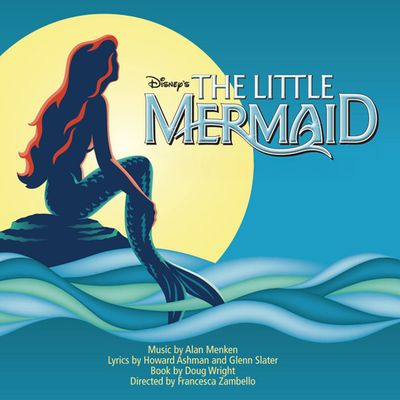
[0:54] Bret Shuford: Go for it. Yeah, hi. So, hi, I'm Bret Shuford. I'm a Broadway actor and a Broadway life coach. I am currently living in Houston, Texas, but have been in multiple Broadway shows, including the original cast of The Little Mermaid, Beauty and the Beast, Paramore, and then most recently I joined the Broadway cast of Wicked right in time for the shutdown to happen. But on the side, I'm a certified life coach, and I help actors and artists build a name and a brand for themselves in a way that feels authentic without having to lose their creativity. And it's something I'm very passionate about, and it's been such a joy during this time to help people navigate their digital reputation, because that's all we got these days. So, it's been a really great time to connect with people online, such as yourself. So, thank you for having me.
[1:56] Martín Acuña: No, thank you. I wanted to start at the very beginning, because I know that you were in Wicked, but I didn't know you were with the original cast of The Little Mermaid or Beauty and the Beast, so that gives me a lot of impromptu questions at the moment. But I want to start with, how did you begin doing theater? Was it something that started when you were little, all through high school, college, and everything?
[2:25] Bret Shuford: Yeah, I started really young. I mean, I knew very young, at like six years old, I wanted to perform. But I lived in a small town in Texas, so I didn't have a lot of professional opportunities. I did community theater and just immersed myself in that and trained. I took dance classes, I was heavily involved in choir, and I took acting classes, consistently all growing up, just to constantly be training. And I took every opportunity I could to perform. I competed in competitions, and state competitions, and school competitions, and dance competitions. And it was really what helped me get through my childhood, honestly, because I just didn't really fit in growing up. And so theater and performing was something that helped me escape, and also I really loved.
So then I transitioned to that through college. I went to college, my first two years of college at University of Oklahoma, because it was closer to Texas than New York. But after a couple of years of that, I was like, I'm going to be in New York. So I transferred to a college in New York City called Wagner College, and I graduated from there. But of course, I graduated in 2001, in May 2001. And then, of course, three months later, or four months later, the planes hit the World Trade Center. So it was a crazy time to graduate. And I say that for any student right now who's feeling like this is a crazy time to graduate, because it is. And this is, of course, in no way compares to what happened in 2001.
But I will just say from my experience, the theater will come back. It always comes back. It's going to come back probably looking a little bit different, but it's going to come back. So that's how I started.
[4:25] Martín Acuña: That's intriguing to know that 20 years ago, the world was crazy again. And right now, 20 years later, it's craziness all over again. And as you just said, you understand the feeling that a lot of students and a lot of performers are having right now and the uncertainty of what is going on and what will happen with our industry. I know that you have Broadway Life and Broadway Husbands as side projects from performing. But I wanted to ask you, what else sparks your light besides Broadway or theater in general?
[5:12] Bret Shuford: Oh, gosh, what else sparks my light? I mean, I am a huge Disney nerd. I love the history of Disney. I've read every book about Walt. I've met his nephew. I met his daughter. I am a huge, huge Disney nerd. So I get pretty excited mostly about the history of the creation of a lot of the projects and the experiences that Walt created and his vision. He was a very forward-thinking, visionary person. And I really am inspired by that. I want to be that. And I also really am sparked. So that's a huge thing. And then family. I'm definitely a family person. We'll talk more about Broadway Husbands, I know, but that's really where Broadway Husbands was born out of, is that we are family people. And I don't even mean just blood family.
I mean chosen family. I have people in my life that really mean a lot to me. I'm very loyal. And so that's something that really sparks my joy. And of course, if anyone who's like me, who loves family and people, this has been a challenging time because we can't see our family and our people. But it's something I'm very passionate about.
[6:37] Bret Shuford: I understand you. I am a Disney nerd too. And I'm all about family and especially chosen family. So I understand a lot of what you're saying. It's been really troubled times for a lot of us. But I know that we are going to get through it. And being a Disney nerd, how was your experience being on Disney theatricals, working with Disney theatricals? That must have been over the top.
[7:06] Bret Shuford: Yeah. Well, you know what's funny is I was always a Disney nerd, but it was working for Disney theatrical that solidified my geekiness. Because I was always like a big fan. But then when I was doing Little Mermaid, it was then watching that process. And of course, working with Alan Menken and seeing the guys who directed the film come meeting them. And then Boy, Disney came. And I remember just being like, I need to know more about how this whole thing began. That's when the books started. And I started. It just went down a slippery slope. But I really loved working for Tom Schumacher because, again, it's a huge corporation, right? And they have a lot of money. He has a lot of pressure. He's been sort of heading up the Broadway League for the last year or so.
But he is so loyal to the people who work for him. And he's always been incredibly generous and loyal to me. And loyalty is a huge value of mine. So it was reassuring. Of course, they have their limitations. They are a huge corporation. It's not like a small mom and pop business. But I will say that having spent a good four or five years working for Disney theatrical, they were the best employer I had. And I'm not just saying that because I want them to hire me. And I'm saying that because it was true. They were probably the best employer I had on Broadway.
[8:52] Martín Acuña: That must have been insane. Knowing that you've gone through a lot of shows, I want to know what is your approach to storytelling through musical theater?
[9:10] Bret Shuford: Yeah, storytelling. My approach to storytelling through musical theater, it really depends on the angle. It depends on who's it for, right? Audience, I think, is always where, again, because I'm a people person, I think about the audience and what message I want them to get from the piece. But I think the hardest thing, let's say if I just talk about singing a song instead of doing an entire show, performing a song, the challenge of learning the techniques of singing and having all the technical things you need to be able to do as a vocalist on top of being able to tell a story, I think is the thing I noticed so many young actors have a hard time doing. Because they think, well, if I sing this really, you get kind of two people, right?
If I sing this really pretty, they'll recognize my voice and be like, great, she can sing it. But I actually think it's so much more important that you tell the story, that you personalize the story. Because that's the other thing, you get these performers who come in who are trying to play the character within the song and not personalize the song and be themselves within the song. Because the work is done for you in musicals, right? The music creates the mood, the lyrics tell the story. You just need to personalize it so that we feel a connection to you as a human being. Because the way you tell that story will help us see the character through you as opposed to you trying to become the character.
[11:02] Martín Acuña: Totally. Totally. I agree with you. It all ends with how do you appropriate the song and how do you embody everything within the song and make it yours, literally make it yours.
[11:19] Bret Shuford: Now that you've been in several Disney shows, besides Disney being a great employer, what was the best part of it?
[11:34] Bret Shuford: Well, getting to originate a Broadway show. I didn't originate Beauty and the Beast, I wanted to clarify that. I originated Little Mermaid and that was the first time I got to really create a show from the ground up. And that was really cool, to witness the process from them designing and trying to navigate how to create this animated film on stage in a way that worked and maybe didn't succeed all the way, but they were really trying so hard. And with Disney, the one thing I saw with them is there was not a lot of pressure to, if they wanted to try something, they had the budget and the money to do it, so they could figure it out. They tried their best. And that was always really cool to see, because you don't get to see that a lot.
There's usually a very limited budget, not a lot of risk to take. And so that was probably the biggest difference in working for Disney as opposed to doing other shows. And now let's jump to Wicked, because I mean, Disney shows are always iconic, but Wicked has been one of those shows that I think it's been a landmark for every musical theater geek. We always go back to Wicked for some reason, even if it's songs like...
[13:09] Bret Shuford: Good or no good deed goes unpunished or defying gravity.
[13:14] Martín Acuña: We always go back to Wicked for some reason.
[13:20] Bret Shuford: When did you join the Wicked Company?
[13:24] Bret Shuford: I literally joined the Wicked Company a year ago last November.
[13:29] Martín Acuña: And you had a couple of shows with them, right?
[13:31] Bret Shuford: Yeah, I went on a lot before. I was a swing. So I was going on every week from like right before Christmas up until the shutdown. And what was the best part of all Wicked?
[13:49] Bret Shuford: Ah, what's the best part of all of Wicked? Doing the show, right? That show is so good. It's good. It's like there's not a lot wrong with it. And once the show starts to the end, you know, everything about it, the design and the technical elements and the score, it's just really fun to tell that story. It feels really good. Because believe me, I've done some shows where, you know, this is impossible. But with Wicked, when you walk out the stage door, you feel good. You're like, I just told that story. You know, there's some shows where I'm literally hanging my head and I'm walking on stage where I'm like, Oh, my God, I can't believe I just did that show. Something's a little off with the energy here.
[14:42] Bret Shuford: Yeah. So, you know, Wicked is one of those things that they are very protective of it. So it's a different energy and that they're very protective of the piece itself. So backstage is very, you know, they're very committed to that show. They're very serious about the show. So it's not quite as, in my experience, it wasn't quite as like playful and fun as I've had in some shows. But at the same time, it's such a great product. It's such a great show. And that's it's because they are so protective of it. So I really think that just telling that story and doing that show with all of its elements and beautiful storytelling is the best part of it.
[15:36] Martín Acuña: Yeah, that that is. I mean, I think that being part of such a big show must be iconic and must be epic in some way.
[15:44] Bret Shuford: Yeah, it's pretty cool. Earlier, you told us about storytelling through song and how a performer should embody and make the song his. What are other hacks that you've used as a performer to enhance the storytelling?
[16:11] Bret Shuford: Hacks to enhance storytelling? Ooh, what's a hack? Or like the steps you do to like make a character yours, a song yours, a show yours?
[16:32] Bret Shuford: Well, I think that. Again, I think personalization is the most helpful when you can visualize yourself in similar emotional situations as the character you're portraying. And you can think about a person who in your life who's affected those kind of emotions. I mean, it isn't emotional situations. It doesn't mean it's the exact situation. Right. But I find for me, the more I can really envision myself in historical emotional situations and bring those to the scene is the most helpful because then a lot of it just happens naturally. Like I know who I'm speaking to and I'm able to have a natural reaction. And I think that that really is what needs the most powerful stories are the ones that aren't planned.
It's the ones that come out in a way that feels natural and feels organic to the moment and feels truthful. And the only way to do that is to have true emotion. Right. If you don't believe what you're feeling, the audience is not going to believe what you're feeling. So I think really getting to a place where you can believe that situation for yourself emotionally and then, you know, and then sometimes it really is to me, I tend to it's probably good and a bad thing. I tend to always want to make audiences laugh. I so I will always resort to humor. I'll always try to find something at least one time where I can make people snicker or laugh, because when I feel when I feel that it's like an instant connection, it's like an instant, like we're connected.
If I can get that recognition that they're on the same, they're they're with me and a laugh does that for me. That's my one little hack. If I want to check it and make sure that they're still with me.
[18:49] Martín Acuña: So let's jump into Broadway life. What is this project? How did it start?
[18:59] Bret Shuford: Well, it started as a Broadway. So I got certified as a life coach. And I actually saw it was on all that chat or something in one of those like chat rooms. Somebody said, does anyone know anyone who is a Broadway life coach? And I was like, probably life coach. That's a really good like I should just call myself that because I'm a life coach and I'm on Broadway. So I, you know, I bought the domain and created my brand as the Broadway life coach. And really, the mission for me was to help actors and people in the industry find fulfillment and make fulfillment the norm rather than the exception. I think most people in our industry feel like, well, I'm not going to be happy until I get that Broadway show or I get that gig or I get the other side of this thing.
And then then I can breathe and then I can feel successful. And what I learned in my journey is that the opposite is true, that when you feel fulfilled and when you feel successful in your life, the Broadway show happened. Right. That was my experience. When you learned how to be your better self, then the things you wanted appeared. That's my my experience. And I want to help as many people find what that is for themselves so that when they do book that Broadway show, they're not shocked or disappointed when they realize, oh, I have to do this eight times a week this job now, because that is what it becomes when you book that job. It becomes a job. You have to do it eight times a week and you have to do it, you know, for sometimes for two years, sometimes for 10 years, depends on the show you get.
And you have to be in it. And I've witnessed so many people go through the roller coaster of disappointment and realization when they realize it's not a magical thing. Right. The opening night is magical of your first Broadway show. And then after that, it becomes a job. And that really is what I want to do is to help as many people find a way to feel fulfilled and successful, regardless of where they are on their path.
[21:24] Bret Shuford: And so that's probably life coach started. And then probably life apparel started kind of as an addendum to that, because I was literally during Paramore backstage thinking about, well, you know, there's your Disney nerd. There's all these like Disney fan merchandise, Instagram accounts where people are like making Disney fan shirts. And I was like, no one's doing that for Broadway. And so I started coming up with these designs that were like for Broadway fans that I thought were clever and witty and fun. And it's probably like apparel was born during a backstage, maybe even an onstage thought while I was performing to create something for us that was specifically for us.
[22:17] Martín Acuña: Yeah, I love it. I want to go back a little bit to how you work as a life coach, because I've something that has been on my mind all during the pandemic started in March last year was. It's being on Broadway, my ultimate goal, and I think this is a question a lot of performers have because we always want to be on Broadway, but the real question is what happens after I get there? What's the next goal? What's the next step? What do you think it's the next step? Because I guess the people you've coached have this frustrating moment when they say, OK, I got here. I'm on Broadway eight times a week, but what's next?
[23:17] Bret Shuford: Well, you just, you know, you keep moving, you can just keep moving it, right? You can move in the line, you move forward. But I think that. I think that what I try to do with with people, and this is something your listeners and you could even can do at any time is when you think, oh, I just want to be on Broadway, take a moment and just close your eyes and visualize yourself doing a show, right? That's the easy part. I can see myself on stage in the audience applauding me. That's easy. Picture yourself then walking out the stage door. Where are you? What are your surroundings? You know, what do you what what does it feel like to get on? Are you getting on the subway? Are you what is your apartment look like?
Right. What is who's who are you surrounded by? What do you want? Like it's because Broadway is. Is is the job, what is it going to provide for you? What is your life going to look like around that and visualize what you want your life to look like? Because you might actually end up finding that you don't even want to be in New York City, which takes Broadway off the plate because that's the only place Broadway is. Right. You might end up saying, oh, my God, I'd rather be in Minneapolis or Orlando. And then you're like, whoa. So if my life if I want my life to look like this, then how do I. Create, you know, you know, a job or like, where can I work there? Or maybe you actually picture yourself going home to family and kids and you realize you want a house.
You don't want to live in 600 square feet, which is really your only option in New York City. You know, those are the things you have to really think about that most of us don't think about because we just think I got to get on Broadway. I got to get on Broadway. But Broadway really is the thing that's going to provide the life that you want. So how can you build the life that you want? Because if you create the life that you want. Broadway just might be a side effect of that. I always say to a lot of actors, if you build the life that you want. Broadway becomes just a stop along the way and not the destination.
[25:47] Martín Acuña: And that's a nice train of thought. Like changing the perspective of it's just a stop and not the end goal of life. And that changes everything. Like you were just saying it and I was imagining it, imagining my life and what do I want to do? Because yes, I want to move to New York and I want to be on Broadway. But. Is that truly my end goal? Is that truly what the fun?
[26:17] Bret Shuford: You may not have to. I mean, I know people who did theater in Seattle and then the show that they were doing in Seattle transferred to Broadway and they made their Broadway debut, right? I know people who did that in D.C. and they don't live in New York. So if you go for the work, you go for the life that you want, that's going to be so much more satisfying and fulfilling than you trying to get to New York and just book a Broadway show while you're like, what am I doing in New York City? It's so expensive and crowded and all the stuff that comes with living in New York.
[27:30] Martín Acuña: How do you start when you get a client on Broadway Life? Where do you start and how do you navigate the client's needs and everything?
[27:34] Bret Shuford: Well, I really start with a free discovery session. By the way, anyone who's listening, just for your listeners, if you go to actormindsetreset.com, I've got a free 14-day video mindset reset for anyone who's listening. It's really fun and it includes coloring pages from Coloring Broadway. So it's a really fun way to sort of reset your brain, especially as we go into the new year. So I think that most of the time I start with clients in a way that is really, I meet them where they're at. So it's not the same for everybody. It's really up to where the client is. We do a discovery session, which anyone can book a free discovery session with me. And during that discovery session, we talk about what their needs are, what their goals are, what their strengths are, what obstacles are getting in the way.
And we really navigate and map out a plan for them so that we can get them unstuck and we can figure out what they need. Because I have some clients who come to me and just want to learn how to be better on social media. And then I have some clients who come, so we're spending time learning how to do TikTok or Reels or creating a strategy plan, a content plan. But then I have some people who are dealing with much deeper issues and blocks that are getting in the way and want to build some confidence. So it really depends on where the client is.
[29:17] Martín Acuña: I like that. I like that you cover a lot of, I don't want to call it issues, but you cover a lot of stages of people and their life. I now want to go to one of the topics I was looking forward to, and it's Broadway Husbands. Because I followed you on Instagram and I was like, this is really clever. And I like this because this is approachable, this is reachable, this is human. And I think that is something hard to find in social media nowadays. Because people normally just post the happy things in life. But I think that with Broadway Husbands, you're covering a lot of the emotional spectrum or the life events that people go through. How did Broadway Husbands started? Where did it come from?
[29:43] Bret Shuford: Yeah, I was starting, I had a YouTube channel. I still have a YouTube channel. But on my YouTube channel, one of my series, I had like three or four series that I did every month on my YouTube channel. And one of them was called Broadway Husbands. And I was just noticing that every time I created a video on YouTube with Steven, it got a lot more engagement, a lot more people were intrigued by it. So I thought, I wonder if anybody has this handle or this domain, Broadway Husbands, and no one had it. So I jumped on that and created a separate Instagram account. And the idea was to document our journey as artists and also to normalize LGBTQ marriage in a way that I think that most people don't see it.
I mean, in my experience, I was seeing a lot of LGBTQ couples online who had nine to five jobs or who were supermodels or who were, you know, just making their money influencing, which was not our reality. Our reality was like, we were hustling, you know, trying to get to the next job. And we want to start a family. And how do we do that? How do we navigate that? And I thought this is if I was 13, I would have wanted to have seen someone show me how they do that. How do you as a gay couple live a happy life, making money in the arts and start a family? And so that's really where it was born. And over the last couple of years, I think today we're going to hit like 50,000 followers on Instagram, which is awesome.
I'm so excited about it because we've worked really hard to create content. And then we started the podcast last year through the Broadway Podcast Network. And so we do weekly episodes on the podcast and, you know, try to introduce people to other couples who are making their living together and making it work. And honestly, it's something that Steven and I can do together, which we just we'd never he's a ballet dancer, mostly. And so we'd never gotten to do anything together. I thought this would be a great way for us to do something together. I'm not saying it's easy. Like there are some times where it's like he's working a lot. I'm coaching a lot. And then we're really scrounging to try to get a podcast out.
But it is really, I'm so proud of it. And I'm so proud that we that, you know, it's getting the response. Exactly what you said is exactly what I was hoping it would be. And it's getting a lot of engagement and people are knowing that it is possible.
[33:28] Martín Acuña: I mean, watching what the content you post on social media, it's like, OK, if they can, I can do it. And I know that this is a thought that a lot of people or a lot of fans have. I want to know what other future projects do you have in mind because you cover a lot, you perform, you coach, you create content and different platforms and different types of content. I want to know what other future projects do you have?
[33:43] Bret Shuford: I mean, my main focus right now is on my coaching business. I am going to launch a course in March called the Creative Marketing Map. That's really a holistic marketing course where artists and actors can develop their marketing plan for themselves and be consistent and not get overwhelmed. And it's eight weeks. And I'm working on that for March. I'm really excited about that because I think that's something I've had in my head for a really long time. And it actually uses Disney as an example. It's called the Creative Marketing Map. And the idea is that you create your own theme park in your marketing. So how do you... We're going to use Disneyland as a sort of a template for you to create your own marketing map.
So I'm super excited about that. That's my next big project. And then staying consistent. I'm making content every week. I'm posting on YouTube and on Instagram. I post on YouTube once a week. I post on Instagram daily. Broadway Husbands, we are trying to keep up with the podcast episodes every week. And we get sponsored content now. So we're making stuff for brands and I'd like to get more of that. And then our big thing is we're probably going to have a baby this year. So we're kind of nesting right now. I think this is all preparation for our life to change.
[35:35] Martín Acuña: That sounds exciting. I got excited for you.
[35:38] Bret Shuford: It is. It's really exciting.
[35:40] Martín Acuña: Oh my God, that's huge.
[35:43] Bret Shuford: Yeah.
[35:44] Martín Acuña: Wow. And where can people find you on social media? You have your podcast that's linked to the Broadway Podcast Network. You have your YouTube channel that is Broadway Husbands. But where else can people find you?
[36:00] Bret Shuford: Yeah, you can literally go to broadwayhusbands.com or bretschuford.com. Everything's there. You can get links to connect it to everything, including me and Steven and the podcast and my YouTube and Broadway Life Apparel. There's a lot going on. I love to continue to build our community and I'm really grateful for the opportunity to do that here today. So thank you.
[36:26] Martín Acuña: No, thank you. Just before we go, one no brainer question. Top five favorite musical theater shows. Go.
[36:34] Bret Shuford: Sweeney Todd, number one, because Sweeney Todd is perfect. Annie, because that was my first love. And then I could probably listen to the soundtrack of Evita, the original soundtrack of Evita over and over again. I love. I'm such a sucker for Sondheim, so, you know, I could listen to Sunday in the Park with George. It's like just so good and so unique and so different. And then my other guilty pleasure would be Children of Eden. I love the cast recording of Children of Eden.
[37:23] Martín Acuña: You're leaving Disney out. You left me out of the picture.
[37:27] Bret Shuford: I know. I know. I think it's because I'm on some of them.
[37:34] Martín Acuña: But all right. Next no brainer question. Top favorite five Disney. It can be movies or shows or whatever. Disney related.
[37:41] Bret Shuford: Disney related. OK, so favorite animated film is Fantasia. I know it's people. I was like, what? I love the animation. I love Sleeping Beauty. Animation, of course. And then Beauty and the Beast. I could have done Beauty and the Beast on Broadway. I only did it for a year. I could have done that show forever. It was such a fantastic show to do. I love Aida. I saw Aida probably nine times in college. And the Pocahontas score, the score to Pocahontas is perfect. And I would love for them to translate that to the stage in a way that honors Native people better. But because that score deserves to be heard on as many times as possible.
[38:43] Martín Acuña: I agree with you. I agree with you. Well, Bret, thank you so much for being here. It's been a pleasure. I hope to see you soon. I will leave your social media links on the description of the episode. And thank you for being here.
[39:02] Bret Shuford: Thank you for having me.
[39:07] Martín Acuña: Thanks, everyone, for listening to this new episode of Backstage Talk. Remember to follow us on Facebook and Instagram at Backstage Talk Podcast.
© Broadway Podcast Network, All Rights Reserved