

Playwright and Actor Douglas Lyons joins Behind the Awards to chat about his current off Broadway hit Beau and previous works such as Chicken and Biscuits, Table 17 and Parade with Michael Arden. Also on this episode - Lilly Tomlin’s 1974 Emmy win for Outstanding Comedy & Variety Special... Read More
From the show: Behind the Awards with Eila Mell & Bruce Gotlieb
Guests
Featured Shows
About
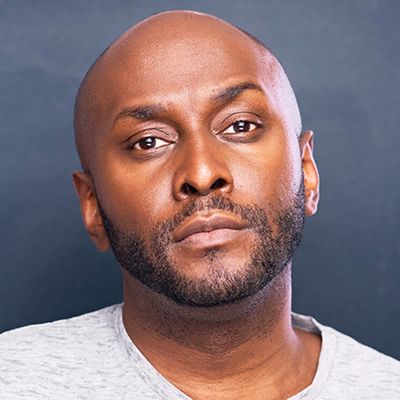
Playwright and Actor Douglas Lyons joins Behind the Awards to chat about his current off Broadway hit Beau and previous works such as Chicken and Biscuits, Table 17 and Parade with Michael Arden.
Also on this episode - Lilly Tomlin’s 1974 Emmy win for Outstanding Comedy & Variety Special.
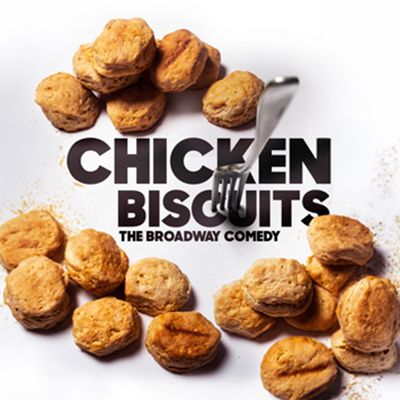
Douglas Lyons is a 2X Emmy nominated multi-hyphenate artist. As a writer, he earned a GLAAD nomination for his Broadway playwriting debut, Chicken and Biscuits, which was the 2nd most produced play in America in 2022-23. His most recent play, Table 17, which premiered Off-Broadway at MCC Theater, was deemed a New York Times Critics’ Pick and won two 2024 Audelco Awards for Best Playwright and Outstanding Ensemble. Douglas served as a writer on both seasons of Apple TV's “Fraggle Rock.” His Broadway acting credits include The Book of Mormon, plus the Original Casts of Beautifuland the Tony Award winning Broadway revival of Parade. Tour credits include Rent, Dreamgirls and The Book of Mormon. As a composer-lyricist, his music and lyrics have been featured on Nickelodeon, BET Plus, Apple TV, CBS's Sunday Morning Show, Audible and more. His other written stage works include Don't Touch My Hair (IAMA Theatre Company), Polkadots (Off Broadway Alliance Winner Best Family Show, Atlantic Theater Company), Beau (Adirondack Theatre Festival), the world premiere of Five Points (Theater Latté Da) and more. He is currently developing television with Sky Dance and Ryan Reynolds' Maximum Effort. @DouglasSings IG: @Chocolatehipster
Make sure to check out Eila's book, "The Tony Awards", and all her other amazing books: https://amzn.to/43WMu5Y.
Connect with Eila and Bruce:
Transcript
This transcript was automatically generated and might contain errors.
[0:44] Eila Mell: Hello and welcome to Behind the Awards. I'm Eila. As always, I'm here with my guy, Bruce. Hey, Bruce.
[0:51] Bruce Gotlieb: Hello there. How you doing?
[0:53] Eila Mell: I'm good. So we were listening to Lily Tomlin.
[0:56] Bruce Gotlieb: Yes, she was accepting her Emmy Award for Outstanding Comedy and Variety Special in 1974.
[1:02] Eila Mell: Wow. I wonder. So I guess the special is just a one-off, right?
[1:07] Bruce Gotlieb: Yeah.
[1:08] Eila Mell: Do you think she did a series of specials? I feel like she was on TV a lot, but I don't know.
[1:12] Bruce Gotlieb: I'm just kind of making that up, I guess. I don't know what she was doing back then.
[1:15] Eila Mell: Maybe. Or maybe it was just like a syndication, a repeat.
[1:18] Bruce Gotlieb: Maybe. Maybe.
[1:19] Eila Mell: Who knows? So Lily Tomlin, I mean, she's great. Do you have a favorite Lily Tomlin project? Because she's done it all. Movies, TV, theater.
[1:28] Bruce Gotlieb: Yeah, a lot of her stuff for me blurs together. What was it? Big Business with Bette Midler.
[1:35] Eila Mell: Oh, right. So my favorite...
[1:37] Bruce Gotlieb: Twins.
[1:39] Eila Mell: Twins. So funny. My favorite is the classic 9 to 5, obviously.
[1:43] Bruce Gotlieb: Of course.
[1:44] Eila Mell: But I mean, that whole cast is just amazing.
[1:48] Bruce Gotlieb: Absolutely.
[1:49] Eila Mell: And so Dolly is my favorite. I just love Dolly Parton.
[1:53] Bruce Gotlieb: Yeah.
[1:54] Eila Mell: And obviously there's a Dolly Parton musical that's happening.
[1:57] Bruce Gotlieb: That's right.
[1:58] Eila Mell: Very soon. Maybe right now. Maybe it's starting to run in Tennessee, actually.
[2:02] Bruce Gotlieb: In Tennessee, yeah. And I think they extended a little bit in Tennessee, too.
[2:06] Eila Mell: I remember reading maybe a month or so ago that they were extending the show.
[2:11] Bruce Gotlieb: Oh, okay.
[2:12] Eila Mell: So I don't know if that pushes back the timeline, because the original timeline, I thought, was this season.
[2:19] Bruce Gotlieb: Right, it's supposed to. I mean, I don't know, but...
[2:22] Eila Mell: Haven't heard anything contrary.
[2:24] Bruce Gotlieb: I know. Do you have a favorite Dolly Parton song?
[2:29] Eila Mell: So many of hers. I love 9 to 5, but actually, the first one, the first thing when you asked that question that came to mind was Island's in the Stream, her duet with Kenny Rogers.
[2:39] Bruce Gotlieb: Oh, I don't even think of that. That's so funny.
[2:41] Eila Mell: Yeah, there's so many. Like, there's so many that I didn't even realize were Dolly Parton songs, which is kind of dumb.
[2:47] Bruce Gotlieb: Here You Come Again, is that it?
[2:50] Eila Mell: Yeah, yeah, yeah, sure.
[2:52] Bruce Gotlieb: And the soundtrack to Best Little Whorehouse in Texas.
[2:55] Eila Mell: Oh, yes. And of course, I Will Always Love You.
[2:59] Bruce Gotlieb: Yes.
[3:00] Eila Mell: But yeah, 9 to 5 is probably the most fun. Just that opening is so cool with the nails.
[3:04] Bruce Gotlieb: Her and her acrylic nails.
[3:06] Eila Mell: Yes.
[3:07] Bruce Gotlieb: Well, we have a wonderful guest today.
[3:10] Eila Mell: I have been following Douglas Lyons' career for quite a while now.
[3:16] Bruce Gotlieb: Yes.
[3:17] Eila Mell: Let's just bring him out because he's such an exciting playwright.
[3:20] Bruce Gotlieb: He's also an actor. There's so much to talk to him about.
[3:24] Eila Mell: So let's get him out.
[3:25] Bruce Gotlieb: And we're going to talk about it all.
[3:26] Eila Mell: We're going to do everything.
[3:28] Bruce Gotlieb: Well, Eila, our guest today is someone whose career I've followed.
[3:36] Eila Mell: I know he is an actor. He's a playwright.
[3:40] Bruce Gotlieb: You know, it's funny.
[3:42] Eila Mell: He's a playwright.
[3:43] Bruce Gotlieb: It seems like his day job is as an actor, but we'll see if that's true.
[3:47] Eila Mell: We'll ask him.
[3:48] Bruce Gotlieb: We're going to dig in deep here.
[3:50] Eila Mell: I know. Let's welcome Douglas Lyons.
[3:52] Douglas Lyons: Hello.
[3:53] Eila Mell: Hello. Thank you for having me.
[3:55] Bruce Gotlieb: Thank you so much for joining us.
[3:57] Eila Mell: Are you like the one person whose day job is an actor?
[4:01] Douglas Lyons: That's so funny that you say that. I mean, it has become that.
[4:05] Douglas Lyons: Yeah. When it started, I definitely was acting a lot more. Like when I got back from Book of Mormon tour and I started writing after meeting Ethan.
[4:17] Douglas Lyons: Music first. It was still a hobby. Writing was a hobby. And then when I got to Beautiful and worked on Polka Dots and Chicken and Biscuits and Bo backstage at Beautiful.
[4:26] Douglas Lyons: It was a little bit of my day job, but I had a 45-minute break in the show where I would step out into the band room or the hallway and I would write. I really like writing full-time and acting when I feel called to a story, which I was on Courage a couple of seasons ago.
[4:39] Bruce Gotlieb: So that was an instance.
[4:41] Douglas Lyons: And what a great show to be in.
[4:43] Bruce Gotlieb: So good. So good.
[4:45] Douglas Lyons: Yes. And we love Michael Arden.
[4:47] Eila Mell: So you had said writing was a little bit more of a hobby. Was it always a hobby? And then something that was a, well, maybe one day this could be the dream? Or was that just, it just took the trajectory it took to get there?
[5:01] Douglas Lyons: It really came out of heartbreak, to be honest with you. I went through a breakup in 2012. That really sort of devastated me. And so much to the point where I left the Broadway company in Mormon and went on the First National because I heard they were casting. It's a funny story. Like I had told the dance captain and whispered, you know, the stage manager, but never got an appointment to go in.
[5:21] Douglas Lyons: So the Broadway company and I was doing a photo shoot. And a 201 number rang my phone. I was like, hello. I was like, hey, Doug, what's the case in Nicola? And I was like, yes. He's like, would you want to go on tour? And so, yeah, I went on the road. And then my parents had gotten me a guitar that I still can play. But Ethan played the guitar and we started writing songs. And there was a lot of heartbreak initially in those songs. And yeah, it turned into this new venture that has opened up my eyes and my life and my career in a way I could have never expected. But it feels so ordained and I'm grateful for it.
[5:54] Eila Mell: So that show that you started writing back then, what did that turn into?
[6:02] Douglas Lyons: Well, we first started writing music and we have this album. We recorded a live album in the fall of 2013, which is actually like six days after Beautiful started rehearsal. It was on a Monday with Michael Kilgore, Anastacia McCleskey, Eric Fropp, Benny Roseberry, all these amazing singers. And so that album propelled us towards the second concert where I invited all these agents. And that's how we got signed to William Morris Endeavor. And Michael Finkel, who I've worked with now for over a decade, was like, well, you've got to write a musical. And the first one we wrote was Five Points, which had a world premiere production at Theater Latte Da in 2018. And we've been developing. And then Bo, I had just started working on my first time writing script in like 2017 going into 2018.
[6:49] Eila Mell: And how amazing, because right now people can go see Bo.
[6:52] Douglas Lyons: You can go see Bo right now.
[6:54] Eila Mell: 154 Christopher Street.
[6:56] Douglas Lyons: That's so exciting.
[6:58] Eila Mell: How did that come to fruition then?
[7:00] Douglas Lyons: Well, I, you know, I did the national tour of Rent at 19. I took a year off school and then was gifted a ticket to the final dress of Once. And I was like, oh, my God, the actors are playing all the things. This is so cool. So it was always a goal of mine to create something that had sort of a Once plus Rent vibe. And that baby became Bo. And you just sprinkle a little queerness on top and you get Bo. But I was interested in creating a show where the band members really had seen work and stepped out. And you saw them, you know, these folks are quadruple threats. We call them unicorns because they literally sing, move, play violin, full bass charts and act full themes. It's wild.
[7:48] Eila Mell: Yeah.
[7:49] Douglas Lyons: Wow. So, you know, sometimes you write it and they will come and we found remarkable performers. And it's really touching to worry about, you know, generational trauma, generational healing, identity, music and love.
[8:04] Eila Mell: So does Bo refer to a name or does Bo refer to, you know, like a Bo, like a boyfriend?
[8:10] Douglas Lyons: Bo refers to like three things, actually. It's a name. It's the Bo of the violin. And it also can be Bo as in a partner.
[8:21] Eila Mell: Yeah.
[8:22] Douglas Lyons: Right. Like the old fashioned streetcar named Desire.
[8:25] Eila Mell: Yeah.
[8:26] Douglas Lyons: Bo is what you want it to be. You know what I mean?
[8:30] Eila Mell: I love that.
[8:31] Douglas Lyons: I love that.
[8:32] Eila Mell: Yeah.
[8:33] Douglas Lyons: So when you're writing something, do you ever see yourself because you're an actor in any of the roles or is it a very separate kind of endeavor for you?
[8:42] Douglas Lyons: I think unbeknownst to myself, I've always been healing myself through my writing. So for things that I can articulate, you know, for myself, I put in my scripts and hope that they resonate with the world. So the roles aren't necessarily new, but the sentiments and the heartfelt sort of grace is directly from my heart, especially in something like Bo.
[9:05] Eila Mell: So Bo was, you know, one of the first things that you wrote, but Chicken and Biscuits, was that your Broadway debut as a playwright?
[9:11] Douglas Lyons: Chicken and Biscuits was my first, yeah, venture as a writer on Broadway, which just even to say that, I can't believe it happened. Like, I'm still just amazed at how that happened, but it was one of the best moments.
[9:25] Bruce Gotlieb: I was there.
[9:26] Eila Mell: We both saw it, actually.
[9:27] Bruce Gotlieb: It was great.
[9:28] Eila Mell: We both saw it, yeah.
[9:30] Douglas Lyons: Oh, you did?
[9:31] Eila Mell: Oh, awesome.
[9:32] Douglas Lyons: Awesome, awesome, awesome, awesome.
[9:35] Eila Mell: And to have Norm Lewis star in your first show, amazing.
[9:38] Douglas Lyons: I know, I know. Little Norm, little Norm. I kind of call him my Bo in the industry, because he's really just like hugged me and spoken my name in rooms and been, you know, supportive. He's actually a producer on Bo, musical as well.
[9:49] Bruce Gotlieb: Wonderful.
[9:50] Douglas Lyons: So, yeah, no, killer cast. You know, COVID was a tough time to come back. We suffered some COVID stuff in the building and sort of shortened our run. But the love in that show has permeated out into the regions. And I've seen at least seven regional productions. There have been at least 35 plus since the Bo on Broadway. And so it's doing the greater work, which makes me very excited.
[10:14] Eila Mell: That's exceptional.
[10:16] Bruce Gotlieb: It is a show that can be done with different kinds of groups.
[10:19] Eila Mell: Yep.
[10:20] Bruce Gotlieb: It's about family.
[10:21] Eila Mell: You know, it's very relatable.
[10:23] Bruce Gotlieb: Yeah, colleges, regional theaters, community theaters.
[10:27] Douglas Lyons: Yeah.
[10:29] Eila Mell: Is Chicken representative of your family in any way?
[10:31] Douglas Lyons: Chicken is representative of the comedy, in my opinion. And the dynamics. And, like, the church talk at the kitchen table. And the subtle shades during the funeral. Like, those are all things I witnessed. And I've written that script. And black folks that saw the show specifically knew things. Saw themselves and are still seeing themselves in it. So it was a way of honoring. I'm a PK preacher's kid. So that's spent a lot of time.
[10:59] Douglas Lyons: I'm in the choir, in the pew, you know, I was raised musically. The first theater I knew was the church. So that's how Chicken and Biscuits came to be.
[11:08] Eila Mell: Was your family, after they saw it, or were they like, excuse me? Why did you put this in there?
[11:15] Douglas Lyons: They giggled because they came to the third read and my father's like, no, that's us. You know, that's the people. I went to a production in Atlanta and an aunt of mine was there in the front row. And I'll never forget, she leapt to her feet before it was even over in aquatic, because she saw so much of the dynamics of our family in the show.
[11:33] Douglas Lyons: So, yeah, no, I think theater can be legacy. It actually can be personal. It can be honoring. It can be an offering and that I see it in a spiritual way as an offering to discuss and to hold into love, not just as entertainment. I think there's a place for that. But I think the things that really move us have to come from a real place. So I try to write.
[11:55] Eila Mell: Well, and you said that, you know, a lot of it came for you, you know, comes from the place of healing. And I think theater also for the audience member, for the theatergoer has an opportunity to do that too, unbeknownst to whoever's writing it or starring in it.
[12:09] Douglas Lyons: They don't know what somebody is experiencing as they're watching the story unfold. And that's so special.
[12:14] Eila Mell: Yeah, we've had a mother-daughter pair see both four times already.
[12:18] Douglas Lyons: Wow. And I don't know why. There's another girl who saw the show once and then came back and saw it twice in the same day on a two-show day. Wow. Oh, my. And so I'm like, it's shading them somewhere in a way that like, yeah, you know, the equivalent or the parallel of church, you know, you go and hear a sermon or you go to worship, because it resonates, it moves you in some way the show is doing that for people.
[12:43] Eila Mell: And I think that is really powerful and encouraging.
[12:46] Douglas Lyons: Well, hopefully that's amazing. The next cult show, because that's great. You want that kind of dedicated audience? Come on, come on. We have a sold-out show tonight, which I was like, oh, there were tickets this morning and now they're gone. Wow. Yeah, that's great. Because as we record, it's a Monday. So to sell it on Monday is amazing.
[13:07] Eila Mell: It's Saturday.
[13:08] Douglas Lyons: Yeah, it's a Monday night. As we're recording in it. Yes, it's Monday. How was it being location-wise yesterday with Pride and the parade and all? Did you guys was there an influx in terms of do you feel like patronage to the show?
[13:32] Douglas Lyons: We actually have a day off strategically. We have a day off because also the parade was going through that area. So it would have been hard to get there.
[13:40] Douglas Lyons: Yeah, but oddly enough, we had this TikTok that went viral like last week. And it's been shared like over 1000 times as over 100 and like 7000 views. And it gave us a bump in ticket sales. So what I always wanted for Beau is that the kids, as I call them, because I'm not a kid anymore, feel alone, who feel queer and unseen find the show and it feels like it belongs to them. And we've seen that movement start to catch up, which is really awesome.
[14:02] Eila Mell: Well, that's fantastic. You can do as a playwright.
[14:05] Douglas Lyons: Yeah, contribute, not just to the canon of theater, but like the canon of culture. Right? Yeah. And like a safe haven for queer youth. That was great.
[14:15] Eila Mell: I mean, that's what made Torch Song Trilogy so special in the 80s, because it was the first time people were seen in a certain way. And if you're doing that now, I mean, that's such important work.
[14:26] Douglas Lyons: Yeah.
[14:27] Douglas Lyons: This is Douglas Lyons with Behind the Awards. Be right back.
[14:34] Eila Mell: What can you tell us about Table 17 is going to be embarking on a West Coast premiere?
[14:42] Douglas Lyons: We'll be at the Geffen Playhouse in November into December. The cast will feature Biko Eisen-Martin. She did it at MCC, Michael Rashan, the award-winning Michael Rashan from that production. And then Gail Beam, who's more known as a television actress. She's on Snowfall. She's on Harlem. She's fire. I'm excited to see her step into the role and us to learn of a new dynamic in the play, but also to bring that story to sort of Hollywood and black Hollywood and see how they eat it up, because it's a very sort of cinematic opportunity, but told on stage.
[15:19] Douglas Lyons: I've never. Well, that's a lie. I did have a play in Los Angeles, Don't Touch My Hair, earlier this year. And I am a theater company. But now to like bookend 2025 with Table 17. I like I've been working in compartments here and getting through Beau, but now I'm like, OK, Table is the next.
[15:37] Eila Mell: That is very exciting. I was reading that you did about a year and a half ago at the Little Shop theater.
[15:42] Douglas Lyons: OK, so and it was great there. As soon as Carrie Young stepped out. I mean, she is fantastic. Yeah. So it's great that someone else is going to do the role now because then it changes what the show is and it just it evolves.
[15:56] Douglas Lyons: Yeah. You want it to give like I want again, love being the central conversation. We want to also make sure it works on many actors like that's another task for the playwright to make sure it's foolproof.
[16:18] Eila Mell: Yeah. So, you know, you have this partnership, creative partnership with Jalen Levingston. Yes. What have you learned as a playwright from working with him as a director?
[16:18] Douglas Lyons: Jalen cares about where people are as much as he does what he needs from them. And some creative people are like, OK, get over what you're going through. I need you to do this. And he's like, we can only do what we need to do with you. And I think that kind of care has taught me how to have a relationship with performers and how to be a performer in a room and how to lead a room and how to collaborate. And also it's fun. It's black. You know, it's like having a cousin on the other side of the table. And it's not often that black folks get this chance to be themselves in a space. And so when we're building something, I can just look at him and just tackle, you know, and there's an unspoken cultural connection there that is just prime and really special.
[17:05] Douglas Lyons: So it's, you know, we met each other young in our artistic careers and have grown and developed together. And I think we've learned from each other. And he's very complimentary of my work and style. And, you know, as a writer, I've had to learn to trust vision, you know, even when I can't see something and be like, what are you doing? And then I'm like, oh, OK, that's cool. You know, and so it's a magical collaboration that will last a lifetime.
[17:35] Eila Mell: So when you finish the first draft of a script, does it go to him? Is he the first person who sees it?
[17:40] Douglas Lyons: According to the project, I actually. So I called Jalen kind of same thing with Chicken and Biscuits. We met. I was like 30, 40 pages into Chicken and Biscuits. So I do like 10 pages at a time and I will like I have a new play I'm working on and I've heard it out loud with four actors at 30 pages. So it's sort of a conversation of like, what is your instinct? Did that move you? How does that feel? And he'll ask me questions. With Table 17, I got stuck sort of in the middle of the play. And he shared a story, you know, about one of his exes. And I said, OK, I got to hang up because he just gave me an idea. And that helped me finish the play.
[18:21] Douglas Lyons: Wow. So it's yeah, I don't I will never write a full draft and just hear it. I have to hear it as it goes, because I mean, what if you write something that has an antagonist that everyone falls in love with or a protagonist that people hate? You wrote a full first draft and then you got to go back and change it. I'd rather know that on page 50 than page 102, you know? Sure, sure. Yeah. So I'm very collaborative in the making.
[18:47] Eila Mell: Yeah. So do you go back to the same pool of actors usually as you go along?
[18:52] Douglas Lyons: Here's the thing. It's so much time and place. So early on in my career, I like was at a bar and a story and I was singing karaoke and I was casting a reading and I cast him from the karaoke. Like, you know, if I bump into a new friend or I make sure, you know, audition, someone comes in for one thing, I might call them five months later for this other thing. I have some actors I know are great on Zoom that I'm like, hey, I need you. I need a white man. Can you get on this Zoom and they will show up and then we read. And so I do have a small tribe of actors that I can pull into rooms and it's been actually really exciting because that's some new things I'm working on. I've been able to pull in a couple of people that have progressed with it and it's hopefully going to change their life.
[19:38] Eila Mell: Because I would think as you're writing and you're hearing the piece, maybe, you know, if you have two different actors at different points reading the same role, the role may seem different to you.
[19:47] Douglas Lyons: Yeah. I mean, what you want to clock is that what you want out of the role is still coming through. Right? Like, that's your responsibility. Now, the shimmers and the colors are going to change, but the overall sort of functionality of that role and the changes need to be consistent. Now, how they're delivered is on the actor. Right. But that's what's going to make Table 17 exciting. It's like we had one workshop in P-Town in 2023 with one actress who's a friend of mine who's amazing. And then Kara has done it and now Gail will do it. And it'll be encouraging to see this version.
[20:23] Eila Mell: Yeah. So it'll be confirmation that the play works as well.
[20:27] Douglas Lyons: You know, it's very smart because Table 17 is definitely a show that people can do regionally and, you know, in colleges and stuff. You don't need a lot technically for it set wise. I mean, it's just it's a restaurant setting.
[20:35] Eila Mell: Yeah.
[20:40] Douglas Lyons: Yeah. A black box.
[20:42] Eila Mell: Pretty crafty there, Douglas Lyons.
[20:44] Douglas Lyons: Listen, I write in a way that theater produces.
[20:48] Eila Mell: Yeah. Very smart.
[20:50] Douglas Lyons: I'm as much about the business as I am about the show.
[20:52] Eila Mell: Tell us, what is it like as a writer, especially somebody who's, you know, kind of working their way up and building this underneath you? You know, Table 17, we're talking about having, you know, two Outer Critics Circle nominations and just be really embraced from a critic and from an award perspective. Most people don't set out to win awards. Just, you know, the work being able to be produced and performed is the goal and is the award itself. But do you continue to then tweak that piece or does that then get a little bit of a more solid underneath it?
[21:26] Douglas Lyons: For sure. I say the work is never done. So I will do a rewrite and a polish before we go to Los Angeles for Table 17. I always want to listen and I'm always looking for feedback. You know, when we talk about awards, what's interesting is like Chicken and Biscuits was overlooked kind of completely that season in a way that was mentally damaging because I was like, oh, maybe I shouldn't do like no one gets it. And then it was the second most produced play that season, you know, regionally. So awards, I like to say are encouragement.
[21:56] Douglas Lyons: And Eila Mell & Bruce Gotlieb have been nominated for a number of awards, including the Tony nominations for One Zero and the Not Have a Life. You cannot measure your career on awards. I have a sort of banister here of, you know, trophies. We won the Adelco, I won for Best Playwright, and they won for Best Ensemble. And it's a really beautiful gesture to my heart. But honestly, the nomination alone is like really cool. But Tara and Michael went at the Lortel's like, I was crying like I was at the Oscars. But it's more so the pride of knowing how much work they put into it, and that they deserve it. So awards are great, but I will always continue picking up the pace to make it as best as I can until I can't anymore.
You know, I always feel like, and it sounds fake, but it's not, that if you get an award, it means something. And if you don't get nominated, it really doesn't mean anything, because it's not necessarily about the work itself. It's just, you know, it's just what's in the zeitgeist at the moment. It's political. I mean, you know, who's voting, who's nominating, who's producing this thing that that director is doing next to you, you know. You can't get too caught up in it. But for me, seeing the recognition was encouraging, and feeling a part of the community, and really being at some of those ceremonies and just meeting people that I've admired for years, like that was the gift.
[23:30] Bruce Gotlieb: Yeah. And a great networking opportunity for you, because who knows who you might be in a room with that all of a sudden wants to do something new or might have an idea about this or that.
[23:40] Douglas Lyons: Yeah, exactly. Now, this seems like in a totally different vein, but did I read right? Did you also write for Fraggle Rock?
[23:48] Douglas Lyons: I did. I did.
[23:50] Bruce Gotlieb: How did that come about? I love that.
[23:53] Douglas Lyons: It was during the pandemic, and oddly enough, Chicken and Biscuit and Bill were my samples for the writers' room. So I was meeting with Johnny Cartaglia, who is a friend, and Polka Dot's The Cool Kids musical, which I wanted him to direct a long time ago. Didn't work out at that time. It was actually during Beautiful, right before we went on to be Atlantic. And during the pandemic, I was thinking, oh, maybe we can do a puppetry version of Polka Dots, you know, since we're all isolated, you know, get some puppets in them and maybe we could build something. And he was like, I don't know that I can do that, but would you want to, might you be interested? We're filling the writers' rooms for Fraggle Rock.
And I was like, I played a, I had to play a cool, I was like, sure. Yeah. I mean, yeah. Whatever. I got off the call. I called my best friend, I was like, they want to read my samples at least. And so they did. They read it. And I had a meeting with the showrunners and, you know, I had not heard of Fraggle Rock, so I had to research. And honestly, I did not get it at first. I was like, I don't understand what's going on right now. But then I began to understand the language of the world. And then I had a second meeting with one of the producers at Henson. And then I waited for like six or seven weeks, praying as I walked through a story at Park every day. That was the only thing I could do. And then I, yeah, we got an email randomly at night that, you know, was inviting me to the room and changed my life.
The pandemic was such a stressful time and a sad time. And then I found myself in this beautiful room, you know, five days a week working on this TV show. And it taught me a whole new skill set for writing.
[25:34] Bruce Gotlieb: I'm sure it can only strengthen your skills to immerse yourself in something that you don't know.
[25:39] Douglas Lyons: I literally didn't. I didn't know. But the original writers room had poets and rappers and writers, all types of people. That's what made it so I felt very welcomed.
[25:50] Bruce Gotlieb: Yeah. And just the whole Jim Henson company is a group of special people. So it's kind of cool.
[25:55] Douglas Lyons: Yeah. Kind of cool. Yeah.
[25:59] Bruce Gotlieb: You'd be a rock star in certain households.
[26:03] Douglas Lyons: Yeah. It was kind of cool.
[26:06] Bruce Gotlieb: So acting wise, is there anything that you have coming up that you want to let us know about or that you can or are you just writing right now?
[26:15] Douglas Lyons: I'm writing right now. I'm trying to get more in the TV stone side of things. The issue is the writing is really swallowed up my year and it's not an issue. It's a blessing. It's a gift. It's amazing. Sure. Yeah. But it's a little hard to balance. I mean, for the better part of 10 years straight, I had some breaks in there, but I was doing eight shows a week. And so I like the ability to not have to think about my voice and to create, you know, I'm a part of a pretty exciting musical that will be coming in the coming years that I can't talk about. So I'm actively working on things, but the acting right now, I'm like, okay, I like the flexibility of being a writer. And I also like creating platforms for other actors in the way that like, folks didn't necessarily know Michael Rashawn and the way they do post Table 17.
I think this is happening for Matt Rodin right now with Foe. They're like, oh, wait, what is this? And I'm like, yes. So if I can write those vehicles, I kind of like doing that a little bit more than acting each other.
[27:17] Bruce Gotlieb: Yeah. No, I get that. The one thing I'll say is from a theater goer perspective, we've seen a lot of different storytelling and pushing the envelope as far as how we tell stories now. And I think one of the things that's exciting is that you're doing that as well. Not only giving actors a vehicle to showcase themselves, but telling stories that aren't being told and in ways that aren't being told. And I think that that's something that's very exciting. It lets us know that theater is going to continue to evolve and grow. And that's great.
[27:47] Douglas Lyons: Thank you. Yeah. I mean, I, my thing is like, how do we authentically get new audiences inside of the building? And if you keep giving them the same recipe, you're not going to get new patrons or customers. Right. You know, so I, I, I want, you know, Table 17 to evoke those rom-coms from the nineties that people have nostalgia for. So when they come in, they're like, oh, this, oh, I love, you know, hearing Aretha Franklin and Chaka Khan, like, oh, you know, you don't, that is not the typical fare for Broadway. Right. And then Bo being a sort of funk, country, blues score with actor musicians that are not singing traditional musical theater set up songs. So kind of rocking out and the show being just what the offering is, there'll be band kids and violinists and, you know, find the show, we're like, oh, I want to be those kids, you know? Yeah. And that's, that's important to me. That's really important to me.
[28:41] Bruce Gotlieb: Absolutely. And also telling, you said, you know, telling a queer story in, in a, in a culture and environment that isn't typical is also important.
[28:51] Douglas Lyons: Yeah. What's interesting, too, is that, like, there's been some conversations, it's been compared to Dead Outlaw, which I enjoyed very much. But also people are like, it is not your glitzy glam ride, you know, rainbows and buttertops. It actually digs into the experience of what it is to be clear when it is dark and it is lonely and it feels like there's no hope. Like that's where Bo goes to the depths. And then it pulls you out and reminds you that there is a life worth living once you find yourself and own yourself, you know? So I like to dig a little bit and then hug a little bit and then bop a little bit, you know?
[29:31] Bruce Gotlieb: And original storytelling. I mean, it's, it's always welcome. We need it.
[29:36] Douglas Lyons: Yes, we do. There's only so many movies that you can adapt into a musical.
[29:40] Bruce Gotlieb: I know. I know.
[29:42] Douglas Lyons: You know, those have a place and they can be great. But original stories, you know, I'm always going to embrace that.
[29:44] Bruce Gotlieb: Yeah, absolutely. So you said you're writing on a couple of things. Anything on the precipice of being produced that you can talk about or still in the, in the throes of it?
[29:54] Douglas Lyons: I have a new play called Pure Glitter that we've done some readings of and it's actually getting a couple of regional premieres. One in Dallas at Uptown Players and then a second generation theater in Buffalo. And we're doing a reading out on Sire Island with the Sire Island Arts Project in August. And Nick and Graham is attached to that play.
[30:18] Bruce Gotlieb: Oh, we love him.
[30:19] Douglas Lyons: It's the vehicle of a diva.
[30:20] Bruce Gotlieb: Amazing. Is that in the Pines?
[30:24] Douglas Lyons: It's in the Pines.
[30:25] Bruce Gotlieb: Yeah. The Arts Project.
[30:27] Douglas Lyons: Excellent. Yeah. I think it's maybe August 16th. It's a Saturday.
[30:31] Bruce Gotlieb: Okay.
[30:32] Douglas Lyons: So I'm working on that. And then prepping for Table 17. I have this new play in my back pocket that I'm flirting with. I call them the Cito Bites when they nibble at you and I'm like, oh, you're annoying. And then some TV development. I have a show called Dad Bod that I'm developing with Ryan Reynolds Company. It's been a couple of years in the making. So I'll be pitching that soon. So yeah, I'm like, you know, work hard and then chill. I'm ready to chill a little bit.
[30:56] Bruce Gotlieb: Oh my gosh. It's so much that's so exciting going on for you right now.
[31:00] Douglas Lyons: Thank you. And, you know, least of all Bo that people can see today if they want to.
[31:05] Bruce Gotlieb: That's right.
[31:06] Douglas Lyons: Well, no, not today. It's sold out.
[31:08] Bruce Gotlieb: Well, not. Yes.
[31:10] Douglas Lyons: They could have. Well, unless it comes out. Wait, is it coming?
[31:12] Bruce Gotlieb: Well, you can see it right now through July 27. So, you know, hop on. And there's that album on Sony Masterworks, The World From Your Reporting, that kids have been buying sheet music to the show for over five years and singing in the showcase. So there's a really cool kind of international following of the play as well. And I'm glad that people get to see it live.
[31:30] Bruce Gotlieb: Yeah. I mean, it seems like it's going to have a life beyond this production. So go see it early so you can say, you know, you saw that first production of Bo.
[31:40] Douglas Lyons: That's right.
[31:41] Bruce Gotlieb: Yes. Well, download the download the music so you know what's going in.
[31:47] Douglas Lyons: Yep. Yep. Hop along and then hear it live.
[31:50] Bruce Gotlieb: Right. And it's for everybody. You know, you don't have to be queer to appreciate.
[31:54] Douglas Lyons: Oh, yeah. For sure. I mean, it's if you're a mother, if you're a parent, if you're a stepfather, if you're a grandparent, if you're a child, if you're a human, if you hate your parents sometimes.
[32:07] Bruce Gotlieb: Yeah.
[32:08] Douglas Lyons: Well, you will like Bo.
[32:09] Bruce Gotlieb: Yeah. Well, thank you so much for joining us. We hope that you will, you know, we consider you family now that you've been on our show. So we want to hear every project that you do. So, you know, you just come on the next time you have something and we can point people in the direction of what you're doing because it's very exciting. We think that you are someone to watch.
[32:27] Douglas Lyons: That's right.
[32:30] Bruce Gotlieb: Thank you.
[32:31] Douglas Lyons: Thank you.
[32:32] Bruce Gotlieb: Thank you.
[32:33] Douglas Lyons: Thank you.
[32:34] Bruce Gotlieb: That means a lot. Thanks for having me.
[32:36] Bruce Gotlieb: All right, everyone. Go follow Douglas Lyons. Go see Bo. Go see Table 17 because that's fantastic too.
[32:42] Douglas Lyons: That's for all our West Coast listeners.
[32:44] Bruce Gotlieb: That's right. So we will see everyone next time on Behind the Awards. Thanks so much.
[32:49] Douglas Lyons: Thank you.
[32:50] Bruce Gotlieb: Bye-bye.
© Broadway Podcast Network, All Rights Reserved