

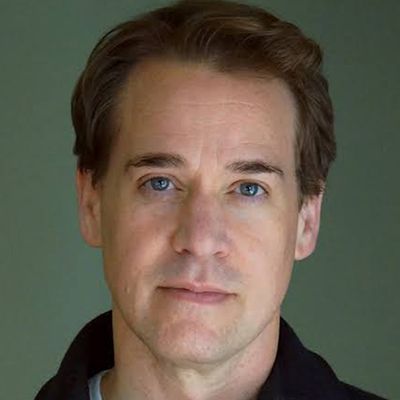
Behind the Awards welcomes back T.R. Knight to deep drive Victor Creel, the magic that goes into creating Stranger Things on Broadway and the struggles with being the father of a demon. T.R. also discusses his beloved roll of George O’Malley on Grey’s Anatomy... Read More
From the show: Behind the Awards with Eila Mell & Bruce Gotlieb
Guests
Featured Shows
About
Behind the Awards welcomes back T.R. Knight to deep drive Victor Creel, the magic that goes into creating Stranger Things on Broadway and the struggles with being the father of a demon. T.R. also discusses his beloved roll of George O’Malley on Grey’s Anatomy.
Also in this episode - Lucille Ball at the 25th Emmy Awards & Wicked For Good Trailer.
T.R. Knight’s Broadway credits include A Life in the Theatre, It’s Only A Play, Noises Off and Tartuffe. Off-Broadway credits include The Merchant of Venice, Pocatello, Romeo and Juliet, and Scattergood, for which he received a Drama Desk nomination. Other theater credits include Parade at the Mark Taper and Amadeus at the Guthrie. His television credits include The Flight Attendant Genius: Picasso, Genius: Einstein, Stephen King’s 11.22.63, and The Comey Rule. He received an Emmy nomination for his work on Grey’s Anatomy. Film credits include 42 and Forge.
Make sure to check out Eila's book, "The Tony Awards", and all her other amazing books: https://amzn.to/43WMu5Y.
Connect with Eila and Bruce:
Transcript
This transcript was automatically generated and might contain errors.
[0:00] T.R. Knight: My name's T.R. Knight and you're listening to Behind The Awards.
[0:30] Eila Mell: Hello and welcome to Behind The Awards. I'm Eila, as always, here with Bruce.
[0:37] Bruce Gotlieb: Hello there. How are we doing today?
[0:39] Eila Mell: I am good. That was Lucille Ball.
[0:42] Bruce Gotlieb: The 25th Emmy. She gets up to the podium.
[0:46] Eila Mell: No glasses. She can't read the cards.
[0:48] Bruce Gotlieb: And then all of the cards are out in front of her, so she doesn't even know which card to pick up.
[0:52] Eila Mell: Oh my gosh, what a disaster.
[0:54] Bruce Gotlieb: The only girl runs up with a drinking glass, because, you know, everyone's got to have a shtick.
[1:00] Eila Mell: Right, that's right.
[1:01] Bruce Gotlieb: So they're basically pulling him off stage because...
[1:04] Eila Mell: He's no help.
[1:05] Bruce Gotlieb: Like, you're not helping.
[1:06] Eila Mell: Right.
[1:07] Bruce Gotlieb: And this is a moment, like, live here. We're trying to get through it. He's, you know, doing a routine. Maybe he thought it was brilliant, but I guess it wasn't.
[1:14] Eila Mell: Well, you know.
[1:18] Bruce Gotlieb: Speaking of brilliant, though.
[1:19] Eila Mell: Yes, yes, yes.
[1:20] Bruce Gotlieb: The Wicked for Good trailer came out yesterday.
[1:23] Eila Mell: Oh my gosh.
[1:24] Bruce Gotlieb: I haven't seen it yet, so tell me, tell me.
[1:27] Eila Mell: What's in it?
[1:28] Bruce Gotlieb: It's beautiful. I mean, it's absolutely stunning. The movie is stunning, so it obviously brings everything back from the old movie, but we're seeing the second half, you know, intermission's over, we're back to our seats.
[1:40] Eila Mell: It just sounds good. It looks beautiful.
[1:44] Bruce Gotlieb: We're introduced to the bubble for the, you know, we saw it in the first time, but how Glinda's introduced to the bubble, and it's really funny.
[1:52] Eila Mell: I love the bubble.
[1:53] Bruce Gotlieb: It's just, they sound so good. I can't wait to see it, because Act Two, as great as Act One is, in Wicked, Act Two is really when it gets even better.
[2:06] Eila Mell: Then you see, you know, Dorothy and, you know, everyone, them going to the wizard and him saying, you know, bring me the broom of the Wicked Witch.
[2:15] Bruce Gotlieb: Right.
[2:17] Eila Mell: There's one part where you see a scene with the Tin Man, and just like in Wicked, when Bok yells, what have you done? It's the Tin Man yelling that. So it's really kind of cool.
[2:29] Bruce Gotlieb: There's also a scene in the trailer where not only is Elphaba flying, but so is Nessa Rose. So it's interesting the way they're working that, because obviously she was in a wheelchair, and then she's not in a wheelchair in the second act, so for part of it, so.
[2:46] Eila Mell: I can't wait. When is the movie out? Do you know?
[2:48] Bruce Gotlieb: November also, like last year?
[2:51] Eila Mell: Yep.
[2:51] Bruce Gotlieb: Did you buy tickets yet?
[2:53] Eila Mell: Not yet, not yet.
[2:54] Bruce Gotlieb: Can you?
[2:55] Eila Mell: Are they available?
[2:56] Bruce Gotlieb: I don't know, but I am prepared to have multiple viewings.
[3:01] Eila Mell: I also, after watching the trailer, so excited, I feel like maybe I go watch it and stay and watch it again, right after each other, because I feel like there's so much of an overload of stimulus that you shouldn't catch everything.
[3:16] Bruce Gotlieb: I know.
[3:16] Eila Mell: Now, can you do that as a kid?
[3:18] Bruce Gotlieb: I used to do that all the time.
[3:19] Eila Mell: You would just, you know.
[3:20] Bruce Gotlieb: Well, you're buying two tickets.
[3:22] Eila Mell: Oh, you would have to buy a second ticket.
[3:24] Bruce Gotlieb: Yeah, before you could just stay.
[3:25] Eila Mell: They didn't care.
[3:26] Bruce Gotlieb: Well, they might have cared, but there wasn't assigned seating.
[3:29] Eila Mell: Most theaters are assigned seating now.
[3:31] Bruce Gotlieb: That's, oh, right. I didn't even think of that. I love that theaters are assigned seating. Remember how you used to have to fight to get a seat on like a Saturday night? How awful that was?
[3:41] Eila Mell: They're quite, you have to show up early.
[3:42] Bruce Gotlieb: I know. Now you don't have to, and people don't.
[3:45] Eila Mell: And they don't.
[3:47] Bruce Gotlieb: Well, because they know there's like, you know, 20 minutes to a half an hour of trailers.
[3:50] Eila Mell: Well, that's true too. Yeah, I don't know why they do that. But, oh, so I went to see a show the other day. I went to see a show called, This Is Not a Drill.
[3:59] Bruce Gotlieb: And the second the lights went out, you know, because I get there early. I like to be there on time. If I'm late, something has gone horribly wrong.
[4:10] Eila Mell: So, you know, I'm there. The second the lights go out, two people, oh, I'm so sorry. Excuse me. And I have to get up. And, you know, like you had all this time before the show started.
[4:20] Bruce Gotlieb: Well, I happened to be standing at the box office at the Marquis Theater. I was looking into tickets for Friends for Stranger Things while I was in the city. And this woman comes up because I was waiting for a response. You know, am I buying these or am I not buying them? This woman comes in. The show has long since started.
[4:44] Eila Mell: And she's like, where do I go for the show?
[4:46] Bruce Gotlieb: And he's like, today? And she's like, yeah. And so he directs her, you know, up the escalator to the third floor. She was like a good half hour late. I mean, these are expensive seats. I don't understand what the fun is. There's also exposition that you're missing. Like you can't just...
[5:01] Eila Mell: Well, yeah, Stranger Things.
[5:02] Bruce Gotlieb: I know. So did you see there's an Instagram post that I saw today for the first time. And they're saying that there's so much, there's so many Easter eggs for the new season of Stranger Things in the Broadway play.
[5:19] Eila Mell: Oh, fun.
[5:19] Bruce Gotlieb: So if you've seen the play, you're gonna know stuff going in that, you know, that is just going to enhance your enjoyment of the new season.
[5:28] Eila Mell: So I guess that's coming soon, the new season.
[5:30] Bruce Gotlieb: November 26th.
[5:32] Eila Mell: Season five comes out in November.
[5:34] Bruce Gotlieb: So it's right around the corner.
[5:37] Eila Mell: That's right. So is it right before Thanksgiving?
[5:40] Bruce Gotlieb: The 26th.
[5:42] Eila Mell: Oh, so Thanksgiving's the next day. You can binge the whole thing because you don't have to do anything probably the next day tomorrow.
[5:50] Bruce Gotlieb: That's right. Like it's tomorrow now, if only.
[5:55] Eila Mell: Well, so speaking of amazing things and Stranger Things on Broadway, we have our friend back for more.
[6:01] Bruce Gotlieb: T.R. Knight.
[6:02] Eila Mell: Yes.
[6:03] Bruce Gotlieb: On this week's episode is joining us.
[6:05] Eila Mell: Oh my gosh. We love him so much. He's one of our favorite guests.
[6:07] Bruce Gotlieb: Favorite people.
[6:10] Eila Mell: He is. And last time we had him on, he was just announced he was in it. So he didn't even know, other than, you know, signing a contract, what was going to happen.
[6:20] Bruce Gotlieb: So now we're doing a really deep dive into Stranger Things on Broadway with our pal. So can't wait. Let's bring him out.
[6:30] Eila Mell: Bruce, we have just one of our favorite people, not even our favorite guests, our favorite people in the world on our show today. Let's welcome back T.R. Knight to our show.
[6:40] T.R. Knight: Thank you. Hello.
[6:41] Eila Mell: Hello.
[6:43] T.R. Knight: Thank you so much for clearing time for us.
[6:45] T.R. Knight: Oh, stop, stop. Thank you for inviting me back. That's very straight of you. It's great to see you both.
[6:50] Bruce Gotlieb: So Bruce pointed something out to me today. Can you tell?
[6:54] T.R. Knight: Yeah.
[6:54] Bruce Gotlieb: So last month you guys had your 100th show milestone. So I think you guys are now probably in like the 130 something range as we record.
[7:06] T.R. Knight: We, I think we're more than that.
[7:08] Bruce Gotlieb: Well, it depends on how you count, because they don't put previews into that.
[7:13] T.R. Knight: Okay.
[7:14] Bruce Gotlieb: And we did a month.
[7:14] T.R. Knight: I was wondering if they did.
[7:16] Bruce Gotlieb: And I don't know why. I'm sure there's a very smart reason why. And I just, I'm not smart enough to understand it.
[7:22] T.R. Knight: But yeah, they don't count previews.
[7:25] Bruce Gotlieb: And I feel like, I don't know. I feel like it's like.
[7:28] T.R. Knight: You still performed.
[7:29] Bruce Gotlieb: I'm like, those were challenging.
[7:32] T.R. Knight: So yeah.
[7:34] Bruce Gotlieb: So I was, this tells you a little bit of my personality. I'm that obnoxious person. When we were all wishing each other a happy 100th show, it's like, actually 130.
[7:46] T.R. Knight: Because of those previews?
[7:47] Bruce Gotlieb: Because they still count.
[7:50] T.R. Knight: Well, they do count.
[7:52] Bruce Gotlieb: So I'm just a little bit of a nerd.
[7:54] T.R. Knight: But yes. Thank you very much.
[7:55] Bruce Gotlieb: Thank you. Yeah. It's been a lot of learning, a lot of learning in those 100.
[8:00] T.R. Knight: Let's just say 100 plus shows.
[8:02] Bruce Gotlieb: That's right. We can now say 100 plus. You know, as you know, we love Stranger Things.
[8:08] T.R. Knight: That's very sweet.
[8:09] Bruce Gotlieb: Such a great time in the theater. It's like next level storytelling. The effects are amazing.
[8:13] T.R. Knight: But you know, even though the effects are so advanced and just help tell the story, it's a strong story anyway. You could do it without the effects if you had to.
[8:24] Bruce Gotlieb: That's great.
[8:25] T.R. Knight: Well, and luckily we haven't had to, too much.
[8:28] Bruce Gotlieb: Yeah.
[8:28] T.R. Knight: There's been, mostly it's been with how much that. Where's Wood? That Touchwood, that Ken. It's amazing how they've been running very well.
[8:39] Bruce Gotlieb: Is that what you say? I don't know. I mean, I'm so dumb when it comes to that. I mean, I guess the fact that you're able to have such smooth shows.
[8:48] T.R. Knight: With all of the nuance, right? I mean, you're on a regular, regular play. There's plenty of opportunity for something to go wrong.
[8:57] Bruce Gotlieb: Right.
[8:57] T.R. Knight: And this is just amplified to a whole nother level. I feel like.
[9:01] Bruce Gotlieb: And if you just, I mean, just backstage alone. Because there are so many set pieces and set equipment that they need. Like there's a cherry picker for act one floating above. Like the prop area. That's just, I mean, everything is lifted.
[9:16] T.R. Knight: The amount of work that this crew does for the show is its own show. And it's, it's one of those things that backstage is so choreographed as well that it becomes, it's almost to the point where it's exactly like where everything on stage has to be on its spike mark. You have to be in the right spot. It's almost exactly the same backstage. Because if you are like, I'm a little early today. Maybe you shouldn't be. Because there's going to be someone moving a huge piece. And you learn those. You only have to learn those lessons once. It's like, no, go where. Go enter where, you know, if you need to prepare or whatever. You go at the time. You know, you go those two scenes before. And don't deviate. Because I've been met with a huge rolling theater. A set of that stage that comes by. And I was like, oh, no. You know, I've never seen this before.
[10:10] Bruce Gotlieb: Time your bathroom breaks.
[10:14] T.R. Knight: You just have to like, you know, it has to. There has to be a precision to the backstage as well. Because yeah, it's dark. And you're going to get in someone's way. And possibly get smushed.
[10:27] Bruce Gotlieb: Well, we can't have that. Is that backstage choreography worked out during tech? Is that part of your tech?
[10:31] T.R. Knight: It seemed to be. Again, this is just from my point of view, from my role. It wasn't set in the way that Onstage is. It's kind of maybe more organic. And definitely the crew knows. But you just know as an actor to be like, oh, I can't be in that. I can't be there now. Or there are a couple places I go to hide. Because the character is so fraught emotionally that I want to be close. So I find corners. And one time I found a corner that I thought was really good. But there was a bin next to it. And things would get thrown into it. Luckily, fabric. But I was like, wow, you know, you're trying to. I was like, you know, it's just a bunch of sadness. And then I was just being hit in the face with things. And I was just like, OK, well, got to find another. Got to find another corner to cry in. I mean, your character goes through enough during this play. You don't need to be pelted in the face.
[11:30] Bruce Gotlieb: He does. But it was like, yeah. But it was my fault. Because I was in, you know what I mean? It's just there's too much. Even with five weeks of tech alone. And then another month of tech with previews. So that's like, what, nine weeks? That the tech process was nine weeks. And so it's like, it's just a lot. And so much of it is a safety issue that you have to be really aware. You just got to know to stay out of the way. I think is the is the best way is the best way to answer that. I mean, because even in tech time, like everybody's kind of like hackles. Is that the word? Hackles are up.
[12:07] Bruce Gotlieb: Yeah.
[12:08] T.R. Knight: Like crew wise, because it's such a safety issue. There is one of our stage managers, Matt Lutz, who is really good at managing all 34 of us, trying to keep us safe while all of these massive, massive pieces of scenery are coming and going. That one actor started backing up, just as one does. And they didn't know that something was coming down at that moment. And Matt grabbed her, wrapped his body around her, hit his comm at the same time to yell it to stop. And so basically saved her life. And you're just like, and you're like, it's just, you know, it's just a lot of information and massive amounts of people. So it's anyway, that's a long, long way of saying that our running crew is absolutely amazing.
[12:59] Bruce Gotlieb: That's like that time that Brett Michaels almost got decapitated on the Tonys, live on the Tonys. Do you remember that?
[13:35] T.R. Knight: It's such a thrill to be back in the theater, especially with a project like this. The energy of live performance is unlike anything else, and being part of "Stranger Things" on Broadway has been a unique experience. The way the audience reacts in real-time adds a layer of excitement that you just can't replicate.
[14:05] T.R. Knight: I think what makes this adaptation so special is how it captures the essence of the original series while translating it to the stage. The magic of the Upside Down and the characters we love are brought to life in a way that feels fresh and engaging. It's a challenge, but it's also incredibly rewarding.
[14:21] T.R. Knight: Playing Victor Creel has been a fascinating journey for me. The character has so many layers, and exploring his backstory allows me to delve into darker themes that resonate with the audience. It's a departure from some of my previous roles, but I love the complexity it brings.
[14:49] T.R. Knight: You know, being a father to a demon in the show adds a unique twist to the character's motivations. It’s a constant struggle between love and fear, and I think that duality is something that many people can relate to in their own lives.
[15:17] T.R. Knight: I also cherish my time on "Grey's Anatomy" as George O'Malley. That role was pivotal in my career, and the connections I made with the cast and crew are still very dear to me. The impact of that show continues to resonate with fans, and I’m grateful for the experiences it provided.
[15:43] T.R. Knight: Reflecting on my journey, I realize how much I've grown as an actor. Each role teaches me something new, and I carry those lessons into my future projects. The theater has a way of shaping us, both personally and professionally.
[16:11] T.R. Knight: I remember the first time I stepped onto a Broadway stage. The lights, the audience, the anticipation—it was exhilarating. There's nothing quite like the feeling of performing live, knowing that every night is different and every performance is a unique experience.
[16:37] T.R. Knight: The camaraderie among the cast is also something I treasure. We support each other through the highs and lows, and that bond creates a special atmosphere. It’s a collaborative effort, and everyone brings their best to the table.
[16:57] T.R. Knight: I think audiences are craving authentic stories, and that's what we aim to deliver. Whether it's through humor, drama, or a mix of both, we want to connect with people on a deeper level.
[17:23] T.R. Knight: As we dive into the world of "Stranger Things," I hope to bring a sense of nostalgia while also introducing new elements that surprise and delight the audience. It's a balancing act, but that's what makes it so exciting.
[17:51] T.R. Knight: The creative team behind this production has been phenomenal. Their vision and dedication to the material have helped shape the show into something truly special. I feel lucky to be part of such a talented group.
[18:19] T.R. Knight: And of course, the fans play a huge role in this experience. Their enthusiasm and support fuel our performances. Knowing that we are part of something that means so much to them is incredibly motivating.
[18:47] T.R. Knight: I also want to touch on the importance of representation in theater. It's vital that we tell diverse stories and give voice to underrepresented communities. The stage should reflect the world we live in, and I’m proud to be part of that movement.
[19:13] T.R. Knight: Looking ahead, I’m excited about the future of theater and the possibilities it holds. There are so many stories waiting to be told, and I can’t wait to see where my journey takes me next.
[19:27] T.R. Knight: I think about the legacy of shows like "Wicked" and how they continue to inspire new generations of theatergoers. It’s a reminder of the power of storytelling and the impact it can have on our lives.
[19:47] T.R. Knight: And speaking of "Wicked," I recently saw the trailer for "Wicked For Good." It brought back so many memories of my own experiences in theater and the magic that happens when we come together to create something beautiful.
[20:07] T.R. Knight: Overall, I feel incredibly grateful for the opportunities I've had in my career. Each role has shaped me in ways I never expected, and I look forward to what’s next on the horizon.
[20:33] T.R. Knight: Thank you for having me back on the show. It’s always a pleasure to share my experiences and connect with fellow theater enthusiasts. I hope everyone continues to support live theater and the incredible stories it brings to life.
[21:01] T.R. Knight: I encourage everyone to get out there and see a show. Whether it's a big Broadway production or an intimate off-Broadway performance, there’s something magical about the experience of live theater that you just can’t miss.
[21:21] T.R. Knight: And remember, every performance is a chance to witness something unique. The energy of the audience, the spontaneity of the actors—it all comes together to create a moment that will never happen again.
[21:45] T.R. Knight: So, let's celebrate the art of storytelling and the incredible talent that brings these stories to life. Thank you for joining me on this journey, and I look forward to sharing more with you in the future.
[22:13] T.R. Knight: Until next time, keep supporting the arts and embracing the magic of live performance. It truly is a gift that keeps on giving.
[22:41] T.R. Knight: I appreciate the opportunity to reflect on my career and the projects that have shaped me. It’s been a wonderful experience, and I hope to continue to inspire others through my work.
[23:09] T.R. Knight: Thank you again for having me. I’m excited to see where this journey takes us all, and I hope to share more stories from behind the scenes in the future.
[23:19] T.R. Knight: Let’s keep the conversation going about the importance of theater and the stories we tell. It’s a vital part of our culture, and I’m proud to be part of it.
[23:47] T.R. Knight: I look forward to connecting with everyone again soon. Until then, take care and keep the spirit of theater alive in your hearts.
[24:13] T.R. Knight: And remember, every time you step into a theater, you’re stepping into a world of possibilities. Embrace it, enjoy it, and let it inspire you.
[24:41] T.R. Knight: Thank you for listening, and I can’t wait to share more about my journey in the world of theater. It’s been a pleasure to be here.
[25:09] T.R. Knight: Let’s continue to celebrate the magic of live performance together. Until next time!
[25:37] T.R. Knight: I appreciate the support from everyone and look forward to what’s next. Thank you for having me back on the show.
[26:05] T.R. Knight: Take care, everyone!
[26:11] T.R. Knight: That if I can feel like, in a tiny, tiny way, I'm helping him lift some of that weight, then I feel that I'm completing my contract. Right? You know what I mean? I'm helping. I'm helping. I'm maybe making it a tiny, you know, in this case, maybe an ounce less heavy for him.
[26:31] Bruce Gotlieb: So is this different than, you know, famously you had this long run in Grey's Anatomy playing George O'Malley? We have plenty of Grey's Anatomy fans who are listening.
[26:39] T.R. Knight: Oh, really? I love you from that. So, you know, when you're doing a role like that, it's not the same script week after week. And so maybe you discover different things about the character where, you know, maybe he's not who you thought he was when you created him. Did that happen when you were playing George that you had to make adjustments?
[26:57] Bruce Gotlieb: Meaning adjustments? How? Sorry.
[26:59] T.R. Knight: Well, you know, like maybe, you know, as an actor, you do your homework and you create a background for the character. But then when, you know, maybe the writers write something that contradicts how you saw him in the first place.
[27:11] Bruce Gotlieb: Oh, I see. I see. I think that's kind of like, at least in my experience, I think that, I think that all, it depends on the writer, because there are some writers, like when I went back to do, what was it? Meredith's, Ellen Pompeo's character, Meredith. She had COVID a few years ago now. And so they brought some, she, she, she was visited by, by the people who've passed on in, in these like COVID hallucinations, I guess it was. So I went back to do that. And it was a good example of, I think of what you're saying, asking, they sent me the, the script for the scene. I think it was like three or four scenes or something like that. And they were like, and let us know what you think, which was very kind of them to even ask that.
But it was like, I read it and I was like, oh, there he is. It was just so, you know, it all comes from writing it all that, that's true. It all comes from writing. And that was written, I think, by someone who wasn't there when I was there. And it was just amazing that they still had the voice. And of course, Krista was also, Krista Vernoff, who was the second of command when I was there, she was running the show at that point. And so of course, her, she knows him very well, too. But it was, I remember talking to, I wish I could remember her name. And I'm so sorry, I don't right now. But the writer who, who wrote that episode, and it was, it was just nice to talk to her. And it was great that she understood him so well, and got him so well, in such a subtle way, I thought.
Anyway, but I think, yeah, I think that and I think after when in five years of back when I was doing it originally, I think, yeah, you become, I think there's a certain part of you that becomes very protective of your characters. And, you know, I think that can be a dangerous thing. Because I mean, it's natural. It's just natural. But you know, especially on a drama like that, where it's about major things happening, and you know, characters making, walking into a trap, then you can see it as the actor, you're like, but what's gonna happen? What? I think the dangerous thing is to say, my character would never do that. Very dangerous. It's a challenge. It's a challenge, because it's like, well, your character is doing that, and we'll see what happens.
And right, you know, that's, and that's not up to you. And also, that's what makes it exciting, too, is just like, oh, and God knows, we all make or I'll just speak for myself of the trio here. But I've made some doozies. And that if I had, you know, if I was the one writing it, I probably wouldn't have written myself into those situations. And like you said, that's different, because it changes every day. It's the same character. But hopefully, in the best case circumstances, the character is constantly evolving and changing. And but yeah, it is, the text is different. So and it's so fast, at least the kind of show we were doing at that time, when it was 24, something like that episodes a year, where a season, it was just like, it's so fast paced, where this theater is so different.
And it's what I grew up doing and, and still have done the most in my life. So it's like, that's, it is my comfort, where it's like the rehearsal, and then the repetition of doing it, there's, it's exciting to me to like, oh, that didn't work. Oh, what was I doing that made that not? Okay, you know, and then it's that, it's that nerdy kind of, you know, kind of tweaking the engine constantly, that excites me, because it always is. And it always has to be about the audience seeing it that night, and, and what they're experiencing, and making sure that, you know, those Broadway dollars are not, you know, they are spent well.
[30:01] Bruce Gotlieb: And I think that's the beauty of doing theater is that you get those opportunities, because the character is the same slice every time, right? It's that character's day, week, month, whatever that the story arc is, it's that same slice of time, you get the ability to like, you said, Oh, that didn't work. Well, tomorrow, I get to try something else to make it work.
[30:18] T.R. Knight: Yeah, on film and TV, maybe they give you another take, but maybe they don't. So it's got to be very gratifying to be able to solve the puzzle a little bit more each day.
[30:28] Bruce Gotlieb: I think so, because you're part of solving it. And I think in film and television, kind of like the editor becomes that does it has that role, right? Kind of, I guess.
[30:37] T.R. Knight: For sure. Yeah, you don't even know what your performance is really going to be because it's going to be edited.
[30:42] Bruce Gotlieb: Right. And if there's a if there's something that doesn't read well, for whatever reason, that is, the editor can try to slice it up a little bit. But every night is it's a chance to it's a chance to improve in theater.
[30:56] T.R. Knight: Martin Short told me that the difference between theater and film and television is that you can do an OK job on a set in front of a camera and an editor can turn that into a great performance, but you can't do that in theater.
[31:13] Bruce Gotlieb: Oh, wow. Oh, interesting.
[31:15] T.R. Knight: Yeah, right.
[31:15] Bruce Gotlieb: I'm certainly not going to argue with Mr. Short.
[31:20] T.R. Knight: I mean, that's editing as a whole art form.
[31:22] Bruce Gotlieb: Yeah.
[31:23] T.R. Knight: In and of itself.
[31:24] Norm Lewis: Hi, this is Norm Lewis. And behind the awards, we'll be right back.
[32:30] Bruce Gotlieb: So what is your day like when you have a show? Because how much preparation do you need for a performance?
[32:36] T.R. Knight: I find it's just it's different for every show. I've normally I'm kind of I'd say if you could say anything's normal. Normally, I'm more an early bird than not as far as getting to the theater. Early bird than not as far as getting to the theater. But I find this show, it really helps to not do that because it's there so much during the show. It's just when you have to as a character, relive some really ugly stuff as the character in the character's life. And that's an every night kind of eight show a week, twice on matinee day kind of thing. I think there's a certain kind of self-protection that I have to do. And again, this all I fear. I know we're talking about acting, but I fear this like, it's just like, I find when I for some reason, when words come out of my mouth about acting, it's either falls under pretentious or crazy. So it's like, it's like that little like, what's that game that the where you put in the little name? Like Plinko?
[33:31] T.R. Knight: Plinko. That's it. I was gonna say Lotso, but that's not it. So Plinko, it's like, it's like a Plinko. It's like every time I talk about acting, it either goes into the pretentious or the crazy.
[33:40] Bruce Gotlieb: But it really does it.
[33:41] T.R. Knight: But anyway, so yeah. So because of where this character requires me to live in, I find that it's like, I need as much time outside of the theater as possible. And if the role was larger, it would be totally different. But because it's encapsulated where it is, mostly, well, I was gonna say mostly in Act One, but he has a breakdown in Act Two. So that doesn't really work because it just takes a while to, you know.
[34:04] Bruce Gotlieb: Right. The end of Act Two is big.
[34:05] T.R. Knight: Because like I said, because you got to hit it. You got to, you got to, there's no warm up. When your foot hits that stage, it already has to already have happened. So yeah, I find that it's like, just to protect my little factory upstairs, I find that in and out is the best because of what has to happen there. And also, I think just like what I'm associating, because those spaces where I have to go and do that, that's kind of, it's just my kind of coping mechanism. Because I found that, just to be completely honest, that I was kind of, it was bringing me down a little bit earlier. And I was trying to figure out ways to do it. So now, as soon as I'm off stage, after my family dies, I know that I go to Spotify and I put in, is it called Happy Hobbit music?
Seriously, it's Hobbit Summer. So whoever made Hobbit Summer on the Spotify list, thank you. Because I put that on as soon as I get to the dressing room to try to clear all that out so I can go bow and not be, look, embarrass myself at the bow.
[35:07] Bruce Gotlieb: Well, it probably helps that Rosie is there taking the bow with you and, you know.
[35:12] T.R. Knight: Yeah, and it's like all just, yeah. I mean, and it is that kind of crazy thing where it's like, you know logically.
[35:19] Bruce Gotlieb: Right, of course.
[35:25] T.R. Knight: But what we have to do to our bodies in order to, and our brains, in order to fully and honestly tell this part of the story, what I have to do, I should say, it's just like, you know, you logically know it's not true, but everything else, everything else is under the impression that it's not. Right, it's in your body, you're feeling it. So it's the shake off. I've just learned, and that's probably going to change too as each, you know, kind of sexual time moves on. But I think I've found something now that kind of works to kind of help me to tell myself in whatever way, it's okay. It's okay, you weird little guy. It's okay. Obviously, the show was done in London before you guys got a privilege to do it in New York.
[36:11] Bruce Gotlieb: Right, right. But you have this, I guess, I mean, I'm just going to call it magic that Stephen Daltrey and Justin Martin kind of put on stage, these illusions, just the magic of all of it. Are you as an actor trying to figure it out? Is that part of the task of creating your character? Or is it just, that's the world that you guys live in?
[36:31] T.R. Knight: Well, when we started, when we started doing this, I had, even though they were written in the action lines of the script, it was so, it was almost like it was a different language. I felt like I couldn't decipher it, if that makes sense. And so I kept on telling myself through the process, okay, well, things will be clear once we're starting to rehearse it. And then we rehearsed it. And even though we rehearsed, and this is going back to January, they built at Open Jar Studios, a triple revolve for us in the rehearsal room. We had one that was just taped out, because normally, the stages is taped out, that's in the rehearsal room, I understand. So that's where we started. And they were like, oh, no, no, there's a bigger rehearsal room that we will also be in.
And I thought those were most big enough. That has all of the set pieces built, all and the triple revolve build, it was, it was done. And Stephen being, you know, the genius that he is, and Justin too. I knew of Stephen's work, and I didn't know of Justin's work. And I just, I really think of the world of them. And Stephen was like someone, I don't know if I mentioned this last time, when we spoke before, when this audition came in, it was his name was on and I was like, that's it. That's all I need. That's really all the information I need. That's how much I revered him. So the text, so we got there and it was like, oh, so this is all built for us. So now I'm gonna really understand this. All throughout the rehearsal process, I was like, still like, okay, now, this thing flies up, and then this will spin and this and I'm like, I had no idea what they're talking about.
I had no idea. And I tried to keep up and I would eventually, you know, every once in a while, I'd turn to another actor, because we have a very young cast, 20 of them are making their Broadway debut of 34 of us. And they're amazing. They're just all amazing and constantly surprising because we have covers going on. And it's like, they are giving their own life to these characters. They're not doing the imitation of the actor who, you know, and it's just so beautiful to see. And I love seeing that because it just, it gives it a whole new life. And I love that kind of the bravery to put their own stamp on it. Even though some are, you know, 16 and 18 that are going on. It's just, it's just remarkable.
Anyway, side tangent again. I keep on, I kept on asking them in rehearsal, I tried not to do too often, just because I was like, do you know exactly what's happening here? Do you know what's happening here? Because I think I know, but I just want to make sure. And they'd be like, no, I have no idea. And I'd be like, oh, thank God. Yeah. And then we finally get to tech. And it was still like, things were being just revealed and dribs and drabs because
[39:17] T.R. Knight: Luckily, a lot of people were on the same page who hadn't done it in London, but even though this show is, from what I hear, very different from London. So many things, the crew was just like, I don't know what's going to happen in Act 2. How is this going to, you know, and we were all discovering it together because it took so long to go through the show. But even now, because we couldn't watch this, as actors, you can sit in house and, you know, watch tech when you're not in it, to a certain point. And then we got from our technical director at a certain point, it was like, now you are not allowed in the house anymore. And it was like, oh, shit. So there are some things that I, yeah, I don't understand how they happen or what exactly.
I can see in a little, we have these beautiful monitors that are quite large and have full color and everything. But even then it's like, there's so much that you miss because you're preparing for something or you're changing your costume or what. So I don't know a lot of it and I don't know the mechanics behind it. I do know I have one jump scare that I have to do and it is so perfect for me because it is a blanket with a string attached to it. It's how high tech it is. But that's brilliant. That's brilliant. It's like some, most of this tech is extremely hard to explain, to do, to perfect. But then it also goes down and all the way to, you know, holding up a blanket with the string and the way they have the lights, the fabric that's being used. There's also something called the hologause, which I think only us and maybe Happy Ending have used ever. Right. That's brand new technology.
[40:55] T.R. Knight: Brand new technology. So it's something you can film on it and how light hits it or how light hits it from behind or the side and it makes things disappear. But then, so you have something that's very expensive like that and new technology and then you have old timey magic that's been done for hundreds of years where a book is tied to a string and or this blanket is tied. And because the way the lights hit, I just drop the blanket and the string is to pull it off stage and it's a jump scare because the way it's lit at that point, the scene is black except for flashlights. So it's just, it's that kind of diversion, the sleight of hand. From an audience perspective, it's also just, it's magical. It's just magical.
[41:40] Eila Mell: Oh, that's good to hear. That's good to hear. It's all happening and it's not a sensory overload, but it's like your brain is processing and wanting to figure out the puzzle piece of it all. But you're too enamored by what's happening for your brain to actually logically try to work through it. It's an interesting dichotomy for an audience member.
[42:00] T.R. Knight: And even I feel this way. So I imagine it's an audience too. It moves so fast.
[42:05] Eila Mell: It does, yeah.
[42:06] T.R. Knight: By the time other things are happening and it's...
[42:08] Eila Mell: Right, you have to move on.
[42:10] T.R. Knight: That pace, yeah. The pace is fast.
[42:14] Eila Mell: What I appreciate about the show is that while it's horror and heavy drama, it's also not taking itself seriously at all. It's fun. There are so many light moments and Netflix makes fun of itself. It allows itself to be made fun of at the end. There's so much to it. It's so layered. It's just like you get a complete experience at the end of the night.
[42:36] T.R. Knight: Well, I think, and that's, I think, something that Stephen is so brilliant at with tone and knowing how there has to be a lot of humor. Because to me, horror is tragedy, just maybe with monsters or with aliens or with blood, or you know what I mean? Maybe a little more, maybe a little less bloody. It doesn't, you know what I mean? But it's like, that's what it is. And I think in order to weight the tragedy, you need the lift of the humor as a release valve, as a way to make the tragic or the shock even stronger. And I think he's... I mean, when I first saw Billy Elliot the film, I just remember being blown away by the tone of it, how he just, it seems like a lot of people would have played into the sentimentality of it.
[43:26] Eila Mell: Yeah.
[43:26] T.R. Knight: And he just steered that wheel as far away from that as possible, which it still has left it. It still leaves an impression on me thinking about it. So I think he has that wonderful ability to read the temperature of what's needed, for lack of a better way to say it.
[43:45] T.R. Knight: And also what I think is so exciting is like in working with him one day, I happened to be in, I guess I was just watching something and he was walking by and he just said, I've been trying to crack this scene. And I can't remember even what scene it is at this moment. I've been trying to crack this scene for two and a half years. And I think I finally just got it. And he walked towards the stage. And it was like, that is someone who, it just tells you everything you need to know about Mr. Daldry. I think it's that he's not afraid to say that to somebody and to me, to Mr. Daldry. And that he was so excited about what he just discovered, that excitement that he still has, that this wasn't a show that merely it was just like, oh, let's do the same thing we did in London and put it up on its feet. That his curiosity is still so strong and such a driving force that, I don't know, that is another one of those little things that will stick with me.
[44:46] T.R. Knight: It's like you said, you're continuing always to try to figure out the puzzle. And it's nice to know that even though the show is technically frozen, the person who's the head of the play has that same curiosity. And that's his leadership style is to continue to solve the puzzle and figure it out.
[45:03] Eila Mell: Yeah, that's a good way of putting it. I mean, that's an interesting way of looking at it. Yeah.
[45:07] T.R. Knight: It is. The curiosity is something that I think is so, it's important. It's probably the most important thing, I think, to not lose it and not let all the kind of like weight and heaviness that can come with any part of this or any freelance life. But, you know, specifically, we're talking about the theater or acting or directing or any writing. It's just like to not let the heaviness, the weight of that lived experience kind of kill any of that curiosity.
[45:39] T.R. Knight: My favorite of his movies is The Hours. I just love it so much.
[45:42] Eila Mell: Oh, my God. Beautiful.
[45:44] T.R. Knight: I mean, it was intimidating at first working for him because it was hard to like, how do you take away those 20 years of thinking he's, you know, the bee's knees.
[45:57] Eila Mell: Yeah, exactly.
[45:58] T.R. Knight: It took me a while to try to, I don't know if I've ever fully got rid of it, but he's really remarkable.
[46:07] Eila Mell: It's wonderful when people live up to your expectations because usually, you know, it doesn't really happen.
[46:13] T.R. Knight: And also, and also Justin and also like, and I know they'd worked together for like 17 years and also separately, too. But I wasn't living in New York when Justin's last play was on. I still have to go to Lincoln Center Library and see it.
[46:28] Eila Mell: Yeah, I mean, he directed Judy Comer to a Tony Award.
[46:31] T.R. Knight: Yeah, he's working with that same, both he and Steven right now, I believe right this moment, are have shows at the National Theater in two different spaces, separate shows by accident or by happenstance. And then they will both direct something together again, I think at Lincoln Center this coming fall. But, but yeah, but Justin is working with that same playwright who wrote Prima Fascia.
[46:57] Eila Mell: Thank you. Thank you.
[46:58] T.R. Knight: Yeah, but it was just a joy to get to work with him, too.
[47:02] Eila Mell: Yeah. And neither one of them, you know, they're both very established directors, neither one of them need to pair with the other. But I'm sure when they do, it enhances what they both bring to a show.
[47:13] T.R. Knight: Well, it's I mean, this show is so massive. It's just so incredibly massive that it's hard to imagine seeing them work together. I'll say it's hard to imagine one person doing it. And because of that shared experience, the way they would kind of bob and weave and take, you know, they split up certain things, but then that even was kind of very fluid. And I don't know how they managed to keep that communication going with each other. I mean, it seems like you would take every moment outside of rehearsal to try to figure that out. But maybe it is. I don't know. I never I didn't have the I just didn't feel it's my place to ask them. But it was fascinating watching it. Fascinating watching how they how they worked together and how at zero percent of the time that I witnessed there was ever any sort of anything other than they were one entity.
And it was it was really it was really it just to me, it just speaks of two people who are very confident in what they do, but also have that curiosity and aren't afraid to to, you know, bob and weave and, you know, and just keep exploring.
[48:29] T.R. Knight: And that's that kind of explorer mentality. And people can get a glimpse into it because there is it's not for the Broadway production. It's for the London production, but a behind the scenes special that Netflix has about the making of the documentary.
[48:40] Eila Mell: Yeah, Louis was telling me about that.
[48:44] T.R. Knight: That is something I'm going to wait to see until I know it's just it's that superstition and I don't even know a superstition against what? It's pretty different, actually, from your version.
[48:55] Eila Mell: Yeah, I've heard that.
[48:55] T.R. Knight: But it's like, why? Why would I, you know?
[49:00] Eila Mell: Yeah, you don't need to watch it.
[49:04] T.R. Knight: Why would you know? Why would I not watch it? But it's just like, it's just that weird thing. It's like, you know, the three on a match. There's a little bit of like, I don't know. But it's really good. I can't wait to see it. I can't wait to see it. Louis was Louis was telling me all about it.
[49:15] Eila Mell: Yeah, well, it's something to look forward to. I mean, it's like, you know, it's where I'm going to go till next March. So it's like, which is, you know, it's already August. We've been doing this since January. It's just like, time passes. I think it also speaks to, you know, the years on the planet, the longer the more of those it's just like, this is just gonna like if it's gonna be like tomorrow, we're gonna be like, we have to say goodbye already.
[49:46] T.R. Knight: Yeah, I know. So now it's far in the future ish. But are there any plans? Is there anything else that you can talk about that might be coming?
[49:51] Eila Mell: Oh, not at this moment.
[49:53] T.R. Knight: Okay. Well, you know, when there is we like a little cagey there. I like it a little bit.
[49:58] Eila Mell: And what? No. I'm just joking. I'm just you suspense builder you.
[50:05] T.R. Knight: Hardly, hardly. But yeah, we'll see. It's marches, marches just a little ways away.
[50:12] Eila Mell: Yeah, we'll see.
[50:12] T.R. Knight: Luckily, I'm still trying to crack this little gnomes brain. And, and still that's, that's taking up. That's taking up so much of my time and thought.
[50:27] Eila Mell: Well, we hope that everyone goes to see you in Strangers on Broadway.
[50:33] T.R. Knight: Oh, that's very sweet of you. Everyone should get the Tony Award book. It's just the Tony Awards.
[50:37] Eila Mell: The Tony Awards. That's it. That's ordered by Ardor McDonald.
[50:40] T.R. Knight: And then this one that Derek McLean. This is newer, right?
[50:43] Eila Mell: No, the Tony book is a year later.
[50:47] T.R. Knight: Oh, the Tony.
[50:47] Eila Mell: Designing Broadway was a year earlier. Yes. Derek McLean's and I mean, just gorgeous.
[50:53] T.R. Knight: Thank you. Amazing.
[50:55] Eila Mell: And Ethan Hofstadter forward for that.
[50:59] T.R. Knight: Oh, I haven't gotten to that part. I haven't gotten to that part. But the, the, I mean, just the, the, the photos and from a design element, getting to see someone's work laid out like this.
[51:05] Eila Mell: Thank you.
[51:10] T.R. Knight: Is, is incredible. Both books were just a dream to work on.
[51:14] Eila Mell: Did you? I'm sure.
[51:17] T.R. Knight: Oh, well, you're at the part I was just gonna say.
[51:19] Eila Mell: You were just this?
[51:19] T.R. Knight: Yes.
[51:23] Eila Mell: Okay. Explain for the audio peoples. What do you call, what do you call this?
[51:29] T.R. Knight: It's a gatefold. And so it's like, four or five panels of, it's the entire panoramic view of the set of Moulin Rouge!. The photo is by Emilio Madrid, I should point out, because his work is exceptional. And it, I have to say, I didn't take the photo. It's a gorgeous photo.
[51:38] Eila Mell: It's a gorgeous photo, but that that's, so it's four, four pages that pull out. Right. It's like a centerfold, you know, it just opens up. No one's naked, but they're close because it's Moulin Rouge!.
[51:55] T.R. Knight: A set centerfold. That's right.
[51:58] Eila Mell: Just beautiful, beautiful books.
[52:01] T.R. Knight: Oh, thank you so much. I'm so glad they're part of my library. So thank you for making them.
[52:06] Eila Mell: We just adore you. And we can't wait to see you again and have you back on the show. And thank you for joining us. And we will see everyone next time on Behind the Awards.
[52:16] T.R. Knight: Bye. Thank you so much for having me.
© Broadway Podcast Network, All Rights Reserved