

Actor/Writer Andrew Keenan - Bolger takes us back in time to NYC in the 90s with his new Novel Limelight. Andrew brings back the real life characters from that time such as Rentheads, Clubkids who were navigating a changing city... Read More
From the show: Behind the Awards with Eila Mell & Bruce Gotlieb
Guests

Featured Shows


About
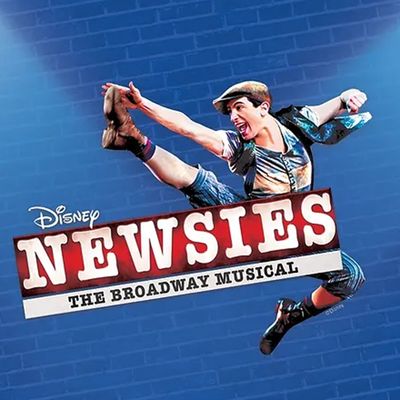
Actor/Writer Andrew Keenan - Bolger takes us back in time to NYC in the 90s with his new Novel Limelight. Andrew brings back the real life characters from that time such as Rentheads, Clubkids who were navigating a changing city. Andrew also takes us back to where his career began with Disney’s Beauty & The Beast, The National Tour of Ragtime and of course fan favorite Newsies.
Get tickets for Andrew’s Book Event March 16th 2026 - https://donate2.app/sOGxUp
Buy Andrew’s Book - https://www.penguinrandomhouse.com/books/768589/limelight-by-andrew-keenan-bolger/
Also in this episode - Eila & Bruce discuss their recent late to the party binges. Difficult People starring Julie Klausner, Billy Eichner, Cole Escola, Andrea Martin and more. Pose starring Billy Porter, MJ Rodriguez, Indya Moore and more.
Andrew Keenan-Bolger is an actor, director, author and filmmaker. He starred as “Jesse Tuck” in Tuck Everlasting on Broadway (Drama League Award nominee). He created the role of "Crutchie" in the Original Broadway Cast of Newsies (Outer Critics Circle nominee) and in the record-breaking Newsies: The Broadway Musical film. Other Broadway: Mary Poppins, Seussical, Beauty and the Beast, A Christmas Carol. 1st Nat'l Tours: Spelling Bee, How The Grinch Stole Christmas, Mary Poppins, Ragtime. Theater: Titanique (Off-Broadway), Dracula: A Comedy of Terrors (Off-Broadway), Scarlett Dreams (Off-Broadway), Seven Deadly Sins (Off-Broadway, dir. Moisés Kaufman), Family Furniture at The Flea Theater (dir. Thomas Kail), Aladdin at The 5th Avenue Theater (dir. Casey Nicholaw), Ever After at Papermill Playhouse (dir. Kathleen Marshall), Film: “Billy Frazier” in The Rewrite starring Hugh Grant, To Dust, Marci X, Are You Joking? Upcoming: Rosie in On Swift Horses starring Jacob Elordi and Daisy Edgar-Jones, Hanish in V13 starring Alan Cumming. TV: The Undoing (HBO), The Blacklist (NBC), The Other Two (HBO), Three Rivers (2018 ABC Pilot, lead), The Marvelous Mrs. Maisel (Amazon), Nurse Jackie (Showtime), Looking (HBO), Naked Brothers Band (Nickelodeon), One Life to Live. Podcast: Bobby in Marvel's Wolverine: The Long Night. B.F.A. from the University of Michigan. His work as a filmmaker has been profiled in The New York Times, The Wall Street Journal, Entertainment Weekly, Rolling Stone, The Associated Press and New York Magazine. Director of the award-winning short films Mikey’s Army, Sign and The Ceiling Fan. Along with collaborator, Kate Wetherhead, he is the co-creator the critically acclaimed webseries, Submissions Only and co-author of the children’s series Jack & Louisa (Penguin Random House). He is the author of the upcoming novel Limelight (Penguin Random House).
Make sure to check out Eila's book, "The Tony Awards", and all her other amazing books: https://amzn.to/43WMu5Y.
Connect with Eila and Bruce:
- Instagram @behind_the_awards
- Eila @eilamell
- Bruce @cominghomewithbruce
Transcript
This transcript was automatically generated and might contain errors.
[0:00] Andrew Keenan-Bolger: It's Andrew Keenan-Bolger, author of Limelight and performer, and you're listening to Behind the Awards.
[0:15] Eila Mell: Hello and welcome to Behind the Awards. I'm Eila. I'm here with Bruce. How are we doing today, Bruce?
[0:22] Bruce Gotlieb: I am good. Still cold here in New York. Still cold, although the sun is out today, so that makes a difference.
[0:27] Eila Mell: It does. So I have been inside and spending much of my time discovering this amazing show called Difficult People. I completely missed it. I think it's from, I'm going to say, around 2015, maybe, and it stars Julie Klausner and Billy Eichner as two best friends in New York City.
[0:50] Bruce Gotlieb: Okay. And the supporting cast is like a who's who of Broadway.
[0:58] Eila Mell: It's Cola Scola, long before Oh Mary. Okay. But I mean, you could see the DNA of Mary right there.
[1:06] Bruce Gotlieb: Sure, sure. He's hilarious on this show. Andrea Martin, who is brilliant in everything. Derek Baskin. It's such a funny show. And if you love theater, you're going to love this show. One, there's one scene where they're going to a performance of Annie and Annie calls out. So I think they're all disappointed that the Annie understudy is going on. I mean, it's just, oh, the whole show though is hilarious. So I hope that more people will discover it like I did. It's on Hulu. So it's been so much fun. And there's three seasons of it. I thought when I was getting deep into the season one, I was getting upset thinking, oh, it's going to end soon. And then it kept going.
[1:36] Eila Mell: Oh, and Gabrielle Sidbey is in it. You know, precious.
[1:52] Bruce Gotlieb: Of course. Ah, it's just, it's great. I love this new show. You know, it's funny because you have certain people, right, that like are certain shows that once they open up, it feels like anyway, they open up that breath of bringing in New York City or Broadway people. It's like the once the water faucet's on, there's no turning it off.
[2:13] Eila Mell: Oh my gosh. There's a hilarious episode where Nathan Lane playing himself is very central to. And then what's so funny is that they'll reference things from other episodes later on. But it's not so obvious. So I don't want to spoil anything, so I won't say exactly what, but there are things that are so just funny, funny nods to things from other episodes. So just watch it when you have a chance. Watch it. You won't be sorry. Watch it and pay attention.
[2:41] Bruce Gotlieb: I know. So what are you watching these days?
[2:47] Eila Mell: A little late to the party, but just finished Pose.
[2:54] Bruce Gotlieb: Oh, Pose. Which I remember when it was on and I was going to watch it. And for whatever reason, I didn't start it right away. And then by the time I was like, oh, I should watch it. It was like season two. And I was like, well, then I got to go back. And it just felt like I just had the right time to do that. But with the blizzard and such, I just dove in. And as much as the show is a little, it's not an easy watch in terms of subject matter and just feeling, but it was an easy binge where you just didn't want to stop.
[3:27] Eila Mell: Yeah. And I think, I feel like for me anyway, Pose is a show that got better every season.
[3:32] Bruce Gotlieb: Yeah. I mean, Billy Porter deservedly won that Emmy. I mean, his pray tell was funny. It was beautiful. It broke your heart. It was so colorful and layered, but everybody in it too, like was just so good. And I find this with shows a lot. I get like, well, why aren't there more acting nominations? Why aren't there more writing or directing? Whatever the case is, because I know MJ Rodriguez was just amazing.
[4:11] Eila Mell: Yes. But even some of the other characters that were in it and some of the other actors that were in it, I felt like they could have got nominations too. But I know, you know, and then you also see the growth of some of these people over time, right. Who just gets so much better in the show.
[4:21] Bruce Gotlieb: Yes. You know, and the dancing is amazing. The costumes, the, you know, just really everything. It transported us back to a different time.
[4:36] Eila Mell: Right. Yeah. But it's so raw and real. And like, if you opened up your door, it was, it was going on. So.
[4:50] Bruce Gotlieb: Well, it's a time sort of related to our guest today, isn't it?
[4:56] Eila Mell: Yes. We have Andrew Keenan-Bolger today, who just two days ago, you know, was the release date of his novel, Limelight, which takes place in the 90s at the Limelight when it was a dance club with the club kids and, you know, a grittier New York in a transition to more of a New York that we know now.
[5:10] Bruce Gotlieb: Yeah. Well, let's bring Andrew out because there's so much good stuff for him to tell us.
[5:16] Eila Mell: Absolutely. Well, Bruce, how excited are we that we have Andrew Keenan-Bolger on with us two days after the release of his book, Limelight? Good morning and welcome to the show, Andrew.
[5:33] Andrew Keenan-Bolger: Thank you for having me. I'm excited to be here.
[5:36] Eila Mell: We are thrilled to have you and congratulations on the release of the book. I guess, how long does that take? You know, with a show with theater, you know, like there's like a certain incubation period that happens. It could take many years for something to come to fruition. Is sitting down to write a book the same type of trajectory?
[5:57] Andrew Keenan-Bolger: Honestly, yes. So this took six years from when I opened a document and titled it Why A Book to the day that it was released, which was on Tuesday. Yeah, it's six years. The book world, it does move a little bit slow, but honestly, having worked on Broadway, I know that development, it is a long labor of love. Yeah, it was something that I started out just sort of as an idea. I was investigating and did a whole bunch of interviews. And then I think like the actual writing time, it was probably closer to two years. But then it goes through submissions and copy editing and a lot of promotion and lots of it's a long process. But I think my theater life has kind of prepped me for a long slog.
[6:54] Eila Mell: What was the impetus for writing the book?
[6:56] Andrew Keenan-Bolger: So this book, it takes place in the year 1996 in New York City. And it is also the year that I moved to New York City to perform in my first Broadway show, which was Beauty and the Beast. So already that time, it just felt so sensory to me. It really lives in my body. I feel like I don't even remember what happened last week. But for whatever reason, the images of New York City in that year are so crystal clear. And so it just began and it's like, I wanted to understand that time more, especially from the point of view of the generation that came before me, the people who really were coming of age in the mid 90s. And I didn't necessarily know if it was going to be like a young adult novel, but wanted to write into that.
So I think I put up like a Facebook blast saying, Hey, did you live in New York? Were you a rent head? Or LaGuardia High School? Were you a club kid? Did you dance at the limelight? Just these like kind of cultural moments that were happening in that year, and did a whole bunch of interviews. And from that started building out a narrative and a love story and a coming of age story of characters who could have existed in that time.
[8:16] Eila Mell: You pretty much just described everyone that I knew.
[8:25] Andrew Keenan-Bolger: Do you remember when you were, I know you said a lot of sensory memories coming back, do you remember being younger, but like seeing people of that age at that time and being like, what is this world that they're living in that I don't really have access to?
[8:38] Andrew Keenan-Bolger: Oh, completely. I would say like my main image that I have is being 10 years old and being in Beauty and the Beast, being backstage at the Palace Theatre. And at the end of a show on Friday night, just seeing this, because y'all, the theatre is a somewhat gay profession. And seeing men's ensemble, like putting on these cute little outfits and like putting their face and hearing them just talking about like going out to these queer clubs. And obviously, I was 10 years old. I was not out. I don't even think I had the language. I didn't understand what was sort of going on in my body. But seeing something that I was like, oh, what's going on there? And also I want in. So yeah, it was very much and also just New York at that time, it was such like a tension moment between the old kind of sleazy New York City that we remember from the 70s and 80s. And the kind of modern like Disney era Times Square.
And so I was seeing like porn palaces being shut down and turned into like Duane Reade's or Disney's or Chase Banks. And yeah, it felt like a real time of conflict, a time of reinvention, a time of rebirth. And I think you could argue some for the good, some for the bad, like you're probably lost a lot of character. But also, I think it gained a stronger economy and a stronger, certainly, musical theater and Broadway landscape.
[10:14] Bruce Gotlieb: Yeah, right. Because, you know, at that, well, a little bit before that, you know, half the theaters were shut down for a good amount of time.
[10:23] Andrew Keenan-Bolger: It's true. Yeah. And I think it was, is it the 20 words of 95? There are only two musicals nominated. Yeah, it was the only two new musicals that even happened that year. Right. The very next year we have Rent open, which, well, that changed a lot, changed everything. Not only just the art form, but also, I mean, I remember seeing it when I was very young and my mind just like breaking wide open in terms of what subject matter could be in musical theater and what kind of characters got to be at the center of it.
[10:53] Eila Mell: Yeah. You know, it's so funny how things come around because for so many people, a chorus line did that because it was, you know, it was happening right in the theater district and people were wearing clothes that they recognized and, you know, it was the same kind of thing.
[11:08] Andrew Keenan-Bolger: Yeah. I think anytime an audience sees themselves in a, in any medium, honestly, for the first time, it is just incredibly validating and it makes me so excited. Like we all want to see ourselves in art.
[11:21] Eila Mell: Yeah. It's funny, like you have these moments in the book that also can transport a reader back. They don't have to be a young adult reader, like just the mention of LaGuardia High School and all of a sudden I'm watching Fame and, you know, the TV show they're dancing around the fountain and the way you describe like certain smells in the book, like there's a distinct smell I remember as a kid walking through Manhattan that I get here and there now as an adult, I'll get it and be like, just morphed back in time, like with a sensory moment.
[12:01] Andrew Keenan-Bolger: Oh, thank you for saying that. I mean, I truly, I felt that way writing it. It felt easy to access and I wanted to write it while it was still within reach. Sure. In 20 years, people are going to think the smell of weed is nostalgic because that's all, that's just what New York smells like now.
[12:13] Eila Mell: Totally. So Limelight, does it refer to The Limelight or is that a play on theater also?
[12:19] Andrew Keenan-Bolger: I mean, it is both. It is truly, it, there is a very pivotal scene that takes place. For those who don't know, The Limelight, it was a gothic church in the 1800s, I think an Episcopalian church, I believe. And it was renovated in the 80s to be this nightclub. And by the 90s, it was it was truly kind of an infamous spot. It was the main hangout of the club kids who were these basically original kind of analog influencers. And it was a literally
[13:00] Andrew Keenan-Bolger: Teenagers were the absolute tastemakers of what nightlife was, and they would get invited to these parties and do a lot of drugs and be debaucherous and be very naughty, but also really define culture. People like RuPaul, Amanda LaCour came out of that era, and in 1996, they turned very sinister in that there was a martyr within the club kids, done by another club kid. And so the book is sort of framed around that, that is a piece in it. And then, of course, just the word limelight, it is so much like stepping into the limelight, both, I think, for my main character, a metaphor for theatre and also a metaphor for just coming of age and understanding who you are and who you want to be. I knew Richie Rich, and he was, you know, one of the original club kids.
Oh my gosh, he's referenced in my book. Amazing. And, you know, they were hired by the clubs and used by the clubs to bring all their friends in, if not for those club kids. And Geraldo, too, used to love to have them on his show.
[14:06] Eila Mell: Oh, yeah. Oh my gosh, there's so many great clips on. If you fall down the YouTube rabbit hole, it is incredible.
[14:11] Andrew Keenan-Bolger: It is. It's so much fun. People playing with, like, gender and sexuality in a way that now we find very obvious, and you sort of think it is a new advent. Like, Gen Z and Gen Alpha are, like, really exploring that. And you're like, oh, no. Non-binary people have existed always. They just have had different language for it. And, yeah, just really creative people, too, came out. But also the way that they would dress, it was extremely creative. It was, you know, even better than Broadway costumes that they would wear, and they would make them themselves.
[14:49] Eila Mell: Yeah. Insane creativity.
[14:52] Andrew Keenan-Bolger: Yeah. So I grew up thinking that, because my mom went there, that Studio 54 was, like, the height of glamour. Is this kind of the same thing for you, for your generation?
[15:04] Eila Mell: It's funny. I think if you actually draw the, like, mathematical timeline, Studio 54 absolutely was that for me growing up and being like, what was that like? Could you imagine, like, Liza Minnelli and Andy Warhol in the same place? And I think probably for today, when kids look back at what has defined culture, it is that kind of era of creativity and, yeah, just art expression and drag expression, especially when it really started becoming a little bit more mainstream. And obviously, it has birthed many icons that we have today.
[15:41] Andrew Keenan-Bolger: Right. How much of you is in your main character?
[15:44] Andrew Keenan-Bolger: It's funny. I would say certainly there's some of me in that this character is an actor, and it was very easy for me to access feelings of, like, the nerves before an audition or, like, the feeling of stepping onto an opening night stage. But I would say this character is, in many ways, not like me. I wanted to write a character that was not the obvious star of his drama class, that he was much more shy, that he doesn't necessarily understand the rules when it comes to performing arts. And I think so much of that was over the past few years, I've gone all around the country teaching, like, masterclasses. And there are always some kids who you're like, oh, yeah, that kid is a star. They have known their entire life what they wanted to do.
But there are so many kids who are attracted in theatre, I think, because there is a great community aspect to embracing outsiders. And you see so many kids who are just nervous or not secure in their bodies yet, but clearly have raw talent and just need permission to express it or to have that one teacher who can change everything, or the friends who really see them for the first time. And so that is much more my character. He is very much an outsider, very much face pressed to the glass, seeing a world that he wants to be a part of, but not understanding how to access it.
[17:23] Eila Mell: And everyone roots for the underdog, right? So when you're watching something, you want that person that you see that glimmer of something in to, you know, to get their chance in the spotlight or to reach whatever that goal that is set up for them.
[17:38] Andrew Keenan-Bolger: Of course, and also just like, anytime you're writing adolescence, there is just inherent growth and there's inherent stakes. Everything feels so permanent and so scary. And yeah, you want to root for the person to become the person that they know that they are inside, or having trouble expressing.
[18:00] Eila Mell: At what point, I know you said in the beginning when you sat down, you didn't necessarily intend for it to be a YA novel. At what point did you sit and I guess discover that, oh, wait a minute. Yes, this is going to be classified as that type of book?
[18:15] Andrew Keenan-Bolger: Yeah, I think at first I thought I was going to write more of an adult book because I was just fascinated with the club kids. That was like my main curiosity. And I have set out to work on projects that I think seem like either like a commercial idea or something that people would want from me. And I find that that is very hard to build discipline around working on. Whereas if you find something that you're just curious about and pulling that thread, you're going to want to open your laptop every day. And so I think I felt like because the club kids they were doing so many drugs and there was like a murder and like, it felt like an adult story. But the more I dug into it, the more I was realizing these were children and like, it was not all their fault.
They were put into these situations that by adults who were using them in many ways. And of course, giving them like a space to express themselves, but also like feeding them drugs literally as like a bribe to come to their parties. And then I felt like I was just interested in setting it. It is very much right what you know, like at the end of the day, I am such a true theater kid. And it is it's my favorite thing to do in the world and my favorite thing to write about. And so I was wondering if I could sort of meld those two worlds between a place like LaGuardia High School. I didn't go to LaGuardia. I went to the Professional Performing Arts School, which is sort of similar, but I felt like had a little bit less romance.
And I have many friends who went to LaGuardia and it just really did seem kind of magical. And so I think out of discovering that I could write a coming of age story, it became ultimately a young adult book. But I also I think most of my friends who have read it are not young adults. And I feel like there's a lot to enjoy, especially if you had any kind of window into that decade.
[20:20] Eila Mell: Yeah. Yeah. It sounds like it'll be fun just because it takes you back there. But also, you know, it's going to have impact on kids who are reading it because, you know, for so many kids, you know, not kids that are in New York or in L.A., but in places where they don't have, you know, a peer group that looks like them or that feels like them. So it's going to be a lifeline for people.
[20:37] Andrew Keenan-Bolger: Thank you. I sure hope so. I also just feel like, you know, 1996, it's an interesting time in history, especially for the gay and queer community. It's the year that the cocktail was introduced, which was basically a mixture of drugs that people were able to take and for the first time kind of have a new lease on life. And I just don't feel like that era is depicted. Very often you hear all about the AIDS crisis and what it cost our community. But I felt like the era where people were having to rebuild and the generation that my character, Danny, is really he's the first his generation is the first to imagine a future where he can be gay and it not being a death sentence. Right. That to me felt like an era of history that I want young queer people and young gay kids to understand, because we benefit from I benefit so much from both the people who fought for this legislation to get the government to fund these NADs and for the people who we lost, these incredible artists who never got the chance to really fully express themselves.
[22:02] Andrew Keenan-Bolger: There's a whole generation missing that should be here right now, even still.
[22:08] Eila Mell: Not really true. I think of that all the time on Broadway, where there is just an age gap where there are so many people doing this. And then you get to people who are 50, late 50s, early 60s, 70s. And there is a true like drop off in numbers in a way that is just heartbreaking.
[22:23] Andrew Keenan-Bolger: Yeah. You know, I want to point out that you don't have to be, you know, gay to enjoy this book. I remember, you know, as a kid discovering the book Confessions of a Rock Lobster. And it is, you know, an old school book about this kid, Aaron, who wanted to bring another boy to the prom. And, you know, I just thought it was the sweetest story. So it doesn't you know, you don't have to be of the community to get a lot out of it.
[22:51] Andrew Keenan-Bolger: Totally. I think any any person who has ever been a teenager understands what it is like to feel different from the kids in your high school or, or feeling like you, you just want to blend in that you want to keep your head down and be like everyone else. And it is often when we are older, that we realize the things that are making us different are the things that are special about us.
[23:14] Eila Mell: Yeah.
[23:18] Andrew Keenan-Bolger: It's Andrew Keenan-Bolger behind the awards. We'll be right back.
[23:22] Eila Mell: Did you always think obviously, you started acting at a young age, but was writing always kind of part of that equation that you saw for yourself?
[23:33] Andrew Keenan-Bolger: It's funny, I, I think just having spent basically my entire life in a rehearsal room, I do feel like I had been thinking about structure and dialogue and beats my entire life without ever realizing it. And because I've been lucky enough to do a lot of new work, I've been in readings and workshops where you see real development. And it certainly is I've gotten older where you are helping people collaborate where you are asking questions where you are being an agent for your character and kind of sticking up for them. And so certainly, that did not feel foreign to me. Writing a scene of dialogue to me felt just normal. It felt like, well, what would they say? Well, what are they feeling? What sounds right to my ear?
But in terms of the actual practice of opening a document and writing, it was not something I discovered I enjoyed doing until I was in college. I went to the University of Michigan. And one of my best friends who was in my class, Benj Pasek, who EGOT winning writer, creative writing class together our freshman year. And I will say it's stuck to him a little bit, a little bit more. He had an amazing teacher who both kind of pulled us aside. It's like, I know you guys both want to be musical theater actors, but you're both great writers. And I hope even if this does not become your career that you continue doing that. And I'm so thankful for that teacher. Her name is Valerie Lakin. She ended up actually leaving Michigan because she became like an author who now is writing a lot.
But I'm so grateful for her because every single elective that I had for the next four years, I just took a creative writing class. And I really thought it was just going to be a way for me to become a better actor. And it was not, I never intended to be an author. It is very much an alternative that was kind of presented to me that I just pulled that thread. And it has completely changed my life. And I think maybe a better actor, but also, I think a little less stressed because when you're an actor, a lot of time is waiting for people to give you permission to practice your career. And being an author, I can kind of open my laptop every day.
[26:00] Andrew Keenan-Bolger: And if I'm feeling inspired, I can crack out a sentence.
[26:04] Eila Mell: Yeah, and now you can create your own shows if you want to.
[26:07] Andrew Keenan-Bolger: Sure, yeah.
[26:09] Eila Mell: So, what is it like being a child and getting that first role on Broadway?
[26:14] Andrew Keenan-Bolger: Oh my gosh, it was truly incredible. I think for a number of reasons. First of all, I was a kid growing up in Michigan and getting to arrive in New York City, it really felt like I was Dorothy stepping out of my world into like Technicolor. New York felt completely magical and to be able to grow up here was I think such a blessing. And then I think just in terms of it really was just my hobby. It was something fun that I was doing. My parents never pressured me to do it and in fact like I was performing in Beauty and the Beast for a while and I never got too tall. They kept wanting to re-sign me and my parents were like, no, it's time for us to go back home because we have jobs and we have a life there. And it was never something that felt like, oh, I have to do this or people are going to be disappointed in me.
[27:05] Eila Mell: Were you so mad at your parents for that?
[27:07] Andrew Keenan-Bolger: Oh, I was. I was.
[27:08] Eila Mell: Yeah, aw.
[27:09] Andrew Keenan-Bolger: Almost at all. So, both my sister Maggie and I, we had both been cast in other Broadway shows that we didn't get to do. Our parents were like, go back to Michigan. Eventually, like a few years later, I got cast in Ragtime, which my parents, we went and saw the out-of-town tryout in Toronto because we lived in Detroit, which was like a car ride there. And I think that musical, it changed all of our lives where we were just like, this is the best thing I've ever seen. So, when I got cast in the national tour of it, they were like, okay, you can go back to it. I shouldn't have laughed there, at least for a little bit. Yeah, but and then I just think of how lucky I was to be young at that age with so many self-actualized adults who, so many of them really treated me like a human being and not just like this random kid who they had to share the stage with.
People who I still work with today, like I think, I always think of like anytime I see Carrie Butler, she was my belle in Beauty and the Beast. And I was like, we've gotten to like work together on random stuff. And I like see her around all the time. And it is those adult actors who really kind of invest in you that they're the reason that I'm doing this now. And how lucky to get to be exposed to people who are so passionate and hardworking at a young age.
[28:33] Eila Mell: Do you still have Newsies fans coming up to you?
[28:36] Andrew Keenan-Bolger: Oh, always. They're the best. It's like the greatest fandom ever. And even like at my book launch on Tuesday, there's so many fanzies there, which like just so, so happy. I'm so glad like our director very much pulled us all aside and told us, look, y'all, these are the good old days. Like, right. Please stop focusing on like, oh, what am I going to do next? And just like sit and enjoy this because in many ways, like you are this generation's original cast of Rent. And I remember because we also were in the same theater as Rent and understanding how large that original cast land in my memory when I was growing up and being like, oh, okay, we should actually really appreciate what we have and know that these moments are often rare and clear and just how lucky we are.
[29:31] Eila Mell: It's crazy when you think about it, as somebody who enjoys, you know, history of everything. I remember, I think it was like one of the first shows that I knew somebody who was in and I went backstage to say hello and they gave the whole tour and all that. And I remember standing on the stage and just thinking, like, I need to when I go home, I need to look and see who else walked this stage and might have stood in this spot. And then I remember feeling like, wow, so and so stood there. And it was just like to just be in that same space, you know, universe or whatever you want to call it was pretty cool.
[30:06] Andrew Keenan-Bolger: Completely magical.
[30:11] Eila Mell: Yes. So were you the first one in your family to work professionally?
[30:19] Andrew Keenan-Bolger: Um, actually, Celia, like the summer before I moved to New York, she was cast in a show at Manhattan Theater Club and, um, yeah, didn't off Broadway play. And then shortly after, yeah, I moved to New York to be in Beauty and Beast. And then my sister, Maggie, also moved to the city and was also performing. We were, yeah, all three of us, like, kind of all going at once. It was, it was wild.
[30:43] Eila Mell: That's amazing. It sounds like so much fun. Parents being like that generous to make those kind of sacrifices for us.
[30:47] Andrew Keenan-Bolger: Because it's a lot for the parents.
[30:53] Eila Mell: Oh, yeah. I am older than my parents were at that time. And now looking at that and thinking that that is some calculation I could make to really, yeah, enormous risks and not be certain that our family unit was going to be okay. But understand that this is something that their kids have, like, tremendous passion for. And to let them just kind of get to do it is just wild and mind blowing.
[31:18] Andrew Keenan-Bolger: Yeah, it's hard. It's hard enough to live local to do it. And you guys, right. You know, up transported yourself.
[31:24] Eila Mell: So, yeah, the number of trips that my dad's minivan made between Detroit and New York, I'm like, how did you do that all those times just for auditions?
[31:35] Andrew Keenan-Bolger: Yeah. Wow. Oh, my gosh. Plus, it's not cheap to live here either.
[31:39] Eila Mell: Oh, no, not at all. I think we lived in, like, in the time that I was that, like, first year and a half that I was living in New York, I think we had, like, 13 sublets. At one point, I was living at the YMCA because, like, we didn't have a sublet yet. And it is wild.
[32:03] Eila Mell: So is Maggie still acting?
[32:03] Andrew Keenan-Bolger: Maggie, actually, she is a teaching artist and works a lot with theater.
[32:09] Andrew Keenan-Bolger: Oh, amazing. And also had a theater company for a long time that produced work by women and trans people. So, yeah, she's she is all three of us, man. We're all three of us went to art school and somehow, like, are figuring out how to live as artists in New York. It's a rare thing. And I think something that we feel grateful for every day.
[32:27] Eila Mell: Oh, for sure. We had the opportunity for all of you to do a project together.
[32:31] Andrew Keenan-Bolger: It's funny, we haven't. I feel like we did a concert maybe like 15 years ago, like when we all first moved to the city, but not really. I've also I'm like, somebody's got to cast Celia and I as brother and sister in something like natural. We're open for business. If anyone has any ideas.
[32:52] Eila Mell: We've had Celia on the show twice. We just absolutely adore her.
[32:55] Andrew Keenan-Bolger: Yes, I know. I know. When I was looking at your past guests, I was like, ah,
[33:01] Eila Mell: So back to your writing for a moment. So you also, for people that may or may not know, you have your, I guess we'll call it a series, your Jack and Louisa books.
[33:07] Andrew Keenan-Bolger: Yeah, it's a middle grade series. And I wrote it with one of my frequent collaborators, a woman named Kate Weatherhead. And yeah, it's for middle school students. It's also shockingly about theater. Two like musical theater nerd kids who live in Ohio and do community theater together. It's very sweet. And I think it was written, I think, unlike Limelight. It is very much pulled from both of our childhoods. And yeah, it was really nice. And I think I would not have had the confidence to write Limelight, which is for an older audience and on my own without getting the opportunity to collaborate with someone else and get to just write so many words for these characters.
[34:05] Eila Mell: Do you see Limelight, Danny's story continuing? Is that a thought you have?
[34:11] Andrew Keenan-Bolger: I know, I'll be so curious, like to see how it resonates with readers. And if it's a hit, I guess. Right. It is one of those things where I think more than anything, I want to turn this into some other medium, whether it be a stage musical or a film or a TV show.
[34:25] Andrew Keenan-Bolger: A streaming series, for sure. That's what it sounds like to me.
[34:28] Andrew Keenan-Bolger: Yeah. To me, at least when I was writing it, I'm such a visual writer and I see the world of it. It feels very cinematic. I think also that time period is just an interesting one that is not often depicted and just a cool time in New York with like a fascinating landscape and just ripe for musical numbers.
[34:49] Eila Mell: So what other real life figures are in the book besides Richie?
[34:54] Andrew Keenan-Bolger: Oh, sure. I mean, certainly the musical Rent is kind of is a thread throughout the book, in part because you can't have the year 1996 and not understand that was absolutely the soundtrack, especially for theater. So like all of those original cast members get a shout out at some point. Certainly, like I at least remember in the 90s, a lot of people always complaining about Giuliani. This feels funny today because I feel like he is such a different kind of politician today and is viewed probably by the generation reading this very differently than he was at the time. In many ways, actually not that different.
[35:37] Eila Mell: Right. We just didn't know.
[35:37] Andrew Keenan-Bolger: We all had a lot of gripes back then. Donald Trump makes an appearance in it just because I was very much in the ether as well. New York, yeah.
[35:47] Andrew Keenan-Bolger: Yeah. And just like anytime you get a bunch of theater kids, like they are just name dropping their favorite celebrities who are pretty niche celebrities, but talking about them and like they are Julia Roberts.
[36:01] Eila Mell: Right.
[36:03] Andrew Keenan-Bolger: In a way that I just felt like there's natural comedy built out of it. And especially for a character like Danny, who is really kind of discovered Broadway in the past year, just having all these kids talking about like Bob Fosse and Twyla Tharp and like feeling so completely clueless. But having these little sophisticated LaGuardia students, treating them like they're just household names.
[36:27] Eila Mell: I love in the movie Camp that like the Holy Grail is Sondheim for the kids. It's amazing.
[36:31] Andrew Keenan-Bolger: Oh, it's funny. I'm certainly referenced. It is funny because you look, there's a dissection of, you know, that of the theater kid. You know, you have those kids that are like, you know, Phantom is everything. And it's like, you know, they're wearing their mask to school or something. And then you have the kid who's just like, I don't know, I can sing and they handed me this music. So I'm completely.
[36:55] Andrew Keenan-Bolger: And in this one, it is very sort of flip flopped. He, Danny, I would say is much more an avatar for most of America, but he's dropped into a place where he is like incredibly the outsider. And the norm is that you can sing every single Stephen Schwartz song from the 1970s onward.
[37:18] Eila Mell: Of course. Right. Are there any plans to tour schools with this book?
[37:22] Andrew Keenan-Bolger: It's funny where I think we're kind of waiting and seeing. I think something that has been really devastating in the past year, there have been so many book bans. I think it's over 6,000 titles have been banned in the 2024 to 2025 class, like the year, which is unprecedented in history and I think should be very, very alarming to everyone. And so it is very much wait and see. Like, I don't I don't know if this book is going to get banned. I assume if someone reads it, they're going to find plenty to object to. And I think we'll probably have to see, which is very sad because I with the Jack and Louisa book, my main character is gay and in eighth grade. And that was never seen as a problem ten years ago when we first wrote it. And we were able to travel all around the country to middle schools and get to do an educational component with this book in a way that I am nervous Limelight is not going to have.
[38:23] Eila Mell: Is that something that your editors or publisher brought up as you were submitting, you know, rewrites and things like was that I guess was that in the back of your mind always or did they kind of bring it to your attention? Like, listen, this could be a roadblock.
[38:34] Andrew Keenan-Bolger: I was so grateful. My publishers never censored anything that I was writing. They they very much and if anything, they were encouraging me to dig as deep as possible. I think people who like young adult books and people who read them, they are not looking for any kind of sanitized version of what being a teenager is. Being a teenager is incredibly messy. It's full of people.
[39:00] Andrew Keenan-Bolger: I think the biggest thing that I learned from that experience was just how much I loved being in a room with other artists. I mean, I had done a lot of theater before that, but this was the first time I was really in a collaborative process where we were all working together to create something new. And I think that was a huge turning point for me, just realizing how much I thrive in that environment.
[39:30] Andrew Keenan-Bolger: And I remember the first time I saw the show come together, I was just blown away by the talent of everyone involved. It was a real eye-opener for me, and it made me want to push myself even further as an artist. I think that experience really set the stage for everything that came after it.
[40:00] Andrew Keenan-Bolger: You know, I think about the characters I played in those early days, and they were all so different from each other. I mean, Jesse Tuck in "Tuck Everlasting" was such a sweet, earnest character, while Crutchie in "Newsies" was a bit more of a rascal. It was fun to explore those different sides of myself through those roles.
[40:20] Andrew Keenan-Bolger: And then, of course, there was the whole experience of being part of the original cast of "Newsies." That was something truly special. The energy in the room during rehearsals was electric, and I think we all knew we were creating something that was going to resonate with audiences.
[40:40] Andrew Keenan-Bolger: I remember the first time we performed for an audience. The response was overwhelming. People were on their feet, cheering, and it was just this incredible moment of validation for all the hard work we had put in. It was a reminder of why we do what we do.
[41:06] Andrew Keenan-Bolger: And then, after "Newsies," I started to think about what I wanted to do next. I had always loved writing, and I thought, why not try my hand at that? So, I started working on my novel, "Limelight," which is really a love letter to that time in New York City.
[41:26] Andrew Keenan-Bolger: The characters in the book are inspired by real people I met during the 90s, and I wanted to capture that vibrant, chaotic energy of the city during that time. It was a period of transformation, both for the city and for myself as an artist.
[41:46] Andrew Keenan-Bolger: Writing the book was a different kind of challenge, but it was also incredibly rewarding. I found that the skills I had developed as an actor helped me create more dynamic characters and dialogue. It was a fascinating process to step into the role of a writer.
[42:06] Andrew Keenan-Bolger: I think one of the most important things I learned through writing was the power of storytelling. Whether it's through acting or writing, we have this unique ability to connect with people and share experiences that resonate on a deeper level.
[42:26] Andrew Keenan-Bolger: And now, as I prepare for my book event, I’m excited to share this story with others. I hope it sparks conversations and inspires people to reflect on their own journeys and the stories they want to tell.
[42:46] Andrew Keenan-Bolger: It’s been a wild ride, and I’m grateful for every step of the way. From the stage to the page, it’s all part of the same journey, and I can’t wait to see where it takes me next.
[43:06] Andrew Keenan-Bolger: I also love that my experiences in theater have shaped my writing. The way I approach character development and dialogue in my book is heavily influenced by my time on stage. It’s all interconnected.
[43:26] Andrew Keenan-Bolger: And I think that’s what makes this journey so exciting. Every experience builds on the last, and I’m constantly learning and evolving as an artist. It’s a never-ending process, and I wouldn’t have it any other way.
[43:46] Andrew Keenan-Bolger: Plus, I get to meet so many incredible people along the way. Whether it’s fellow actors, writers, or fans, the connections I’ve made have enriched my life and my work in ways I never could have imagined.
[44:06] Andrew Keenan-Bolger: I think that’s one of the most beautiful aspects of the arts. We’re all in this together, supporting each other and sharing our stories. It creates a sense of community that’s truly special.
[44:34] Andrew Keenan-Bolger: And as I look ahead, I’m excited to continue exploring new avenues of creativity. Whether it’s through acting, writing, or directing, I’m eager to see what the future holds.
[45:02] Andrew Keenan-Bolger: I think the key is to stay open to new experiences and to keep pushing myself outside of my comfort zone. That’s where the magic happens, and that’s where I find the most growth.
[45:22] Andrew Keenan-Bolger: So, I’m ready for whatever comes next. I’m ready to embrace new challenges and to keep telling stories that matter. That’s what it’s all about for me.
[45:50] Andrew Keenan-Bolger: And I hope that my journey inspires others to pursue their passions, whatever they may be. We all have a story to tell, and it’s important to share it with the world.
[46:16] Andrew Keenan-Bolger: I think that’s the beauty of art—it transcends boundaries and connects us all. It reminds us of our shared humanity and the experiences that unite us.
[46:44] Andrew Keenan-Bolger: So, as I continue on this path, I’m grateful for the opportunities I’ve had and the people I’ve met. I’m excited to see where this journey takes me next, and I can’t wait to share it with everyone.
[47:12] Andrew Keenan-Bolger: Thank you for having me on the podcast today. It’s been a pleasure to share my story, and I hope it resonates with your listeners.
[47:40] Andrew Keenan-Bolger: I look forward to connecting with everyone at my book event and hearing their thoughts on "Limelight." It’s a story that’s very close to my heart, and I can’t wait to share it.
[48:08] Andrew Keenan-Bolger: And remember, whether you’re on stage or behind the scenes, your voice matters. Keep telling your stories, and don’t be afraid to shine your light.
[48:36] Andrew Keenan-Bolger: Thank you again for this opportunity. I appreciate it more than you know, and I’m excited for what’s to come.
[49:04] Andrew Keenan-Bolger: Let’s keep the conversation going, and I hope to see you all soon.
[49:34] Andrew Keenan-Bolger: Until next time, take care and keep creating.
[50:02] Andrew Keenan-Bolger: I’m looking forward to sharing more stories and experiences in the future.
[50:32] Andrew Keenan-Bolger: Thank you for listening, and I hope you enjoyed our chat today.
[50:46] Andrew Keenan-Bolger: It’s been a wonderful experience, and I can’t wait to see what’s next on this journey.
[51:14] Andrew Keenan-Bolger: So, let’s keep the dialogue open, and I’m excited to connect with everyone who’s interested in "Limelight."
[51:44] Andrew Keenan-Bolger: Thank you once again for having me, and I hope to see you all at the book event!
© Broadway Podcast Network, All Rights Reserved